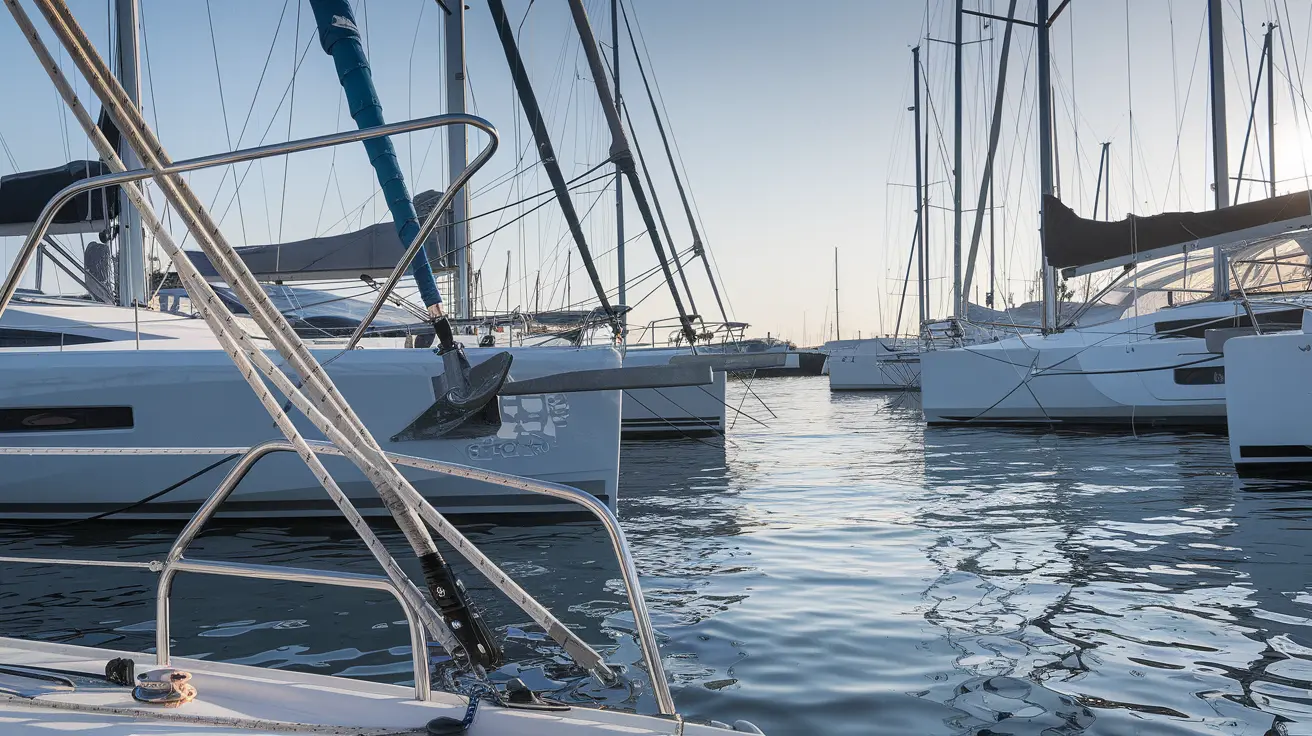
Sailing is more than just catching the wind — it's about teamwork, communication, and safety. Whether you're a seasoned captain or a first-time charter guest, understanding sailing commands is the key to a seamless and enjoyable yacht charter. At SEARADAR, we believe that informed sailors make for safer, happier voyages. Here’s your essential guide to mastering sailing commands and ensuring a smooth charter experience.
Why Sailing Commands Matter on a Charter
Sailing commands are the universal language of the sea. They ensure that everyone on board, regardless of experience, can work together efficiently and safely. On a charter yacht, where guests may have varying skill levels, clear and standardized commands are vital for:
- Safety: Preventing accidents and responding quickly in emergencies.
- Efficiency: Executing maneuvers smoothly, from tacking to anchoring.
- Enjoyment: Reducing stress and confusion, letting everyone relax and enjoy the journey.
According to the International Maritime Organization (IMO) and the Safety of Life at Sea (SOLAS) convention, all charter yachts must comply with strict safety standards. In 2024, over 50% of charter yachts adopted smart safety technologies like man-overboard sensors and automated weather alerts, further enhancing onboard safety.
The Basics: Common Sailing Commands You’ll Hear
Whether you’re chartering in Croatia, Greece, or the Caribbean, these are the essential sailing commands you’ll encounter:
- Ready About: Prepare to tack (turn the bow through the wind).
- Helm to Lee: The helmsperson moves the tiller or wheel to initiate the tack.
- Ease Sheets: Loosen the ropes controlling the sails.
- Trim Sails: Adjust the sails for optimal wind angle.
- Stand By: Get ready for the next maneuver.
- Heave To: Stop the boat by adjusting sails and rudder.
- Man Overboard: Emergency command — initiate rescue procedures immediately.
- All Hands on Deck: Everyone is needed on deck, usually for a maneuver or emergency.
Pro Tip: Before departure, ask your captain for a quick rundown of the most important commands. At SEARADAR, our captains always include this in the safety briefing.
Safety Regulations and International Standards
Charter yachts operate under a web of international and local regulations designed to keep everyone safe:
- STCW Certification: All professional crew must hold Standards of Training, Certification, and Watchkeeping for Seafarers credentials.
- SOLAS Compliance: Yachts must meet Safety of Life at Sea requirements, including life jackets, fire extinguishers, and emergency procedures.
- ISM and ISPS Codes: Larger yachts (over 500 gross tons) must follow International Safety Management and Security protocols.
- Local Rules: Some destinations, like Singapore, require foreign captains to pass local assessments before operating charters.
In the US, charter yachts need a Certificate of Inspection from the Coast Guard, and captains must hold appropriate licenses. In the UK, the Maritime and Coastguard Agency (MCA) sets operational guidelines for safety and crew qualifications.
Expert Insight:
"Safety regulations are a cornerstone of yacht chartering. Ensuring your crew meets international standards guarantees a safer journey." — Yacht Charter Regulation Expert
Best Practices for Captains and Guests
For Captains
- Conduct a thorough safety briefing: Cover life jackets, emergency exits, and man-overboard procedures.
- Use standardized commands: Ensure everyone understands and can respond appropriately.
- Leverage technology: Use smart safety tools for real-time alerts and monitoring.
- Foster teamwork: Assign clear roles to guests who want to participate.
For Charter Guests
- Pay attention to safety briefings: Don’t hesitate to ask questions.
- Learn basic commands: Even a little knowledge goes a long way in emergencies.
- Communicate clearly: Let the crew know if you’re leaving the deck or need assistance.
- Wear life jackets when instructed: Especially during rough weather or at night.
Avoiding Common Mistakes
Even experienced sailors can slip up. Here are the most common pitfalls — and how to avoid them:
- Miscommunication: Always confirm instructions. If unsure, repeat the command back.
- Ignoring safety briefings: Treat them as essential, not optional.
- Overestimating experience: Be honest about your skills; captains can assign tasks that match your comfort level.
- Neglecting eco-safe practices: Follow speed limits and waste disposal rules to protect marine life. In 2024, 55% of charters implemented eco-safe practices, such as speed reductions to avoid harming sea turtles and dolphins.
Recent Example: A Mediterranean charter in 2024 avoided a collision with sea turtles by adhering to new eco-safe speed guidelines, demonstrating the real-world impact of responsible sailing.
Effective Communication On Board
Great communication is the secret to a successful charter. Here’s how to keep everyone on the same page:
- Use simple, direct language: Avoid jargon, especially with beginners.
- Establish hand signals: Useful in noisy or emergency situations.
- Encourage questions: Create an environment where everyone feels comfortable speaking up.
- Check in regularly: Make sure guests are comfortable and understand their roles.
Professional Advice:
"Following yacht charter safety tips ensures a secure and enjoyable voyage for everyone onboard. In 2025, with better preparation, trained crews, and modern safety trends, you can sail with confidence." — Yacht Safety Advisor
Enhancing Your Charter Experience with SEARADAR
At SEARADAR, we’re dedicated to making your yacht charter as smooth and enjoyable as possible. Here’s how we support you:
- Personalized yacht selection: We match you with the perfect yacht based on your preferences.
- Comprehensive booking management: From paperwork to payments, we handle it all.
- 24/7 support: Our team is available before, during, and after your charter.
- Advanced technology: We analyze over 30,000 boats to ensure quality and availability.
- Loyalty program: Earn nautical miles cashback on every trip.
- Global coverage: Sail in top destinations worldwide.
- Flexible payment options: Including credit cards, bank transfers, and cryptocurrency.
- Free cancellation: Enjoy peace of mind with our flexible policies.
- Best price guarantee: Find a better offer? We’ll match it.
Ready to start your adventure? Find your perfect yacht with SEARADAR.
FAQ: Sailing Commands and Charter Safety
What are the most important sailing commands for beginners? Ready about, helm to lee, ease sheets, and man overboard are essential for safety and basic maneuvers.
Do I need sailing experience to join a charter? No! Our professional crews handle everything, but learning a few commands enhances your experience.
How does SEARADAR ensure safety on charters? We only work with certified crews and yachts that meet international safety standards. Our team provides 24/7 support and detailed safety briefings.
What should I do in an emergency? Follow the captain’s instructions, use life jackets, and stay calm. All SEARADAR charters include emergency drills and clear procedures.
Can I participate in sailing the yacht? Absolutely! Let your captain know, and they’ll assign you safe, suitable tasks.
Additional Resources
- International Maritime Organization: Safety at Sea
- Royal Yachting Association: Sailing Techniques
- U.S. Coast Guard Boating Safety
- Sail Magazine: Sailing Basics
Set sail with confidence — master sailing commands and enjoy a seamless charter experience with SEARADAR. Join over 1,500 satisfied customers and discover the world’s best sailing destinations today!