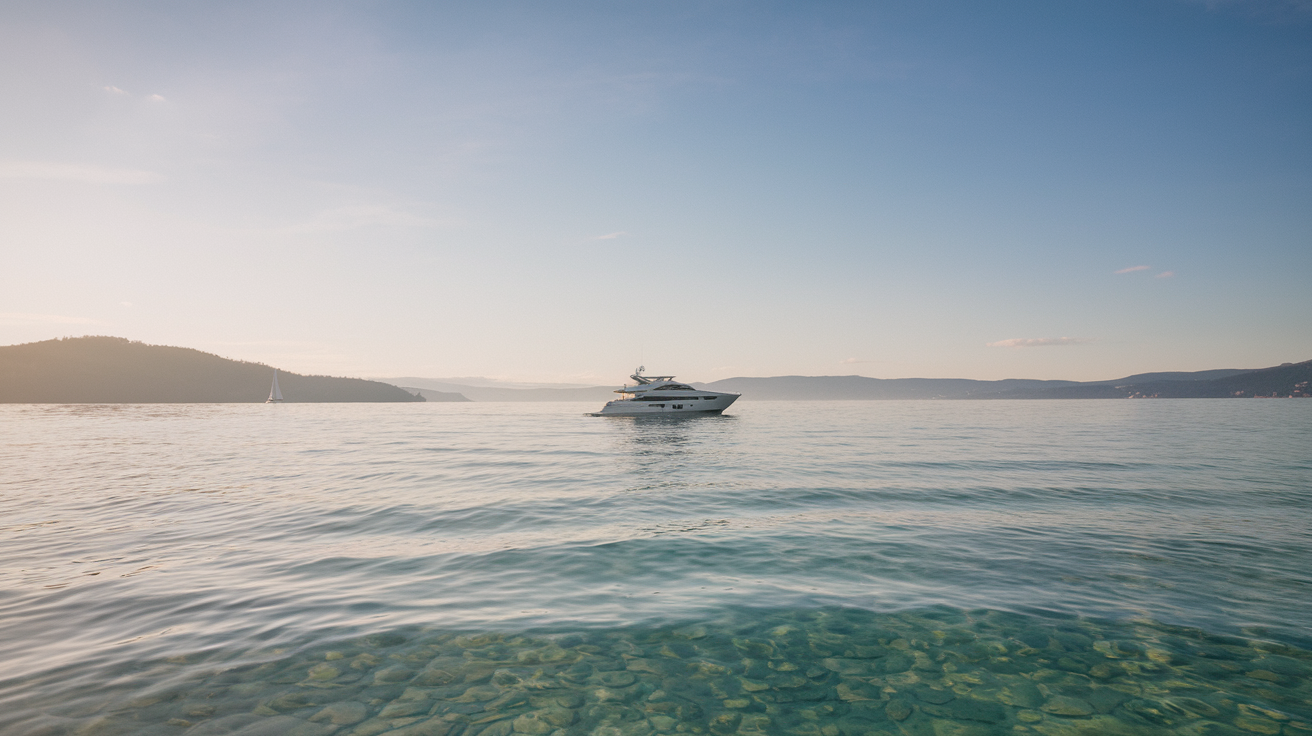
Motion sickness can turn an exciting yacht adventure into a challenging experience. At SEARADAR, we want every moment on the water to be enjoyable, so we've gathered expert advice, scientific insights, and practical tips on how to prevent motion sickness on a boat — ensuring your sailing journey is as smooth as possible.
Understanding Motion Sickness: Why Does It Happen?
Motion sickness, often called seasickness when on a boat, occurs when your inner ear senses movement that your eyes do not. This sensory mismatch can lead to nausea, dizziness, and even vomiting. According to studies, up to one-third of people are highly susceptible, and nearly everyone can experience symptoms in rough conditions. Even seasoned sailors and yacht charter clients are not immune.
Key triggers include:
- Rough seas and choppy waters
- Strong odors (fuel, food)
- Dehydration and fatigue
- Anxiety or anticipation
How to Prevent Motion Sickness on a Boat: Proven Strategies
1. Choose the Right Spot on the Boat
The center of the boat, especially on lower decks, experiences the least motion. If you’re prone to seasickness, avoid the bow (front) and stern (back), which move more. Larger vessels and catamarans, which we offer in our fleet, are naturally more stable — making them a smart choice for sensitive travelers.
“Sail when the current and winds are moving in the same direction. If you have motion-sensitive guests aboard, plan to time your sailing excursion with the wind and tides.” — Captain Stan Lander, Head Instructor, Modern Sailing School
2. Focus on the Horizon
Keeping your eyes fixed on a stable point, like the horizon, helps align your visual and vestibular senses. This simple trick can significantly reduce disorientation and nausea.
3. Eat and Drink Wisely
- Eat light, low-fat meals before and during your trip. Heavy, greasy, or spicy foods can upset your stomach.
- Stay hydrated with water or non-acidic beverages. Avoid alcohol and caffeine, which can worsen dehydration and symptoms.
- Avoid strong odors — they can trigger or worsen nausea.
4. Use Medications and Natural Remedies
- Over-the-counter antihistamines such as Dramamine (dimenhydrinate) or Bonine (meclizine) are effective if taken before symptoms start.
- Natural remedies like ginger (tea, candies, or supplements) and peppermint can help alleviate nausea.
- Acupressure wristbands (P6 bands) are a non-pharmaceutical option that some find helpful.
For more on natural remedies, check out the National Center for Complementary and Integrative Health.
5. Plan Your Trip for Calmer Conditions
- Sail when wind and current move in the same direction to minimize choppy seas.
- Choose routes and times known for calmer waters, such as the Caribbean or Mediterranean in summer.
- Our advanced yacht selection tools can help you pick the most stable and comfortable vessel for your journey. Explore your options on our top yachts page.
6. Get Fresh Air and Stay Active
- Stay on deck and in the fresh air when possible. This can speed recovery and reduce symptoms.
- Gentle movement and focusing on simple tasks can distract from discomfort.
7. Avoid Common Triggers
- Don’t read or look at screens while underway.
- Avoid watching or listening to others who are feeling ill, as this can worsen your own symptoms.
8. Benefit from Modern Technology
Many newer yachts feature advanced stabilization systems that significantly reduce motion. When booking with us, ask about stabilization features for extra comfort.
What to Do If You Start Feeling Sick
Despite best efforts, sometimes symptoms appear. Here’s what to do:
- Lie down in the center of the boat, preferably on your back, and close your eyes.
- Take slow, deep breaths and sip water.
- Use ginger or peppermint if available.
- Notify your captain or crew — they’re experienced in helping guests recover quickly.
Expert and Government Advice
- The National Oceanic and Atmospheric Administration (NOAA) recommends maintaining fluid intake, staying on deck for fresh air, and gentle movement.
- The University of California, Davis Health suggests using ginger, acupressure bands, and avoiding upper levels of boats.
For more, visit NOAA’s seasickness tips and UC Davis Health.
Recent Trends and Unique Insights
- Many yacht charters now offer ginger-based snacks and aromatherapy for sensitive guests.
- Some sailing schools include seasickness prevention in safety briefings, reflecting its importance for both safety and enjoyment.
- Our team is always ready to assist with food orders and special requests to make your journey more comfortable.
Summary Table: Best Practices
|
Strategy |
Details/Advice |
|---|---|
|
Choose central, lower locations |
Less motion, especially on larger vessels or catamarans |
|
Focus on the horizon |
Aligns sensory input, reduces nausea |
|
Eat light, avoid heavy foods |
Prevents stomach upset |
|
Stay hydrated |
Drink water, avoid alcohol/caffeine |
|
Use medication/remedies |
Dramamine, Bonine, ginger, peppermint, acupressure bands |
|
Plan for calm conditions |
Sail with wind and current, choose calm routes |
|
Get fresh air, stay active |
Stay on deck, move gently |
|
Avoid triggers |
Don’t read, look at screens, or focus on others’ symptoms |
Why Book with SEARADAR?
- Personalized yacht selection: We help you find the most stable and comfortable yacht for your needs.
- Comprehensive support: Our team is available 24/7 before, during, and after your charter.
- Advanced technology: We analyze over 30,000 boats to ensure quality and availability.
- Flexible services: From food orders to insurance, we handle every detail for a seamless experience.
- Best price guarantee: If you find a better offer, we’ll match it.
Ready to set sail with confidence? Discover our top yachts and let us help you plan your perfect voyage.
FAQ: How to Prevent Motion Sickness on a Boat
Q: Can anyone get motion sickness, even experienced sailors? A: Yes, motion sickness can affect anyone, regardless of experience, especially in rough conditions.
Q: Are there specific yachts that are better for people prone to seasickness? A: Catamarans and larger yachts are generally more stable. Many modern yachts also feature stabilization systems.
Q: When should I take motion sickness medication? A: For best results, take medication 30–60 minutes before boarding or before symptoms start.
Q: Are natural remedies effective? A: Ginger and peppermint are widely recommended and supported by research for mild symptoms.
Q: What should I do if I start feeling sick on board? A: Move to the center of the boat, get fresh air, lie down, and focus on the horizon. Notify the crew for assistance.
For more information on motion sickness and prevention, visit Mayo Clinic, NHS UK, and CDC Travel Health.
At SEARADAR, your comfort and enjoyment are our priority. Let us handle the details — so you can focus on the adventure ahead!