Choosing the right spot to anchor your yacht is crucial — not just for your safety and comfort, but also for the environment and compliance with local laws. As a full-cycle concierge service for yacht captains and sailing enthusiasts, we at SEARADAR are committed to making your sailing experience smooth, safe, and sustainable. Here’s your essential guide on where you should avoid anchoring, packed with expert insights, up-to-date regulations, and practical advice for popular destinations.
Why Anchoring Location Matters
Anchoring in the wrong place can lead to hefty fines, environmental damage, or even dangerous situations. Regulations are tightening worldwide, particularly in top sailing destinations like Croatia, Greece, Italy, Turkey, Spain, France, and the Caribbean. Understanding where you should avoid anchoring is now more important than ever for responsible sailors.
Key Areas Where You Should Avoid Anchoring
1. Designated No-Anchoring Zones
Most countries mark specific no-anchoring zones on official nautical charts and local maritime authority publications. These areas are established to protect sensitive environments, underwater infrastructure, or for navigational safety. Always check the latest charts and notices before dropping anchor.
2. Near Underwater Cables, Pipelines, or Outlets
Anchoring above or near underwater cables and pipelines is strictly prohibited. For example, in Croatia, you must ensure your vessel’s swing circle does not overlap with these installations. Damaging such infrastructure can have severe safety and legal consequences.
3. Close to Bathing Beaches
To protect swimmers, most countries enforce strict rules about anchoring near beaches. In Croatia, you must stay at least 50 meters from organized beaches and 150 meters from natural ones. Similar restrictions apply throughout the Mediterranean and Caribbean.
4. Seaport Approaches and High-Traffic Channels
Anchoring near seaports, commercial shipping lanes, or turning basins is often restricted or banned. This prevents collisions and ensures safe passage for large vessels. For instance, Florida is considering laws to prohibit anchoring within 1,500 to 2,500 feet of seaports.
5. Environmentally Sensitive Areas
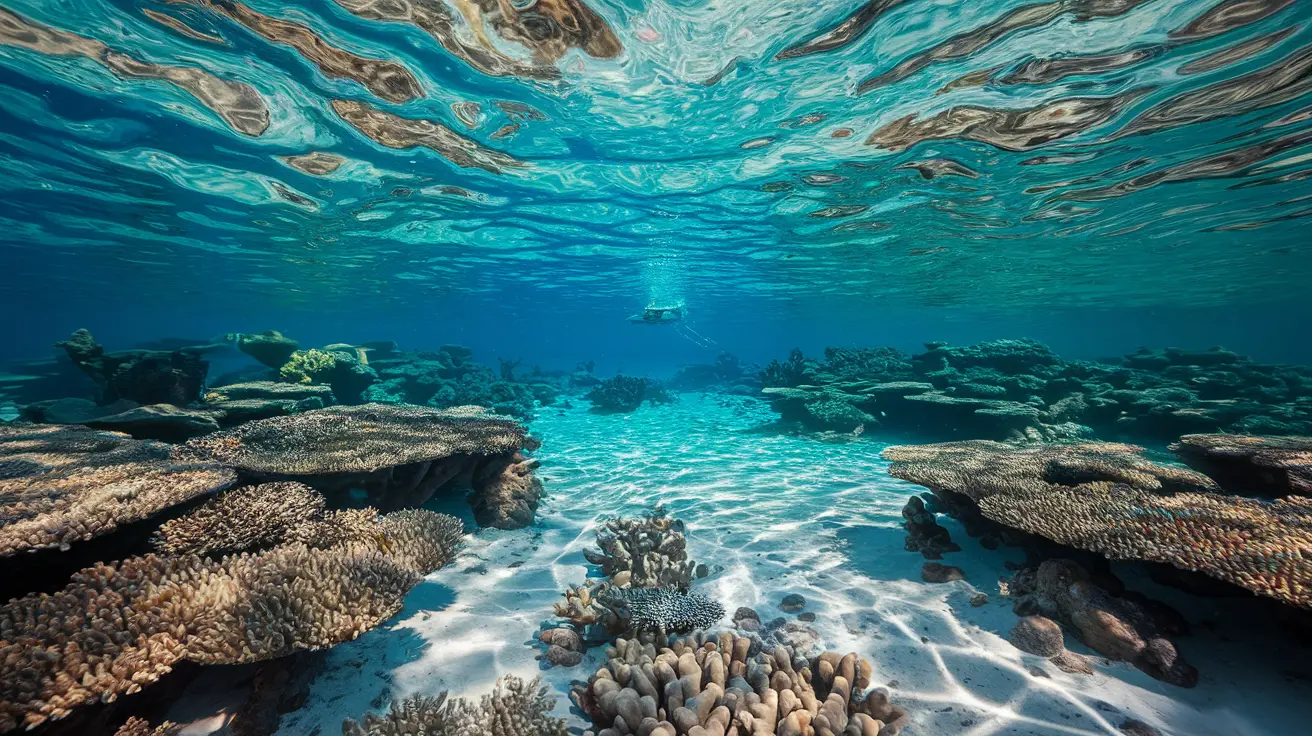
Many regions ban anchoring in marine protected areas, seagrass beds, coral reefs, and other ecologically sensitive zones. Anchors and chains can devastate fragile habitats, which are vital for marine biodiversity and coastal protection. Spain’s Balearic Islands, for example, have strict bans and heavy fines for anchoring on Posidonia seagrass.
Country-Specific Anchoring Restrictions
|
Country/Region |
Key Anchoring Restrictions |
Recent Updates/Notes |
|---|---|---|
|
Croatia |
No anchoring near underwater cables, pipelines, or within 50m of organized beaches and 150m of natural beaches. |
2025 SSVO ordinance tightened rules, especially for larger yachts and in popular bays. |
|
Greece |
Anchoring is often restricted in marine parks, archaeological sites, and near ferry routes. |
Enforcement has increased in protected areas; always check local notices. |
|
Italy |
No anchoring in marine reserves, near underwater cables, or in busy port approaches. |
Fines for anchoring in protected areas can be substantial. |
|
Turkey |
Restrictions near military zones, underwater cables, and in some national parks. |
Local authorities may impose temporary bans during peak seasons. |
|
Spain |
Anchoring banned in Posidonia seagrass areas, near beaches, and in port channels. |
Use designated mooring buoys where available to protect seagrass. |
|
France |
No anchoring in marine protected areas, near underwater infrastructure, or in busy harbors. |
The French Med has increased patrols and fines for environmental violations. |
|
Caribbean |
Varies by island; common bans near coral reefs, marine parks, and in ferry channels. |
Some islands require permits or use of mooring buoys in sensitive areas. |
Environmental and Safety Concerns
Seagrass and Coral Damage
Anchoring on seagrass beds or coral reefs can cause irreversible damage. For example, the Balearic Islands in Spain enforce strict bans to protect Posidonia seagrass, with heavy fines for violations. These habitats are crucial for marine life and coastal stability.
Pollution and Overcrowding
Overcrowded anchorages can lead to increased pollution and habitat degradation. Many regions now limit the number of boats or the duration of anchoring to mitigate these impacts.
Navigation Hazards
Anchoring in or near channels, port entrances, or ferry routes creates serious collision risks. Regulations often require keeping clear of these areas for everyone’s safety.
Weather Exposure
Avoid anchoring in exposed locations where sudden weather changes could endanger your vessel. Always consider wind, current, and shelter when selecting your spot.
Legal Restrictions and Enforcement
- Time Limits: Some regions, such as Florida, limit how long you can anchor in one spot (e.g., 30 days in any six-month period in populous counties).
- Permit Requirements: Long-term anchoring may require permits, especially for liveaboard vessels.
- Local Authority: Many countries empower local maritime authorities to impose temporary or permanent anchoring bans in response to environmental or safety concerns.
Expert Insights and Professional Advice
“It is clear that the boat and the anchor chain – in other words, ‘everything that belongs to the boat’ – must be within these 50 meters; this automatically excluded larger boats, yachts, etc. that can block entire bays.”— Marko Orlic, on Croatia’s new SSVO regulations
“As more recreational boaters look for places to anchor or moor, it’s just common sense to clearly mark safe distances from port channels and turning basins. Doing so helps protect both recreational boaters and the large commercial freight and cruise ships that rely on these waterways.” — State Senator Ana Maria Rodriguez, Florida
Practical Examples from Popular Destinations
- Croatia: A 60-foot yacht cannot anchor in a small bay if its swing circle or anchor chain would extend beyond 50 meters from the coast, or if it would obstruct other vessels.
- Spain (Balearics): Anchoring on Posidonia seagrass is strictly prohibited; use designated mooring buoys instead.
- Florida: New laws restrict overnight anchoring in populous counties and near seaports, with local governments gaining more authority to enforce rules.
Summary Table: Where to Avoid Anchoring
|
Avoid Anchoring… |
Reason/Regulation |
|---|---|
|
In marked no-anchoring zones |
Legal restriction, safety, or environmental concern |
|
Near underwater cables/pipelines/outlets |
Safety, infrastructure protection |
|
Within 50–150m of bathing beaches |
Swimmer safety, legal requirement |
|
In seaport approaches or shipping channels |
Navigation safety, legal restriction |
|
In marine protected areas/seagrass/coral |
Environmental protection, heavy fines |
|
Where local authorities have imposed bans |
Legal compliance, often for safety or environment |
Insider Tips for Yacht Captains
- Always consult up-to-date nautical charts and local notices before anchoring.
- Use mooring buoys where provided, especially in environmentally sensitive areas.
- Respect time limits and permit requirements for long-term anchoring.
- Monitor legislative changes, as rules are evolving rapidly in many destinations.
- When in doubt, contact local harbor authorities for guidance.
Enhance Your Sailing Experience with SEARADAR
At SEARADAR, we make yacht selection and booking effortless, offering personalized recommendations, comprehensive booking management, and 24/7 support. Our advanced technology analyzes over 30,000 boats, ensuring you find the perfect yacht for your needs — whether you’re sailing in the Mediterranean, the Caribbean, or beyond.
Ready to discover top-rated yachts and enjoy a seamless, risk-free charter experience? Explore our best yacht deals now.
Frequently Asked Questions
Where should you avoid anchoring your yacht?
Avoid anchoring in marked no-anchoring zones, near underwater cables or pipelines, close to beaches, in seaport approaches, shipping channels, and environmentally sensitive areas like seagrass beds and coral reefs.
What are the penalties for anchoring in restricted areas?
Penalties vary by country but can include hefty fines, vessel impoundment, or even criminal charges for severe environmental damage.
How can I find safe anchoring spots?
Always use up-to-date nautical charts, consult local notices, and when available, use designated mooring buoys in sensitive areas.
Are there time limits for anchoring?
Yes, many regions impose time limits (e.g., 30 days in six months in some parts of Florida) to prevent long-term occupation of anchorages.
What should I do if I’m unsure about local anchoring rules?
Contact local harbor authorities or use our concierge service for up-to-date guidance and support.
Further Reading and Resources
- NOAA Nautical Charts
- European Boating Association: Environmental Guidelines
- Croatian Ministry of the Sea, Transport and Infrastructure
- Balearic Islands Posidonia Protection
Sail smarter, safer, and more sustainably with SEARADAR — your trusted partner for unforgettable yachting adventures.