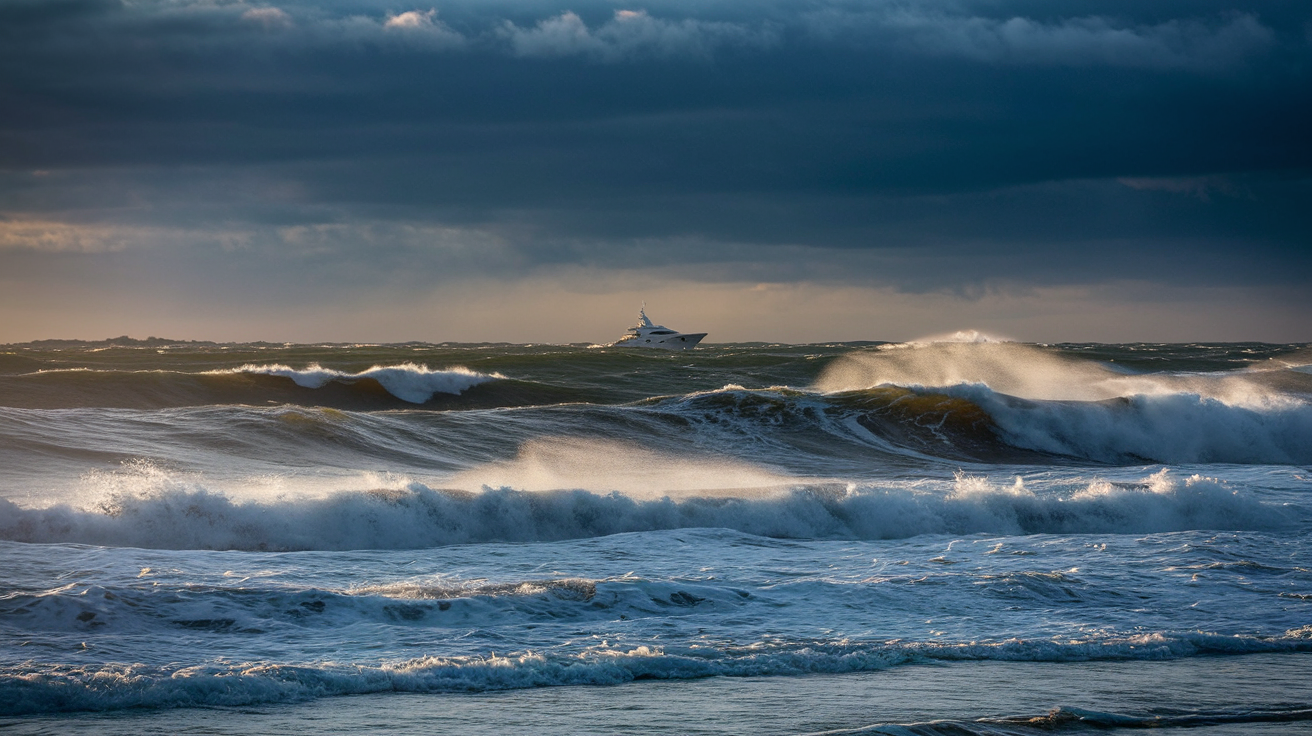

When planning a sailing adventure, the allure of open waters and fresh winds is undeniable. However, as passionate sailors and yacht charter specialists, we must emphasize a crucial truth: you shouldn’t go sailing in this weather if conditions are unfavorable. Here’s why prioritizing safety is not just a recommendation, but a necessity for every sailor.
The Real Risks: Facts and Figures
Sailing is exhilarating, but the sea is unpredictable. According to the latest U.S. Coast Guard data, severe weather directly causes nearly 3% of all recreational boating accidents. In 2023 alone, there were 3,844 reported boating accidents, resulting in 564 deaths and over $63 million in property damage. Notably, 75% of fatalities were due to drowning, and a staggering 87% of those victims were not wearing life jackets.
Small vessels are particularly vulnerable: four out of five drowning victims were on boats under 21 feet. Sudden wind shifts and rough seas contribute to 15–20% of sailboat incidents. In a recent tragic event, a sudden storm capsized a sailboat, resulting in one fatality and several injuries — only half the crew wore life jackets, and the vessel was a total loss.
Government Guidelines: Safety First, Always
National authorities like the National Weather Service and Coast Guard are clear: postpone your trip if bad weather is forecast. Even seasoned sailors are urged to avoid unnecessary risks. Key safety steps include:
- Reducing speed and ensuring all passengers wear life jackets
- Turning on running lights for visibility
- Heading for the nearest safe shore
- Keeping the bow at a 45-degree angle to oncoming waves
These guidelines are not just best practices — they are lifesaving protocols.
Insights from Professional Sailors
Operator inexperience is a common thread in weather-related accidents. Failing to reduce sail area or seek shelter when conditions worsen accounts for 12–15% of sailboat accidents. Equipment failure, such as neglected rigging, is exacerbated by bad weather and contributes to 8–10% of incidents.
As one sailing authority put it:
“Lightning, torrential rain, and rough seas can turn a pleasurable outing into a life-threatening ordeal in a heartbeat. Yet unwary boaters are too often taken by surprise, largely because they don’t realize just how fast a storm can come up or the danger it presents.”
Insurance Implications: Don’t Risk Your Coverage
Ignoring weather warnings doesn’t just endanger lives — it can also void your insurance coverage. If it’s determined that a skipper ignored official advisories or failed to take reasonable precautions, insurers may deny claims for property loss or liability. Weather-related incidents often result in total vessel loss and significant salvage costs, as seen in recent high-profile cases.
How Weather Affects Yacht Charters and Booking Policies
At SEARADAR, your safety is our top priority. Most reputable yacht charter companies — including us — have strict policies regarding weather. If dangerous conditions are forecast, charters may be postponed or canceled without penalty. We offer flexible rebooking and, in many cases, free cancellation for bookings made with 100% prepayment under certain conditions. Always review the terms before booking, and rest assured that our 24/7 support team is here to help you navigate any changes.
Technology and Services for Safe Sailing Decisions
Modern sailors have powerful tools at their disposal. We recommend using a combination of:
- Weather apps (such as Windy or NOAA Weather Radar)
- VHF radio forecasts
- Satellite services for real-time updates
Practicing with these tools before setting out is essential. Real-time weather alerts, radar, and GPS-based tracking can provide early warnings of approaching storms, allowing you to make timely, informed decisions.
Our advanced software at SEARADAR analyzes over 30,000 boats and integrates quality metrics, ensuring you have the latest information on yacht availability and safety standards. We’re committed to making your charter experience as safe and seamless as possible.
Unique Insights: Prevention is Key
Most weather-related accidents are entirely preventable with proper preparation and caution. The majority of fatalities involve not wearing life jackets and underestimating how quickly conditions can deteriorate. Sailing authorities and meteorological experts universally stress: never let schedules override safety.
What to Do If Bad Weather Is Forecast
- Postpone your trip — no adventure is worth risking your life or your crew’s safety.
- Monitor multiple weather sources before and during your journey.
- Ensure all safety equipment is functional and accessible.
- Practice emergency procedures with your crew, including man-overboard drills.
- Stay flexible — our booking management system allows for changes if weather conditions shift unexpectedly.
Sailing Destinations: Know Before You Go
Popular sailing regions like Croatia, Greece, Italy, Turkey, Spain, France, and the Caribbean each have unique weather patterns. For example, the Mediterranean can experience sudden summer squalls, while the Caribbean is prone to hurricanes from June to November. Always consult local forecasts and government advisories before setting sail.
For more on top yachts and destinations, check out our curated selection: Explore Top Yachts with SEARADAR
Testimonials: Safety and Satisfaction
“Our SEARADAR concierge kept us updated on changing weather and helped us rebook without hassle. We felt supported every step of the way.” — Anna, Croatia Charter 2023
“The real-time weather alerts and flexible cancellation policy made all the difference. We’ll definitely book again!” — Mark, Greece Charter 2022
FAQ: Sailing and Weather Safety
Q: What should I do if the weather changes suddenly while sailing? A: Reduce speed, ensure everyone wears a life jacket, turn on running lights, and head for the nearest safe shore. Keep the bow at a 45-degree angle to the waves.
Q: Will my insurance cover me if I sail in bad weather? A: Insurance may be voided if you ignore official weather warnings or fail to take reasonable precautions. Always check your policy and follow safety guidelines.
Q: Can I cancel or reschedule my charter due to weather? A: Yes! At SEARADAR, we offer flexible rebooking and free cancellation options under certain conditions. Contact our support team for assistance.
Q: What technology should I use to monitor weather? A: Use a combination of weather apps, VHF radio, and satellite services. Practice using these tools before your trip.
Q: Where can I find official boating weather guidelines? A: Refer to the National Weather Service Boating Safety and U.S. Coast Guard Boating Safety resources.
Conclusion: Your Safety, Our Priority
At SEARADAR, we believe that adventure should never come at the expense of safety. Our team is dedicated to providing you with the best yacht selection, comprehensive booking management, and up-to-date safety information. Remember, you shouldn’t go sailing in this weather — wait for clear skies and calm seas, and let us help you create unforgettable, safe sailing memories.
Ready to plan your next safe sailing adventure? Find Your Perfect Yacht with SEARADAR
References & Further Reading:
- National Weather Service: Boating Safety
- U.S. Coast Guard Boating Safety
- Windy: Global Weather Forecasts
- NOAA Weather Radar