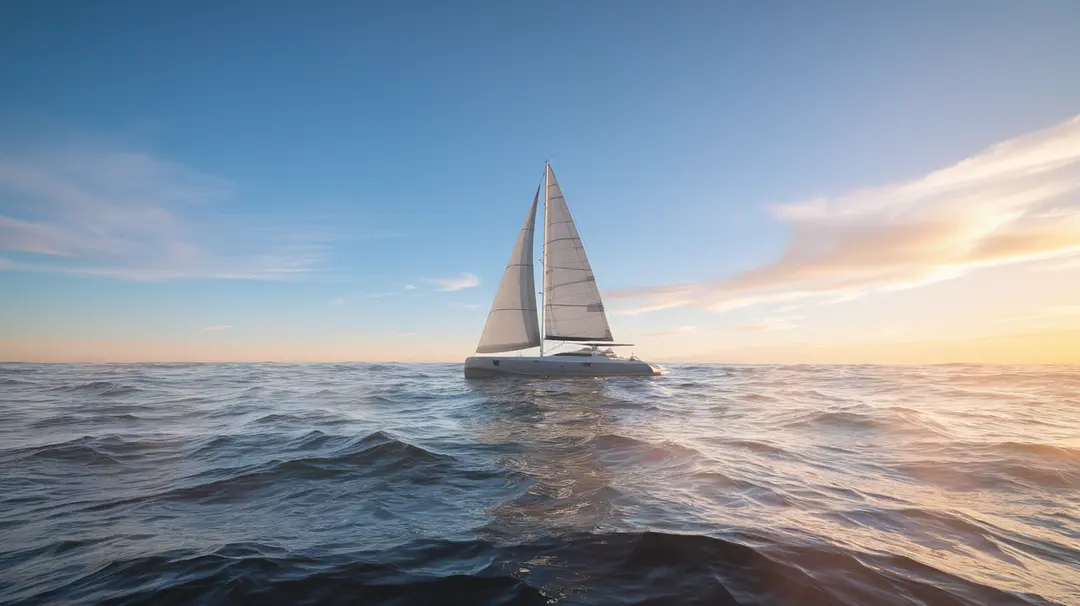
Sailing offers the ultimate sense of freedom, adventure, and connection with nature. At SEARADAR, we know that every memorable journey begins with a commitment to sailing safety — whether you’re exploring the turquoise waters of Croatia, the sun-drenched Greek isles, or the vibrant coasts of the Caribbean. Here’s your comprehensive guide to safe, enjoyable, and worry-free sailing.
Sailing in Croatia
Croatia’s Adriatic coastline is a sailor’s paradise, renowned for its crystal-clear waters, historic towns, and over 1,000 islands. The region is celebrated for its well-developed marinas, reliable winds, and a sailing culture that prioritizes safety and hospitality.
Who is Croatia Ideal For?
Croatia is perfect for both seasoned sailors and those new to yacht charters. Families, groups of friends, and solo adventurers will all find routes and experiences to suit their level. The country’s extensive coastline and sheltered bays make it an excellent destination for those prioritizing sailing safety.
Seasons & Weather in Croatia
The sailing season typically runs from April to October. Summer brings warm, stable weather with average temperatures between 25–30°C (77–86°F). The Maestral wind, blowing from the northwest, is predictable and gentle — ideal for safe sailing. Always check local forecasts and heed any warnings from the Croatian Meteorological and Hydrological Service.
Top Marinas in Croatia
- Marina Kaštela (Split)
- ACI Marina Dubrovnik
- ACI Marina Trogir
These marinas offer modern facilities, 24/7 security, and easy access to emergency services, ensuring your safety on and off the water.
Getting to Croatia
Most sailors arrive via Split or Dubrovnik airports, both offering direct connections to major European cities. Transfers to marinas are straightforward, with shuttle and taxi services readily available.
What to Do in Croatia
Explore UNESCO-listed Dubrovnik, the ancient city of Split, or the charming island of Hvar. Enjoy swimming, snorkeling, and sampling local cuisine at seaside konobas (taverns). For history lovers, the Roman ruins of Diocletian’s Palace are a must-see.
What to Take With You for Sailing in Croatia
- Valid passport and sailing license (if skippering)
- Personal safety gear (life jackets, harnesses)
- Sun protection (hat, sunscreen, sunglasses)
- Lightweight, non-slip shoes
- Waterproof bags for electronics
Culture & Flavors of Croatia
Croatian culture is a blend of Mediterranean and Central European influences. Savor fresh seafood, olive oil, and local wines. Respect local customs — greet with a friendly “Dobar dan!” and always be mindful of environmental regulations.
Experience Level Required for Croatia
Beginners will find Croatia’s sheltered waters forgiving, while experienced sailors can venture further offshore. Many charters require at least an International Certificate of Competence (ICC) or equivalent.
Sailing Safety: Key Facts & Best Practices
Regulations & Standards
Sailing safety is governed by international and local regulations. The World Sailing Offshore Special Regulations and US Sailing’s Safety Equipment Requirements (SERs) set the gold standard for equipment and crew preparedness. In Croatia and across the EU, compliance with local maritime authority rules is mandatory.
Safety Equipment Essentials
- Life jackets for all crew
- Flares and signaling devices
- Fire extinguishers
- First aid kit
- VHF radio and GPS
- Safety harnesses and tethers
At SEARADAR, we ensure every yacht meets or exceeds these standards before your charter begins.
Common Risks & How to Avoid Them
According to the U.S. Coast Guard, the most common causes of sailing accidents are operator inattention, lack of experience, and equipment failure. To minimize risks:
- Always brief your crew on safety procedures
- Check weather forecasts regularly
- Maintain a proper lookout
- Keep safety equipment accessible and in good condition
Insurance & Support
We offer comprehensive insurance options, including deposit and travel insurance, for peace of mind. Our 24/7 support team is always ready to assist, whether you need advice on local regulations or help in an emergency.
Expert Insights
Chuck Hawley, former US Sailing Safety at Sea Committee Chairman, notes: “The new Safety Equipment Requirements are designed to be appropriate for the conditions, easily verified, and not excessive. They serve offshore sailors well.” Staying informed and prepared is your best defense.
For more on regulations and best practices, visit:
- World Sailing Offshore Special Regulations
- US Coast Guard Boating Safety
- RYA Safety Advice
- Croatian Meteorological and Hydrological Service
Sailing in Greece
Greece’s legendary islands — Santorini, Mykonos, Corfu — offer a blend of ancient history and modern luxury. The Aegean and Ionian Seas are dotted with safe anchorages and lively ports.
Who is Greece Ideal For?
Greece is ideal for adventurous sailors seeking a mix of culture, nightlife, and natural beauty. Couples, families, and groups will all find suitable itineraries.
Seasons & Weather in Greece
The best time to sail is May to October. The Meltemi wind in the Aegean can be strong (especially July–August), so less experienced sailors may prefer the Ionian, where conditions are milder.
Top Marinas in Greece
- Marina Zea (Athens)
- Gouvia Marina (Corfu)
- Alimos Marina (Athens)
Getting to Greece
Athens International Airport is the main gateway, with regional airports serving the islands. Ferries and domestic flights connect major sailing hubs.
What to Do in Greece
Visit the Acropolis, explore volcanic Santorini, or relax on the beaches of Zakynthos. Enjoy water sports, hiking, and vibrant island nightlife.
What to Take With You for Sailing in Greece
- Sailing license (ICC or RYA Day Skipper)
- Lightweight clothing and swimwear
- Local charts and cruising guides
Culture & Flavors of Greece
Greek hospitality is legendary. Try moussaka, fresh seafood, and ouzo. Respect local customs — modest dress in churches, and always greet with a smile.
Experience Level Required for Greece
The Ionian is beginner-friendly, while the Aegean’s Meltemi winds require more experience. We’ll help you select the right yacht and route for your skill level.
Sailing in the Caribbean
The Caribbean is synonymous with turquoise waters, steady trade winds, and laid-back island vibes. From the British Virgin Islands to St. Lucia, each destination offers unique adventures.
Who is the Caribbean Ideal For?
Perfect for winter escapes, family holidays, and romantic getaways. The region’s protected waters and short island hops make it accessible for all levels.
Seasons & Weather in the Caribbean
The best time to sail is December to May, outside the hurricane season (June–November). Trade winds are steady, and temperatures hover around 28°C (82°F).
Top Marinas in the Caribbean
- Nanny Cay Marina (BVI)
- Rodney Bay Marina (St. Lucia)
- Port Louis Marina (Grenada)
Getting to the Caribbean
Major international airports in St. Thomas, Antigua, and St. Maarten provide easy access. Inter-island flights and ferries connect the region.
What to Do in the Caribbean
Snorkel vibrant reefs, explore rainforests, and enjoy beach bars. Visit historic forts and sample local rum.
What to Take With You for Sailing in the Caribbean
- Lightweight, UV-protective clothing
- Snorkeling gear
- Waterproof phone case
Culture & Flavors of the Caribbean
Experience reggae, calypso, and carnival. Savor jerk chicken, fresh seafood, and tropical fruits.
Experience Level Required for the Caribbean
Most routes are beginner-friendly, but open-water passages require confidence and good navigation skills.
FAQ: Sailing Safety
Q: What are the most important sailing safety tips? A: Always wear a life jacket, check weather forecasts, brief your crew, and keep safety equipment accessible.
Q: Do I need a license to charter a yacht? A: Most destinations require an ICC or equivalent. We’ll guide you through the requirements for your chosen region.
Q: What insurance do I need? A: We recommend both deposit and travel insurance. Our team can help you choose the best options.
Q: How does SEARADAR ensure yacht safety? A: We inspect every yacht, verify safety equipment, and provide 24/7 support throughout your charter.
Q: Where can I find more information on sailing safety? A: Visit US Coast Guard Boating Safety and World Sailing Offshore Special Regulations.
Ready to Sail Safely?
At SEARADAR, your safety and satisfaction are our top priorities. With our advanced technology, global coverage, and expert support, you can focus on the joy of sailing — knowing you’re in safe hands. Explore our top yachts and start your next adventure: Find Your Perfect Yacht
Sail smart, sail safe, and let us handle the rest. 🌊⛵