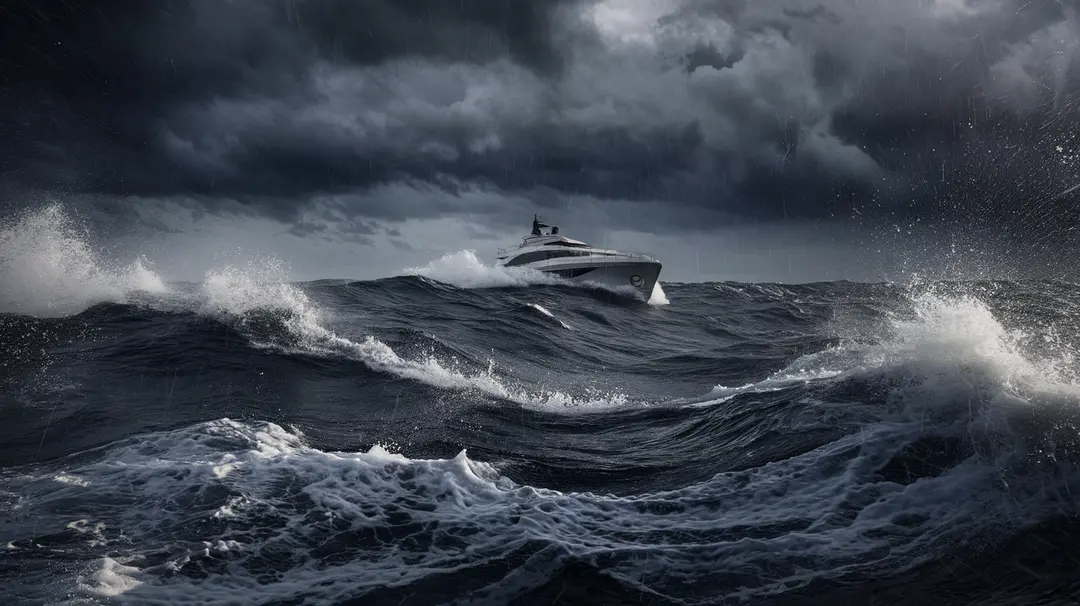

Sailing through a storm is a true test of seamanship, preparation, and courage. Whether you’re exploring the Mediterranean, Caribbean, or any of the world’s top sailing destinations, understanding storm sailing is essential for every yacht captain and sailing enthusiast. At SEARADAR, we’re committed to making your sailing adventures safe, enjoyable, and unforgettable — even when the weather takes a turn.
Sailing in the Mediterranean: Facing the Elements
The Mediterranean is renowned for its idyllic coastlines, ancient ports, and vibrant cultures. Yet, even in paradise, sudden weather changes can turn a tranquil voyage into a thrilling challenge. Storms — especially the infamous Meltemi winds in Greece or the Mistral in France — can arise quickly, demanding skill and preparation from every sailor.
Key Fact: According to the European Maritime Safety Agency, sudden storms account for a significant portion of sailing incidents in the Mediterranean, highlighting the importance of storm preparedness.
Who Is the Mediterranean Ideal For?
The Mediterranean is perfect for sailors seeking a blend of adventure, history, and world-class cuisine. It attracts:
- Experienced captains looking for diverse sailing conditions
- Enthusiasts eager to explore historical sites and hidden coves
- Families and groups who value both relaxation and excitement
However, storm sailing in the Mediterranean is best suited for those with intermediate to advanced sailing skills, especially during the shoulder seasons when weather can be unpredictable.
Seasons & Weather in the Mediterranean
The Mediterranean sailing season typically spans from April to October. Summer months offer calm seas and predictable winds, but spring and autumn can bring sudden squalls and storms.
- Summer: Gentle breezes, warm temperatures, minimal storms
- Spring/Autumn: Increased risk of storms, especially in the Aegean and Adriatic Seas
- Winter: Not recommended for casual sailors due to frequent storms and rough seas
Expert Insight: “Always check local weather forecasts and be aware of regional wind patterns. The Meltemi in Greece, for example, can reach gale force with little warning.” — Captain Andreas K., SEARADAR partner skipper
Top Marinas in the Mediterranean
When sailing through a storm, knowing where to seek shelter is crucial. Some of the Mediterranean’s best-equipped marinas include:
- Marina di Porto Cervo (Sardinia, Italy): Renowned for luxury and safety features
- Alimos Marina (Athens, Greece): One of the largest, with excellent storm protection
- ACI Marina Dubrovnik (Croatia): Modern facilities and a safe haven during bad weather
- Port Vauban (Antibes, France): Historic and well-protected
For a curated selection of yachts available in these marinas, explore our top yachts.
Getting to the Mediterranean
Major airports in Athens, Rome, Barcelona, Split, and Nice offer easy access to top sailing hubs. Many marinas provide shuttle services or are conveniently located near public transport, making your journey seamless from arrival to embarkation.
What to Do in the Mediterranean: History, Recreation, and Entertainment
Even when storms keep you in port, the Mediterranean offers endless opportunities:
- Historical Sites: Explore the Acropolis in Athens, Roman ruins in Split, or medieval walls in Dubrovnik.
- Recreation: Enjoy local markets, wine tasting, or guided tours.
- Entertainment: Savor world-class dining, live music, and vibrant nightlife in coastal towns.
What to Take With You for Sailing Through a Storm
Preparation is your best defense against the elements. Here’s what every sailor should have on board for storm sailing:
- Personal Safety Gear: Life jackets with lights, safety harnesses, and tethers for every crew member (source)
- Storm Sails: Storm jibs and trysails designed for high winds
- Emergency Equipment: Grab bags, waterproof flashlights, VHF radio, and EPIRB
- Boat Security: Jacklines, storm anchors, and strong lines for securing sails
- Navigation Tools: Updated charts, GPS, and weather forecasting apps
Pro Tip: Double-check all safety equipment before departure and ensure every crew member knows how to use it.
Culture & Flavors of the Mediterranean
Stormy weather is the perfect excuse to immerse yourself in local culture:
- Cuisine: Indulge in Greek moussaka, Italian seafood, Spanish tapas, or French pastries.
- Traditions: Participate in local festivals, art exhibitions, or cooking classes.
- Hospitality: Mediterranean marinas are famous for their warm welcomes and helpful staff.
Experience Level Required for Storm Sailing in the Mediterranean
While the Mediterranean is accessible to sailors of all levels, storm sailing demands:
- Intermediate to Advanced Skills: Understanding of reefing, heaving to, and using storm sails
- Weather Awareness: Ability to interpret forecasts and recognize changing conditions
- Crew Management: Clear communication and defined roles during emergencies
Professional Advice: Invest in advanced sailing courses and gain experience in gradually increasing wind conditions before attempting storm sailing.
Storm Sailing: Best Practices and Insider Knowledge
Preparation and Deck Readiness
- Stow all loose items to prevent injury or damage.
- Secure hatches and ports to keep water out.
- Prepare a boom preventer to avoid accidental jibes.
Storm Sailing Techniques
- Heaving To: Stabilizes the boat by setting sails to oppose each other, reducing drift and motion.
- Lying Ahull: Lower all sails and let the boat drift, minimizing exposure to wind and waves.
- Using Drogues/Sea Anchors: Slows the boat and keeps it facing into the waves, reducing the risk of broaching.
Real-Life Experience
Many seasoned sailors recommend practicing storm tactics in controlled conditions. As one SEARADAR client shared: “We encountered a sudden squall off the coast of Croatia. Thanks to our storm trysail and clear crew roles, we rode out the worst safely and even enjoyed the adrenaline rush!”
Regulatory Standards
Follow the World Sailing Offshore Special Regulations for equipment and training. These guidelines are not just for racers — they’re best practices for all sailors.
FAQ: Sailing Through a Storm
Q: What is the most important safety gear for storm sailing? A: Life jackets with lights, safety harnesses, and tethers are essential. Always ensure every crew member is equipped and trained.
Q: How can I prepare my yacht for a storm? A: Secure all loose items, check storm sails, ensure all safety equipment is accessible, and brief your crew on emergency procedures.
Q: What should I do if I’m caught in a storm? A: Reduce sail area, use storm sails, consider heaving to or deploying a drogue, and maintain clear communication with your crew.
Q: Are there specific regulations for storm sailing? A: Yes, refer to the World Sailing Offshore Special Regulations and local maritime authorities for requirements.
Q: Where can I find yachts equipped for storm sailing? A: SEARADAR offers a wide selection of yachts with advanced safety features — see our top yachts.
Additional Resources
- Royal Yachting Association: Personal Safety Equipment
- NOAA Marine Weather
- World Sailing Offshore Special Regulations
- Sail Magazine: Storm Tactics
With SEARADAR, you’re never alone — even when sailing through a storm. Our expert team, advanced technology, and 24/7 support ensure you can focus on the adventure, knowing you’re in safe hands. Ready to set sail? Find your perfect yacht today!