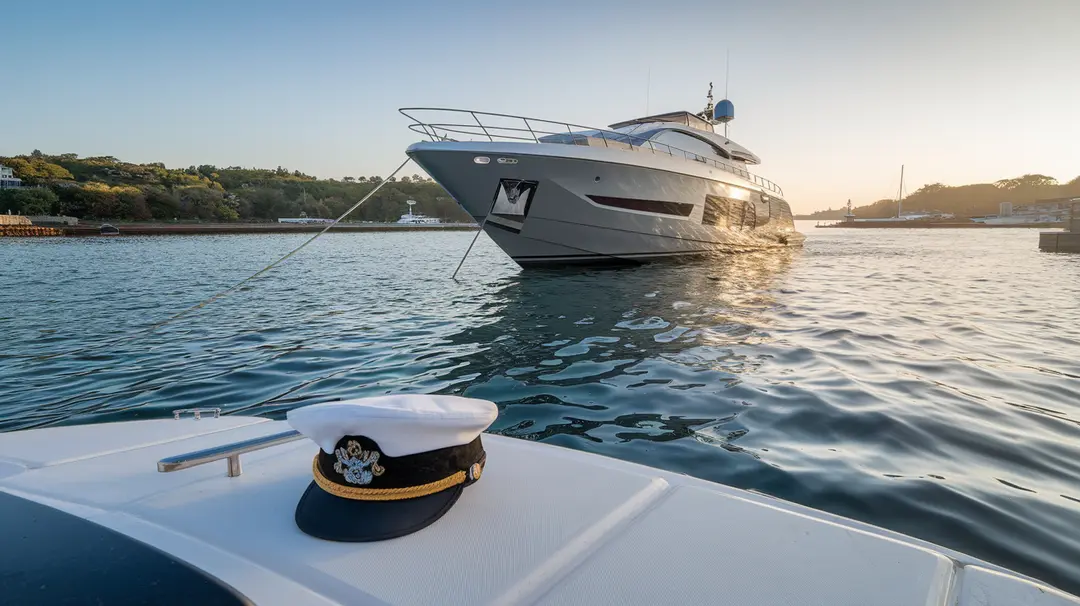
The question “who is the skipper on a boat” is fundamental for anyone interested in sailing, whether you’re planning your first yacht charter or looking to deepen your nautical knowledge. At SEARADAR, we know that understanding the skipper’s role is key to a safe, enjoyable, and memorable sailing experience. This guide will walk you through what is the skipper on a boat, their responsibilities, qualifications, and practical advice for your next adventure.
Sailing in the Mediterranean: A Skipper’s Playground
The Mediterranean is one of the world’s premier sailing destinations, offering crystal-clear waters, historic ports, and vibrant cultures. Whether you’re exploring the Dalmatian coast of Croatia, the Greek islands, or the Italian Riviera, the region is a paradise for both novice and experienced sailors.
With over 30,000 boats analyzed by our advanced software, SEARADAR helps you find the perfect yacht for your Mediterranean adventure. Our technology-driven approach ensures you have access to the best vessels, tailored to your preferences and needs.
Who is the Mediterranean Ideal For?
The Mediterranean is ideal for:
- Families and groups seeking a blend of relaxation and adventure.
- Couples looking for romantic escapes among secluded coves.
- Experienced sailors eager for challenging passages and open-water crossings.
- Beginners who want to learn under the guidance of a professional skipper.
The region’s diversity means there’s something for everyone, from bustling marinas to tranquil anchorages.
Seasons & Weather in the Mediterranean
Understanding the weather is crucial for any skipper. The Mediterranean sailing season typically runs from April to October, with July and August being the warmest and busiest months. Spring and autumn offer milder temperatures and fewer crowds, making them ideal for those seeking a more relaxed experience.
- Summer: Expect calm seas, steady winds, and plenty of sunshine.
- Spring/Autumn: Variable winds and occasional rain, but generally pleasant conditions.
- Winter: Sailing is possible but less common due to stronger winds and cooler temperatures.
For up-to-date weather information, skippers rely on resources like Windy and MeteoMarine.
Top Marinas in the Mediterranean
A good skipper knows the best places to dock. Some of the top marinas include:
- ACI Marina Split (Croatia): A gateway to the Dalmatian islands.
- Marina di Portofino (Italy): Famous for its picturesque setting.
- Alimos Marina (Greece): One of the largest marinas in the eastern Mediterranean.
- Puerto Banús (Spain): Renowned for luxury and vibrant nightlife.
These marinas offer excellent facilities, security, and access to local attractions.
Getting to the Mediterranean
Major international airports in cities like Split, Athens, Rome, and Barcelona make the Mediterranean easily accessible. From the airport, you can reach your marina by taxi, shuttle, or private transfer. SEARADAR can assist with travel arrangements and ensure a smooth start to your journey.
What to Do in the Mediterranean: History, Recreation, and Entertainment
The Mediterranean is steeped in history and culture. Skippers often plan itineraries that include:
- Historical Sites: Visit UNESCO World Heritage sites like Dubrovnik’s Old Town, Athens’ Acropolis, or the ruins of Pompeii.
- Recreation: Enjoy snorkeling, diving, paddleboarding, and fishing in crystal-clear waters.
- Entertainment: Experience vibrant nightlife in Ibiza, gourmet dining in Saint-Tropez, or local festivals in the Greek islands.
For more inspiration, check out Lonely Planet’s Mediterranean guide.
What to Take With You for Sailing in the Mediterranean
A well-prepared skipper ensures the crew has everything needed for comfort and safety. Essentials include:
- Valid sailing license or ICC (International Certificate of Competence) if you plan to skipper yourself.
- Personal documents: Passport, insurance, and charter paperwork.
- Weather-appropriate clothing: Light layers, sun protection, and a waterproof jacket.
- Non-slip shoes: Essential for safety on deck.
- Personal medications and a basic first aid kit.
- Reusable water bottle and eco-friendly toiletries.
We also recommend bringing local currency for small purchases and a portable charger for your devices.
Culture & Flavors of the Mediterranean
Sailing the Mediterranean is as much about the journey as the destination. Each port offers unique culinary delights and cultural experiences:
- Croatia: Savor fresh seafood and local wines along the Adriatic coast.
- Greece: Enjoy traditional meze, grilled octopus, and ouzo in seaside tavernas.
- Italy: Indulge in pasta, gelato, and espresso in charming coastal towns.
- Spain: Experience tapas, paella, and vibrant fiestas.
A good skipper will recommend the best local spots and help you immerse yourself in the region’s rich traditions.
Experience Level Required for the Mediterranean
The Mediterranean caters to all experience levels:
- Beginner: Many charter companies, including SEARADAR, offer skippered charters, allowing you to relax while a professional handles the boat.
- Intermediate: With some sailing experience and the right qualifications, you can charter a yacht bareboat and explore at your own pace.
- Advanced: For those with extensive experience, the Mediterranean offers challenging passages and opportunities for offshore sailing.
Regulations: Most countries require skippers to hold a valid sailing license or ICC. Some destinations may also require a VHF radio certificate. Always check local regulations before your trip. For more on skipper qualifications, see RYA’s guidance.
What is the Skipper on a Boat? Roles, Qualifications, and Legal Requirements
Definition and Terminology
The skipper is the person in command of a boat, responsible for the vessel, crew, and all decisions made on board. While “captain” is often used for larger ships, “skipper” is the preferred term for yachts and smaller boats. In informal settings, even naval officers may be called “skipper.”
Key Responsibilities
- Safety: The skipper is legally responsible for the safety of the vessel and everyone on board.
- Navigation: Charting the course, monitoring weather, and making real-time decisions.
- Compliance: Ensuring adherence to maritime laws and local regulations.
- Leadership: Managing the crew, delegating tasks, and maintaining morale.
- Vessel Management: Overseeing maintenance, equipment checks, and emergency procedures.
Qualifications and Expertise
A competent skipper should:
- Hold a recognized sailing license (e.g., ICC, RYA Day Skipper, or equivalent).
- Be proficient in navigation, meteorology, and boat handling.
- Have first aid and safety training.
- Understand local maritime regulations.
Expert Insight: According to the Royal Yachting Association, “The skipper’s role is not just about sailing skills, but also about leadership, decision-making, and ensuring a safe and enjoyable experience for all.”
Legal Requirements
- Licensing: Most Mediterranean countries require skippers to present a valid license and VHF certificate.
- Insurance: Adequate insurance is essential. SEARADAR offers various options, including deposit and travel insurance.
- Paperwork: The skipper is responsible for all documentation, including crew lists and port clearances.
For more details, visit Sail-World’s guide to skipper requirements.
Real-World Advice and Insider Knowledge
- Preparation is key: Review your route, check weather forecasts, and brief your crew before departure.
- Stay flexible: Conditions can change quickly; a good skipper adapts plans as needed.
- Communication: Keep lines open with your crew and local authorities.
- Continuous learning: Even experienced skippers benefit from refresher courses and new certifications.
FAQ: Who is the Skipper on a Boat?
Q: Who is the skipper on a boat? A: The skipper is the person in command, responsible for the safety, navigation, and management of the vessel and crew.
Q: What qualifications does a skipper need? A: A recognized sailing license (such as ICC or RYA), VHF radio certificate, and relevant experience.
Q: Can I charter a yacht without being a skipper? A: Yes! SEARADAR offers skippered charters, so you can relax while a professional handles the boat.
Q: What is the difference between a skipper and a captain? A: The terms are often used interchangeably, but “skipper” is more common for yachts and smaller boats.
Q: What are the skipper’s main responsibilities? A: Safety, navigation, compliance with regulations, leadership, and vessel management.
Start Your Sailing Adventure with SEARADAR
Ready to experience the Mediterranean with the support of a professional skipper? At SEARADAR, we make yacht selection, booking, and management effortless. With our advanced technology, global coverage, and 24/7 support, your sailing journey is in expert hands.
Explore our top yacht offers and start planning your next adventure: SEARADAR Top Yachts
References:
- Windy – Weather Forecasts
- RYA – Skipper Requirements
- Lonely Planet – Mediterranean
- Sail-World – Skipper Guide
With SEARADAR, your sailing adventure is safe, seamless, and unforgettable. Join over 1,500 satisfied sailors and discover the freedom of the sea with the right skipper at your helm!