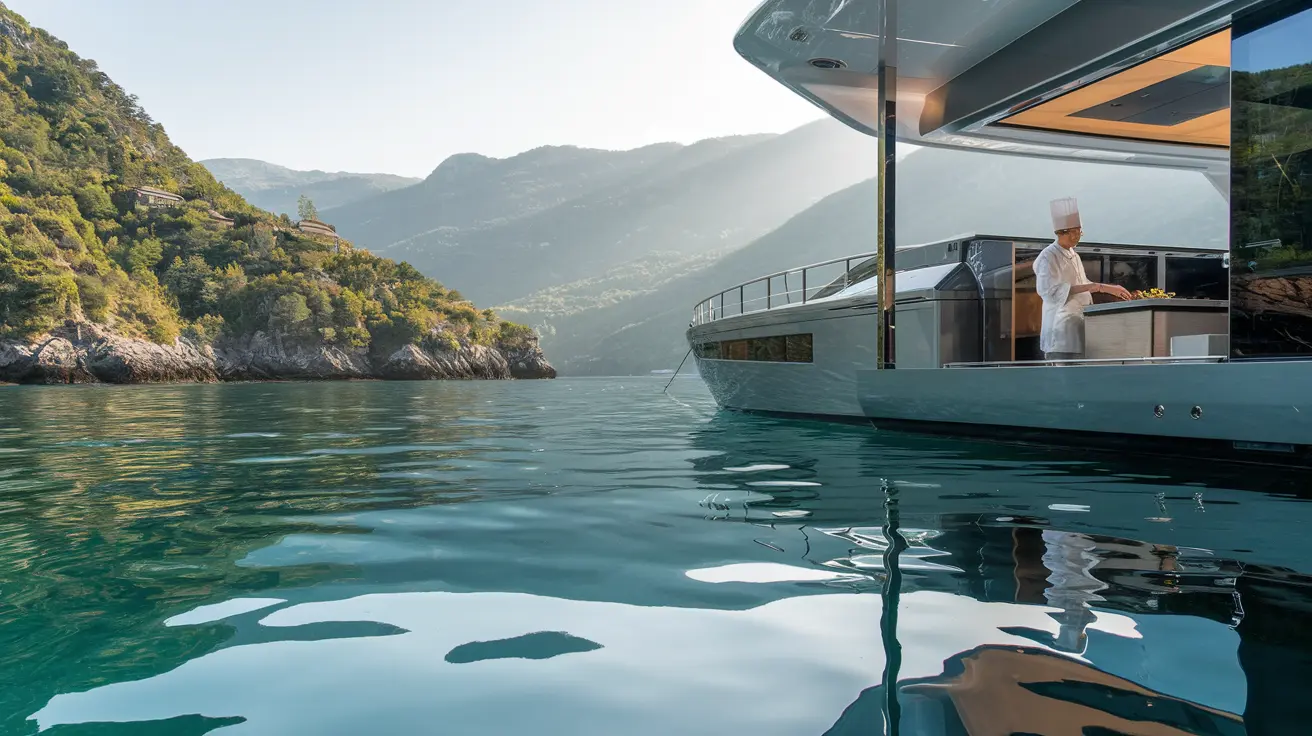
Cooking on a boat is a unique adventure — one that blends the joy of fresh meals with the challenges of limited space, motion, and resources. Whether you’re a seasoned yacht captain or setting sail for the first time, mastering the art of galley cooking can elevate your journey. At SEARADAR, we’re committed to making every aspect of your charter effortless, including your onboard culinary experience. Here’s your comprehensive guide to cooking on a boat, packed with expert insights, practical tips, and safety advice.
Understanding the Galley: What to Expect
Most charter yachts and sailboats feature a compact galley equipped with essentials: a two-burner propane stove, a small oven, and minimal counter space. Galleys are designed for safety and efficiency, often including gimbaled stoves (which swing to stay level), beveled countertops, and handrails to help you keep your balance in rough seas. While cooking on a boat is entirely feasible, it requires adaptation to space, motion, and energy constraints.
Key Fact: According to Sailing Today, most modern charter yachts are equipped with safety features like gimbaled stoves and fire extinguishers as standard.
Common Challenges of Cooking on a Boat
Limited Space: Galley kitchens are small, so prioritize essential cookware and utensils. Multi-purpose tools and nesting pots save space.
Storage Constraints: Refrigeration is limited. Plan to consume fresh food early in your trip and rely on non-perishables as the voyage progresses.
Motion at Sea: Cooking underway can be hazardous. Always assess sea state and weather before preparing a meal.
Energy Efficiency: Power and fuel are precious. Efficient cooking methods and equipment are crucial for longer trips.
Provisioning & Food Storage: Smart Strategies
Provisioning Tips
- Stock Up on Staples: Bring non-perishable basics like pasta, rice, canned goods, and UHT milk — especially if sailing to remote areas.
- Plan Ahead: Prepare meals in advance and pre-chop ingredients to minimize galley time in rough conditions.
- Use Local Ingredients: Take advantage of fresh produce at ports, but consume it early to reduce spoilage risk.
Food Storage
- Airtight Containers: Keep food dry and safe from pests.
- Fresh Produce: Store in cool, ventilated areas; use refrigeration for perishables if available.
- Eat Fresh First: Start with fresh foods, then move to canned and dried goods as the trip progresses.
For more provisioning tips, check out Cruising World’s provisioning guide.
Essential Equipment for Boat Cooking
Galley Must-Haves
- Two-burner propane stove (or portable camping stove for smaller boats)
- Large pot, frying pan, saucepan, kettle
- Sharp knives, cutting board, and basic utensils
- Rail-mounted BBQ grill for outdoor cooking at anchor (never leave unattended)
Safety Equipment
- Fire extinguisher within easy reach
- First aid kit and fire blanket
- Non-slip mats and handrails in the galley
Pro Tip: Check your boat’s kitchen inventory before departure to avoid unnecessary duplicates and ensure you have all essentials.
Safety First: Cooking on a Boat
- Cook in Calm Conditions: Avoid using open flames or hot surfaces in rough seas.
- Secure Cookware: Use pot holders or clamps to prevent spills.
- Never Leave Unattended: Always supervise grills and stoves.
- Boil Water in Advance: Store hot water in a thermos for easy access during passages.
- Fire Safety: Keep a fire extinguisher and fire blanket accessible at all times.
For more on galley safety, visit the Royal Yachting Association’s safety tips.
Energy Efficiency: Making the Most of Limited Resources
- Pressure Cookers: Reduce cooking time and fuel consumption.
- Thermal Cookers: Cook meals with minimal energy.
- Grill Outdoors: Keeps the cabin cool and saves propane.
- One-Pot Meals: Minimize dishwashing and energy use.
Expert Insights & Real-Life Experiences
“Familiarize yourself with the galley layout and test the equipment before setting sail. Preparation is key to enjoyable and safe cooking at sea.” — Rod Heikell, blue water sailor (via Sailing Today)
Many experienced sailors recommend preparing hearty, simple dishes that can be easily reheated or served cold if conditions deteriorate. One-pot meals, stews, and salads are favorites for their convenience and minimal cleanup.
Regulations & Guidelines
While there are no universal international regulations for galley cooking, most charter companies (including us at SEARADAR) require:
- Use of approved marine stoves and fuel systems
- Proper storage of propane or butane canisters in ventilated lockers
- Compliance with local fire safety and waste disposal regulations
Always check with your charter company or local maritime authority for specific guidelines.
Sustainable Cooking: Trends and Tips
Sustainability is increasingly important in the sailing community. Sailors are encouraged to:
- Minimize single-use plastics
- Source local, seasonal ingredients
- Use reusable containers and utensils
Advances in compact, energy-efficient galley appliances are making boat cooking easier and safer than ever.
For more on sustainable provisioning, see Sailors for the Sea’s Green Boating Guide.
Sample Meal Plan for a 7-Day Charter
|
Day |
Breakfast |
Lunch |
Dinner |
|---|---|---|---|
|
1 |
Oatmeal, fruit |
Sandwiches, salad |
Grilled fish, veggies |
|
2 |
Yogurt, granola |
Pasta salad |
Chicken stew |
|
3 |
Eggs, toast |
Wraps, chips |
One-pot curry |
|
4 |
Pancakes, berries |
Tuna salad |
BBQ at anchor |
|
5 |
Muesli, milk |
Cold cuts, cheese |
Stir-fry noodles |
|
6 |
Fruit, muffins |
Couscous salad |
Chili con carne |
|
7 |
Scrambled eggs |
Leftovers |
Pasta with sauce |
Why Choose SEARADAR for Your Next Charter?
- Personalized yacht selection based on your preferences
- Comprehensive booking management — we handle paperwork, payments, and communication
- 24/7 support before, during, and after your charter
- Assistance with provisioning — let us help you order food on board
- Best price guarantee and flexible payment options
Ready to set sail and enjoy delicious meals at sea? Explore our top yachts and book your next adventure.
Frequently Asked Questions (FAQ)
Q: Can I cook while the boat is underway? A: It’s safest to cook when the boat is anchored or in calm conditions. If you must cook underway, use gimbaled stoves and secure all cookware.
Q: What foods are best for boat trips? A: Non-perishables like pasta, rice, canned goods, and UHT milk are ideal. Fresh produce and meats should be consumed early in the trip.
Q: How do I store food safely on a boat? A: Use airtight containers, keep perishables in the fridge if available, and store fresh produce in cool, ventilated areas.
Q: What safety equipment should be in the galley? A: Always have a fire extinguisher, fire blanket, and first aid kit within easy reach.
Q: Can SEARADAR help with provisioning? A: Absolutely! We offer assistance with ordering food on board as part of our concierge services.
Further Reading
- Provisioning Tips for Cruising
- Sailing Today: Galley Cooking
- Royal Yachting Association Safety
- Sailors for the Sea Green Boating Guide
Cooking on a boat is a rewarding part of the sailing experience. With the right preparation, equipment, and safety mindset, you can enjoy delicious meals at sea while staying safe and efficient. At SEARADAR, we’re here to support every step of your journey — on deck and in the galley.