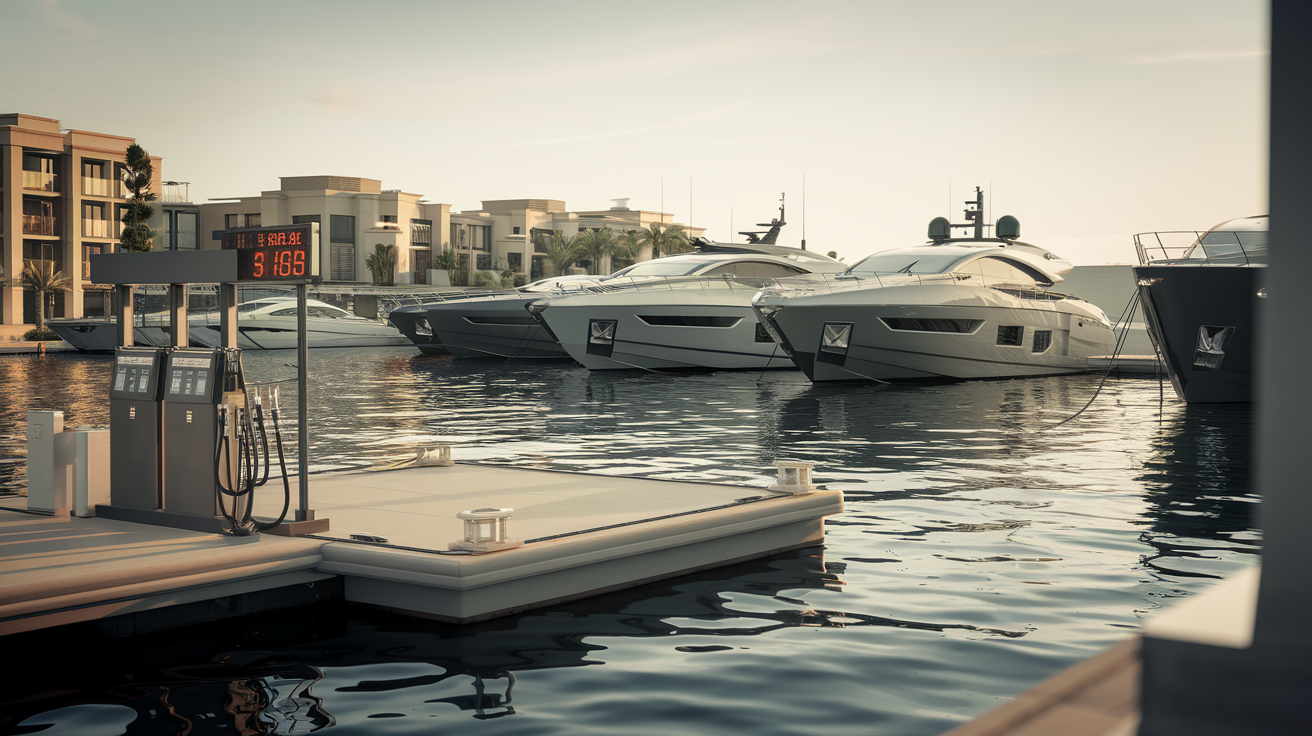
Navigating the world of yacht fuel cost is essential for every captain — whether you’re planning a Mediterranean adventure or a Caribbean escape. With fuel representing one of the largest operational expenses, understanding the factors that influence costs, regional price differences, and strategies for efficiency can make your voyage smoother and more economical.
Understanding Yacht Fuel Cost: Key Facts and Figures
Yacht fuel cost is shaped by several variables, from yacht size and engine type to cruising speed and regional fuel prices. Here’s what every captain should know:
- Fuel Consumption by Yacht Size:
- Under 40 feet: 20–30 liters/hour at 15–20 knots; up to 40–50 liters/hour at higher speeds.
- 40–60 feet: 100–150 liters/hour at 20 knots.
- 30m (100 ft): 400–500 liters/hour at 20 knots.
- 70m superyacht: ~492 liters/hour (130 gallons).
- Most yachts average 76–380 liters/hour (20–100 gallons), depending on size and speed.
- Most yachts use marine diesel; smaller vessels may use gasoline.
- Hybrid and alternative propulsion systems are emerging, offering improved efficiency and lower emissions.
- Marine diesel prices have generally trended upward, especially in popular yachting regions.
- Prices fluctuate due to crude oil markets, local taxes, and supply.
Pro Tip: Use a yacht fuel cost calculator to estimate expenses before setting sail. This helps you plan your budget and avoid surprises.
What Drives Yacht Fuel Cost?
1. Yacht Size, Weight, and Design
Larger yachts with powerful engines consume significantly more fuel. Hull design, vessel weight, and onboard amenities (like generators and air conditioning) also affect consumption.
2. Cruising Speed and Sea Conditions
Fuel consumption rises exponentially with speed. For example, doubling your speed can more than quadruple your fuel use due to increased water resistance. Rough seas or heavy loads further increase consumption.
3. Regional Price Differences
- Mediterranean: Higher prices due to taxes and peak season demand.
- Caribbean/US: Generally lower prices, but quality and availability can vary.
- Asia-Pacific: Wide fluctuations, especially in remote locations.
Insider Tip: Always check local fuel prices and quality before arrival. Some marinas offer volume discounts or duty-free fuel for international voyages.
Professional Advice: How to Save on Yacht Fuel Cost
1. Maintain Optimal Cruising Speed Every yacht has a “sweet spot” for fuel efficiency, often called hull speed. Maintaining this speed maximizes distance per liter and minimizes costs.
2. Smart Navigation Planning Careful route planning avoids unnecessary detours and adverse conditions, reducing fuel burn. Use advanced navigation tools and weather forecasts to optimize your journey.
3. Regular Maintenance A clean hull and well-maintained engines operate more efficiently. Schedule regular checks and cleanings to keep your yacht in peak condition.
4. Manage Onboard Load Minimize unnecessary weight and balance loads to reduce drag. Less weight means less resistance and lower fuel consumption.
5. Embrace Technology Modern yachts often feature fuel monitoring systems and hybrid engines. These technologies help track usage and improve efficiency.
“Effective fuel management can be achieved through smart navigation planning and maintaining an optimal cruising speed. Regular maintenance and following best practices are also key to enhancing fuel efficiency, allowing yacht owners to enjoy their trips with lower environmental impact and reduced operational expenses.”
Regulations and Environmental Considerations
Yacht captains must stay up-to-date with regulations that affect fuel use:
- Emissions Standards: Many regions, especially in Europe and North America, enforce strict emissions regulations for large yachts.
- Fuel Quality Requirements: Some jurisdictions require low-sulfur marine diesel to minimize environmental impact.
- Reporting: Captains may need to log fuel usage and emissions for compliance with international maritime laws (such as MARPOL Annex VI).
Recent Developments: The industry is moving toward hybrid and alternative fuel technologies as environmental regulations tighten and fuel prices rise. Some marinas, especially in Europe, are investing in infrastructure for cleaner fuels and electric charging.
Yacht Fuel Cost: Real-World Examples
Let’s break down typical fuel consumption by yacht size:
|
Yacht Size |
Typical Consumption (liters/hour) |
Cruising Speed (knots) |
|---|---|---|
|
Under 40 feet |
20–30 |
15–20 |
|
40–60 feet |
100–150 |
20 |
|
30m (100 ft) |
400–500 |
20 |
|
70m Superyacht |
~492 (130 gal) |
N/A |
Annual Fuel Costs: For luxury superyachts, fuel can account for up to 10% of the vessel’s value each year. Even for smaller yachts, fuel is a major operational expense — making efficiency a top priority.
Insider Knowledge for Yacht Captains
- Check for Discounts: Some marinas offer discounts for large purchases or duty-free fuel for international voyages.
- Track Consumption: Keep detailed logs to identify trends and opportunities for efficiency improvements.
- Consider Upgrades: Hybrid or alternative propulsion systems can future-proof your yacht against rising costs and stricter regulations.
How SEARADAR Helps You Navigate Yacht Fuel Cost
At SEARADAR, we’re committed to making your yacht charter experience seamless and cost-effective. Our advanced technology analyzes over 30,000 boats, helping you select the most fuel-efficient yacht for your needs. We provide transparent pricing, expert advice, and 24/7 support — so you can focus on enjoying your voyage.
- Personalized Yacht Selection: Find the perfect yacht based on your preferences and budget.
- Comprehensive Booking Management: We handle paperwork, payments, and communication with charter companies.
- Best Price Guarantee: Submit a valid counteroffer and we’ll match it.
- Global Coverage: Book yachts in top destinations worldwide, from Croatia to the Caribbean.
- Flexible Payment Options: Pay by card, bank transfer, or even cryptocurrency.
- Loyalty Program: Earn nautical miles cashback for every trip.
Ready to set sail? Discover top yachts and start planning your adventure with SEARADAR.
Useful Resources
- International Maritime Organization: MARPOL Regulations
- BoatUS: Fuel Management Tips
- NOAA: Marine Fuel Prices
- Superyacht Times: Industry News
FAQ: Yacht Fuel Cost
How much does it cost to fuel a yacht for a week? Costs vary widely based on yacht size, speed, and region. For a 50-foot yacht cruising 8 hours/day at 20 knots, expect to use 800–1,200 liters/day. At €1.80/liter (Mediterranean average), that’s €1,440–€2,160/day.
What type of fuel do most yachts use? Most yachts use marine diesel, though smaller boats may use gasoline. Hybrid and alternative fuels are becoming more common.
How can I reduce my yacht’s fuel cost? Maintain optimal cruising speed, plan efficient routes, keep your yacht well-maintained, and minimize unnecessary weight.
Are there environmental regulations affecting yacht fuel? Yes. Many regions require low-sulfur diesel and have strict emissions standards. Always check local regulations before your trip.
Does SEARADAR help with fuel planning? Absolutely! Our team provides expert advice on yacht selection, route planning, and operational efficiency — helping you manage fuel costs and enjoy a worry-free charter.
Set sail with confidence — let SEARADAR handle the details, so you can focus on the journey.