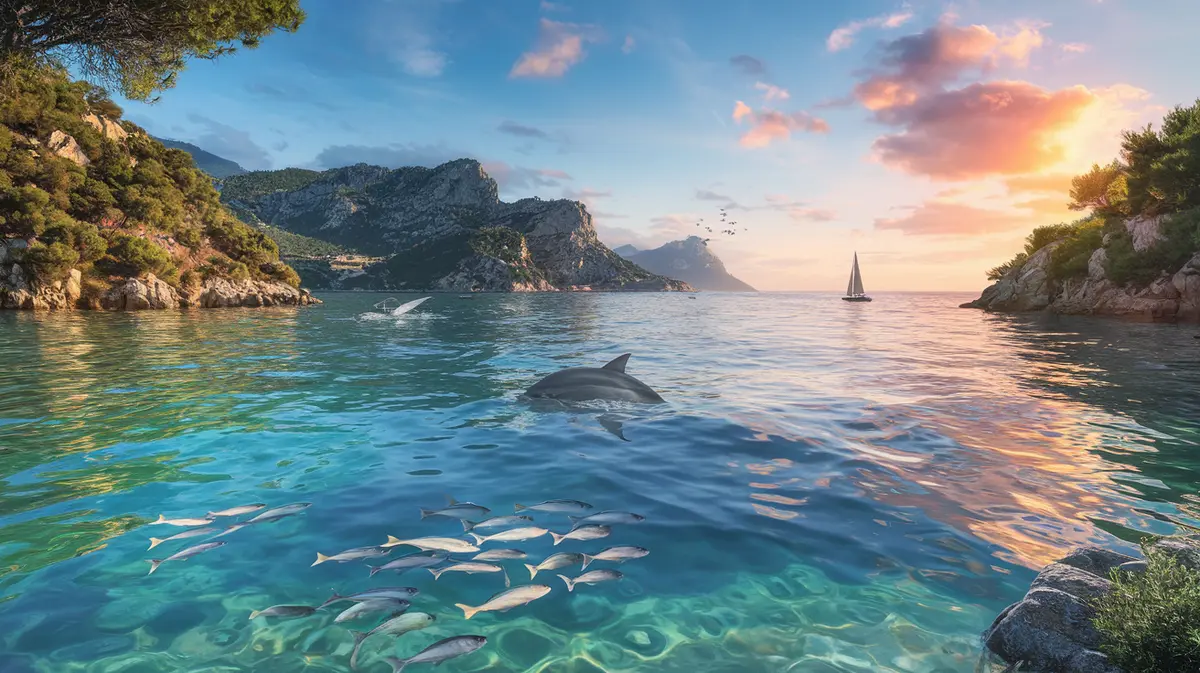
Sailing the Mediterranean is more than a journey — it’s an immersion into one of the world’s richest marine environments. As you chart your course with us at SEARADAR, understanding the sea life in the Mediterranean not only enhances your adventure but also helps protect these waters for future generations. Here’s your comprehensive guide to the region’s marine wonders, responsible sailing, and how you can make the most of your yacht charter experience.
Why the Mediterranean Is a Global Marine Hotspot
The Mediterranean Sea is a true biodiversity treasure. Despite covering less than 1% of the world’s ocean area, it is home to over 17,000 marine species — about 18% of all described marine life globally. Even more impressive, 20–30% of these species are found nowhere else on Earth. This high endemism makes every sailing trip a unique opportunity to encounter rare and fascinating creatures.
Notable Species You Might Encounter
- Dolphins and Whales: Common and striped dolphins are frequent companions for sailors, while fin whales and sperm whales can sometimes be spotted in deeper waters.
- Sea Turtles: The loggerhead and green sea turtles nest on Mediterranean beaches and are often seen gliding near the surface.
- Monk Seals: One of the world’s most endangered marine mammals, the Mediterranean monk seal, occasionally appears in secluded coves.
- Groupers and Barracudas: These iconic fish are often seen by snorkelers and divers.
- Posidonia oceanica: This seagrass is the “lungs” of the Mediterranean, supporting countless species and stabilizing the seabed.
For more on Mediterranean marine species, visit the Mediterranean Science Commission.
Protected Areas and Conservation Efforts
The Mediterranean boasts 1,233 Marine Protected Areas (MPAs), covering over 8.9% of its surface. These sanctuaries are vital for preserving biodiversity and supporting sustainable fisheries. However, only 10% of MPAs are effectively managed, and a mere 0.04% are strict no-go or no-fishing zones.
Coralligenous reefs and Posidonia meadows are particularly vulnerable to threats like destructive anchoring, pollution, and invasive species. Alarmingly, Posidonia meadows could lose up to 70% of their habitat by 2050 if current trends continue.
What Does This Mean for Sailors?
- Anchoring restrictions are common in sensitive areas to protect seagrass beds.
- Waste management rules are strictly enforced, especially in MPAs.
- Wildlife disturbance guidelines help safeguard vulnerable species.
Stay updated on protected areas and regulations via the MedPAN network.
Responsible Sailing: Best Practices for Yacht Charters
At SEARADAR, we’re committed to making your sailing experience both enjoyable and sustainable. Here’s how you can help protect sea life in the Mediterranean:
- Use mooring buoys instead of anchoring in sensitive zones, especially over seagrass or reefs.
- Keep a respectful distance from dolphins, turtles, and seals — never feed or touch wildlife.
- Minimize waste: Bring back all trash, avoid single-use plastics, and use eco-friendly products.
- Respect local regulations and support conservation initiatives in each destination.
For more tips, see the WWF’s Responsible Boating Guidelines.
Seasonal Highlights: When and Where to Spot Mediterranean Wildlife
The Mediterranean’s sea life is dynamic, with seasonal migrations and breeding cycles offering unique wildlife encounters:
- Spring and early summer are prime times for spotting dolphins, whales, and sea turtles, as many species migrate or breed during these months.
- Early mornings and late afternoons are best for wildlife observation — animals are more active, and the sea is calmer.
- Use binoculars and keep noise to a minimum to maximize your chances of seeing marine life without causing disturbance.
Explore top yacht options for wildlife-rich itineraries at our Top Yachts page.
Navigating Regulations: What Every Sailor Should Know
Mediterranean countries are increasingly adopting stricter regulations to protect marine ecosystems. Here’s what you need to know:
- Anchoring: In many MPAs, anchoring is only allowed in designated areas to prevent damage to seagrass beds.
- Fishing: Recreational fishing is often restricted or requires permits, especially in protected zones.
- Waste Disposal: Dumping any waste overboard is prohibited — use marina facilities for disposal.
- Wildlife Interaction: Approaching or disturbing marine mammals and turtles is illegal in many areas.
Stay informed about local rules by checking with marina offices or the European Environment Agency.
Facing the Challenges: Conservation in the Mediterranean
The Mediterranean faces significant threats:
- Habitat loss from coastal development and dam construction.
- Pollution from plastics, chemicals, and untreated sewage.
- Invasive species — over 1,000 non-native species have been recorded, with 618 now established.
- Overexploitation through overfishing and unsustainable tourism.
About 19% of assessed Mediterranean species are threatened with extinction, including 5% critically endangered. At least 16 irreplaceable species have already disappeared from the region.
Expert Insight:
“Urgent conservation actions are needed to preserve the future of the Mediterranean: enforcement of adequate legislation as well as sustainable management of exploited species are key measures to be promoted in the region.” — IUCN Mediterranean Red List
How SEARADAR Supports Sustainable Sailing
We believe that every sailor can be a steward of the sea. Here’s how our services help you sail responsibly:
- Personalized yacht selection ensures you have access to eco-friendly vessels and routes.
- 24/7 support keeps you informed about local regulations and best practices.
- Booking management includes advice on sustainable provisioning and waste disposal.
- Insurance options cover environmental liabilities, giving you peace of mind.
Join over 1,500 satisfied customers who trust us to make their sailing adventures safe, enjoyable, and environmentally responsible.
FAQ: Sea Life in the Mediterranean for Sailors
Q: What are the most common marine animals I can see while sailing? A: Dolphins, sea turtles, monk seals, and a variety of fish are commonly spotted. Spring and summer are the best seasons for sightings.
Q: Are there areas where I cannot anchor my yacht? A: Yes, especially in Marine Protected Areas and over seagrass meadows. Always use designated mooring buoys where available.
Q: How can I avoid disturbing marine wildlife? A: Keep a safe distance, avoid loud noises, and never attempt to feed or touch animals.
Q: What should I do with waste on board? A: Bring all trash back to port and use marina facilities for disposal. Avoid single-use plastics and opt for eco-friendly products.
Q: How do I find out about local regulations? A: Our team provides up-to-date information for each destination, and marina offices are a great resource for local rules.
Set Sail with Confidence
Exploring the sea life in the Mediterranean is one of the greatest joys of yachting in this region. By sailing responsibly and staying informed, you help ensure these waters remain vibrant for generations to come. Ready to discover the Mediterranean’s wonders? Let us find your perfect yacht and guide you every step of the way.
Start your adventure with SEARADAR: Explore Top Yachts
References & Further Reading:
- Mediterranean Science Commission
- MedPAN: Mediterranean Protected Areas Network
- WWF: Boating and Marine Wildlife
- European Environment Agency