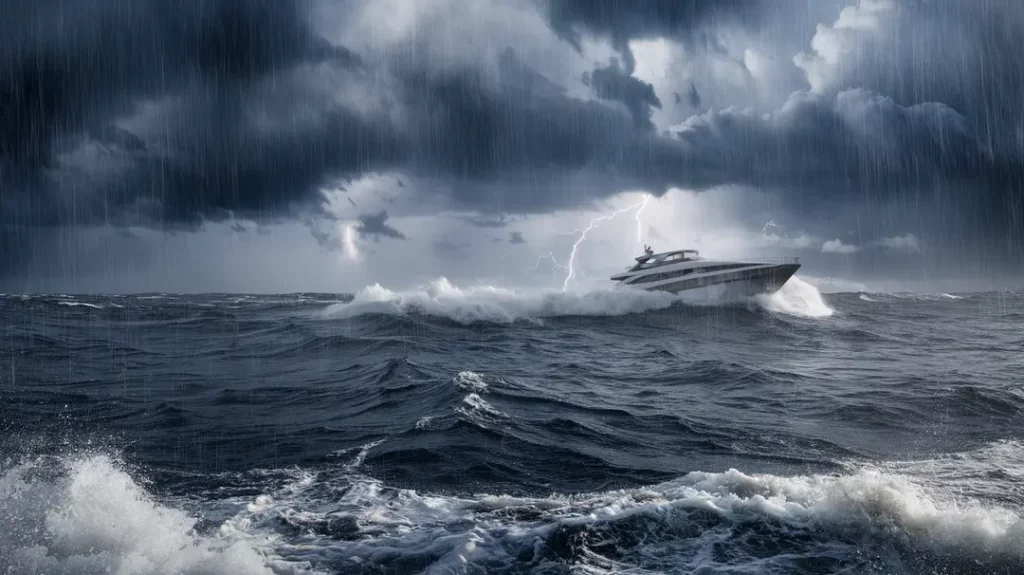
Sailing through a hurricane is a scenario no sailor ever wants to face, yet understanding how to prepare for and respond to such extreme weather is essential for anyone chartering a yacht or captaining a vessel. At SEARADAR, we’re committed to helping you navigate every aspect of your sailing adventure — including the rare but critical challenge of hurricanes. Here’s what you need to know to stay safe, protect your yacht, and make informed decisions before, during, and after a storm.
Sailing in Hurricane-Prone Destinations
Many of the world’s most beautiful sailing destinations — such as the Caribbean, Florida, the Mediterranean, and Southeast Asia — are also regions where hurricanes or tropical cyclones can occur. The Caribbean, for example, is renowned for its turquoise waters and vibrant culture, but it’s also in the path of Atlantic hurricanes from June to November. Understanding the risks and preparing accordingly is crucial for a safe and enjoyable voyage.
Who Is Sailing Through a Hurricane Ideal For?
Let’s be clear: sailing through a hurricane is not ideal for anyone. Even the most experienced captains and robust yachts are at significant risk in hurricane conditions. The golden rule, echoed by experts and government agencies alike, is simple: never attempt to ride out a hurricane on your boat. Instead, hurricane preparedness is about knowing how to avoid these storms, how to secure your vessel, and what to do if you’re caught in deteriorating conditions.
Seasons & Weather in Hurricane Regions
Hurricane season varies by region:
- Atlantic & Caribbean: June 1 to November 30, peaking from August to October.
- Eastern Pacific: May 15 to November 30.
- Western Pacific (Typhoons): Year-round, with peaks from July to October.
- Indian Ocean: April to December, depending on the area.
During these months, sailors should monitor weather forecasts closely, use advanced tracking tools, and have contingency plans in place. According to the National Hurricane Center, hurricanes can bring sustained winds of 74 mph (119 km/h) or higher, with gusts, torrential rain, and dangerous storm surges. NOAA Hurricane Center
Top Marinas for Hurricane Safety
If you’re chartering or sailing in hurricane-prone areas, knowing where to find safe harbor is vital. Some marinas are specifically designed as “hurricane holes” — protected locations with high embankments and minimal exposure to wind and waves. Examples include:
- Nanny Cay Marina, British Virgin Islands: Known for its sheltered location and robust hurricane protocols.
- Marina Puerto del Rey, Puerto Rico: Offers extensive hurricane preparation services.
- Safe Harbour Lauderdale Marine Center, Florida: Equipped for storm surges and high winds.
Always check with local authorities and marina operators about their hurricane readiness and evacuation procedures.
Getting to and from Hurricane Zones
Traveling to popular sailing destinations during hurricane season requires flexibility and vigilance. Airlines and ferry services may cancel or reschedule trips with little notice. We recommend booking refundable tickets and monitoring travel advisories from sources like the U.S. State Department or UK Foreign Travel Advice.
What to Do in a Hurricane: Preparation and Action
Before the Storm
Preparation is everything. Here’s what experts and seasoned sailors recommend:
- Identify a hurricane hole: Know your nearest safe harbor or marina in advance.
- Remove excess gear: Strip the deck of anything that could become airborne.
- Double up lines: Use extra mooring or dock lines and secure them high on pilings to account for storm surge.
- Protect against chafing: Use chafe guards on all lines.
- Charge batteries: Ensure bilge pumps and emergency systems have full power.
- Remove sails: Roller furling headsails and canvas covers should be taken down to reduce windage.
- Set multiple anchors: If anchoring, use a 10:1 scope and set at least two anchors in a V-pattern.
During the Storm
- Evacuate: The consensus from the U.S. Coast Guard and experienced mariners is clear: do not stay aboard during a hurricane. Human life is irreplaceable.
- Monitor official updates: Follow evacuation orders and updates from local authorities and the National Hurricane Center.
After the Storm
- Inspect your vessel: Check for damage, water intrusion, and ensure all systems are operational before setting out.
- Report damage: Notify your charter company and insurance provider immediately.
What to Take With You for Sailing in Hurricane Regions
Packing for hurricane season means being ready for rapid changes in weather and potential emergencies:
- Personal safety gear: Life jackets, harnesses, and emergency beacons.
- Waterproof documentation: Passports, insurance papers, and emergency contacts.
- First aid kit: Stocked for both minor injuries and more serious emergencies.
- Communication devices: Satellite phone or VHF radio with weather channels.
- Extra provisions: Non-perishable food, water, and medical supplies for at least 72 hours.
- Heavy-duty lines and fenders: For securing your vessel in port or at anchor.
Culture & Flavors of Hurricane-Prone Destinations
Despite the risks, hurricane-prone regions are home to some of the world’s most vibrant cultures and cuisines. The Caribbean offers spicy jerk chicken, fresh seafood, and lively music festivals. Florida’s marinas are gateways to Cuban sandwiches and key lime pie. Exploring these destinations outside of hurricane season allows you to enjoy their unique flavors and traditions without weather worries.
Experience Level Required for Sailing in Hurricane Regions
Sailing through a hurricane is not recommended for any level of experience. However, sailing in hurricane-prone areas during the off-season or with proper preparation is suitable for intermediate to advanced sailors. Novices should always sail with experienced crew or use a reputable charter service like SEARADAR, which provides 24/7 support and expert guidance.
Expert Insights and Professional Advice
- “No vessel is worth your life. Always heed evacuation orders and never try to ride out a hurricane on board.” — U.S. Coast Guard
- “Preparation is your best defense. Secure your boat early and have a plan for every scenario.” — Captain John Konrad, gCaptain
For more in-depth hurricane safety tips, visit the BoatUS Hurricane Resource Center.
Regulations, Policies, and Government Guidelines
- Evacuation Orders: Always follow local government and marina evacuation orders.
- Insurance Requirements: Many insurers require proof of hurricane preparation or relocation to a designated hurricane hole.
- Charter Policies: At SEARADAR, we offer flexible cancellation and insurance options to protect your booking in case of severe weather. Learn more about our best price guarantee and flexible policies.
Real Experiences: Lessons from the Front Lines
Many sailors who have experienced hurricanes firsthand stress the importance of early action. In 2017, Hurricane Irma devastated marinas across the Caribbean, with hundreds of yachts destroyed. Those who secured their vessels early and evacuated fared best. Read more about hurricane survival stories.
FAQ: Sailing Through a Hurricane
Q: Can I safely sail through a hurricane if my yacht is large and well-equipped? A: No. Even the most robust yachts are at risk. The safest option is to avoid the storm and evacuate.
Q: What should I do if a hurricane is forecasted during my charter? A: Contact your charter company immediately. At SEARADAR, we provide 24/7 support and will help you secure your vessel and arrange evacuation if necessary.
Q: Are there insurance options for hurricane damage? A: Yes, we offer comprehensive insurance, including deposit and travel insurance, to protect you in case of severe weather.
Q: How can I track hurricanes while sailing? A: Use reliable sources like the National Hurricane Center and marine weather apps. Our team can also provide real-time updates.
Q: What is a hurricane hole? A: A hurricane hole is a naturally protected harbor or marina designed to minimize wind and wave impact during storms.
Sailing through a hurricane is a risk no sailor should take. With SEARADAR, you gain not only access to the world’s best yachts and destinations but also the support, technology, and expertise to keep you safe — no matter what the weather brings. Ready to plan your next adventure? Explore top yachts and flexible booking options with us today.
References:
- NOAA Hurricane Center
- BoatUS Hurricane Resource Center
- Cruising World: Hurricane Survival Stories
- UK Foreign Travel Advice