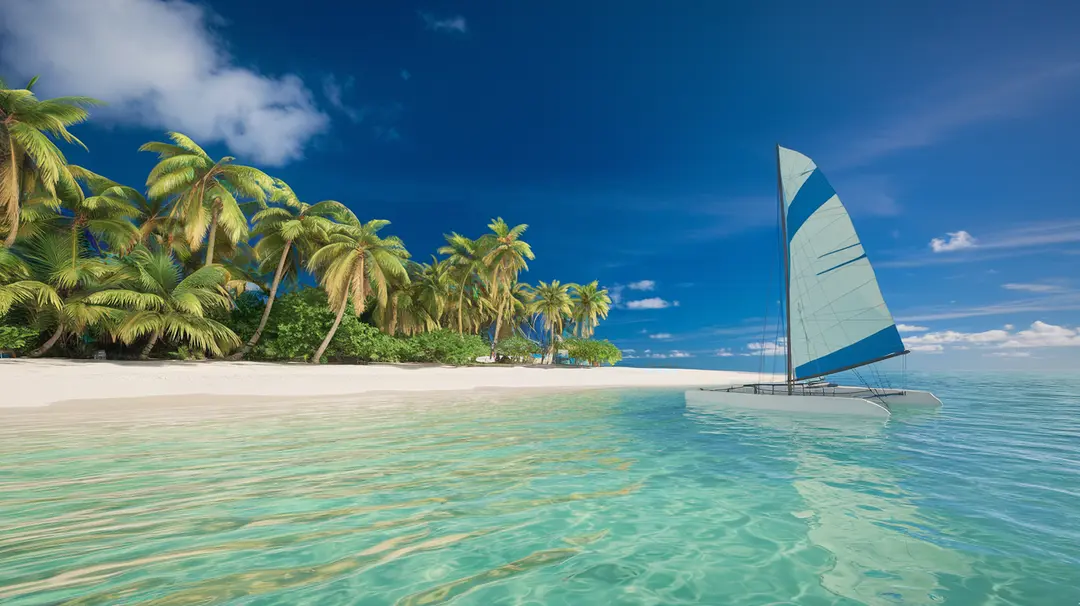
Catamarans have sailed a remarkable journey from their ancient roots to becoming icons of comfort, speed, and innovation in today’s yacht charter world. At SEARADAR, we’re passionate about connecting sailors with the perfect vessel — and for many, the catamaran is the ultimate choice. Here’s everything you need to know about the catamaran origin, its evolution, and how it fits into the modern sailing experience.
Sailing in the World of Catamarans
Catamarans are celebrated for their stability, spaciousness, and versatility, making them ideal for exploring top sailing destinations worldwide. Whether you’re gliding through the turquoise waters of the Caribbean, navigating the historic coasts of the Mediterranean, or venturing into the exotic South Pacific, catamarans offer a unique platform to experience the sea.
Why Catamarans Stand Out
- Twin-hull design delivers exceptional stability, reducing seasickness and making onboard life comfortable.
- Shallow draft allows access to secluded bays and anchorages unreachable by deeper-keeled monohulls.
- Expansive living spaces above and below deck are perfect for families, groups, or those who simply love comfort.
Who Is Catamaran Sailing Ideal For?
Catamarans are a top choice for:
- Families and groups: Spacious layouts with multiple cabins and communal areas.
- First-time charterers: Enhanced stability and ease of handling.
- Adventure seekers: Perfect for island hopping, snorkeling, and water sports.
- Luxury travelers: Many catamarans feature high-end amenities such as air conditioning, water makers, and entertainment systems.
Our platform helps you select the best catamaran for your needs, whether you’re a seasoned captain or planning your first charter. Explore our top yacht selections here: SEARADAR Top Yachts.
Seasons & Weather: When to Sail on a Catamaran
Catamarans are designed to handle a variety of conditions, but your destination’s climate plays a key role in planning:
- Caribbean: Best from December to May, with steady trade winds and warm temperatures.
- Mediterranean: Peak season runs from May to October, offering calm seas and sunny days.
- South Pacific: May to October is ideal, with dry weather and gentle breezes.
- Indian Ocean: Seychelles and Mauritius shine from May to November.
Always check local weather patterns and hurricane/cyclone seasons to ensure a safe and enjoyable voyage.
Top Marinas for Catamaran Sailing
Catamarans are welcome at marinas worldwide, but some stand out for their facilities and access:
- Marina Fort Louis, St. Martin: Gateway to the Caribbean’s best catamaran cruising.
- ACI Marina Split, Croatia: Perfect for exploring the Dalmatian Coast.
- Alimos Marina, Athens: Launch point for Greek island adventures.
- Port Victoria, Seychelles: Ideal for Indian Ocean exploration.
These marinas offer modern amenities, provisioning services, and easy access to must-see destinations.
Getting to Your Catamaran Destination
Reaching your charter base is easier than ever:
- Caribbean: Major airports in St. Martin, Tortola, and Grenada.
- Mediterranean: Direct flights to Athens, Split, and Palma de Mallorca.
- South Pacific: International connections to Tahiti, Fiji, and Tonga.
- Indian Ocean: Fly into Seychelles International Airport or Sir Seewoosagur Ramgoolam International Airport (Mauritius).
Our concierge team can assist with transfers and travel arrangements for a seamless start to your adventure.
What to Do: History, Recreation, and Entertainment
Catamarans open up a world of activities:
- Historical exploration: Visit ancient ruins in Greece, colonial forts in the Caribbean, or Polynesian archaeological sites.
- Recreation: Snorkeling, diving, paddleboarding, and fishing are all easily accessible from a catamaran’s swim platform.
- Entertainment: Enjoy onboard dining, sunset cocktails, and stargazing from your private deck.
For more on the cultural and historical significance of catamarans, check out Britannica’s catamaran history and Sail Magazine’s guide.
What to Take With You for Catamaran Sailing
Packing for a catamaran charter is all about comfort and practicality:
- Soft luggage for easy stowage.
- Non-slip shoes and lightweight clothing.
- Sun protection: hats, sunglasses, reef-safe sunscreen.
- Personal electronics: chargers, waterproof cases.
- Medications and seasickness remedies (though catamarans’ stability helps minimize motion discomfort).
- Travel documents and any required sailing certifications.
We provide detailed checklists and provisioning support to make your preparation effortless.
Culture & Flavors: Savoring the Catamaran Experience
Catamaran sailing is as much about cultural immersion as it is about the journey:
- Caribbean: Sample jerk chicken, fresh seafood, and rum cocktails.
- Mediterranean: Enjoy Greek meze, Croatian wines, and Italian gelato.
- South Pacific: Experience Polynesian feasts and tropical fruits.
- Indian Ocean: Discover Creole cuisine and exotic spices.
Dock in local harbors, explore vibrant markets, and dine at waterfront tavernas for an authentic taste of your destination.
Experience Level Required for Catamaran Sailing
Catamarans are accessible to a wide range of sailors:
- Bareboat charters: Require an International Certificate of Competence (ICC) or equivalent, plus sailing experience.
- Crewed charters: No experience necessary — relax while a professional crew handles navigation and hospitality.
- Skippered options: Ideal for those with some experience who want extra support.
Our team guides you through certification requirements and matches you with the right charter for your skill level.
Catamaran Origin: A Deep Dive
Ancient Beginnings
The word “catamaran” comes from the Tamil language of South India, where “kattumaram” means “tied wood.” Early catamarans were simple rafts made by binding logs together, used for fishing and transport along the Coromandel Coast. English explorer William Dampier first described these vessels in the 1690s, noting their agility and efficiency.
Meanwhile, in the South Pacific, Polynesian navigators developed sophisticated double-hulled canoes — true ancestors of the modern catamaran. These vessels enabled epic voyages across thousands of miles, facilitating trade, exploration, and cultural exchange. Some early catamarans reached lengths of 21 meters (70 feet) and carried dozens of people on journeys of over 3,700 kilometers (2,000 miles).
Western Adoption and Evolution
European interest in catamarans grew after explorers like Dampier and Magellan documented their use. In the 19th century, American designer Nathanael Herreshoff built racing catamarans so fast they were banned from competition! By the 1950s, modern catamarans began to appear in Europe and the US, with advances in materials and design leading to the comfortable, high-performance vessels we know today.
Modern Innovations
Today’s catamarans feature lightweight composites, powerful engines, and luxurious interiors. They can reach speeds of up to 32 km/h (20 mph) and offer unmatched stability. Their popularity has soared in the charter market, especially for those seeking comfort, space, and easy handling.
For more on the evolution and technology behind catamarans, visit Sailing Today’s catamaran guide and Yachting World’s catamaran features.
FAQ: Catamaran Origin and Sailing
What is the origin of the catamaran? The catamaran originated in South India (Tamil Nadu) and the South Pacific, where ancient peoples built double-hulled vessels for fishing, trade, and exploration.
Why are catamarans so stable? Their twin-hull design distributes weight evenly, reducing roll and providing a smooth ride even in choppy seas.
Are catamarans suitable for beginners? Yes! Their stability and ease of handling make them ideal for first-time charterers, families, and those prone to seasickness.
What destinations are best for catamaran sailing? The Caribbean, Mediterranean, South Pacific, and Indian Ocean are all excellent, offering calm waters, beautiful scenery, and vibrant cultures.
Do I need a license to charter a catamaran? For bareboat charters, you’ll need a recognized sailing license and experience. For crewed or skippered charters, no license is required.
Set Sail with SEARADAR
At SEARADAR, we combine centuries of maritime tradition with cutting-edge technology to make yacht selection and booking effortless. Our expert team, advanced software, and global reach ensure you find the perfect catamaran for your next adventure — backed by 24/7 support, flexible payment options, and a best price guarantee.
Ready to experience the legacy and luxury of catamaran sailing? Start your journey with us today!
References:
- Britannica: Catamaran
- Sail Magazine: Catamarans, A Brief History
- Sailing Today: Catamarans Guide
- Yachting World: Catamaran Features