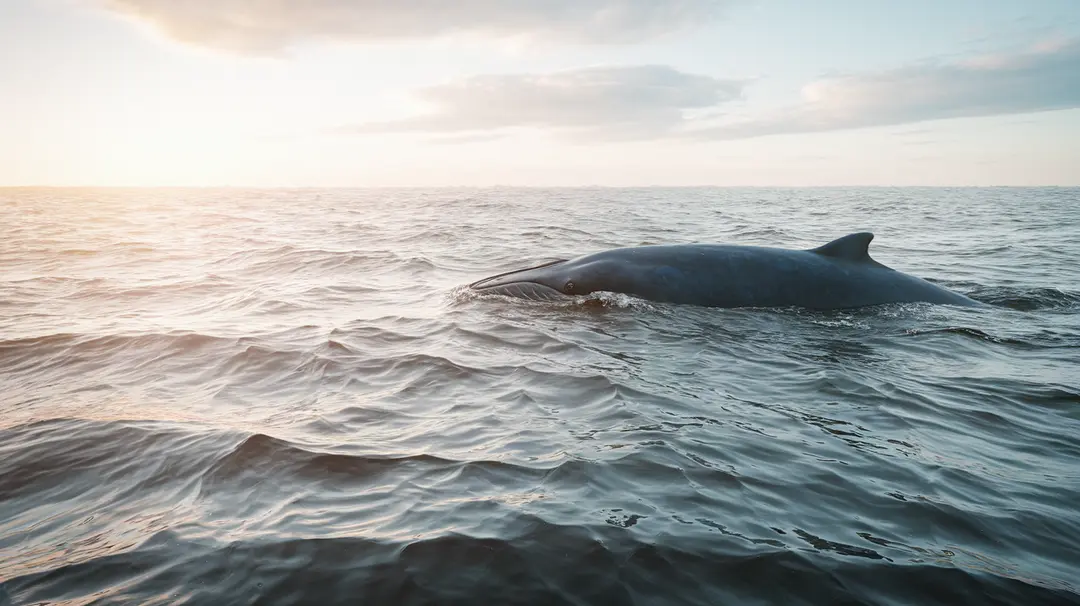
The blue whale in the wild is a breathtaking sight — an experience that tops the bucket list for many sailing enthusiasts. As the largest animal ever to roam our planet, the blue whale inspires awe and respect. For those of us at SEARADAR, helping you discover these gentle giants while ensuring a seamless, safe, and responsible sailing adventure is a privilege. Here’s your comprehensive guide to encountering blue whales in the wild, tailored for yacht captains and sailing adventurers.
Sailing in Blue Whale Destinations
Sailing offers a unique vantage point for observing blue whales in the wild. These giants inhabit nearly every ocean except the Arctic, and their migratory patterns take them across vast distances. Some of the world’s best blue whale destinations include:
- Gulf of St. Lawrence, Canada (summer feeding)
- California Coast, USA (summer to fall)
- Gulf of California, Mexico (winter and spring)
- Gulf of Corcovado, Chile (feeding season)
- Norwegian Sea and Icelandic waters (increasing sightings)
- Northwestern Indian Ocean (year-round presence)
- Antarctic waters (seasonal)
Each destination offers its own blend of natural beauty, local culture, and sailing challenges. With our global yacht selection and booking platform, you can explore these regions with confidence, knowing you’re supported every step of the way.
Explore top yachts for your next adventure
Who Is Blue Whale Sailing Ideal For?
Blue whale in the wild expeditions are ideal for:
- Nature lovers seeking unforgettable wildlife encounters
- Experienced sailors looking for a new challenge
- Families and groups wanting a shared adventure
- Photographers and marine biologists eager for close-up observations
While blue whale watching is accessible to many, it’s best suited for those with some sailing experience and a passion for marine conservation.
Seasons & Weather in Blue Whale Destinations
Timing is everything for blue whale sightings:
- Northern Hemisphere (Canada, California, Iceland): Best from June to October, when whales migrate to feeding grounds.
- Gulf of California, Mexico: Peak sightings from January to March.
- Gulf of Corcovado, Chile: Blue whales feed here from December to April.
- Antarctic Waters: Blue whales are present during the austral summer (December–March).
Weather can vary dramatically. Expect cool, sometimes rough conditions even in summer. Always check local forecasts and prepare for sudden changes at sea.
Top Marinas in Blue Whale Regions
Choosing the right marina ensures a smooth start and finish to your journey. Here are some recommended marinas in key blue whale hotspots:
- Marina del Rey, California, USA: Gateway to the Pacific and California’s whale-rich waters.
- Puerto Escondido, Baja California Sur, Mexico: Ideal for Gulf of California expeditions.
- Marina Puerto Montt, Chile: Launch point for the Gulf of Corcovado.
- Port de Québec, Canada: Access to the Gulf of St. Lawrence.
- Reykjavik Marina, Iceland: For North Atlantic and Norwegian Sea adventures.
Our platform helps you select marinas with the best facilities, local support, and easy access to whale-watching routes.
Getting to Blue Whale Destinations
Most blue whale hotspots are accessible via major airports and well-connected road networks:
- California: Fly into Los Angeles or San Diego, then transfer to coastal marinas.
- Mexico: Loreto International Airport is closest to the Gulf of California.
- Chile: Puerto Montt is the main hub for southern expeditions.
- Canada: Québec City or Montreal airports connect to the Gulf of St. Lawrence.
- Iceland: Reykjavik is the main entry point.
We offer flexible yacht booking and transfer options, making your journey as seamless as possible.
What to Do: Beyond Blue Whale Watching
While the blue whale in the wild is the star attraction, these destinations offer much more:
- Explore historic ports like San Francisco, Quebec City, or Valdivia.
- Visit marine reserves and national parks (e.g., Channel Islands National Park, USA).
- Enjoy local cuisine — from Baja fish tacos to Chilean seafood stews.
- Try water sports such as kayaking, snorkeling, or paddleboarding.
- Discover local culture through museums, festivals, and artisan markets.
Each region has its own unique blend of recreation, history, and entertainment, ensuring a rich and varied sailing experience.
What to Take with You for Blue Whale Sailing
Preparation is key for a successful blue whale expedition. Here’s what we recommend:
- Binoculars (preferably with image stabilization)
- Camera with telephoto lens for capturing distant whales
- Polarized sunglasses to reduce glare
- Warm, waterproof clothing — ocean conditions can be chilly even in summer
- Seasickness medication
- Field guide to marine mammals
- Sunscreen and hat
- Reusable water bottle and snacks
We can assist with provisioning and equipment rental to ensure you’re fully prepared.
Culture & Flavors of Blue Whale Destinations
Each blue whale region offers a distinct cultural flavor:
- California: A blend of laid-back surf culture, innovative cuisine, and vibrant arts.
- Mexico: Rich traditions, colorful festivals, and world-renowned seafood.
- Chile: Patagonian hospitality, indigenous Mapuche influences, and hearty stews.
- Canada: French-Canadian charm, maritime heritage, and fresh Atlantic fare.
- Iceland: Nordic traditions, geothermal spas, and unique seafood dishes.
Sampling local food and engaging with the community adds depth to your journey and supports sustainable tourism.
Experience Level Required for Blue Whale Sailing
While you don’t need to be a professional sailor, blue whale expeditions are best suited for those with:
- Intermediate sailing experience
- Comfort with open water and changing weather
- Basic navigation and safety knowledge
- Patience and respect for wildlife
If you’re new to sailing, consider hiring a skipper or joining a guided charter. Our team can match you with the right yacht and crew for your skill level.
Responsible Whale Watching: Protecting Blue Whales
Blue whales are protected under international and national regulations, including the Endangered Species Act and Marine Mammal Protection Act (NOAA Fisheries). Here’s how to ensure your encounter is safe and sustainable:
- Maintain a safe distance (at least 100 meters/330 feet)
- Reduce speed in known whale habitats to prevent ship strikes
- Avoid sudden changes in direction or speed
- Never approach whales head-on or chase them
- Follow local guidelines and regulations
For more on responsible whale watching, see WWF’s guidelines.
Conservation and Research Initiatives
Several organizations are working to protect blue whales:
- NOAA WhaleWatch Project: Uses real-time data to predict whale locations and reduce ship strikes (NOAA WhaleWatch).
- WWF Chile: Tracks blue whales via satellite to inform conservation (WWF Chile).
- International Whaling Commission: Sets global guidelines for whale protection (IWC).
By choosing responsible charters and following best practices, you help ensure blue whales thrive for generations to come.
FAQ: Blue Whale in the Wild
Q: When is the best time to see blue whales in the wild? A: It depends on the region. Summer is best in the Northern Hemisphere (California, Canada, Iceland), while winter and spring are optimal in Mexico and Chile.
Q: Do I need special permits to sail in blue whale habitats? A: Most regions do not require special permits for private yachts, but commercial whale-watching may be regulated. Always check local guidelines.
Q: How close can I get to a blue whale? A: Maintain at least 100 meters (330 feet) distance. Approaching too closely can disturb the animals and is often illegal.
Q: What should I do if I accidentally encounter a blue whale? A: Slow down, maintain course, and avoid sudden movements. Give the whale plenty of space to move away.
Q: Can I swim or dive with blue whales? A: Swimming with blue whales is not recommended and is illegal in many places due to safety and conservation concerns.
Ready to set sail and witness the blue whale in the wild? Let us help you plan a safe, memorable, and responsible adventure. With our expert support, advanced yacht selection, and global coverage, your dream voyage is just a few clicks away.
Start your blue whale sailing journey with SEARADAR
References & Further Reading:
- NOAA Fisheries: Blue Whale
- WWF: Blue Whale Conservation
- International Whaling Commission
- National Geographic: Blue Whale Facts