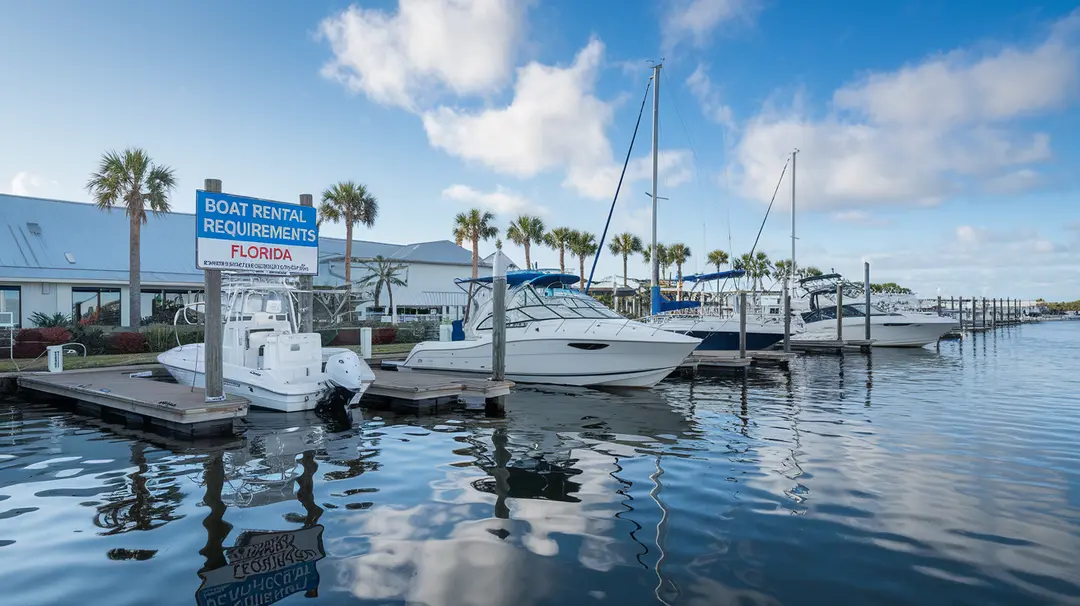
Planning a sailing adventure in Florida? Before you set sail, it’s essential to understand the latest boat rental requirements Florida has implemented. At SEARADAR, we’re committed to making your yacht charter experience seamless, safe, and unforgettable. Here’s everything you need to know about Florida boat rental requirements, from legal regulations and licensing to top marinas, weather, and insider tips for your next voyage.
Sailing in Florida
Florida is a sailor’s paradise, boasting over 8,400 miles of coastline, countless islands, and a vibrant marine culture. Whether you’re cruising the turquoise waters of the Keys, exploring the Gulf Coast, or navigating the Atlantic Intracoastal Waterway, the Sunshine State offers endless opportunities for discovery and relaxation. With our advanced yacht selection and booking platform, you can choose from thousands of sailboats, catamarans, and motor yachts to suit your adventure.
Who Is Florida Ideal For?
Florida is perfect for:
- Sailing enthusiasts seeking year-round adventure
- Families and groups looking for a memorable vacation
- Experienced captains and beginners alike (with the right preparation)
- Those who value vibrant nightlife, world-class fishing, and pristine beaches
Our clients range from seasoned sailors to first-time charterers, and our concierge team ensures everyone finds the ideal vessel and itinerary.
Seasons & Weather in Florida
Florida’s subtropical climate means boating is possible all year, but each season offers unique experiences:
- Winter (Dec–Feb): Mild, dry, and popular for sailing — especially in South Florida and the Keys.
- Spring (Mar–May): Warm, breezy, and less crowded — a favorite among locals.
- Summer (Jun–Aug): Hot and humid with afternoon thunderstorms; ideal for early morning or sunset sails.
- Fall (Sep–Nov): Warm waters and fewer crowds, but keep an eye on hurricane season (June–November).
Average water temperatures range from 68°F (20°C) in winter to 86°F (30°C) in summer. Always check local forecasts and hurricane advisories before your trip. For up-to-date marine weather, visit the National Weather Service Marine Forecasts.
Top Marinas in Florida
Florida is home to some of the world’s best marinas, offering top-notch facilities and easy access to iconic sailing routes:
- Miami Beach Marina: Gateway to Biscayne Bay and the Bahamas.
- Fort Lauderdale’s Bahia Mar Yachting Center: Known as the “Yachting Capital of the World.”
- Key West Bight Marina: Perfect for exploring the Lower Keys.
- Naples City Dock: Ideal for Gulf Coast adventures.
- St. Augustine Municipal Marina: A historic stop on the Atlantic Intracoastal Waterway.
Each marina offers unique amenities, from luxury services to lively waterfront dining. For a full list of marinas, check Florida By Water.
Getting to Florida
Florida is easily accessible by air, road, and sea:
- Major Airports: Miami (MIA), Fort Lauderdale (FLL), Orlando (MCO), Tampa (TPA)
- Interstate Highways: I-95 (East Coast), I-75 (West Coast), I-4 (Central Florida)
- International Ports: Miami, Fort Lauderdale, Tampa
Most marinas are within a short drive of major airports, and we can arrange transfers or provisioning services to make your arrival effortless.
What to Do in Florida
Florida’s sailing destinations are rich in history, culture, and natural beauty:
- Explore the Florida Keys: Snorkel coral reefs, visit Dry Tortugas National Park, and enjoy Key West’s vibrant nightlife.
- Discover Miami’s Biscayne Bay: Cruise past Art Deco architecture, anchor at secluded sandbars, and dine at waterfront restaurants.
- Sail the Gulf Coast: Visit Sanibel Island’s shell beaches, fish the Ten Thousand Islands, or relax on Naples’ white sands.
- Historic St. Augustine: Dock in America’s oldest city and tour its Spanish forts and cobblestone streets.
For more inspiration, see our curated list of top yachts and destinations.
What to Take With You for Sailing in Florida
Preparation is key for a smooth sailing experience. We recommend:
- Valid ID and Boater Education Card (if required)
- Lightweight, sun-protective clothing and hats
- Non-slip deck shoes
- Reef-safe sunscreen and sunglasses
- Waterproof phone case and dry bags
- Reusable water bottles and snacks
- Personal medications and seasickness remedies
- Snorkeling gear and water toys (many yachts provide these)
- Copies of your booking confirmation and insurance documents
Our team can assist with provisioning, food delivery, and special requests — just let us know your needs!
Culture & Flavors of Florida
Florida’s culture is a vibrant blend of Latin, Caribbean, and Southern influences. Dockside, you’ll find:
- Fresh seafood: Stone crab, grouper, and Key West pink shrimp
- Cuban cuisine: Try a classic Cuban sandwich or café con leche in Miami
- Caribbean flavors: Jerk chicken, conch fritters, and tropical fruits
- Craft cocktails: Sip a mojito or Key lime pie martini at sunset
Don’t miss local festivals, art walks, and live music events in port towns. For a taste of Florida’s culinary scene, check Visit Florida’s food guide.
Experience Level Required for Florida
Florida welcomes sailors of all experience levels, but some requirements apply:
- Bareboat Charters: If you plan to captain your own vessel, you must meet Florida boat rental requirements, including age and boater education.
- Crewed Charters: No experience necessary — our professional skippers handle navigation and safety.
- Challenging Waters: Certain areas, like the Florida Keys and Biscayne Bay, require local knowledge due to shallow waters and shifting sandbars. We recommend consulting our experts or hiring a local captain if you’re unfamiliar with the region.
Our platform matches you with the right yacht and crew based on your skills and preferences, ensuring a safe and enjoyable journey.
Florida Boat Rental Requirements: What You Need to Know
Licensing and Education
- Florida boat rental license: You don’t need a traditional driver’s license, but anyone born after January 1, 1988, must complete a state-approved boating safety course and carry a Boater Education Card.
- Non-residents: As of 2025, non-residents who have lived in Florida for less than five years must also present a valid boater safety card or equivalent certification.
- Where to get certified: Take an online course through the Florida Fish and Wildlife Conservation Commission (FWC).
Age Restrictions
- Minimum age to rent a boat: 18 years (some companies require 21+)
- Minimum age to operate a personal watercraft: 14 years
- It’s illegal for anyone under 14 to operate a personal watercraft, and under 18 to rent one.
Registration and Documentation
- All rental vessels must be registered and display valid numbers.
- The Certificate of Registration must be onboard at all times.
Safety Equipment
Rental boats must include:
- U.S. Coast Guard-approved life jackets for each person
- Fire extinguisher (for boats with enclosed engine compartments)
- Visual distress signals (for nighttime operation)
- Sound-producing device (whistle or horn)
- Navigation lights (for operation after sunset)
Insurance and Liability
- Most rental companies provide basic insurance, but we recommend additional coverage for peace of mind.
- Ask about deposit insurance and travel insurance options — our team can assist with tailored solutions.
Recent Legislative Changes
- Lucy’s Law (2025): Enhanced penalties for reckless boating and boating under the influence. Leaving the scene of a fatal boating accident is now a first-degree felony.
- Boater Freedom Act (2025): Limits vessel safety inspections — law enforcement must have probable cause to board your vessel.
- Anchoring Restrictions: New rules limit long-term anchoring in certain counties and near seaports. Check local regulations before anchoring overnight.
For the latest updates, visit the Florida Boating Laws page.
FAQ: Florida Boat Rental Requirements
Do I need a Florida boat rental license to rent a yacht? If you were born after January 1, 1988, you need a Boater Education Card. Non-residents must also show proof of boater safety education.
What is the minimum age to rent a boat in Florida? You must be at least 18 to rent most boats, and 21 for some companies. Operators of personal watercraft must be at least 14.
Is insurance required for boat rentals in Florida? Most rental companies include basic insurance, but additional coverage is recommended for deposit and travel protection.
What safety equipment is required on rental boats? Life jackets, fire extinguisher, visual distress signals, sound device, and navigation lights are mandatory.
Are there new laws affecting boat rentals in 2025? Yes — Lucy’s Law and the Boater Freedom Act have introduced stricter penalties for violations and changed inspection rules. Anchoring restrictions have also been updated.
Set Sail with Confidence
At SEARADAR, we make navigating Florida’s boat rental requirements simple and stress-free. Our expert team handles paperwork, insurance, and 24/7 support, so you can focus on enjoying your sailing adventure. Explore our top yachts in Florida and let us help you create memories on the water — effortlessly and safely.
References & Further Reading:
- Florida Fish and Wildlife Conservation Commission: Boating Regulations
- National Weather Service Marine Forecasts
- Florida By Water: Marinas
- Visit Florida: Food & Drink Guide
Set sail with SEARADAR — where your safety, satisfaction, and adventure come first!