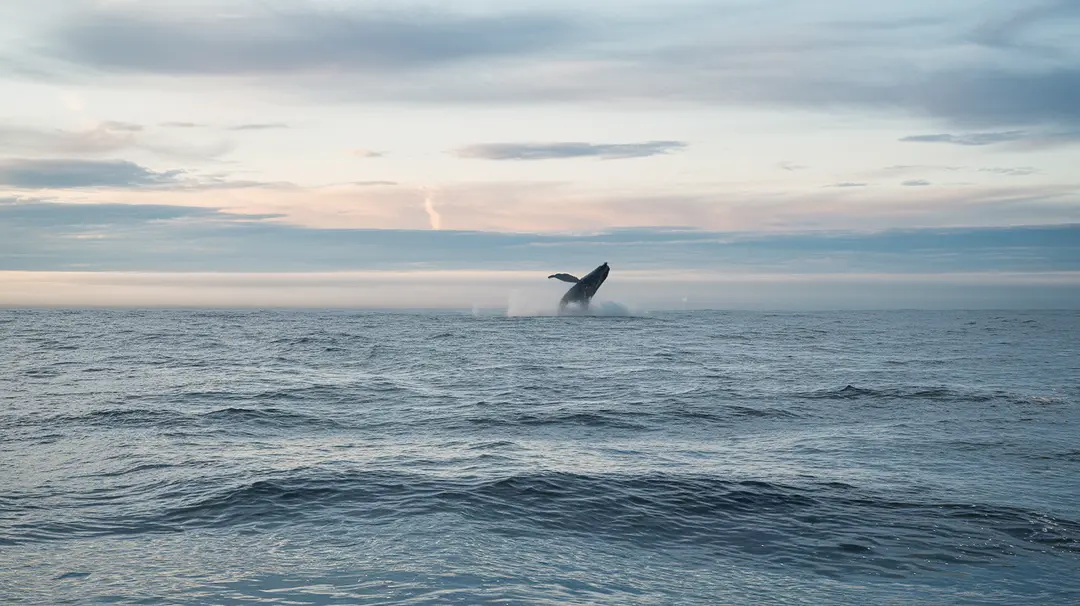
Blue whale sightseeing is a once-in-a-lifetime adventure, offering the chance to witness the largest animal ever to exist on Earth in its natural habitat. For sailing enthusiasts, combining yacht chartering with blue whale watching creates an unforgettable journey — one that blends the thrill of open-water navigation with the awe of marine wildlife encounters. At SEARADAR, we make these experiences accessible, seamless, and safe, leveraging our global network and advanced technology to guide you to the world’s best blue whale hotspots.
Sailing in Blue Whale Sightseeing Destinations
The world’s oceans are home to several blue whale populations, but only a handful of destinations offer reliable sightings and exceptional sailing conditions. Among the most renowned are:
- California Coast (USA): Particularly around Dana Point, Monterey Bay, and the Farallon Islands near San Francisco. Here, blue whales feed close to shore during summer, making sightings frequent and accessible.
- Sri Lanka (Indian Ocean): The southern coast, especially Mirissa, is a global hotspot for blue whale watching, with specialized expeditions available.
- Azores (Portugal): These mid-Atlantic islands offer prime blue whale encounters during spring migration.
- Iceland and Norway: Northern waters attract blue whales in summer, often alongside other cetaceans.
- Western Australia: The Perth Canyon is a seasonal gathering point for blue whales.
Our platform allows you to select and book yachts in these regions, ensuring you’re perfectly positioned for your blue whale adventure. Explore our curated yacht options at SEARADAR Top Yachts.
Who Is Blue Whale Sightseeing Ideal For?
Blue whale sightseeing by yacht is ideal for:
- Sailing enthusiasts seeking a unique wildlife experience
- Families and groups looking for educational and awe-inspiring adventures
- Wildlife photographers and researchers in search of rare encounters
- Eco-conscious travelers who value responsible tourism
Whether you’re a seasoned sailor or a first-time charter guest, our concierge service ensures your journey is tailored to your experience level and interests.
Seasons & Weather in Blue Whale Destinations
Timing is everything for blue whale sightings. Here’s what you need to know:
- California: Peak season is June to September, when blue whales migrate to feed on krill-rich waters. Expect mild to warm weather, with cooler temperatures offshore.
- Sri Lanka: December to April is prime time, with calm seas and clear skies.
- Azores: March to May offers the best chance to see blue whales during their migration.
- Iceland/Norway: June to August, with long daylight hours and cool, crisp conditions.
- Western Australia: March to May, with pleasant sailing weather.
Always check local marine forecasts and consult with your SEARADAR advisor for up-to-date conditions.
Top Marinas in Blue Whale Hotspots
Launching your blue whale adventure from a well-equipped marina ensures comfort and convenience. Some top choices include:
- Monterey Harbor (California): Gateway to Monterey Bay’s rich marine life.
- Dana Point Harbor (California): Renowned for its whale watching fleet and scenic coastline.
- San Francisco Yacht Harbor: Departure point for Farallon Islands expeditions.
- Mirissa Harbour (Sri Lanka): The heart of Indian Ocean blue whale tours.
- Ponta Delgada Marina (Azores): Ideal for spring migrations.
- Reykjavik Old Harbour (Iceland): Base for northern whale watching.
Our booking platform provides detailed marina information and can assist with provisioning, transfers, and local guidance.
Getting to Blue Whale Sightseeing Destinations
- California: Major airports in Los Angeles, San Francisco, and Monterey offer easy access. Car rentals and transfers are widely available.
- Sri Lanka: Fly into Colombo, then transfer to Mirissa by car or train.
- Azores: Direct flights to Ponta Delgada from Europe and North America.
- Iceland/Norway: Reykjavik and Tromsø are the main gateways.
- Western Australia: Perth International Airport, with local transfers to Fremantle or Hillarys Boat Harbour.
We offer support with travel logistics, ensuring a smooth journey from arrival to embarkation.
What to Do in Blue Whale Destinations
Beyond blue whale sightseeing, these regions offer a wealth of attractions:
- California: Explore historic Cannery Row in Monterey, visit the Monterey Bay Aquarium, or hike coastal trails at Point Lobos.
- Sri Lanka: Discover Galle Fort, relax on golden beaches, or tour tea plantations.
- Azores: Hike volcanic craters, soak in hot springs, and sample local cheeses.
- Iceland: Experience Reykjavik’s vibrant culture, visit geysers and waterfalls, or relax in the Blue Lagoon.
- Western Australia: Tour Fremantle’s heritage sites, snorkel at Rottnest Island, or sample local wines.
Our concierge team can arrange guided tours, restaurant bookings, and more to enrich your itinerary.
What to Take With You for Sailing in Blue Whale Regions
Preparation is key for a comfortable and successful voyage. We recommend:
- Layered clothing: Ocean temperatures can be much cooler than on land.
- Waterproof jacket and pants: For spray and unexpected weather.
- Sun protection: Hat, sunglasses, high-SPF sunscreen.
- Binoculars and camera: For distant sightings and memorable photos.
- Motion sickness remedies: Especially if you’re new to ocean sailing.
- Reusable water bottle and snacks: Stay hydrated and energized.
- Personal ID and travel documents: Required for yacht charters and marina access.
Our team can assist with provisioning and special requests, including onboard catering and gear rentals.
Culture & Flavors of Blue Whale Destinations
Each region offers its own unique cultural and culinary delights:
- California: Savor fresh seafood, local wines, and farm-to-table cuisine. Enjoy laid-back coastal towns and vibrant arts scenes.
- Sri Lanka: Experience spicy curries, tropical fruits, and warm hospitality. Don’t miss a traditional “rice and curry” meal.
- Azores: Taste local cheeses, fresh fish, and sweet pastries. Enjoy the relaxed island lifestyle.
- Iceland: Try lamb, seafood, and rye bread. Discover a culture shaped by the sea and volcanic landscapes.
- Western Australia: Enjoy world-class wines, fresh oysters, and multicultural dining.
We’re happy to recommend local restaurants and markets, or arrange onboard catering featuring regional specialties.
Experience Level Required for Blue Whale Sightseeing by Yacht
Blue whale sightseeing is accessible to sailors of all experience levels, thanks to:
- Professional captains and crew: Available for all charters, ensuring safety and expert navigation.
- Flexible itineraries: Choose from skippered or bareboat options, depending on your skills.
- Comprehensive support: Our team handles paperwork, payments, and communication, so you can focus on the adventure.
If you’re new to sailing, we recommend booking a skippered charter or joining a guided expedition. Experienced sailors can opt for bareboat charters, with our 24/7 support always available.
Responsible Blue Whale Sightseeing: Regulations & Conservation
Blue whales are endangered, and responsible tourism is essential for their protection. Key guidelines include:
- Maintain safe distances: Most countries require boats to stay at least 100 meters from whales.
- Limit time spent near whales: To avoid stress and disturbance.
- Never chase or encircle whales: Approach slowly and let the whales decide if they wish to come closer.
- Choose responsible operators: Look for those who follow International Whaling Commission guidelines and support conservation efforts.
At SEARADAR, we partner only with operators committed to ethical wildlife viewing and marine conservation.
Unique Experiences & Expert Expeditions
For the ultimate adventure, consider joining a specialized blue whale expedition, such as the Indian Ocean Blue Whales Elite Expedition led by renowned experts. These trips offer:
- Professional guidance for optimal sightings and photography
- Educational talks on blue whale biology and conservation
- Opportunities to contribute to research and citizen science
FAQ: Blue Whale Sightseeing
Q: When is the best time for blue whale sightseeing? A: The best season varies by region — June to September in California, December to April in Sri Lanka, and March to May in the Azores.
Q: Do I need sailing experience to join a blue whale charter? A: No. Skippered charters are available, and our team provides full support for all experience levels.
Q: How close can I get to blue whales? A: Regulations require boats to maintain a safe distance (usually 100 meters or more) to protect the whales.
Q: What should I bring on a blue whale sightseeing trip? A: Layered clothing, waterproof gear, sun protection, binoculars, camera, and motion sickness remedies.
Q: How do I book a yacht for blue whale sightseeing? A: Visit SEARADAR Top Yachts for personalized yacht selection and booking.
For more information on blue whale conservation and responsible tourism, visit the International Whaling Commission, NOAA Fisheries, and Whale and Dolphin Conservation.
Set sail with SEARADAR and experience the magic of blue whale sightseeing — where adventure, discovery, and conservation meet on the open sea.