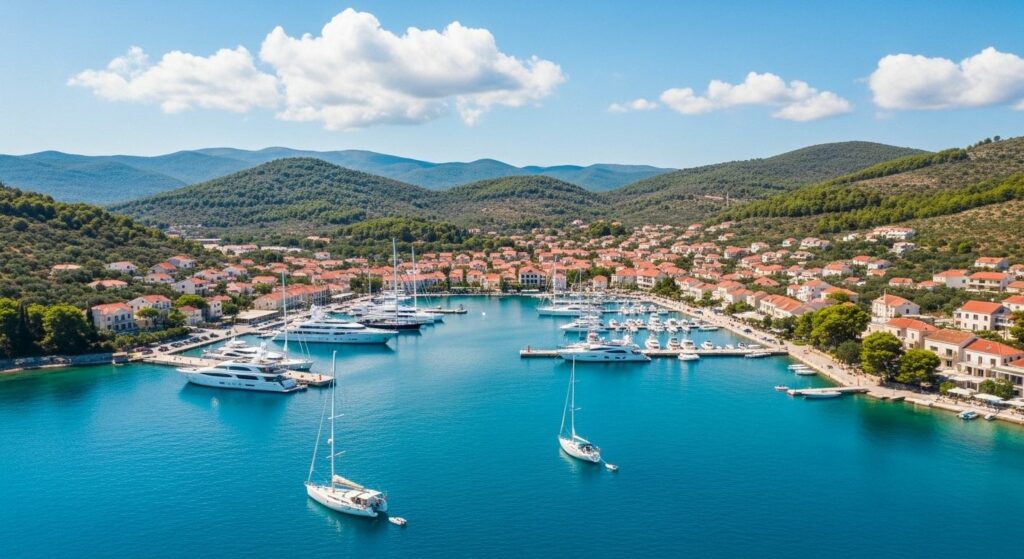
Cuba’s beaches are legendary — pristine, sun-drenched, and surrounded by turquoise waters. For sailing enthusiasts, they offer an adventure unlike any other in the Caribbean. At SEARADAR, we’re passionate about helping you discover the magic of Cuba’s coastline, from its hidden cays to its vibrant marinas. Here’s everything you need to know to plan your sailing journey to Cuba’s beaches.
Sailing in Cuba’s Beaches
Cuba boasts over 3,500 miles of coastline, dotted with thousands of cays and islands. Its beaches are famed for powdery white sand and crystal-clear waters, making them a dream for sailors. What sets Cuba apart is its blend of untouched natural beauty and rich cultural heritage. The southern coast, especially around Isla de la Juventud, is renowned for its tranquil anchorages and lush marine reserves. The northern coast offers unique sailing conditions and a different flavor of Cuban life.
Why choose Cuba’s beaches for your next sailing adventure?
- Sheltered waters and calm seas thanks to the Cuban archipelago’s geography.
- Uncrowded anchorages — many sailors report seeing just a handful of yachts even in peak season.
- Warm water year-round (24°C–28°C), ideal for swimming, snorkeling, and diving.
- Trade winds from the east and northeast provide consistent, comfortable sailing conditions.
Who Are Cuba’s Beaches Ideal For?
Cuba’s beaches are perfect for:
- Adventurous sailors seeking off-the-beaten-path destinations.
- Families and groups looking for safe, shallow waters.
- Diving and snorkeling enthusiasts — especially in Jardines de la Reina.
- History buffs and culture lovers, with easy access to cities like Havana and Cienfuegos.
- Self-sufficient sailors who enjoy resourceful cruising and exploring less-developed marinas.
As one seasoned sailor put it, “Cuba is for those who want to blaze a trail, not follow the crowd.”
Seasons & Weather in Cuba
Dry Season (November–April):
- Best time for sailing Cuba’s beaches.
- Lower humidity, predictable winds (10–15 knots), and minimal rainfall.
- Comfortable temperatures and clear skies.
Wet Season (May–October):
- Higher humidity and more frequent, short-lived showers.
- Winds are lighter (5–10 knots).
- Slightly increased risk of tropical storms, especially from August to October.
Pro tip: While hurricanes are rare, always check weather forecasts before and during your trip. Our team at SEARADAR provides up-to-date weather briefings and support.
Top Marinas in Cuba
Cuba’s marinas are gateways to its best beaches and sailing grounds. Here are some of the top options:
- Marina Cienfuegos: The main hub for yacht charters and a great starting point for exploring the south coast.
- Marina Hemingway (Havana): The largest marina in Cuba, offering full services and a vibrant international community.
- Marina Gaviota Varadero: Ideal for those heading to the northern cays and Varadero’s famous beaches.
- Marina Cayo Largo: A favorite among sailors for its proximity to unspoiled beaches and excellent diving.
Many marinas offer customs and immigration services, provisioning, and technical support. For a full list and up-to-date details, check the Noonsite Cuba Marinas Guide.
Getting to Cuba’s Beaches
By Air: Most international visitors arrive via Havana’s José Martí International Airport or Varadero’s Juan Gualberto Gómez Airport. From there, it’s a short transfer to major marinas.
By Sea: Cuba welcomes foreign yachts, but entry regulations are strict. You’ll need to clear customs and immigration at designated ports. Our SEARADAR team handles all paperwork and liaises with Cuban authorities to ensure a smooth arrival.
Travel tip: Bring copies of your passport, boat documents, and insurance. Cuba’s regulations require thorough documentation for all visiting yachts.
What to Do in Cuba’s Beaches
Cuba’s beaches offer more than sunbathing. Here’s how to make the most of your sailing trip:
- Snorkeling & Diving: Explore the coral reefs of Jardines de la Reina, one of the Caribbean’s top dive spots. The marine life here is spectacular, with vibrant fish, turtles, and even sharks.
- Historic Exploration: Sail to Cienfuegos, a UNESCO World Heritage city known for its French-inspired architecture. Havana’s old town is a must-see for culture lovers.
- Nature Reserves: Over 22% of Cuba is protected as national parks or reserves. Anchor near Isla de la Juventud for birdwatching and hiking.
- Fishing: Local fishing boats, some reminiscent of the USSR era, add to the charm. Try your hand at catching snapper or barracuda.
- Local Entertainment: Enjoy live music and salsa dancing in marina bars, or sample Cuban cuisine at seaside paladares (private restaurants).
For more inspiration, see Lonely Planet’s Cuba Activities.
What to Take With You for Sailing in Cuba
- Navigation charts and GPS: Some areas have limited signage.
- Provisioning: Stock up on essentials before departure; supplies can be limited on remote cays.
- Snorkeling and diving gear: The reefs are too good to miss!
- Sun protection: High SPF sunscreen, hats, and sunglasses.
- Cash (Euros or USD): Credit card acceptance is limited outside major marinas.
- Spare parts and tools: For self-sufficiency, as technical support can be sparse in remote areas.
Our team can assist with provisioning and equipment rental — just let us know your needs when booking.
Culture & Flavors of Cuba
Cuba’s beaches are gateways to a rich, vibrant culture. Expect:
- Warm hospitality: Cubans are famously friendly and eager to share their stories.
- Culinary delights: Savor fresh seafood, ropa vieja, and tropical fruits. Don’t miss a mojito or Cuba Libre at sunset!
- Music & Dance: From salsa to son, music is everywhere — especially in Havana and Cienfuegos.
- Art & History: Visit museums, galleries, and historic forts along the coast.
For a deeper dive into Cuban culture, visit Cuba’s Official Tourism Portal.
Experience Level Required for Cuba’s Beaches
Cuba’s beaches are suitable for sailors with moderate experience, especially those comfortable with self-sufficiency and basic navigation. The waters are generally calm, but the relative isolation and limited marina infrastructure mean it’s best for those who can handle minor repairs and provisioning independently.
First-time charterers: No problem! With SEARADAR’s 24/7 support, comprehensive booking management, and local expertise, you’ll always have help at hand.
FAQ: Sailing Cuba’s Beaches
Is it safe to sail in Cuba? Yes, Cuba is considered safe for sailors. The waters are calm, and crime rates are low. Always follow local regulations and monitor weather updates.
Do I need a special permit to sail in Cuba? Yes, you’ll need to clear customs and immigration. We handle all paperwork and guide you through the process.
What’s the best time to visit Cuba’s beaches? November to April is the best season for sailing, with dry weather and steady winds.
Can I charter a yacht in Cuba? Absolutely! Browse our top yachts available for Cuba at SEARADAR’s Cuba Yachts.
Are there restrictions on where I can sail? Some areas are protected nature reserves. We’ll advise you on permitted routes and anchorages.
Why Book Your Cuban Sailing Adventure with Us?
At SEARADAR, we offer:
- Personalized yacht selection — choose from sailboats, catamarans, and motor yachts.
- Comprehensive booking management — we handle paperwork, payments, and communication.
- 24/7 support — before, during, and after your trip.
- Best price guarantee — find a better offer, and we’ll match it.
- Flexible payment options — including cards, bank transfers, and crypto.
- Loyalty rewards — earn nautical miles cashback on every booking.
Ready to explore Cuba’s beaches? Let us make your dream sailing trip effortless and unforgettable. Start your adventure here.
References & Further Reading:
- Noonsite: Cuba Cruising Information
- Lonely Planet: Cuba Travel Guide
- Cuba’s Official Tourism Portal
- World Sailing: Cuba Country Profile
Discover the magic of Cuba’s beaches with SEARADAR — where your next sailing adventure begins!