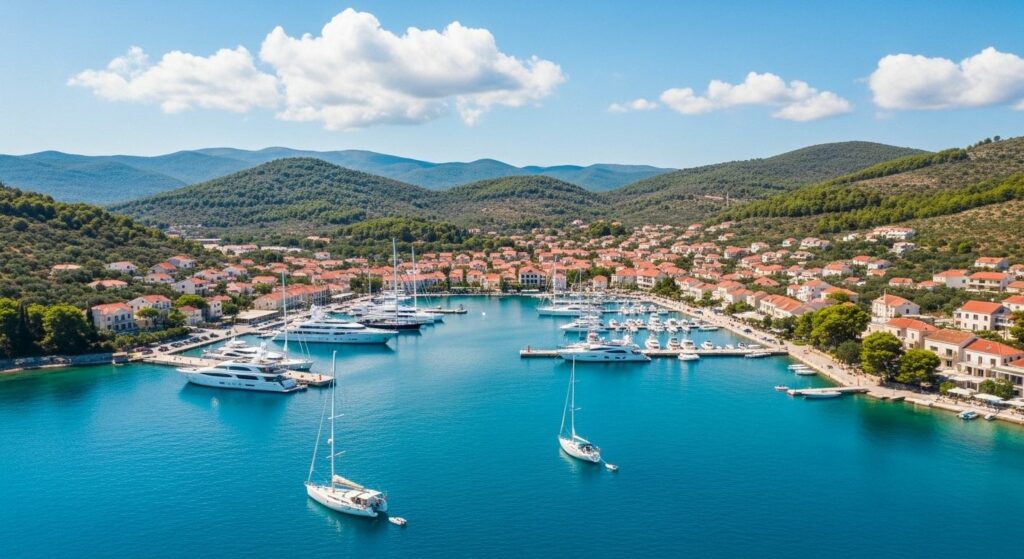
Greece’s legendary coastline and vibrant port cities have long been a magnet for sailors seeking adventure, culture, and crystal-clear waters. Whether you’re a seasoned skipper or planning your first yacht charter, understanding the unique features of Greek port cities can transform your sailing experience. Here’s your ultimate guide — packed with expert insights, practical advice, and everything you need to know for a seamless voyage.
Why Greek Port Cities Are a Sailor’s Dream
With over 6,000 islands and islets — 227 of them inhabited — Greece stands out as one of the world’s premier sailing destinations. Its port cities blend ancient history, modern amenities, and easy access to both bustling hotspots and tranquil hideaways. The combination of reliable winds, diverse routes, and welcoming marinas makes Greek waters ideal for all levels of sailing expertise.
Key Facts at a Glance
- Major Greek port cities for sailors: Athens (Piraeus and Alimos Marina), Lavrio, Thessaloniki, Mykonos, Santorini, Paros, Naxos.
- Piraeus (Athens): Busiest port, gateway to the Cyclades, up to 7 daily ferry crossings to islands like Santorini and Mykonos.
- Top sailing season: April to October, with peak conditions in May–June and September–October.
- Popular sailing routes: Saronic Gulf, Cyclades, Ionian Islands, Dodecanese.
Top Greek Port Cities and Their Unique Features
Athens / Alimos Marina
Athens is the heart of Greek sailing, with Alimos Marina serving as the primary charter base. Here, you’ll find:
- Full-service marina: Fuel, water, electricity, provisioning, and technical support.
- Easy access to the Saronic Gulf and Cyclades.
- Bustling nightlife and cultural attractions nearby.
Piraeus
As the main port of Athens, Piraeus is a hub for both ferries and yachts. Its strategic location makes it perfect for launching island-hopping adventures, with ferry tickets to the Cyclades starting from just €37.
Lavrio
A quieter alternative to Athens, Lavrio is close to the airport and offers direct routes to the Cyclades. It’s a favorite for those seeking less crowded marinas and a more relaxed pace.
Island Ports: Mykonos, Santorini, Paros, Naxos
Each island port city has its own charm:
- Mykonos: Famous for vibrant nightlife and luxury marinas.
- Santorini: Iconic caldera views and romantic anchorages.
- Paros & Naxos: Blend traditional Greek culture with modern marina facilities.
Hidden Gems
- Klima Bay (Aegina): A tranquil anchorage with crystal-clear water, perfect for swimming and snorkeling — no port facilities, but free mooring.
- Ancient Epidaurus (Sunken City): Anchor off the beach and snorkel above ancient ruins just two meters below the surface.
Yacht Charter Processes in Greek Port Cities
Booking a yacht in Greece is straightforward, especially with our technology-driven concierge service. Here’s what you need to know:
- Charter bases: Most charters start from Athens (Alimos Marina), Lavrio, or key island ports.
- Booking: Reserve early for peak season (June–September). Choose from bareboat or skippered charters.
- Requirements: For bareboat charters, at least one crew member must hold an ICC (International Certificate of Competence) or equivalent. A second crew member should have basic sailing experience.
- Paperwork: We handle all documentation, payments, and communication with charter companies, ensuring a smooth process from start to finish.
Explore our top yacht options: SEARADAR Top Yachts
Marina Facilities: What to Expect
Greek marinas range from fully equipped urban hubs to natural anchorages with minimal amenities. Here’s what you’ll typically find:
- Athens/Alimos Marina: Comprehensive services including fuel, water, electricity, provisioning, and technical support.
- Island Marinas: Larger islands like Mykonos and Paros offer modern facilities — restaurants, shops, repair services — while smaller anchorages may be more rustic.
- Mooring fees: Many anchorages are free, but expect charges in popular marinas, especially during high season.
For a detailed look at Greek marinas, check out Sailing Holidays’ marina guide.
Sailing Conditions and Weather
- Best time to sail: May–June and September–October offer warm weather, moderate winds, and fewer crowds.
- Meltemi wind: In July and August, the Meltemi brings strong northerlies, especially in the Cyclades. These conditions are exhilarating for experienced sailors but require caution.
- Sea state: The Saronic Gulf and Ionian Sea are generally calm, making them ideal for beginners. The Aegean can be more challenging due to open waters and wind exposure.
“The Saronic Gulf is ideal for beginners — short distances, sheltered waters, and plenty of charming ports. For a real adventure, experienced sailors should try the Cyclades, but always check the Meltemi forecast before setting out.” — Panos Zervas, Skipper, Athenian Yachts
For up-to-date weather forecasts, visit Poseidon System.
Regulations and Government Guidelines
Sailing in Greece is safe and well-regulated. Here’s what you need to know:
- Documentation: All yachts must carry valid registration, insurance, and crew lists. Foreign-flagged vessels must check in with port authorities upon arrival.
- Environmental rules: Anchoring in protected marine areas is prohibited; proper waste disposal is mandatory. Fines apply for violations.
- Safety: Life jackets, flares, and VHF radios are required on board. Night sailing is discouraged unless you’re experienced.
For official guidelines, refer to the Hellenic Coast Guard.
Popular Sailing Routes from Greek Port Cities
|
Route |
Highlights |
Difficulty |
Best For |
|---|---|---|---|
|
Athens – Saronic Gulf |
Short hops, sheltered waters |
Beginner |
Families, novices |
|
Cyclades (Mykonos, Paros) |
Vibrant nightlife, strong winds |
Intermediate+ |
Adventurers |
|
Ionian Islands |
Calm seas, lush scenery |
Beginner |
Relaxed cruising |
|
Dodecanese (Rhodes, Kos) |
Historic sites, diverse islands |
Intermediate |
Culture seekers |
Insider Tips for Sailing Greek Port Cities
- Anchor early: Popular bays fill up quickly during peak season. Always have a backup plan in case of sudden weather changes.
- Local cuisine: Many island ports have waterfront tavernas. Ask locals for their favorite spots for authentic Greek seafood.
- Combine ferry and yacht: Enhanced ferry schedules from Piraeus and Thessaloniki make it easy to mix yacht charters with island-hopping by ferry. See Ferryhopper for schedules.
Testimonials and Success Stories
“Snorkeling above the Sunken City of Epidaurus was the highlight of our trip — ancient ruins just beneath the surface, with colorful fish everywhere. Greece is a sailor’s paradise!”— Recent charter guest, Athens–Saronic Gulf route
Our clients consistently praise the ease of our booking process, the quality of our yacht selections, and the peace of mind provided by our 24/7 support.
The SEARADAR Advantage
- Personalized yacht selection: We analyze over 30,000 boats to match your preferences.
- Comprehensive booking management: From paperwork to payments, we handle it all.
- 24/7 support: Before, during, and after your charter.
- Flexible payment options: Including credit/debit cards, bank transfers, and cryptocurrency.
- Best price guarantee: If you find a better offer, we’ll match it.
- Loyalty rewards: Earn nautical miles cashback on every trip.
Ready to set sail? Find your perfect yacht and let us take care of the rest.
FAQ: Greek Port Cities & Sailing
What are the best Greek port cities for starting a sailing trip? Athens (Alimos Marina), Lavrio, and Piraeus are top choices, offering excellent facilities and access to major island groups.
Do I need a license to charter a yacht in Greece? Yes, for bareboat charters, at least one crew member must hold an ICC or equivalent. Skippered charters are available for those without licenses.
When is the best time to sail in Greece? May–June and September–October offer the best weather and fewer crowds. July–August is peak season but can be windy in the Cyclades.
Are marinas expensive in Greece? Many anchorages are free, but marinas in popular destinations may charge fees, especially during high season.
What safety equipment is required on board? Life jackets, flares, and VHF radios are mandatory. Night sailing is discouraged unless you’re experienced.
For more tips and inspiration, check out these resources:
- Greek Travel Pages: Ports & Marinas
- Noonsite: Greece Formalities
- Greek National Tourism Organization
- Ferryhopper: Greek Ferry Schedules
Set your course for adventure — Greek port cities await, and we’re here to make your sailing journey effortless and unforgettable.