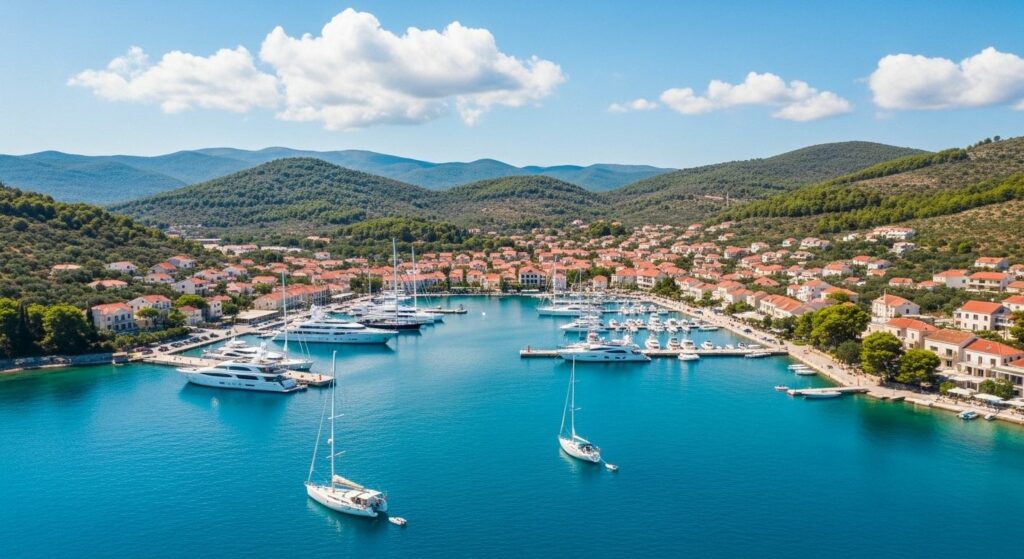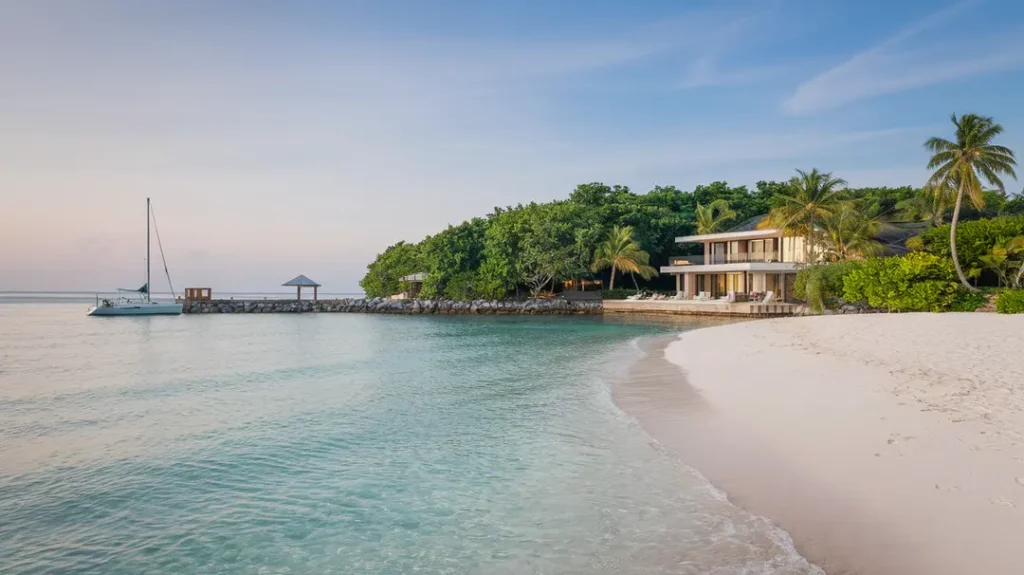
Private islands have long captured the imagination of adventurers, sailors, and dreamers. For those passionate about yachting, the allure of sailing to, around, or even owning a private island is the ultimate expression of freedom and exclusivity. But what does it really mean to join the ranks of people who own islands? Let’s explore the world of private island ownership, its impact on sailing experiences, and how you can make the most of these unique destinations.
Sailing in Private Island Destinations
Sailing to private islands offers an unparalleled sense of adventure and privacy. Whether you’re chartering a yacht to visit exclusive Caribbean retreats or exploring the untouched archipelagos of Scandinavia, private islands provide a unique blend of natural beauty and seclusion. Many of these islands are only accessible by boat, making them ideal for sailing enthusiasts seeking off-the-beaten-path experiences.
For those who dream of island ownership, the journey often begins with a yacht charter. This allows you to explore various regions, assess accessibility, and experience the local marine environment firsthand before making a significant investment.
Who Are Private Island Destinations Ideal For?
Private island destinations are perfect for:
- Sailing enthusiasts who crave solitude and pristine anchorages.
- Adventure travelers seeking unique, customizable experiences.
- Families and groups desiring privacy and security.
- Investors and entrepreneurs interested in eco-tourism or luxury hospitality.
- Conservationists aiming to protect fragile ecosystems.
People who own islands often come from diverse backgrounds, but they share a passion for exploration, nature, and personalized luxury.
Seasons & Weather in Private Island Regions
The best time to sail to private islands depends on the region:
- Caribbean & South Pacific: Peak season is typically from December to April, with warm temperatures and minimal rainfall. The Cook Islands, for example, see their highest visitor numbers from May to October, aligning with the Southern Hemisphere winter.
- Mediterranean: May to October offers ideal sailing conditions, with calm seas and sunny weather.
- Scandinavia: The sailing season is short, from June to August, due to colder temperatures and longer daylight hours.
Always check local weather patterns and hurricane/cyclone risks before planning your trip.
Top Marinas Near Private Islands
Access to quality marinas is essential for both island owners and visiting sailors. Some of the world’s top marinas near private islands include:
- Port Hercules, Monaco: Gateway to exclusive Mediterranean islands.
- Marina di Porto Cervo, Sardinia: Serves the Emerald Coast and nearby private retreats.
- Yas Marina, Abu Dhabi: Close to private islands in the Arabian Gulf.
- Marina Cay, British Virgin Islands: A favorite among Caribbean island owners.
- Stockholm Archipelago Marinas, Sweden: Ideal for exploring thousands of uninhabited islands.
These marinas offer secure berthing, provisioning, and easy access to nearby islands.
Getting to Private Islands
Reaching a private island often involves a combination of air and sea travel:
- By Yacht: The most flexible and scenic option, allowing you to explore multiple islands.
- By Private Jet or Helicopter: Many island owners invest in helipads or small airstrips for direct access.
- Scheduled Ferries: Some islands are served by regular ferry routes, especially in the Mediterranean and Scandinavia.
For those booking with us at SEARADAR, we handle all logistics, from yacht selection to route planning, ensuring a seamless journey to your chosen island paradise.
What to Do on Private Islands
Private islands offer a wealth of activities for every type of traveler:
- Snorkeling and Diving: Explore untouched reefs and marine life.
- Hiking and Wildlife Watching: Many islands are havens for endemic species.
- Historical Exploration: Some islands feature ancient ruins, lighthouses, or colonial architecture.
- Fishing and Water Sports: Enjoy world-class angling, kayaking, or paddleboarding.
- Relaxation and Wellness: Unwind on secluded beaches or indulge in spa treatments.
For those interested in eco-tourism, island owners often collaborate with environmental organizations to promote conservation and sustainable tourism.
What to Take With You for Sailing to Private Islands
Preparation is key for a successful island adventure. We recommend:
- Navigation equipment: Charts, GPS, and local sailing guides.
- Provisioning: Food, water, and supplies, as many islands lack stores.
- Safety gear: Life jackets, first aid kits, and communication devices.
- Eco-friendly products: Biodegradable toiletries and reef-safe sunscreen.
- Cash and local currency: Some remote areas may not accept cards.
Our team at SEARADAR can assist with provisioning and ensure your yacht is fully equipped for your journey.
Culture & Flavors of Private Island Regions
Each private island region boasts its own unique culture and cuisine:
- Caribbean: Savor fresh seafood, tropical fruits, and Creole flavors. Enjoy vibrant music and local festivals.
- Mediterranean: Indulge in Mediterranean cuisine, from Italian pasta to Greek mezze, paired with local wines.
- Scandinavia: Experience minimalist design, wild berries, and smoked fish, with a focus on sustainability.
Island owners often invest in preserving local heritage and supporting indigenous communities, creating a harmonious blend of luxury and authenticity.
Experience Level Required for Sailing to Private Islands
Sailing to private islands can range from beginner-friendly to highly challenging:
- Beginner: Many Mediterranean and Caribbean islands are accessible with basic sailing skills and good weather.
- Intermediate: Remote islands may require advanced navigation and anchoring techniques.
- Expert: Some regions, like the South Pacific or Scandinavia, demand experience with tides, currents, and unpredictable weather.
If you’re new to sailing, consider hiring a skipper or joining a flotilla. Our concierge service can match you with the right yacht and crew for your skill level.
The World of People Who Own Islands: Insights & Trends
Who Owns Private Islands?
The market for private islands is dominated by ultra-high-net-worth individuals (UHNWIs) and high-net-worth individuals (HNWIs). These owners view islands not only as luxury retreats but also as long-term investments and conservation projects. According to the Financial Times, the purchase, development, and maintenance of a private island require significant capital and a commitment to sustainable practices.
Environmental and Economic Impact
Island ecosystems are fragile. Responsible owners prioritize conservation, implementing waste management, water conservation, and protection of endemic species. Many collaborate with local communities, creating jobs and supporting local industries such as agriculture and fisheries.
Security and Accessibility
Privacy and security are top priorities. Owners invest in advanced security systems and private staff. Accessibility is another key factor — many islands feature private docks, helipads, or airstrips to ensure seamless travel.
Regulations and Policies
Ownership laws vary by country. Some nations restrict foreign ownership or require environmental impact assessments before development. It’s essential to consult local regulations and work with experienced legal advisors.
For more on the legal aspects of island ownership, see the Financial Times guide and Private Islands Inc..
Recent News and Notable Owners
Recent years have seen a surge in demand for private islands, driven by a desire for privacy and safe havens during global events. Notable owners include celebrities, tech entrepreneurs, and conservationists. For example, Richard Branson’s Necker Island is renowned for its luxury and sustainability initiatives.
For more insights, visit Forbes’ private islands coverage and CNN Travel’s feature.
FAQ: People Who Own Islands
Q: Can anyone buy a private island? A: In many countries, yes, but regulations vary. Some nations restrict foreign ownership or require environmental assessments.
Q: How much does a private island cost? A: Prices range from under $500,000 for small, undeveloped islands to tens of millions for luxury estates.
Q: What are the ongoing costs? A: Maintenance, staff, security, and infrastructure can add significantly to initial purchase costs.
Q: Can I visit private islands without owning one? A: Many private islands offer luxury resorts or can be visited by yacht charter. Always seek permission before landing on privately owned islands.
Q: What are the environmental responsibilities of island owners? A: Owners are encouraged (and sometimes required) to implement sustainable practices and protect local ecosystems.
Start Your Island Adventure with SEARADAR
Whether you dream of joining the exclusive club of people who own islands or simply want to experience the magic of sailing to one, we’re here to help. Our advanced yacht selection, comprehensive booking management, and global coverage make it easy to explore the world’s most breathtaking private islands.
Ready to set sail? Discover our top yachts and exclusive offers and let us handle the rest — so you can focus on the adventure of a lifetime.
References & Further Reading:
- Private Islands Online
- Financial Times: How to Buy a Private Island
- Forbes: Inside the World of Private Island Ownership
- CNN Travel: How to Buy a Private Island