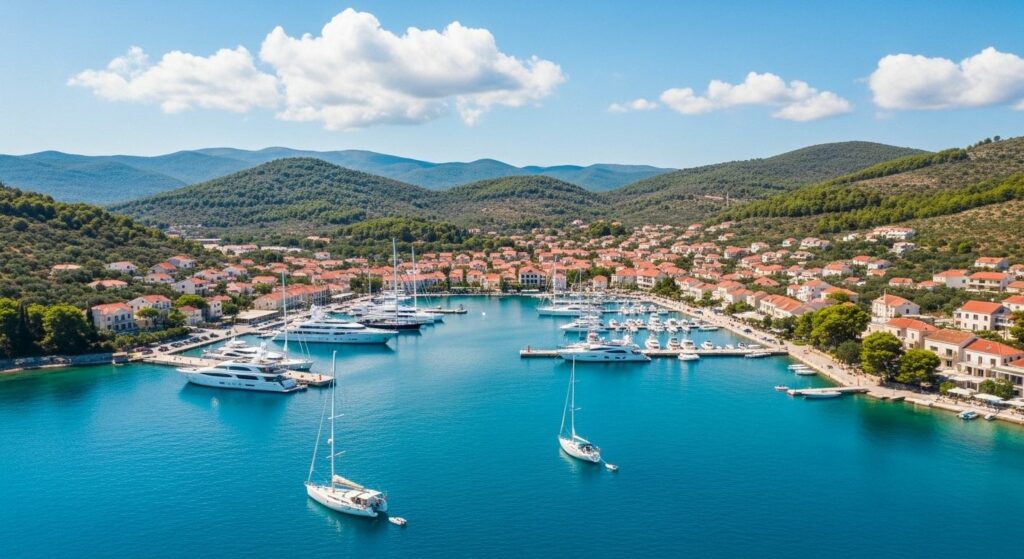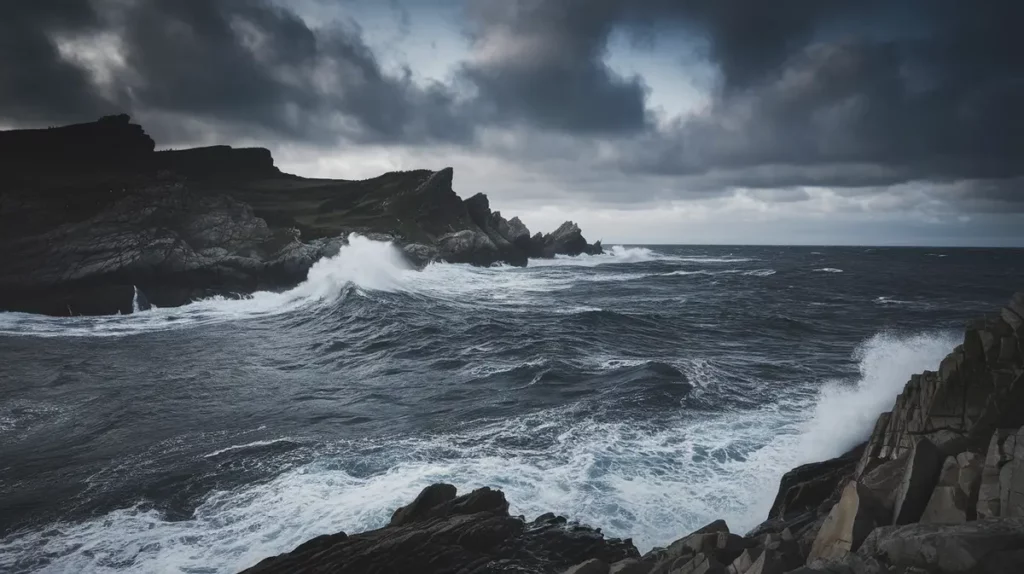
Sailing around the world is the ultimate adventure, offering freedom, discovery, and unforgettable experiences. However, even the most seasoned captains know that some regions present significant risks — whether due to piracy, severe weather, heavy commercial traffic, or political instability. At SEARADAR, our mission is to make your global sailing journey as safe and enjoyable as possible. Here’s our expert guide on the places to avoid when sailing around the world, backed by the latest data, professional advice, and industry insights.
Why Some Places Are Best Avoided
While maritime safety has improved dramatically — annual vessel losses have dropped by 75% over the past decade — certain hotspots remain hazardous. In 2024 alone, there were 3,310 reported shipping incidents worldwide, a 10% increase from the previous year. Despite better technology and regulations, the number of reported incidents is rising due to increased traffic and improved reporting.
Key takeaway: Even with advanced navigation and support, some regions pose risks that can jeopardize your journey, your crew, and your vessel.
High-Risk Regions: Where Caution Is Essential
1. South China, Indochina, Indonesia, and the Philippines
Main Risks: Vessel losses, congestion, piracy Why Avoid: This region has recorded the highest number of vessel losses globally over the past decade, with 169 total losses. The dense shipping lanes, unpredictable weather, and piracy threats make it particularly dangerous for leisure yachts.
Expert Insight:
“Given that 90% of international trade is transported across oceans, maritime safety is critical, and the shipping industry has made significant improvements in recent years.” — Maritime Safety Analyst, 2024
2. Gulf of Aden and West Africa
Main Risks: Piracy, armed robbery Why Avoid: The Gulf of Aden and parts of West Africa are notorious piracy hotspots. Attacks on yachts and commercial vessels remain a serious threat, with ongoing security incidents reported in 2025. The International Maritime Organization (IMO) and many national governments advise against non-essential travel in these waters.
Professional Advice: Always check the latest piracy reports and maritime advisories before considering routes through these regions. Comprehensive insurance and emergency protocols are a must.
3. Caribbean (During Hurricane Season)
Main Risks: Severe weather, hurricanes Why Avoid: The Caribbean is a dream destination, but during hurricane season (June to November), it becomes one of the most dangerous places to sail. Sudden storms and hurricanes can develop rapidly, putting even the most prepared crews at risk.
Tip: If you’re set on Caribbean sailing, plan your journey outside hurricane season and monitor weather updates closely.
4. East Mediterranean & Black Sea
Main Risks: Political instability, vessel losses Why Avoid: This area has seen four total vessel losses in the past year, with ongoing political tensions and unpredictable maritime conditions. While parts of the Mediterranean are sailing havens, the eastern sections can be volatile.
5. British Isles and English Channel
Main Risks: Heavy traffic, fog, unpredictable weather Why Avoid: The English Channel is one of the world’s busiest waterways, with frequent fog and challenging weather. The British Isles have also seen notable vessel incidents recently. High collision risks and sudden weather changes require heightened vigilance.
Other Notable Areas to Approach with Caution
- Indian Ocean (Cyclone-prone regions): Cyclones can be devastating. Avoid during peak season and always check forecasts.
- Strait of Malacca: Congestion and piracy risks.
- Red Sea: Political instability and piracy threats.
For a comprehensive list of current maritime risks, consult the International Maritime Organization and your national maritime authority.
Regulations and Government Guidelines
The IMO issues global safety and security guidelines, including recommended routes and best practices for avoiding high-risk areas. Many governments also release travel and maritime advisories for their citizens. Before setting sail, always:
- Review the latest government advisories for your planned route.
- Register your voyage with your country’s maritime authority if possible.
- Ensure your yacht meets all safety and communication requirements.
How SEARADAR Keeps You Safe
At SEARADAR, we’re committed to your safety and satisfaction. Here’s how we support you:
- Personalized Yacht Selection: We analyze over 30,000 boats to match you with the safest, most reliable options.
- 24/7 Support: Our team is available before, during, and after your charter to assist with route planning, emergency support, and more.
- Advanced Technology: Our software checks yacht availability, calculates quality metrics, and flags potential risks.
- Comprehensive Insurance: We offer deposit and travel insurance, giving you peace of mind wherever you sail.
- Booking Management: We handle paperwork, payments, and communication, so you can focus on enjoying your journey.
Ready to start your adventure? Find your perfect yacht with SEARADAR.
Professional Tips for Safe Global Sailing
- Plan Routes Carefully: Use up-to-date maritime advisories and weather forecasts. Avoid known piracy hotspots and cyclone-prone regions during their respective seasons.
- Conduct Safety Drills: Regularly practice emergency procedures with your crew.
- Invest in Technology: Modern navigation and communication equipment can make all the difference.
- Stay Insured: Comprehensive insurance is essential, especially in high-risk areas.
- Stay Informed: Follow updates from the International Maritime Bureau and NOAA’s hurricane center.
FAQ: Places to Avoid When Sailing Around the World
Q: Are there any truly “off-limits” areas for private yachts? A: Yes. Regions like the Gulf of Aden, parts of West Africa, and certain conflict zones are strongly advised against by the IMO and most national governments due to piracy and instability.
Q: Can I sail the Caribbean year-round? A: The Caribbean is best avoided during hurricane season (June–November). Outside these months, it’s a fantastic destination.
Q: How can I check if my planned route is safe? A: Consult the latest maritime advisories from the IMO, your national maritime authority, and real-time piracy reports. Our SEARADAR team is also here to help with route planning and risk assessment.
Q: What should I do if I must transit a high-risk area? A: Ensure your yacht is fully equipped, your crew is trained for emergencies, and you have comprehensive insurance. Register your voyage with authorities and maintain regular communication.
Q: Does SEARADAR offer support in case of emergencies? A: Absolutely. Our 24/7 support team is ready to assist before, during, and after your charter, including emergency situations.
Conclusion
While the world’s oceans offer endless possibilities, knowing the places to avoid when sailing around the world is crucial for a safe and enjoyable voyage. At SEARADAR, we combine technology, expertise, and personalized service to help you navigate confidently — wherever your adventure leads.
Set sail with confidence — let us handle the risks, so you can focus on the journey.
References & Further Reading:
- International Maritime Organization
- International Maritime Bureau Piracy Reporting Centre
- NOAA National Hurricane Center
- European Maritime Safety Agency
Ready to explore the world’s safest and most stunning sailing destinations? Start your SEARADAR journey today!