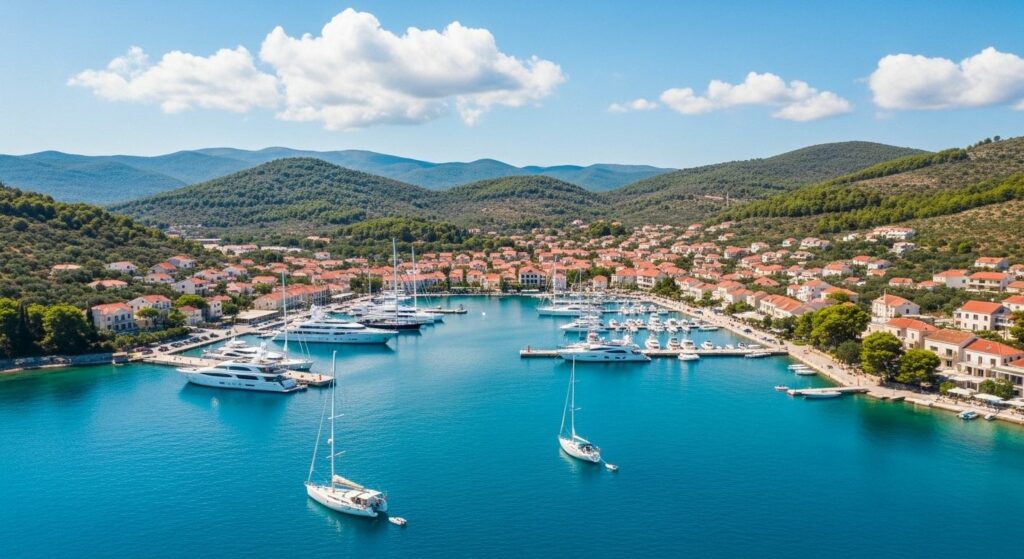
Sailing in a storm is one of the most challenging — and rewarding — experiences for any sailor. Whether you’re a seasoned yacht captain or an adventurous sailing enthusiast, understanding how to handle a boat in a storm is crucial for safety and peace of mind. At SEARADAR, we’re committed to making every aspect of your sailing journey smooth and secure, including when the weather takes a turn for the worse.
Sailing in a Storm: Key Facts and Background
Storm sailing is not just about braving high winds and towering waves; it’s about preparation, skill, and making smart decisions under pressure. According to the U.S. Coast Guard, the majority of sailing accidents during storms are linked to inadequate preparation and lack of familiarity with emergency procedures. In fact, a 2023 report from the Royal Yachting Association highlights that 70% of storm-related incidents could have been mitigated with better planning and crew training.
Expert sailors emphasize the importance of staying calm and methodical. As renowned skipper Dee Caffari notes, “Preparation is everything. Know your boat, your crew, and your plan before the weather turns.” This approach is echoed in government safety guidelines, which stress the need for regular drills, up-to-date safety equipment, and clear communication among crew members (RYA Safety Advice).
Who Is Storm Sailing Ideal For?
Sailing in a storm is not for the faint-hearted, but it’s also not reserved exclusively for professionals. With the right preparation and support, even intermediate sailors can safely navigate challenging conditions. Our concierge service at SEARADAR is designed to support captains and crews of all experience levels, providing personalized yacht selection, 24/7 support, and expert advice to ensure you’re never alone — even in rough weather.
Storm sailing is ideal for:
- Adventurous sailors seeking to test and improve their skills
- Yacht captains responsible for crew safety
- Sailing enthusiasts who value preparation and learning
- Charter guests looking for a memorable, adrenaline-filled experience
Seasons & Weather: When Storms Are Most Likely
Understanding seasonal weather patterns is key to planning safe sailing trips. In the Mediterranean, for example, autumn and early spring can bring sudden squalls and thunderstorms. The Caribbean hurricane season runs from June to November, with the highest risk in August and September (NOAA Hurricane Center). Northern Europe and the UK experience their most volatile weather from October to March.
Before setting sail, always check multiple weather sources, including local marine forecasts and real-time updates from services like Windy (Windy.com). At SEARADAR, our booking management system includes weather monitoring and alerts, so you’re always informed.
Top Marinas for Storm Shelter
When sailing in a storm, knowing where to find safe harbor is essential. Here are some renowned marinas known for their excellent facilities and storm protection:
- ACI Marina Dubrovnik, Croatia: Offers robust breakwaters and 24/7 support.
- Marina di Portofino, Italy: Sheltered location and professional staff.
- Alimos Marina, Athens, Greece: One of the largest marinas in the Mediterranean, with extensive safety measures.
- Marina Puerto Calero, Lanzarote, Canary Islands: Known for its secure moorings and modern amenities.
Our yacht charter platform allows you to filter destinations by marina safety and proximity to storm shelters, ensuring you always have a plan B.
Getting to Your Destination Safely
Travel logistics are especially important when planning a trip that may involve storm sailing. Choose arrival and departure points with reliable transport links and easy access to marinas. Many of our top destinations — like Split, Athens, and Palma de Mallorca — are served by major airports and have efficient ground transportation to marinas.
For added peace of mind, SEARADAR offers flexible payment options, deposit insurance, and free cancellation under certain conditions, so you can adjust your plans if severe weather is forecasted.
What to Do During a Storm: Practical Steps & Best Practices
When a storm hits, every action counts. Here’s what the experts recommend:
- Reduce Sail Area: Reef early and often. Switch to storm sails or sail under bare poles if necessary.
- Secure the Deck: Stow loose gear, close all hatches, and ensure everyone is wearing life jackets and harnesses.
- Maintain Visibility: Turn on running lights and keep a sharp lookout for other vessels.
- Monitor Position: Chart your location regularly and have a backup navigation method.
- Stay Calm and Communicate: Keep crew informed and assign clear roles.
For more in-depth guidance, the U.S. Coast Guard’s Boating Safety Resource Center offers practical checklists and emergency procedures (USCG Boating Safety).
What to Take with You for Storm Sailing
Preparation is your best defense against the unexpected. Here’s what you should always have on board when sailing in a storm:
- Certified life jackets for all crew
- Safety harnesses and jacklines
- Emergency signaling devices (flares, VHF radio, waterproof flashlight)
- First aid kit and seasickness remedies
- High-energy snacks and water
- Waterproof clothing and thermal layers
- Spare navigation tools (charts, compass, GPS backup)
- Fully charged mobile devices and power banks
Our yacht selection process ensures that every vessel is equipped with essential safety gear, and our team can assist with provisioning and additional equipment as needed.
Culture & Flavors: Storm Sailing Destinations
Storm sailing isn’t just about the challenge — it’s also about discovering the unique culture and flavors of your destination. After weathering a storm, there’s nothing like enjoying a hearty meal at a local taverna in Greece or sampling fresh seafood in a Croatian harbor.
Many marinas offer on-site restaurants and bars where sailors share stories and unwind. Our concierge service can recommend the best local spots and even arrange for onboard catering, so you can celebrate your safe arrival in style.
Experience Level Required for Storm Sailing
While basic sailing competence is essential, you don’t need to be an expert to handle a boat in a storm — provided you have the right support. SEARADAR’s advanced technology matches you with yachts suited to your experience level and destination, and our 24/7 support team is always on hand to offer guidance.
For those new to storm sailing, we recommend:
- Taking a certified safety course (such as RYA or ASA)
- Practicing emergency drills with your crew
- Starting with shorter passages in well-charted waters
Our loyalty program rewards frequent travelers, so you can build experience and confidence with every trip.
FAQ: Sailing in a Storm
Q: What should I do if I see a storm approaching while sailing? A: Reduce sail, secure the deck, and head for the nearest safe harbor. Keep crew informed and monitor weather updates.
Q: Is it safe to sail during storm season? A: With proper preparation and real-time weather monitoring, it’s possible to sail safely during storm season. Always have a backup plan and consult local authorities.
Q: What type of yacht is best for storm sailing? A: Heavier displacement yachts with deep keels and robust rigging perform best in rough conditions. Our platform helps you select the right vessel for your needs.
Q: Can I cancel my charter if severe weather is forecasted? A: Yes, we offer free cancellation for bookings made with 100% prepayment under certain conditions. Contact our support team for details.
Q: Where can I find more resources on storm sailing? A: Check out the Royal Yachting Association, NOAA Hurricane Center, and USCG Boating Safety for expert advice and guidelines.
Ready to sail with confidence, no matter the weather? Explore our top-rated yachts and discover how SEARADAR’s full-cycle concierge service can make your next adventure safe, seamless, and unforgettable. Find your perfect yacht today!