Baiona, Spain is a beautiful coastal town with plenty of opportunities for sailing and boating enthusiasts. Visitors to the area can rent a sailboat from several local providers to explore the stunning coastline and nearby islands. With favorable wind conditions and a temperate climate, renting a sailboat in Baiona is a great way to experience the natural beauty of the region and enjoy a relaxing day on the water.
Search
Booking dates
Filters
Prices Range
Cabins range
WC range
Length
Berths
Year
Security deposit
Boat offers
Service
Mainsail

Personal Assistant
Tired of searching yourself?
Our managers are always on call to help
Yacht Charter Baiona
Rent a yacht in Baiona and enjoy the adventure. Available 7 yachts. 7 yachts are available on your dates. If you are still undecided about a specific model and want to compare several boats, add the boats to the comparison list or contact our manager. Choose among yacht types: Sailboat, Catamaran Cabins: 3-cabins, 4-cabins Persons: 4-persons, 6-persons, 8-persons
Show more
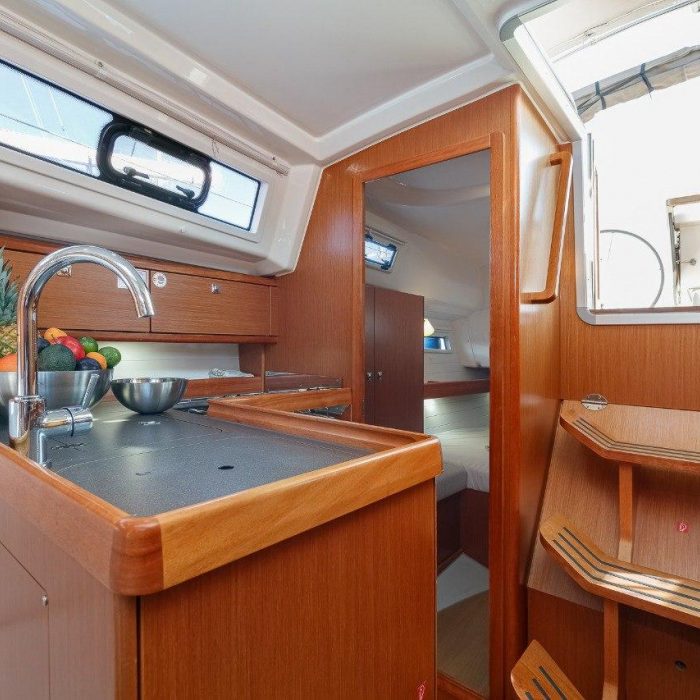
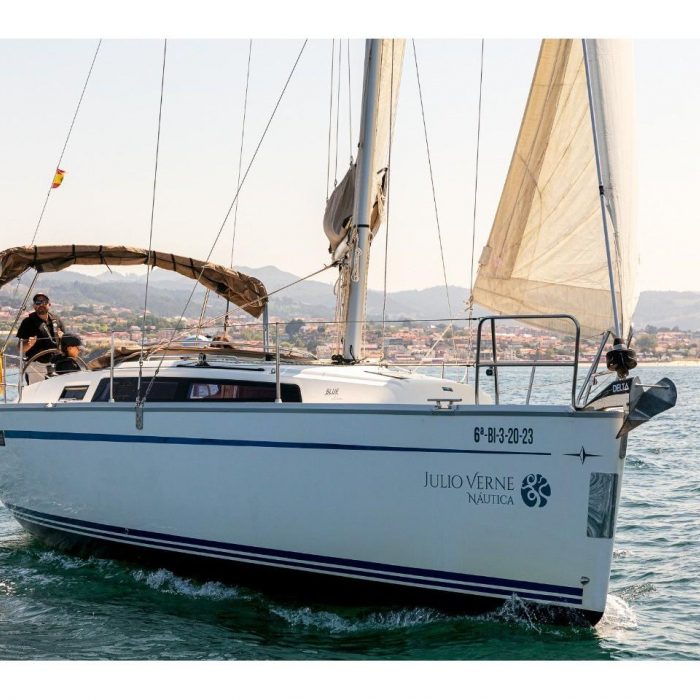
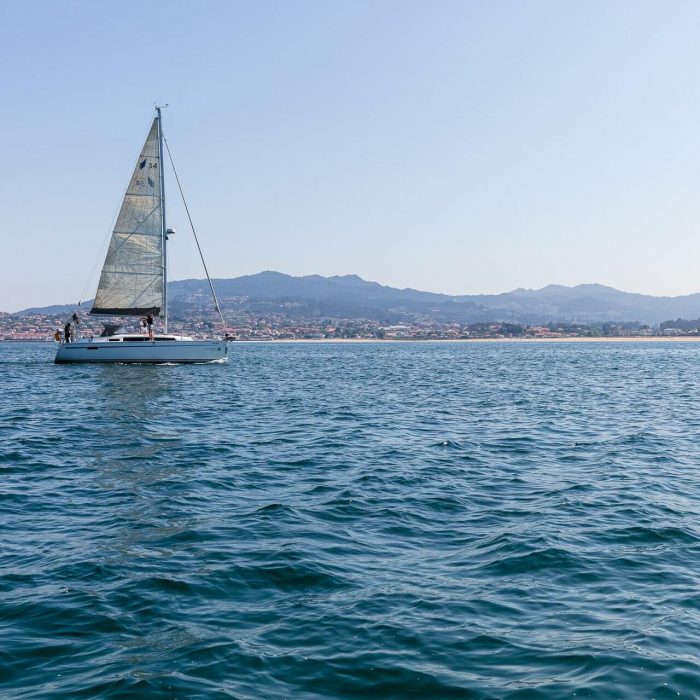
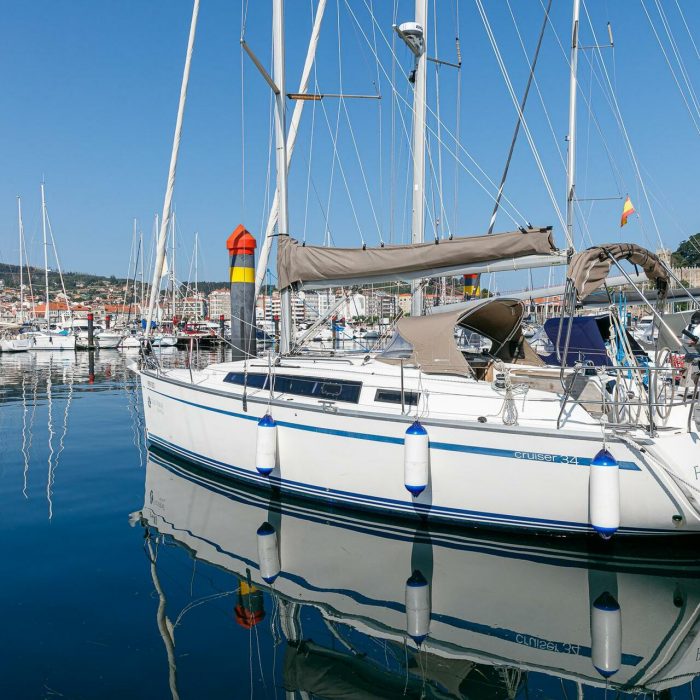
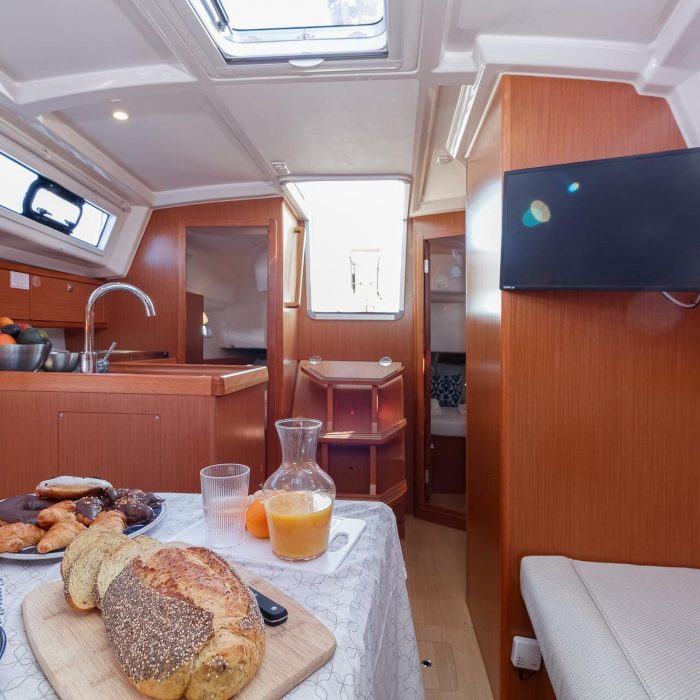
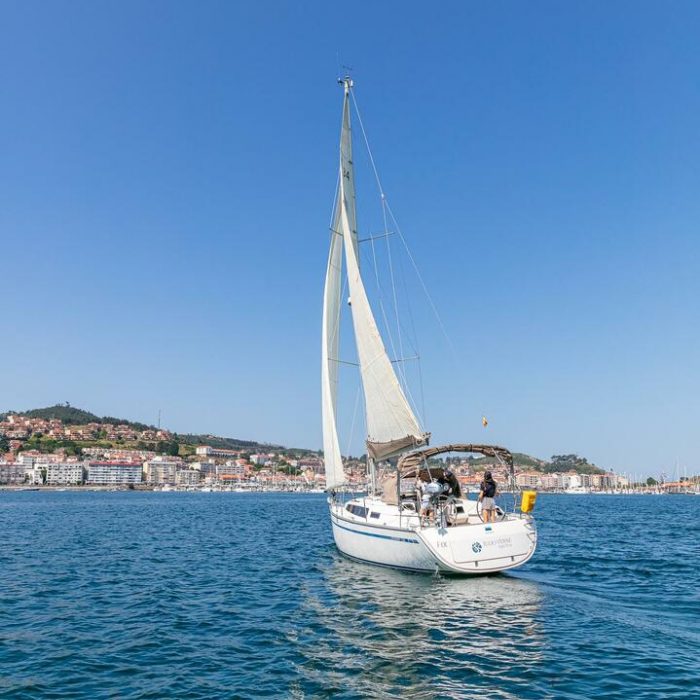
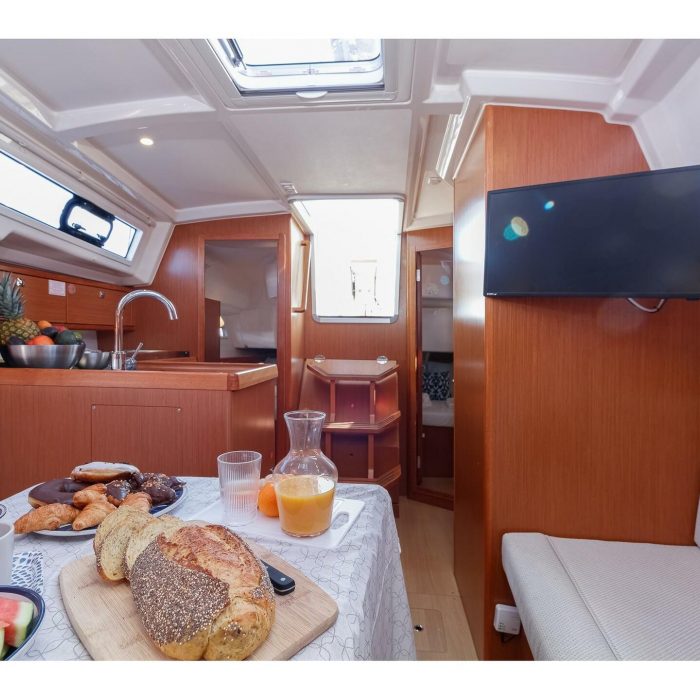
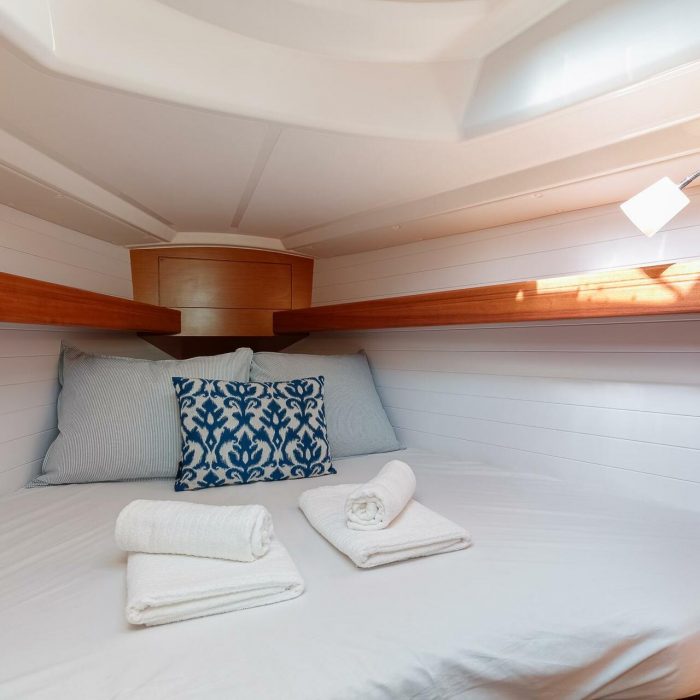
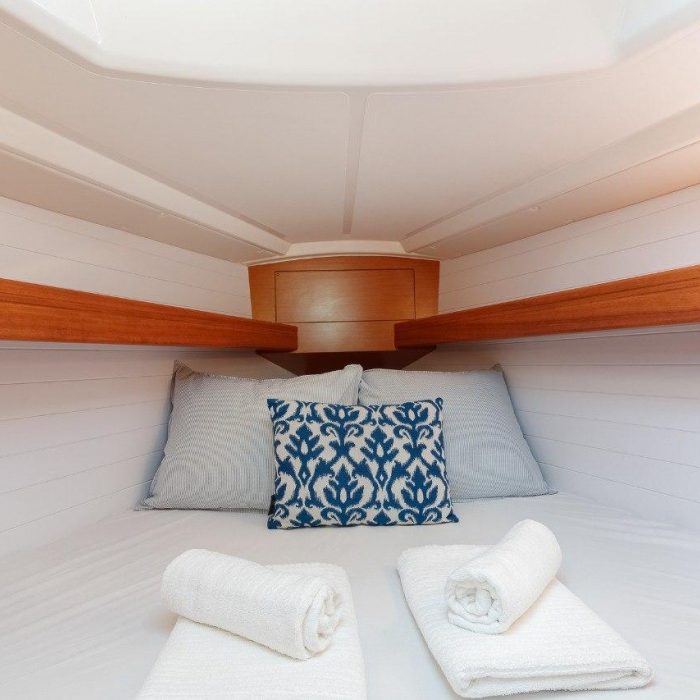
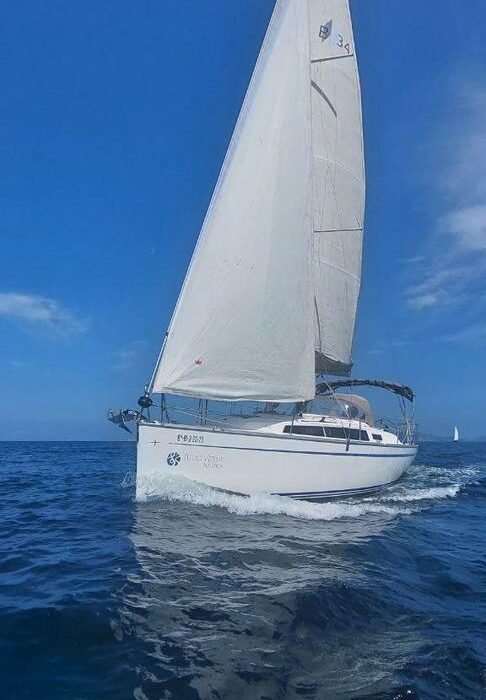
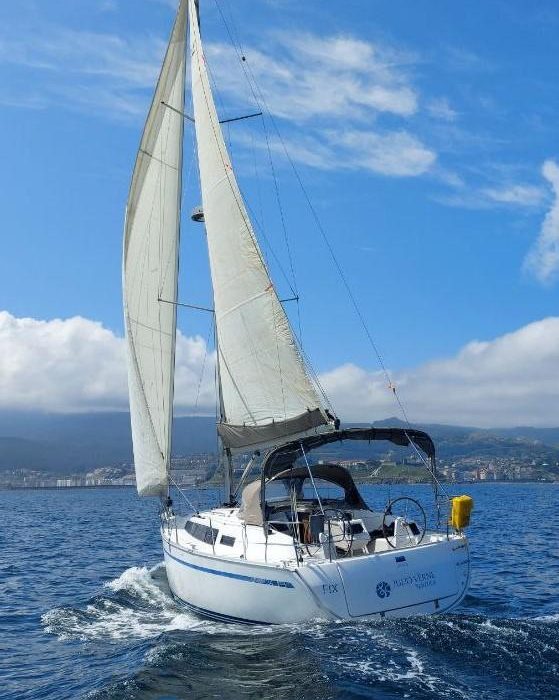
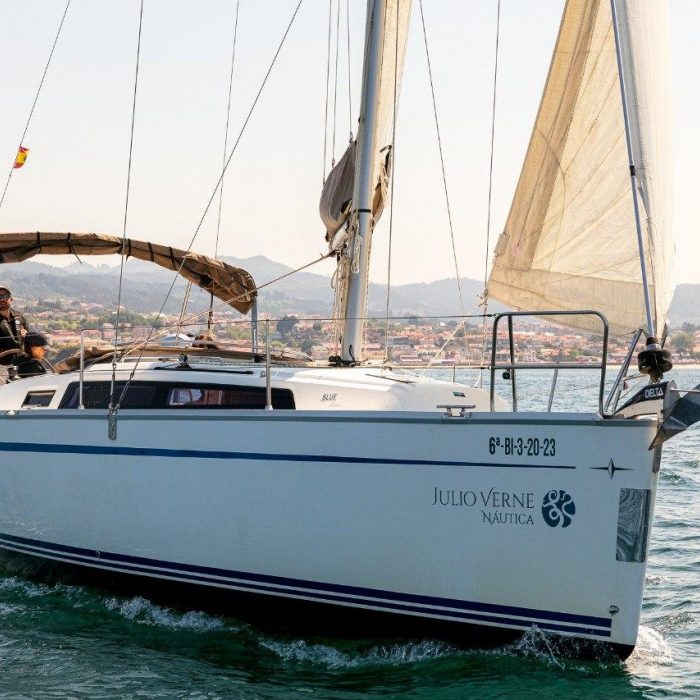
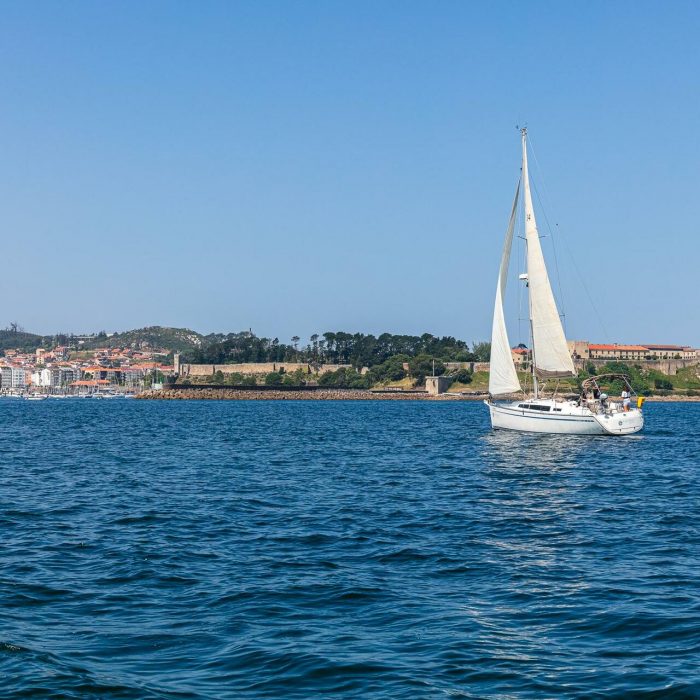
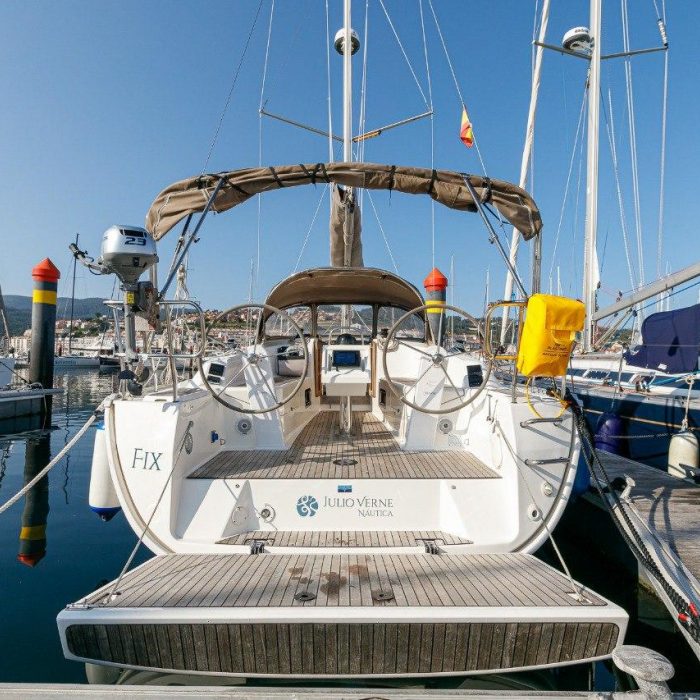
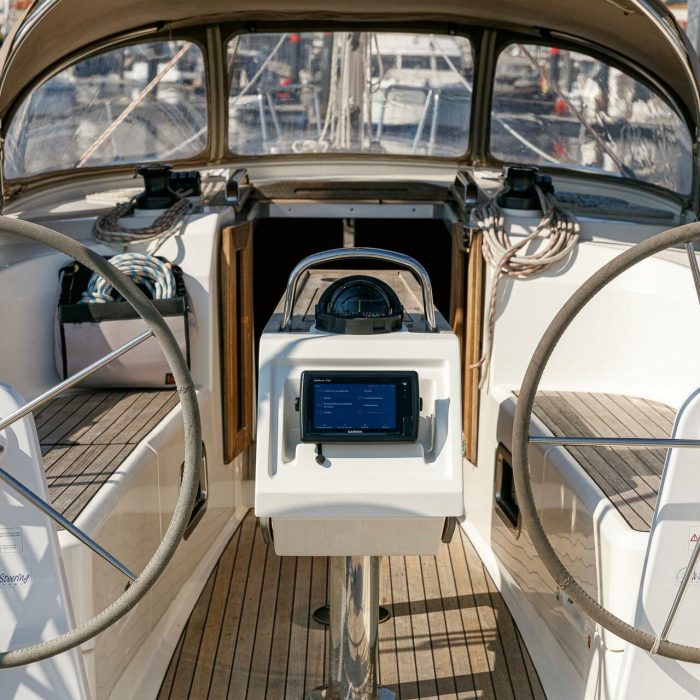
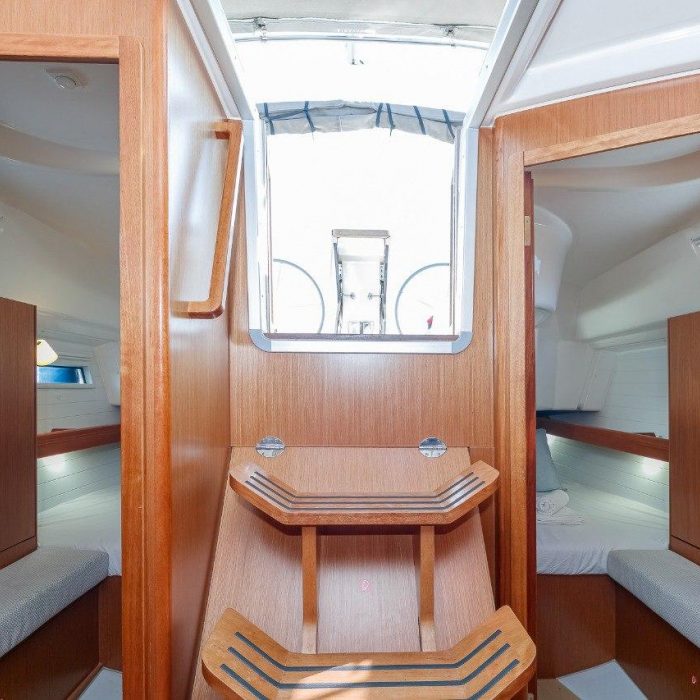
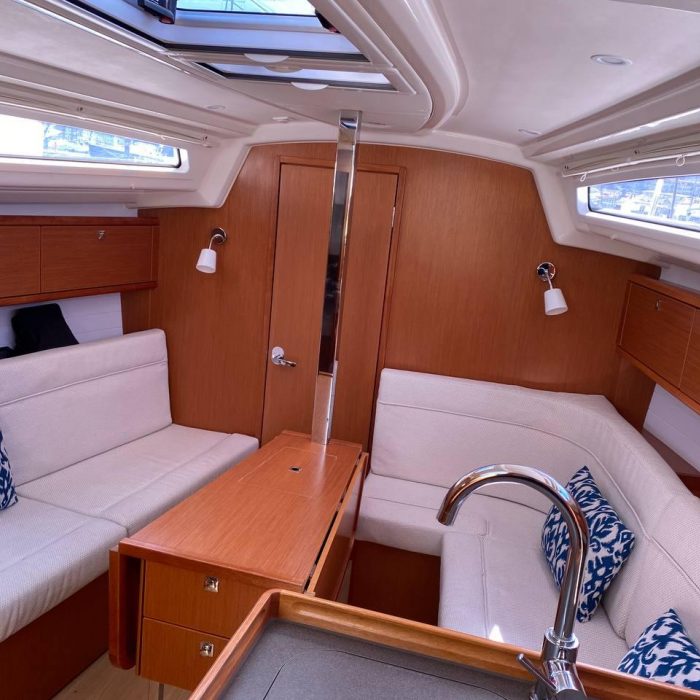
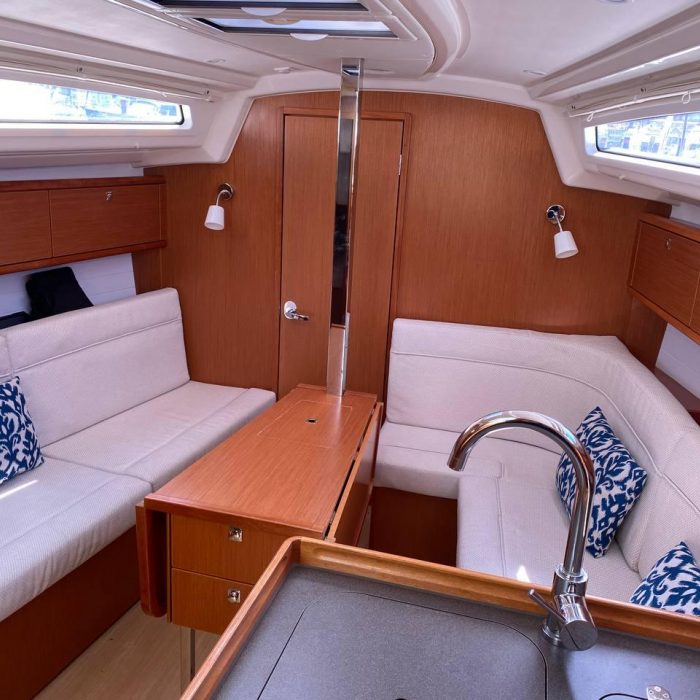
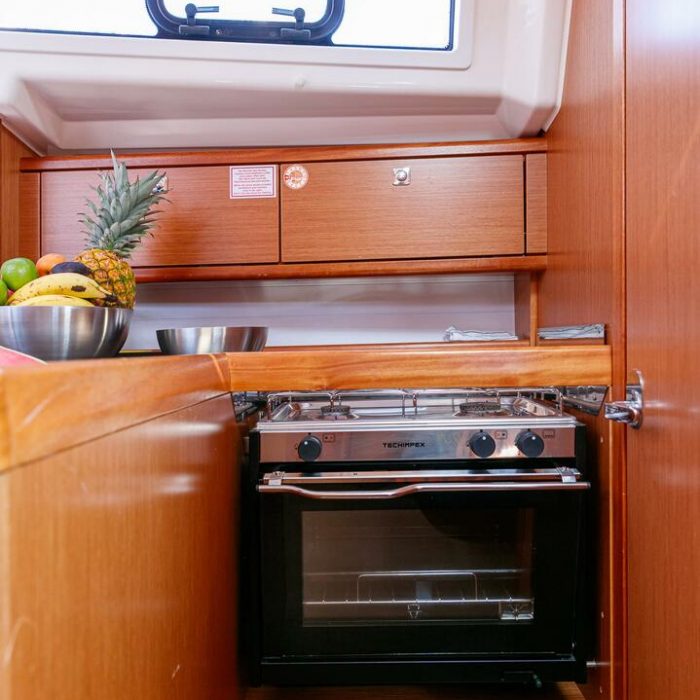
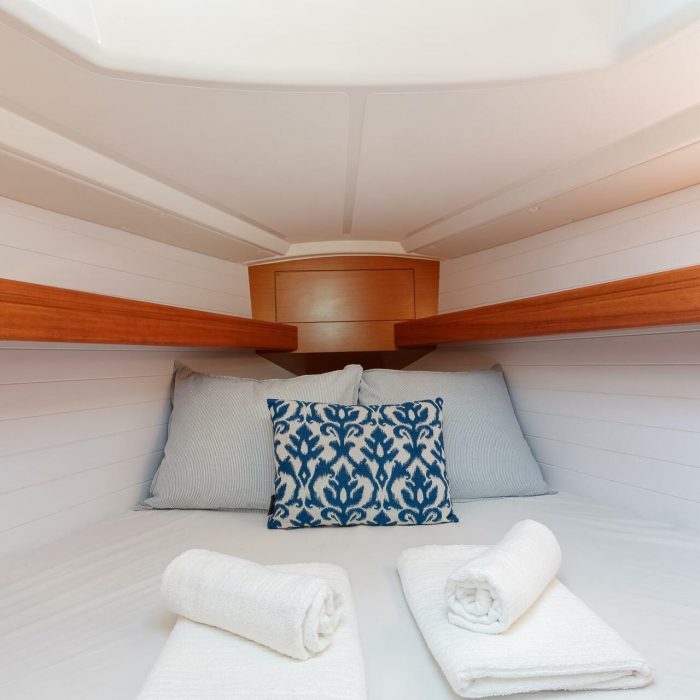
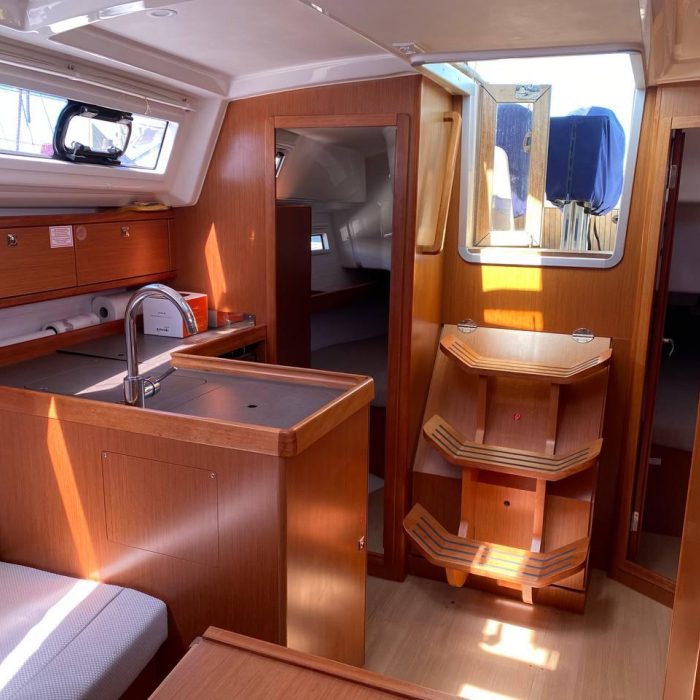
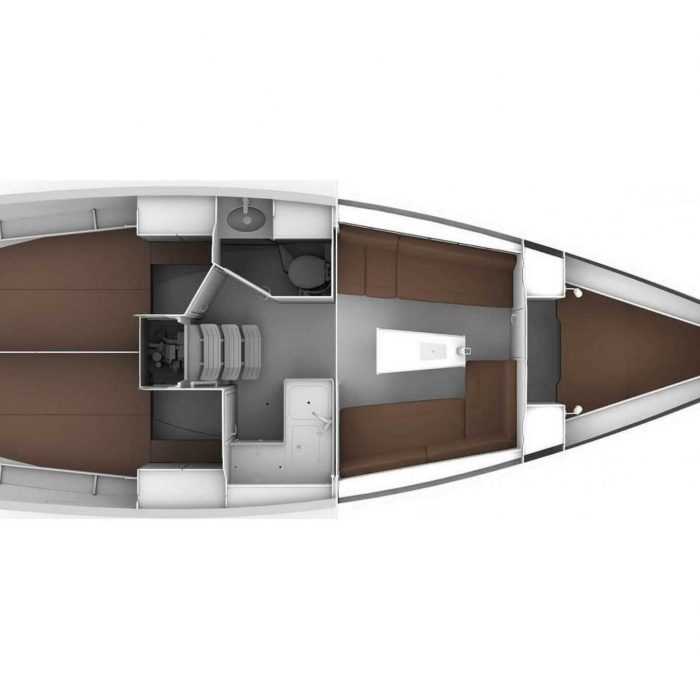
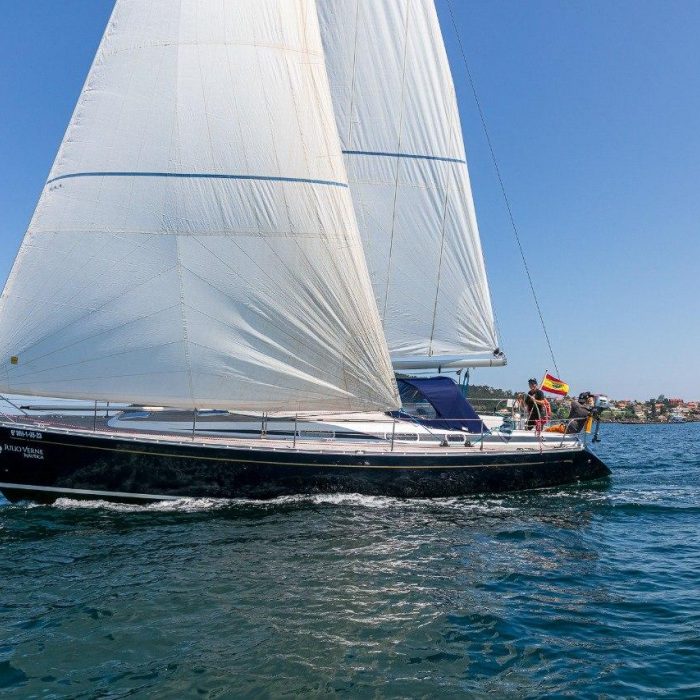
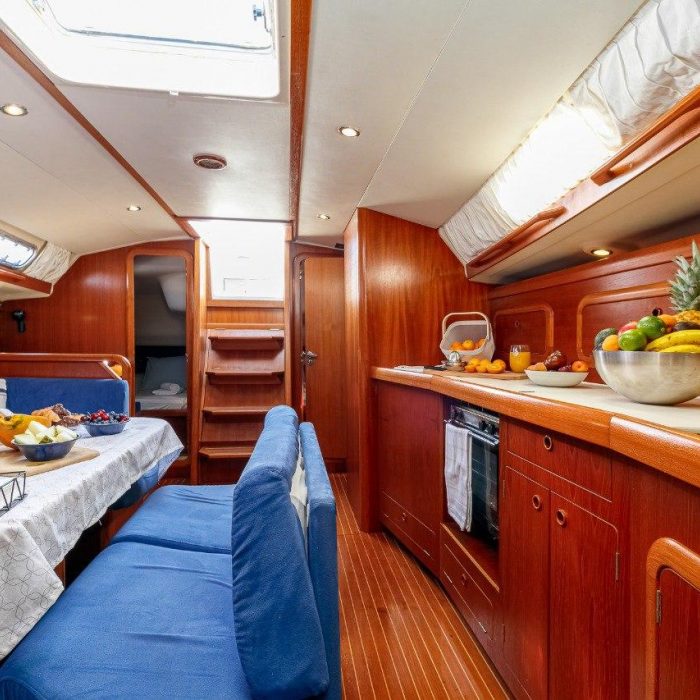
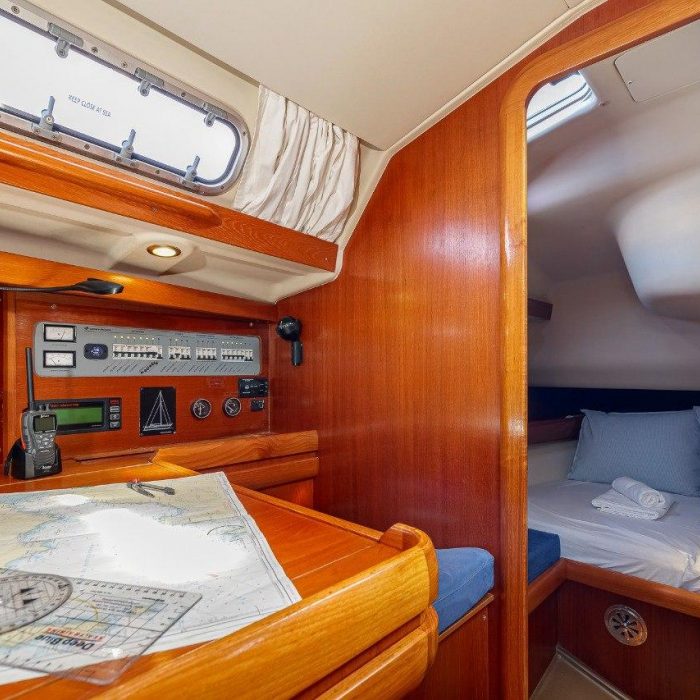
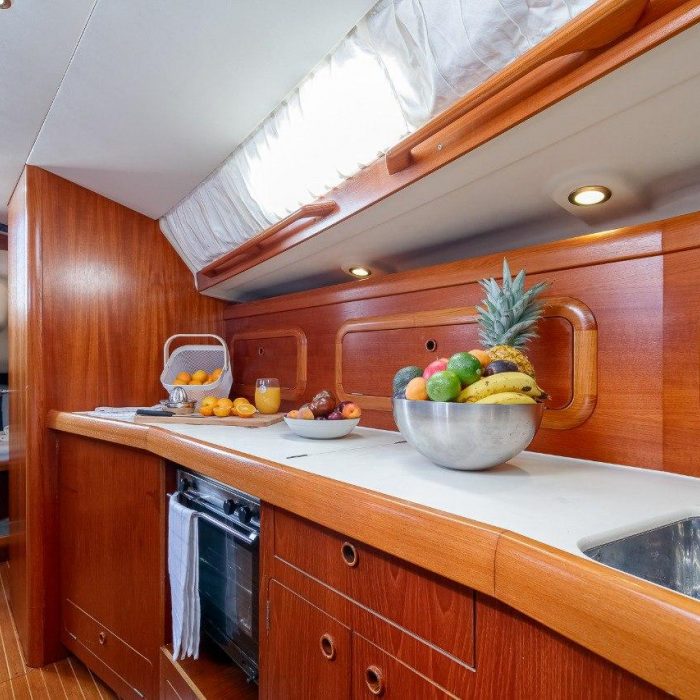
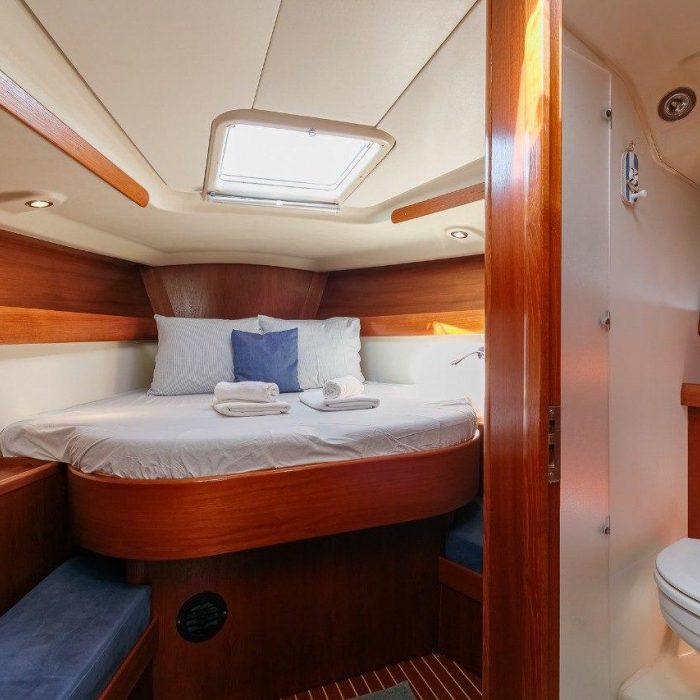
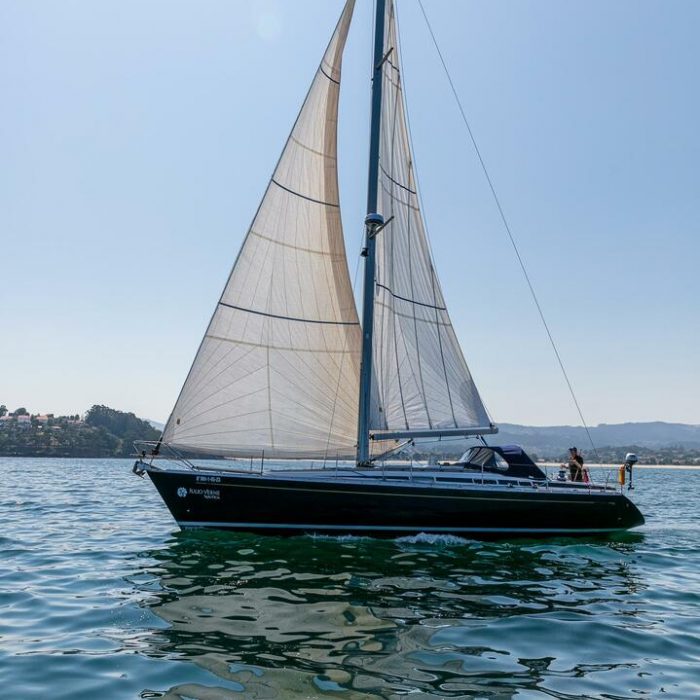
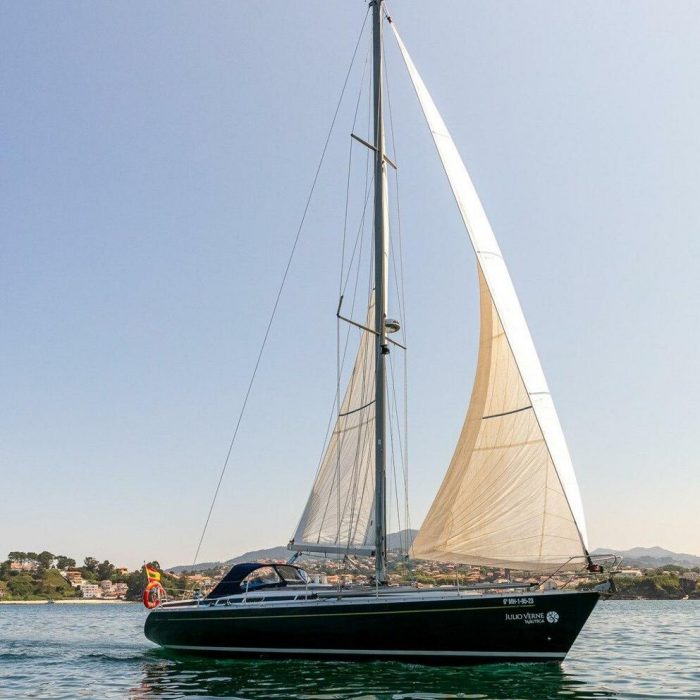
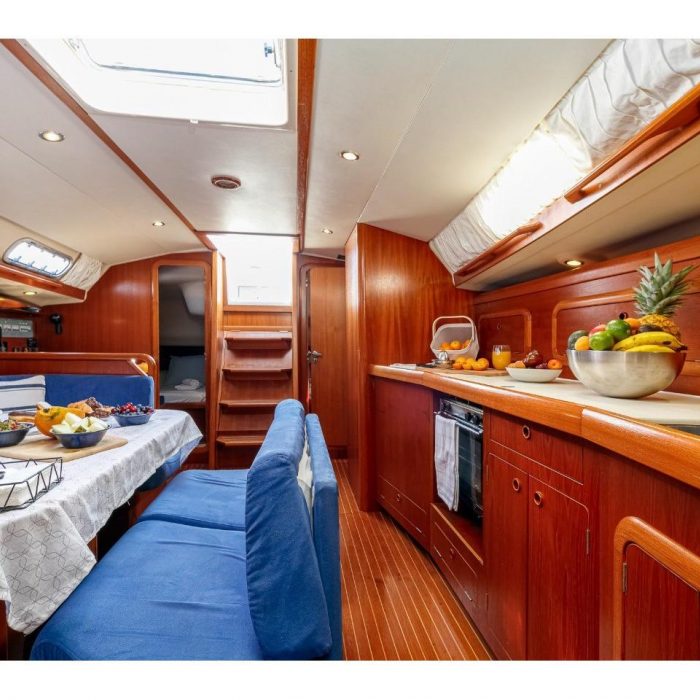
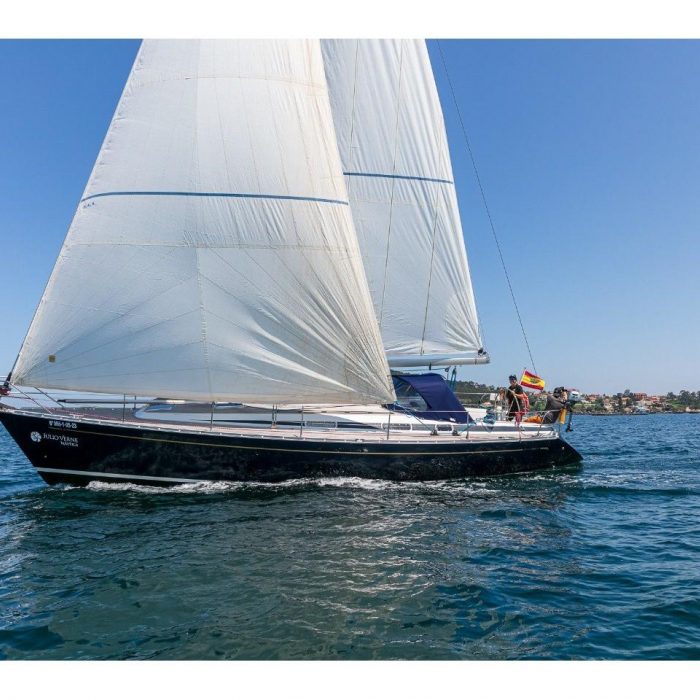
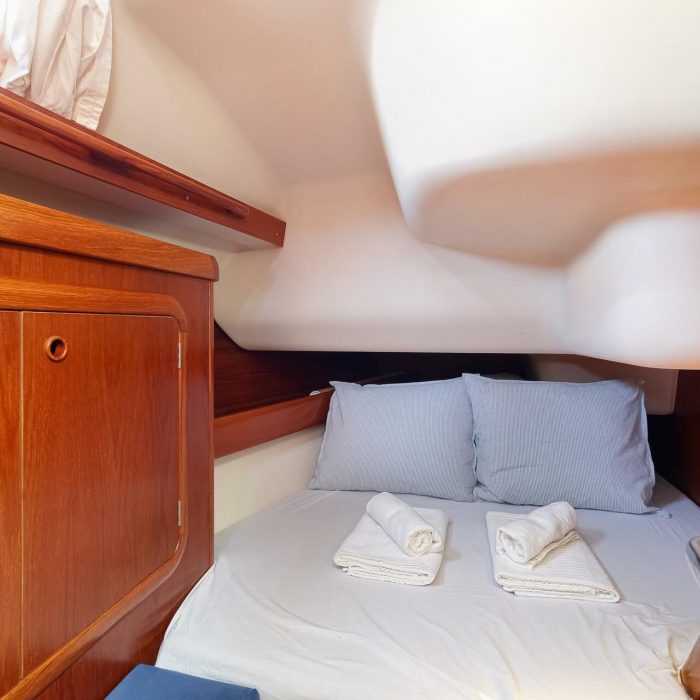
Fix | Bavaria 34
Julio Verne Náutica

Spain, European Atlantic, Baiona, Monte Real Club de Yates de Baiona
Year: 2017
Length: 33 Ft
Cabins: 3
Guests: 6
1675 €
1675 €
- 5% 1,591€
+ mandatory costs - 245 €

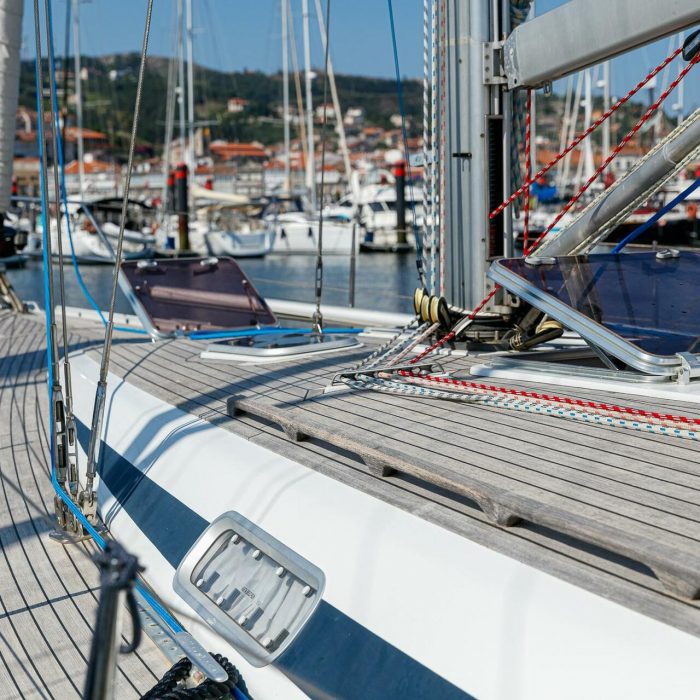
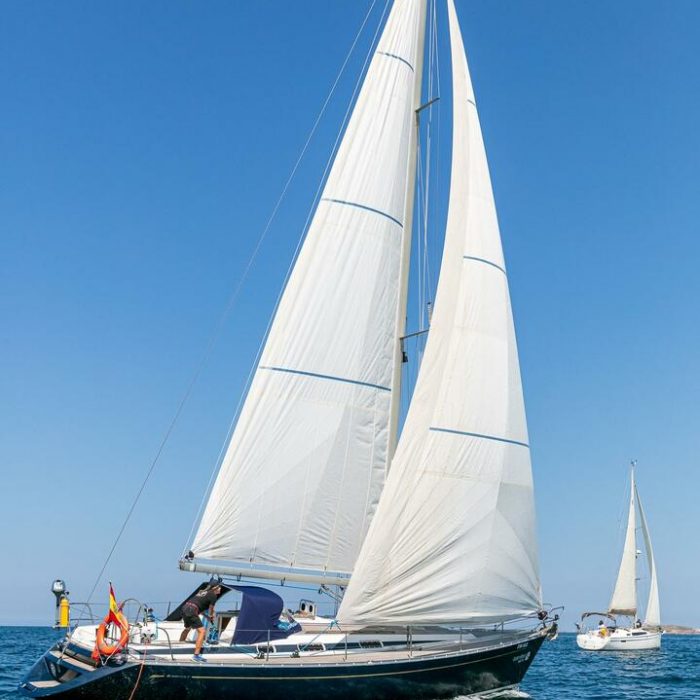
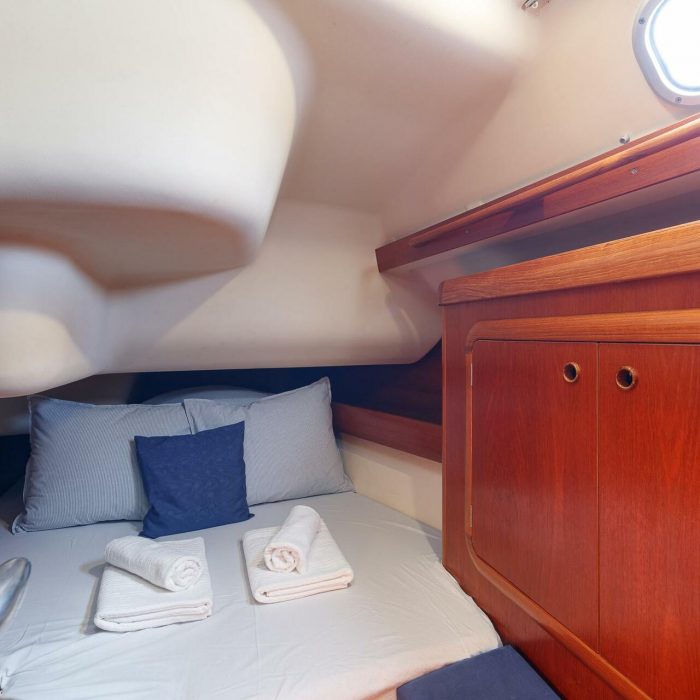

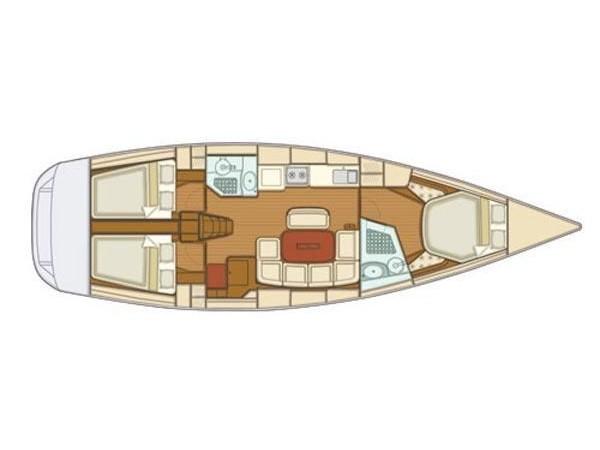
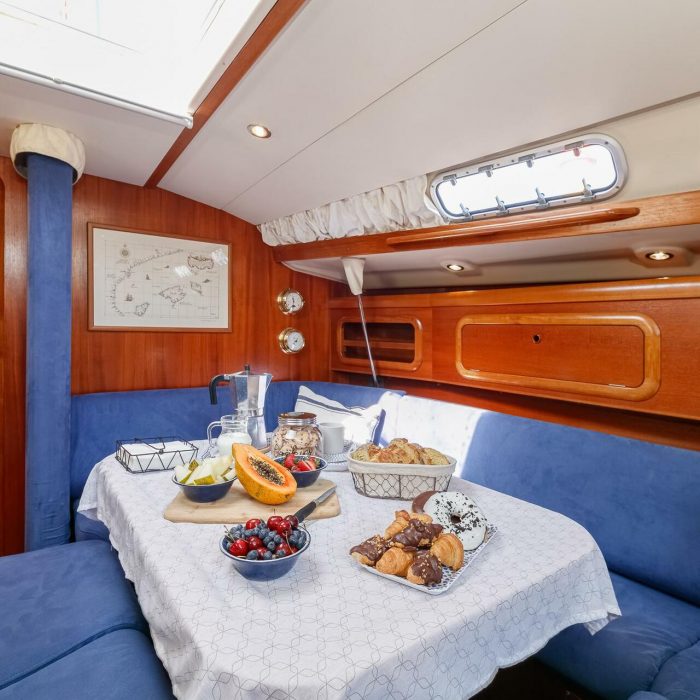
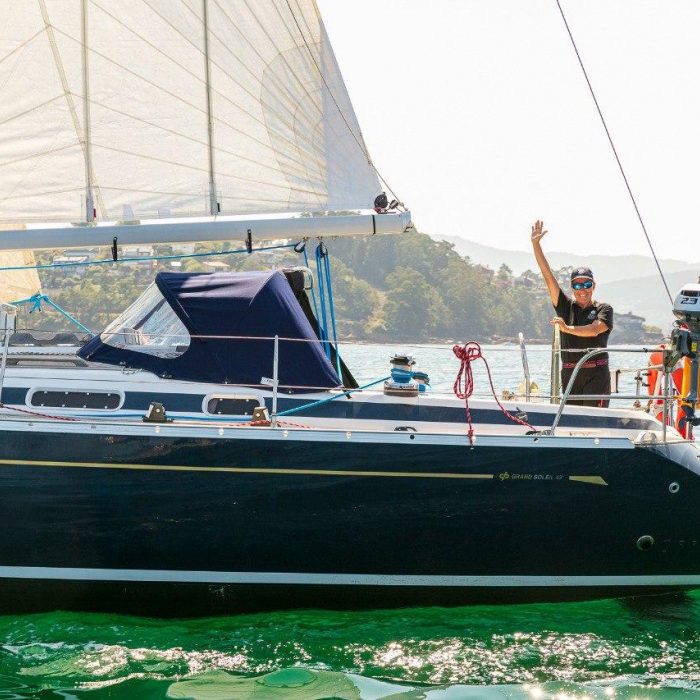
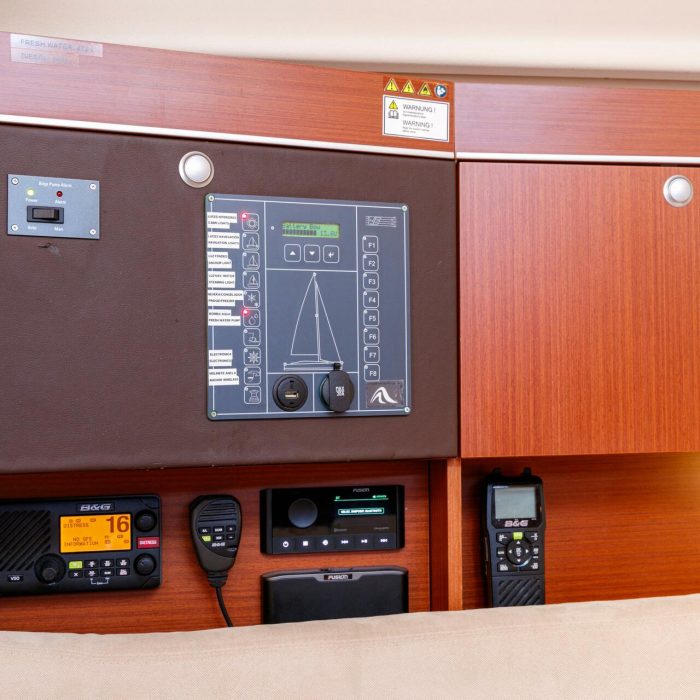
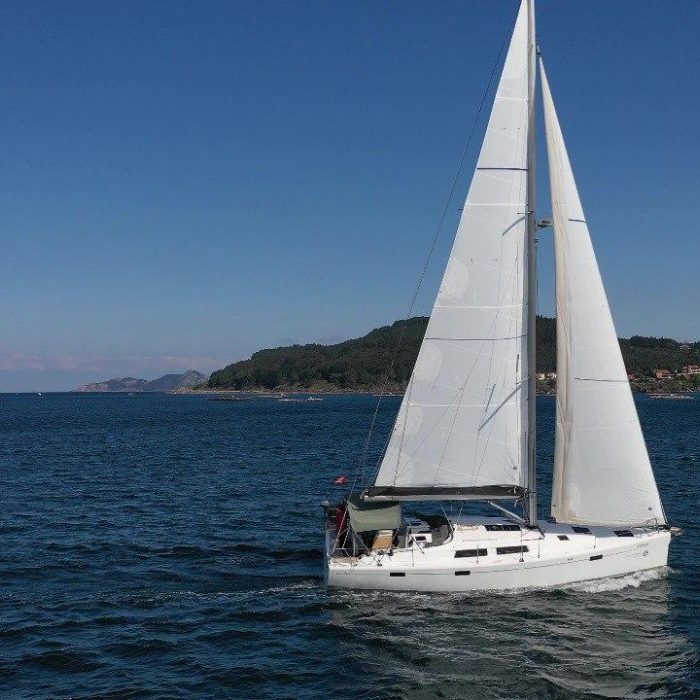
Nemo | Grand Soleil 43
Julio Verne Náutica
Spain, European Atlantic, Baiona, Monte Real Club de Yates de Baiona
Year: 1998
Length: 44 Ft
Cabins: 3
Guests: 6
1875 €
1875 €
- 5% 1,781€
+ mandatory costs - 245 €
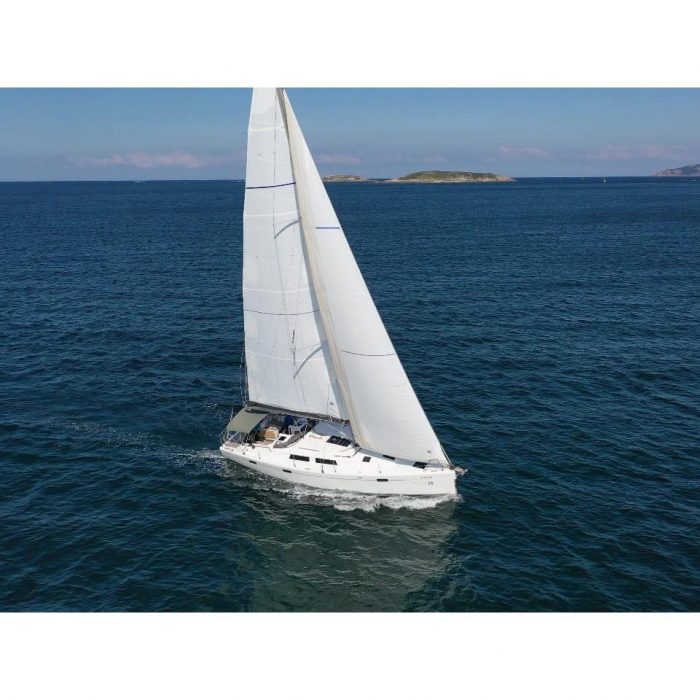
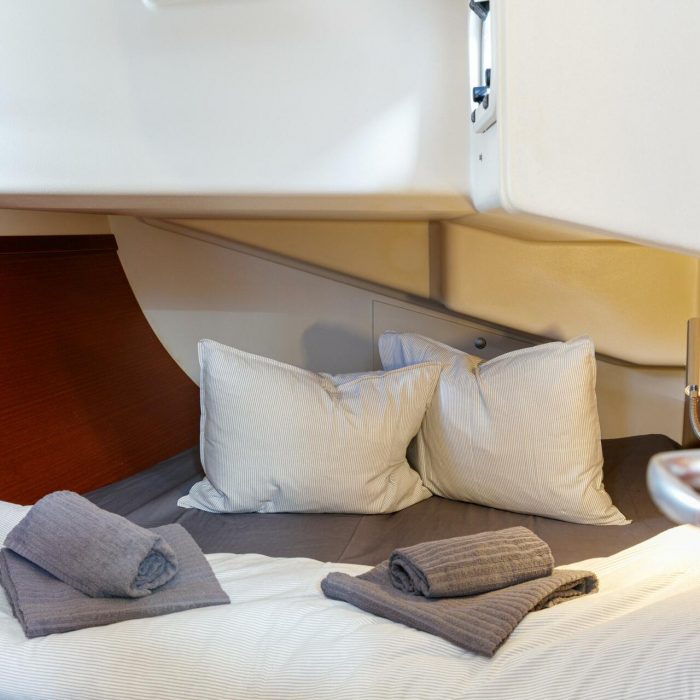
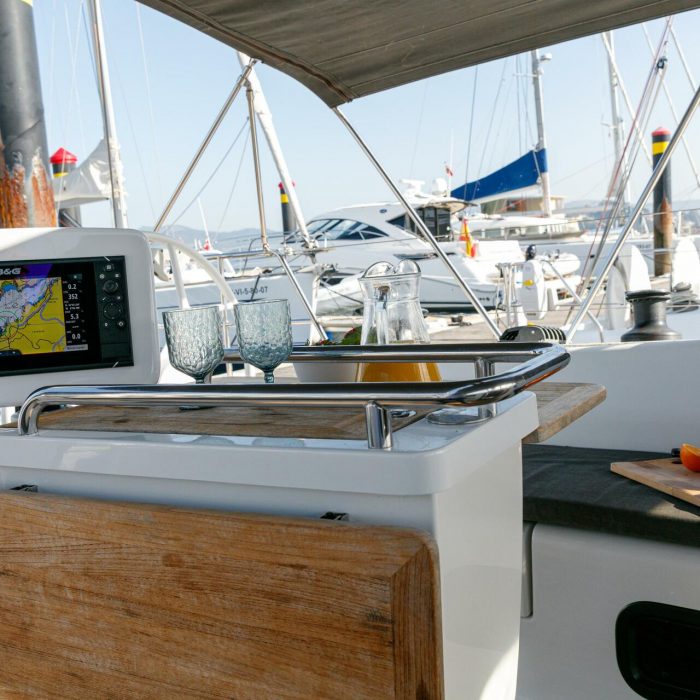
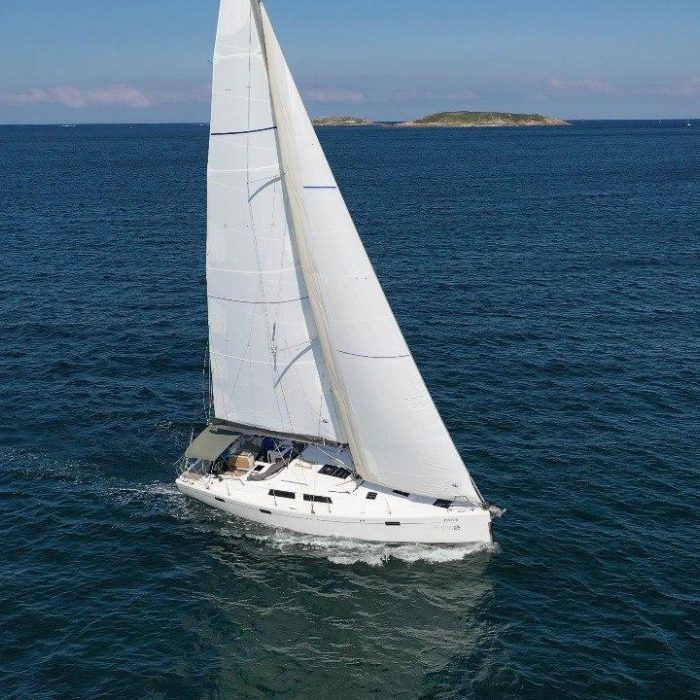
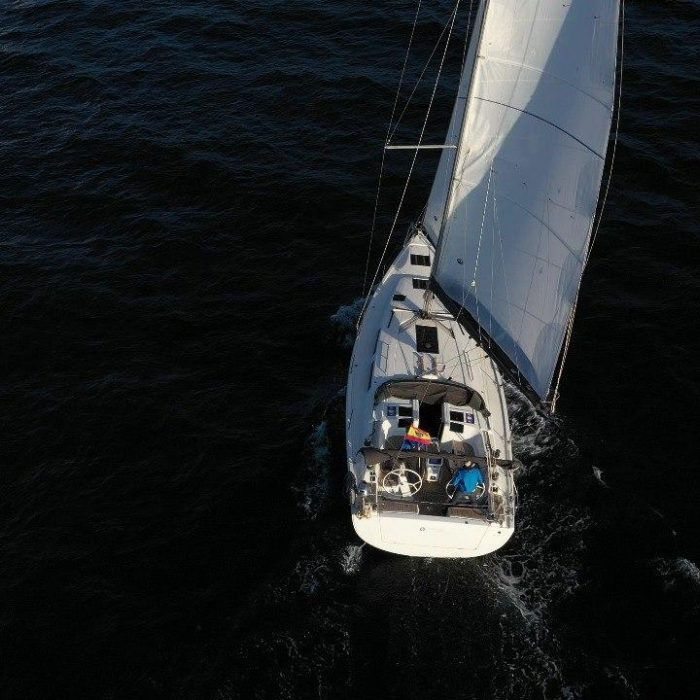
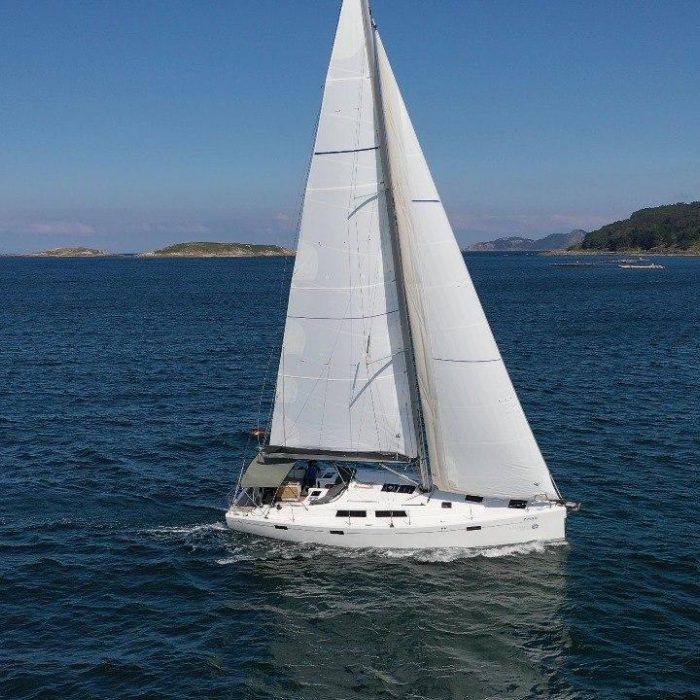
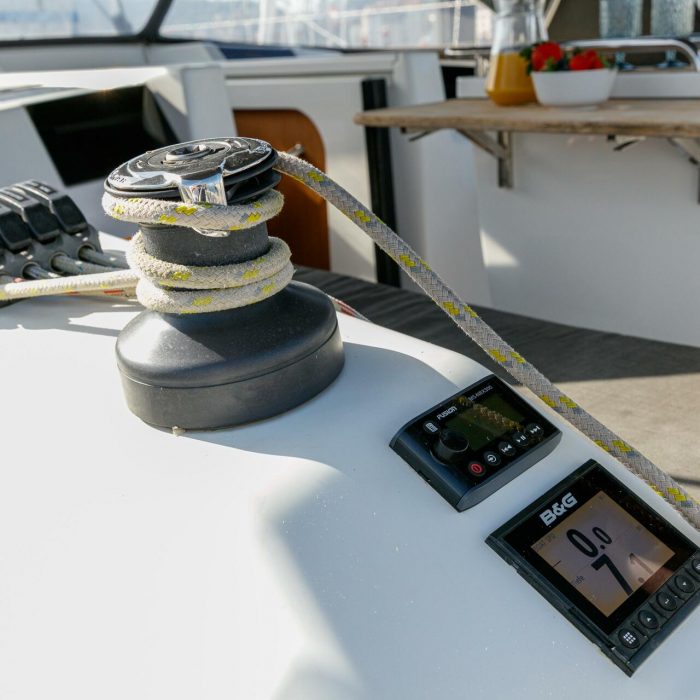
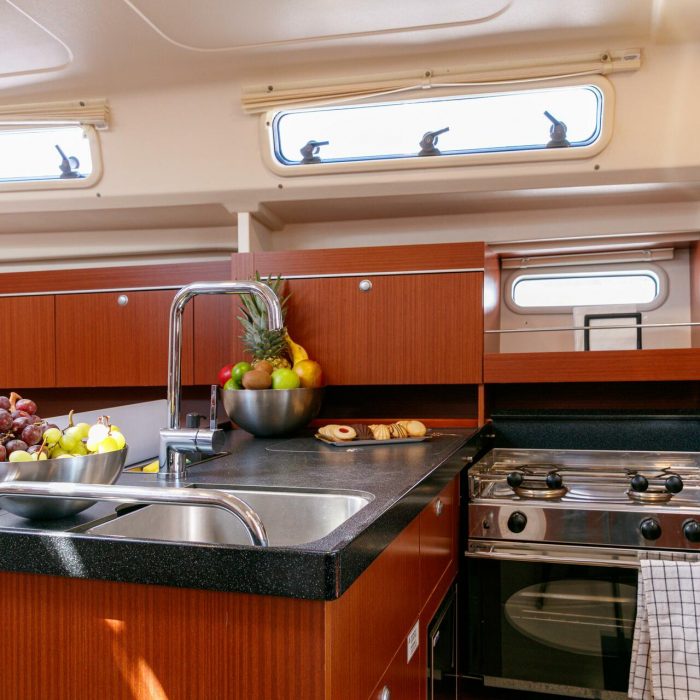
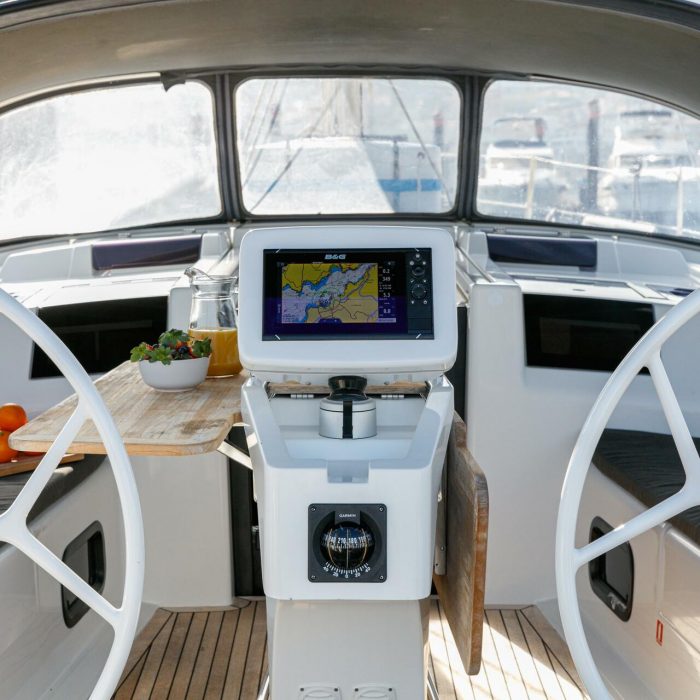
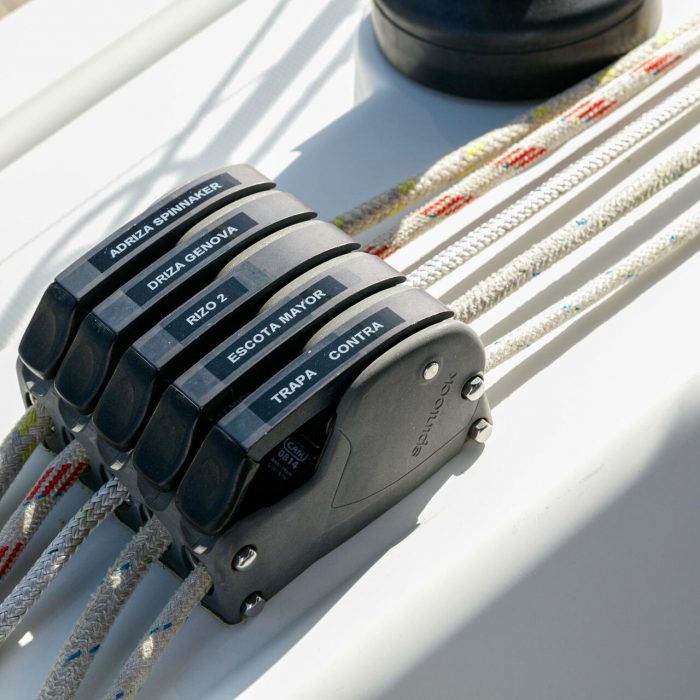
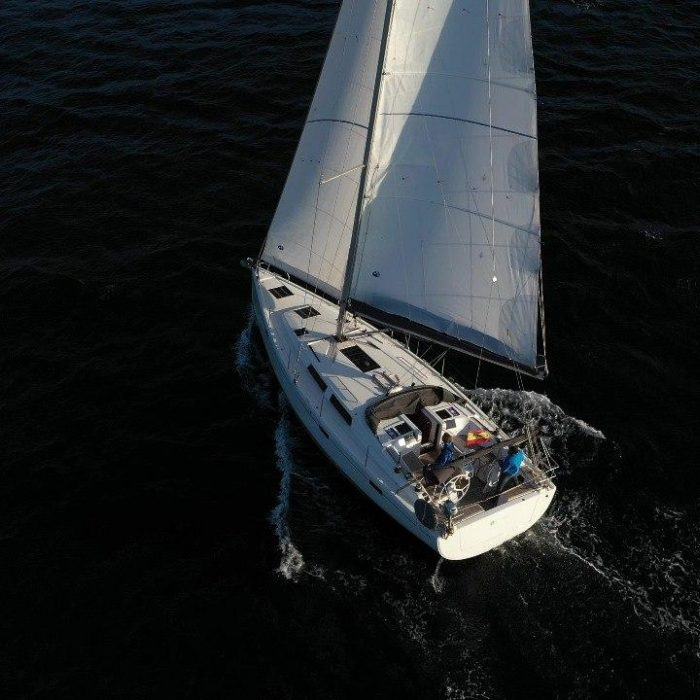
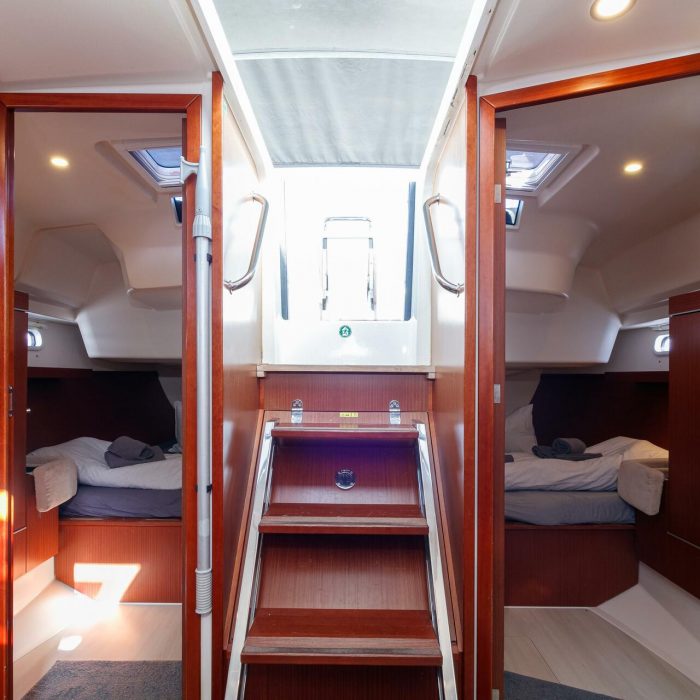
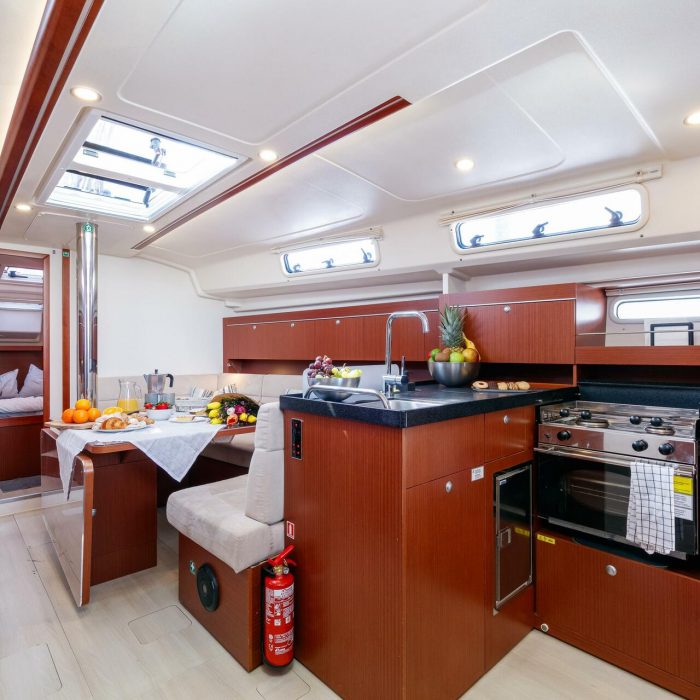
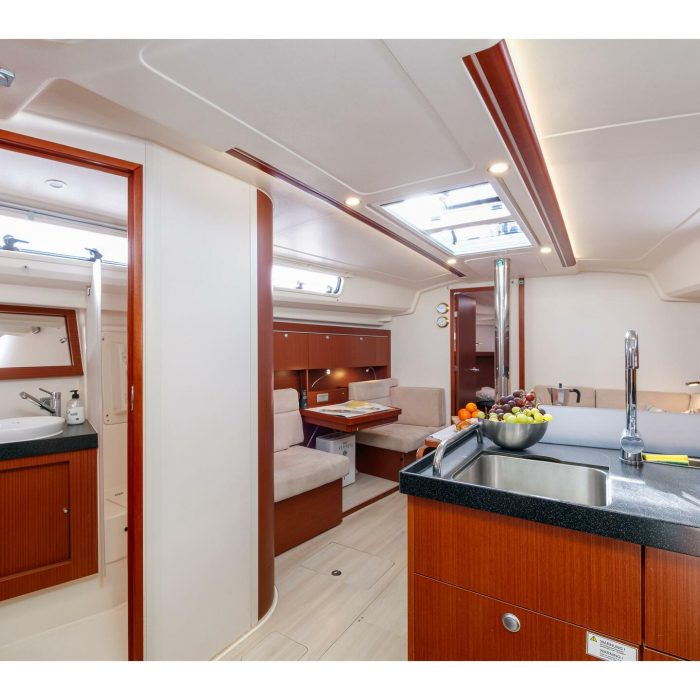
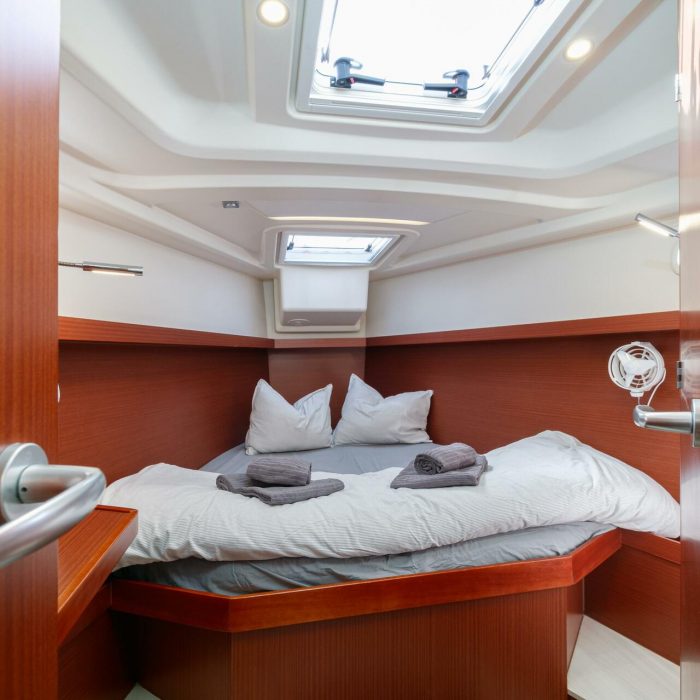
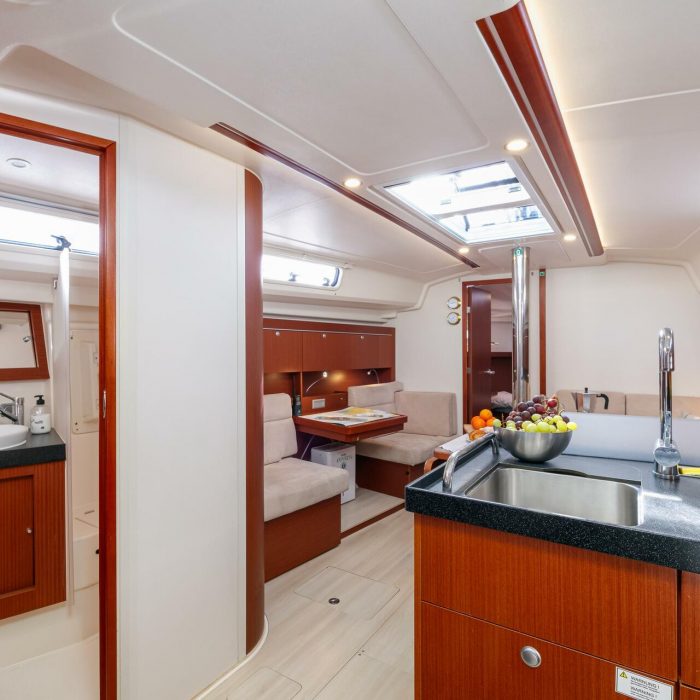
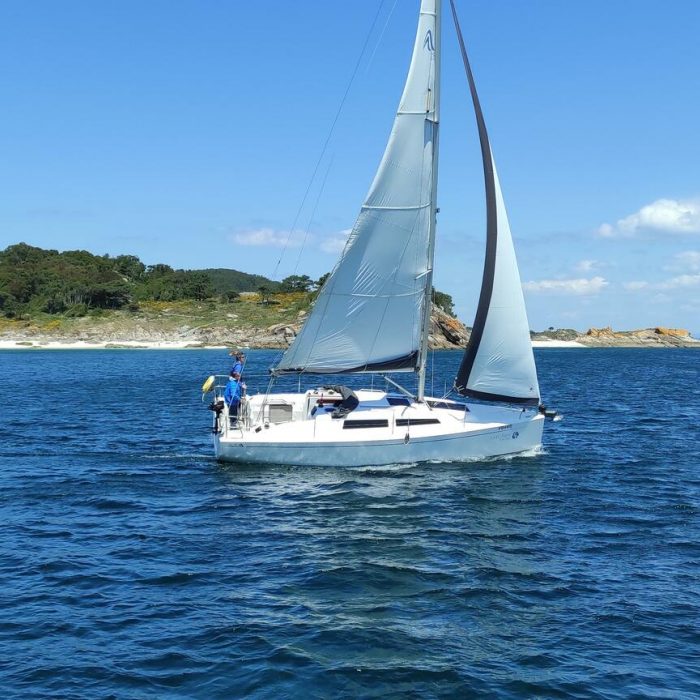
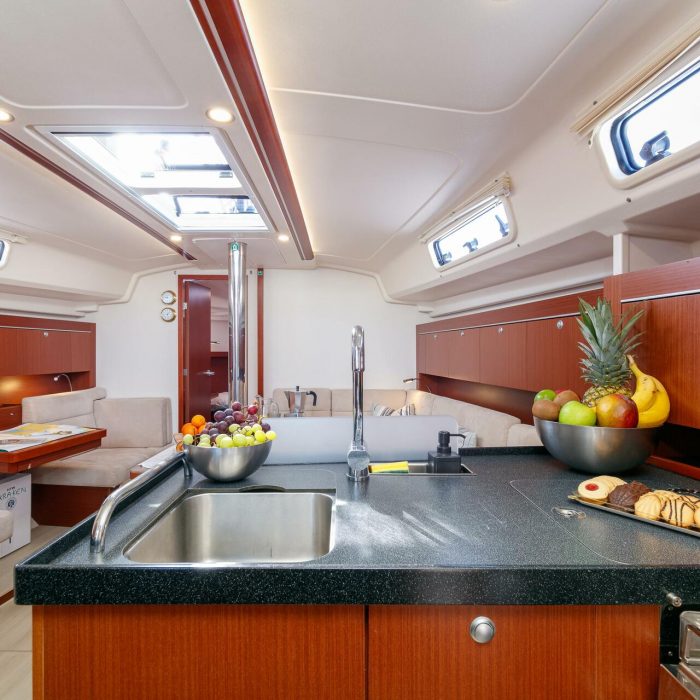
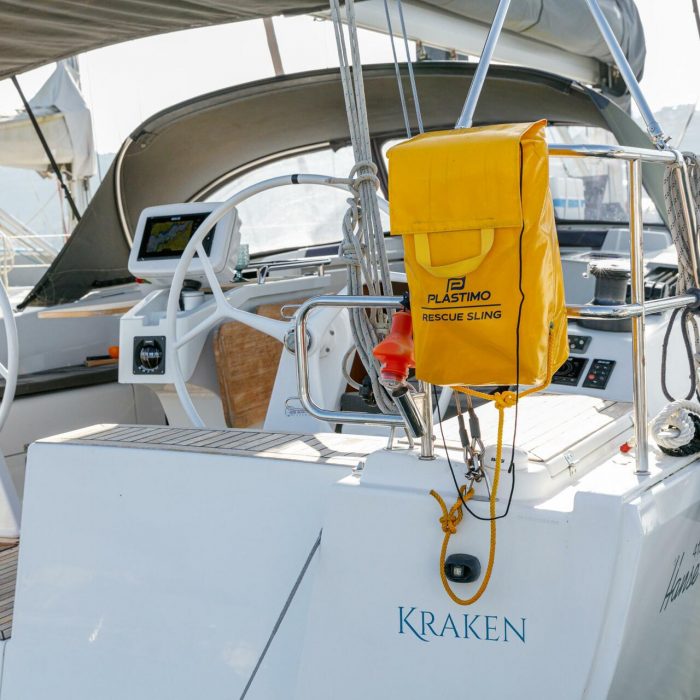
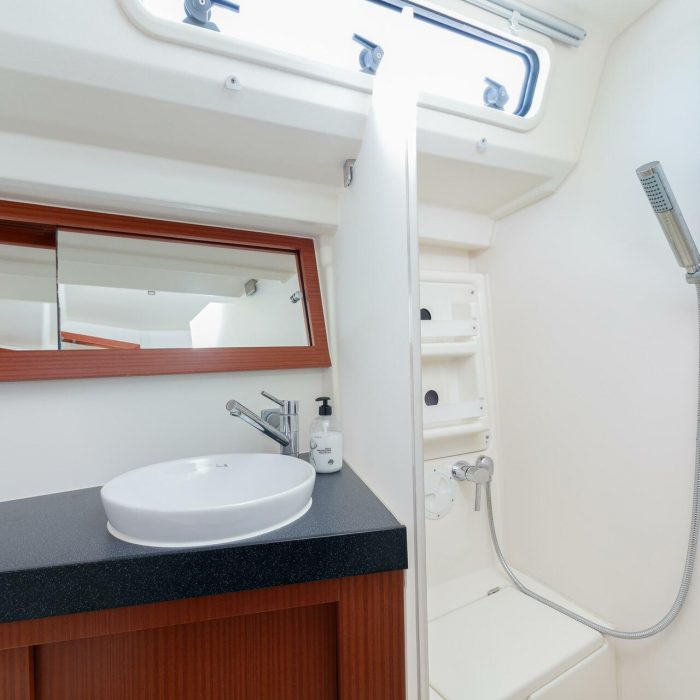
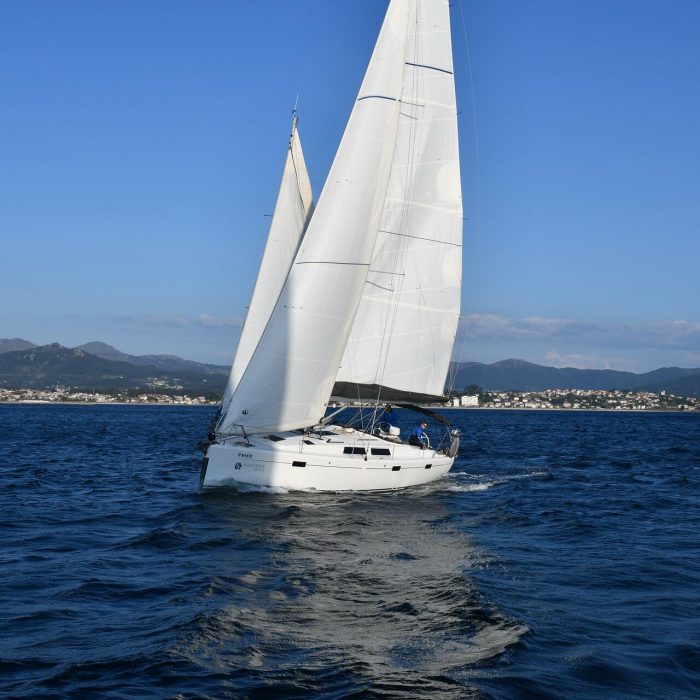
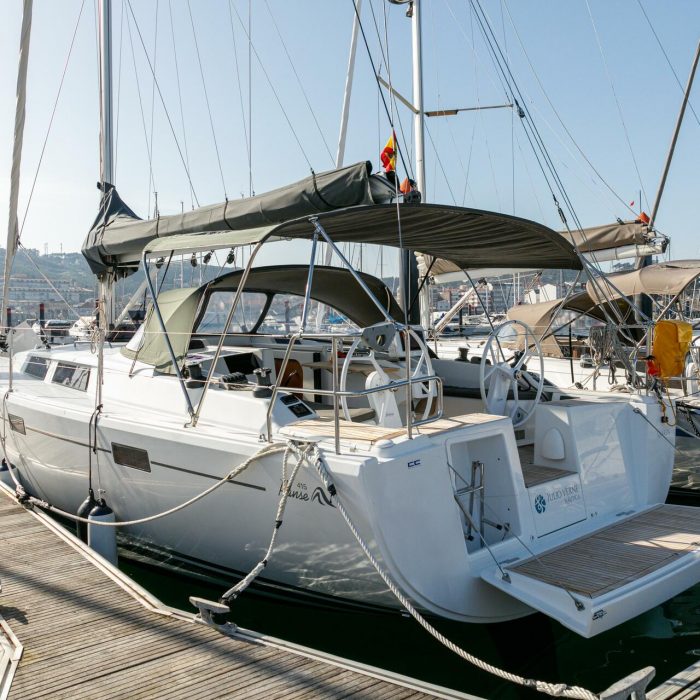
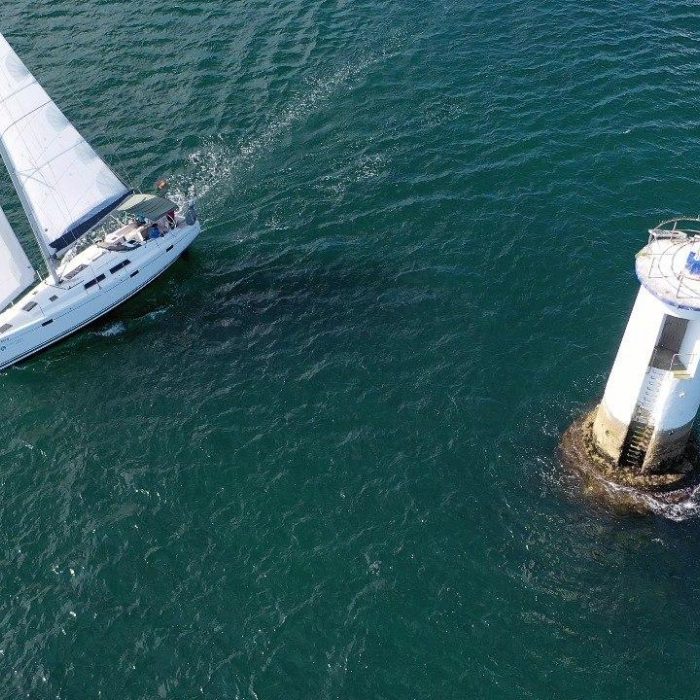
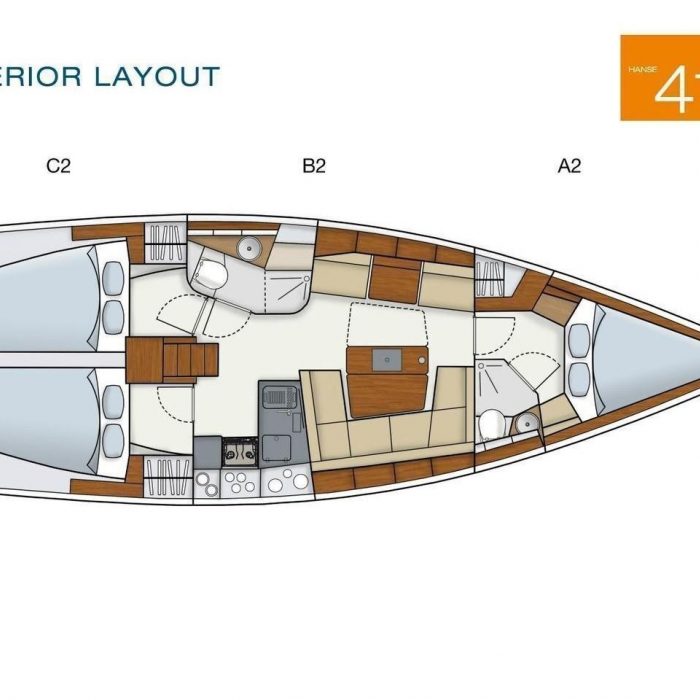
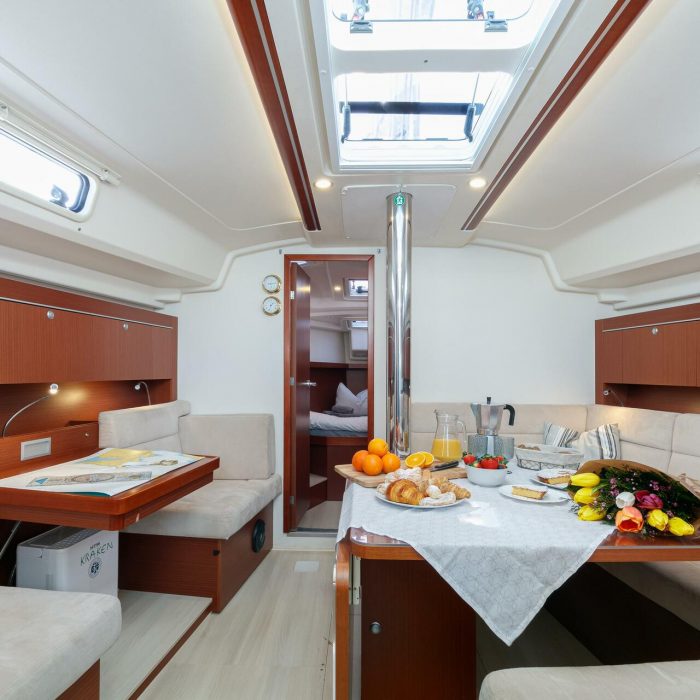
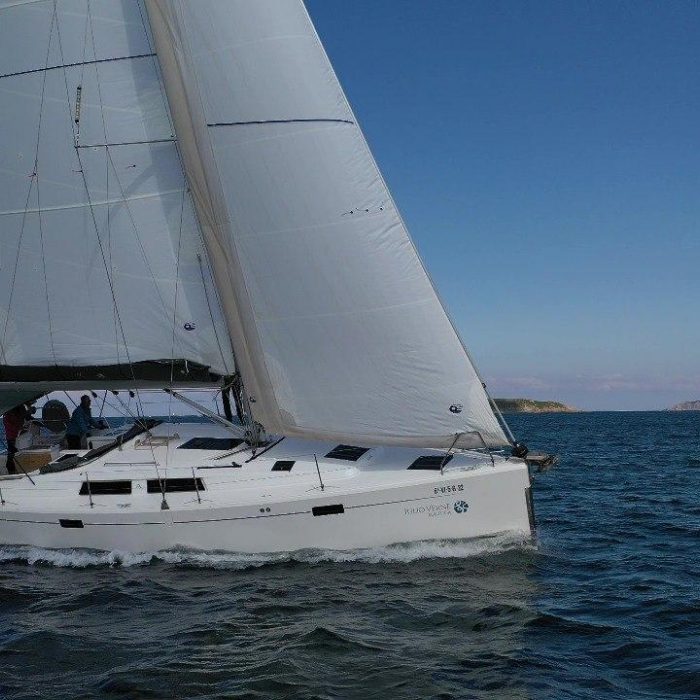
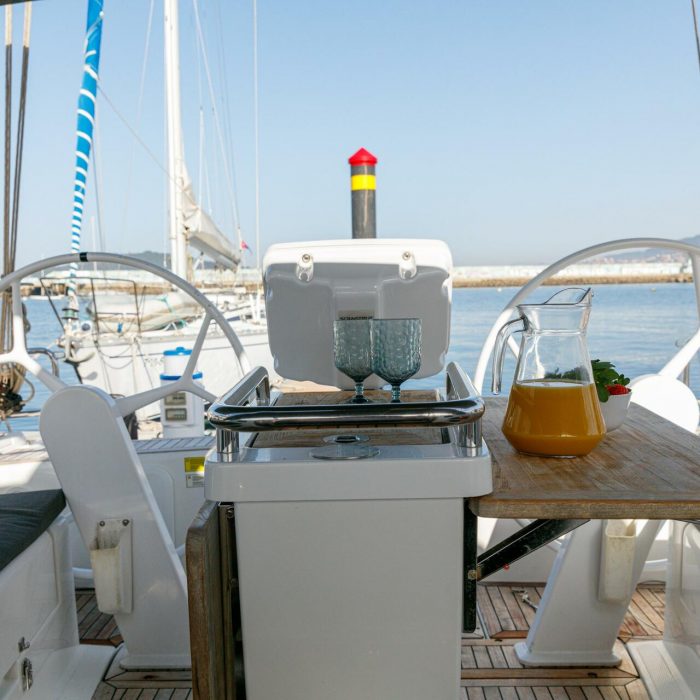
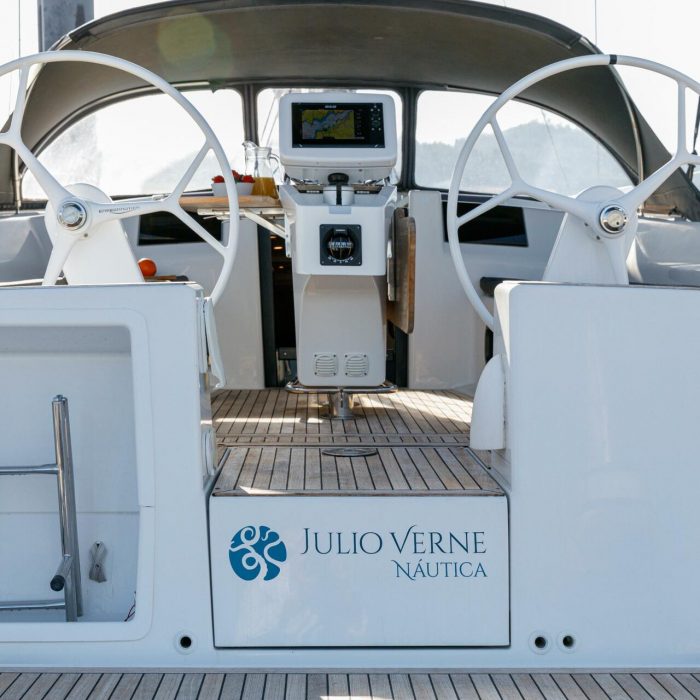
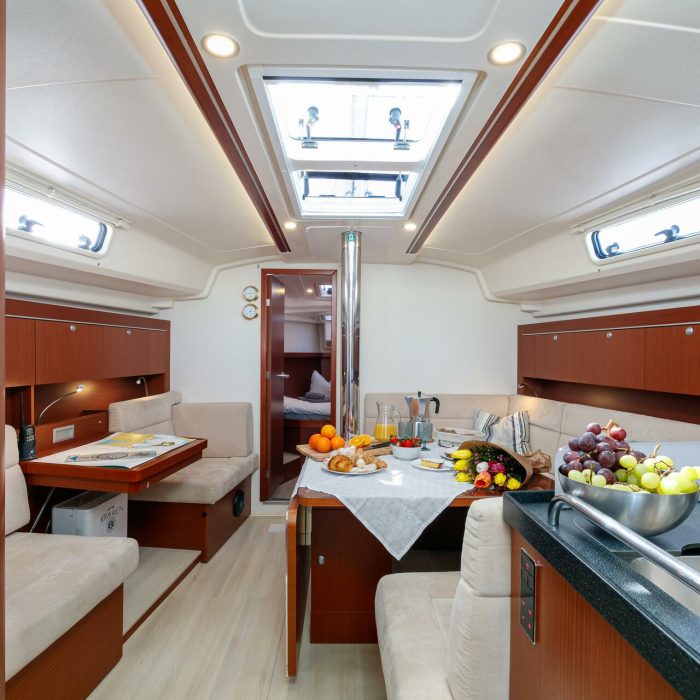
Kraken | Hanse 415
Julio Verne Náutica
Spain, European Atlantic, Baiona, Monte Real Club de Yates de Baiona
Year: 2017
Length: 44 Ft
Cabins: 3
Guests: 8
1925 €
1925 €
- 5% 1,829€
+ mandatory costs - 245 €
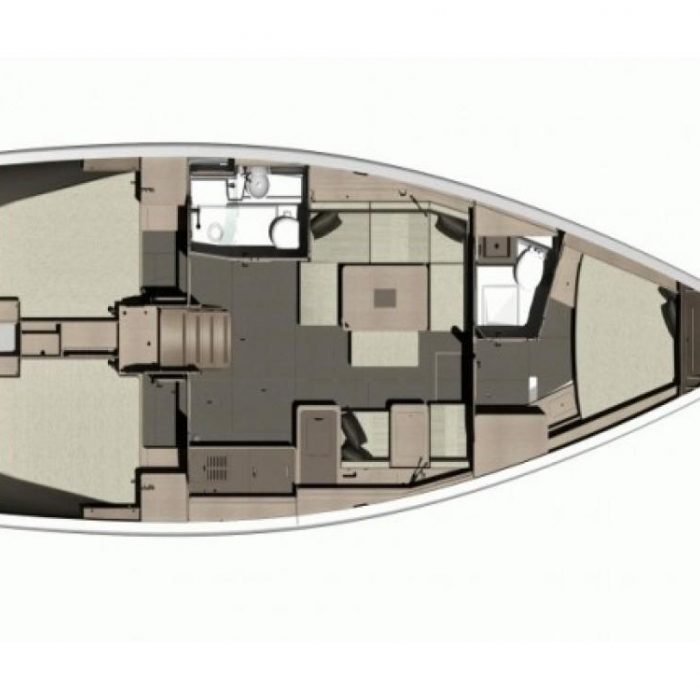
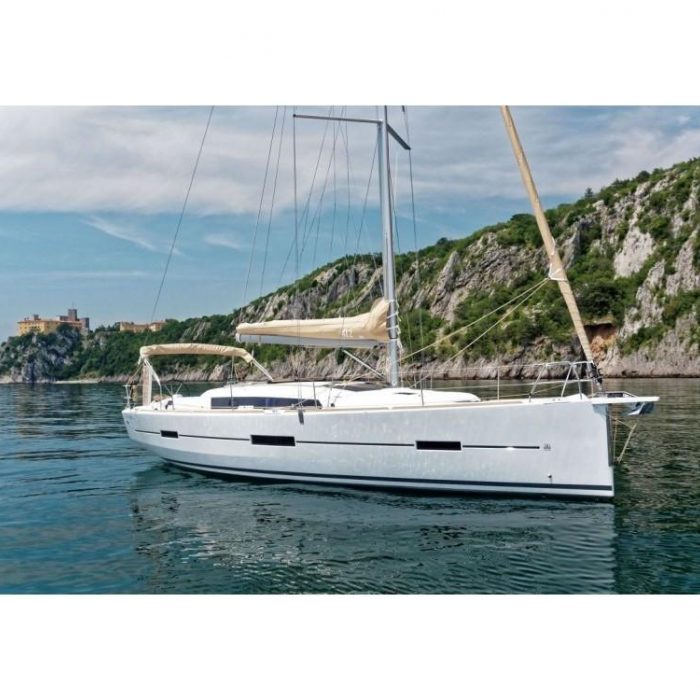
Nab | Dufour 412 Grand Large
Julio Verne Náutica
Spain, European Atlantic, Baiona, Monte Real Club de Yates de Baiona
Year: 2022
Length: 42 Ft
Cabins: 3
Guests: 8
2015 €
2015 €
- 5% 1,914€
+ mandatory costs - 245 €
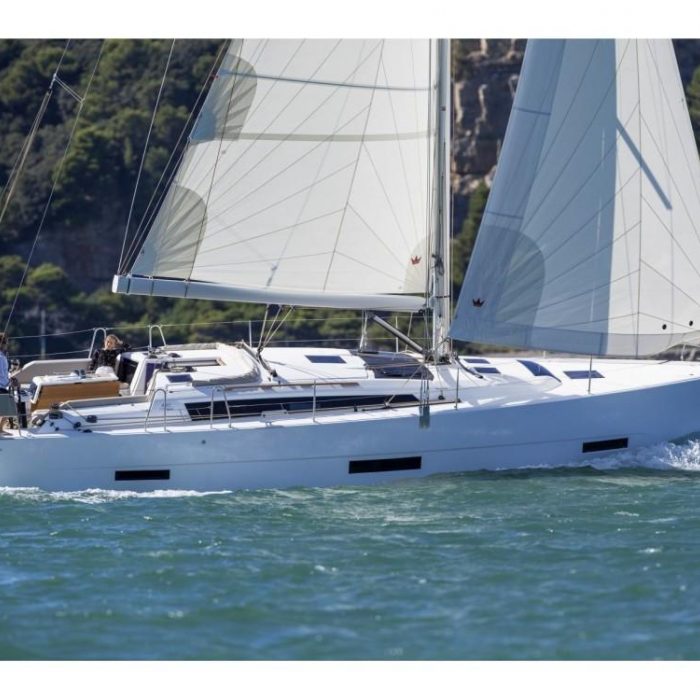
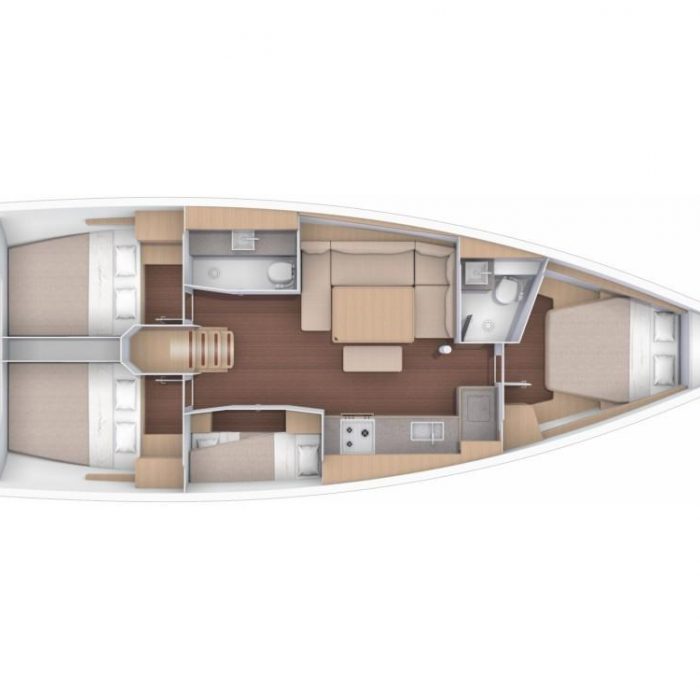
Victoria | Dufour 430
Julio Verne Náutica
Spain, European Atlantic, Baiona, Monte Real Club de Yates de Baiona
Year: 2022
Length: 43 Ft
Cabins: 4
Guests: 8
2420 €
2420 €
- 5% 2,299€
+ mandatory costs - 245 €
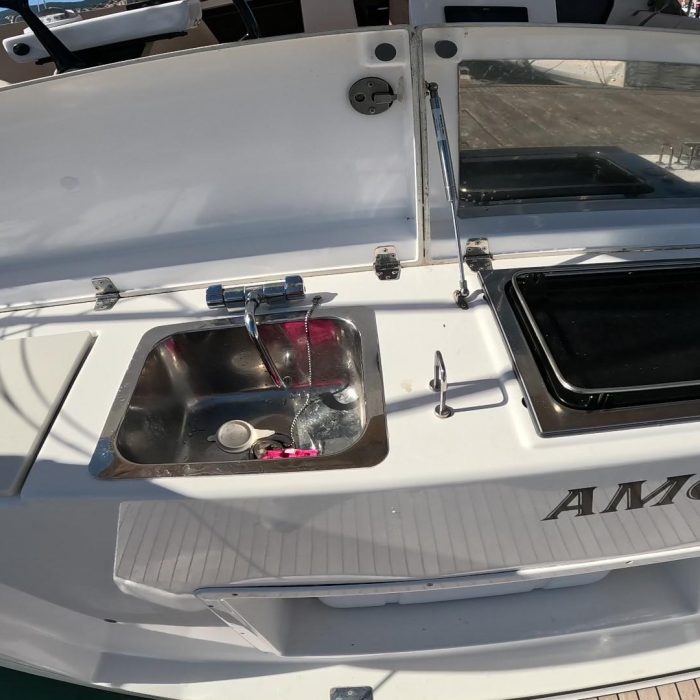
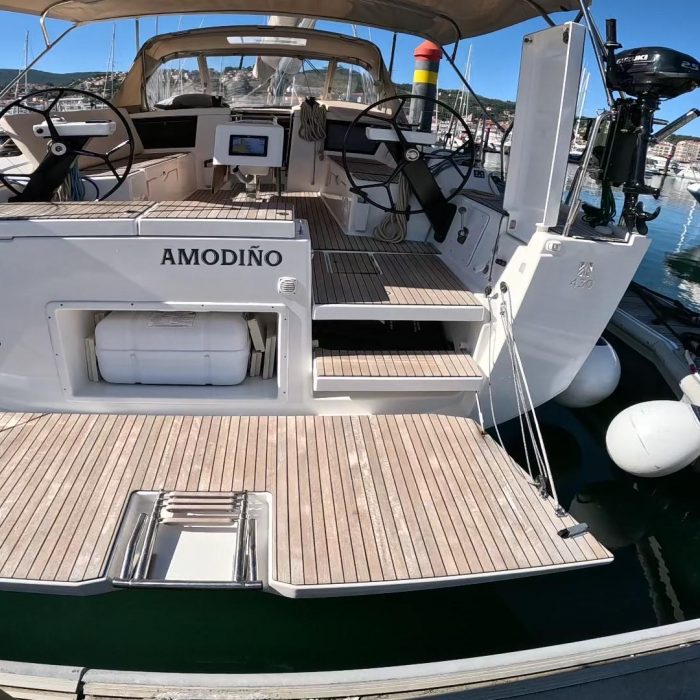
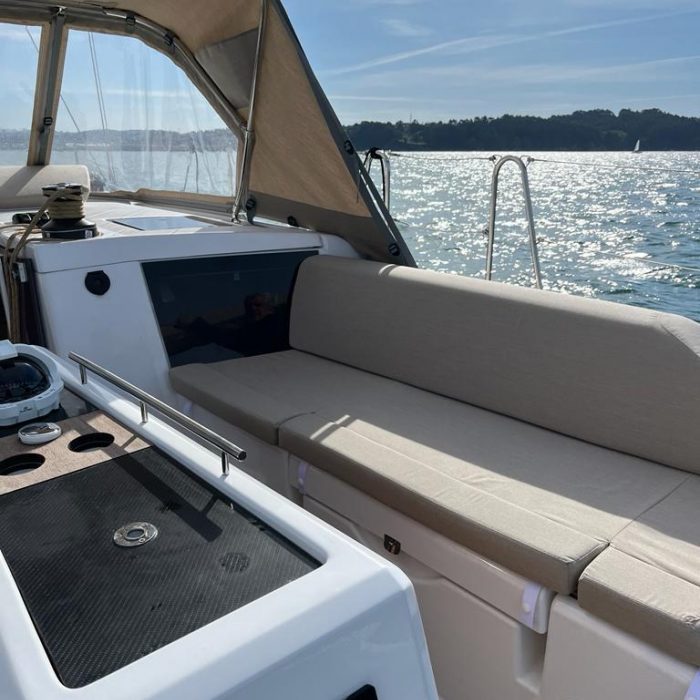
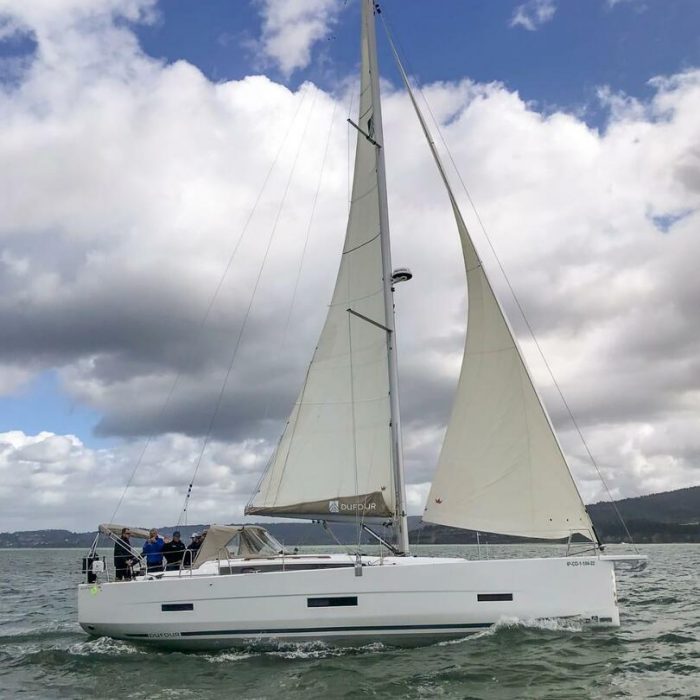
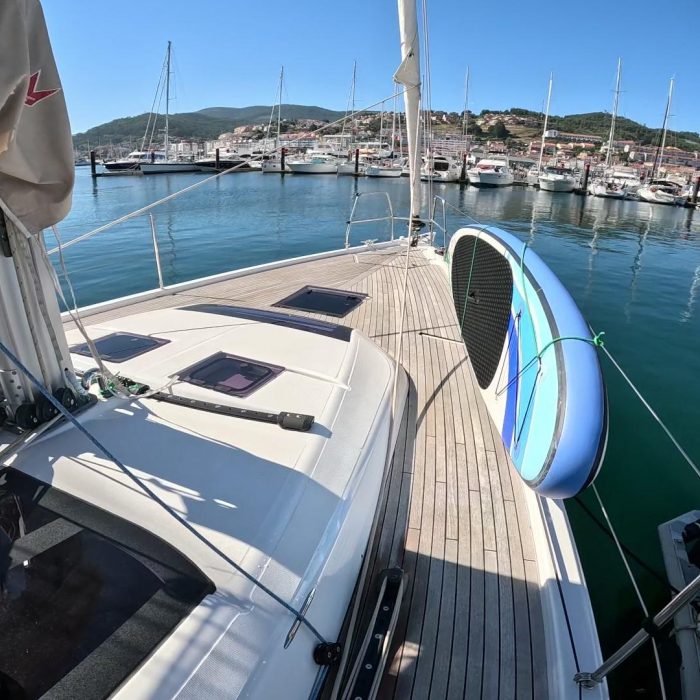
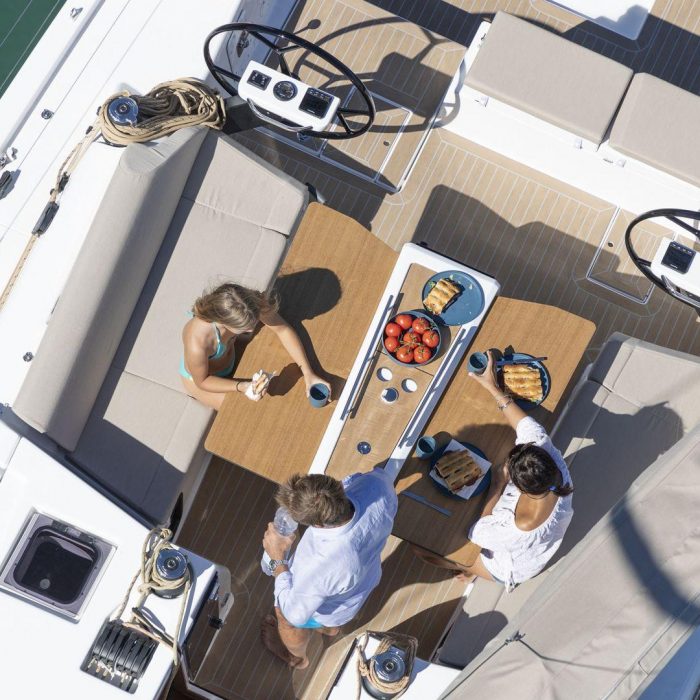
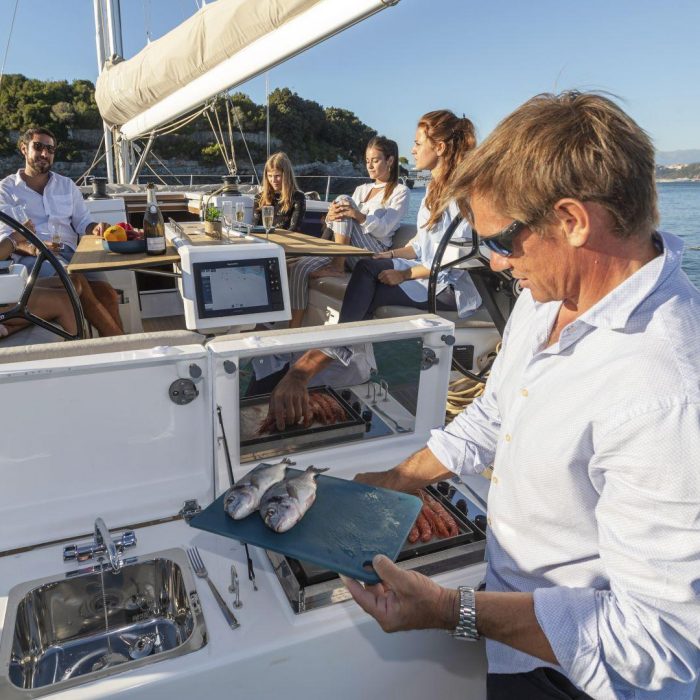
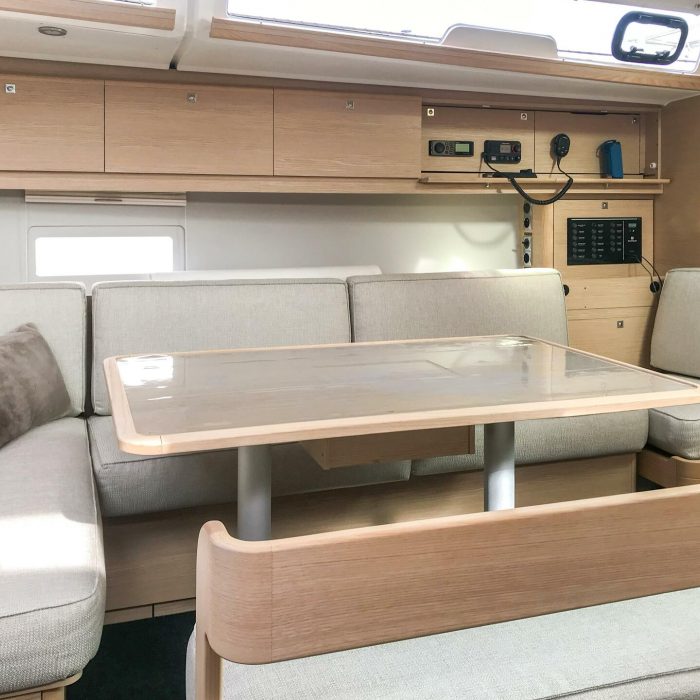
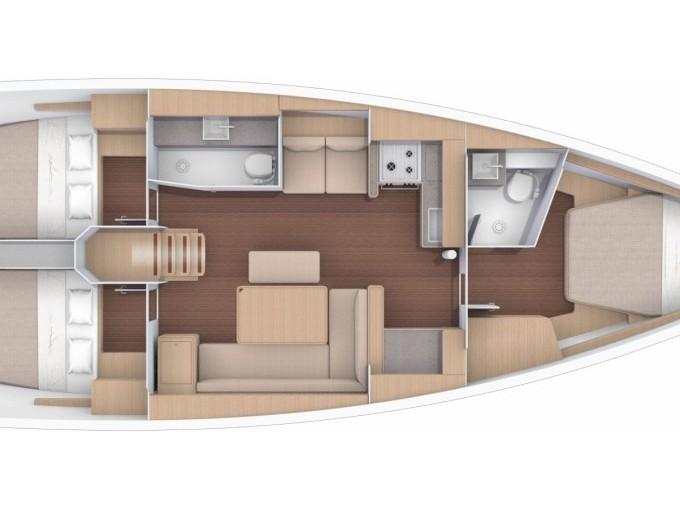
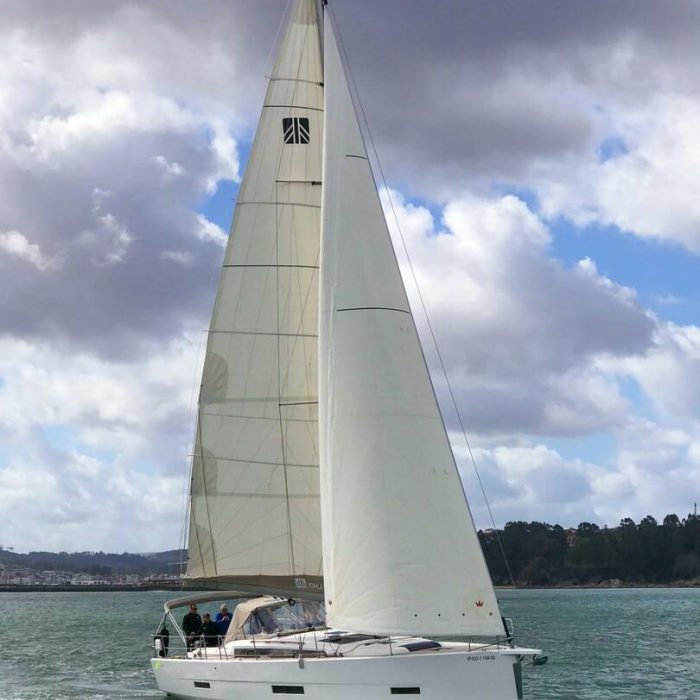
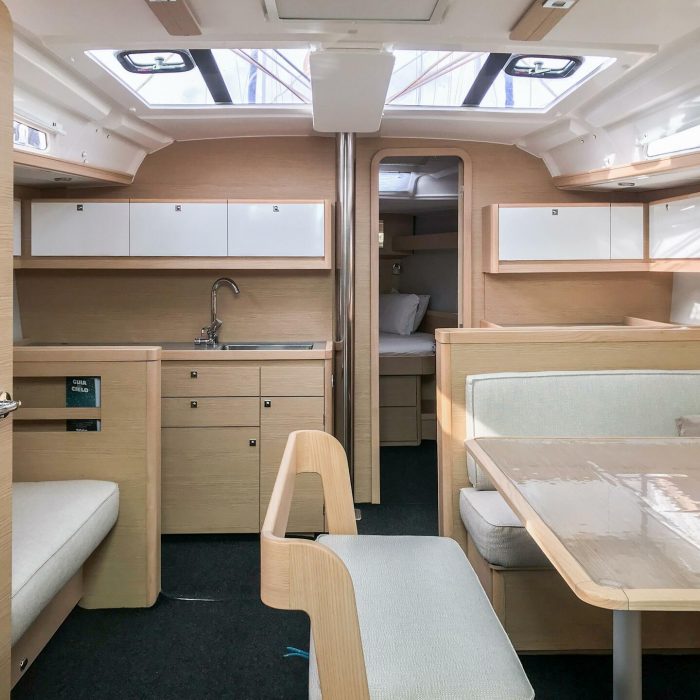
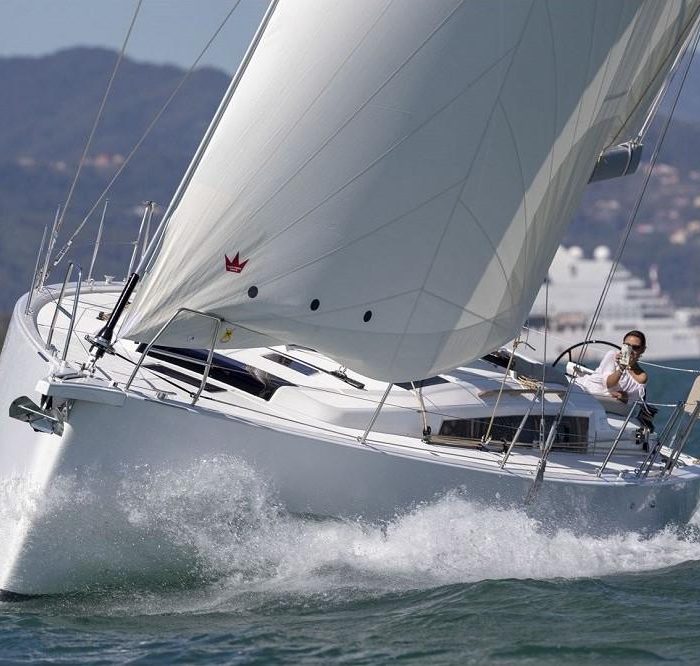
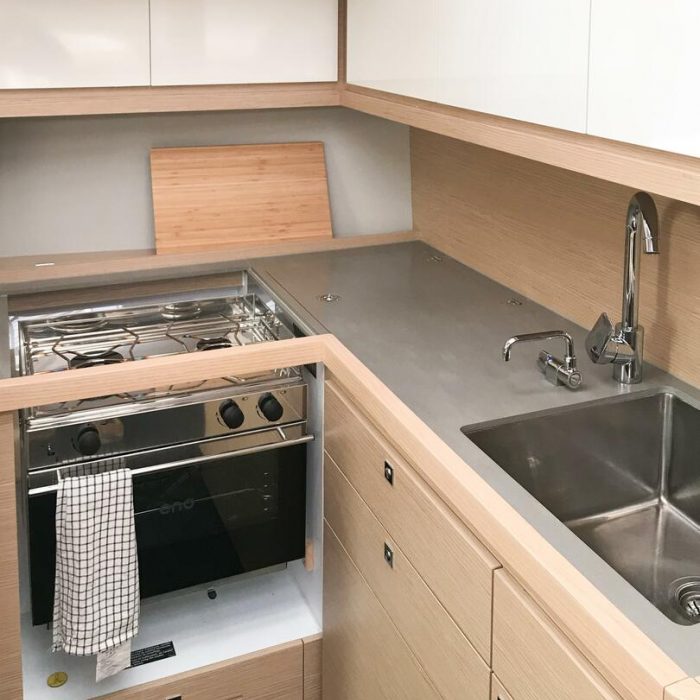
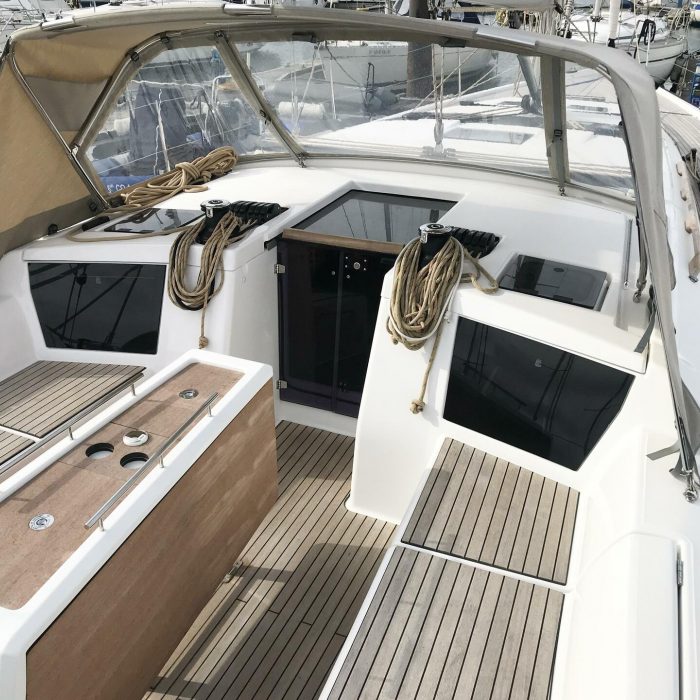
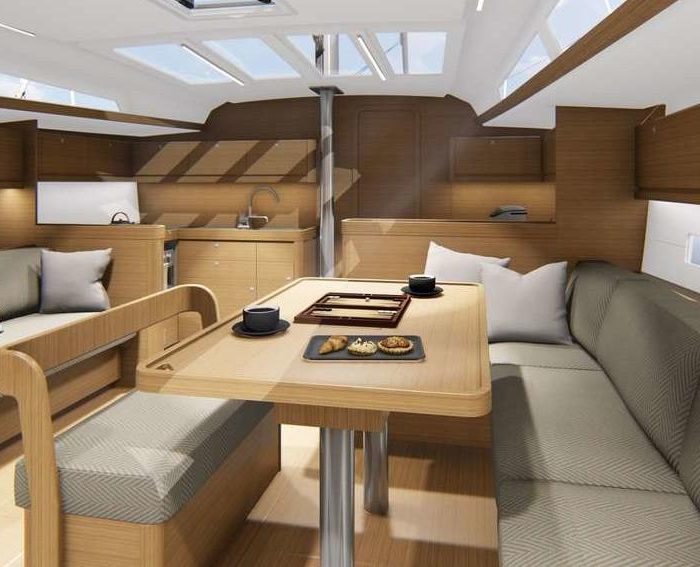
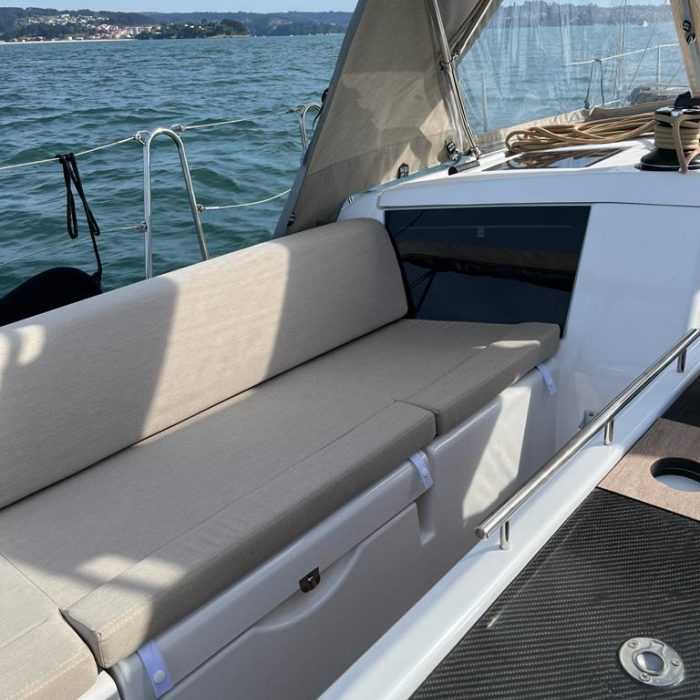
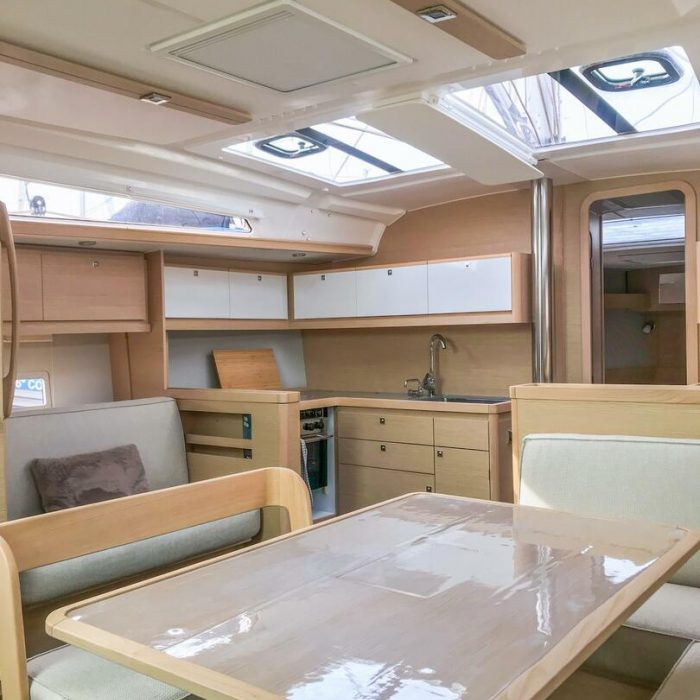
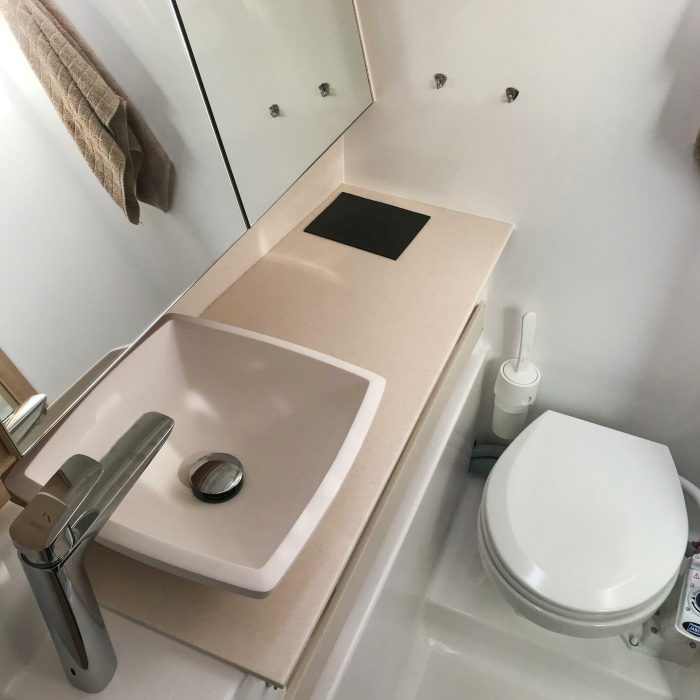
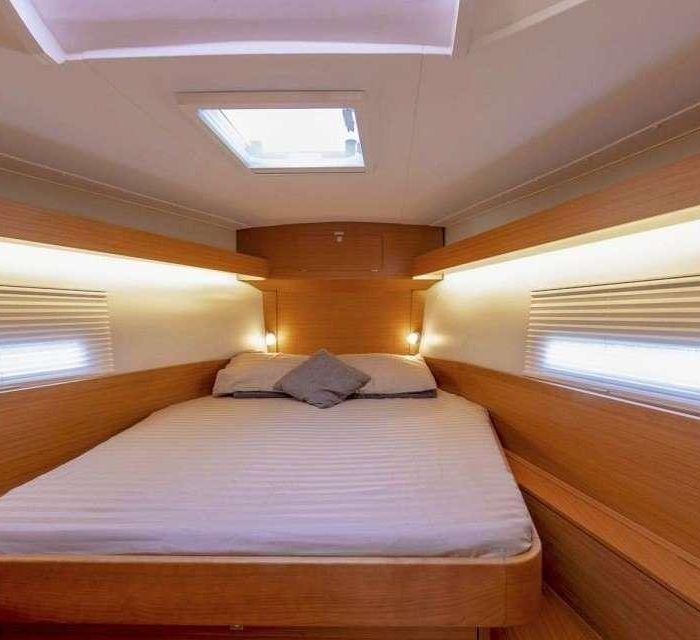
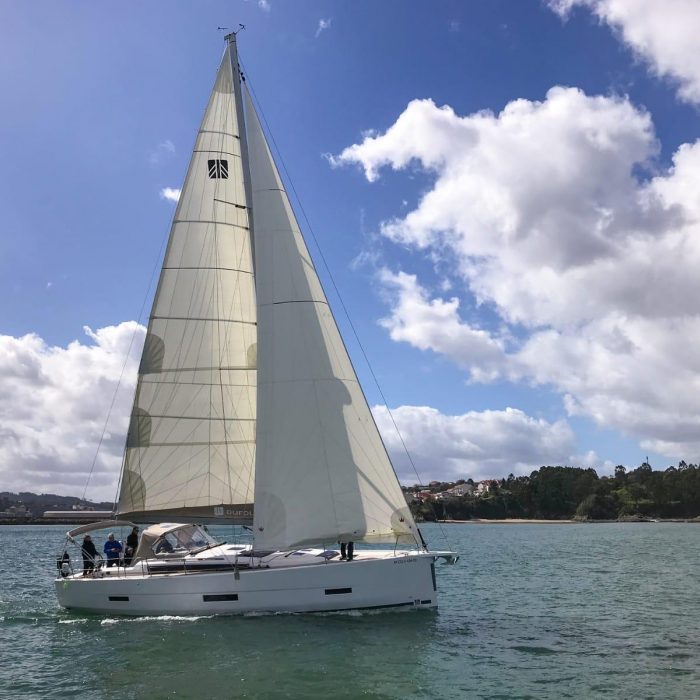
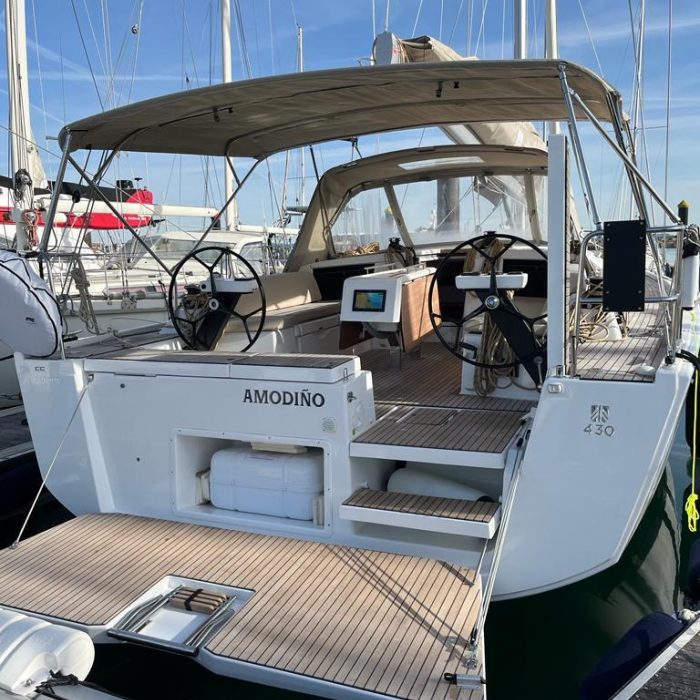
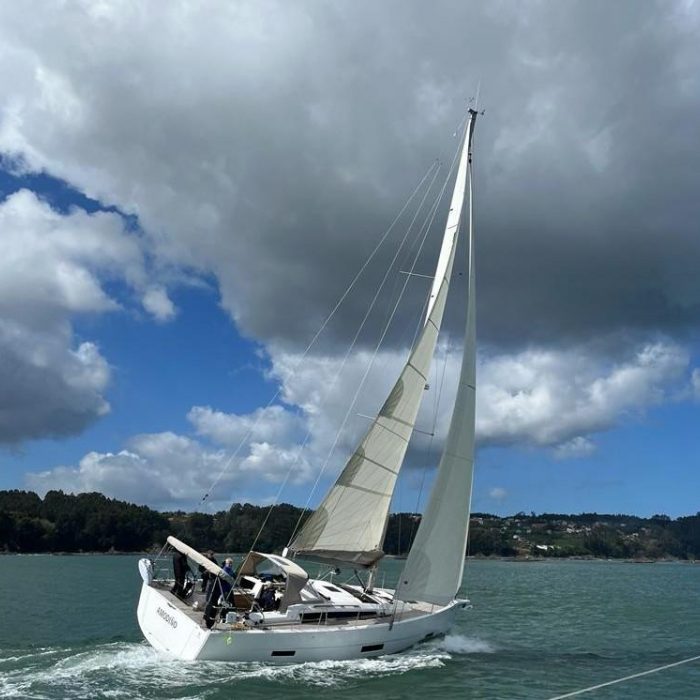
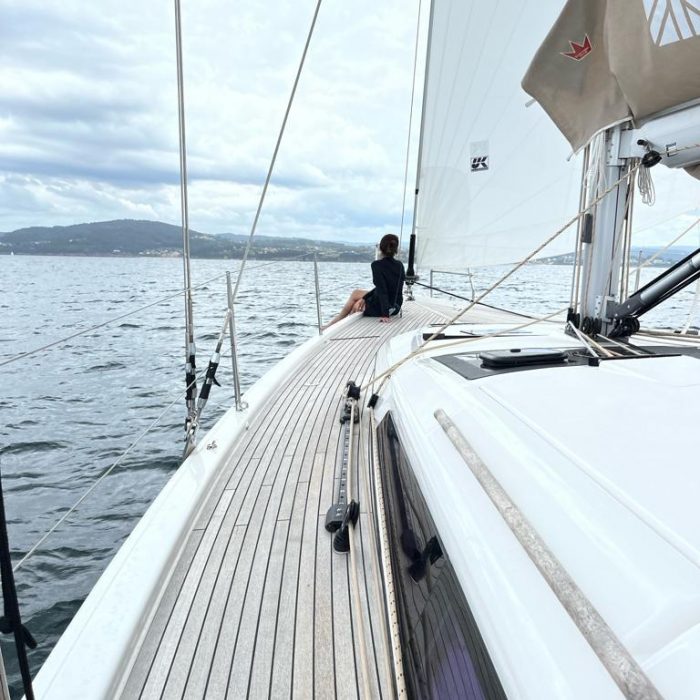
Amodiño | Dufour 430
Julio Verne Náutica
Spain, European Atlantic, Baiona, Monte Real Club de Yates de Baiona
Year: 2022
Length: 43 Ft
Cabins: 3
Guests: 6
2520 €
2520 €
- 5% 2,394€
+ mandatory costs - 245 €
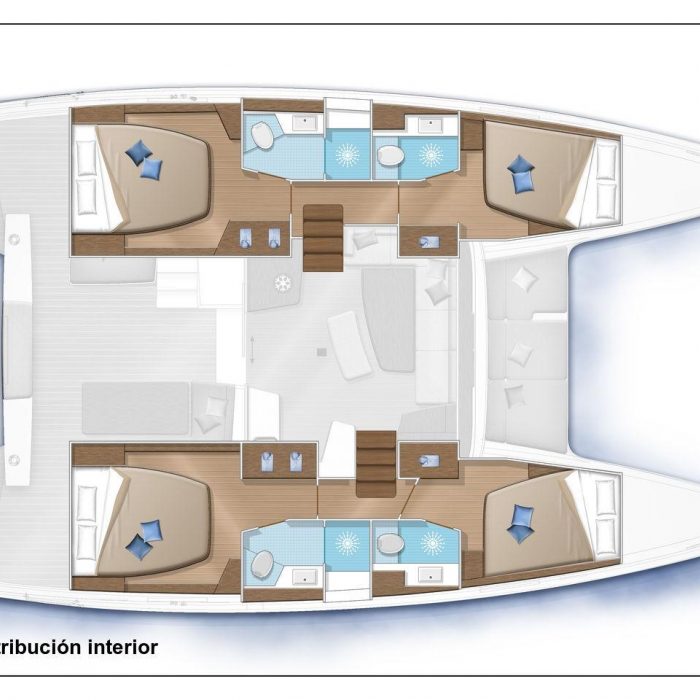
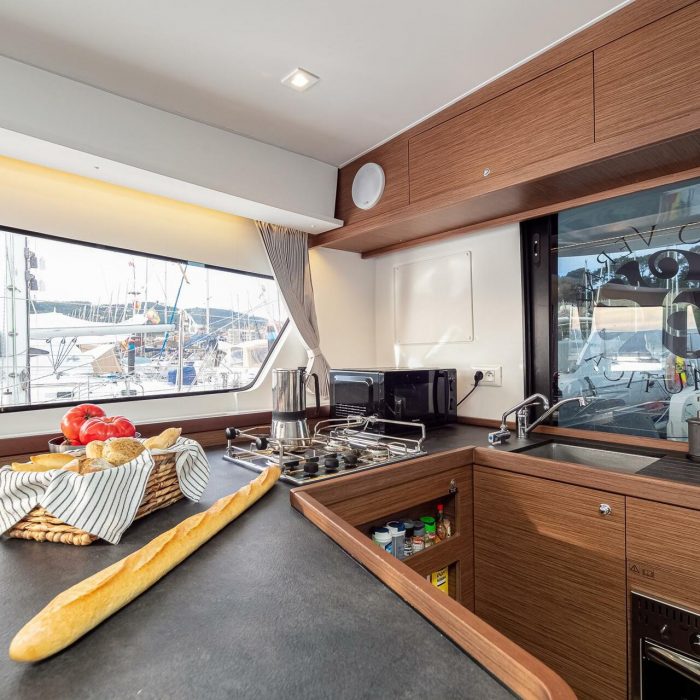
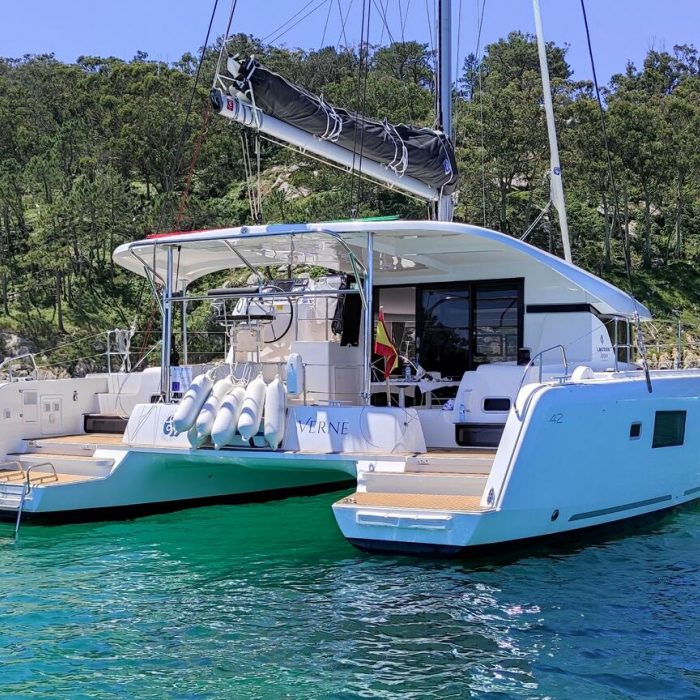
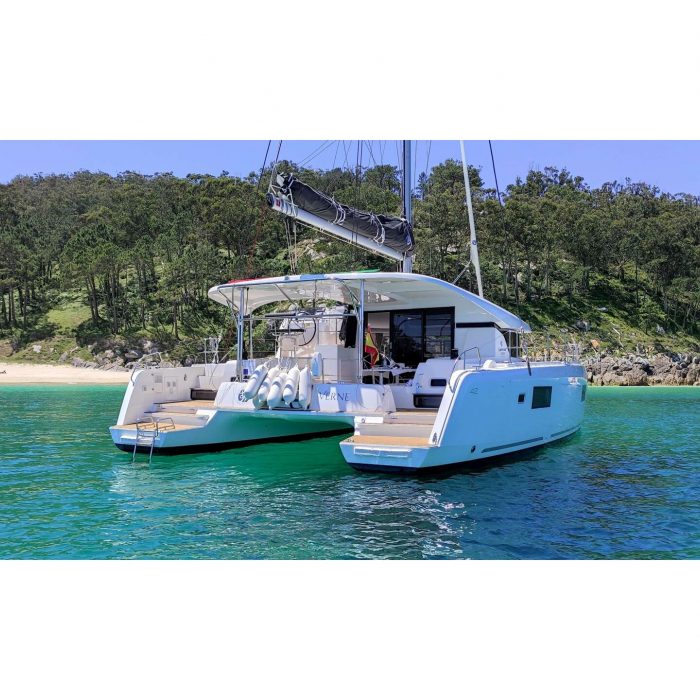
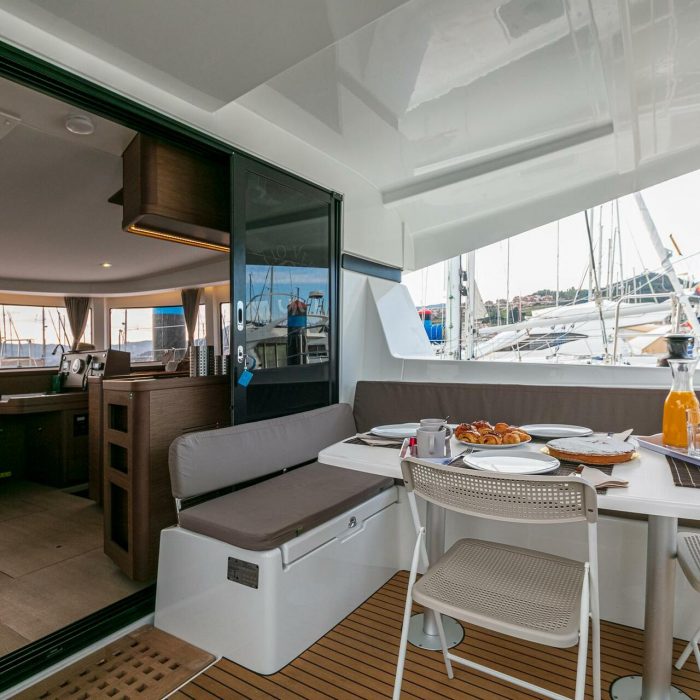
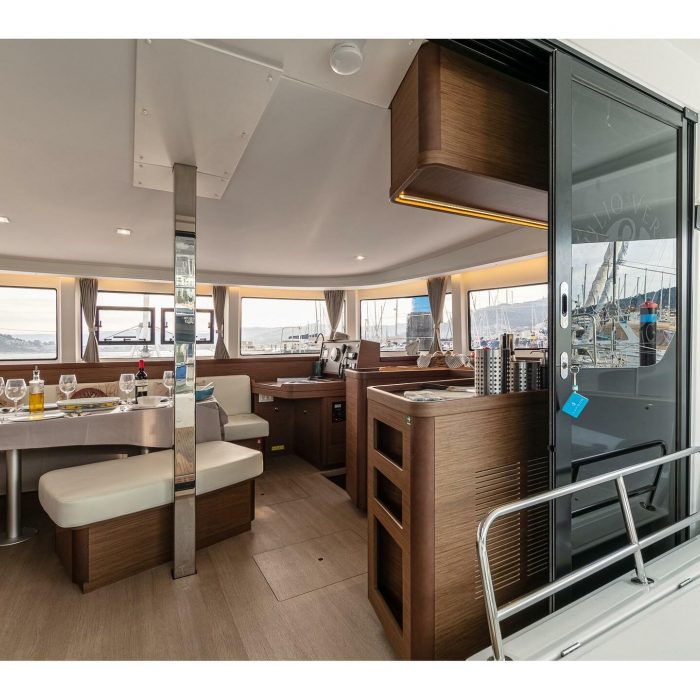
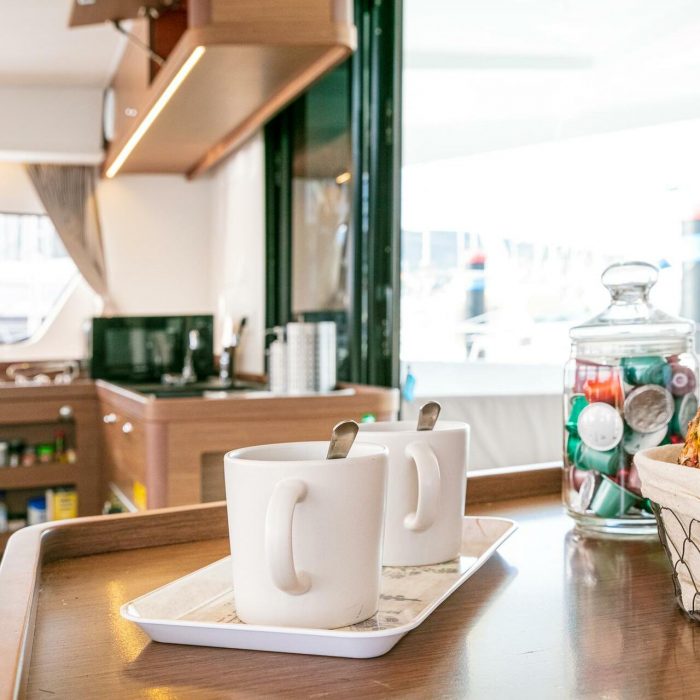
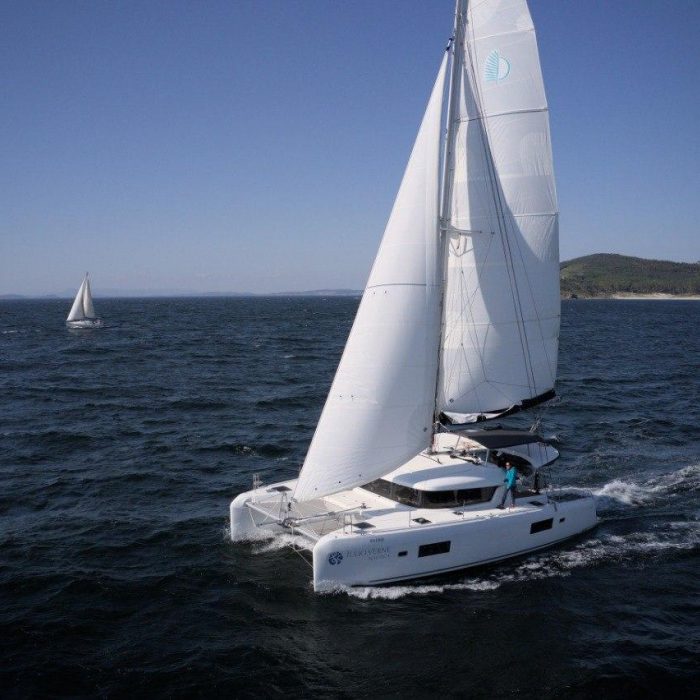
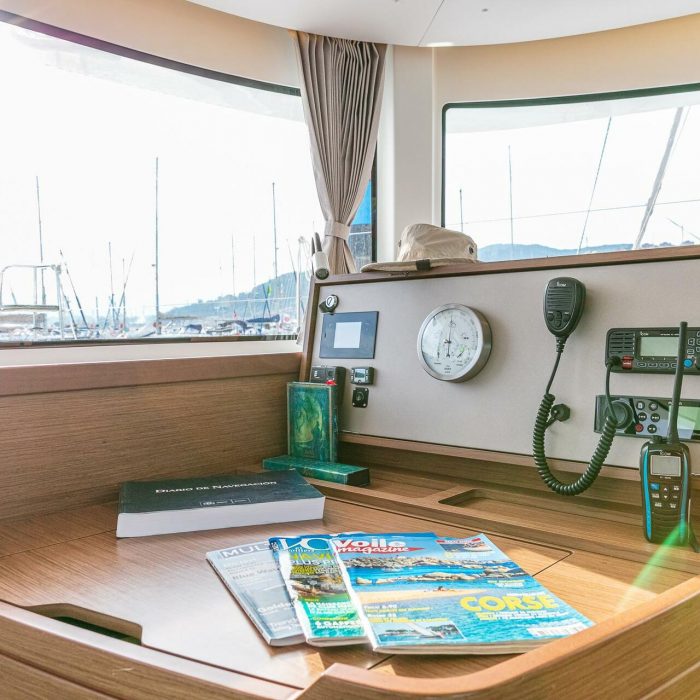
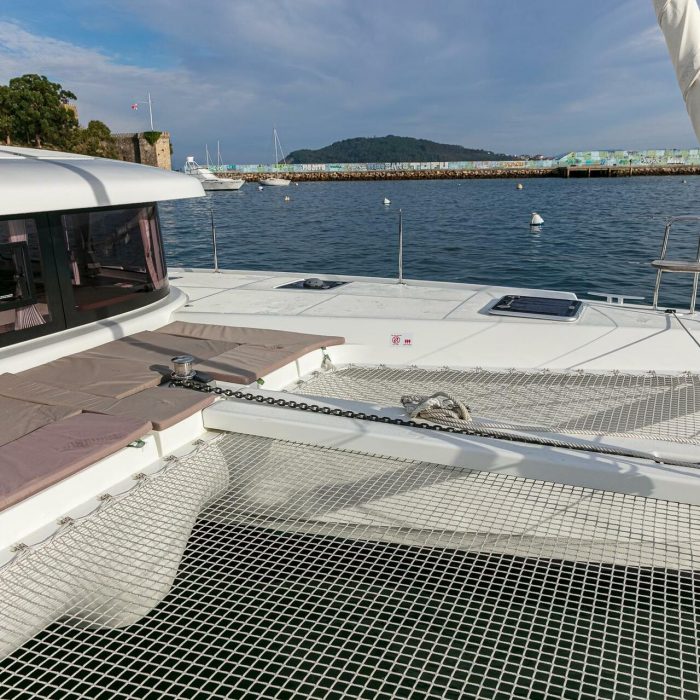
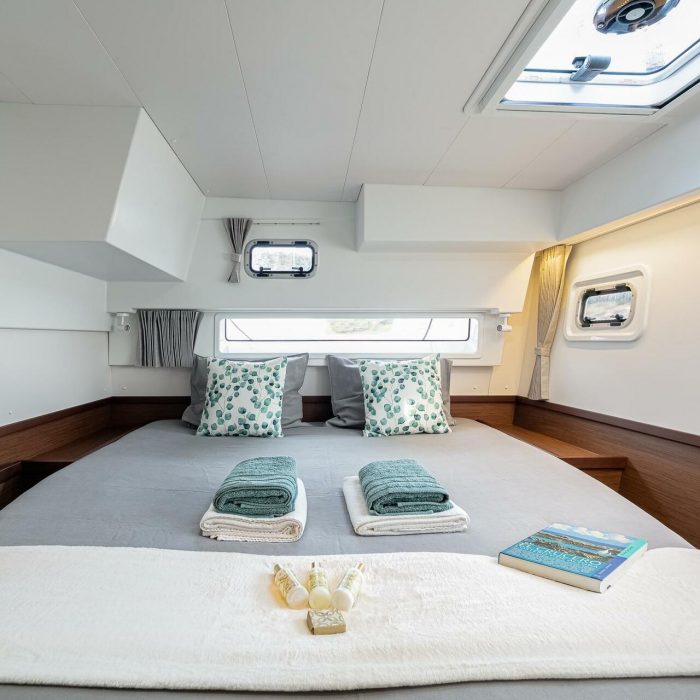
Verne | Lagoon 42
Julio Verne Náutica
Spain, European Atlantic, Baiona, Monte Real Club de Yates de Baiona
Year: 2021
Length: 42 Ft
Cabins: 4
Guests: 8
3210 €
Online price
for 7 days
€ 3,210- 6%€3,020
+ mandatory costs - 385 €
1-7 from 7
You'll find popular yacht charter brands in Baiona, Galicia, Pontevedra, Real Club Náutico de Vigo, Puerto Deportivo de Cangas, Monte Real Club de Yates de Baiona, such as: Lagoon, Grand Soleil, Hanse Yachts, Dufour Yachts, Bavaria Yachtbau.
Save to selection

Anastasia
Personal Assistant
The winds of Baiona
Mistral (NW)
The Mistral winds are not typically associated with Baiona, Spain, as they are more commonly found in the Rhone Valley in southeastern France. The Mistral is a strong, cold and dry wind that blows from the northwest, particularly during the winter months. In Baiona, the prevailing winds are westerlies, which blow in from the Atlantic Ocean. These winds can bring in moisture and create rainy conditions, particularly in the fall and winter months. However, the region can also experience winds from other directions, such as southeasterly winds that can bring in hot and dry weather in the summer. Baiona is located on the coast of the Galicia region in northwest Spain and experiences a temperate maritime climate, with mild temperatures and high humidity throughout the year. The local climate is influenced by the Atlantic Ocean, and weather patterns can be unpredictable. Nonetheless, the town is known for its pleasant climate and is a popular tourist destination for its beaches, historic buildings, and seafood cuisine.
Bora (NE)
The Bora winds are not typically associated with Baiona, Spain, as they are more commonly found in areas along the Adriatic Sea in southeastern Europe. However, Baiona does experience other types of winds, such as the prevailing westerlies that blow in from the Atlantic Ocean.
Tramontana (N to NW)
Tramontana winds are not commonly associated with Baiona, Spain, as they are more typical of the Mediterranean Sea and the Balearic Islands, located off the eastern coast of Spain. Nonetheless, Baiona can experience winds from the north to northwest, which can bring in cooler and drier air from the interior of the Iberian Peninsula.
Jugo (SE)
Jugo winds are not typically associated with Baiona, Spain either, as they are more commonly found in the Adriatic Sea in southeastern Europe. However, Baiona does experience winds from the southeast, which can bring in warm and dry air from the Mediterranean.
Regions & planning
Which Spain regions dominate yacht charter?
Balearic Islands (Palma/Mallorca hub, Menorca nature, Ibiza nightlife) and mainland east coast (Costa Brava to Barcelona to Costa Blanca). Canary routes are a different flight + climate pattern — filter listings by base.
Mallorca vs Ibiza vs Menorca — quick contrast?
Mallorca: largest fleet/service network. Ibiza: busy summer scene + nearby Formentera calas. Menorca: quieter, UNESCO biosphere, tighter availability in peak.
Main airports for Balearic charters?
Palma (PMI), Ibiza (IBZ), Mahon Menorca (MAH). Book transfers early in August.
What about mainland Spain charters?
Barcelona, Valencia, Denia, Costa Brava towns — coastal hops; crossing to Balearics is a serious passage, not the default.
Bareboat licences — how does Spain differ from Greece?
Spain uses its recreational certification system (e.g. PER progression) for residents. Charter companies serving foreigners often accept ICC/RYA/ASA-equivalent — verify in writing per boat; never assume Greek acceptance equals Spanish.
Typical charter season in Spain?
Most activity April–October (Balearics/Med). Canaries can be marketed year-round with different wind patterns.
Winds to know — Balearics?
Tramontana/NW can blow hard in NW Mallorca and Menorca channels. Thermal/sea breezes build afternoons. Use local forecasts — not one wind for all Spain.
Winds — mainland Catalonia/Valencia?
Garbi SW sea breeze, Mestral episodes; Costa Brava has its own micro-variations.
Best region for beginners?
Often Menorca or shorter Mallorca bay hops in moderate weeks; avoid maiden bareboat weeks in Tramontana peaks without a skipper.
Skippered vs bareboat in Spain?
If paperwork or experience is uncertain, skippered removes friction — especially Ibiza weekends or Palma departures.
Catamaran vs monohull in Spain?
Cats popular in Balearics for groups; mono easier in some village quays — match to crew and marina plan.
Languages on charter bases in Spain?
Spanish official; Catalan in Balearics/Barcelona zone; English common in big charter hubs.
Currency and payments in Spain?
Euro; cards usual; small harbours may prefer cash for minor fees.
How far ahead to book Ibiza peak?
Months ahead for popular cats/weeks; use SEARADAR filters for refundable-friendly options where available.
Mandatory costs on SEARADAR for Spain?
Cleaning, outboard, skipper — vary by operator. Compare true trip cost when extras are published.
Travel insurance for Spain?
Cancellation + medical recommended; read deposit/weather clauses.
Saturday turnarounds in Spain?
Very common for weekly fleet; day-charter exists in big cities.
National parks (e.g. Cabrera) in Spain?
Some calas need permits or regulated mooring — plan ahead; do not treat every bay as open anchorage.
Why use SEARADAR for Spain?
Cross-operator comparison, mandatory extras visibility, support picking the right region + boat class for your dates.
Logistics & compliance
Schengen / visa for Spain?
Spain is Schengen — check rules for your passport.
Provisioning in the Balearics?
Hypermarkets near Palma; smaller islands pricier — top up water before hot weeks.
Stern-to mooring in Spain?
Standard in many Spanish quays — long lines and fender plan required.
Environmental fines in Spain?
Speed/no-wake and MPA rules enforced — use official apps/charts.
Night sailing on charter in Spain?
Typically daylight only unless professional skipper + contract allows.
Children on board in Spain?
Lifejackets sized correctly, shade, shorter legs; busy Ibiza wakes need timing.
Pets on board in Spain?
Operator-dependent; cleaning surcharges.
Two families on one yacht in Spain?
If berths/heads fit — verify cabin privacy layout.
Theft / security in Spain?
Lock dinghy; busy ports attract petty theft — same as Mediterranean hotspots.
Fuel strategy in Spain?
Note fuel dock hours; queue on Sunday evenings in peak season.
One-way between islands in Spain?
Sometimes offered — relocation fee common; confirm in contract.
Breakdown on a Spain charter?
Operator assistance line; keep VHF + phone numbers laminated.
Corporate / events charter in Spain?
Large cats in Palma/Ibiza; clarify max passengers vs charter licence.
Tap water aboard in Spain?
Municipal water generally potable; many crews still buy bottled.
VHF licence in Spain?
Depends on flag/contract — learn channel 16 procedures regardless.
Drone rules in Spain?
Spanish aviation rules — crowded beaches/nature reserves often restricted.
Parking rental car at marina in Spain?
Check port-specific paid lots — summer fills fast.
What to pack for a Spain charter?
Breathable clothes, reef-safe sunscreen awareness, non-slip shoes, EU adapters.
Free Deposit Pack
With FDP (Free Deposit Pack), you have the chance to avoid a full security deposit and lock in your funds. Just pay 20% upfront (non-refundable), and experience a hassle-free journey. * The price of the FDP rises to 25% if booked less than 30 days before the charter.