




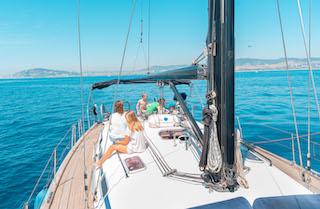


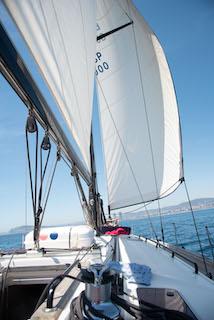
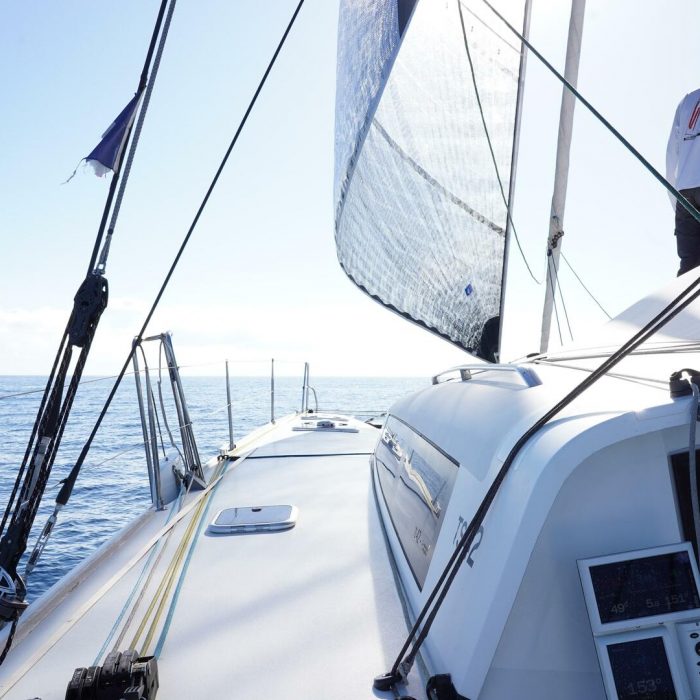
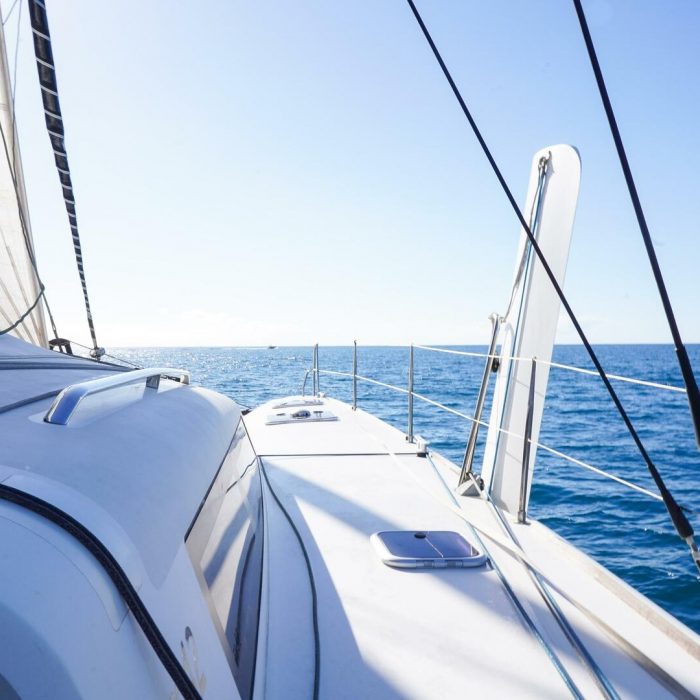
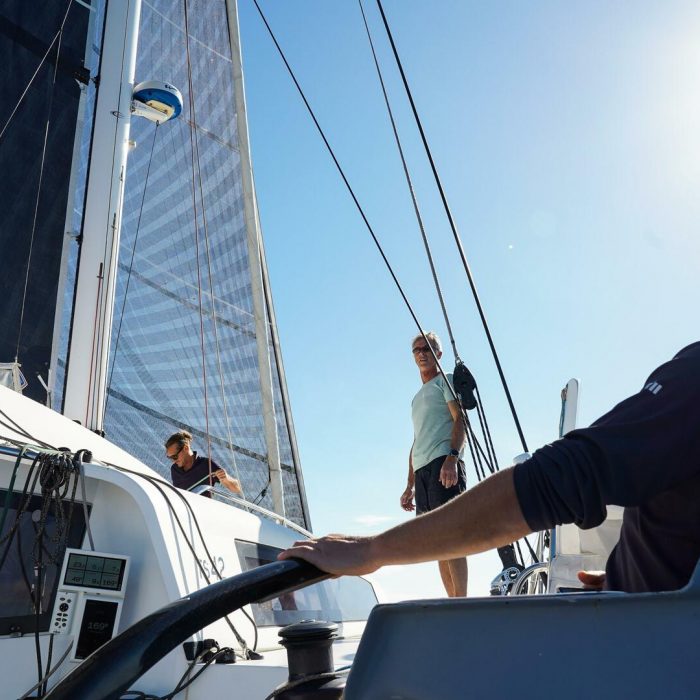
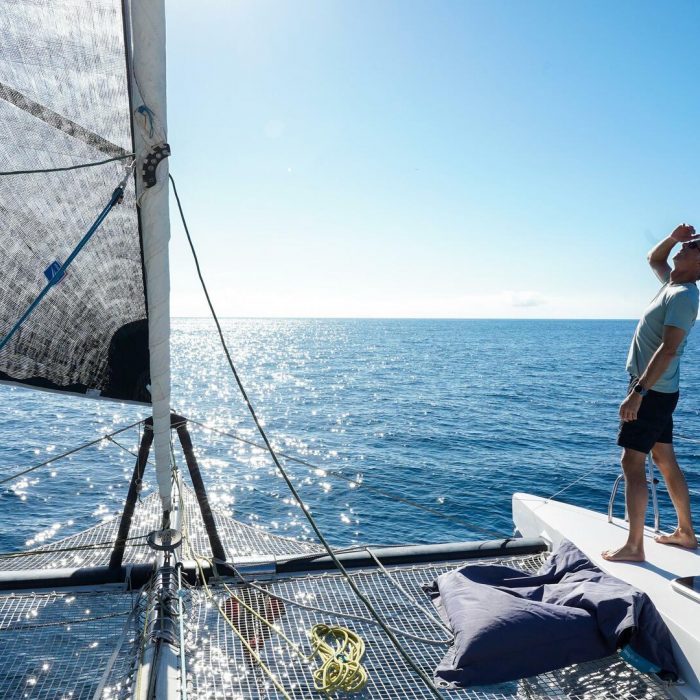
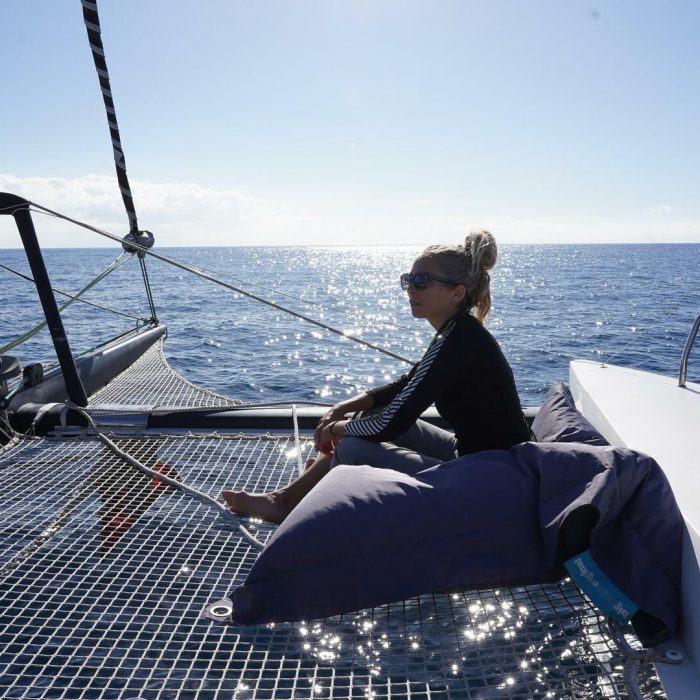
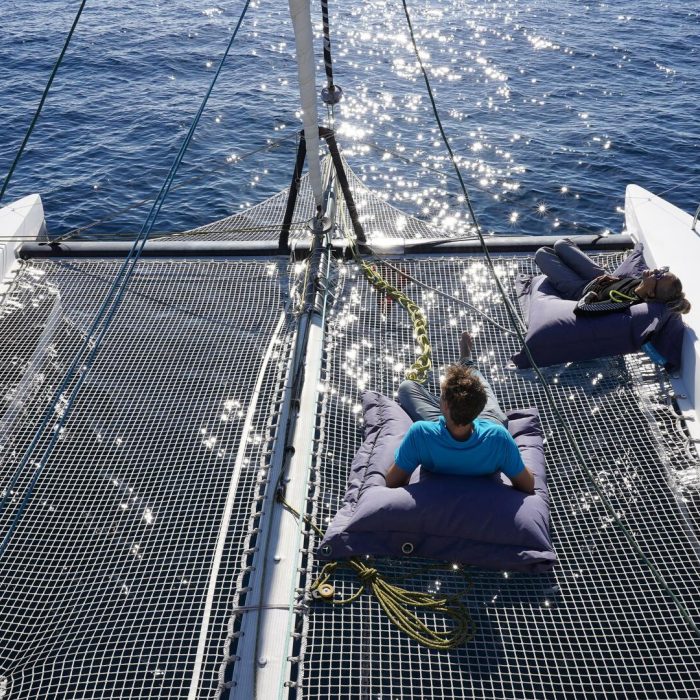
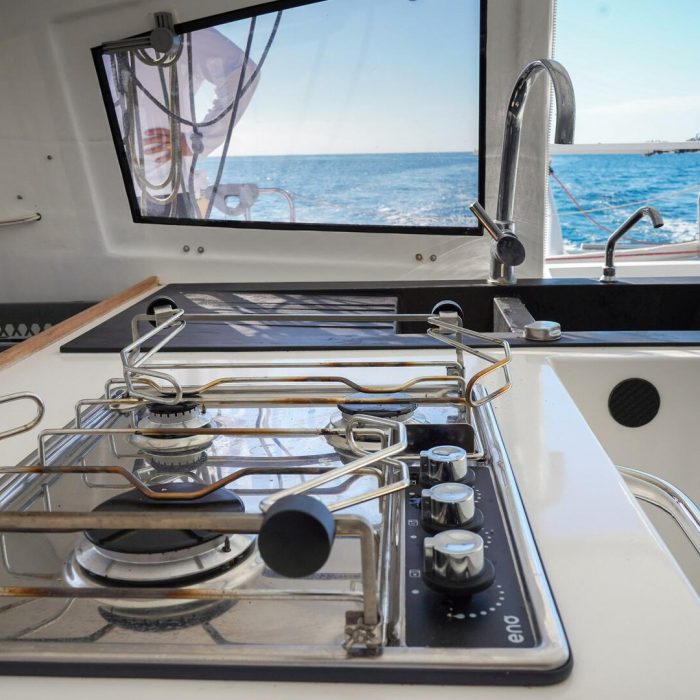
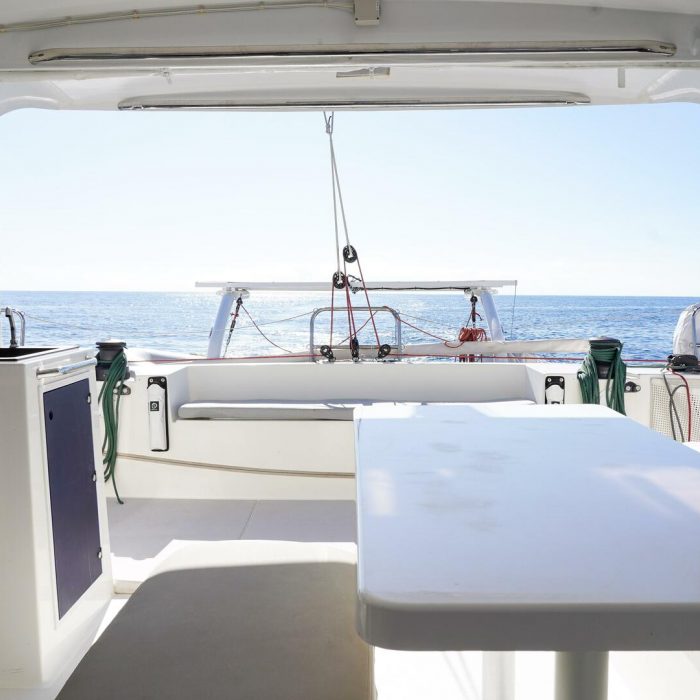
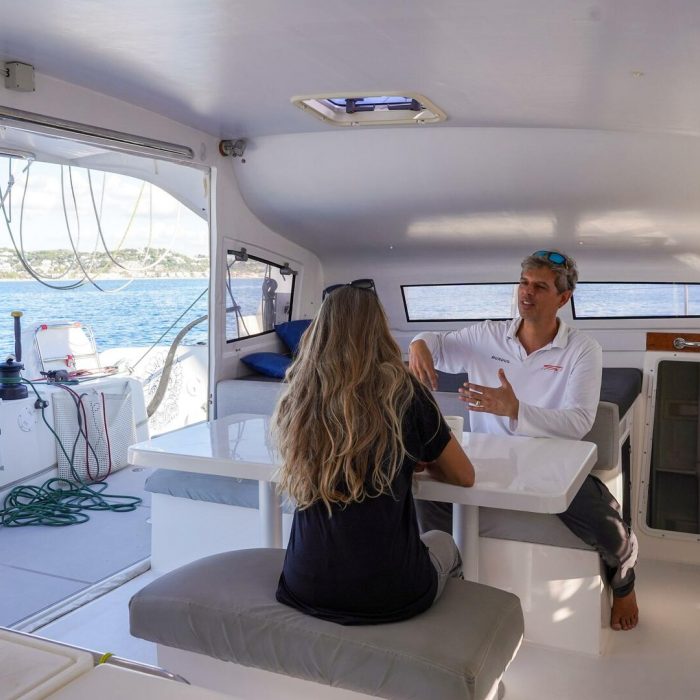
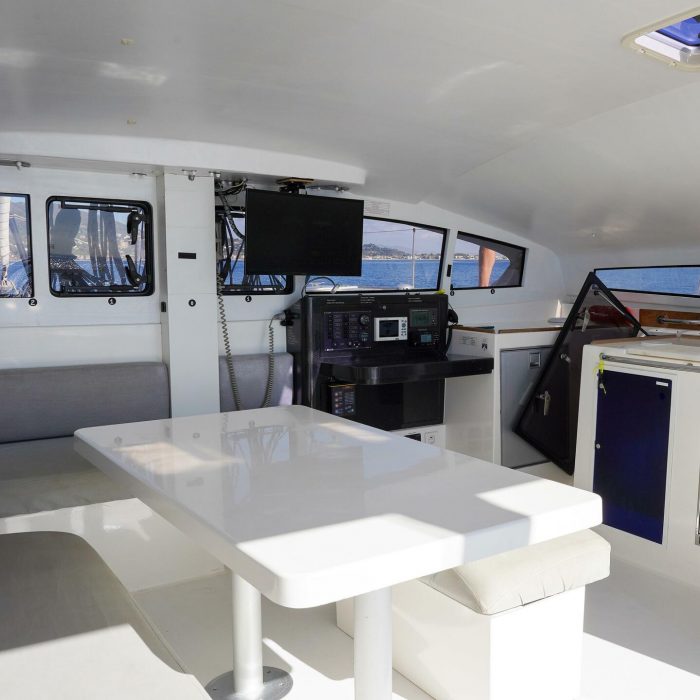
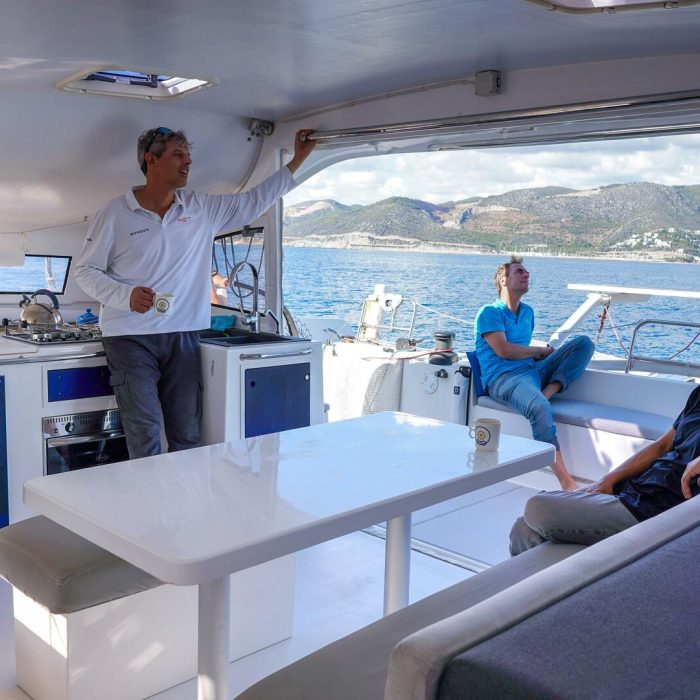
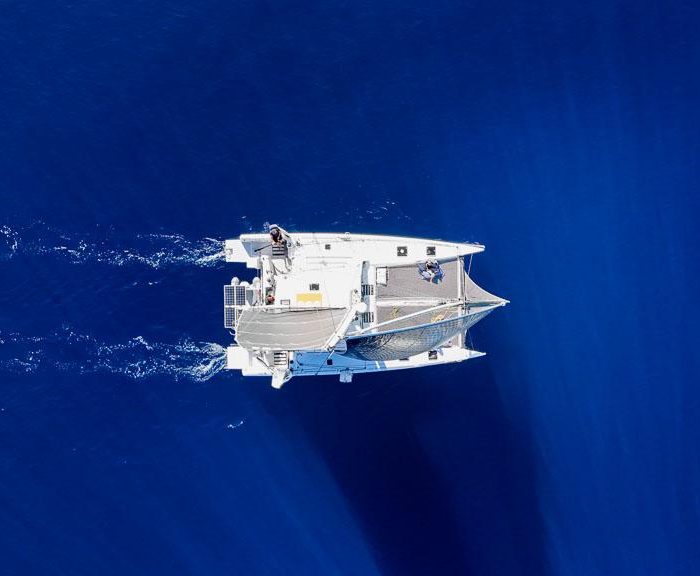
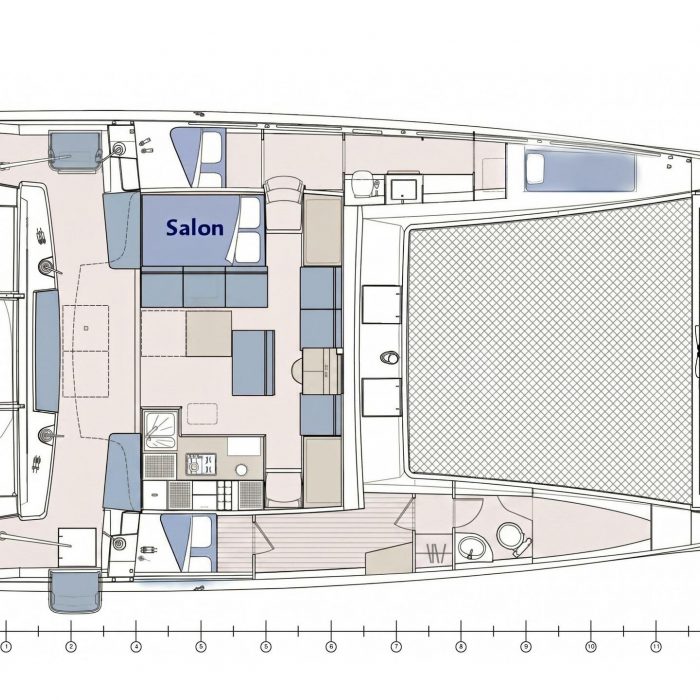
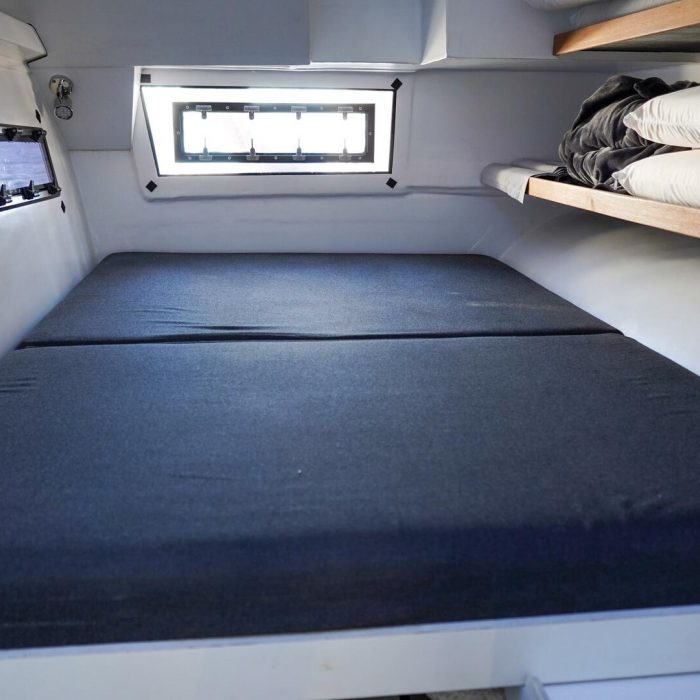
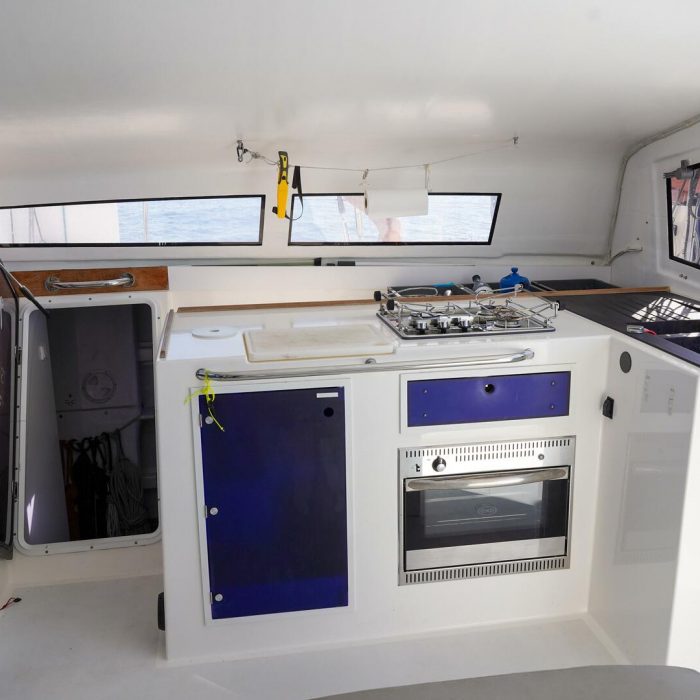
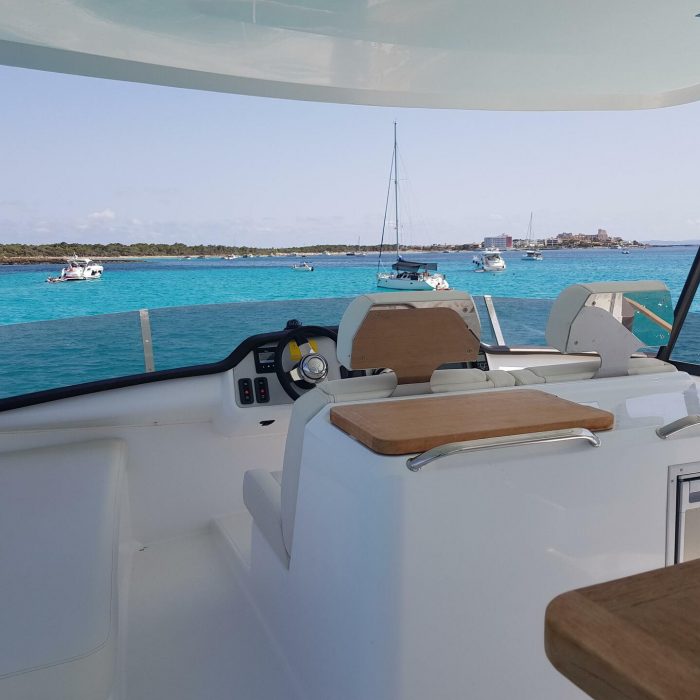
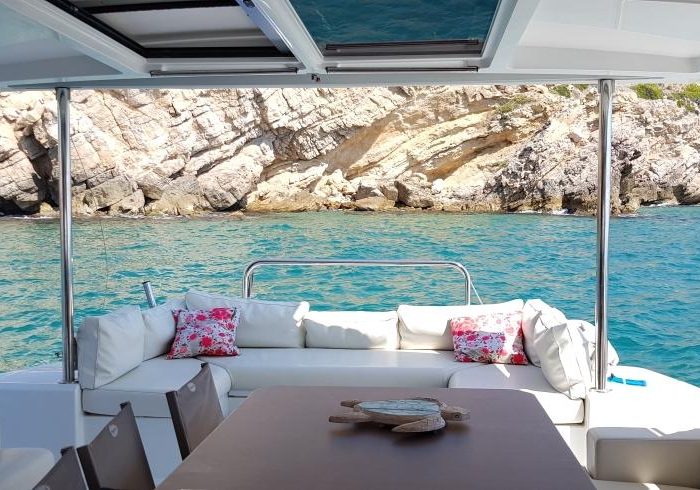
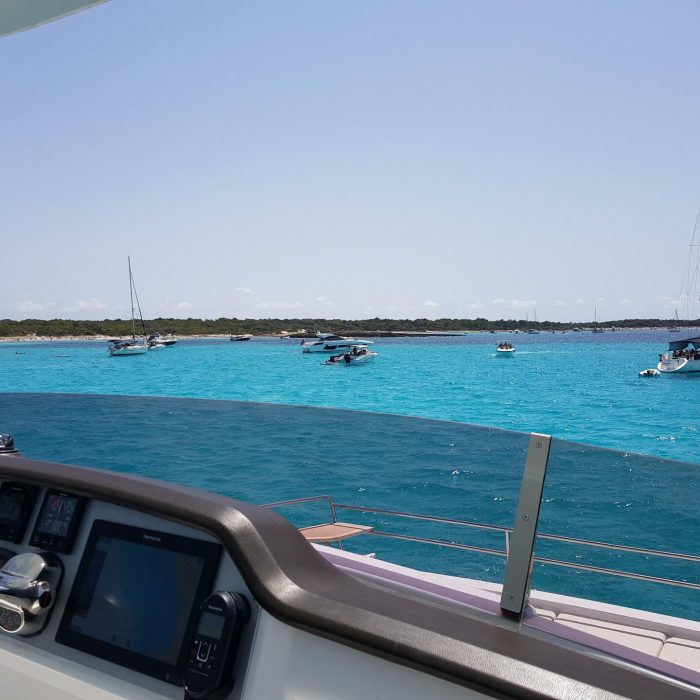
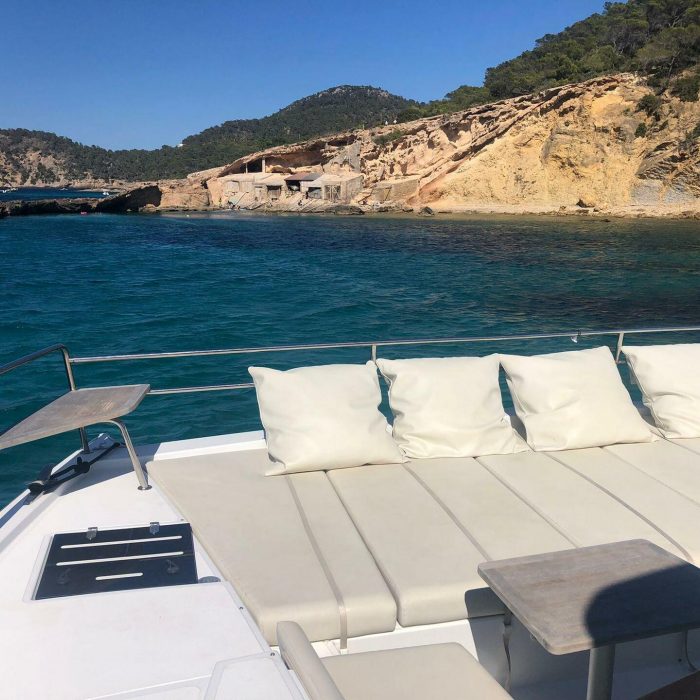
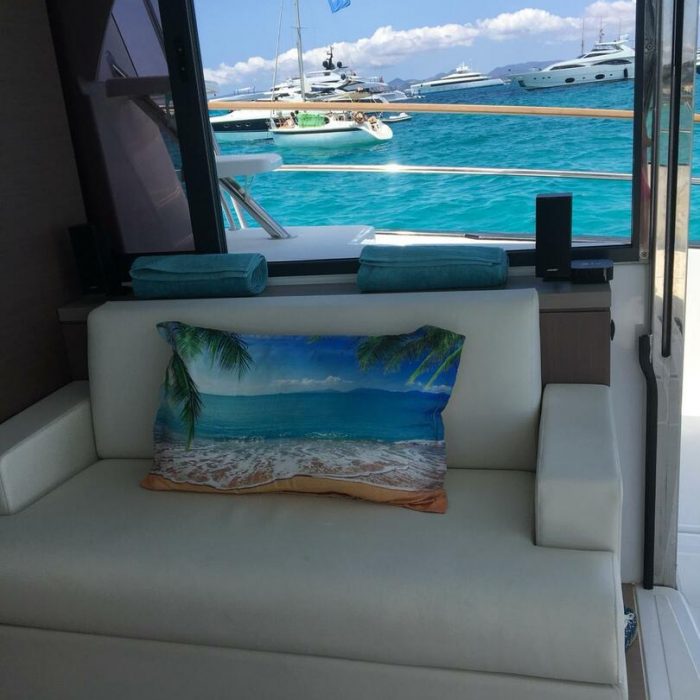
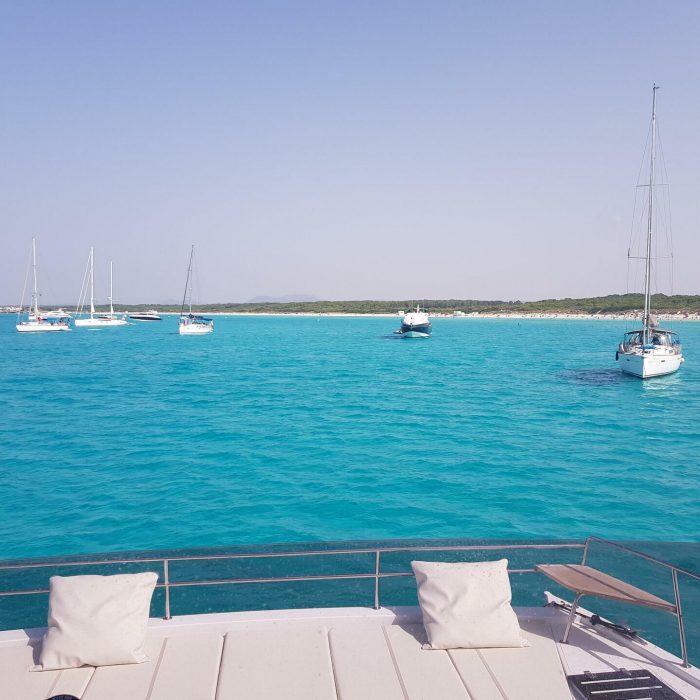
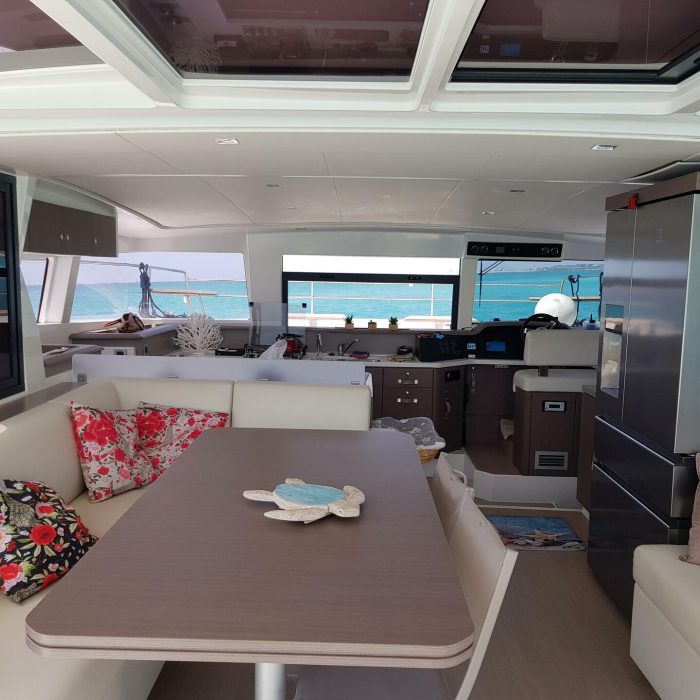
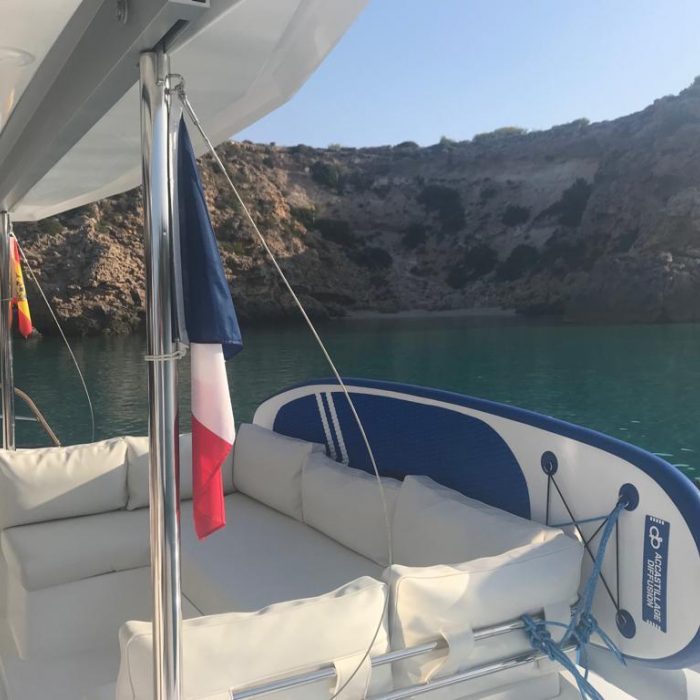
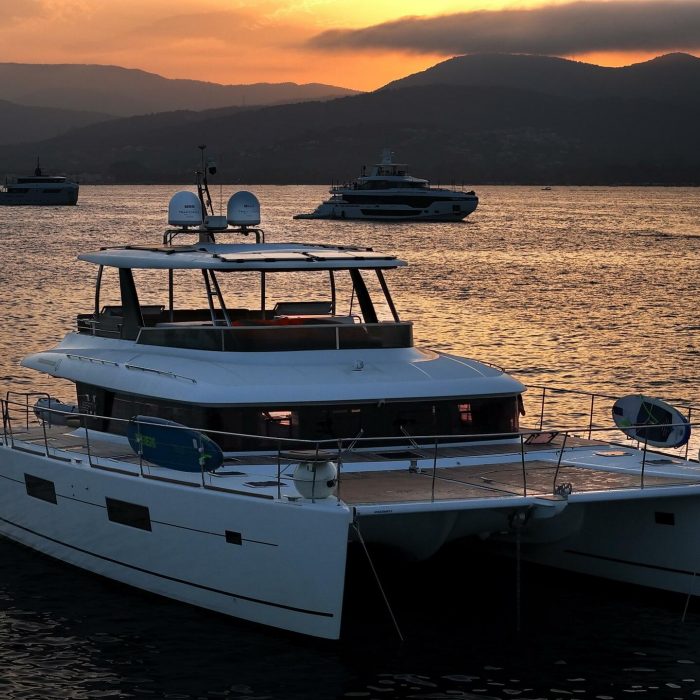
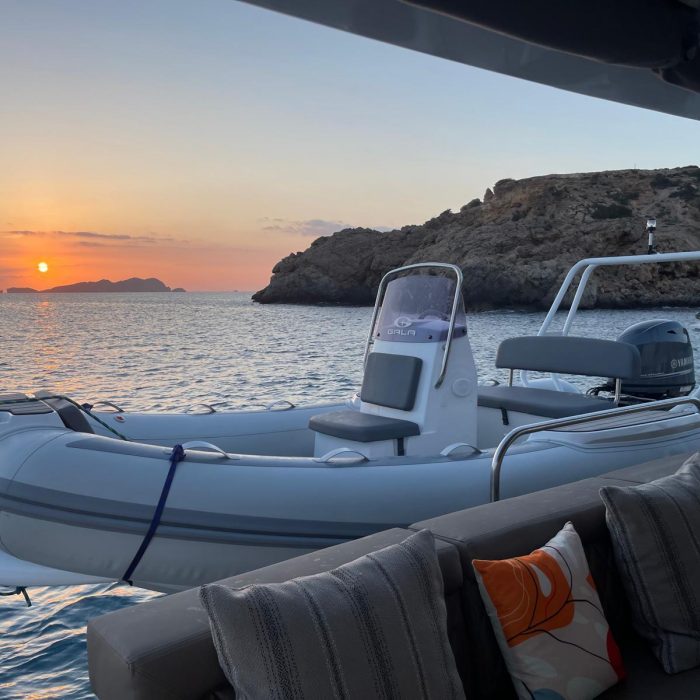
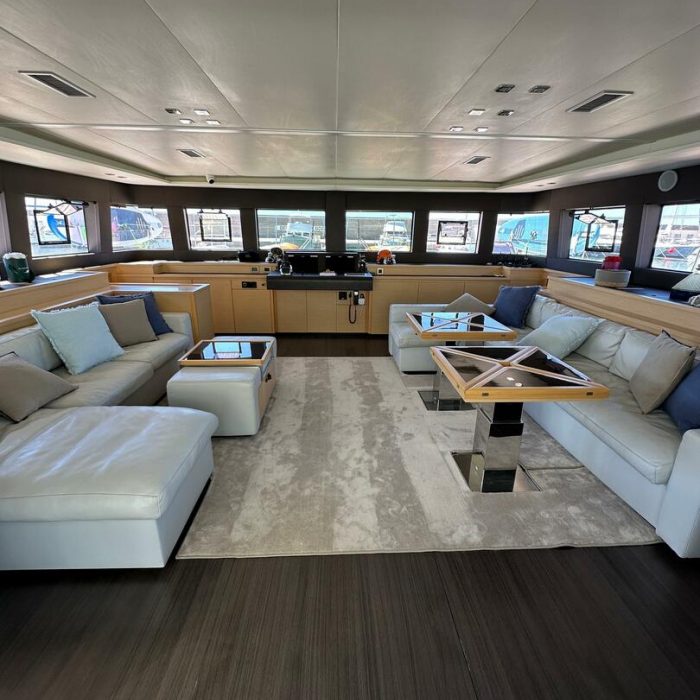
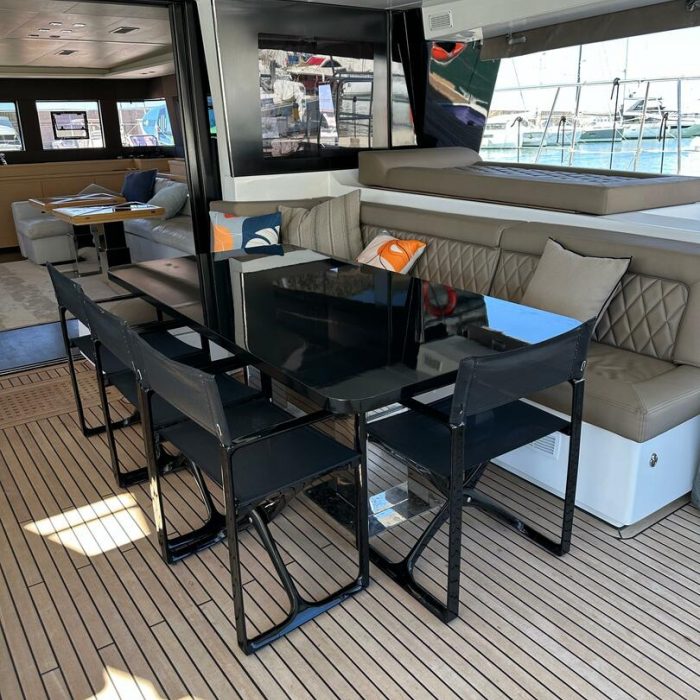
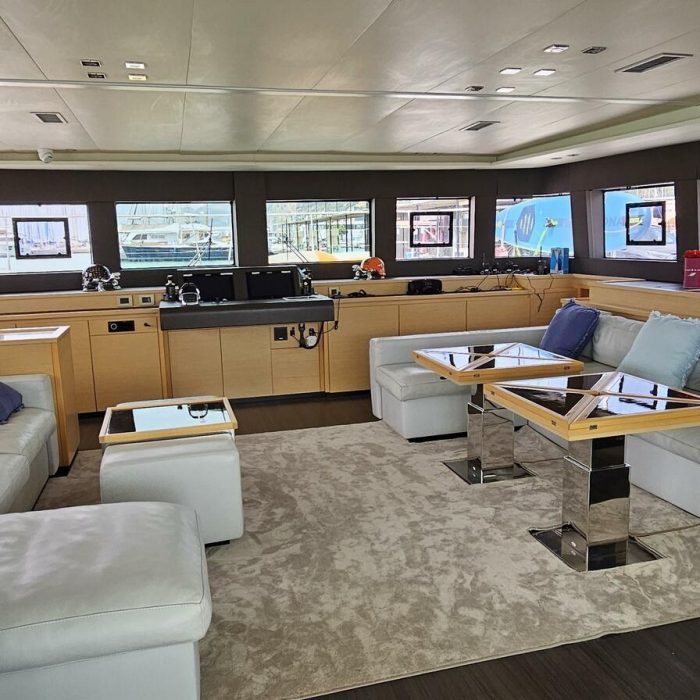
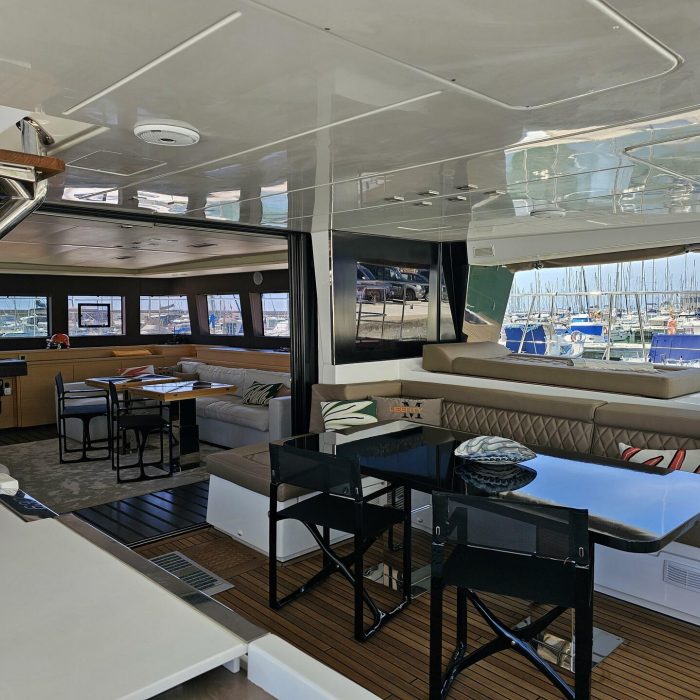
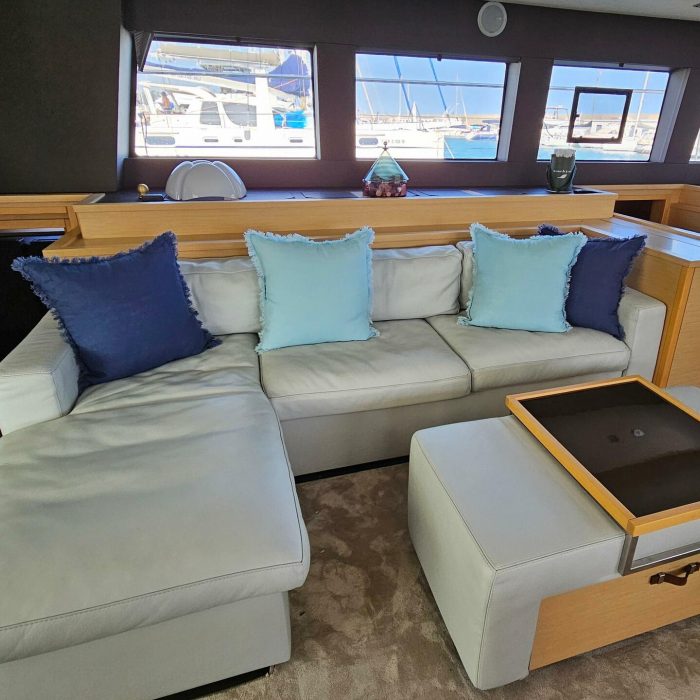
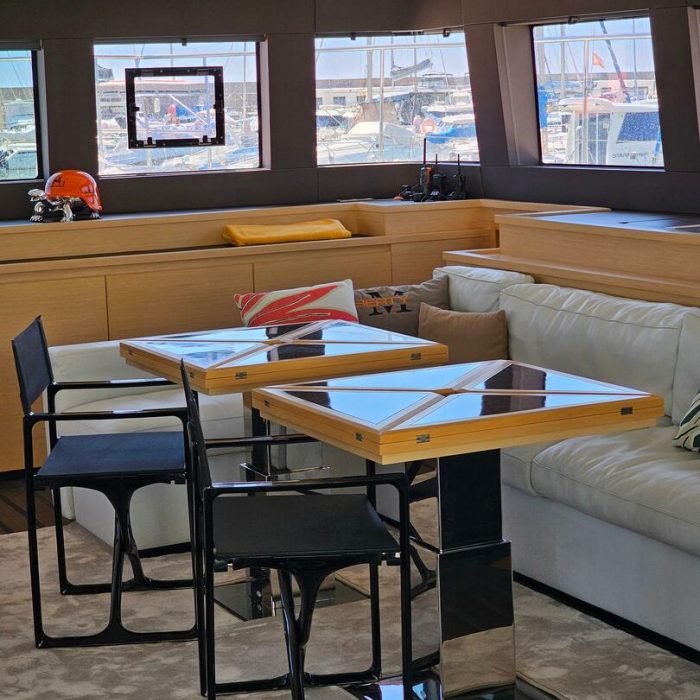
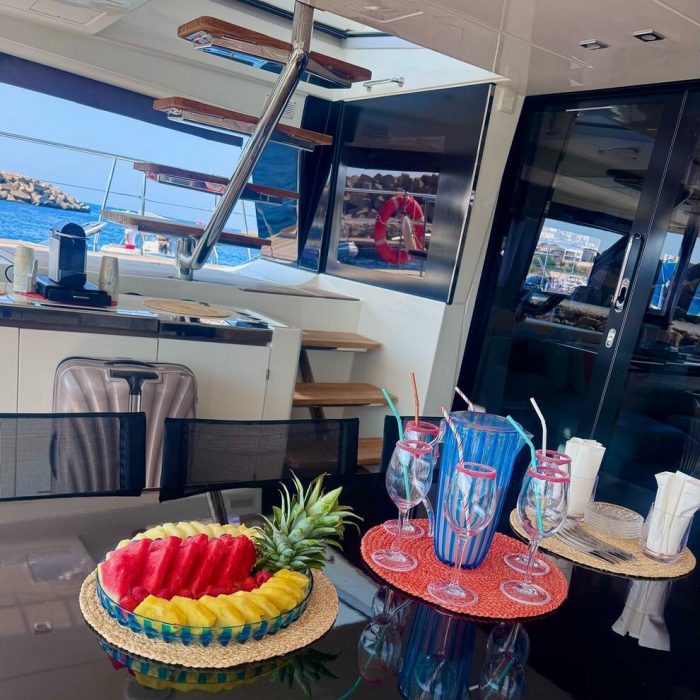
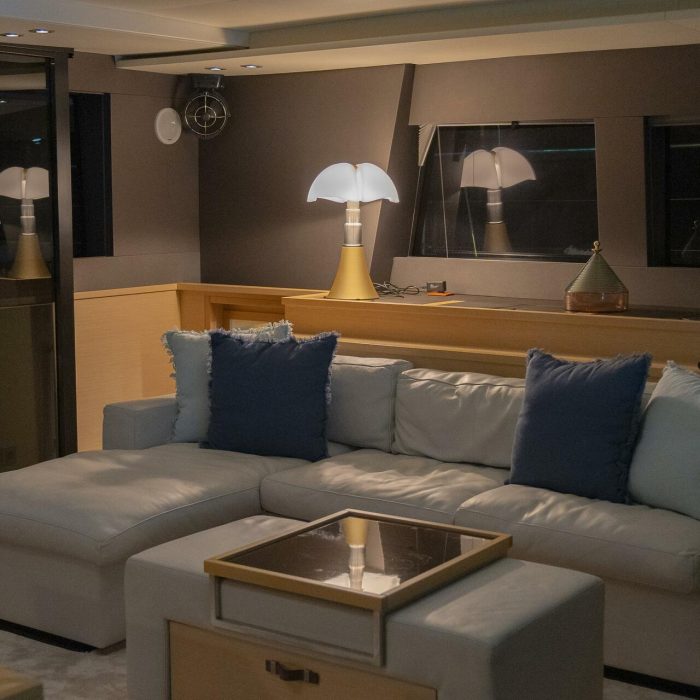
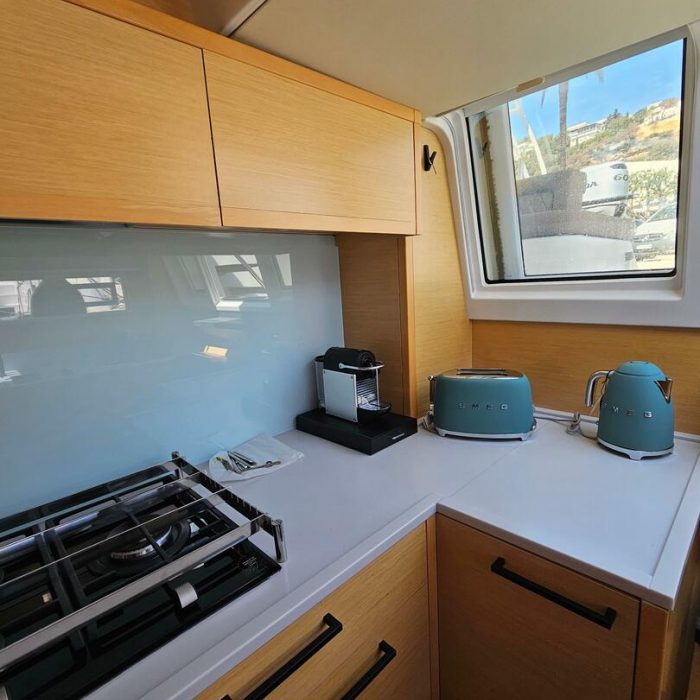
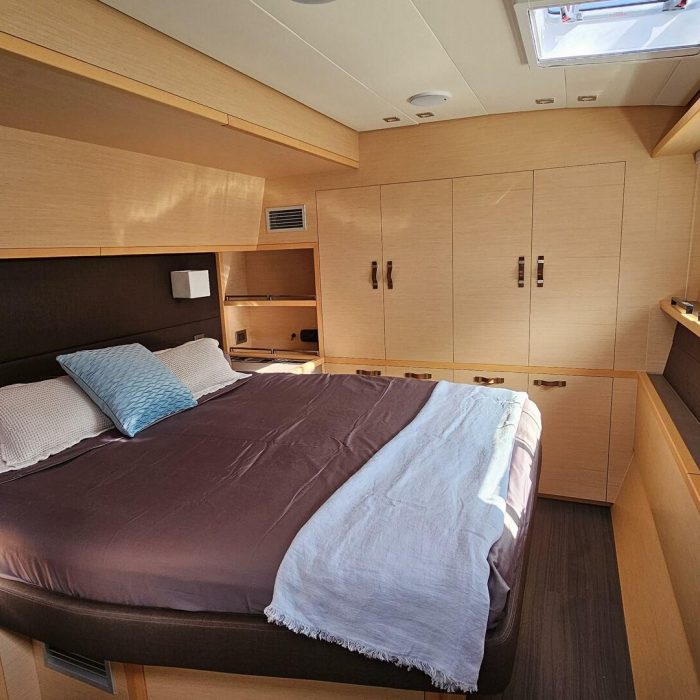

Searadar lists 6 sailing yachts and catamarans for charter by the week in Barcelona on this snapshot (as of 7 September 2026), from brands including Beneteau Oceanis, Bavaria, TS Yachts and IMOCA. You charter bareboat with an accepted licence, or with a skipper if you don't hold one. The week runs Saturday to Saturday. Prices start from €1,300 per week; the search filter runs up to €14,800 across the fleet, while the six named boats below list at their own online prices, from €1,330 to €14,841. On top sit mandatory extras of €150 to €750 per boat and 21% Spanish VAT (IVA). Boats depart from Port Olímpic and Marina Port Vell in the city, and from Port Ginesta and Port d'Aiguadolç at Sitges. Guest and cabin counts are shown on each boat in the listing. You pay Searadar no commission or booking fee.
TL;DR: can you charter a yacht for a week from Barcelona?
Yes. Searadar lists weekly sailing yachts and catamarans from Barcelona's city marinas (Port Olímpic, Marina Port Vell) and from Sitges, bareboat if you hold an accepted licence or with a skipper if you do not. A Barcelona week is either a Catalan-coast cruise or an offshore crossing to the Balearics, about 130 nautical miles to Mallorca and not a day trip. Prices start from €1,300 per week (as of 7 September 2026), plus 21% Spanish VAT (IVA), mandatory extras and a refundable deposit, with no booking commission.
Where you start, and where a week goes
Barcelona is a mainland embarkation hub, not an island. You provision and depart from a city marina, Port Olímpic or Marina Port Vell against the centre, or from Port Ginesta or Port d'Aiguadolç at Sitges down the coast. That mainland start is what sets a Barcelona week apart from an island week in Ibiza or Mallorca: your week is either the Catalan coast, or an offshore crossing to the Balearics.
The two grounds are different trips. A coastal week works north from the city to the Maresme and the Costa Brava, where the shore breaks into coves and cliffs, or south through Garraf to Sitges and the Costa Daurada, in unhurried day hops with a harbour each night. The crossing is the other option: Barcelona to Mallorca is roughly 130 nautical miles of open water, a passage you sail with a weather margin over a long day or overnight, not a daysail you fit around lunch. Plan the departure day around the forecast rather than a fixed date.
| Base | Where it is | Where a week goes |
|---|---|---|
| Port Olímpic | Central Barcelona, by the Olympic marina and the Barceloneta beaches; Searadar's main Barcelona departure base | Costa Brava to the north, or the Balearics crossing |
| Marina Port Vell | The old harbour at the foot of La Rambla | A city-front start for a Costa Brava week or a crossing |
| Port Ginesta | South of the city, toward the Garraf coast | Sitges and the Costa Daurada, south |
| Port d'Aiguadolç | At Sitges | Sitges and the Costa Daurada, south |
| The Balearics crossing | Offshore from any Barcelona base | Mallorca and the Balearics, about 130 nautical miles, an offshore passage with a weather margin, not a day trip |
The boats you charter in Barcelona
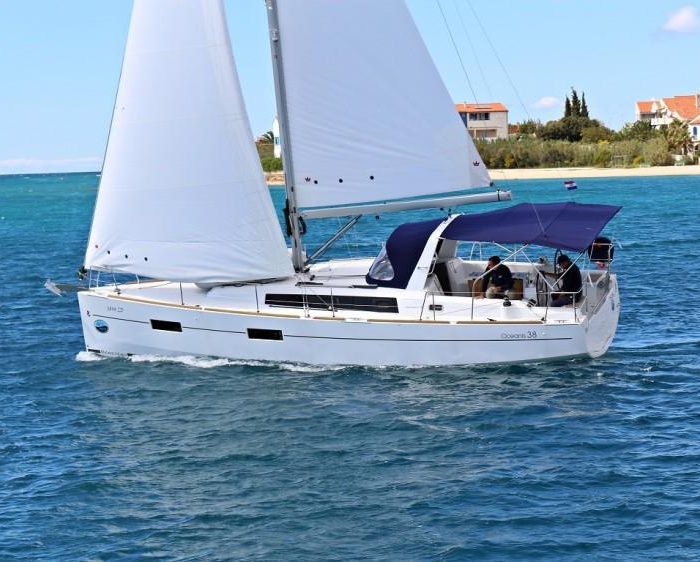
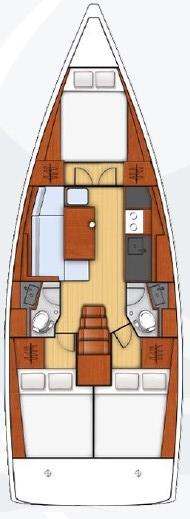
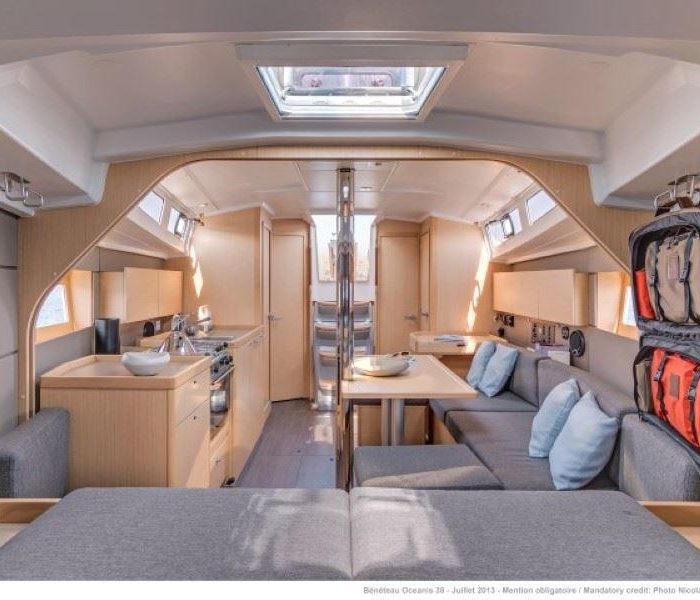
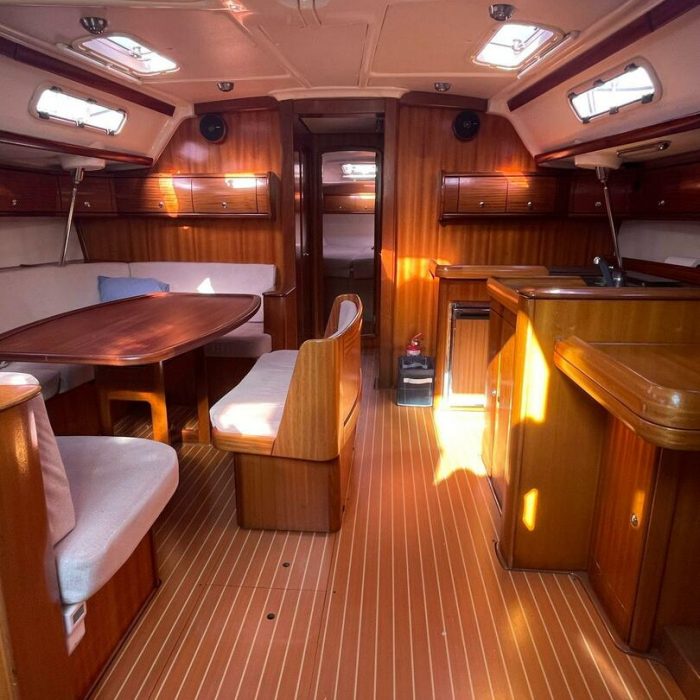
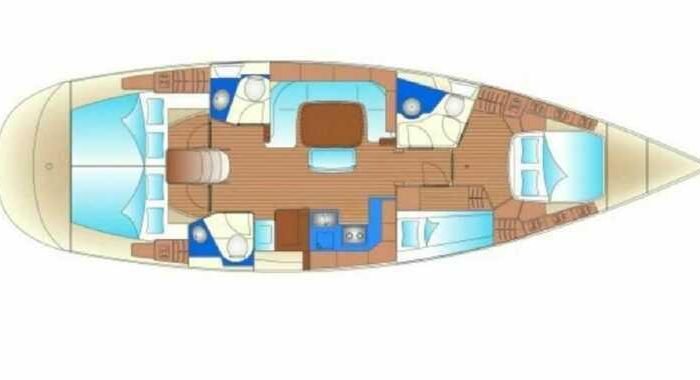
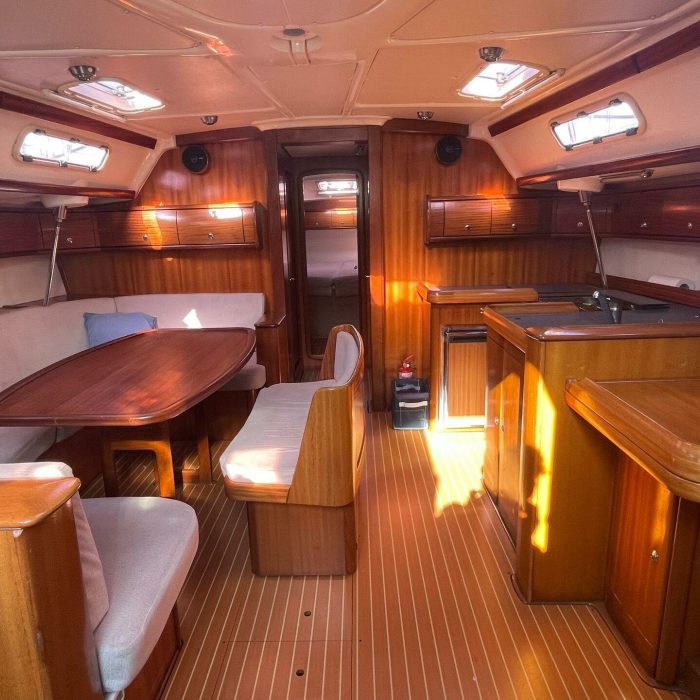
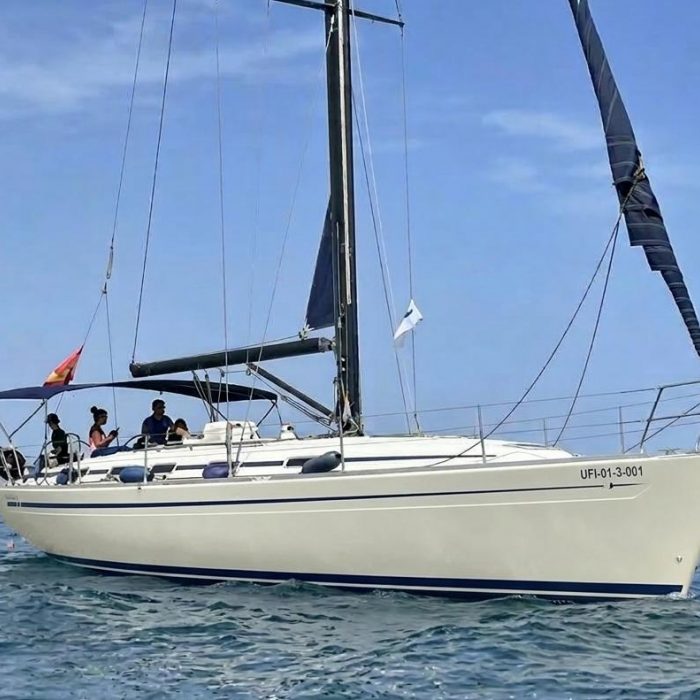
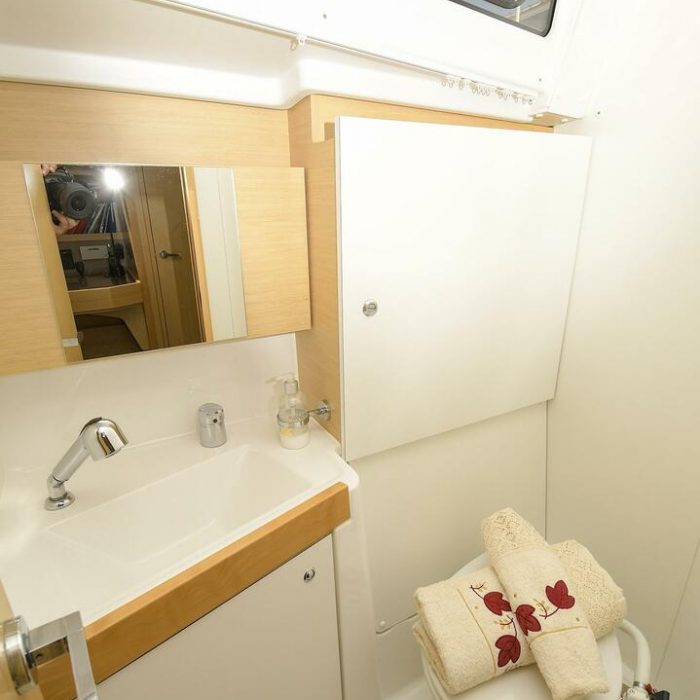
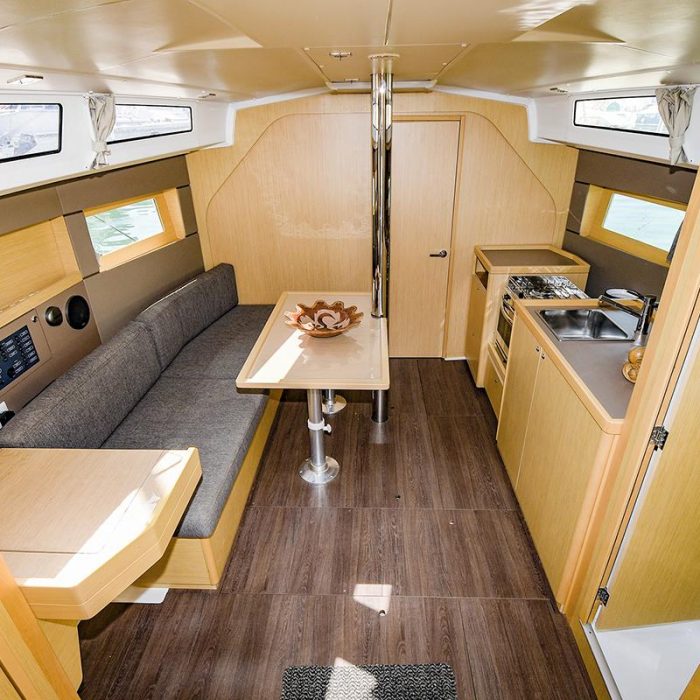
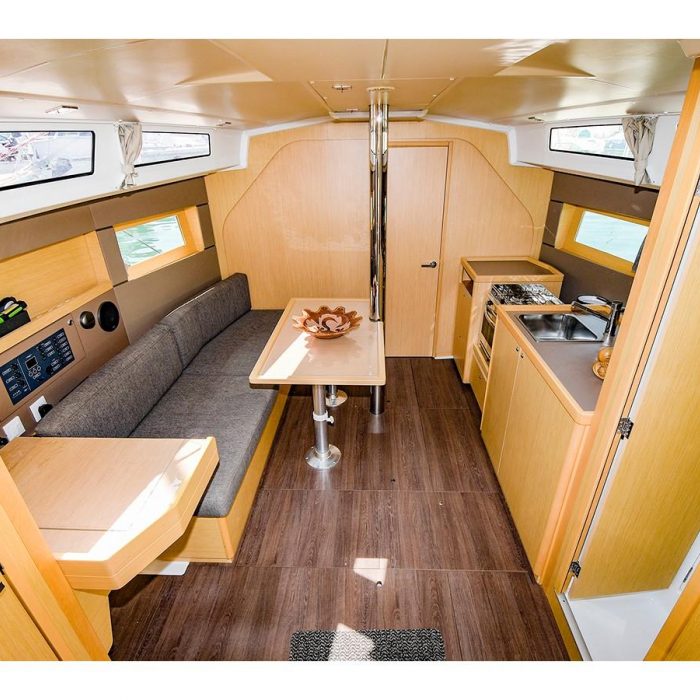
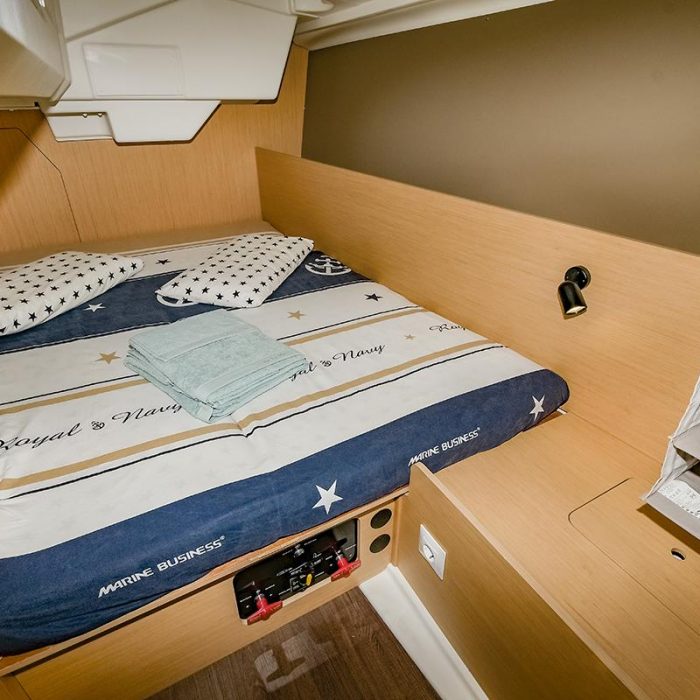
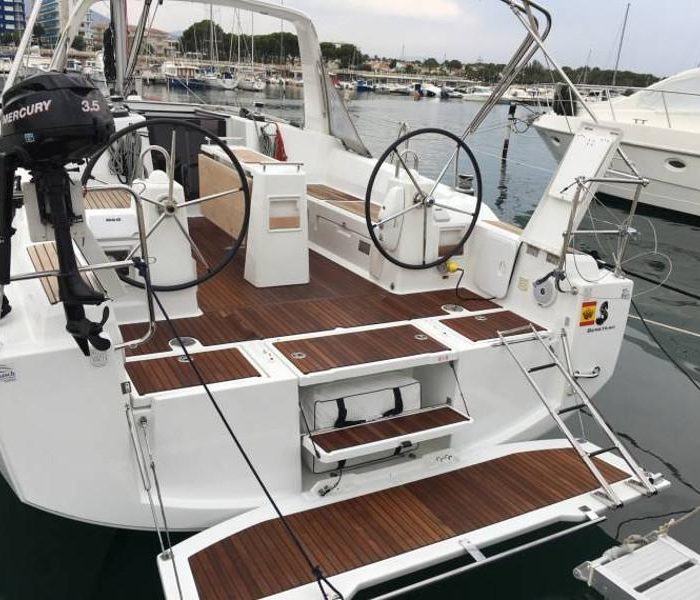
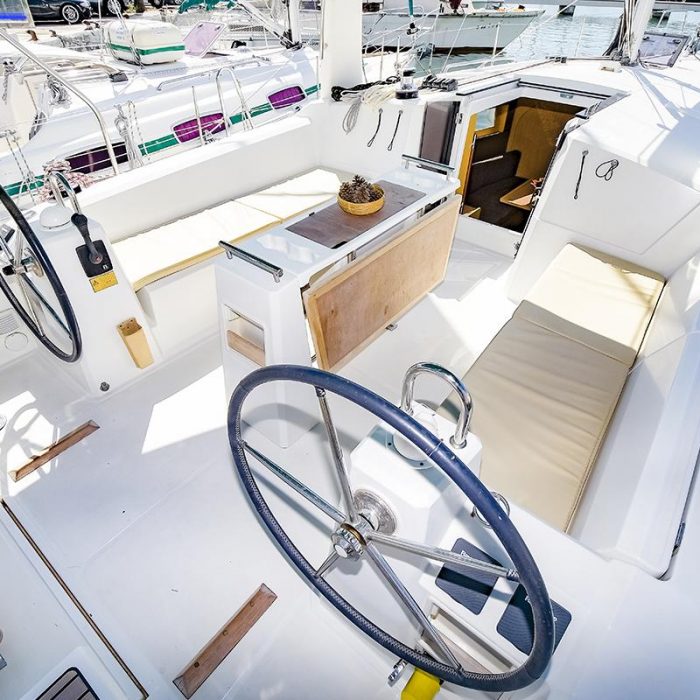
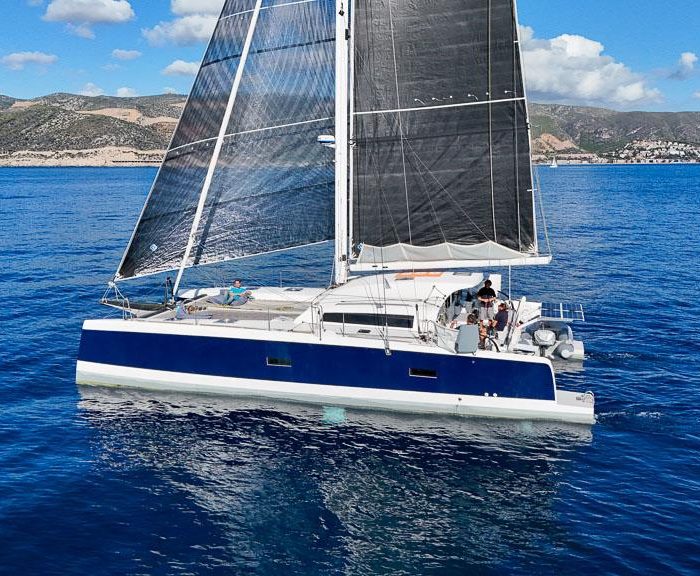
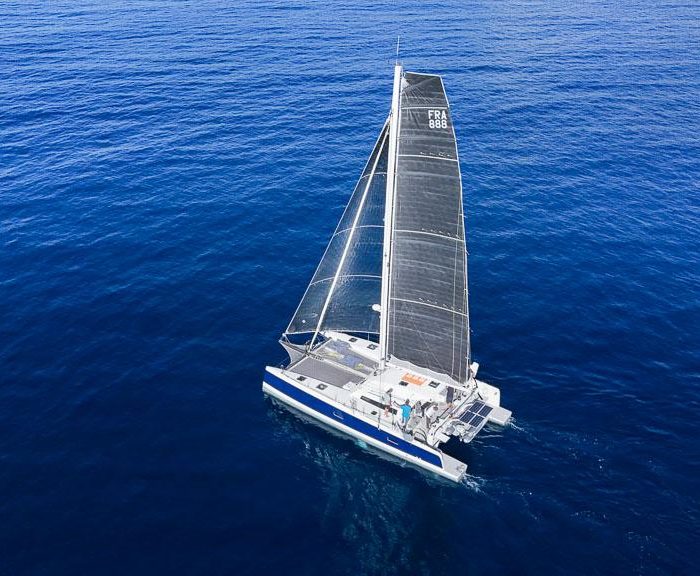
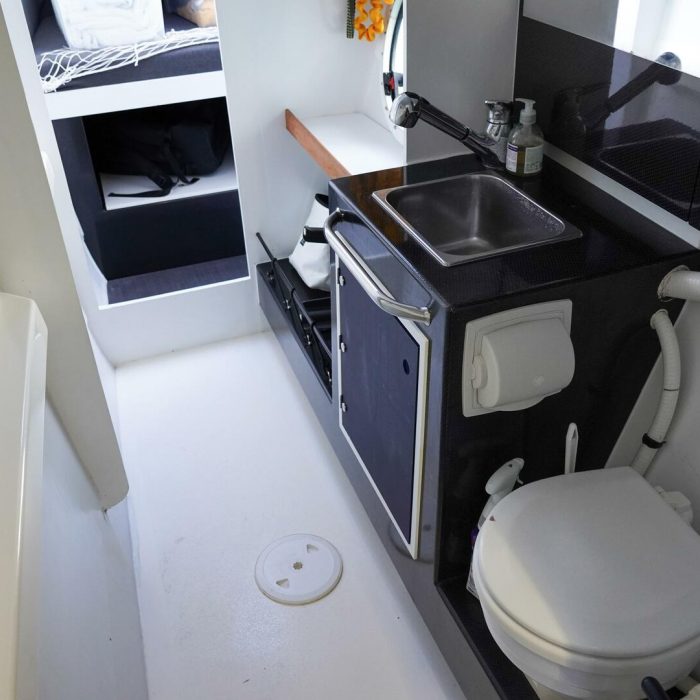
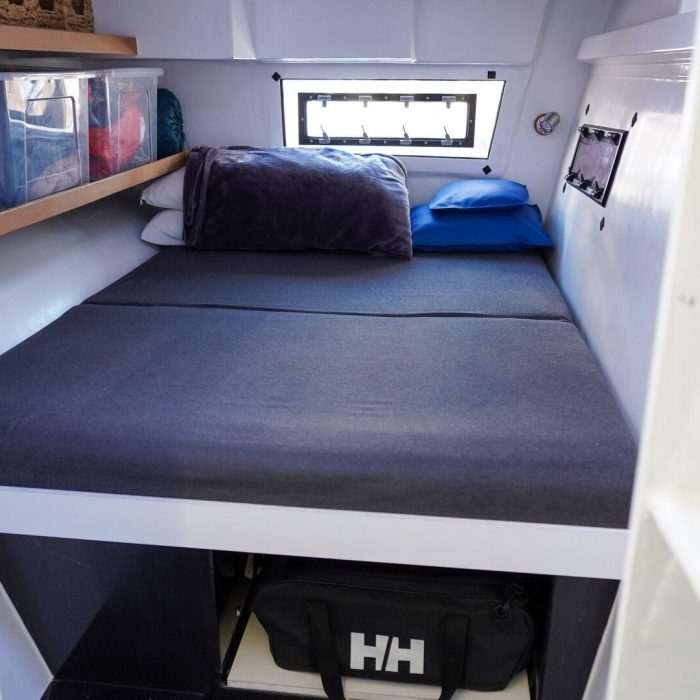
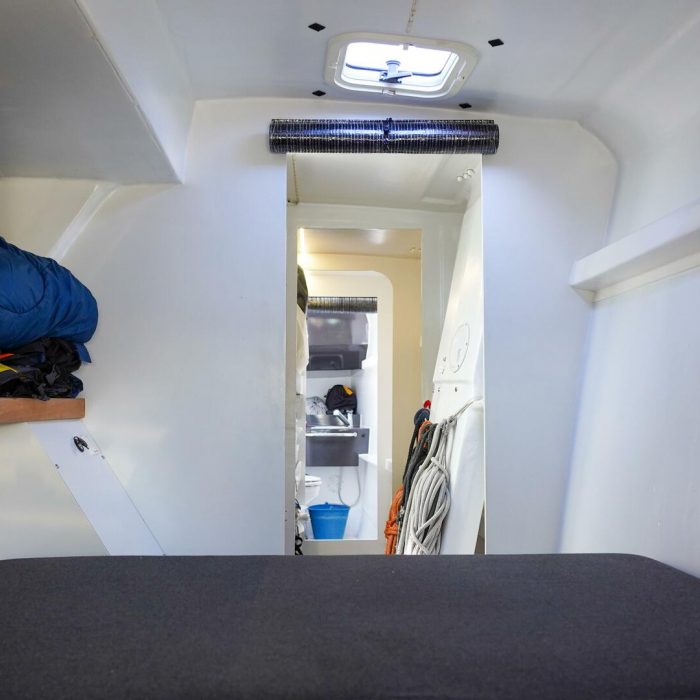
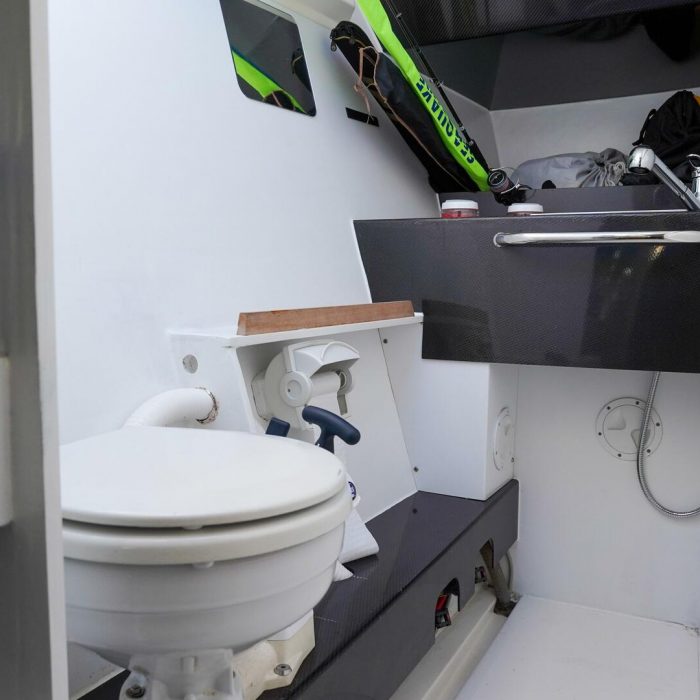
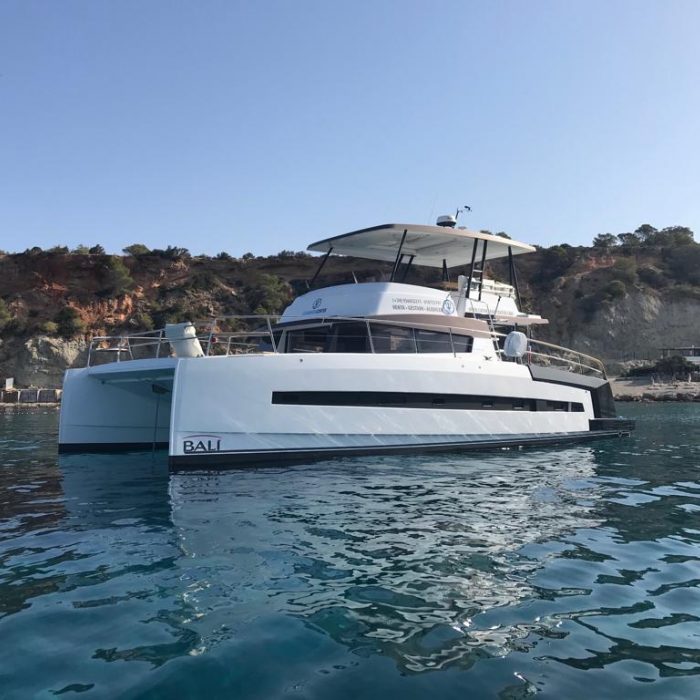
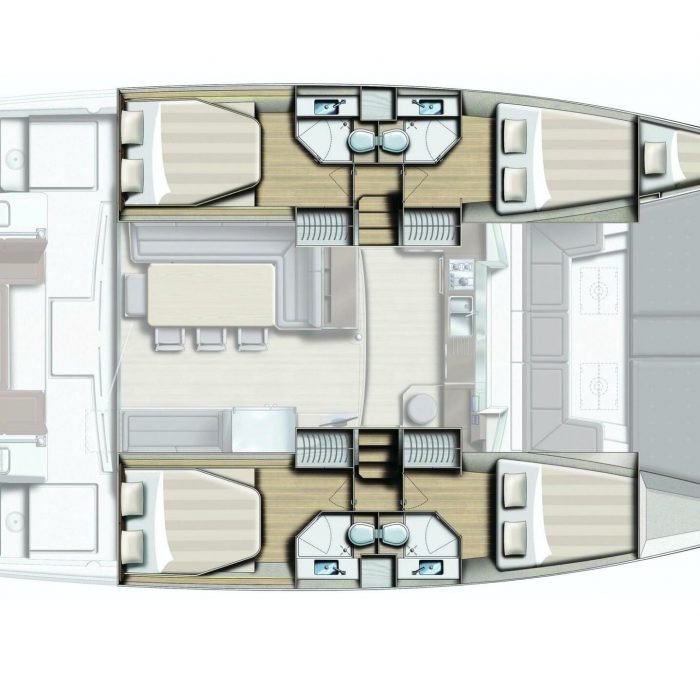
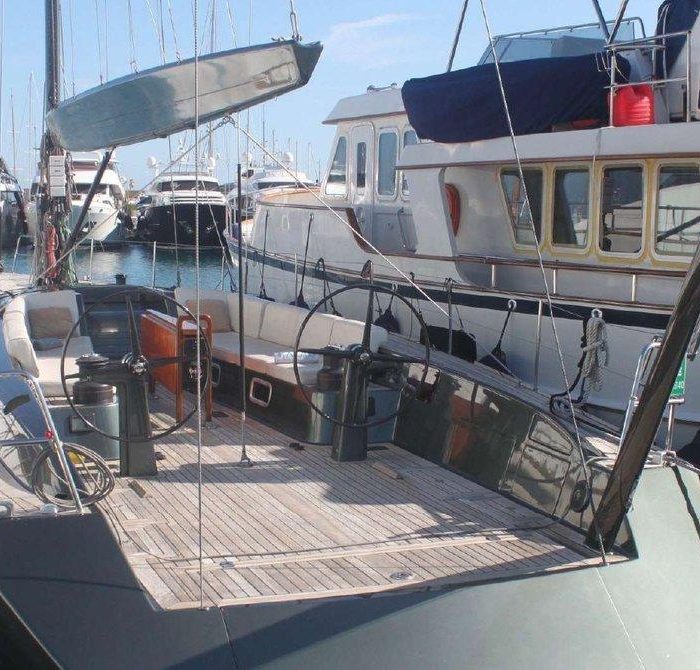
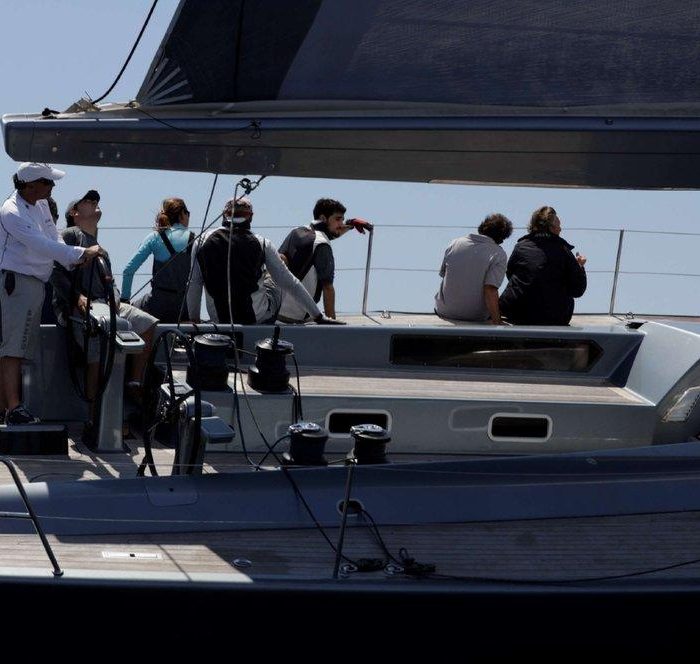
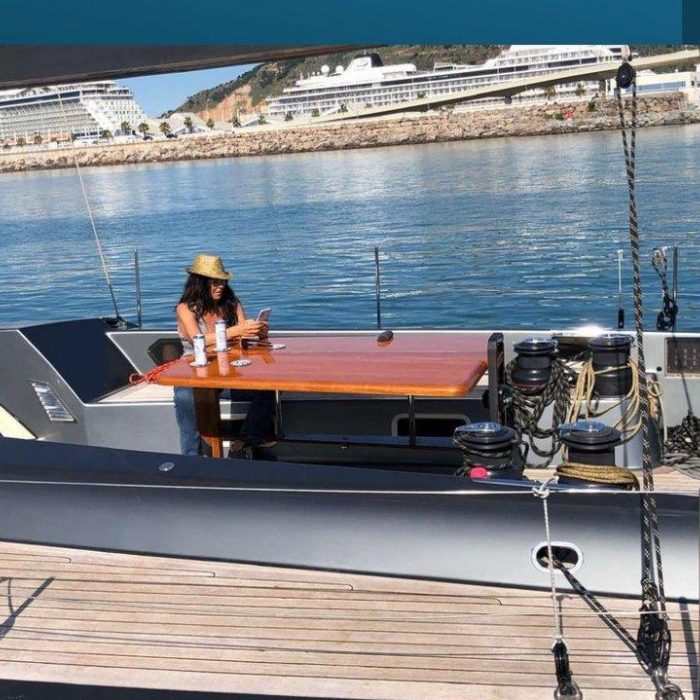
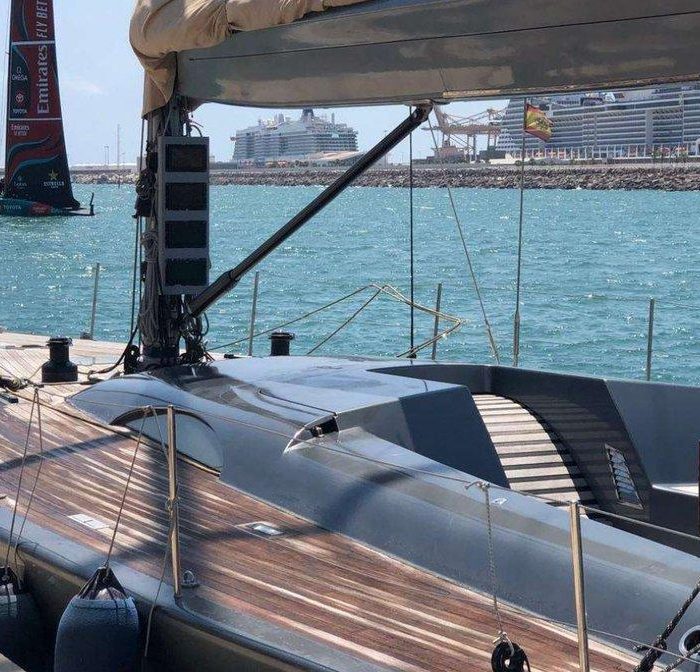
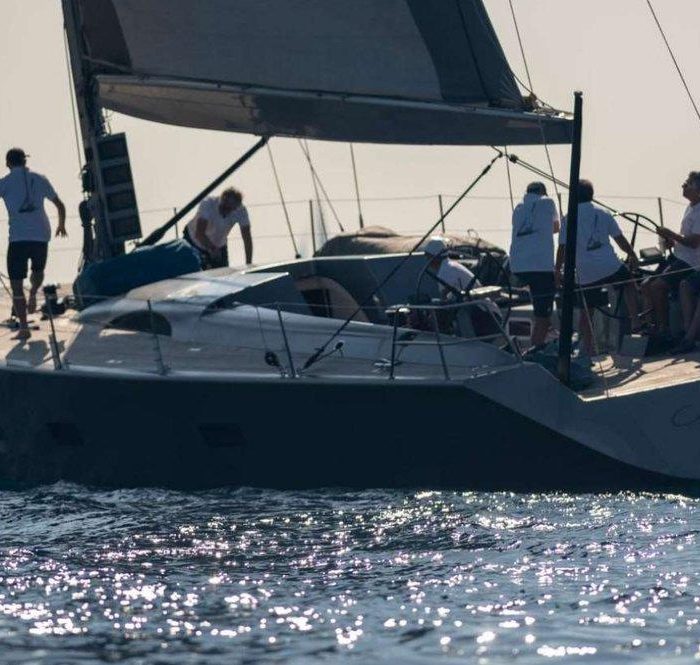
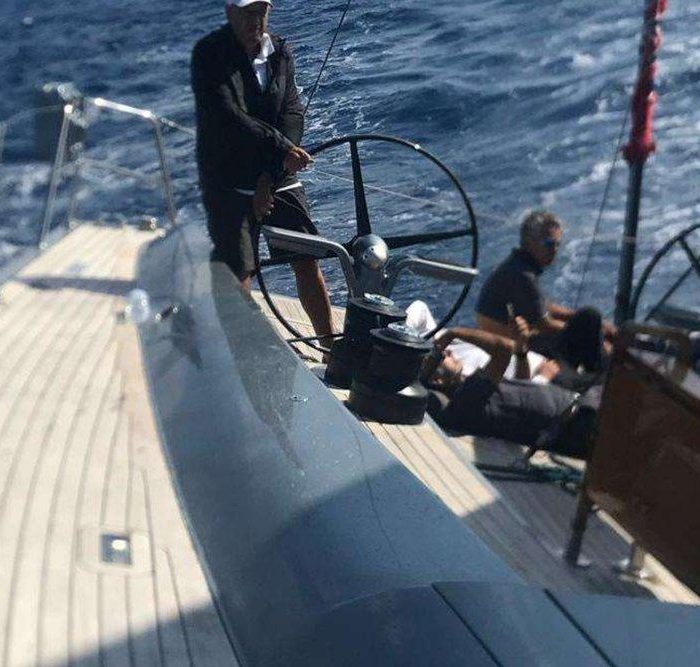
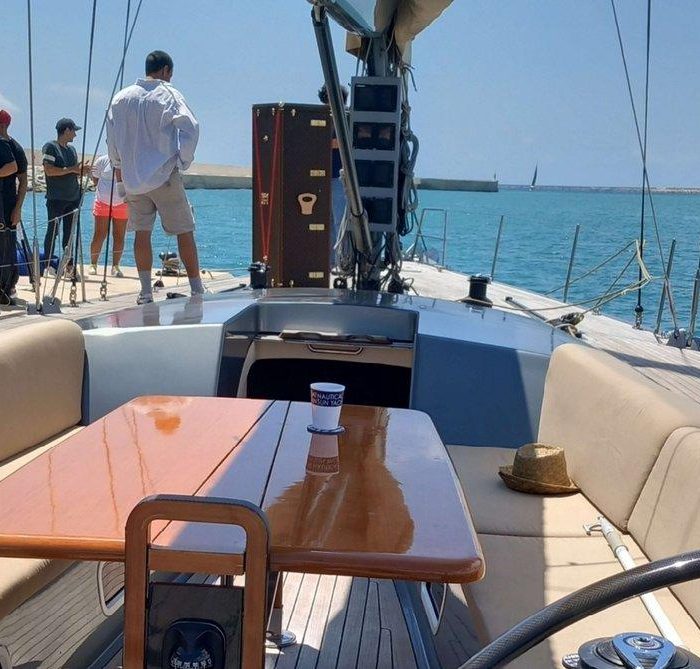
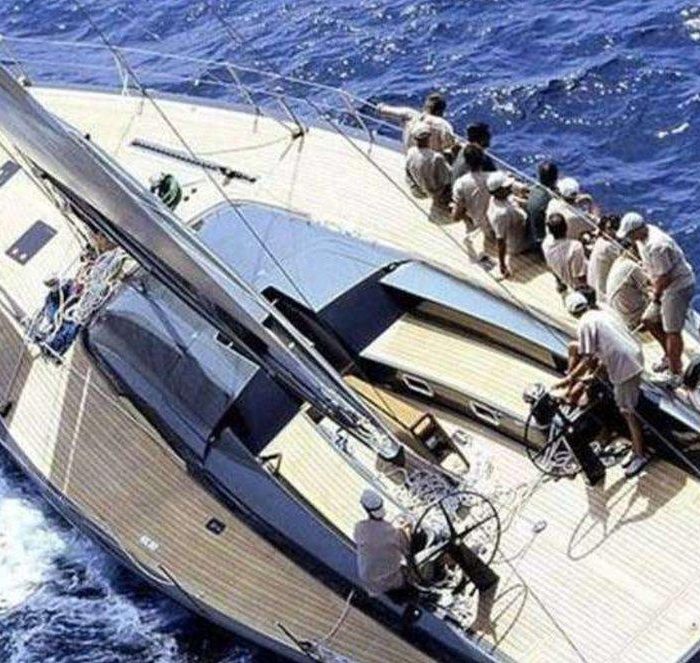
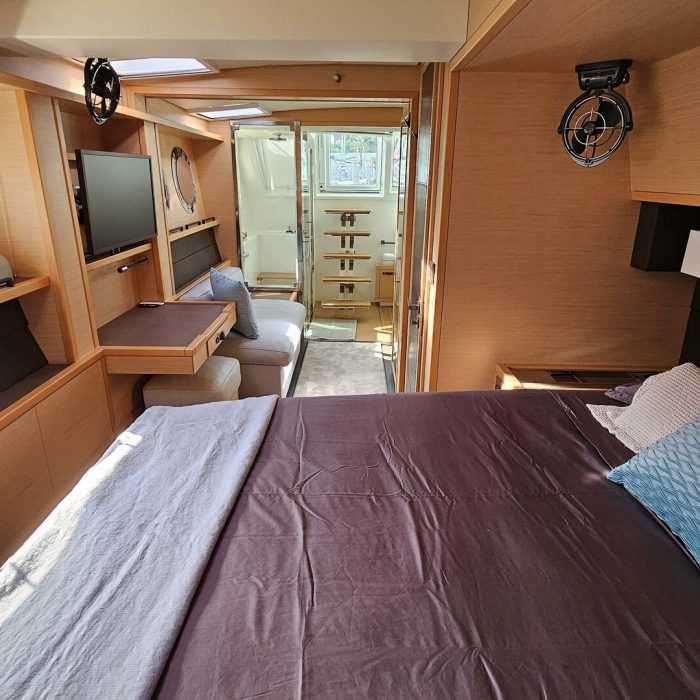
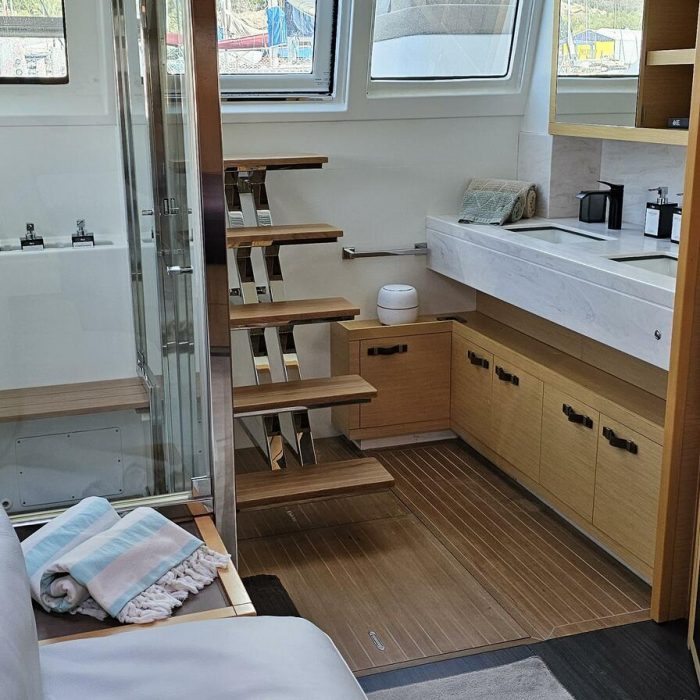
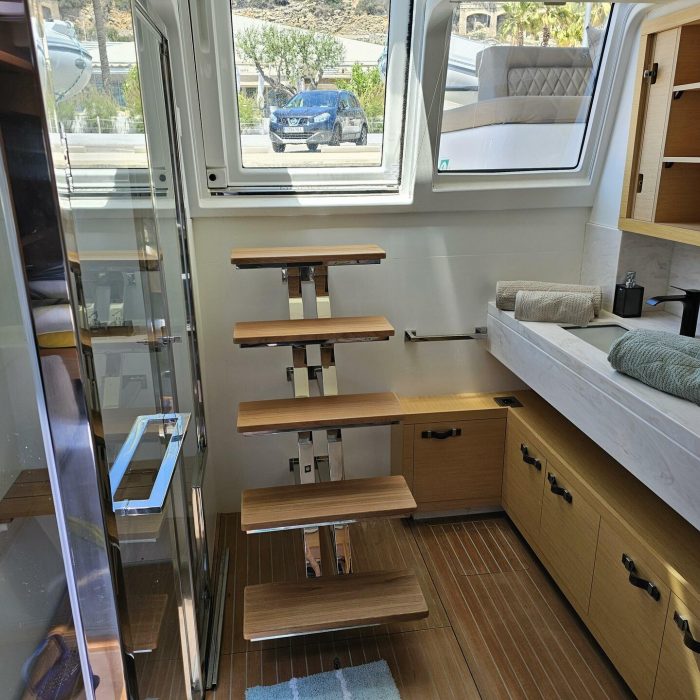
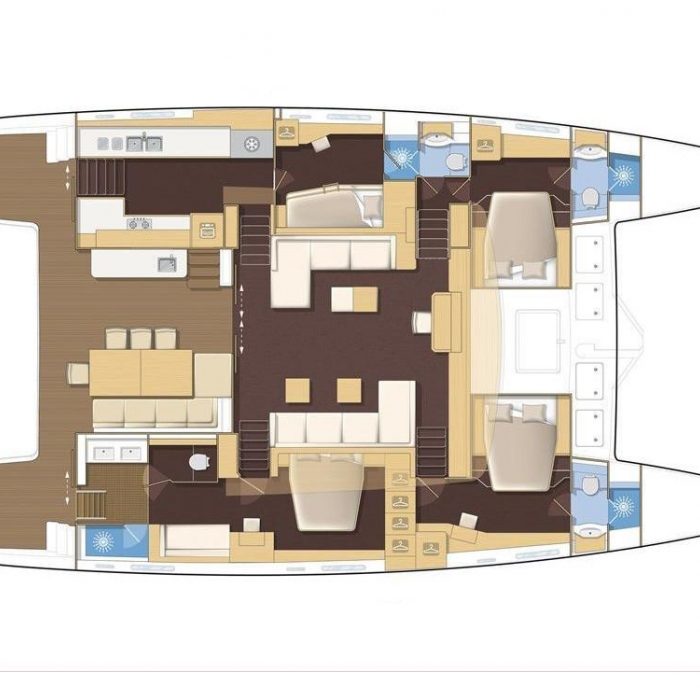
The Barcelona fleet is sailing yachts and one catamaran, from Beneteau Oceanis, Bavaria, TS Yachts and IMOCA, with 6 boats on the default dates (as of 7 September 2026). The named boats below are the current listings, from a small Oceanis 30.1 up to an IMOCA 60 racing yacht. Guest and cabin counts sit on each listing, so match the boat to your group before you book.
| Yacht | Type | From per week (online) | On top of the rate |
|---|---|---|---|
| Tempus II | Beneteau Oceanis 30.1, sailing yacht | €1,330 | Extras, refundable deposit, 21% IVA |
| Vita | Beneteau Oceanis 38.1, sailing yacht | €2,170 | Extras, refundable deposit, 21% IVA |
| Julia Tercer | Bavaria 49, sailing yacht | €3,119 | Extras, refundable deposit, 21% IVA |
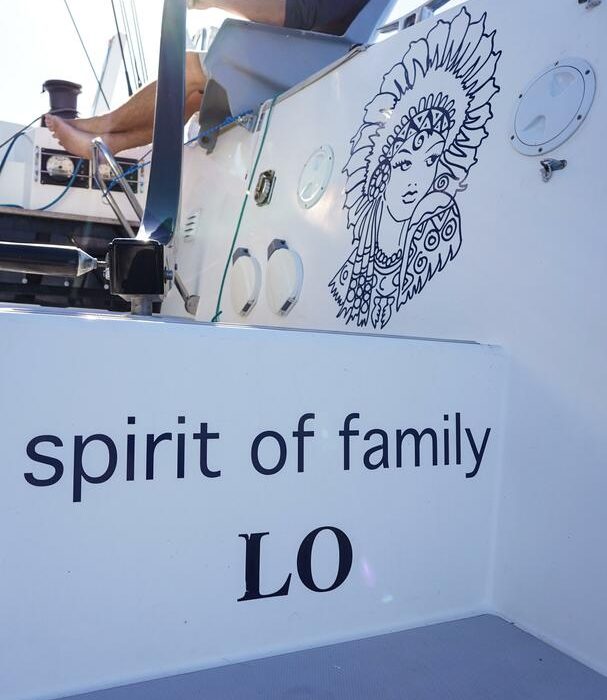
| Spirit of Family | TS 42, catamaran | €3,564 | Extras, refundable deposit, 21% IVA |
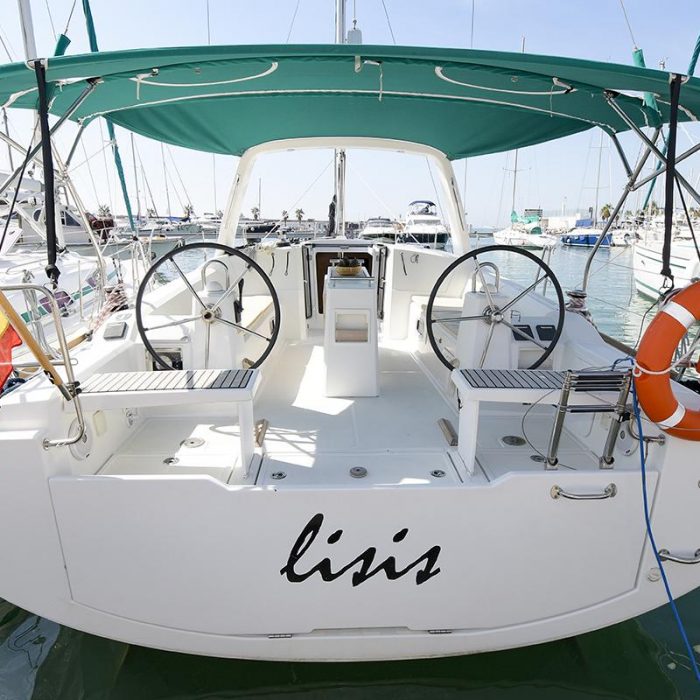
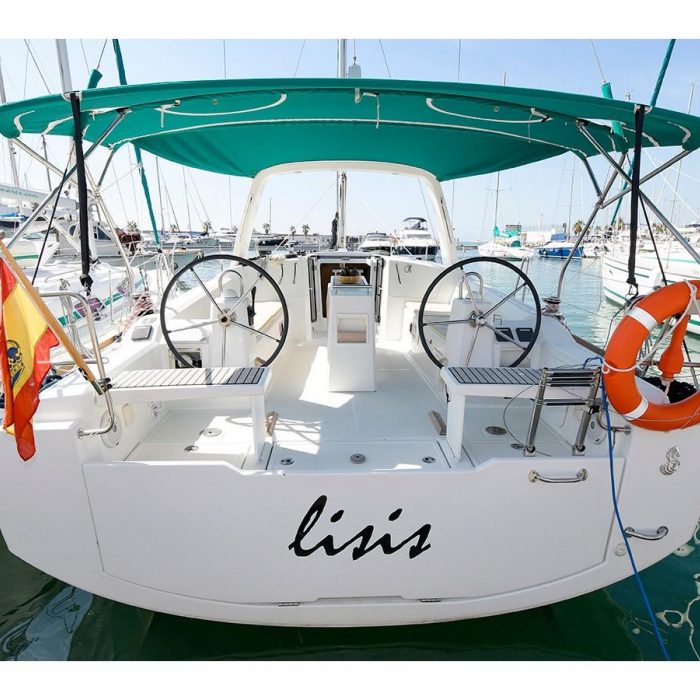
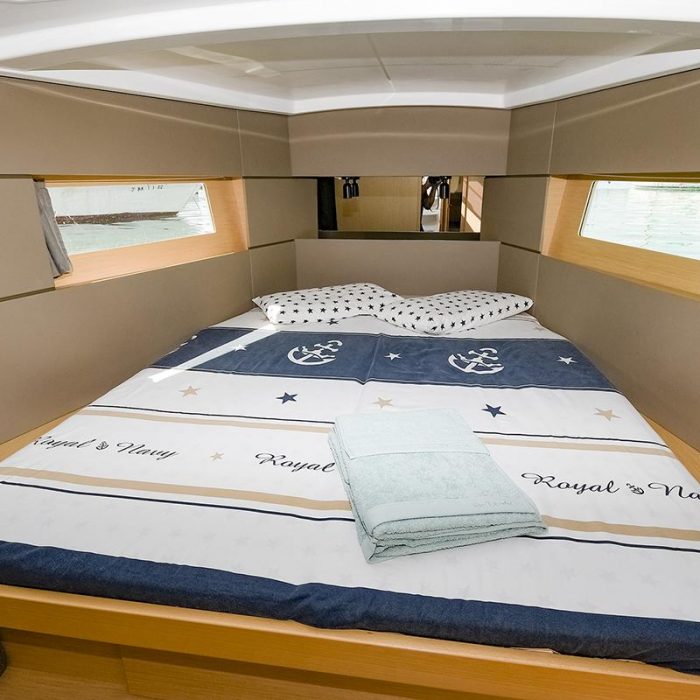
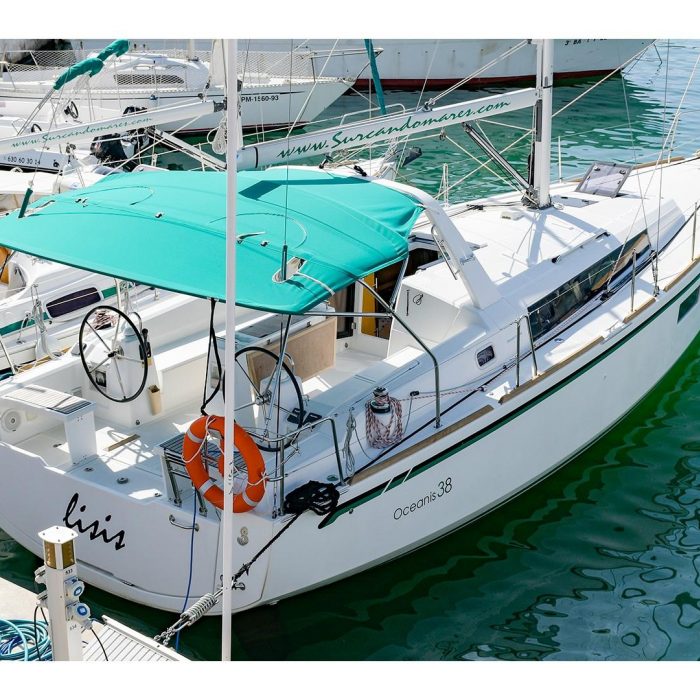
| Lisis | Beneteau Oceanis 38, sailing yacht | €3,922 | Extras, refundable deposit, 21% IVA |
| Mundus | IMOCA 60, racing yacht | €14,841 | Extras, refundable deposit, 21% IVA, plus 12% IEDMT (this boat is over 15 m) |
Online prices are the live search snapshot for 7 September 2026 and refresh on publish. Booking online saves up to €350 against the standard rate. The refundable security deposit is shown on each boat's listing.
Bareboat or with a skipper, and what Spain asks of a bareboat skipper
You can charter any of these boats bareboat, which means you skipper it yourself, or with a skipper who runs the boat for you. With a skipper you need no licence and no experience; the skipper's qualification covers the boat and its handling. Bareboat is the other case, and Spain asks for real paperwork before a base hands the boat over.
To bareboat from a Barcelona base you need an ICC (International Certificate of Competence) or an RYA Day Skipper Practical, or an equivalent recognised national qualification, plus a second crew member holding a VHF radio operator's certificate. Many bases also want a short sailing résumé that shows recent experience on a boat of that size. If you don't have the certificates, you take a skipper: there is no way around the licence at handover. The exact certificates each base accepts are confirmed with your base when you book.
How the week works and what it costs: IVA, extras and the deposit
Charter runs by the week, Saturday to Saturday, which Searadar applies to almost all of the yachts it lists. The headline "from €1,300" is the rental only. On top sit mandatory extras of €150 to €750 per boat, 21% Spanish VAT (IVA) on a charter leaving a Spanish port, fuel by use, and a refundable security deposit. Searadar names those before you pay, not at the dock.
On the registration tax (IEDMT, the matriculación tax): the 12% tax applies to boats over 15 metres. A charter boat up to 15 metres can be exempt when the exemption is declared before operating, so most of the Barcelona fleet does not carry it. In these listings only the IMOCA 60 is over 15 metres.
Two payments are easy to confuse, so keep them separate. The booking deposit is 20% of the total, paid upfront to reserve the boat under Searadar's Free Deposit Pack (25% if you book within 30 days of the start). That 20% is non-refundable if you cancel beyond 45 days before departure, and it is not the security deposit. The payment schedule then runs 50% on confirmation and the remaining 50% due 30 days before the charter, or 100% if you book inside 30 days. The security deposit is a separate, refundable amount, pre-authorised on your card per boat and returned after an undamaged return.
| Item | Amount | Note |
|---|---|---|
| Weekly charter | from €1,300 | Search filter €1,300 to €14,800; named boats list €1,330 to €14,841 (as of 7 September 2026) |
| Mandatory extras | €150 to €750 per boat | Additional to the rental |
| Booking deposit (Free Deposit Pack) | 20% upfront (25% if booked within 30 days) | Non-refundable beyond 45 days before departure; this is not the security deposit |
| Refundable security deposit | Shown on each boat's listing | Refundable, pre-authorised on your card, returned after an undamaged return |
| One-way / relocation fee | Available on some boats for a fee, quoted on request | If you start in Barcelona and finish in the Balearics |
| Spanish VAT (IVA) | 21% | On a charter leaving a Spanish port |
| Registration tax (IEDMT) | 12%, only on boats over 15 m | Boats up to 15 m can be exempt; in this fleet only the IMOCA 60 |
Before you book: the crossing, the wind and the licence
These are the points where a Barcelona week goes wrong. They are honest limits, not disclaimers.
The Balearics crossing is an offshore passage, not a daysail. Barcelona to Mallorca is roughly 130 nautical miles of open water that the wind can reshape. Plan it as a week's cruise with a weather margin and a flexible departure day, not a fixed daytrip.
A strong Tramontana can stop the sail. The wind here is the Tramontana, a Western Mediterranean wind. It is not the Aegean meltemi, and it is not the Serra de Tramuntana on Mallorca. When it blows force 5 to 7, boats stay in port. There is no weather guarantee, and the boat's cancellation and weather terms are shown before you book.
Bareboat needs Spain's paperwork. An ICC or RYA Day Skipper Practical (or equivalent national qualification), a crew member with a VHF certificate, and usually a short sailing résumé. No papers means you take a skipper.
There is no no-licence week. Spain's no-licence rule (up to about 5 metres and 15 HP, in daylight, near shore, under Real Decreto 875/2014) is a small-craft day rule, not a weekly-charter product. A Barcelona week is a licensed bareboat or a skippered charter. Chartering no-licence boats is also reported to be banned from 1 October 2026; confirm the current position before you book (as of 7 September 2026).
The "from €1,300" is not the total. Extras, the security deposit, fuel and 21% VAT sit on top of the headline rate. Compare the all-in figure, not the "from".
A one-way finish carries a fee. Start in Barcelona and leave the boat in the Balearics, and there is a relocation cost, available on some boats for a fee and quoted on request.
Part of yacht charter in Spain
Barcelona is the mainland Catalan leg of Searadar's Spanish coverage. The boat types, the bareboat licence rules and the 21% Spanish VAT work the same across the country, and they are set out in full on the yacht charter in Spain pillar. The Balearics are a different product from a Barcelona departure: an island-based week you fly to, rather than a coast or a crossing you sail from the mainland. If you want an island week instead, see yacht charter in Mallorca, the Palma superyacht and Cabrera base, or yacht charter in Ibiza for a week around Formentera.
FAQ
Can I sail from Barcelona to Mallorca in a week?
Yes, as an offshore cruise leg rather than a daysail. Barcelona to Mallorca is about 130 nautical miles of open water, sailed over a long day or overnight with a weather margin. If you would rather not cross, a week stays on the Catalan coast, north to the Costa Brava or south to Sitges.
Can I start the charter in Barcelona and leave the boat in the Balearics?
Yes, but a one-way finish is a relocation, so it carries a fee on top of the week, and the outbound leg is the offshore crossing to Mallorca rather than a coastal week. Most Barcelona bookings start and end at the same base; a one-way is the exception you arrange in advance.
Will my national sailing licence be accepted for bareboat in Barcelona?
It depends on the base. Barcelona bases accept an ICC or an RYA Day Skipper Practical, and many also accept an equivalent recognised national qualification, but which certificates a given base takes is set base by base, so confirm yours before you book. Without an accepted certificate you charter with a skipper instead.
Why do weekly prices run from €1,300 to about €14,800?
The €1,300 to €14,800 figure is the search filter range across the whole Barcelona fleet, not the price of one boat. The six named boats list at their own online prices, from €1,330 for the smallest sailing yacht (a Beneteau Oceanis 30.1) up to €14,841 for the IMOCA 60 racing yacht (as of 7 September 2026). Extras, 21% VAT and a refundable deposit sit on top of every rate.
Is the 20% deposit refundable?
No. The 20% booking payment (the Free Deposit Pack) is non-refundable if you cancel beyond 45 days before departure. The refundable security deposit is a separate, per-boat amount that is pre-authorised on your card and returned after an undamaged return.
About this page
Searadar is a yacht charter broker that connects clients with charter companies in Barcelona and across Spain and the wider Mediterranean. The company reports it was founded in 2017, has helped more than 500 clients, and sees more than 70% of clients return for another charter. It replies to 98% of negative reviews, typically within 24 hours, and is rated 4.2 out of 5 from 1,054 reviews on Trustpilot (as of 27 August 2026). Named charter partners include Dream Yacht Charter and Sunsail (stated by Searadar).
Operated by UAB SEARADAR (company code 305242131), Vilkpėdės g. 22, LT-03151, Vilnius, Lithuania. Contact: +44 20 4577 1577, hello@searadar.com. As a broker, Searadar has no charter office in Barcelona; it arranges boats at the city and Sitges ports, and your exact departure berth is confirmed at booking.