Renting a sailboat in Cala D'Or, a picturesque resort town on the southeast coast of Mallorca in the Balearic Islands of Spain, is a wonderful way to explore the beautiful coastline and crystal-clear waters of the region. With a variety of rental companies offering sailboats of different sizes and types, it's easy to find a boat that suits your needs and budget. Whether you're an experienced sailor or a beginner, renting a sailboat in Cala D'Or is a fantastic way to experience the natural beauty and cultural richness of the Balearic Islands.
Search
Booking dates
Filters
Prices Range
Cabins range
WC range
Length
Berths
Year
Security deposit
Boat offers
Service
Mainsail

Personal Assistant
Tired of searching yourself?
Our managers are always on call to help
Yacht Charter Cala D`Or
Rent a yacht in Cala D`Or and enjoy the adventure. Available 6 yachts. 6 yachts are available on your dates. If you are still undecided about a specific model and want to compare several boats, add the boats to the comparison list or contact our manager. Popular regions and cities: Cala D`Or Choose among yacht types: Sailboat, Catamaran Cabins: 4-cabins, 6-cabins Persons: 4-persons, 6-persons, 8-persons
Show more
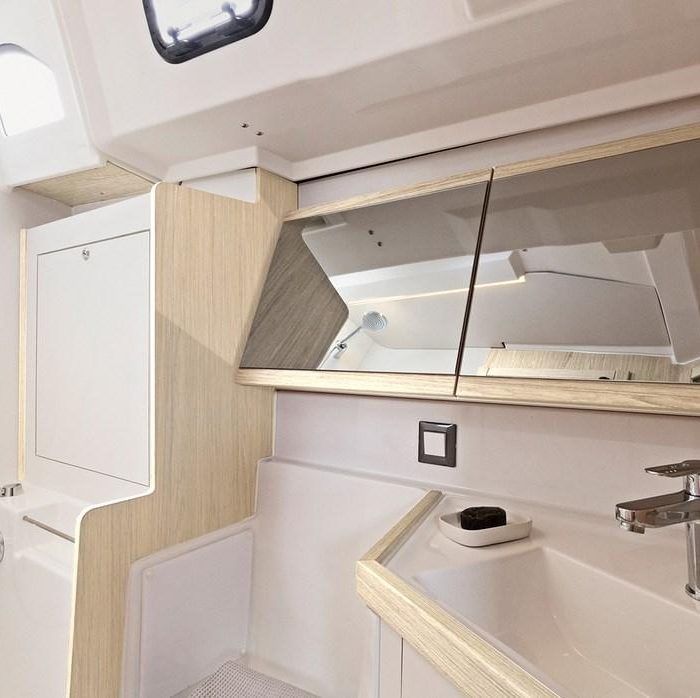
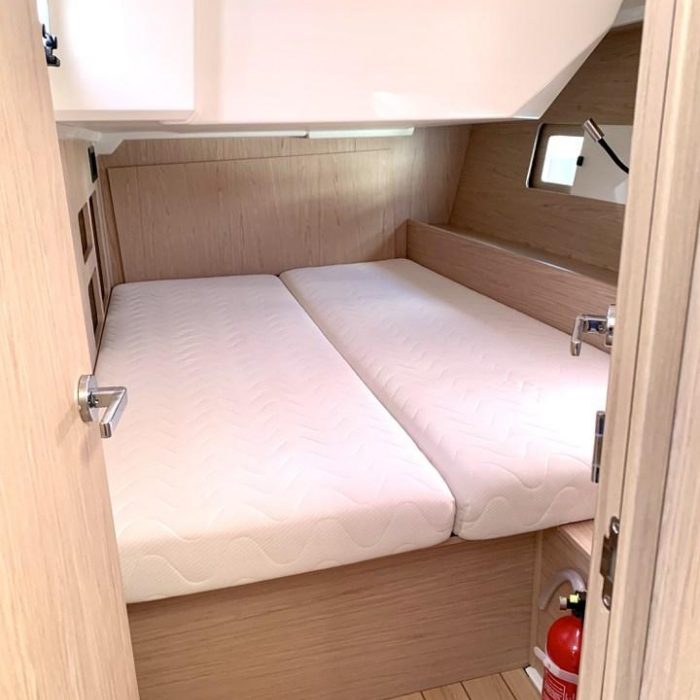
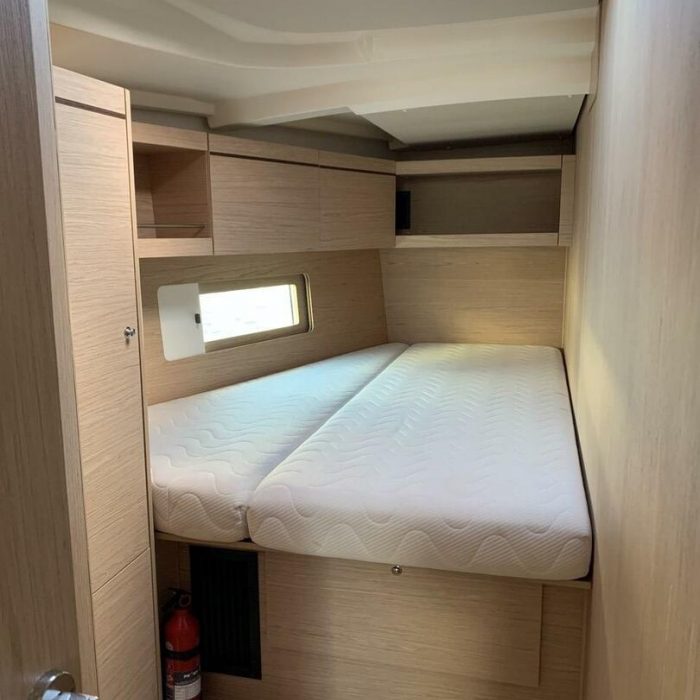
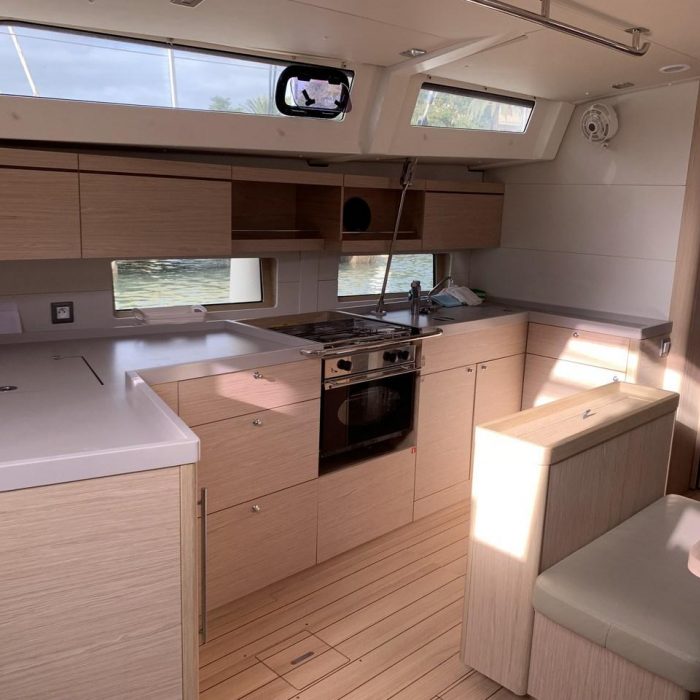
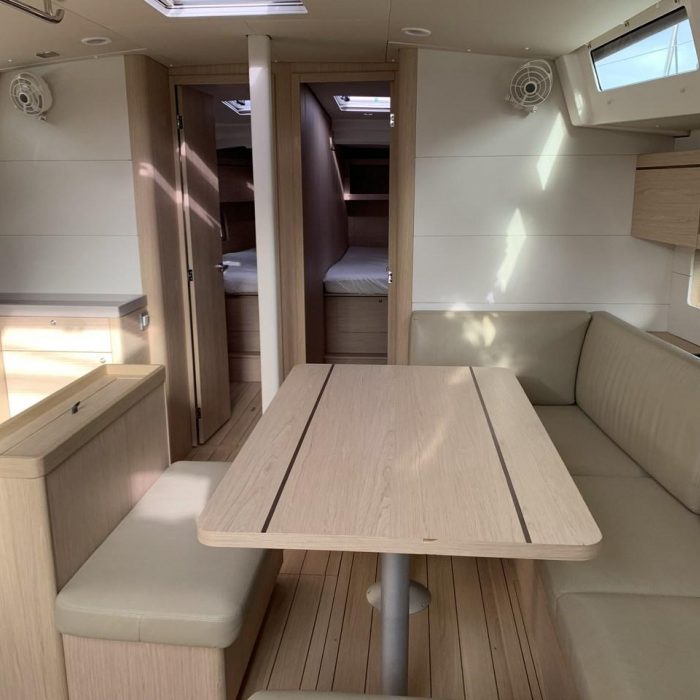
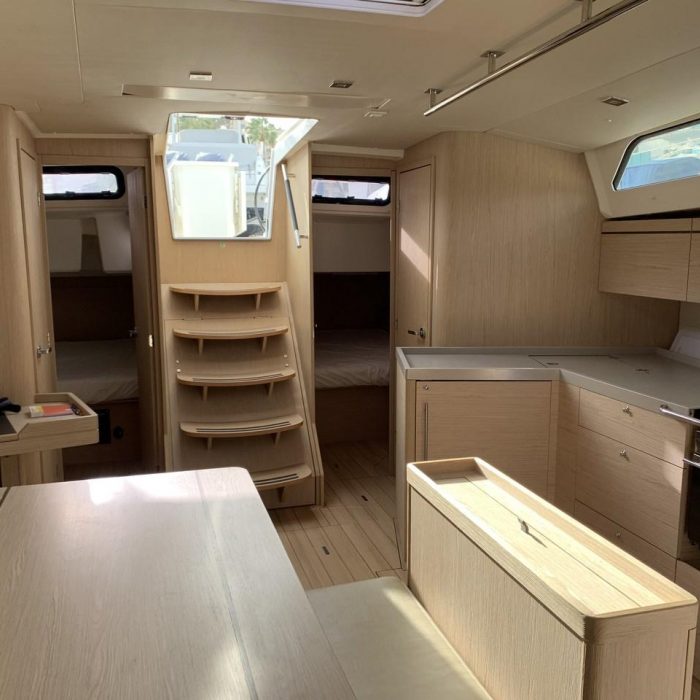
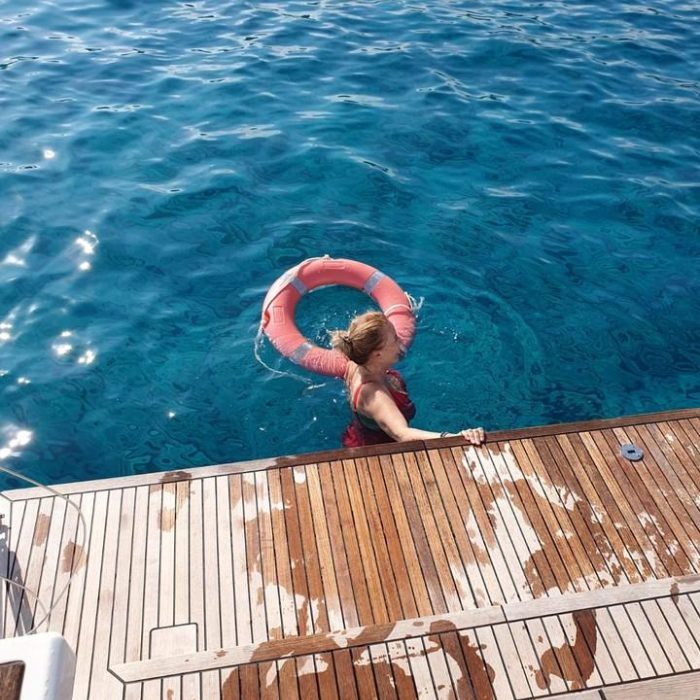
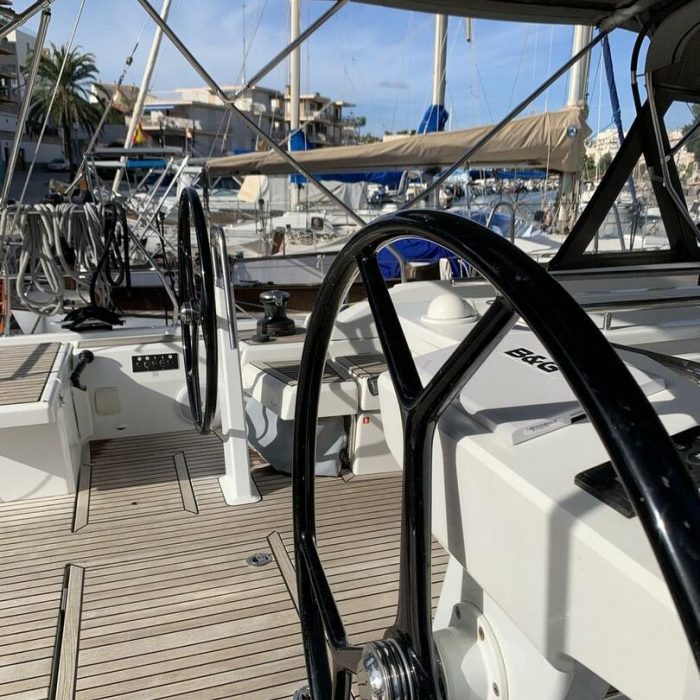
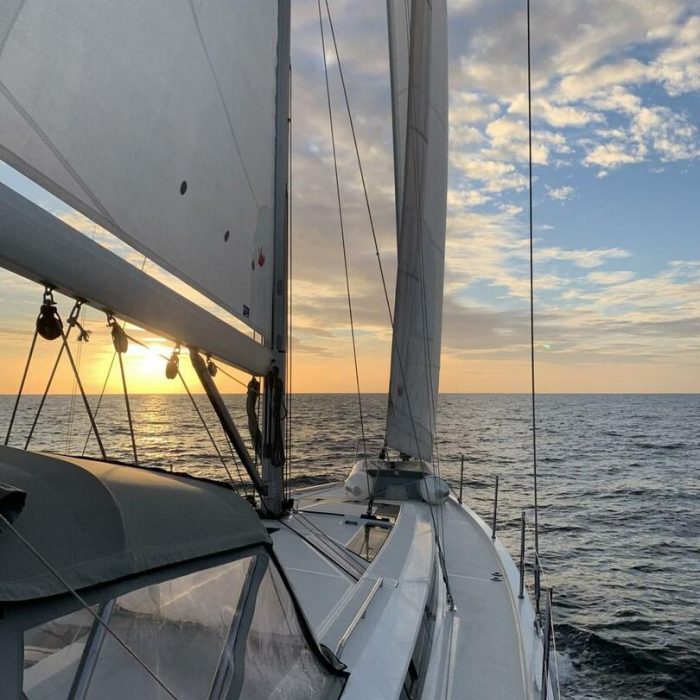
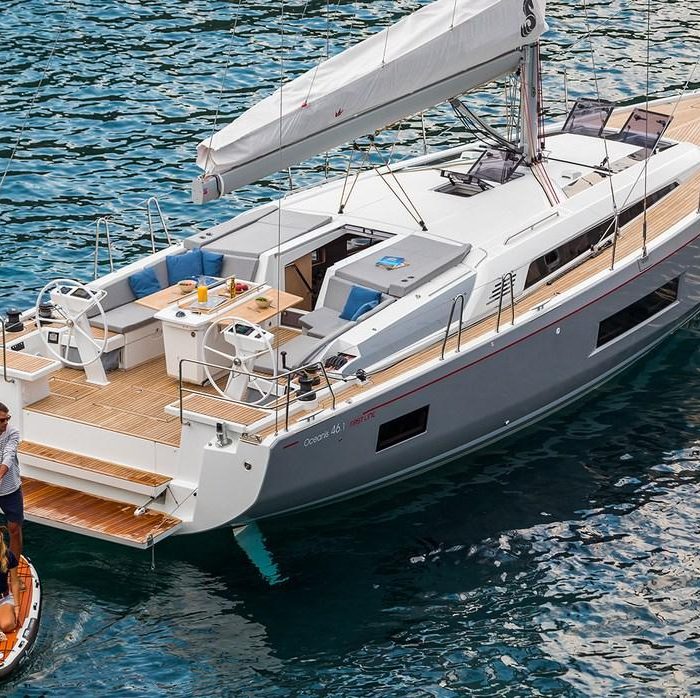
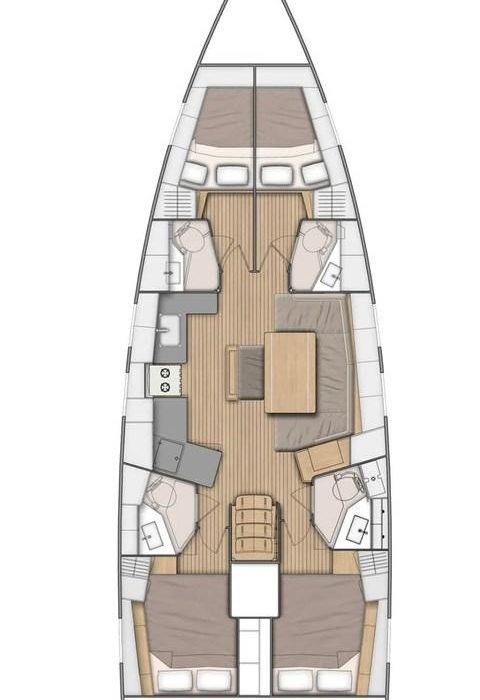
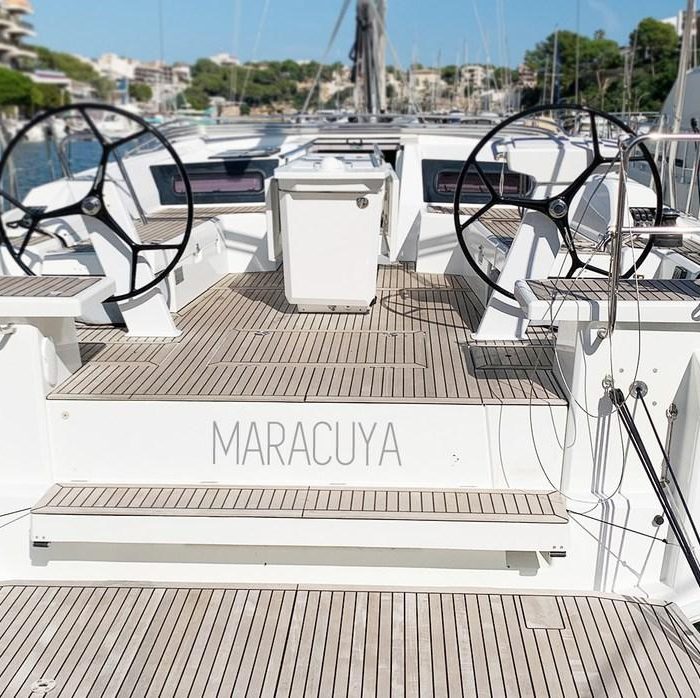
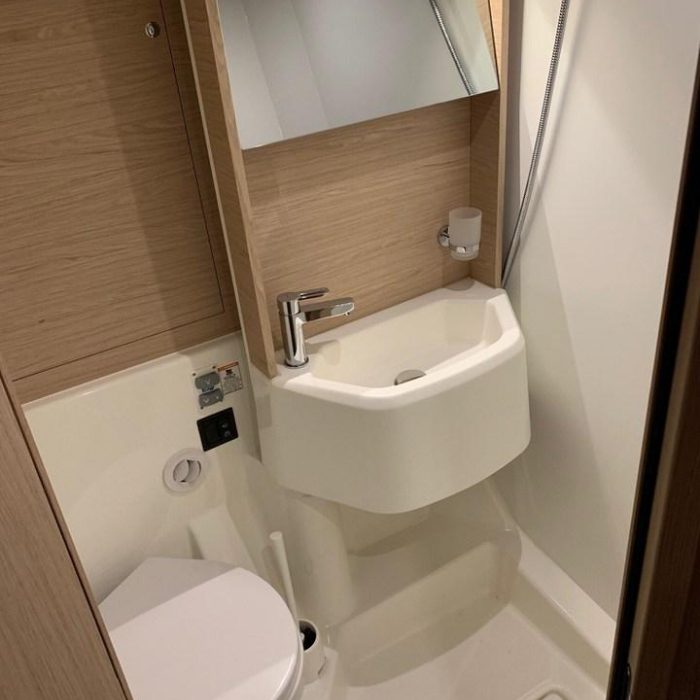
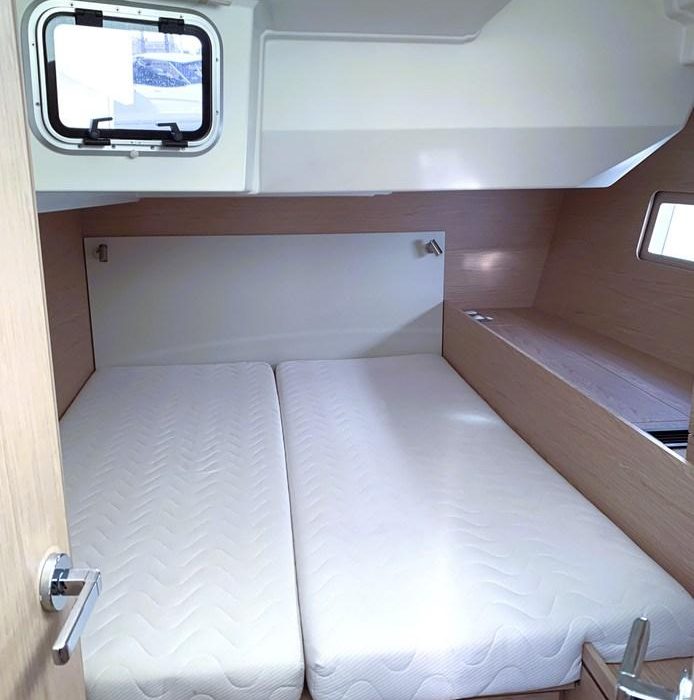
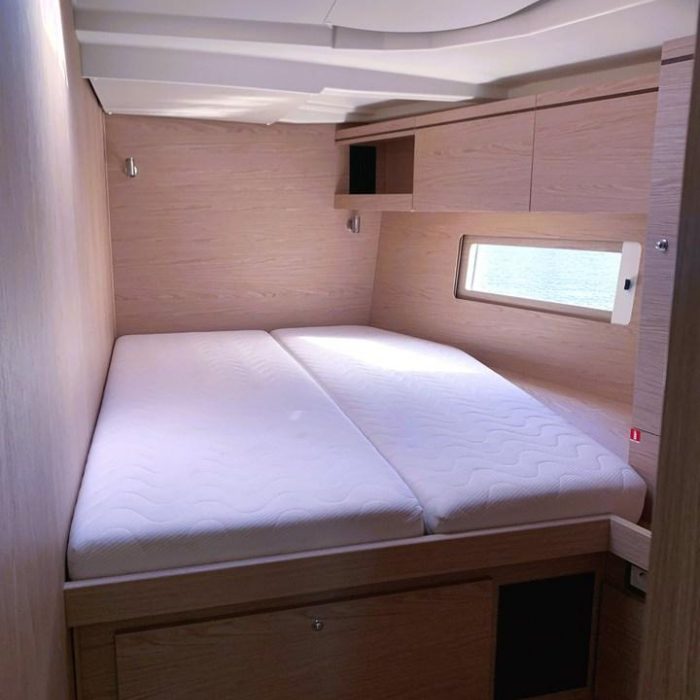
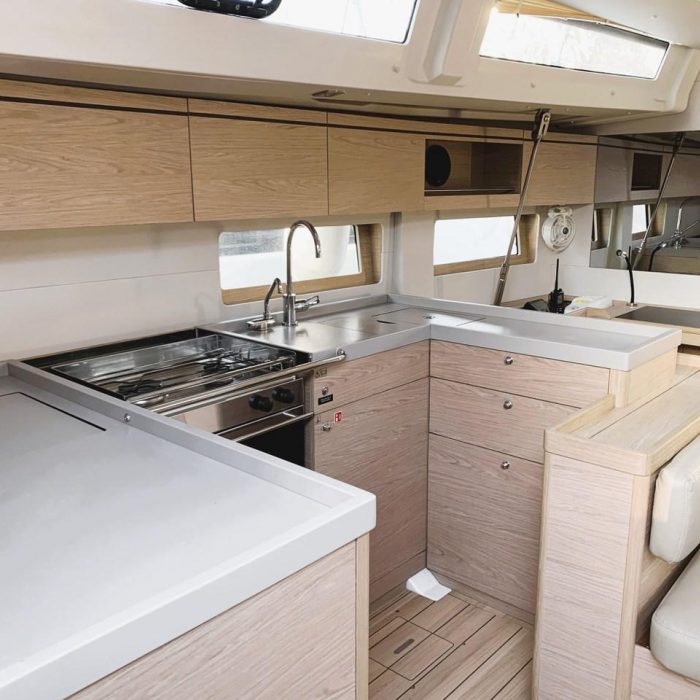
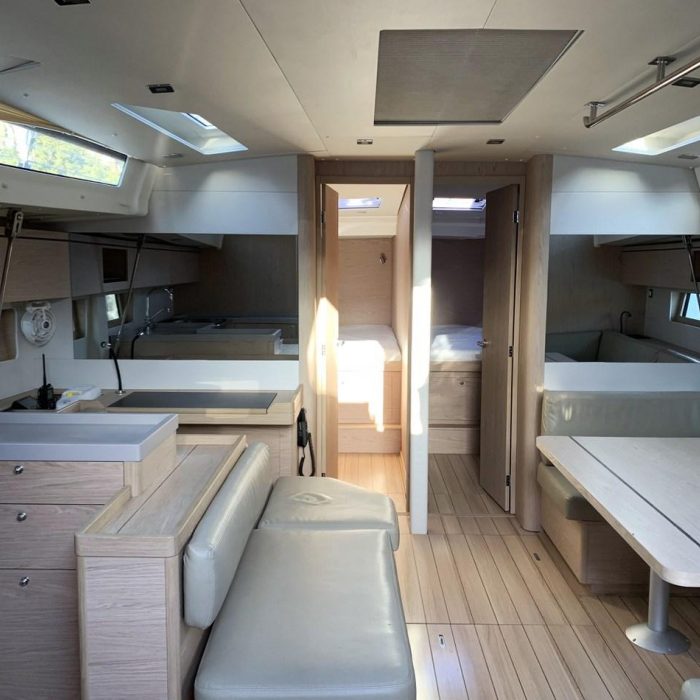
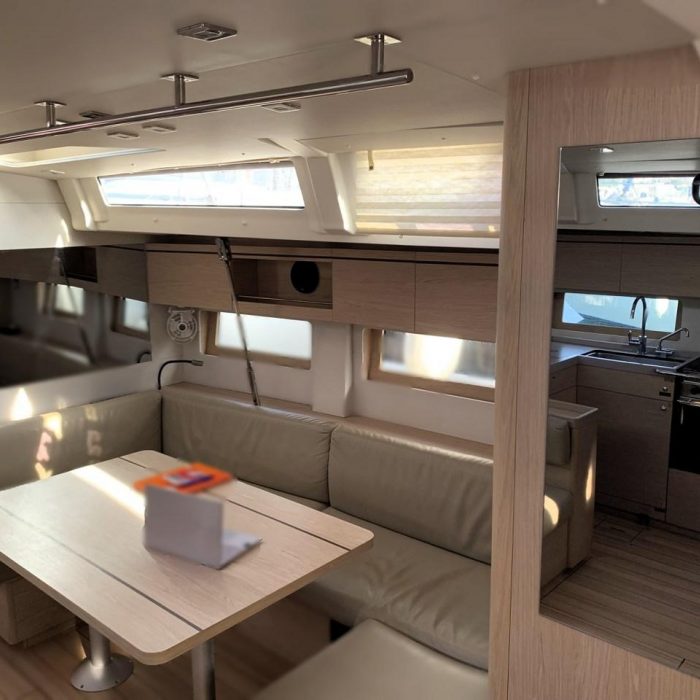
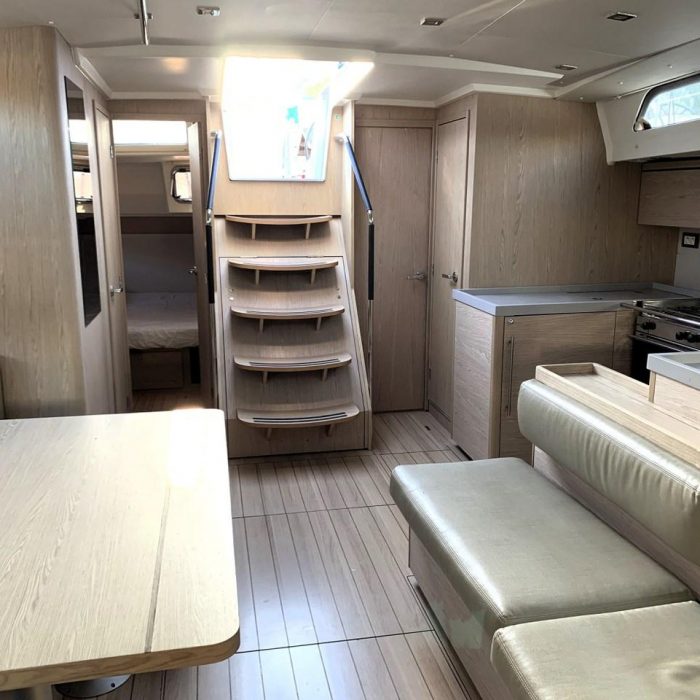
Maracuya | Oceanis 46.1
Blue Coast Charter

Spain, Balearic Islands, Mallorca, Cala D`or
Year: 2019
Length: 48 Ft
Cabins: 4
Guests: 10
3200 €
Online price
for 7 days
€ 3,200- 20%€2,558
+ mandatory costs - 390 €
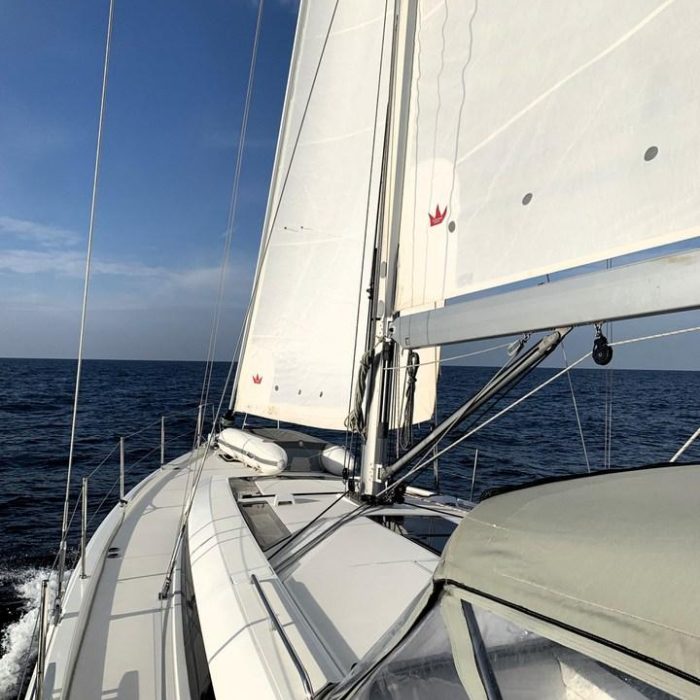
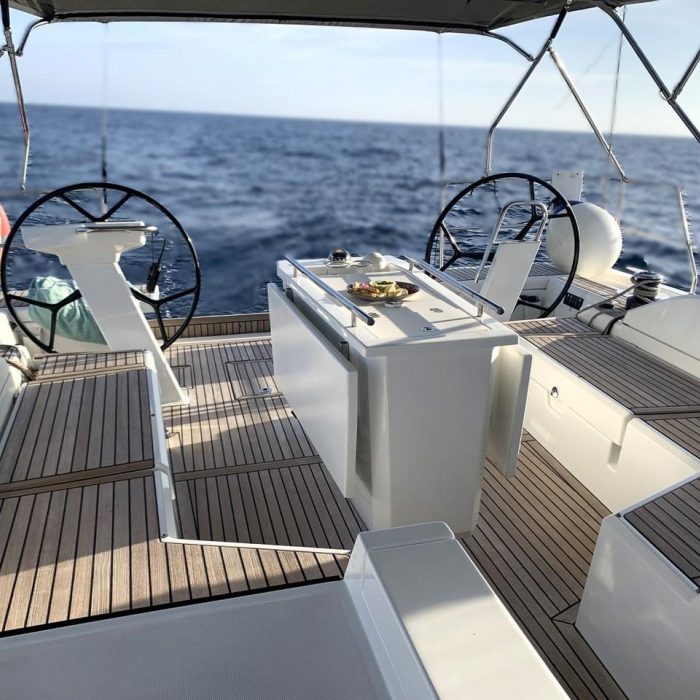
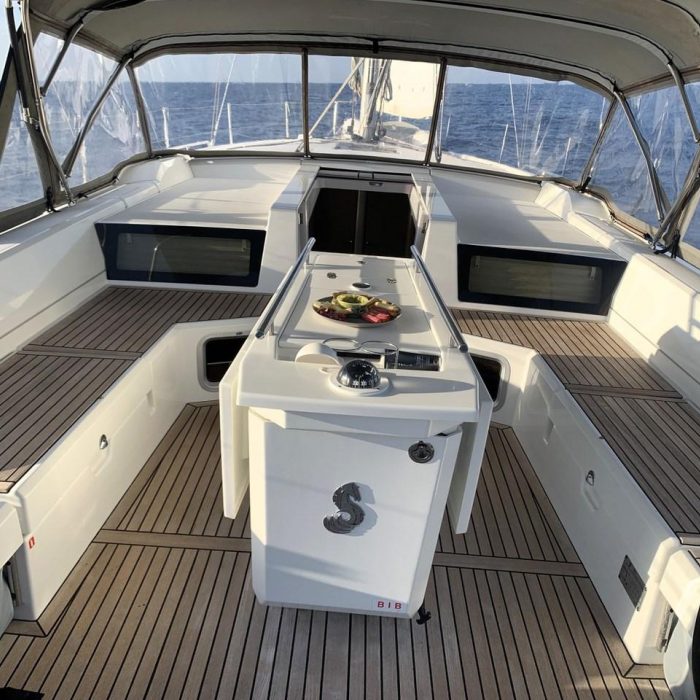
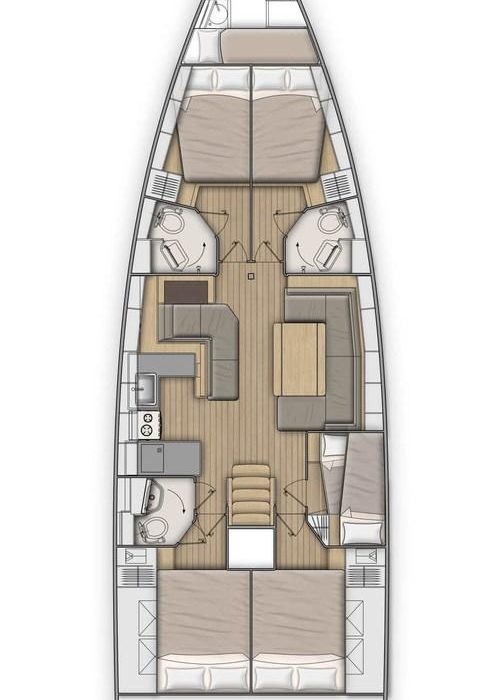
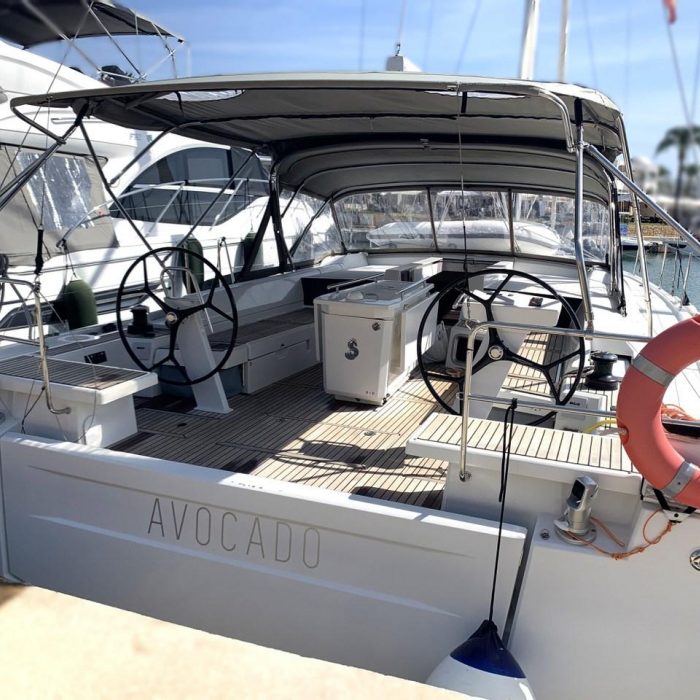
Avocado | Oceanis 51.1
Blue Coast Charter
Spain, Balearic Islands, Mallorca, Cala D`or
Year: 2019
Length: 52 Ft
Cabins: 6
Guests: 12
3600 €
Online price
for 7 days
€ 3,600- 20%€2,878
+ mandatory costs - 390 €
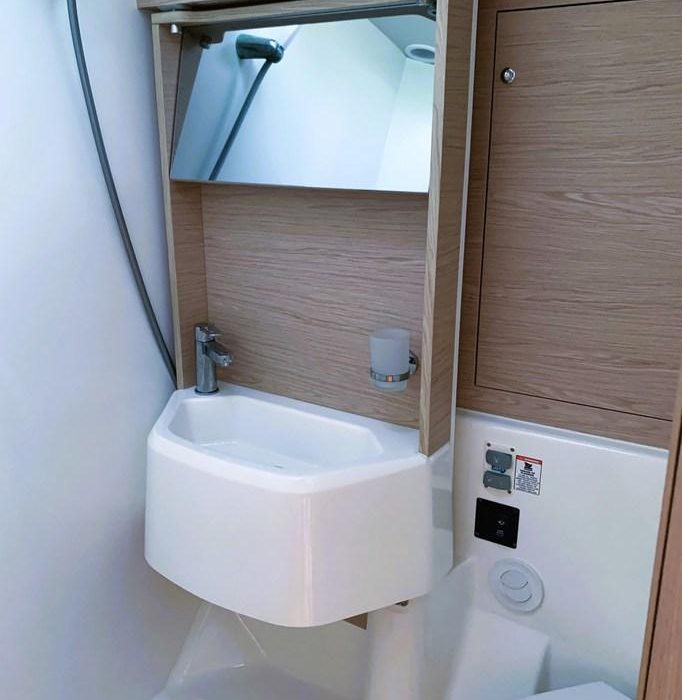
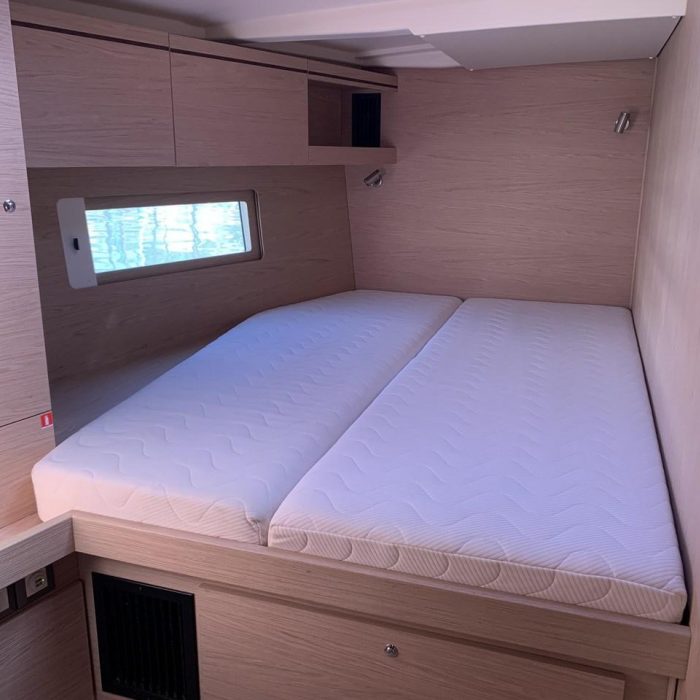
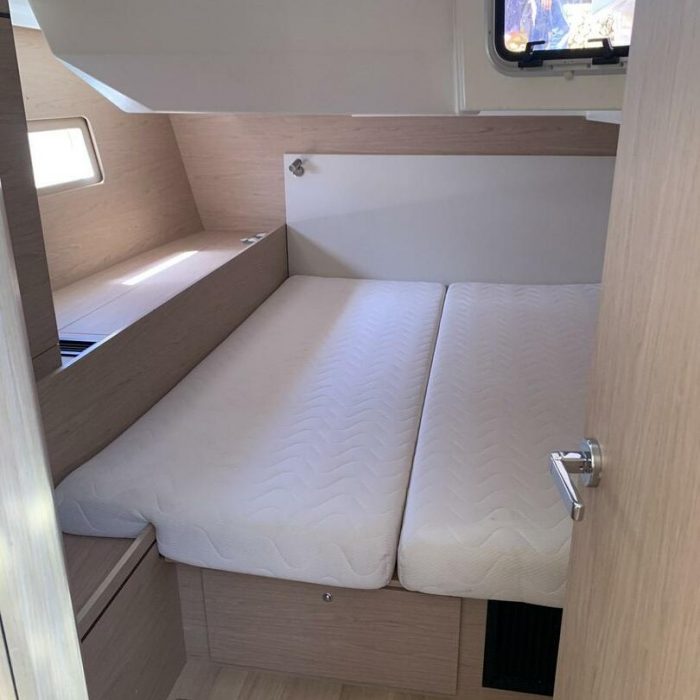
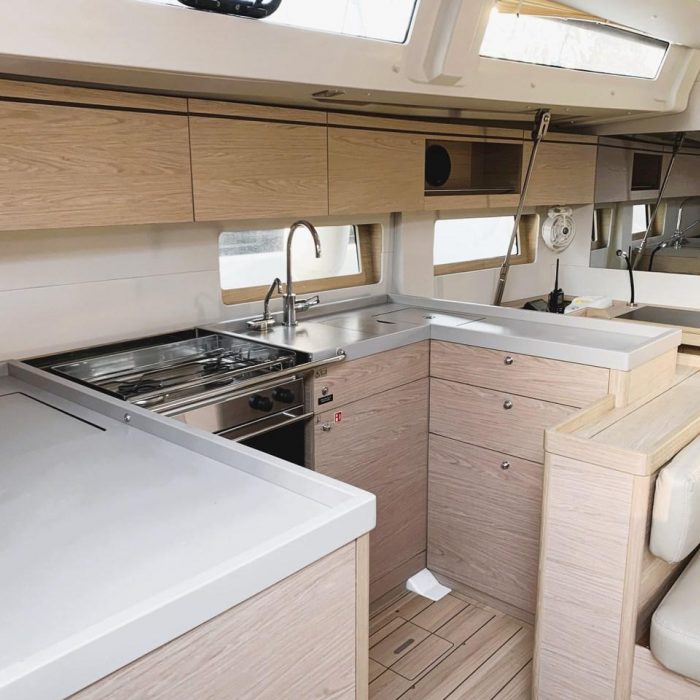
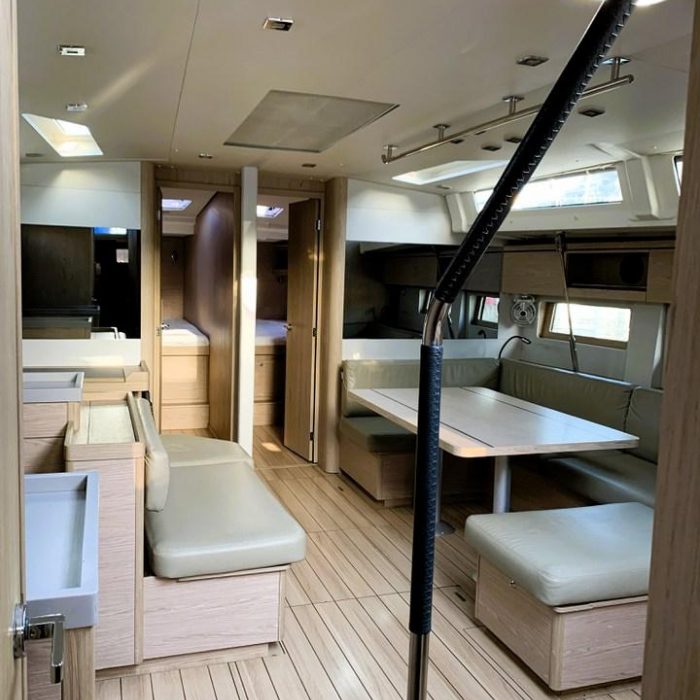
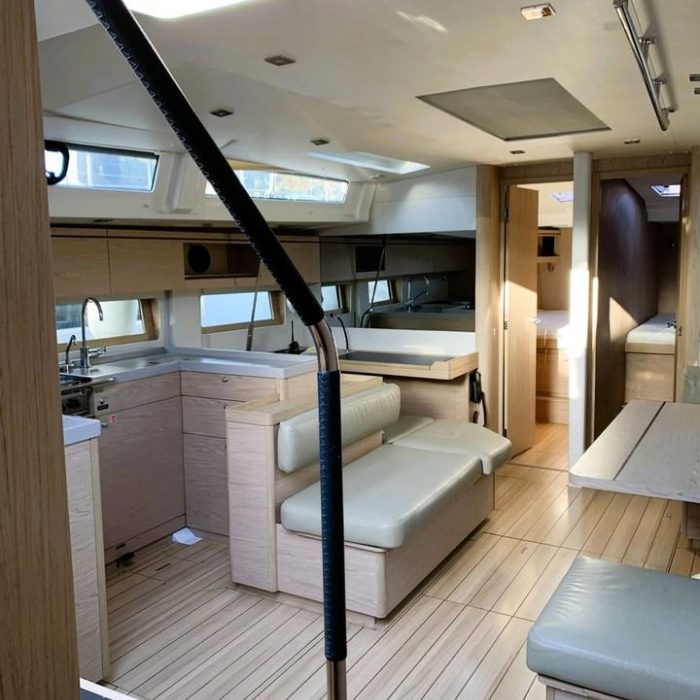
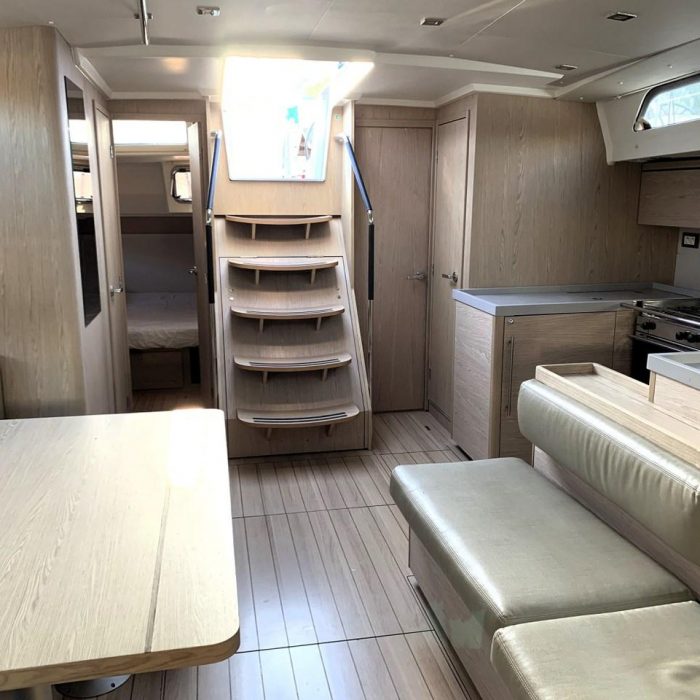
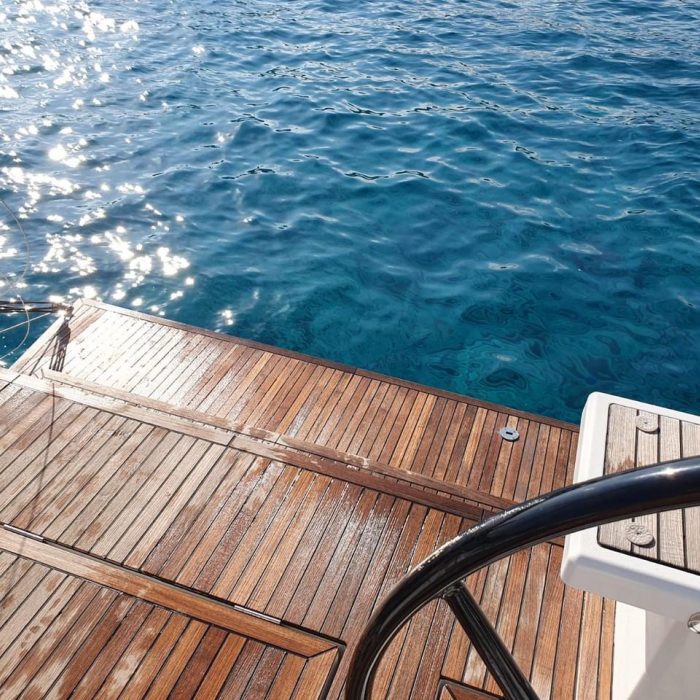
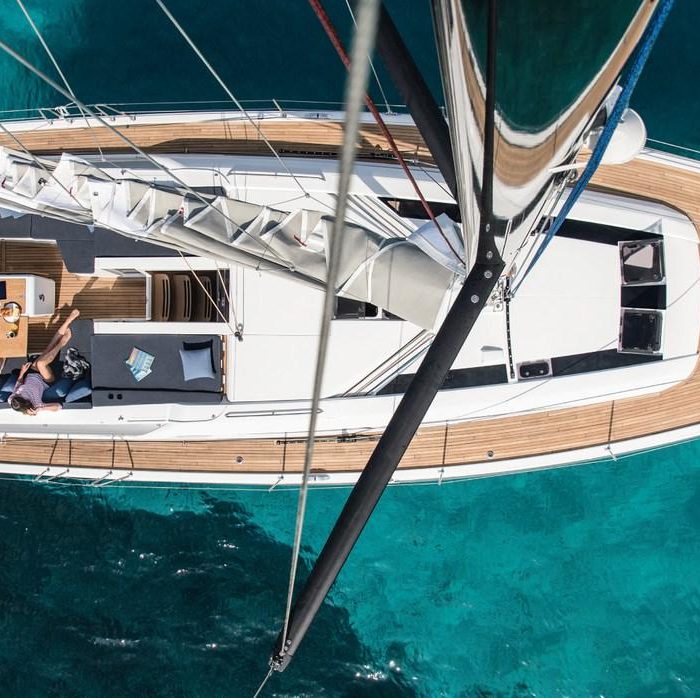
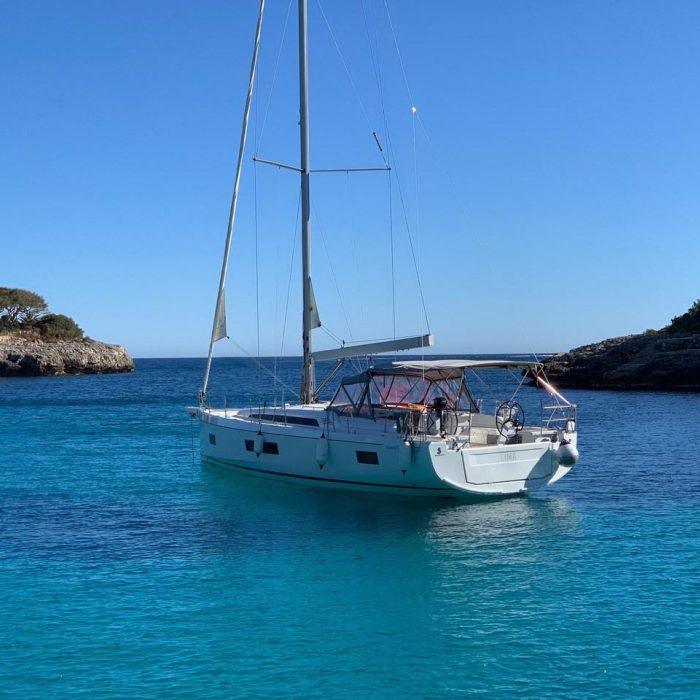
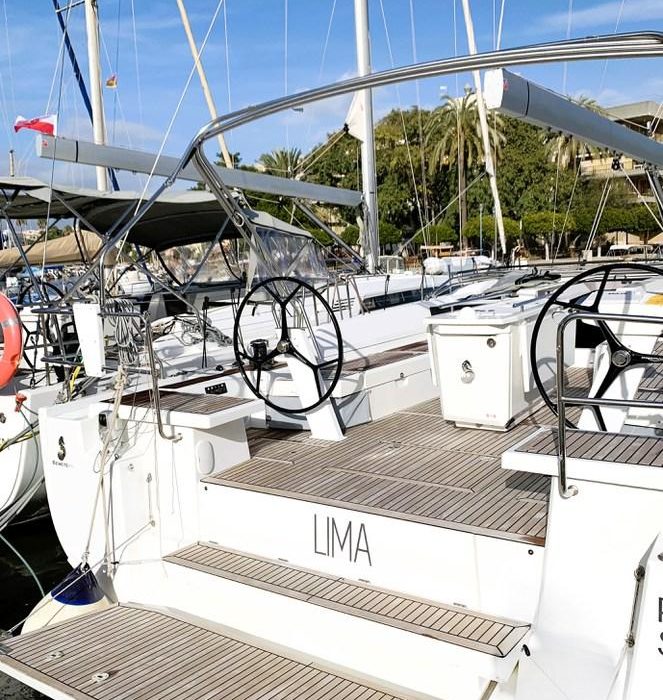
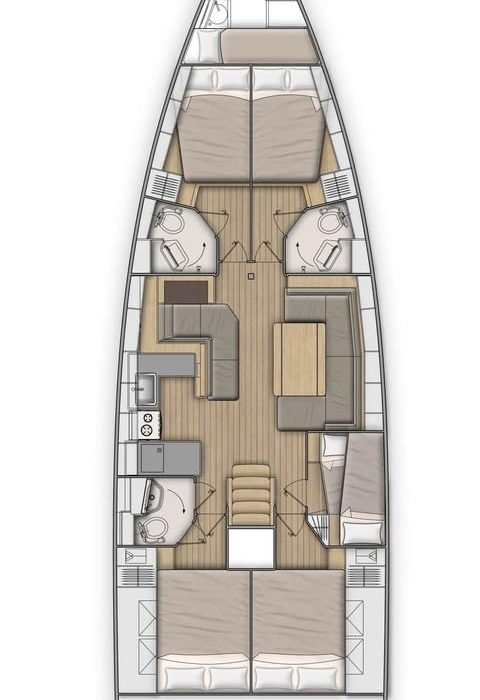
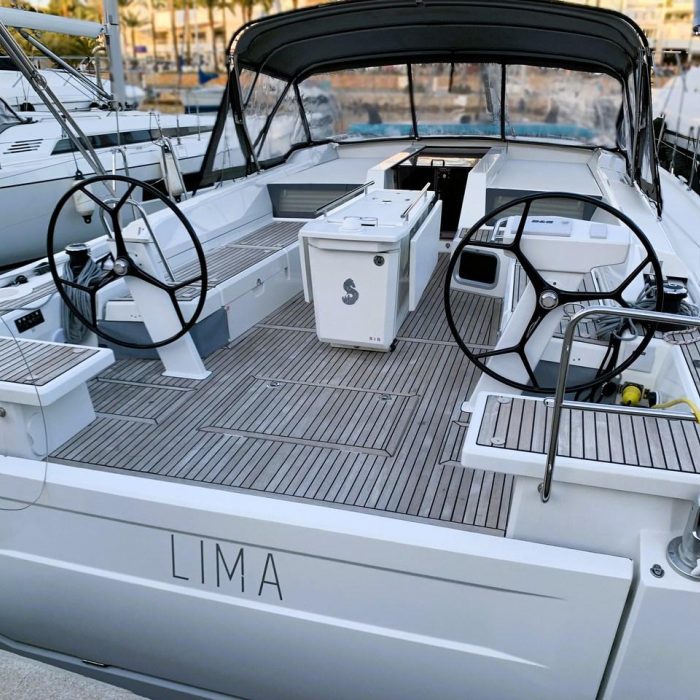
Lima | Oceanis 51.1
Blue Coast Charter
Spain, Balearic Islands, Mallorca, Cala D`or
Year: 2019
Length: 52 Ft
Cabins: 6
Guests: 12
3600 €
Online price
for 7 days
€ 3,600- 20%€2,878
+ mandatory costs - 390 €

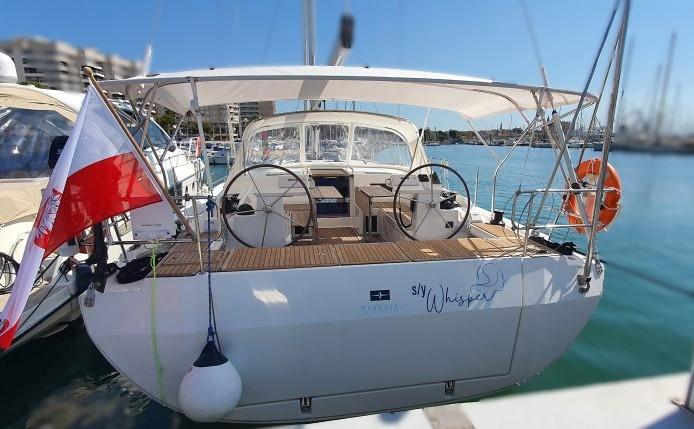

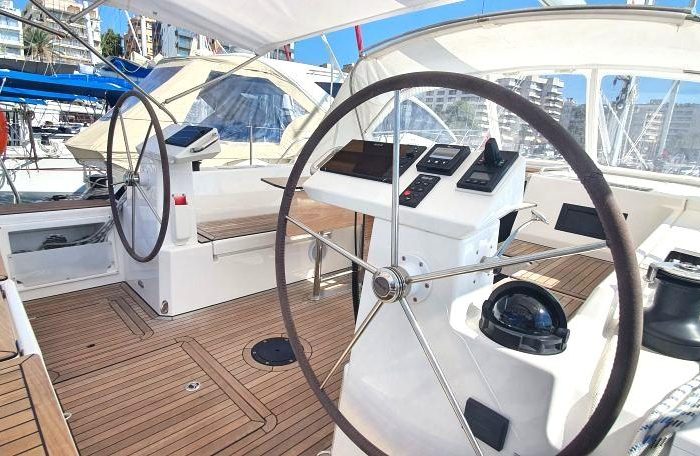
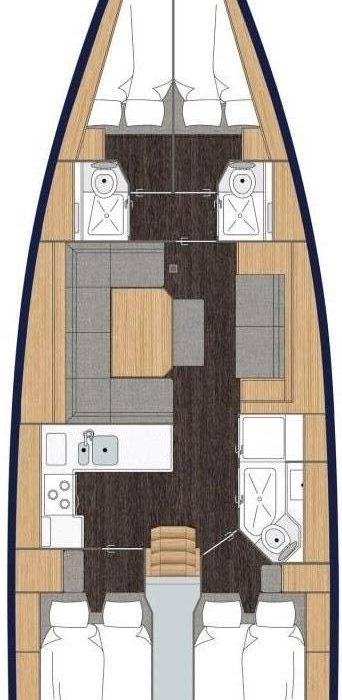
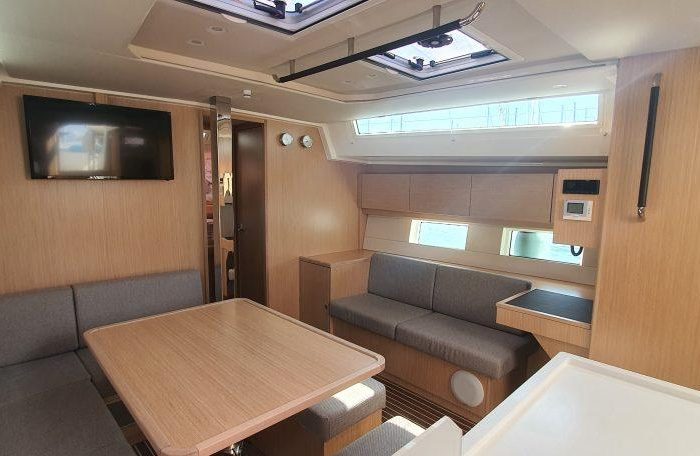

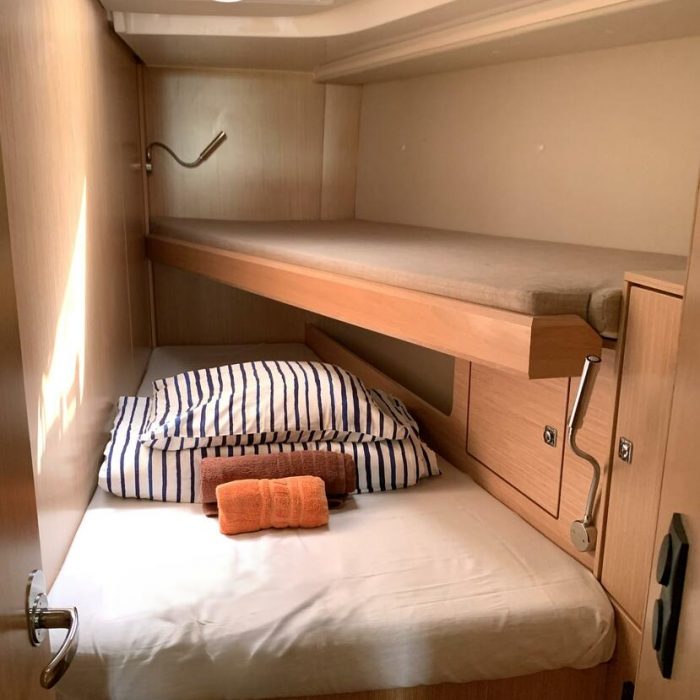

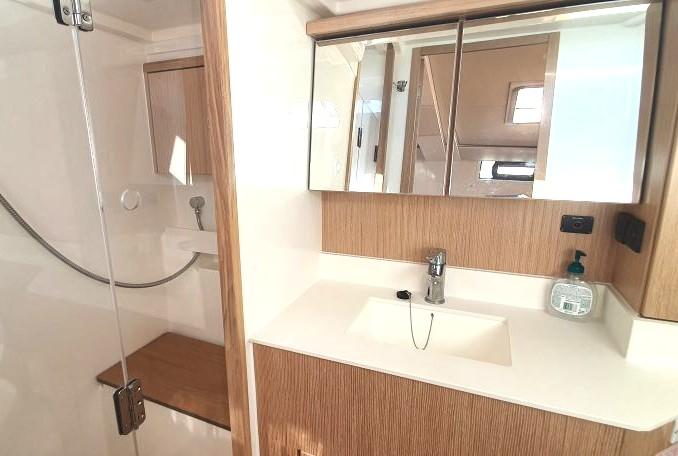
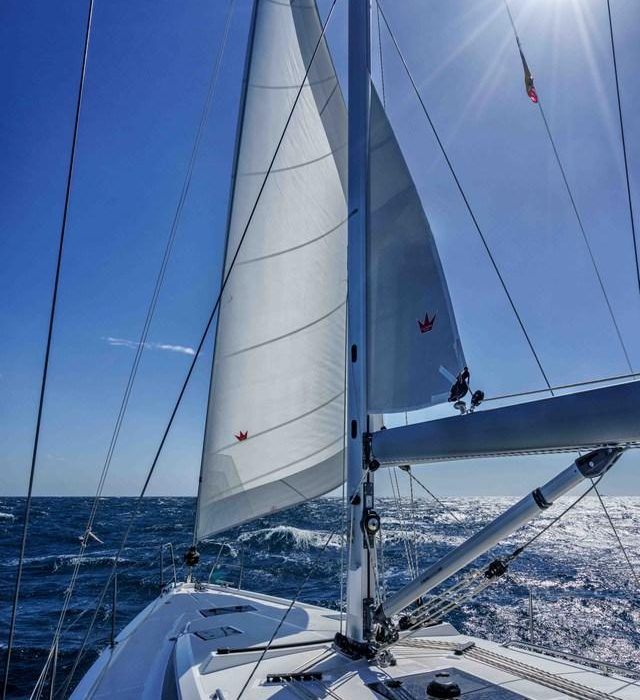
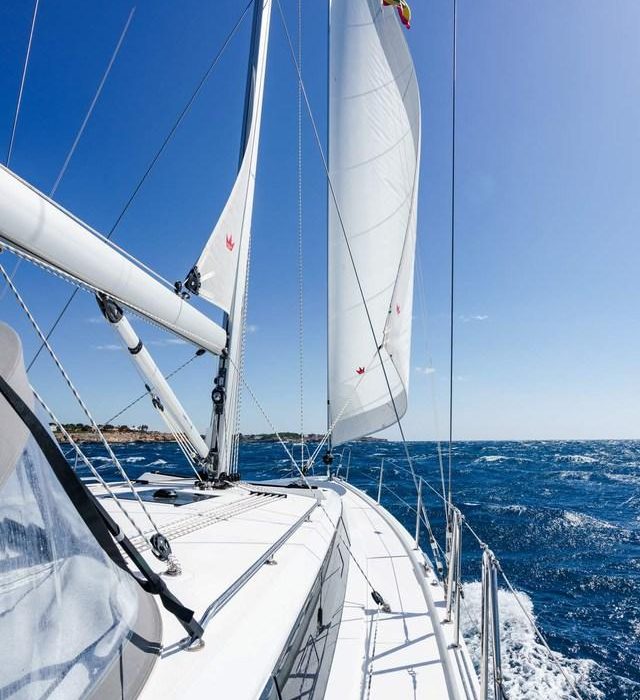
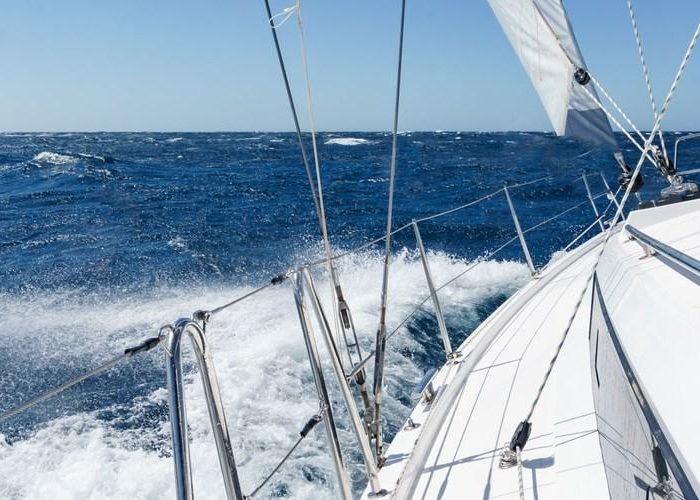
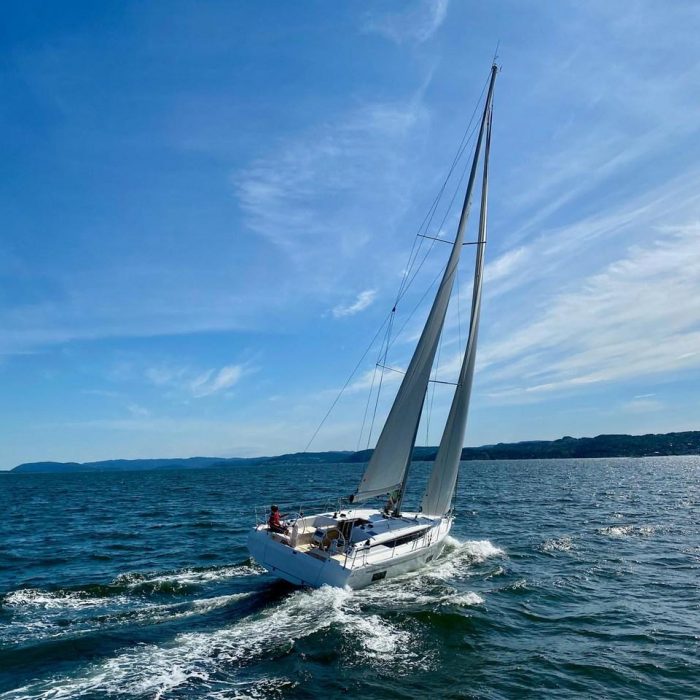
Whisper | Bavaria C45
Blue Coast Charter
Spain, Balearic Islands, Mallorca, Cala D`or
Year: 2020
Length: 46 Ft
Cabins: 4
Guests: 10
3200 €
Online price
for 7 days
€ 3,200- 6%€3,010
+ mandatory costs - 390 €

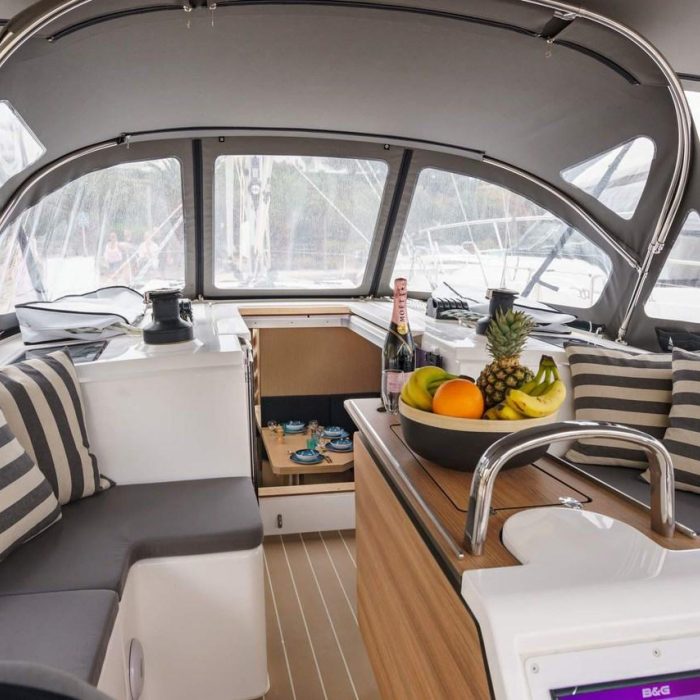

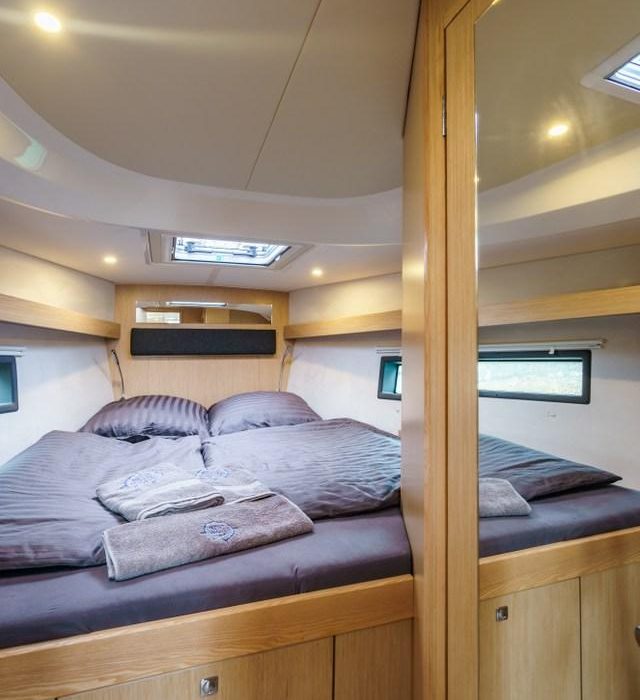

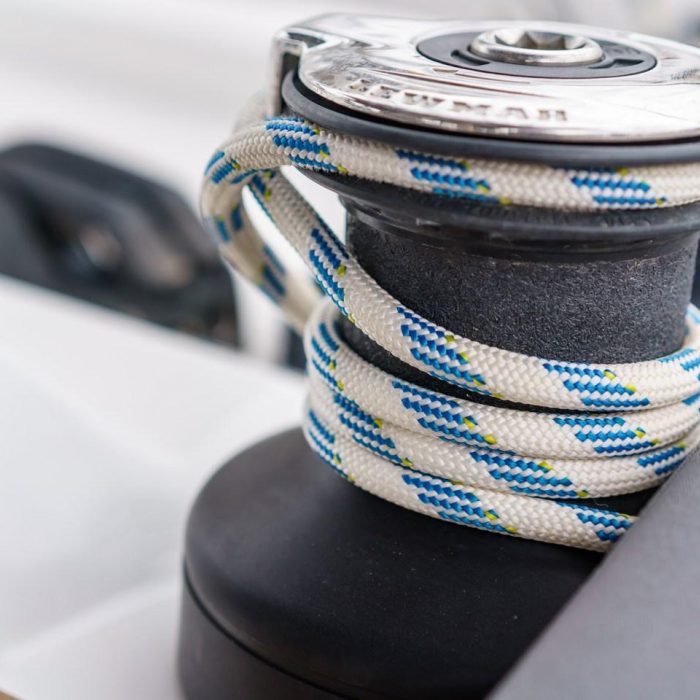
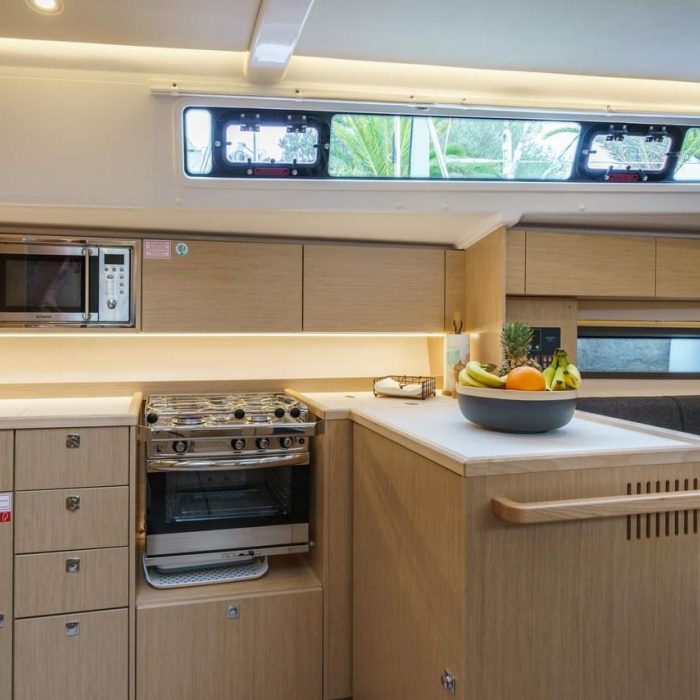
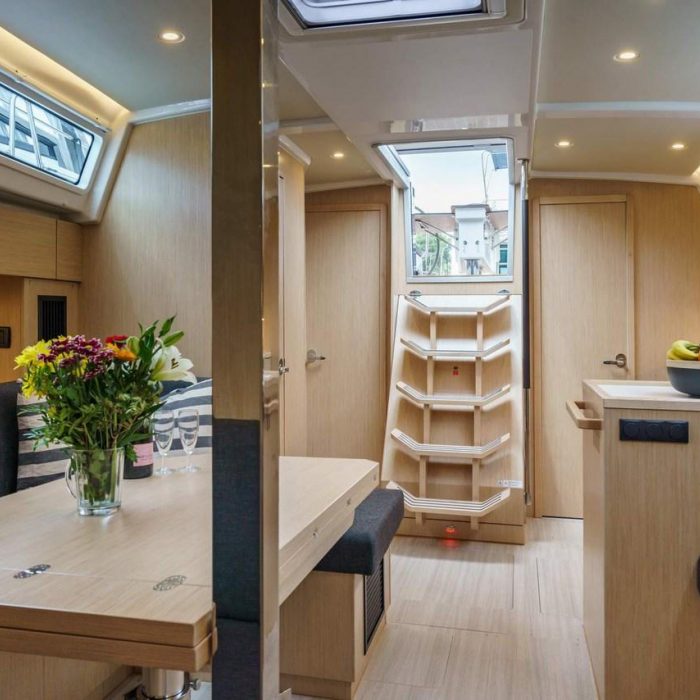
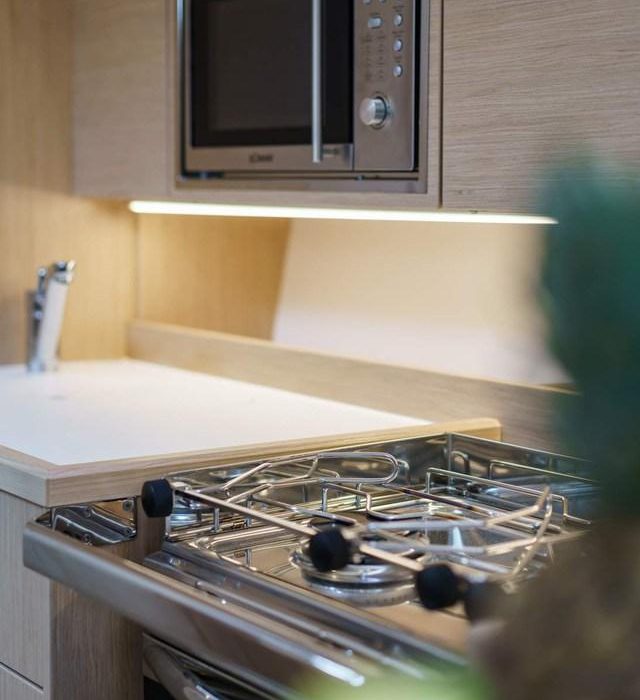
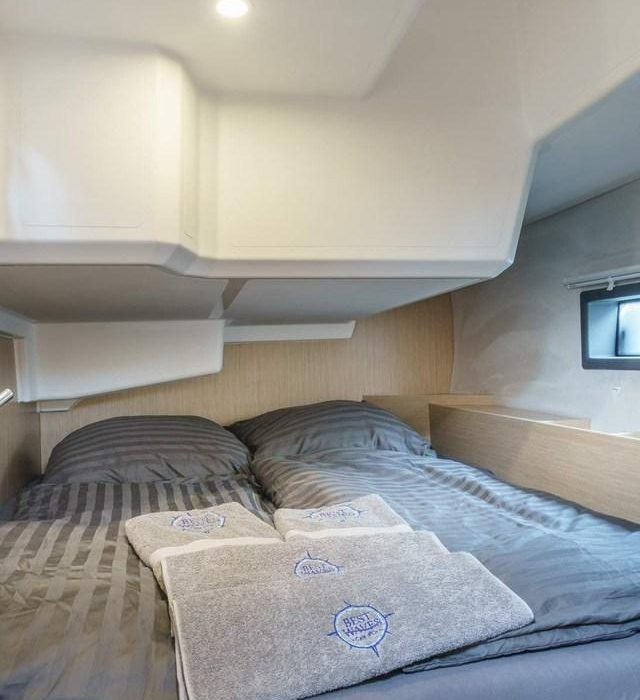

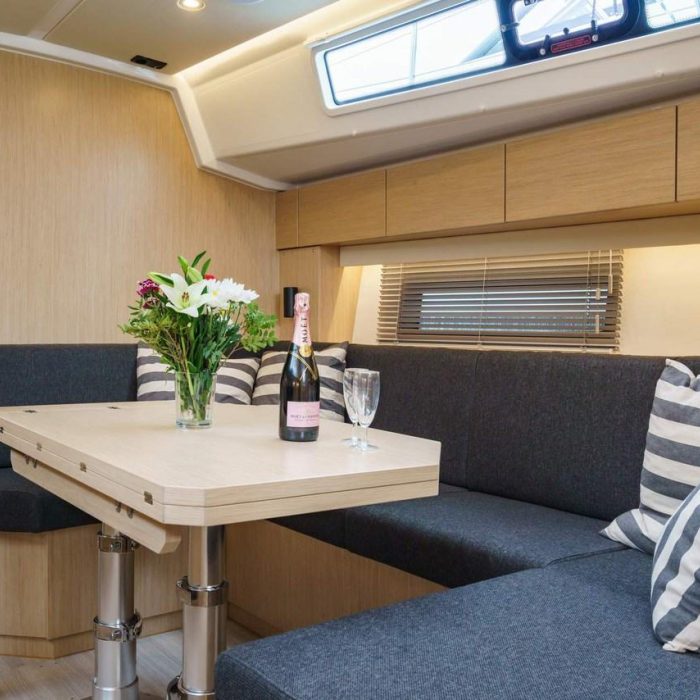
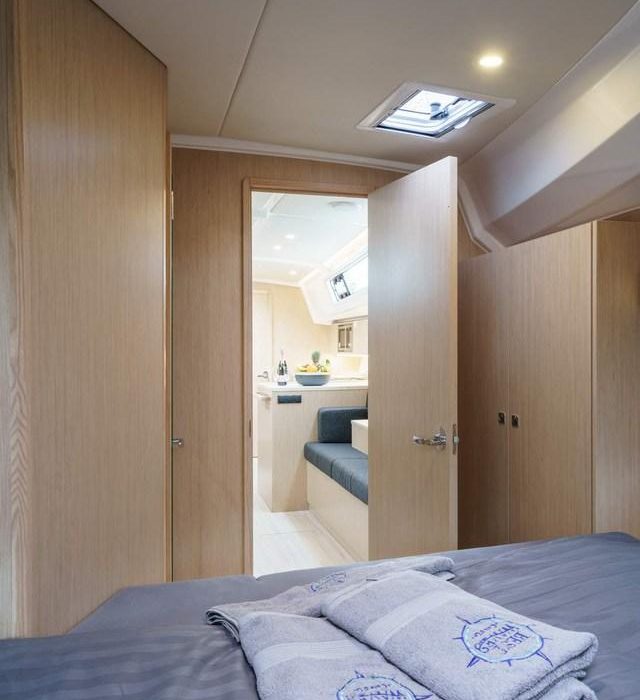
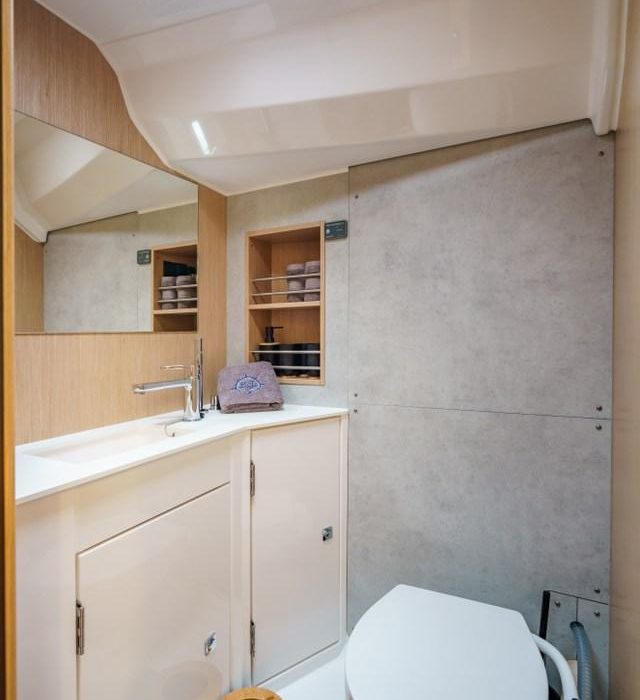
Ostwind II | Bavaria C42
Best Waves Yachtcharter
Spain, Balearic Islands, Mallorca, Cala D`or
Year: 2023
Length: 41 Ft
Cabins: 3
Guests: 8
Online price
for 7 days
€ 4,000- 1%€3,960
+ mandatory costs - 300 €
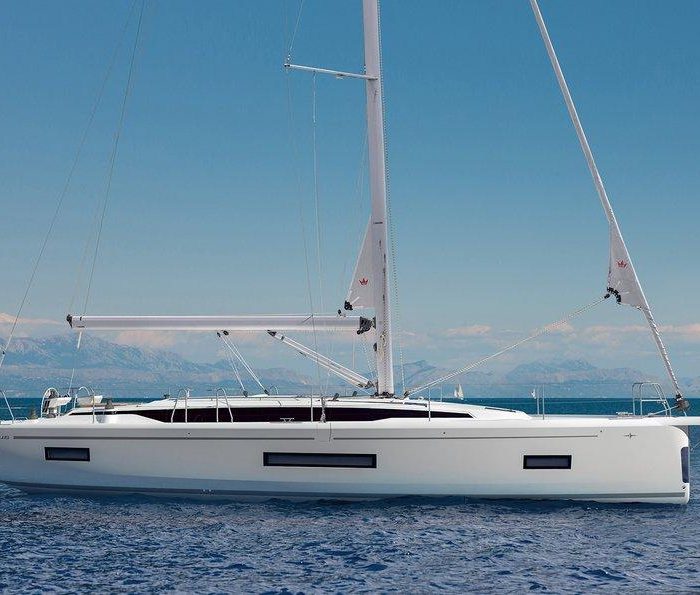
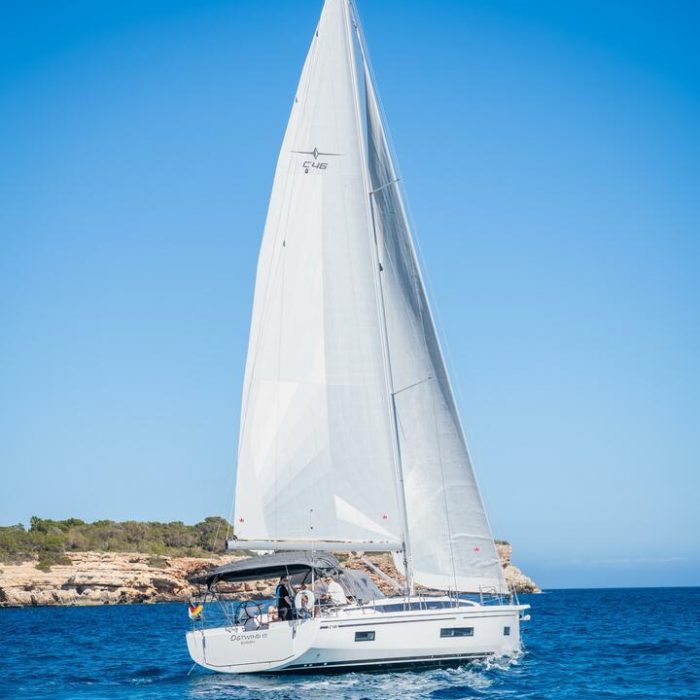
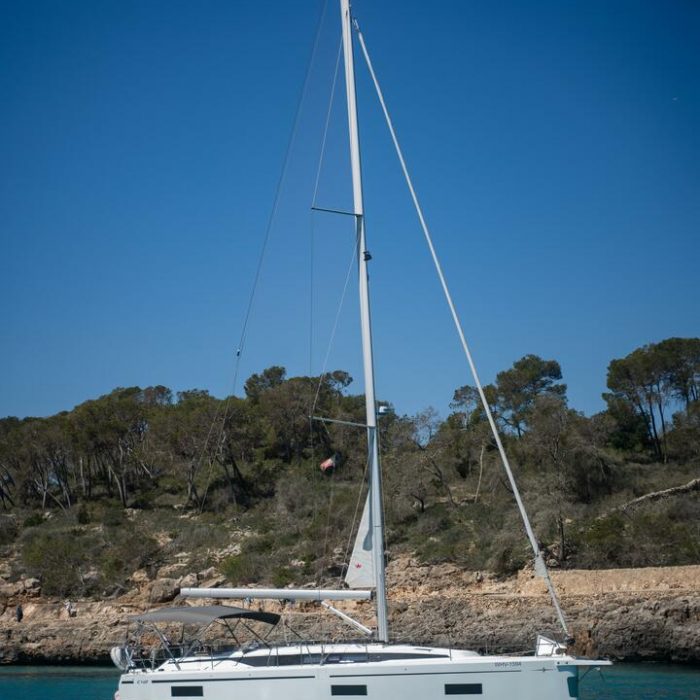
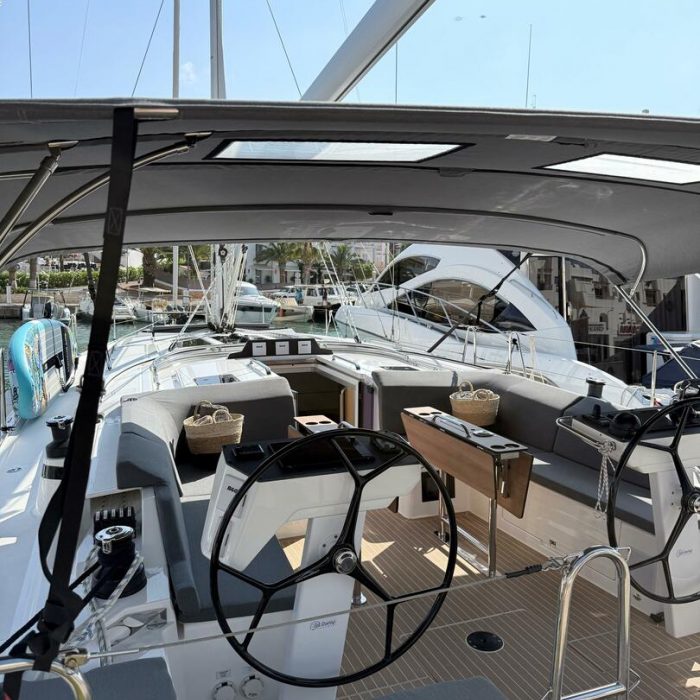
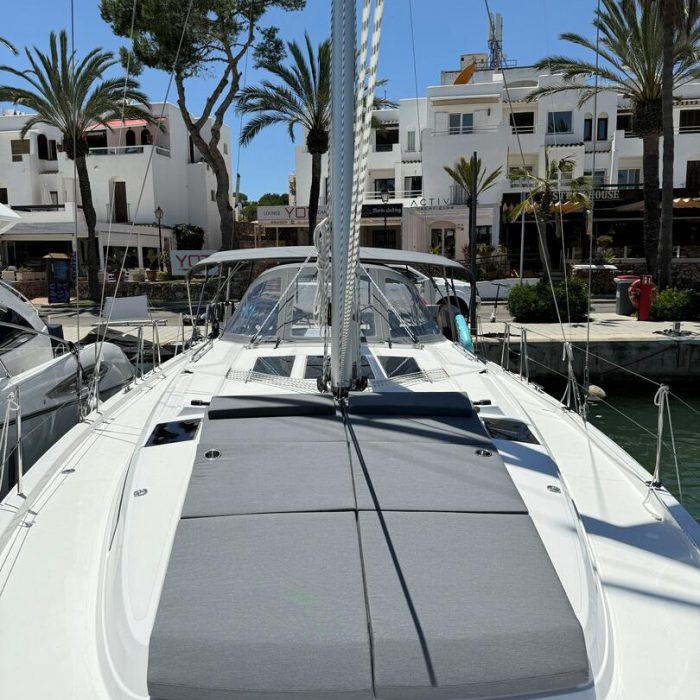
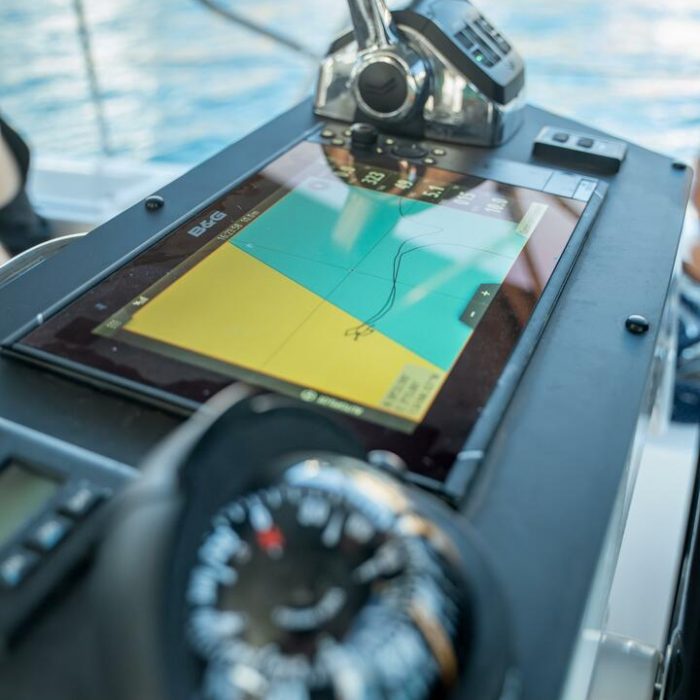
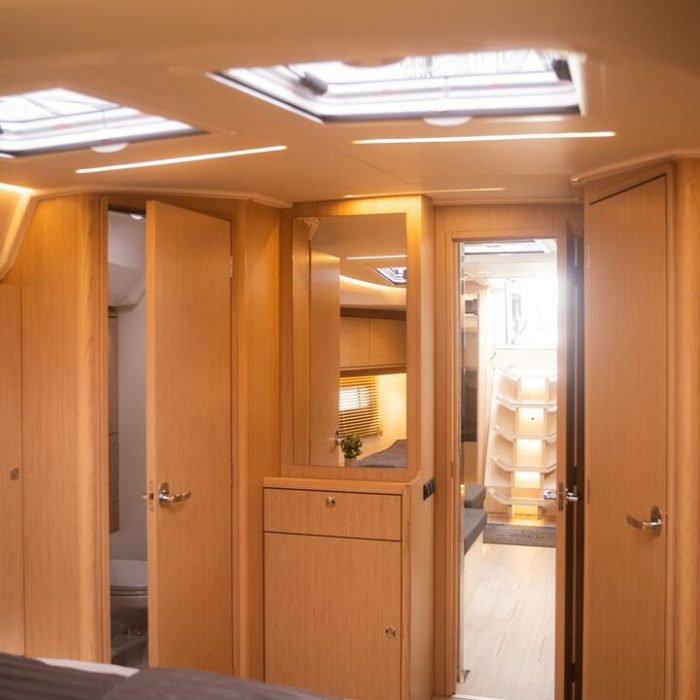
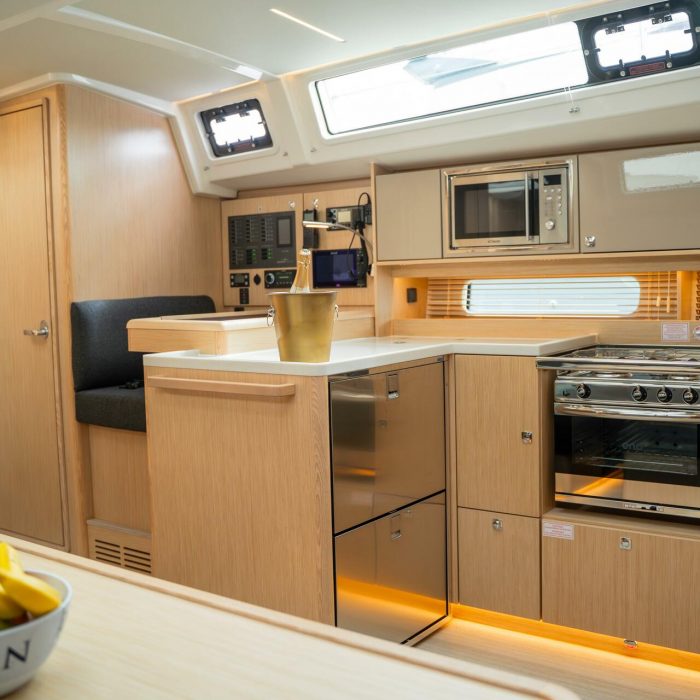
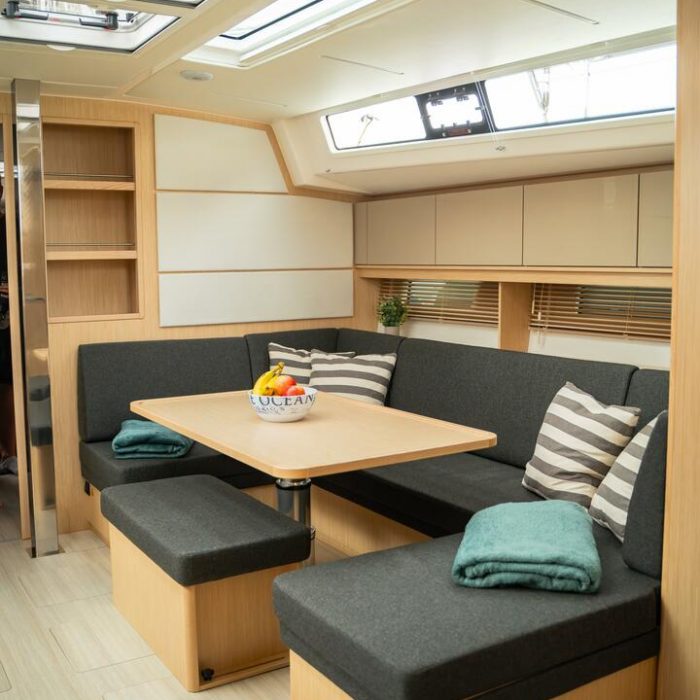
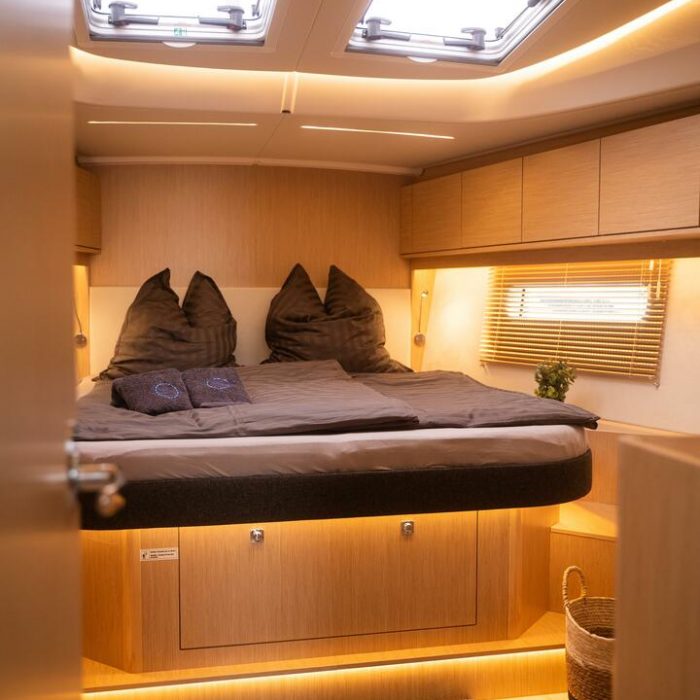
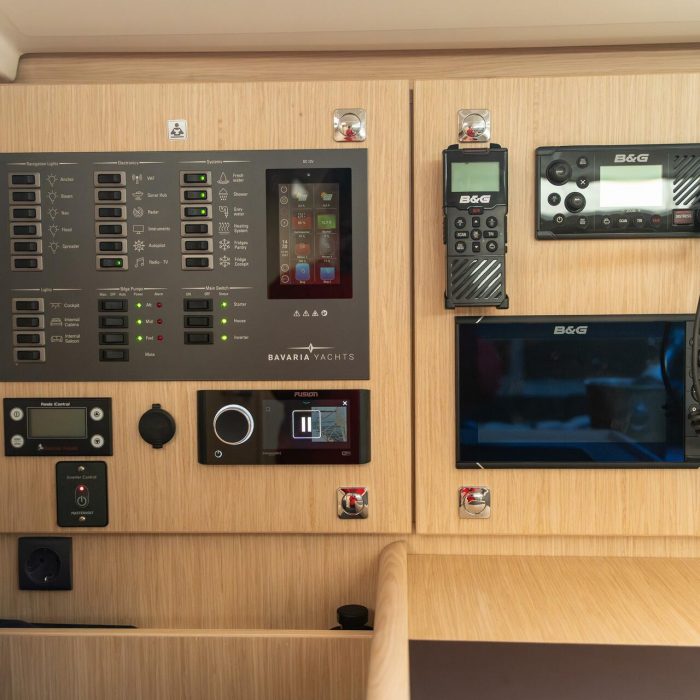
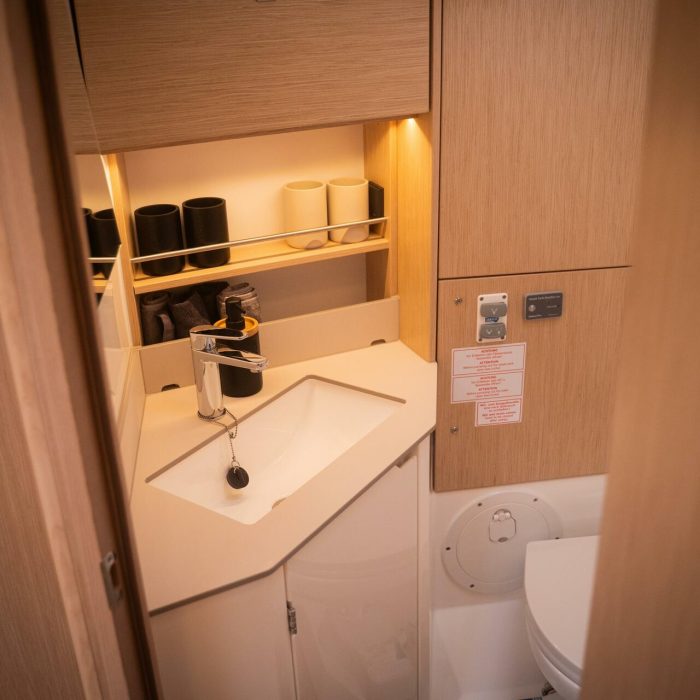
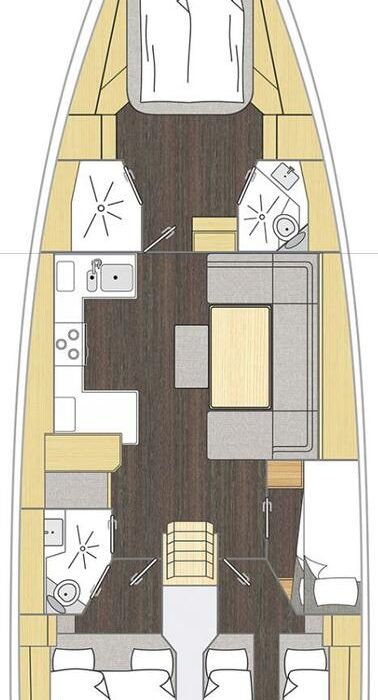

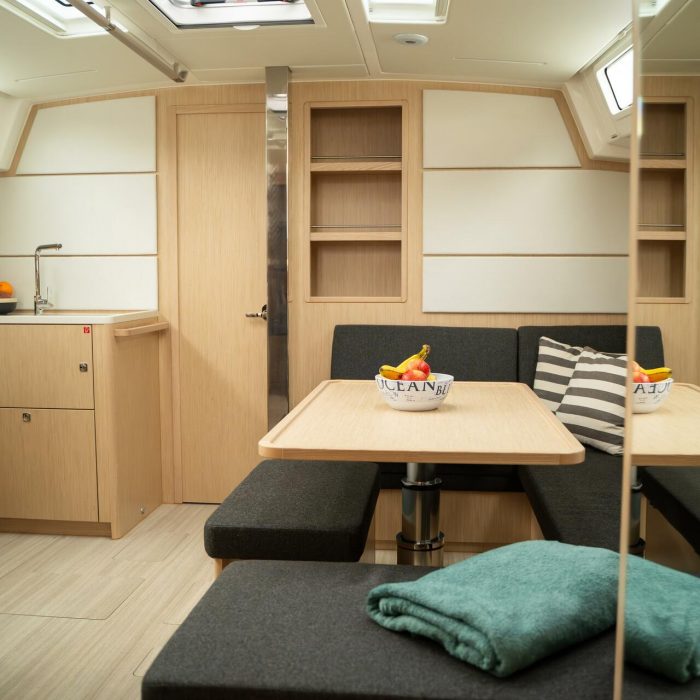
Ostwind III | Bavaria C46
Best Waves Yachtcharter
Spain, Balearic Islands, Mallorca, Cala D`or
Year: 2025
Length: 48 Ft
Cabins: 4
Guests: 10
Online price
for 7 days
€ 4,600- 1%€4,554
+ mandatory costs - 320 €
1-6 from 6
You'll find popular yacht charter brands in Cala D`Or, Can Pastilla, Club Maritimo San Antonio De La Playa, Mallorca, Can Pastilla, such as: Bavaria, Beneteau.
Save to selection

Anastasia
Personal Assistant
Renting a sailboat in Cala d'Or, Spain is a great way to explore the beautiful coastline and crystal-clear waters of the Mediterranean. There are several reputable companies that offer sailboat rentals, ranging from small day boats to larger vessels for extended cruising. With easy access to nearby ports and anchorages, you can enjoy the freedom and flexibility of sailing at your own pace while taking in the stunning scenery of the Balearic Islands.
Renting a sailboat in Cala D'Or, Spain, offers a unique opportunity to explore the pristine turquoise waters and secluded coves of this picturesque Mediterranean destination. With the gentle sea breeze at your back, you'll enjoy a day of adventure and relaxation, as you uncover hidden gems along the coastline. As the sun sets, you'll be captivated by the breathtaking views of the Mallorcan shoreline, creating lasting memories of your unforgettable sailing experience.
Renting a sailboat in Cala D'Or, Spain is an excellent way to explore the stunning coastline and crystal-clear waters of the Balearic Islands. There are many companies that offer sailboat rentals, ranging from small vessels to larger luxury yachts, giving you the freedom to choose the perfect boat for your needs. With a sailboat, you can discover secluded beaches, hidden coves, and stunning landscapes that can only be seen from the water.
The winds of Cala D`Or
Mistral (NW)
Mistral winds can affect the weather in Cala D'Or, particularly during the winter months. These winds are typically strong and dry and blow from the northwest. During the summer months, Mistral winds can bring cool air to Cala D'Or, providing relief from the heat and making outdoor activities more enjoyable. However, during the winter months, Mistral winds can be much stronger and can cause rough seas and high waves, making it difficult for boats to navigate. Despite the potential for strong winds, Cala D'Or is a popular destination for outdoor enthusiasts and water sports enthusiasts, offering a variety of activities such as sunbathing, swimming, diving, and sailing. Visitors can also enjoy the area's beautiful beaches, charming villages, and rich cultural heritage.
Mistral (NW)
Mistral winds are actually strong, cold, northwesterly winds that can affect many parts of the Mediterranean, including the Cala d'Or area of Spain. These winds are caused by a high-pressure system in the Gulf of Genoa, which pushes the air down towards the western Mediterranean, and then funnels it through the Pyrenees and into the Gulf of Lion. As the air accelerates through the mountain passes, it can reach speeds of up to 100 km/h (62 mph) and cause rough seas, high waves, and reduced visibility.
Mistral (NW)
Mistral winds are dry and cold northwesterly winds that blow through Cala D'Or, a resort town on the southeast coast of the island of Mallorca, in the Balearic Islands of Spain. These winds can bring gusts of up to 100 km/h (62 mph) and are most commonly experienced during the autumn and winter months.
Bora (NE)
Bora winds are not common in Cala D'Or or the Balearic Islands. Bora winds are a type of wind that primarily affects the Adriatic Sea, particularly the coastal regions of the Balkan Peninsula, and are not typically associated with the Balearic Islands, which are located in the western Mediterranean Sea.
Bora (NE)
The Bora winds are actually more commonly associated with the Adriatic Sea region, particularly the area around Trieste, rather than Spain. However, Cala D'Or is located on the southeastern coast of the island of Mallorca in the Balearic Islands of Spain, and the prevailing winds in this region are generally from the east or northeast. These winds can sometimes be gusty and can create choppy seas, but they are not typically referred to as Bora winds. It is possible that the term "Bora" may be used colloquially in this region to describe particularly strong or gusty winds, but it is not a term commonly used to describe the prevailing winds in the area.
Bora (NE)
Bora winds, also known as the "Nordic" winds, are cold and dry northeasterly winds that blow through Cala D'Or, a resort town on the southeast coast of the island of Mallorca, in the Balearic Islands of Spain. These winds can bring gusts of up to 70 km/h (43 mph) and are most commonly experienced during the autumn and winter months.
Tramontana (N to NW)
Tramontana winds can significantly affect the weather in Cala D'Or, particularly during the winter months. These winds are typically strong and dry and blow from the north to northwest. Tramontana winds can bring cooler temperatures to Cala D'Or, making outdoor activities more enjoyable during the summer months. However, during the winter months, these winds can be very strong and can cause rough seas and high waves, making it difficult for boats to navigate. Despite the potential for strong winds, Cala D'Or is a popular destination for outdoor enthusiasts and water sports enthusiasts, offering a variety of activities such as sunbathing, swimming, diving, and sailing. Visitors can also enjoy the area's beautiful beaches, charming villages, and rich cultural heritage.
Tramontana (N to NW)
Tramontana winds are another type of wind that can affect the Cala d'Or area of Spain, especially during the cooler months. These winds are usually north to northwesterly and are caused by a high-pressure system that forms over the Bay of Biscay and moves down towards the western Mediterranean. As the air moves over the Pyrenees and into the Gulf of Lion, it can gain speed and strength, reaching gusts of up to 80 km/h (50 mph).
Tramontana (N to NW)
Tramontana winds are dry, cold and often strong winds that blow from the north or northwest through Cala D'Or, a resort town on the southeast coast of the island of Mallorca, in the Balearic Islands of Spain. These winds can bring gusts of up to 100 km/h (62 mph) and are most commonly experienced during the autumn and winter months.
Jugo (SE)
Jugo winds are not common in Cala D'Or or the Balearic Islands. Jugo winds are a type of wind that primarily affects the eastern coast of Italy, Slovenia, Croatia, and Montenegro, and are not typically associated with the Balearic Islands, which are located in the western Mediterranean Sea.
Jugo (SE)
The Jugo winds, also known as Sirocco or Scirocco, are hot and humid winds that blow from the southeast and originate from the Sahara desert. They are more commonly associated with the Mediterranean region, including Spain, and can occur in Cala D'Or, especially during the summer months.
Jugo (SE)
Jugo winds, also known as Sirocco or the "South Wind," are warm and humid southeasterly winds that blow through Cala D'Or, a resort town on the southeast coast of the island of Mallorca, in the Balearic Islands of Spain. These winds can bring high levels of humidity, rain, and sometimes even dust from the Sahara desert, and are most commonly experienced during the spring and autumn months.
Planning & Balearic Sailing
Why is Mallorca the Balearics charter hub?
Mallorca hosts the largest fleet in Spain with PMI direct flights from most of Europe, dozens of operators, and routes to all Balearic groups from one base.
Palma airport (PMI) logistics?
15–30 min transfer to Palma marinas; book transfers ahead in summer.
Tramontana — how dangerous?
NW Tramontana can reach force 7+ in northern Mallorca bays and Menorca channels — plan anchorages and passage timing accordingly.
Best winds for Mallorca sailing?
Thermal sea breezes afternoons; SW Garbi in transition seasons; check local forecasts per bay.
Is Mallorca beginner-friendly?
Moderate in shoulder season — avoid Tramontana peaks in northern bays without a skipper.
Best season for Mallorca charter?
May–June and September for balance; July–August hottest but busiest and most expensive.
Classic week from Palma?
Palma Bay → southern calas → Porto Colom → Cala d Or — or north to Soller area depending on Tramontana forecast.
Mallorca to Ibiza crossing?
Serious overnight or early passage — confirm operator rules; not a typical day hop.
Bareboat licence requirements for Mallorca?
Spain recreational system (PER or equivalent); charter companies serving EU visitors often accept ICC — verify in writing per boat.
Skippered or bareboat for Mallorca?
First Med visit — skippered recommended; Palma marinas and Tramontana planning benefit from local knowledge.
Catamaran or monohull in Mallorca?
Cats popular for large groups; village quays can be narrow for wide beams.
How far ahead to book peak Mallorca?
Months ahead for July–August cats; shoulder weeks more flexible on SEARADAR.
National park Cabrera from Mallorca?
Permit required to visit — plan and apply in advance; limited daily access.
Mandatory costs on SEARADAR for Mallorca?
Cleaning, outboard, skipper — compare full trip cost when extras are published.
Travel insurance for Mallorca charter?
Cancellation + medical recommended; check deposit clauses.
Saturday turnarounds in Mallorca?
Very common — busy PMI Saturdays; plan airport timing carefully.
Currency and language in Mallorca?
Euro; Spanish and Catalan; English common at charter hubs.
Schengen rules for Mallorca?
Spain is Schengen — check visa requirements by nationality.
Why use SEARADAR for Mallorca?
Compare across operators, mandatory extras visibility, filter by base and boat class.
Logistics & Compliance
Main marina areas in Mallorca?
Palma, Puerto Portals, Alcudia, Pollensa, Puerto Colom — confirm pontoon in voucher.
Stern-to mooring in Mallorca?
Standard in most Balearic marinas — prepare long lines and fenders.
Posidonia beds near Mallorca?
Protected; anchoring on seagrass is illegal — check charts for sandy patches.
Fuel docks in Mallorca?
Palma main marinas; note Sunday closing hours in shoulder season.
Documents on board?
Ship papers, passports, licence originals, voucher — waterproof bag.
Night sailing on a Mallorca charter?
Daylight only on most bareboat charters unless skipper contract states otherwise.
Children on a Mallorca charter?
Lifejackets, shade, UV protection; keep legs short in summer heat.
Pets on a Mallorca charter?
Operator-dependent; cleaning surcharge typical.
Two families on one yacht in Mallorca?
Verify cabin count and heads before booking.
Environmental fines in Mallorca?
Speed limits in coves, MPA rules — enforced by Guardia Civil patrol boats.
Drone rules near Mallorca?
Spanish aviation authority rules apply — beaches and nature parks often restricted.
One-way charter from Mallorca?
Sometimes offered — relocation fee common; confirm in contract.
Breakdown on a Mallorca charter?
Call operator support line; VHF 16 for emergency.
Corporate events on a Mallorca charter?
Large cats in Palma; clarify max passengers vs charter licence.
Tap water on board in Mallorca?
Potable in most marinas; crews often prefer bottled aboard.
VHF in Mallorca waters?
Channel 16 always monitored; marina working channels vary.
Theft and security in Mallorca marinas?
Lock dinghy and outboard in busy ports.
What to pack for a Mallorca charter?
Non-slip shoes, light waterproof, sun hat, quick-dry clothes, EU adapters.
Free Deposit Pack
With FDP (Free Deposit Pack), you have the chance to avoid a full security deposit and lock in your funds. Just pay 20% upfront (non-refundable), and experience a hassle-free journey. * The price of the FDP rises to 25% if booked less than 30 days before the charter.