Corfu is a great place to rent a sailboat as it offers stunning views of the Ionian Sea and its beautiful islands. With many reputable yacht charter companies operating in the area, it is easy to find the right boat for your needs and budget. Whether you are an experienced sailor or a beginner, a sailing holiday in Corfu is sure to be an unforgettable experience.
Search
Booking dates
Filters
Prices Range
Cabins range
WC range
Length
Berths
Year
Security deposit
Boat offers
Service
Mainsail

Personal Assistant
Tired of searching yourself?
Our managers are always on call to help
Yacht Charter Corfu
Rent a yacht in Corfu and enjoy the adventure. Available 141 yachts. 141 yachts are available on your dates. If you are still undecided about a specific model and want to compare several boats, add the boats to the comparison list or contact our manager. Popular regions and cities: Corfu Choose among yacht types: Sailboat, Catamaran Cabins: 0-cabins, 2-cabins, 3-cabins, 4-cabins, 5-cabins, 6-cabins Persons: 4-persons, 6-persons, 8-persons
Show more
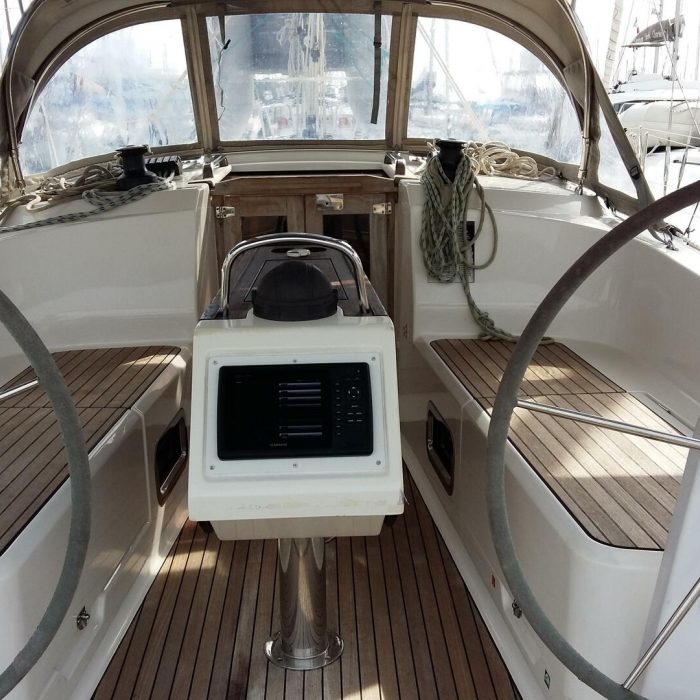
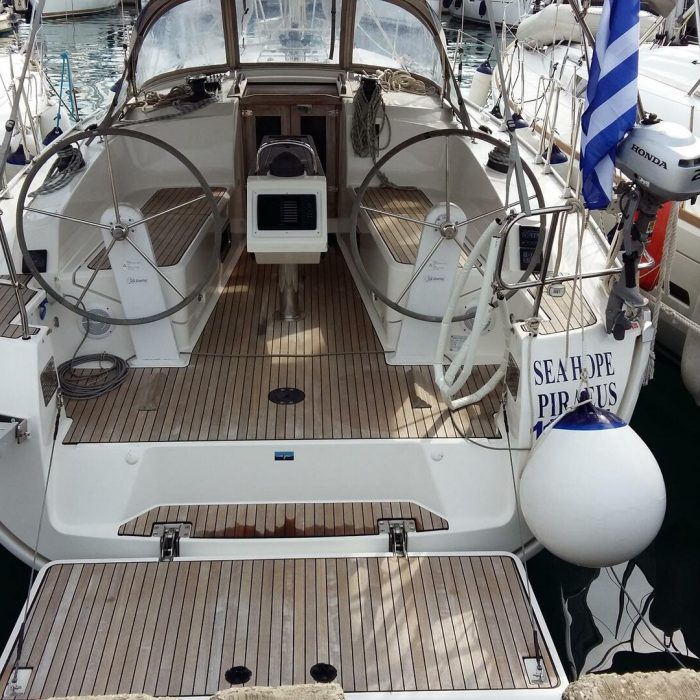
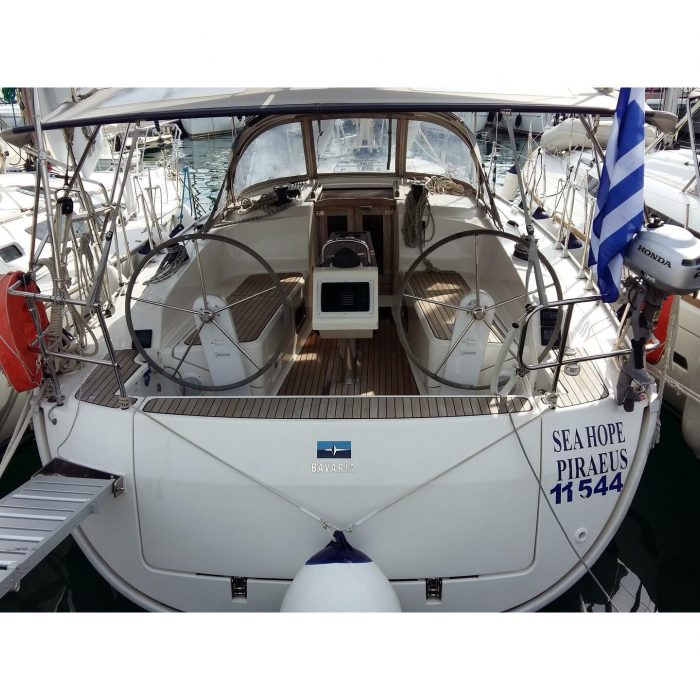
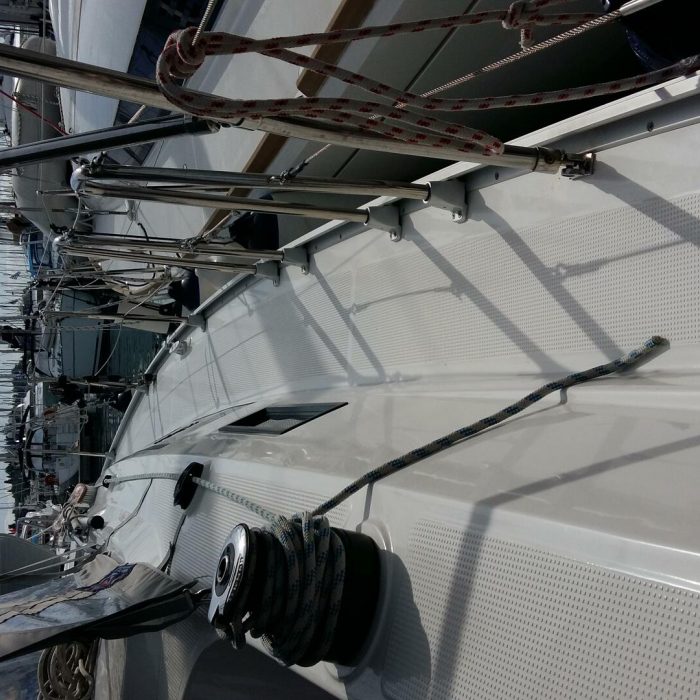
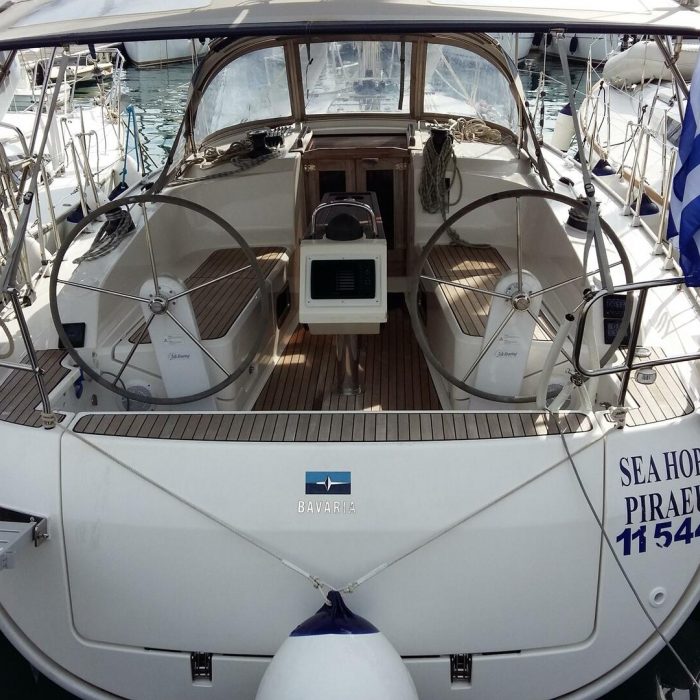
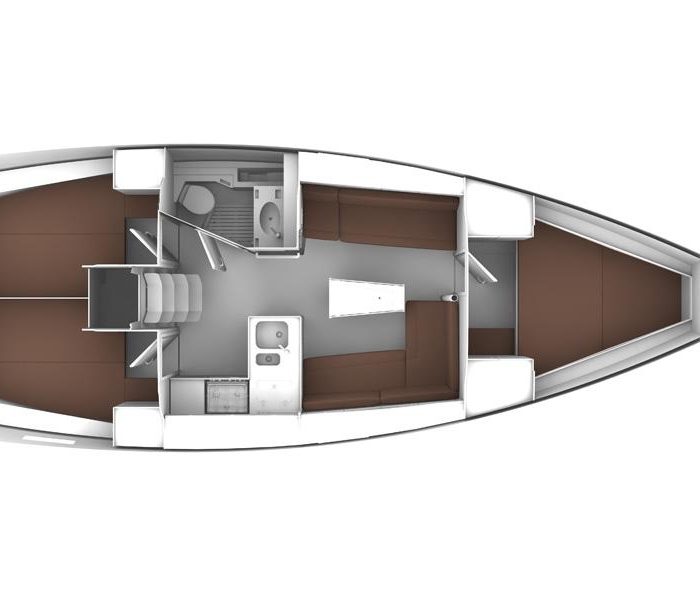
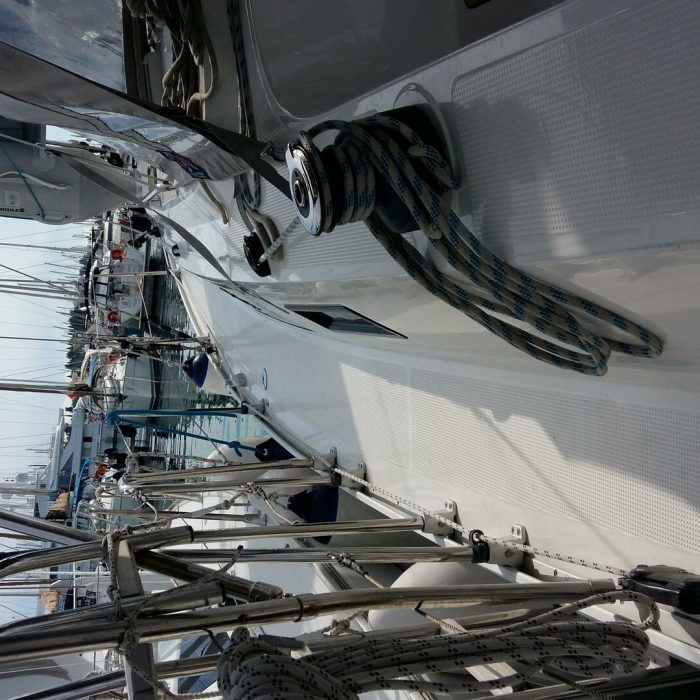
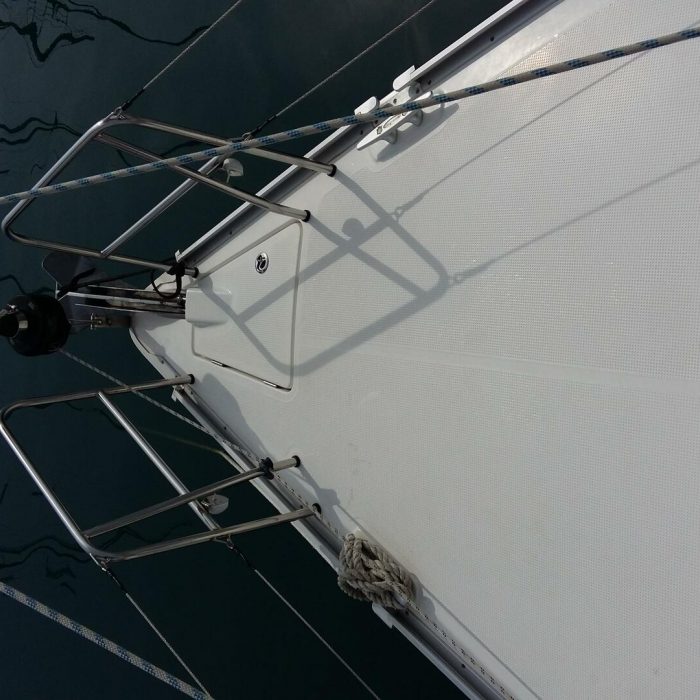
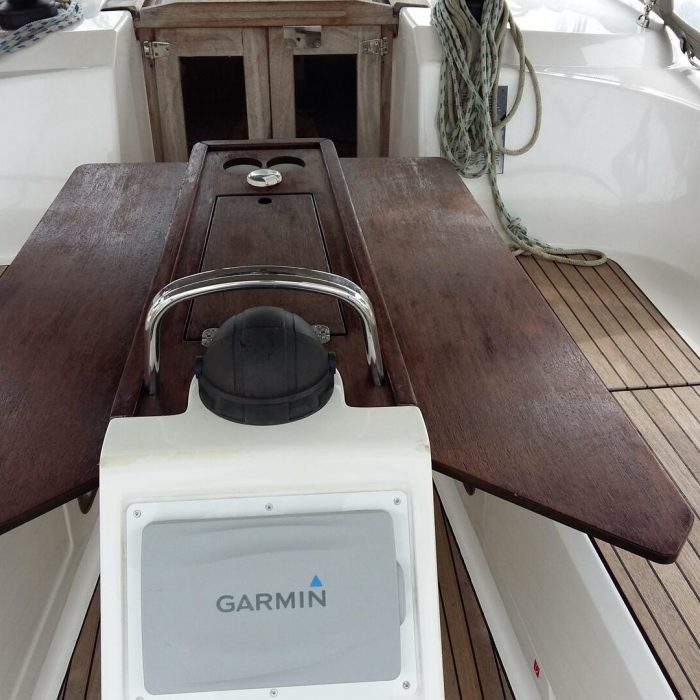
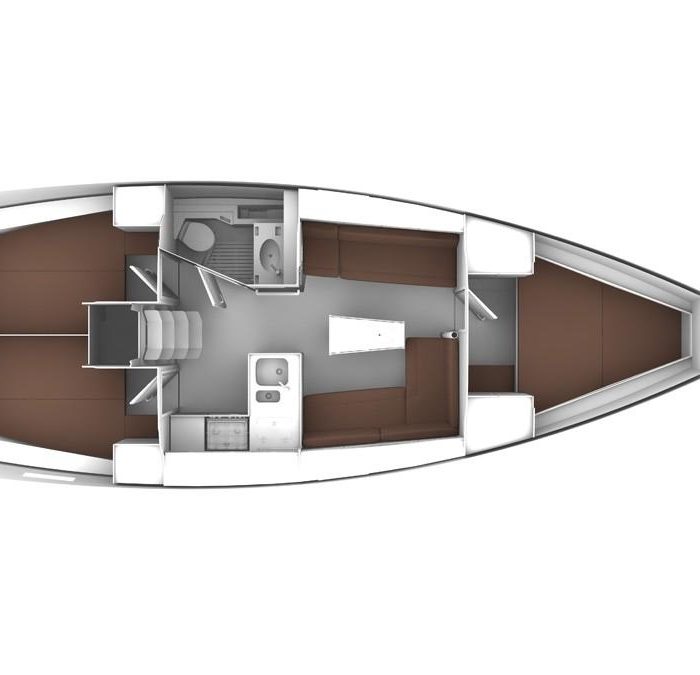
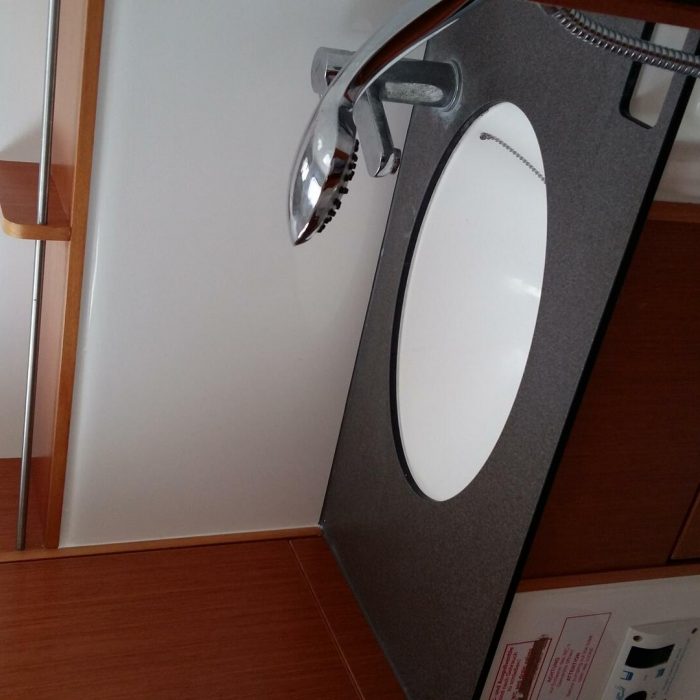
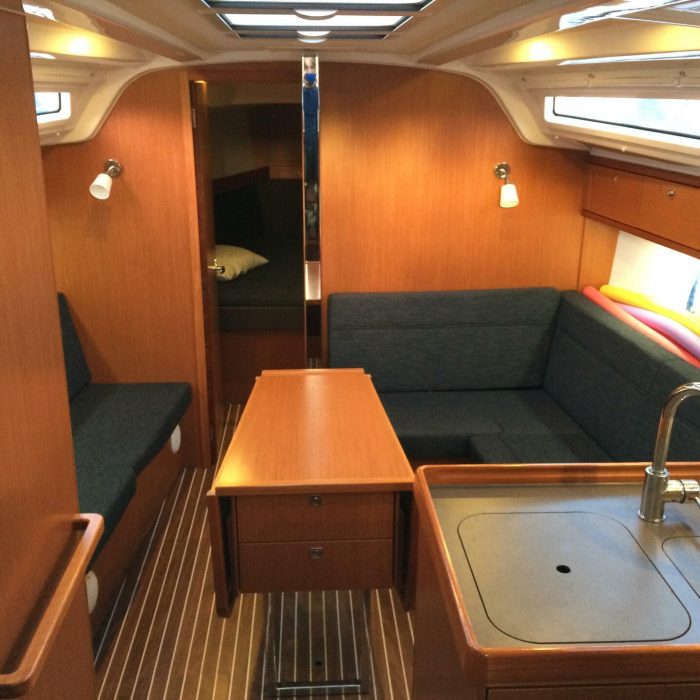
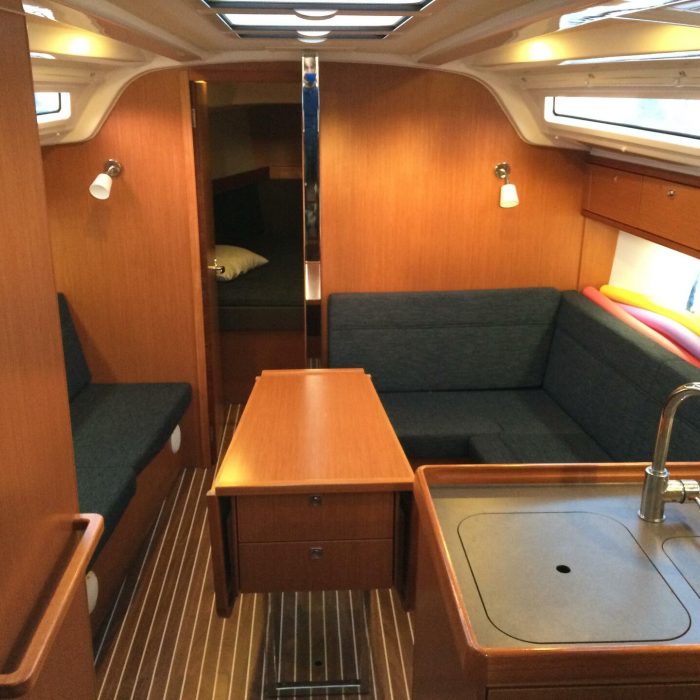
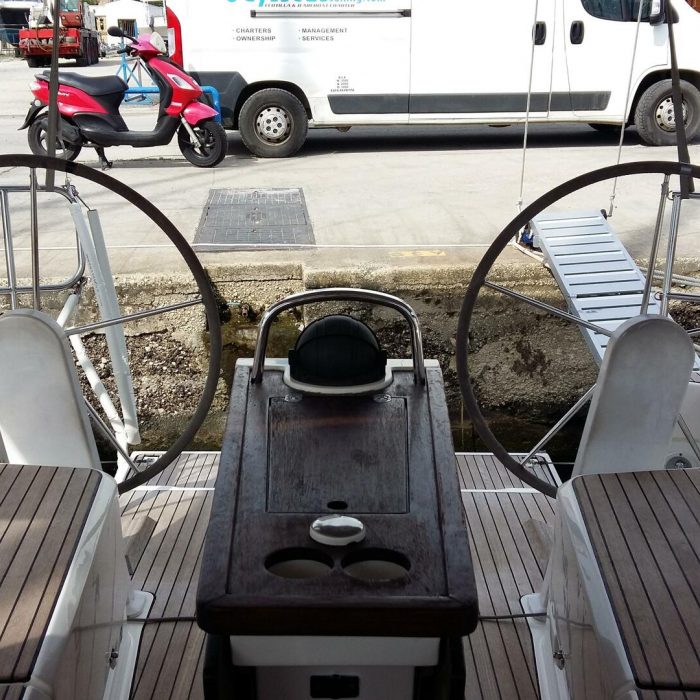
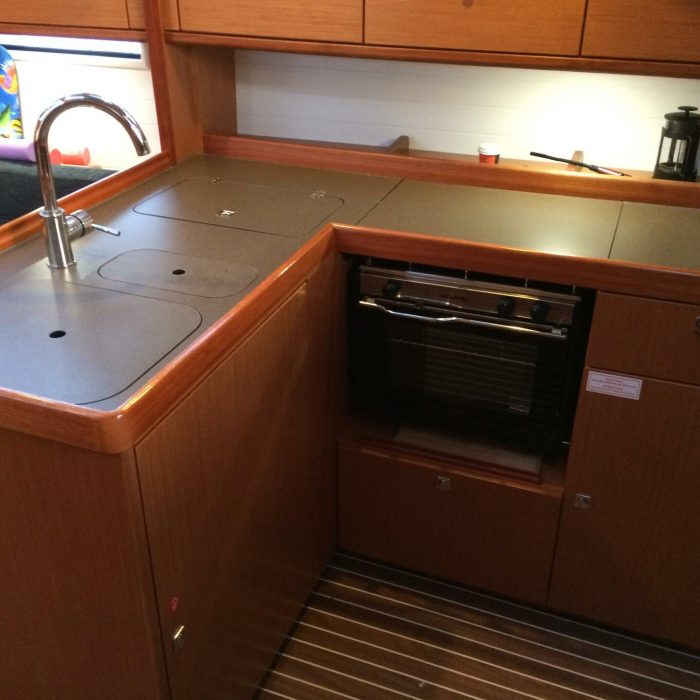
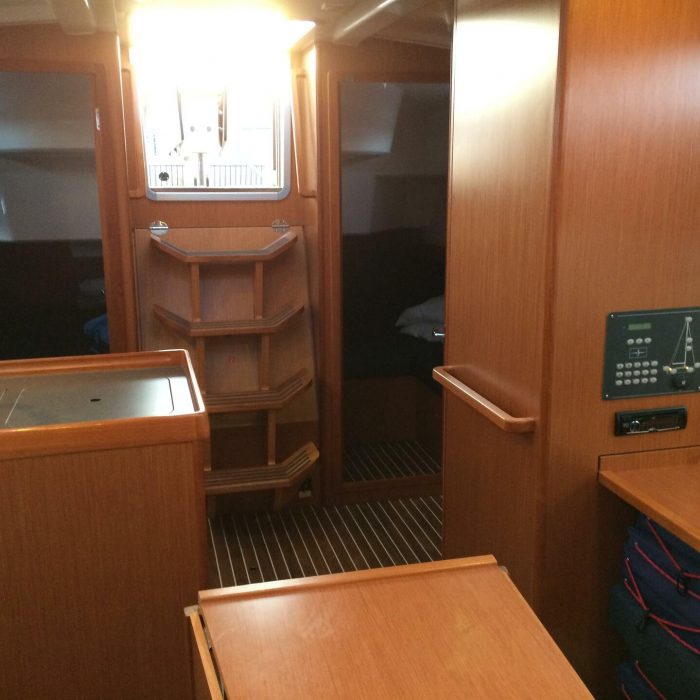
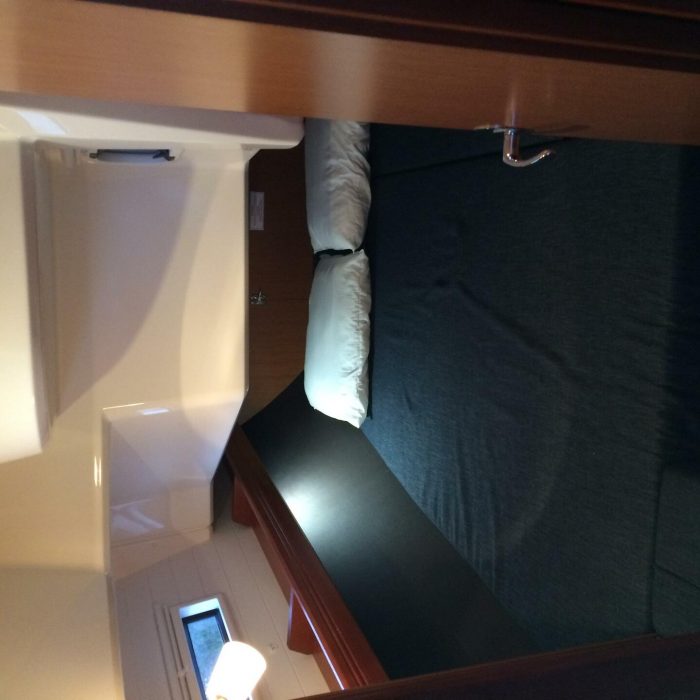
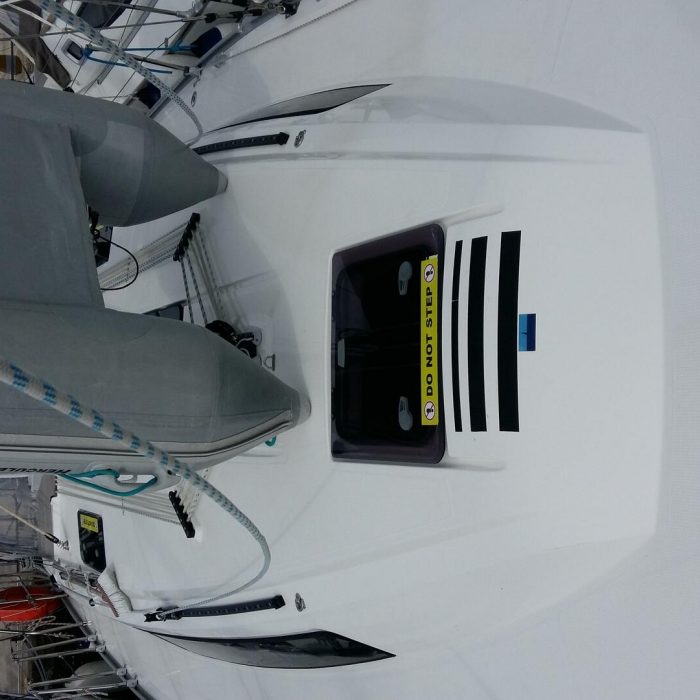
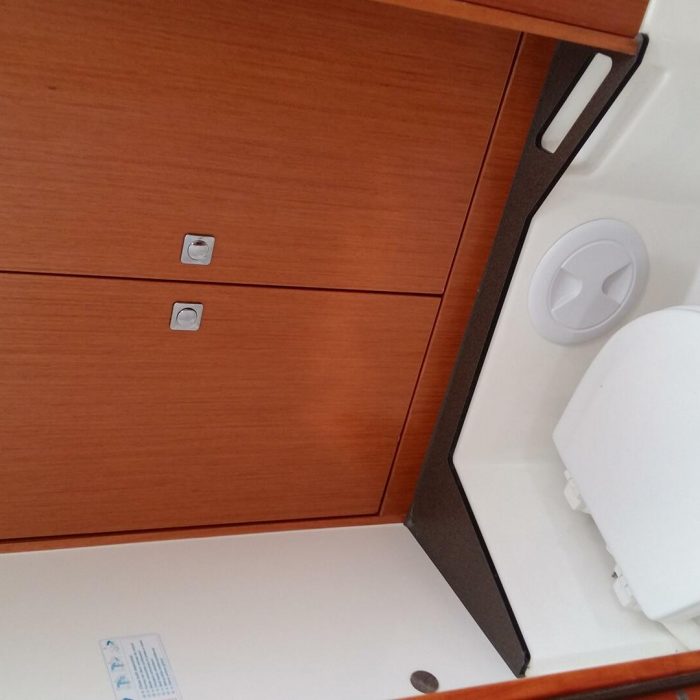
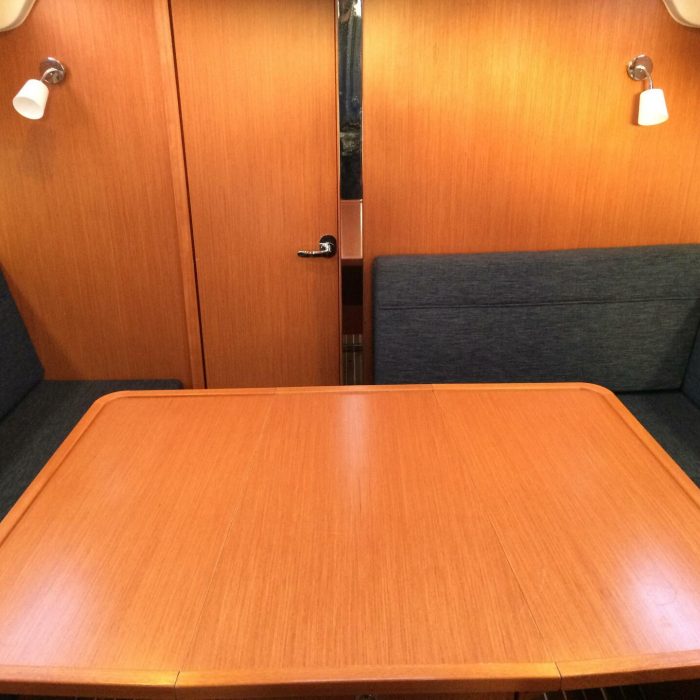
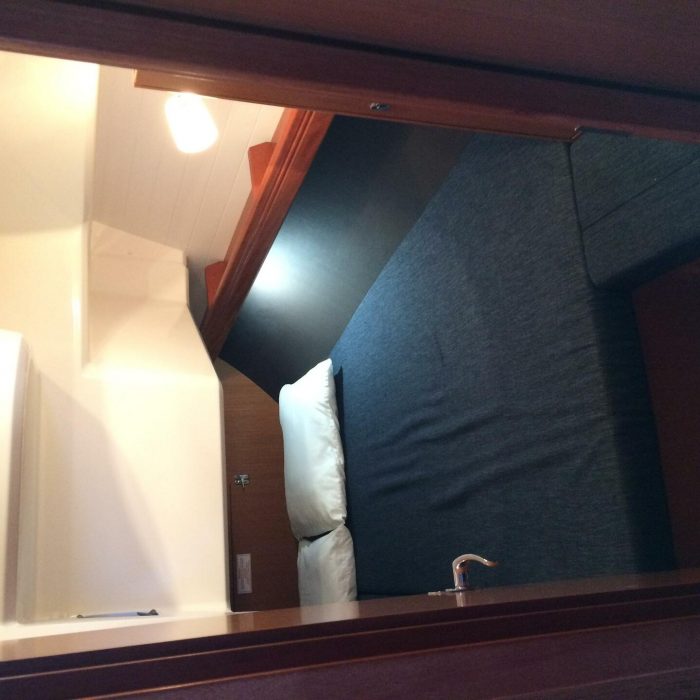
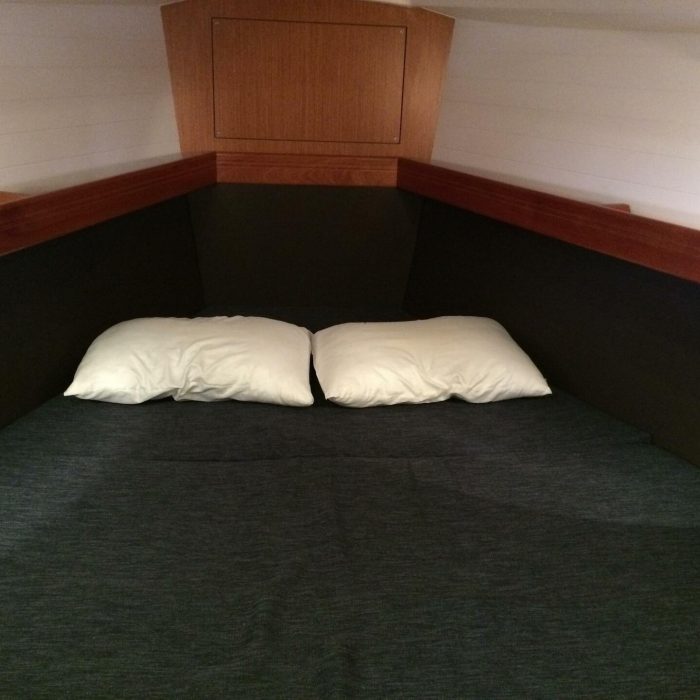
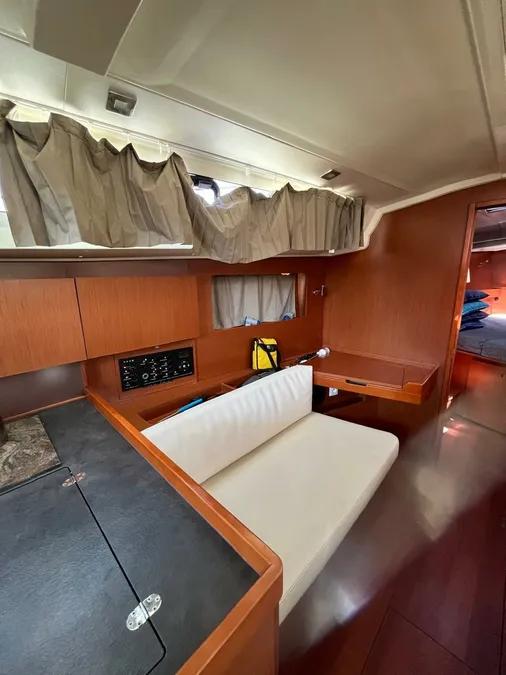
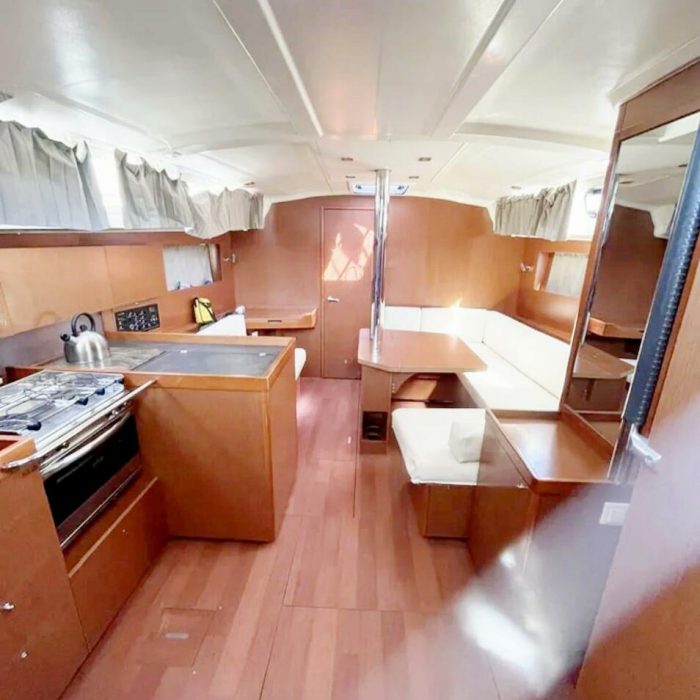
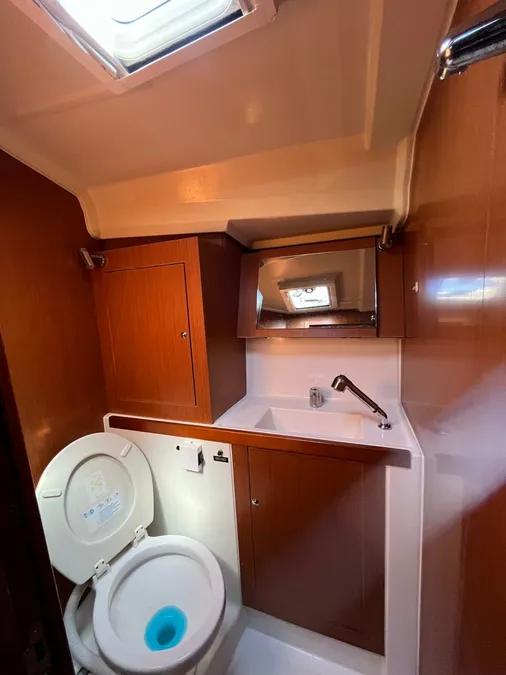
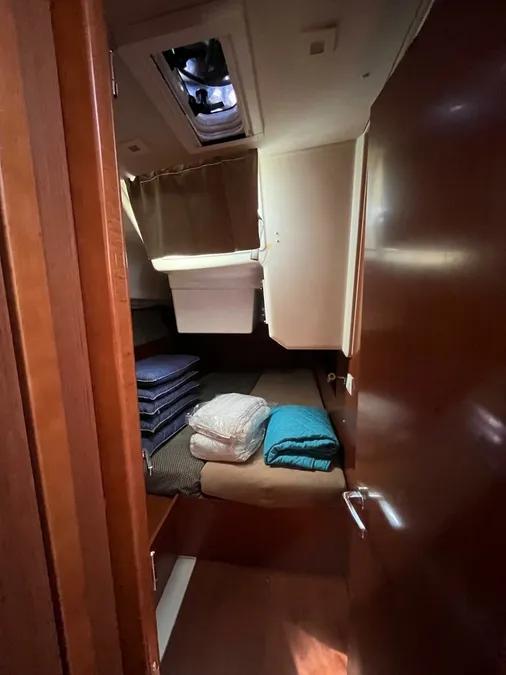
Sea Hope | Bavaria Cruiser 37
Sail the Ionian Sea

Greece, Ionian, Gouvia, D-Marin Marina Gouvia
Year: 2016
Length: 37 Ft
Cabins: 3
Guests: 6
1430 €
1430 €
- 29% 1,019€
+ mandatory costs - 160 €
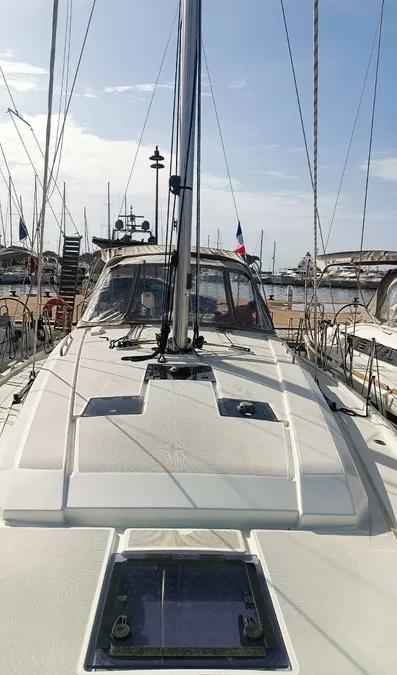
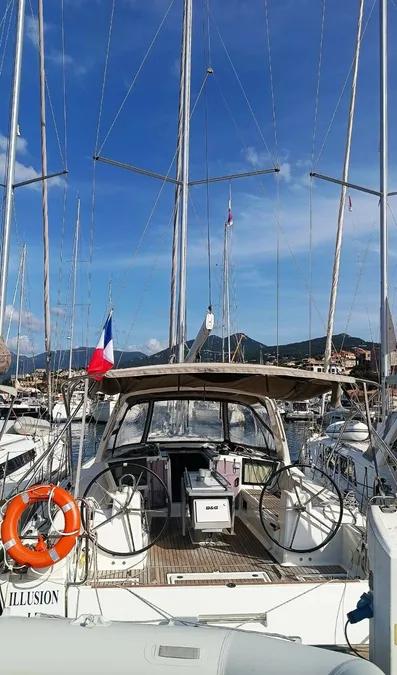
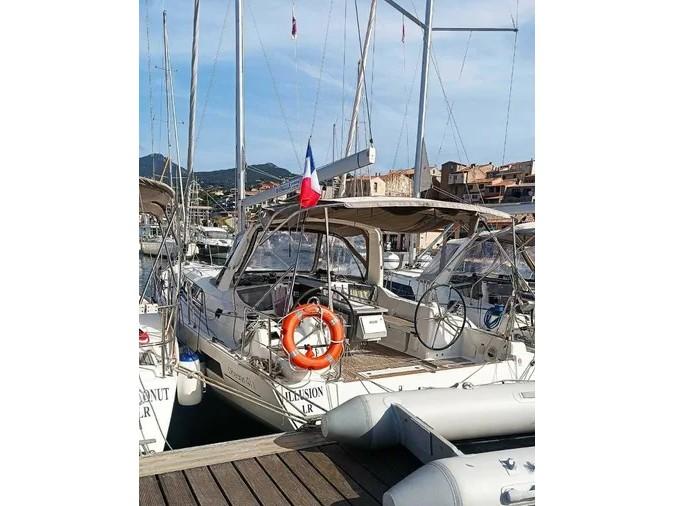
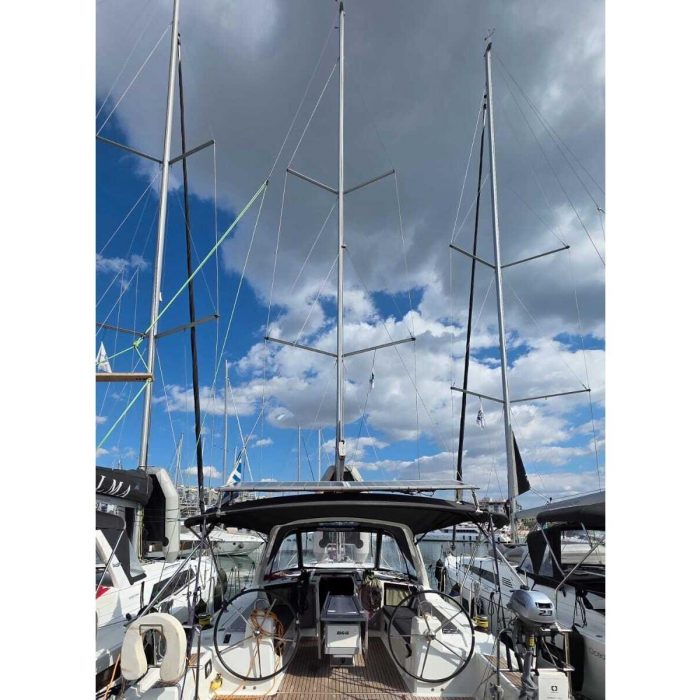
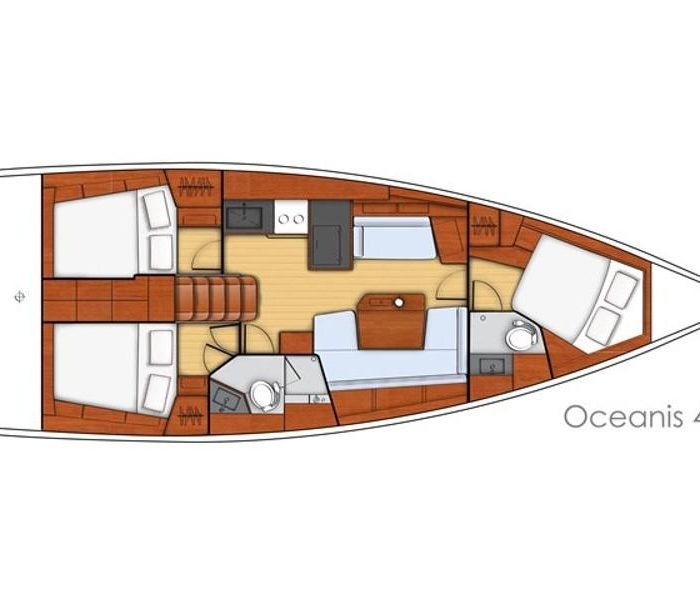

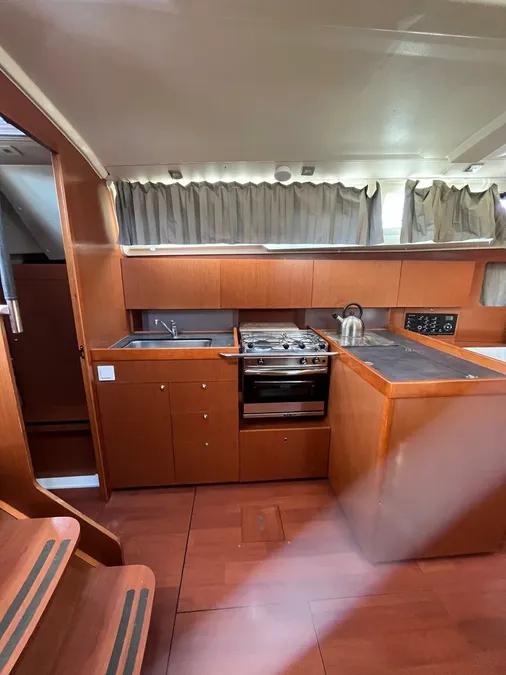
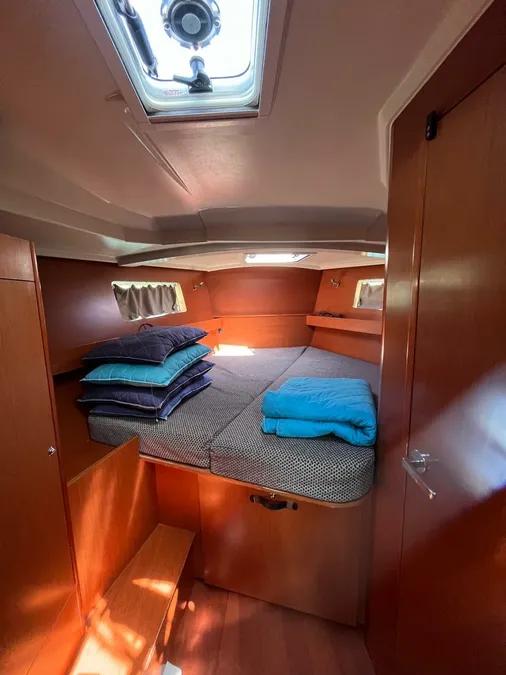
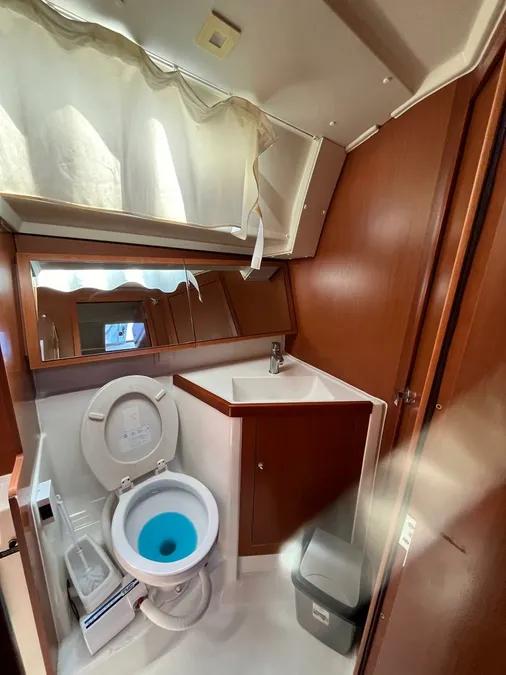
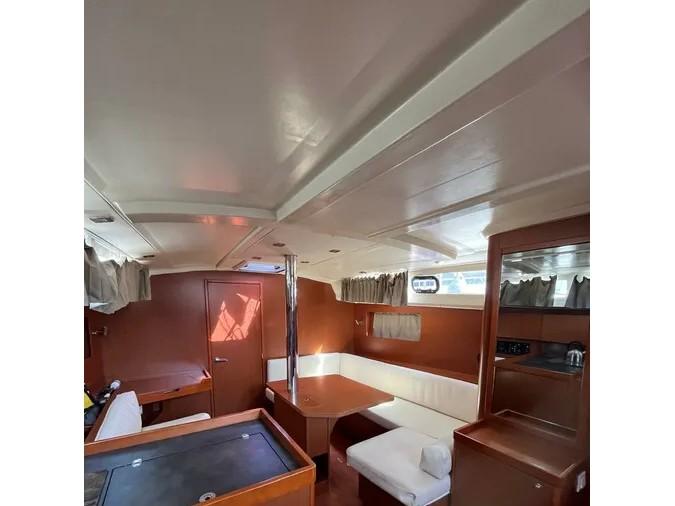
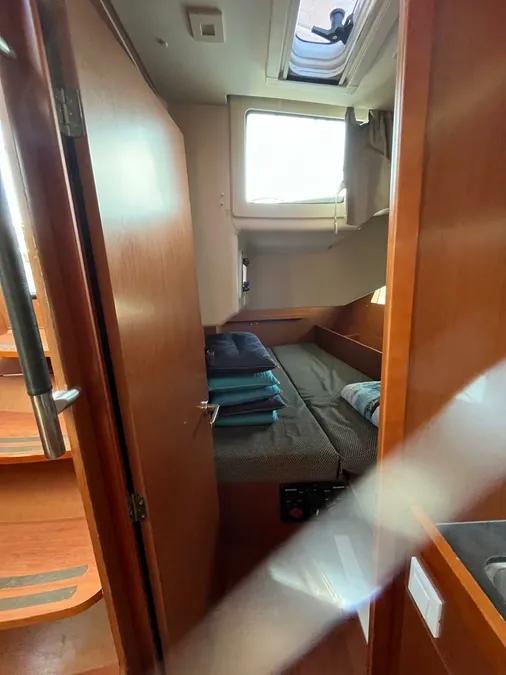

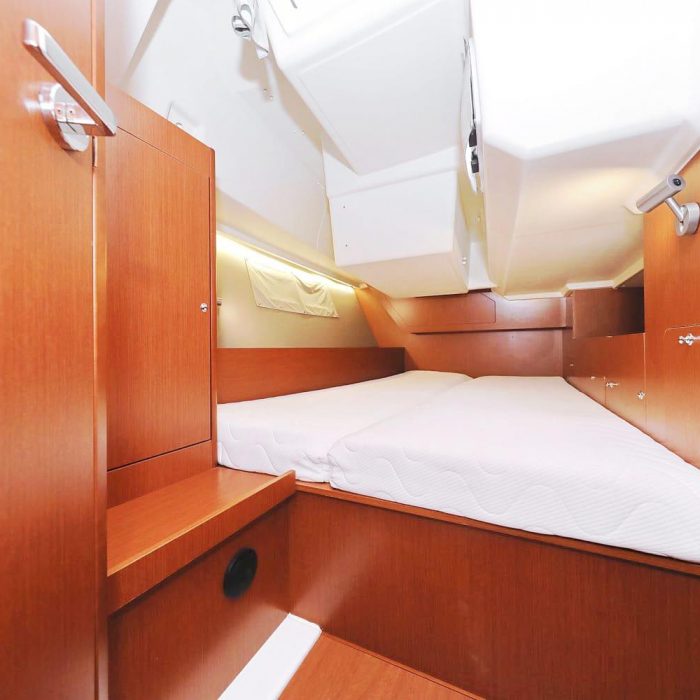

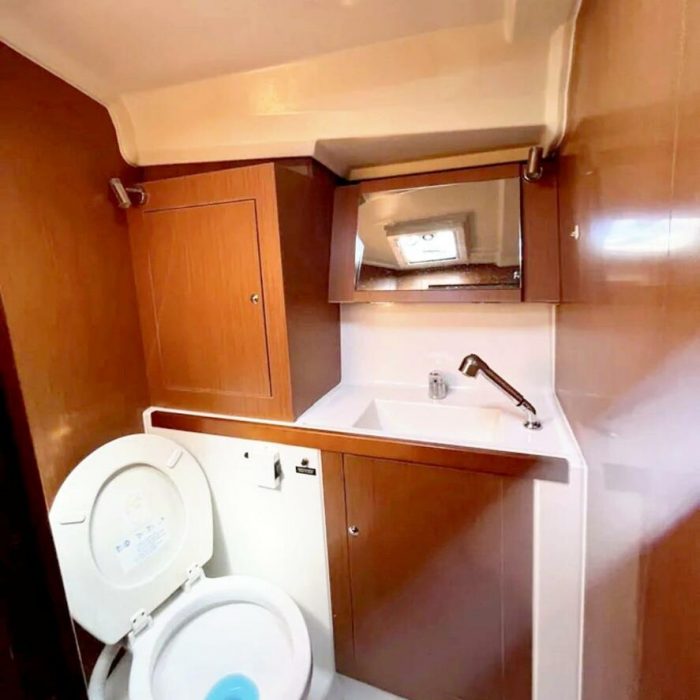
Illusion | Oceanis 41.1
Hellenic Yachting
Greece, Ionian, Gouvia, D-Marin Marina Gouvia
Year: 2018
Length: 41 Ft
Cabins: 3
Guests: 8
1500 €
1500 €
- 30% 1,050€
+ mandatory costs - 450 €
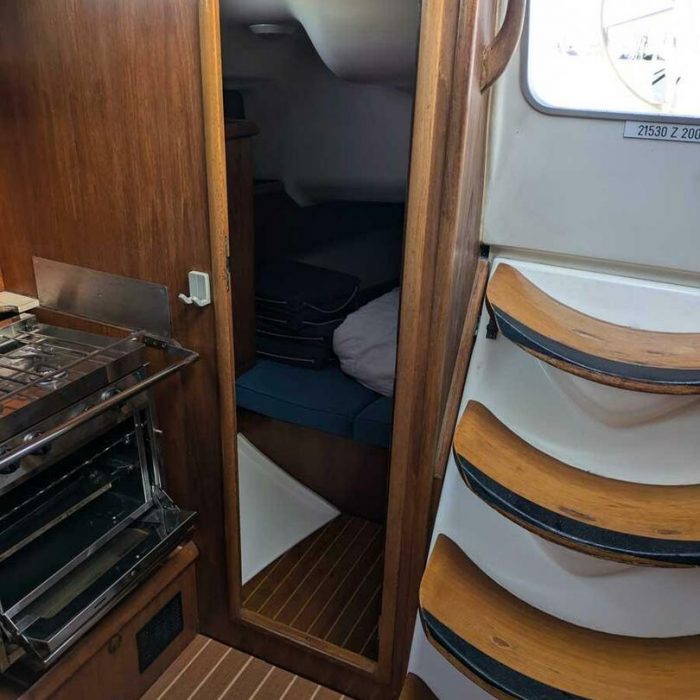

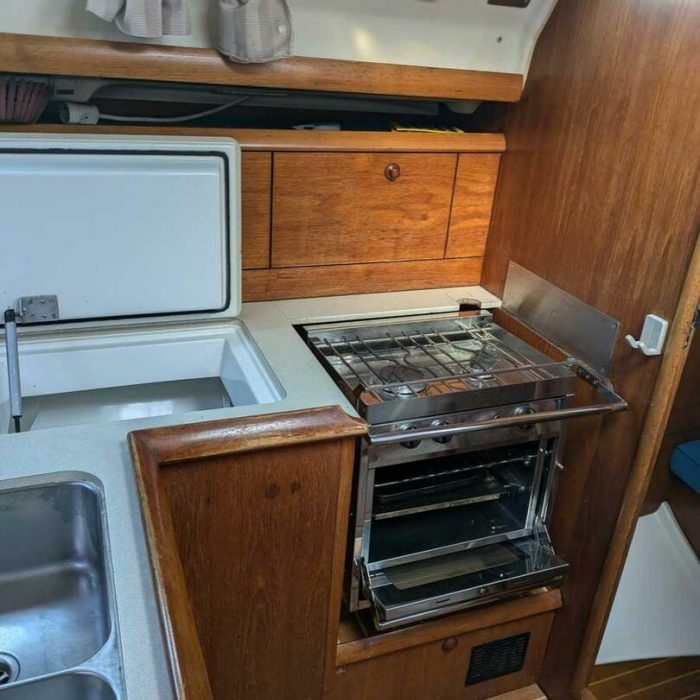

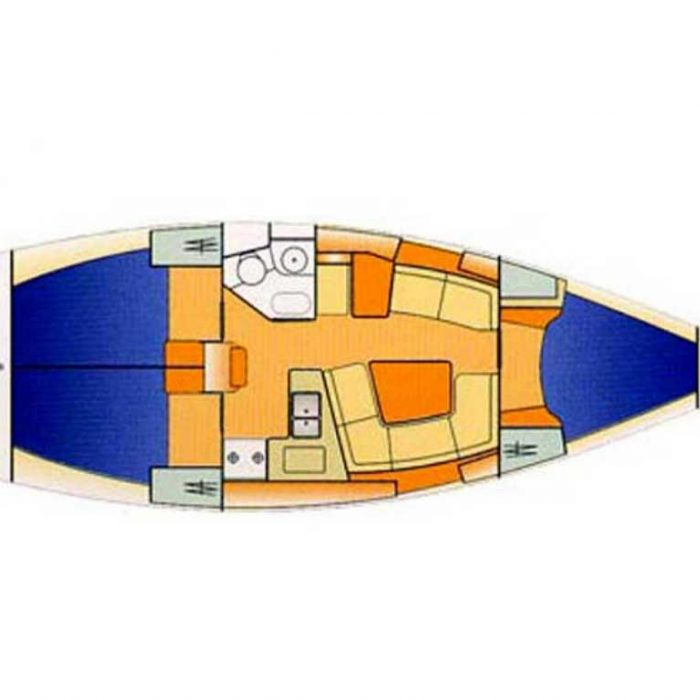
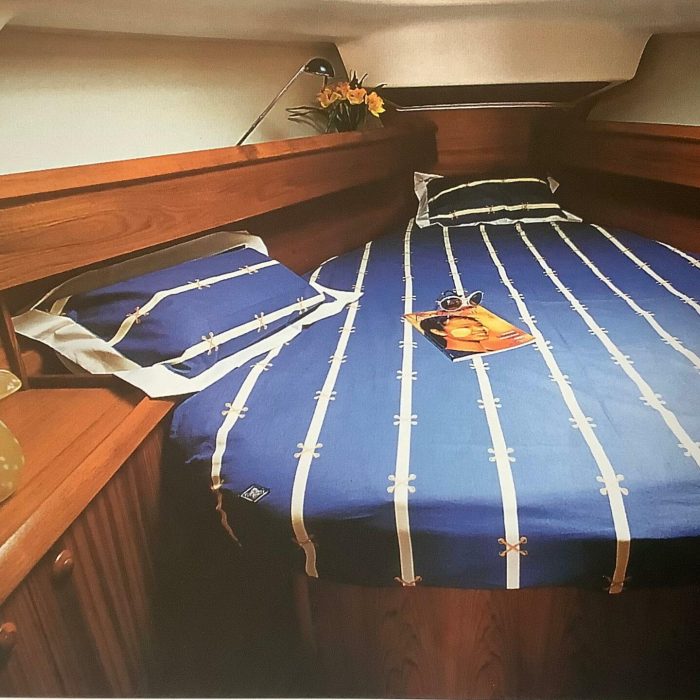

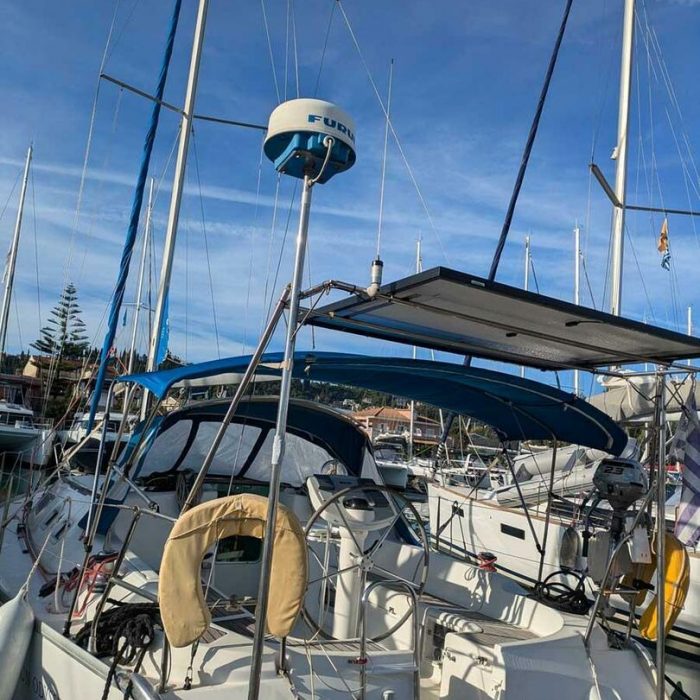


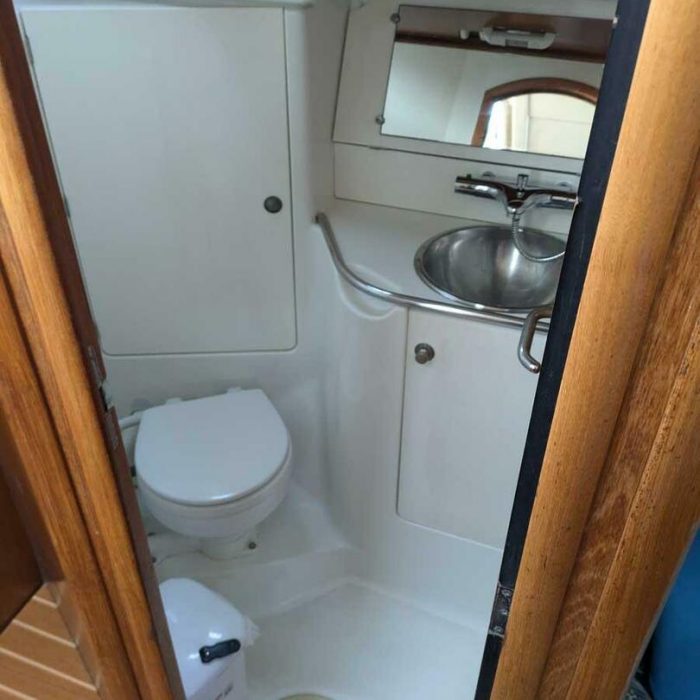
Panoramix | Sun Odyssey 37
Independent YachtOwners Team
Greece, Ionian, Gouvia, D-Marin Marina Gouvia
Year: 2003
Length: 37 Ft
Cabins: 3
Guests: 6
1,050€
+ mandatory costs - 200 €

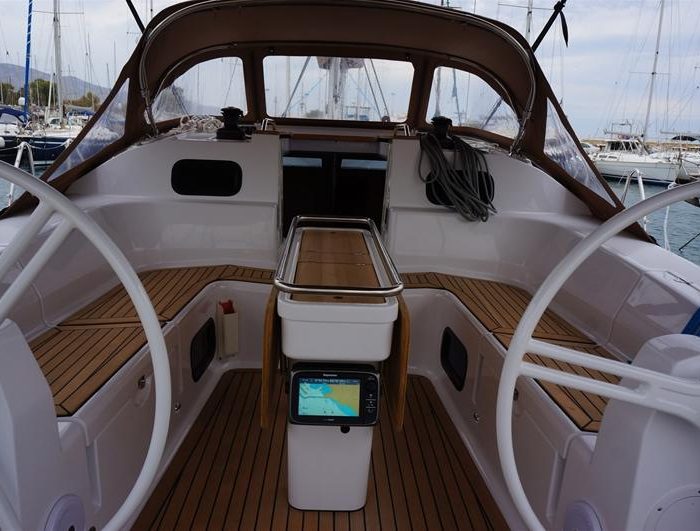


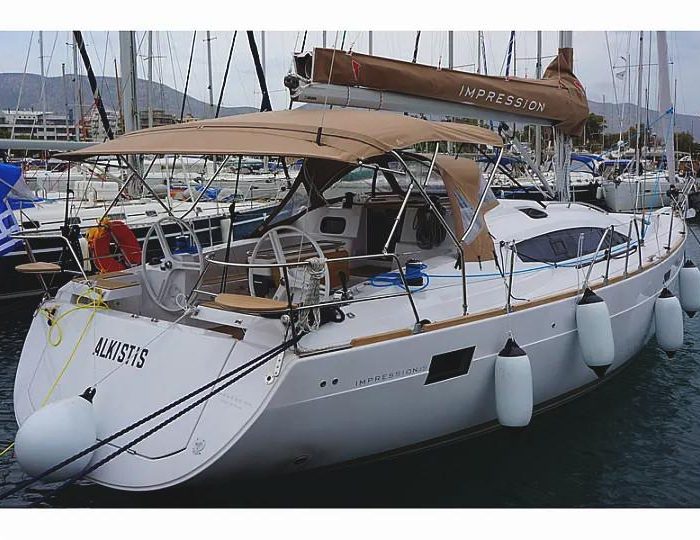


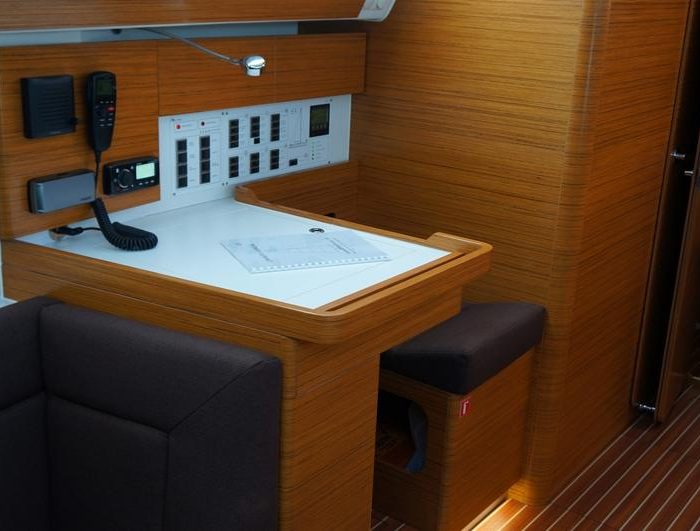
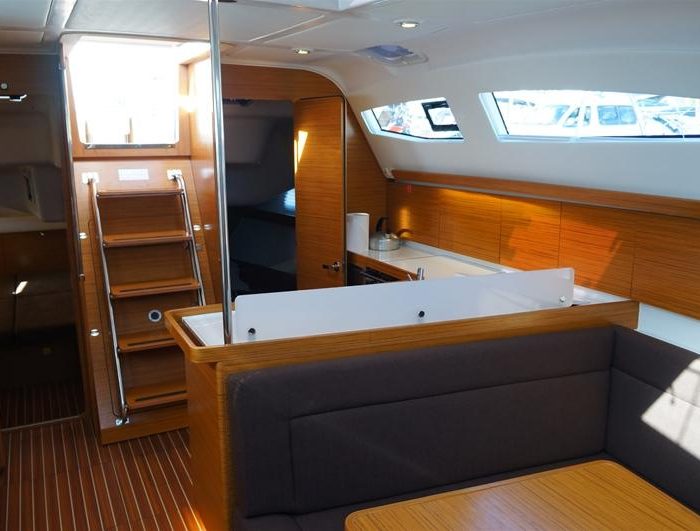
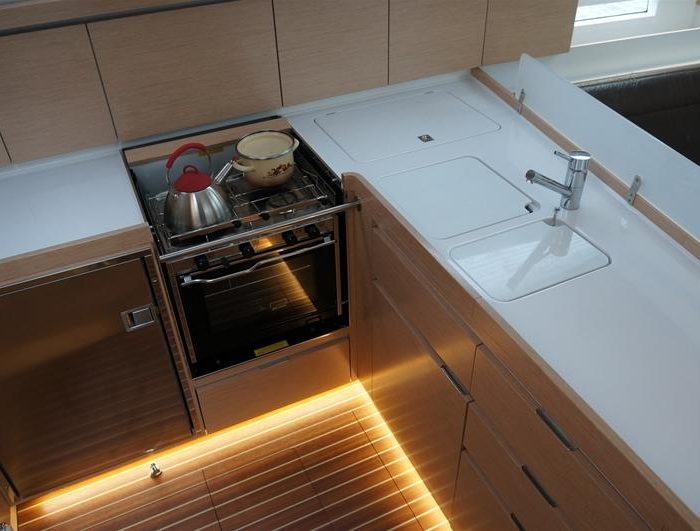

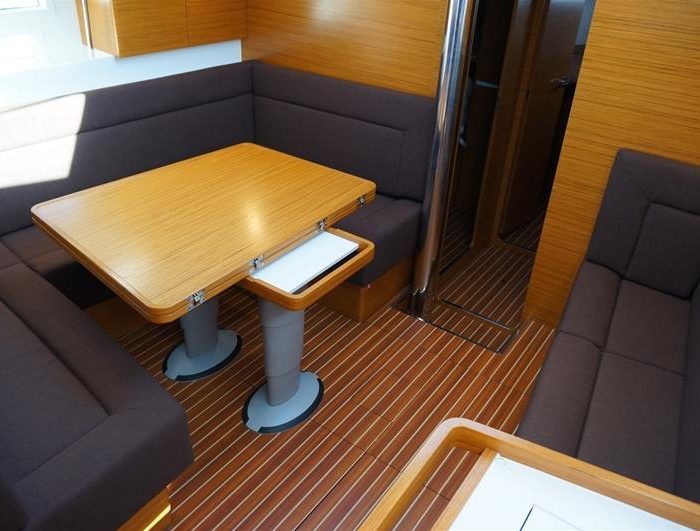


Alkistis | Elan Impression 45
Hellenic Yachting
Greece, Ionian, Gouvia, D-Marin Marina Gouvia
Year: 2015
Length: 45 Ft
Cabins: 4
Guests: 10
1500 €
1500 €
- 27% 1,093€
+ mandatory costs - 520 €

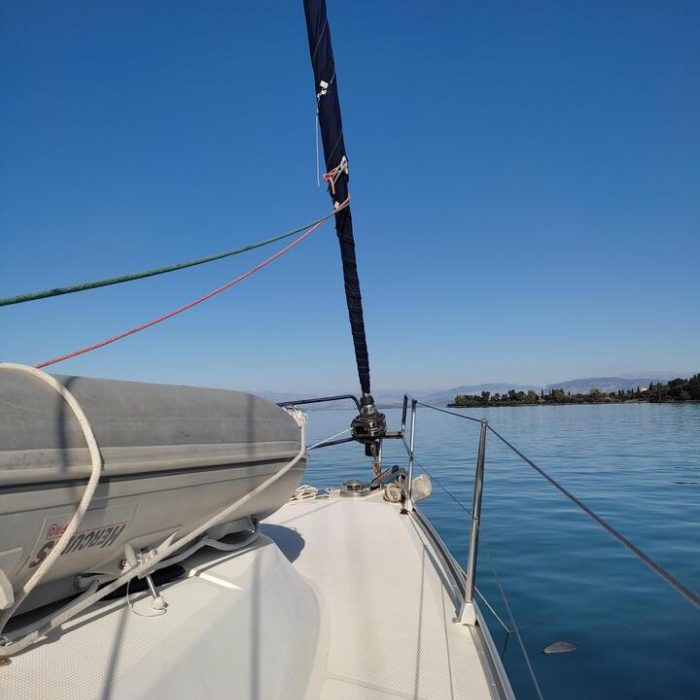
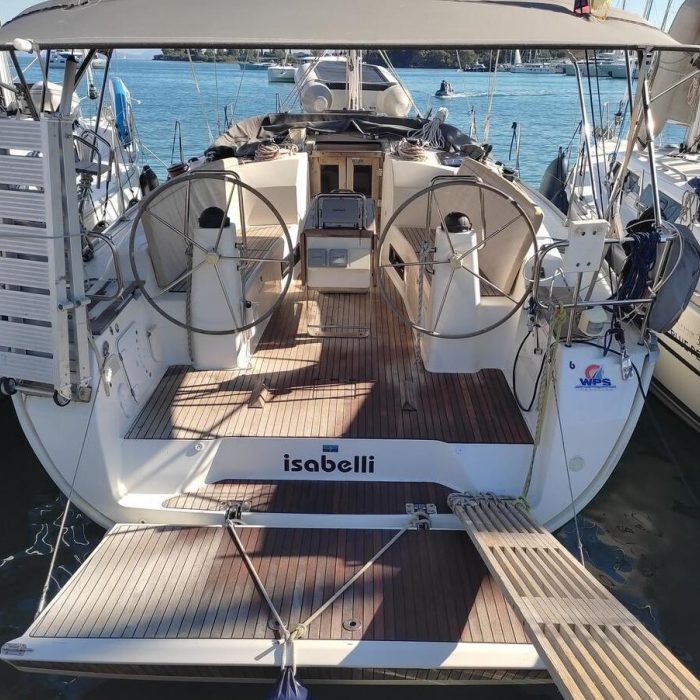
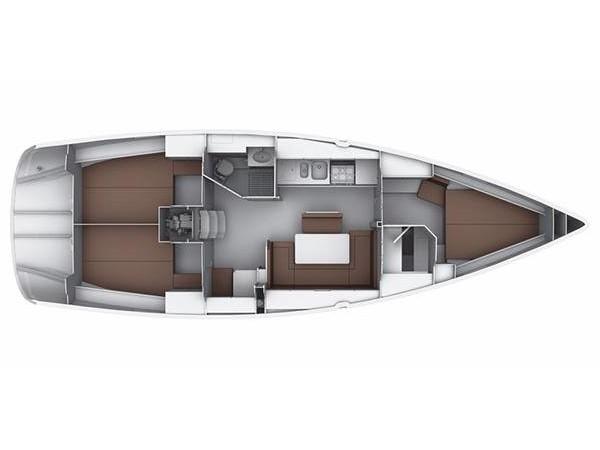


Isabelli | Bavaria Cruiser 40
Five Seasons Yachting
Greece, Ionian Islands, Corfu, Gouvia Marina
Year: 2013
Guests: 6
1590 €
1590 €
- 30% 1,113€
+ mandatory costs - 160 €
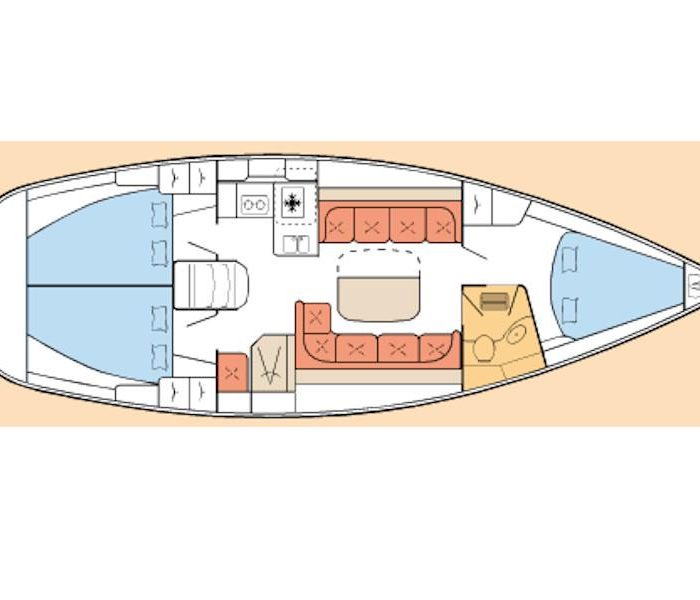
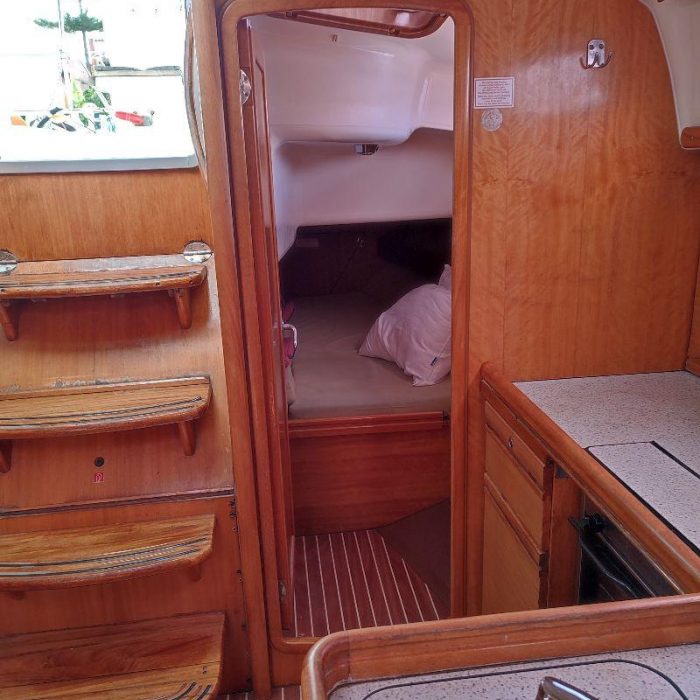
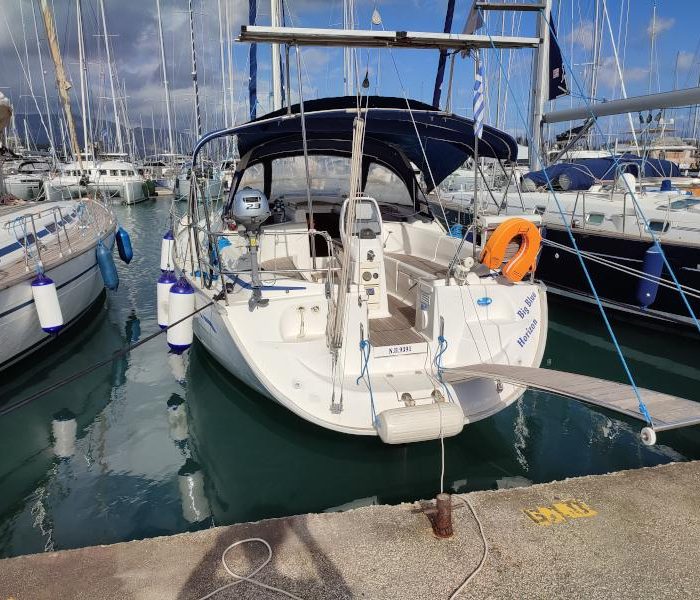
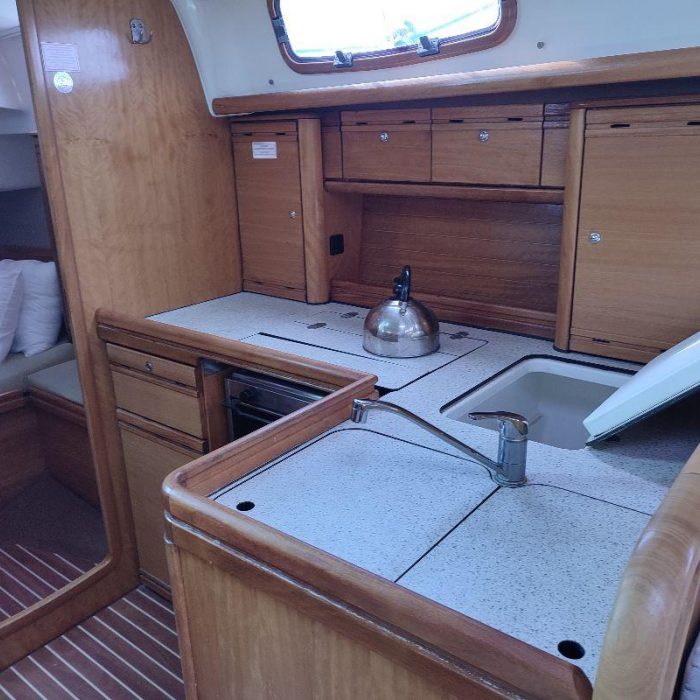
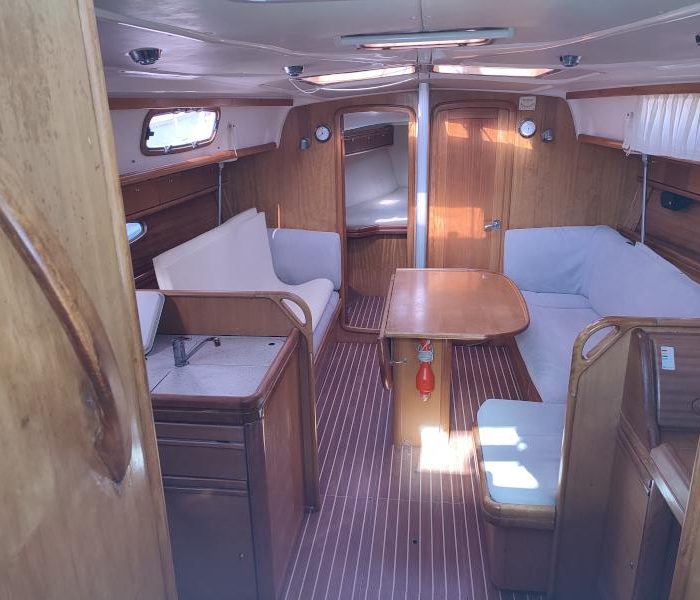
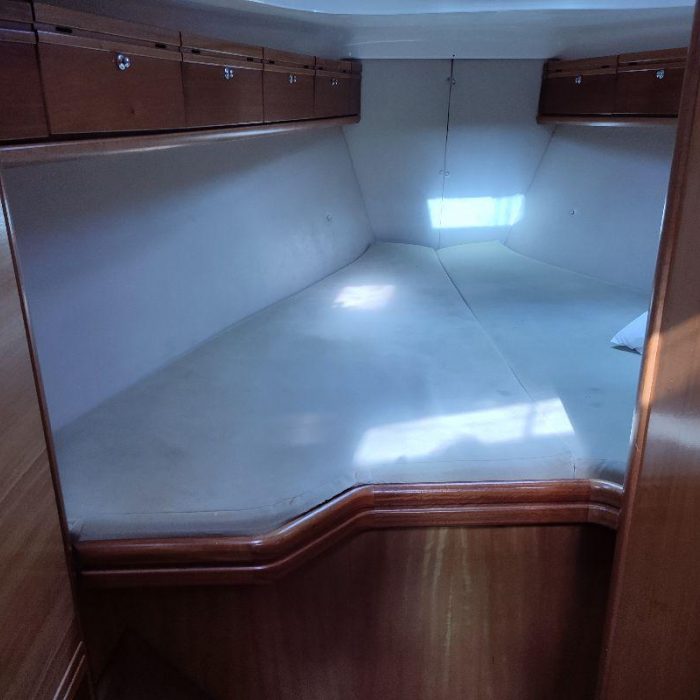

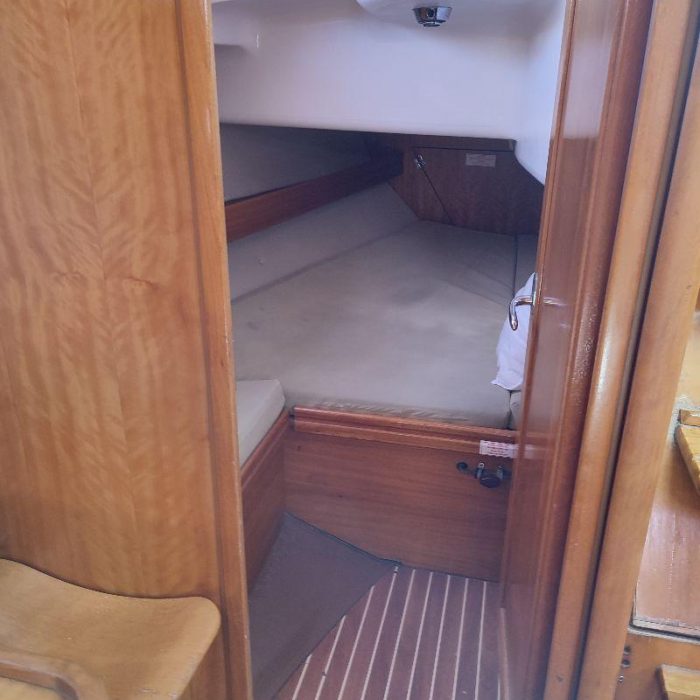
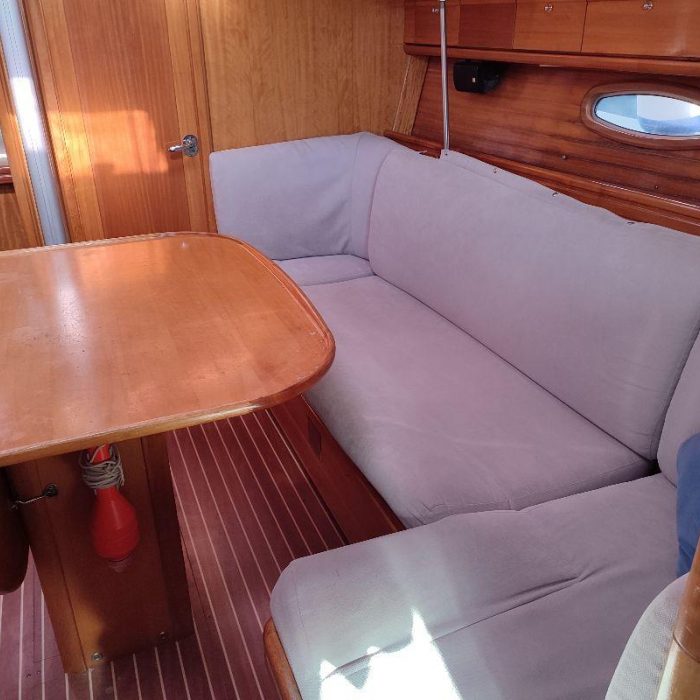
Big Blue Horizon | Bavaria 37 Cruiser
Vrakotas Big Blue Charters
Greece, Ionian, Gouvia, D-Marin Marina Gouvia
Year: 2007
Length: 37 Ft
Cabins: 3
Guests: 8
1250 €
1250 €
- 10% 1,129€
+ mandatory costs - 500 €
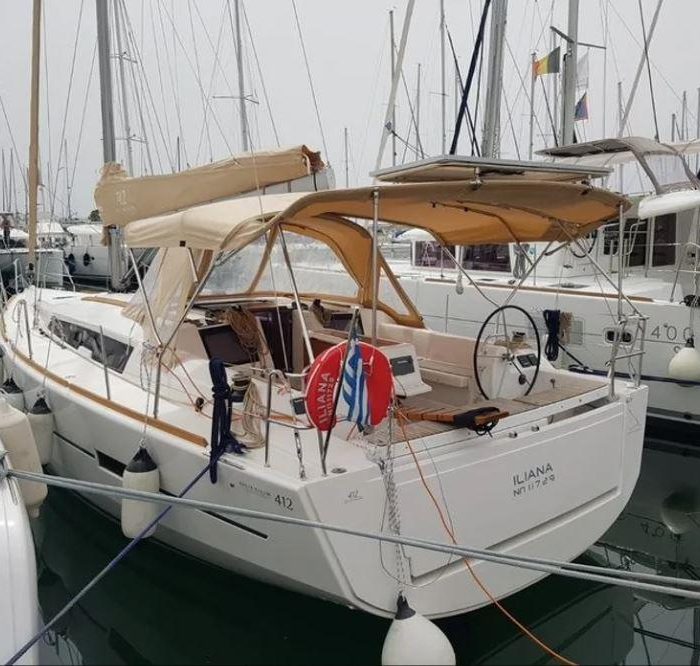
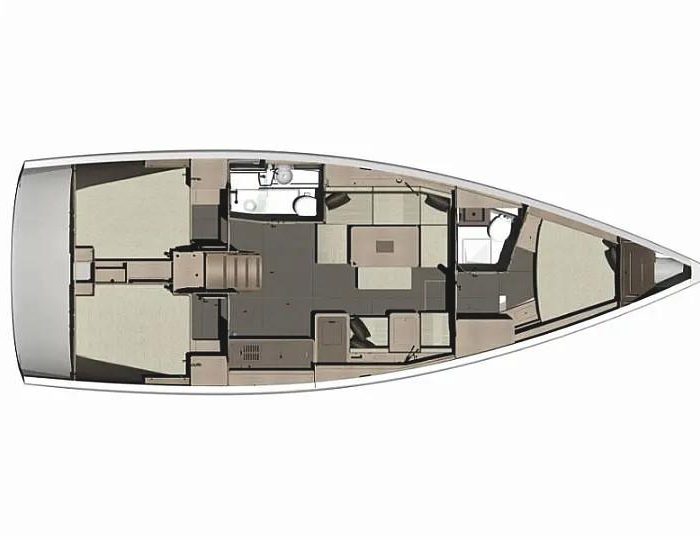
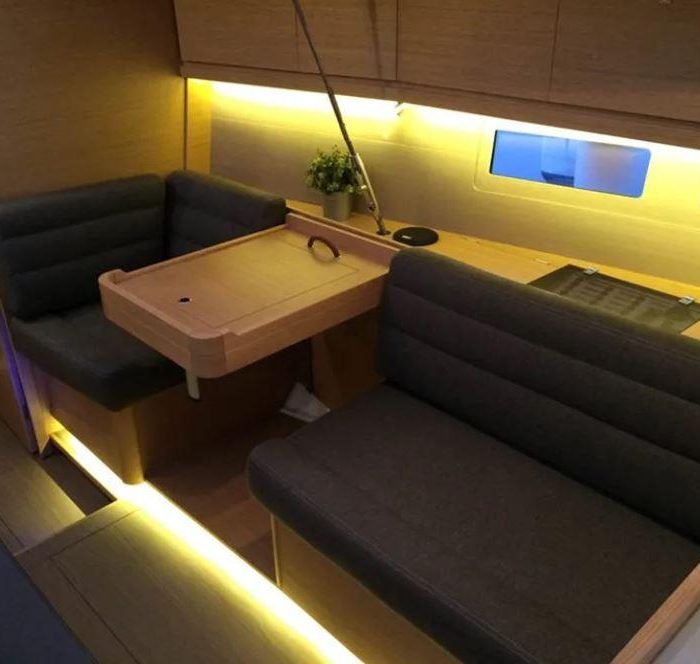
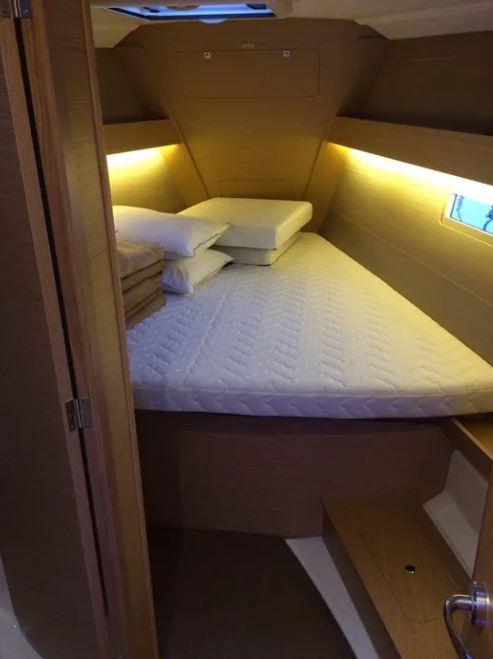
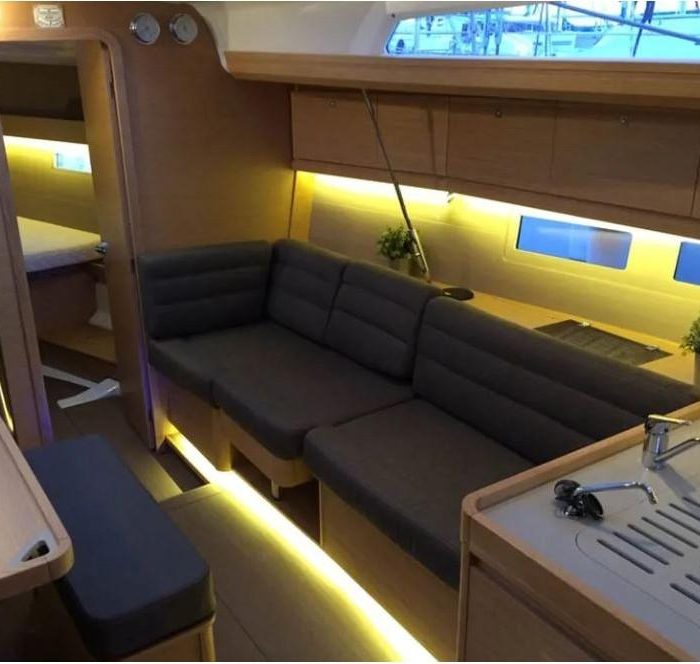
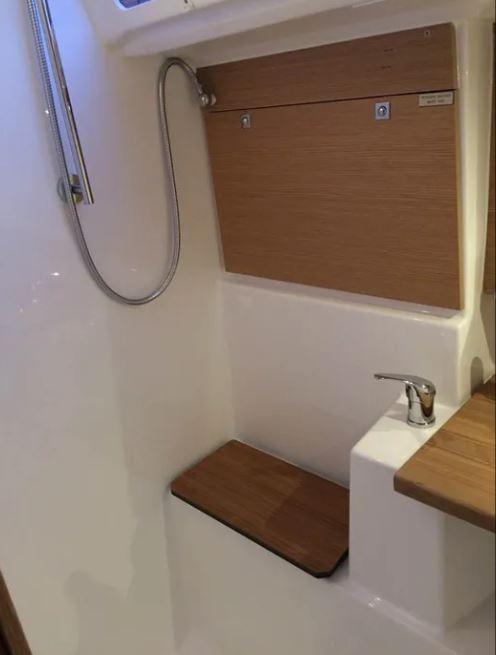
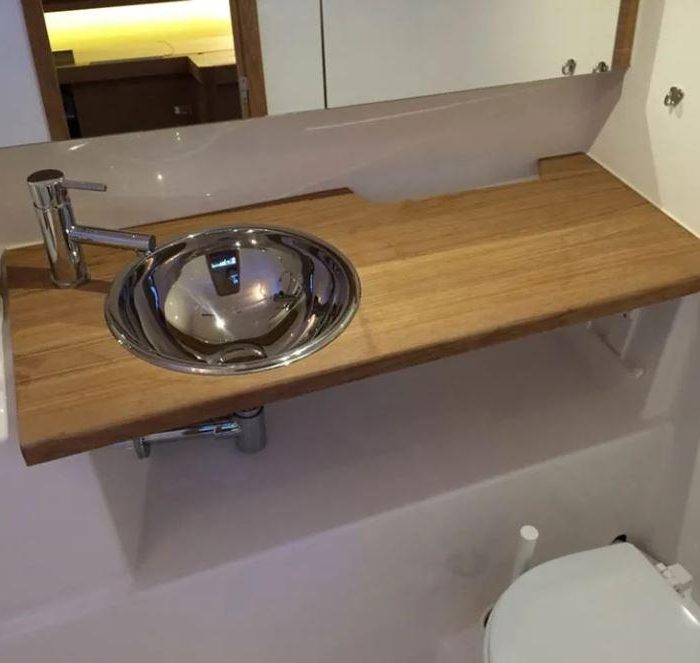
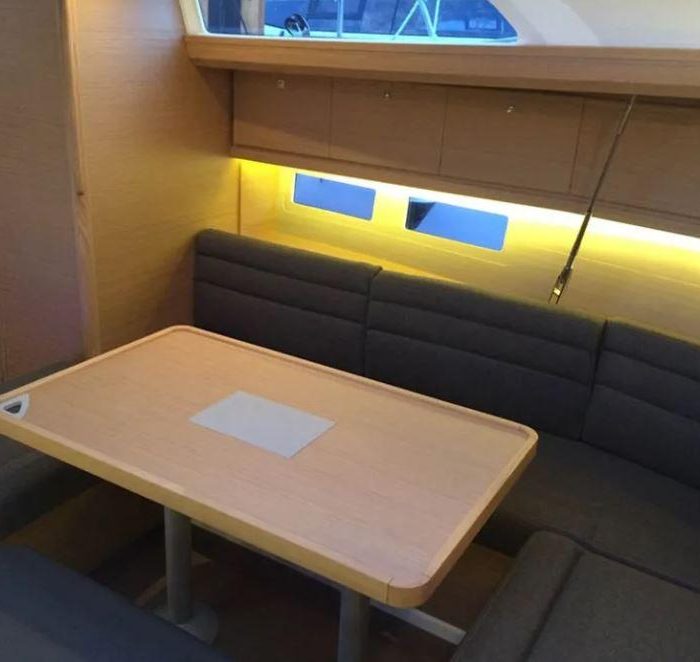
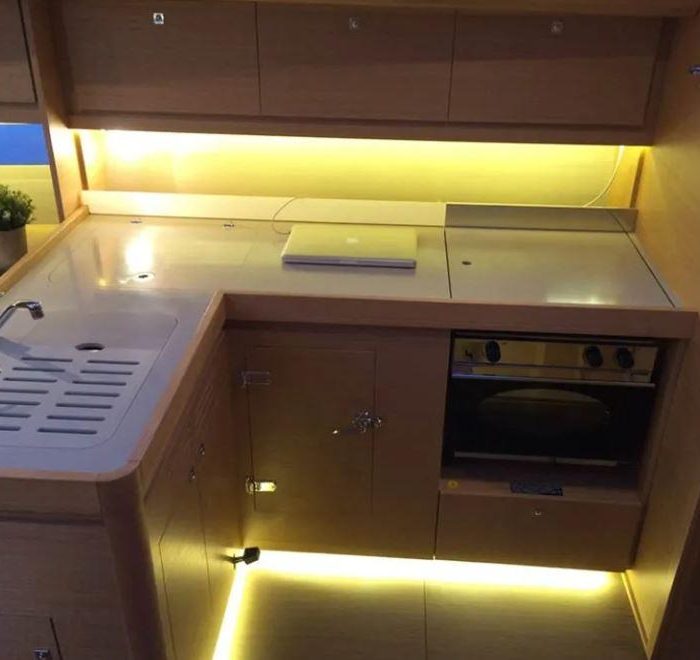
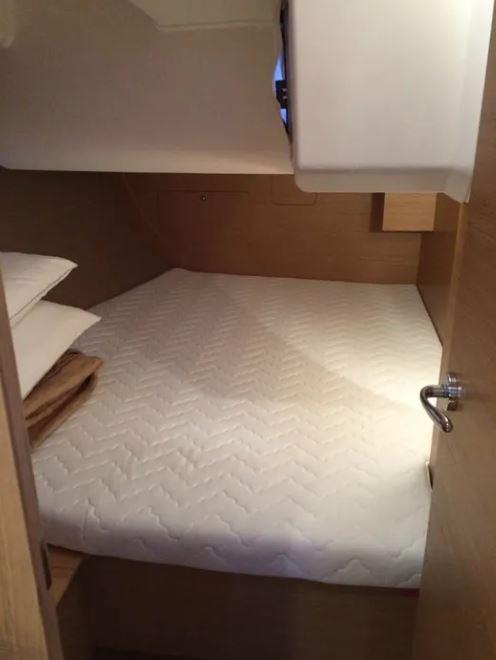
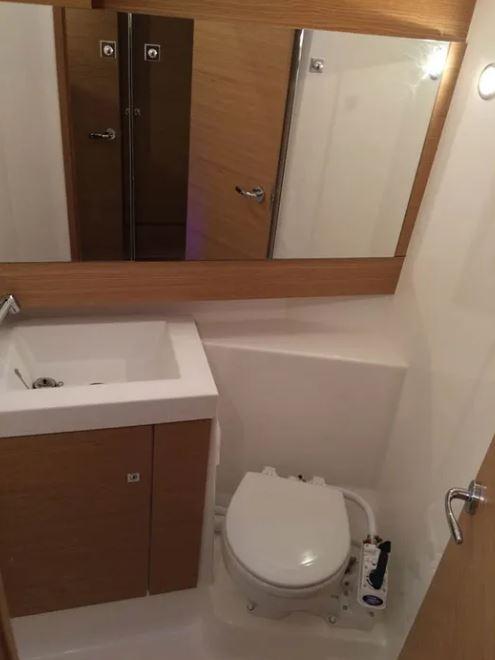
Iliana | Dufour 412 Grand Large
Hellenic Yachting
Greece, Ionian, Gouvia, D-Marin Marina Gouvia
Year: 2017
Length: 41 Ft
Cabins: 3
Guests: 8
1400 €
1400 €
- 14% 1,197€
+ mandatory costs - 450 €
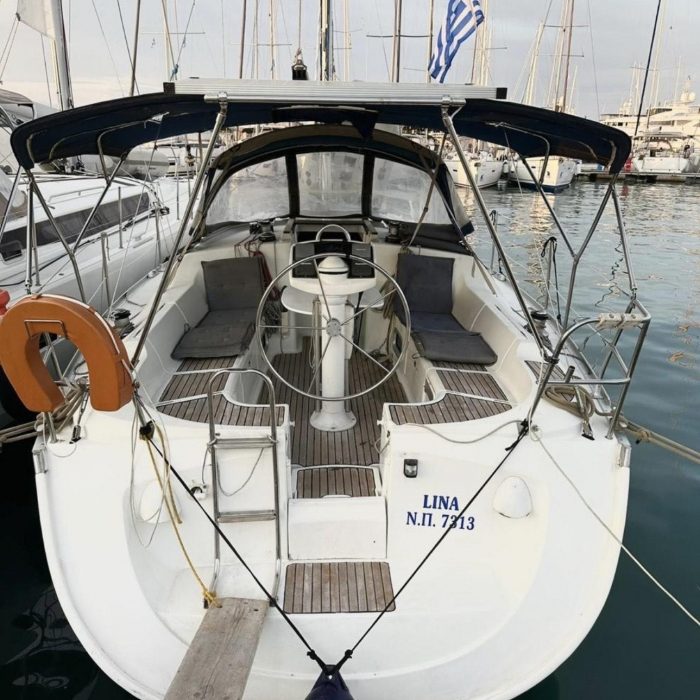
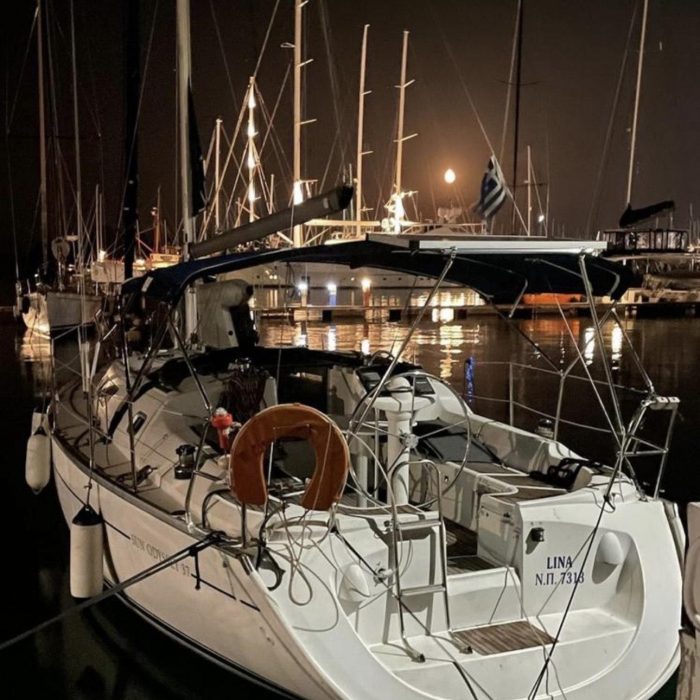
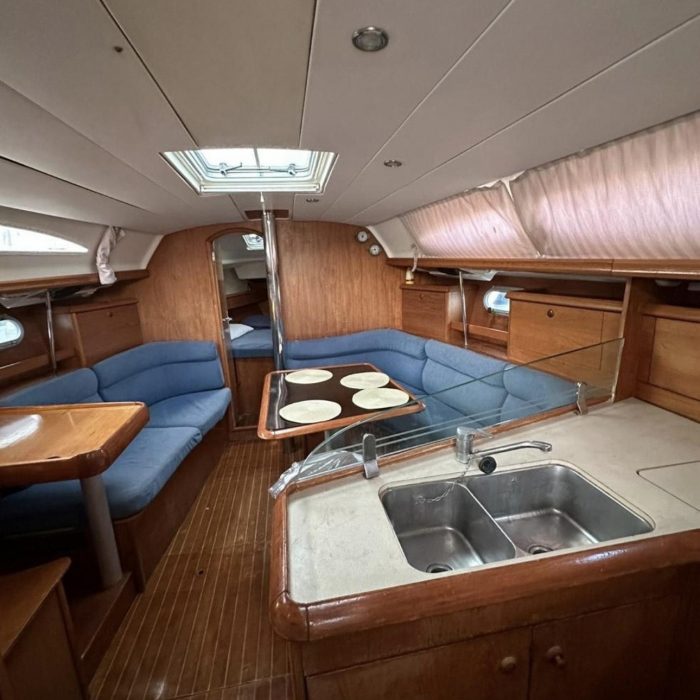
Lina | Sun Odyssey 37
Dolphin Yachts OE
Greece, Ionian, Gouvia, D-Marin Marina Gouvia
Year: 2001
Length: 37 Ft
Cabins: 3
Guests: 6
1300 €
1300 €
- 5% 1,235€
+ mandatory costs - 130 €

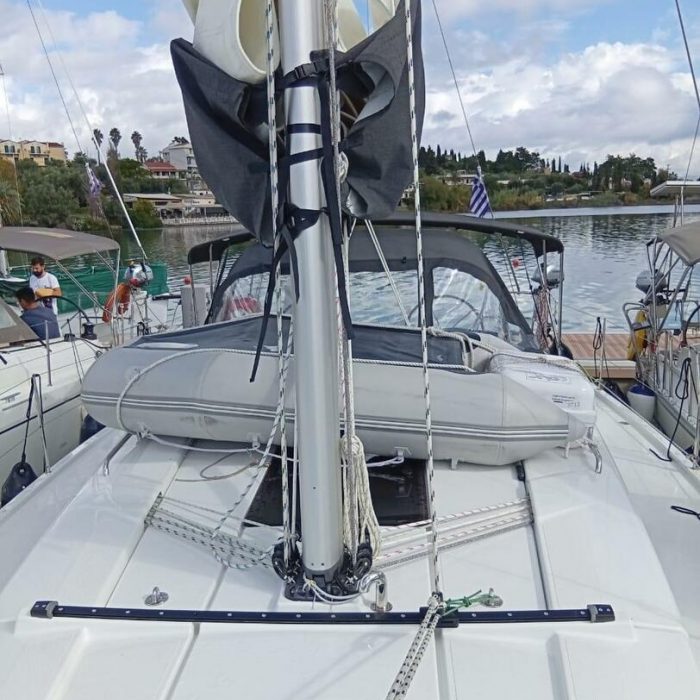
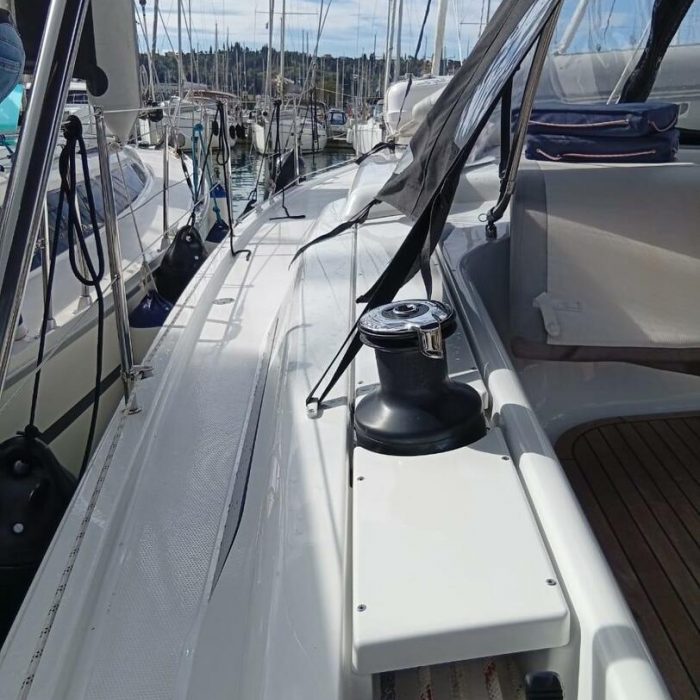
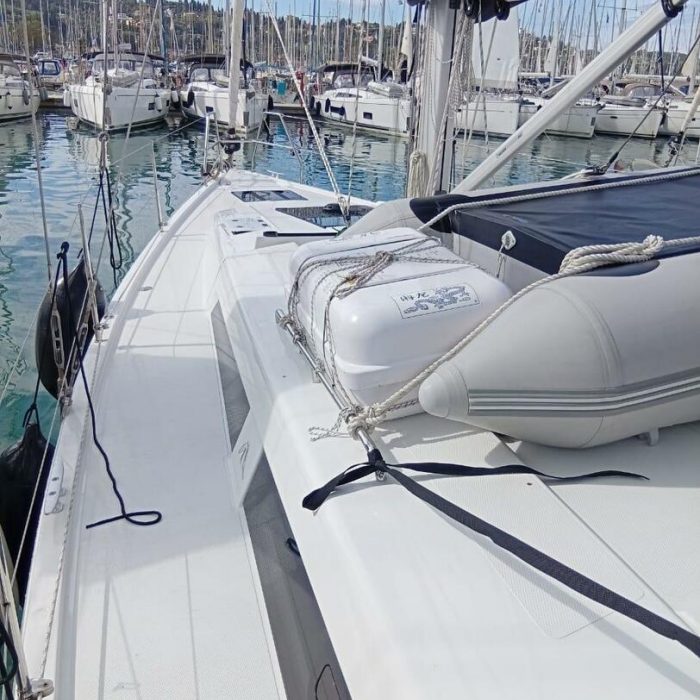
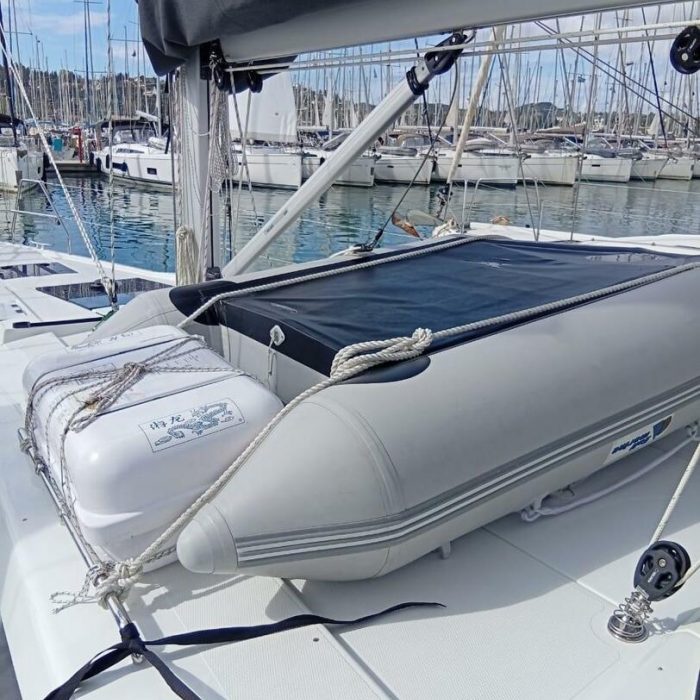
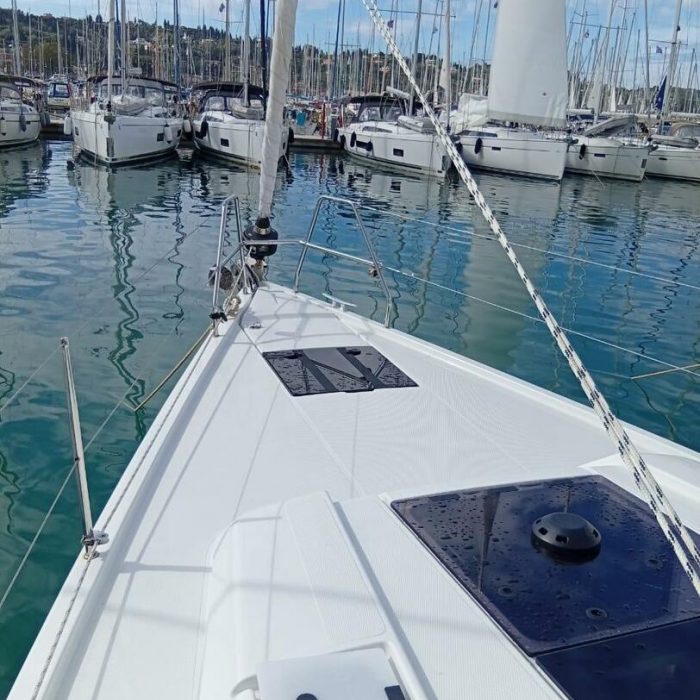
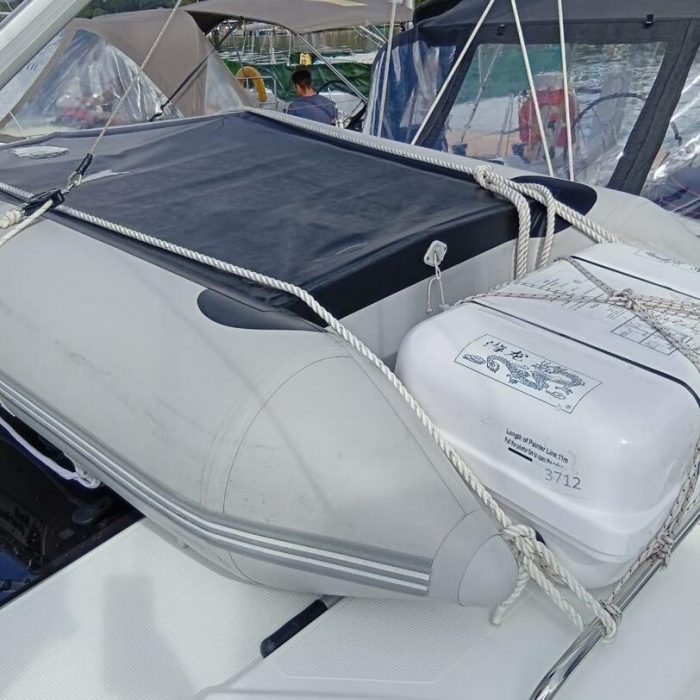


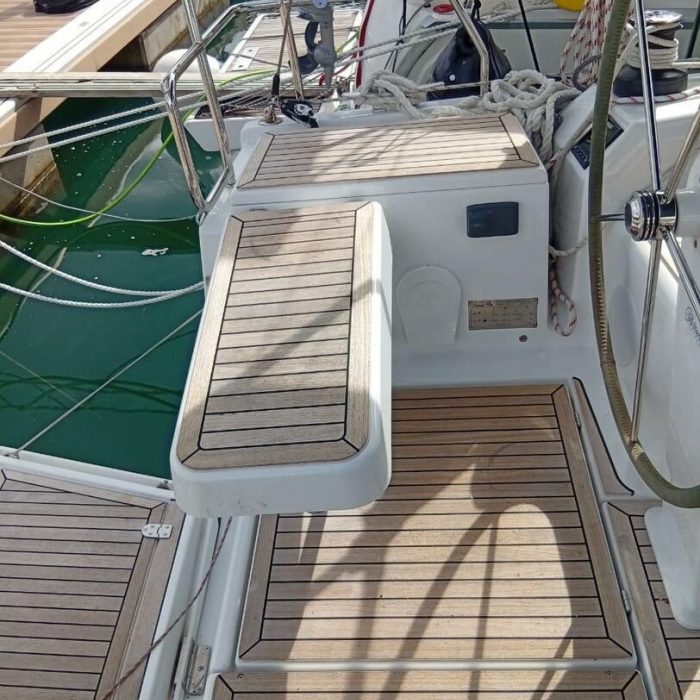
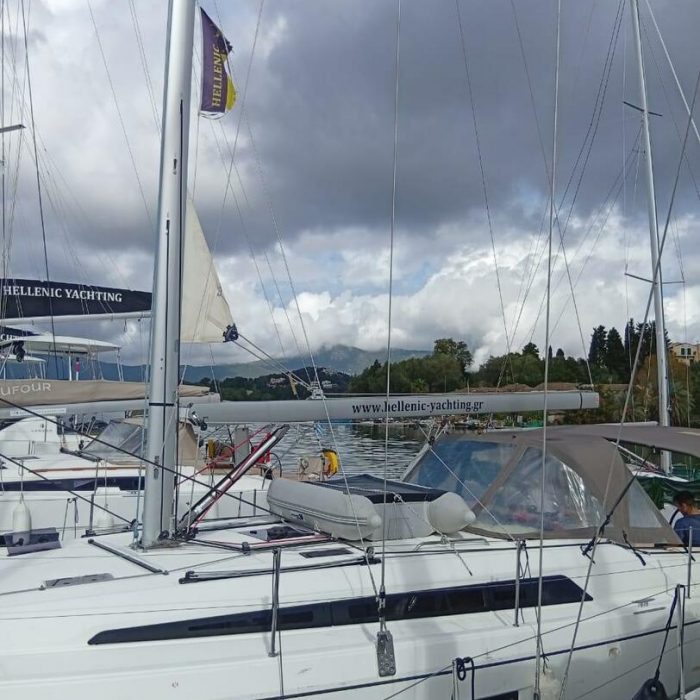
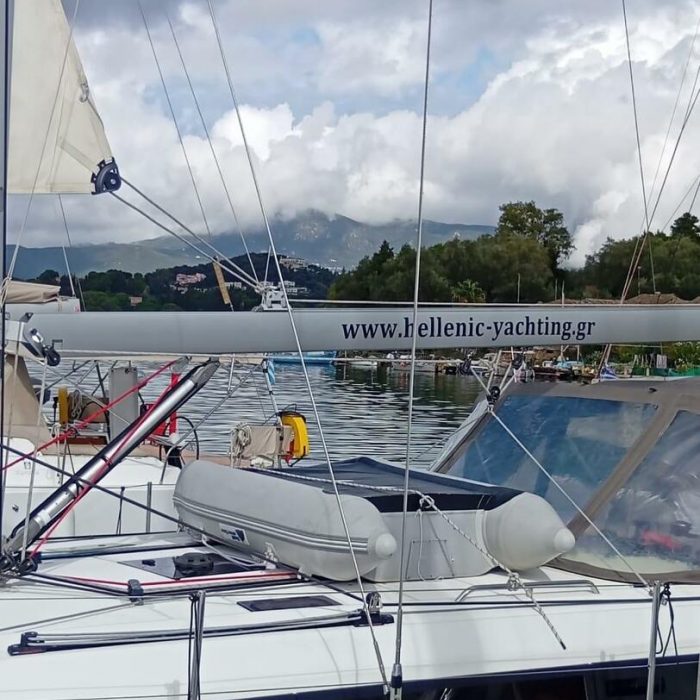
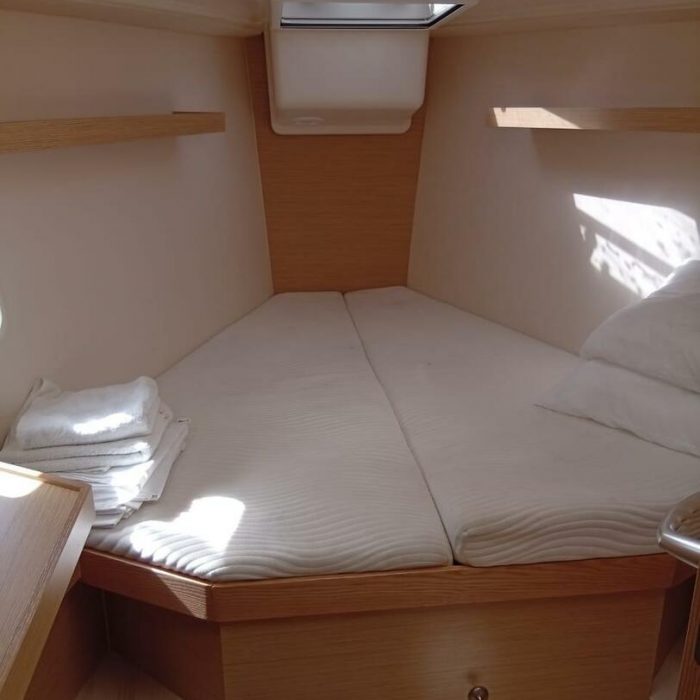
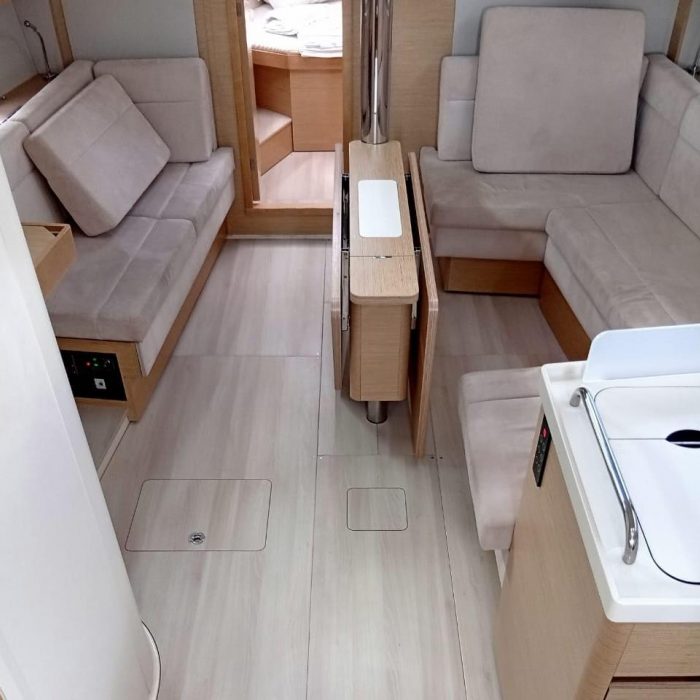

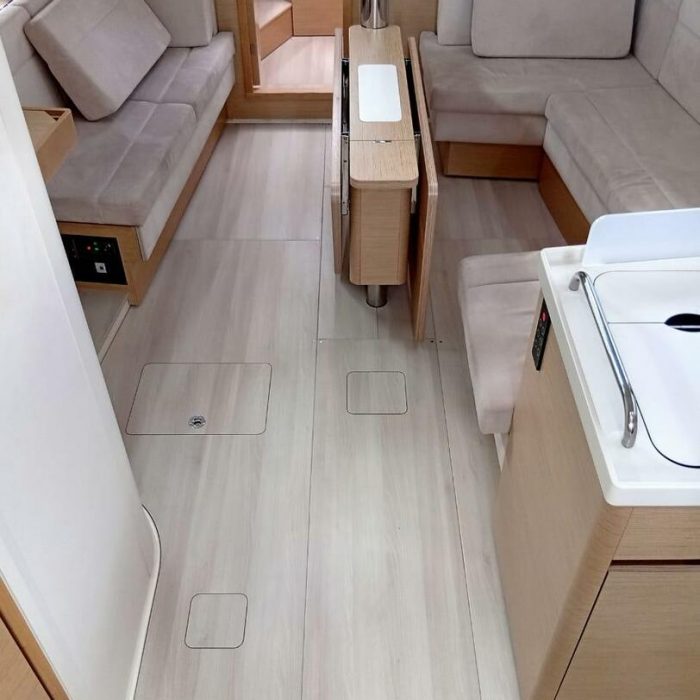


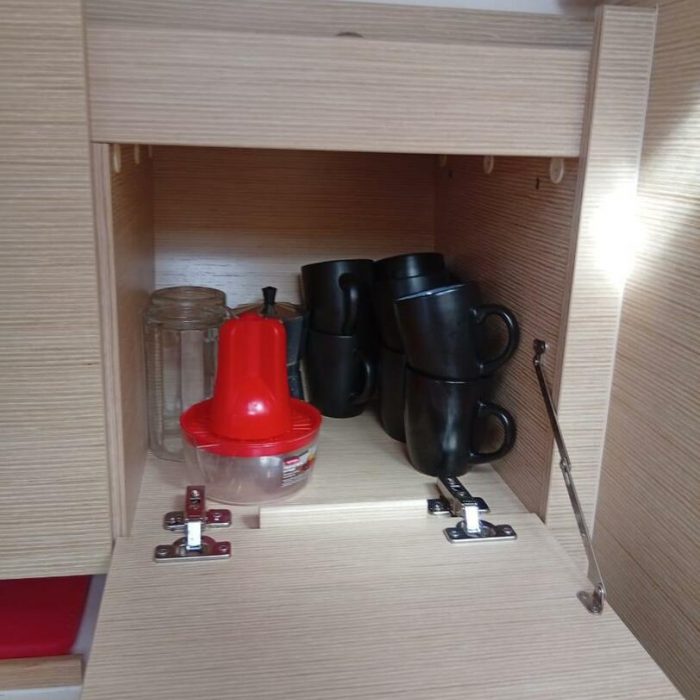
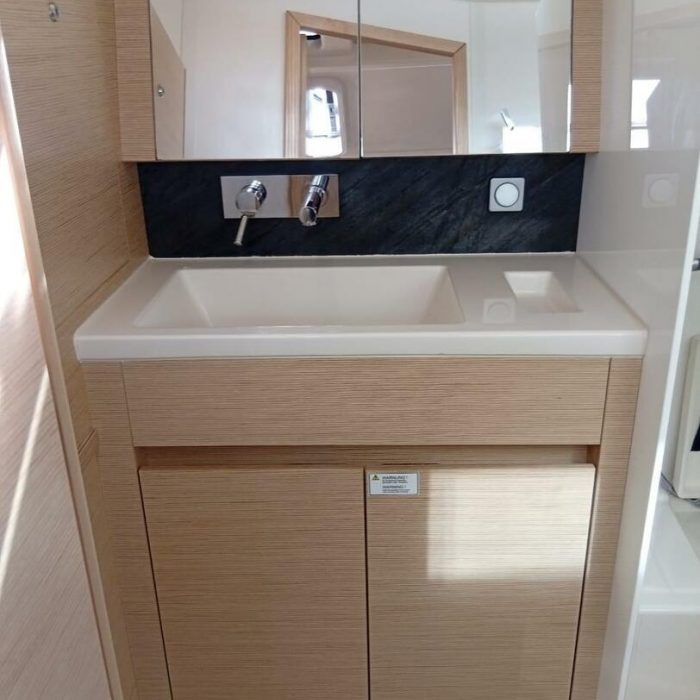
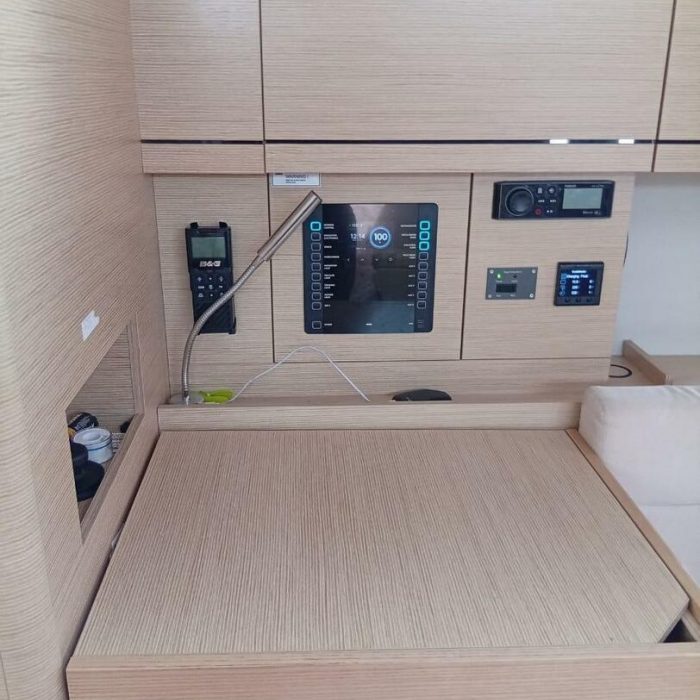
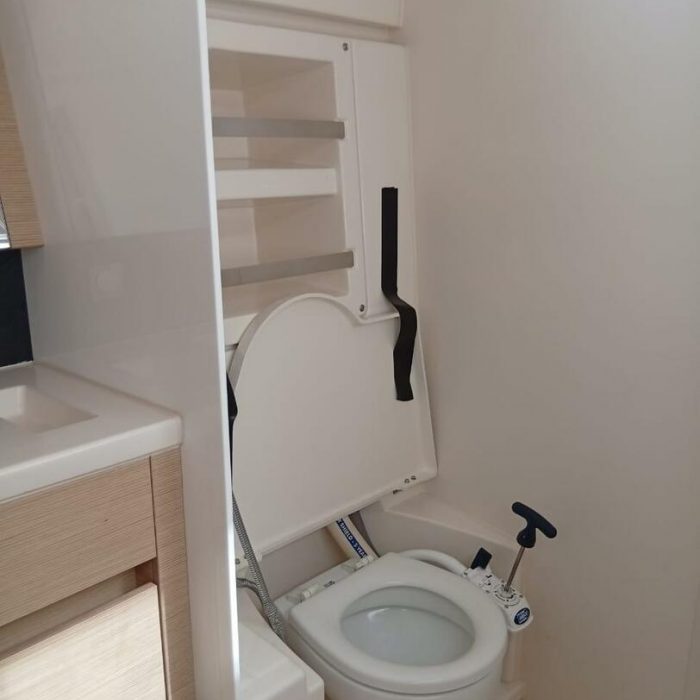
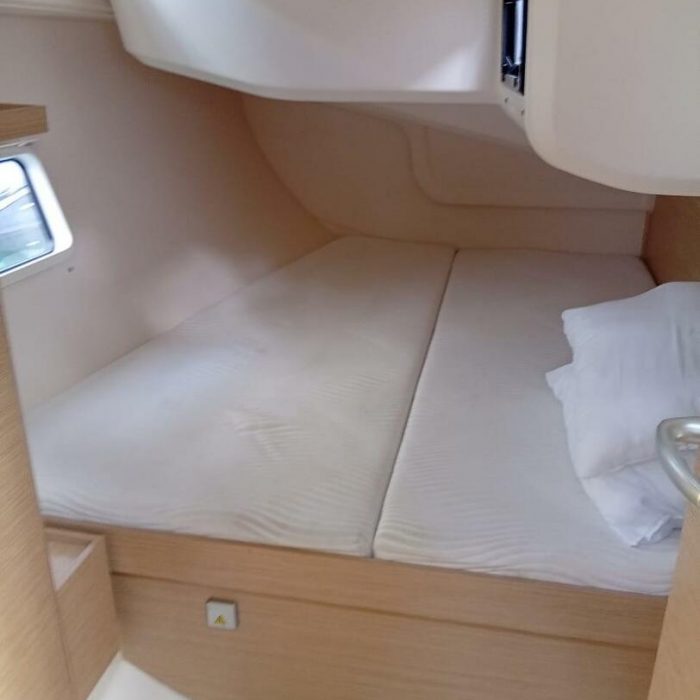
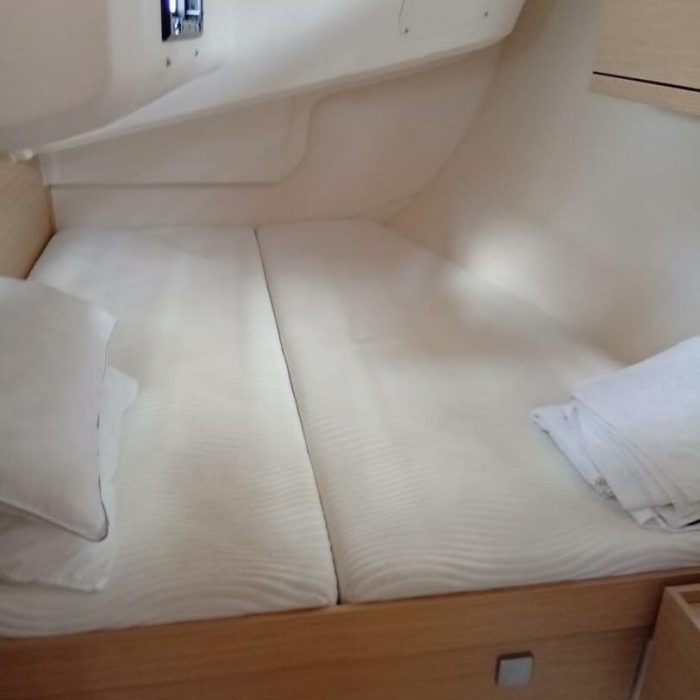
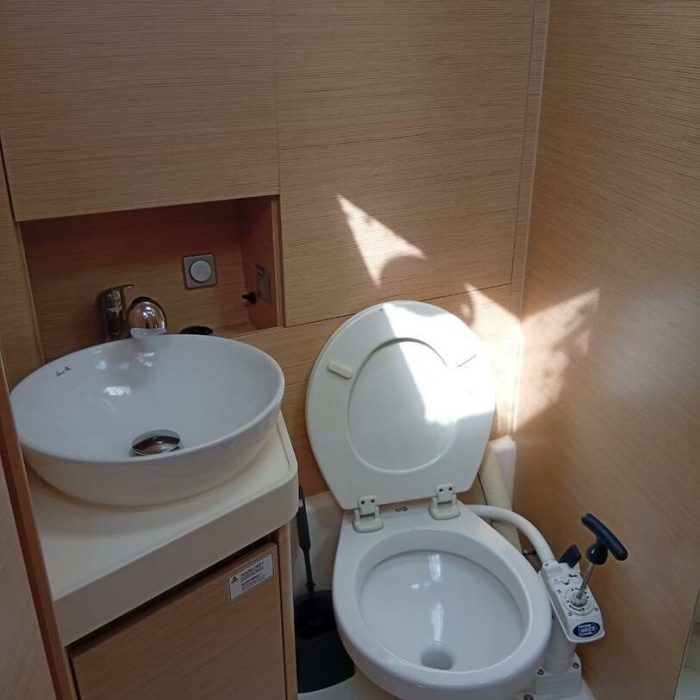

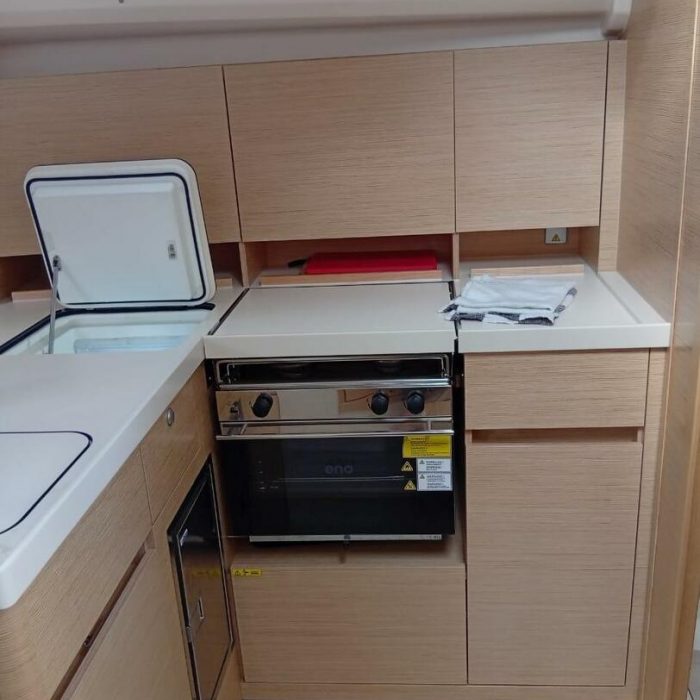
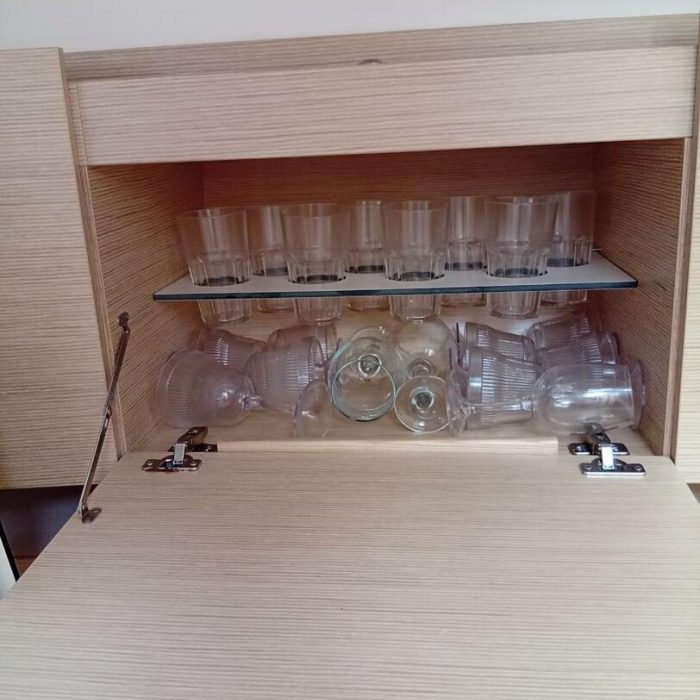
Eleni | Hanse 418
Hellenic Yachting
Greece, Ionian, Gouvia, D-Marin Marina Gouvia
Year: 2025
Length: 41 Ft
Cabins: 3
Guests: 8
1500 €
1500 €
- 14% 1,283€
+ mandatory costs - 450 €
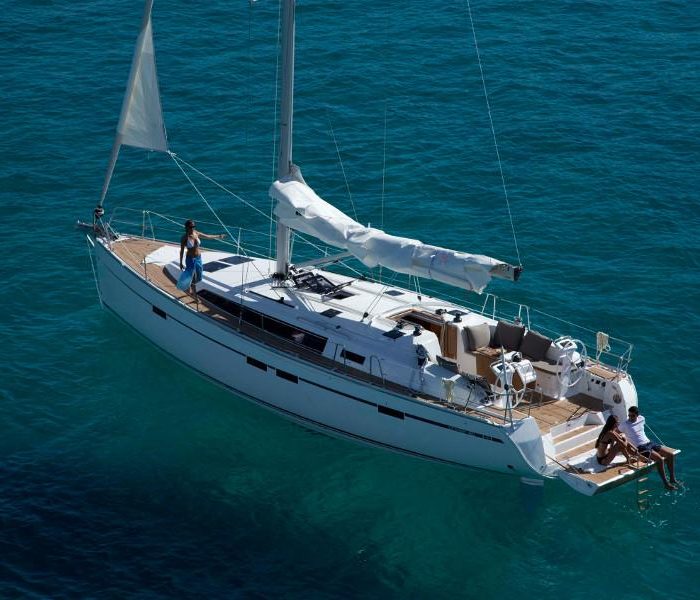


Mojito | Bavaria Cruiser 46
JF Yachts P.C.
Greece, Ionian, Gouvia, D-Marin Marina Gouvia
Year: 2016
Length: 47 Ft
Cabins: 4
Guests: 9
1800 €
1800 €
- 29% 1,283€
+ mandatory costs - 250 €
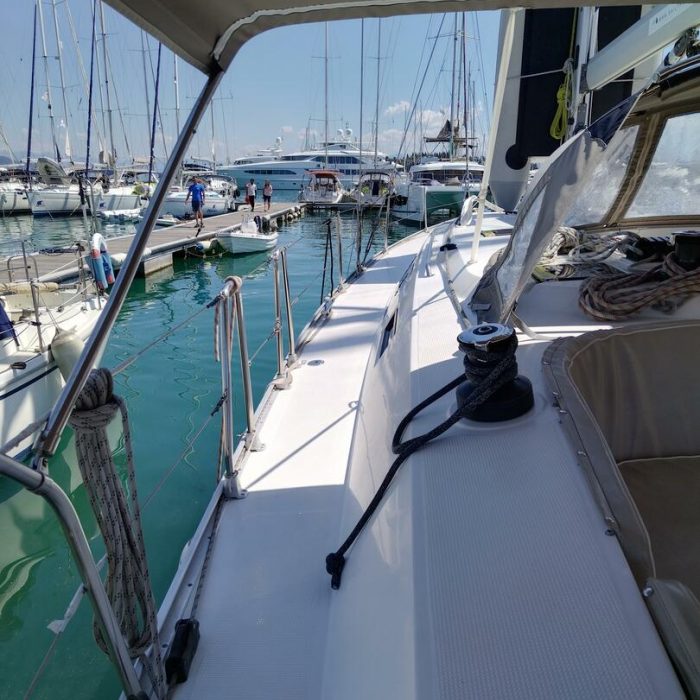
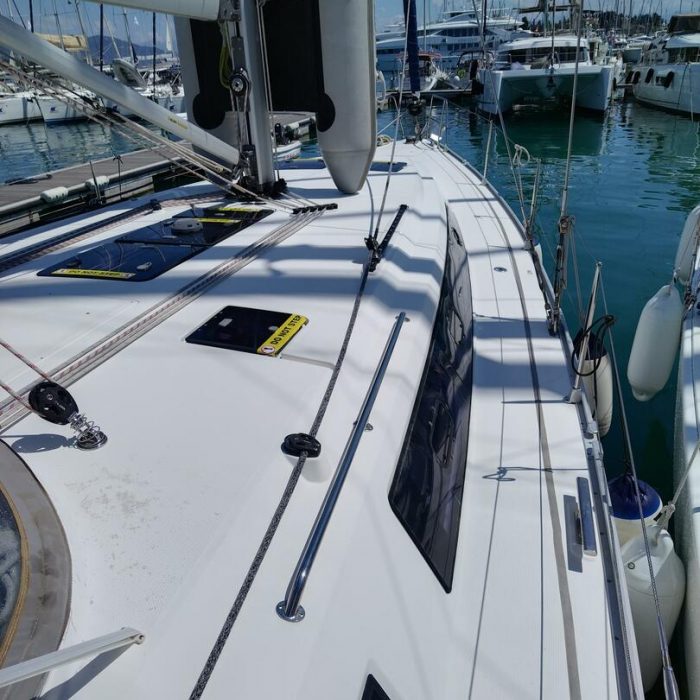

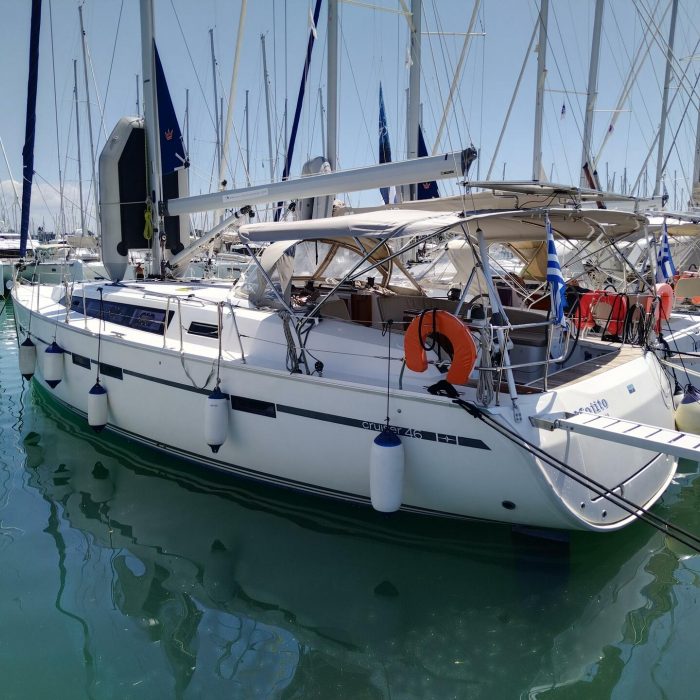


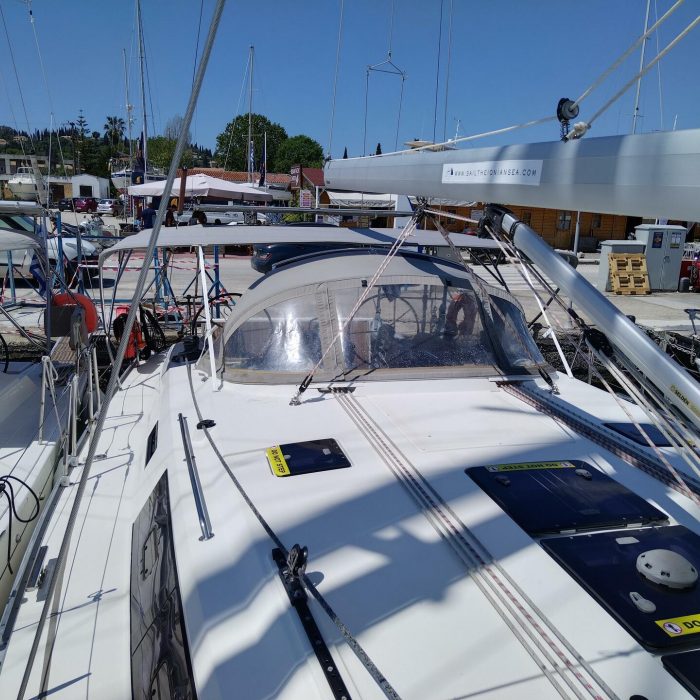


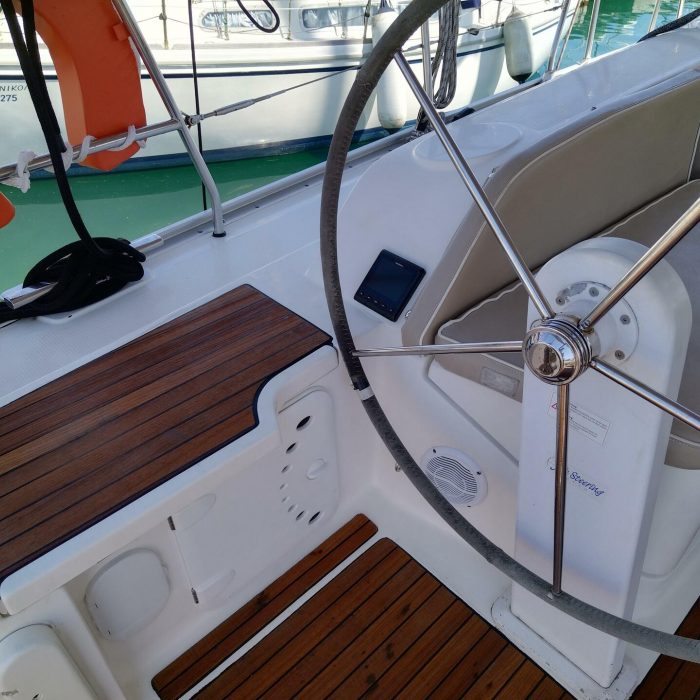
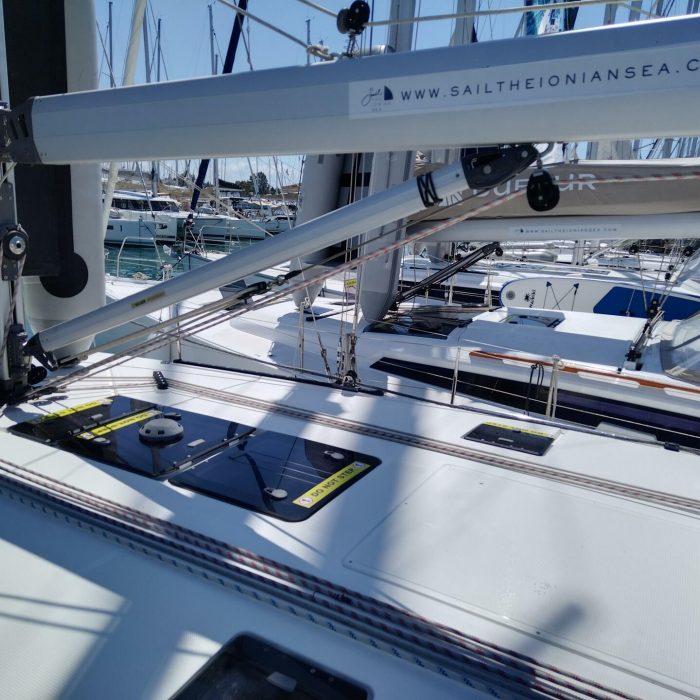
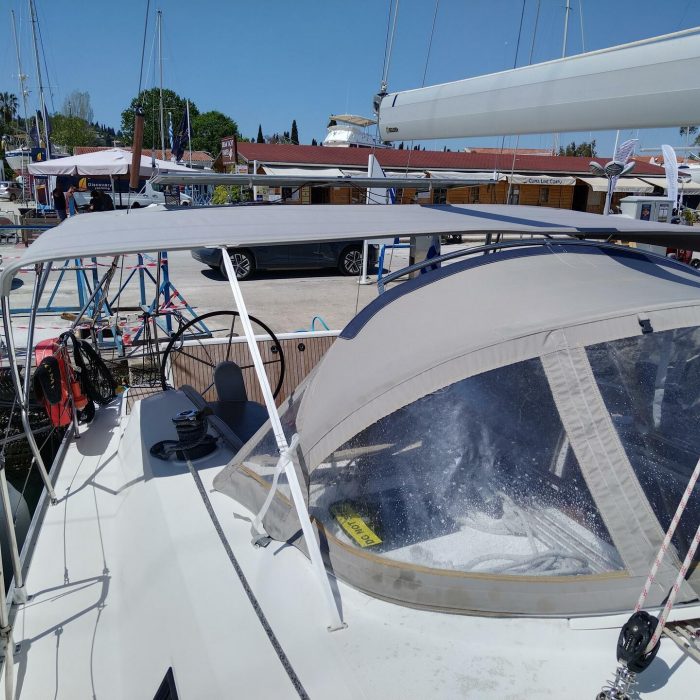

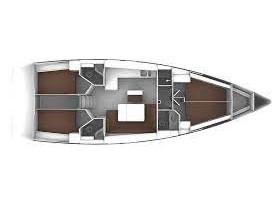

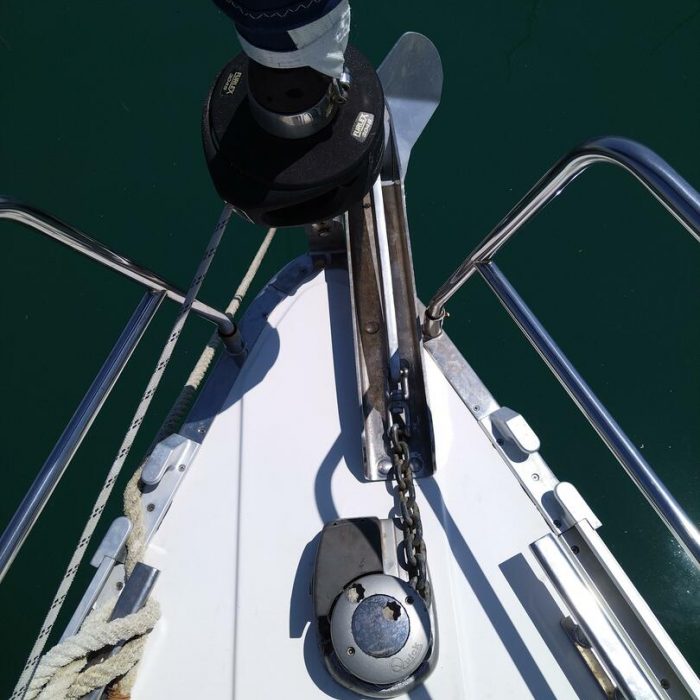




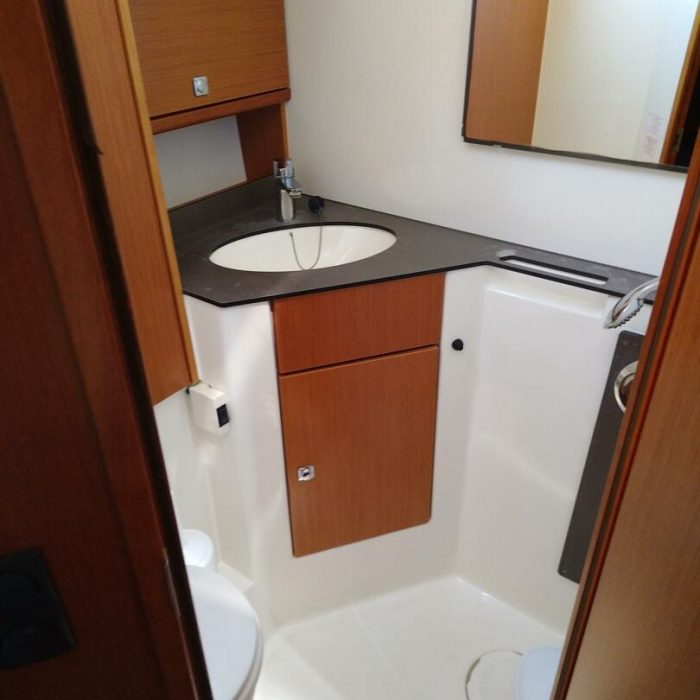







Mojito | Bavaria Cruiser 46
Sail the Ionian Sea
Greece, Ionian, Gouvia, D-Marin Marina Gouvia
Year: 2016
Length: 45 Ft
Cabins: 4
Guests: 8
1800 €
1800 €
- 29% 1,283€
+ mandatory costs - 250 €
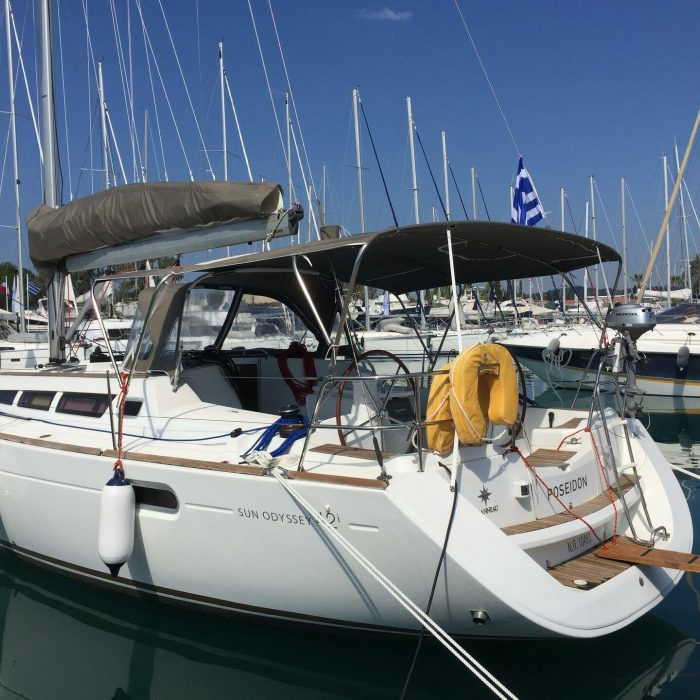
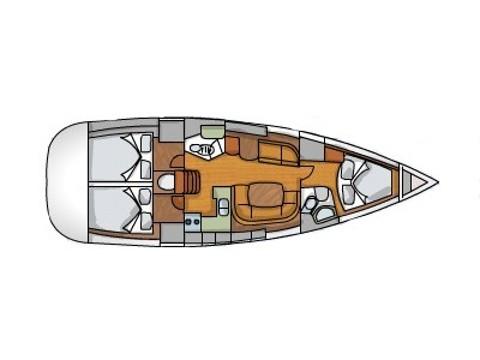
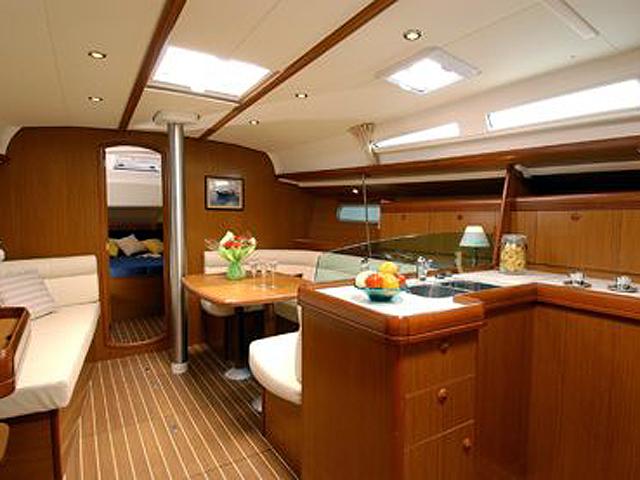
Poseidon | Sun Odyssey 42 i
Athenian Yachts
Greece, Ionian, Corfu, Marina Benitses
Year: 2010
Length: 42 Ft
Cabins: 3
Guests: 8
1860 €
1860 €
- 29% 1,329€
+ mandatory costs - 860 €
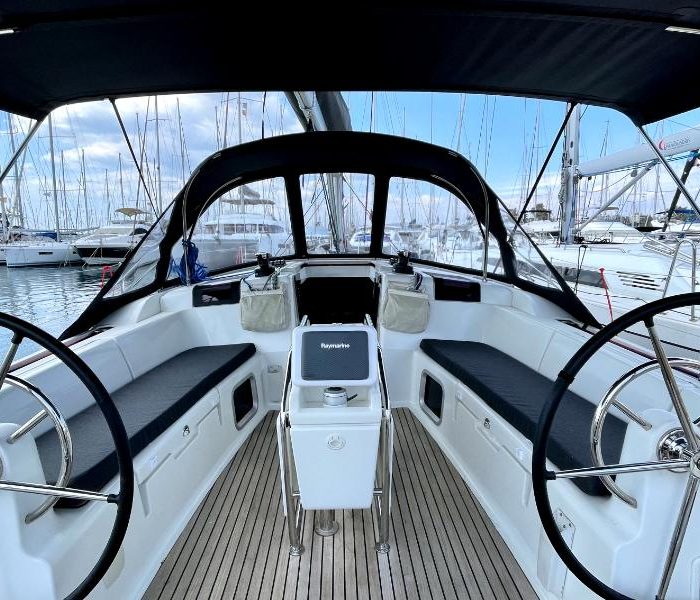

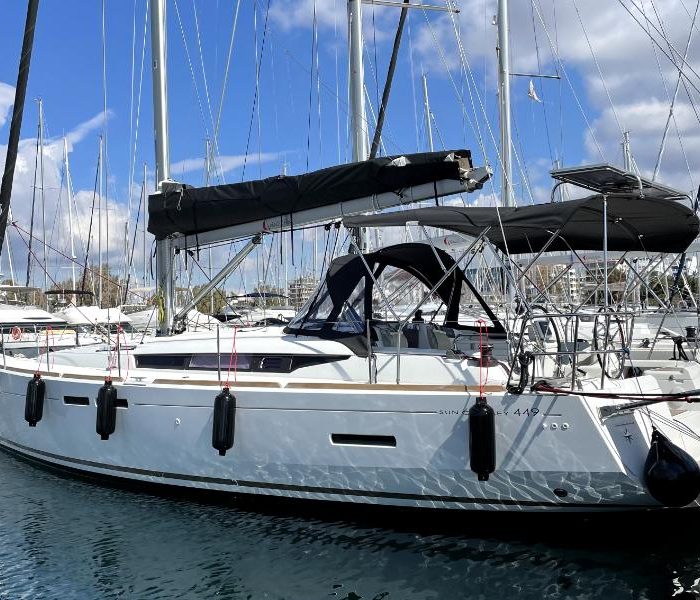
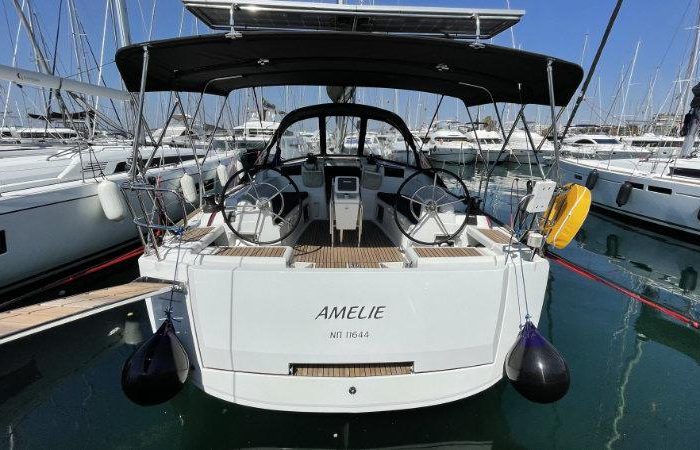
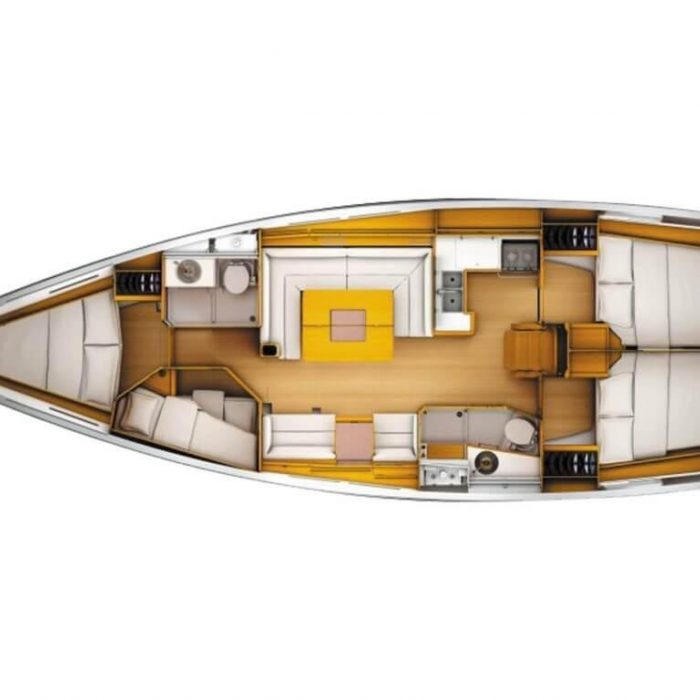
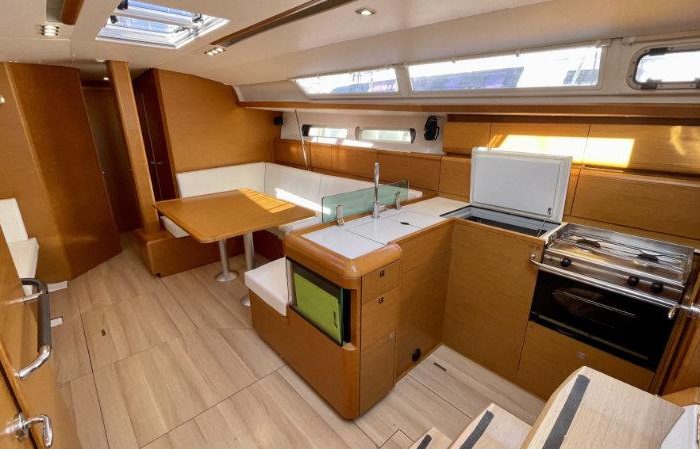

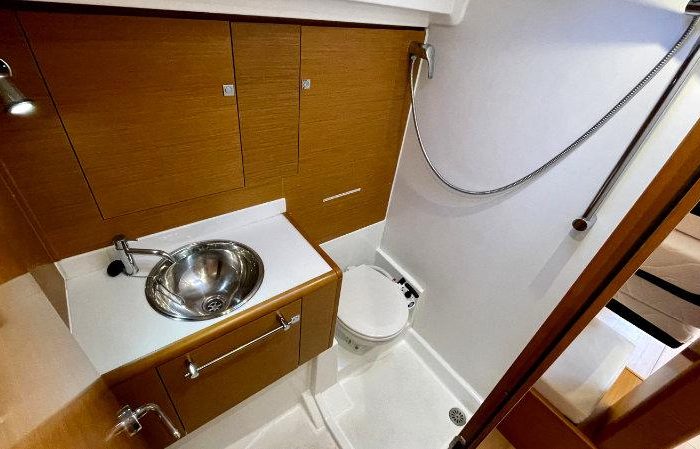

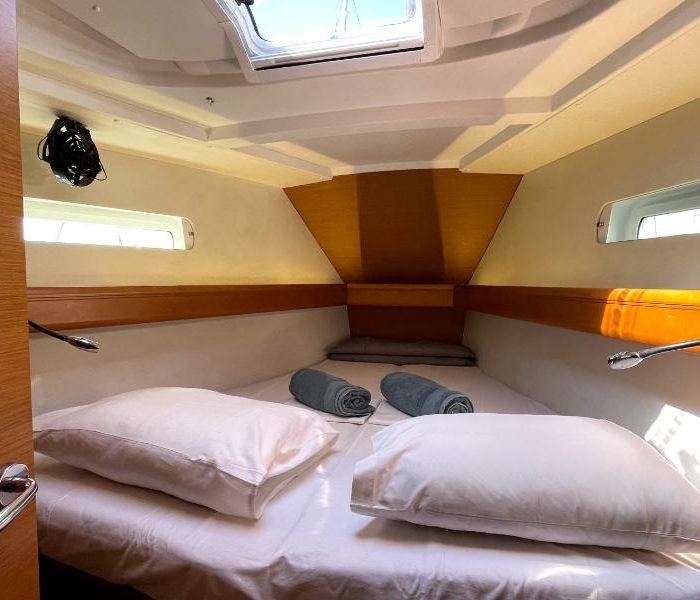
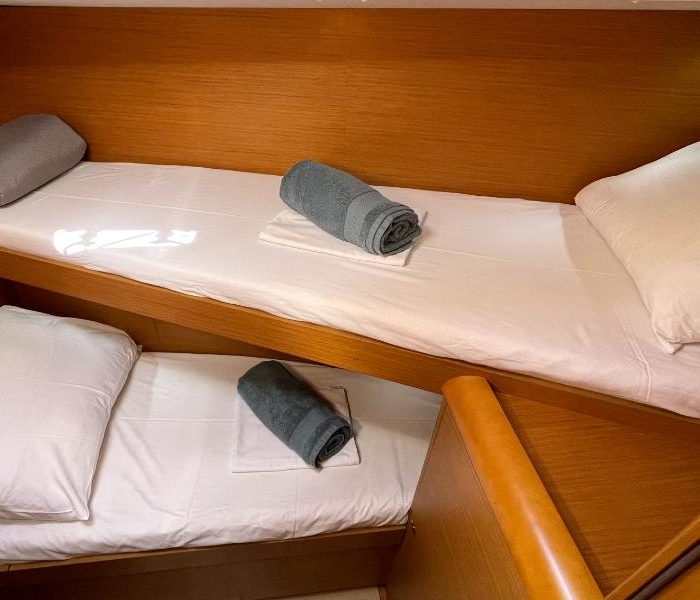
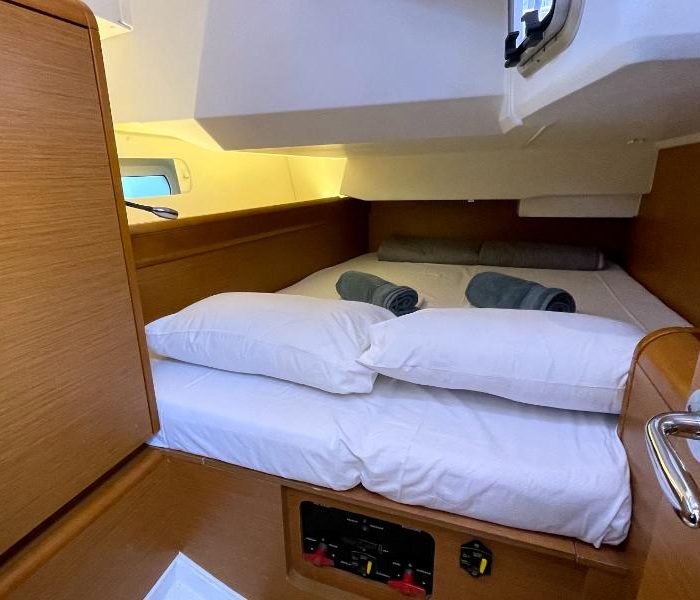

Amelie (Refit 2022) | Sun Odyssey 449
Panouseris Yacht Charters
Greece, Ionian, Gouvia, D-Marin Marina Gouvia
Year: 2017
Length: 45 Ft
Cabins: 4
Guests: 10
2100 €
2100 €
- 36% 1,337€
+ mandatory costs - 260 €
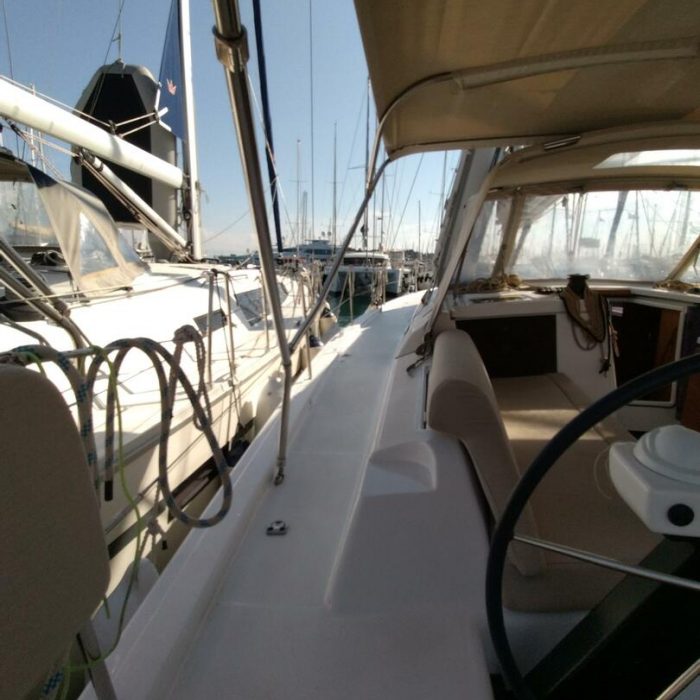
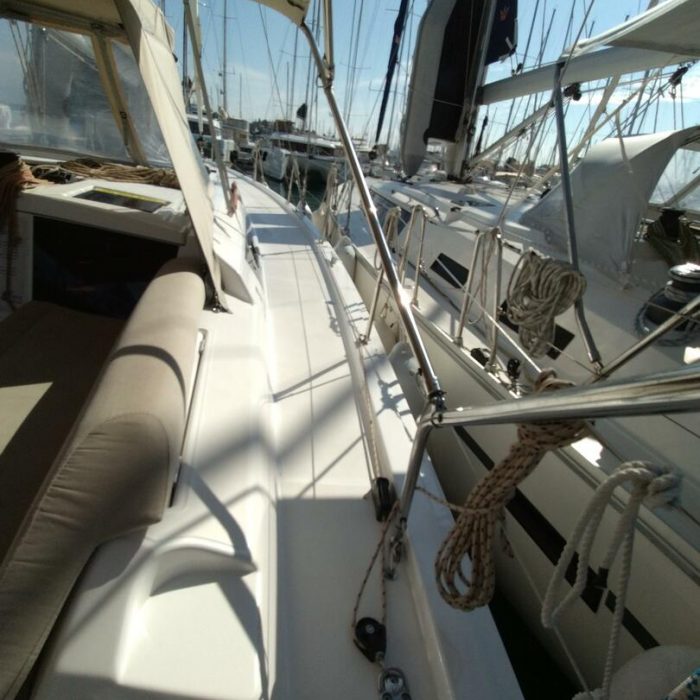
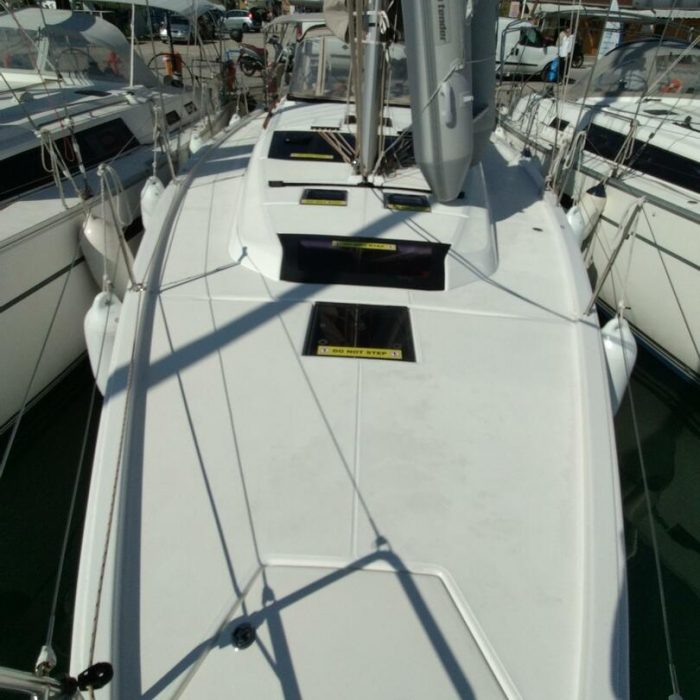
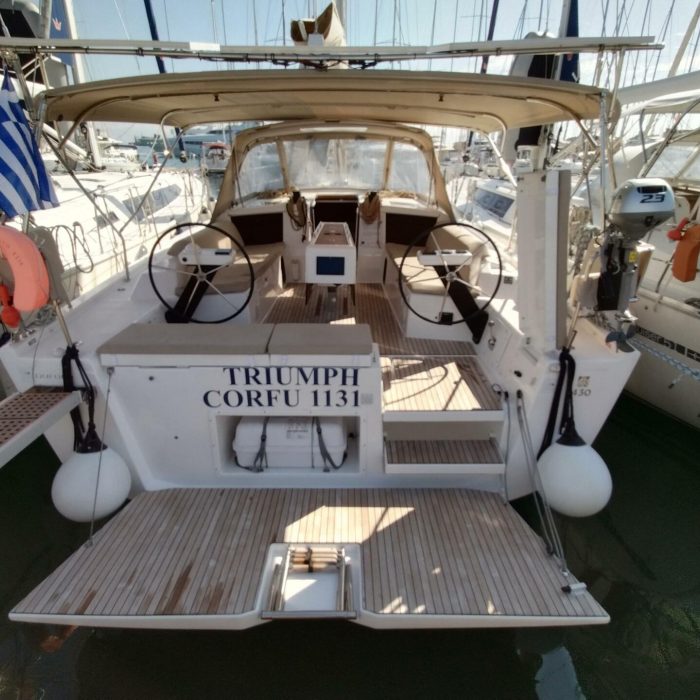
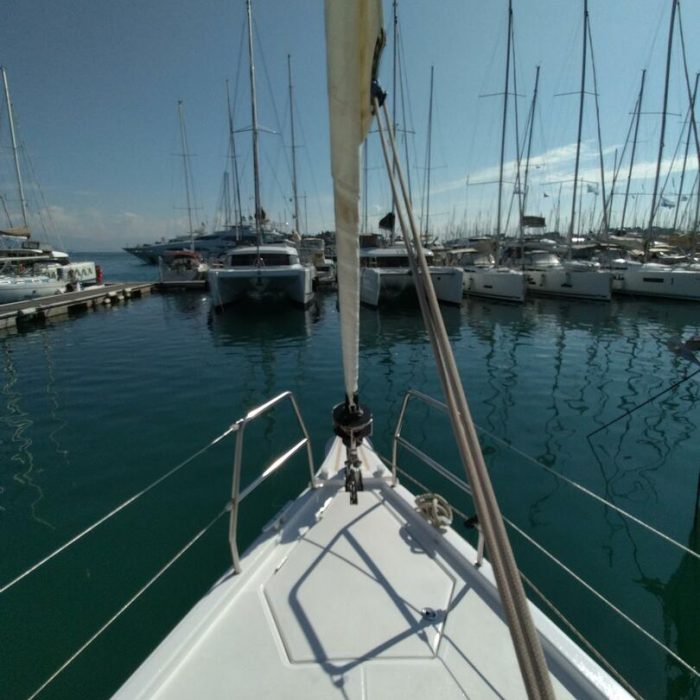
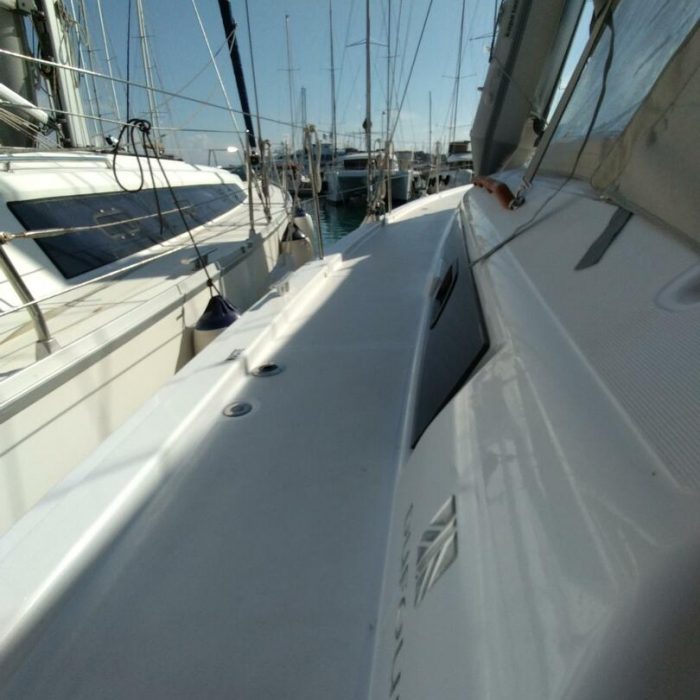
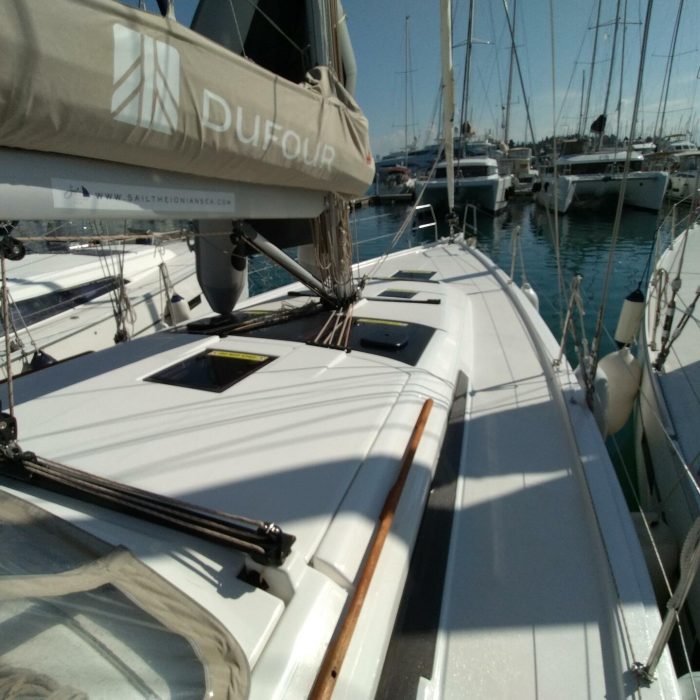
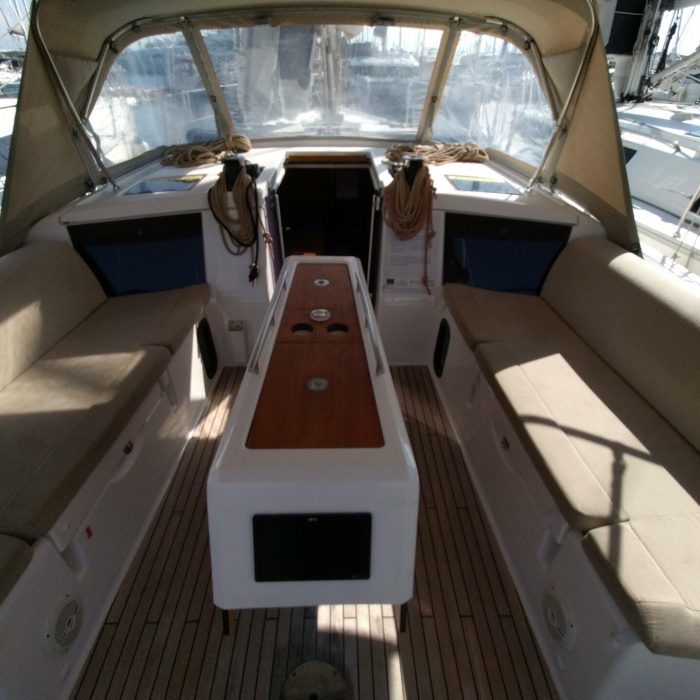
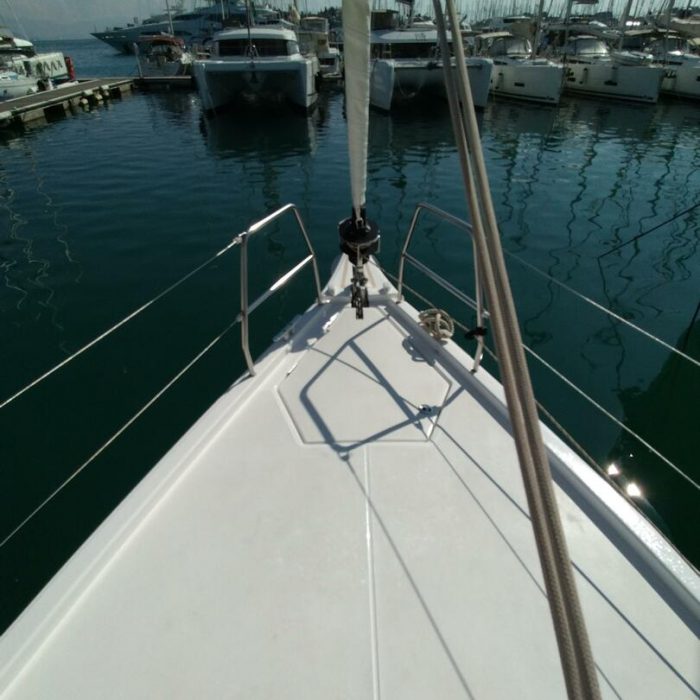
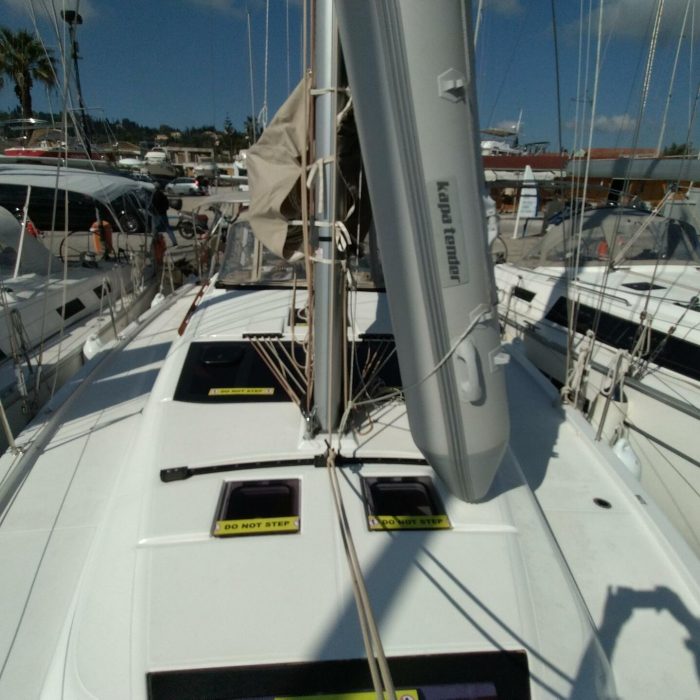
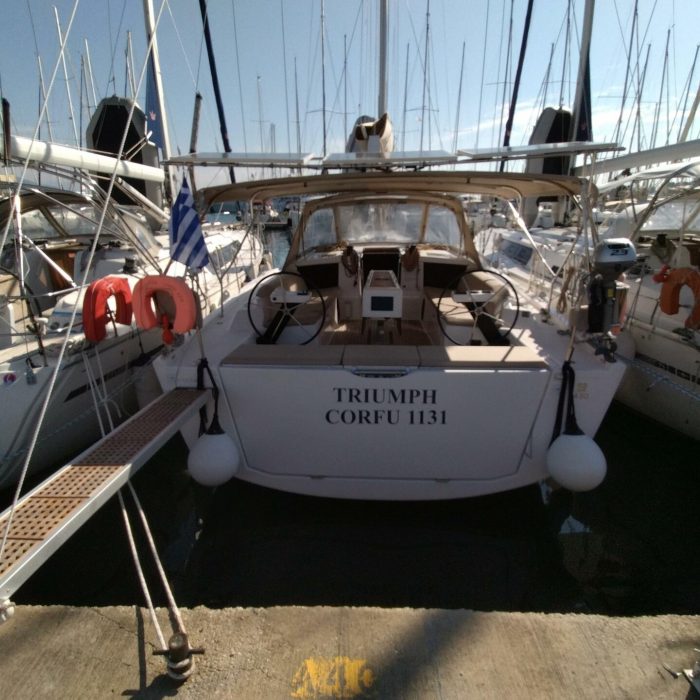
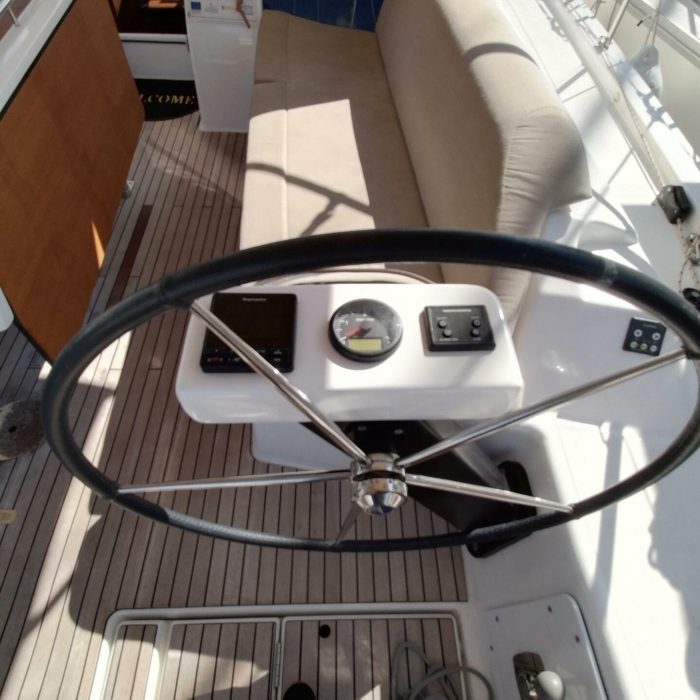
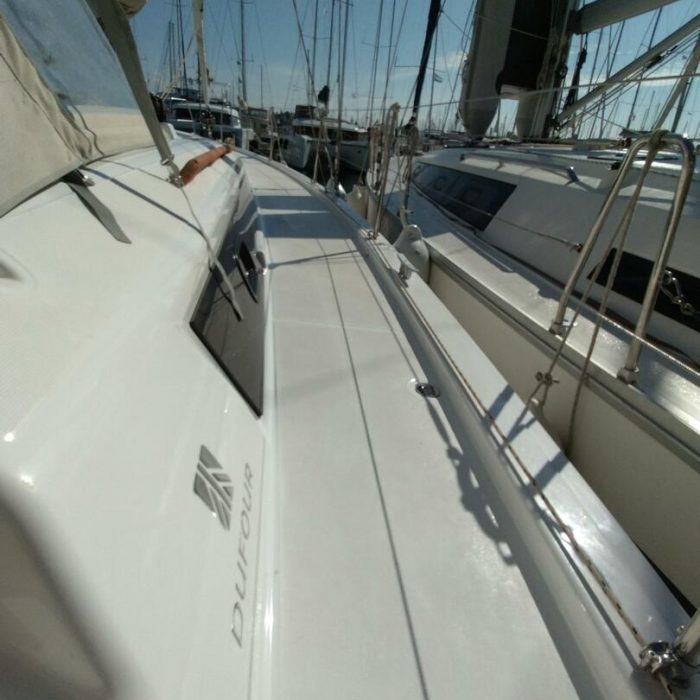
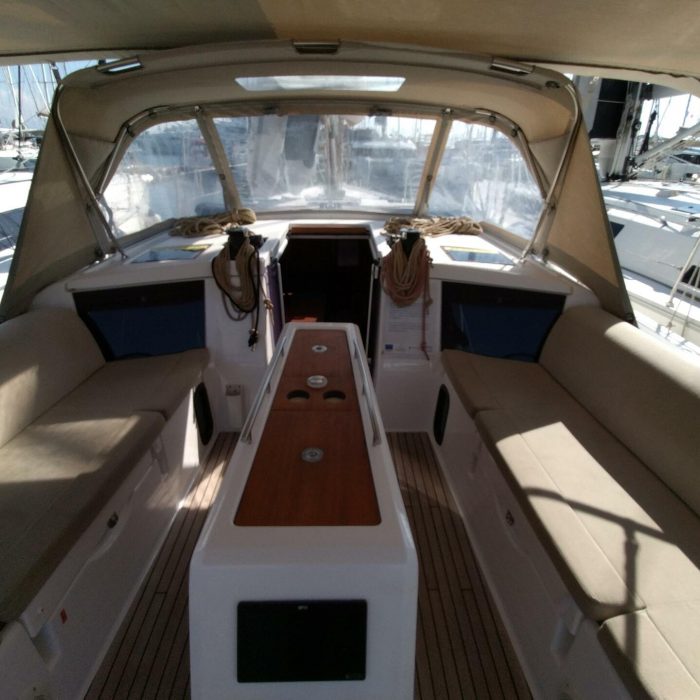
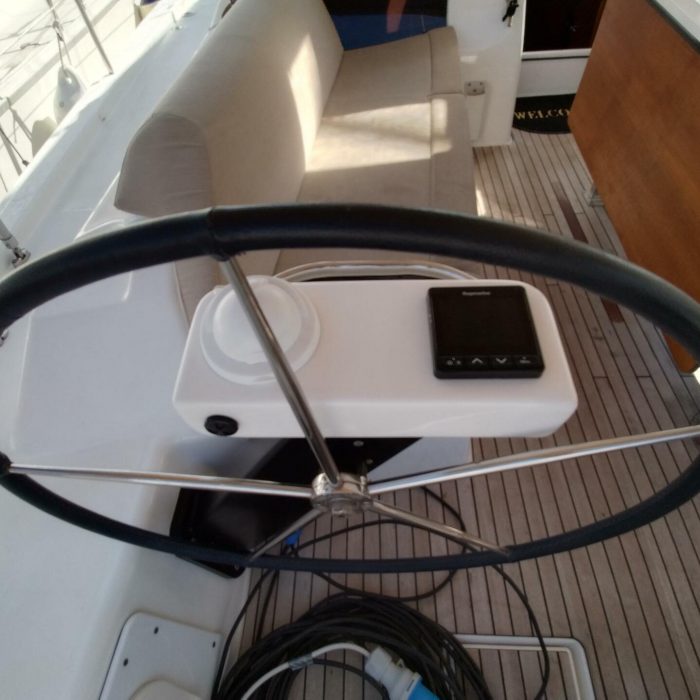
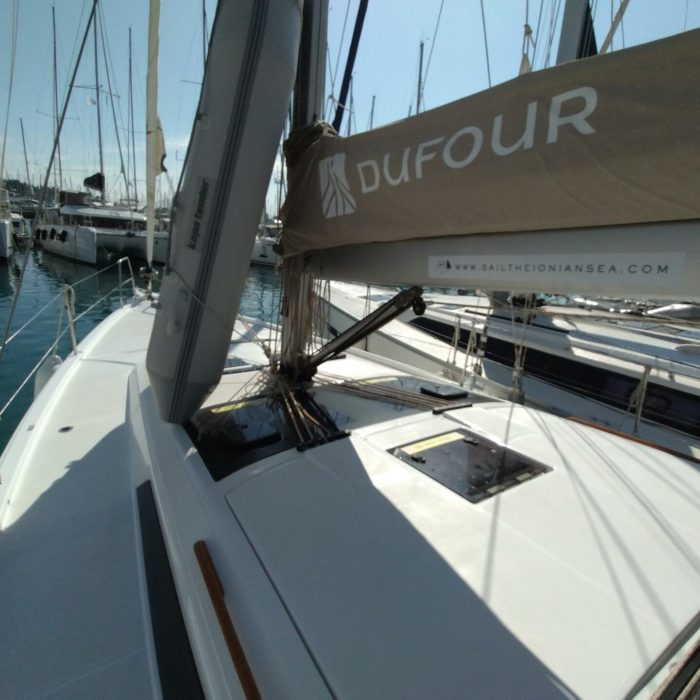
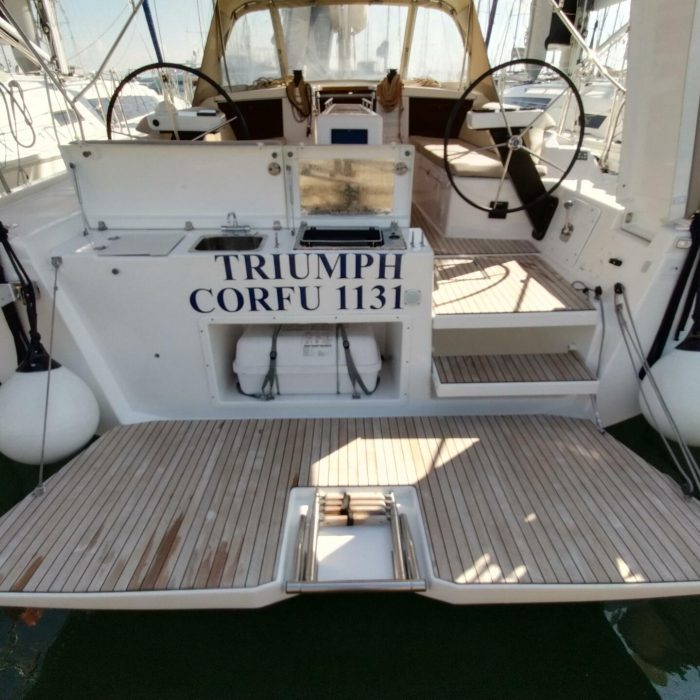
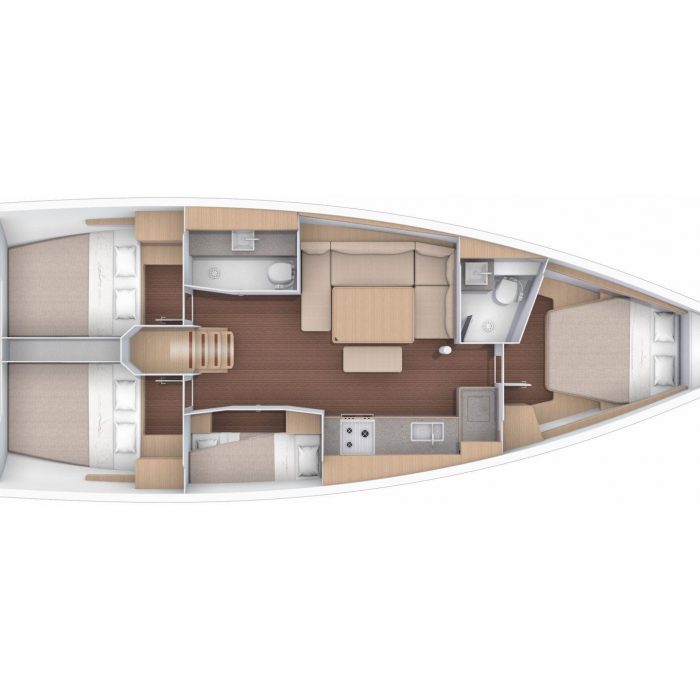
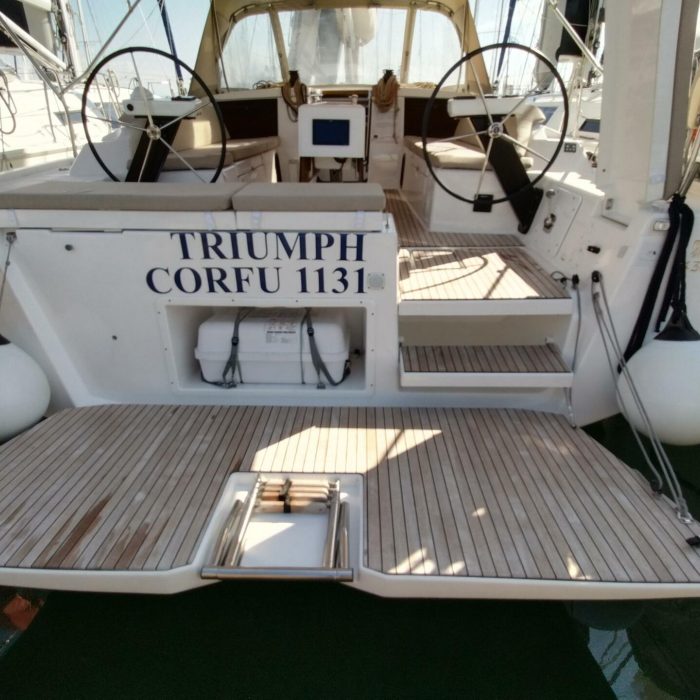
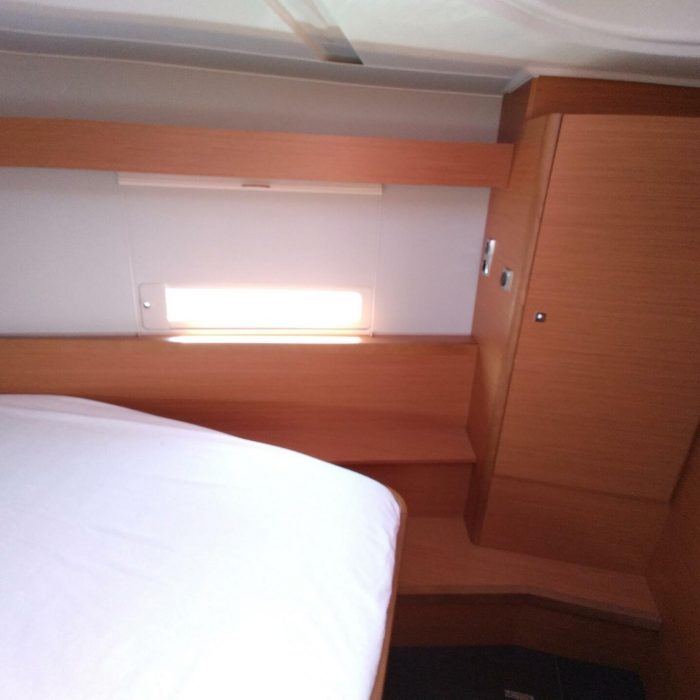
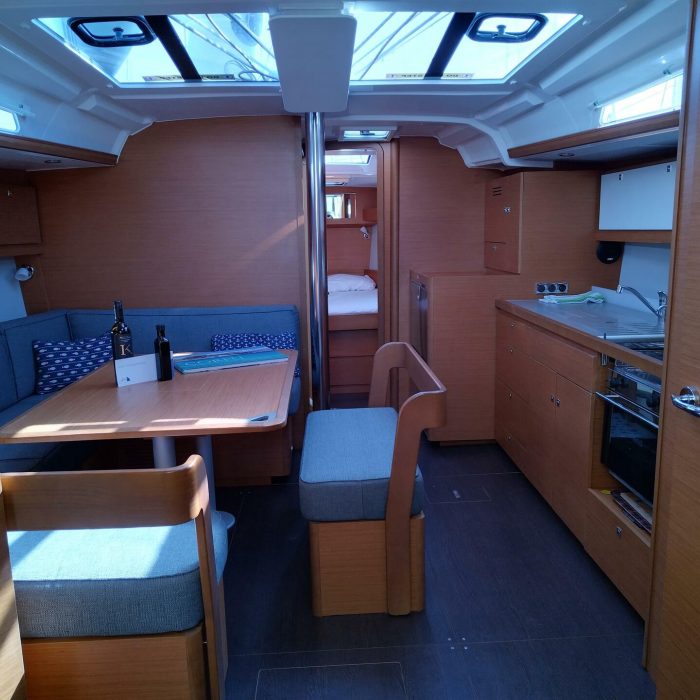
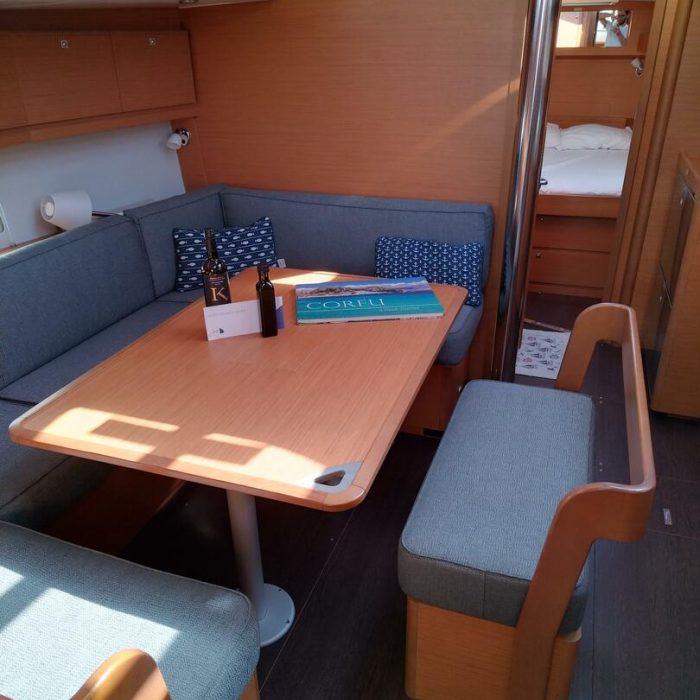
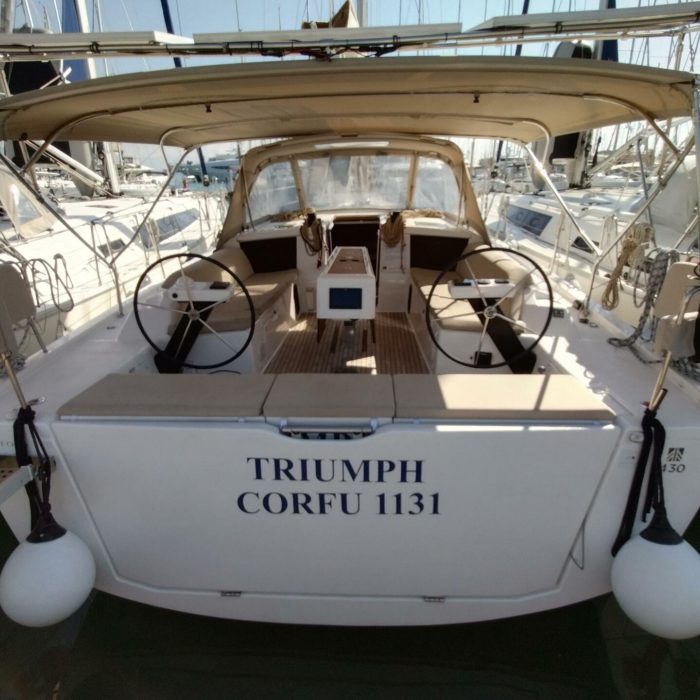
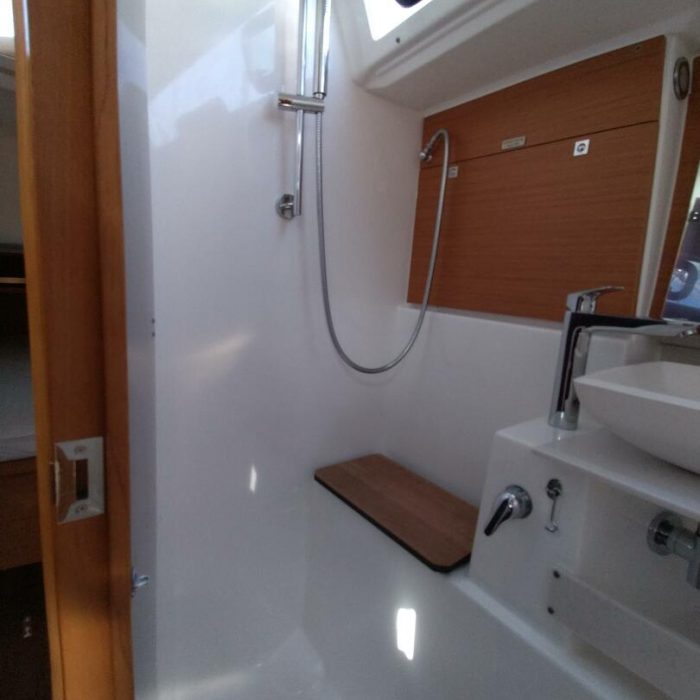
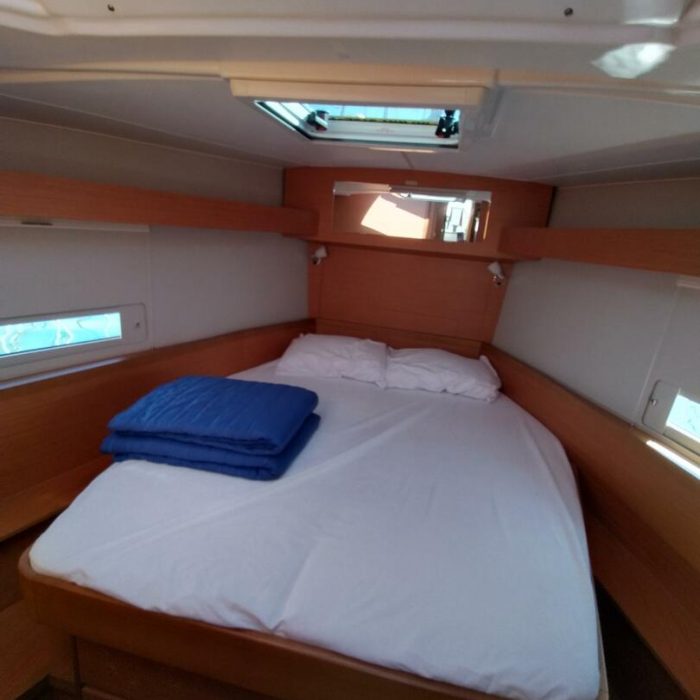
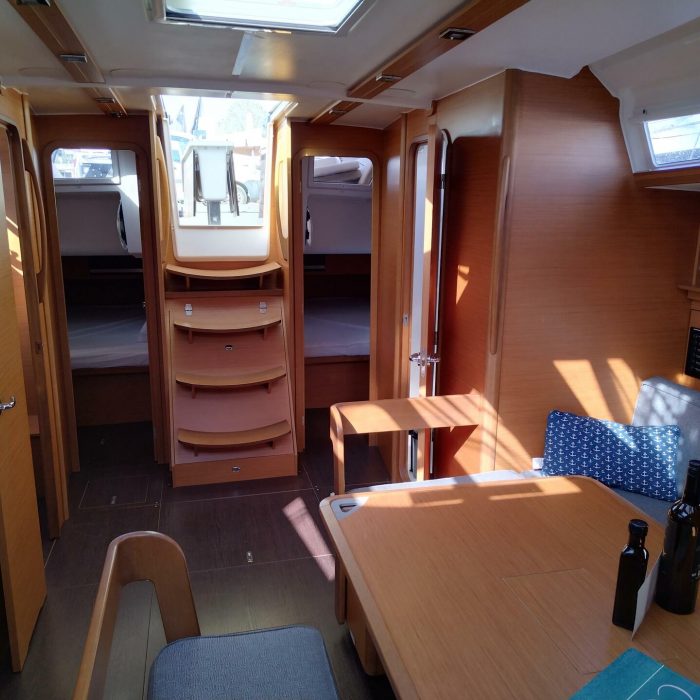
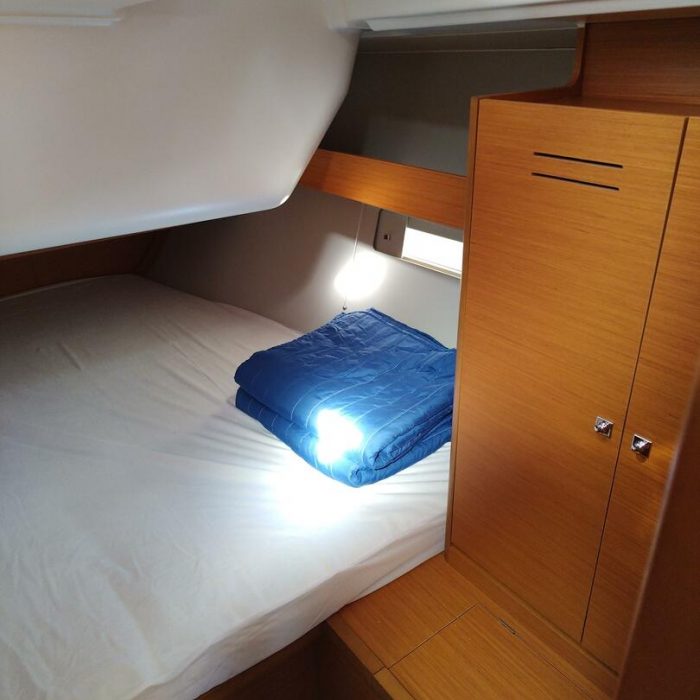
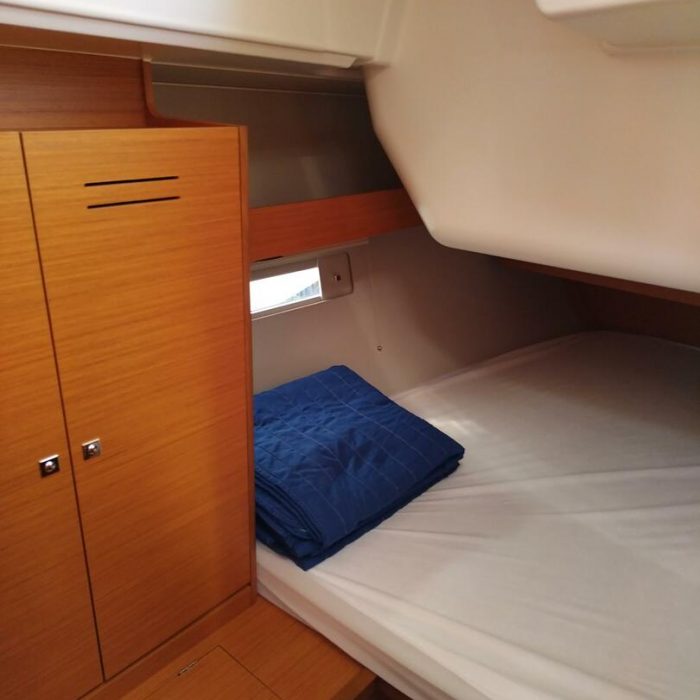

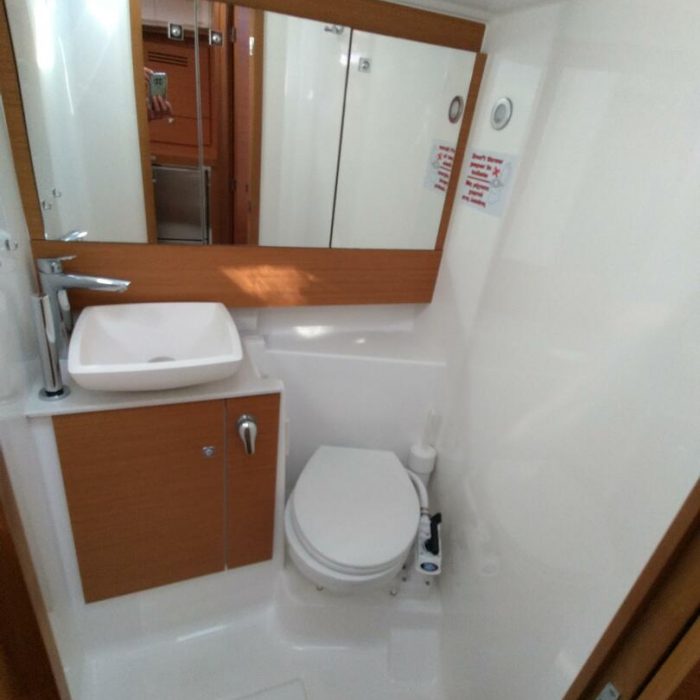
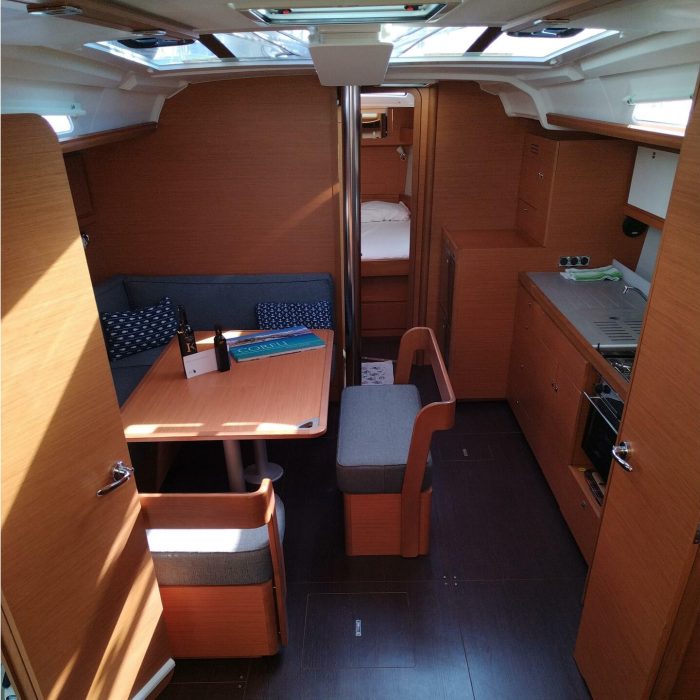


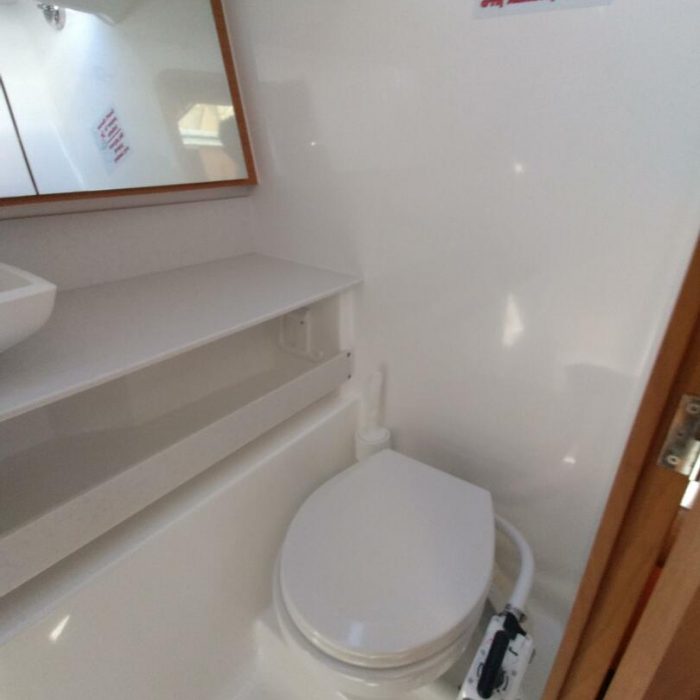
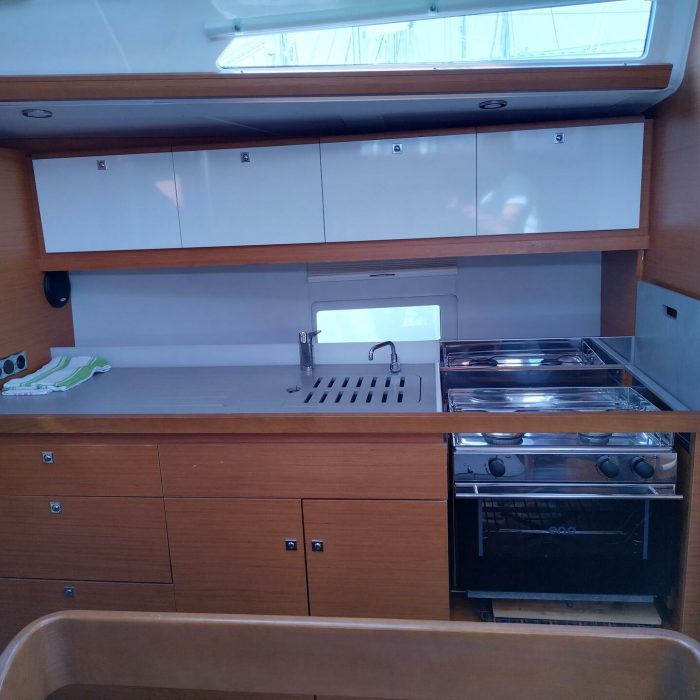
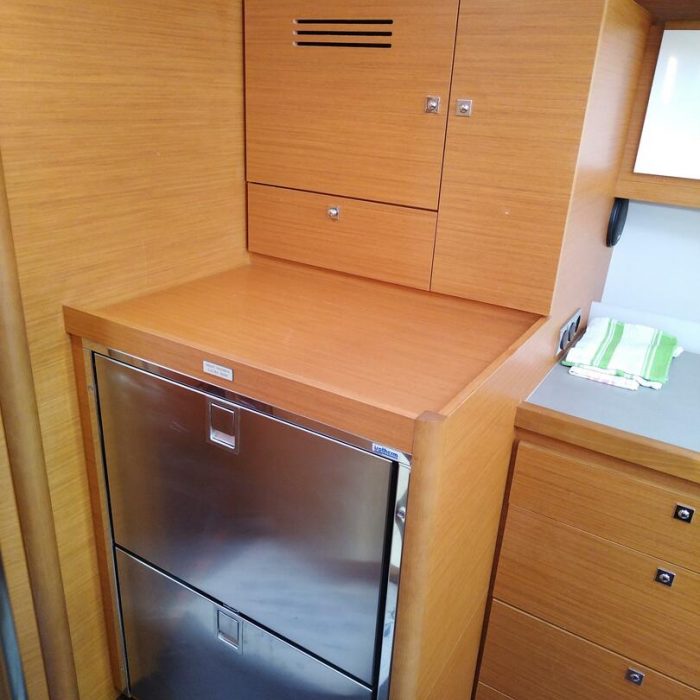
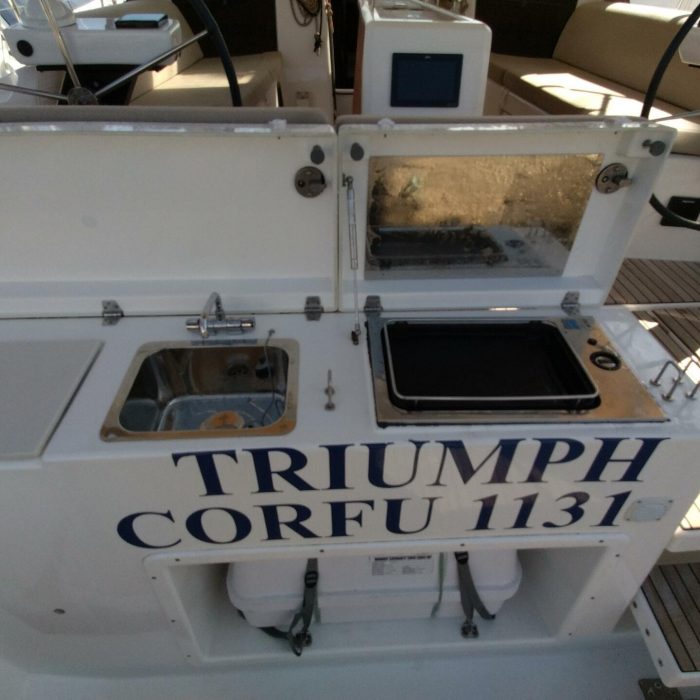
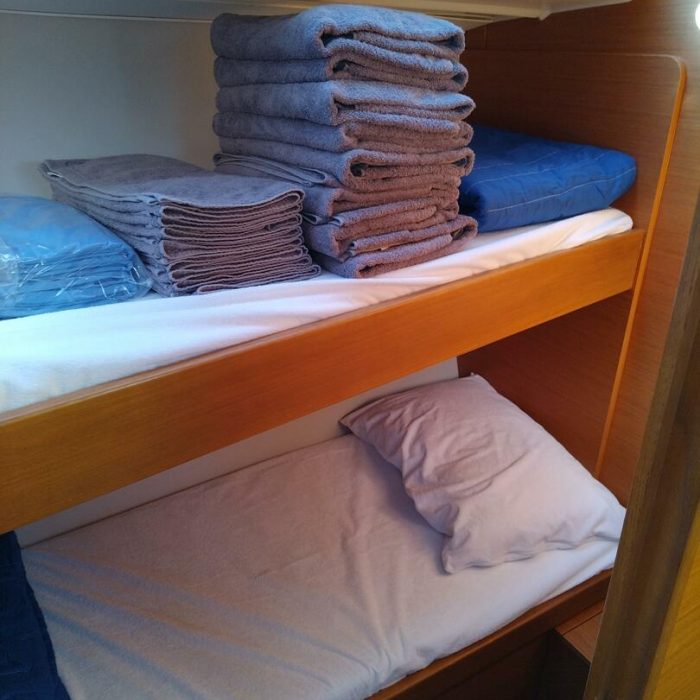
Triumph | Dufour 430
Sail the Ionian Sea
Greece, Ionian, Gouvia, D-Marin Marina Gouvia
Year: 2022
Length: 43 Ft
Cabins: 4
Guests: 8
1930 €
1930 €
- 29% 1,376€
+ mandatory costs - 230 €
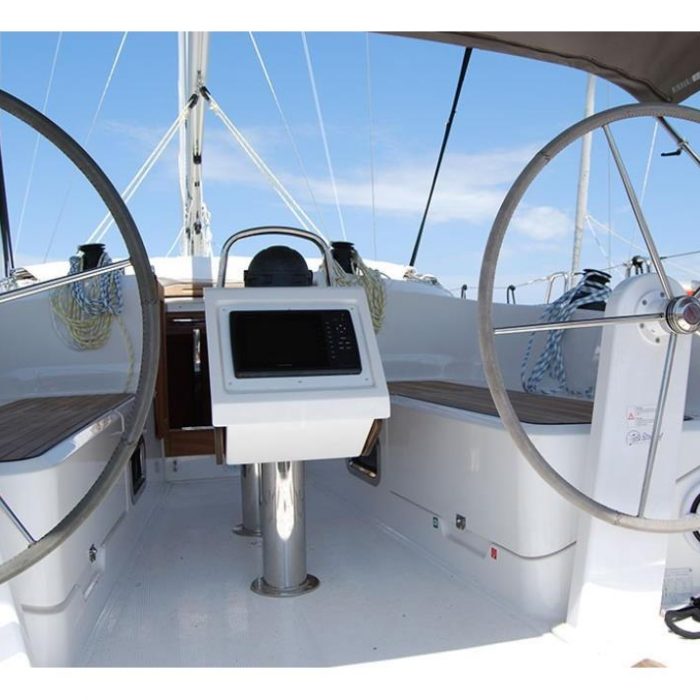


Bav37/2015 | Bavaria 37 Cruiser
Sailing in Blue
D-Marin Marina Gouvia
Year: 2015
Length: 41 Ft
Cabins: 3
Guests: 7
1850 €
1850 €
- 25% 1,392€
+ mandatory costs - 230 €
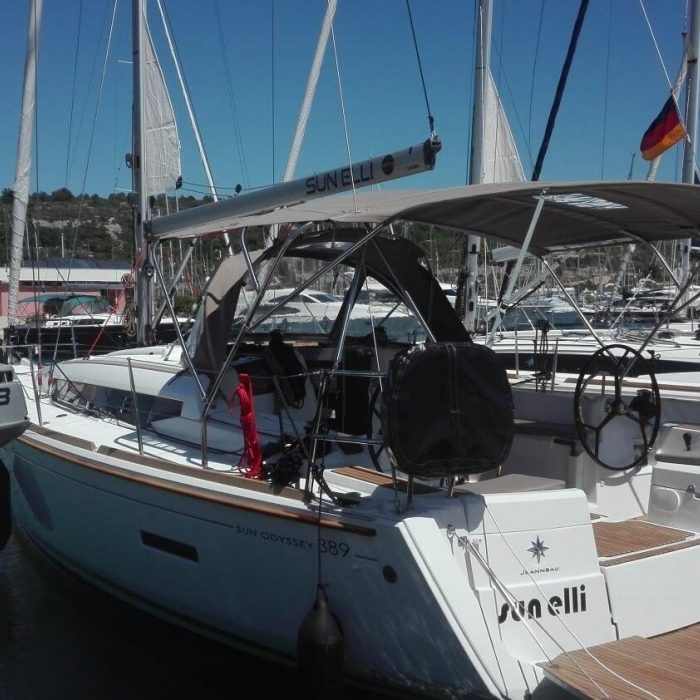
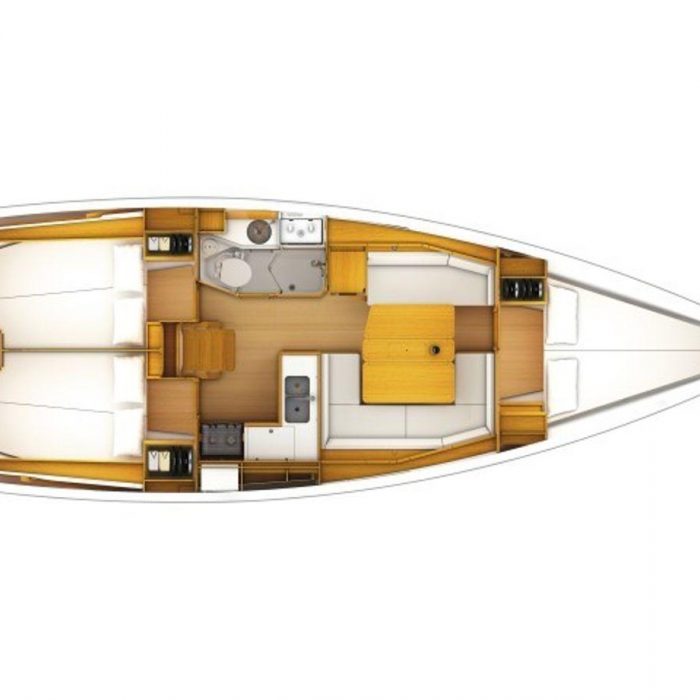

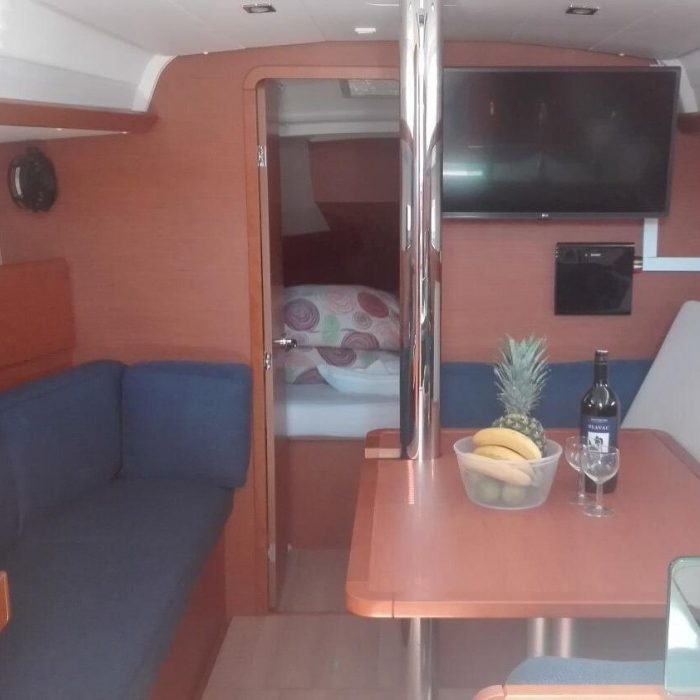
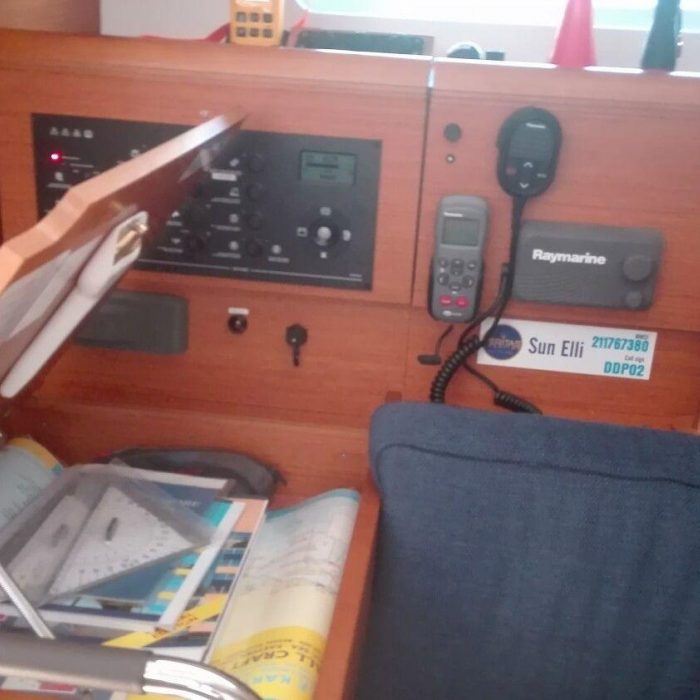
Sun Elli | Sun Odyssey 389
Five Seasons Yachting
Greece, Ionian Islands, Corfu, Gouvia Marina
Year: 2017
Guests: 6
1990 €
1990 €
- 30% 1,393€
+ mandatory costs - 160 €
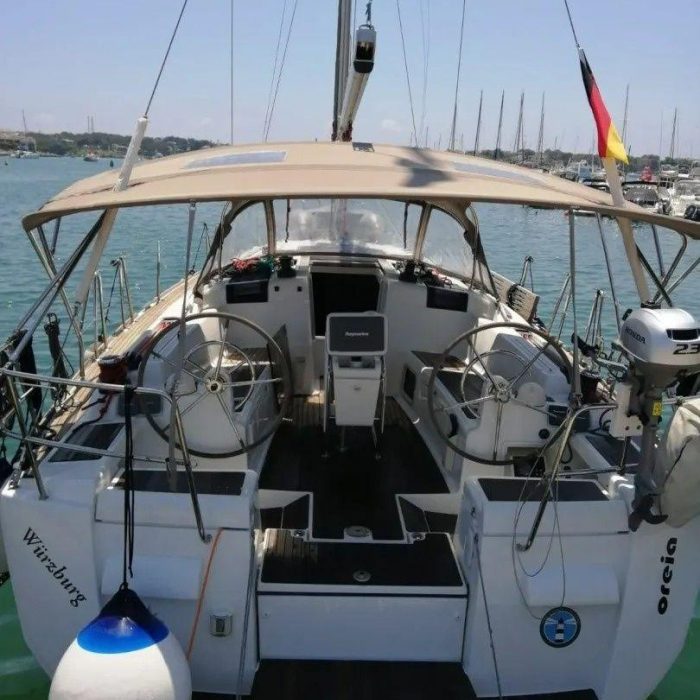
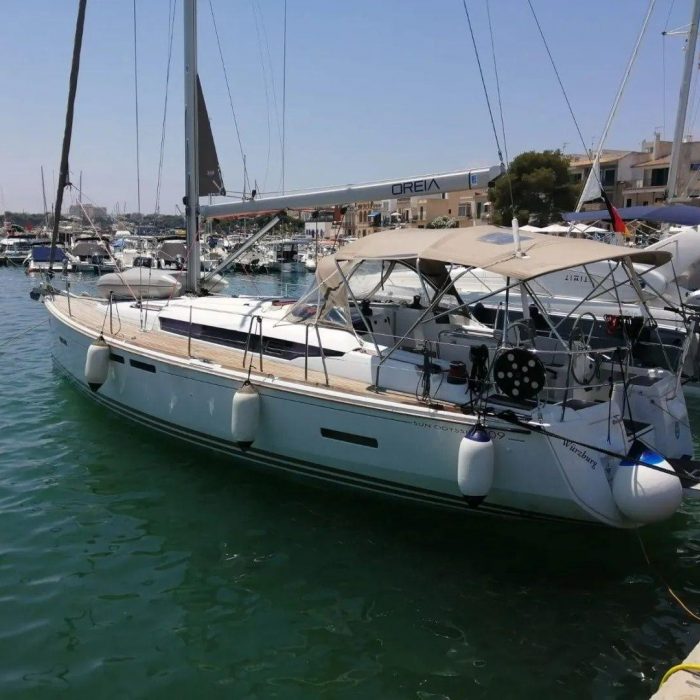
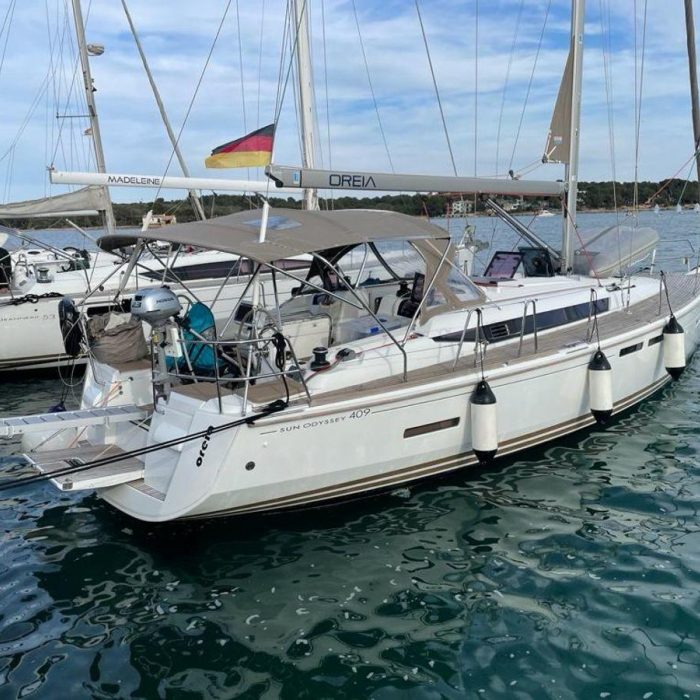

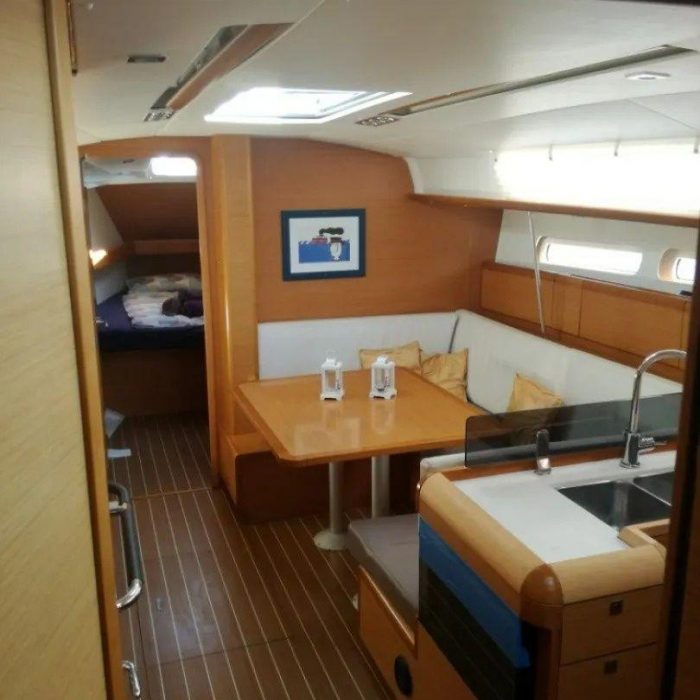
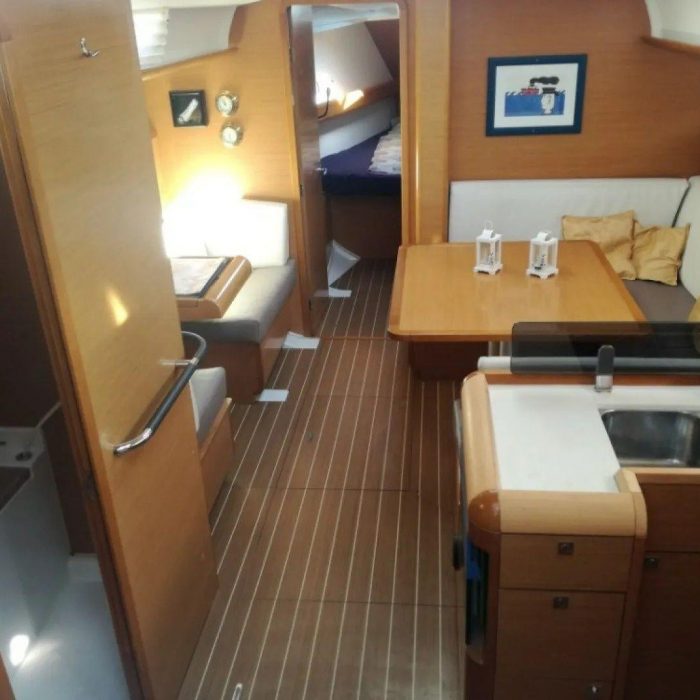
Oreia | Sun Odyssey 409
Five Seasons Yachting
Greece, Ionian Islands, Corfu, Gouvia Marina
Year: 2011
Guests: 8
1990 €
1990 €
- 30% 1,393€
+ mandatory costs - 160 €
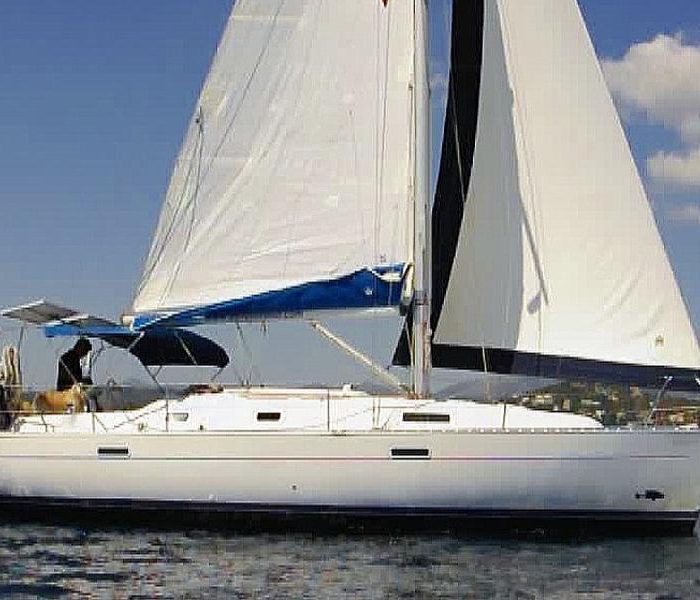
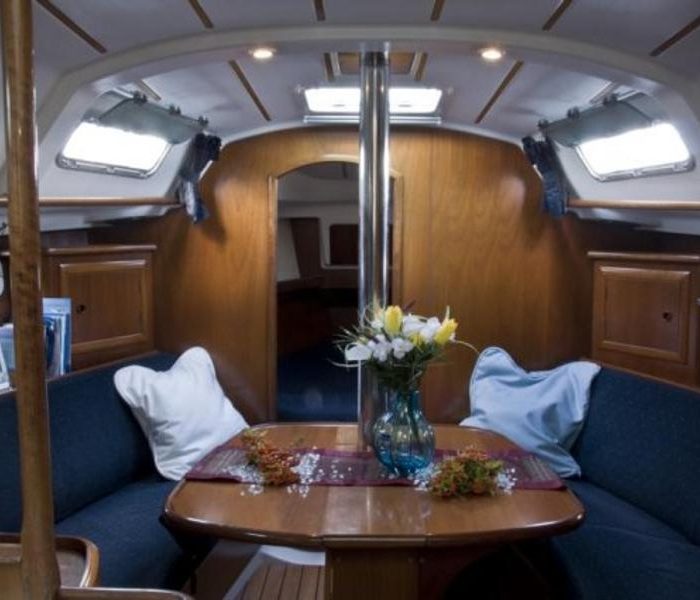
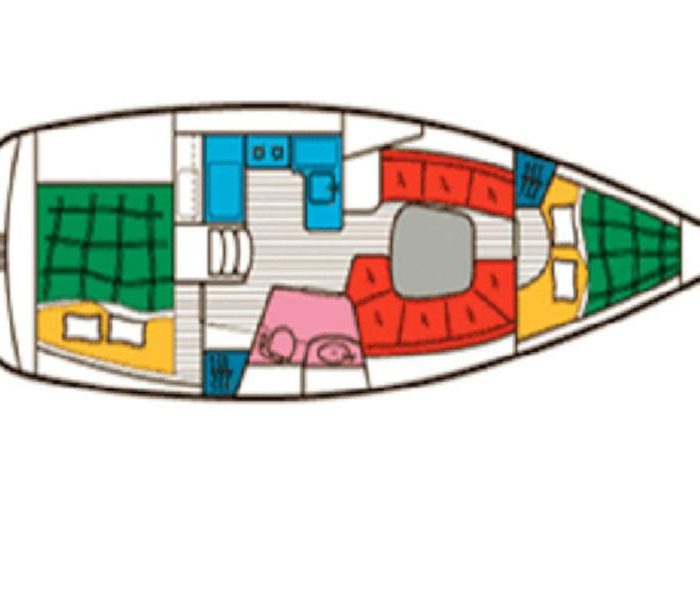
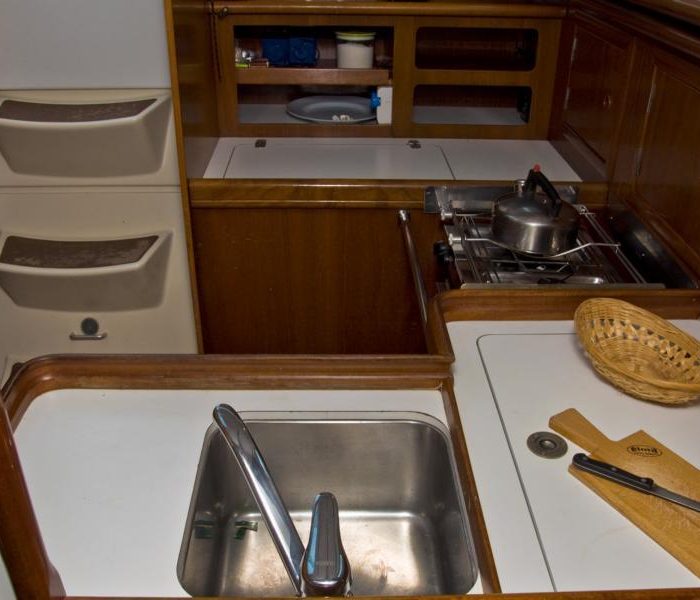
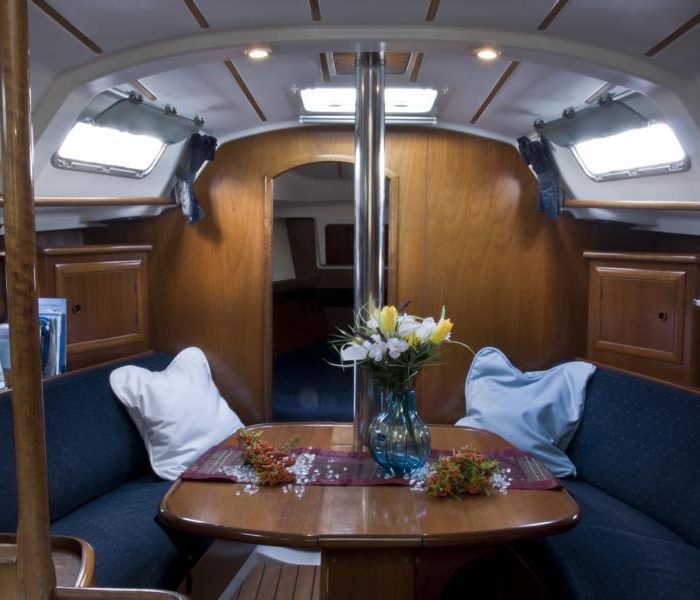
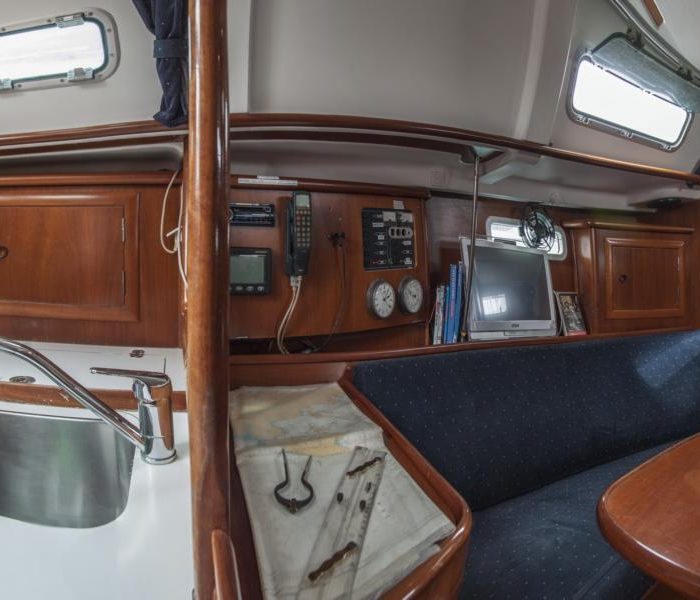
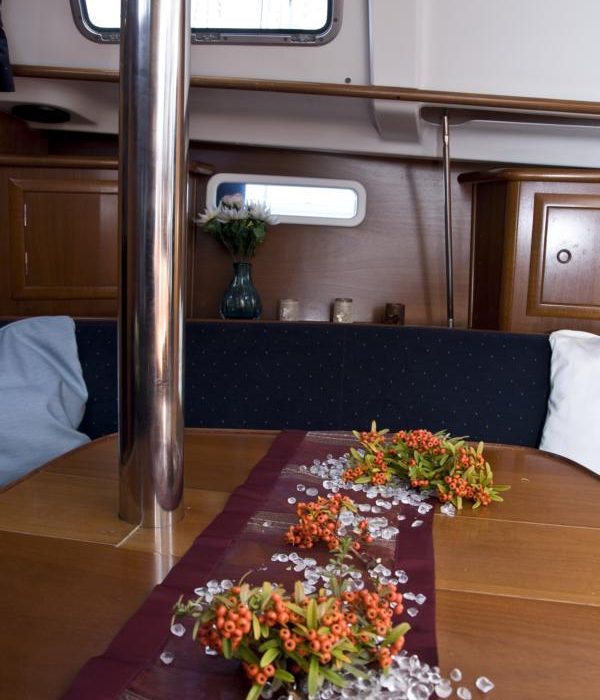

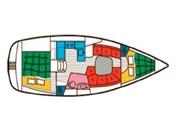
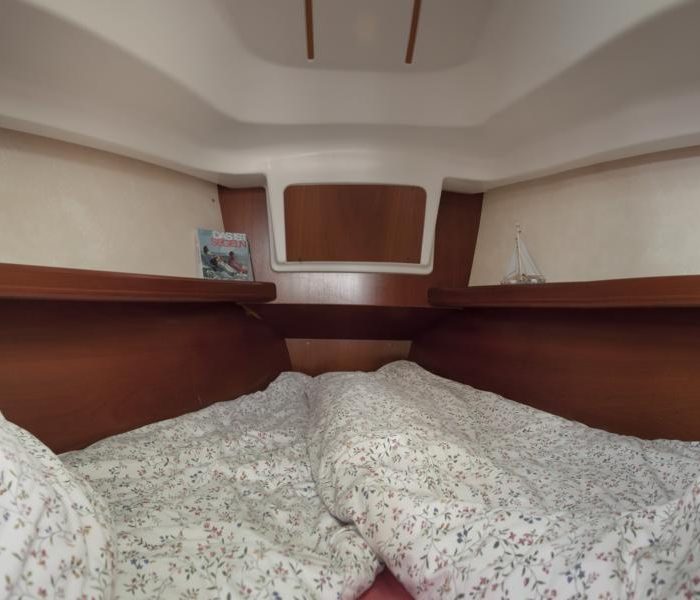
SY Romantika | Oceanis 331
Sail Your Soul
Greece, Ionian, Gouvia, D-Marin Marina Gouvia
Year: 2000
Length: 34 Ft
Cabins: 2
Guests: 6
1490 €
1490 €
- 5% 1,416€
+ mandatory costs - 160 €
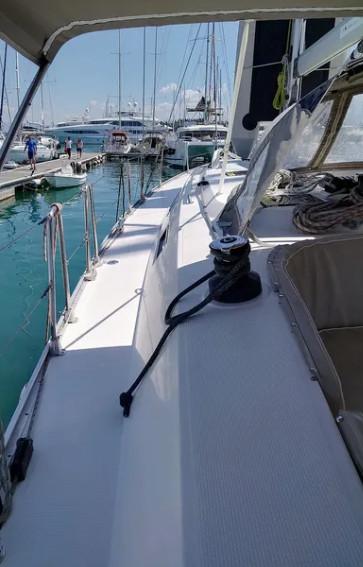


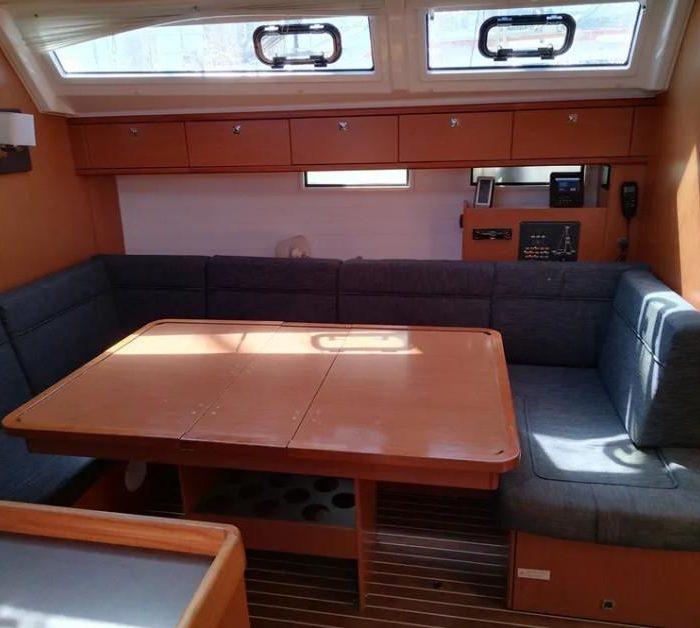
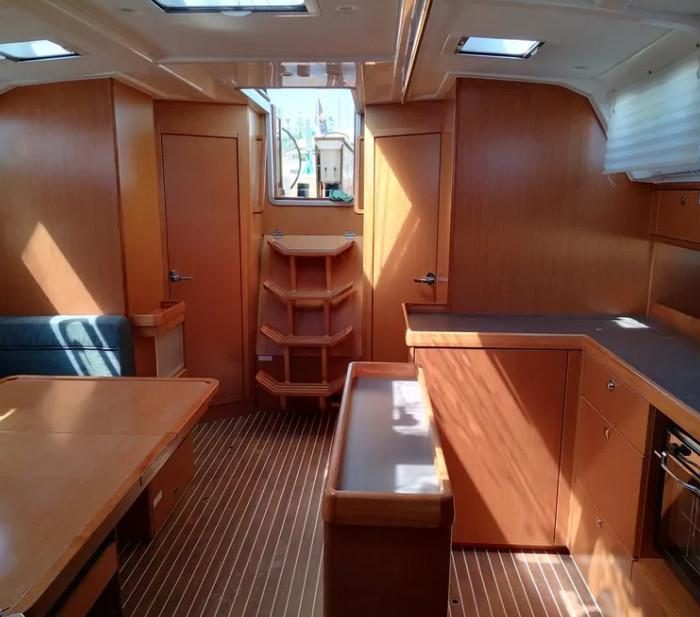
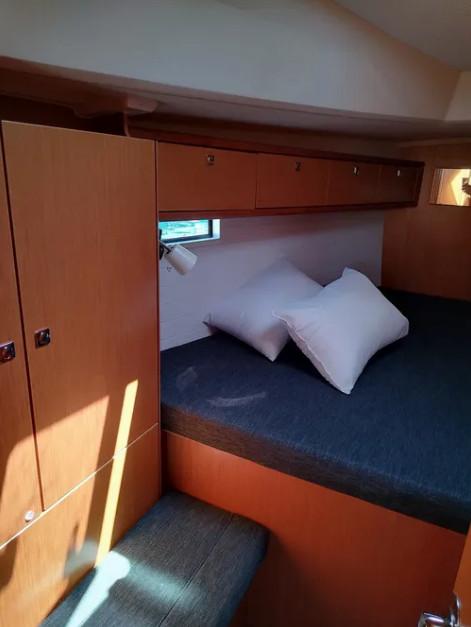
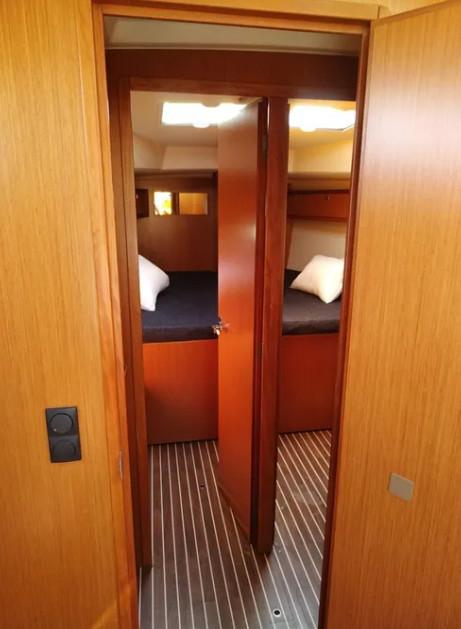
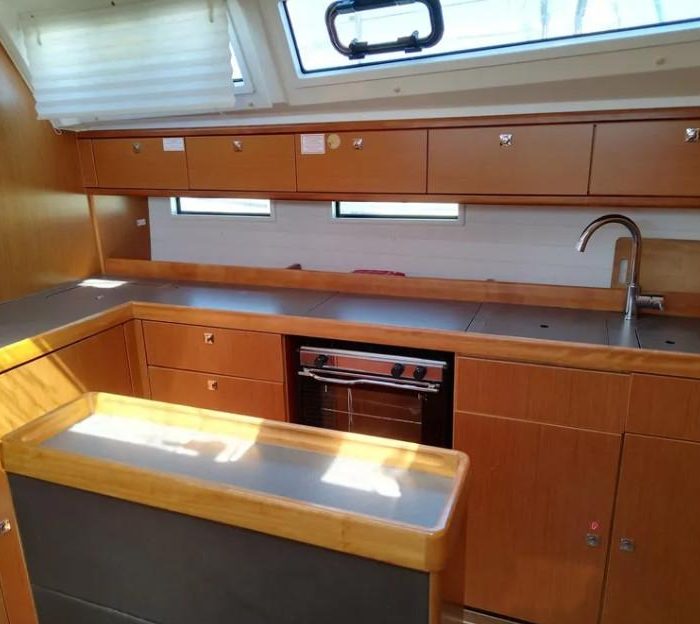
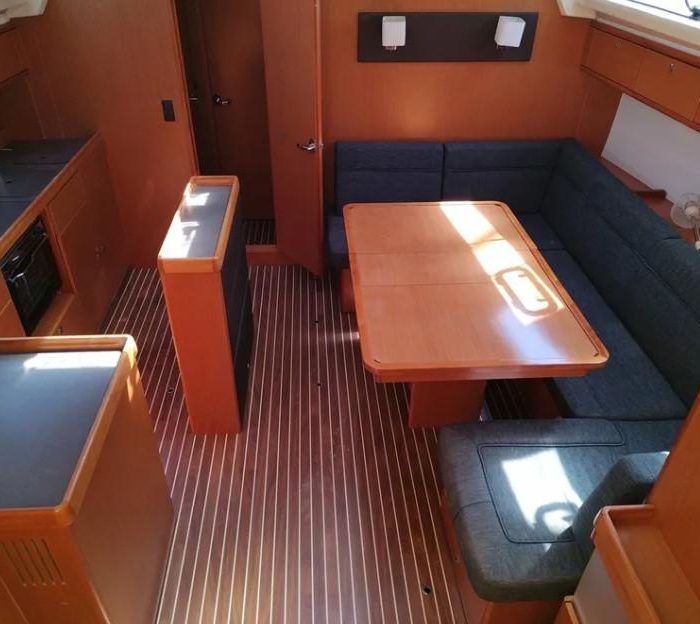
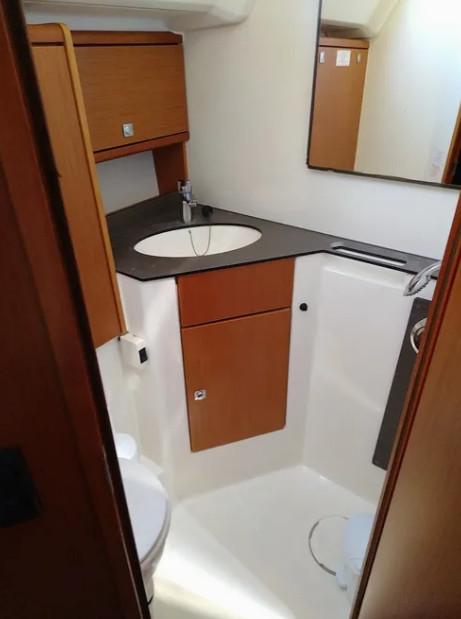
Mojito | Bavaria Cruiser 46
MG Yachts
Greece, Ionian Islands, Corfu, Gouvia Marina
Year: 2016
Length: 48 Ft
Cabins: 4
Guests: 8
3000 €
3000 €
- 52% 1,425€
+ mandatory costs - 300 €
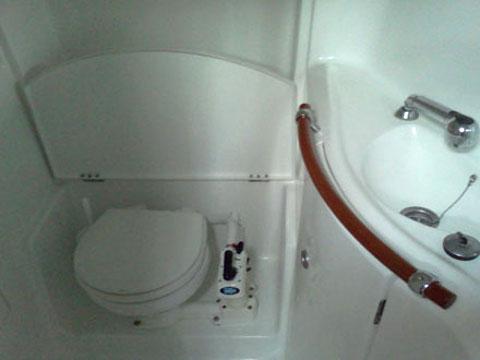
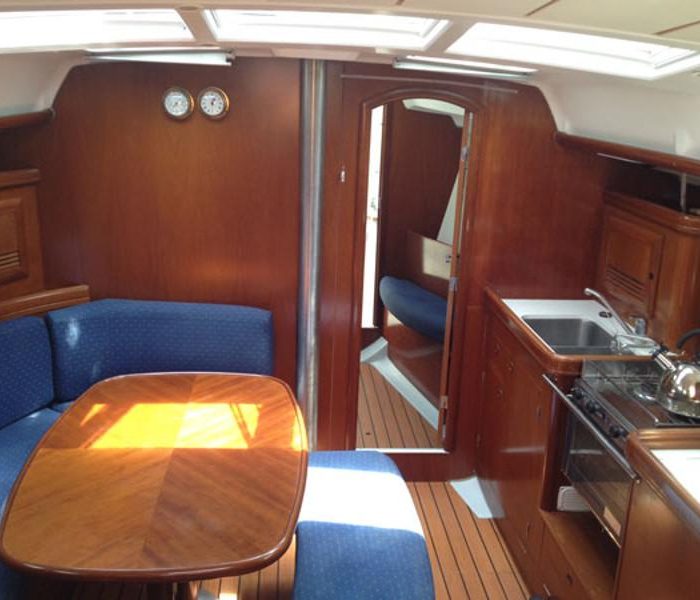
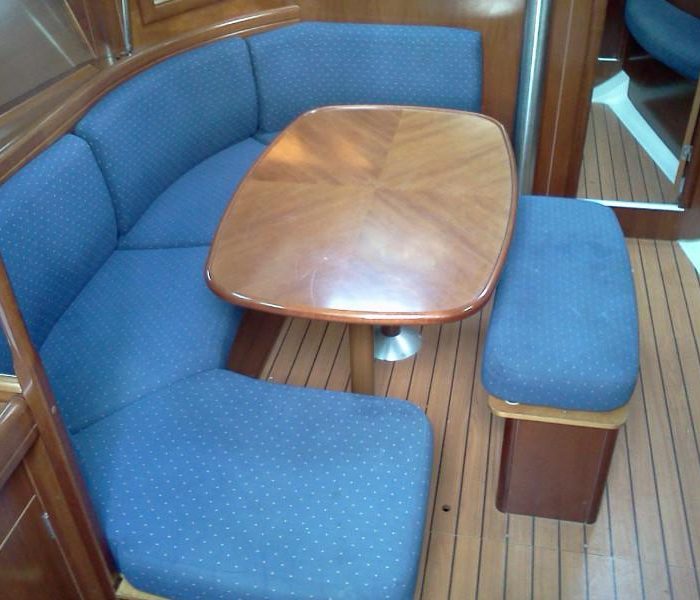
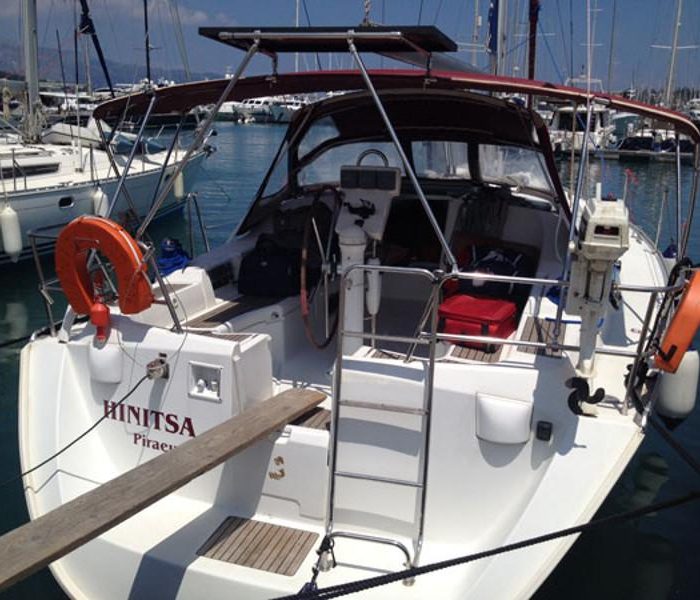
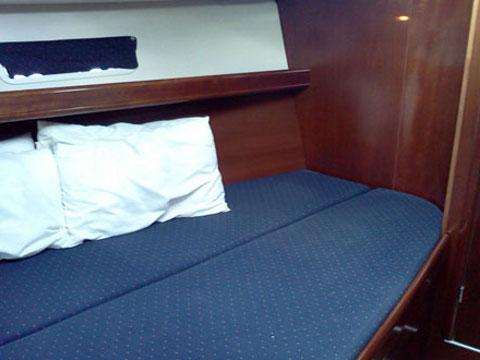
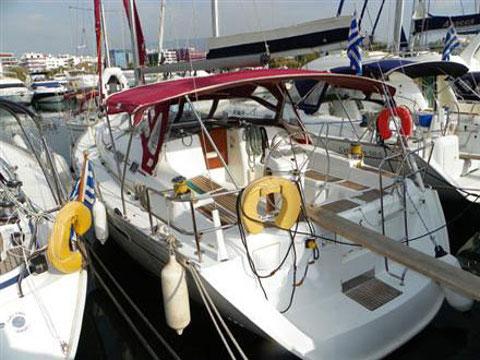
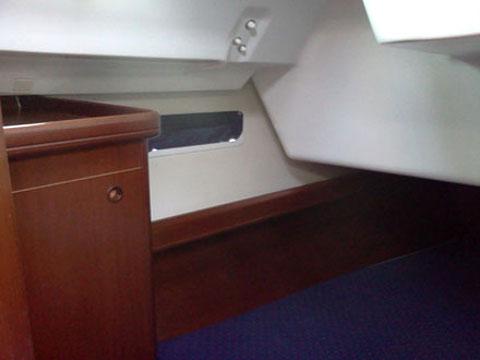
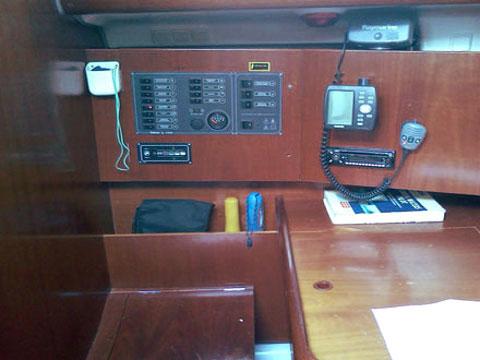
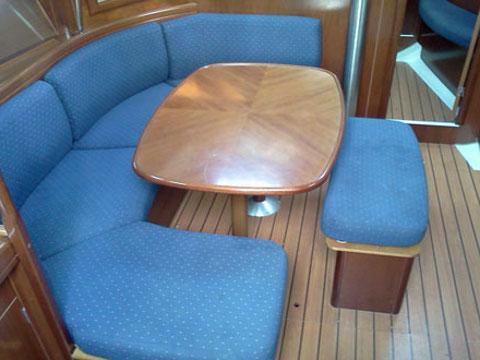
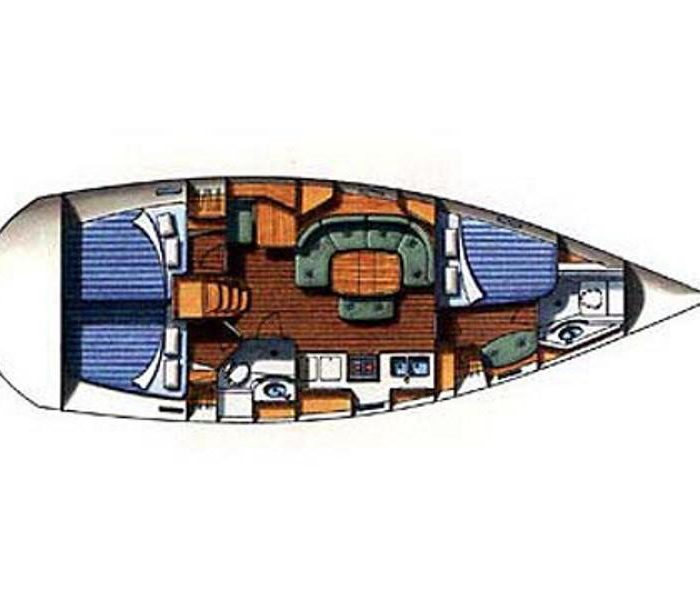
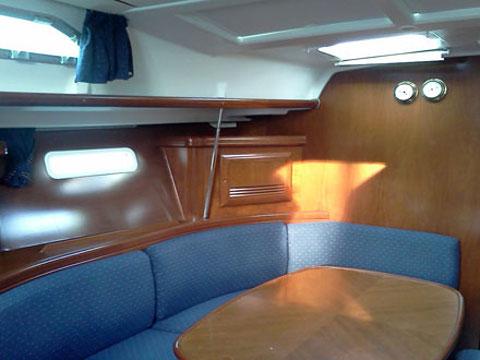
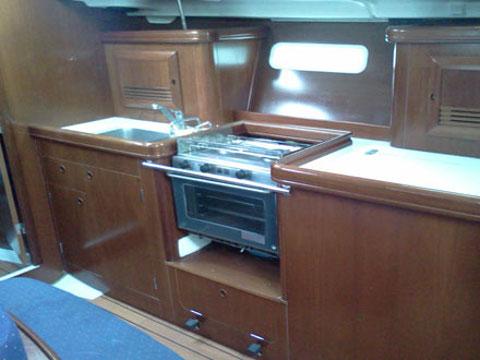
Hinitsa | Oceanis 393
Dolphin Yachts OE
Greece, Ionian, Gouvia, D-Marin Marina Gouvia
Year: 2004
Length: 39 Ft
Cabins: 3
Guests: 6
1500 €
1500 €
- 5% 1,425€
+ mandatory costs - 280 €


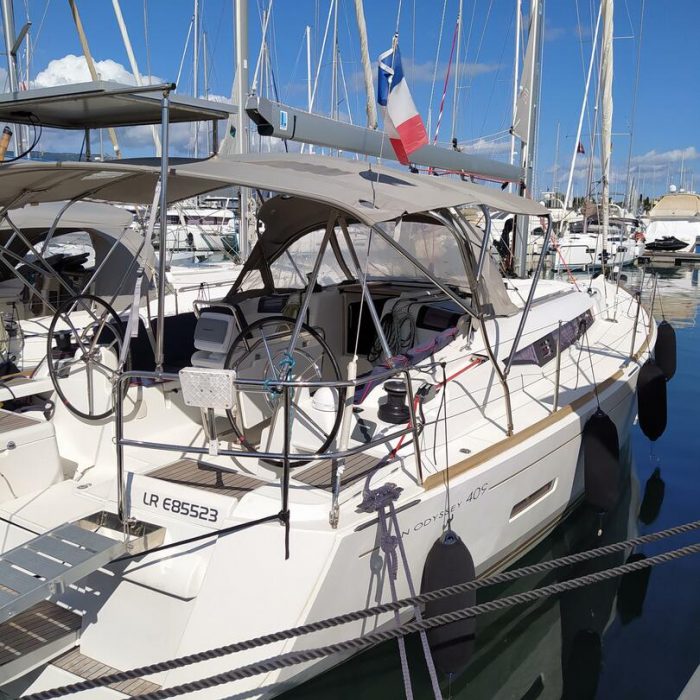
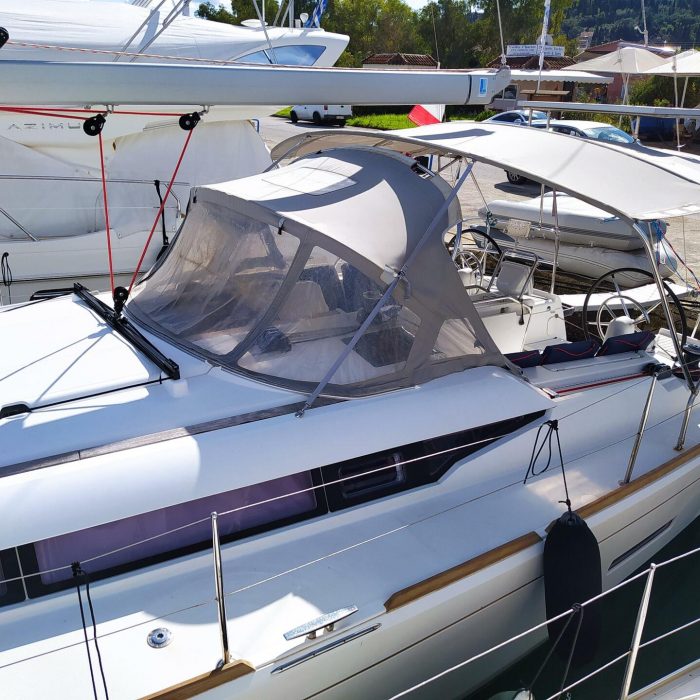

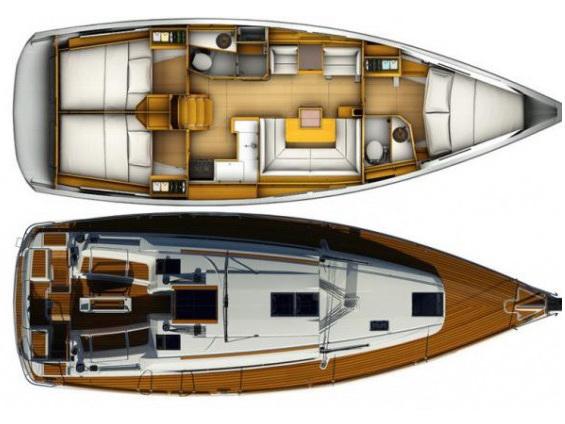


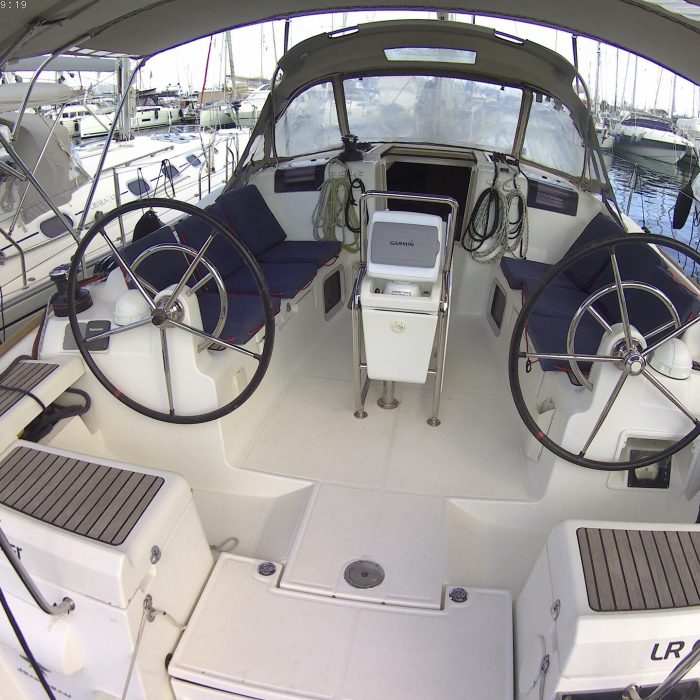
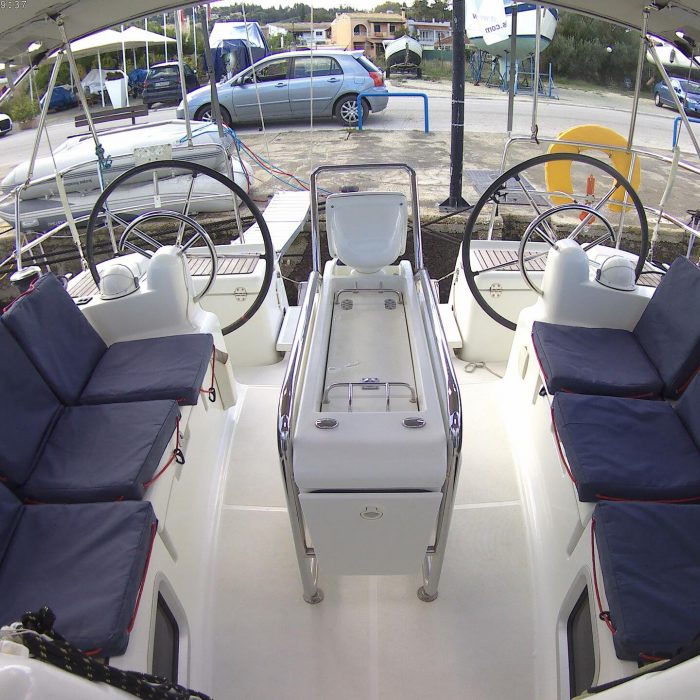


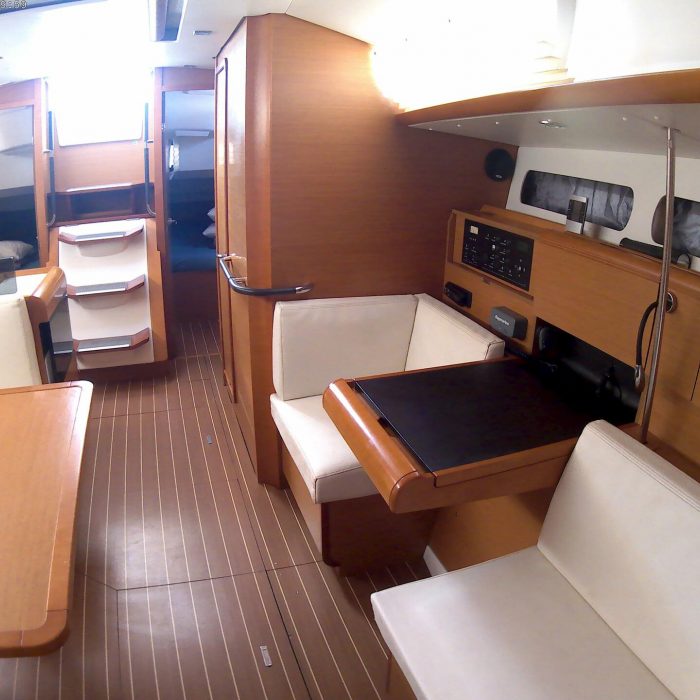

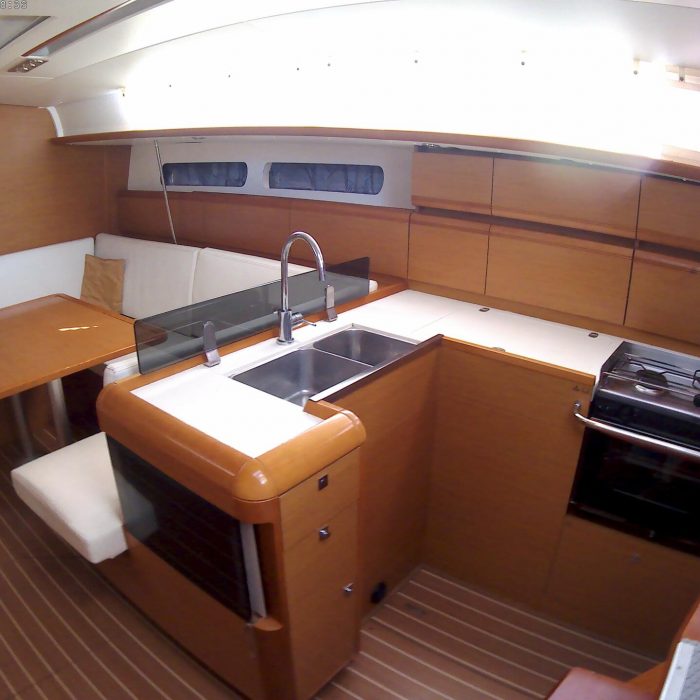
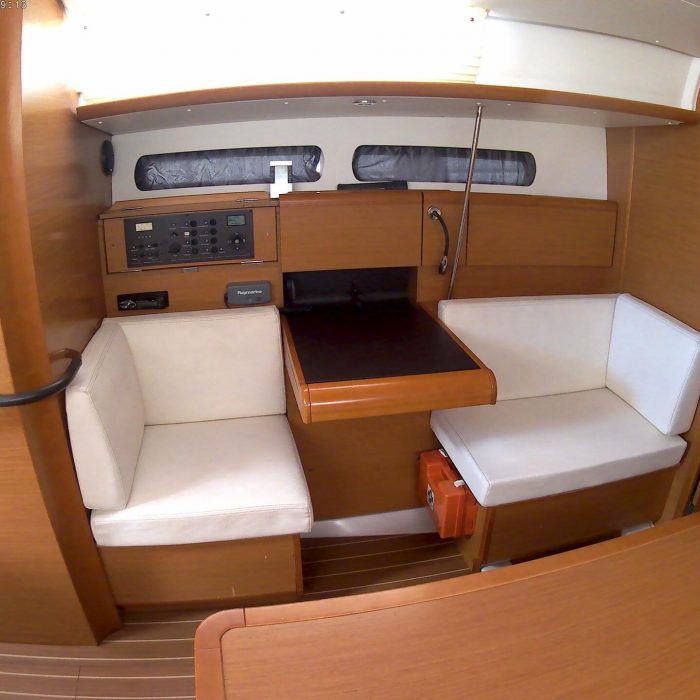
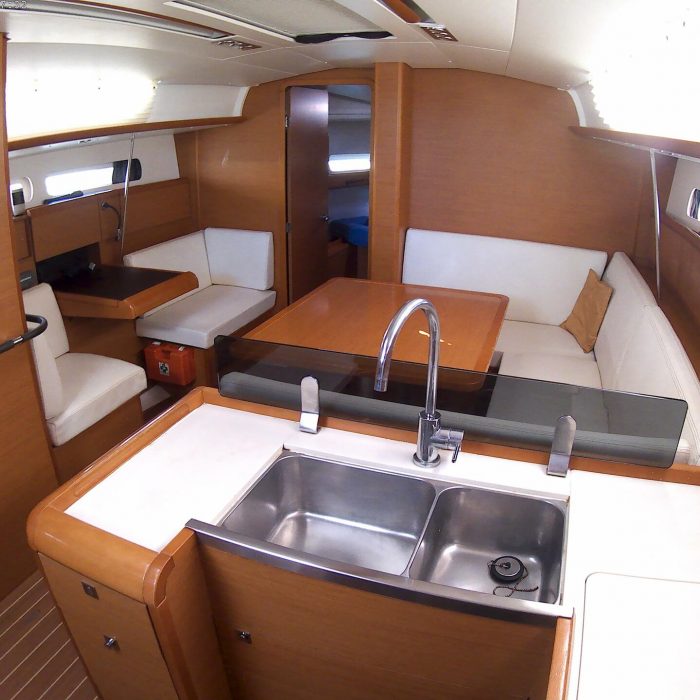
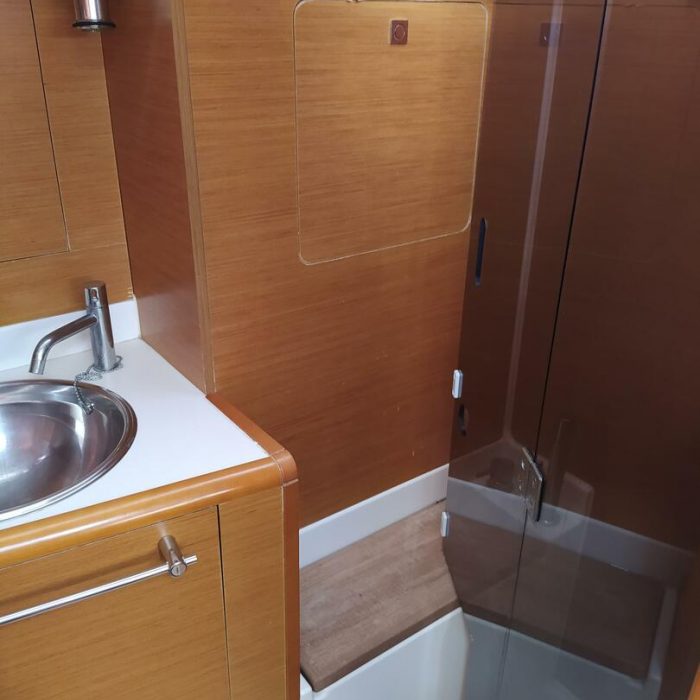
Traveller | Sun Odyssey 409
AA Yachts
Greece, Ionian Islands, Corfu, Gouvia Marina
Year: 2013
Length: 39 Ft
Cabins: 3
Guests: 8
1550 €
1550 €
- 5% 1,473€
+ mandatory costs - 260 €
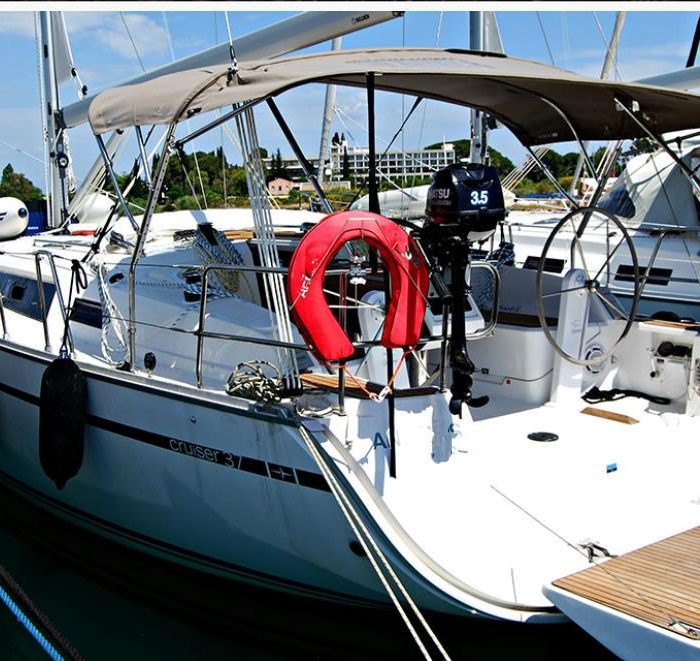
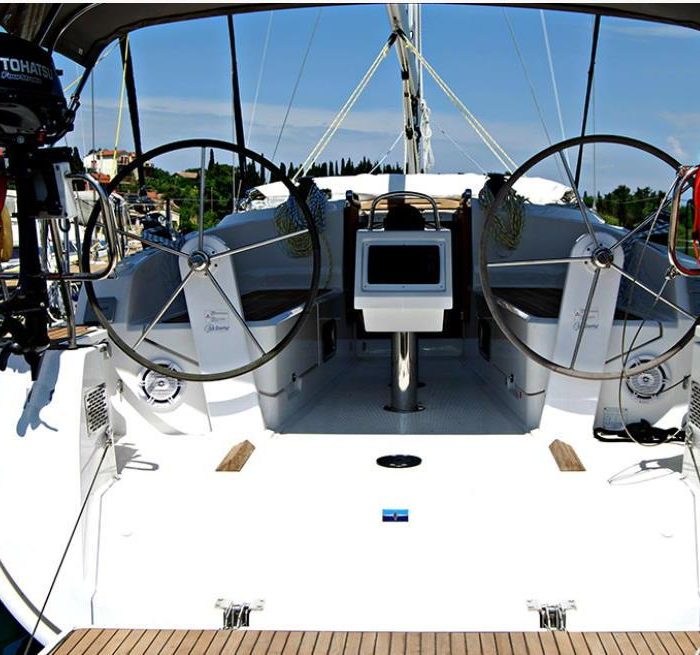

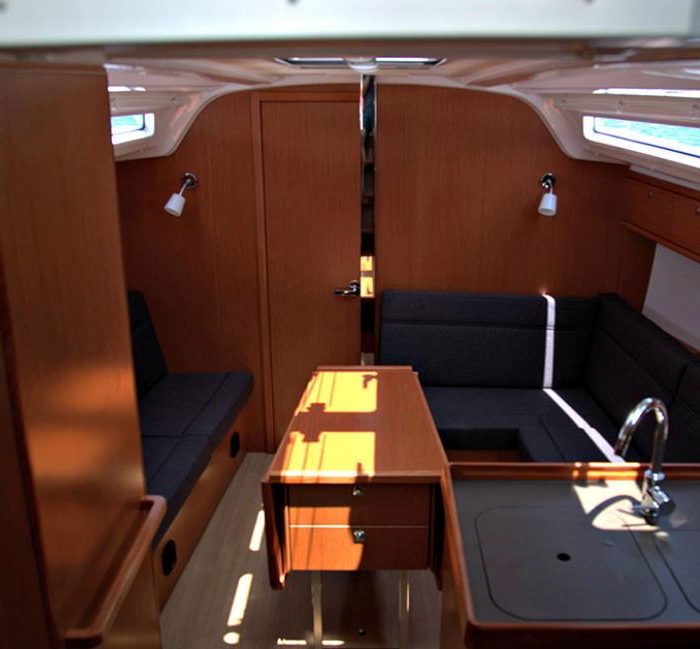

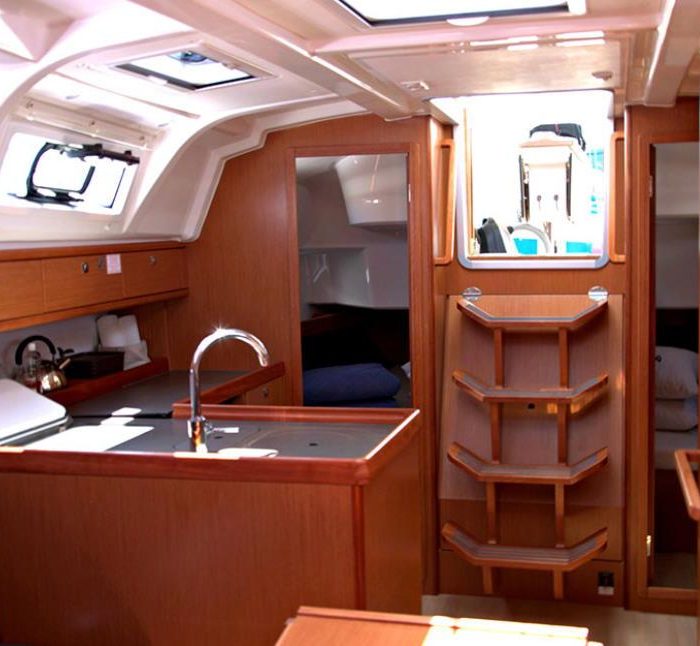
Anemos | Bavaria 37
Lenco Corfu Yachts Charter
Greece, Ionian Islands, Corfu, Gouvia Marina
Year: 2015
Length: 38 Ft
Cabins: 3
Guests: 6
1850 €
1850 €
- 19% 1,499€
+ mandatory costs - 180 €
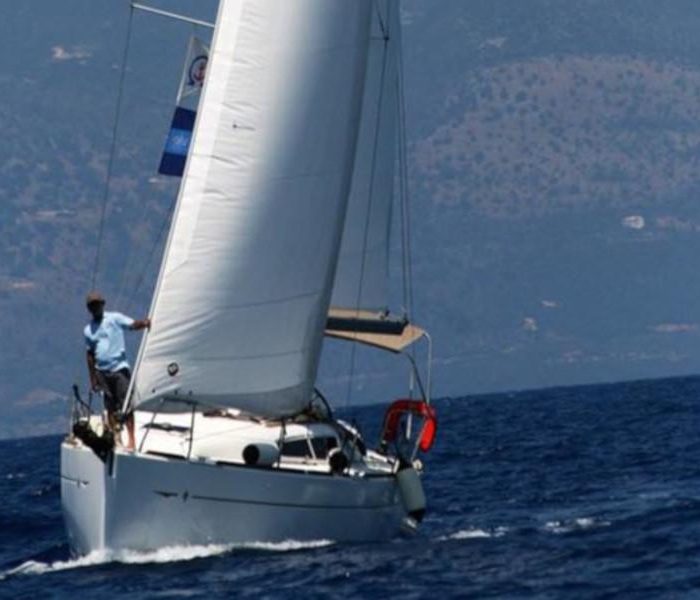
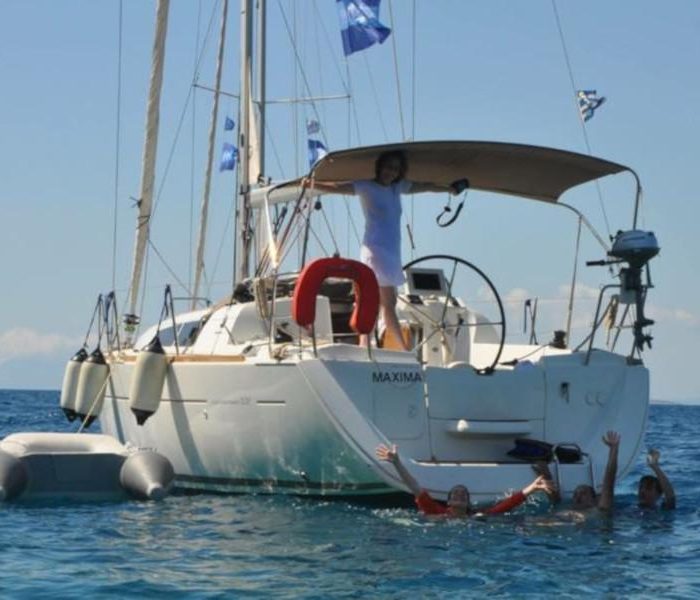
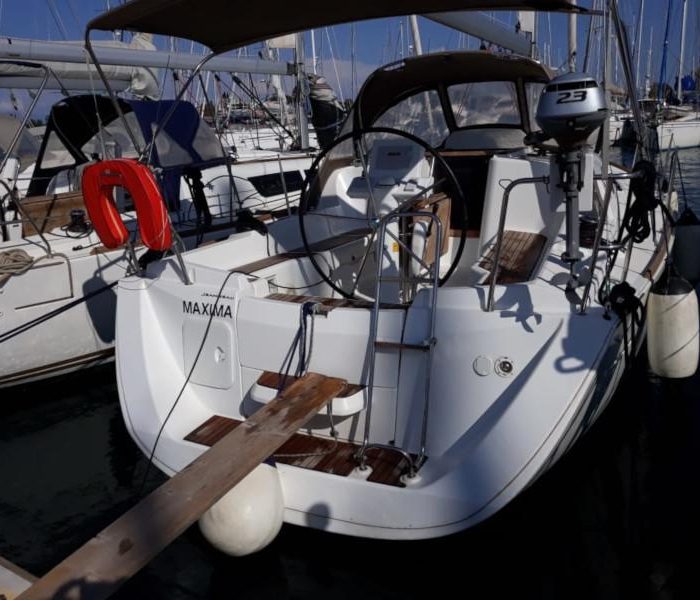
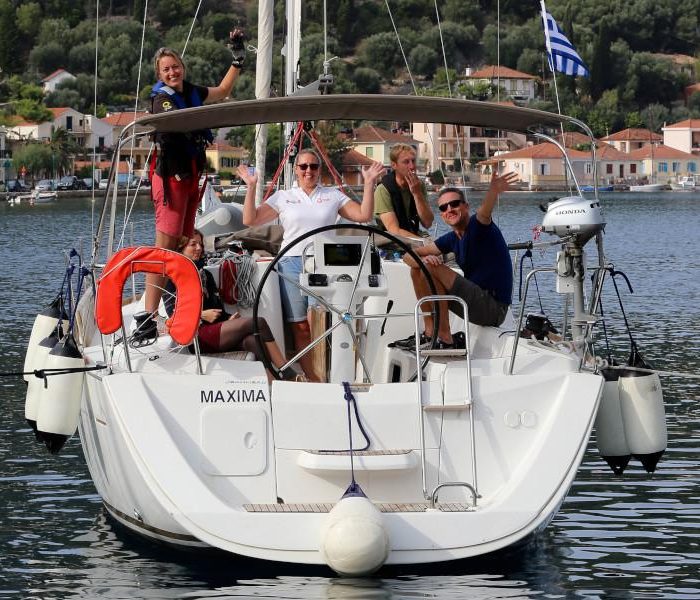
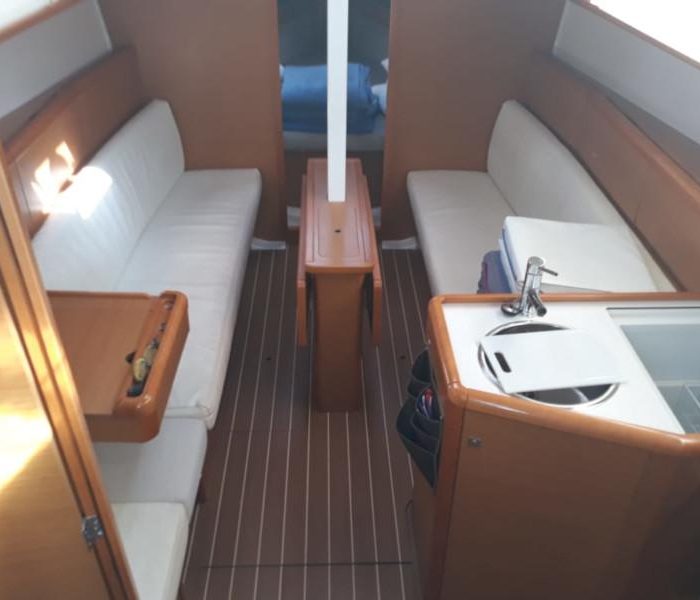
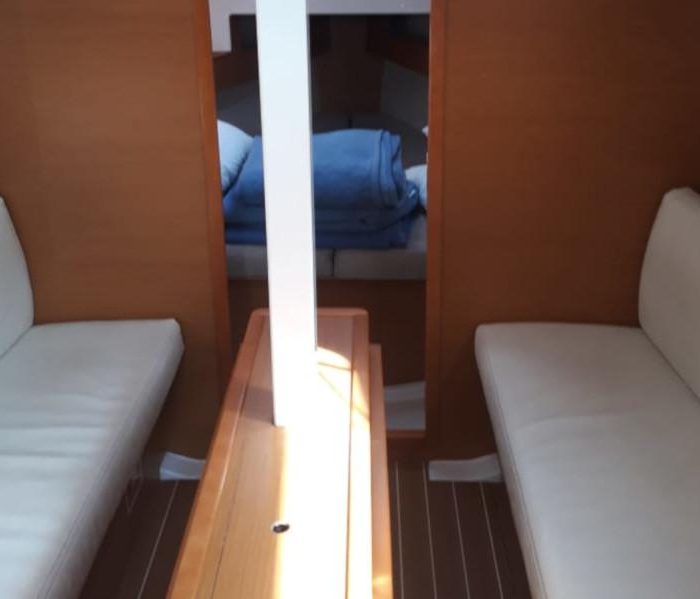
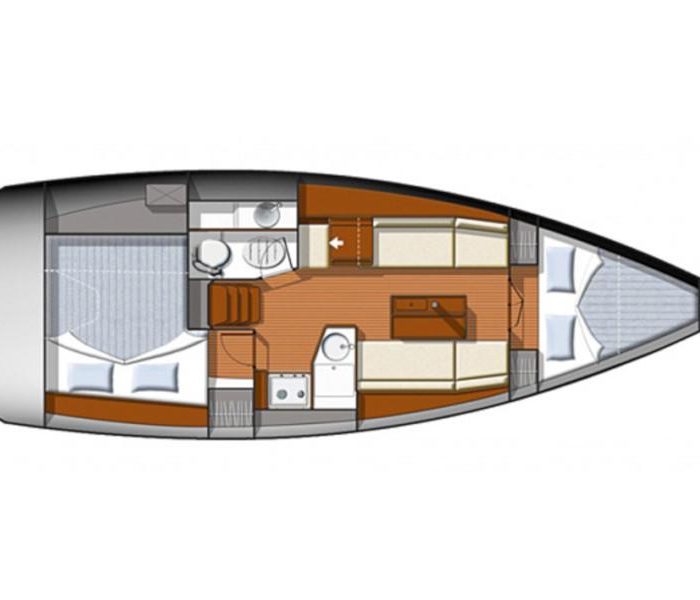
Maxima | Sun Odyssey 33i
OmegaSail
Greece, Ionian, Gouvia, D-Marin Marina Gouvia
Year: 2015
Length: 33 Ft
Cabins: 2
Guests: 6
1650 €
1650 €
- 5% 1,568€
+ mandatory costs - 170 €
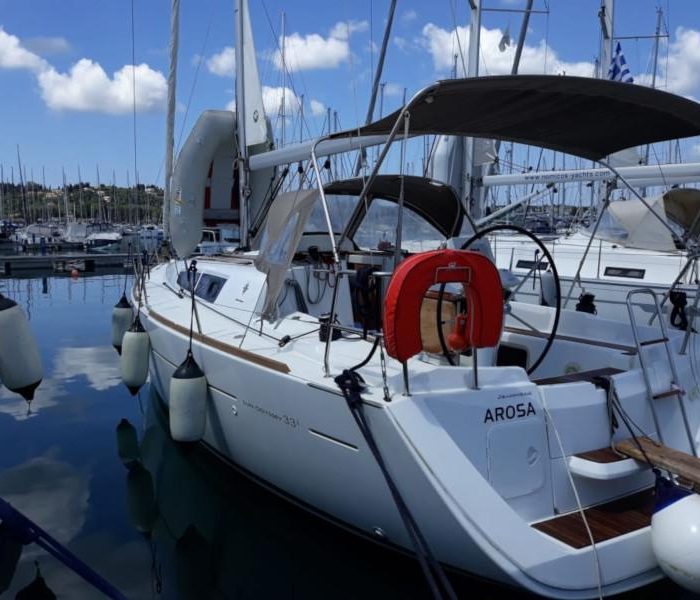
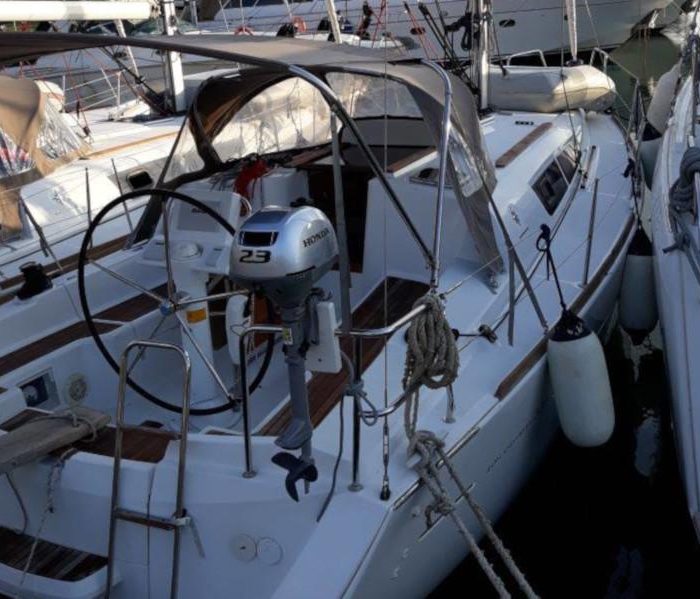
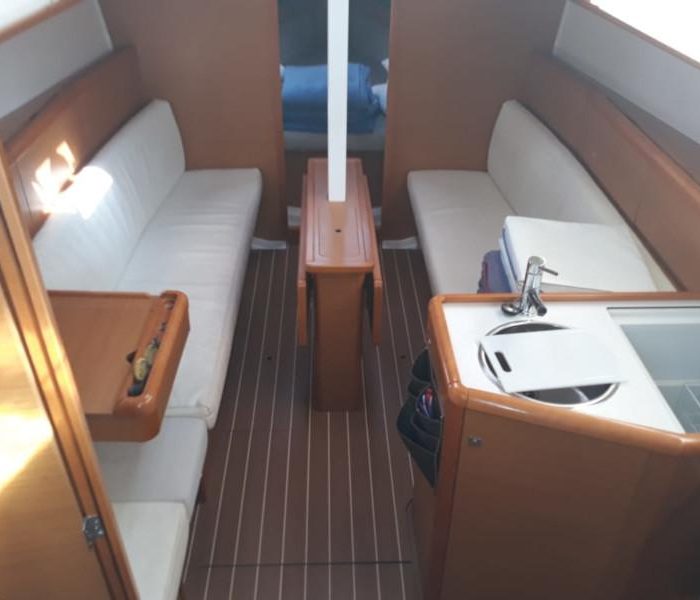
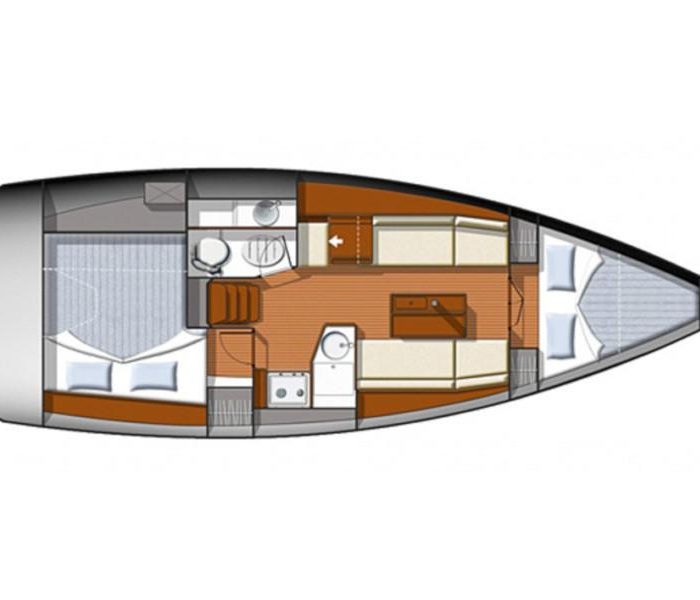
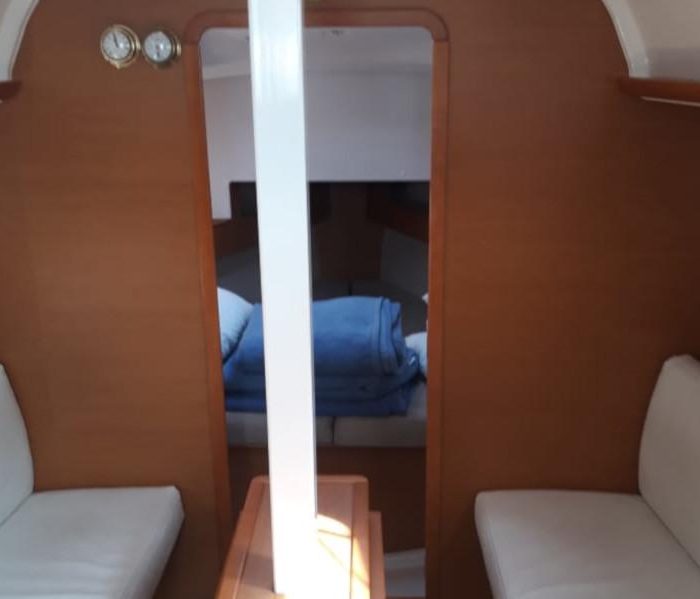
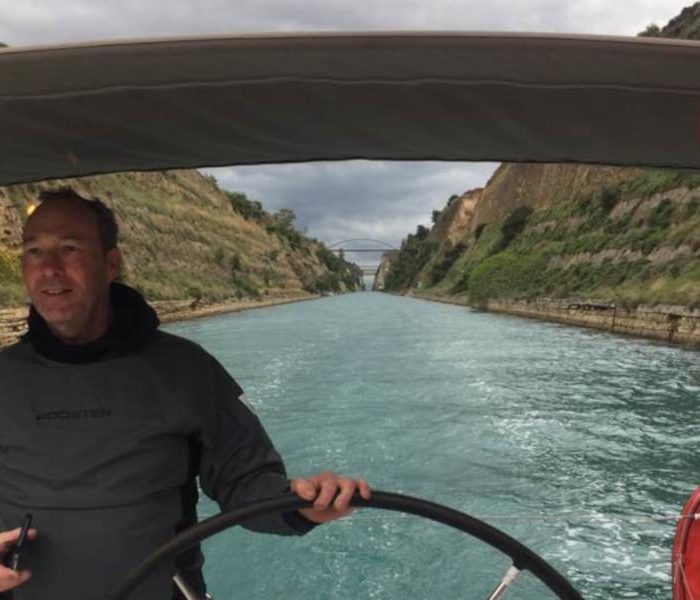
Arosa | Sun Odyssey 33i
OmegaSail
Greece, Ionian, Gouvia, D-Marin Marina Gouvia
Year: 2015
Length: 33 Ft
Cabins: 2
Guests: 6
1650 €
1650 €
- 5% 1,568€
+ mandatory costs - 170 €
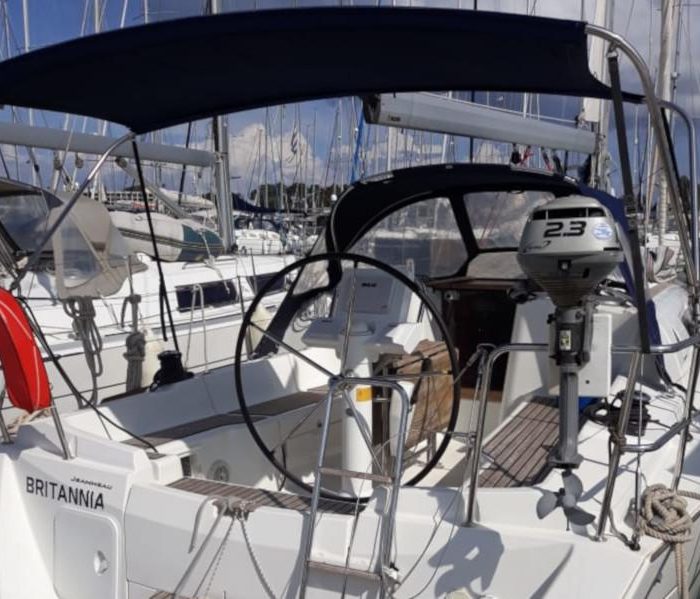
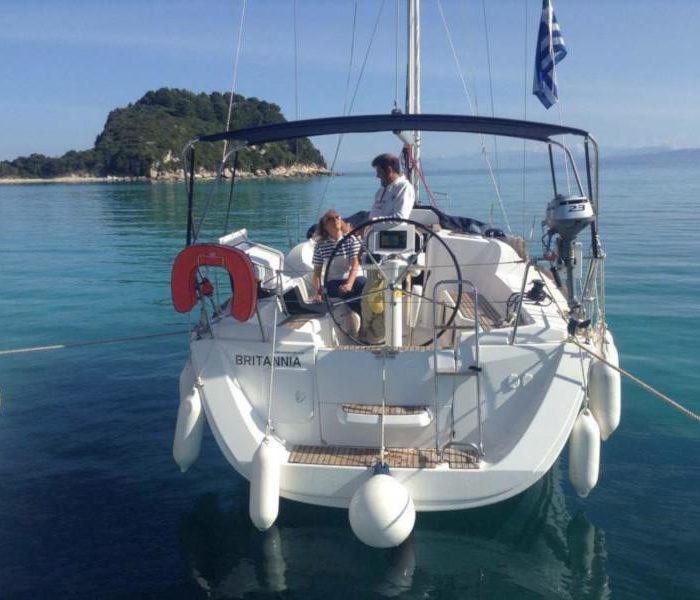
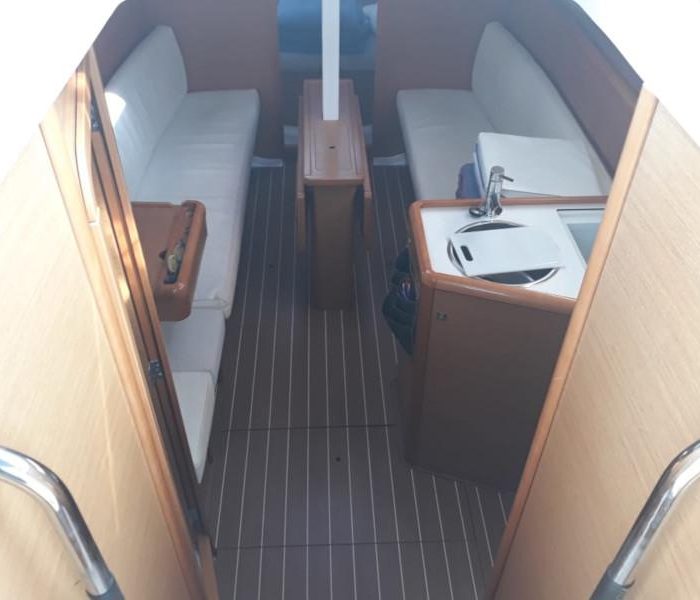
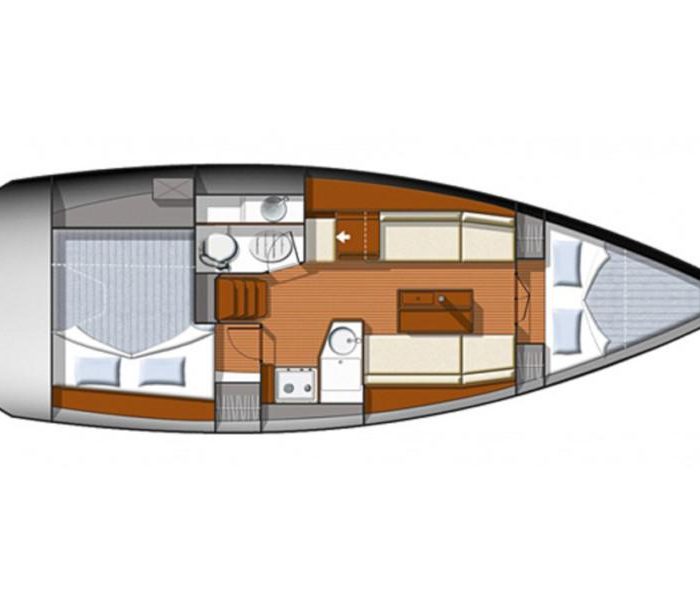
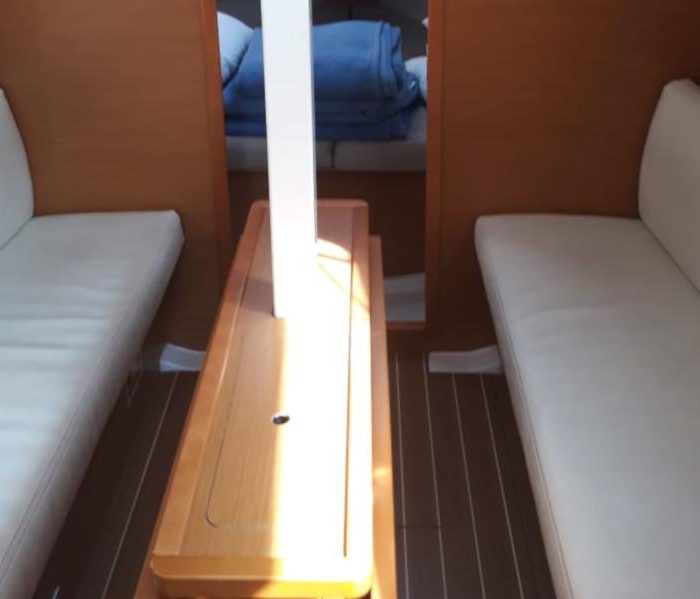
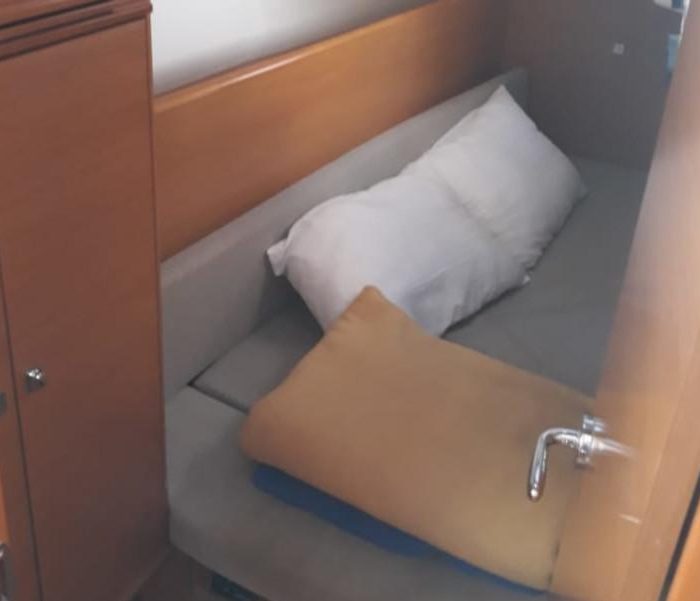
Britannia | Sun Odyssey 33i
OmegaSail
Greece, Ionian, Gouvia, D-Marin Marina Gouvia
Year: 2014
Length: 33 Ft
Cabins: 2
Guests: 6
1650 €
1650 €
- 5% 1,568€
+ mandatory costs - 170 €
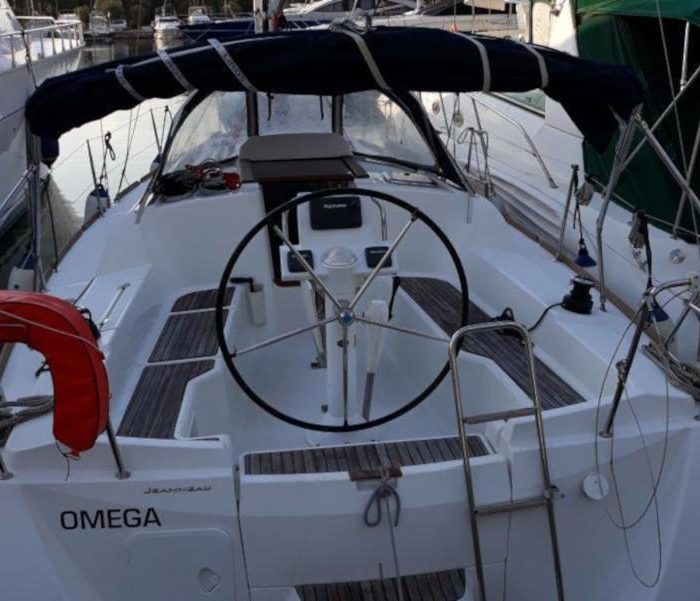
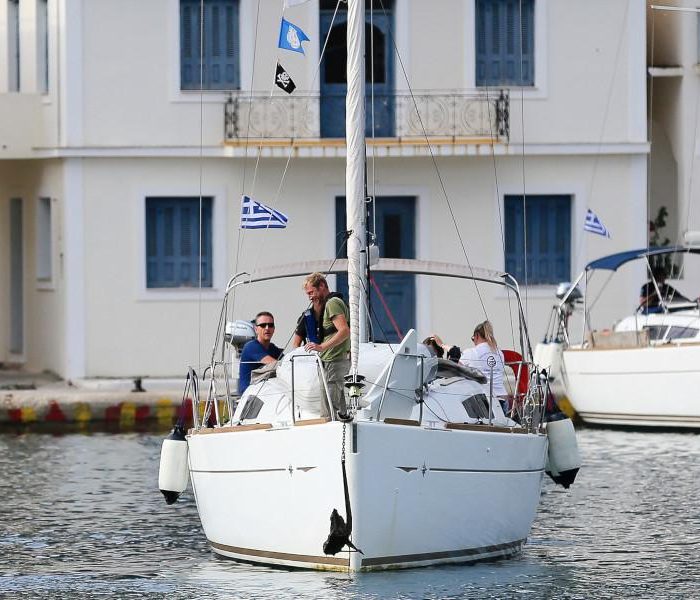
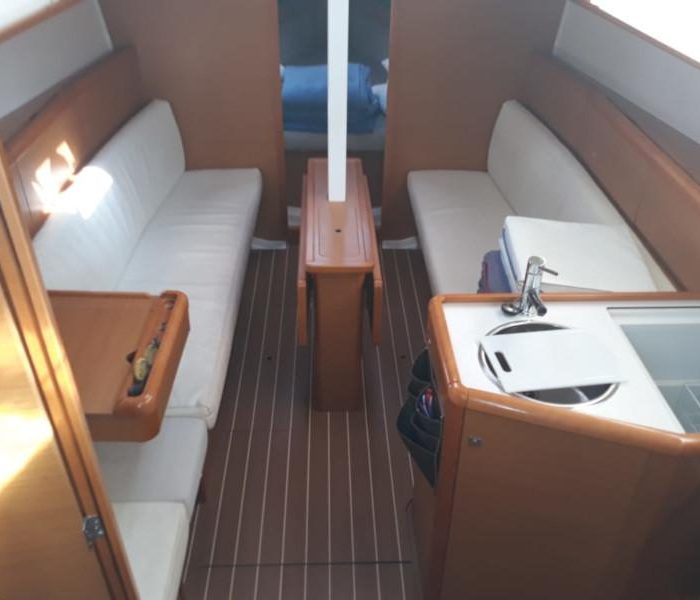
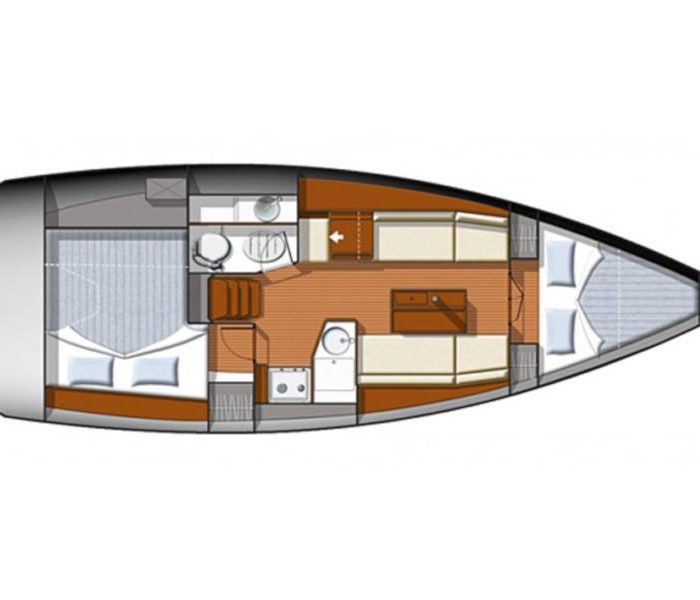
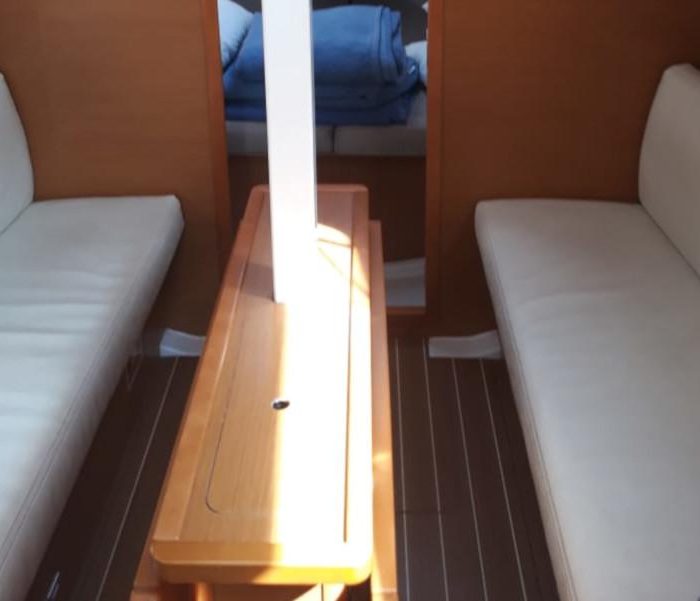
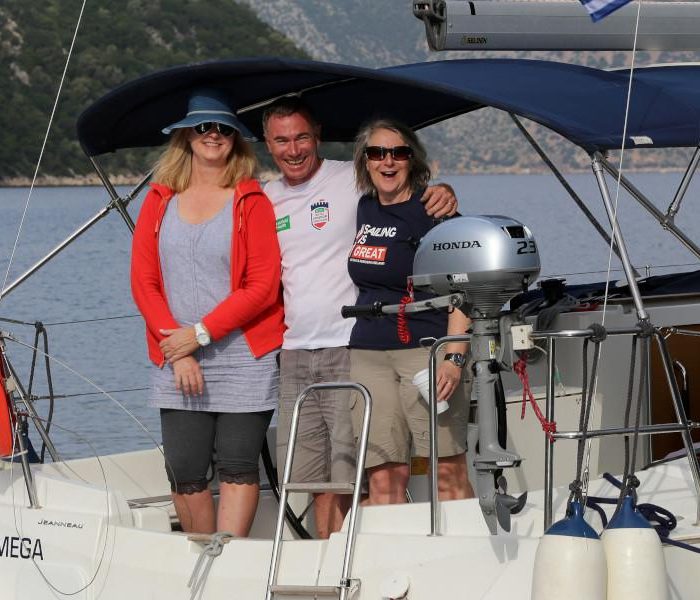
Omega | Sun Odyssey 33i
OmegaSail
Greece, Ionian, Gouvia, D-Marin Marina Gouvia
Year: 2013
Length: 33 Ft
Cabins: 2
Guests: 6
1650 €
1650 €
- 5% 1,568€
+ mandatory costs - 170 €
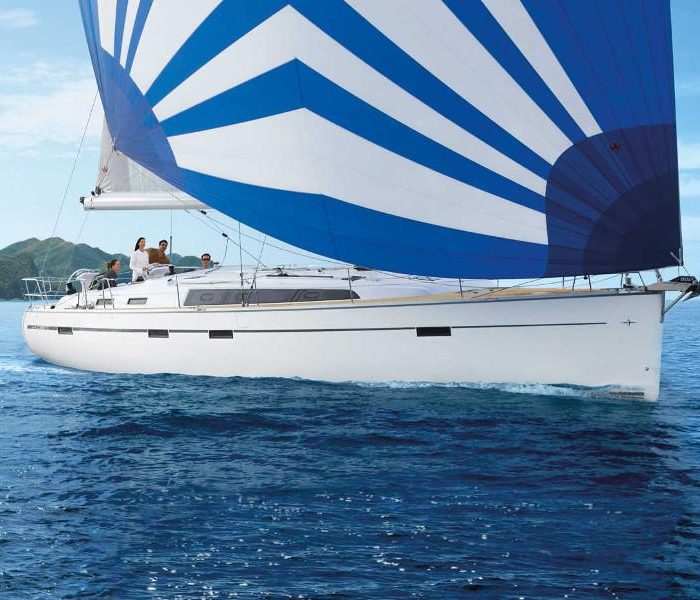
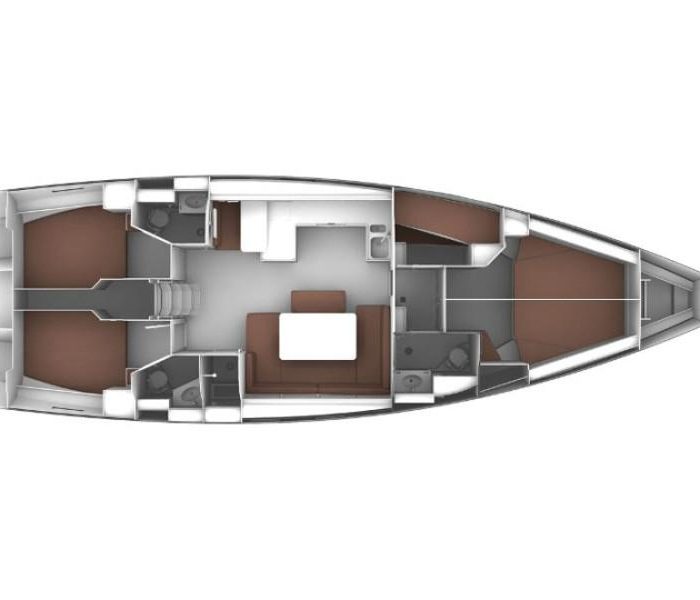
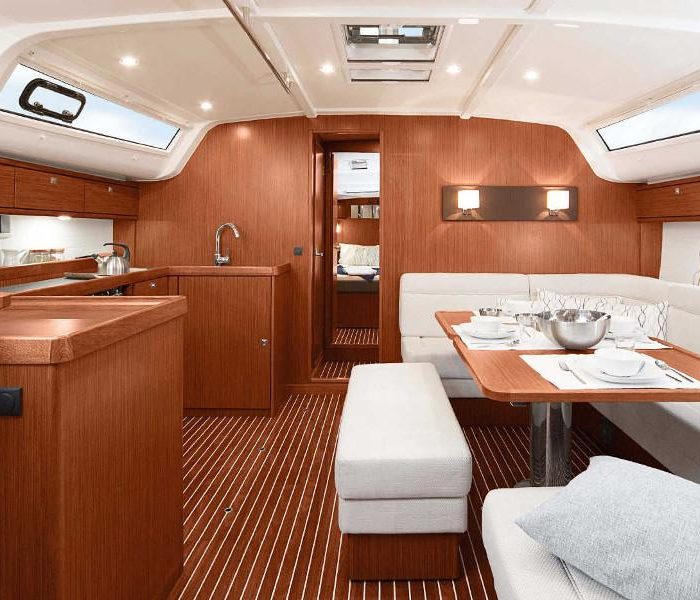
Gin Tonic | Bavaria Cruiser 51
JF Yachts P.C.
Greece, Ionian, Gouvia, D-Marin Marina Gouvia
Year: 2015
Length: 49 Ft
Cabins: 5
Guests: 10
2250 €
2250 €
- 29% 1,604€
+ mandatory costs - 280 €
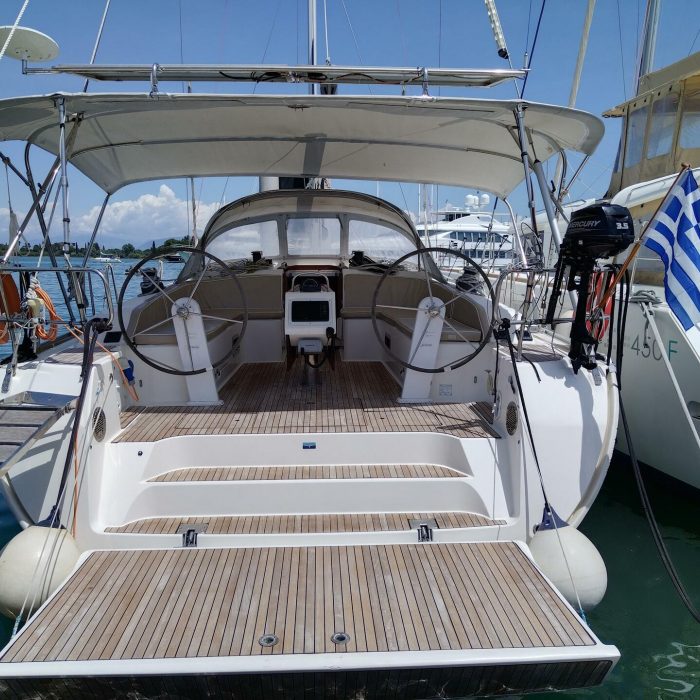
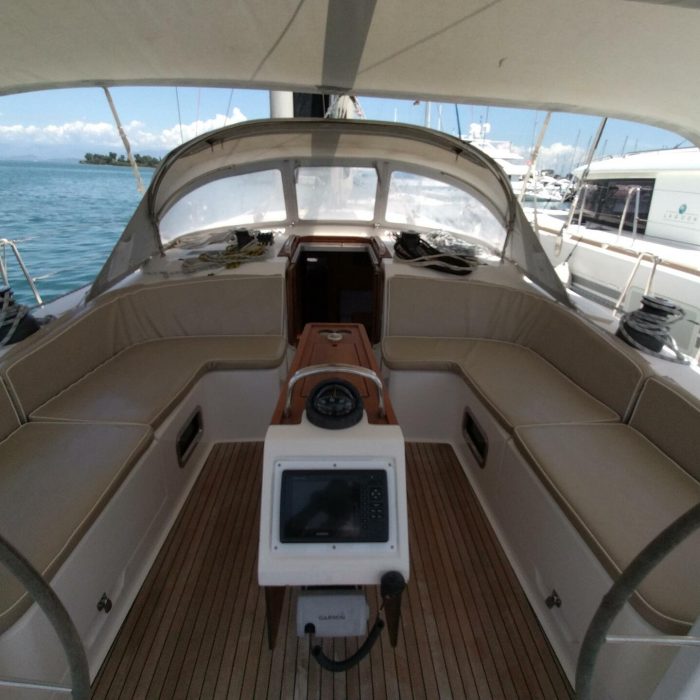
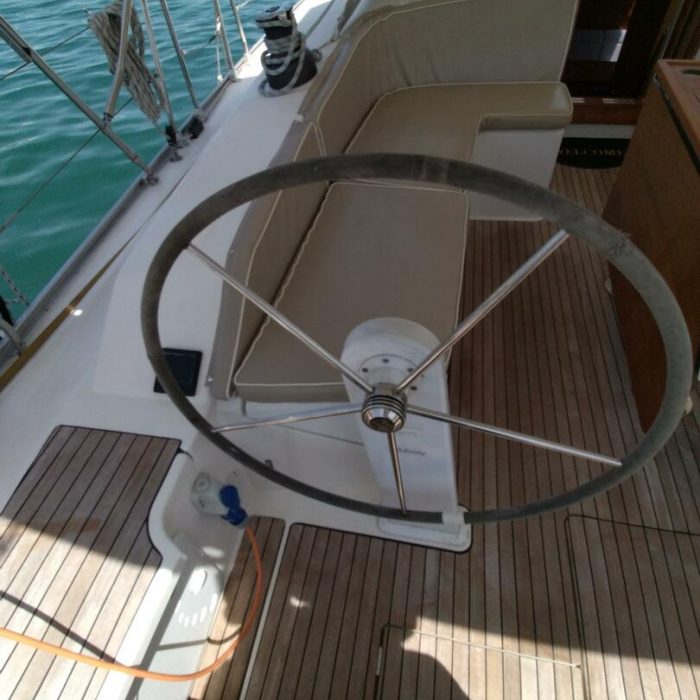
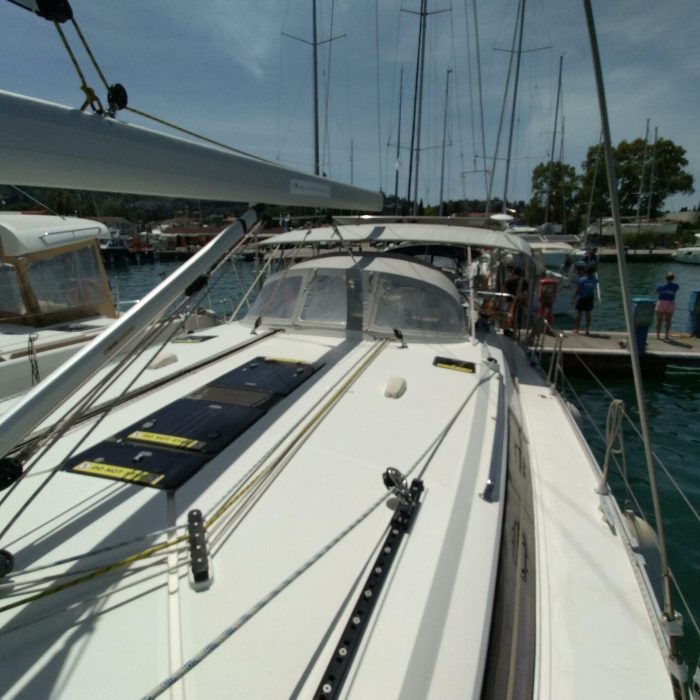
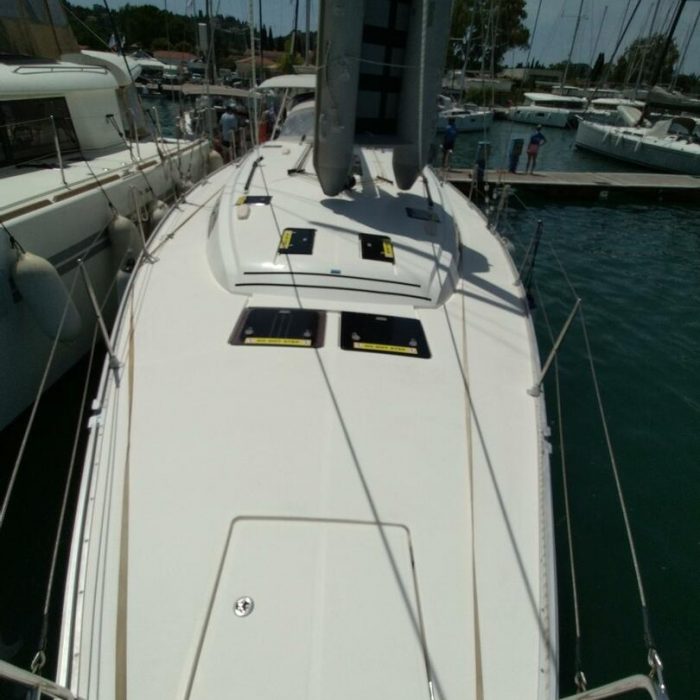
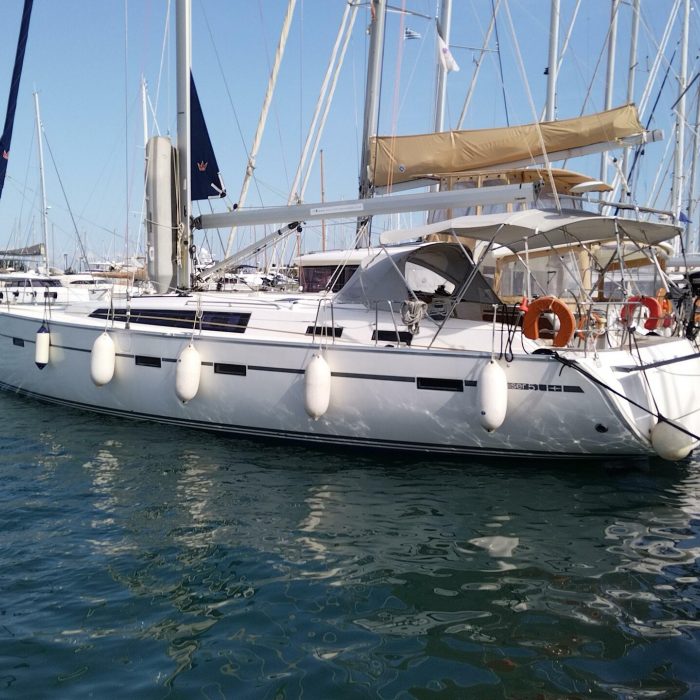
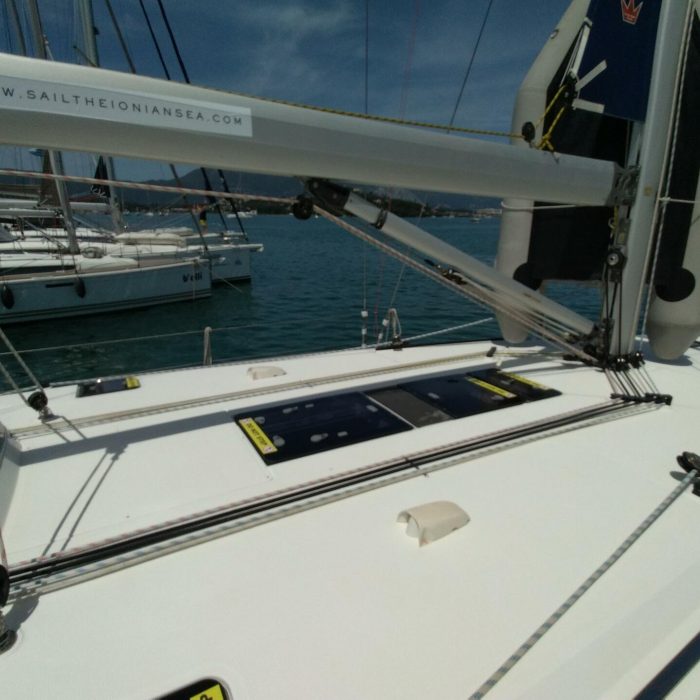
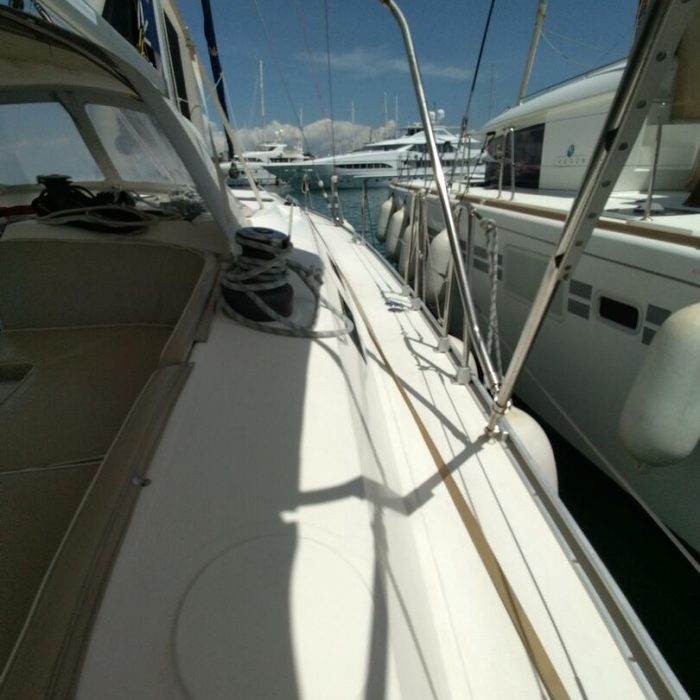
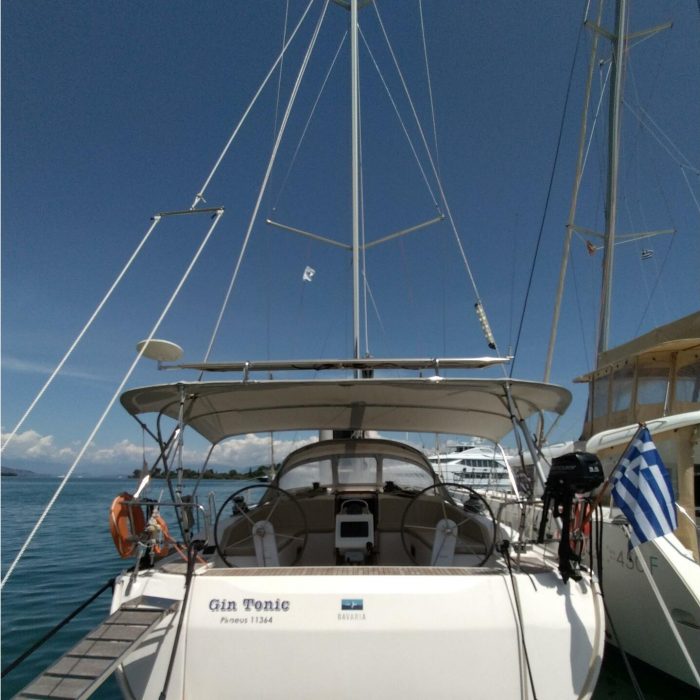
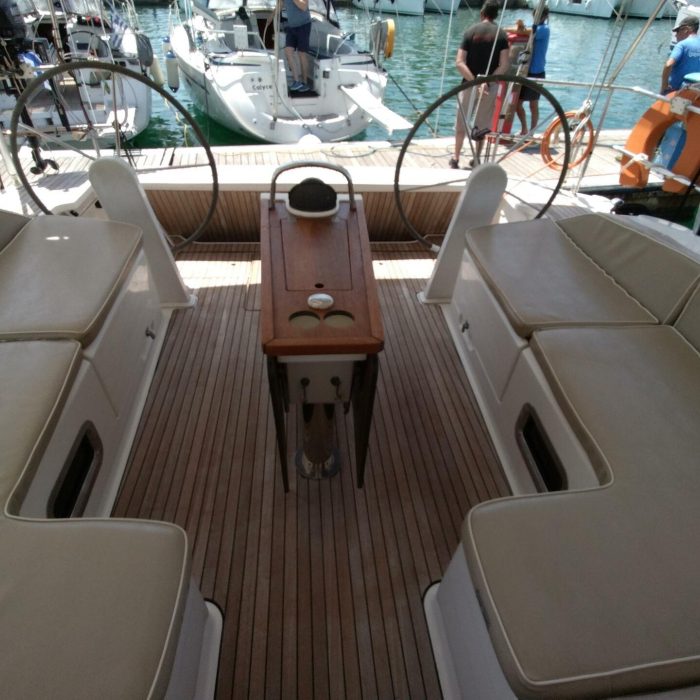
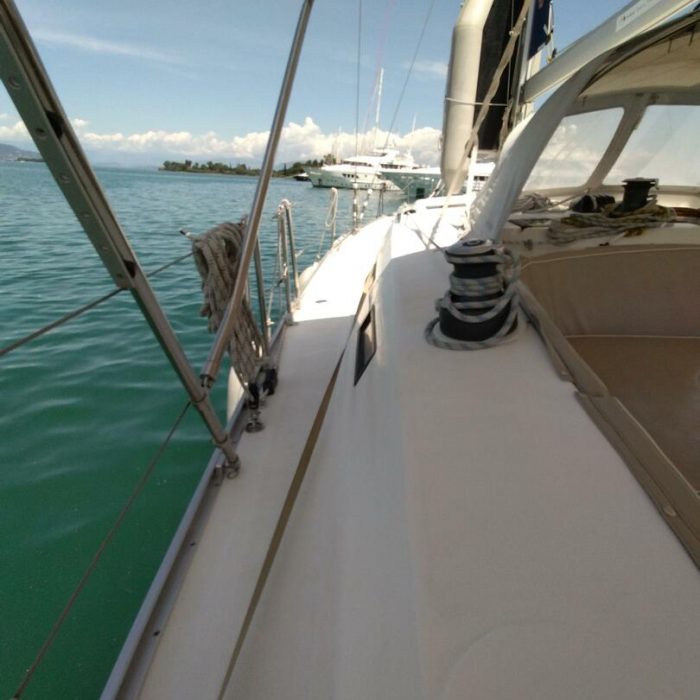
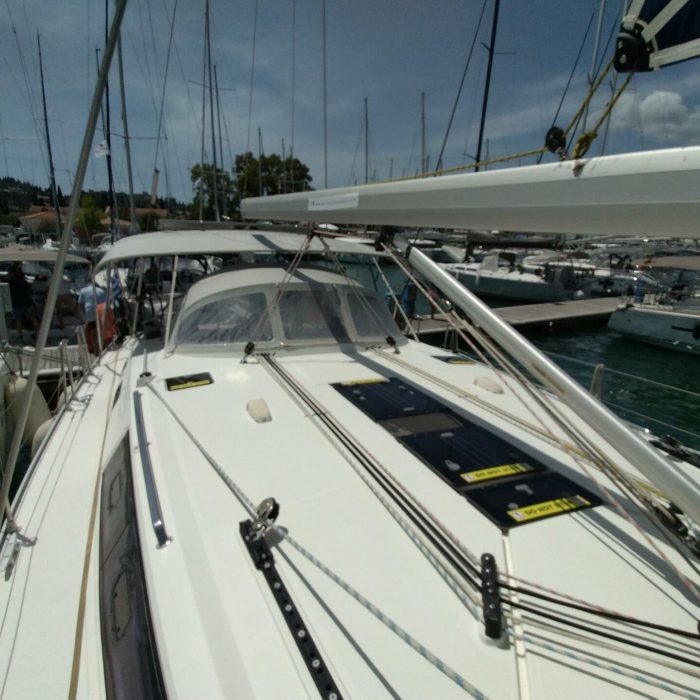
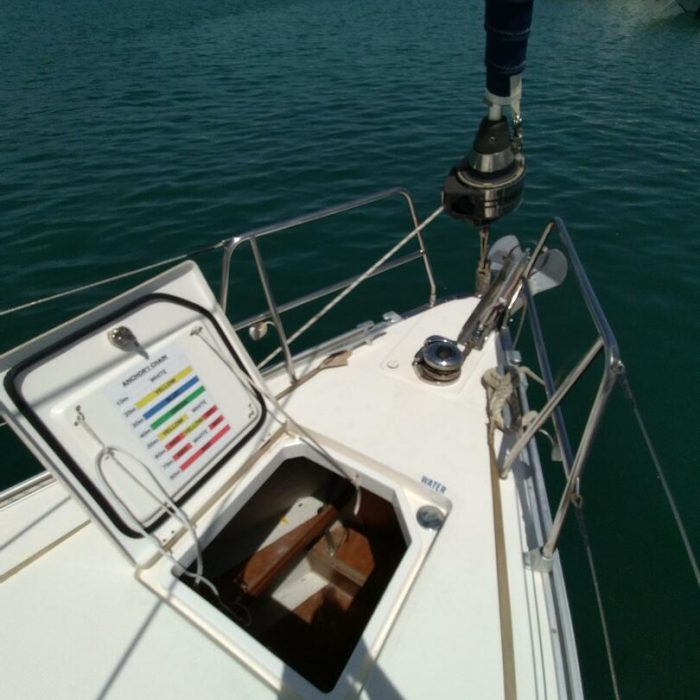
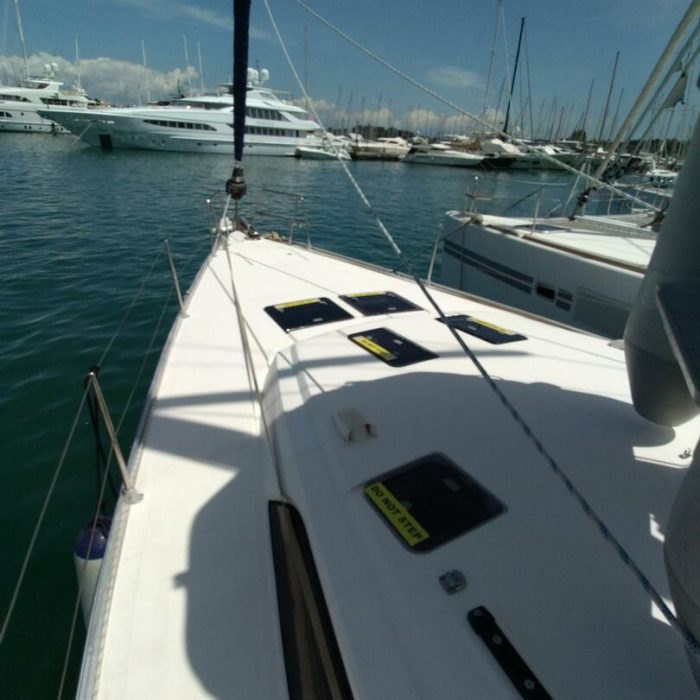
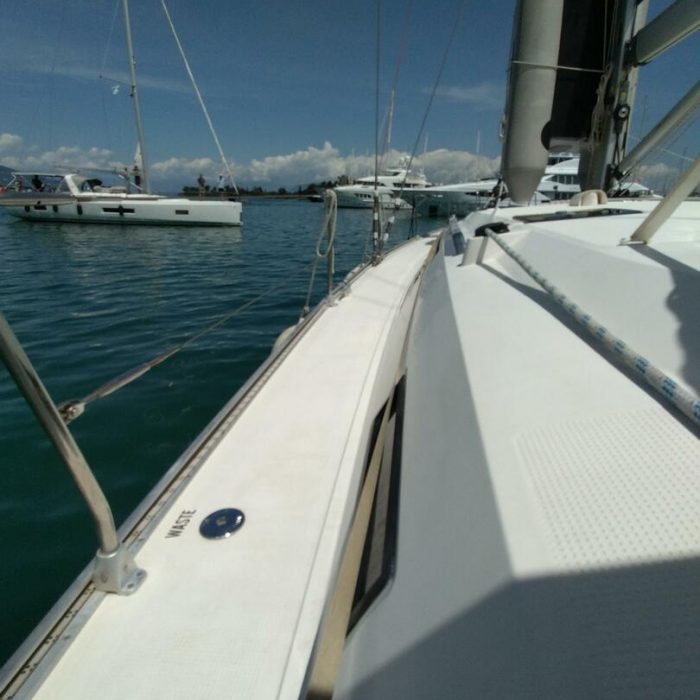
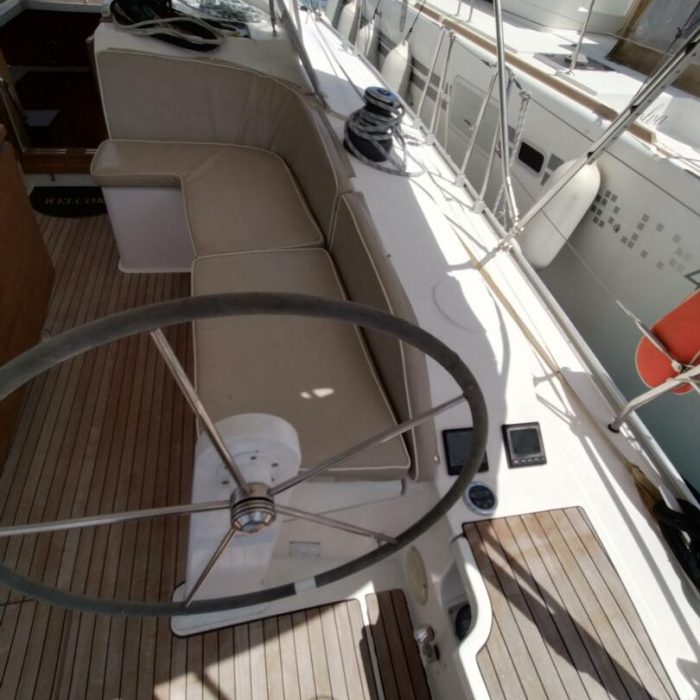
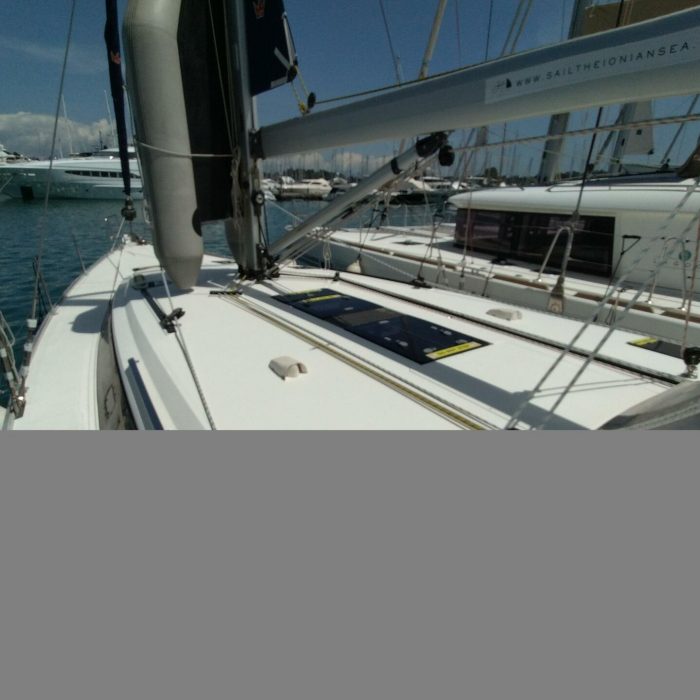
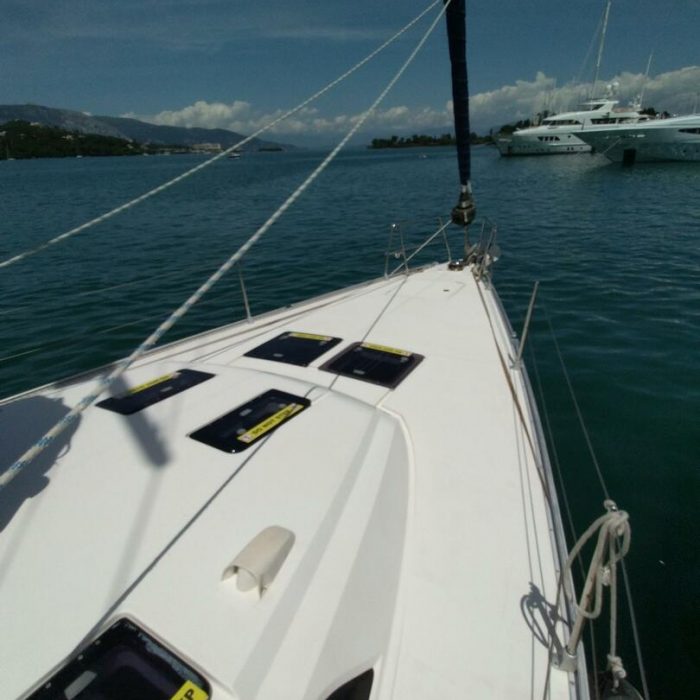
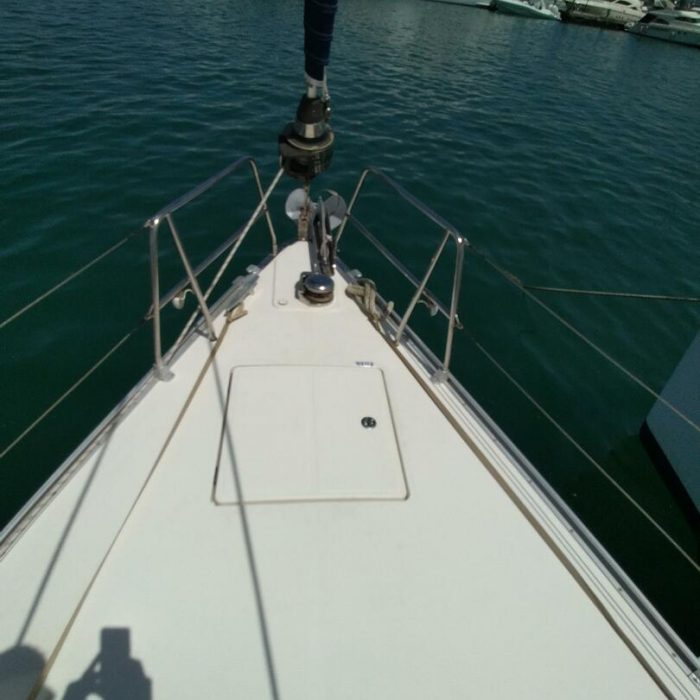
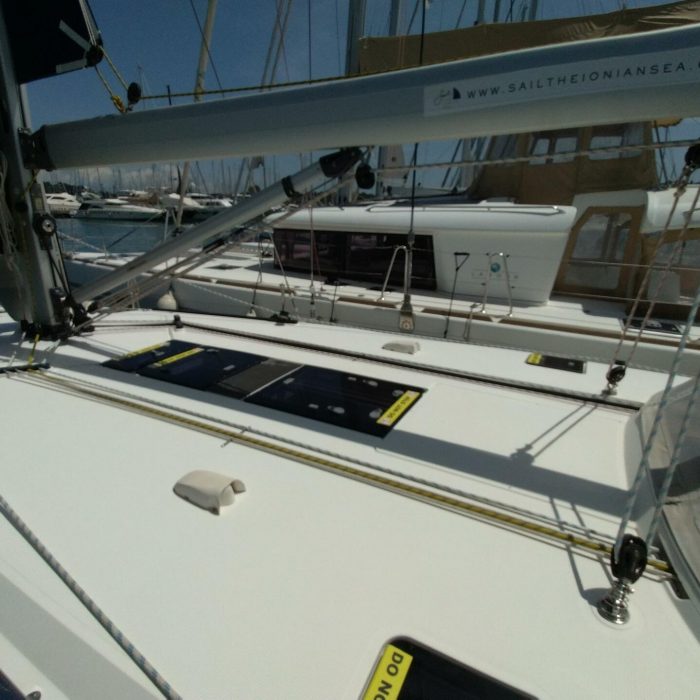
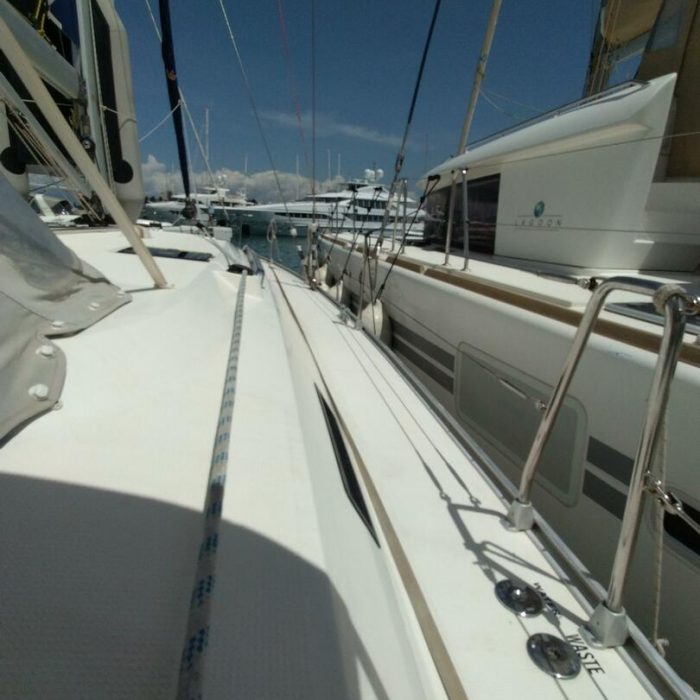
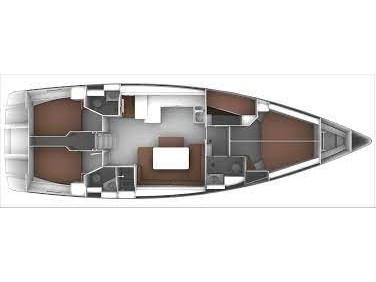
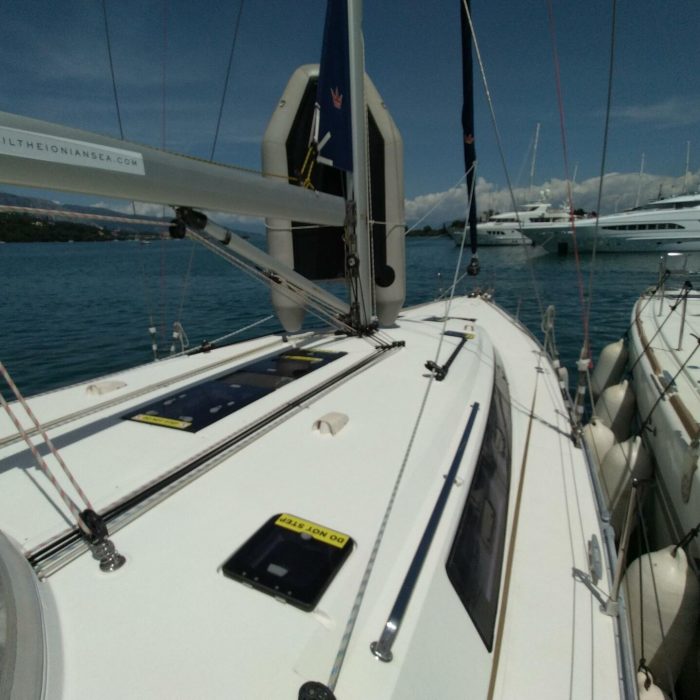
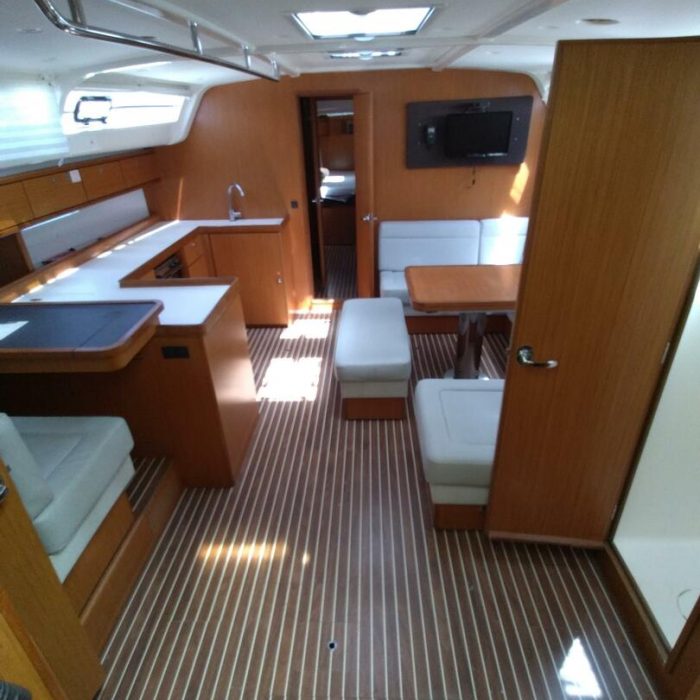
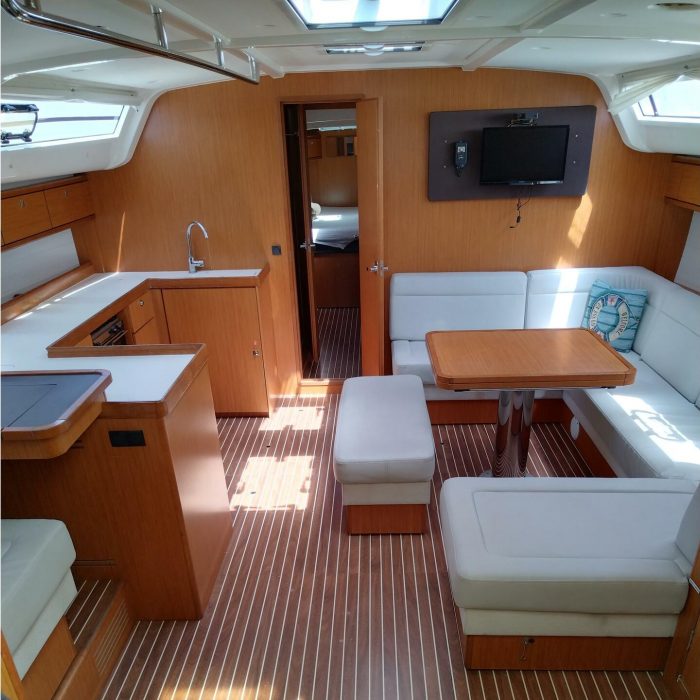
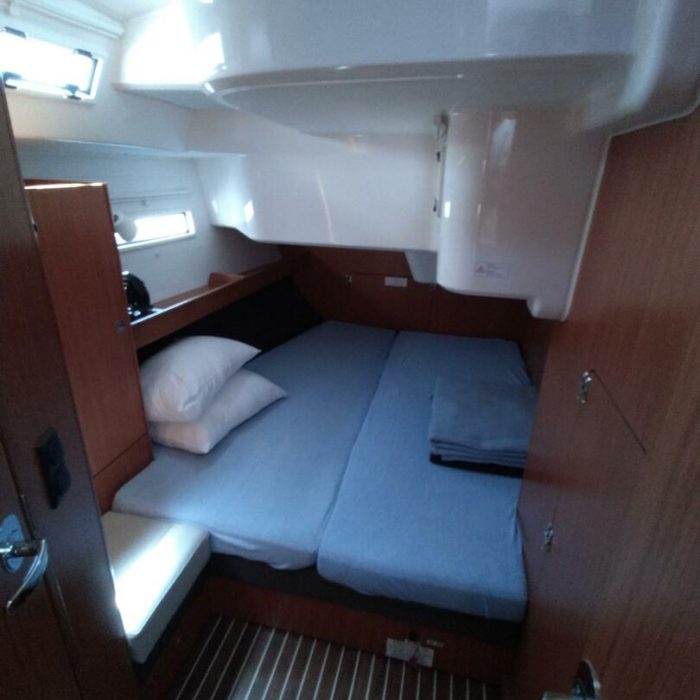
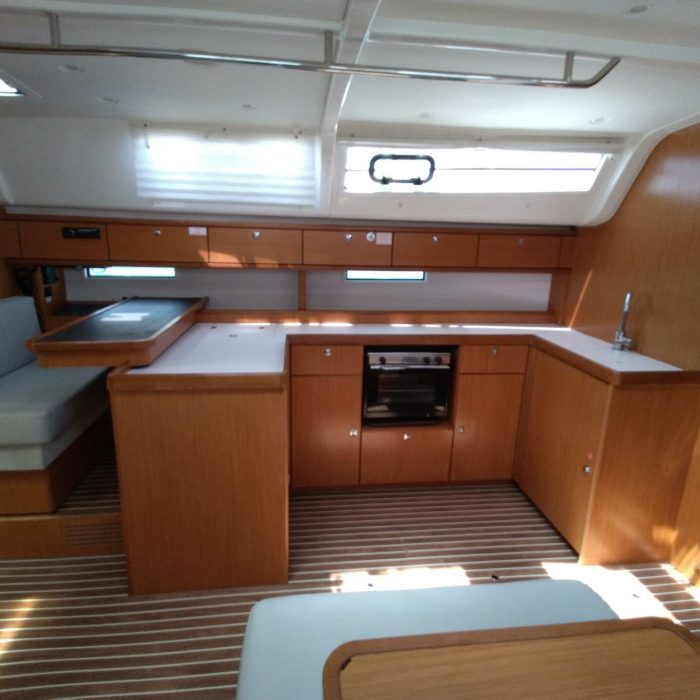
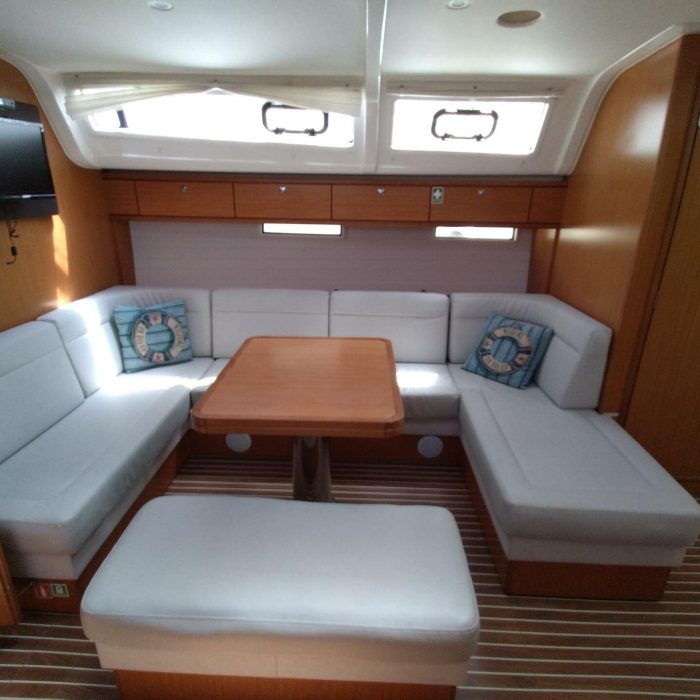
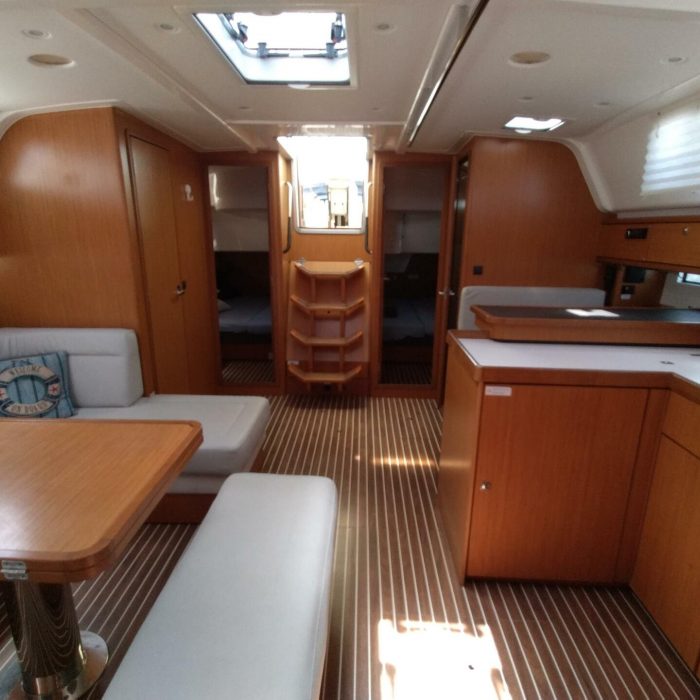
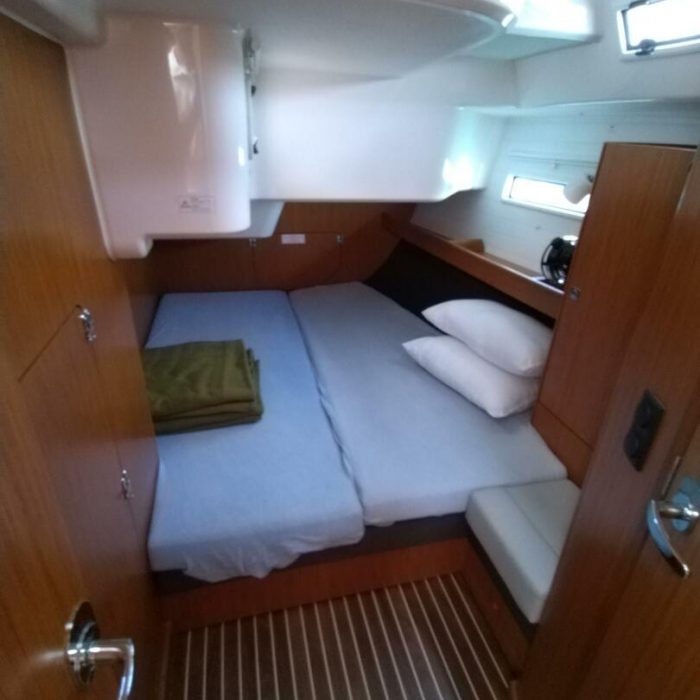
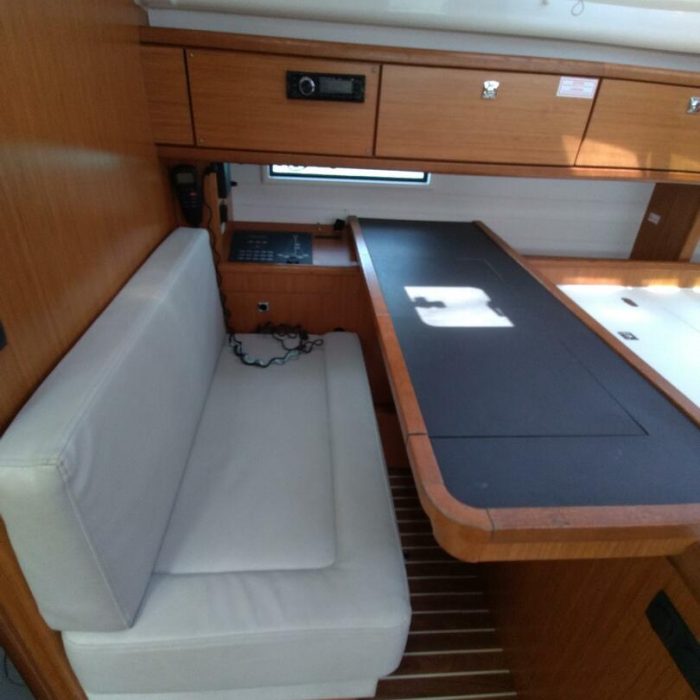
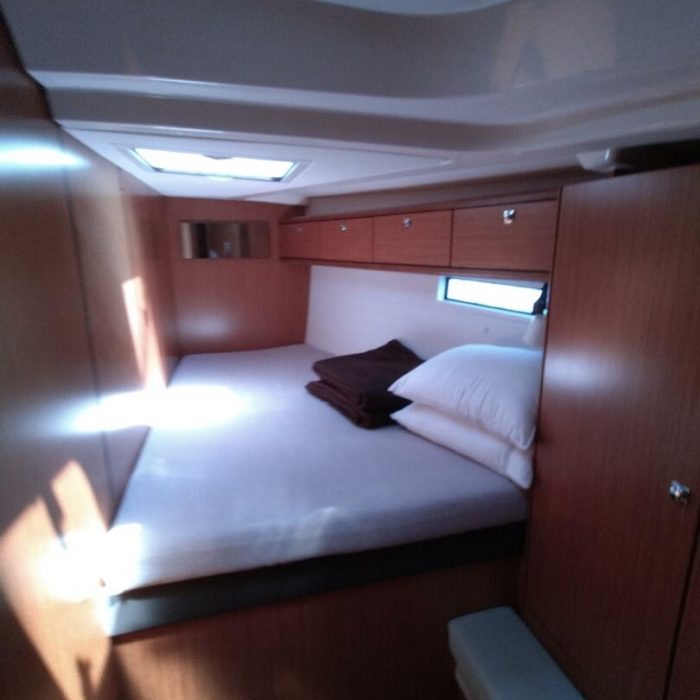
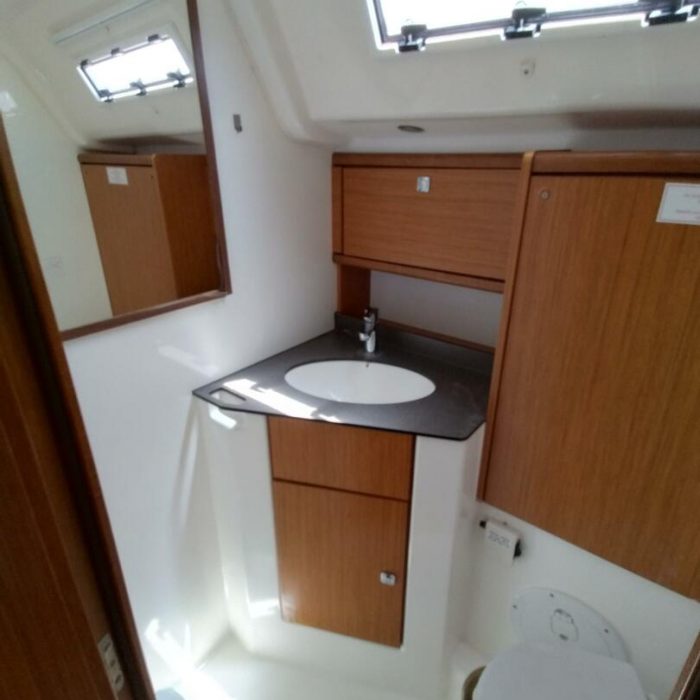
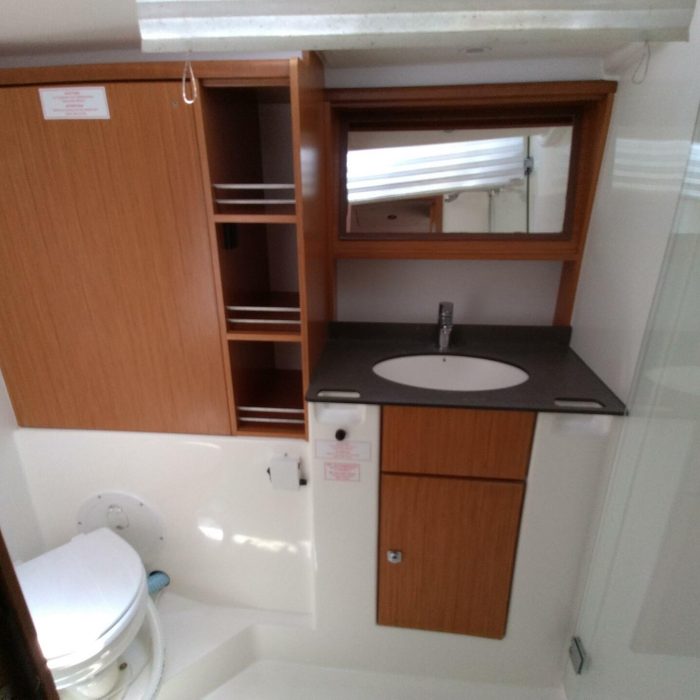
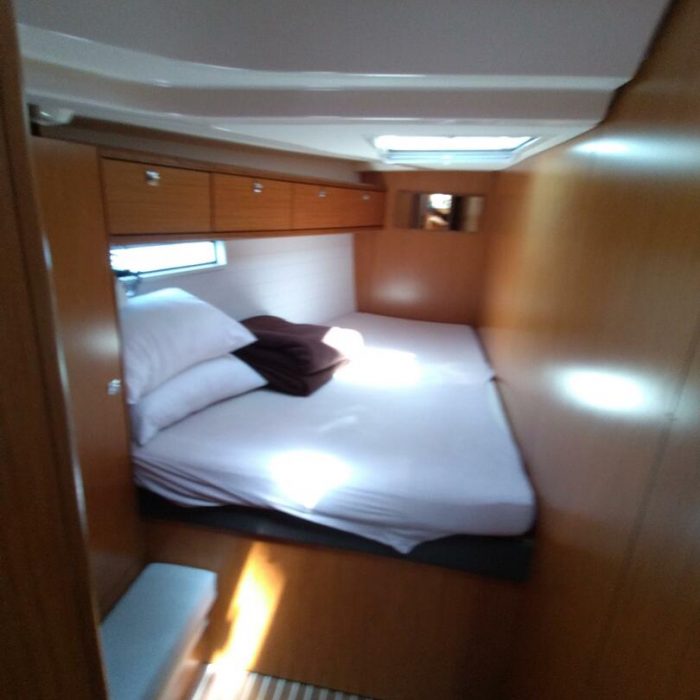
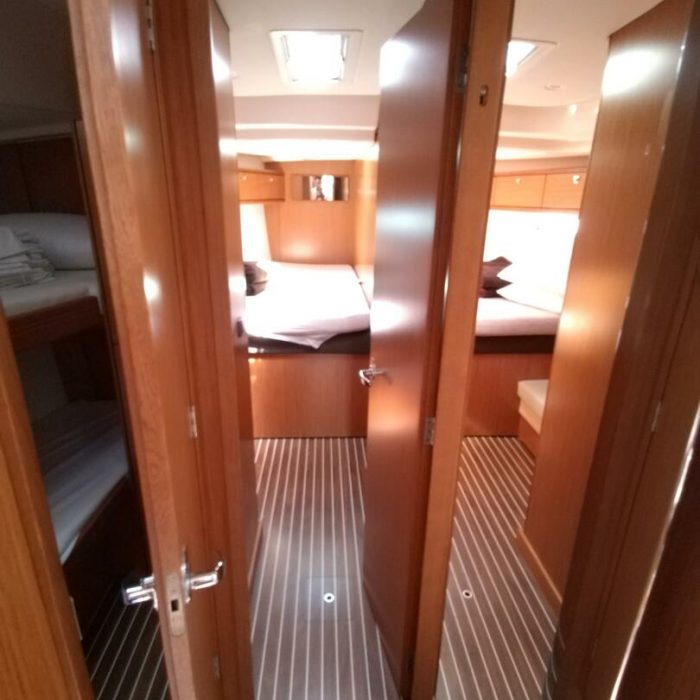
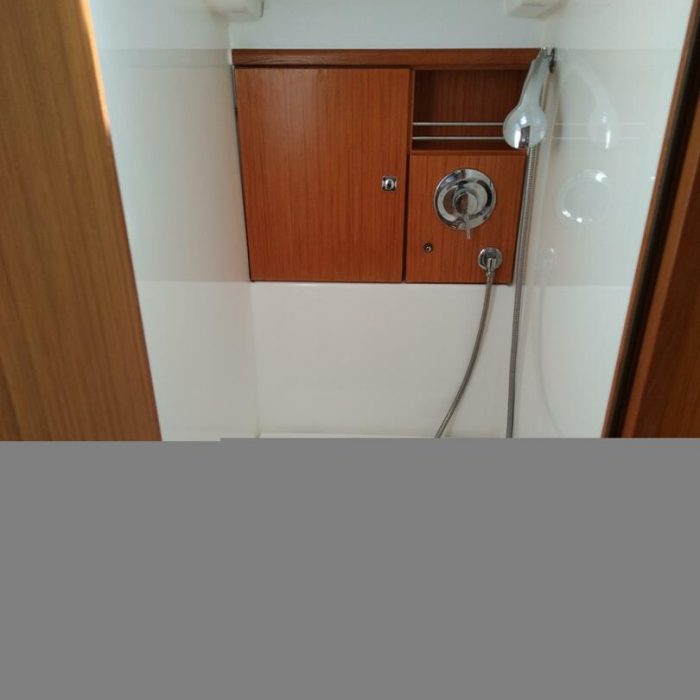
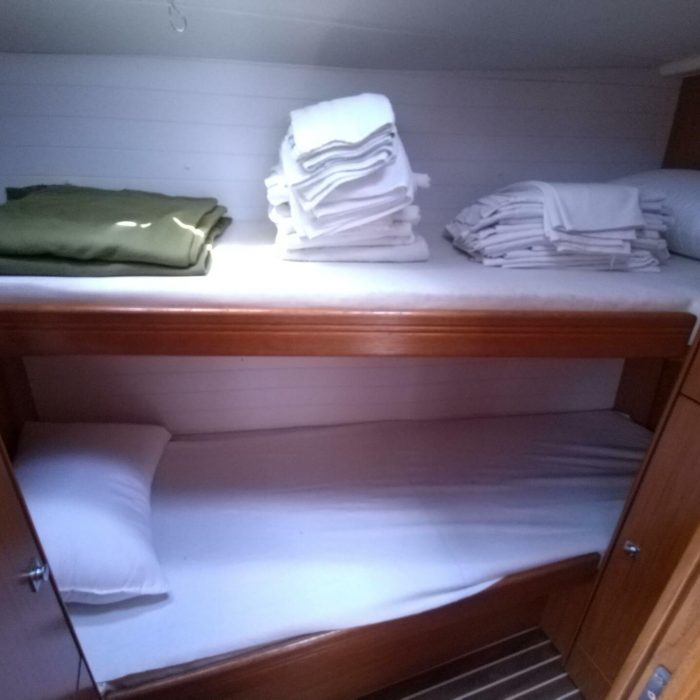
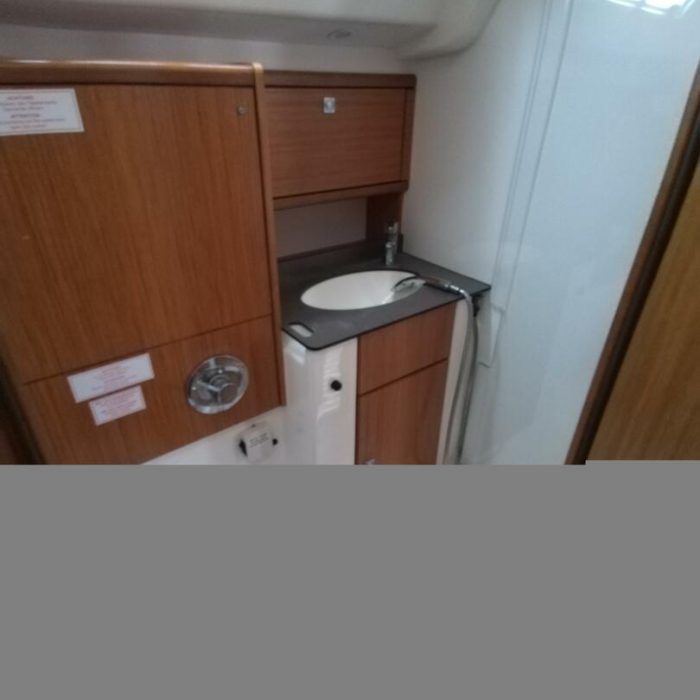
Gin Tonic | Bavaria Cruiser 51
Sail the Ionian Sea
Greece, Ionian, Gouvia, D-Marin Marina Gouvia
Year: 2015
Length: 49 Ft
Cabins: 5
Guests: 10
2250 €
2250 €
- 29% 1,604€
+ mandatory costs - 280 €
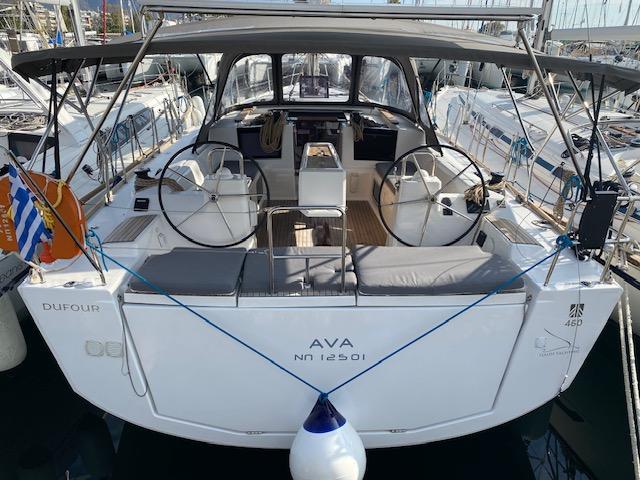
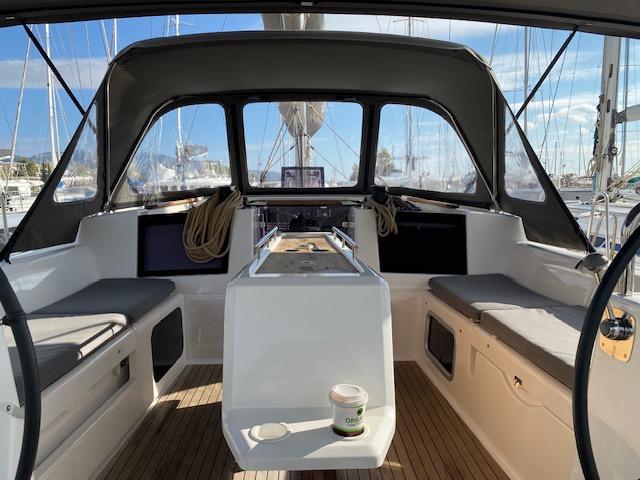
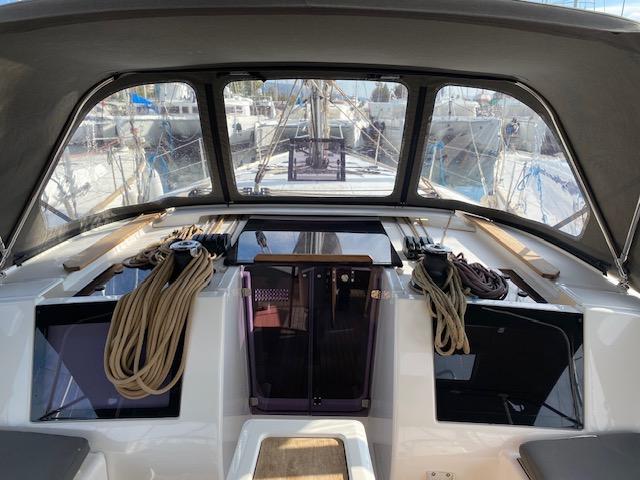
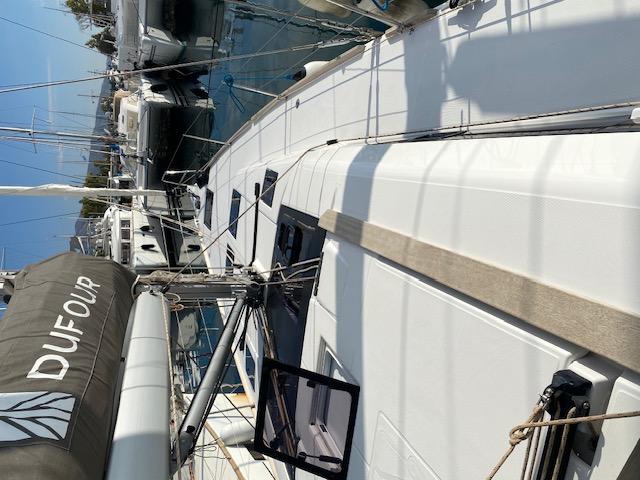
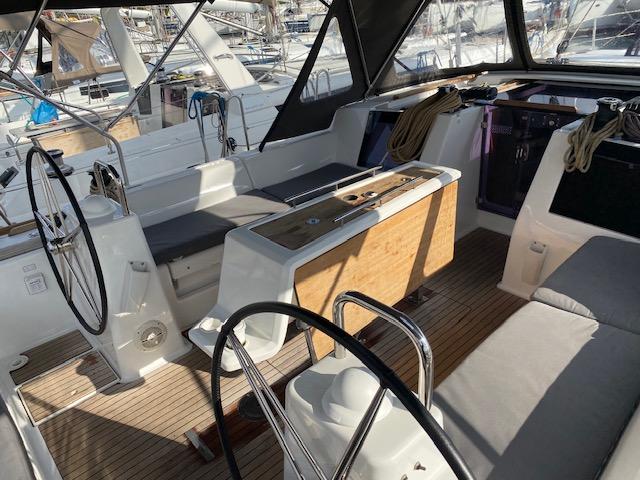
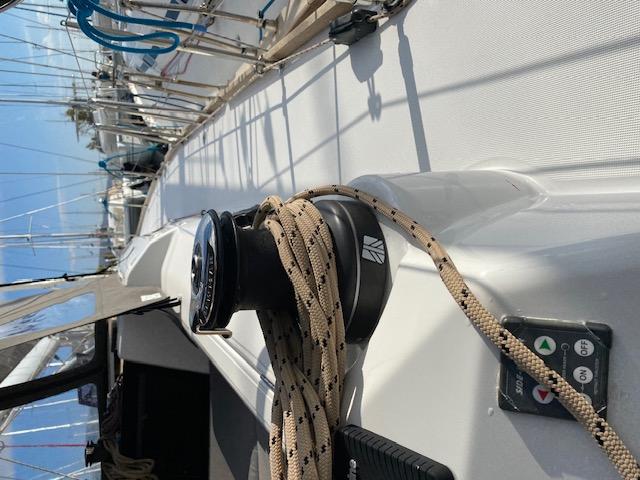
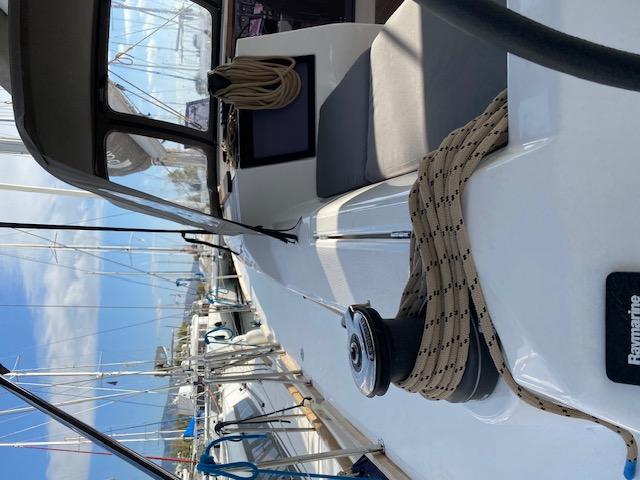
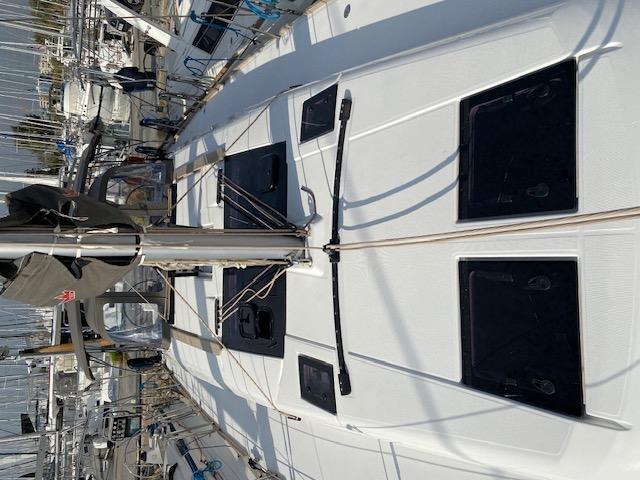
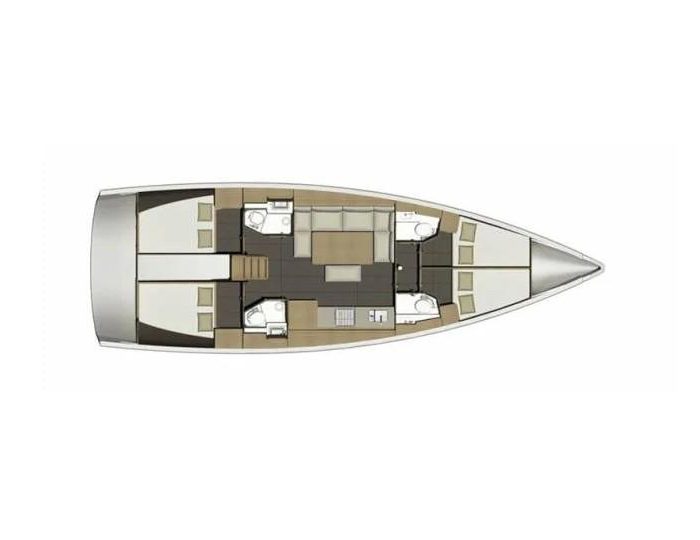
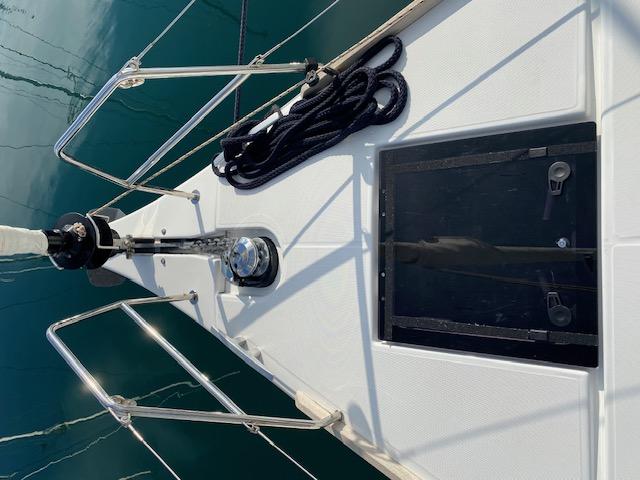
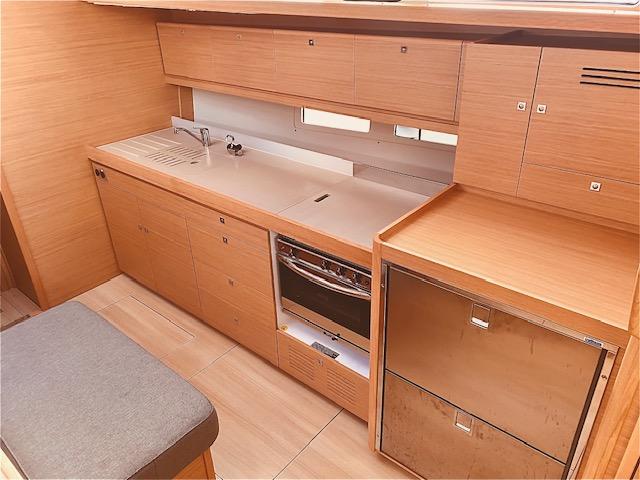
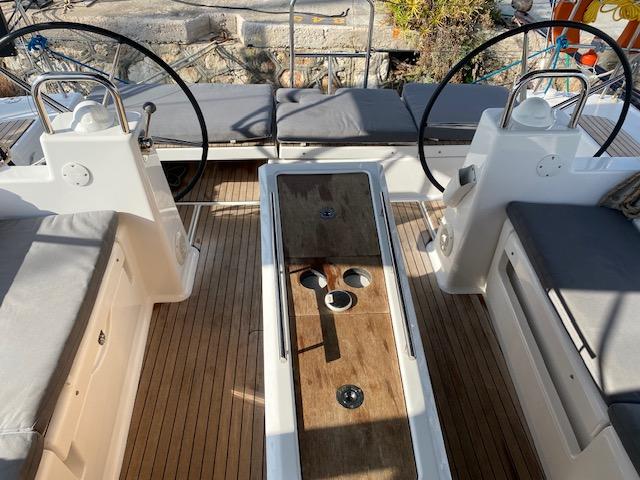
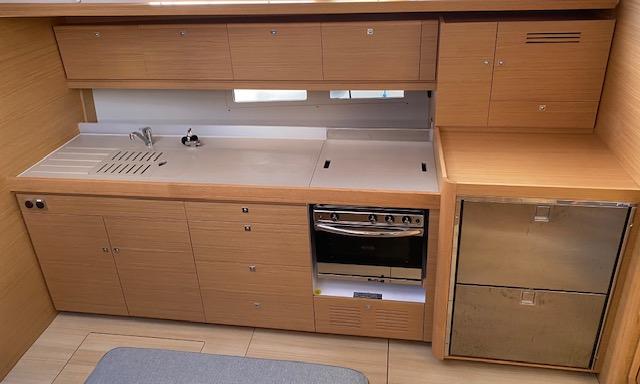
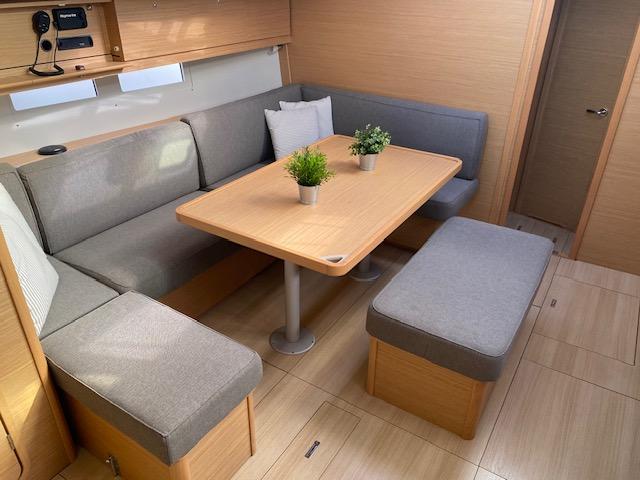
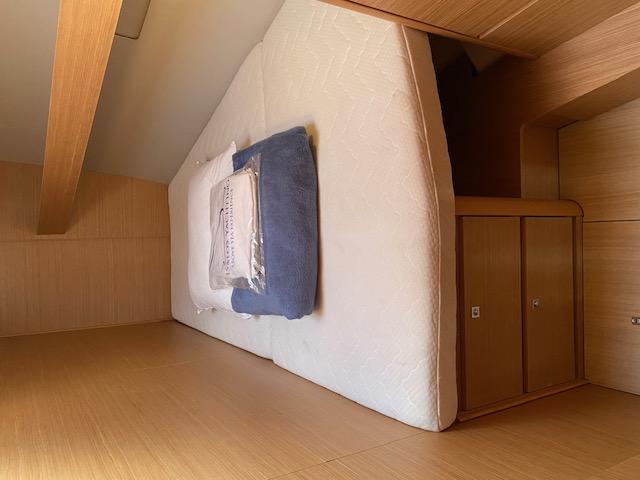
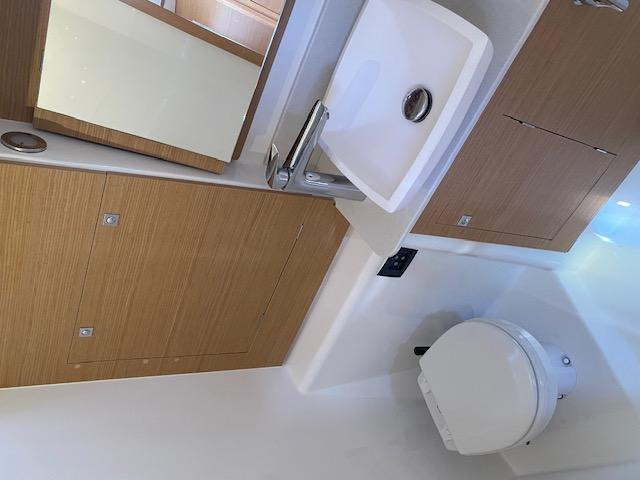
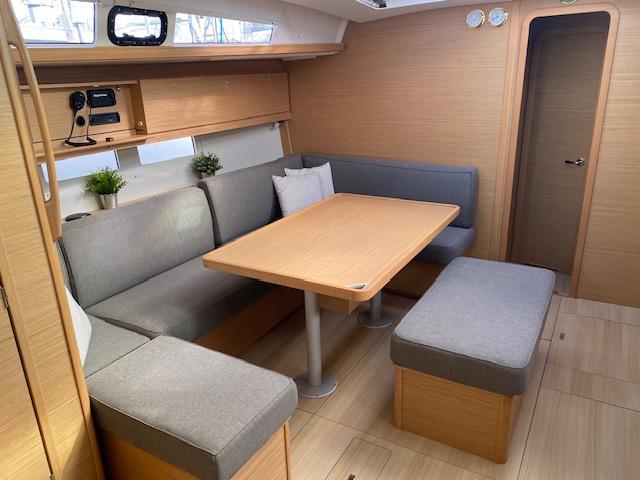
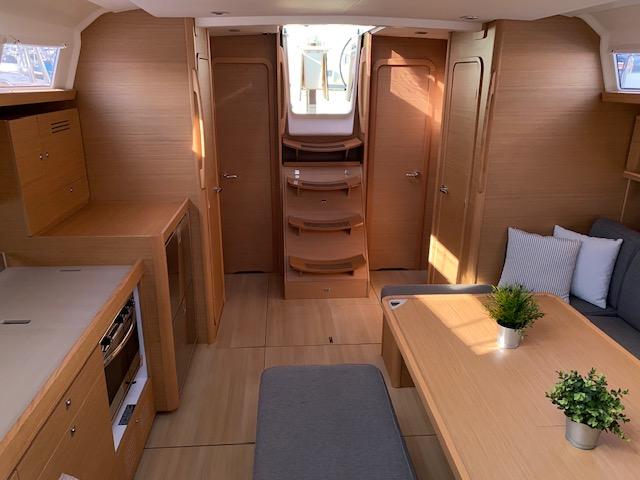
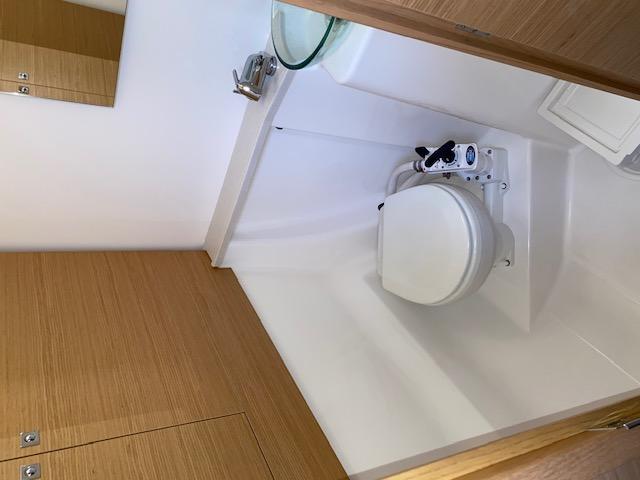
Ava | Dufour 460 Grand Large
Hellenic Yachting
Greece, Ionian, Gouvia, D-Marin Marina Gouvia
Year: 2020
Length: 44 Ft
Cabins: 4
Guests: 10
1900 €
1900 €
- 14% 1,625€
+ mandatory costs - 520 €
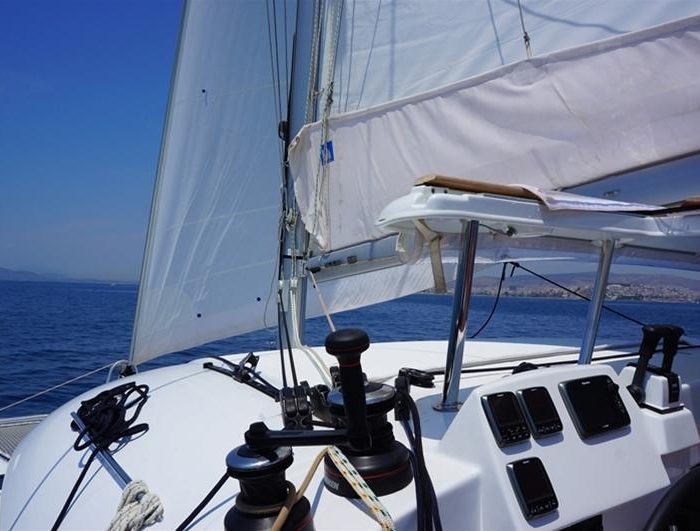
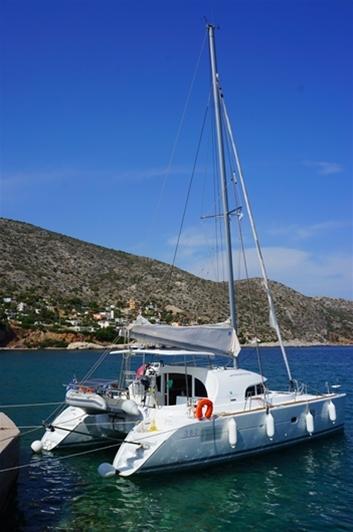
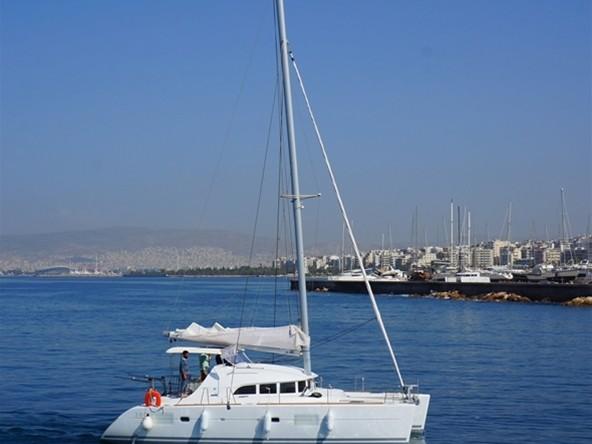
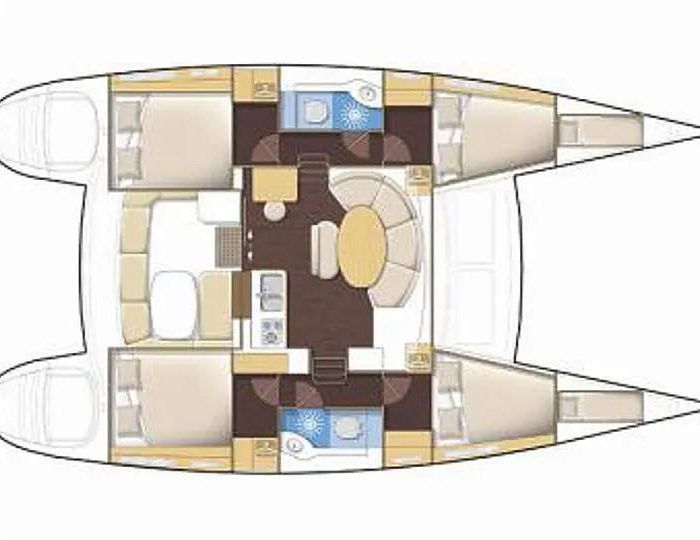
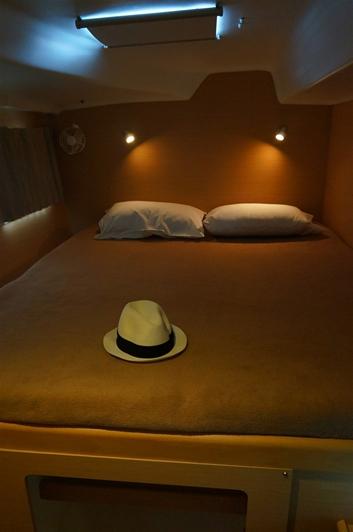
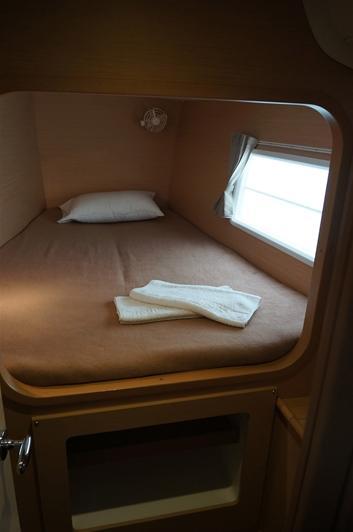
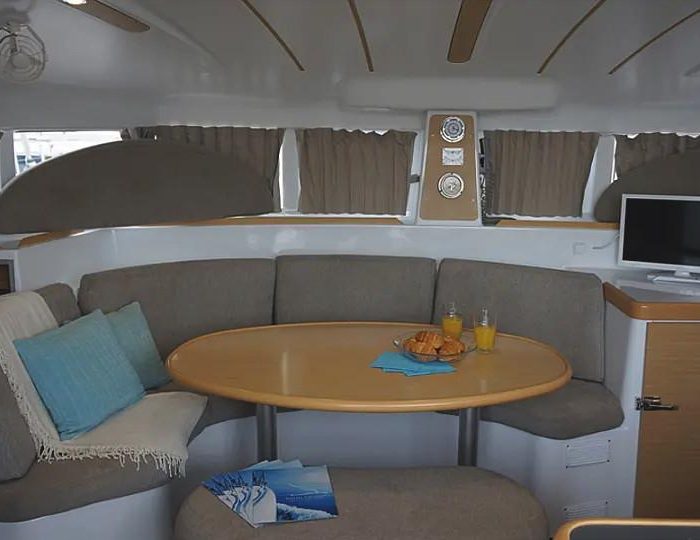
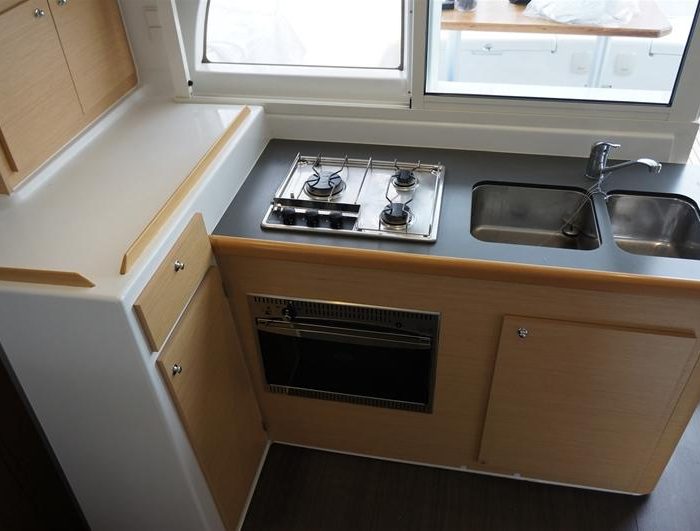
Dido | Lagoon 380 S2
Hellenic Yachting
Greece, Ionian, Gouvia, D-Marin Marina Gouvia
Year: 2014
Length: 38 Ft
Cabins: 6
Guests: 10
1900 €
1900 €
- 14% 1,625€
+ mandatory costs - 630 €
You'll find popular yacht charter brands in Corfu, Marina Gouvia, Corfu harbor, NAOK Sailing Club, Marina Benitses, Old Port, Gouvia Marina, such as: Bavaria, Jeanneau, Elan, Lagoon, Fountaine Pajot, Leopard catamarans, Wauquiez, Bali Catamarans, Beneteau, Excess Catamarans, Hanse Yachts, Dufour Yachts, Catamarans Nautitech, Bavaria Yachtbau.
Save to selection

Anastasia
Personal Assistant
The winds of Corfu
Bora (NE)
Bora winds are cold and dry northeasterly winds that can affect the island of Corfu in Greece. They are most common during the winter months and can bring cold temperatures and clear skies to the region. However, they can also be strong and gusty, with speeds reaching up to 50 km/h or more, and can cause disruptions to transportation and other activities. Bora winds are also known for their health benefits, as they are believed to have a cleansing effect on the atmosphere and improve respiratory conditions.
Tramontana (N to NW)
Tramontana winds are cool and dry northerly to northwesterly winds that can affect the island of Corfu in Greece. They are most common during the winter months and can bring cold temperatures and clear skies to the region. However, they can also be strong and gusty, with speeds reaching up to 50 km/h or more, and can cause disruptions to transportation and other activities. Tramontana winds are also known for their positive effects on the local environment, as they can help to clear pollutants and dust from the air.
Jugo (SE)
Jugo winds are warm and humid southeasterly winds that can affect the island of Corfu in Greece. They are most common during the fall and winter months and can bring warm temperatures and moisture to the region. However, they can also be strong and gusty, with speeds reaching up to 50 km/h or more, and can cause disruptions to transportation and other activities. Jugo winds are also known for their health benefits, as they are believed to have a soothing effect on the atmosphere and improve certain health conditions.
Mistral (NW)
Mistral winds are dry and cool northwesterly winds that can affect the island of Corfu in Greece. They are most common during the summer months and can bring clear skies and refreshing temperatures to the region. However, they can also be strong and gusty, with speeds reaching up to 50 km/h or more, and can cause disruptions to transportation and other activities. Mistral winds are also known for their positive effects on the local environment, as they can help to clear pollutants and dust from the air.
Planning & Ionian Sailing
Why start a charter from Corfu?
Corfu combines a major airport (CFU), strong yacht-service infrastructure (notably around Gouvia), and quick access to classic Ionian hops — Paxos channels, Sivota area, and south toward Lefkada on longer weeks.
Which airport and transfer tips?
Ioannis Kapodistrias (CFU) serves international flights. Pre-book taxis or arrange a base transfer in July–August; traffic from the airport into Gouvia/Town can spike at peak hours.
What winds dominate near Corfu?
Typical Maistros (NW) afternoon breeze in summer. Corfu geography can bend and funnel wind between headlands — read local notes for the Paxos strait and west-coast gusts.
Classic week itinerary from Corfu?
Popular: Corfu → Paxos (Gaios/Lakka) → Antipaxos (weather permitting) → north/south along Epirus coast or return via Sivota pockets — tailor to your comfort with cross-traffic and depth.
Is Corfu good for beginners?
Often rated friendlier than Cyclades peak summer: shorter legs available, many bolt-holes. Still study charted shallows and ferry lanes — the Ionian is forgiving, not automatic.
Bareboat rules in Greece — reminder
Accepted skipper certificate, competent second crew member, originals at check-in. If your experience is borderline, hire a skipper for the first days — Corfu weekends can be busy.
Old Town Corfu — can I berth next to the UNESCO core?
Expect limited visitor berthing and premium pricing. Many crews visit by shore trip from nearby bases rather than treating the Old Harbour as a home marina for the week.
Best season for Corfu sailing?
May–June and September offer balance. High season brings more flotillas and dayboats around Paxos — patience at quays helps.
Catamaran considerations in the Ionian?
Popular for families. Watch beam in tight quays and confirm marina berth dimensions — some village jetties are monohull-first.
Can I sail from Corfu toward Lefkada in one week?
Possible for faster crews and stable weather, but it is a packed schedule. Many prefer a tighter Corfu–Paxos loop with time ashore rather than racing miles.
Marinas, Albania & Logistics
Gouvia marina area — what to expect?
A dense yacht-service cluster north of Corfu Town: chandleries, repairs, and charter fleets. Helpful for check-in/check-out logistics; evenings can be lively.
Sailing close to Albania — legal basics?
Crossing an international border by yacht is not casual: you need correct clearance procedures, flags, and papers. If unsure, stay within Greek waters and plan Albania as a future formal cruise.
Paxos strait traffic and ferries?
Expect ferries, hydrofoils, and taxi boats. Keep a sharp radar/lookout plot and avoid cutting tight across commercial lanes.
Provisioning in Corfu Town vs Gouvia?
Both work; Town offers atmosphere and specialty shops, Gouvia can be faster for yacht quantities. Stock extra water before a hot week.
Anchoring near busy Paxos bays?
Popular spots get crowded; use adequate scope and watch for chain tangles at peak times. Have a polite plan if you need to leave quickly.
Medical and pharmacy access?
Corfu Town has the widest options; smaller villages may have limited hours. Carry seasickness and basic first-aid for remote anchorages.
Mooring lines and Mediterranean mooring?
Practice stern-to with long lines if your week includes village quays — Corfu Ionian harbours use this style frequently.
Why book through SEARADAR for Corfu?
Inventory is large — filters for cabins, air-con, deposit packs, and transparent mandatory extras (when operators publish them) save comparison time.
Night sailing from Corfu?
Default no on standard charters — plan daylight arrivals, especially with ferry lanes and unlit coast sections.
Free Deposit Pack
With FDP (Free Deposit Pack), you have the chance to avoid a full security deposit and lock in your funds. Just pay 20% upfront (non-refundable), and experience a hassle-free journey. * The price of the FDP rises to 25% if booked less than 30 days before the charter.