
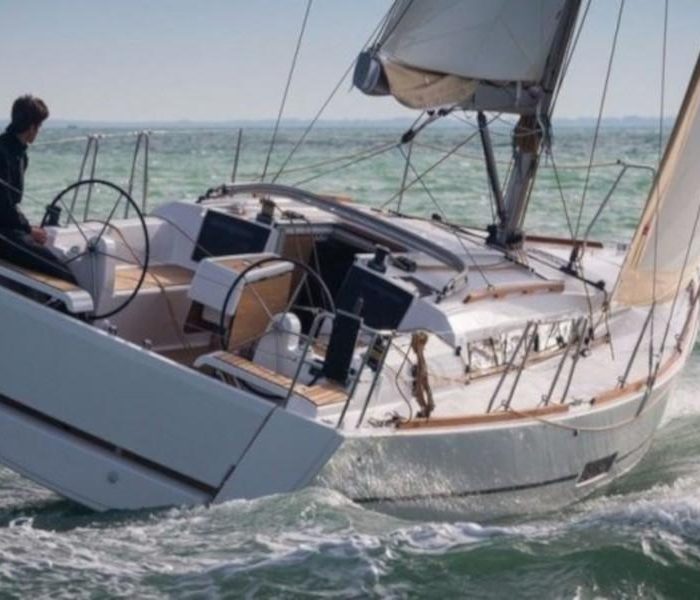
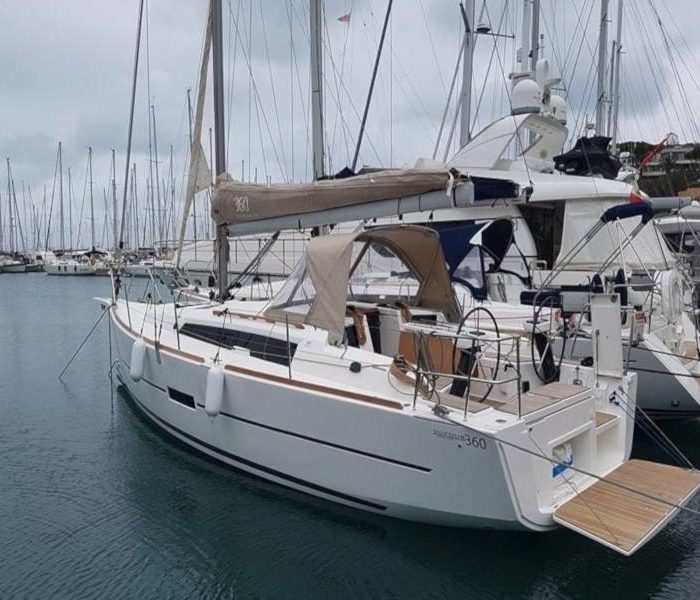
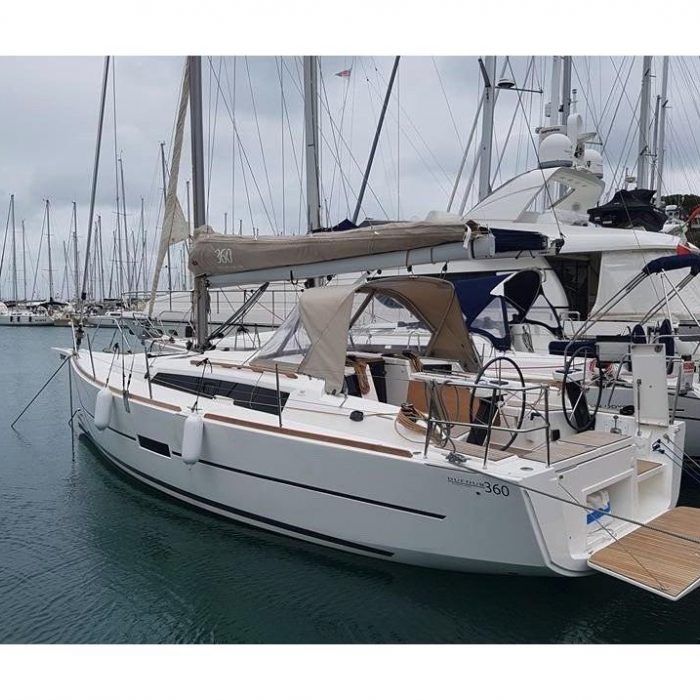
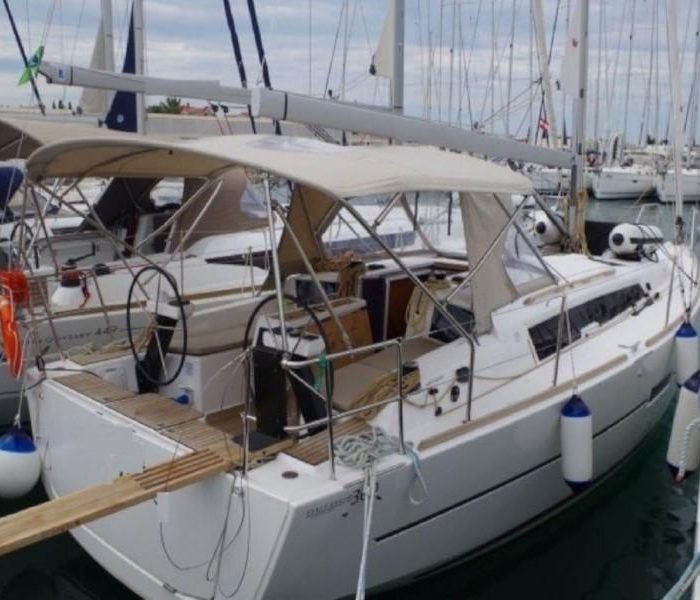

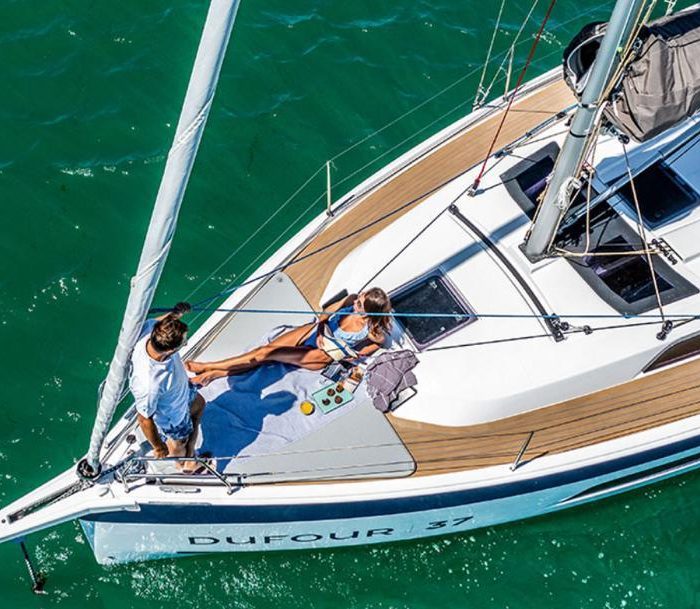
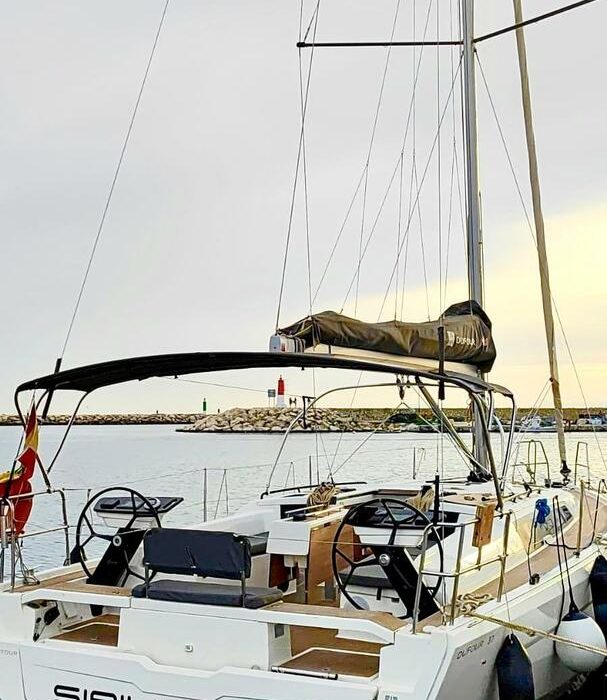
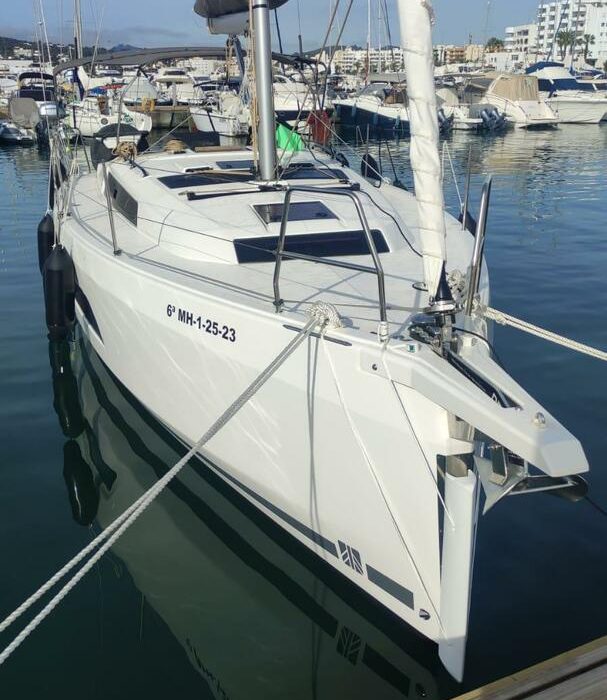
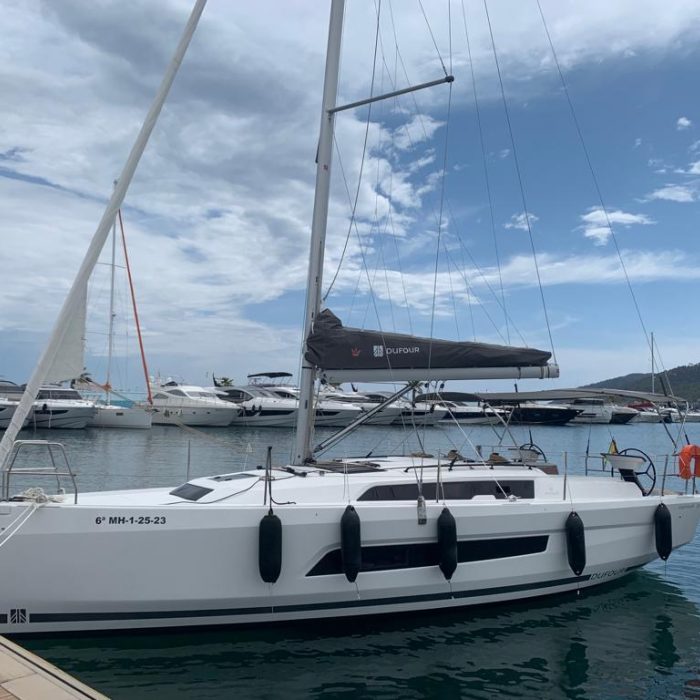
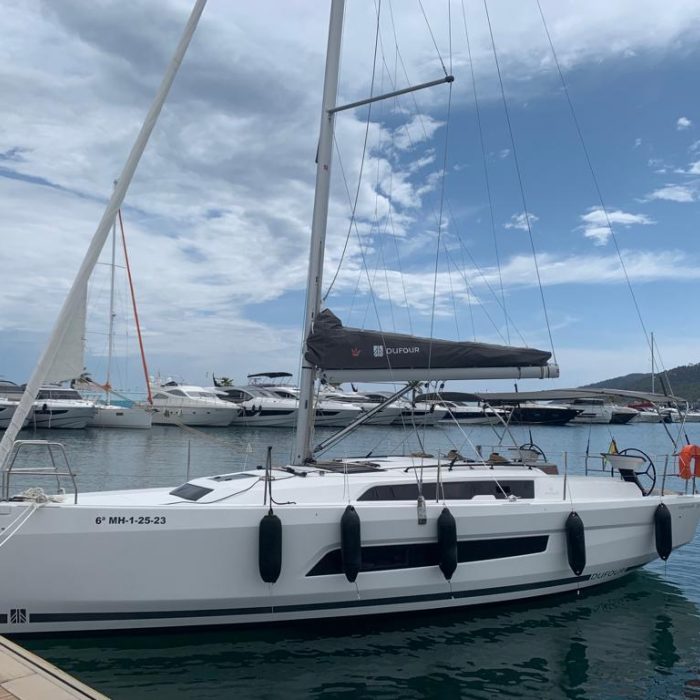
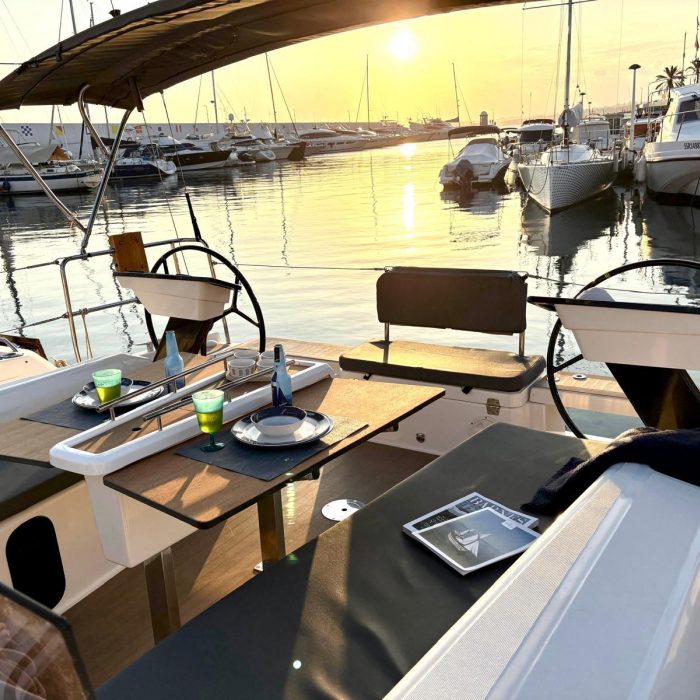
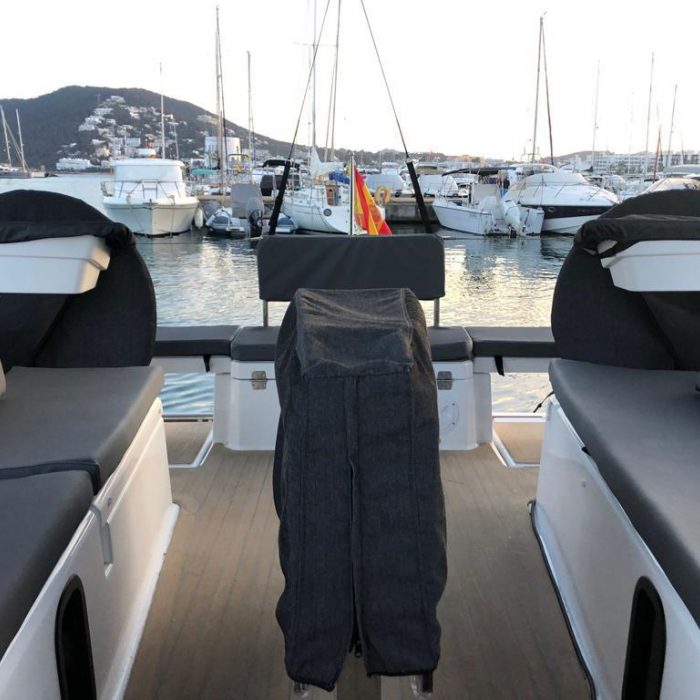
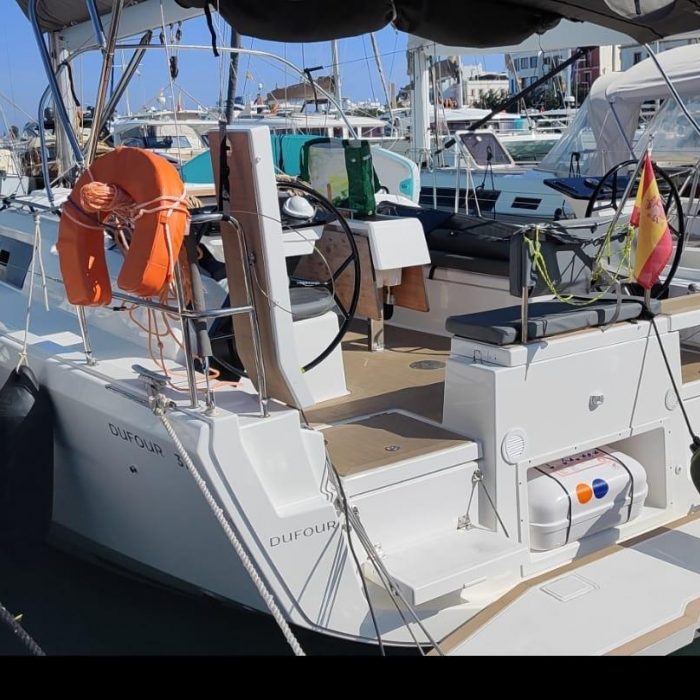
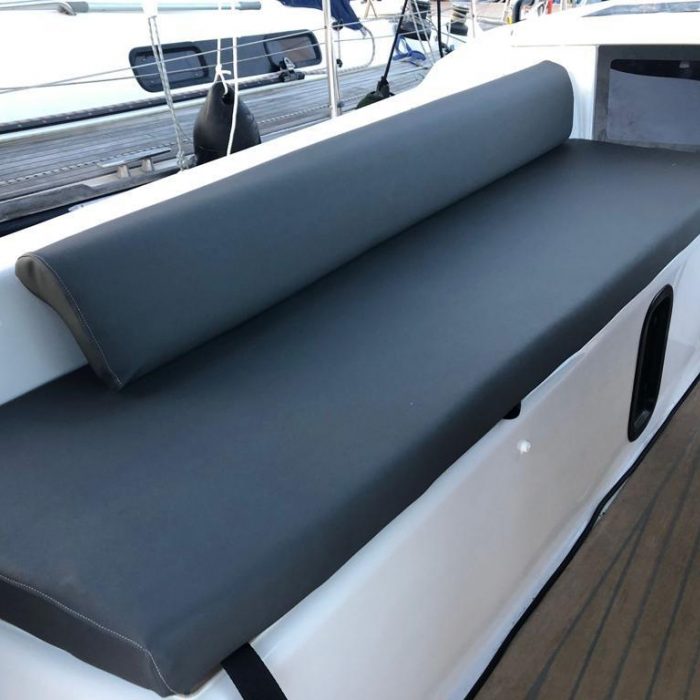
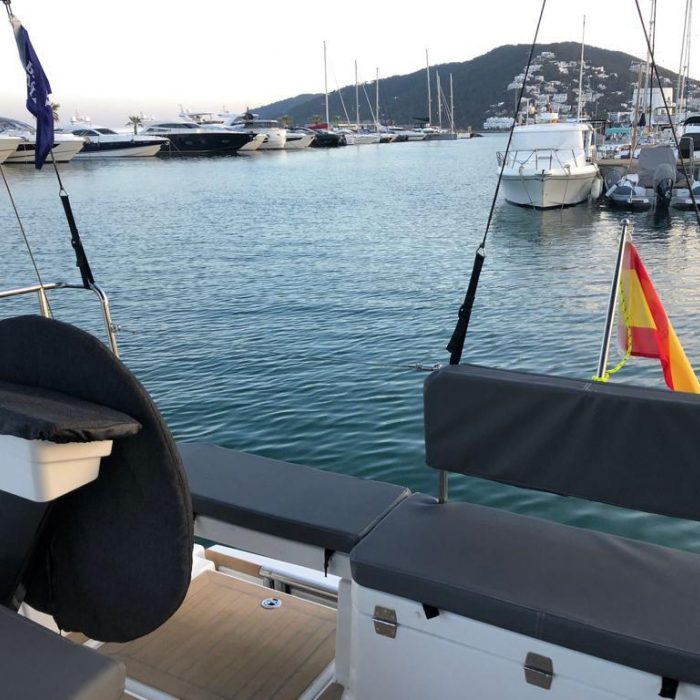
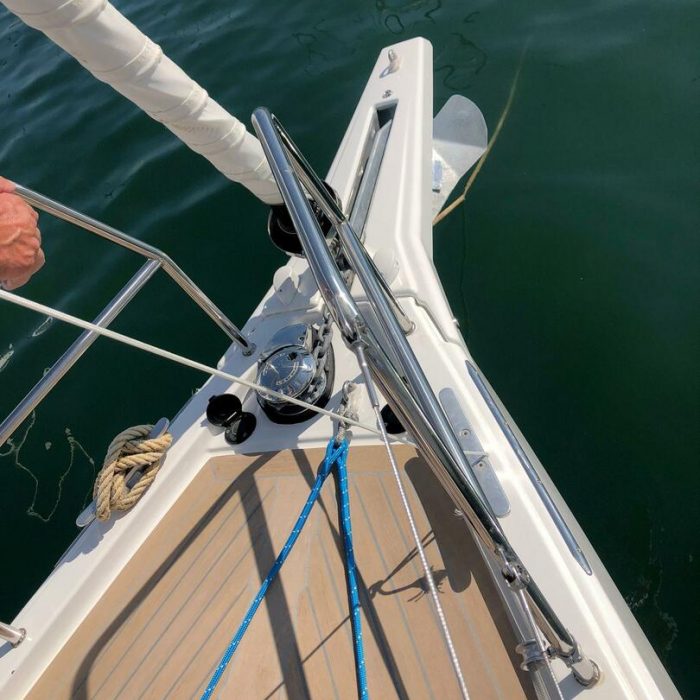
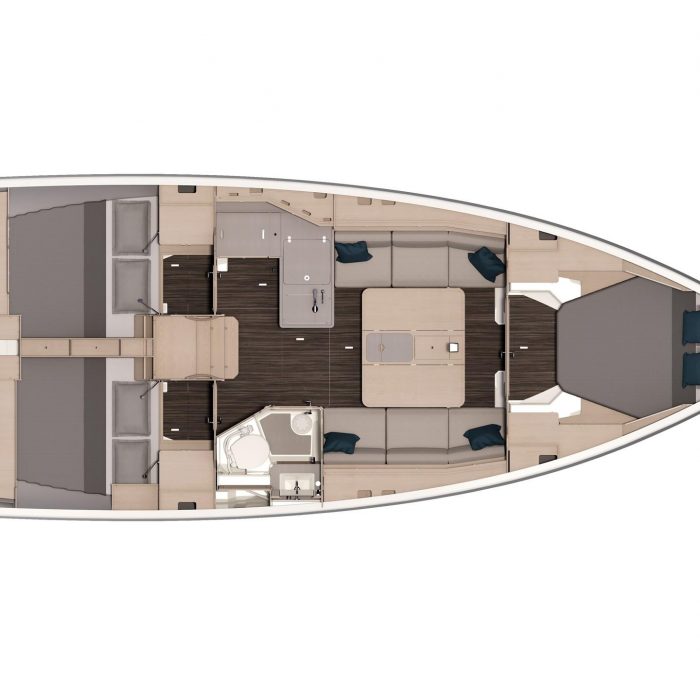
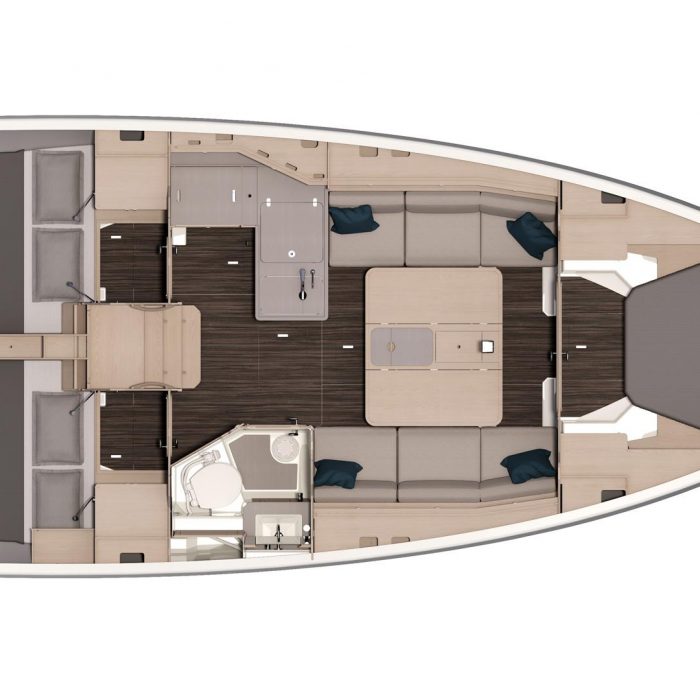
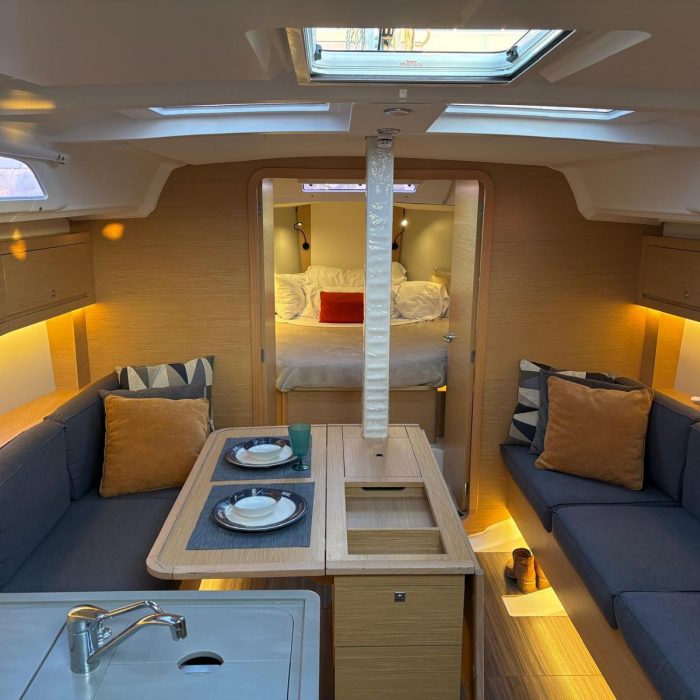

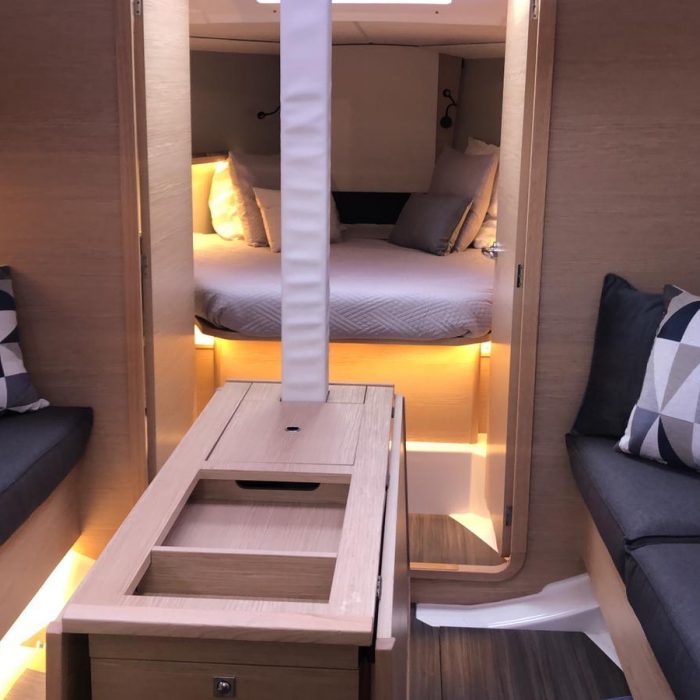
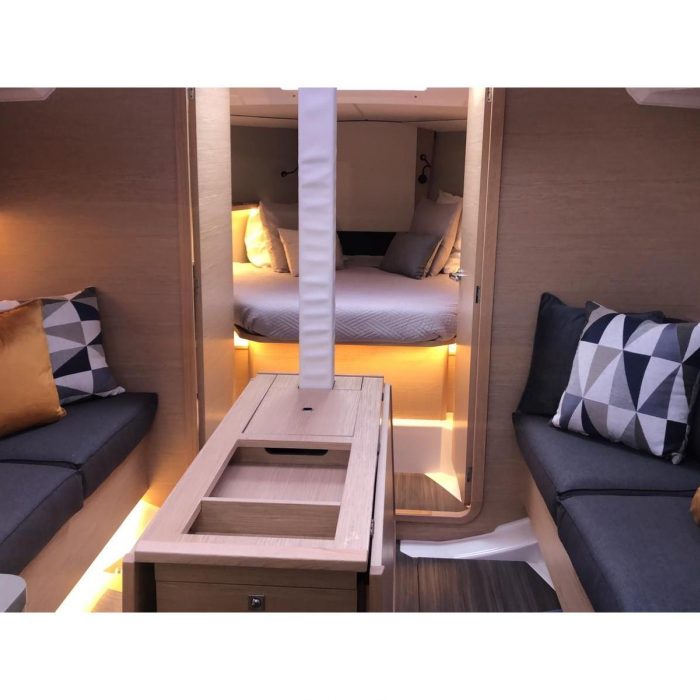
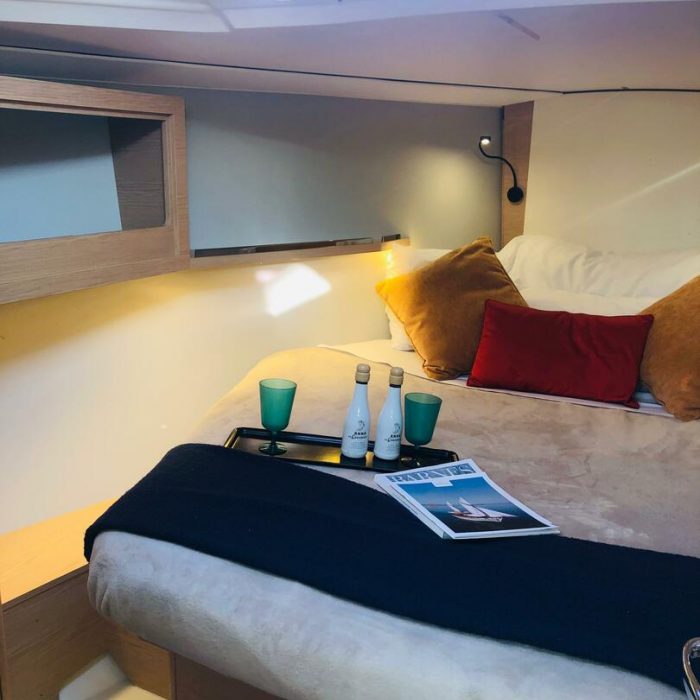
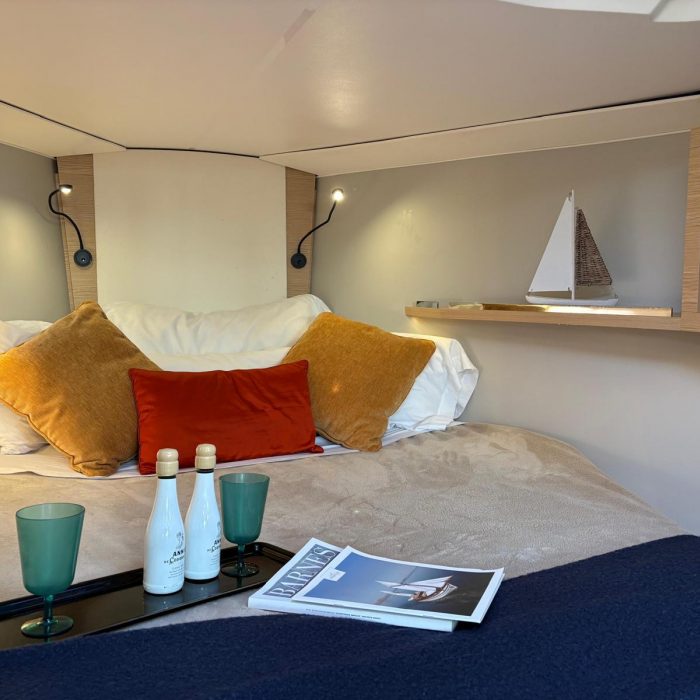
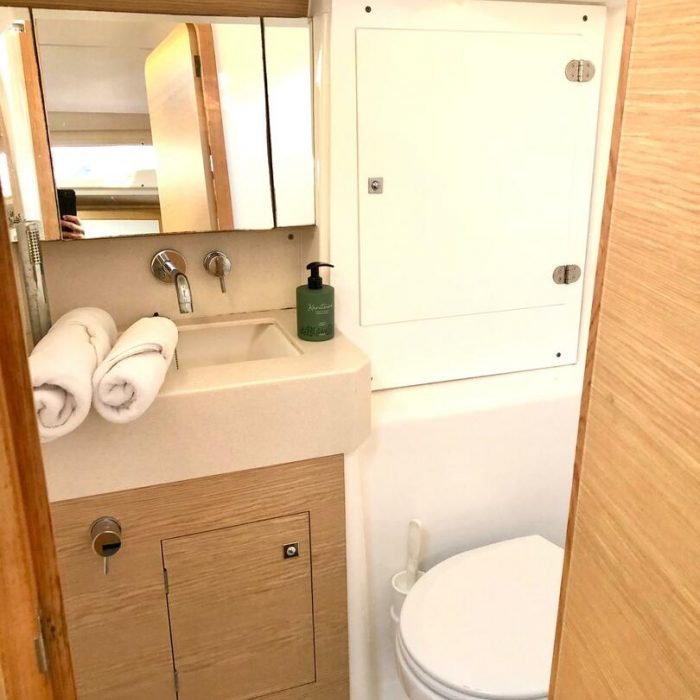
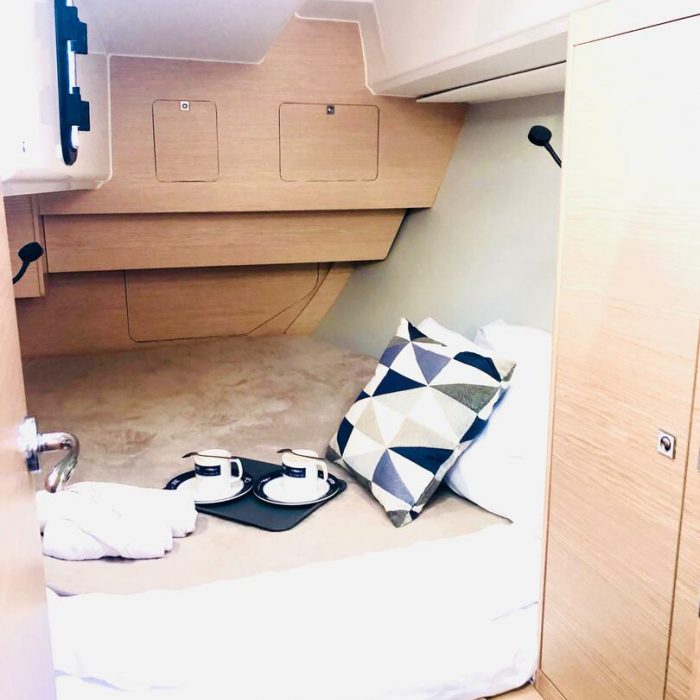
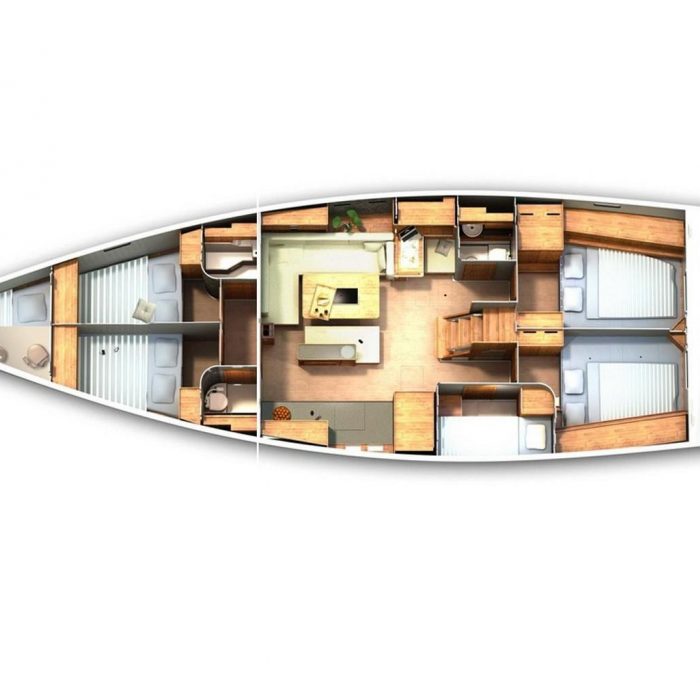
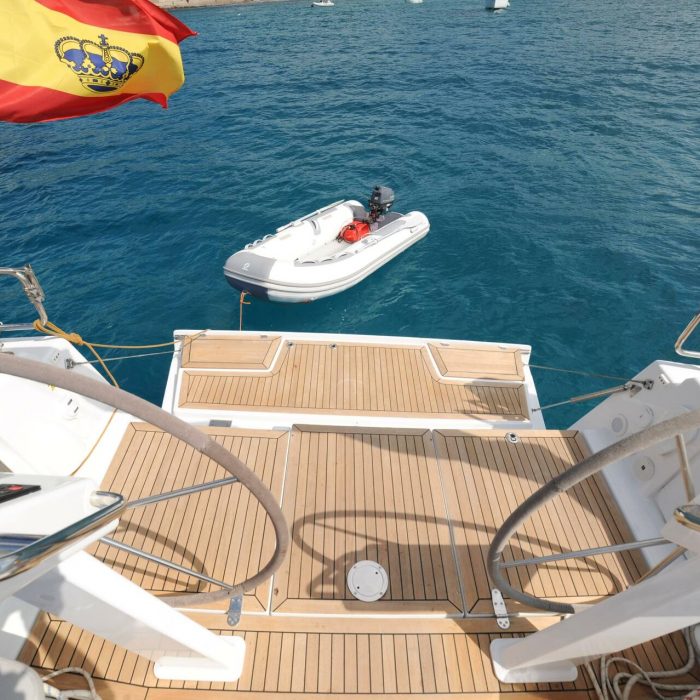
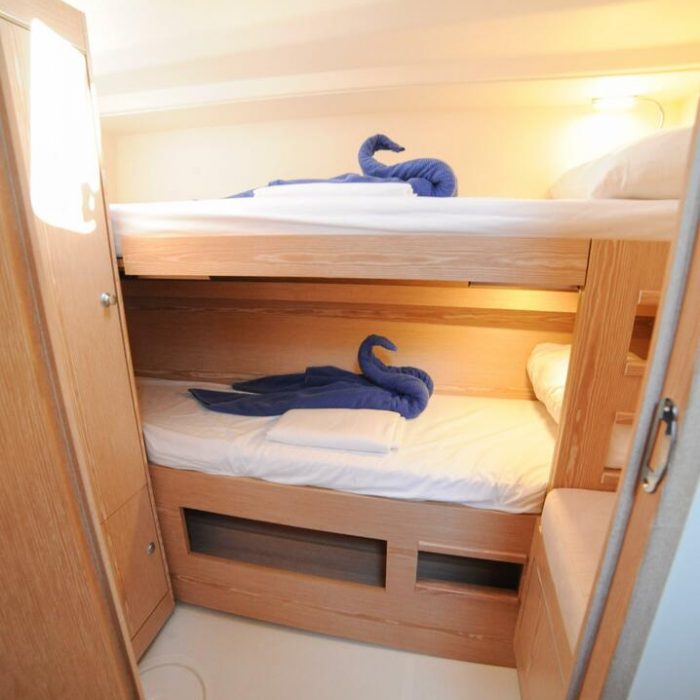
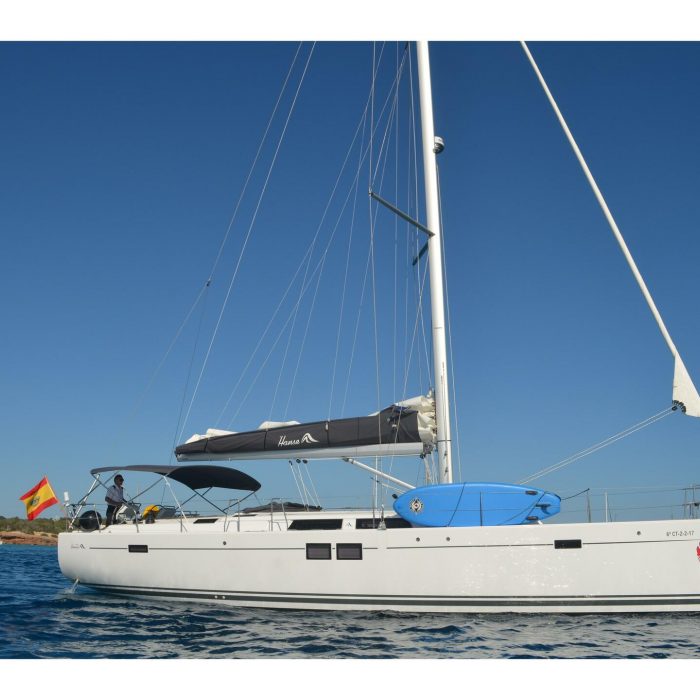
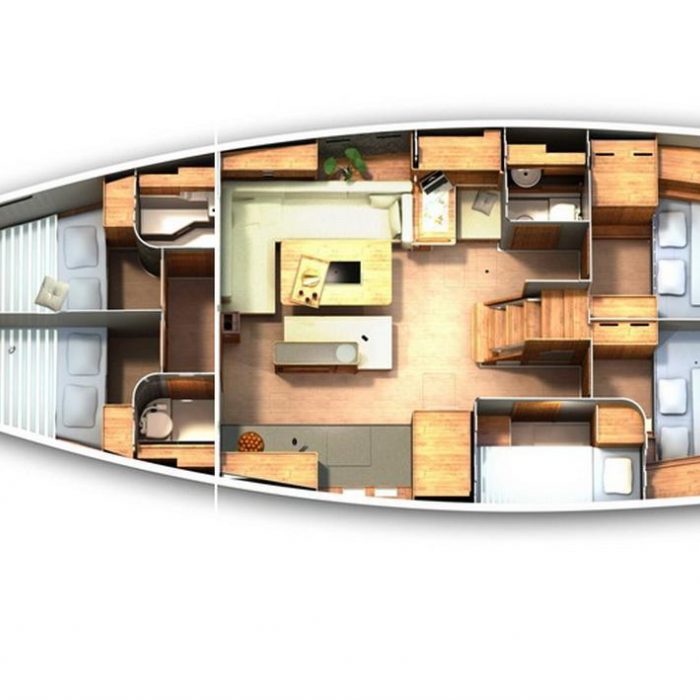
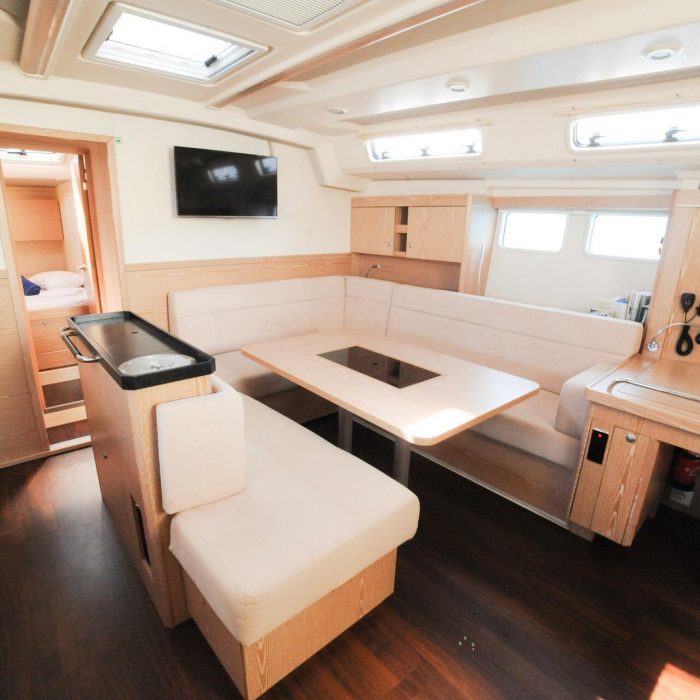
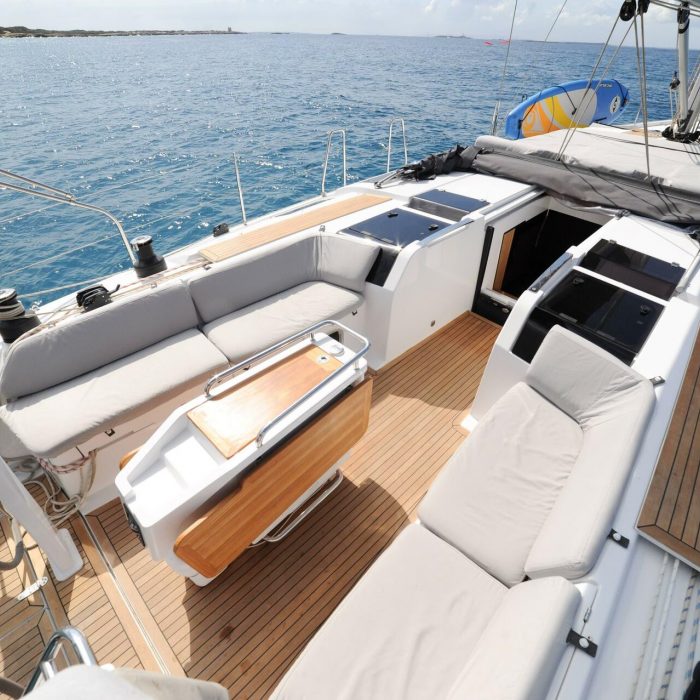
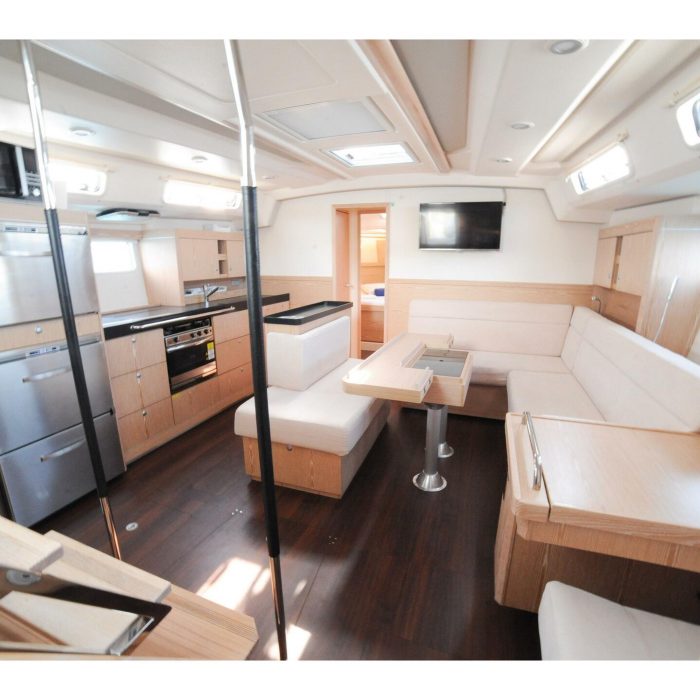
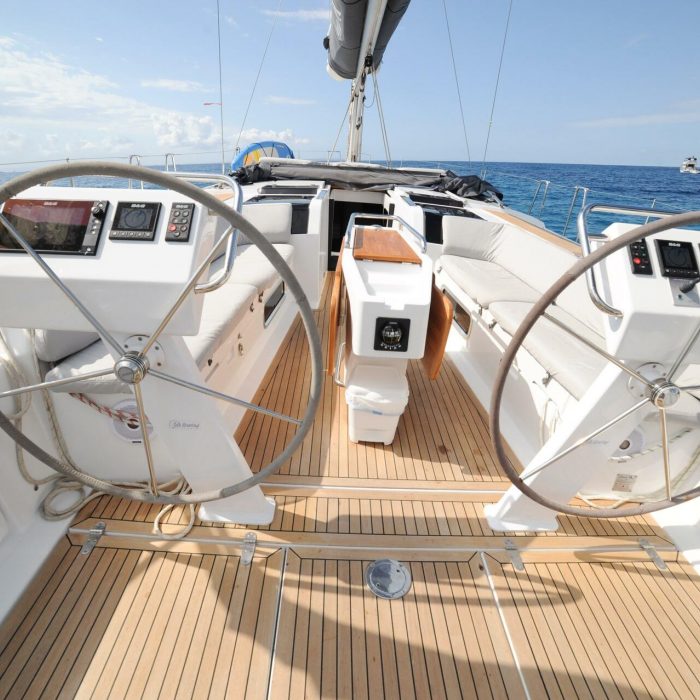

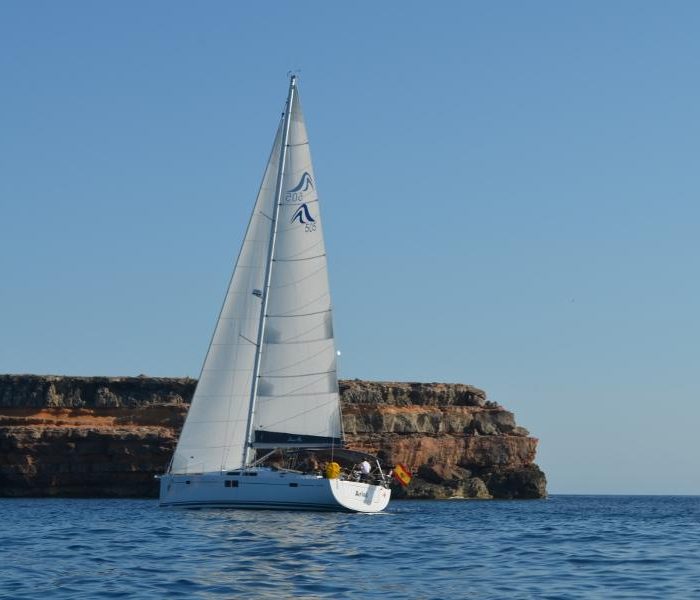




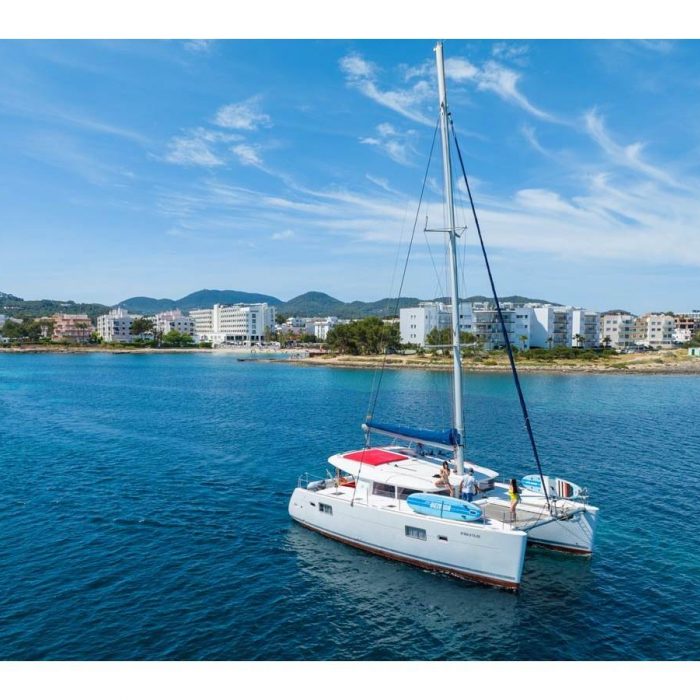

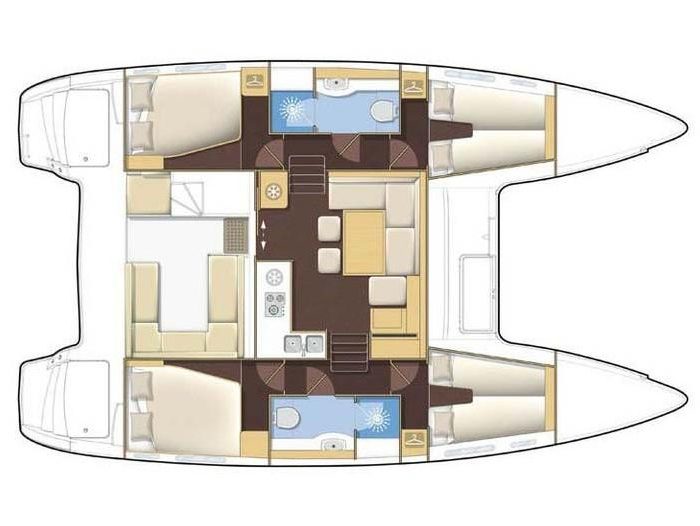
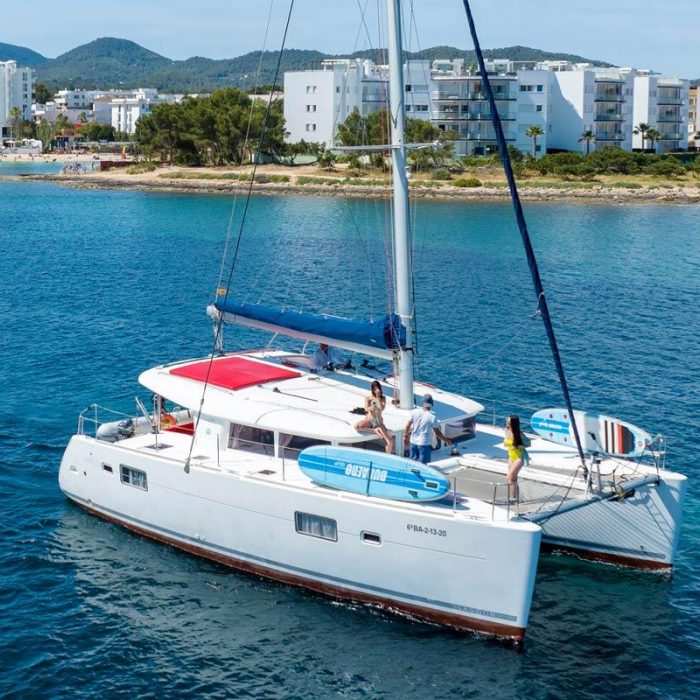

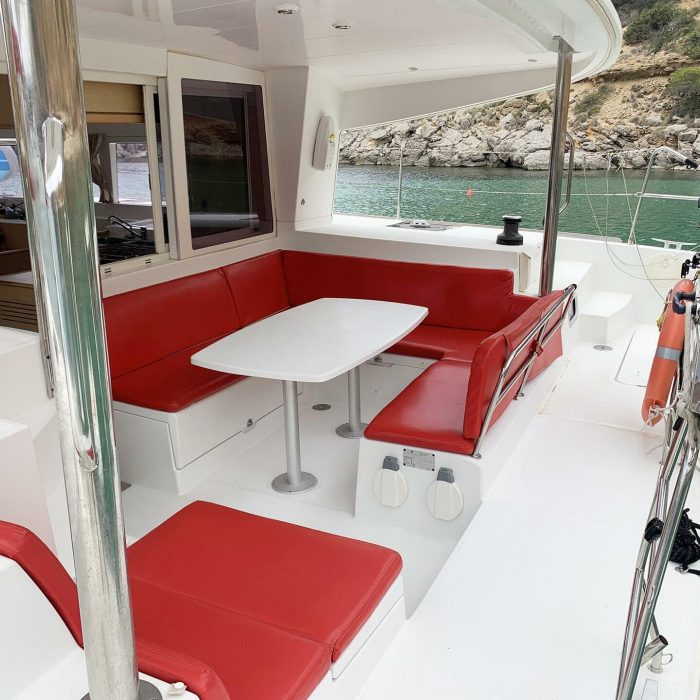
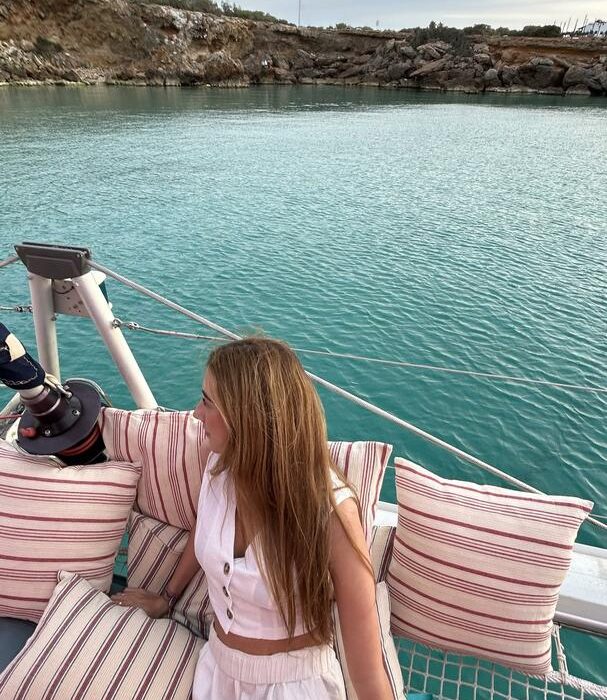




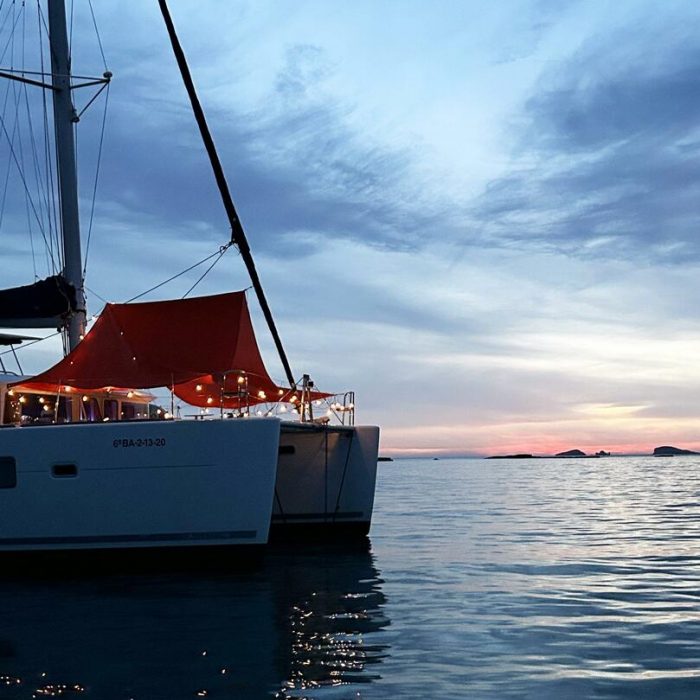
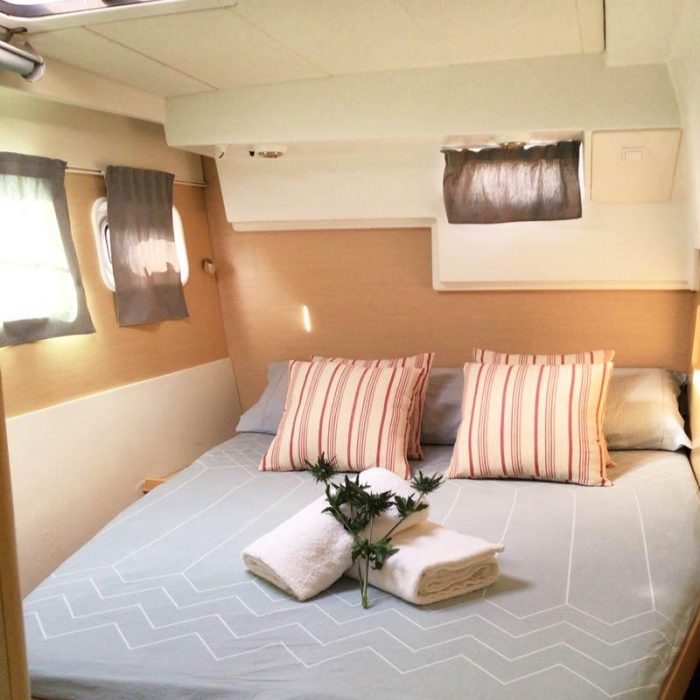



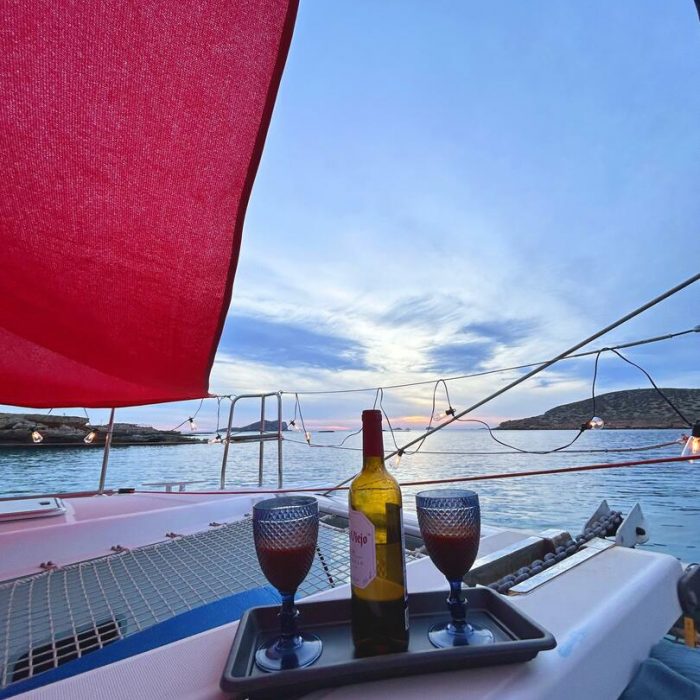

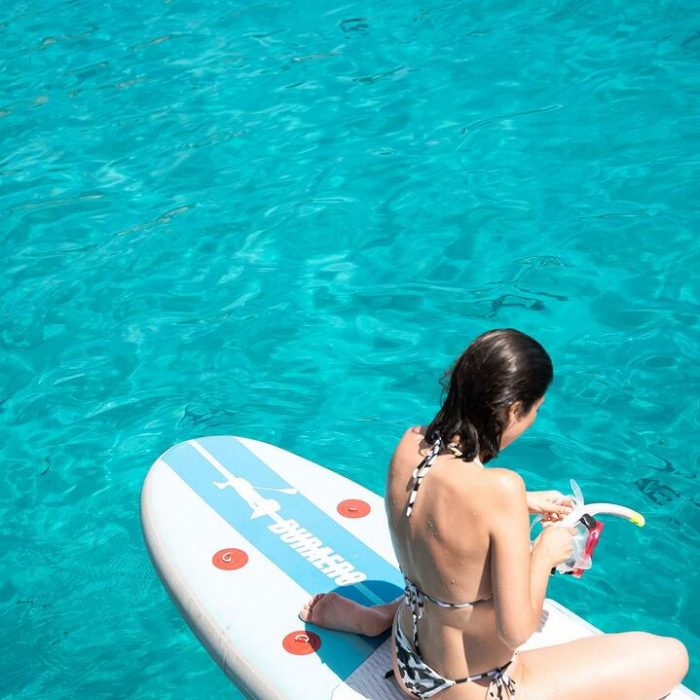

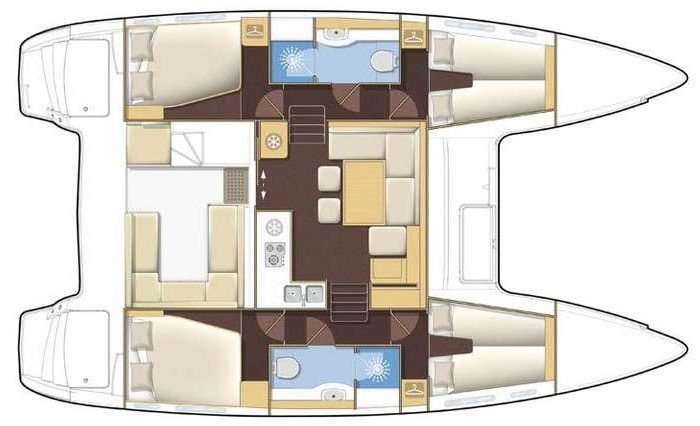
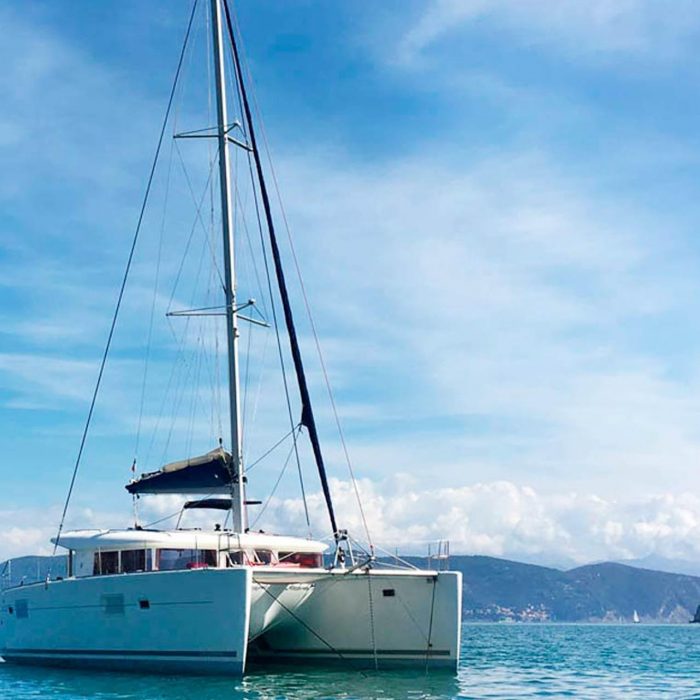




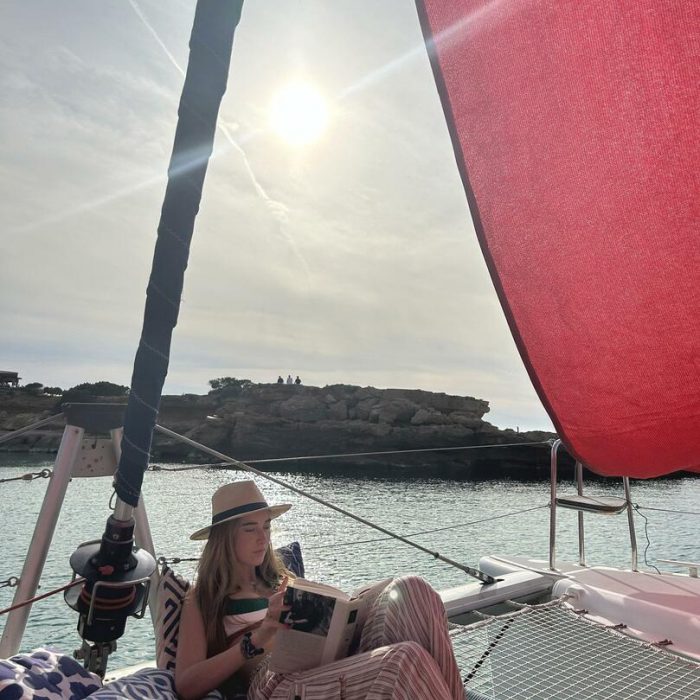


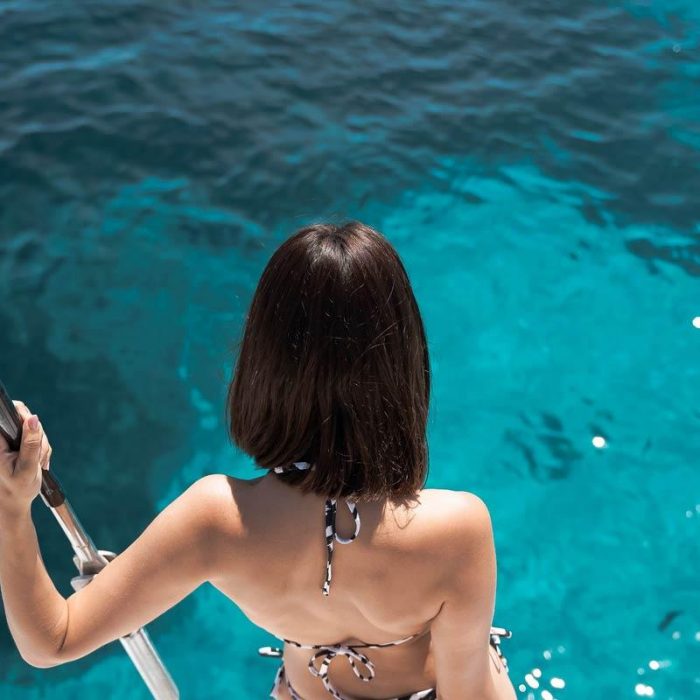
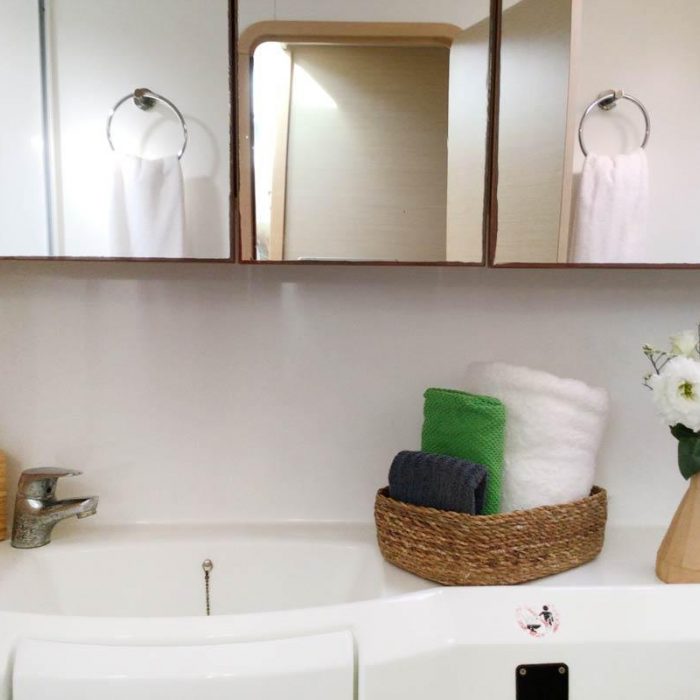
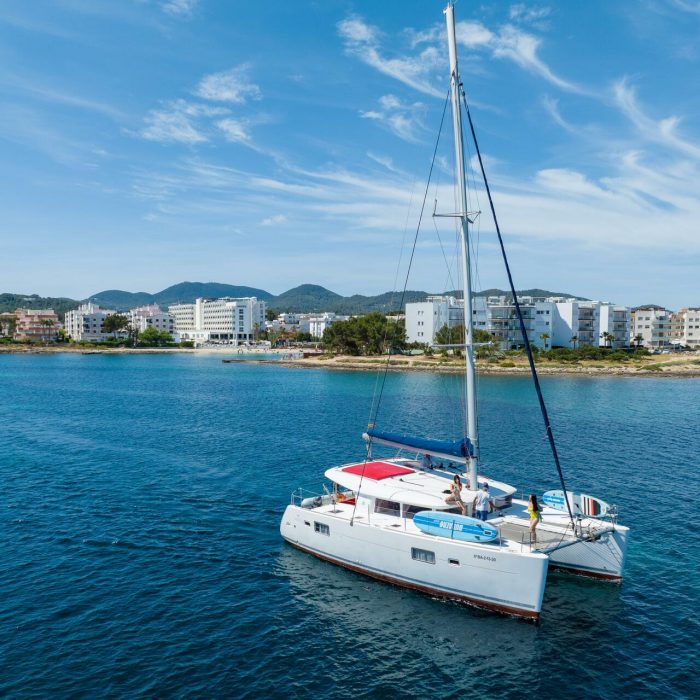
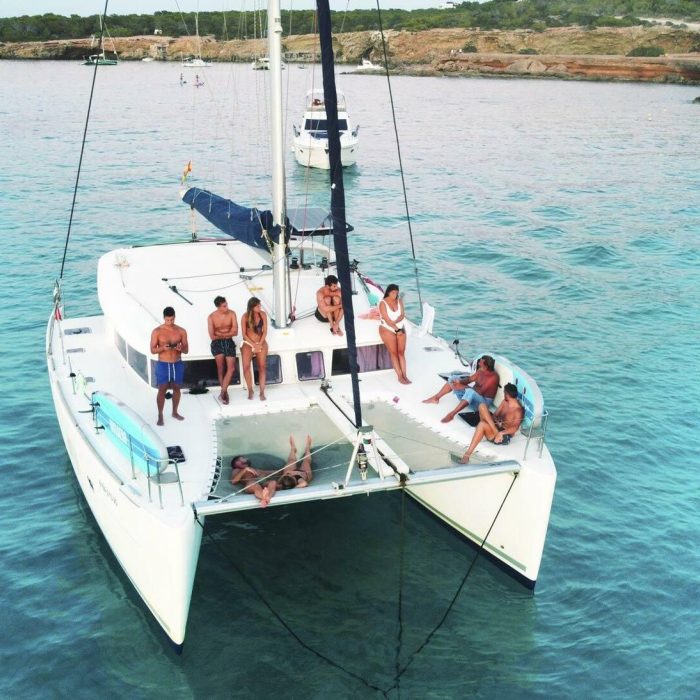
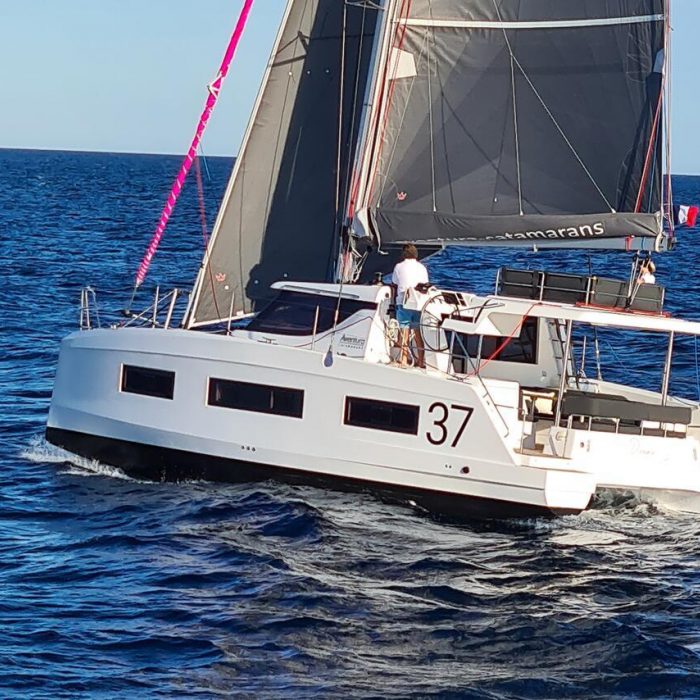
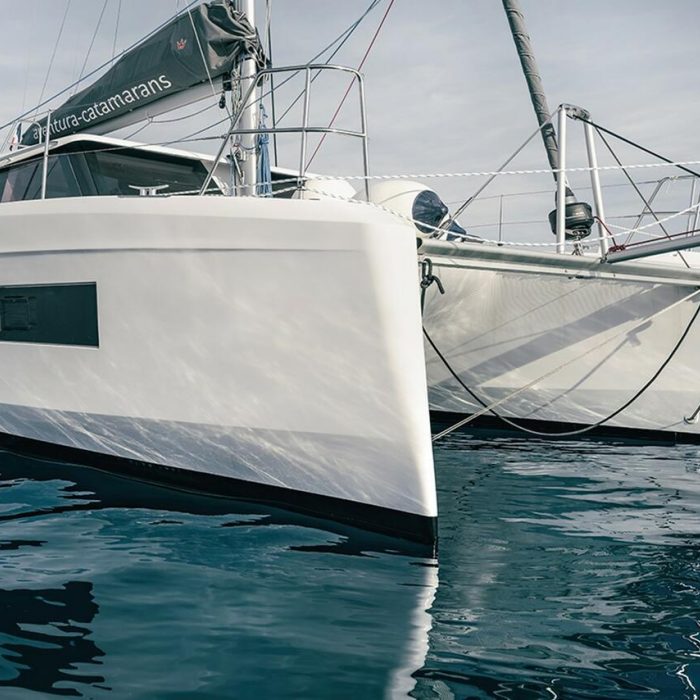
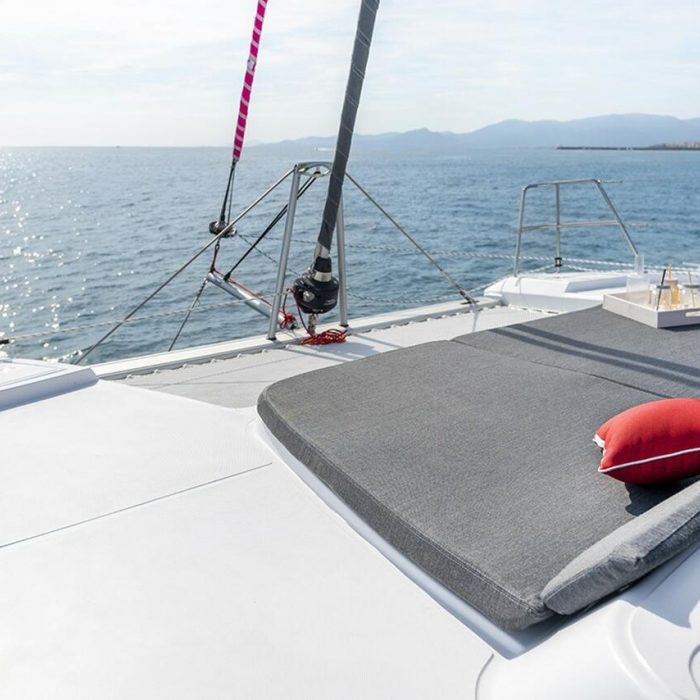
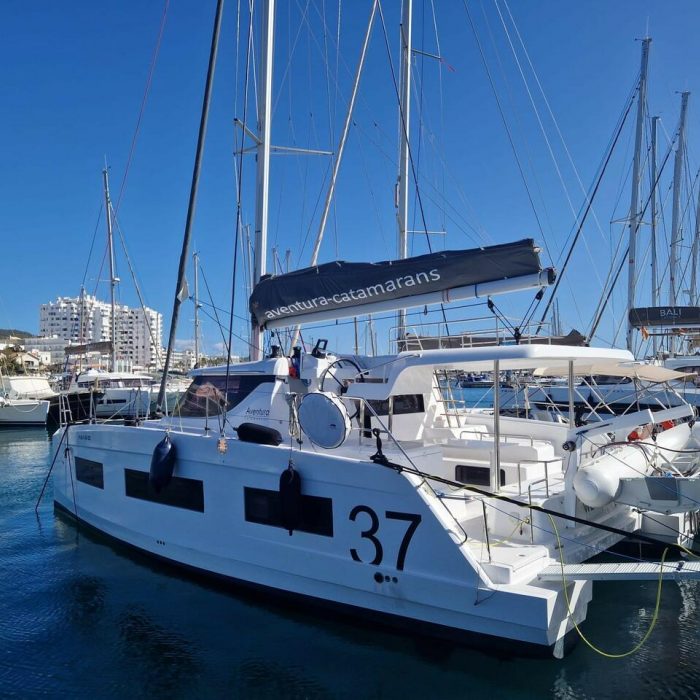
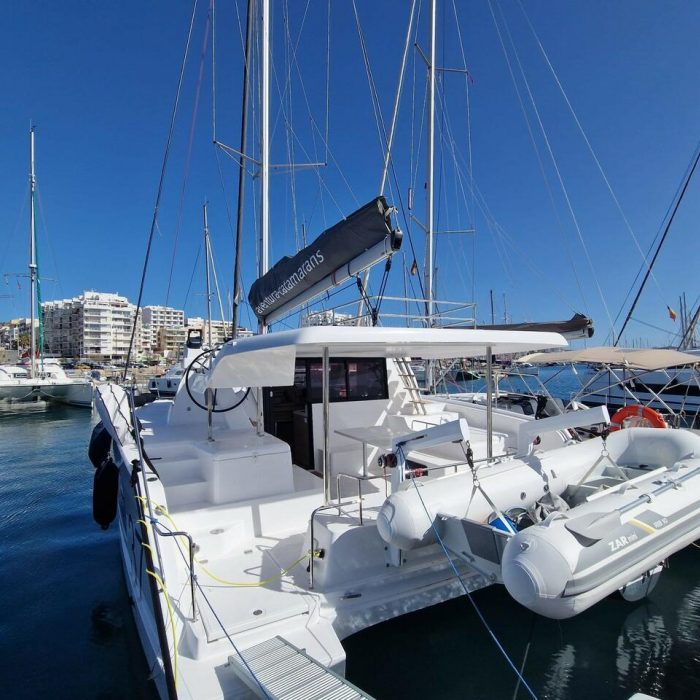
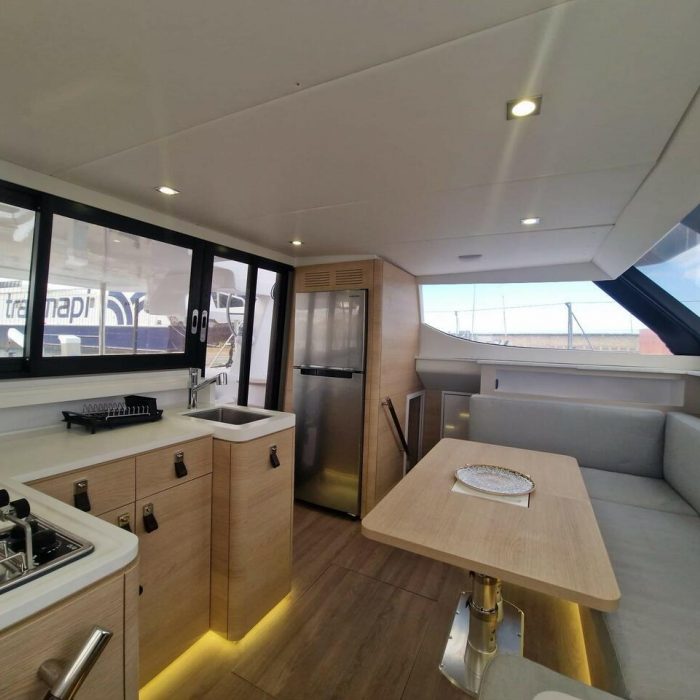
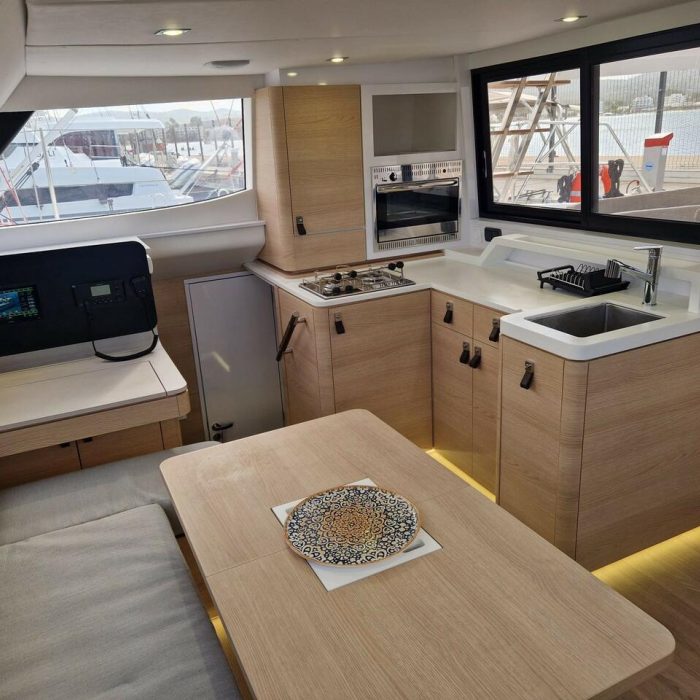
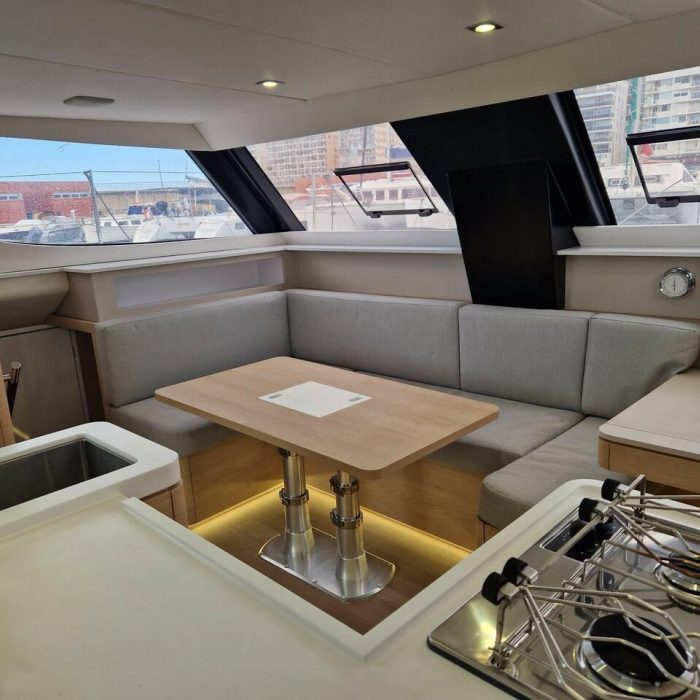
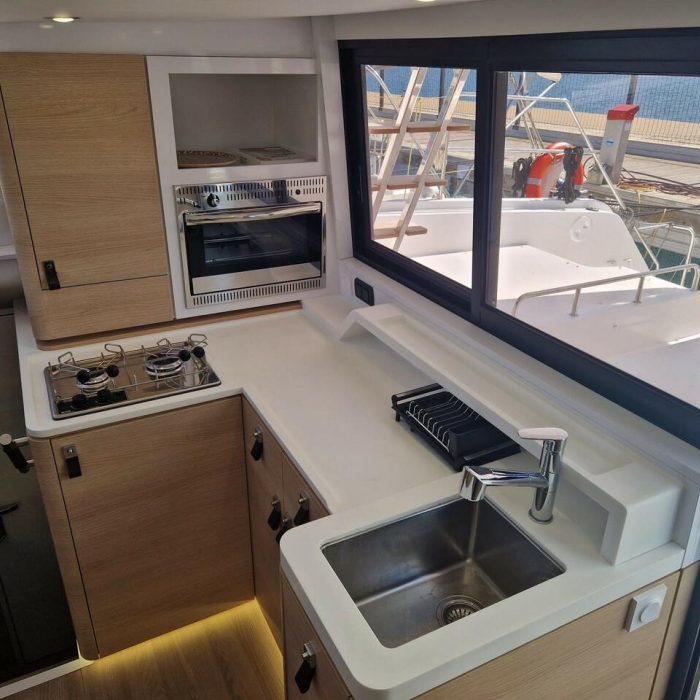
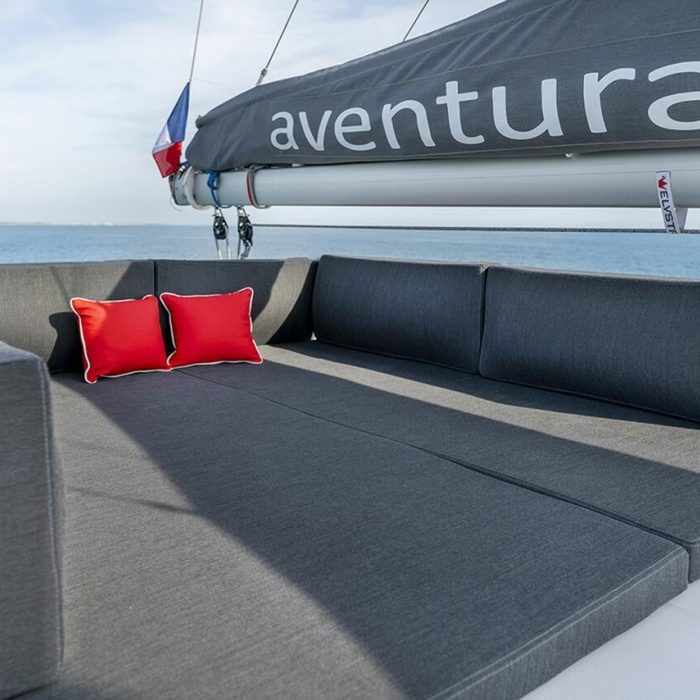
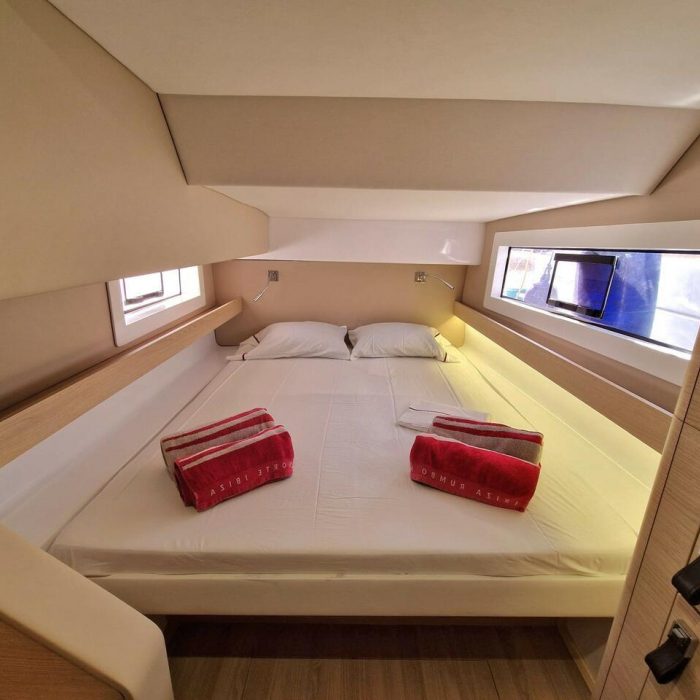
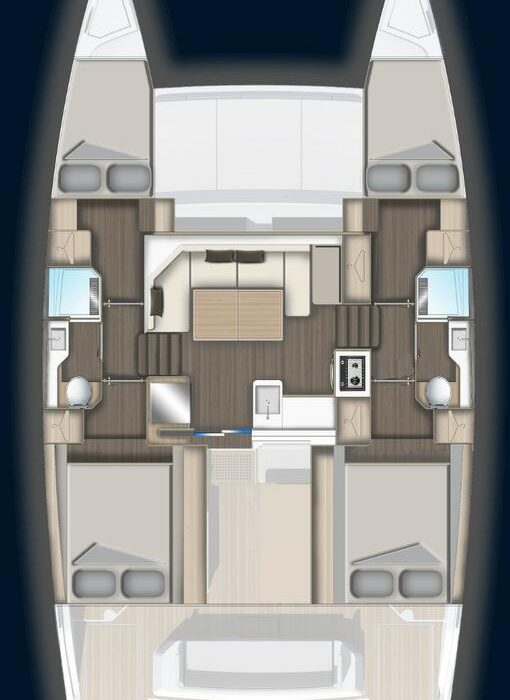
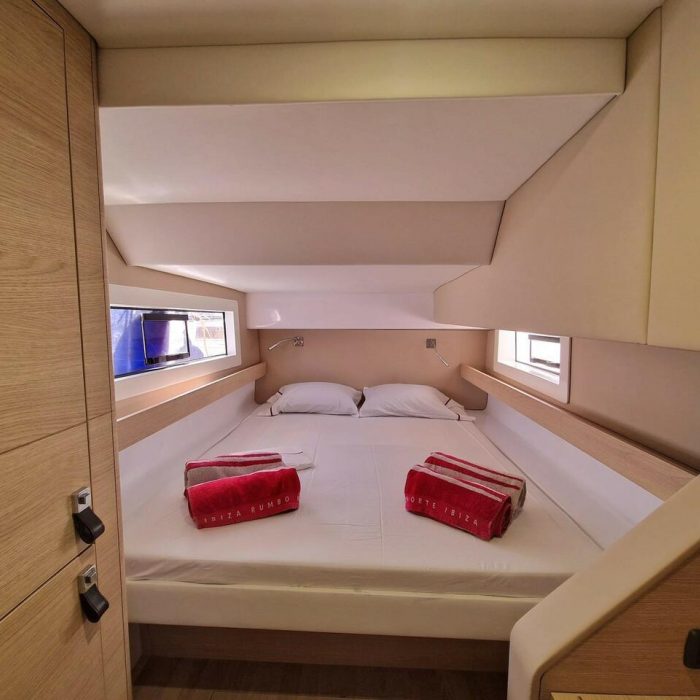
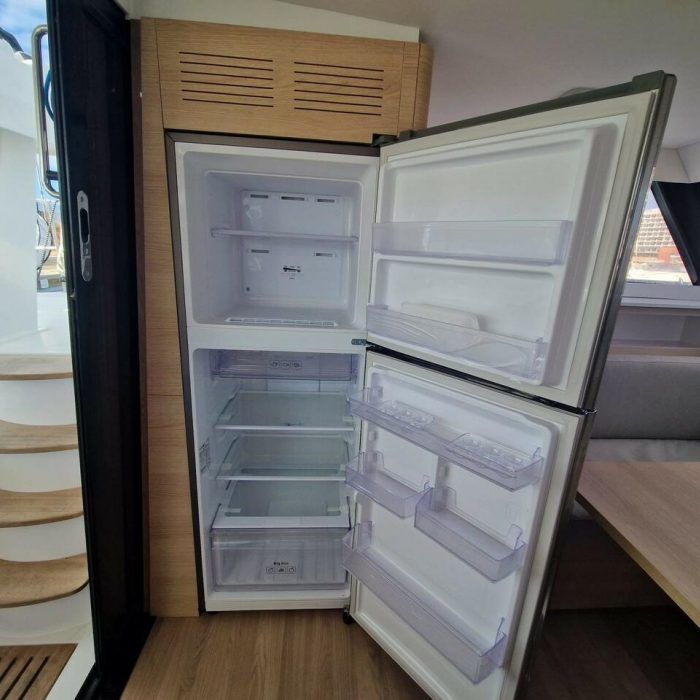
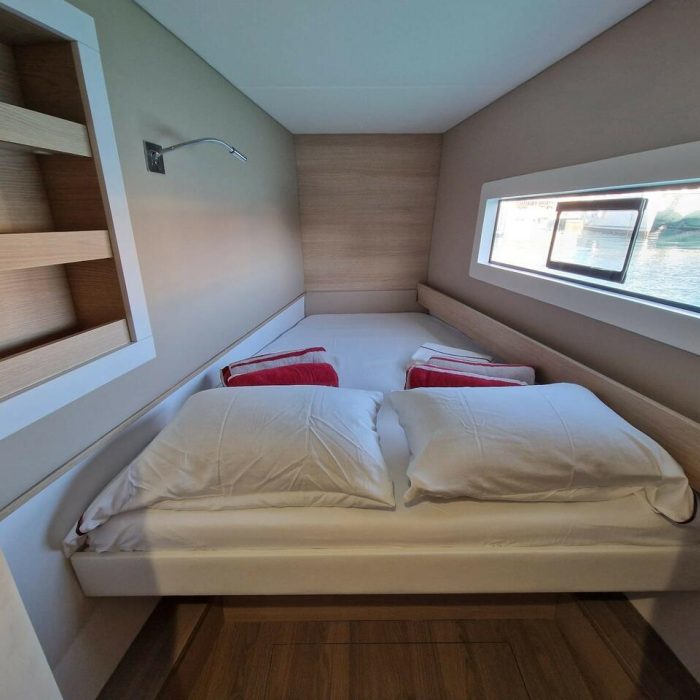
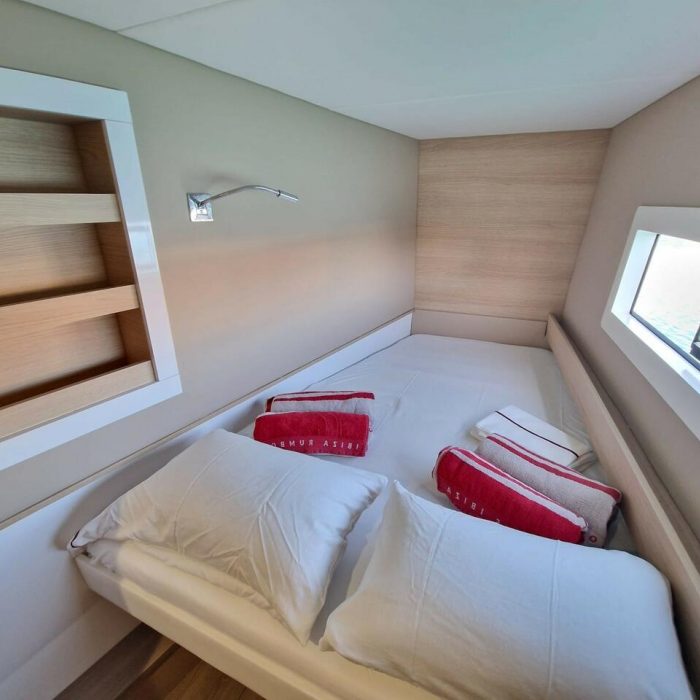
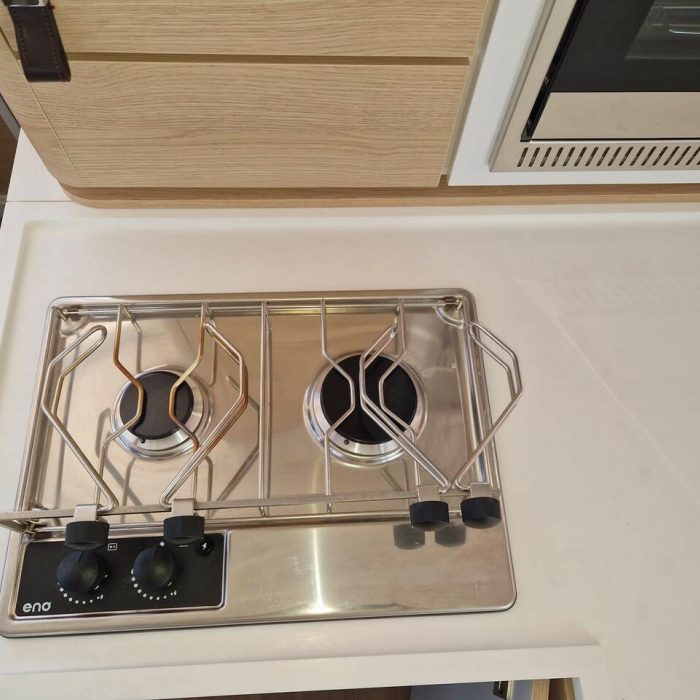
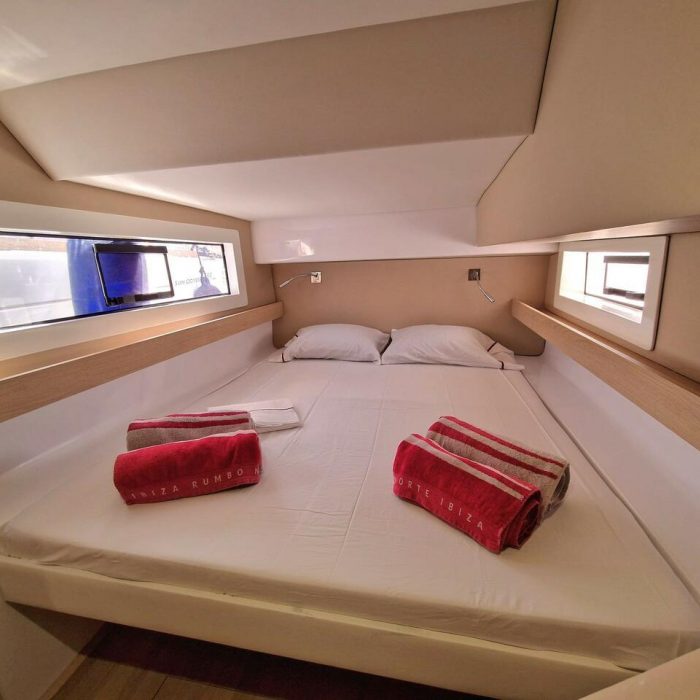
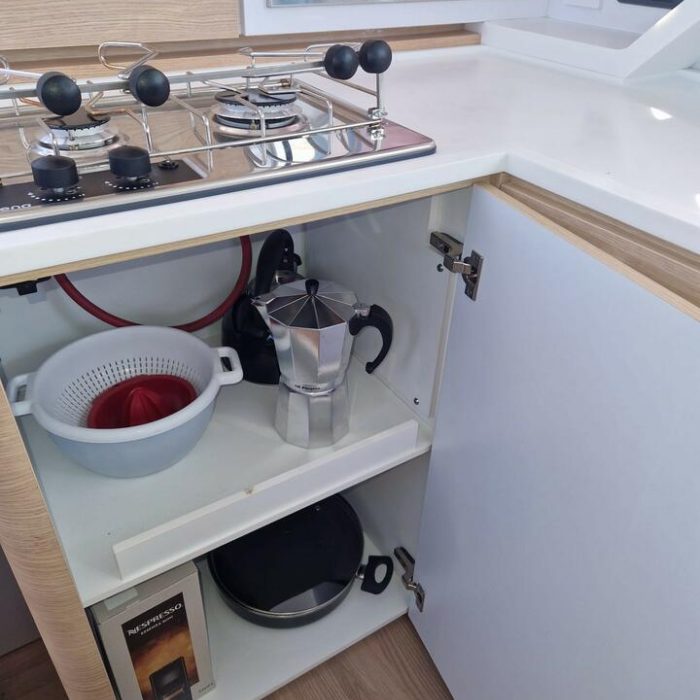
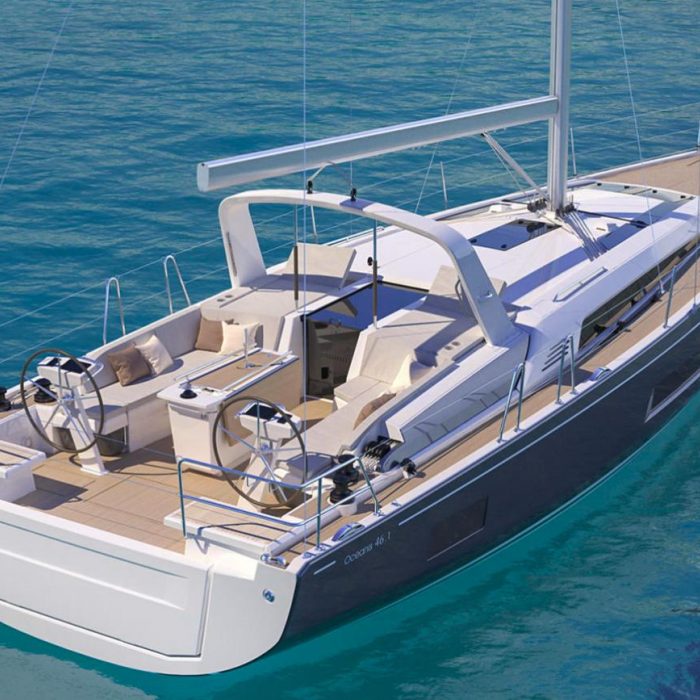
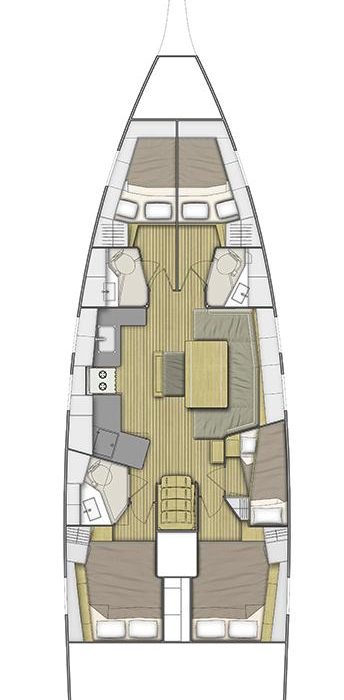
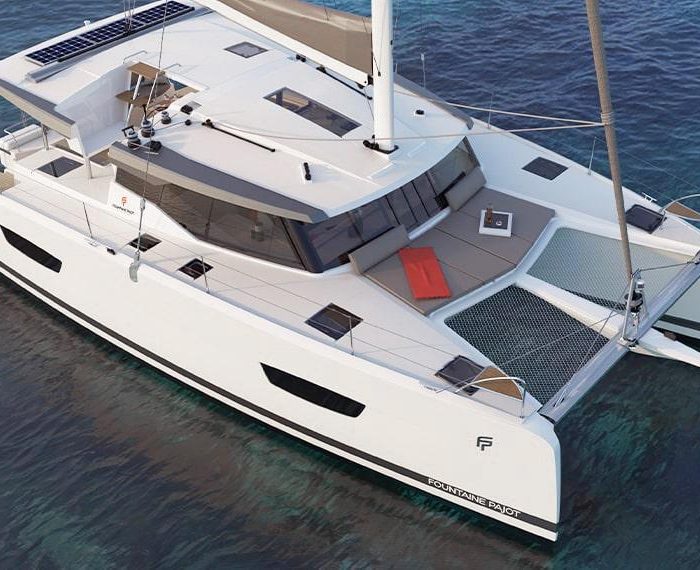
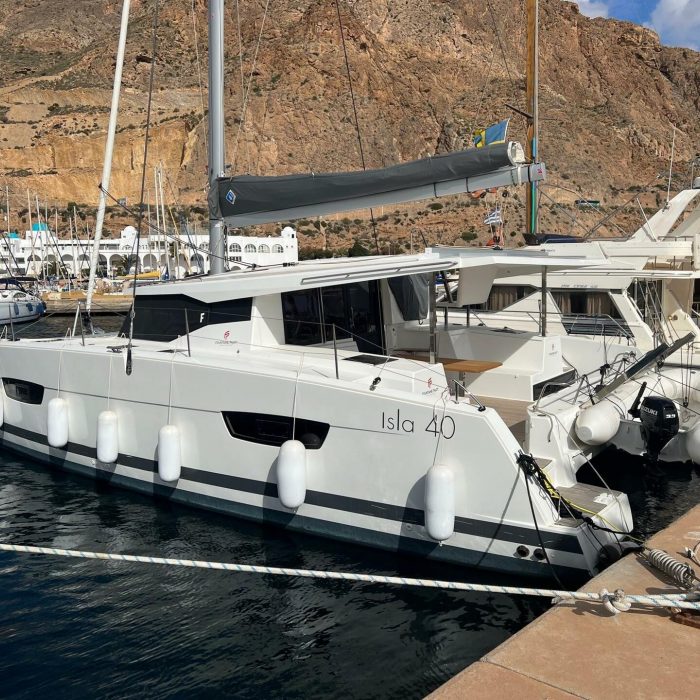
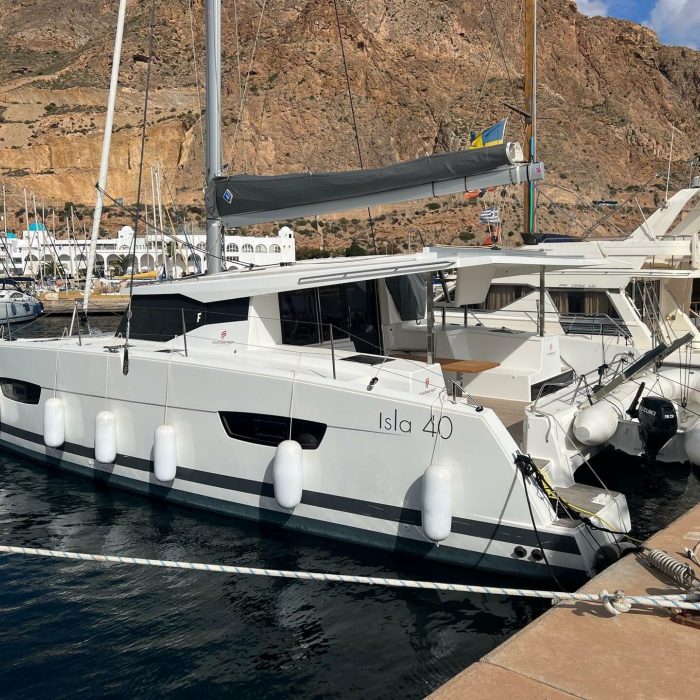
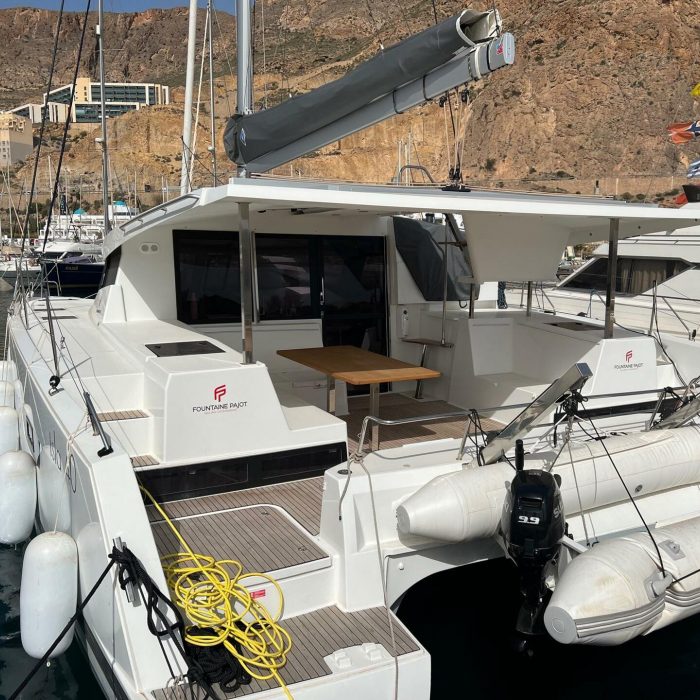
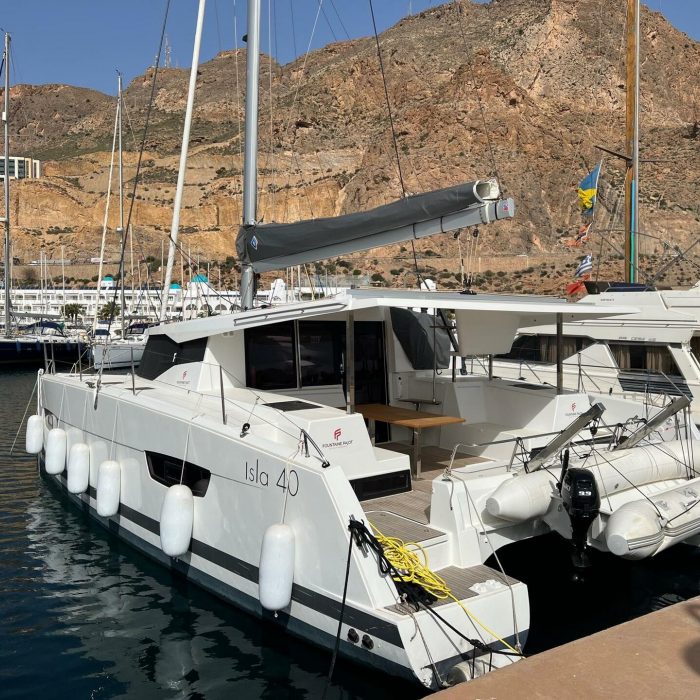
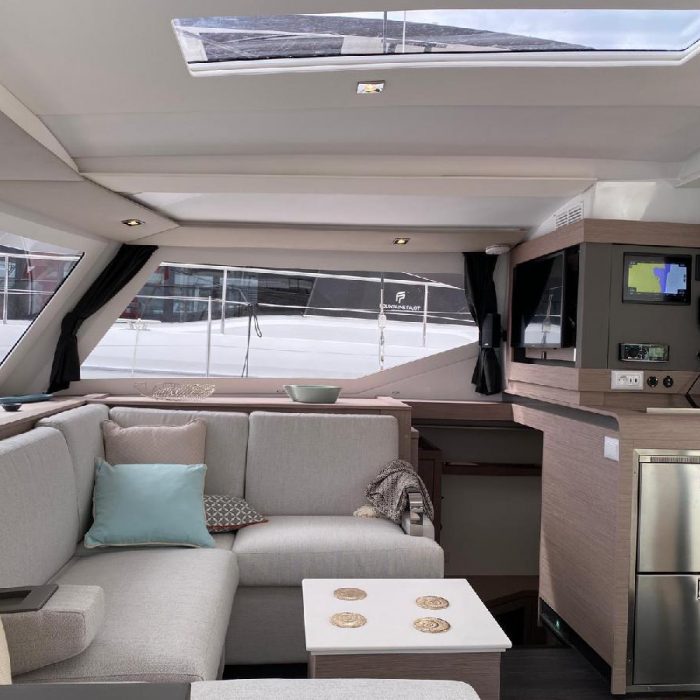
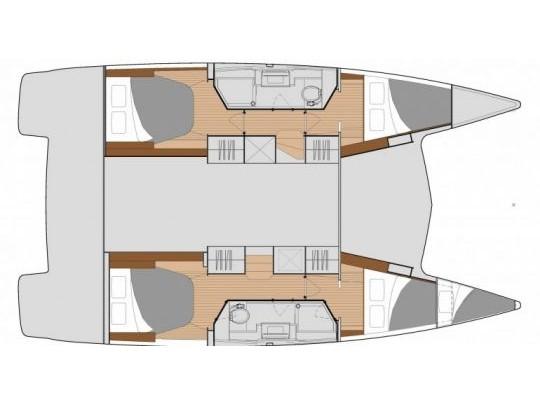
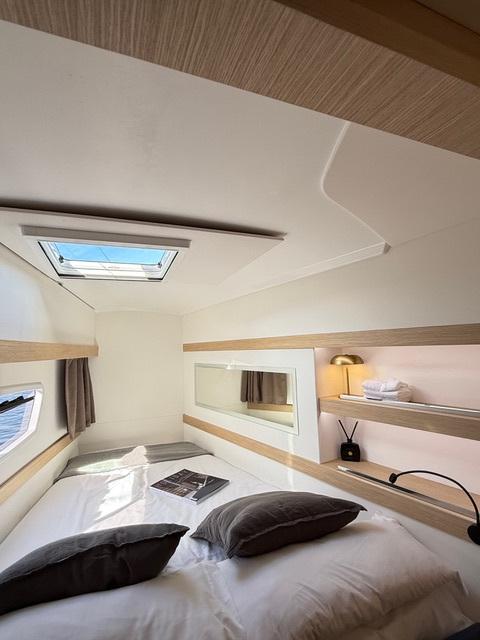
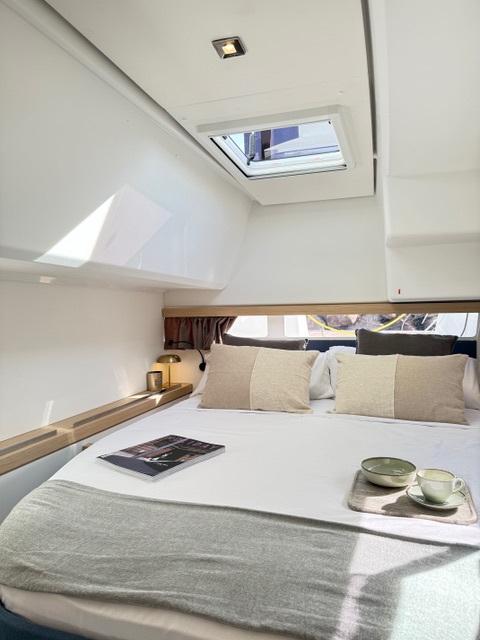
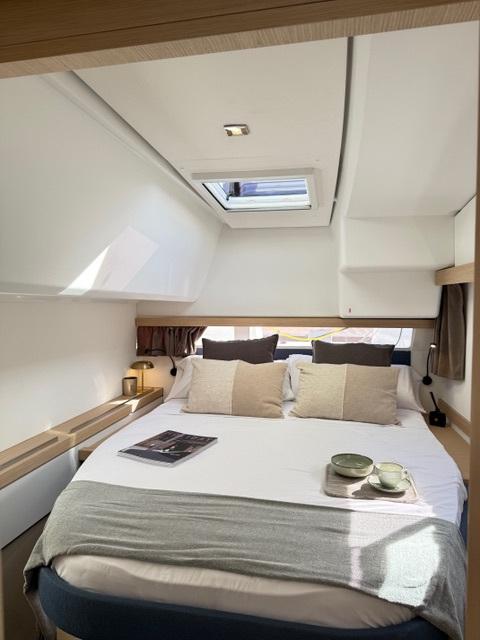
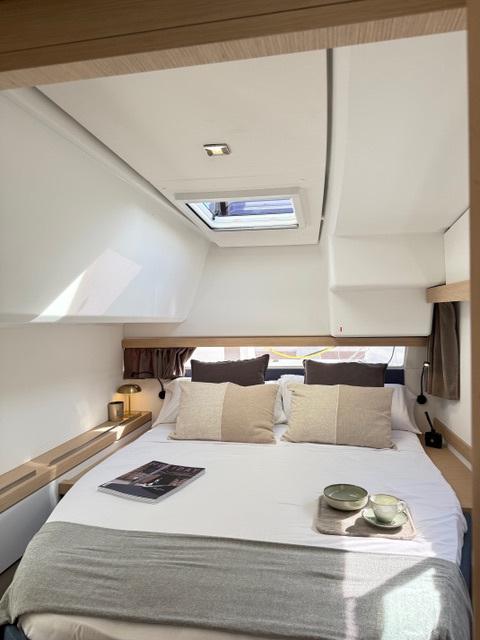
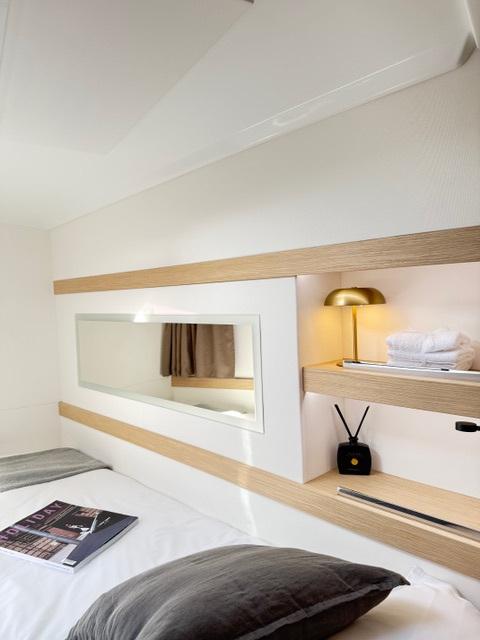
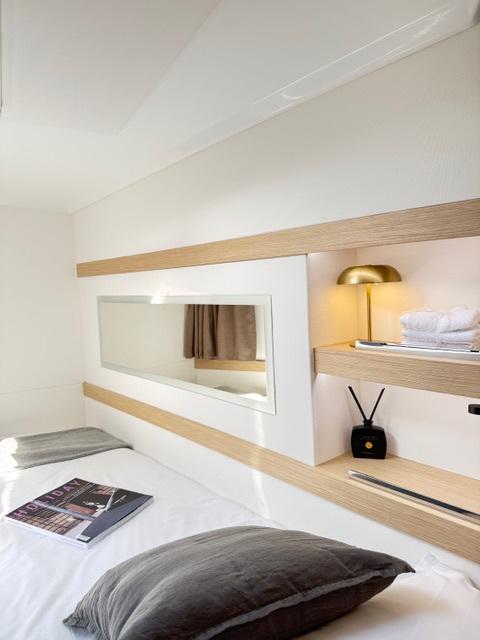
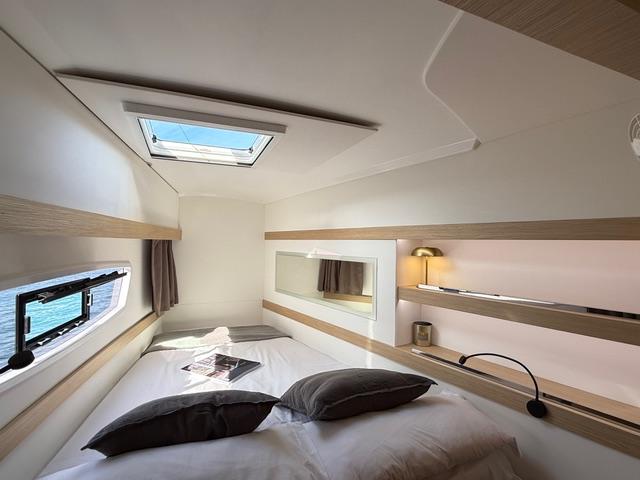
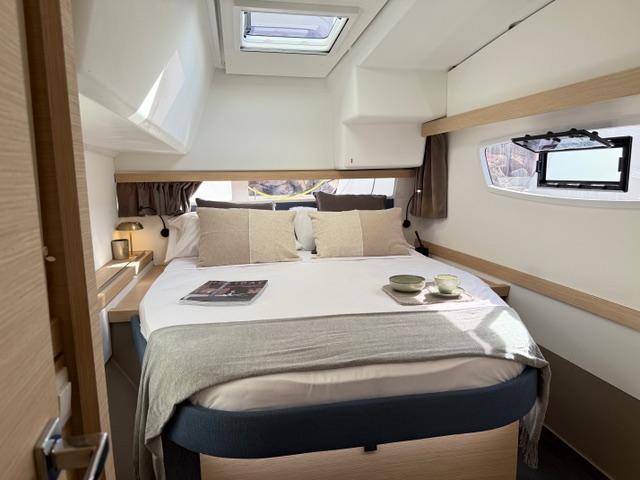
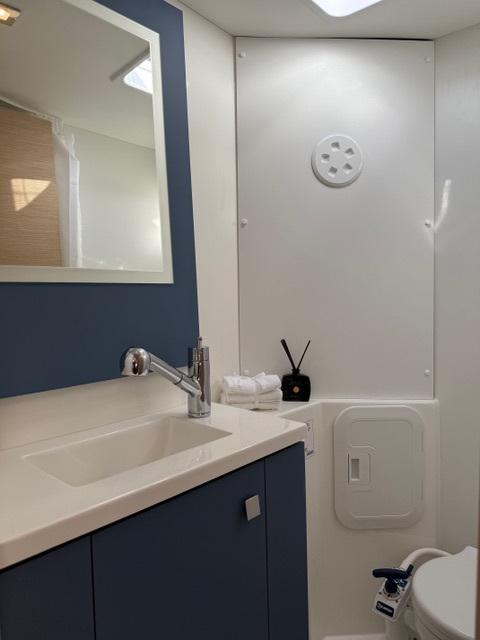
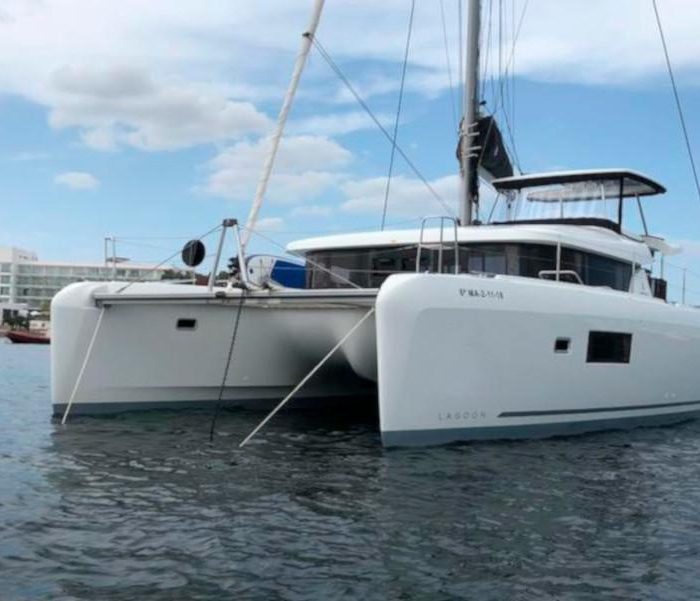
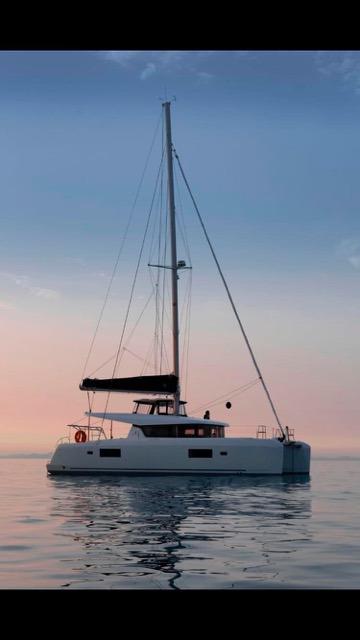
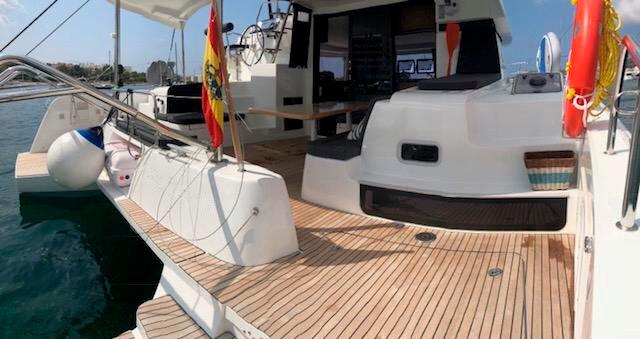
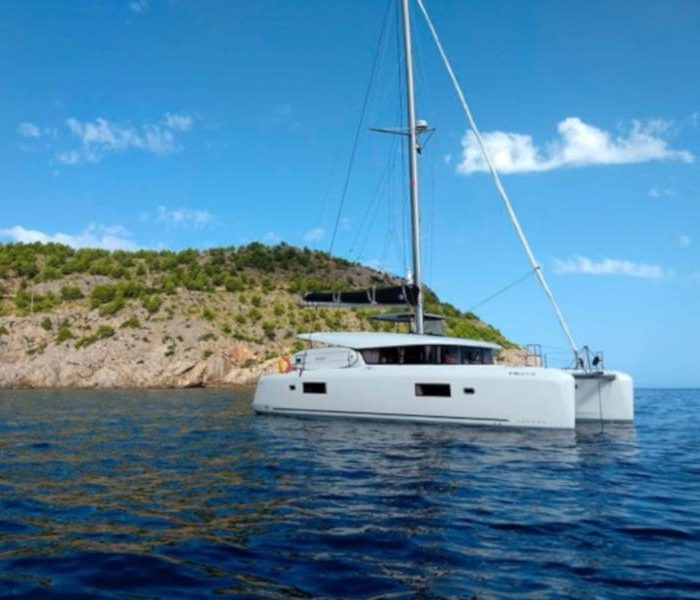
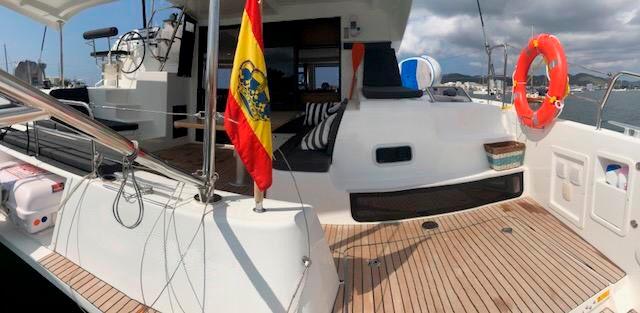

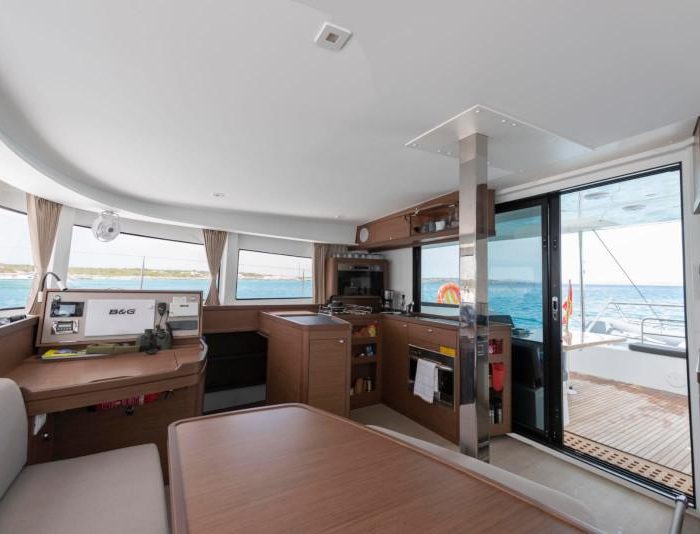
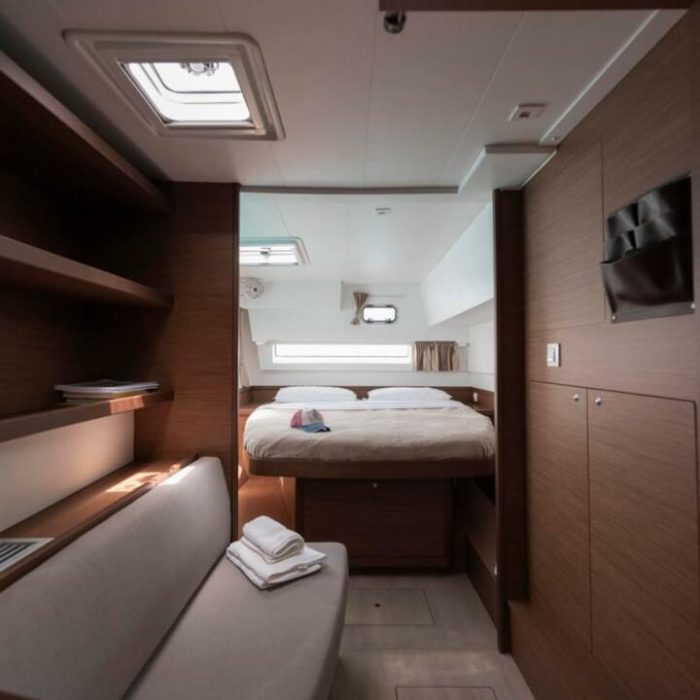



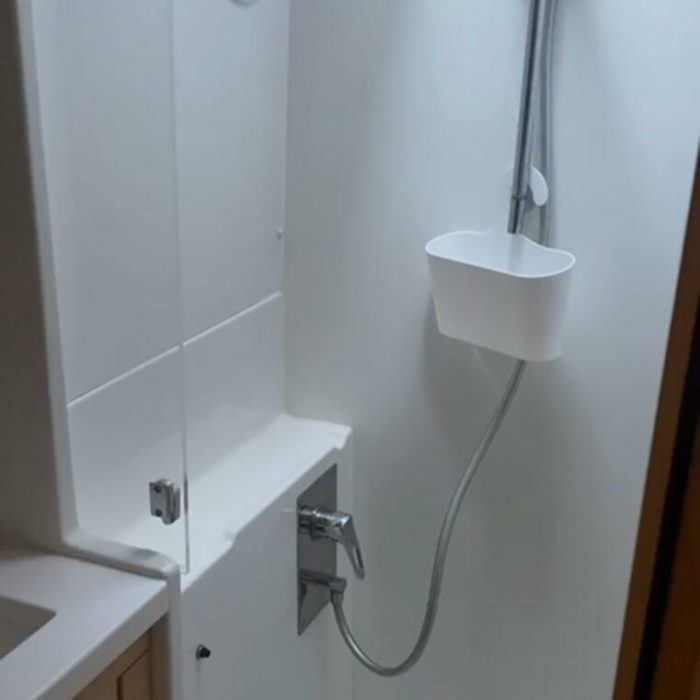
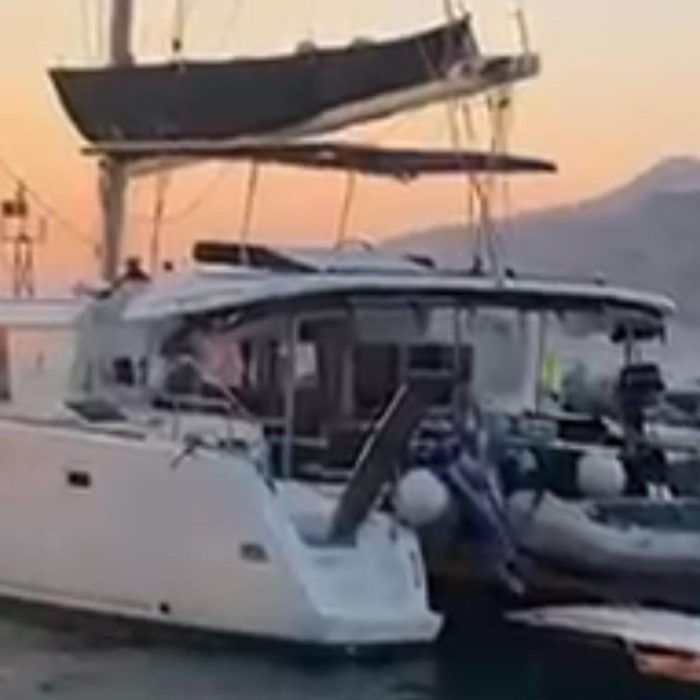
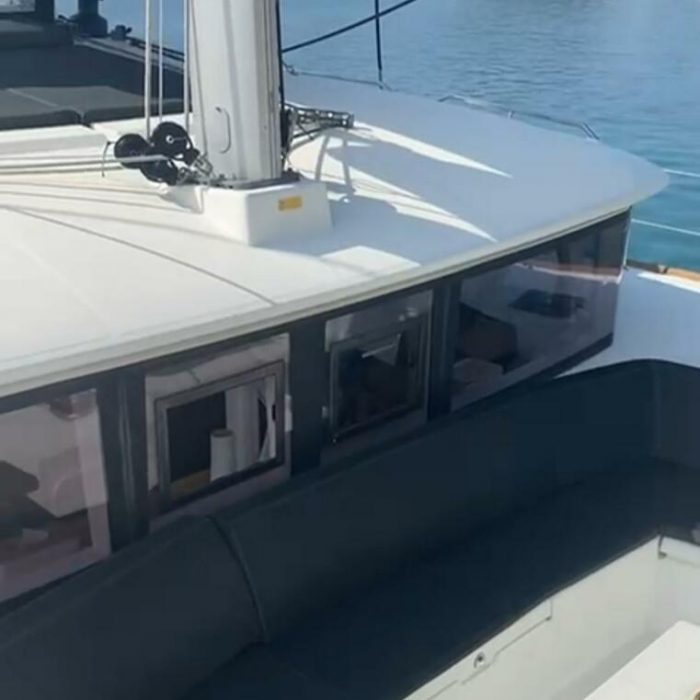
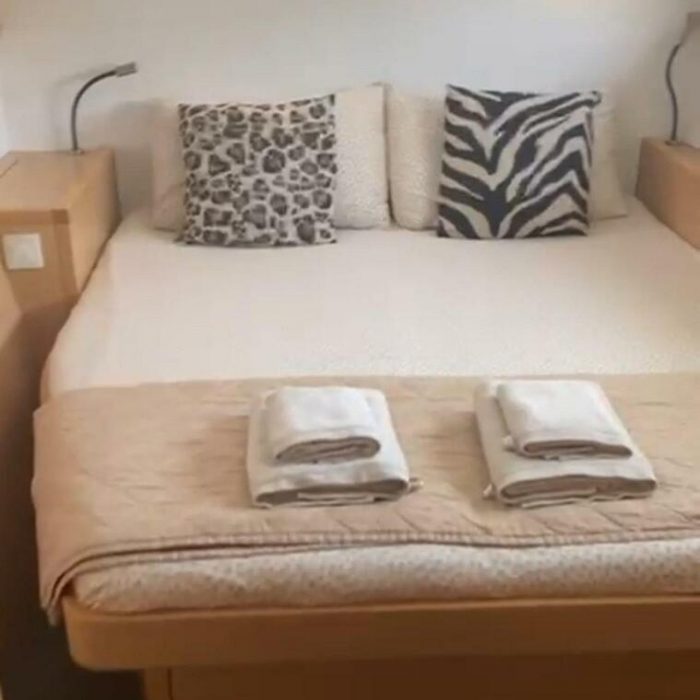
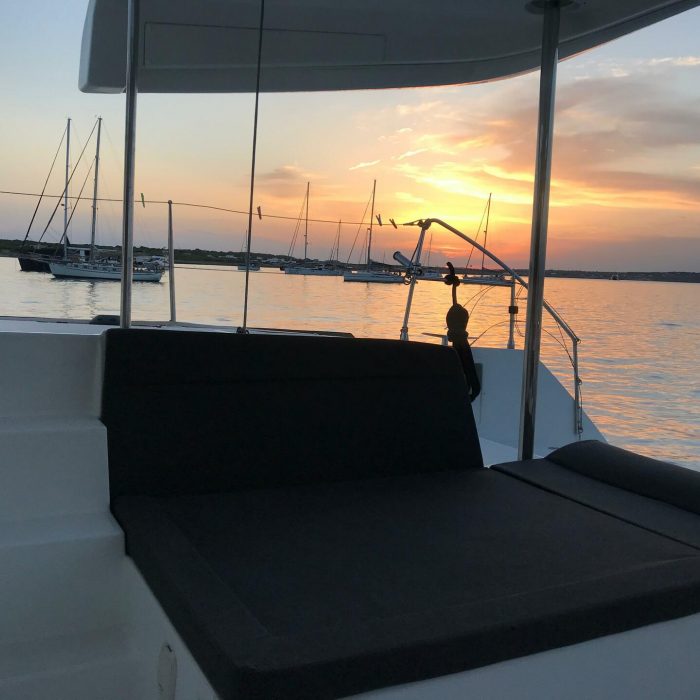
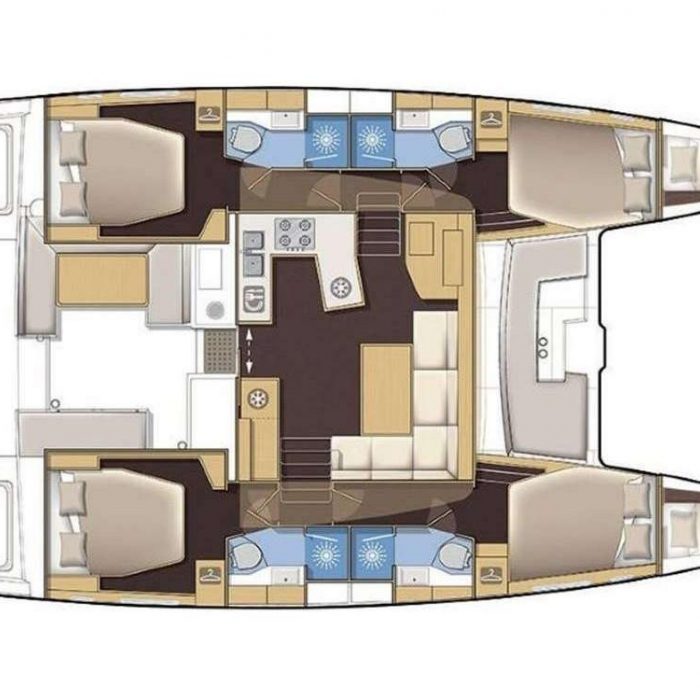
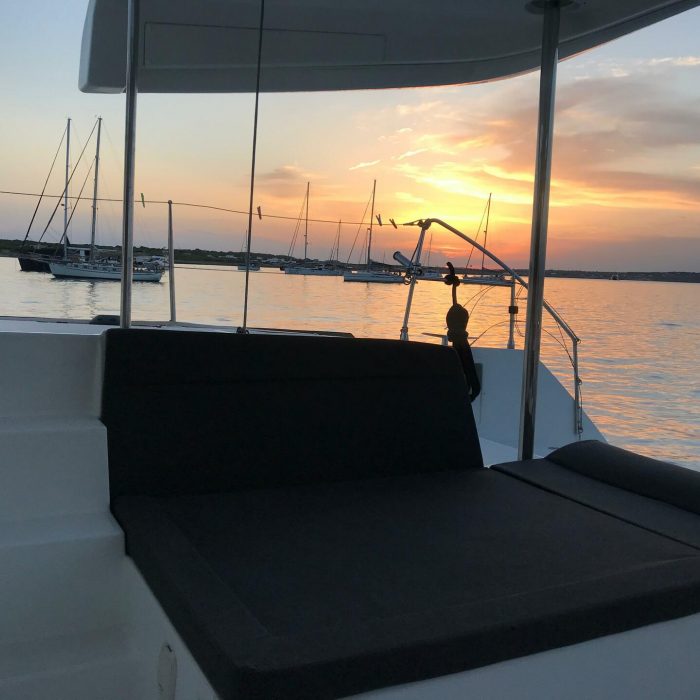
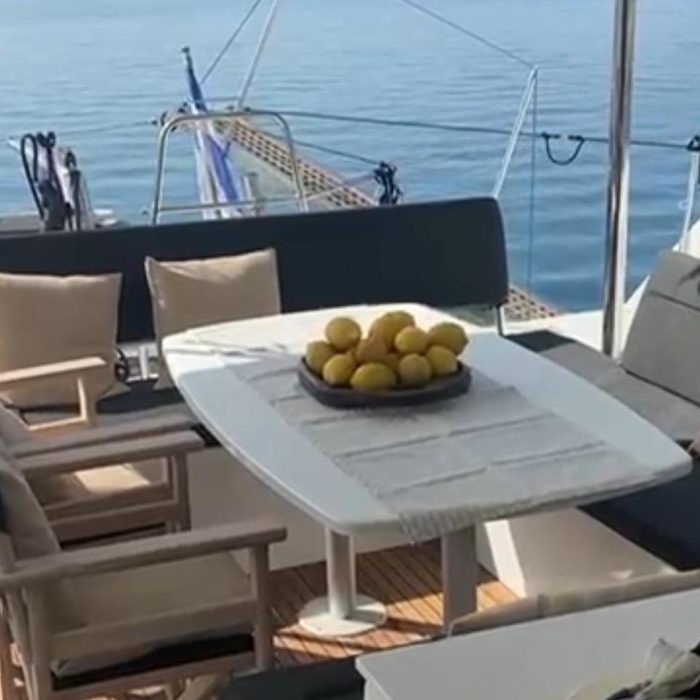
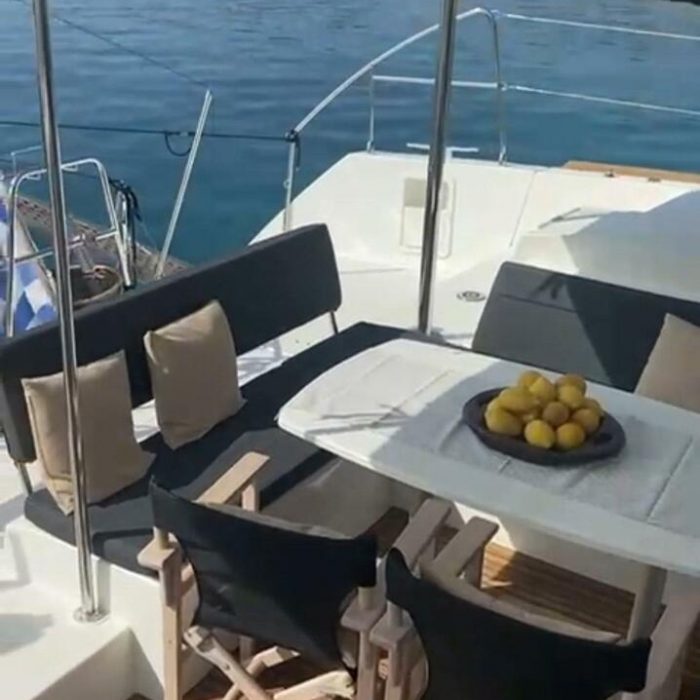
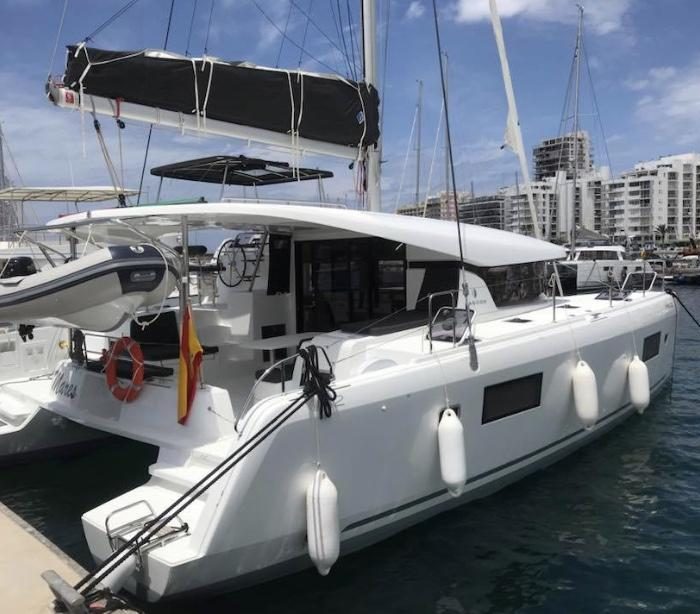
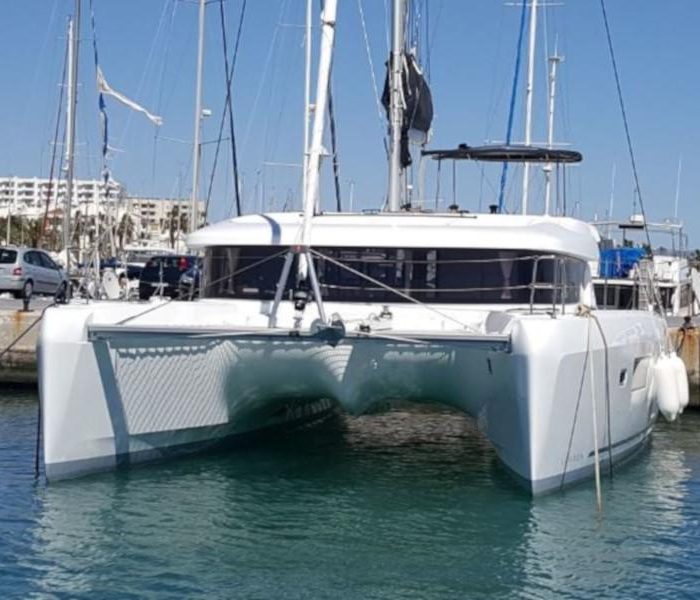
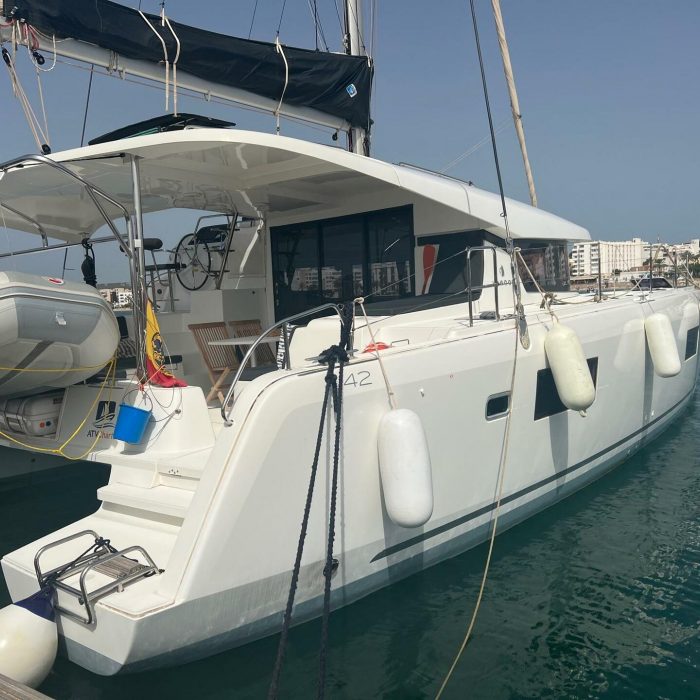
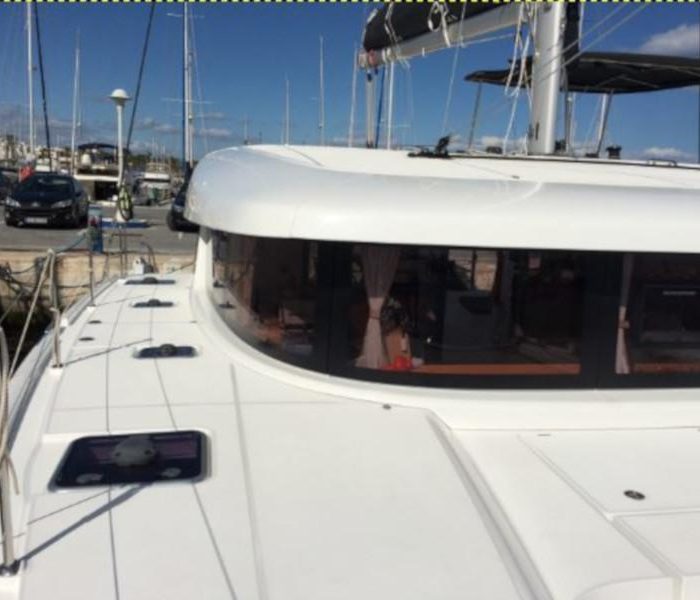
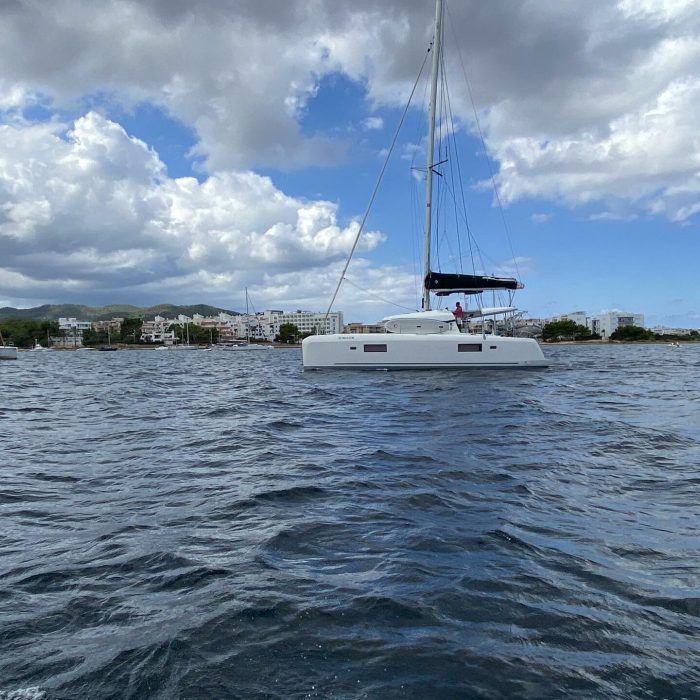
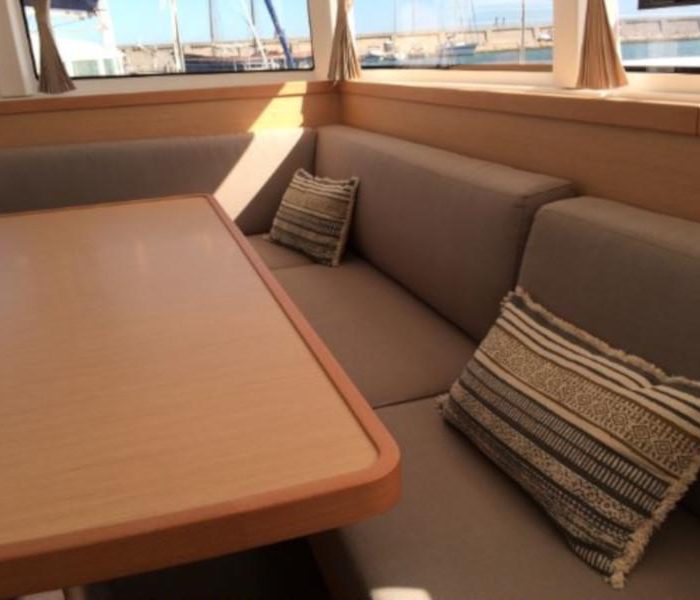
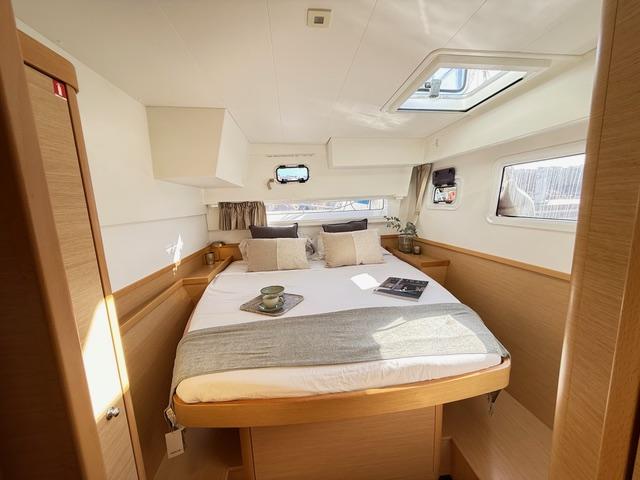
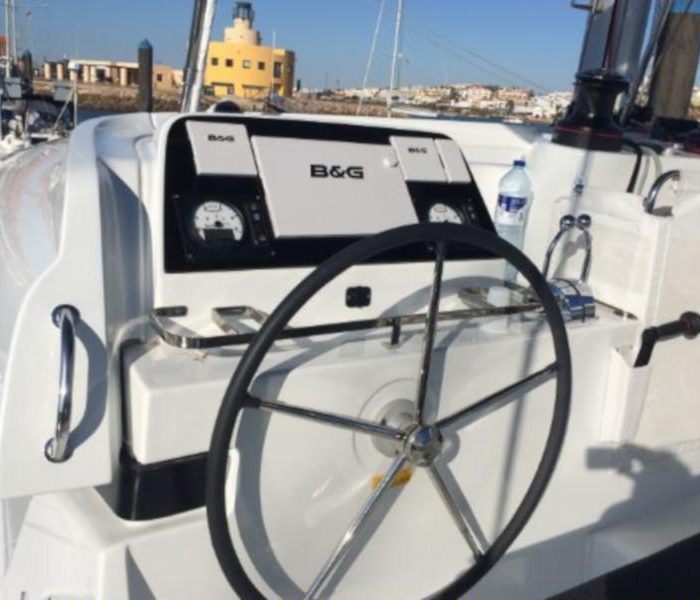
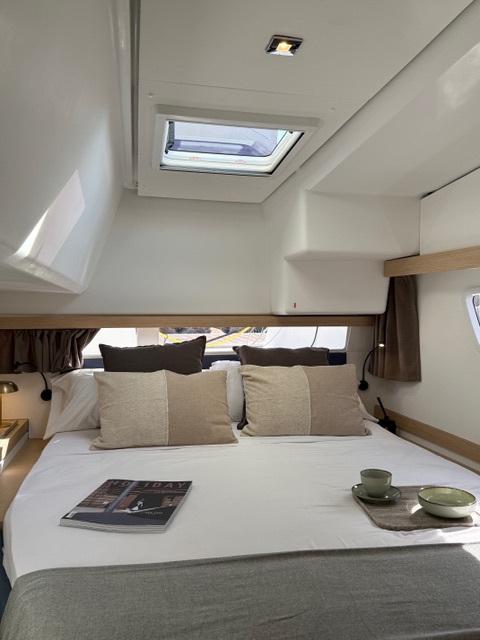
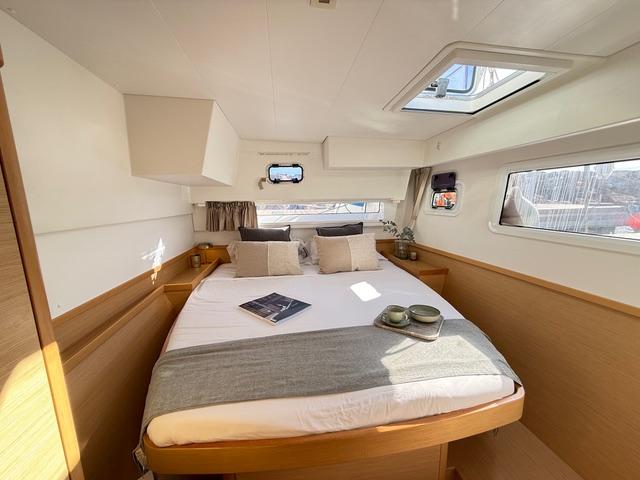
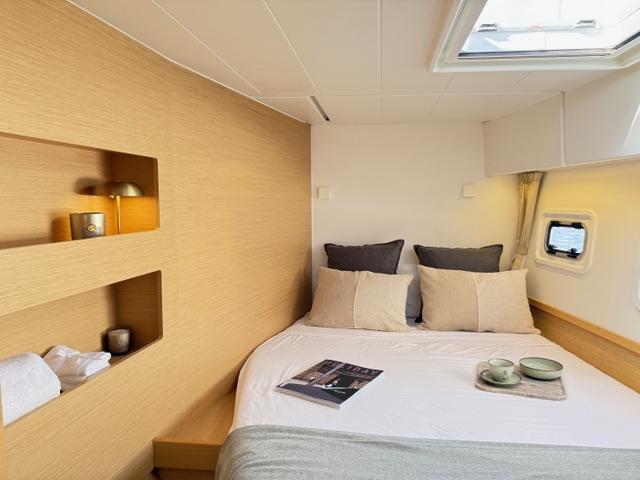
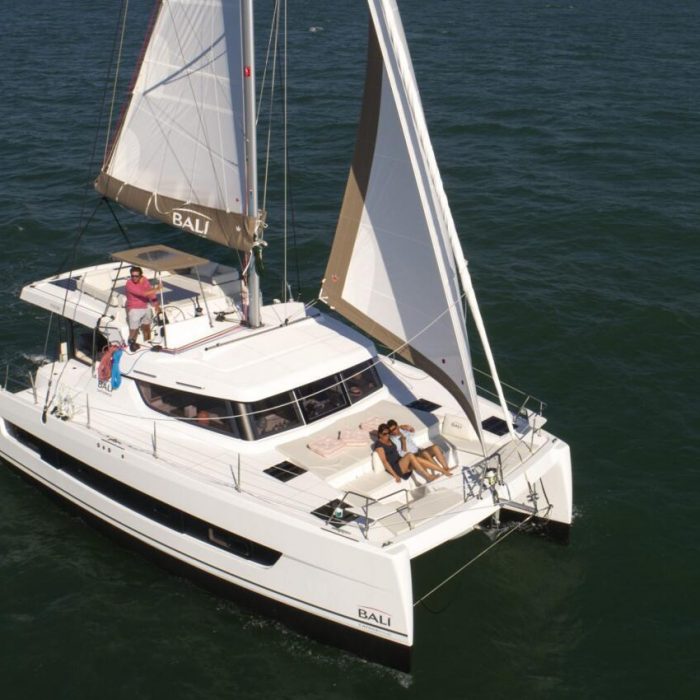
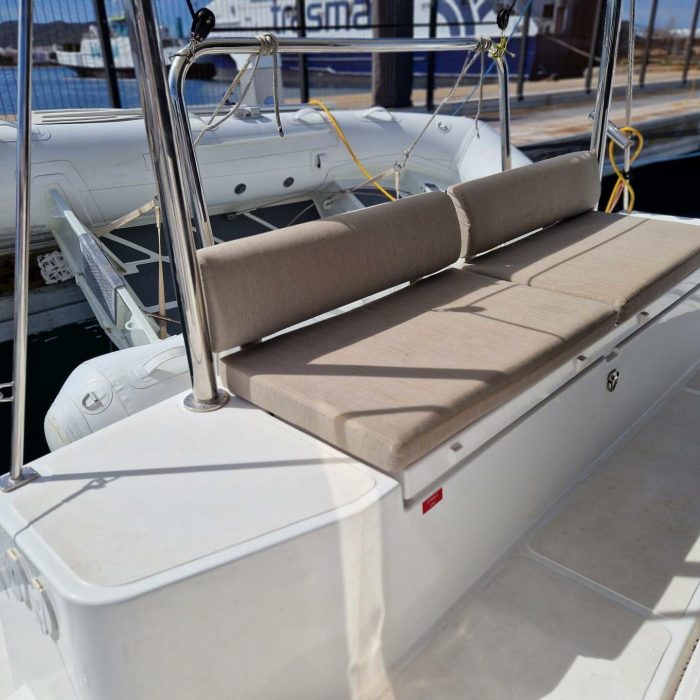
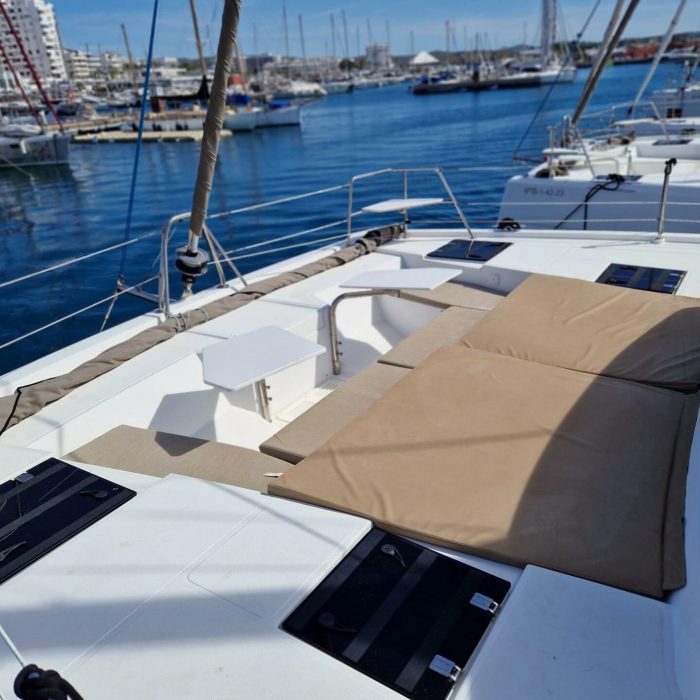
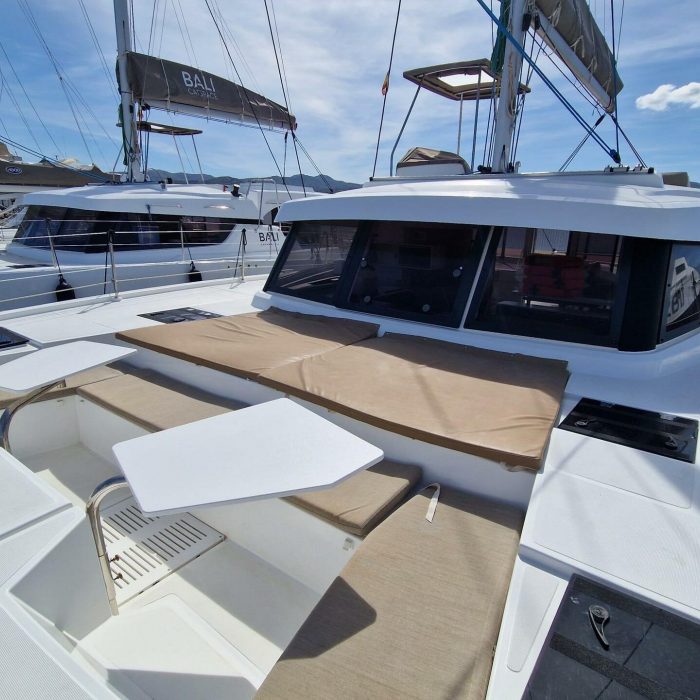
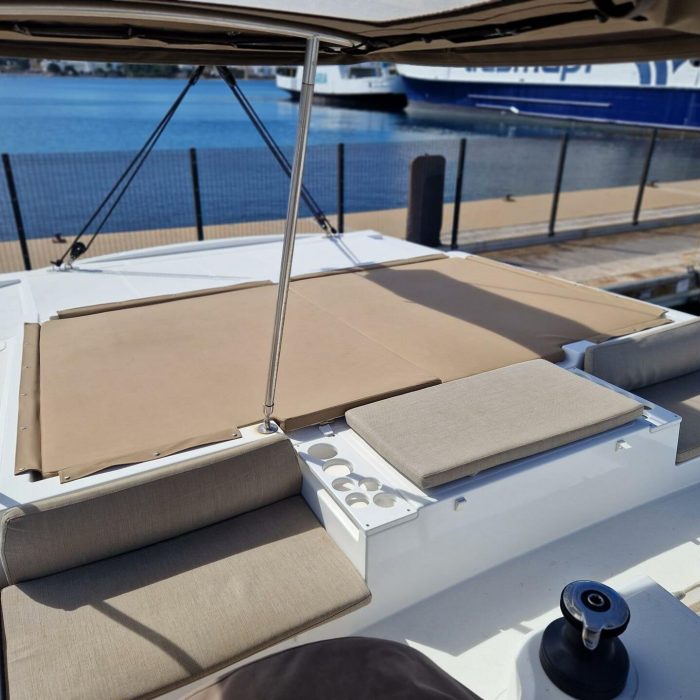
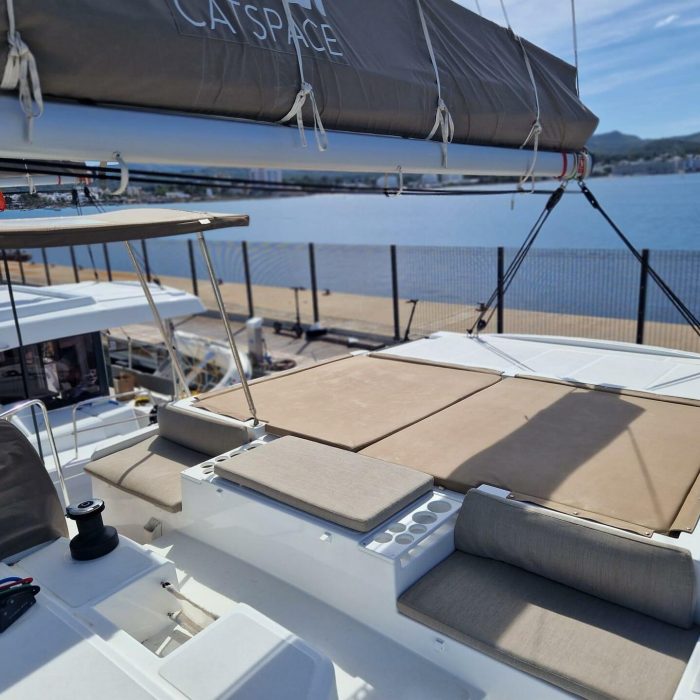
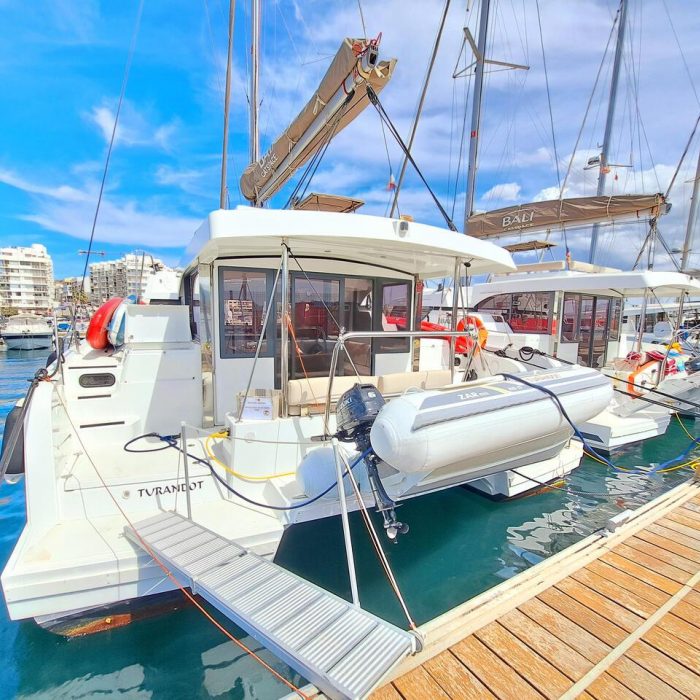
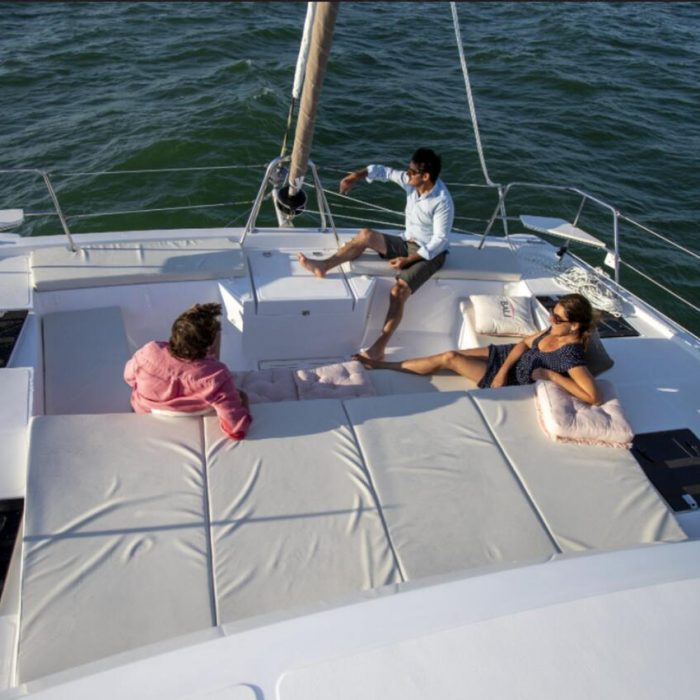
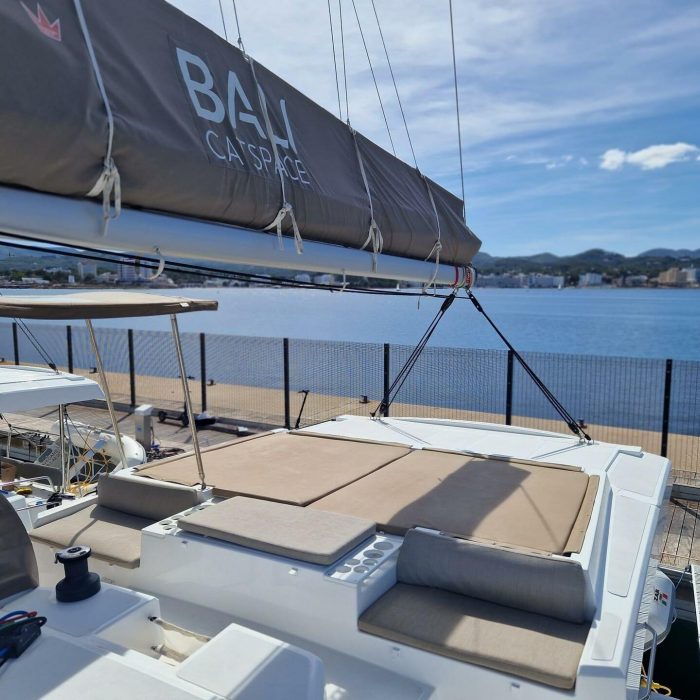
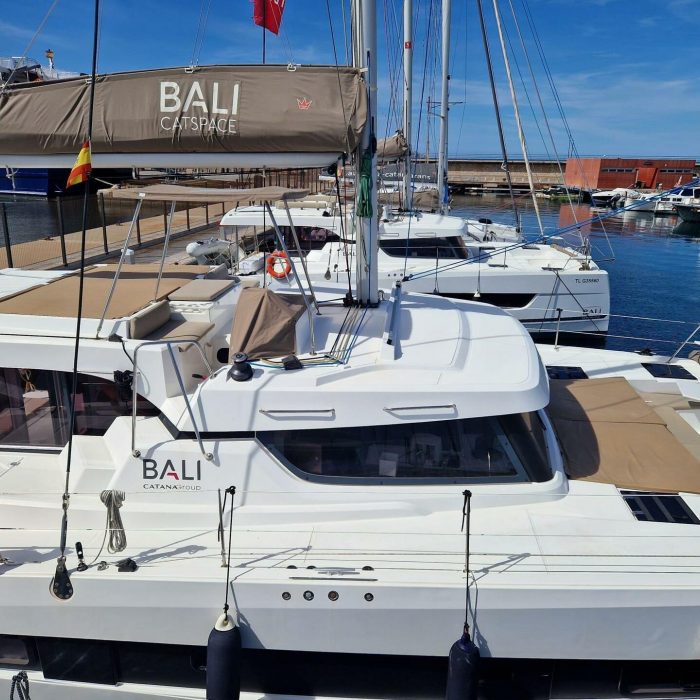
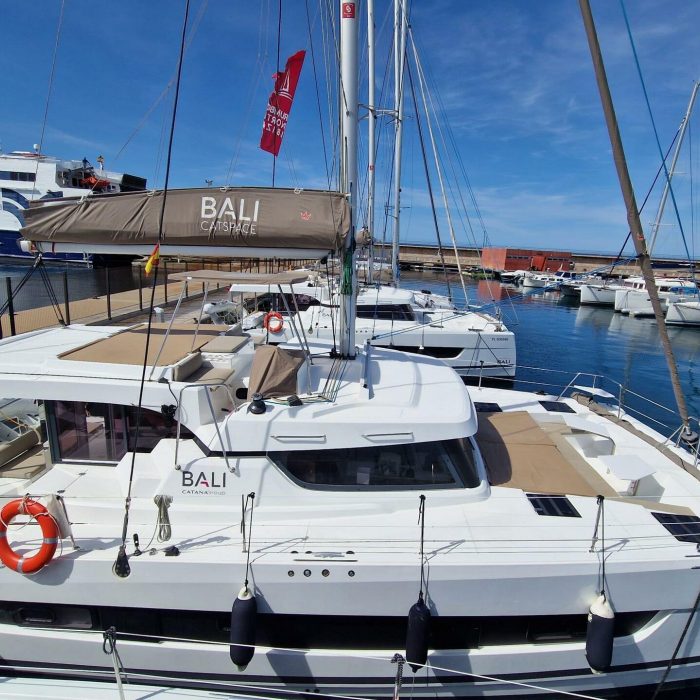
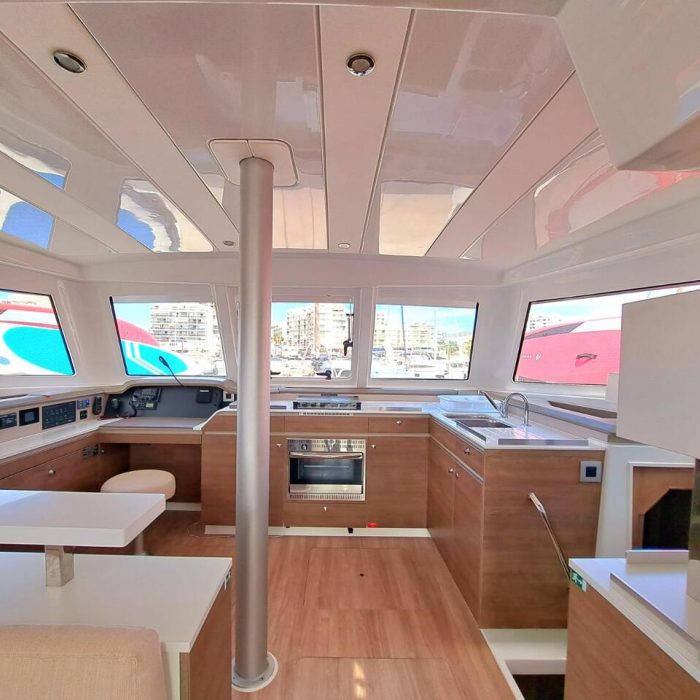
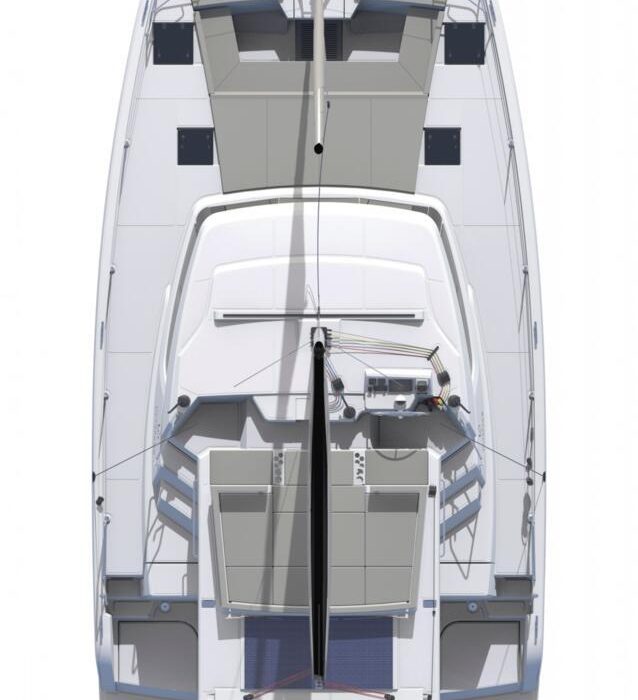
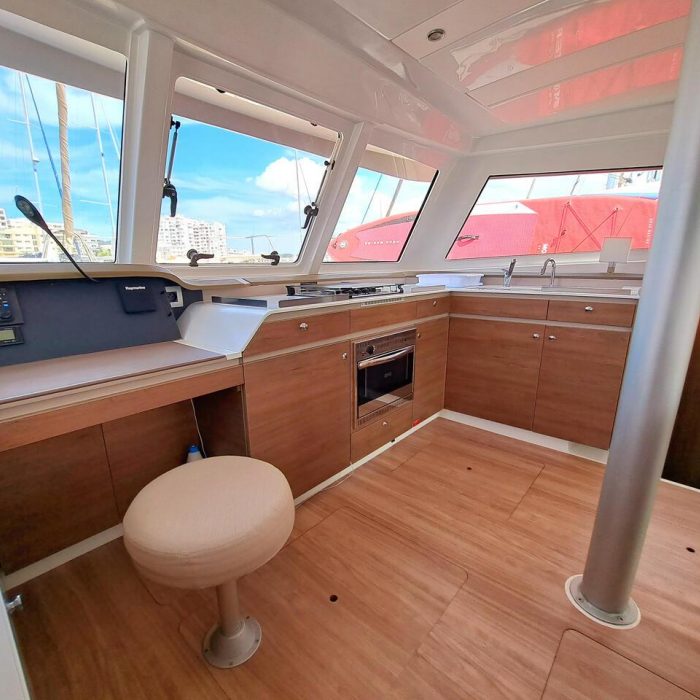
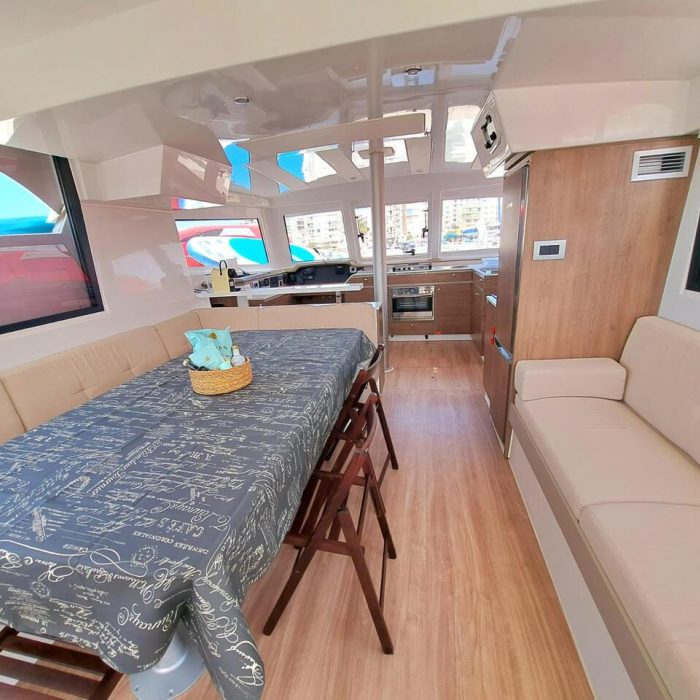
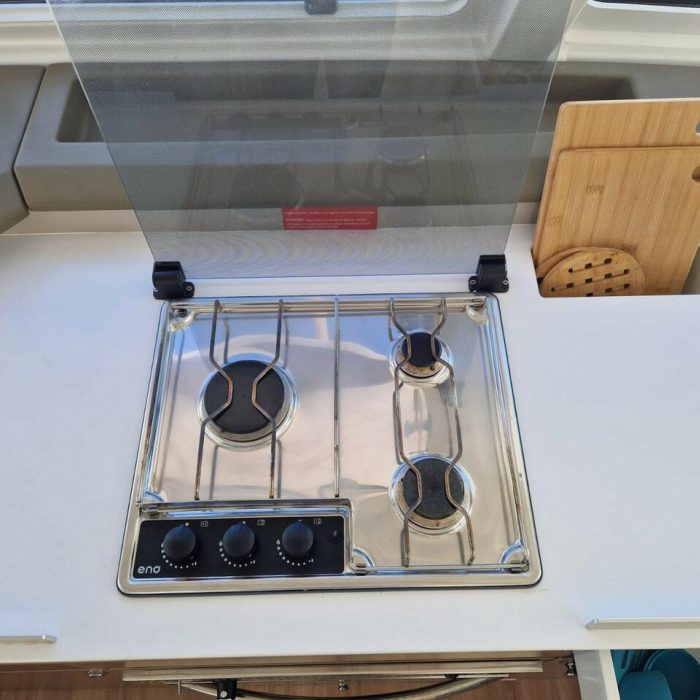
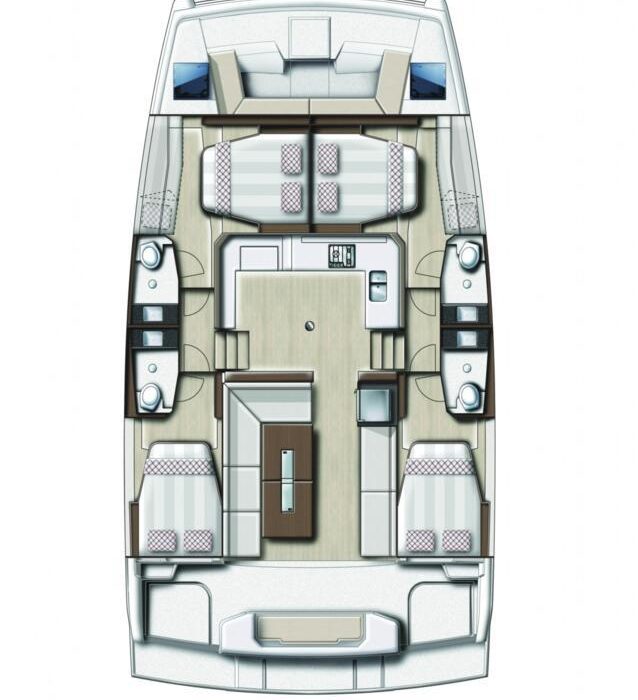
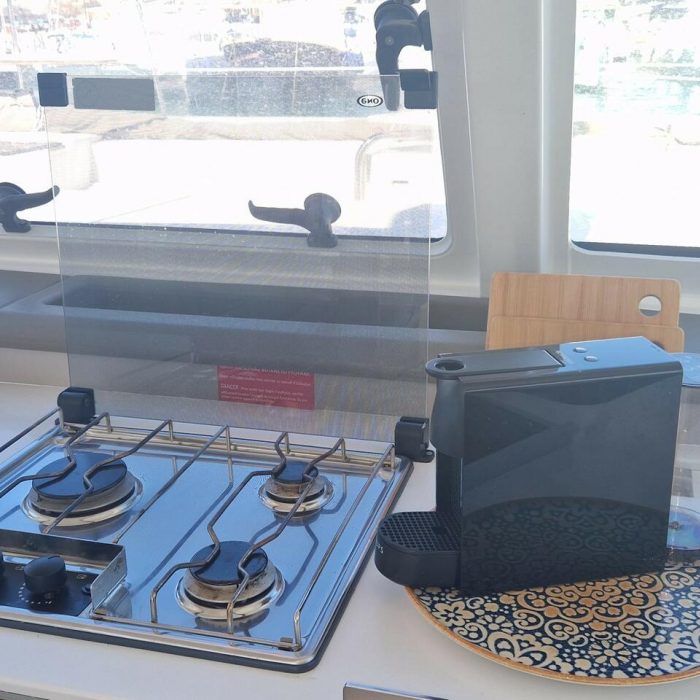
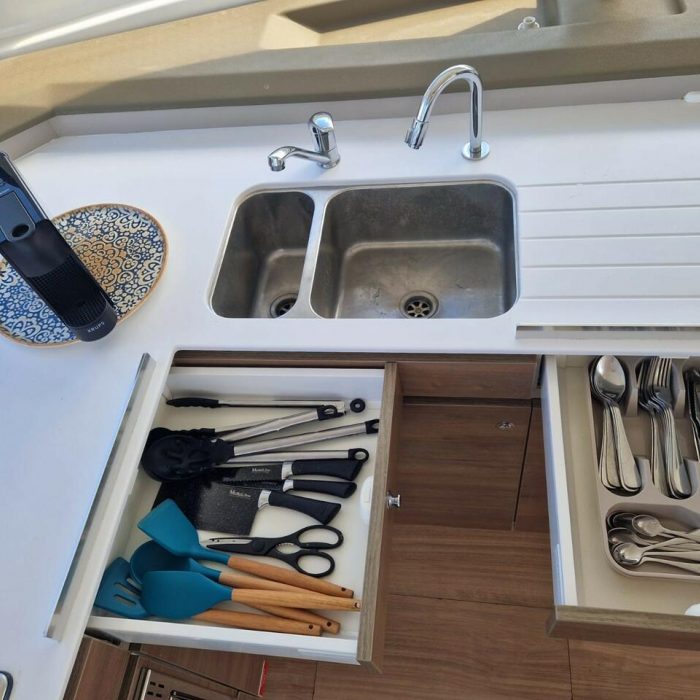
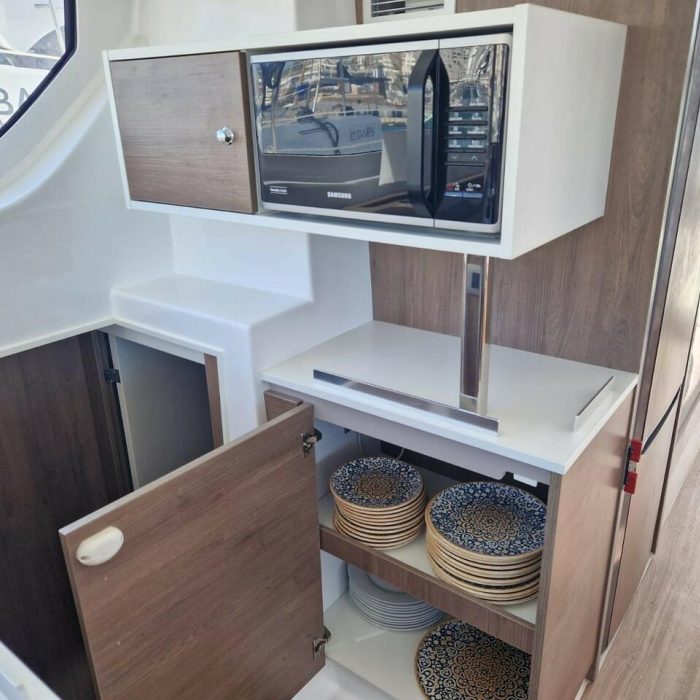
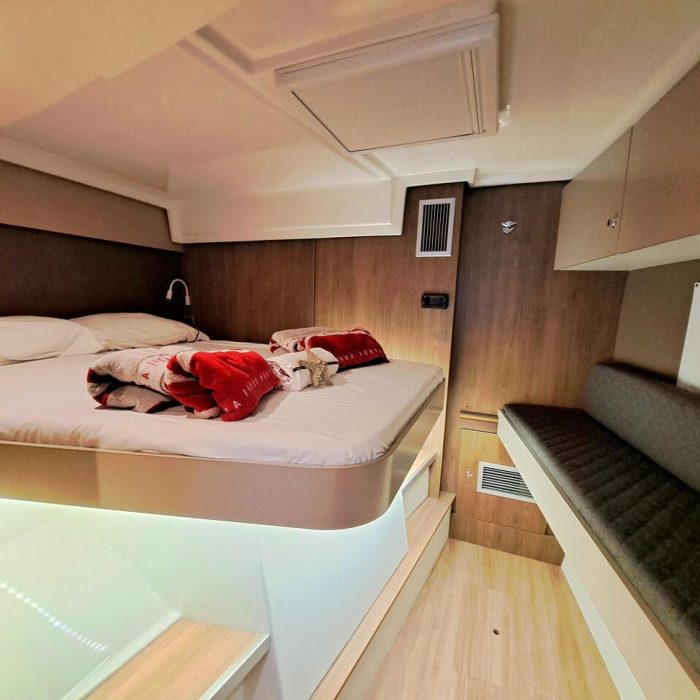
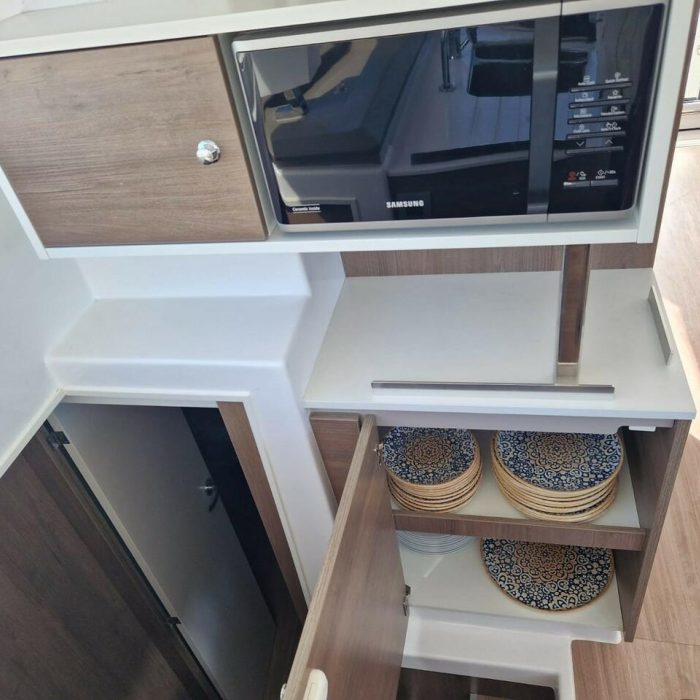
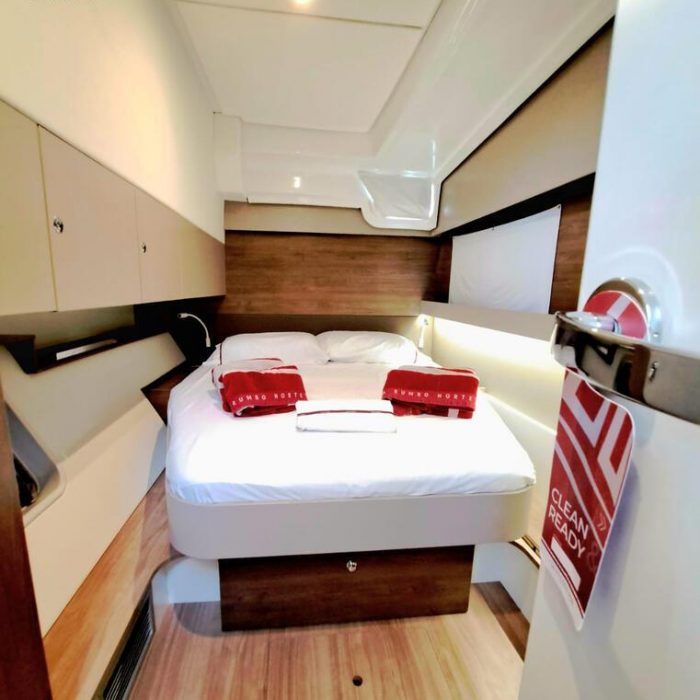
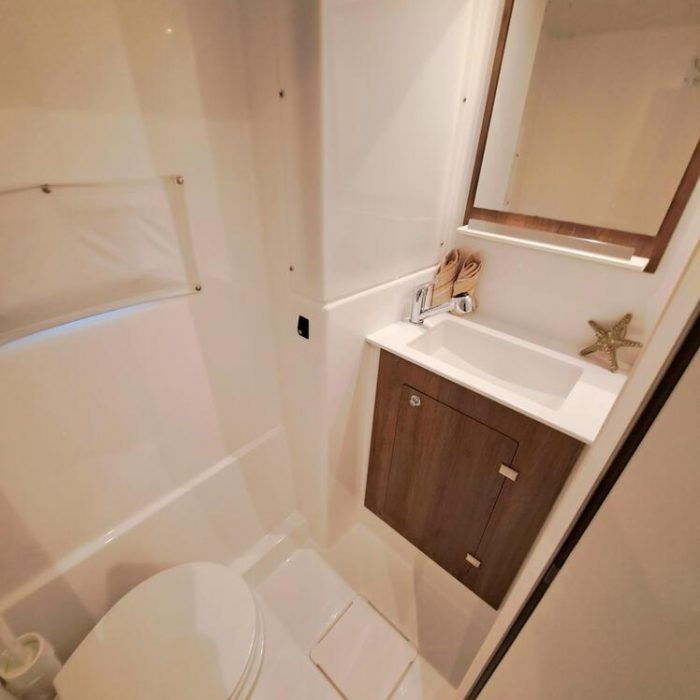

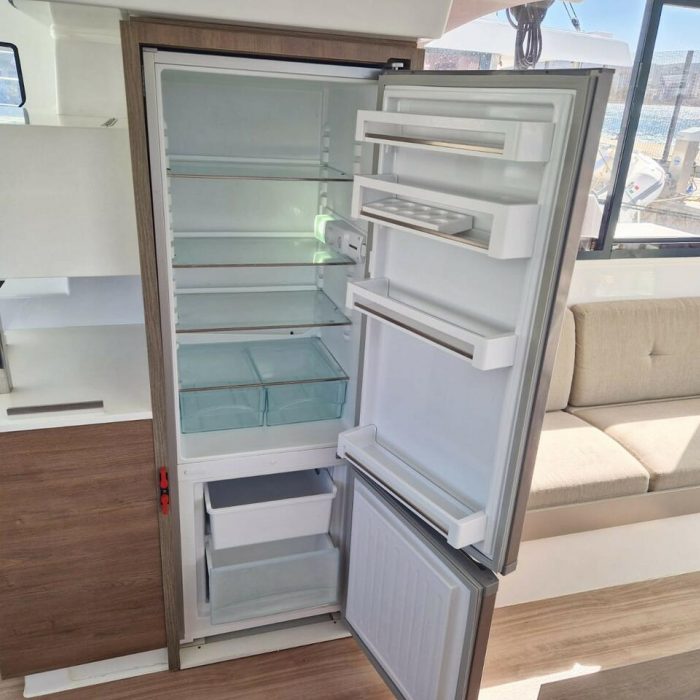
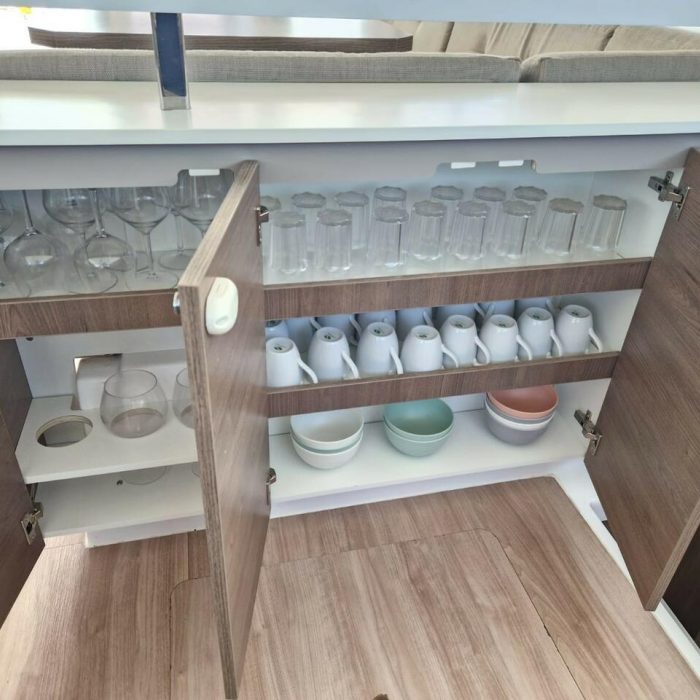
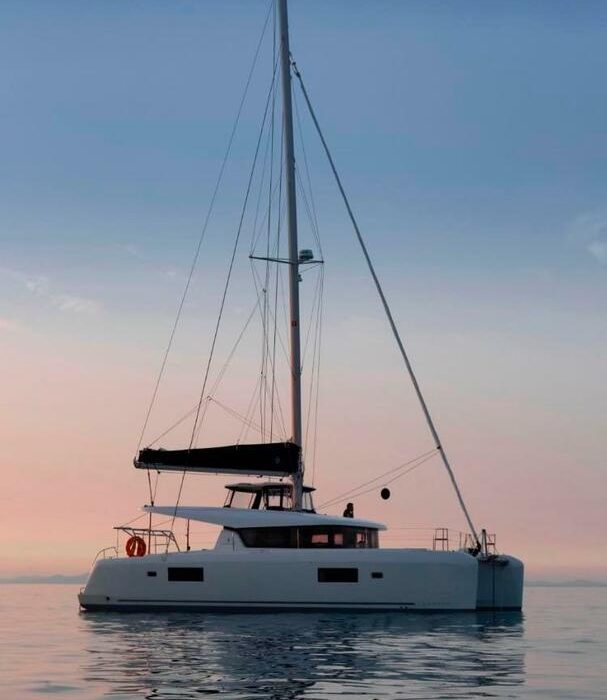
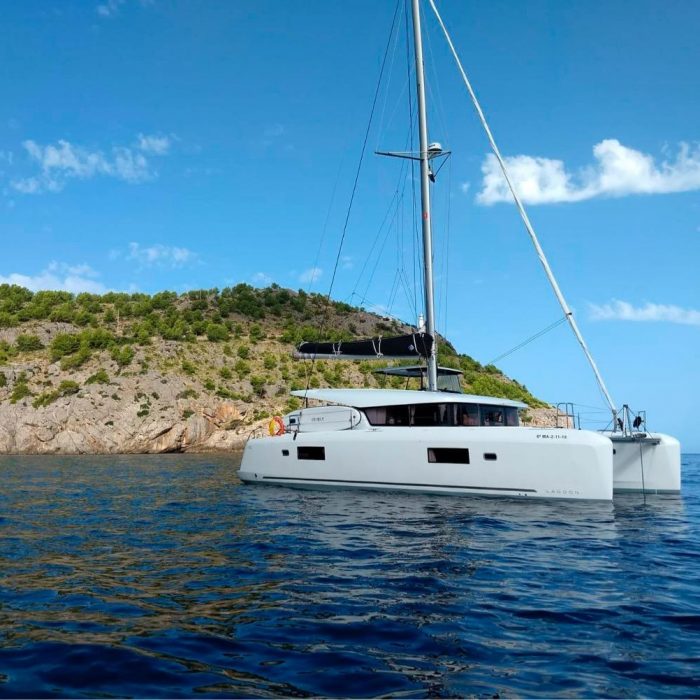
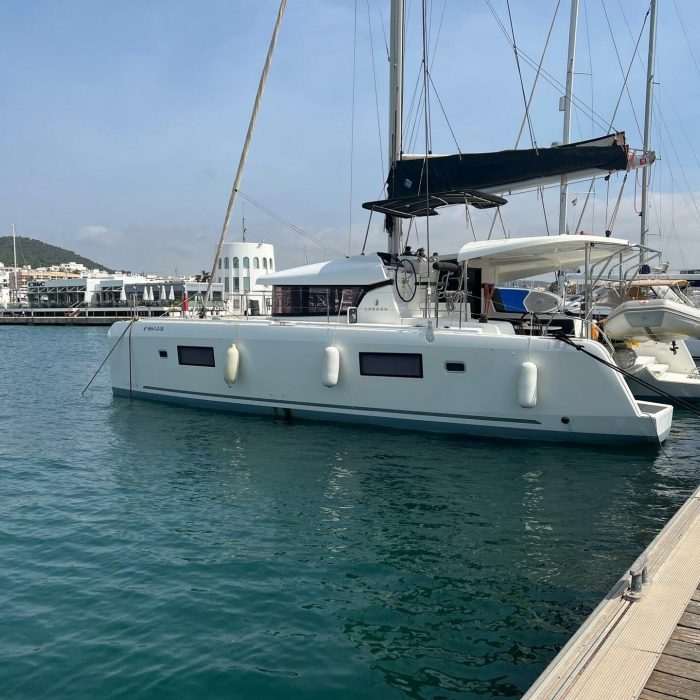
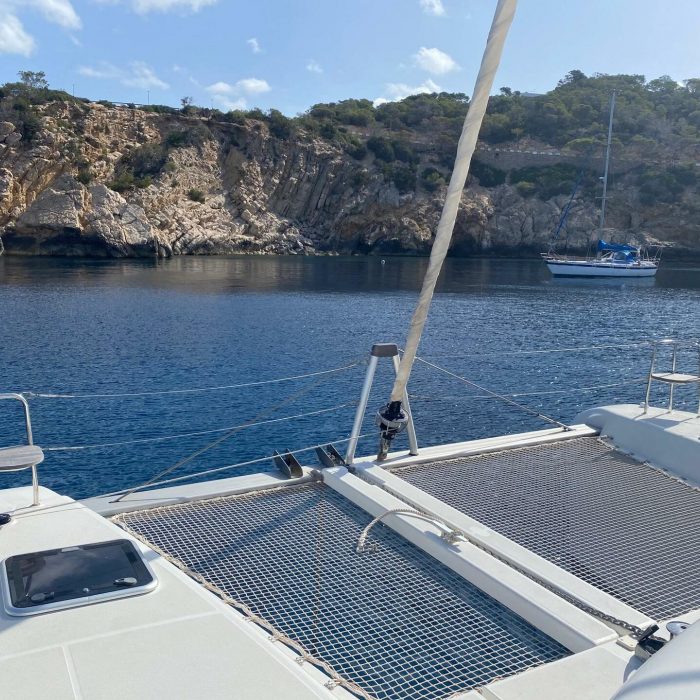
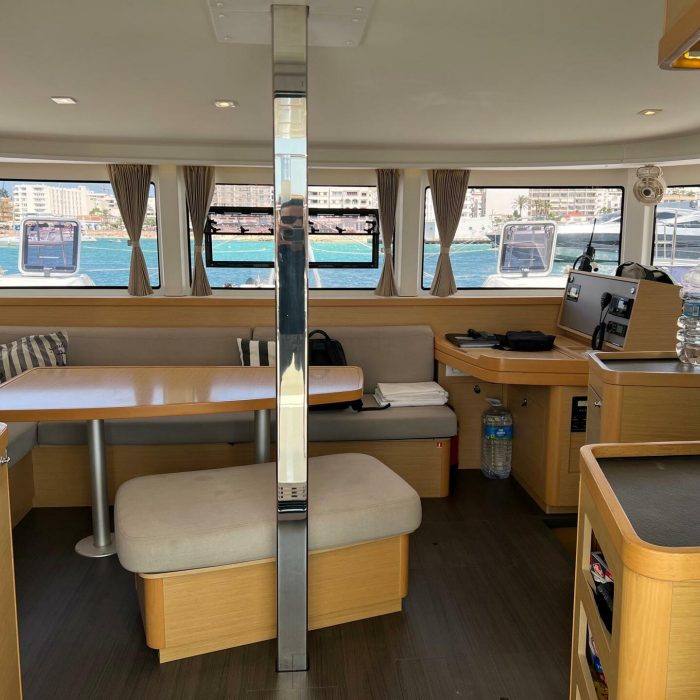
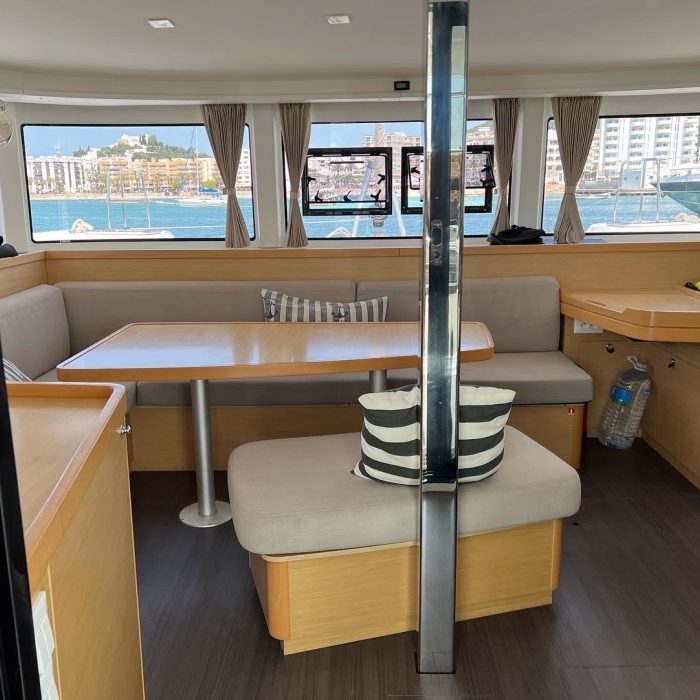
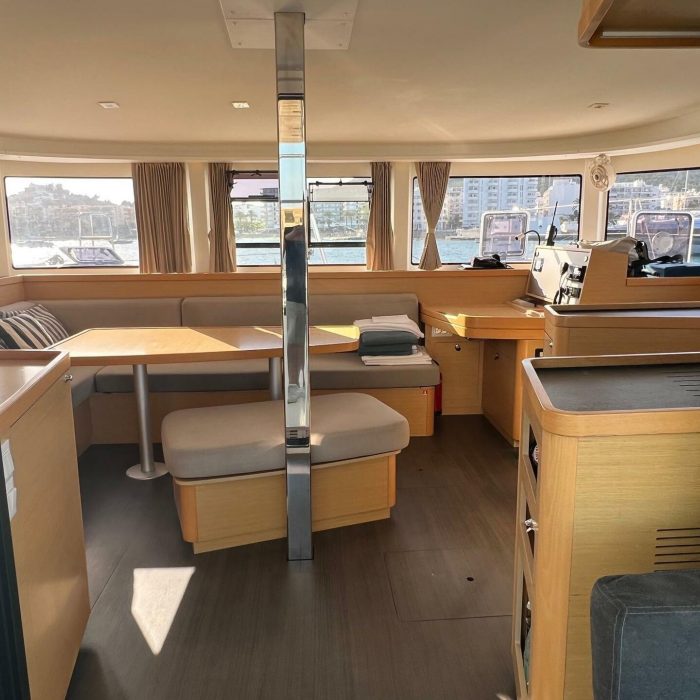
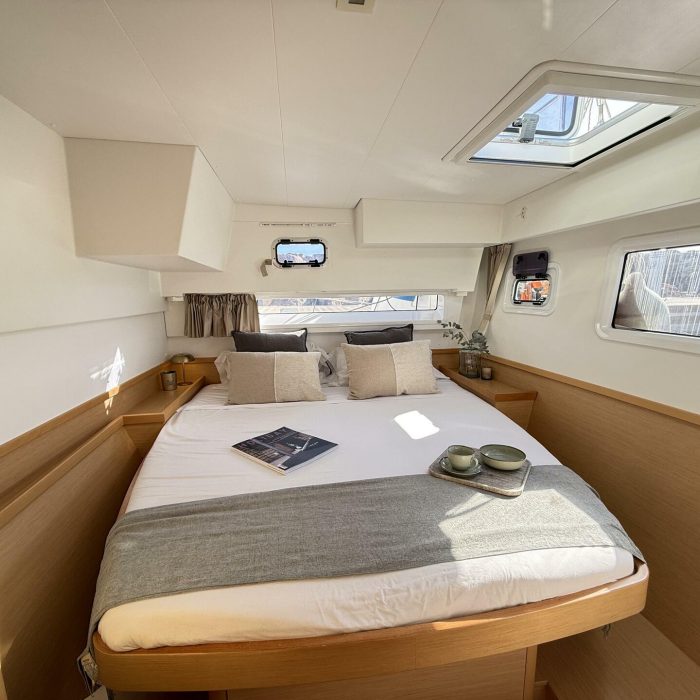
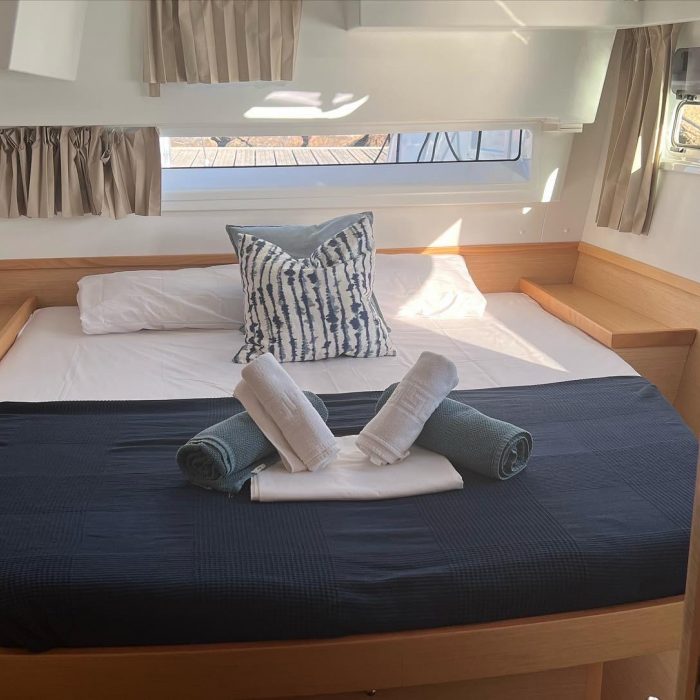
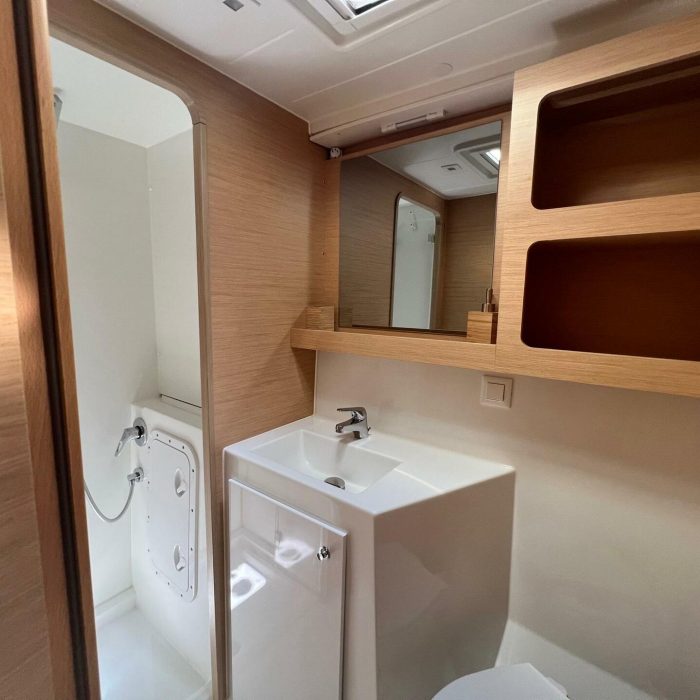
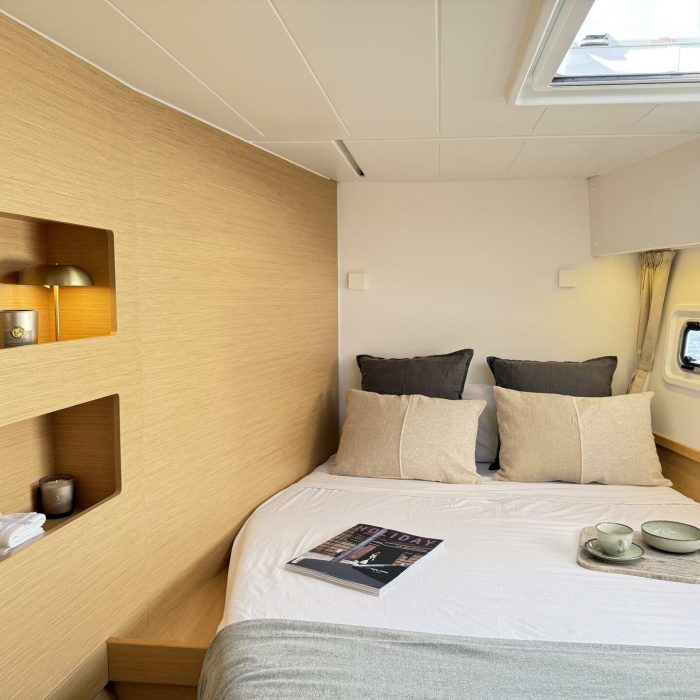
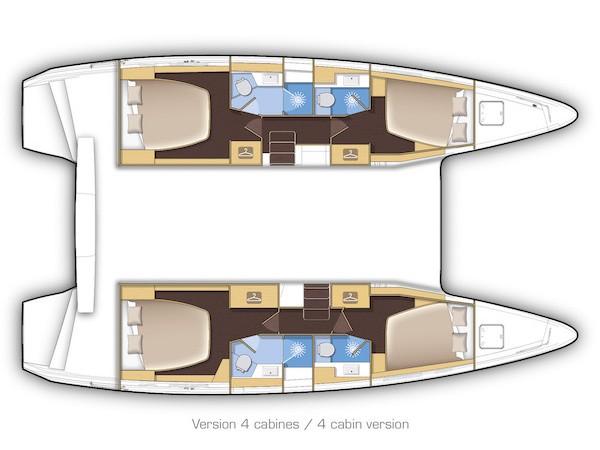
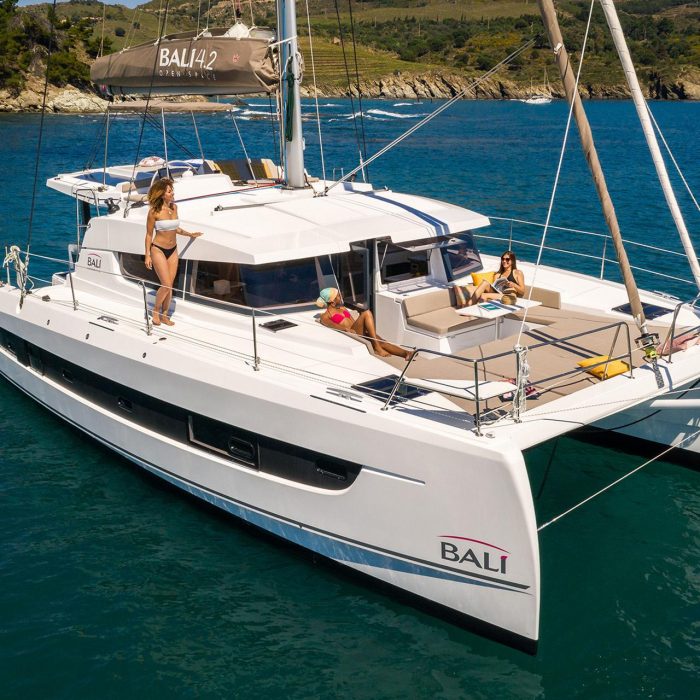
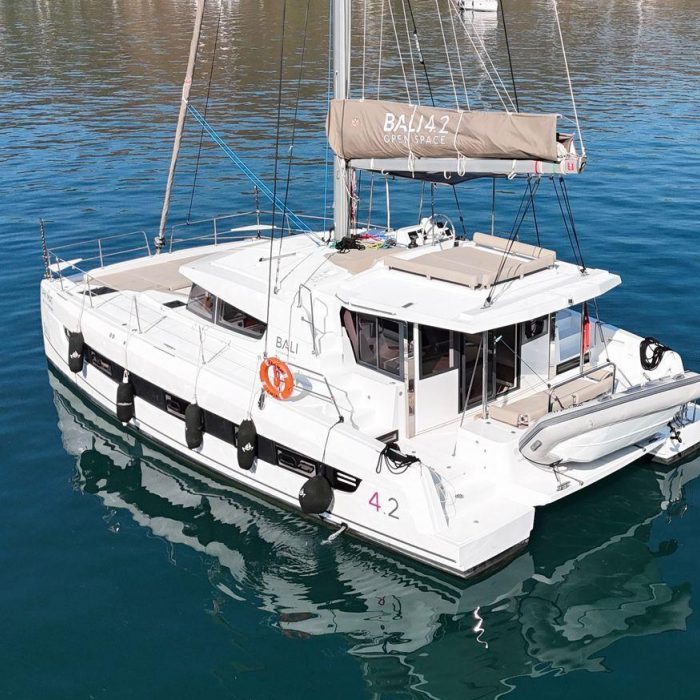
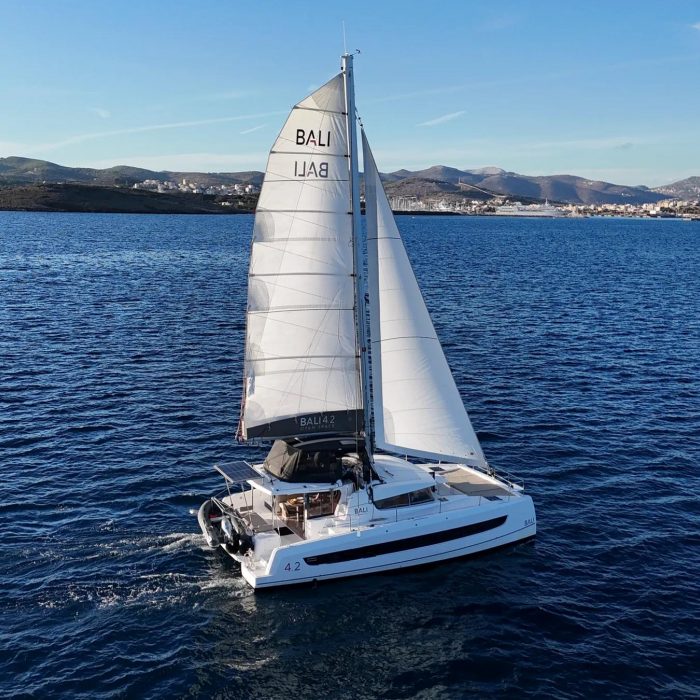
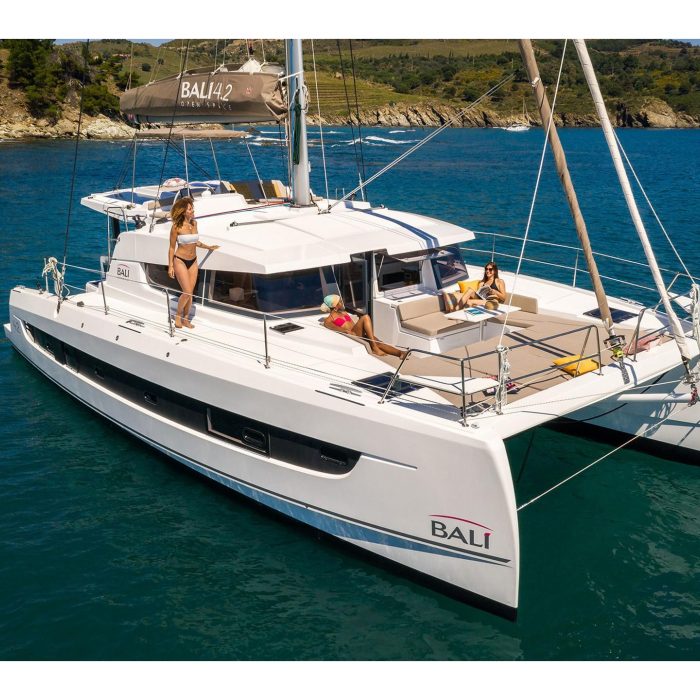
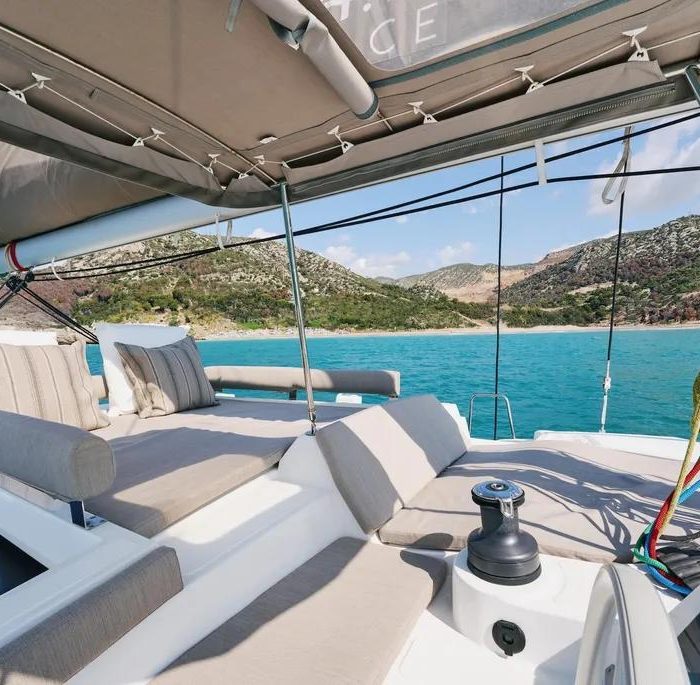
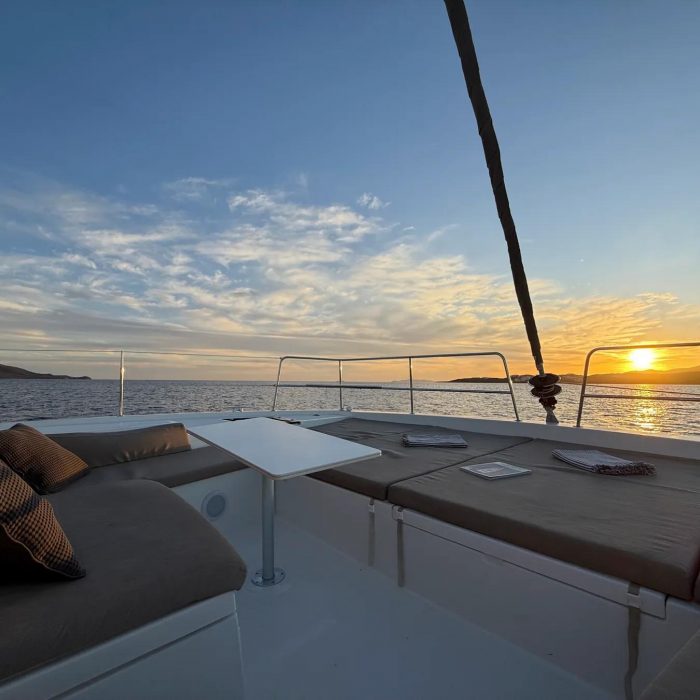

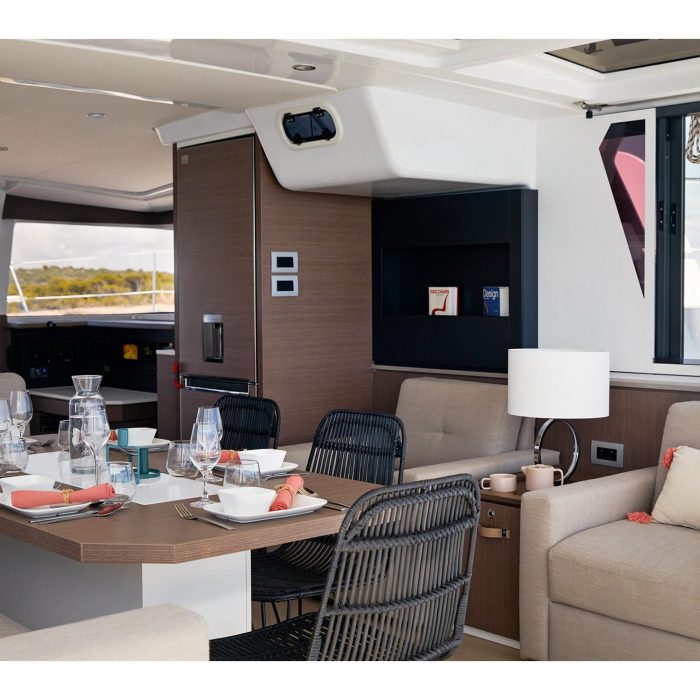
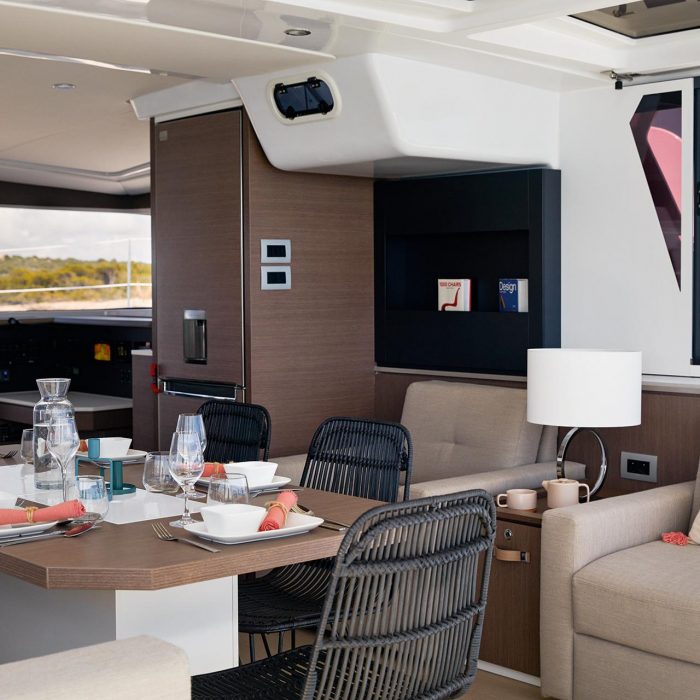
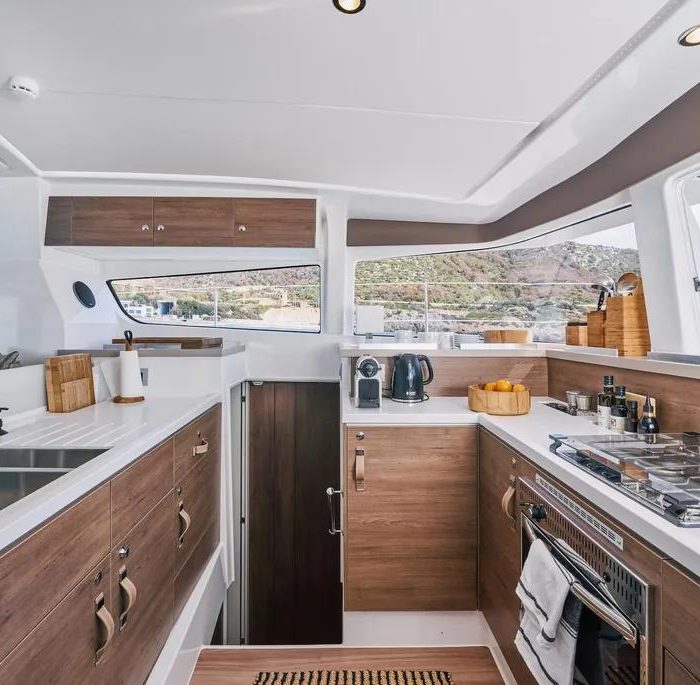
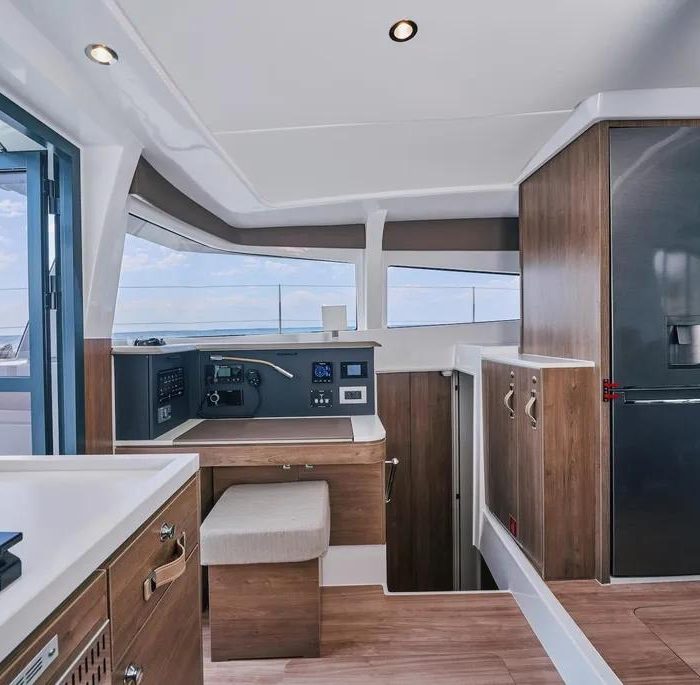
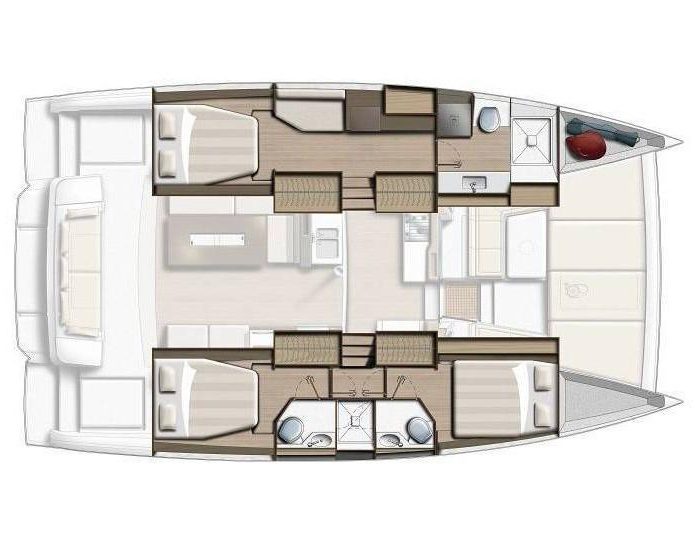
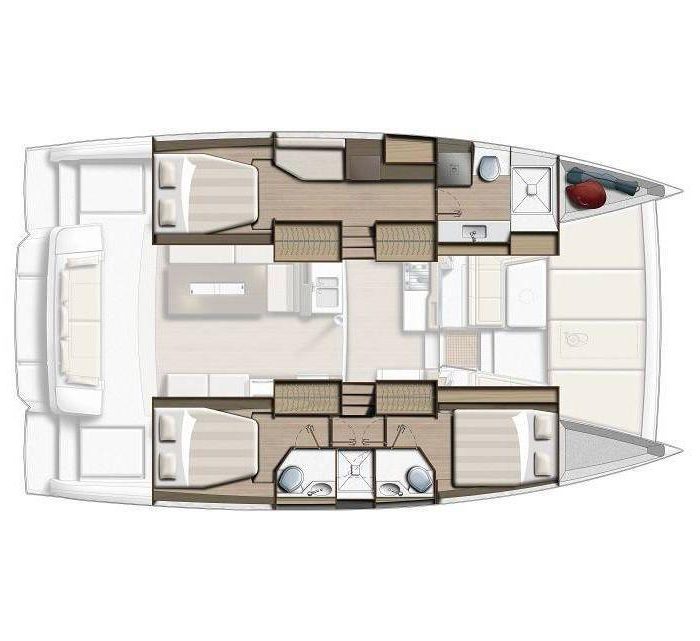
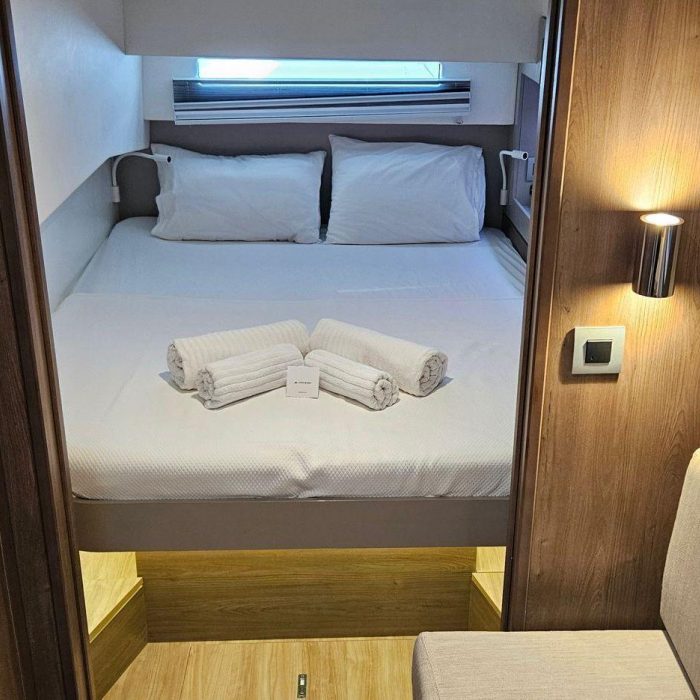
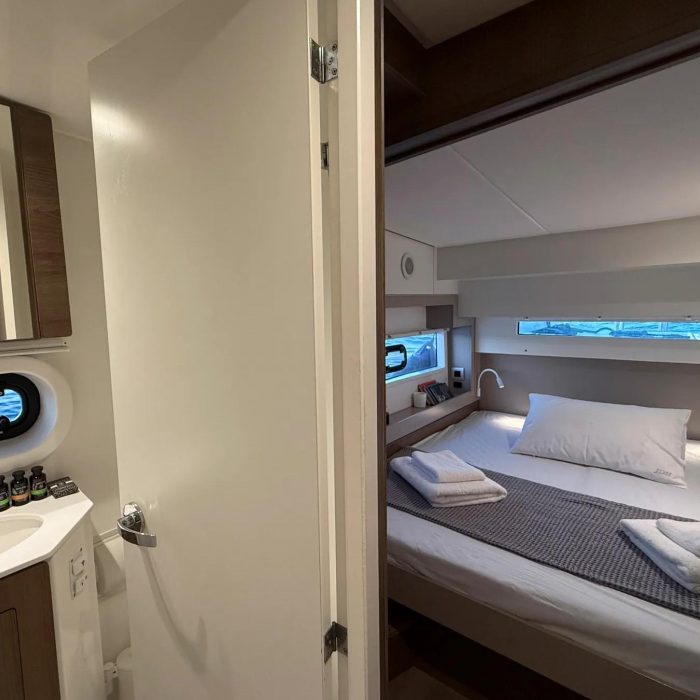
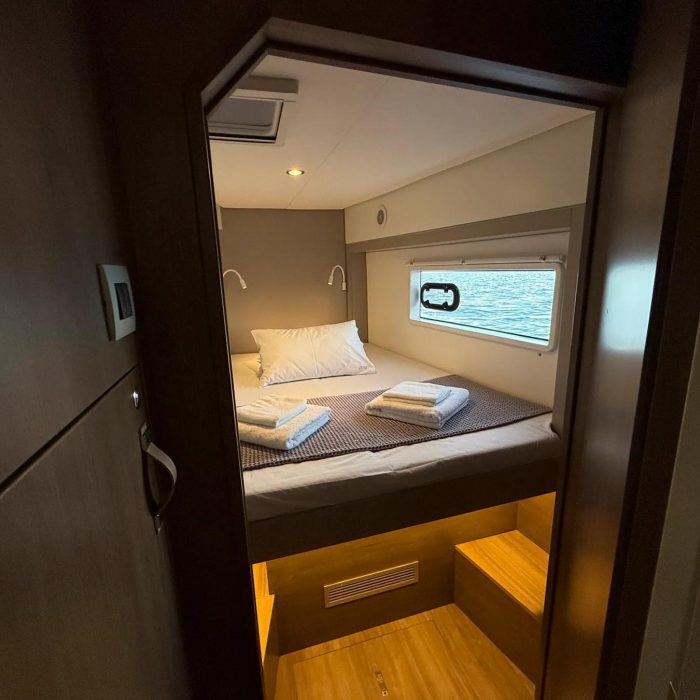
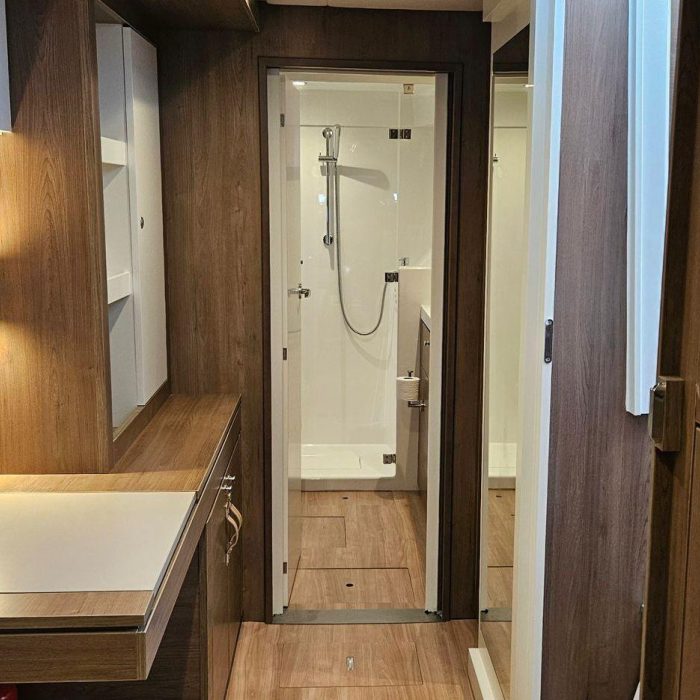
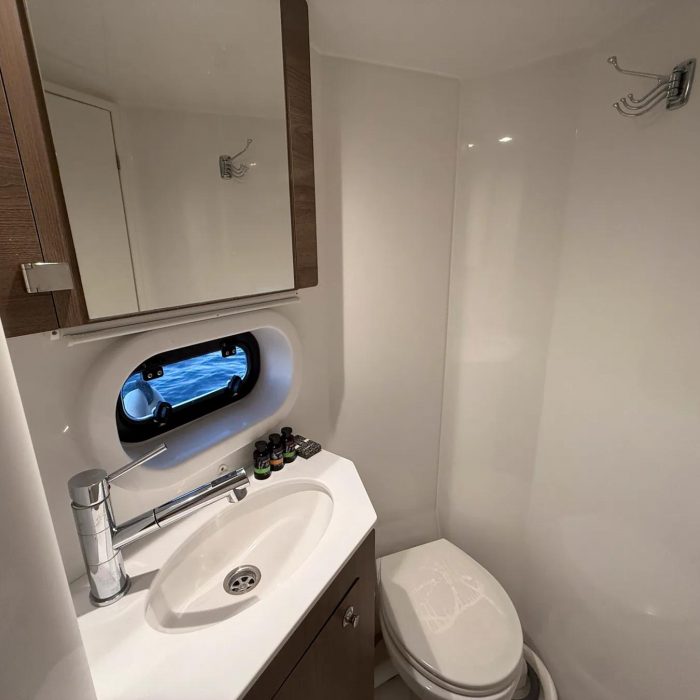
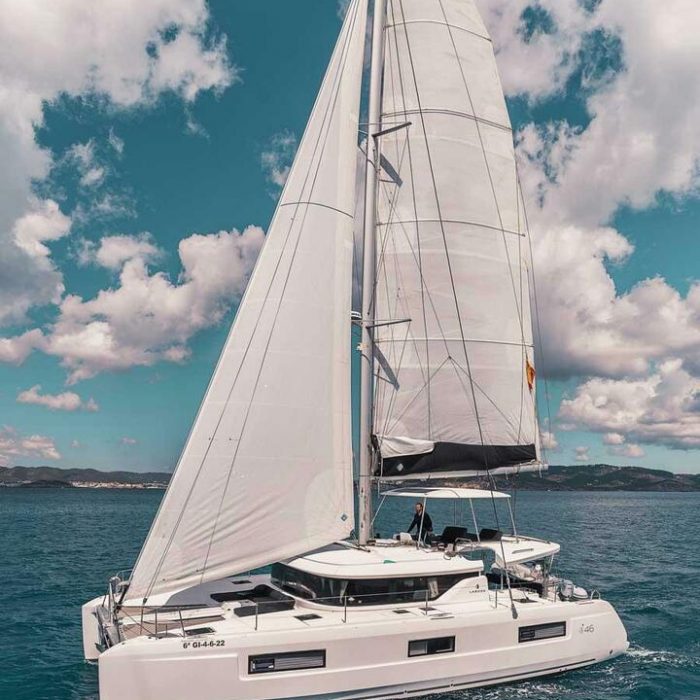
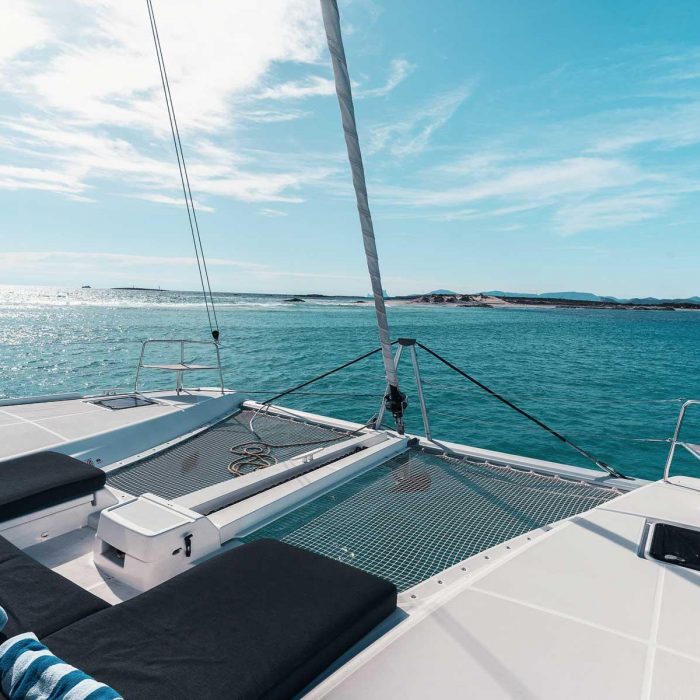
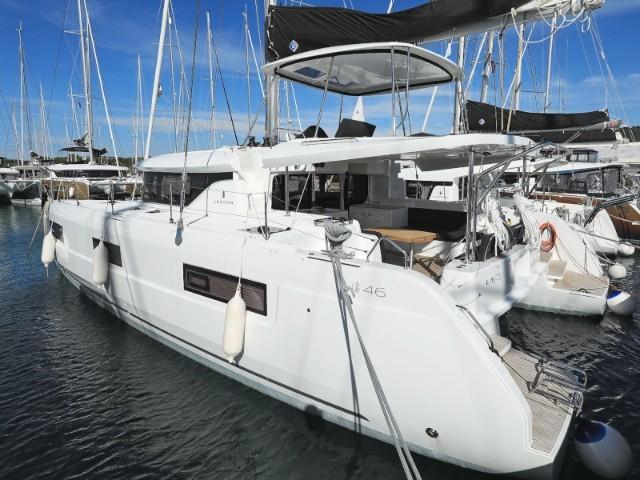
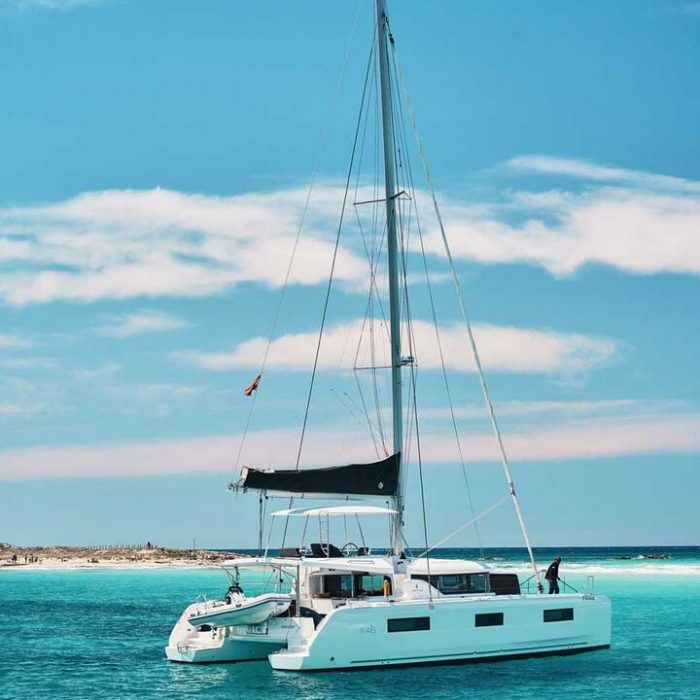
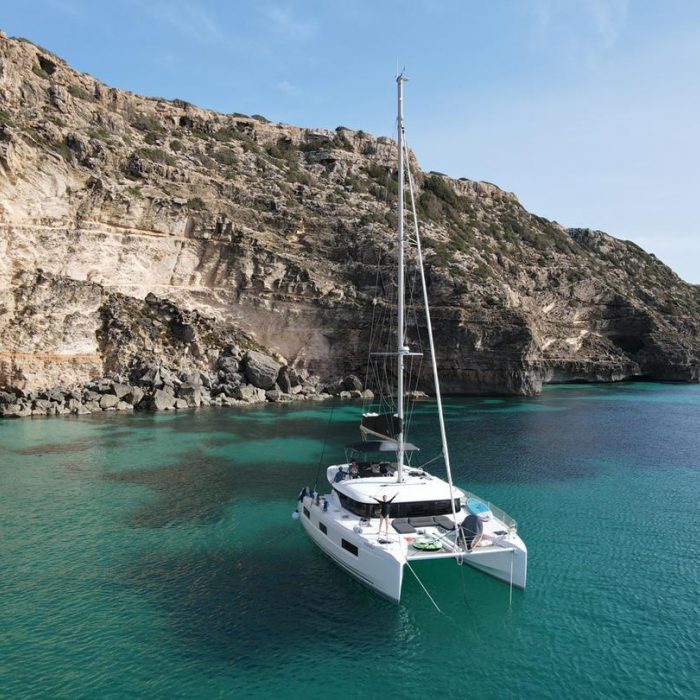
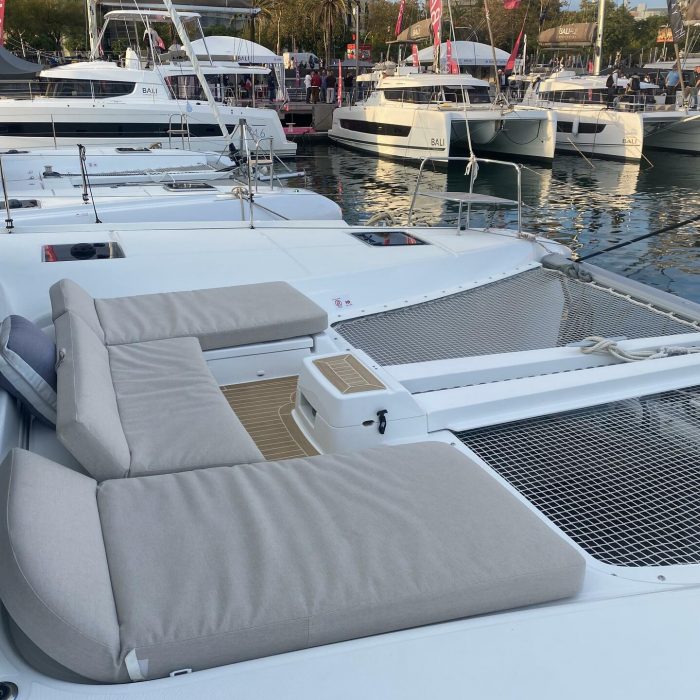
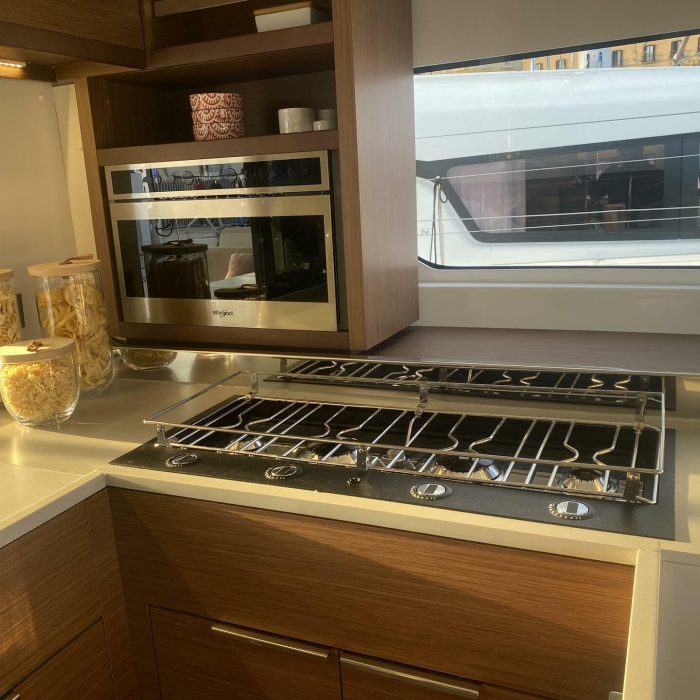
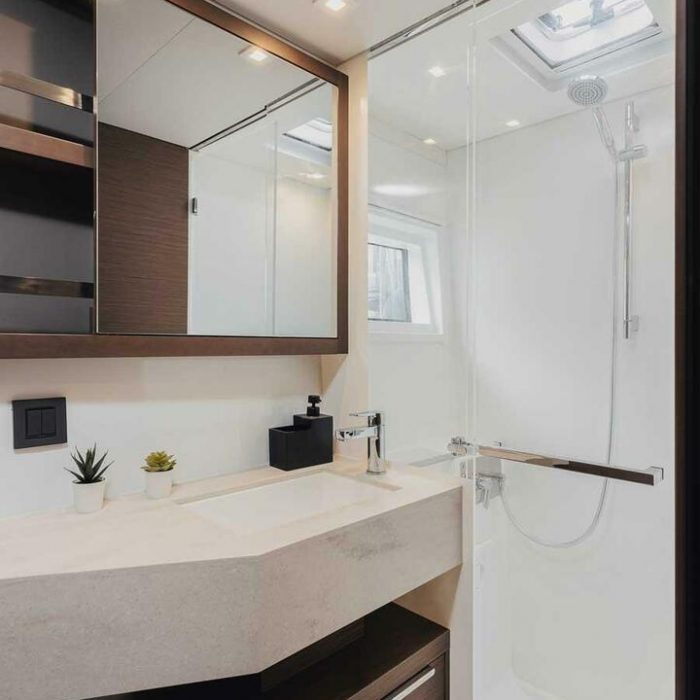
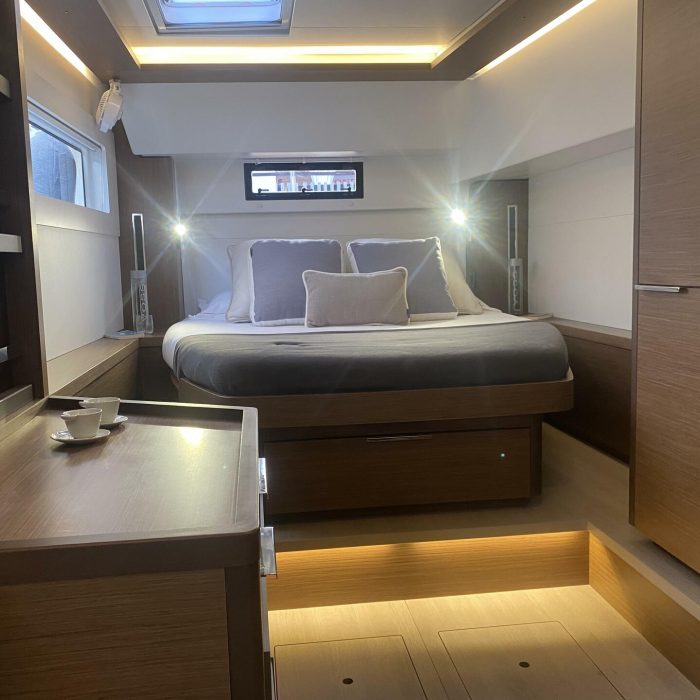

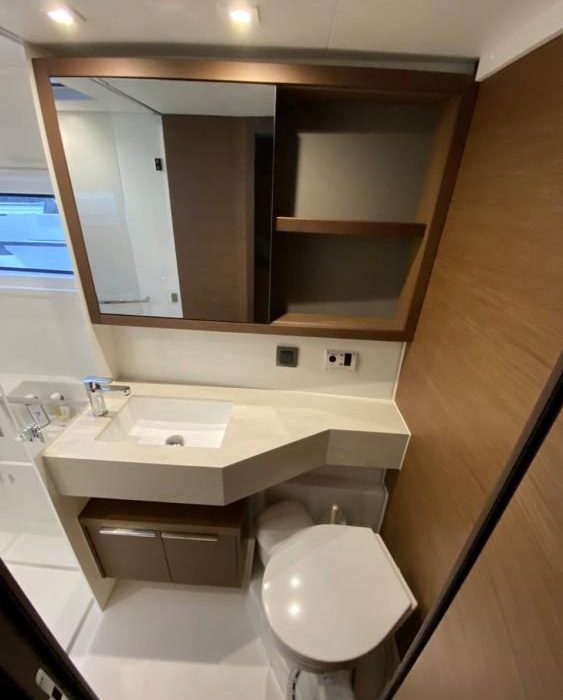
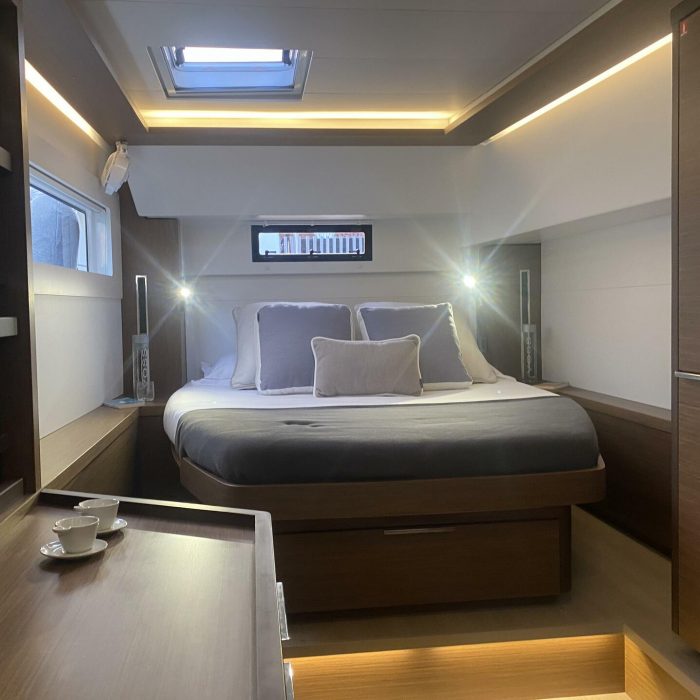

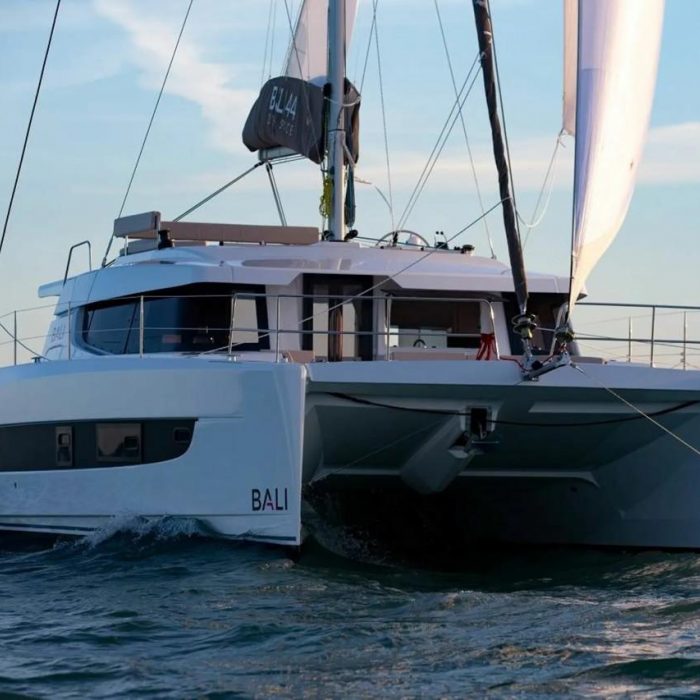
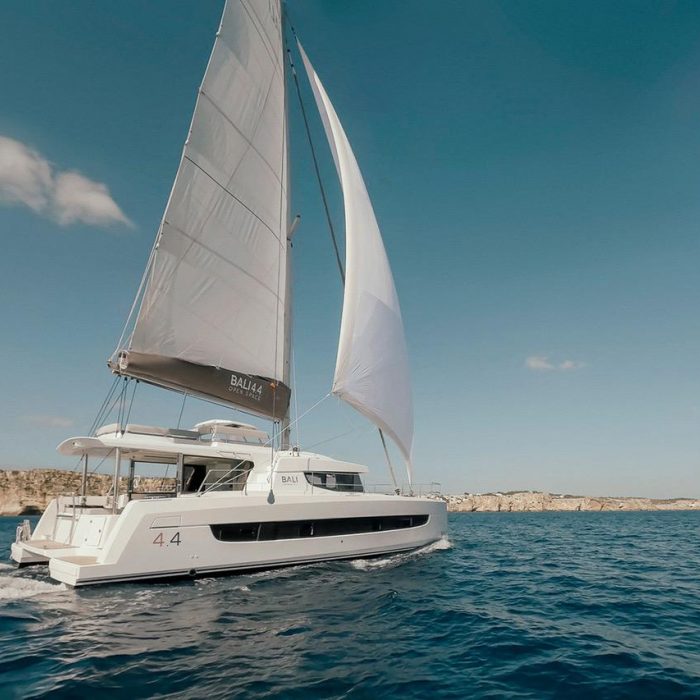
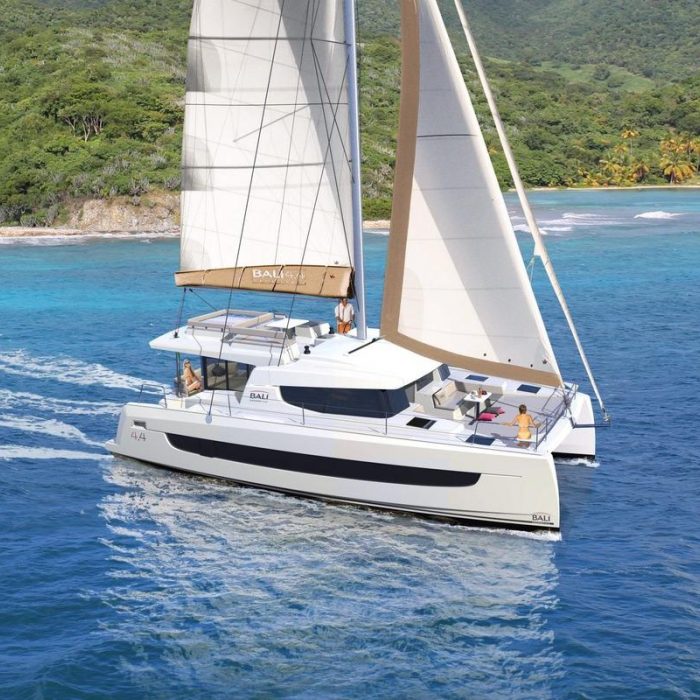

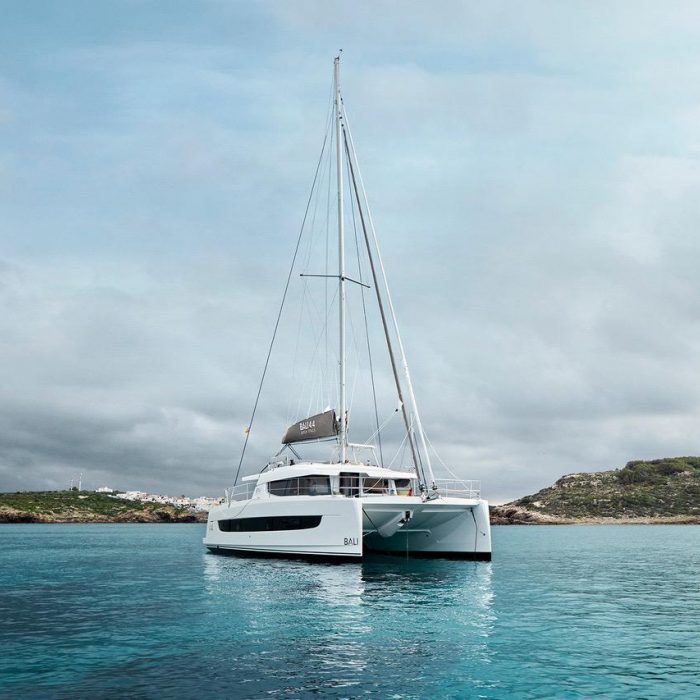
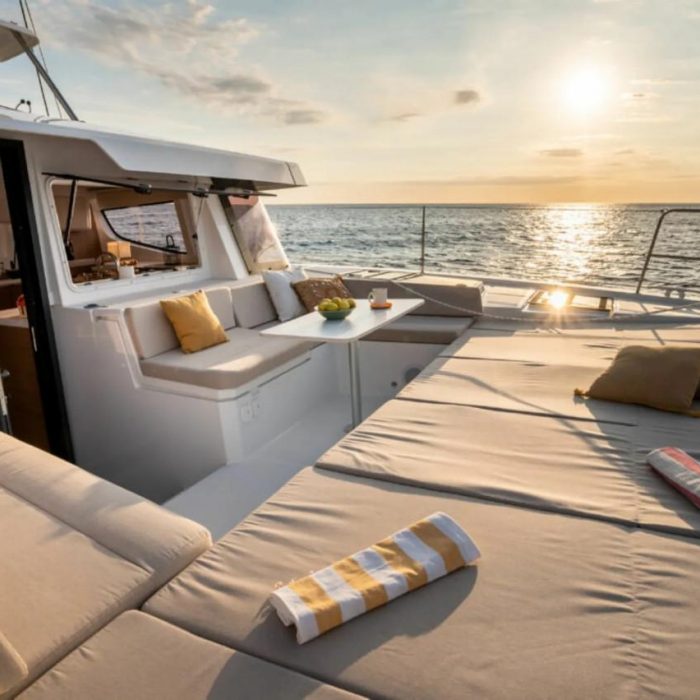
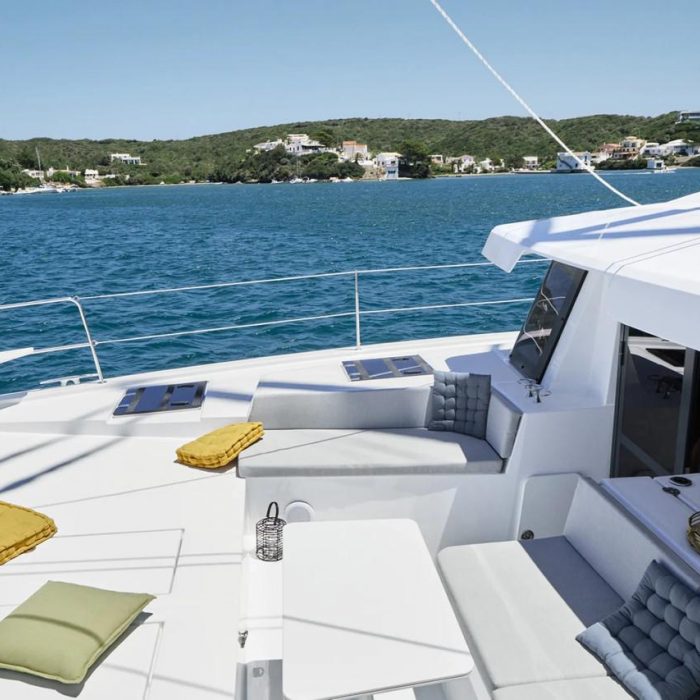
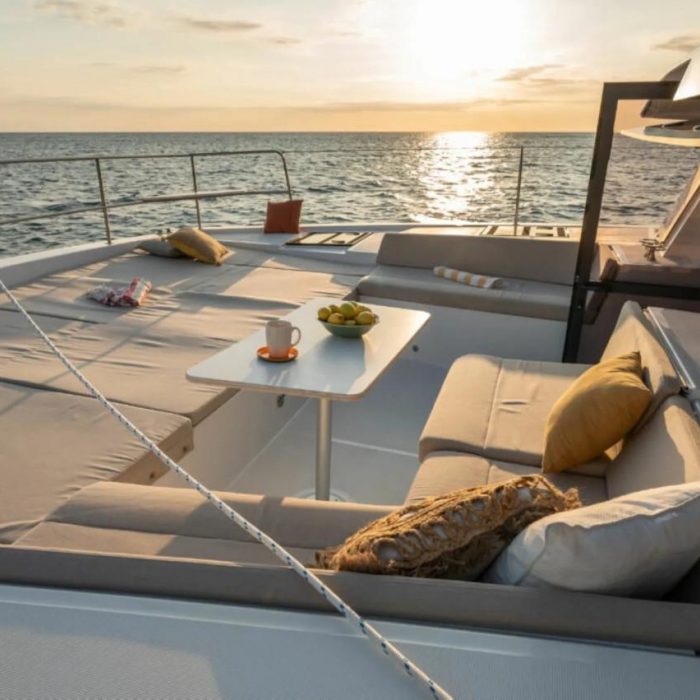
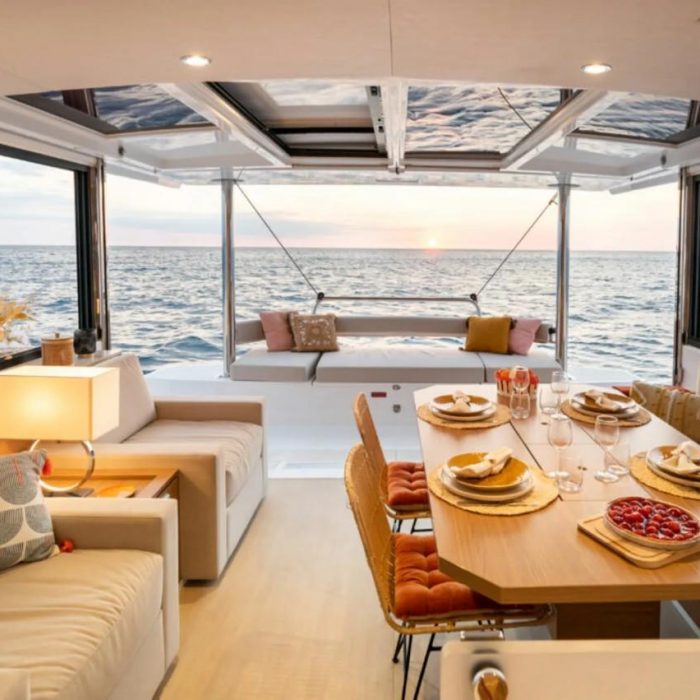
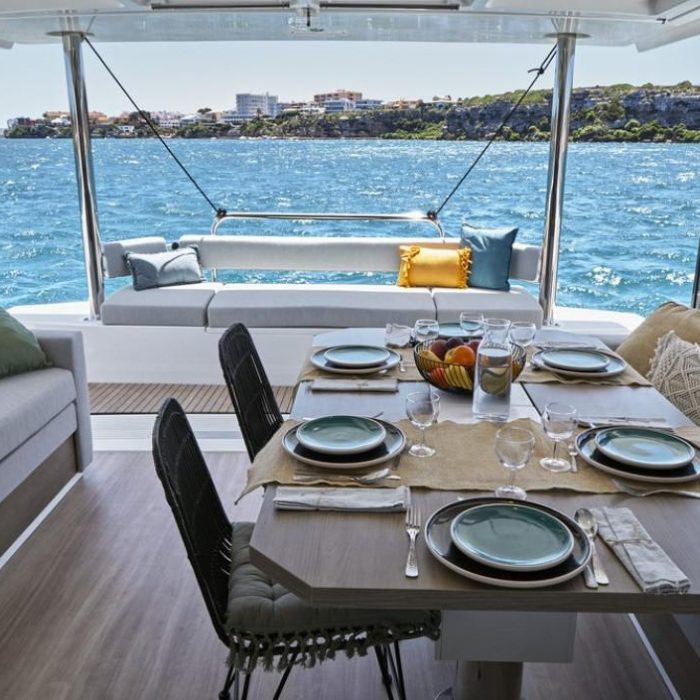


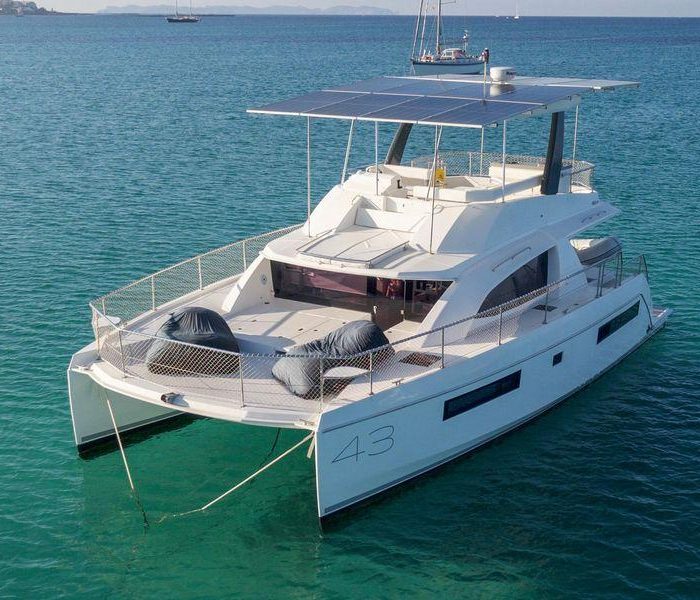
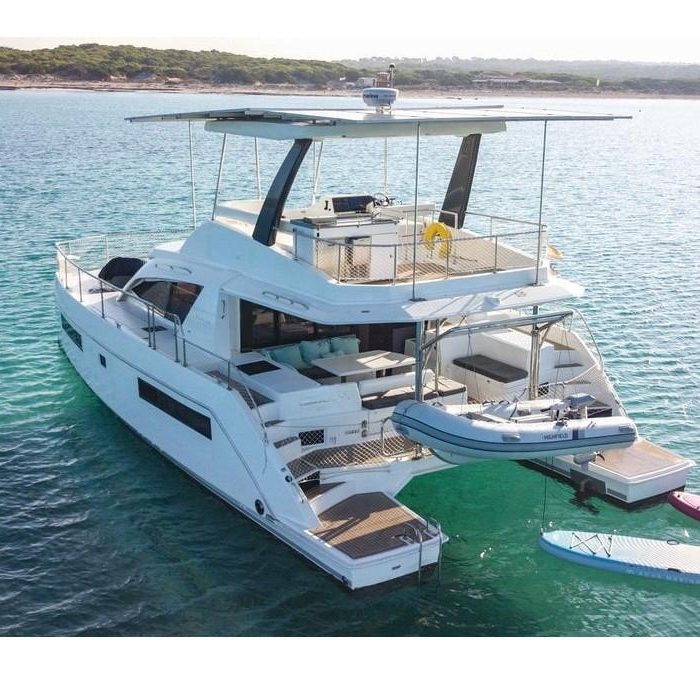
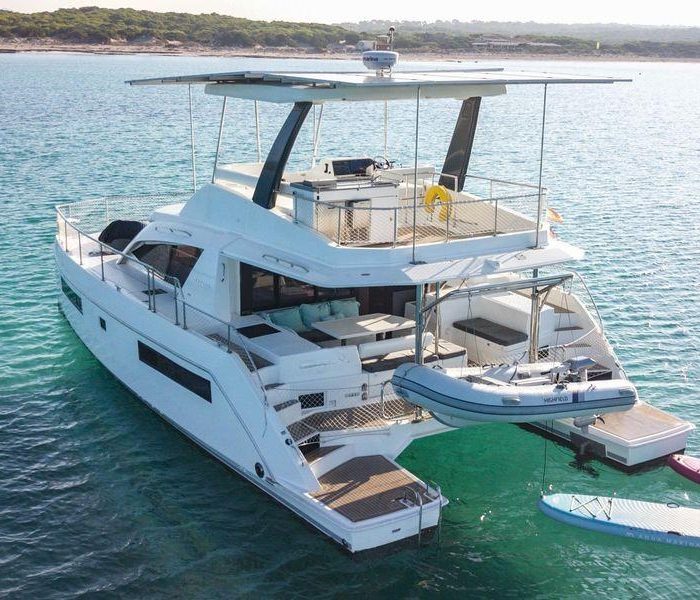
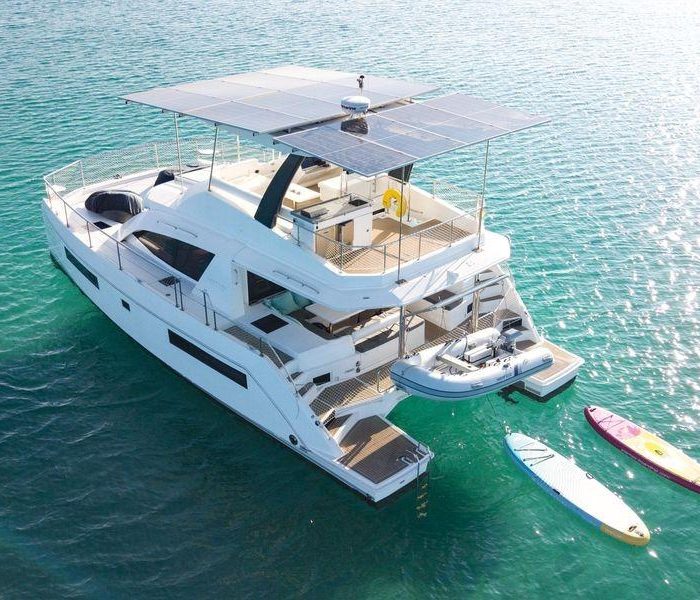
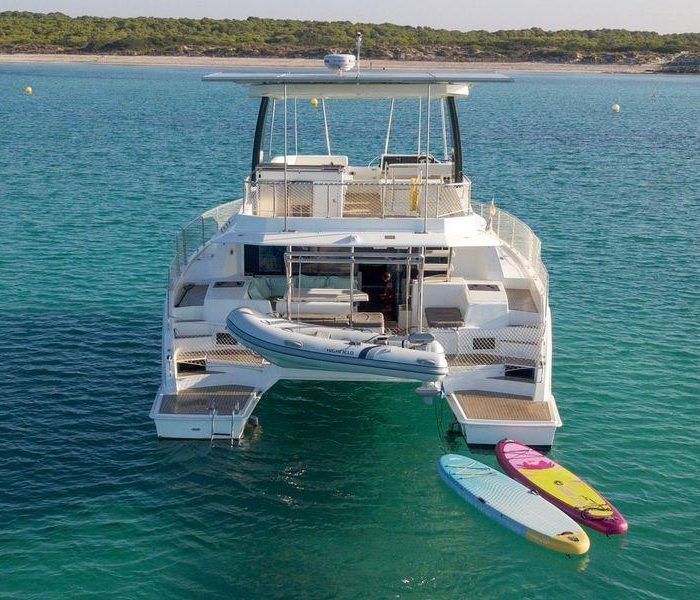
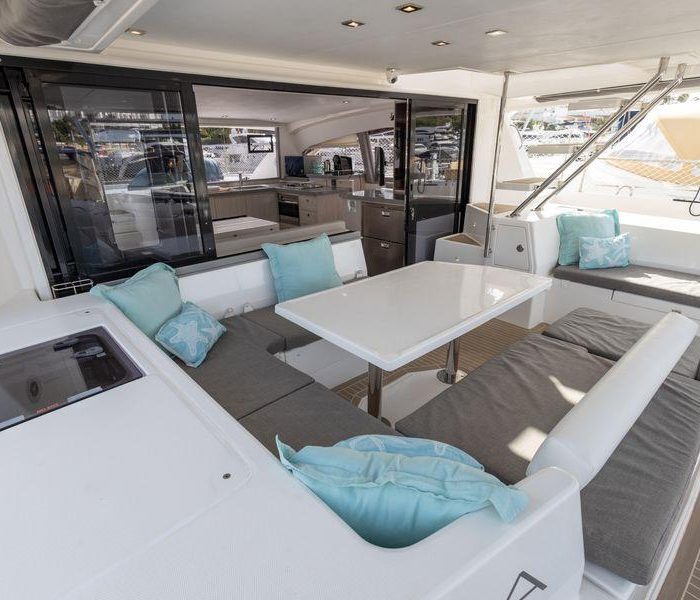
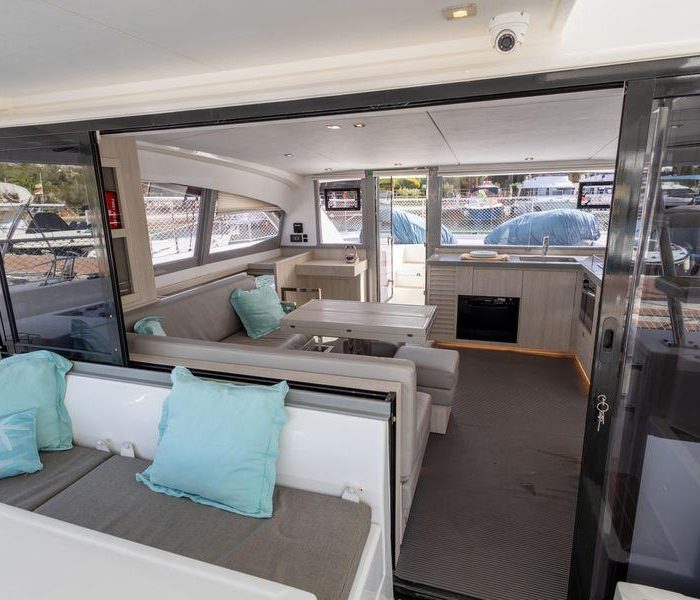
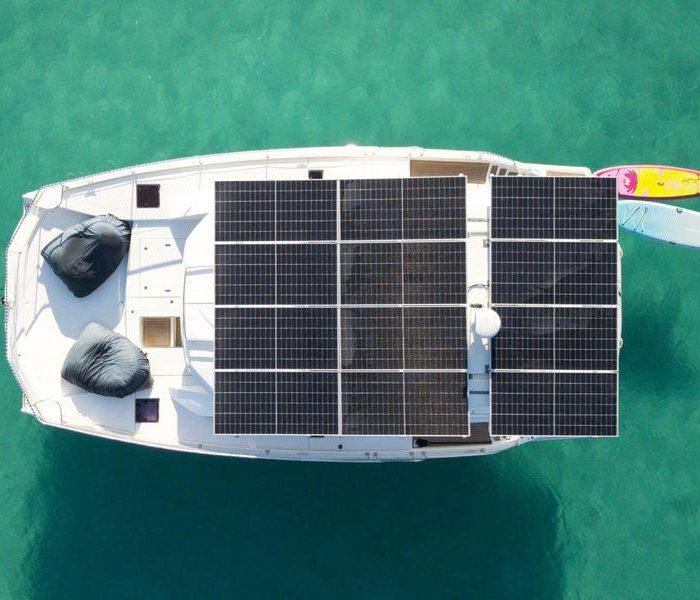
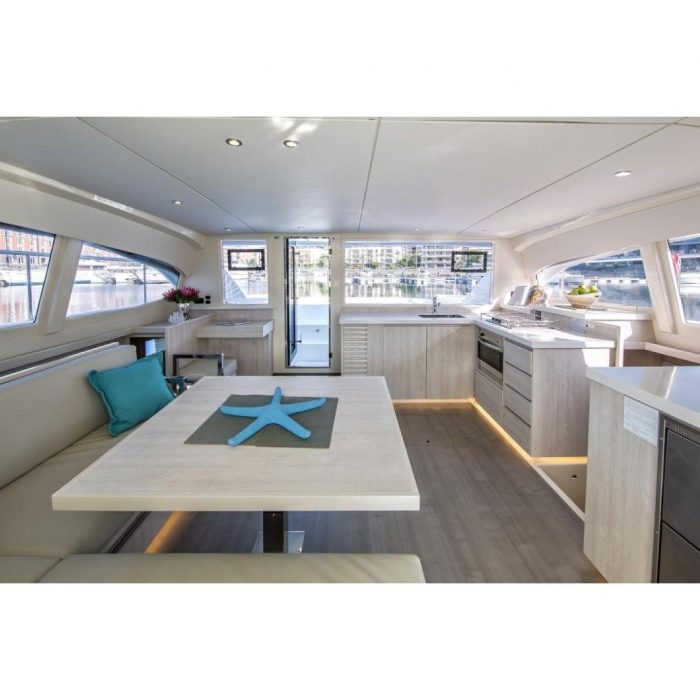
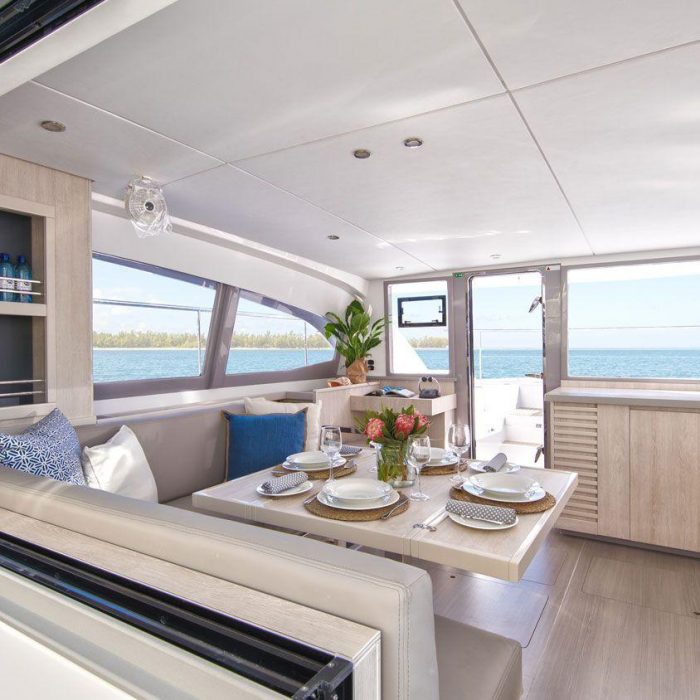
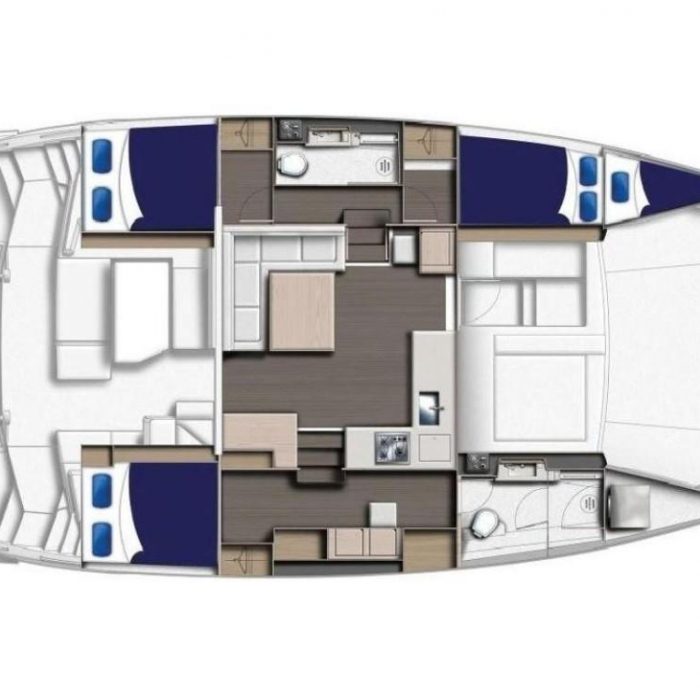
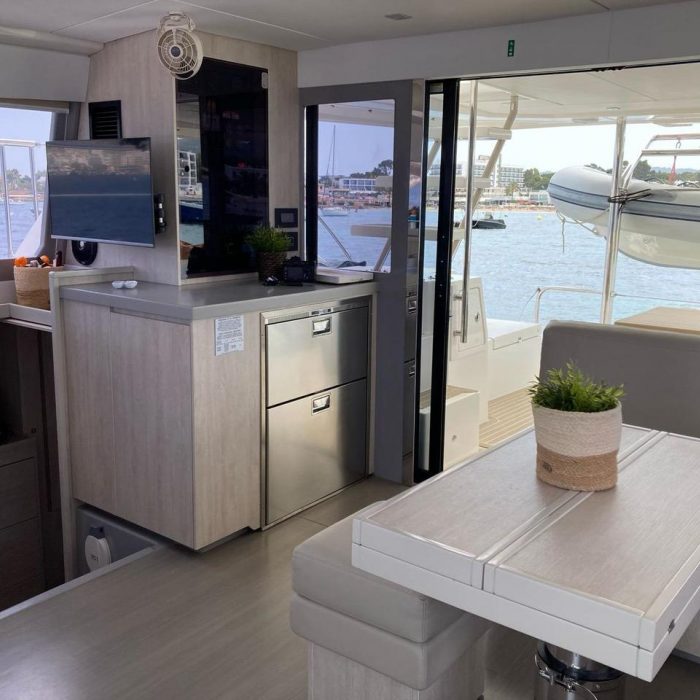
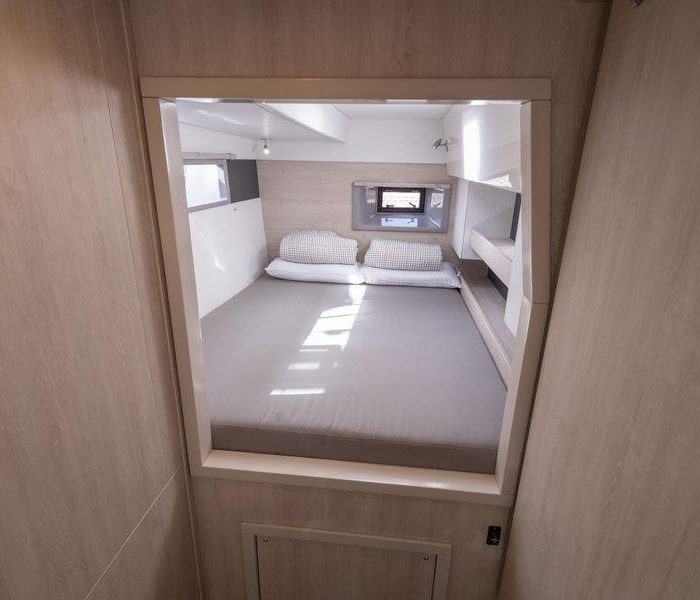
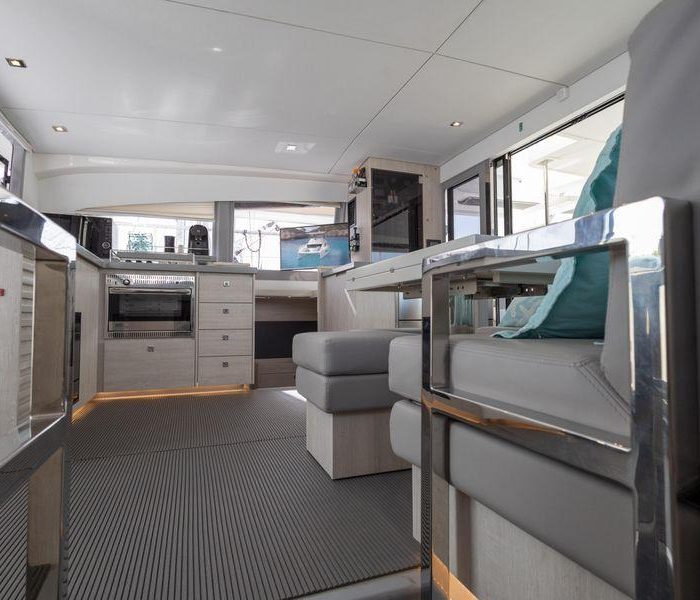

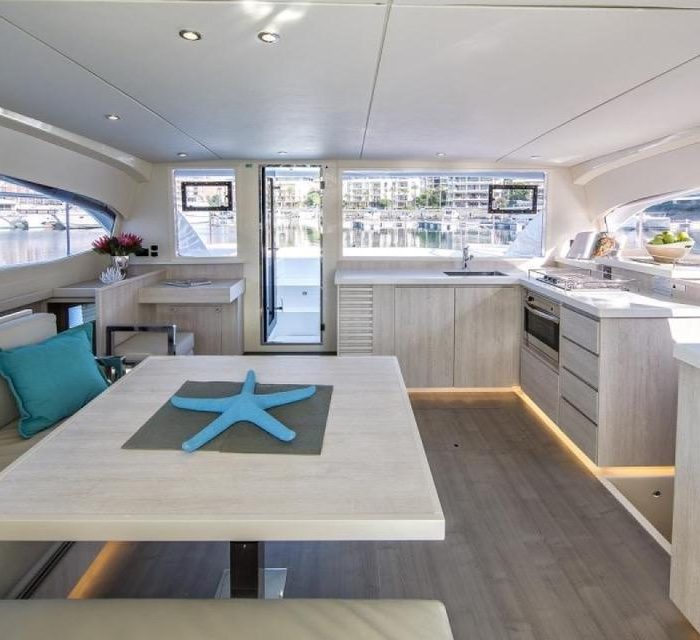
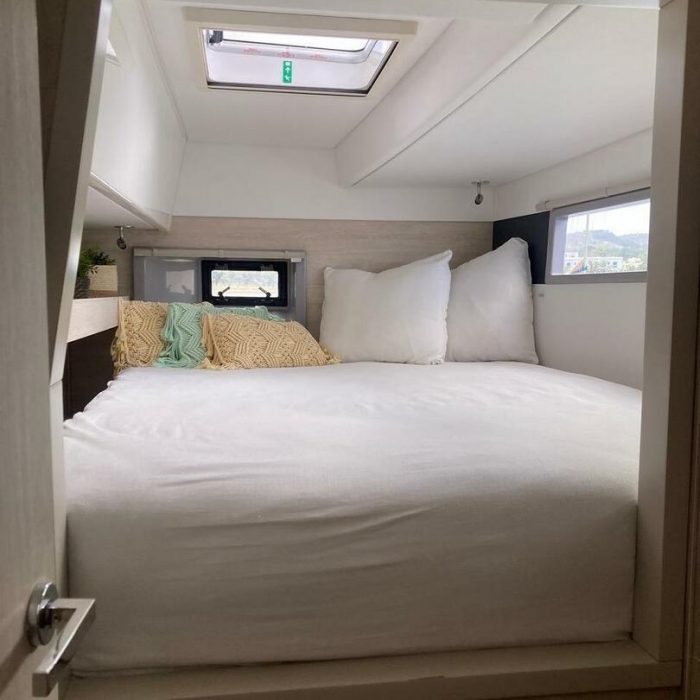
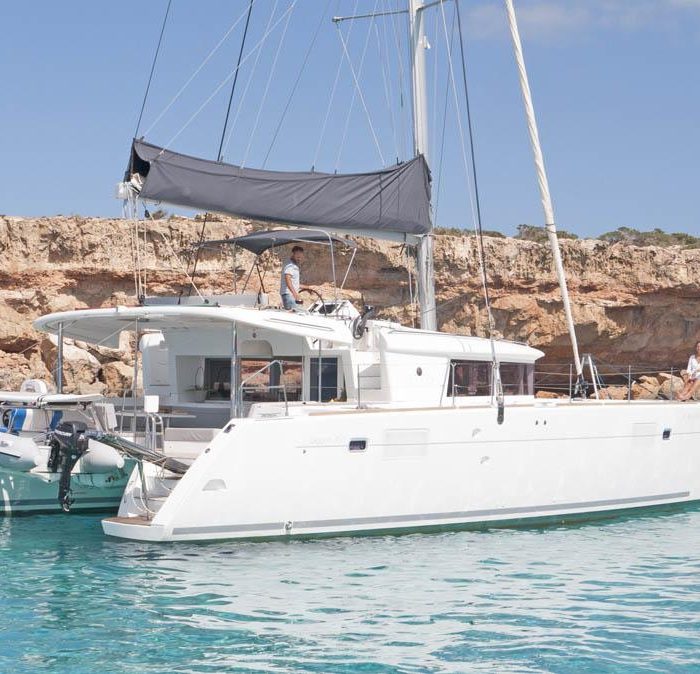
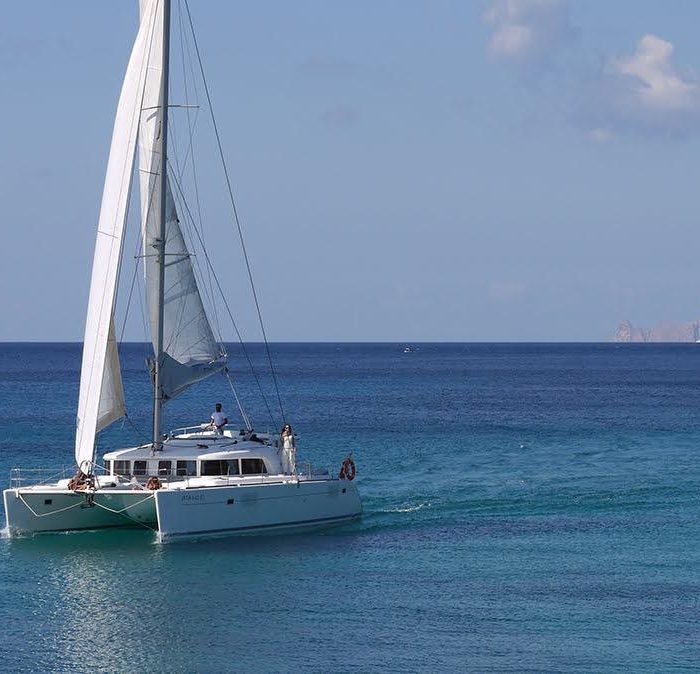
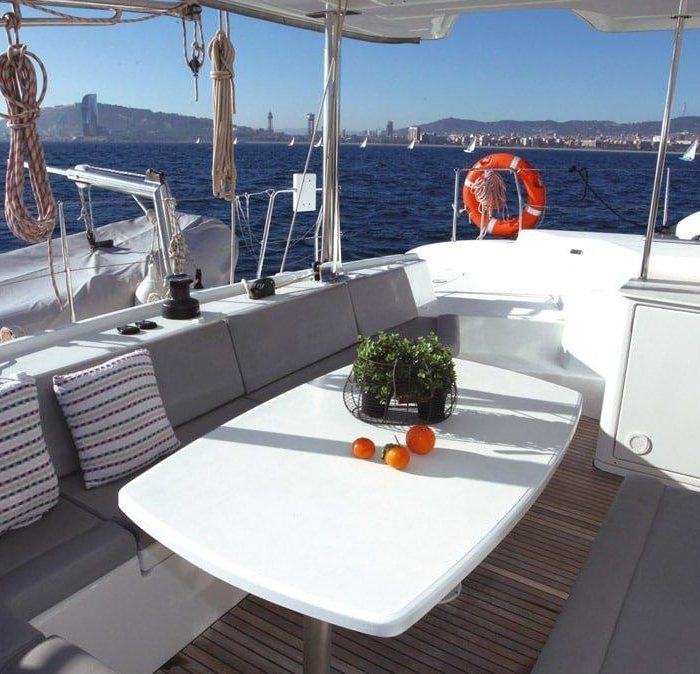
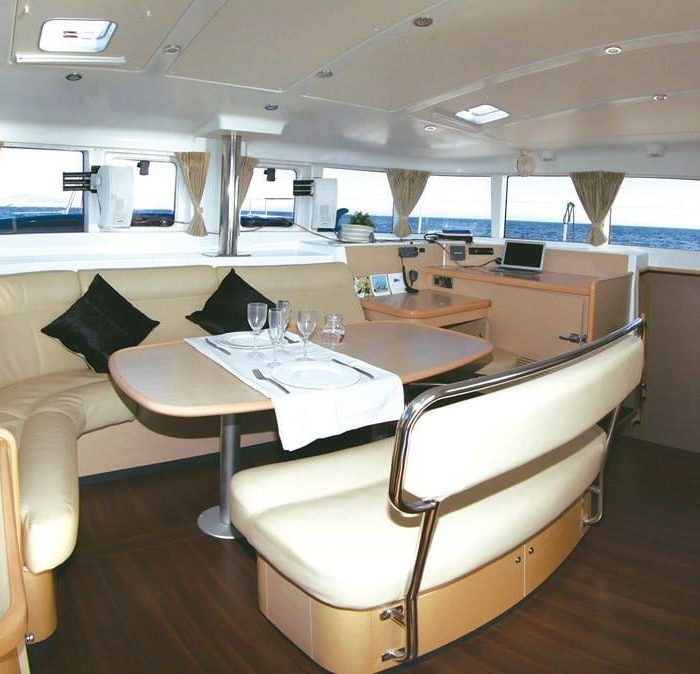
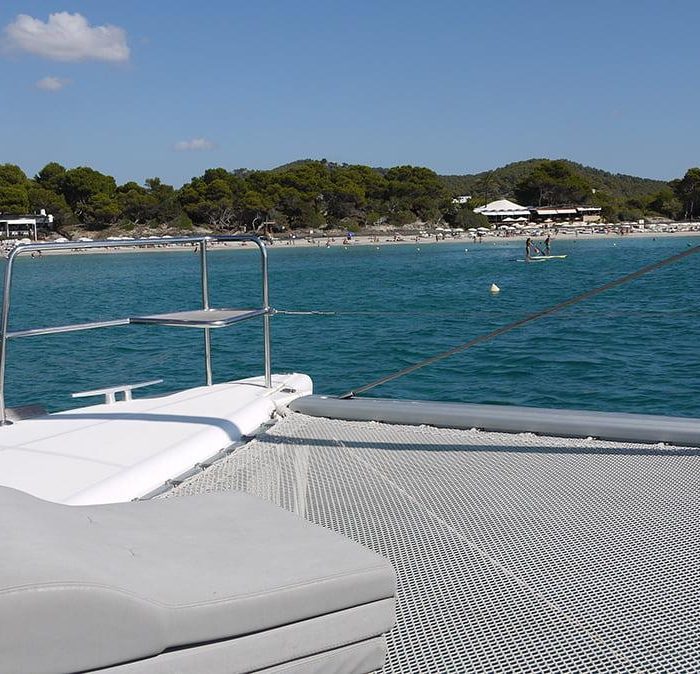
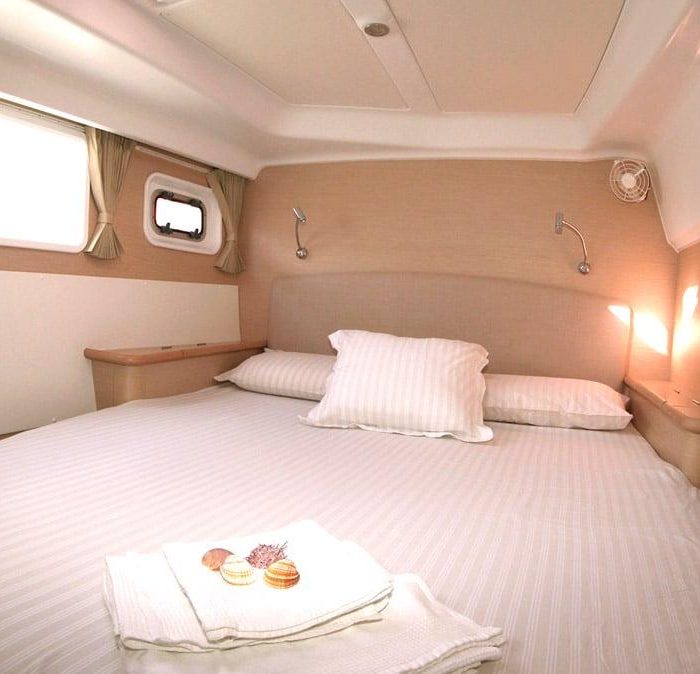
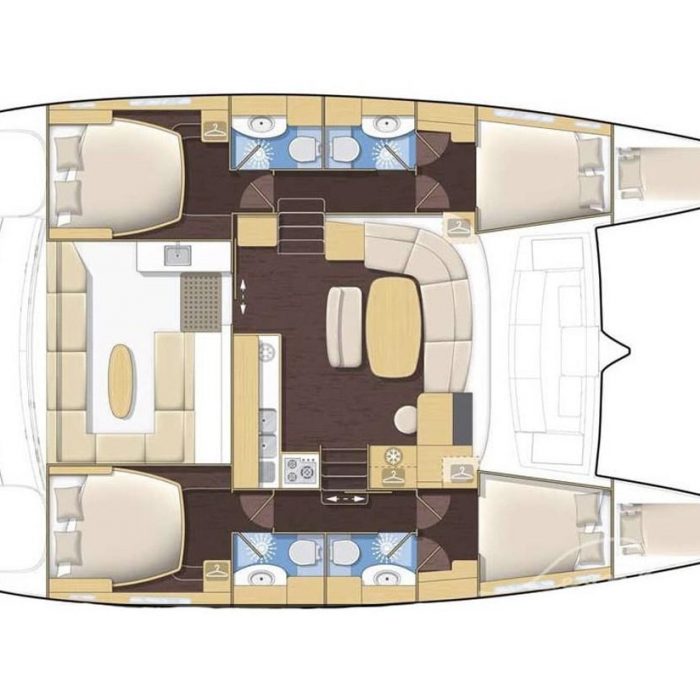
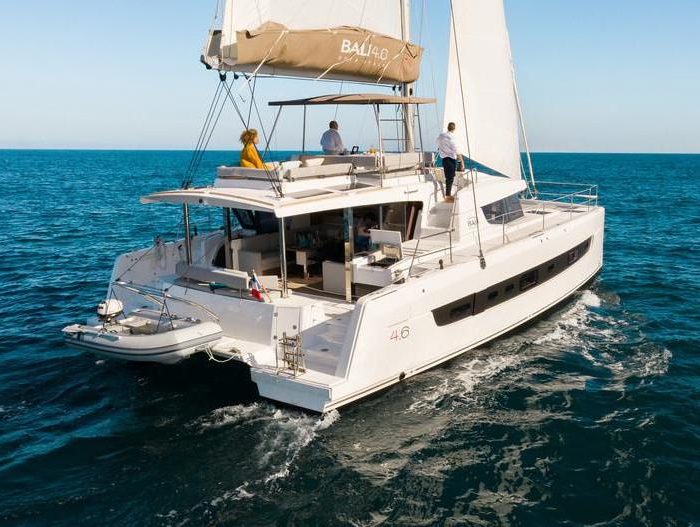
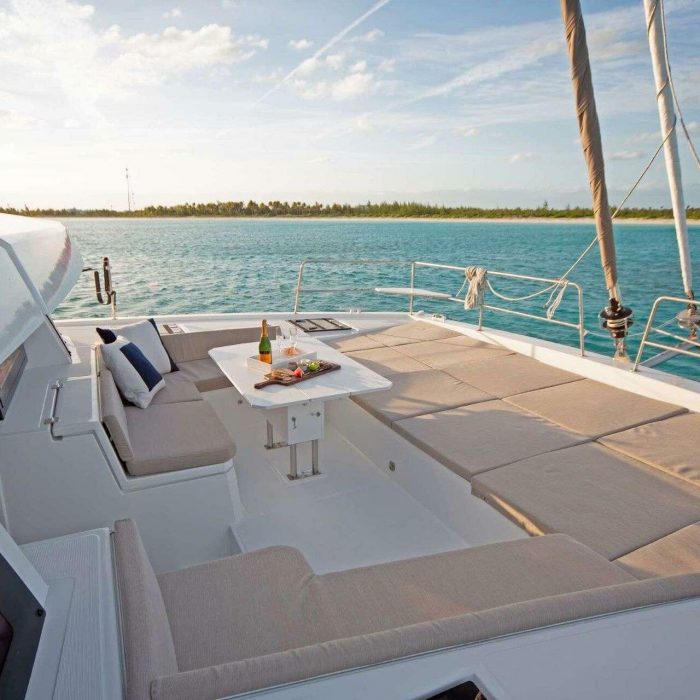
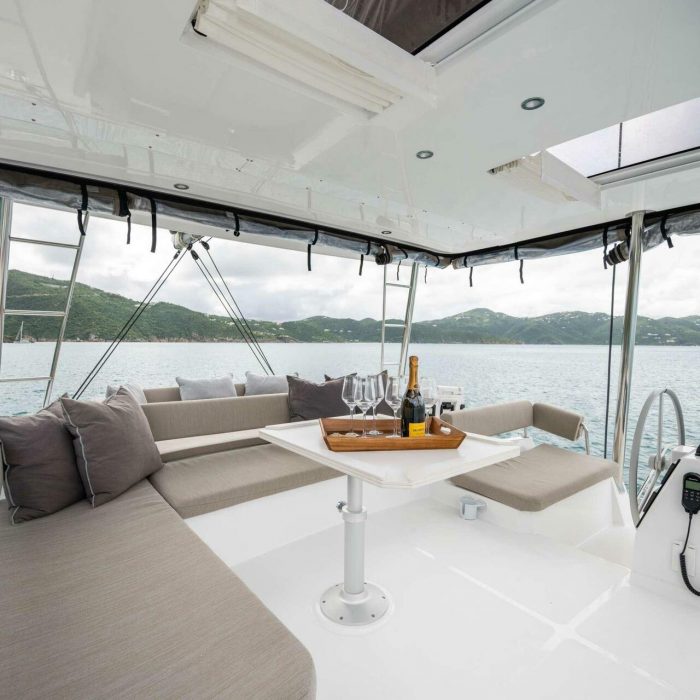
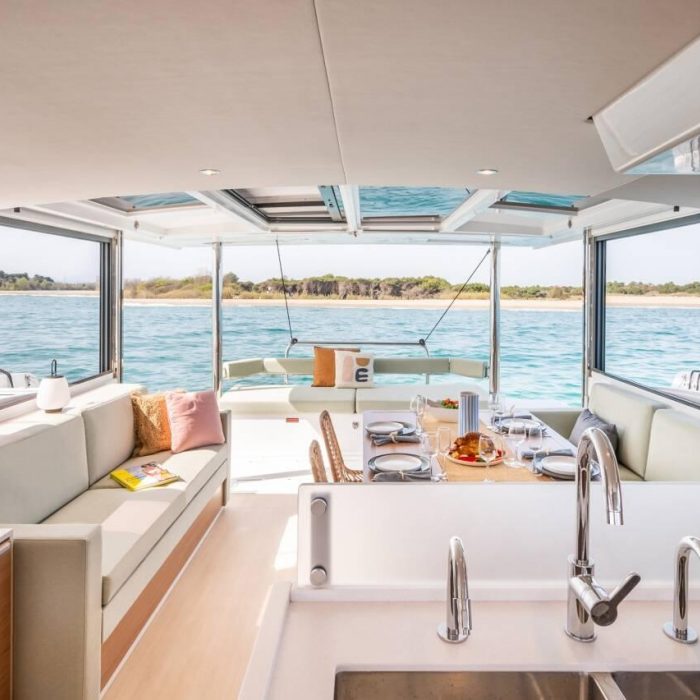

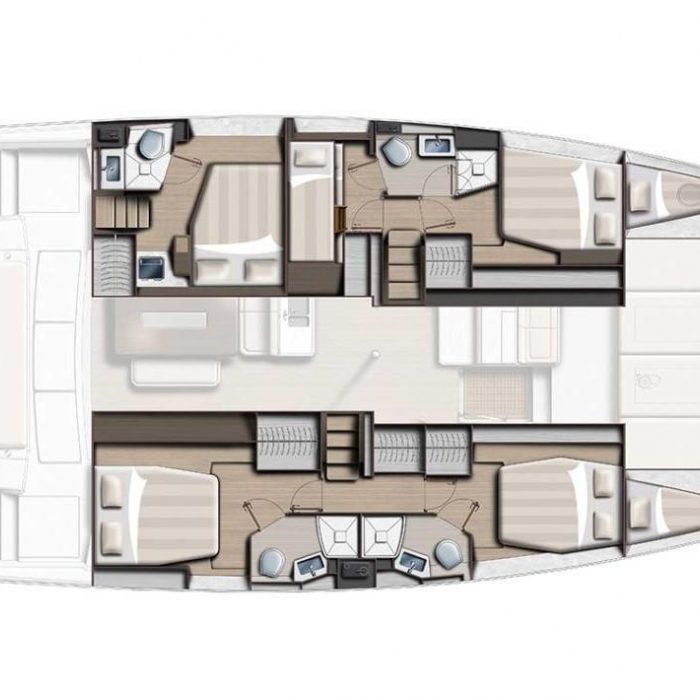
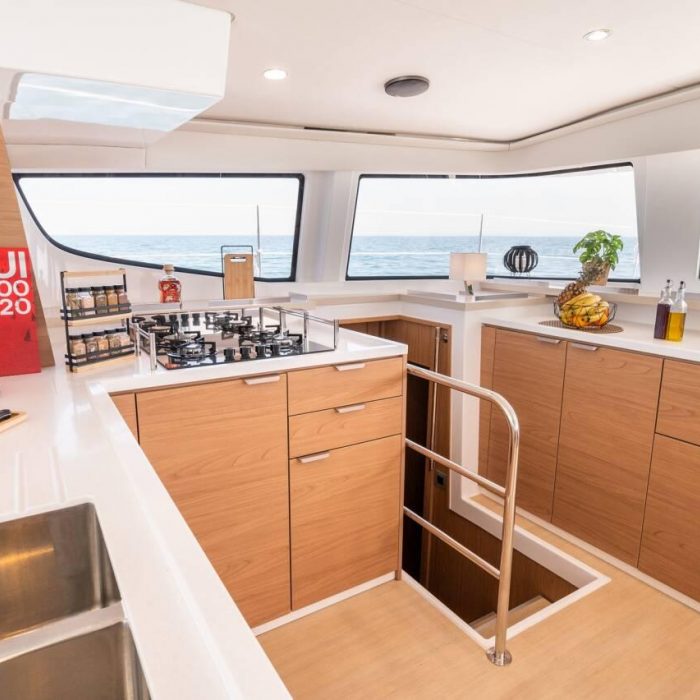
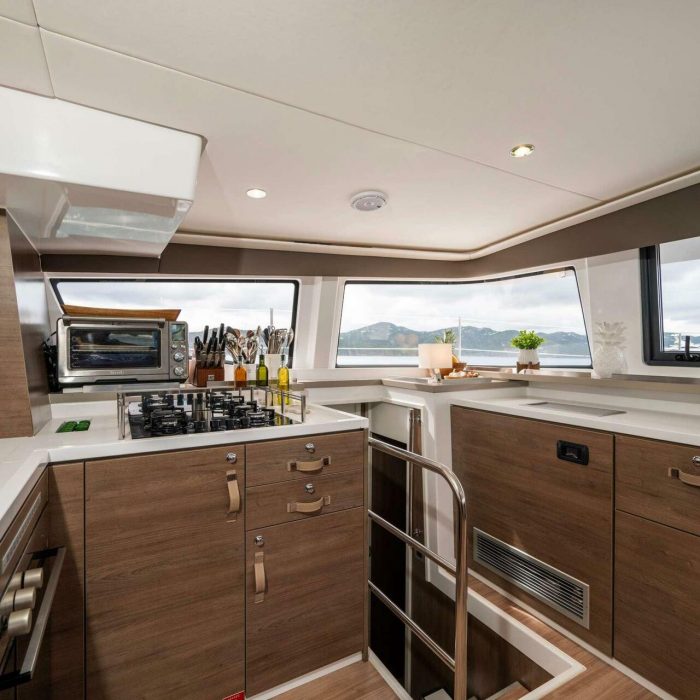

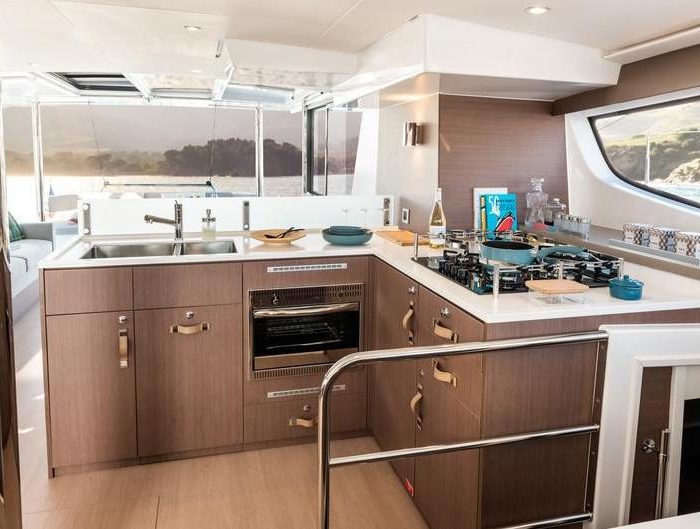
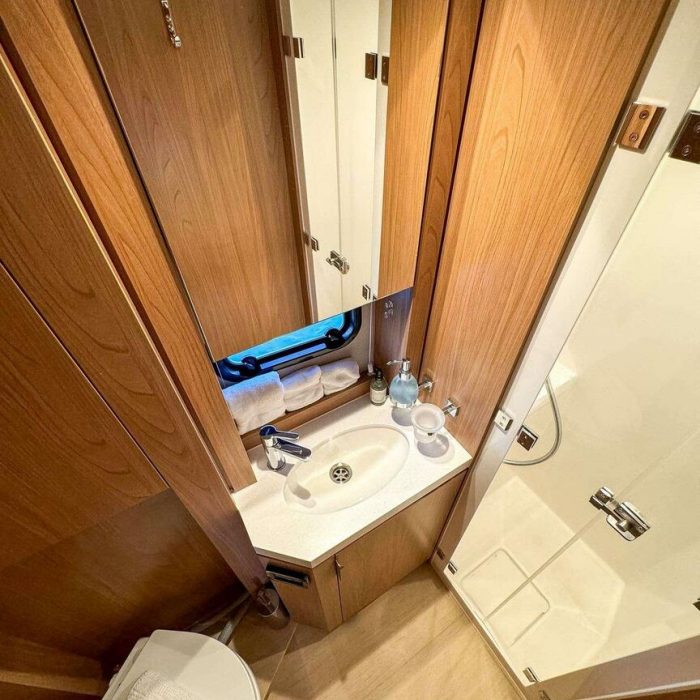
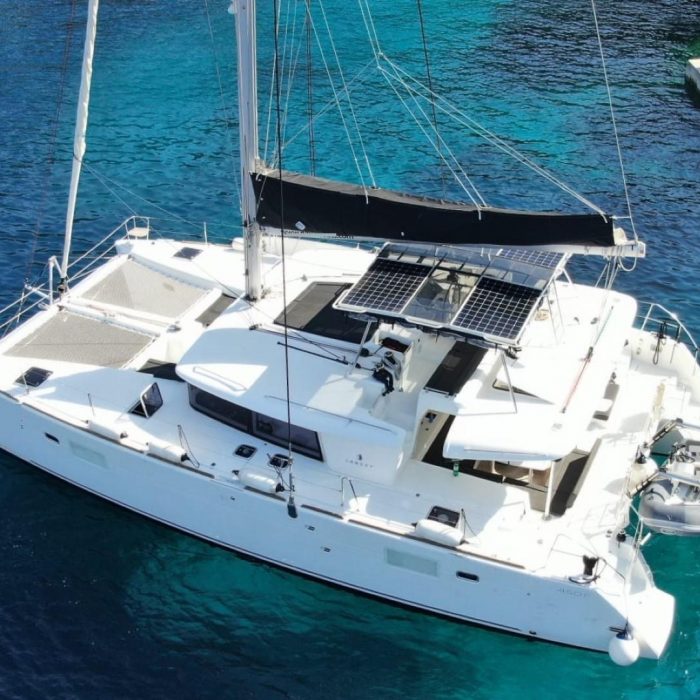
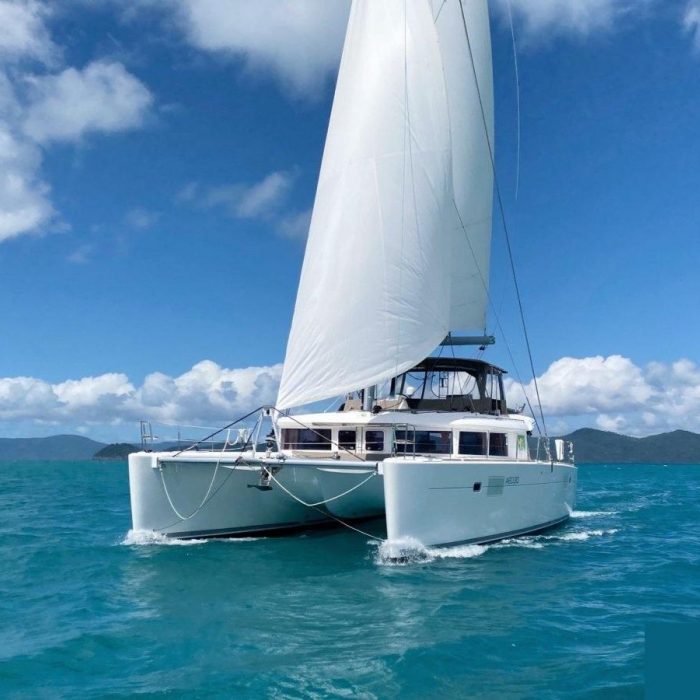
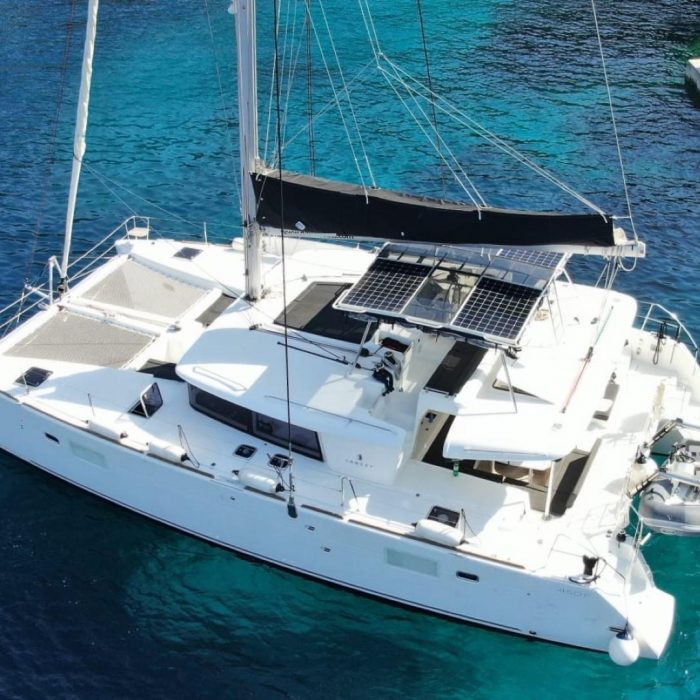
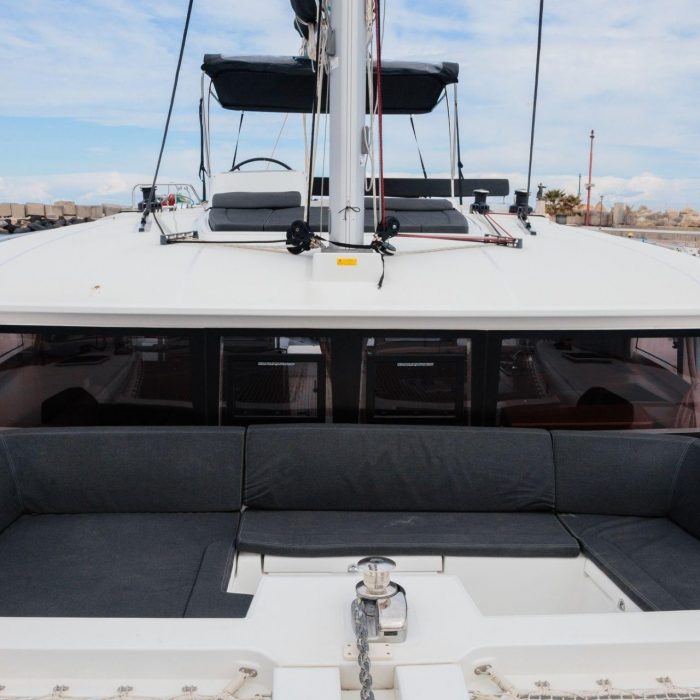
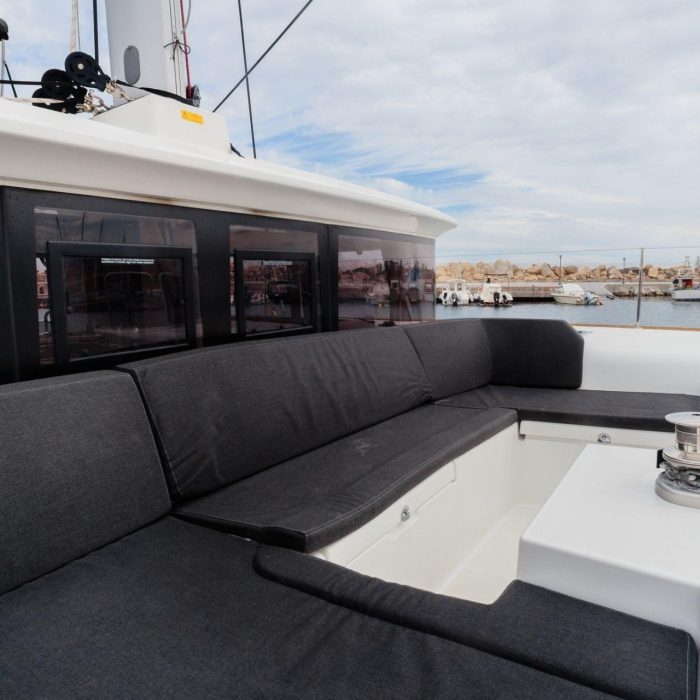
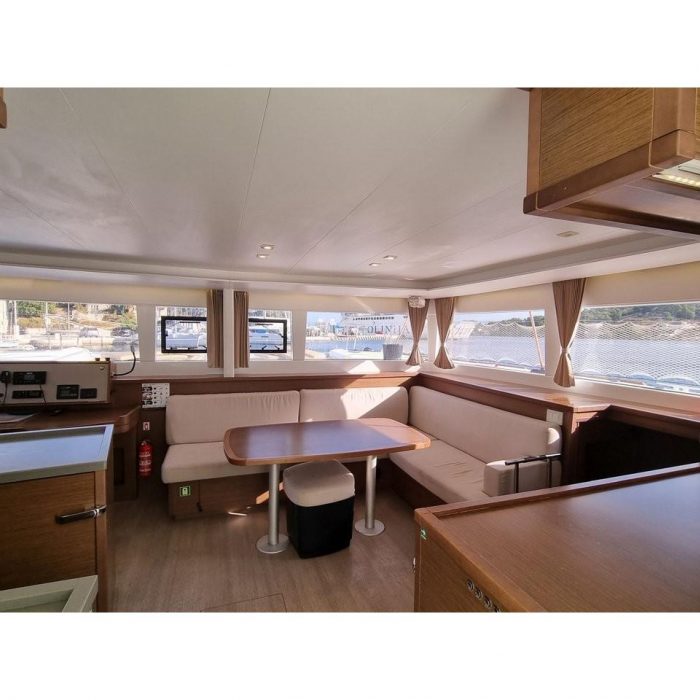
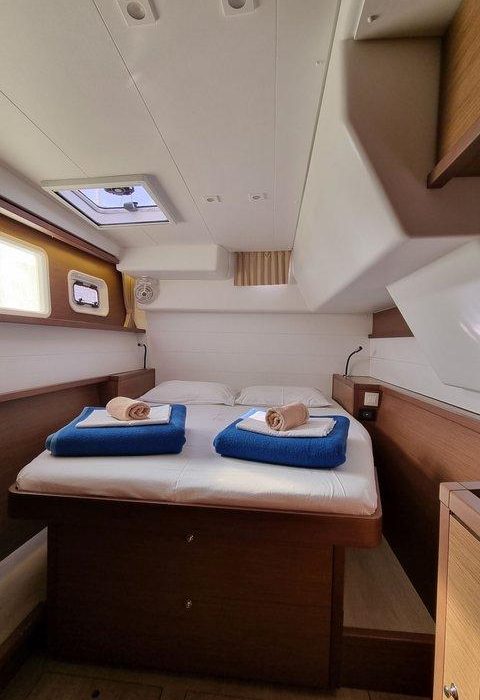
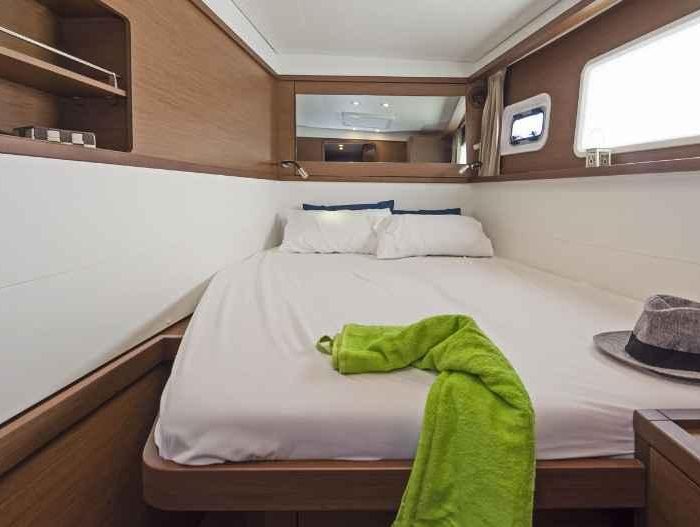
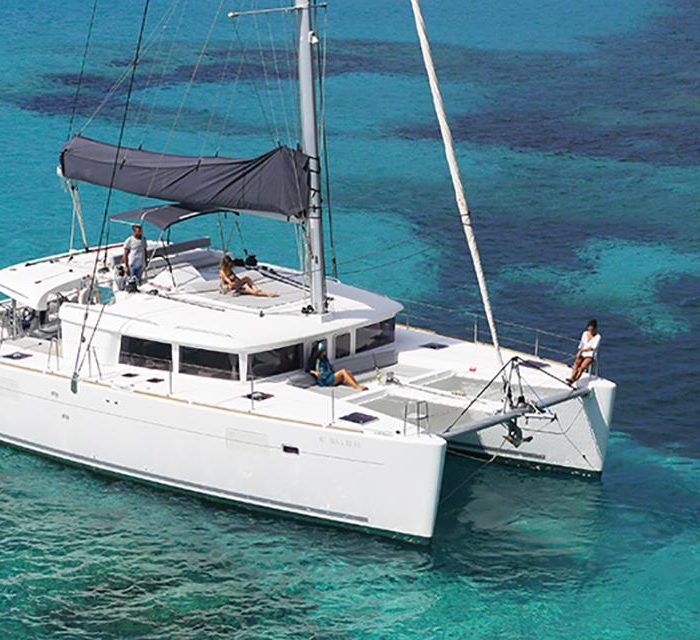
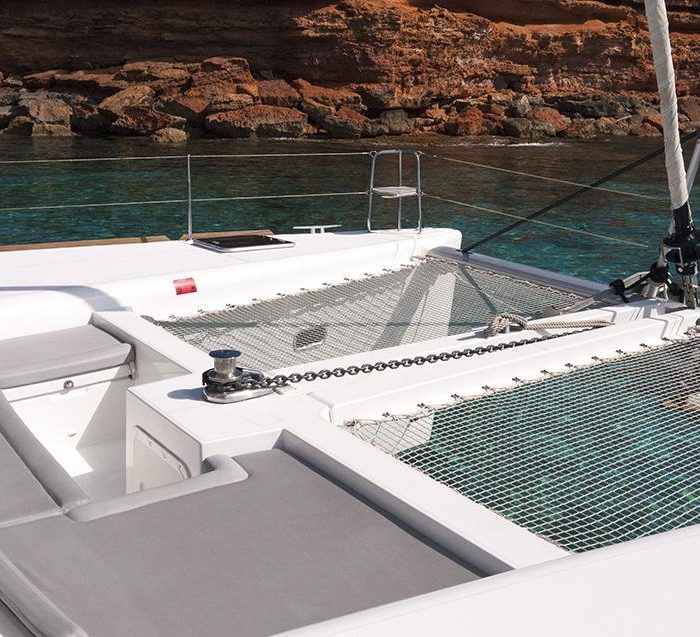
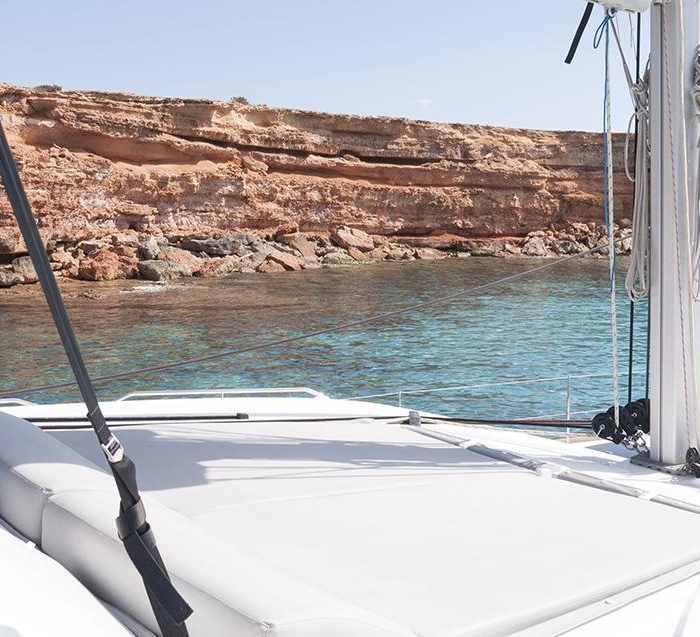
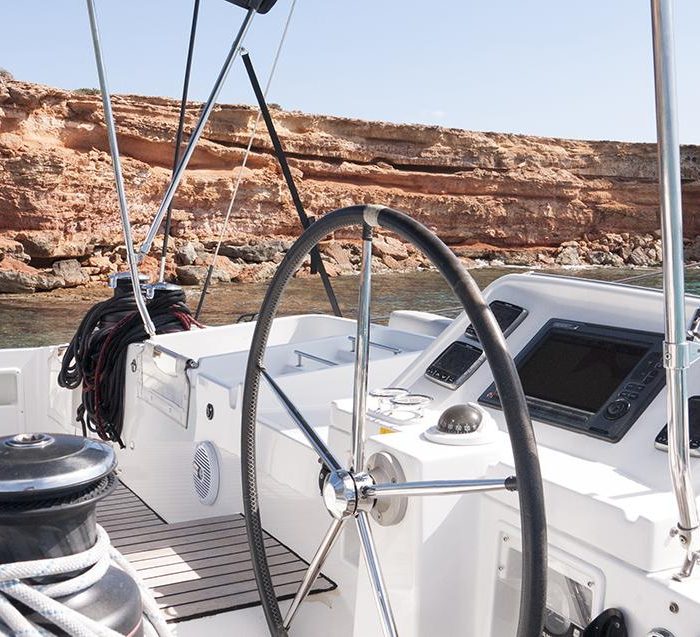
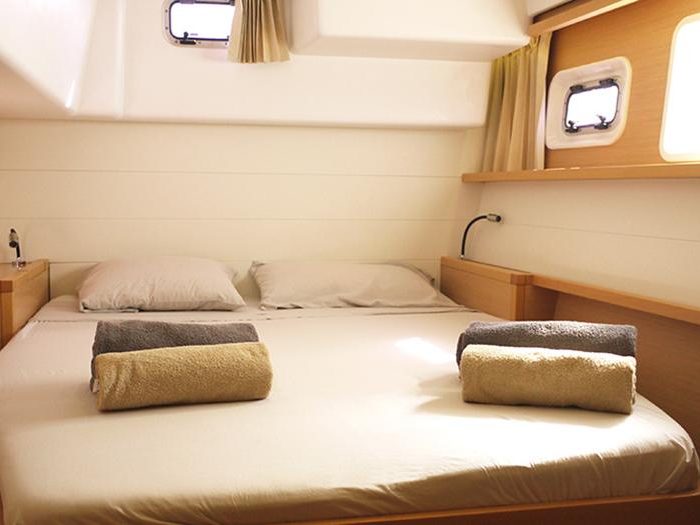
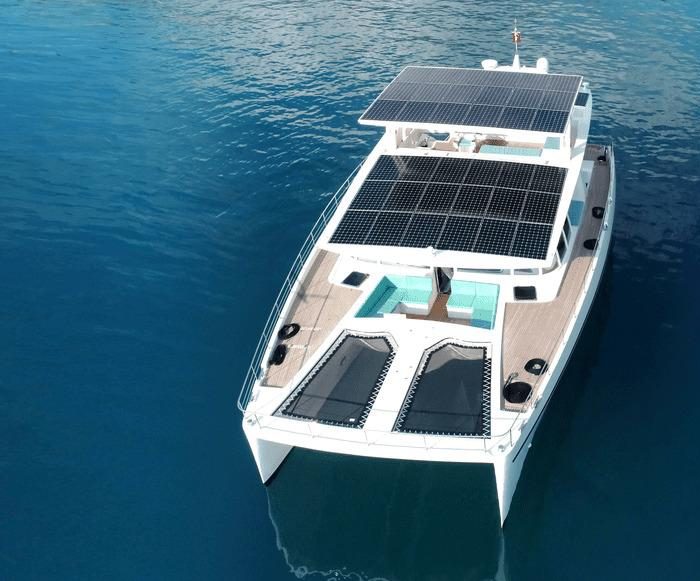
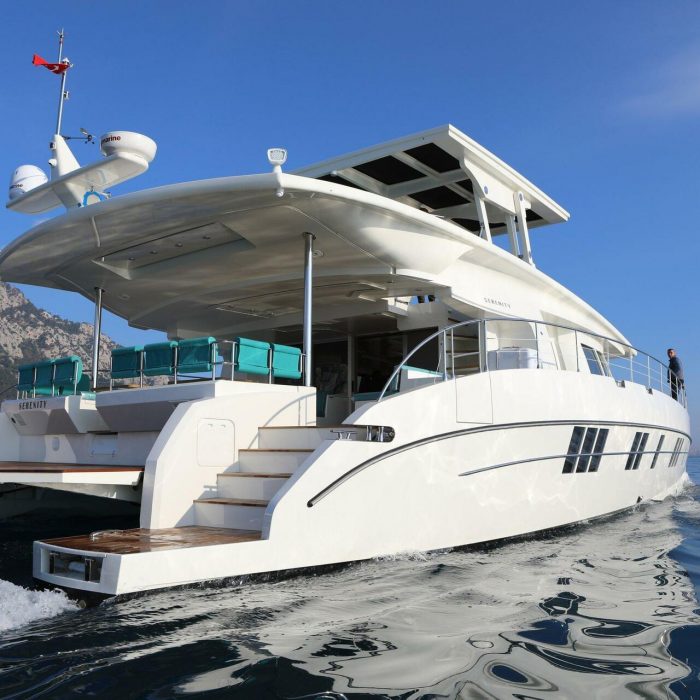
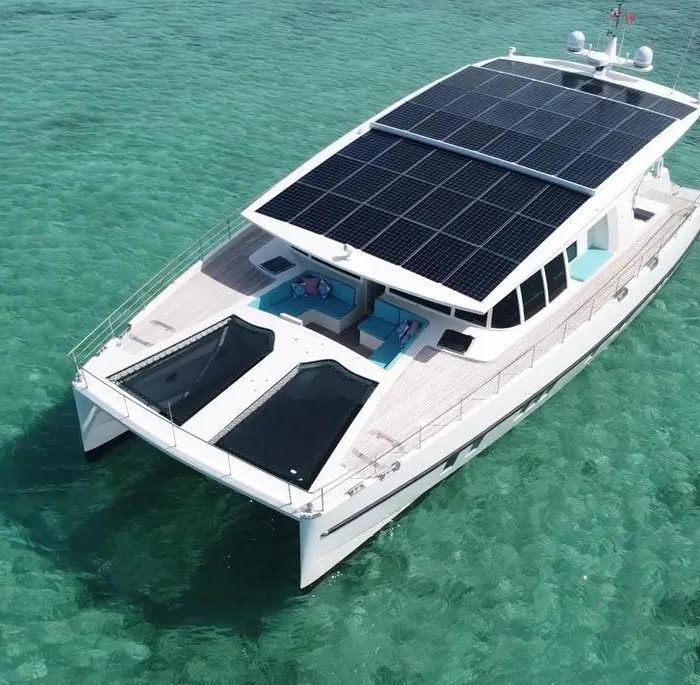
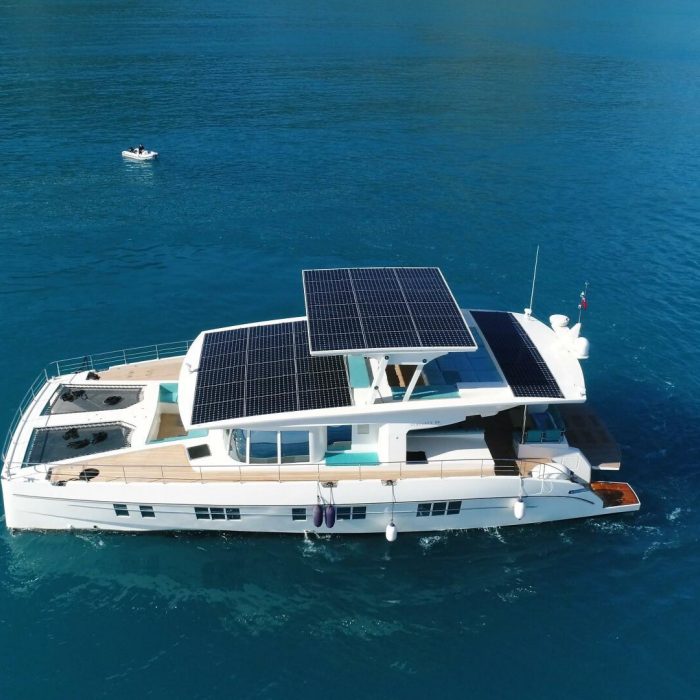
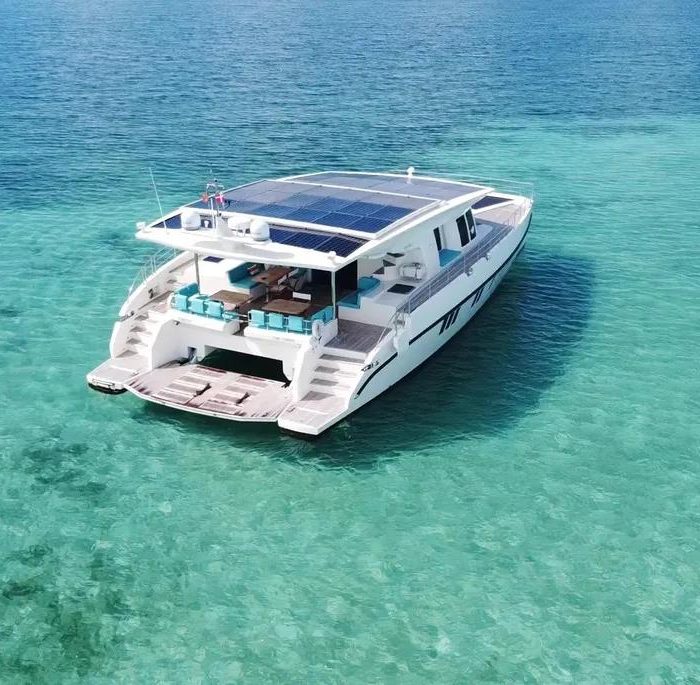
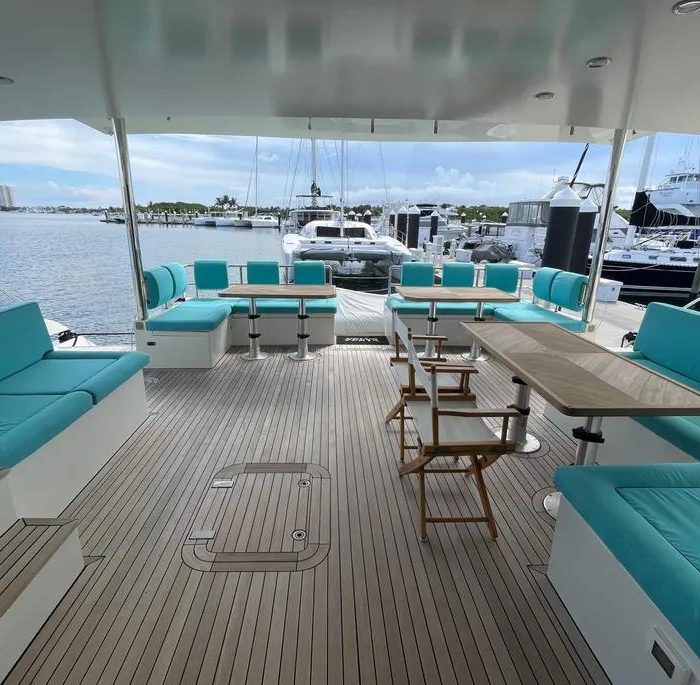
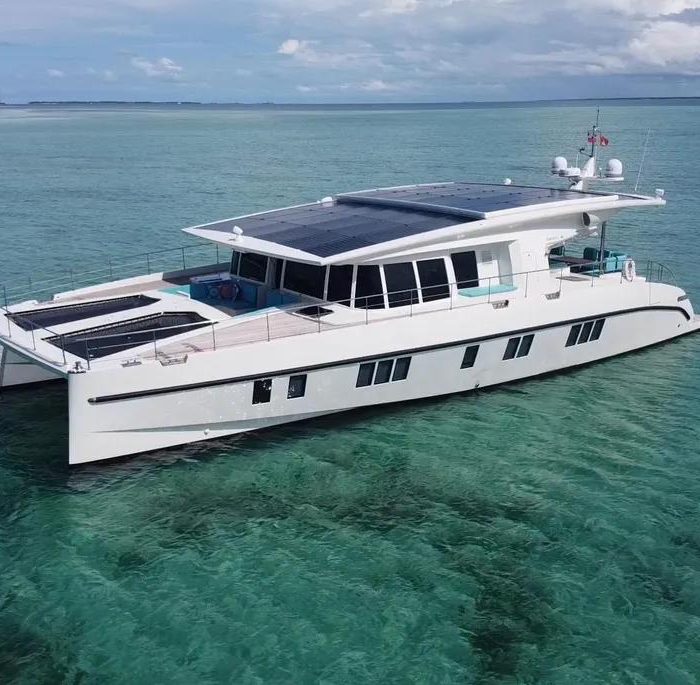
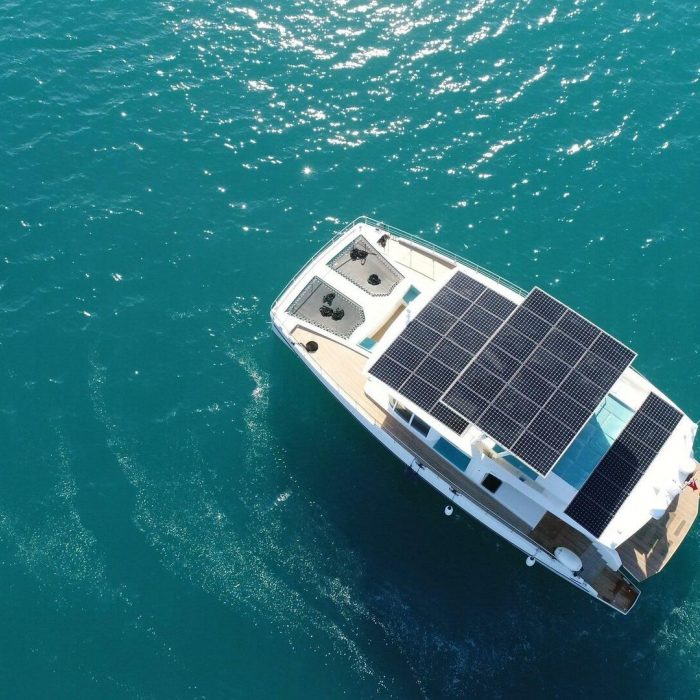
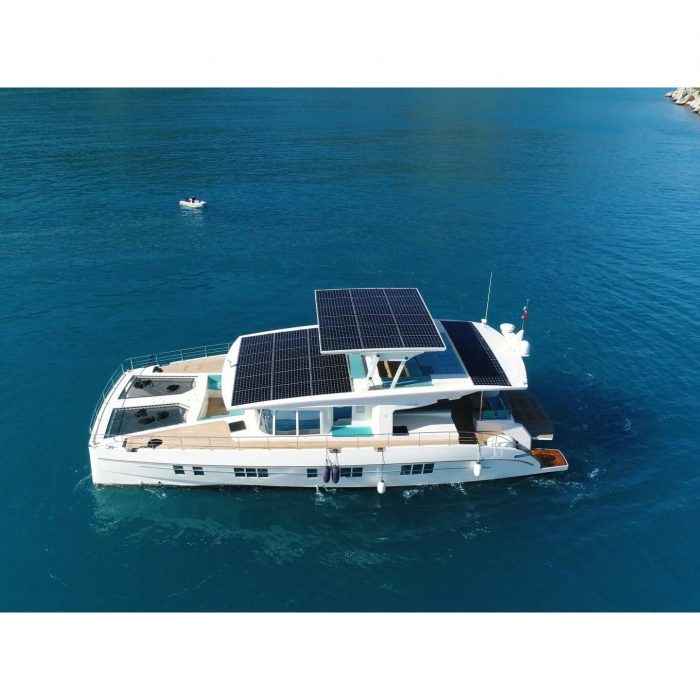
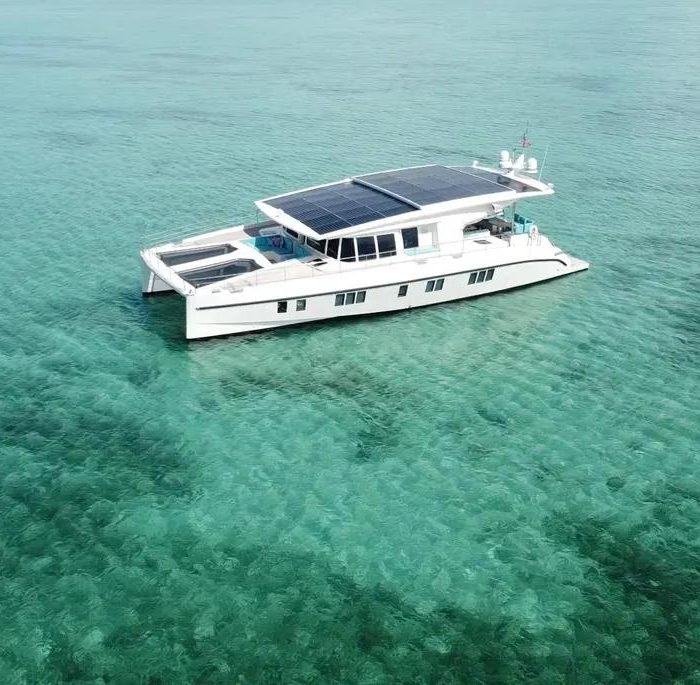
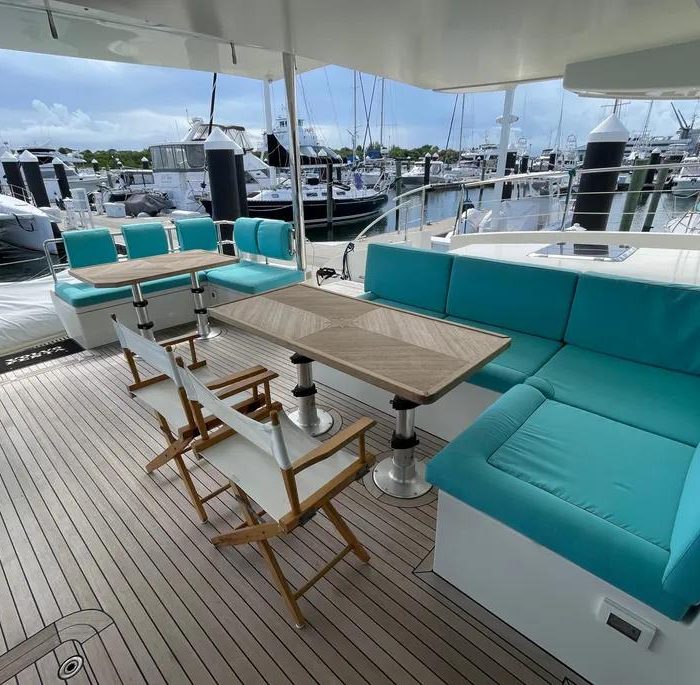
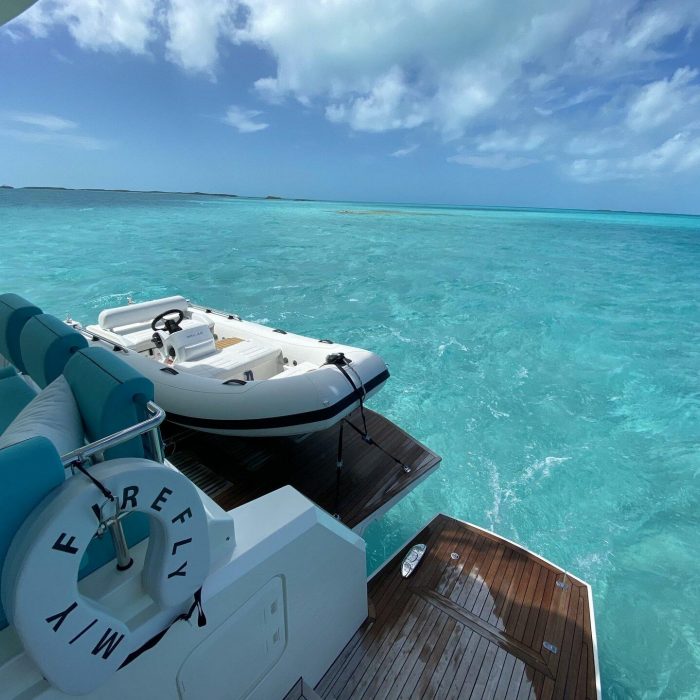
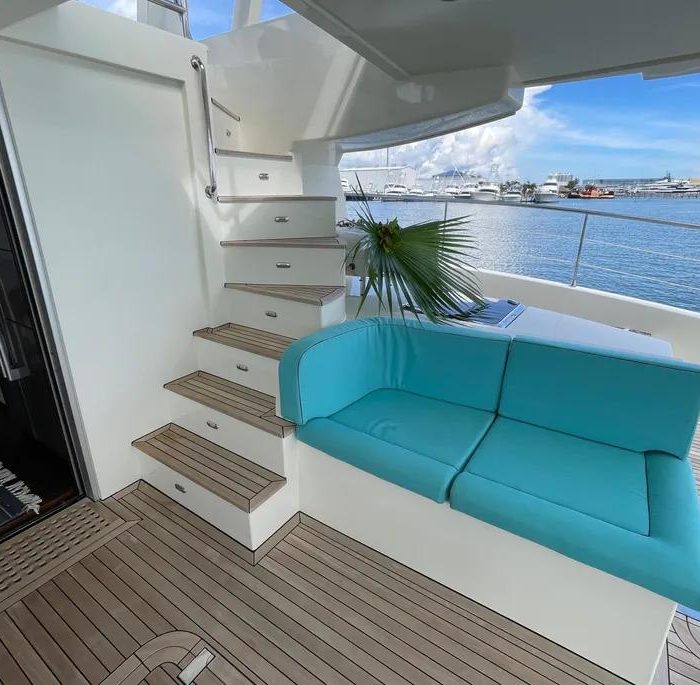
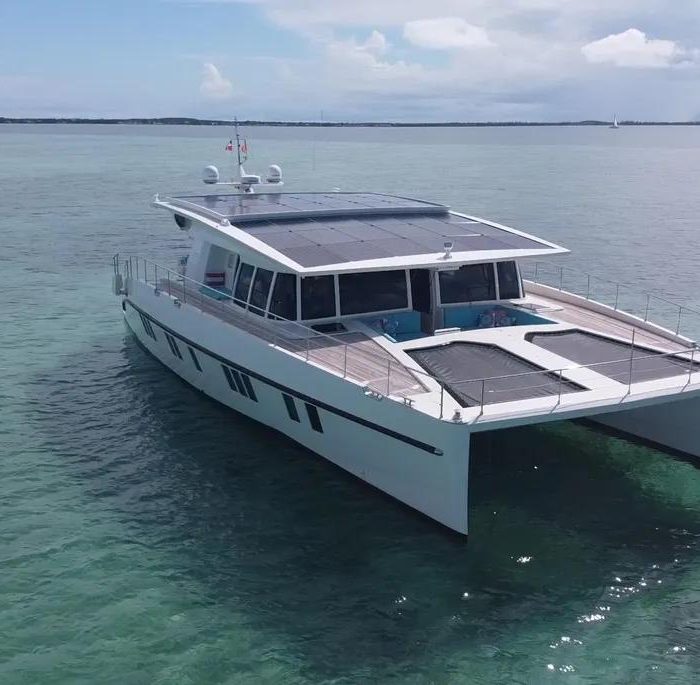
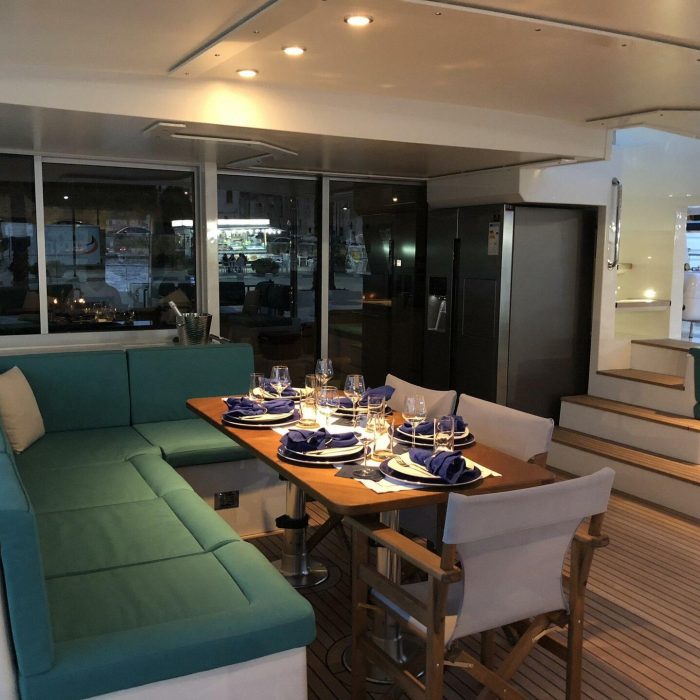
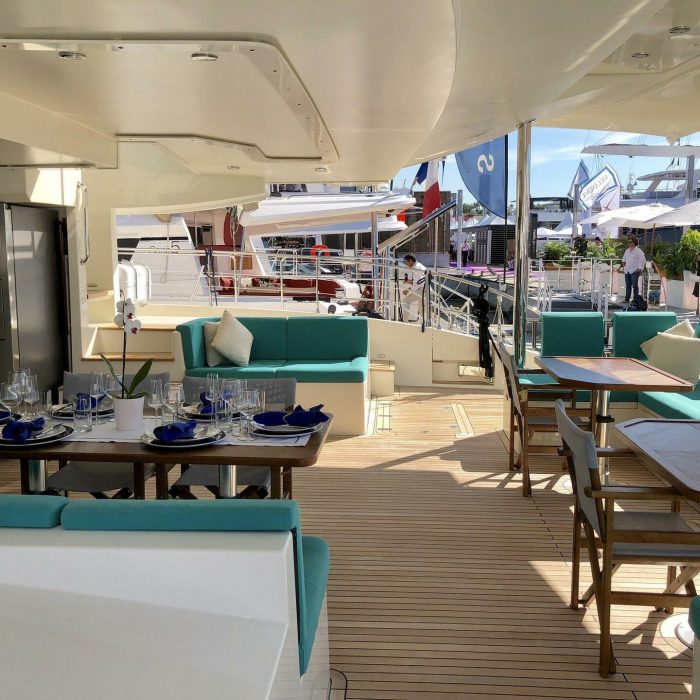
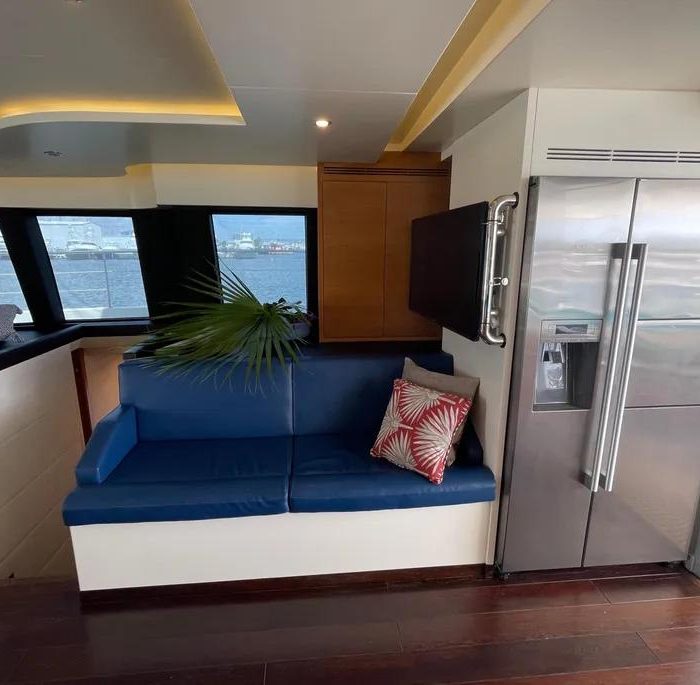
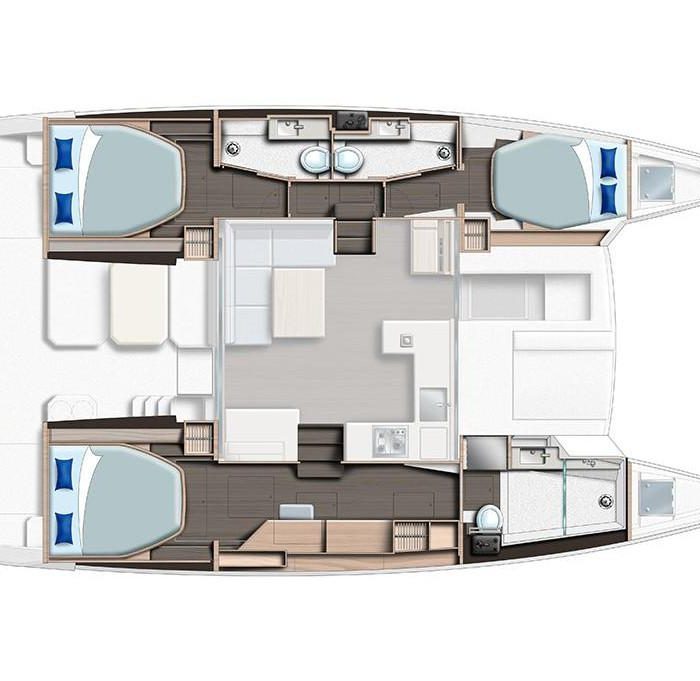
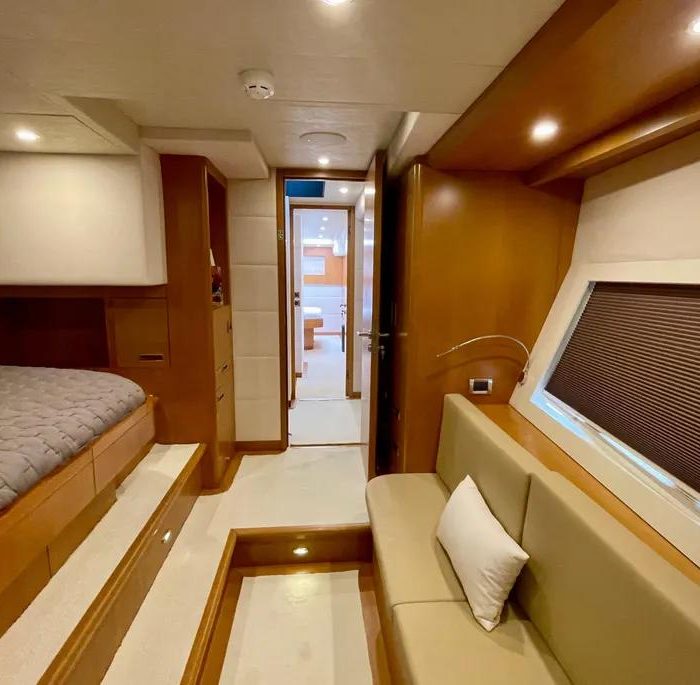
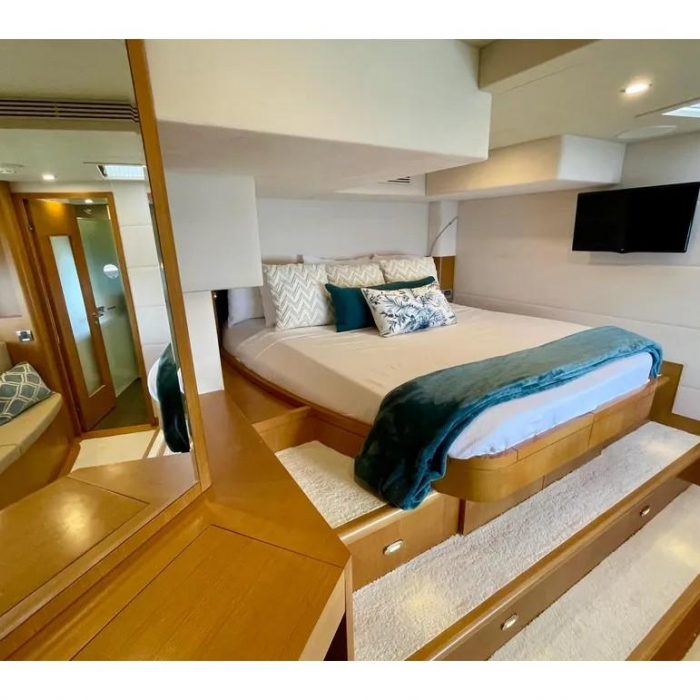
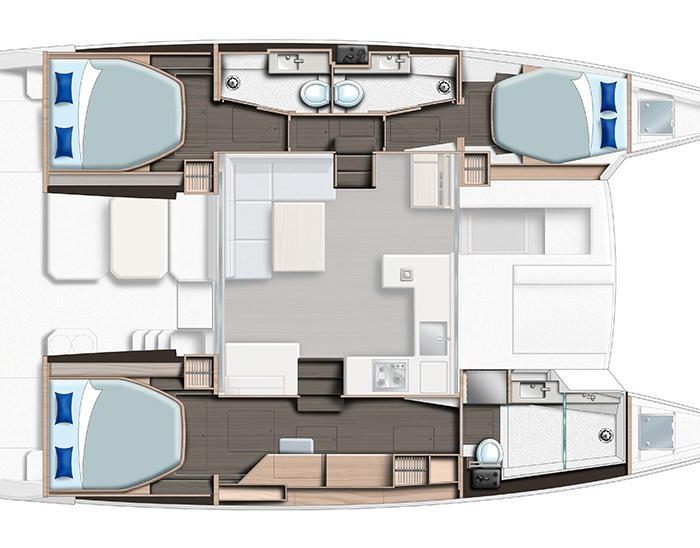
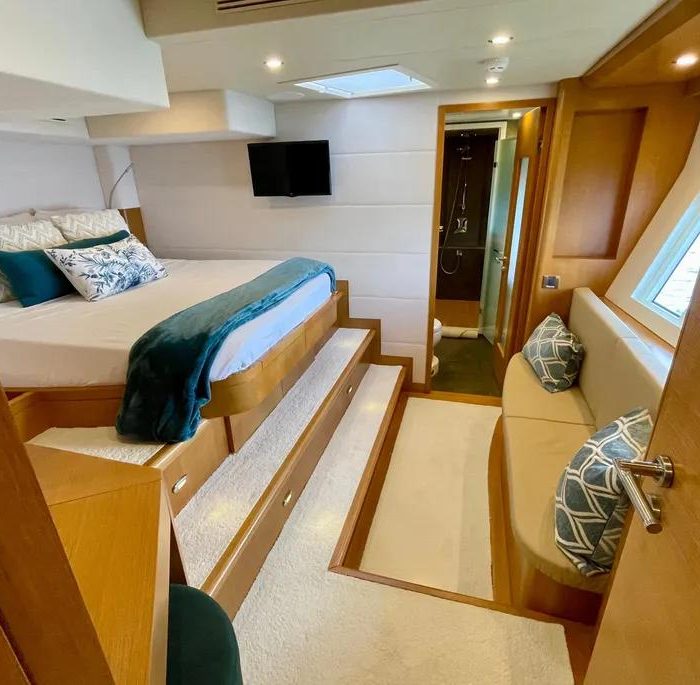
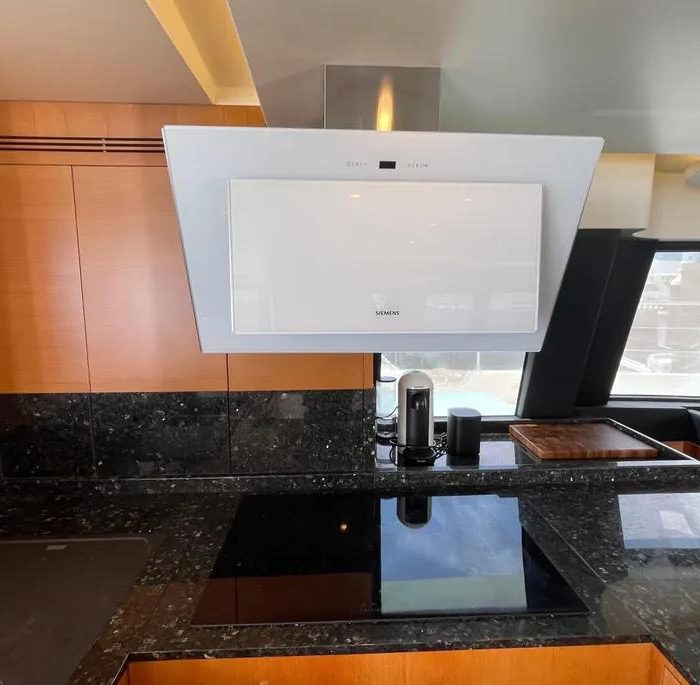
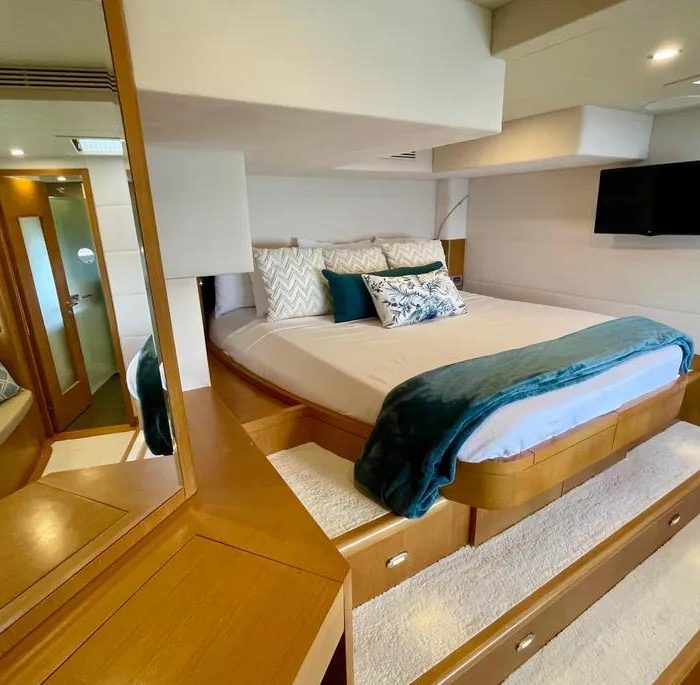
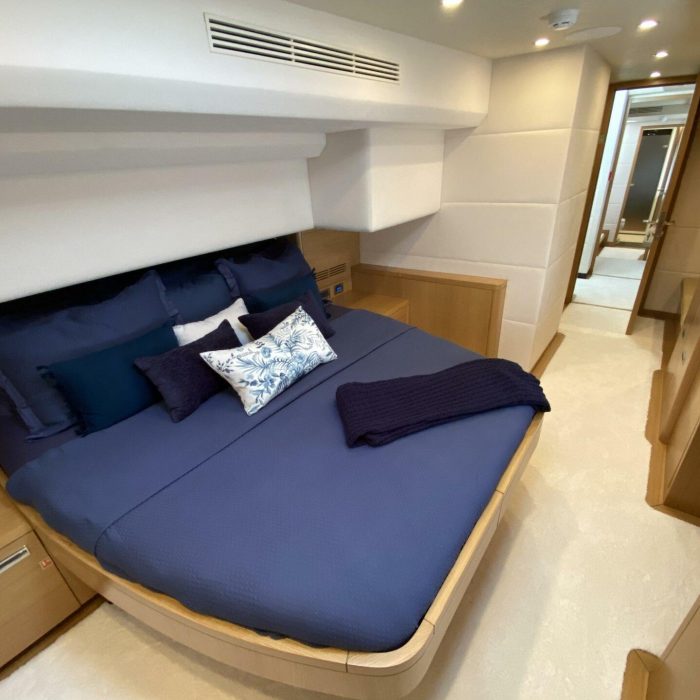
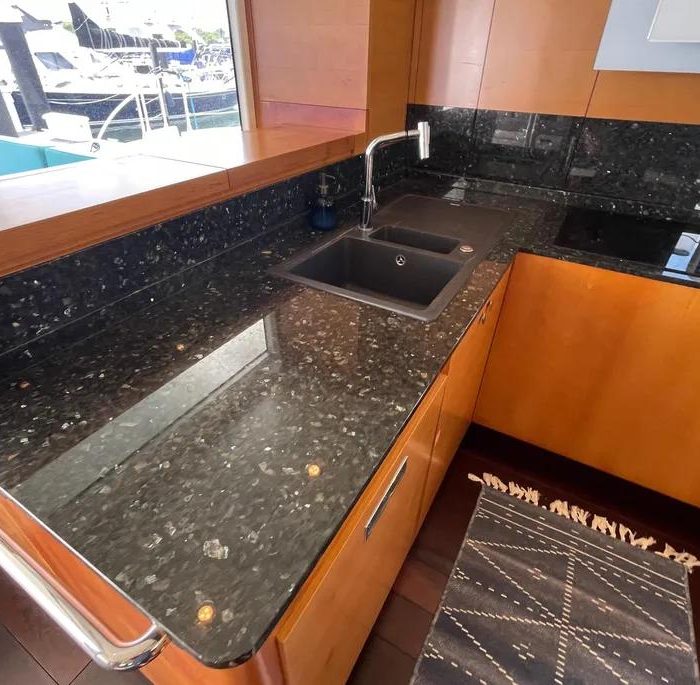
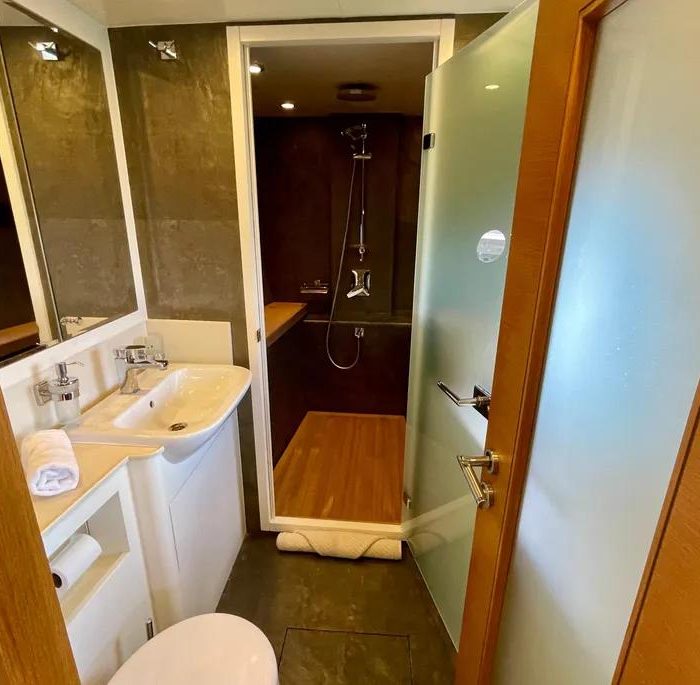
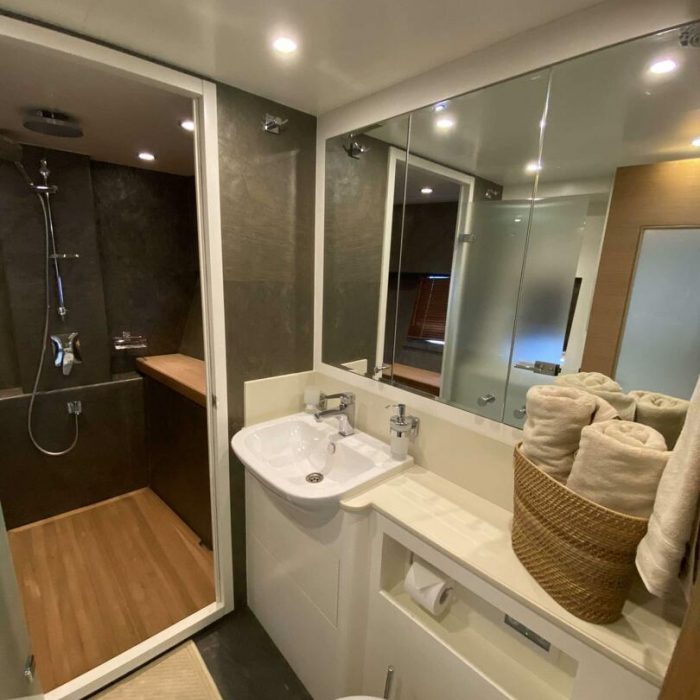
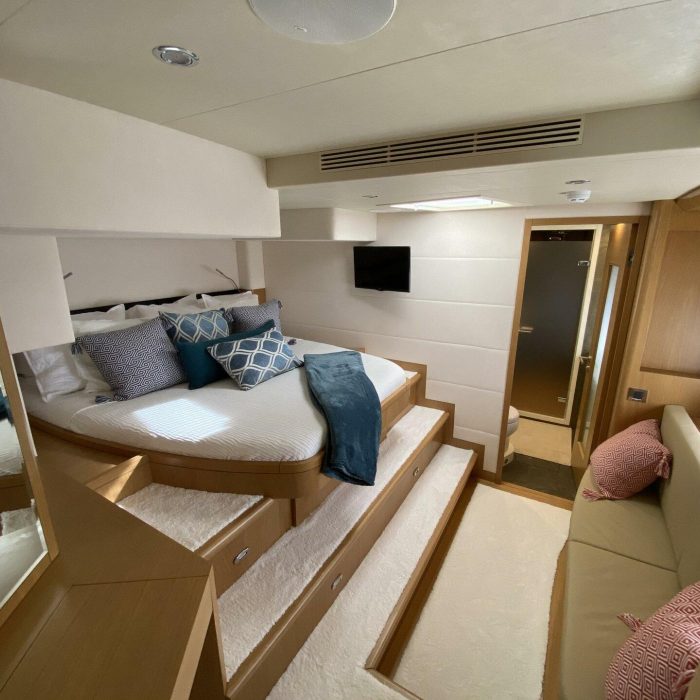
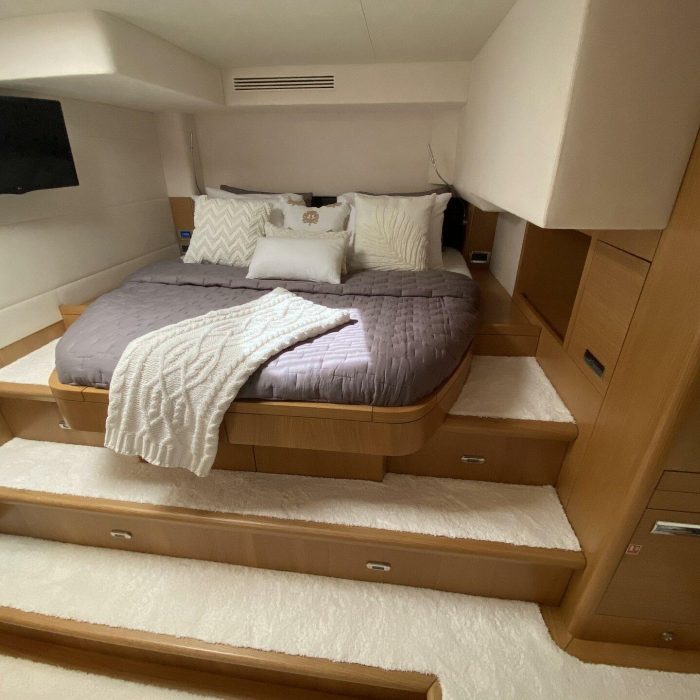
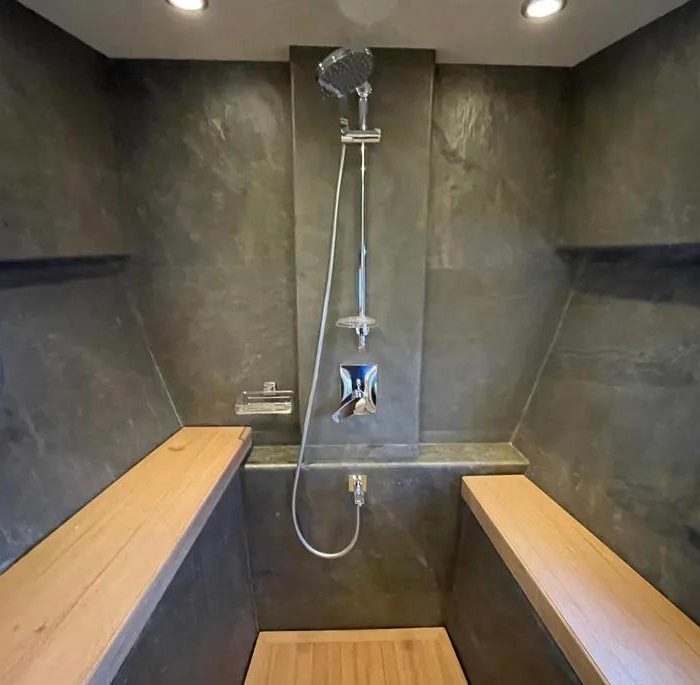
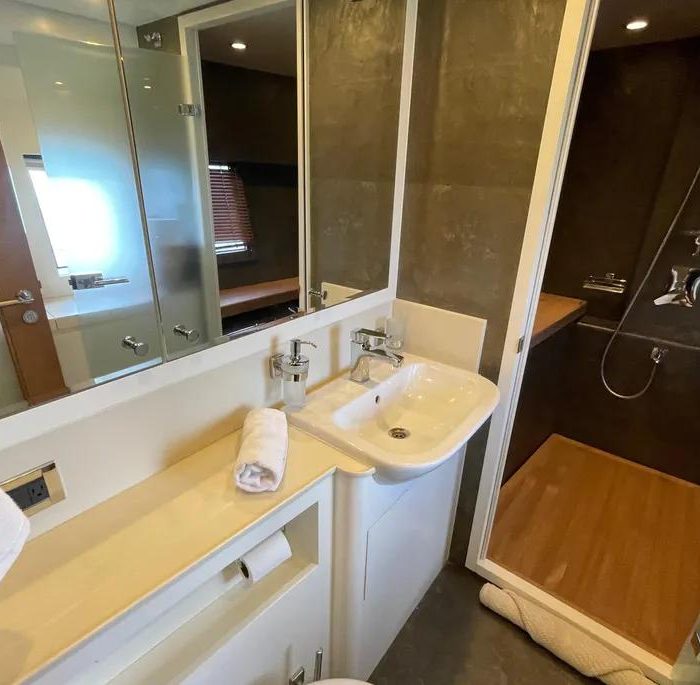
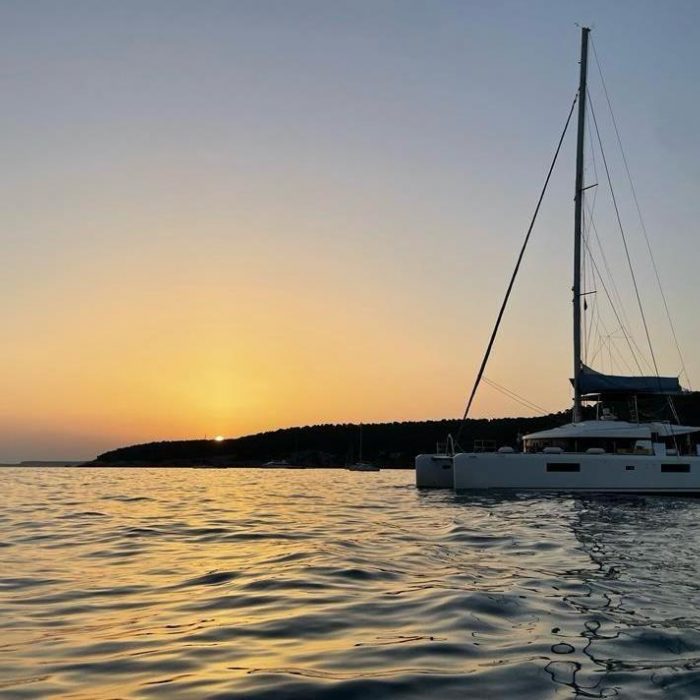
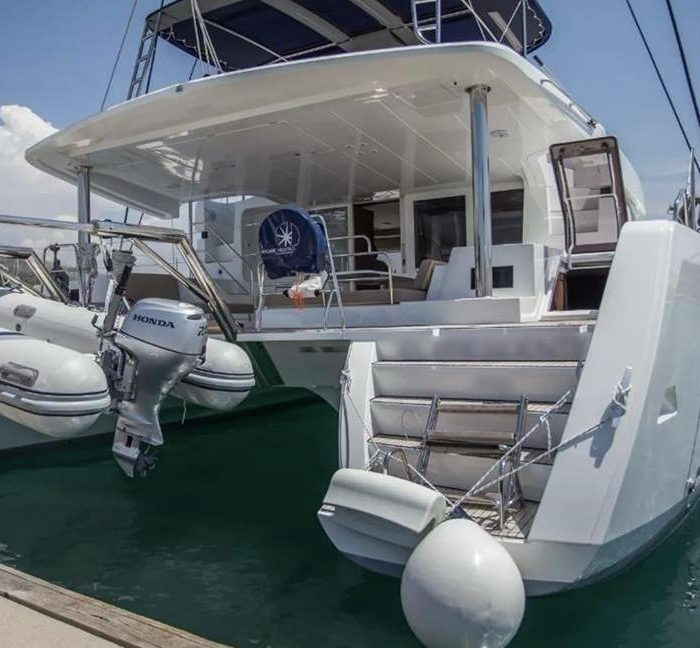
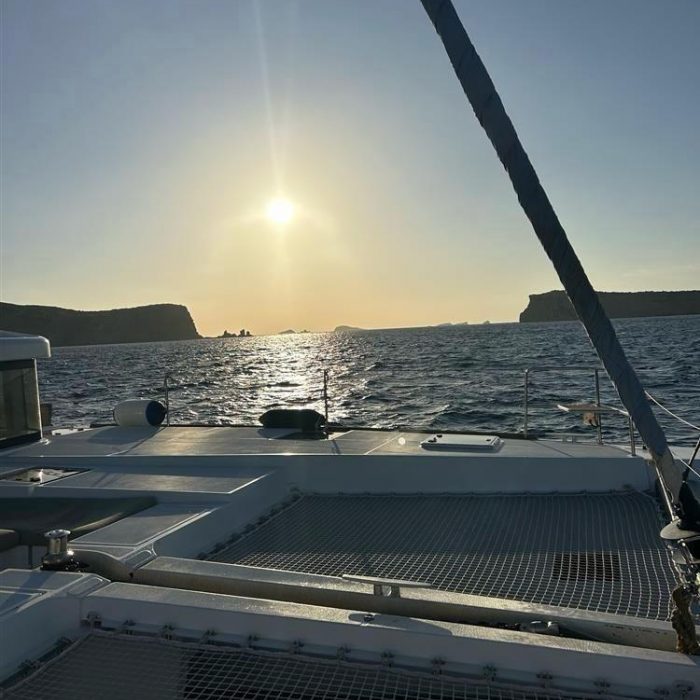
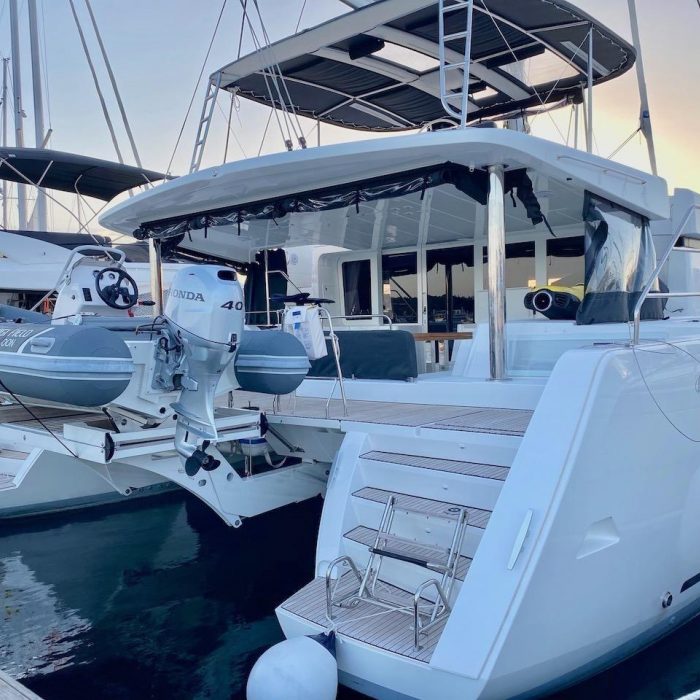
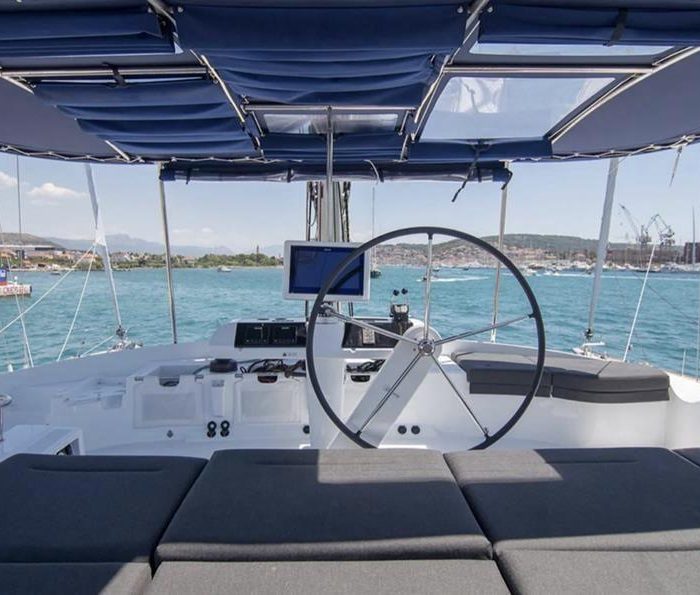
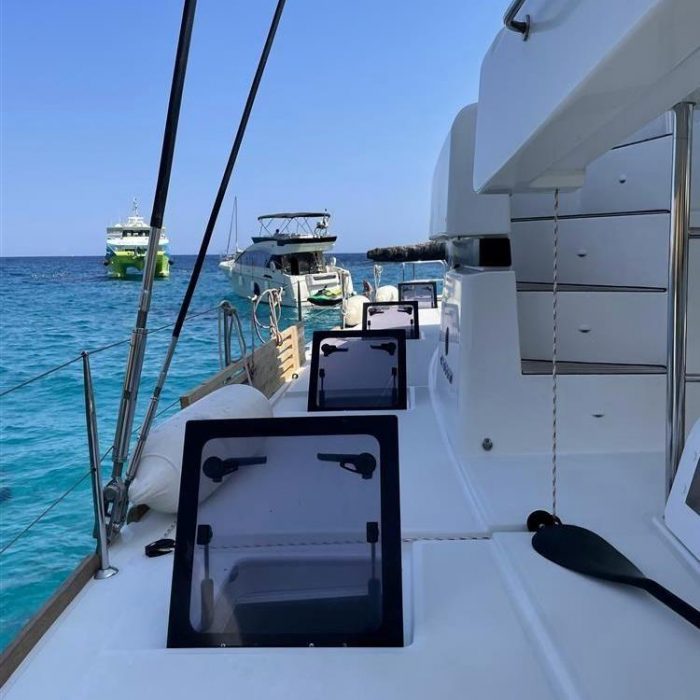
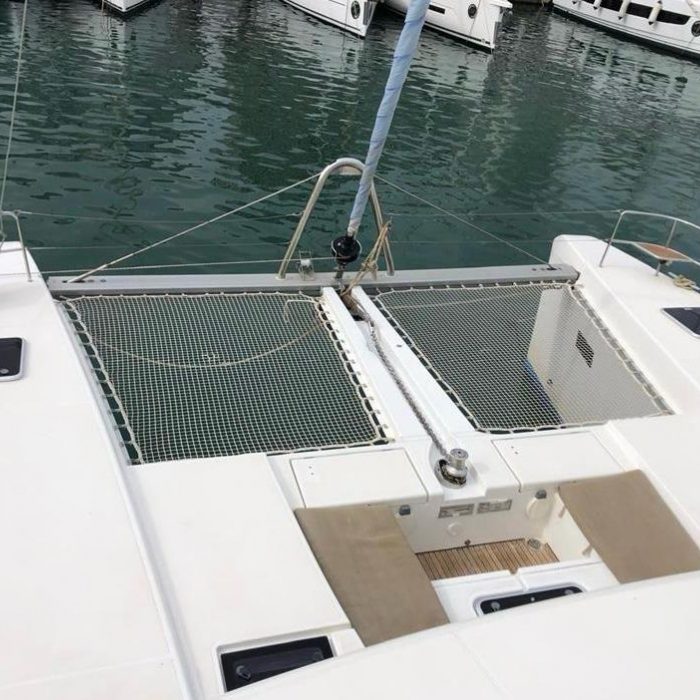
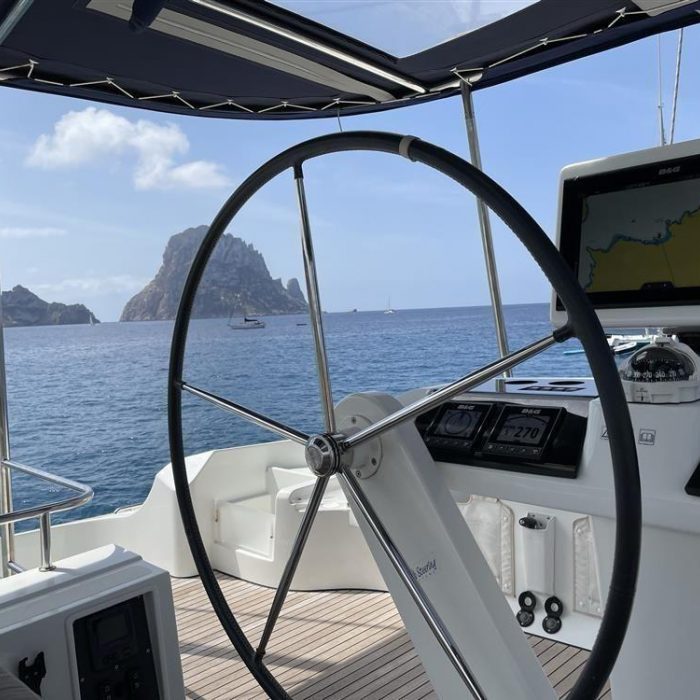
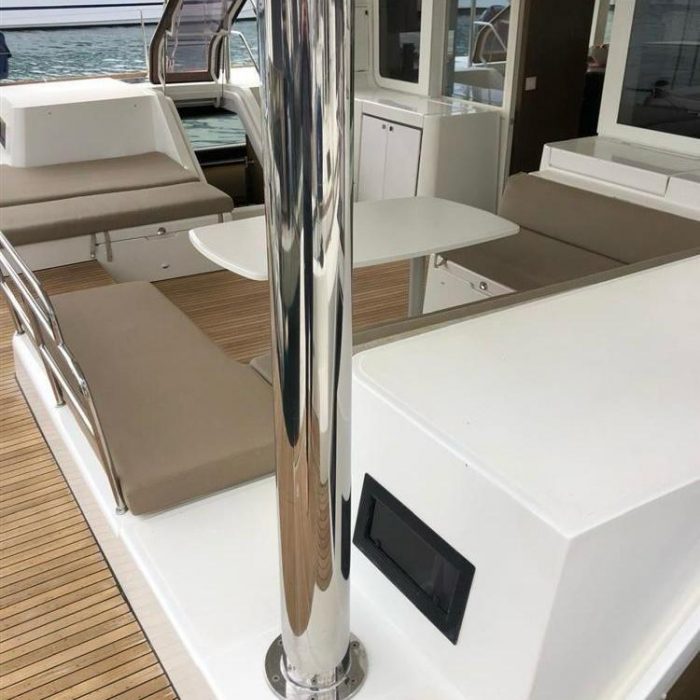
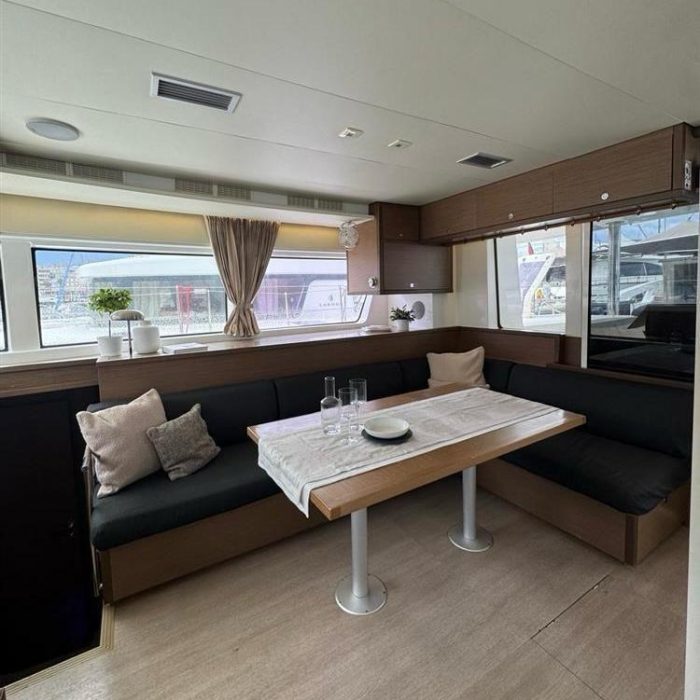
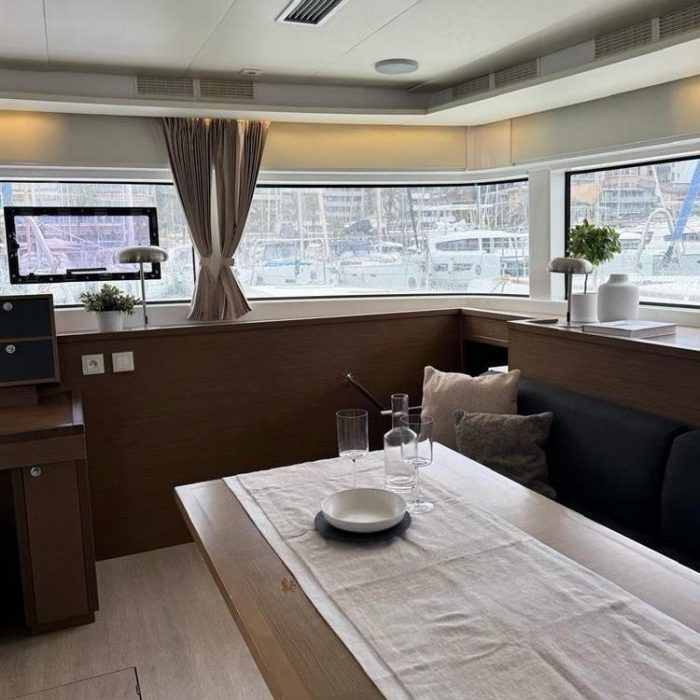
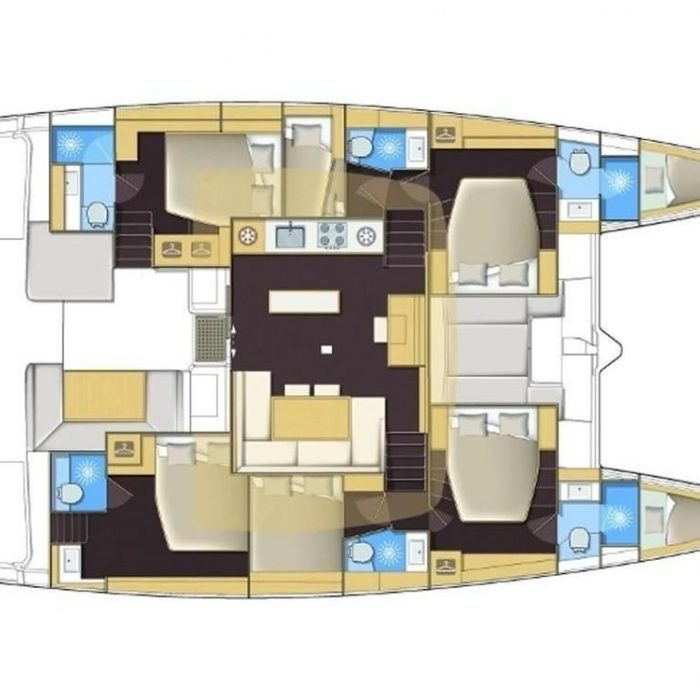
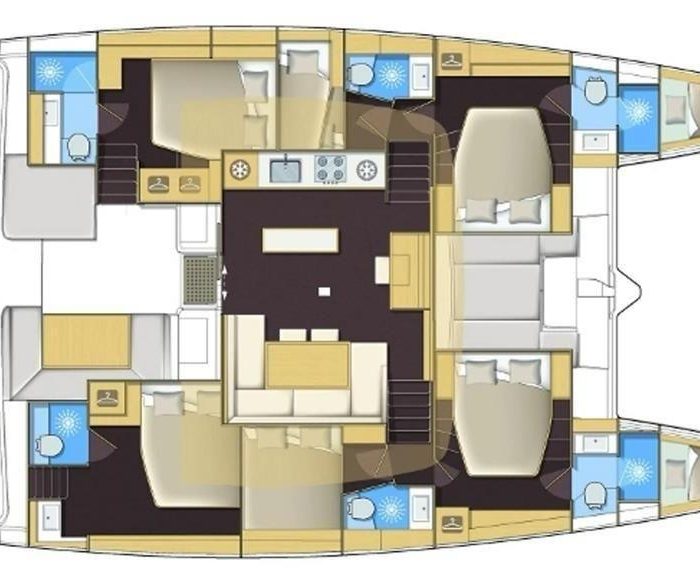
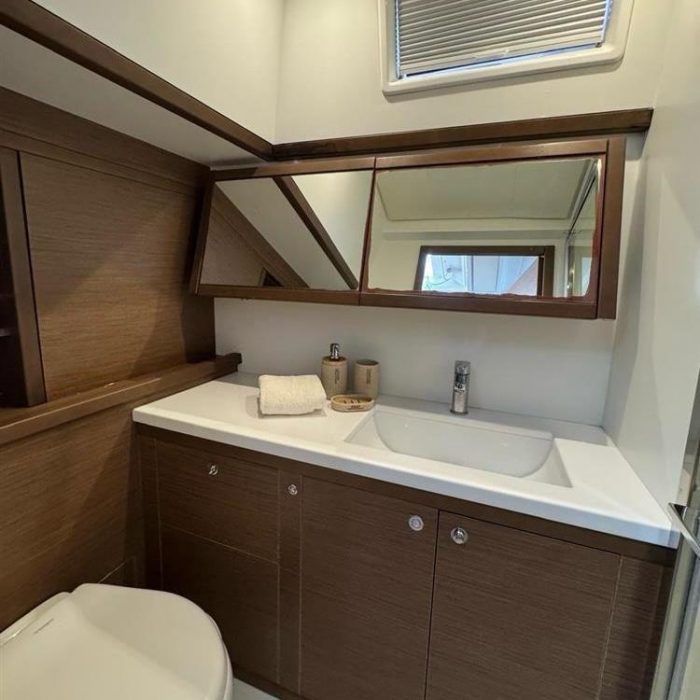
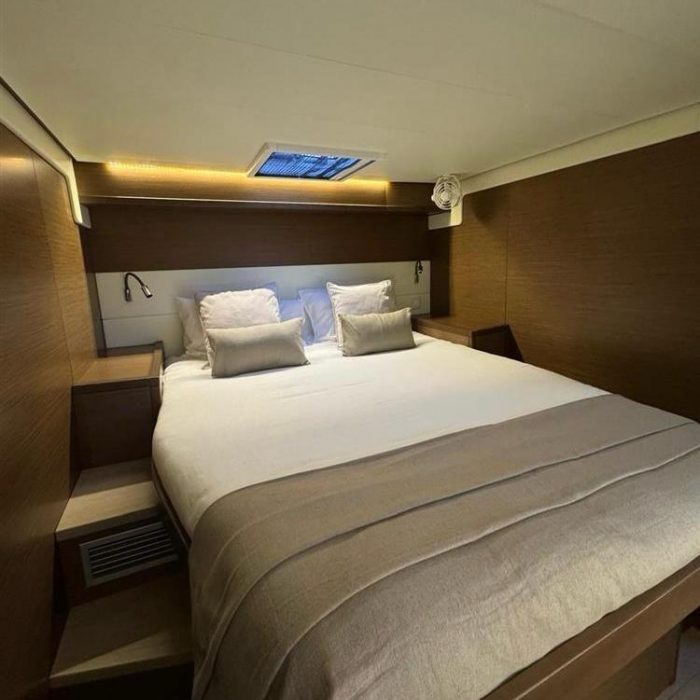
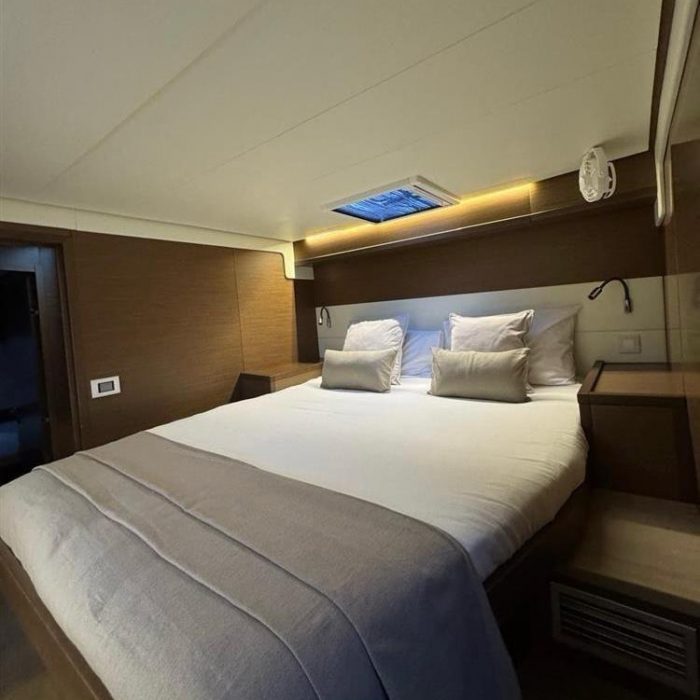
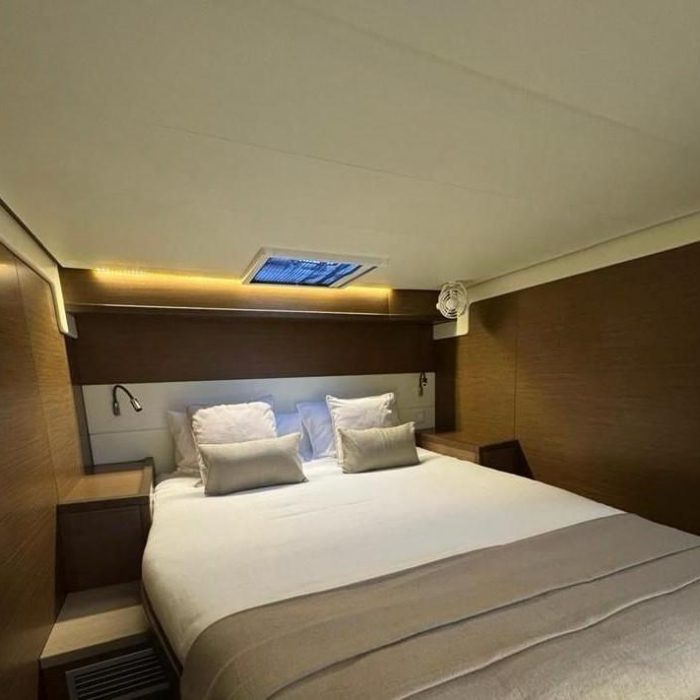
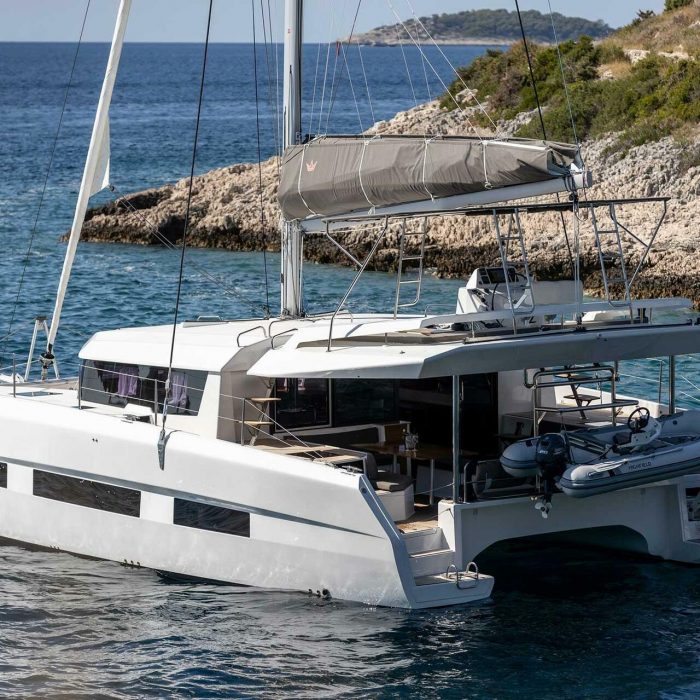
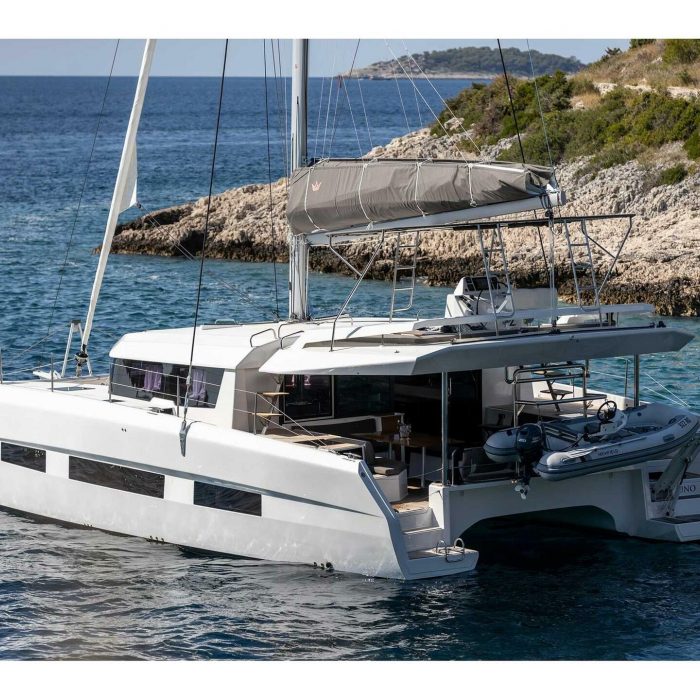
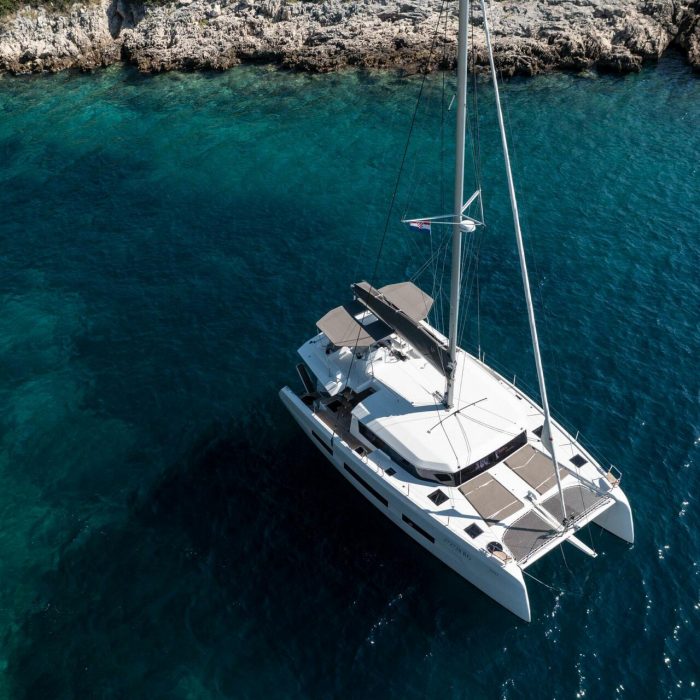
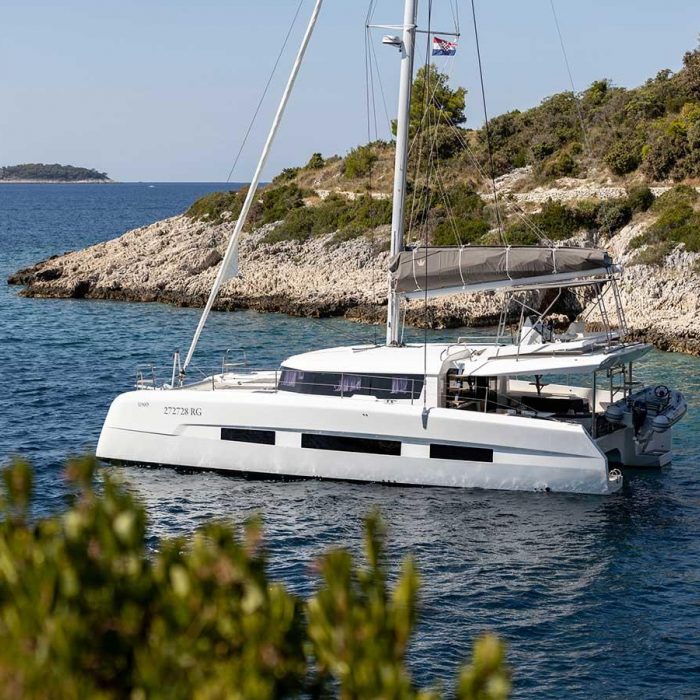
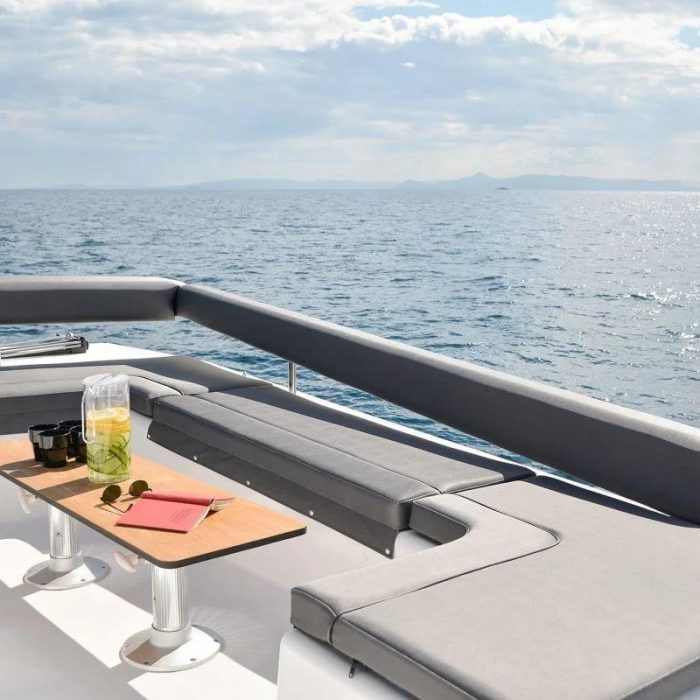
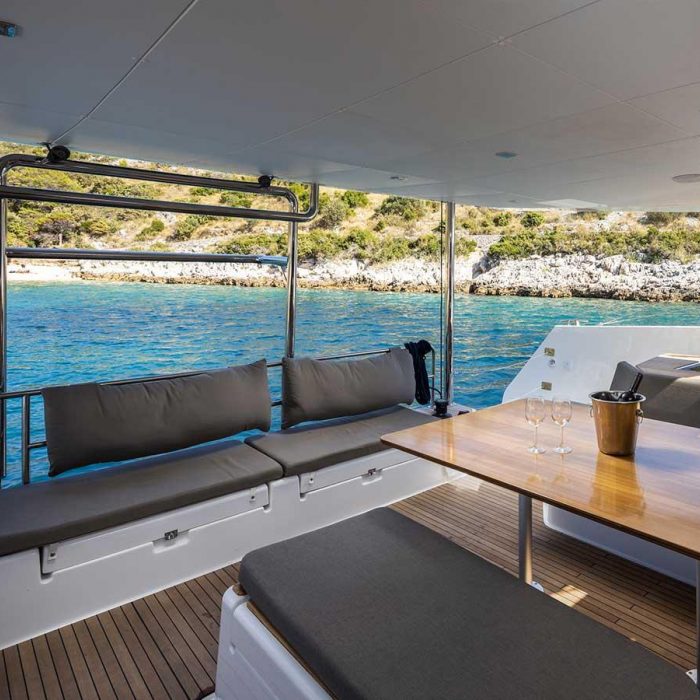
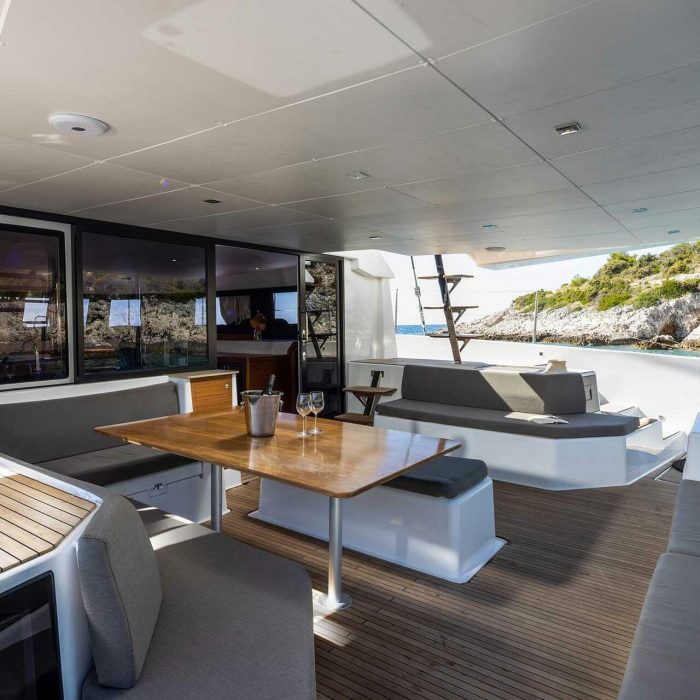
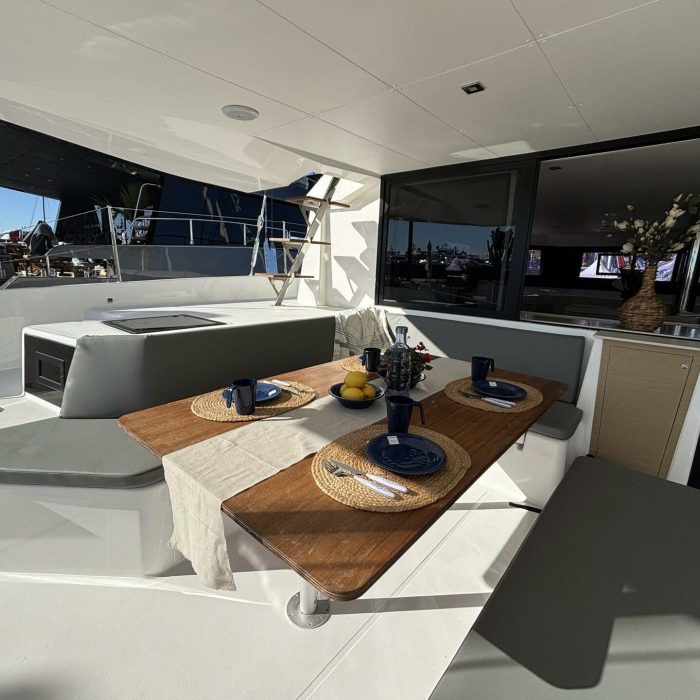
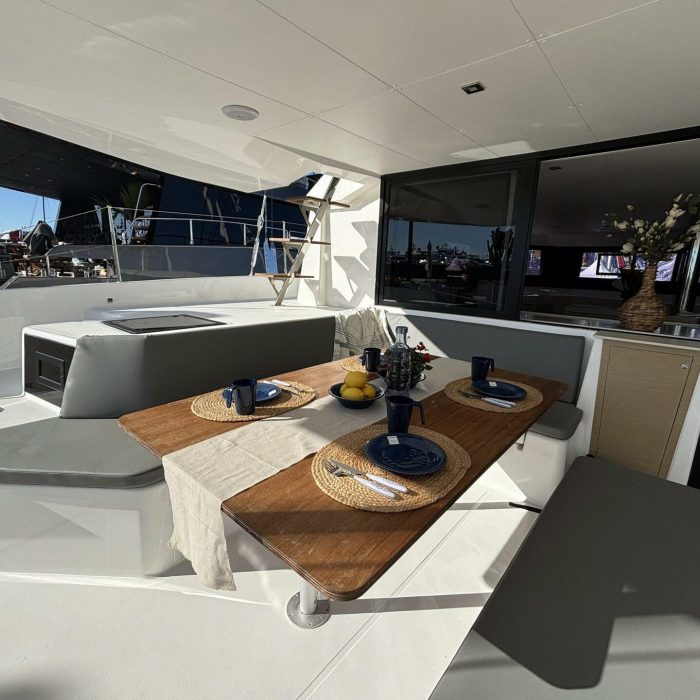
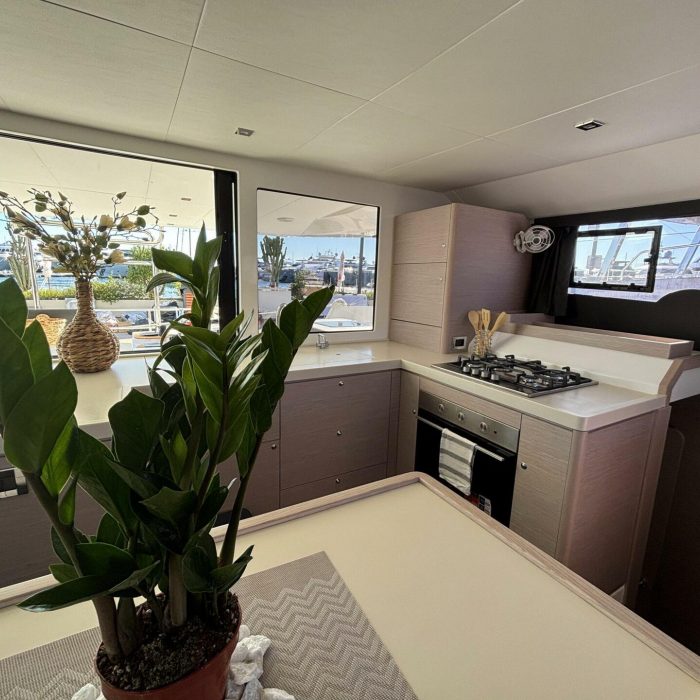
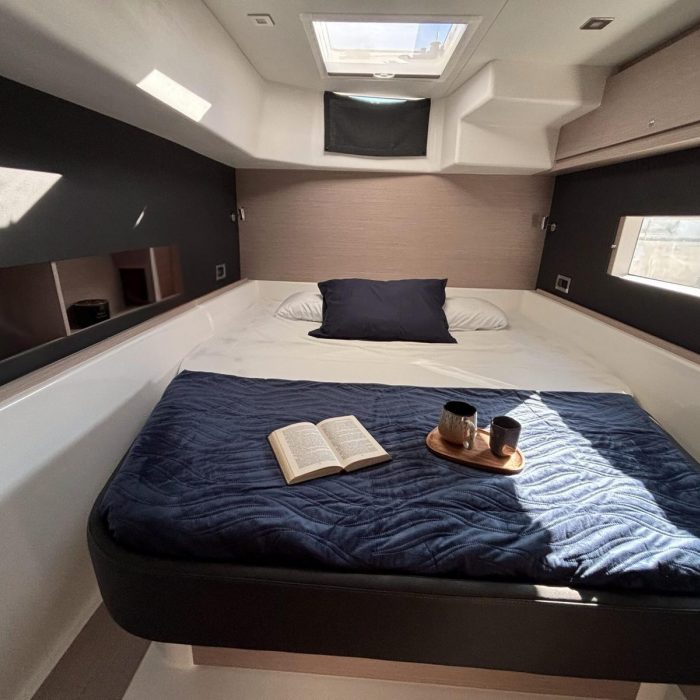
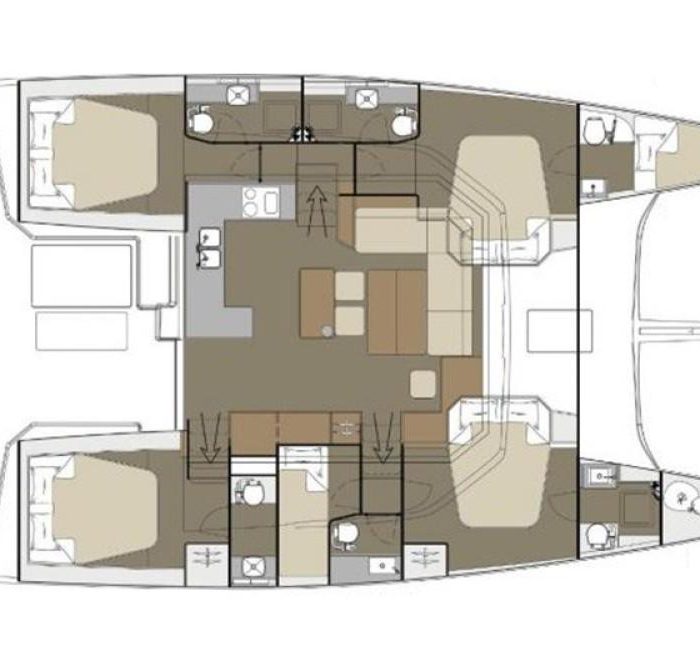
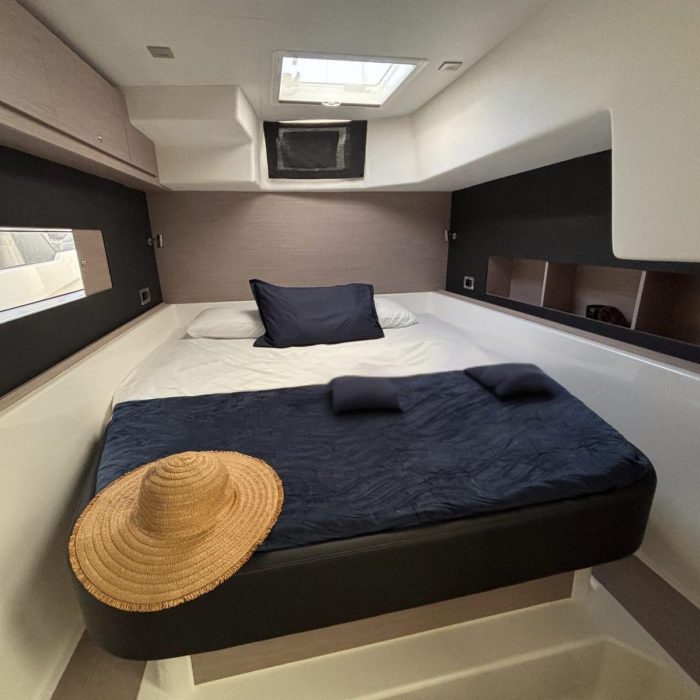
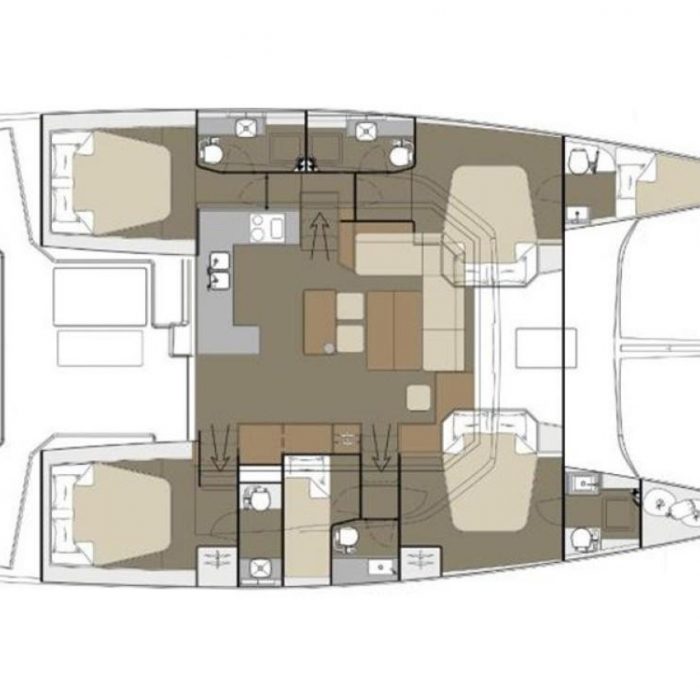
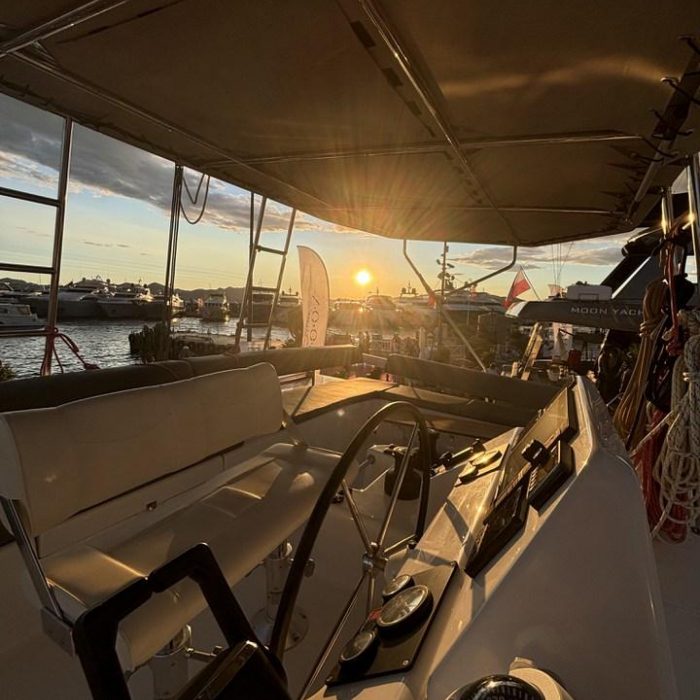
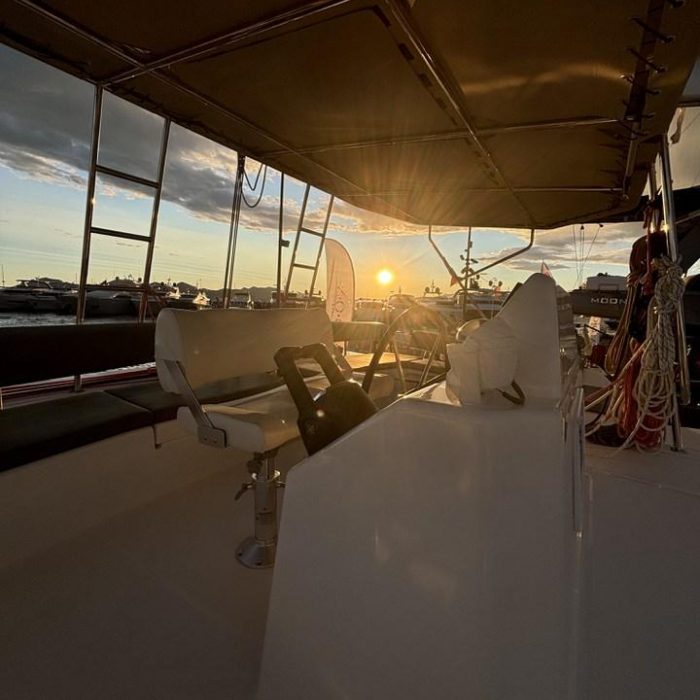
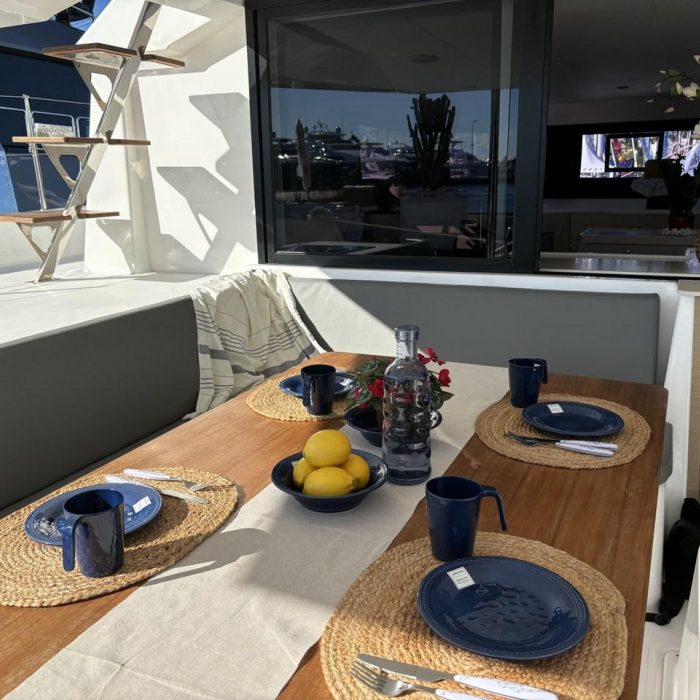
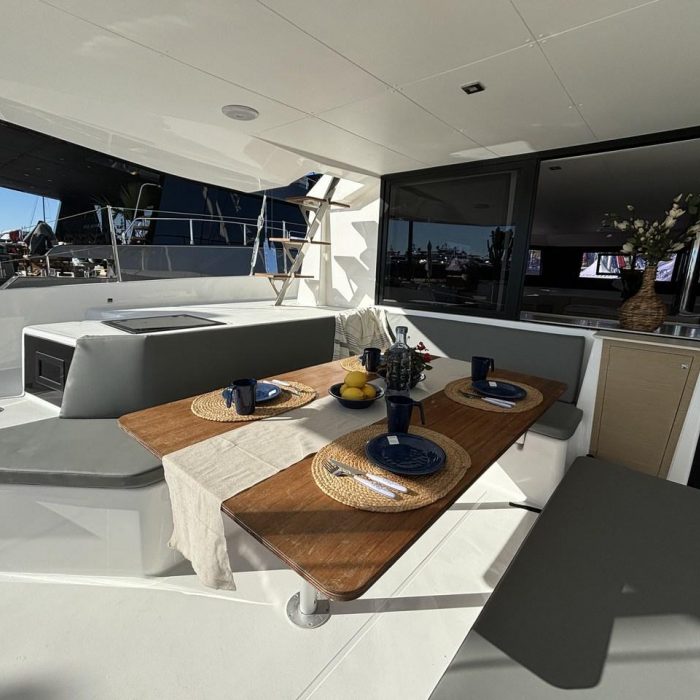
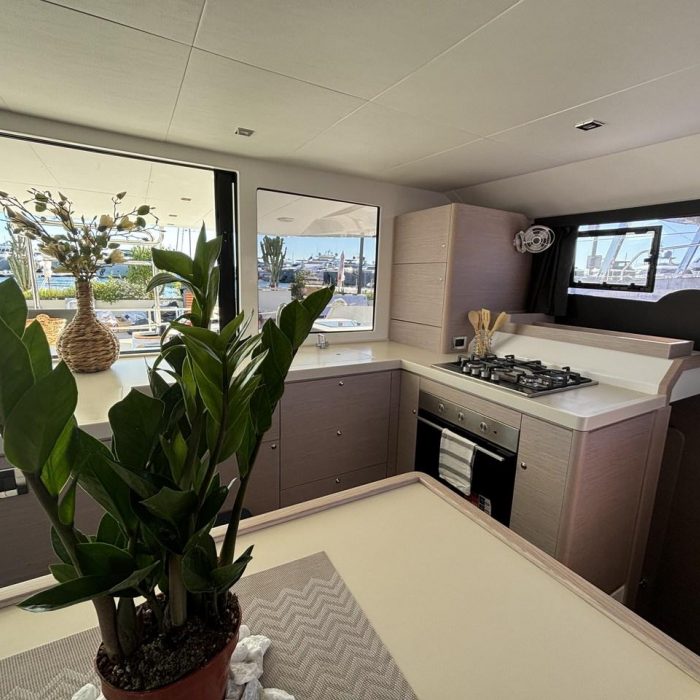
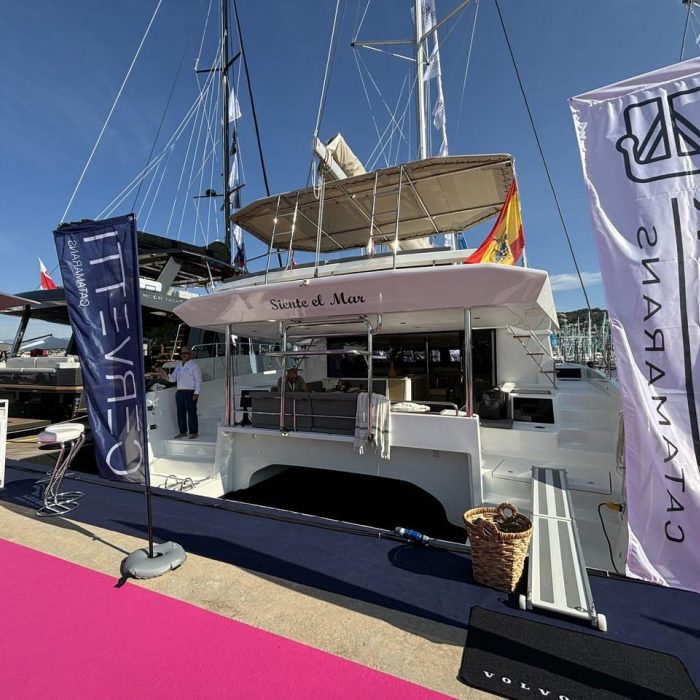
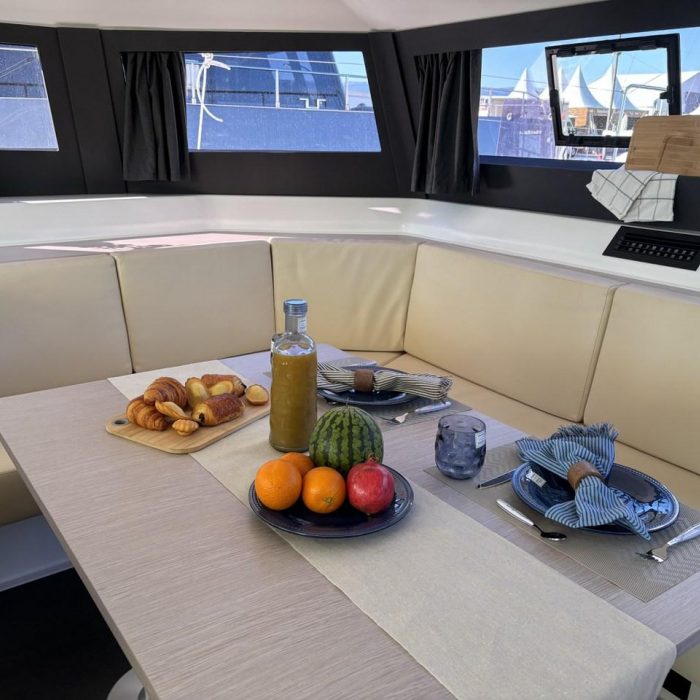
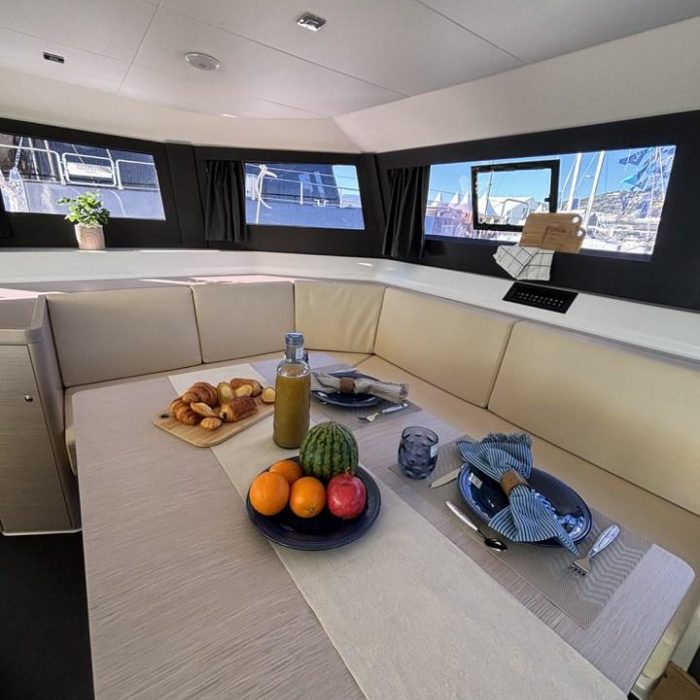
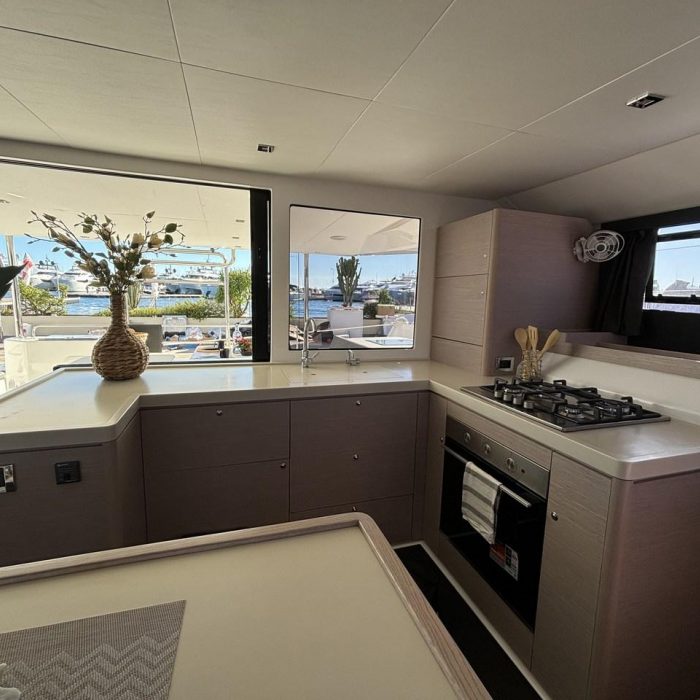
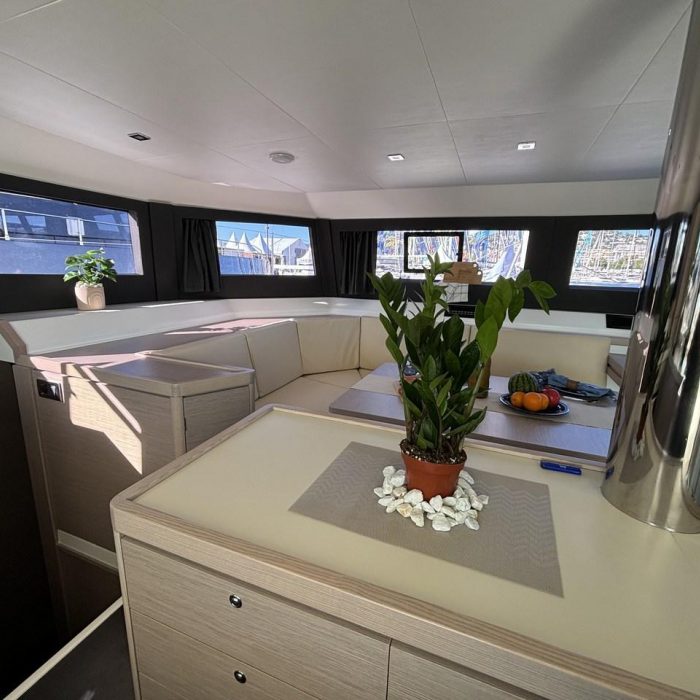
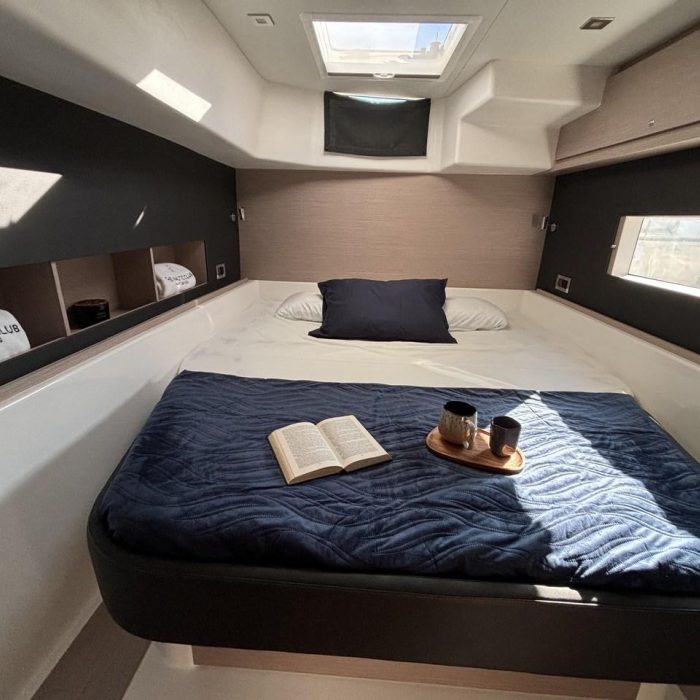
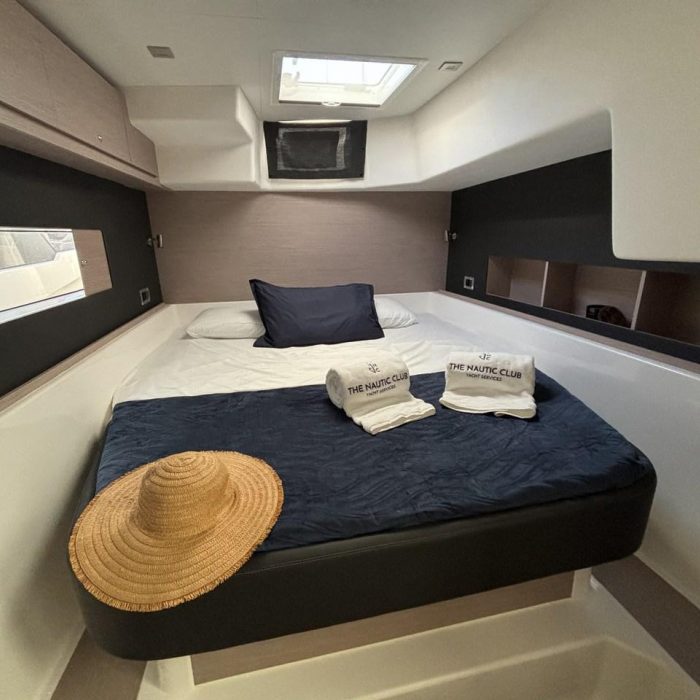
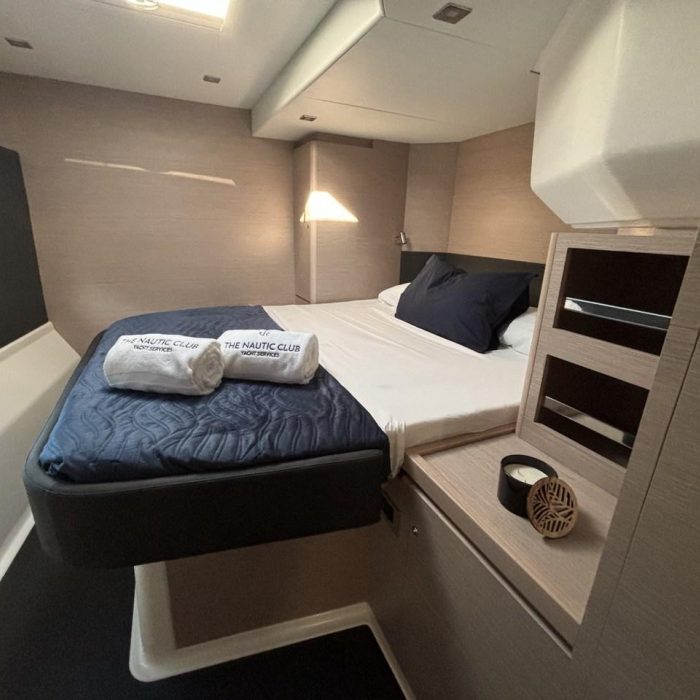
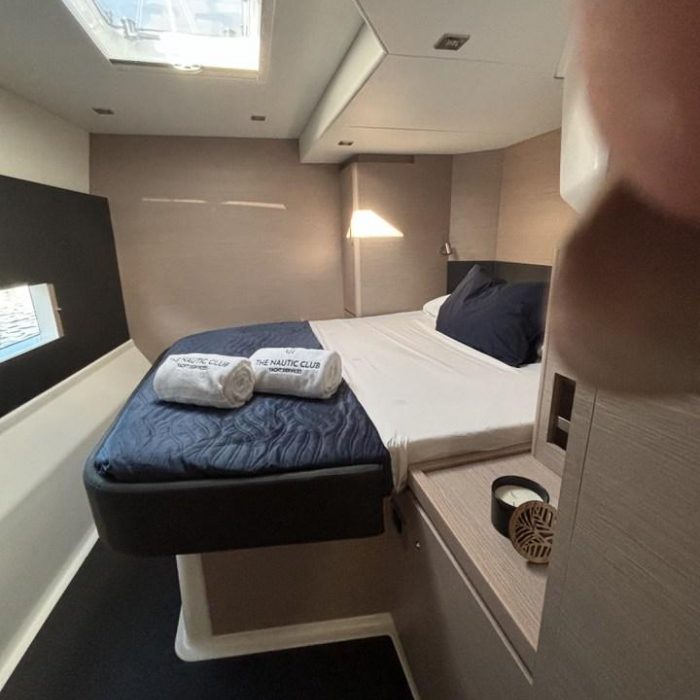
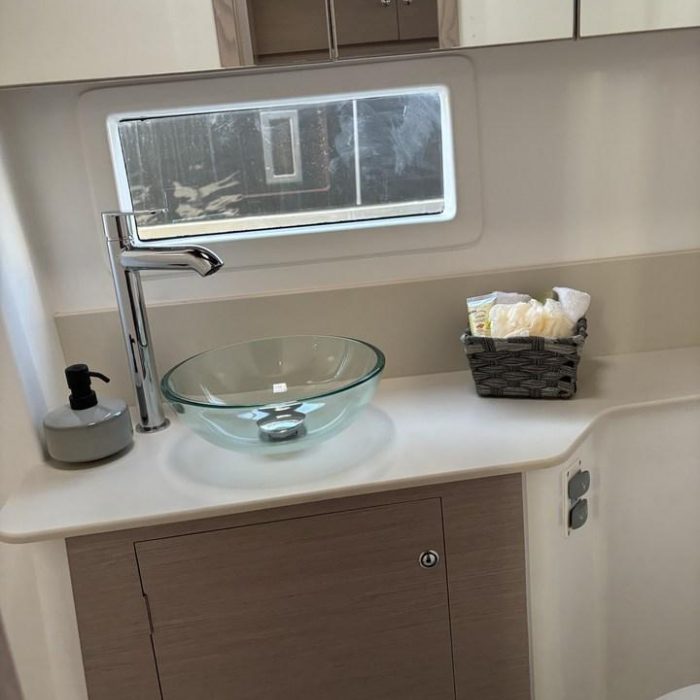
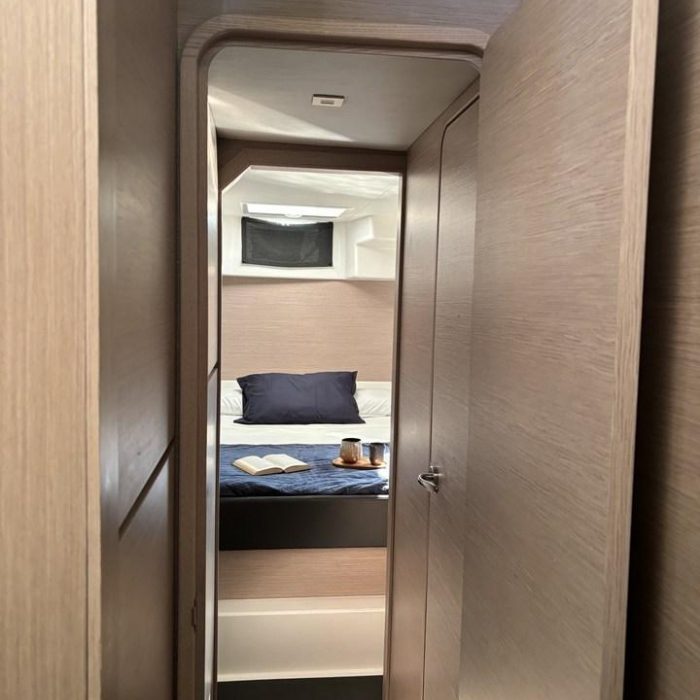
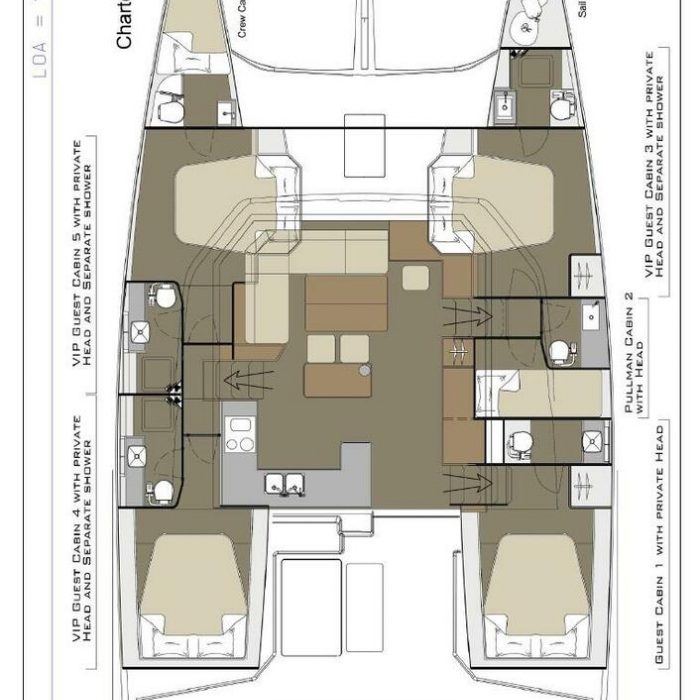
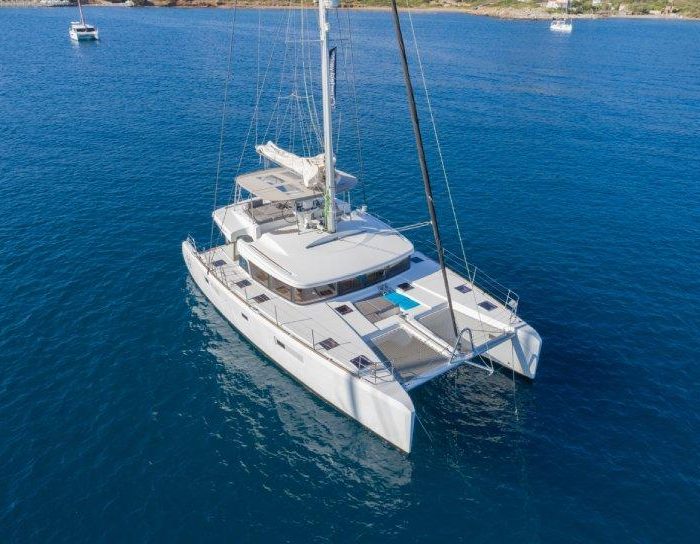
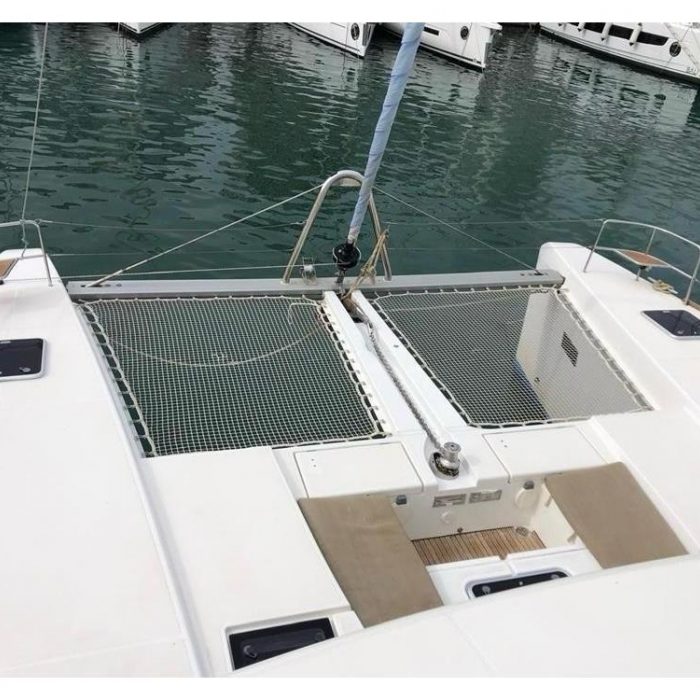
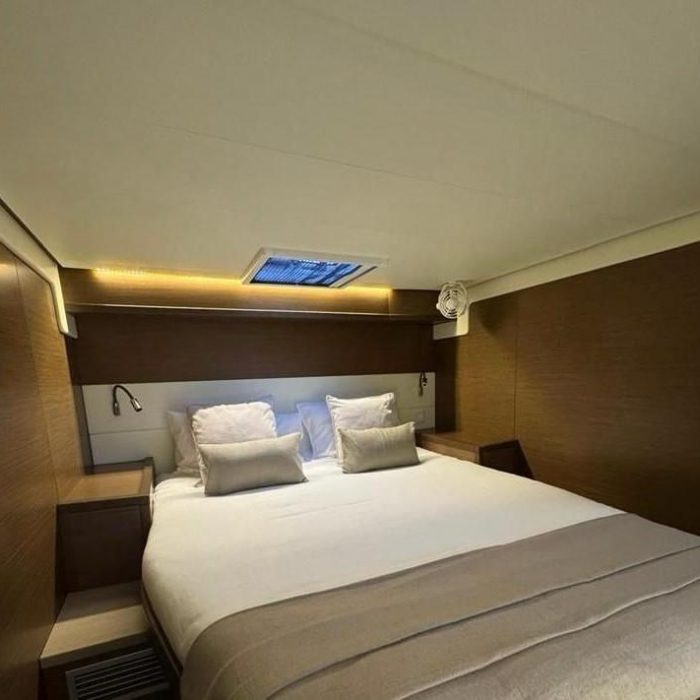
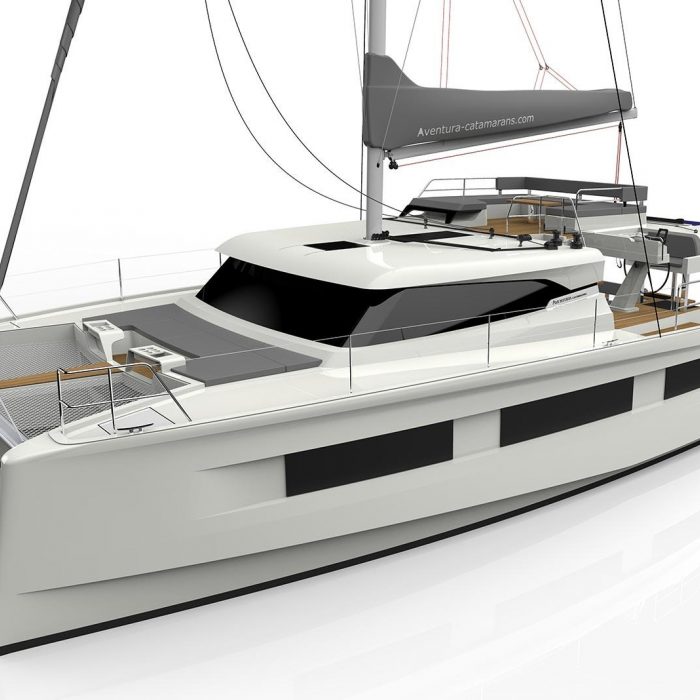
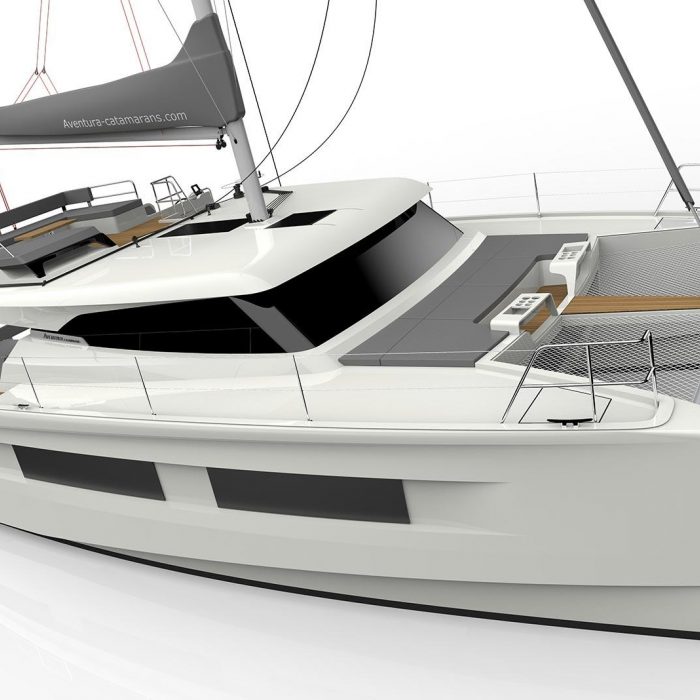
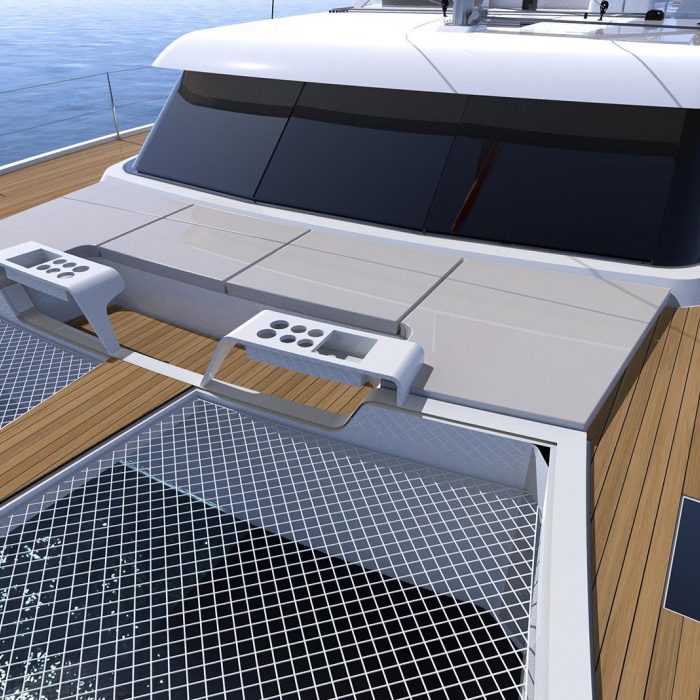
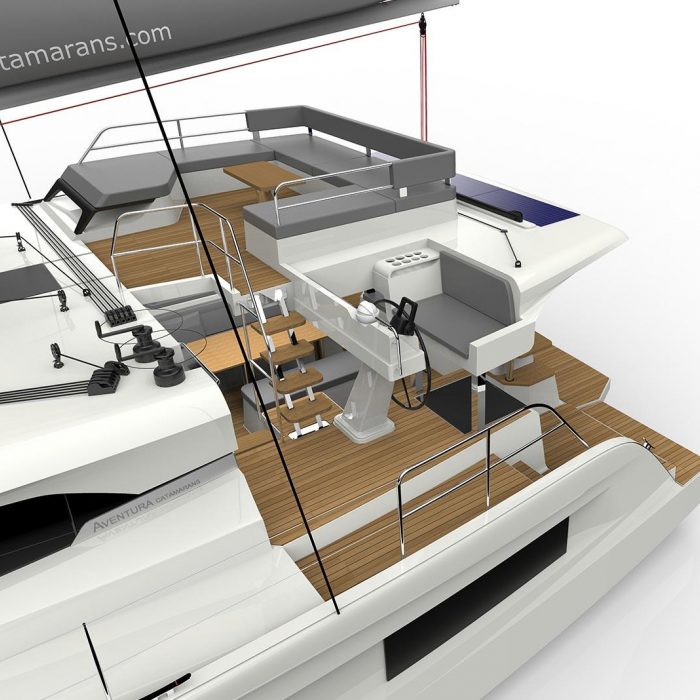
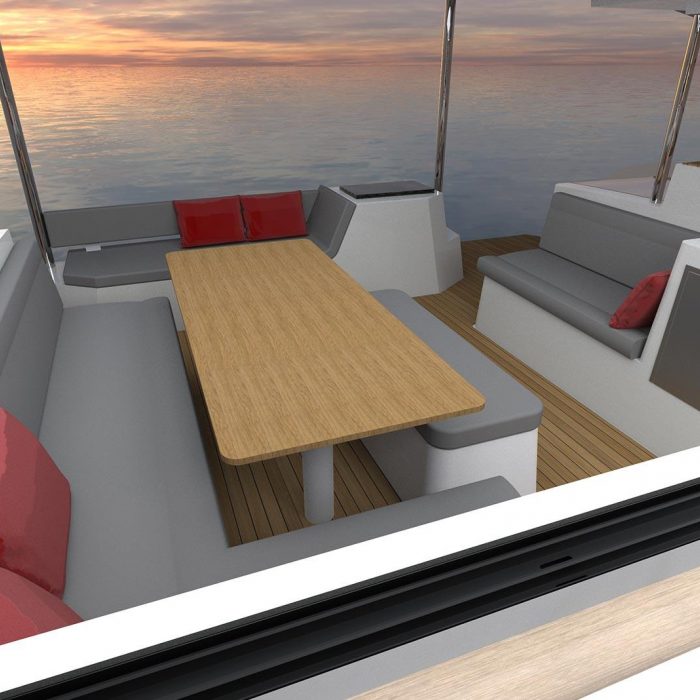
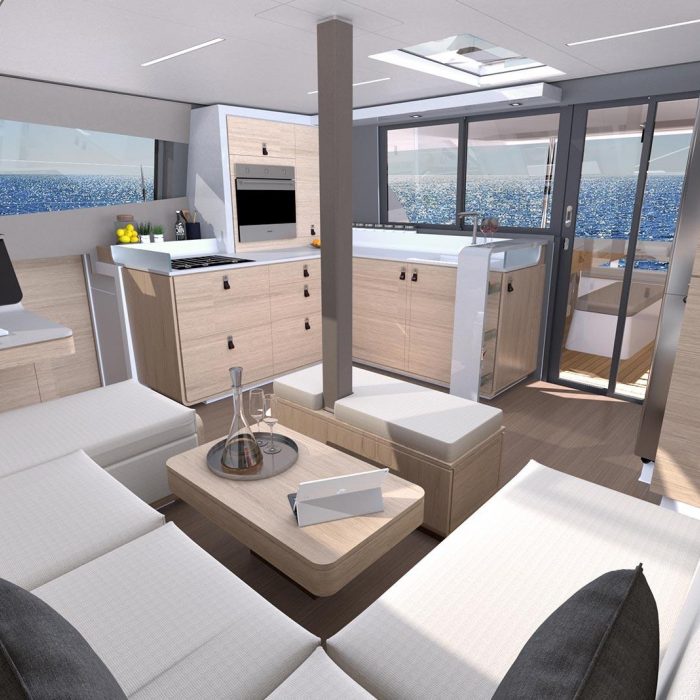
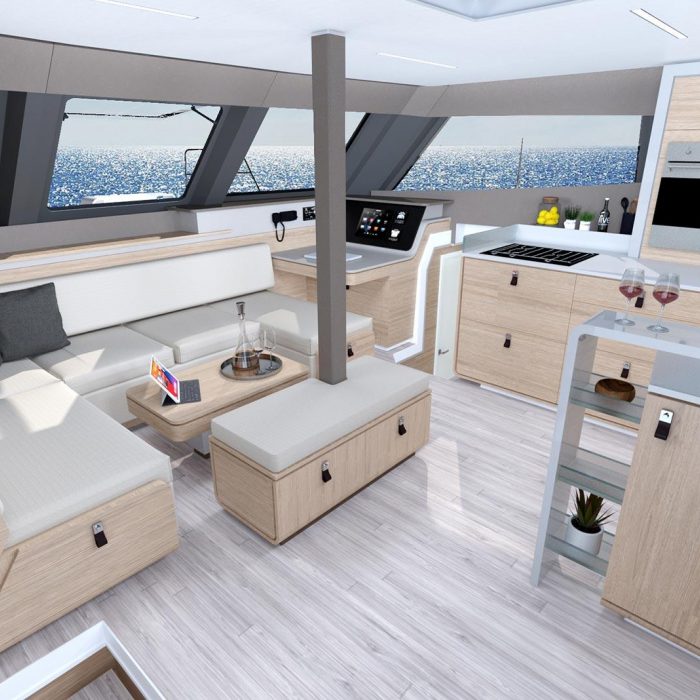
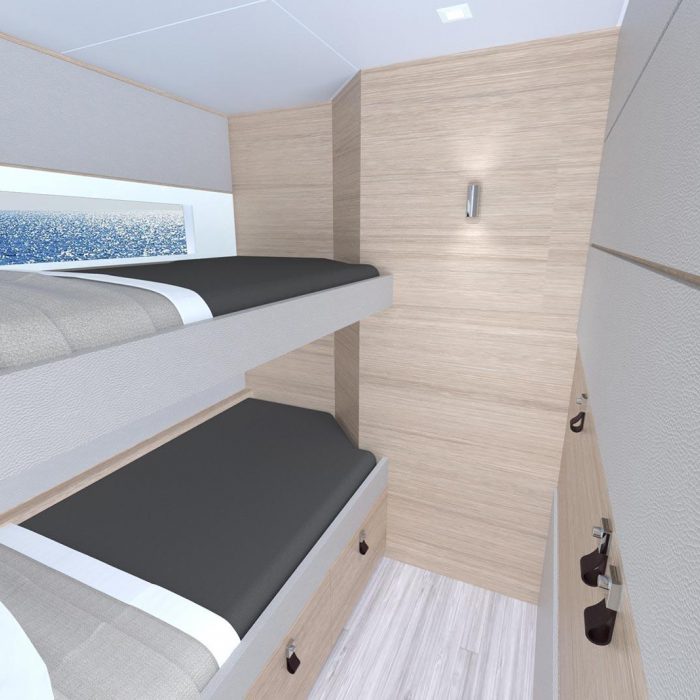
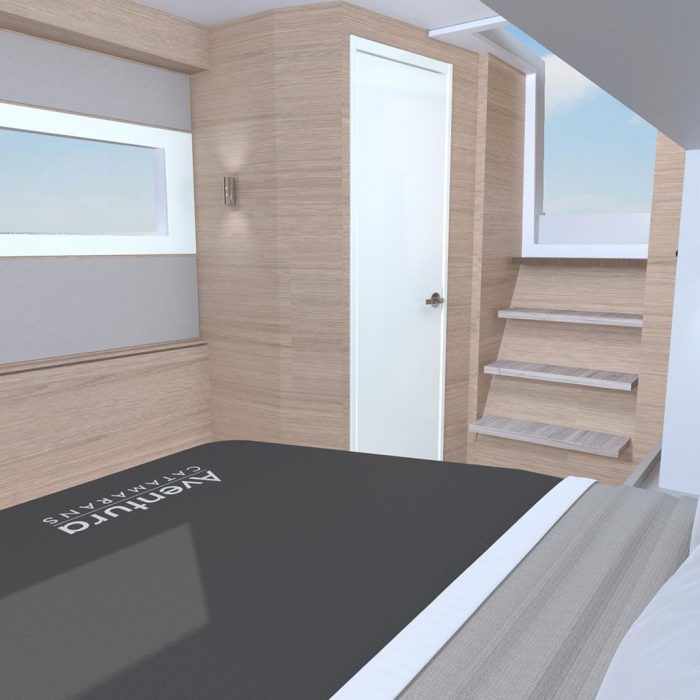
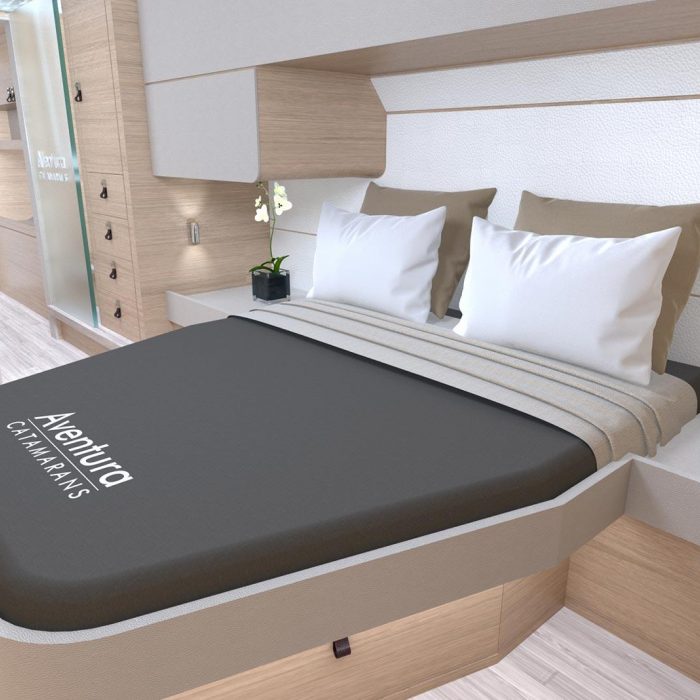
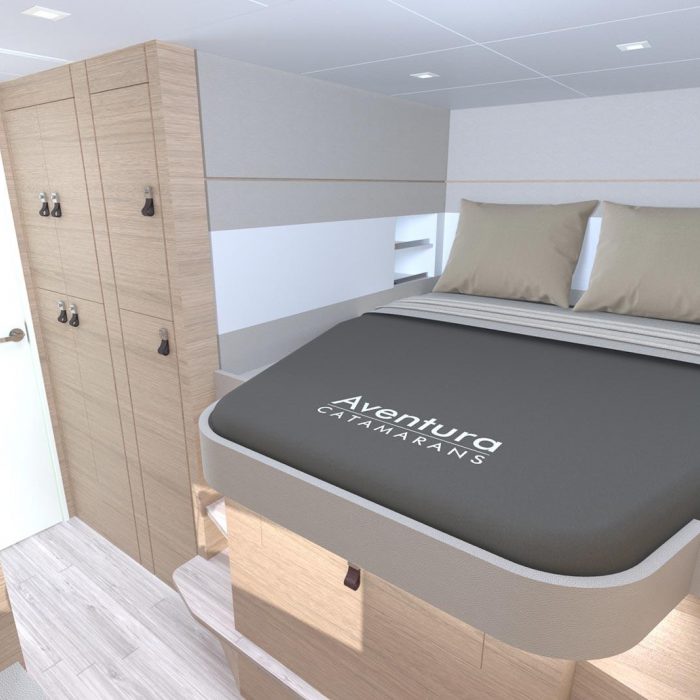
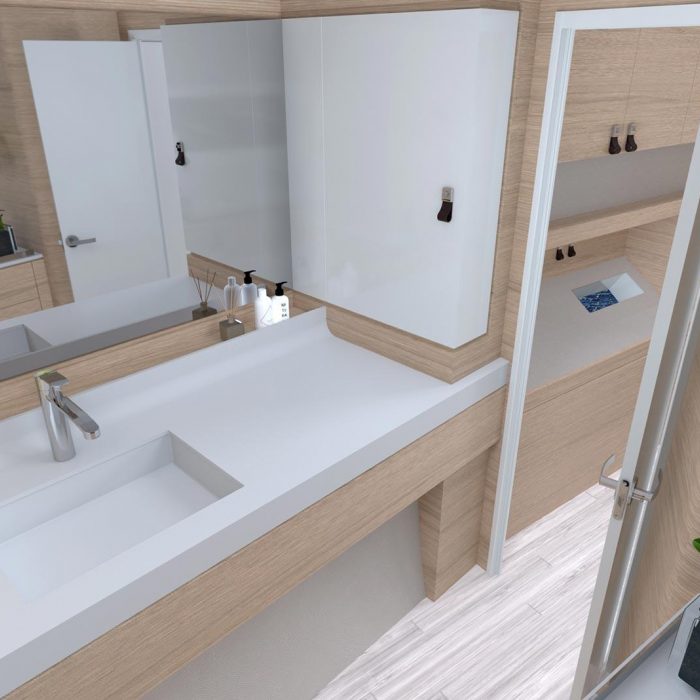

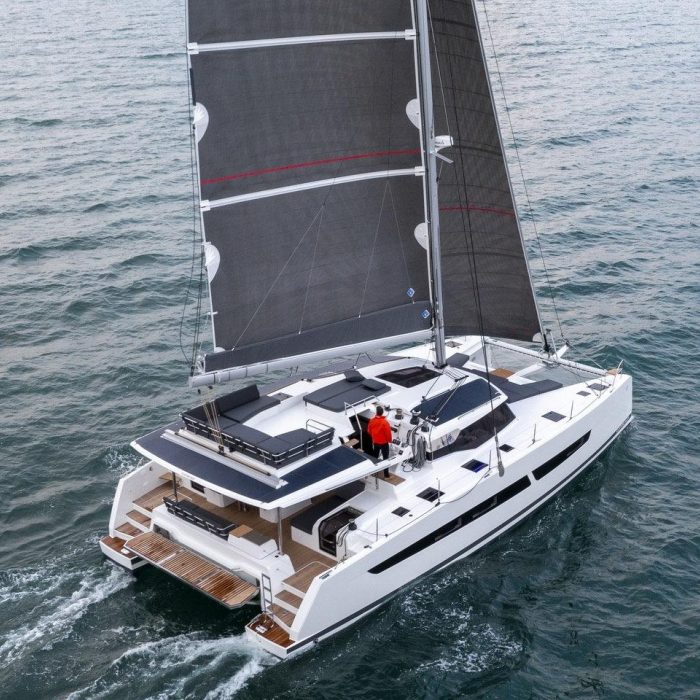
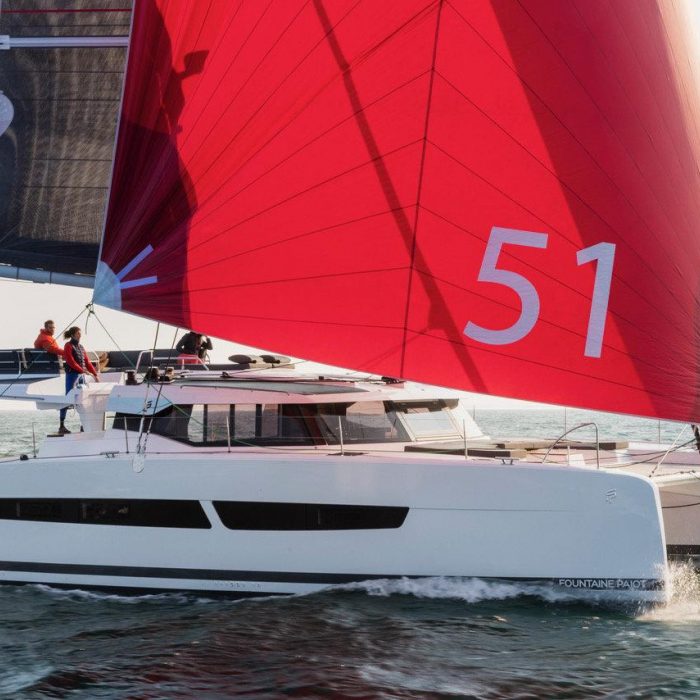
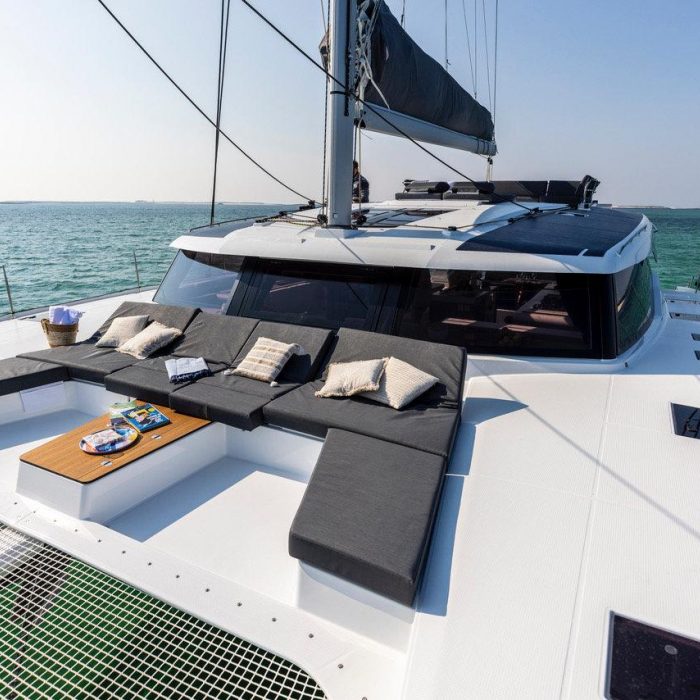
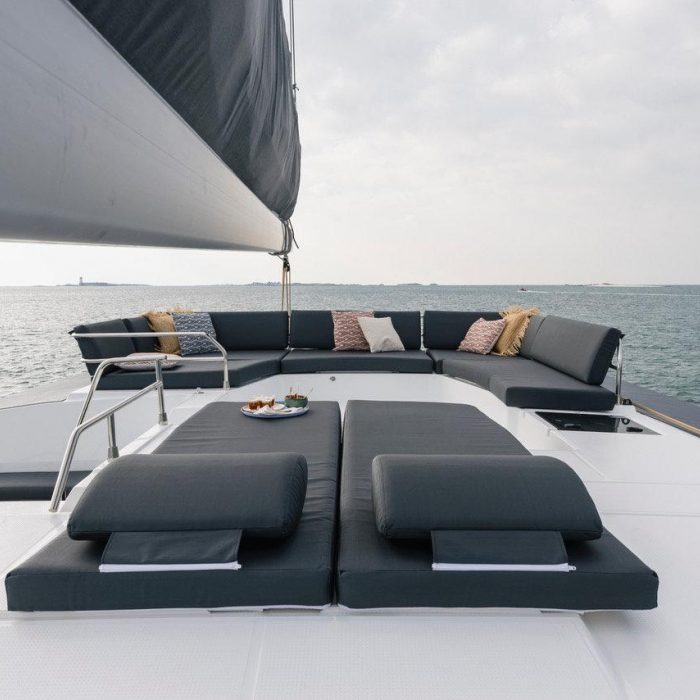
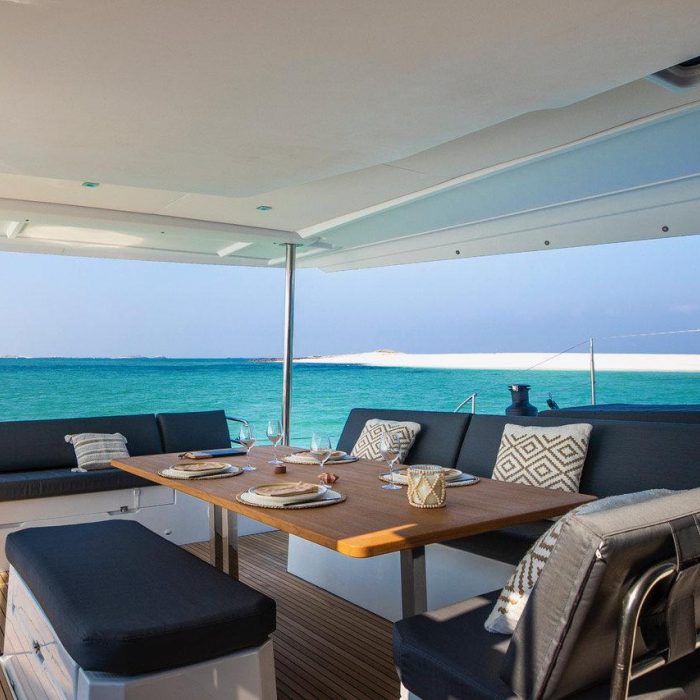
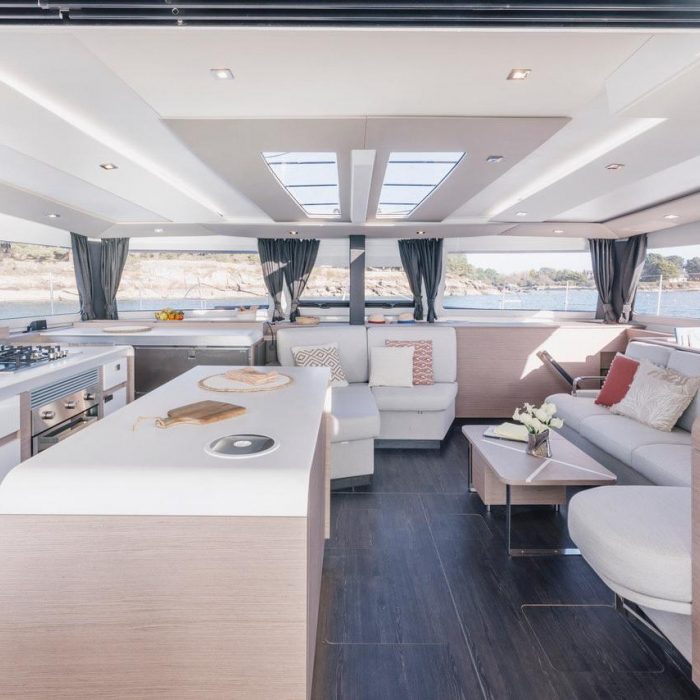

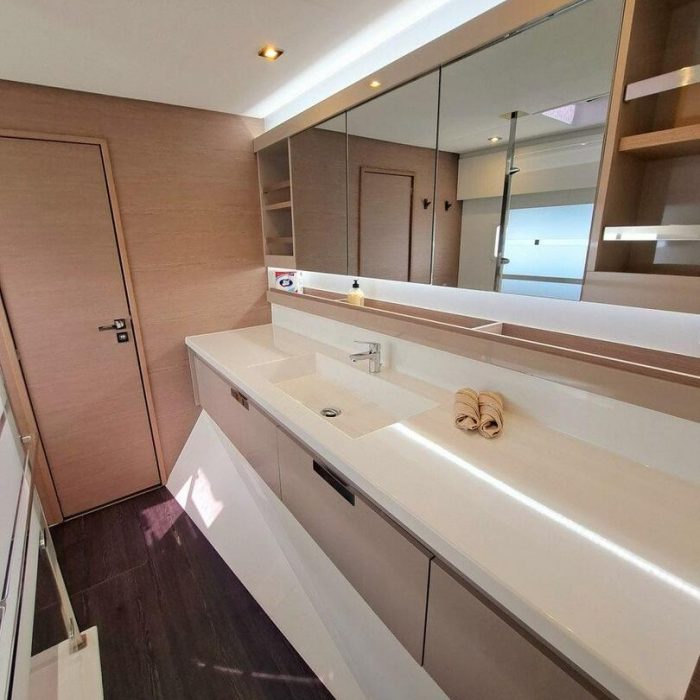

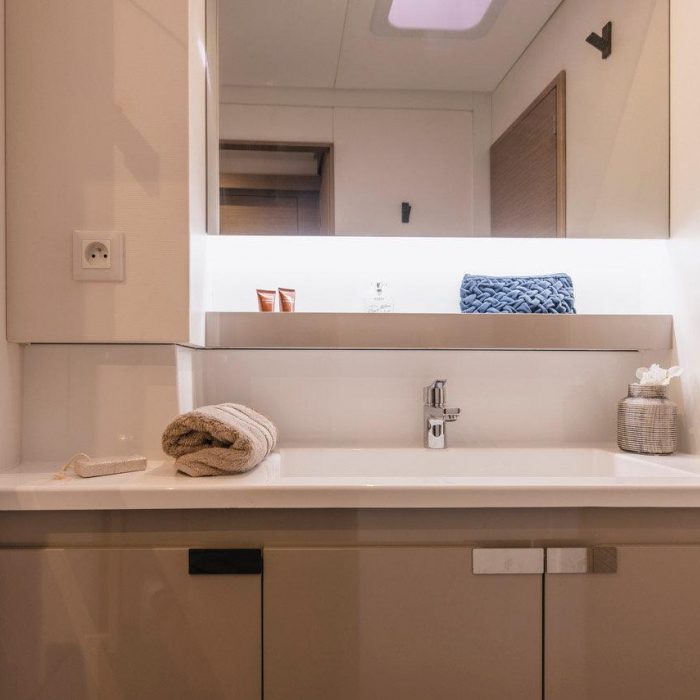
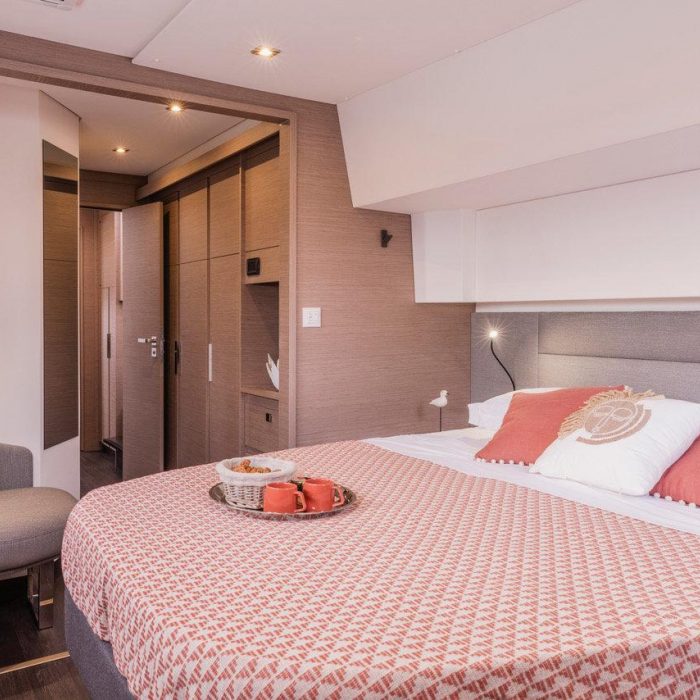
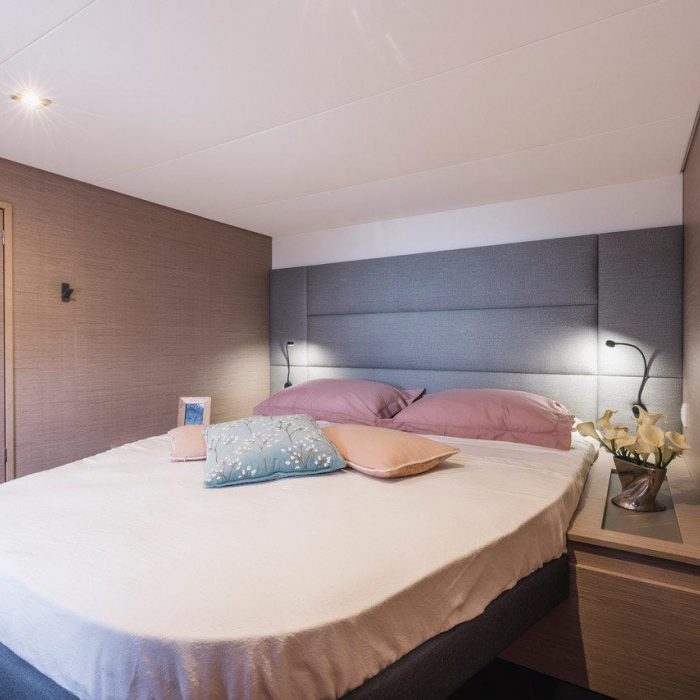


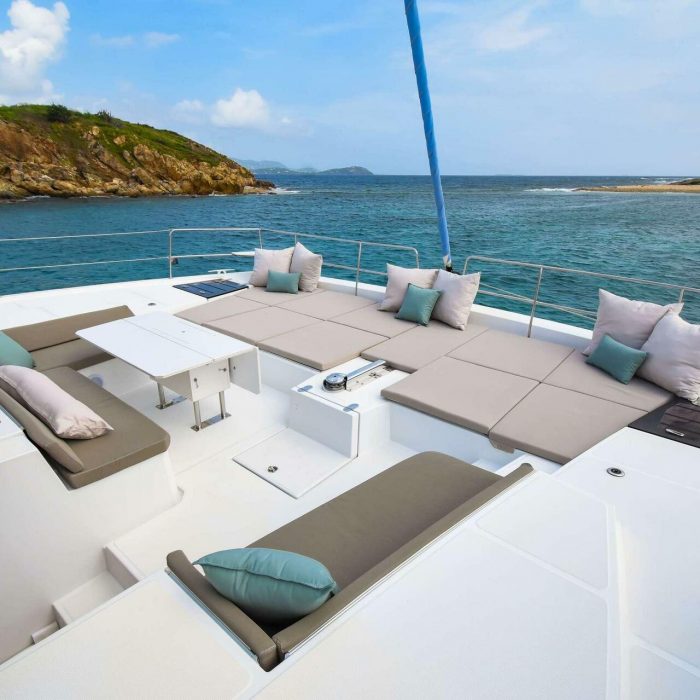
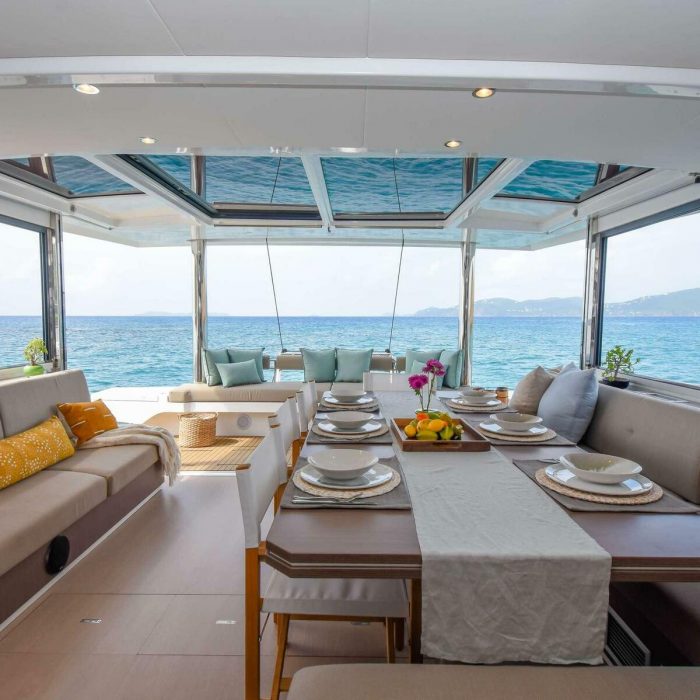
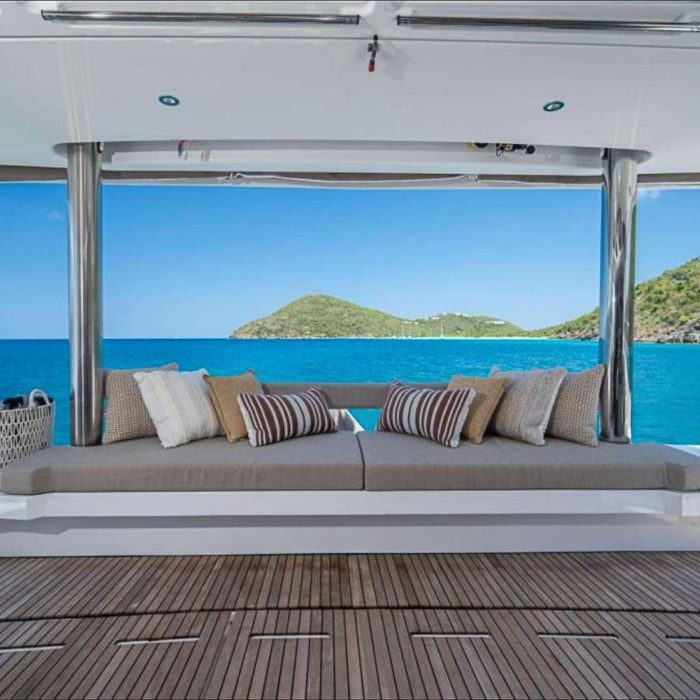
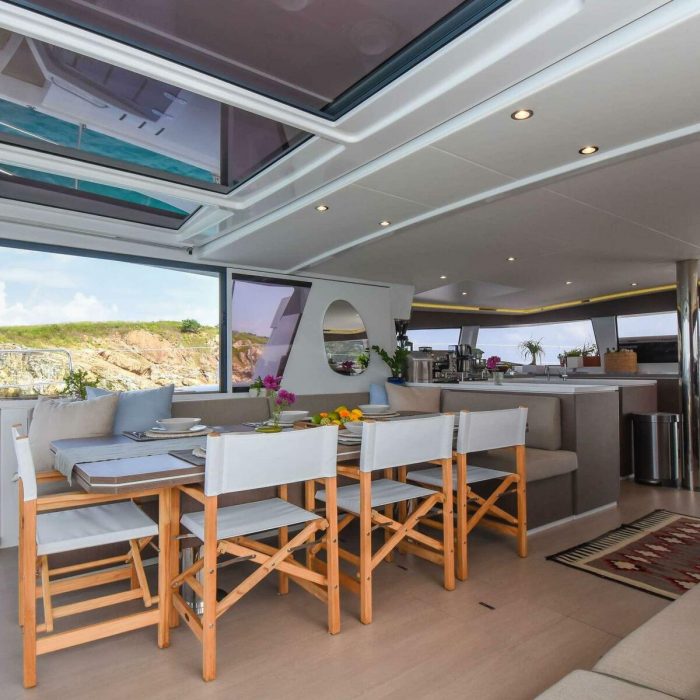
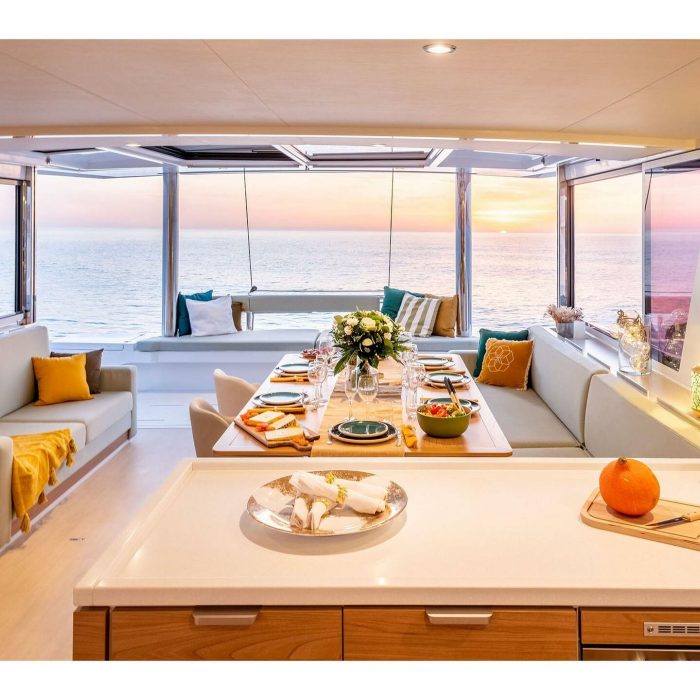
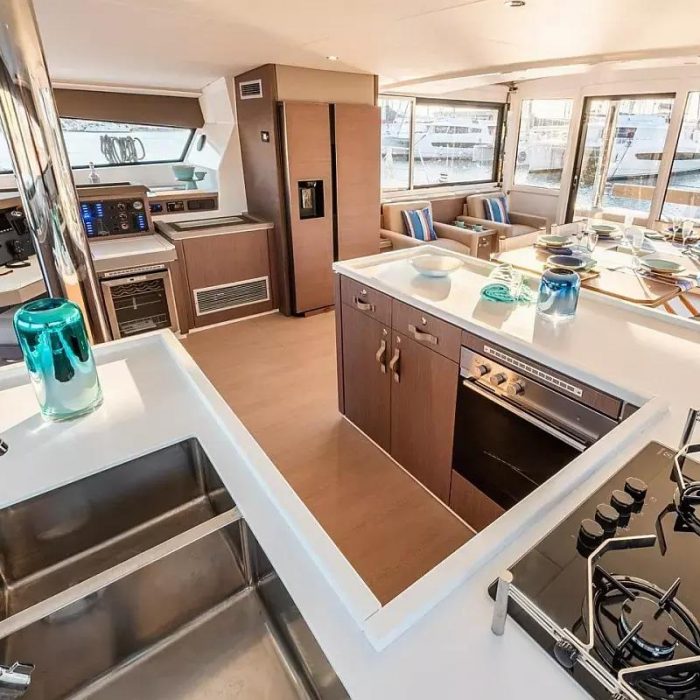
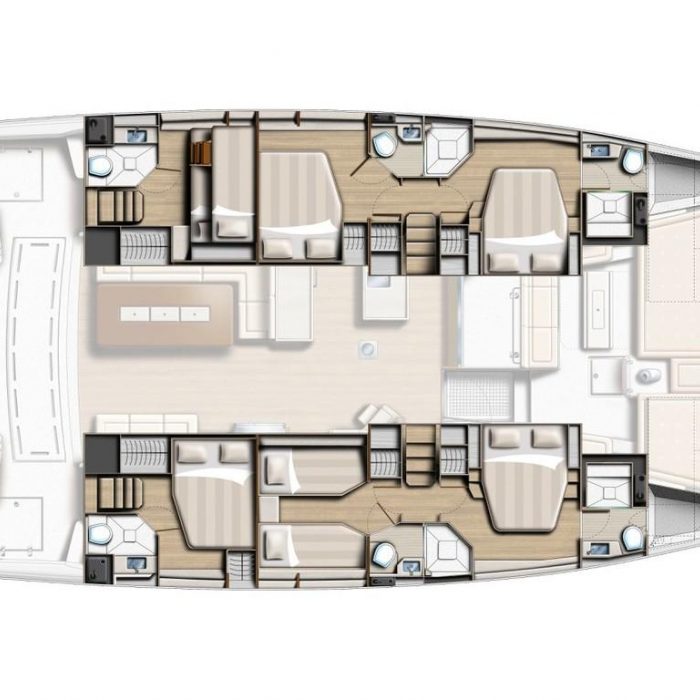
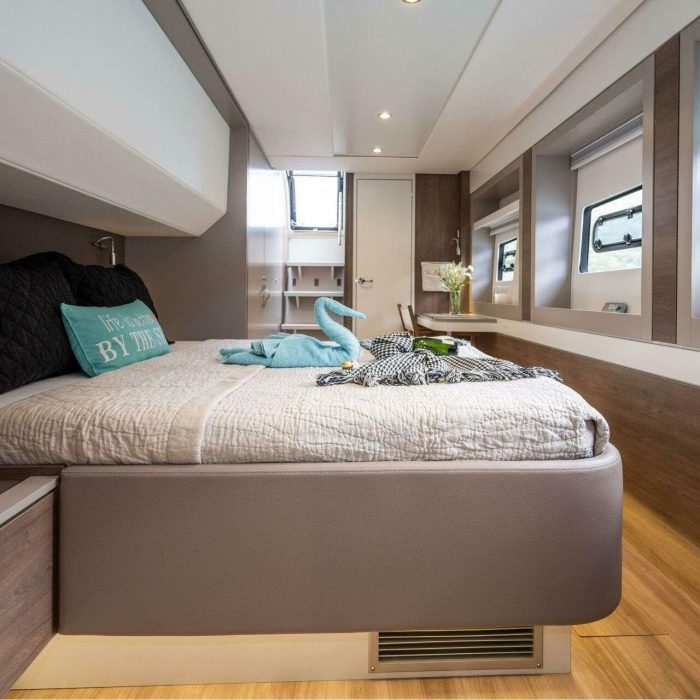
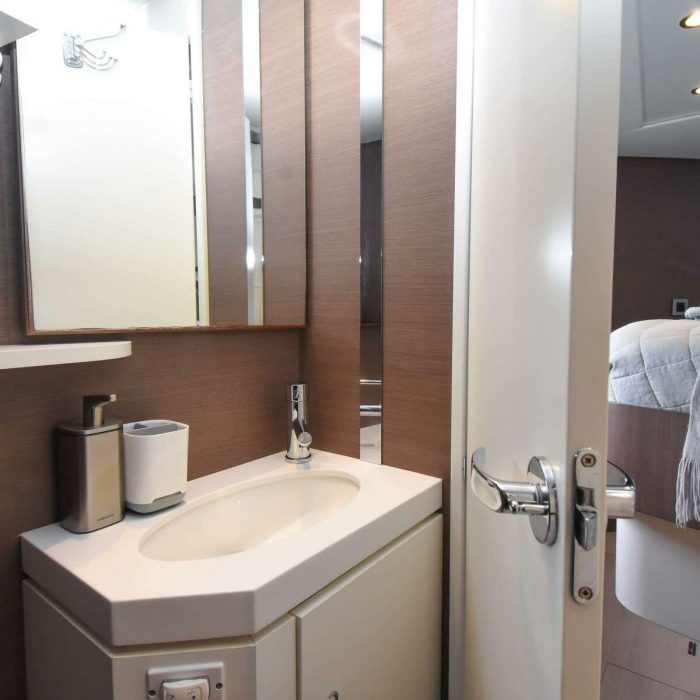
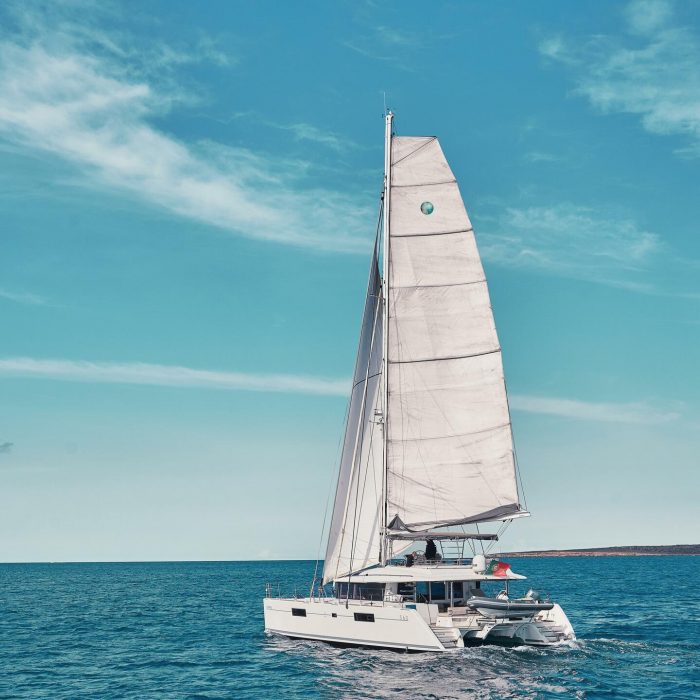
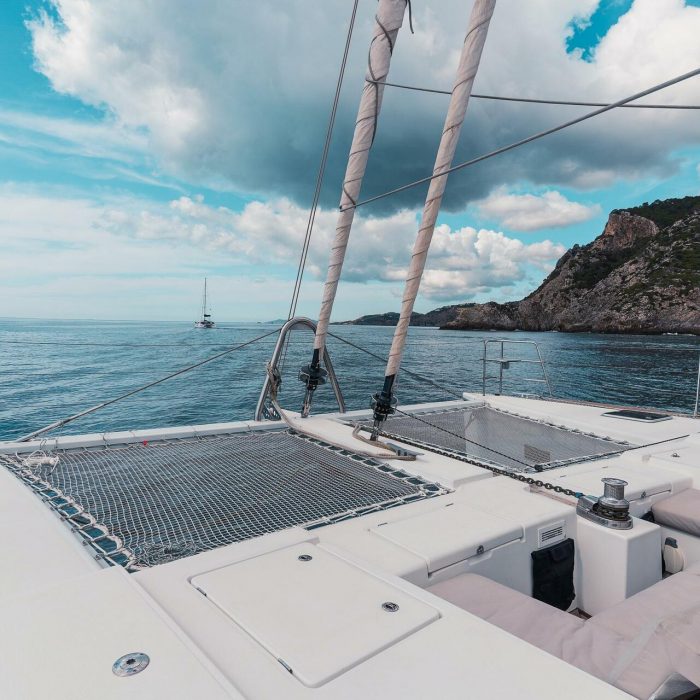
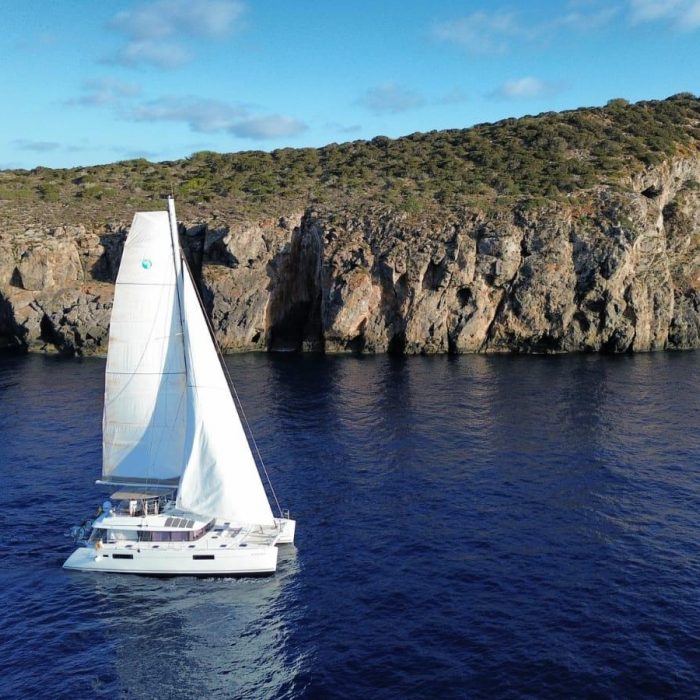
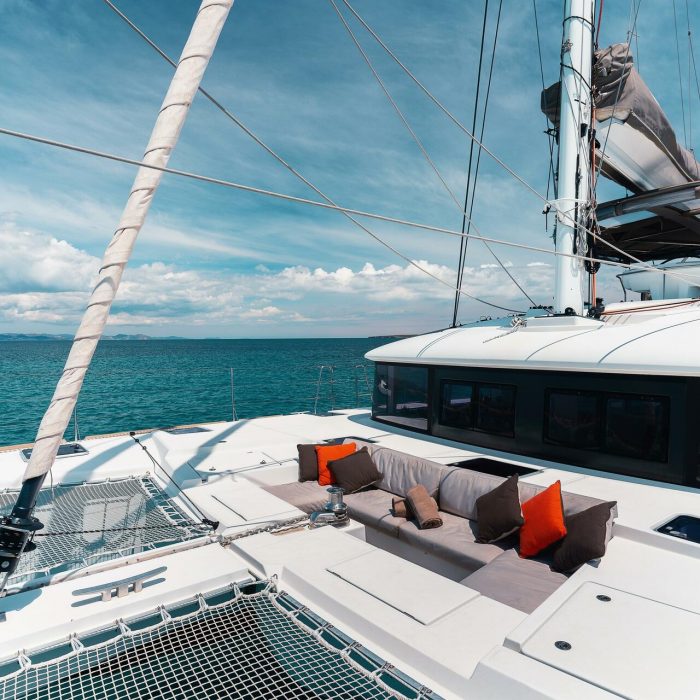
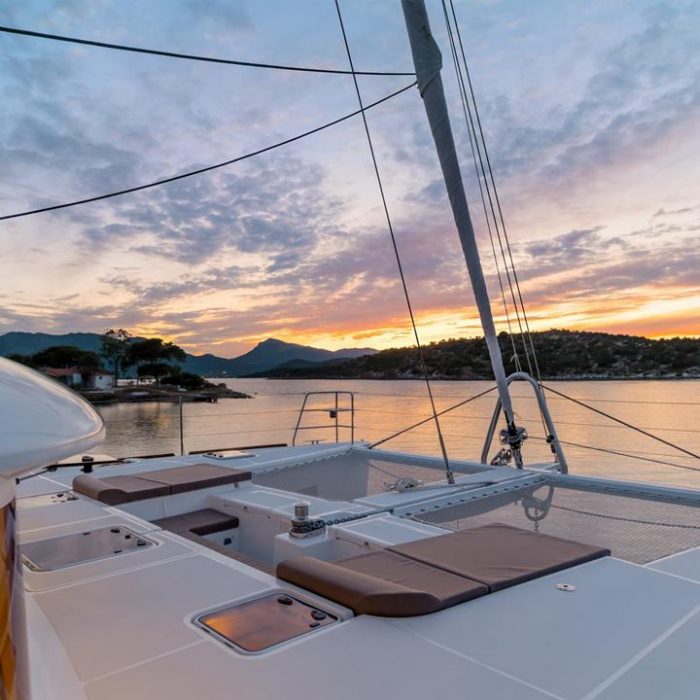
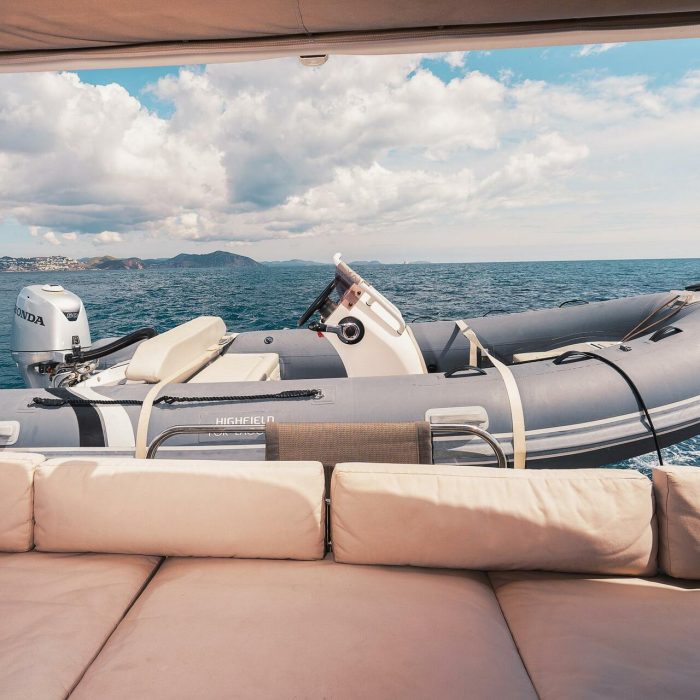
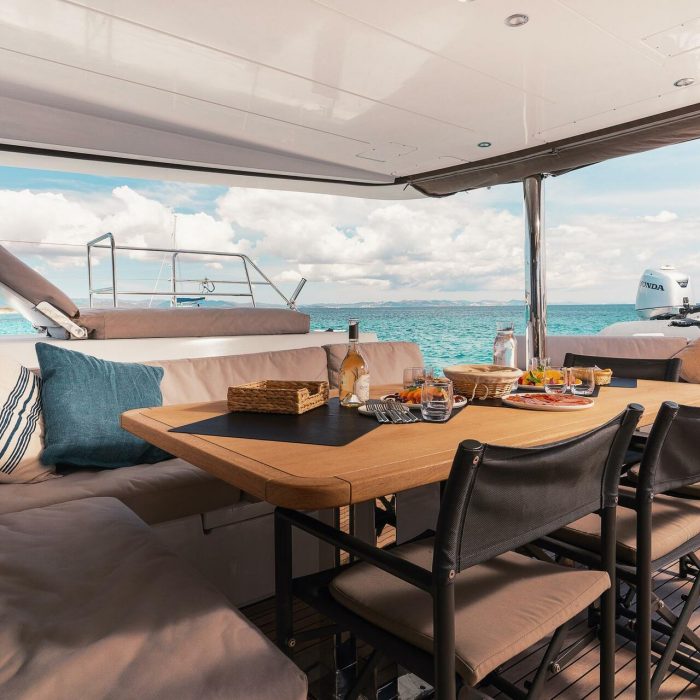
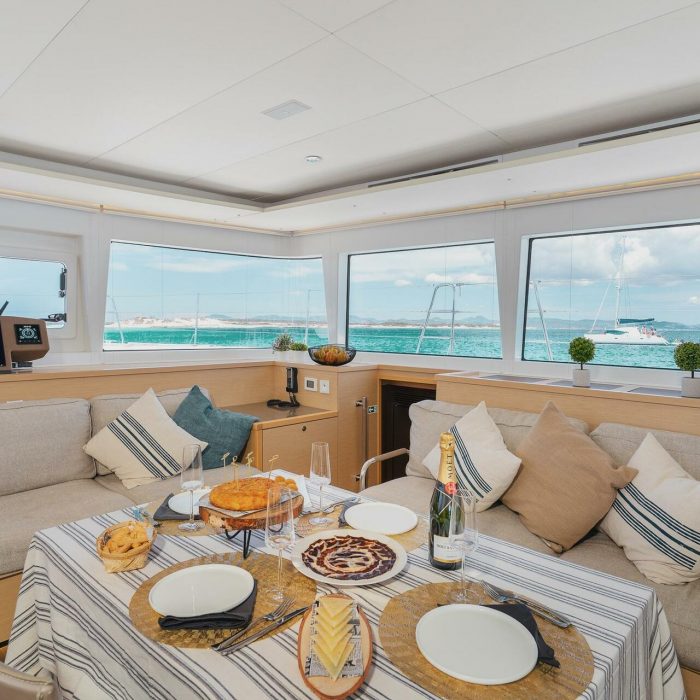
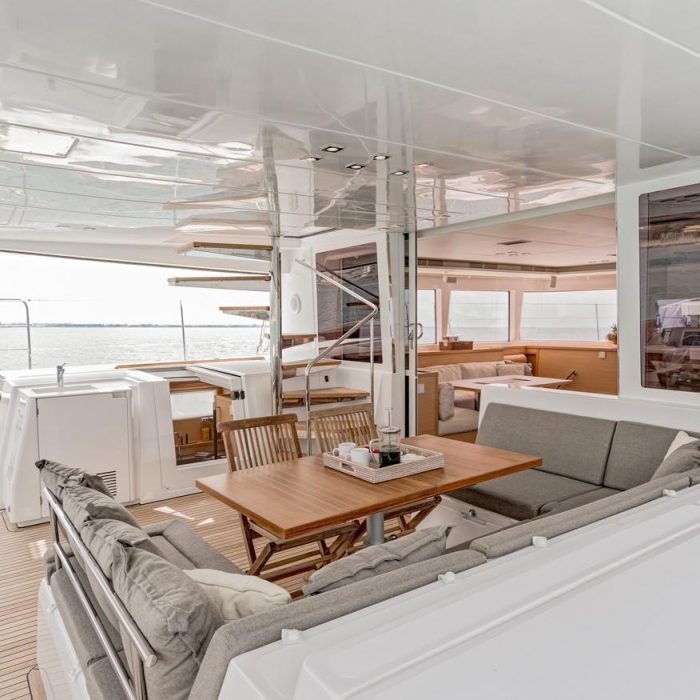
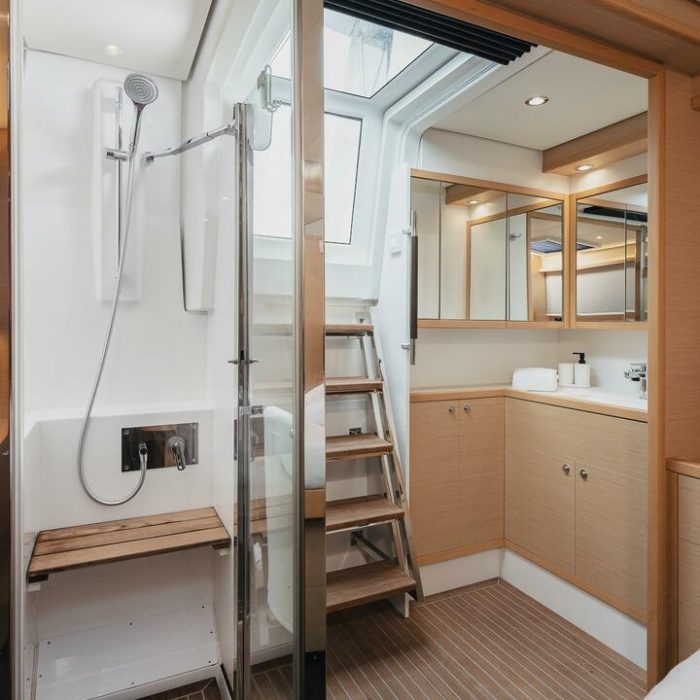
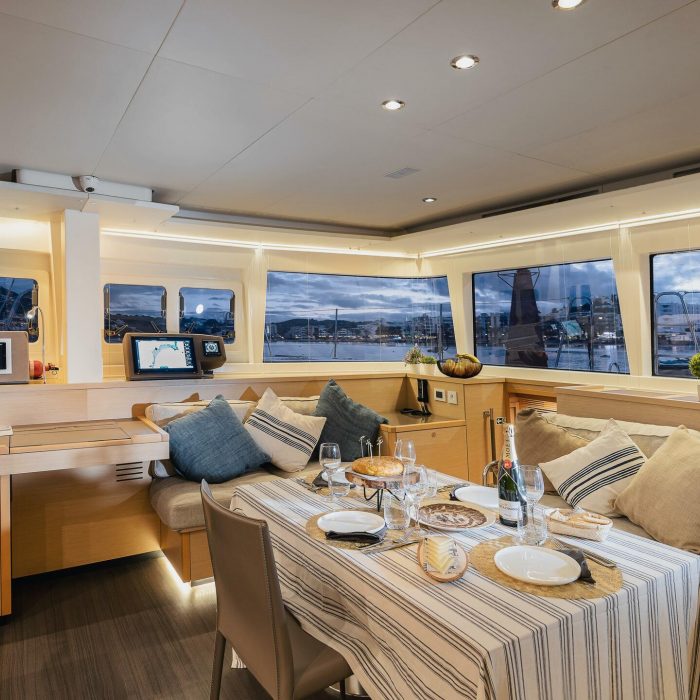
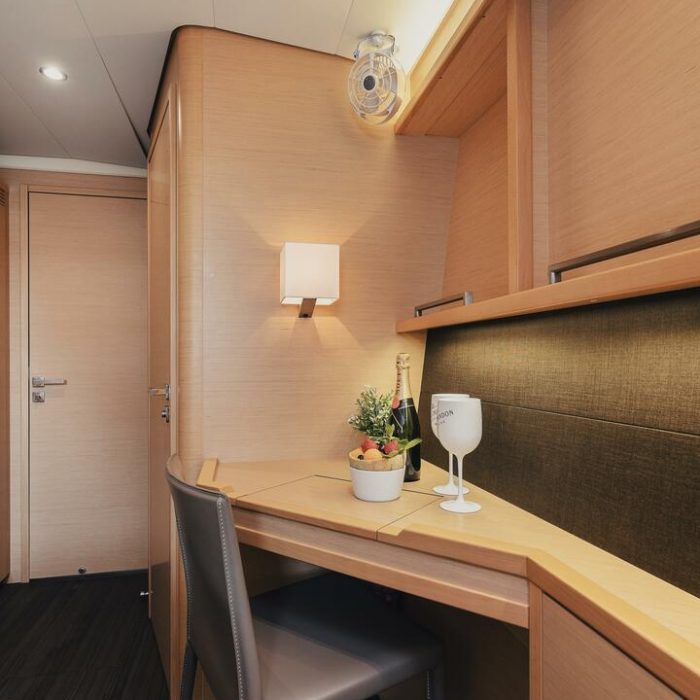
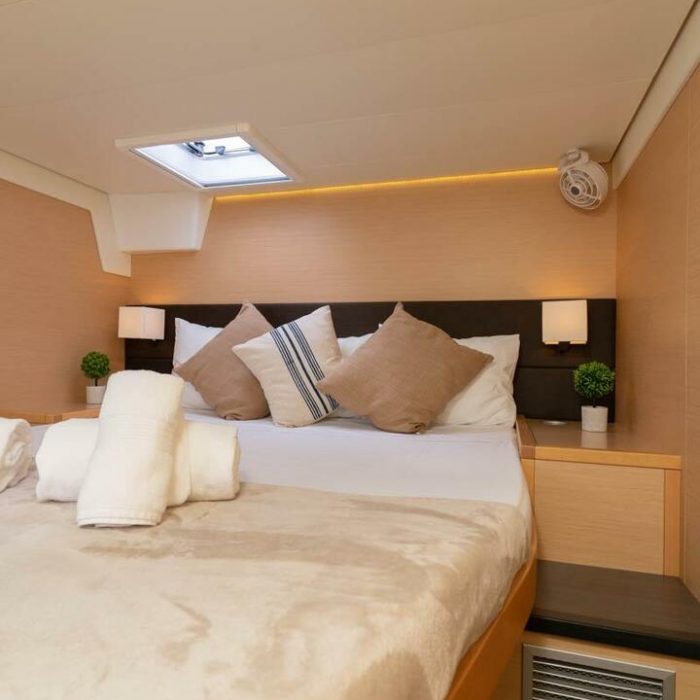
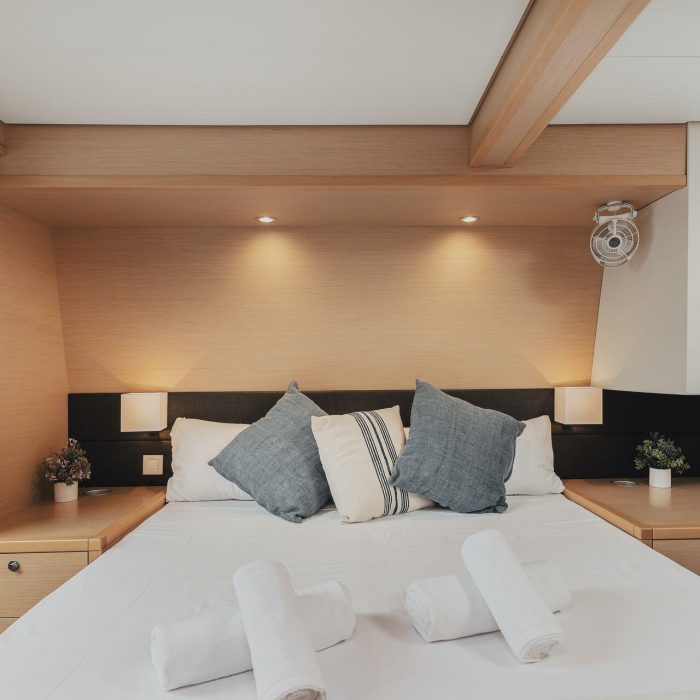
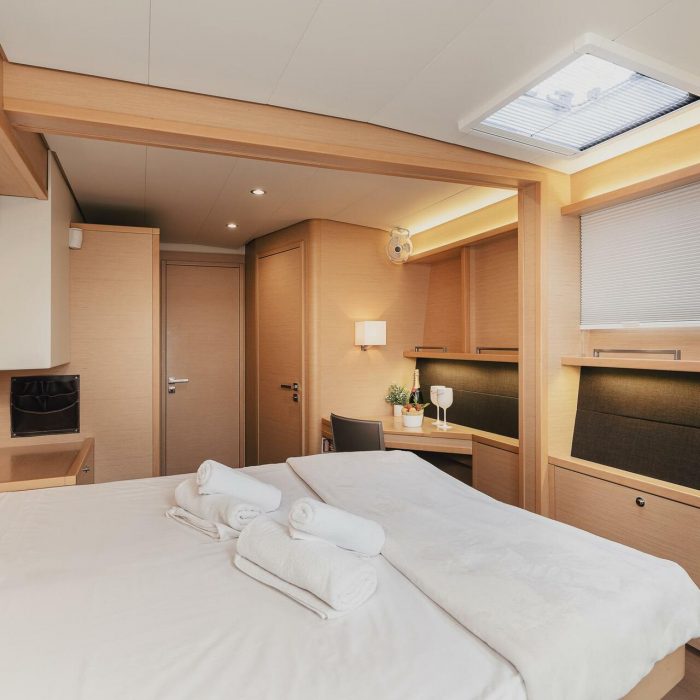
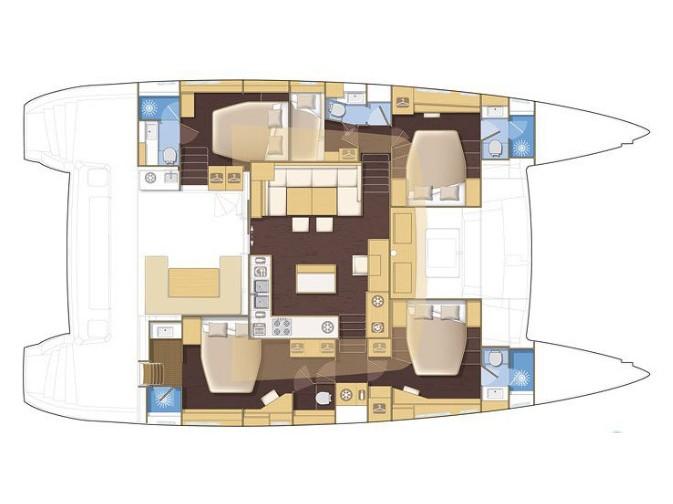
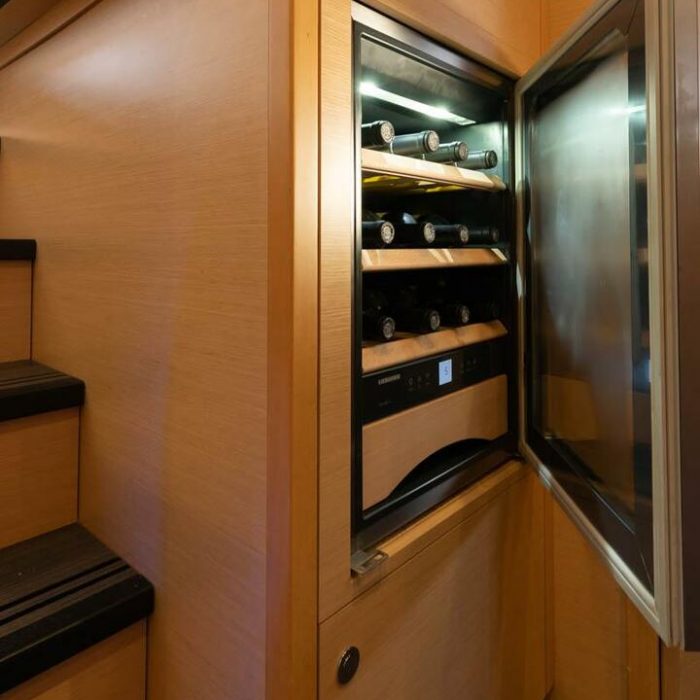

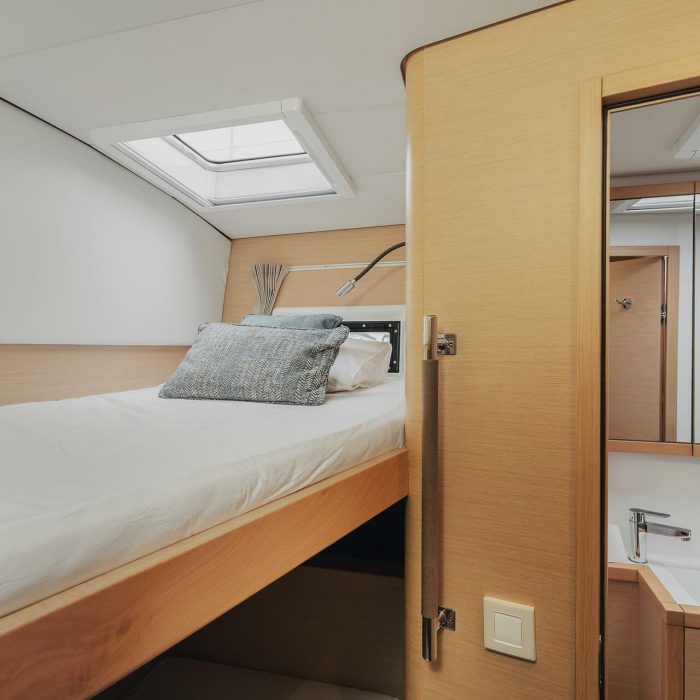
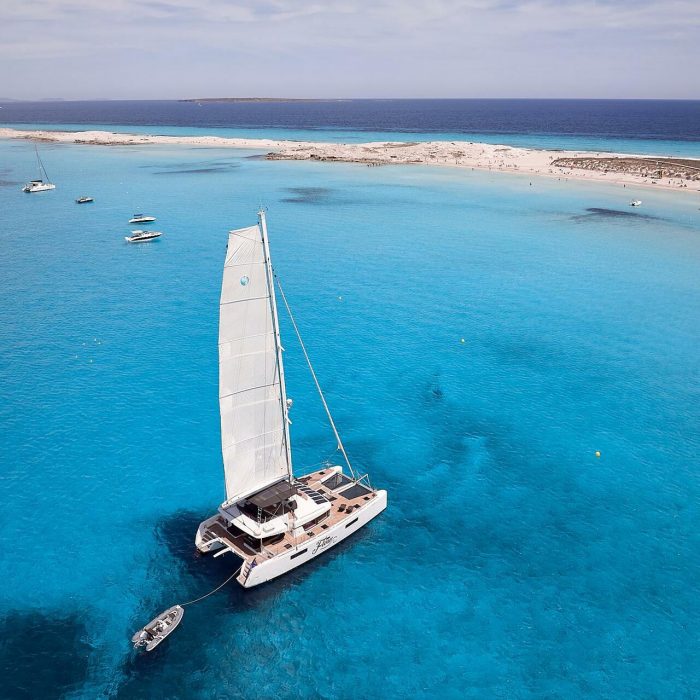
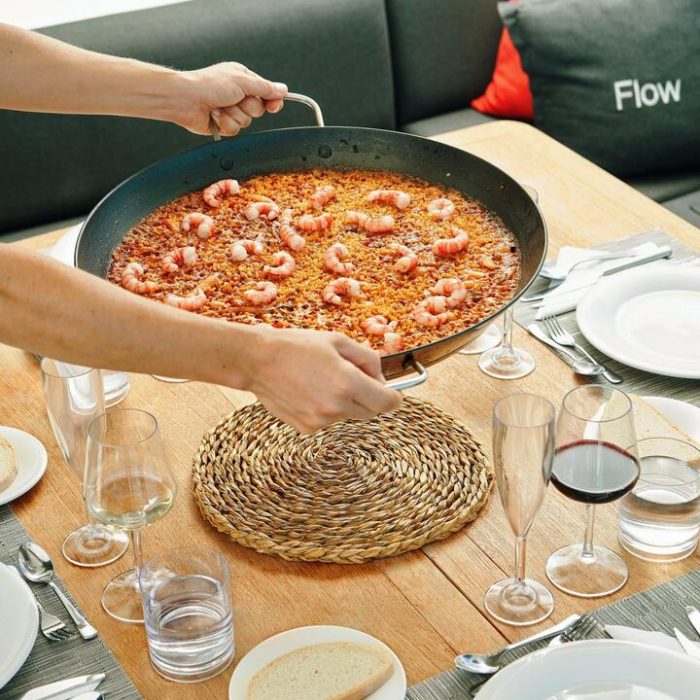
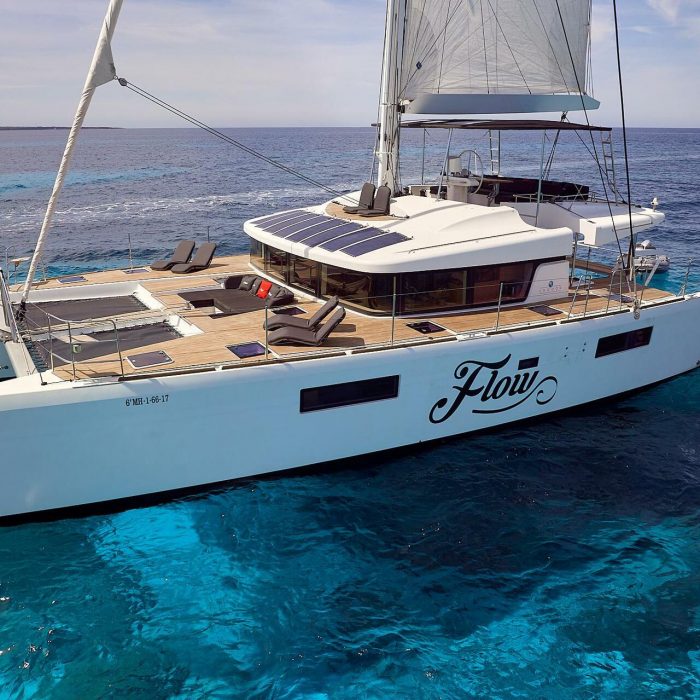
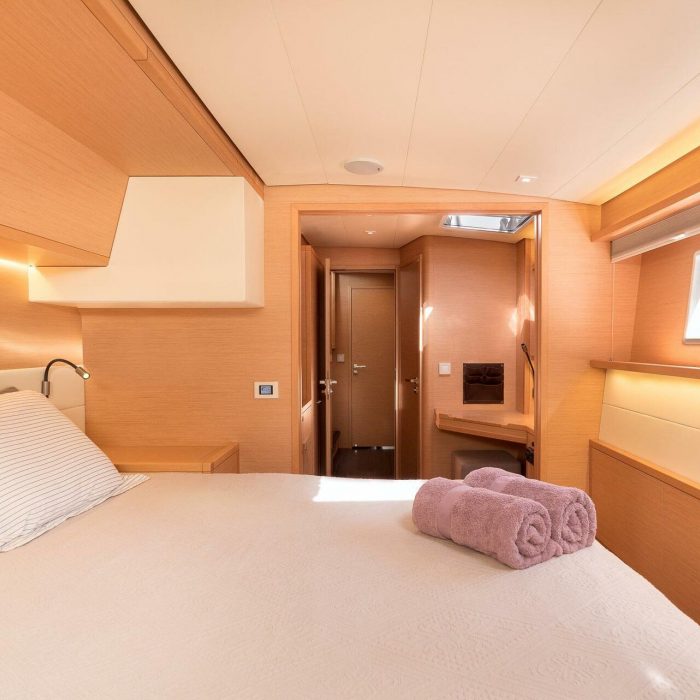
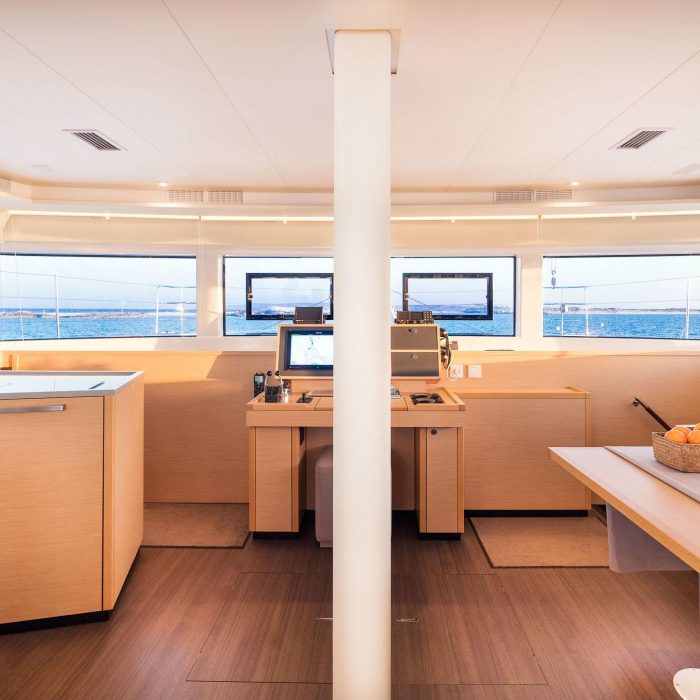
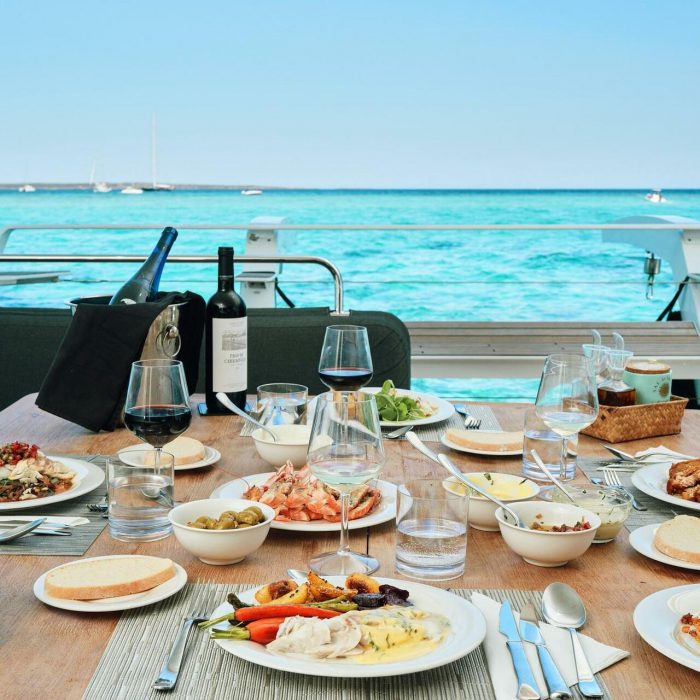
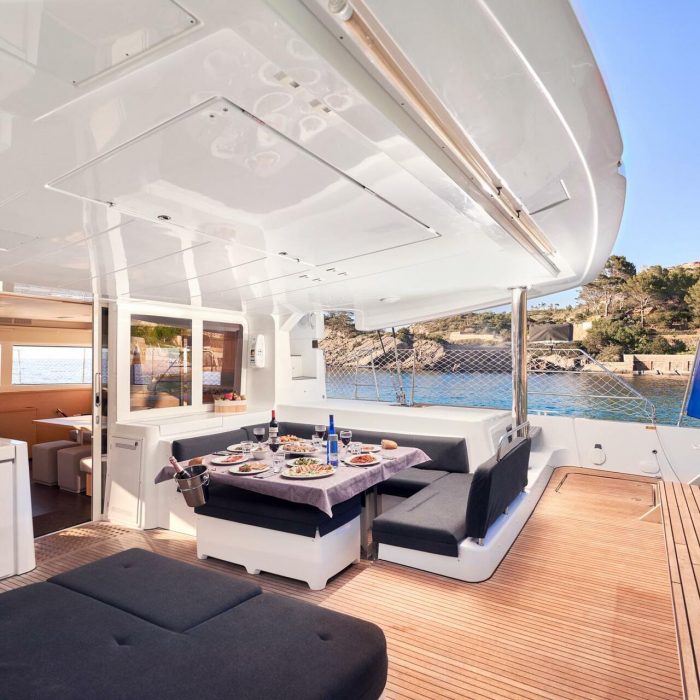
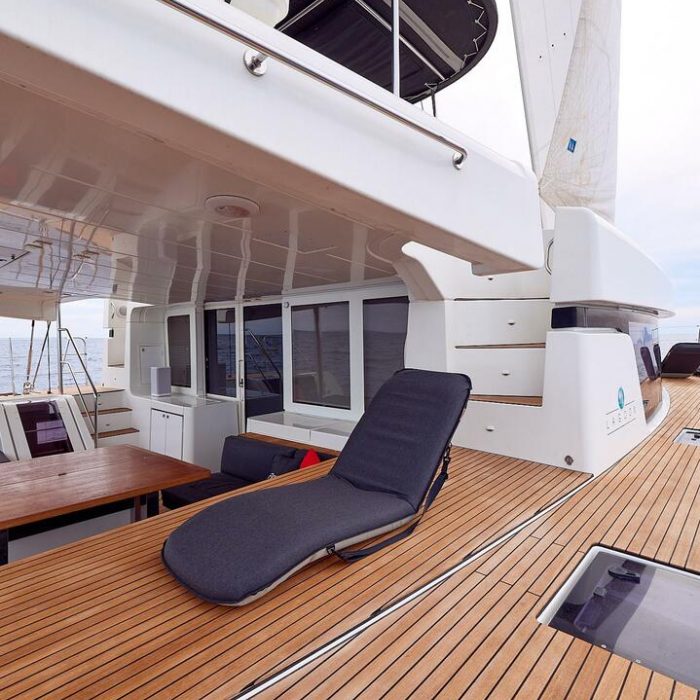
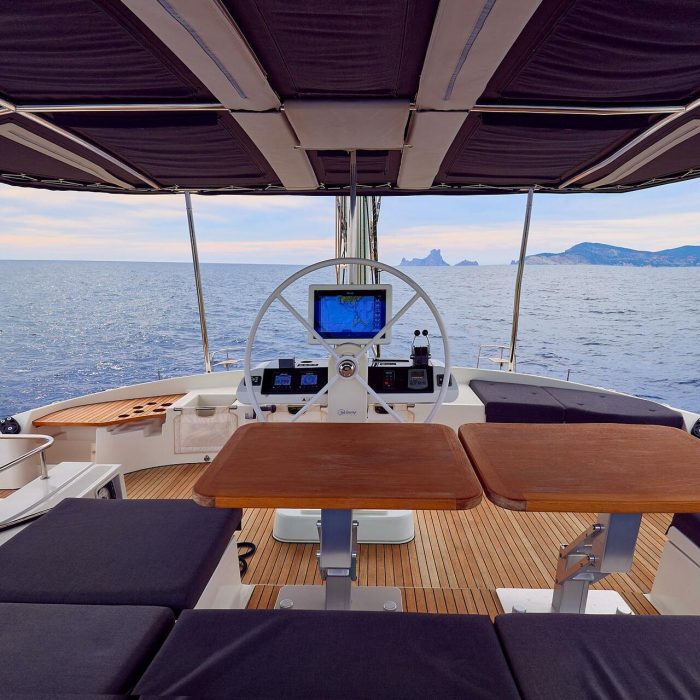
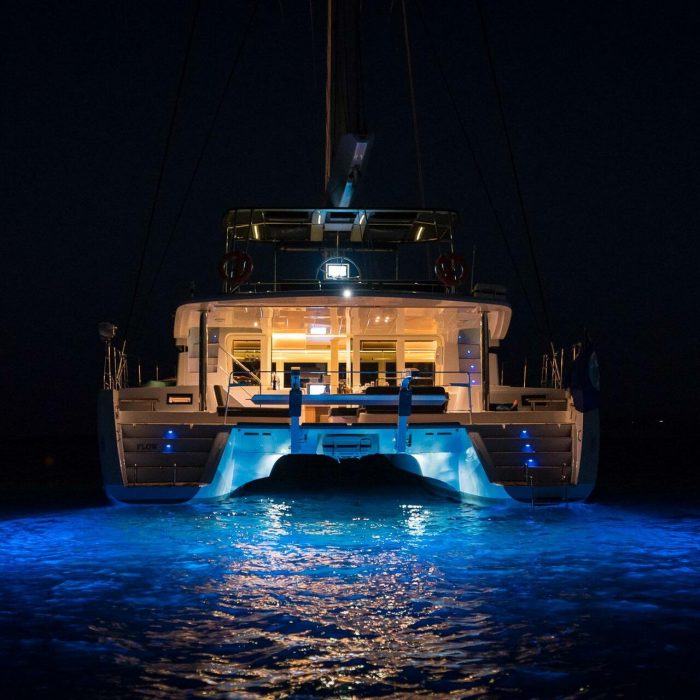
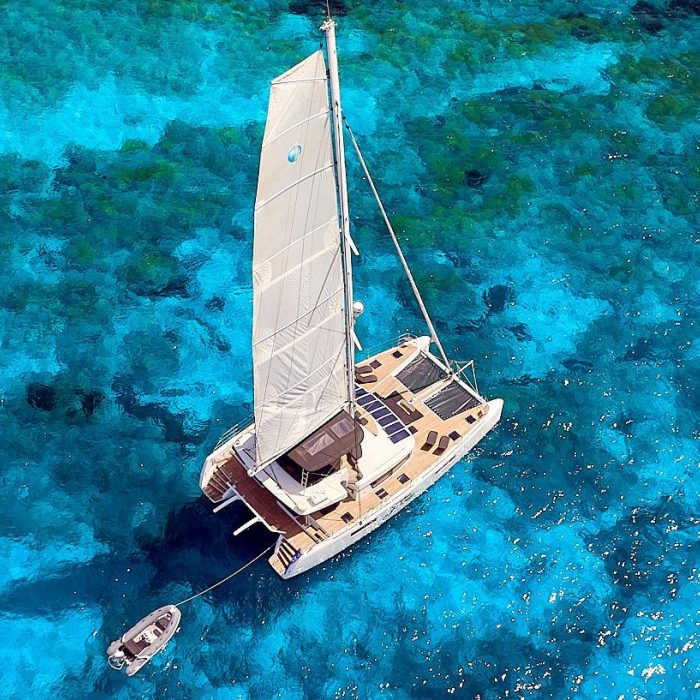
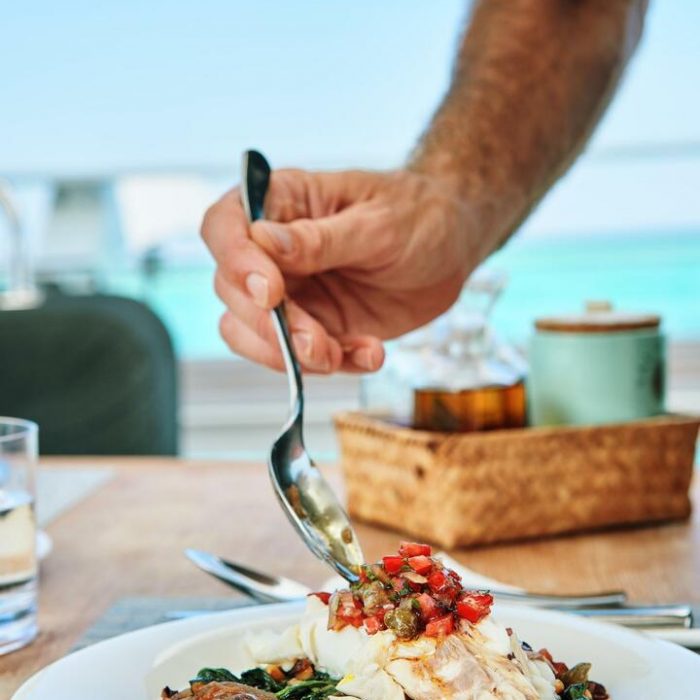
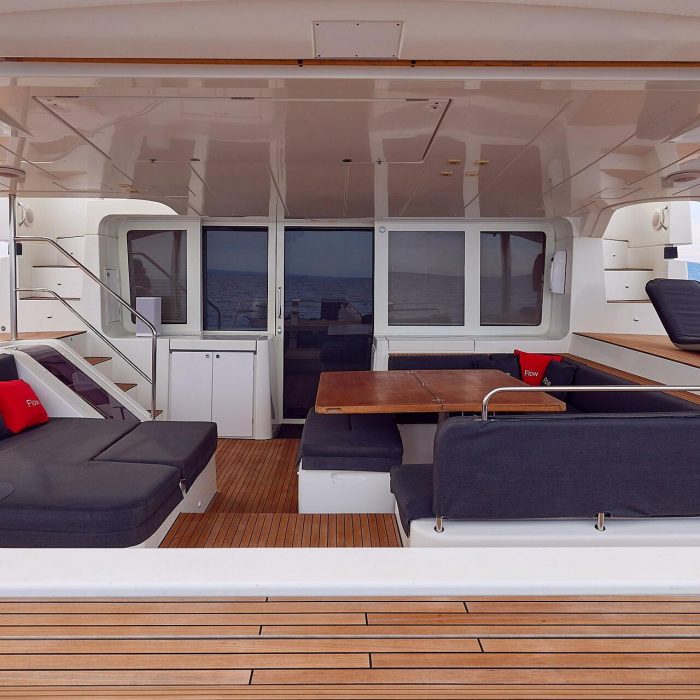
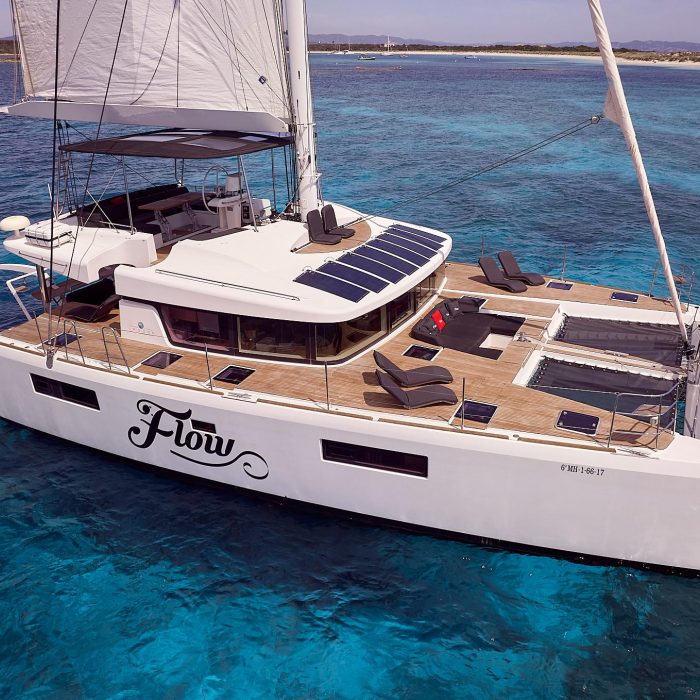

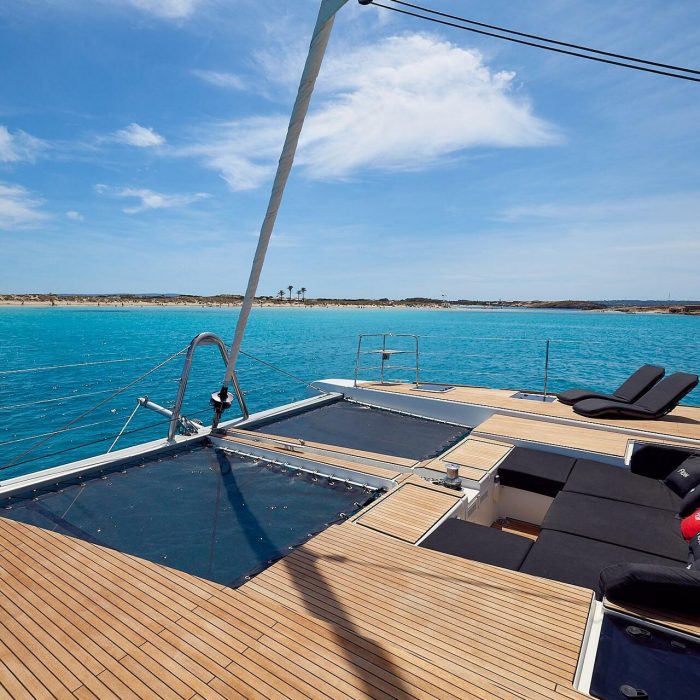
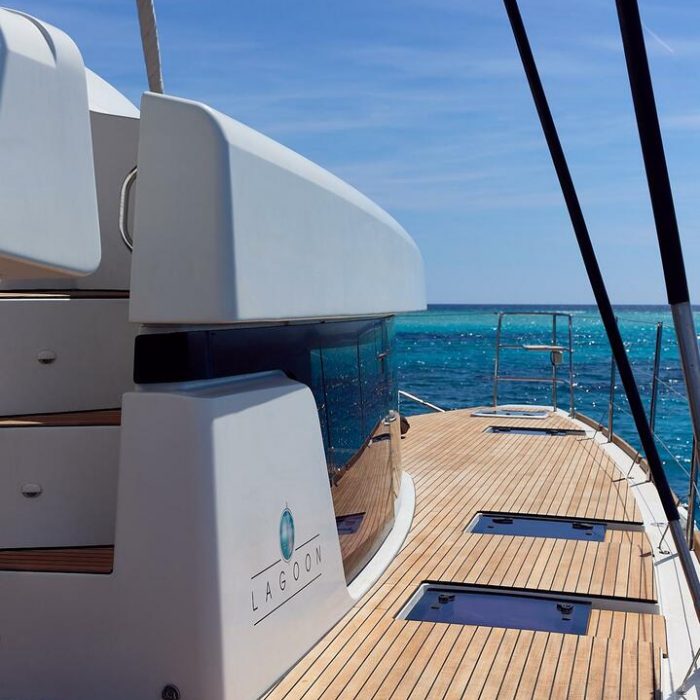
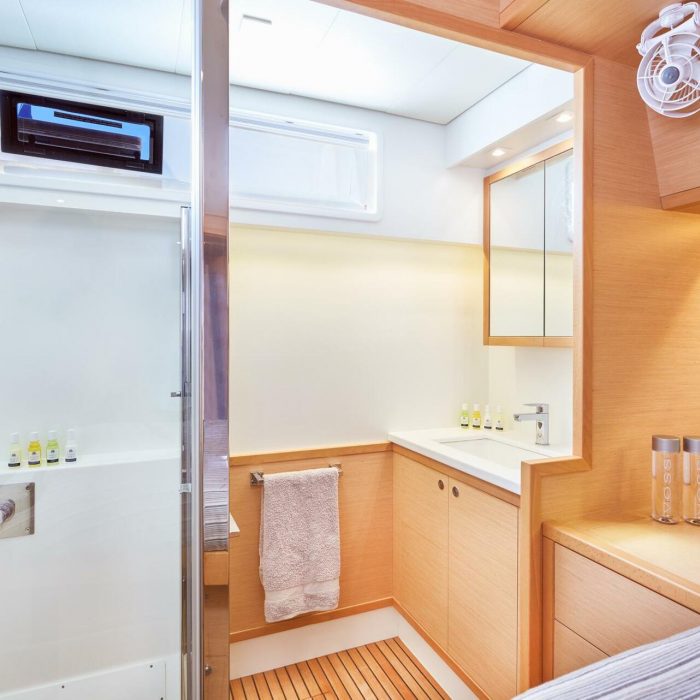
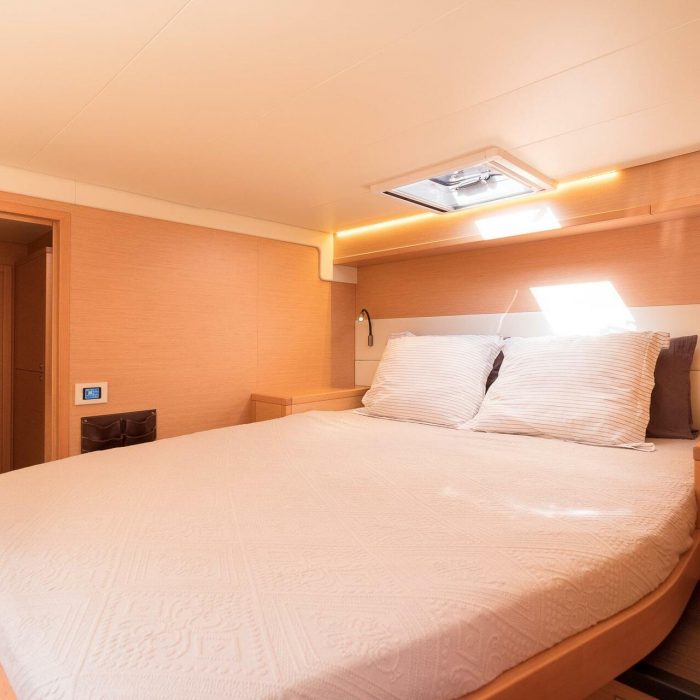
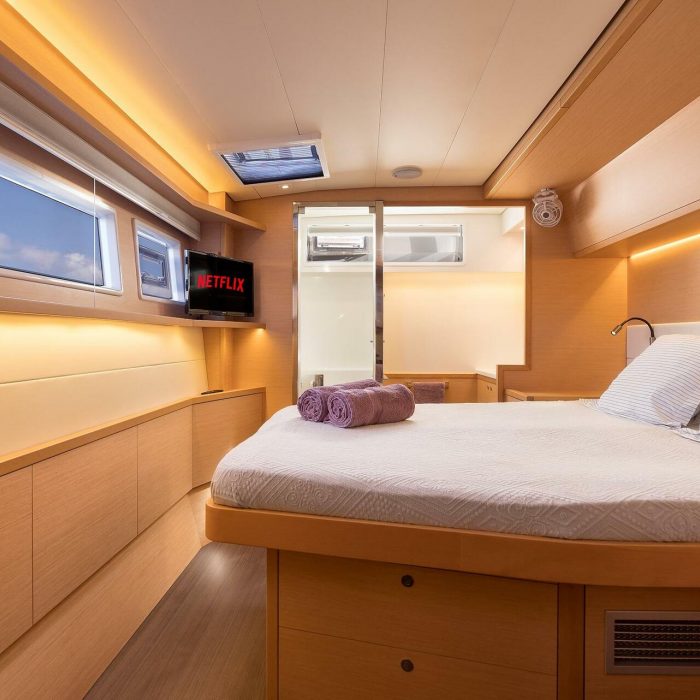
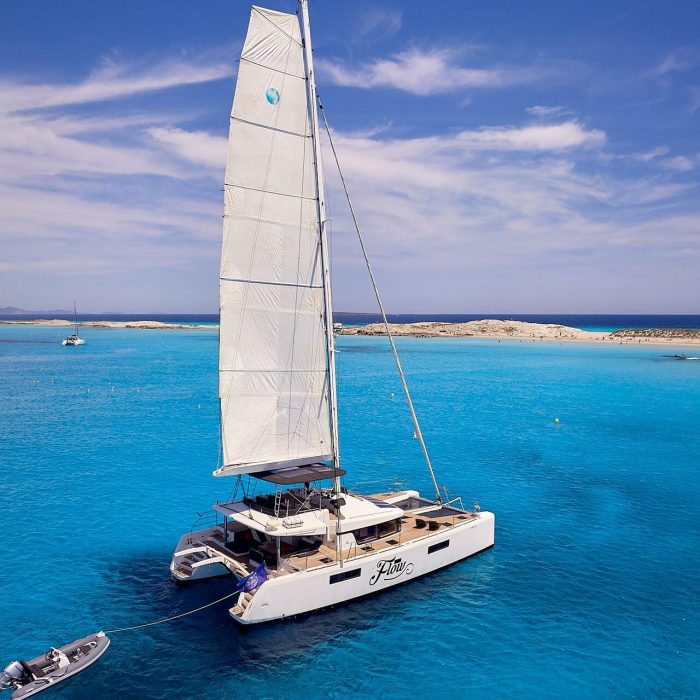
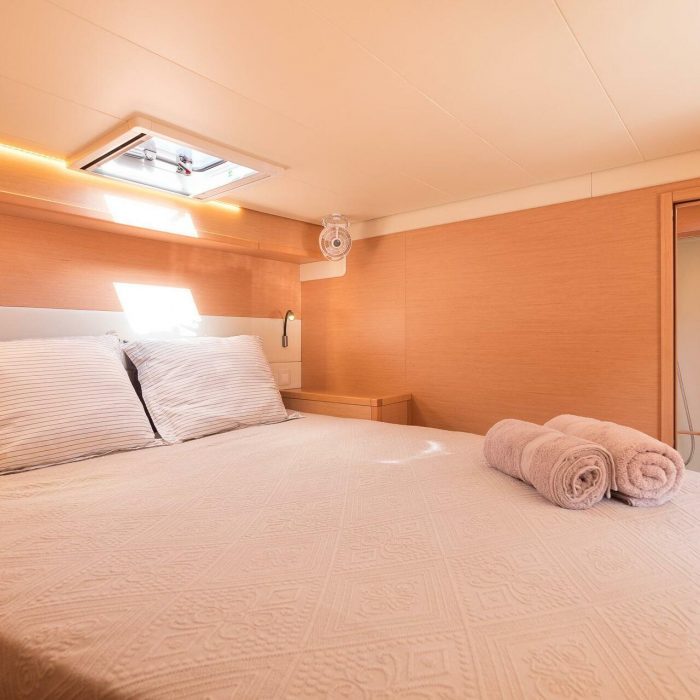
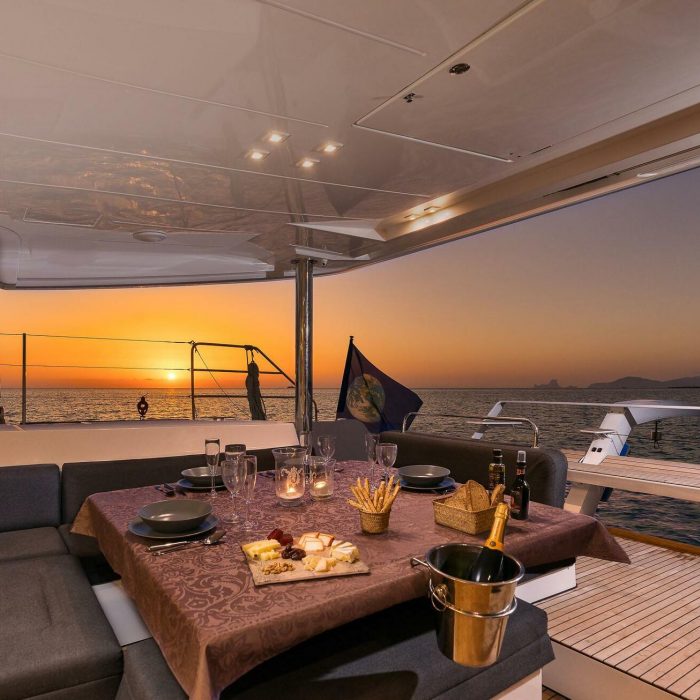
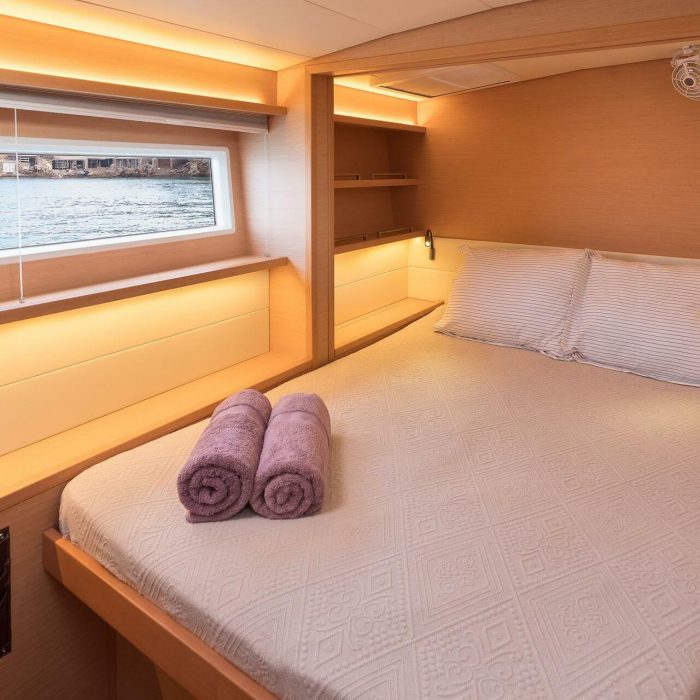
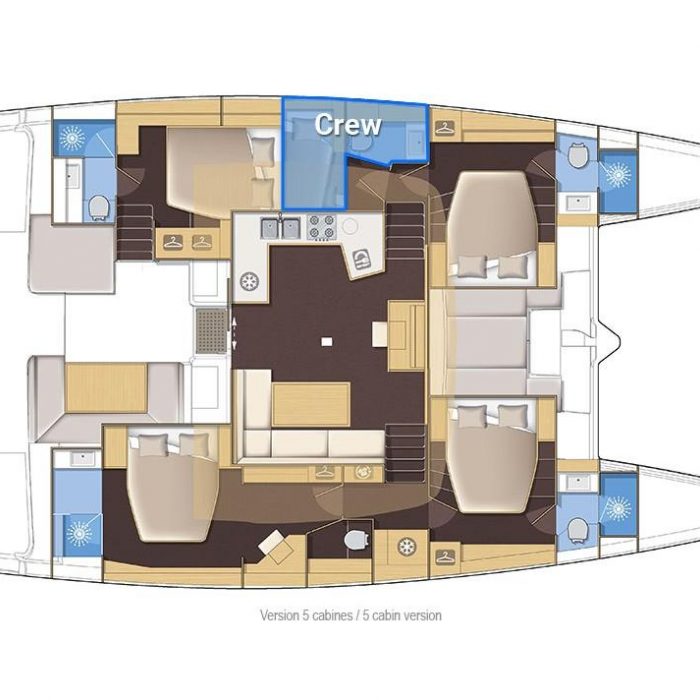
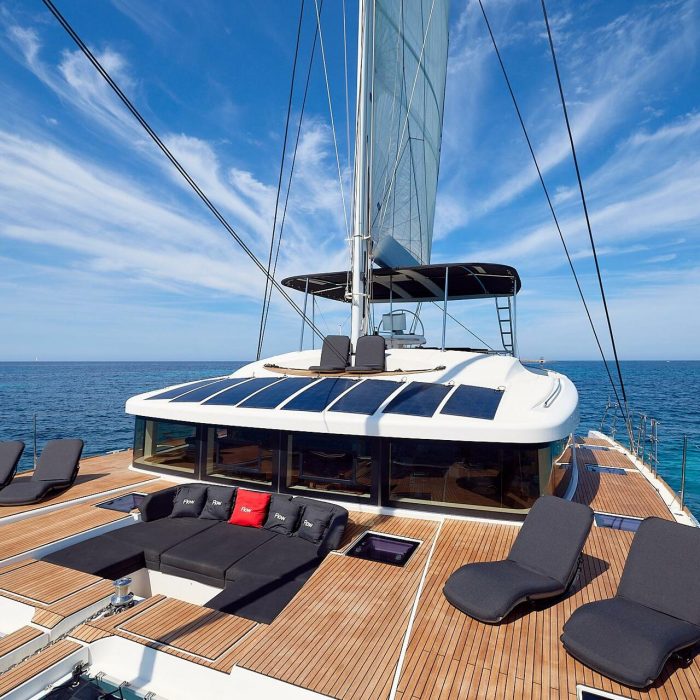

The showcase above carries 53 boats out of Marina Ibiza and Sant Antoni de Portmany on this snapshot (as of 7 September 2026, refreshed on publish): sailing yachts, catamarans and power catamarans from Dufour, Hanse, Lagoon, Oceanis, Excess, Bali, Leopard and Astrea. You charter by the week, Saturday to Saturday, bareboat with an accepted licence or with a skipper. The least expensive week listed is €1,756 (Blue Mares, Dufour 360); the price filter runs from €1,800 up to €56,800 across the fleet. On top of the base rate come mandatory extras of €260 to €3,420, depending on the boat, plus 21% Spanish VAT (IVA) and a refundable security deposit. Each boat is listed with its cabins and guest capacity, the exact vessel and its weekly price. You pay Searadar no commission.
TL;DR: chartering a yacht for a week in Ibiza
Yes. You can charter a yacht in Ibiza for a week and cruise to Formentera. You take a sailing yacht or catamaran from Marina Ibiza or Sant Antoni de Portmany, bareboat with an accepted licence or with a skipper. The week runs to Formentera's Illetes, about 30 minutes to an hour across, and out to Es Vedrà on the southwest, but you book a Ses Salines mooring buoy ahead because anchoring on the Posidonia seagrass is banned. The entry week starts from €1,756 (as of 7 September 2026), before 21% IVA, mandatory extras and a refundable deposit.
The Formentera week leg and where you can stop
The signature Ibiza week is short on distance and long on the same few anchorages. From Marina Ibiza or Sant Antoni, the crossing to Formentera's Illetes takes about 30 minutes to an hour, depending on the boat and where you leave from. Illetes is the white-sand run on the Ses Salines side, and on a week it is usually the first leg rather than a day trip. Es Vedrà, the tall rock off the southwest coast, is the other classic run and a common turnaround for a sunset at anchor.
Where you stop is the part that plans the week. You cannot simply drop anchor off the famous Formentera beaches: the water between Ibiza and Formentera is the Ses Salines Natural Park, the seabed is protected Posidonia oceanica seagrass, and you moor on a booked eco buoy instead. On a crewed charter the skipper arranges the buoy; on a bareboat the booking is yours to make before you sail. Because the buoy fields are limited and seasonal, a week's route is built around which buoys you can reserve, not around where you feel like stopping on the day. The buoys are booked through the park authority at cbbasea.com or on VHF channel 77 before you go.
| Week leg | From Ibiza | Where you moor | Good for |
|---|---|---|---|
| Illetes (Formentera) | About 30 minutes to 1 hour | Booked eco mooring buoy in the Ses Salines field; no anchoring on Posidonia | The classic white-sand swim stop, usually a week's first leg |
| Ses Salines (Ibiza to Formentera water) | Short hop inside the park | Booked buoy or a clear sandy patch only, never seagrass | A beach day without the full crossing |
| Es Vedrà (southwest coast) | A southwest leg | Anchor on sand only, clear of Posidonia | Photo anchorage and sunset turnaround |
Where you can't anchor: Posidonia and the Ses Salines buoys
Across the Balearic Islands, anchoring on Posidonia oceanica seagrass is prohibited and fined: this is Balearic law, not a Searadar rule, and it applies whether you charter bareboat or crewed. Boats moor on a marked buoy or on a clear sandy patch instead.
Inside the Ses Salines Natural Park, the water between Ibiza and Formentera, you book an eco mooring buoy in advance to stop off the main beaches. The fields run from 1 June to 30 September, reserved through cbbasea.com or on VHF channel 77, and spaces are limited in high summer. Anchoring on Posidonia here can be fined up to €100,000 under Balearic Decreto 25/2018 (verify against the Balearic authority before publishing).
The boats you charter in Ibiza
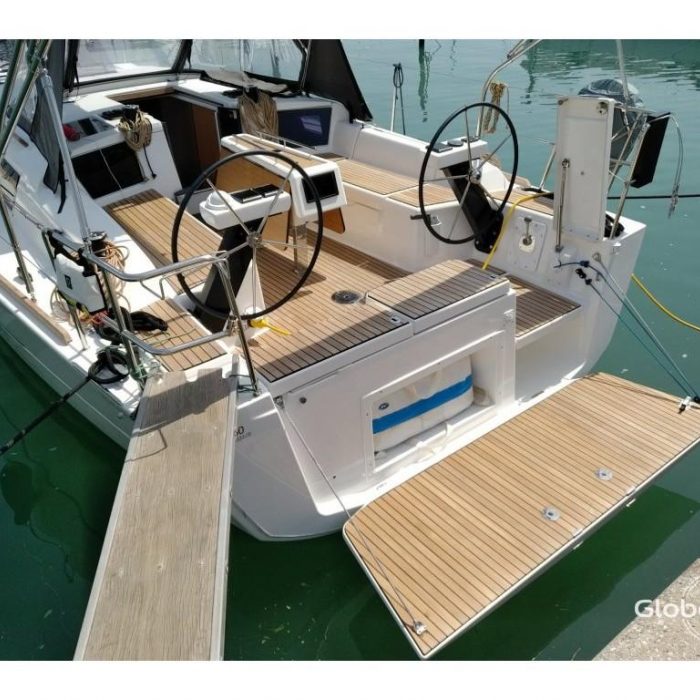
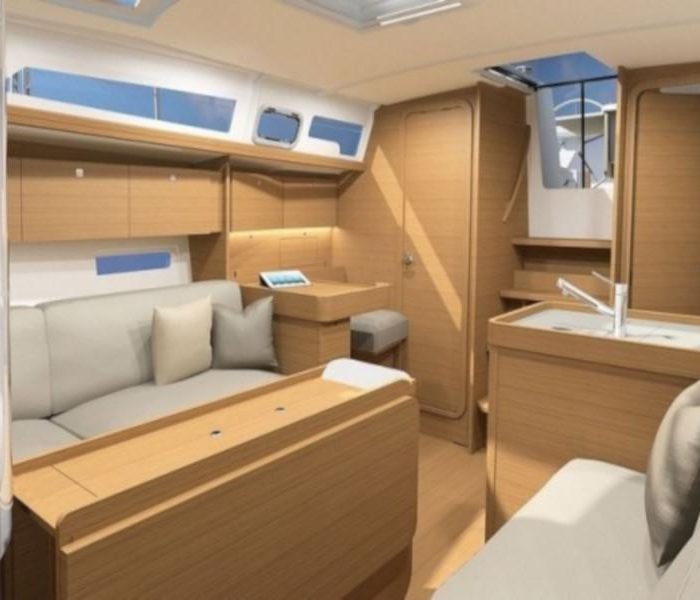
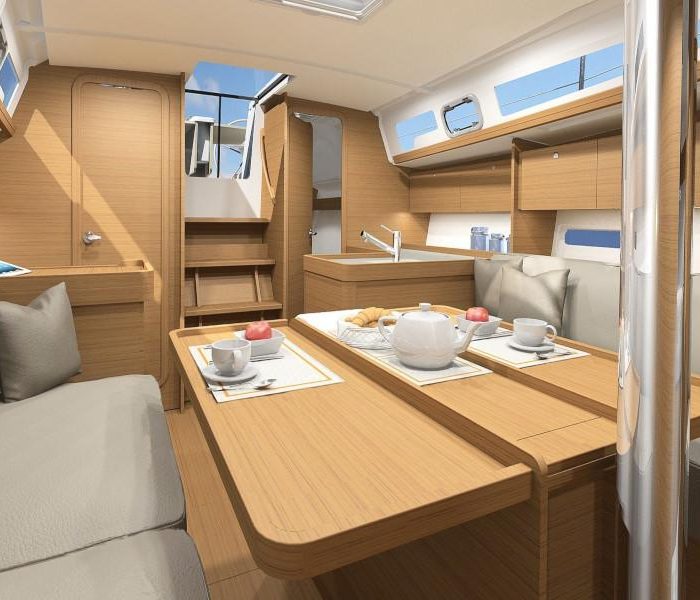
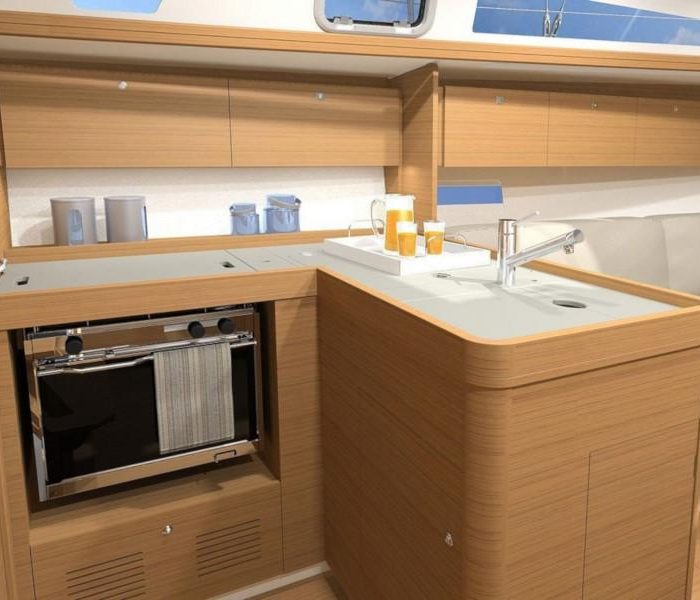
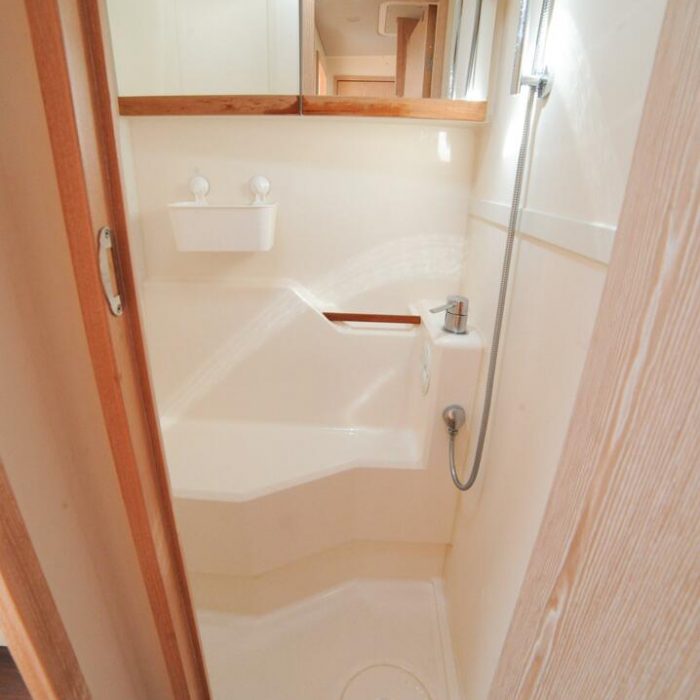
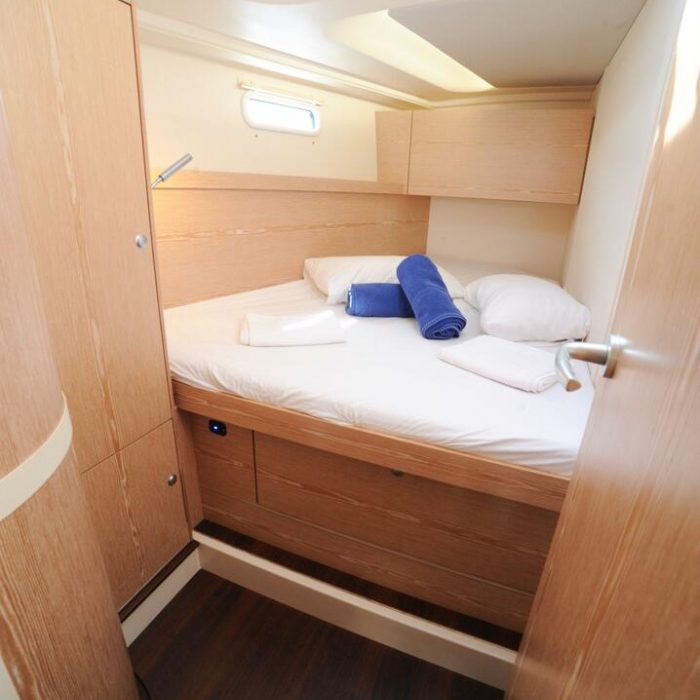
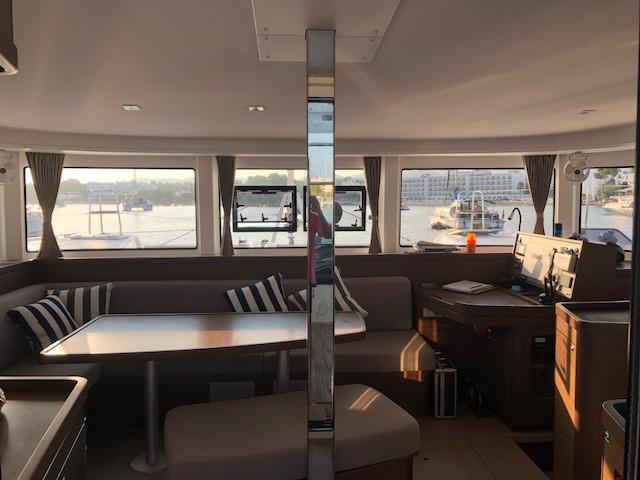
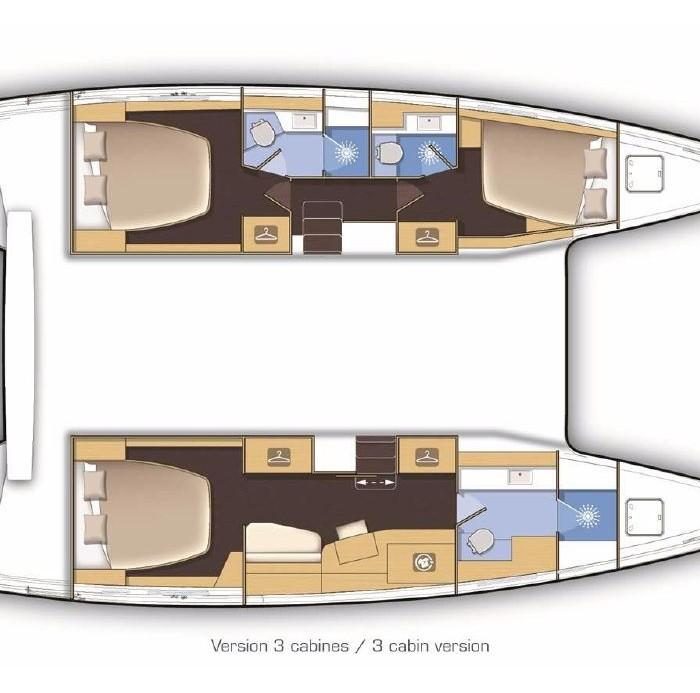
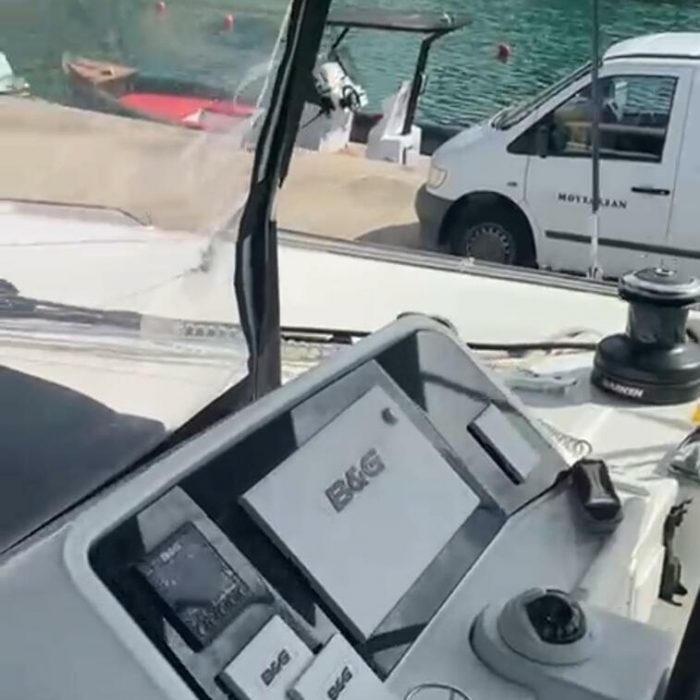
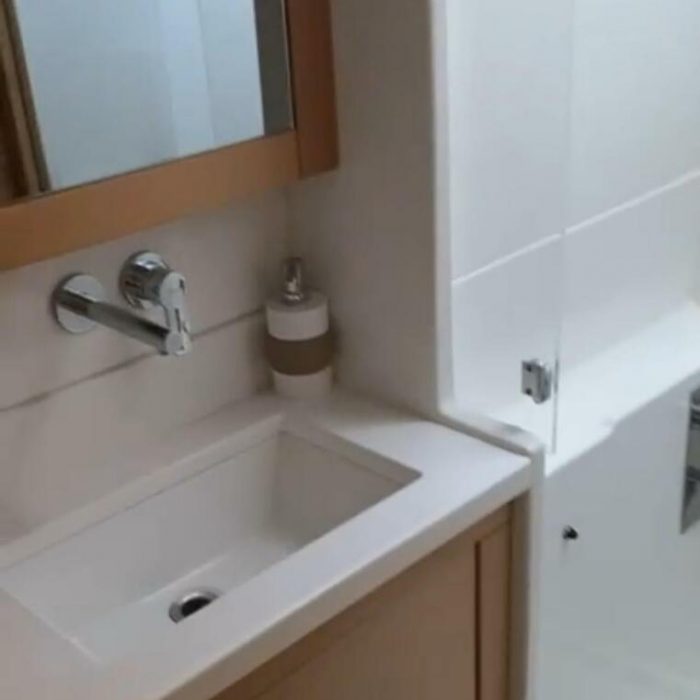
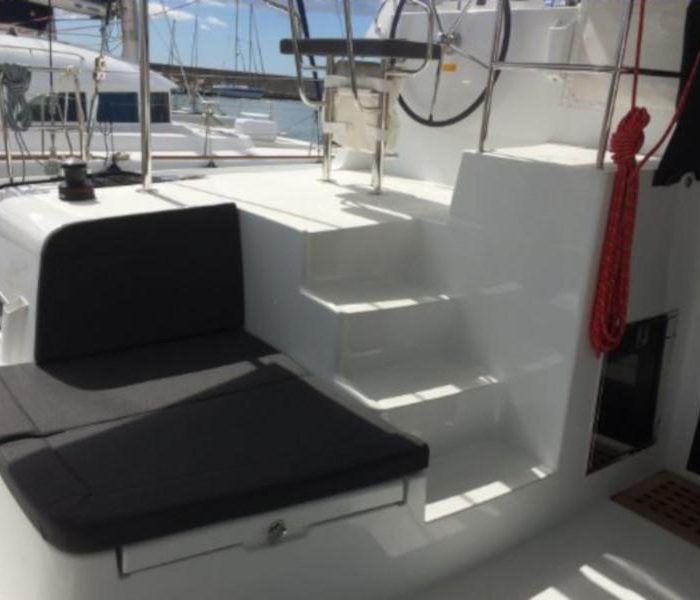
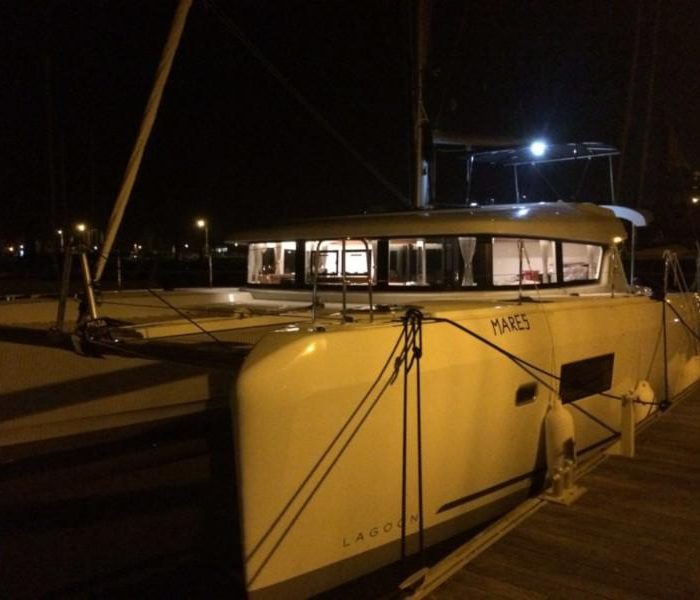
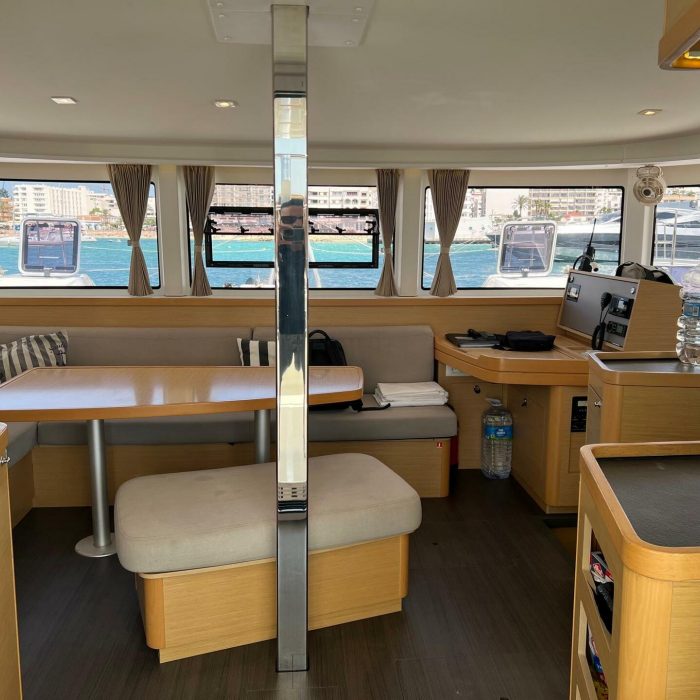
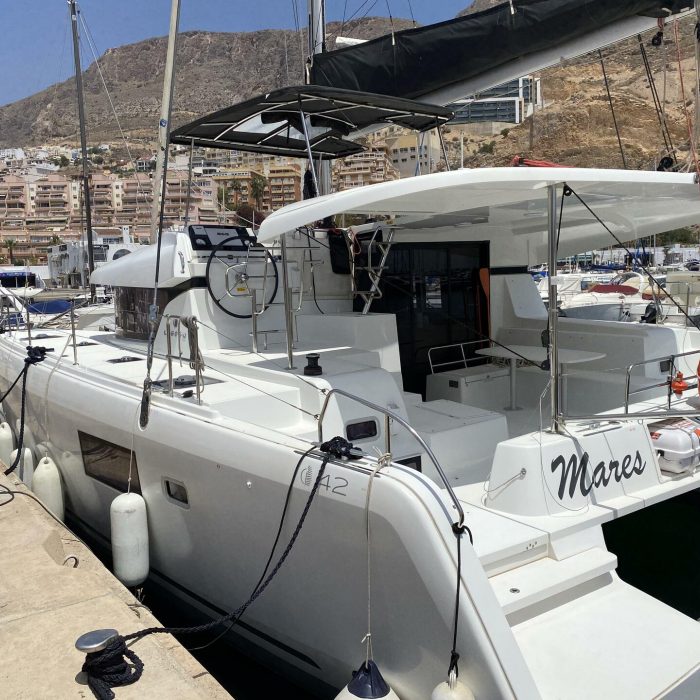
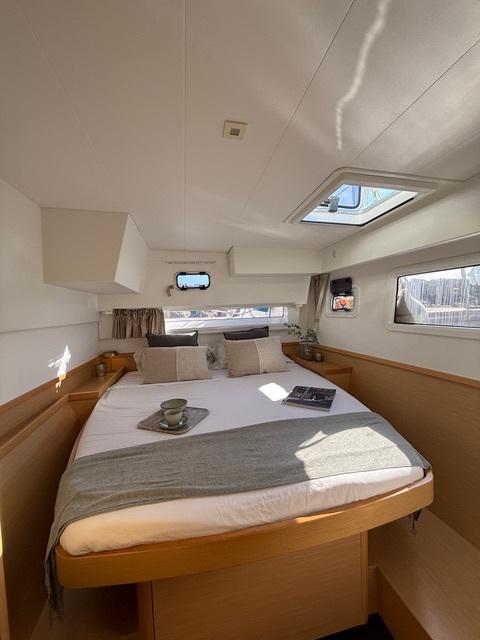
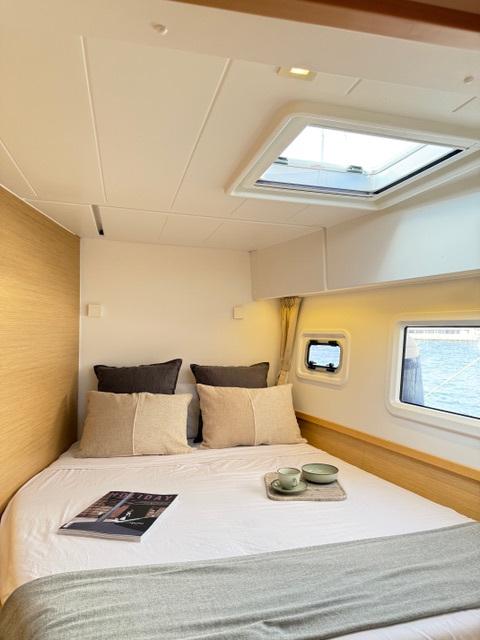
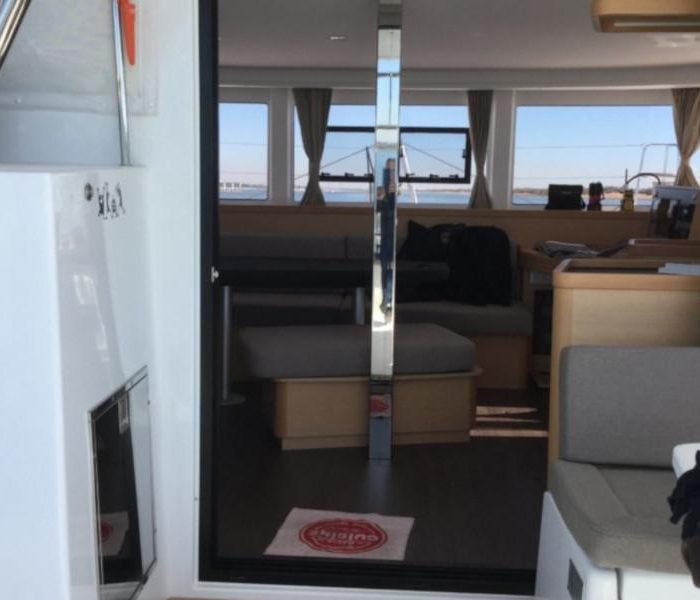
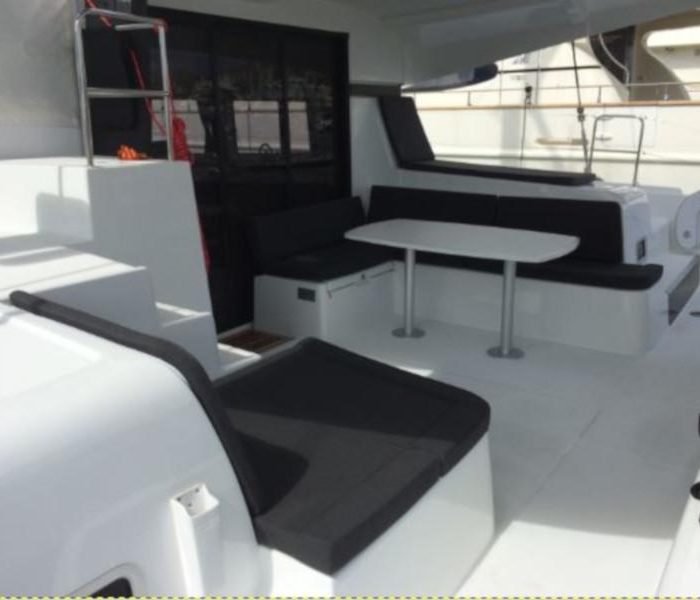
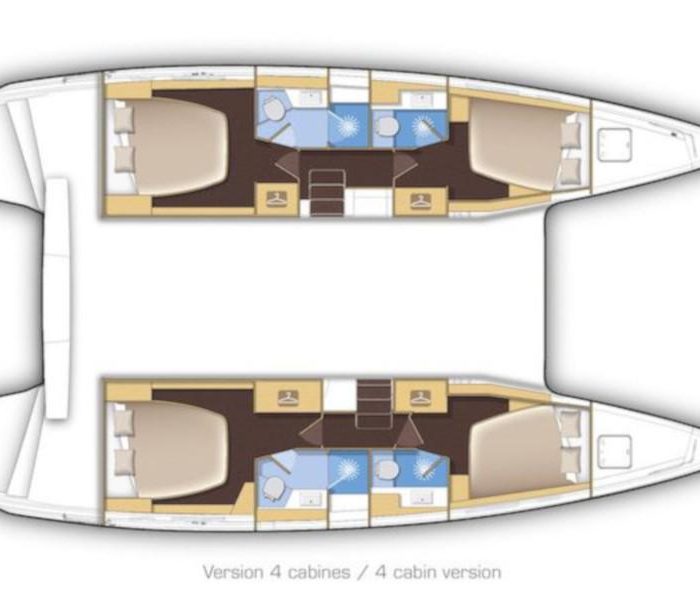
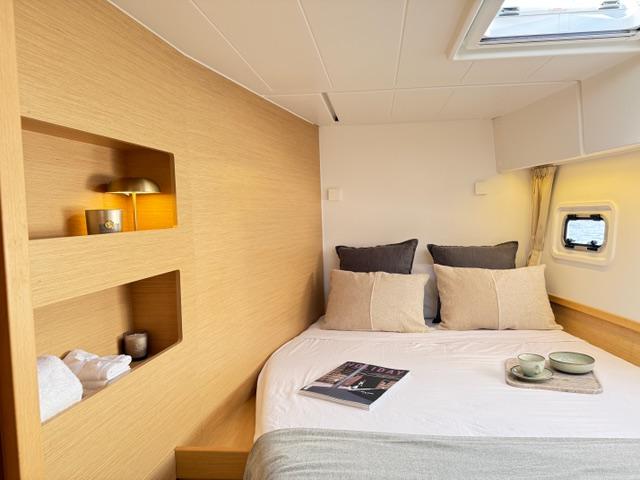
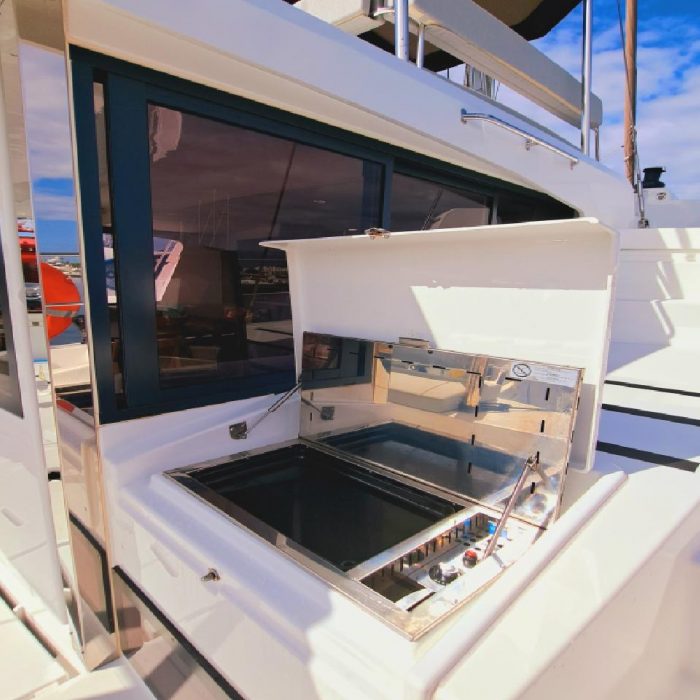
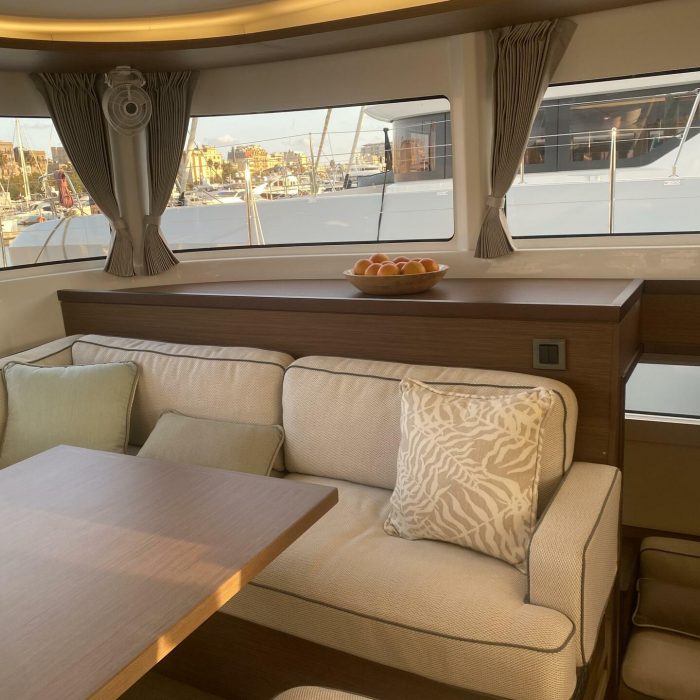
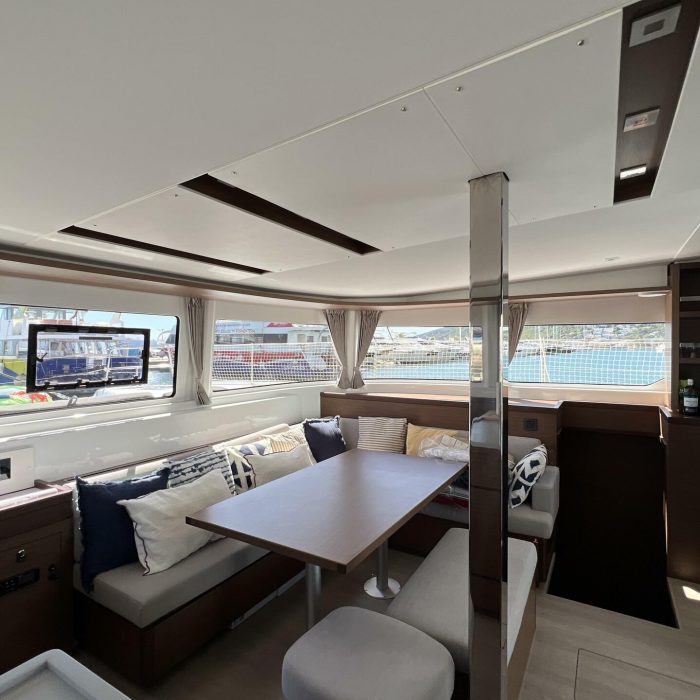
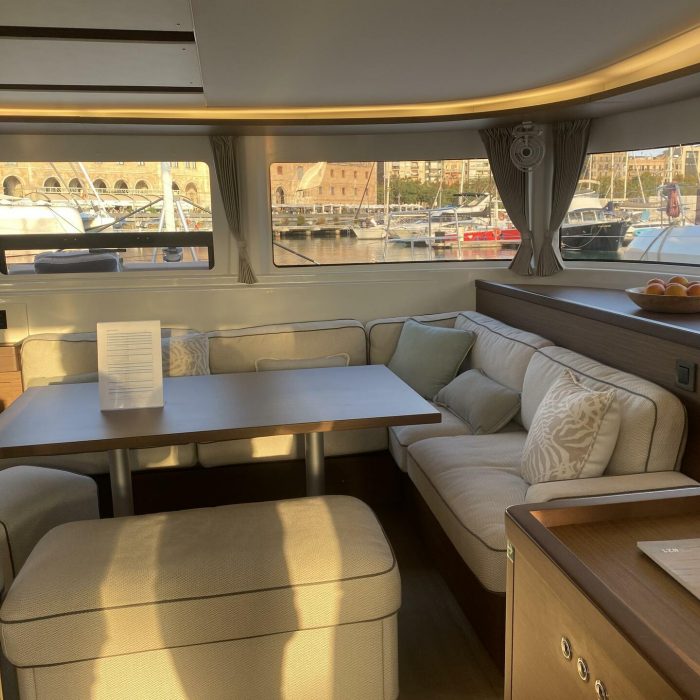
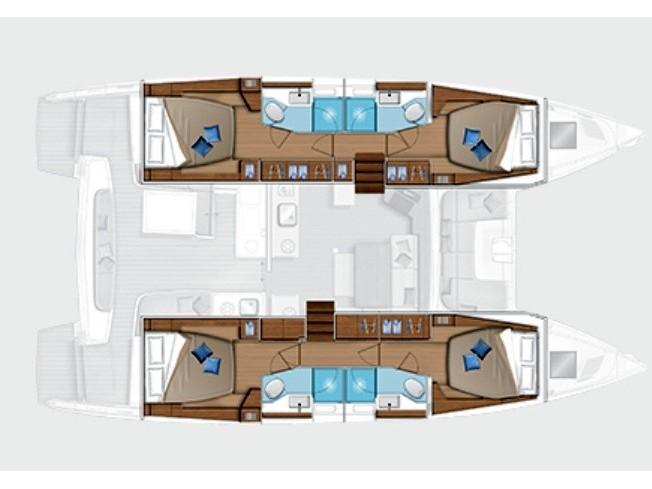
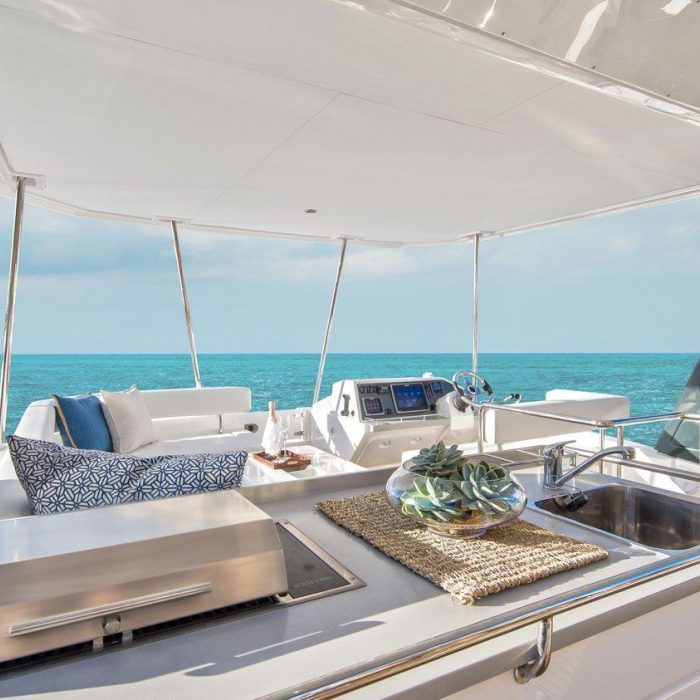
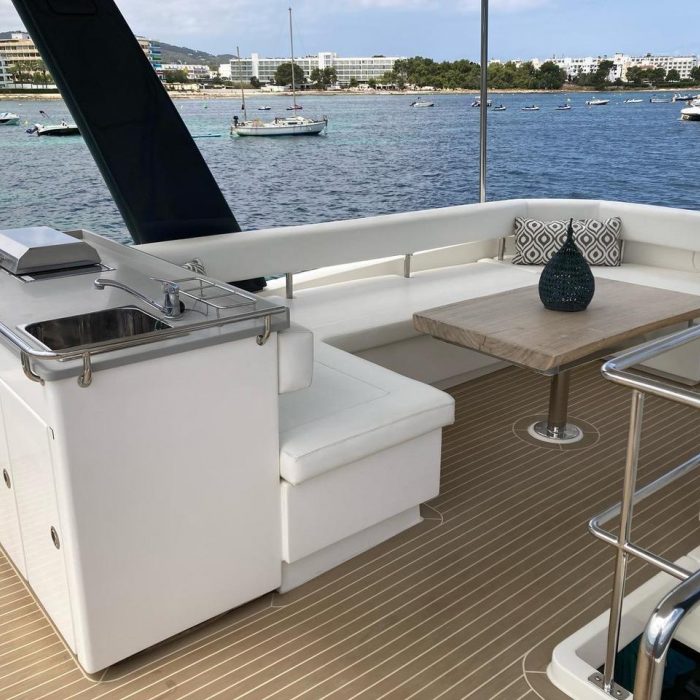
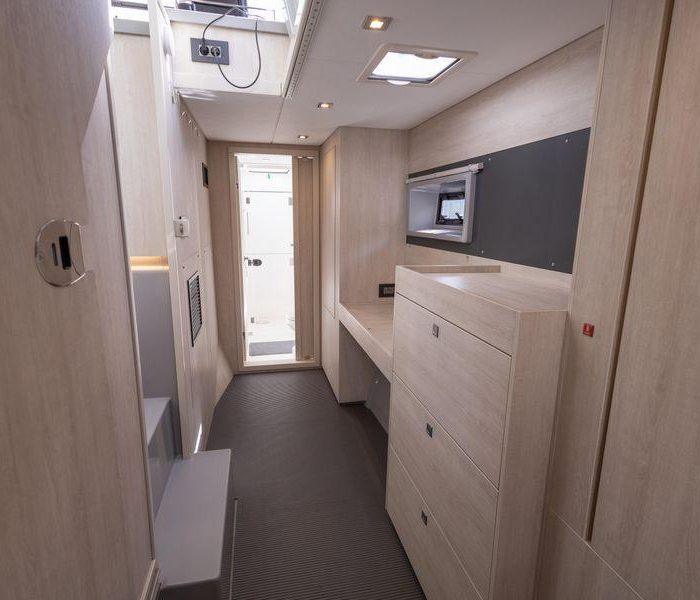
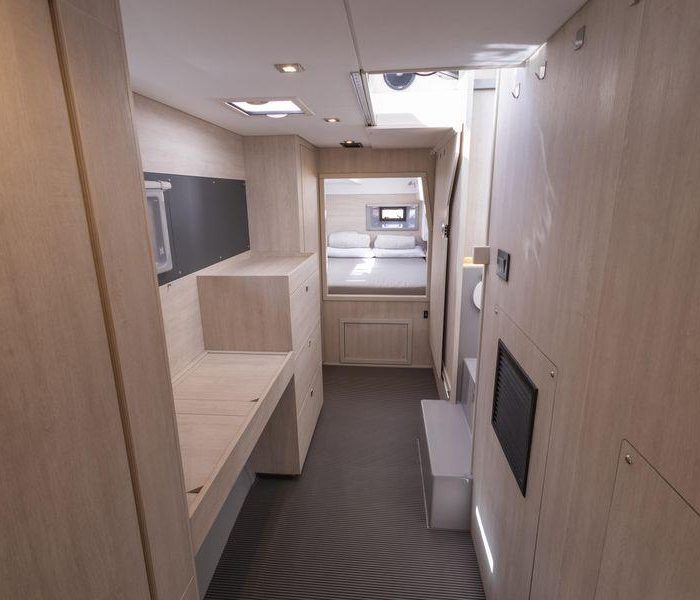
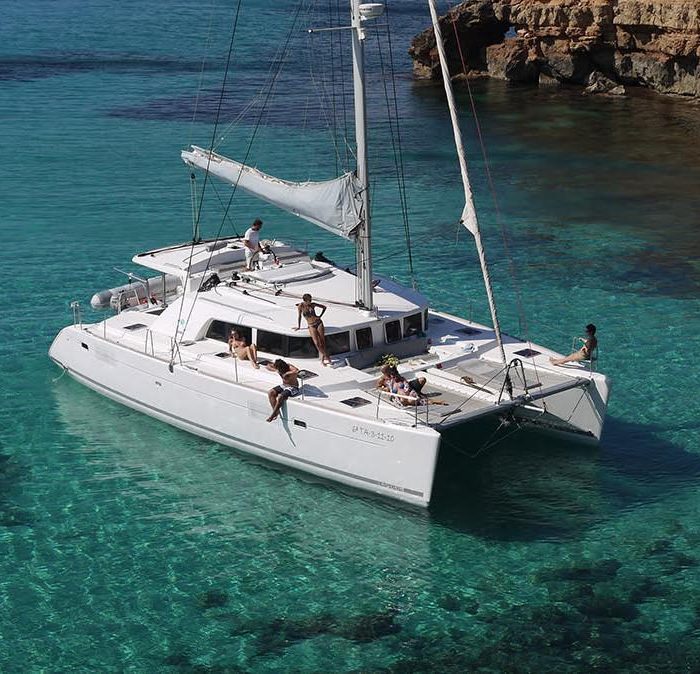
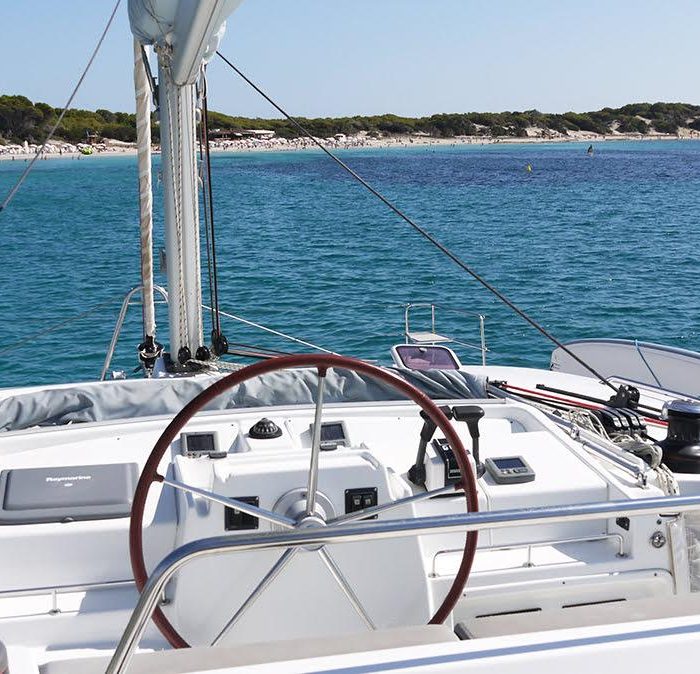
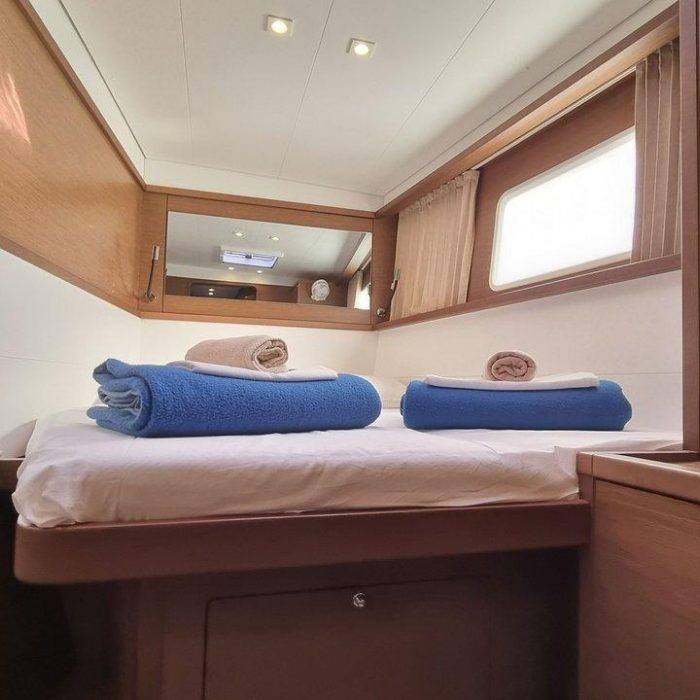
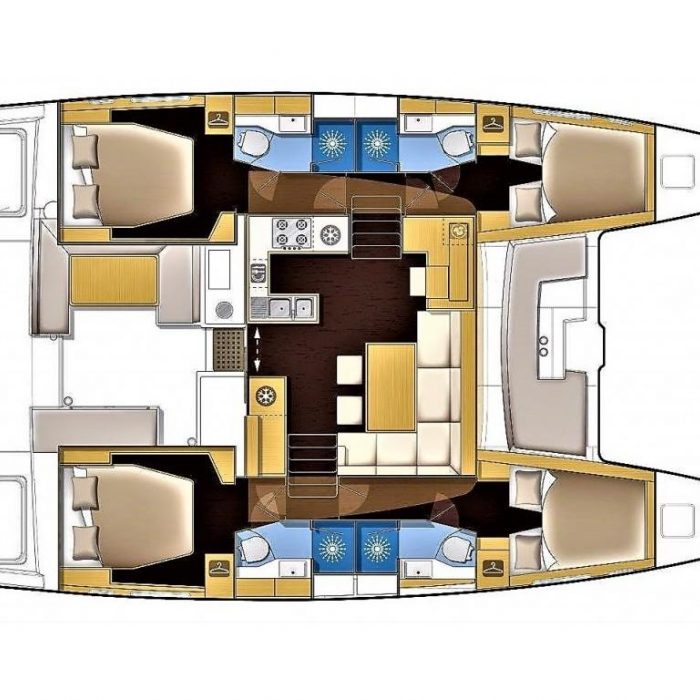
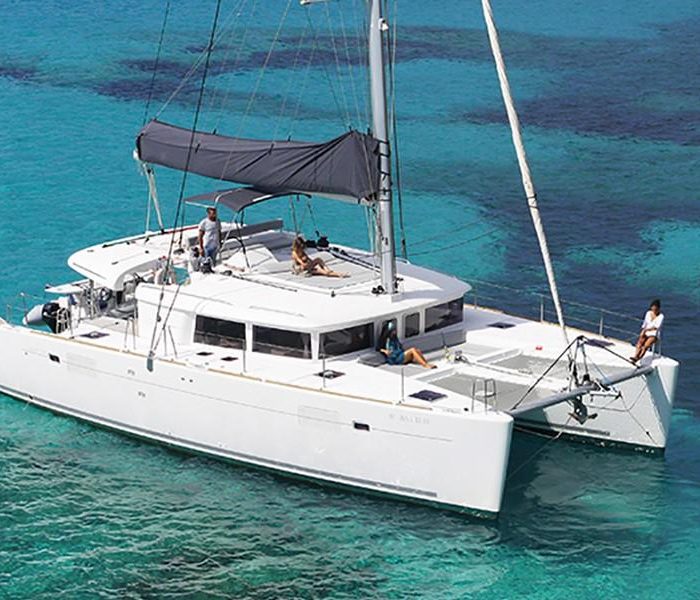
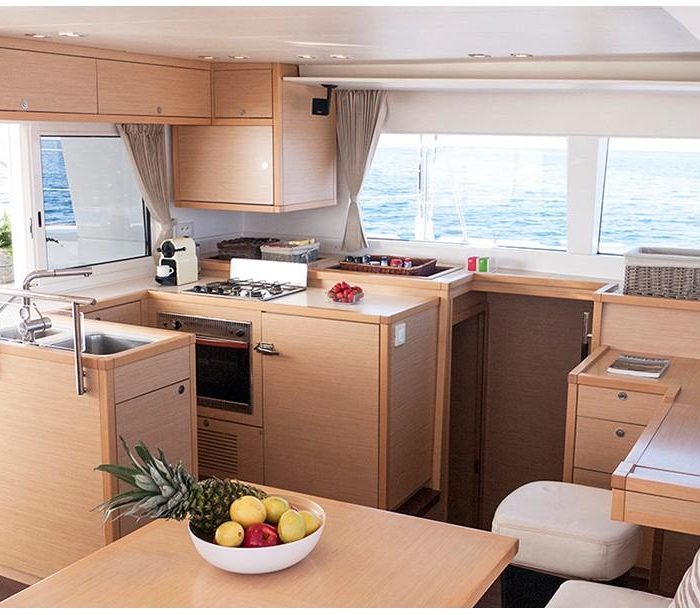
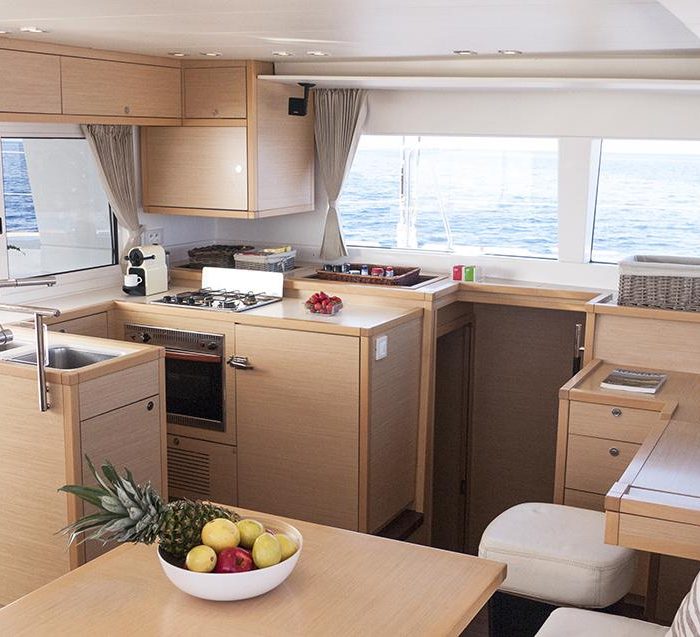
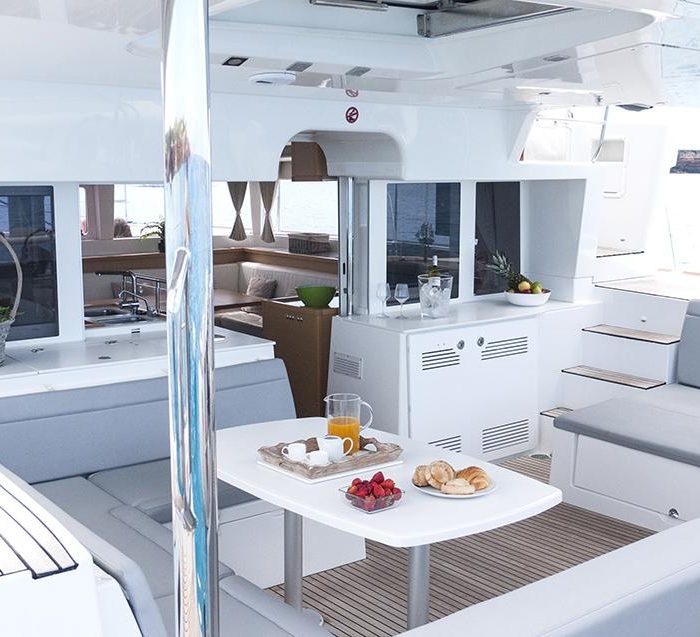
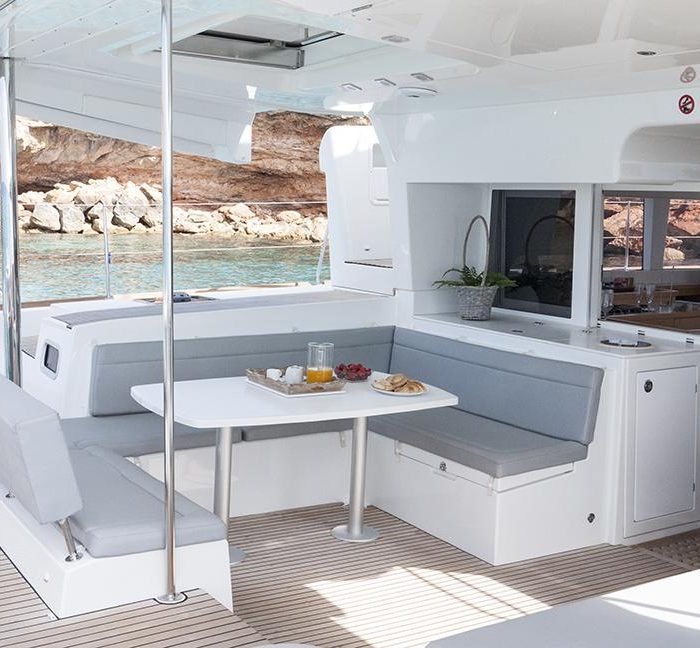
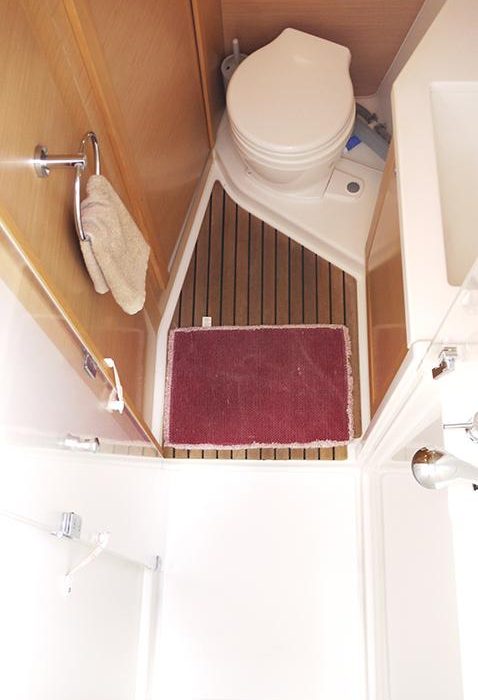
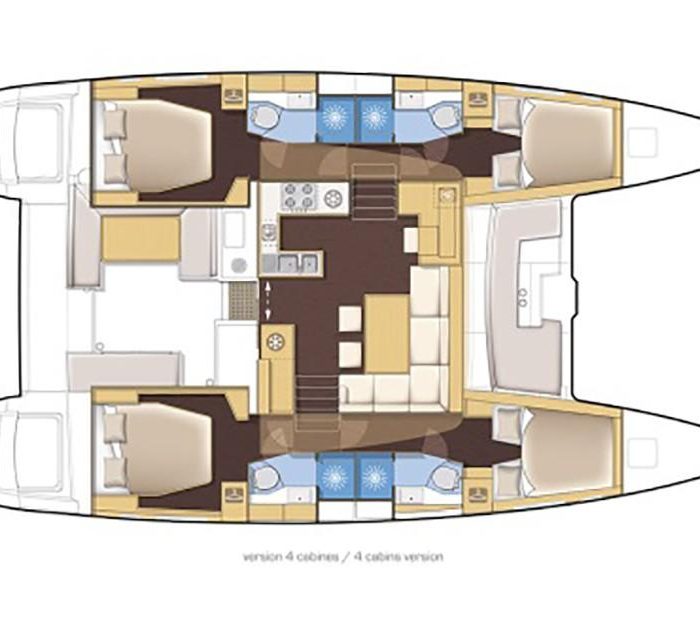
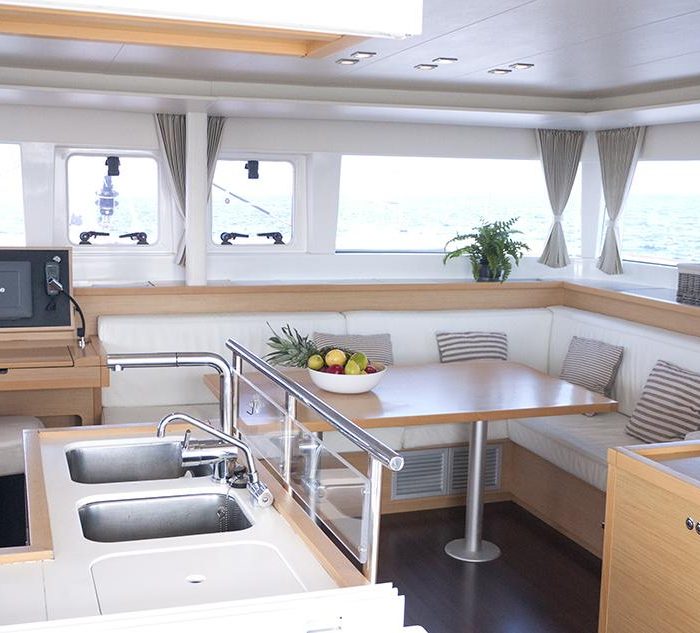
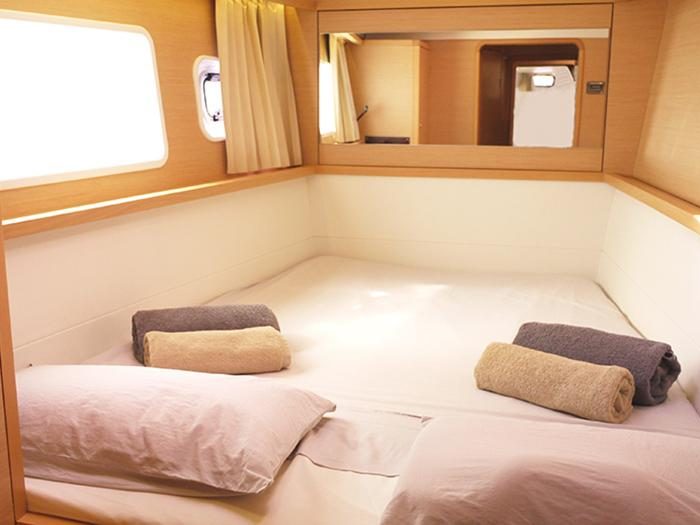
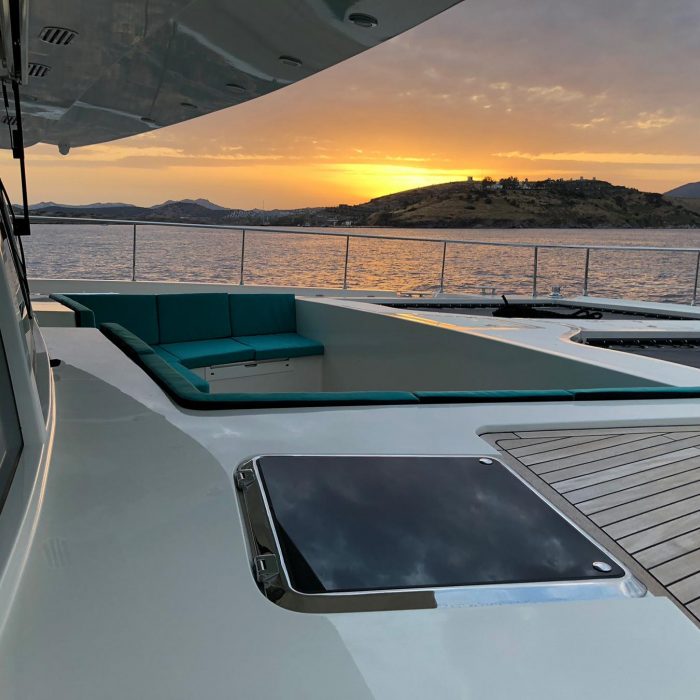
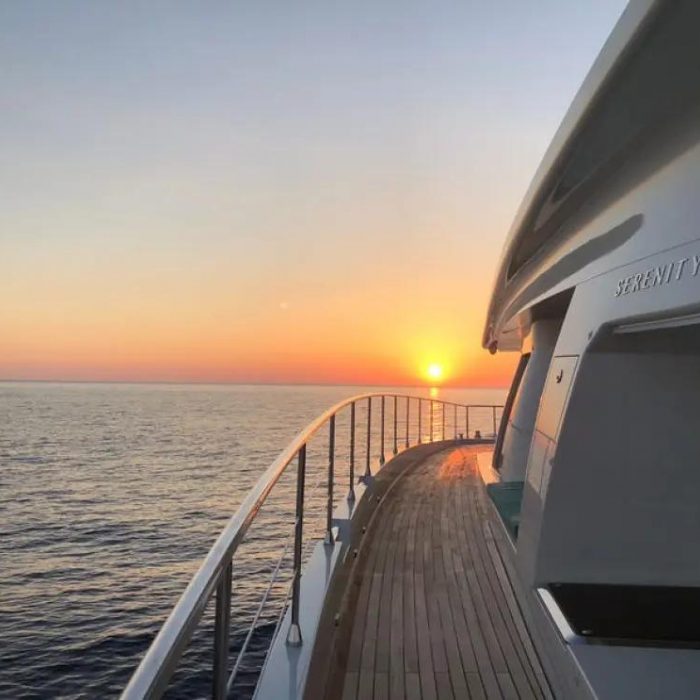
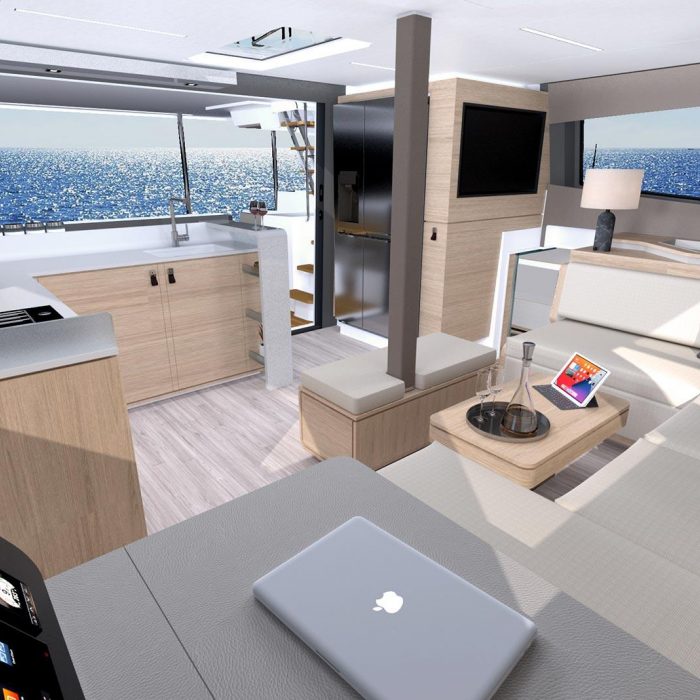
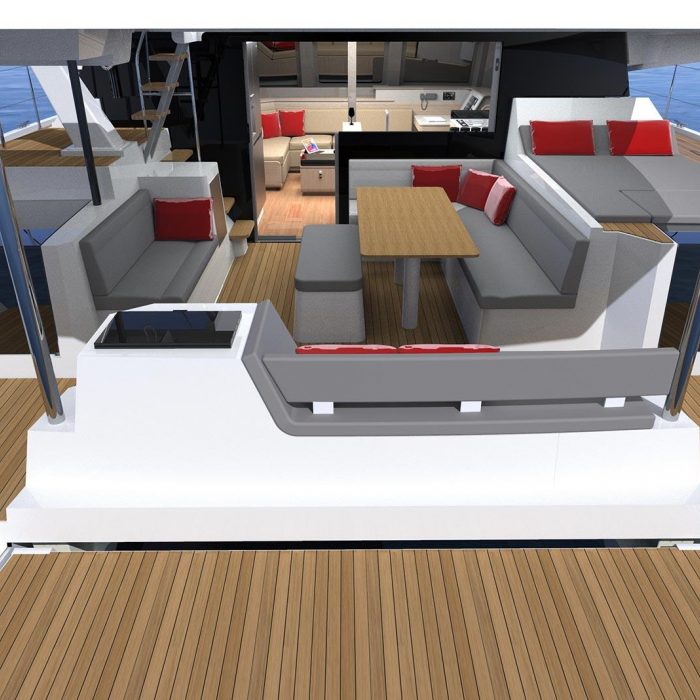
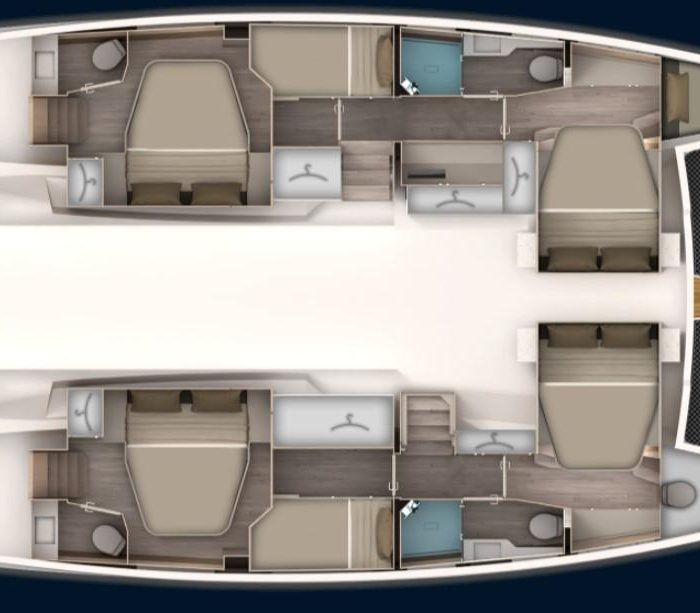
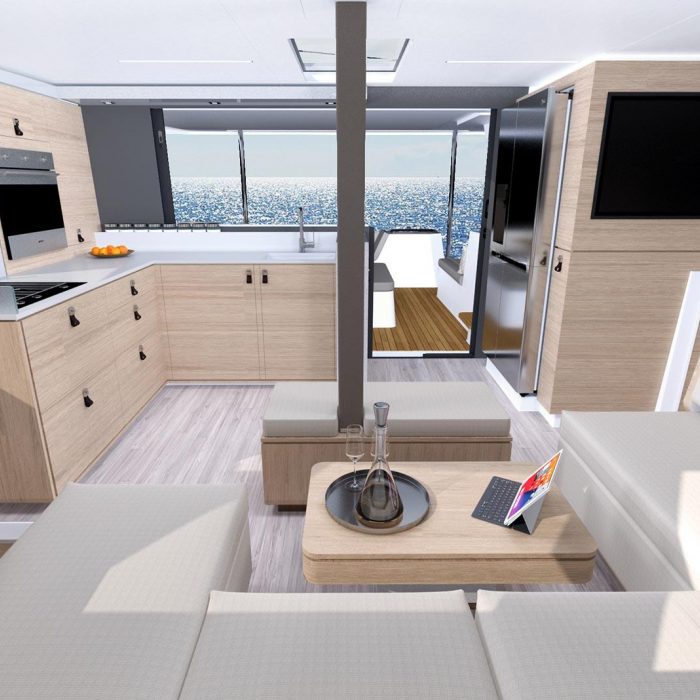
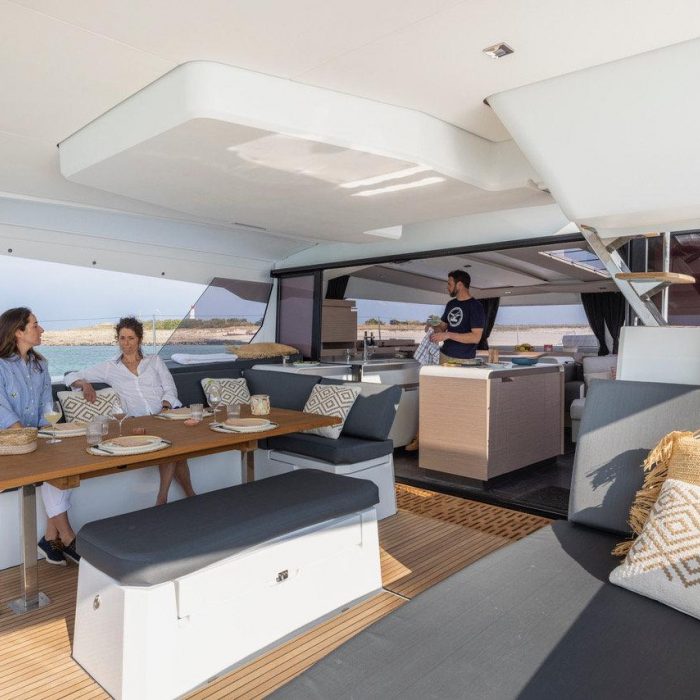
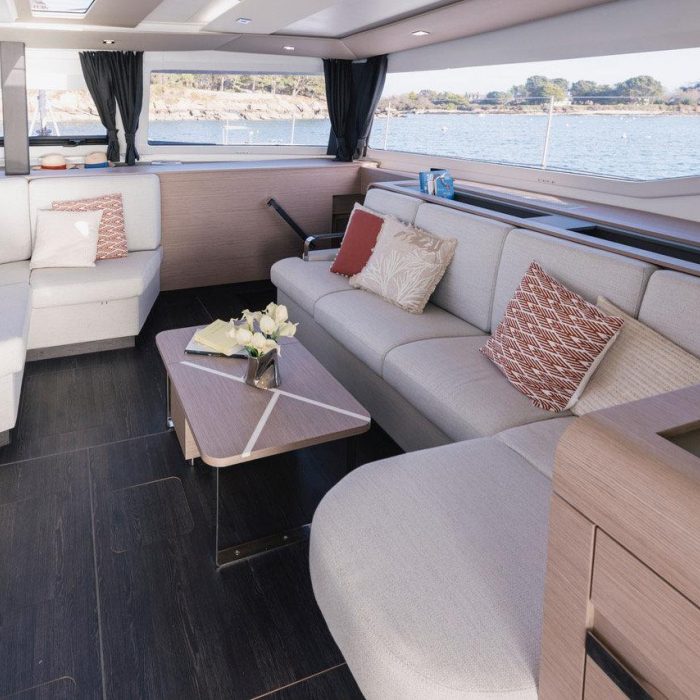
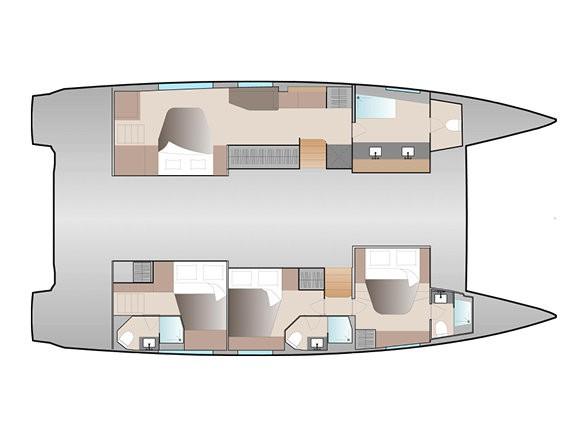
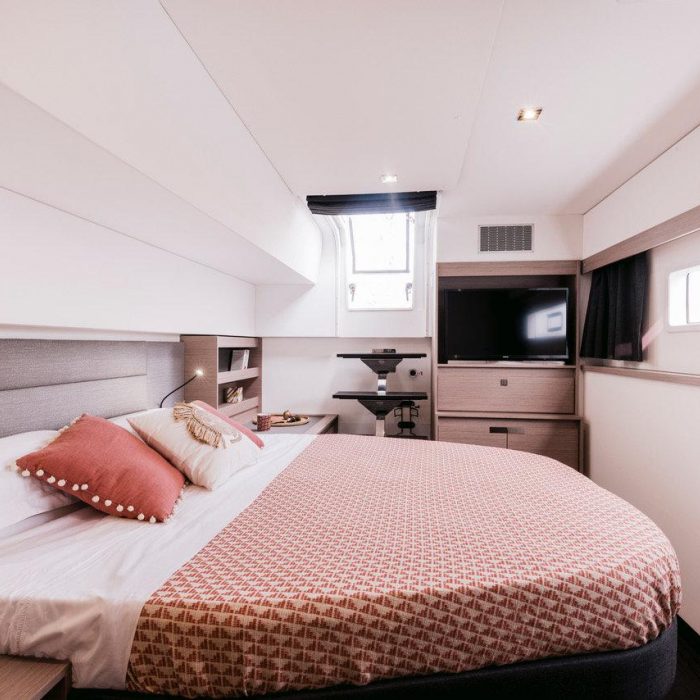
The Ibiza fleet is sailing yachts and catamarans, with a few power catamarans, from Dufour, Hanse, Lagoon, Oceanis, Excess, Bali, Leopard and Astrea. On this snapshot there are 53 boats out of Marina Ibiza and Sant Antoni de Portmany (as of 7 September 2026, refreshed on publish). For a week with a group, a catamaran (Lagoon, Bali, Excess or Leopard) gives more deck and cabin space and a shallower draft than a monohull of the same length, which reaches bays a deeper keel can't. You see the exact vessel you book, with its cabins, guest capacity and weekly price, not a stock photo of the class.
| Yacht | Type | From (per week) | On top |
|---|---|---|---|
| Blue Mares (Dufour 360) | Sailing yacht | €1,756 | Extras, 21% IVA, and a refundable deposit shown on the listing |
| Ariel (Hanse 505) | Sailing yacht | €3,640 | Extras, 21% IVA, and a refundable deposit shown on the listing |
| Side (Lagoon 42) | Catamaran | €4,029 | Extras, 21% IVA, and a refundable deposit shown on the listing |
| Premium (Bali 4.2) | Catamaran | €4,740 | Extras, 21% IVA, and a refundable deposit shown on the listing |
| Olivia (Bali 4.4) | Catamaran | €5,423 | Extras, 21% IVA, and a refundable deposit shown on the listing |
Named boats and weekly prices as of 7 September 2026, refreshed on publish.
Bareboat or crewed, and what Spain asks of a skipper
You charter an Ibiza yacht two ways: bareboat, where you skipper it yourself, or crewed, where a professional skipper runs the boat and your group can be complete non-sailors. To bareboat in the Balearics you need an ICC or an RYA Day Skipper Practical certificate (or an equivalent national qualification), plus one crew member holding a VHF radio operator's certificate, and most bases also ask for a short sailing CV. Without the paperwork you take a skipper, who also handles the Ses Salines buoy and the crossing. The exact certificates are confirmed with your Ibiza base when you book. The full Spanish licence framework is on the Spain pillar, linked below; this page keeps to what Ibiza asks.
How the week works and what it costs
A charter runs by the week, Saturday to Saturday. The price you see first is the base rate, and it is not the total. On top come mandatory extras of €260 to €3,420 depending on the boat, 21% Spanish VAT (IVA) on a charter leaving a Spanish port, a refundable security deposit, and, on a crewed boat, an APA (Advance Provisioning Allowance) of roughly 20% to 25% on sail and 30% to 40% on motor, paid upfront and reconciled at the end. Searadar's stance is to show these before you pay, not at the dock, and you pay Searadar no commission.
Two payments are easy to confuse, so keep them apart. To book, you pay 20% upfront (25% if you book inside 30 days of departure) through the Free Deposit Pack. This booking payment is non-refundable if you cancel beyond 45 days before departure, and it is not the security deposit. The security deposit is a separate, refundable amount, pre-authorised on your card per boat and returned if nothing is damaged. The payment schedule is 50% on confirmation and 50% due 30 days before the charter, or 100% if you book inside 30 days. The refundable security deposit is shown on each boat's listing. A one-way finish at another Balearic base is available on some boats for a fee, quoted on request. For how booking and payment work, see how Searadar works.
The registration tax (IEDMT) is a separate matter: it is 12% and applies to charter boats over 15 metres, while charter boats up to 15 metres can be exempt. Most of the Ibiza weekly fleet is under 15 metres.
| Item | Amount | Note |
|---|---|---|
| Lowest-priced week actually listed | €1,756 | A real boat's weekly price (Blue Mares, Dufour 360), as of 7 September 2026 |
| Price filter range | €1,800 to €56,800 | The search slider across the 53-boat fleet, not a single boat |
| Mandatory extras | €260 to €3,420 | Varies widely by boat; added to the base rate |
| Booking payment (Free Deposit Pack) | 20% upfront (25% if inside 30 days) | Non-refundable beyond 45 days before departure; not the security deposit |
| Refundable security deposit | Shown on each boat's listing | Separate from the booking payment; pre-authorised on your card, returned if undamaged |
| One-way / relocation fee | Quoted on request | Available on some boats for a fee, if you finish at another Balearic base |
| Spanish VAT (IVA) | 21% | On a charter leaving a Spanish port |
| APA | Roughly 20% to 40% | Crewed boats only; paid upfront, reconciled at the end |
| Registration tax (IEDMT) | 12% | Only on boats over 15 metres; boats up to 15 metres can be exempt |
| Searadar commission | €0 to the client | The owner pays it, so you pay the same as booking direct |
Before you book: the buoys, the licence and August
These are the points where an Ibiza week goes wrong. They are honest limits, not disclaimers.
You can't anchor on Posidonia, and Ses Salines needs a booked buoy. Spaces are limited, so a week's stops depend on which buoys you can reserve. Book them before you sail; the dates and channel are in the section above.
Bareboat needs the paperwork Spain asks for. No ICC or RYA Day Skipper, no VHF certificate, or no sailing CV, and the base either refuses the handover or requires a paid skipper. The licence is a hard stop, not a formality.
There is no no-licence week. Spain's no-licence exemption (up to 5 metres, up to 15 HP, daytime, near shore) is a small-craft day rule under RD 875/2014, not a weekly charter, and it does not reach Formentera or Es Vedrà. From 1 October 2026 chartering no-licence boats is reported to be banned (verify at publish). An Ibiza week is a licenced bareboat or a skippered charter.
The "from €1,756" figure is a base price, not a total. Extras, the refundable deposit, 21% IVA and, on a crewed boat, the APA sit on top. Read the total, not the headline; Searadar lists those lines before you pay.
August is the peak on every axis. It is the hottest and busiest month, the most expensive, and both Marina Ibiza berths and the Ses Salines buoys fill up. May, June and September usually give more room for the money. The boat's cancellation and weather terms are shown before you book.
Part of yacht charter in Spain
Ibiza is one of the Balearic Islands, and a week here sits inside yacht charter in Spain. The country page covers the shared ground once: boat and charter types, the bareboat licence rules and the Spanish VAT position, so this page does not repeat them.
For the other Balearic week, the Palma superyacht base and Cabrera National Park access, see yacht charter in Mallorca. To leave from the mainland instead, see yacht charter in Barcelona.
FAQ
Do I need to book a mooring in Ses Salines?
Yes. To stop off the main beaches you reserve an eco mooring buoy ahead, through cbbasea.com or on VHF channel 77, while the fields run from 1 June to 30 September. You can't anchor on the protected Posidonia seagrass, and anchoring on it can be fined up to €100,000.
Can I start the week in Ibiza and finish at another Balearic base?
Sometimes, but a one-way charter usually carries a relocation fee and depends on the boat and base. A standard Ibiza week is round trip, Saturday to Saturday, back to Marina Ibiza or Sant Antoni de Portmany.
Do I need a licence to charter bareboat in Ibiza?
Yes. You need an ICC or an RYA Day Skipper Practical certificate (or an equivalent national qualification), a crew member with a VHF radio operator's certificate, and usually a short sailing CV. Without them, you take a skipper.
Is there VAT on an Ibiza yacht charter?
Yes. A charter leaving a Spanish port carries 21% Spanish VAT (IVA). On a crewed boat you also pay an APA on top.
Is the 20% deposit refundable?
No. The 20% booking payment is non-refundable if you cancel beyond 45 days before departure. The refundable security deposit is a separate, per-boat amount pre-authorised on your card and returned if nothing is damaged.
About this page
Searadar is a yacht charter broker connecting clients with charter companies across Spain and the wider Mediterranean. The company says it was founded in 2017, has assisted more than 500 clients, and sees more than 70% of clients return, and names Dream Yacht Charter and Sunsail among its partners (all stated by Searadar, as of 27 August 2026). Its Trustpilot rating is 4.2 out of 5 from 1,054 reviews, and it replies to 98% of negative reviews, typically within 24 hours (confirmed by Trustpilot, as of 27 August 2026).
Operated by UAB SEARADAR (company code 305242131), Vilkpėdės g. 22, LT-03151, Vilnius, Lithuania. Contact: +44 20 4577 1577, hello@searadar.com. As a broker, Searadar has no charter office on Ibiza; it arranges boats at Ibiza bases, chiefly Marina Ibiza and Sant Antoni de Portmany, and your exact departure berth is confirmed at booking.