Kefalonia is a popular destination for renting a sailboat in Greece. The island offers stunning beaches and crystal-clear waters to explore by boat. Renting a sailboat in Kefalonia allows visitors to discover hidden coves and secluded beaches that are only accessible by sea.
Search
Booking dates
Filters
Prices Range
Cabins range
WC range
Length
Berths
Year
Security deposit
Boat offers
Service
Mainsail

Personal Assistant
Tired of searching yourself?
Our managers are always on call to help
Yacht Charter Kefalonia
Rent a yacht in Kefalonia and enjoy the adventure. Available 6 yachts. 6 yachts are available on your dates. If you are still undecided about a specific model and want to compare several boats, add the boats to the comparison list or contact our manager. Popular regions and cities: Athens, Corfu, Crete, Kefalonia, Lefkada, Mykonos, Rhodes, Santorini Choose among yacht types: Sailboat, Catamaran Cabins: 3-cabins, 5-cabins Persons: 4-persons, 6-persons, 8-persons
Show more

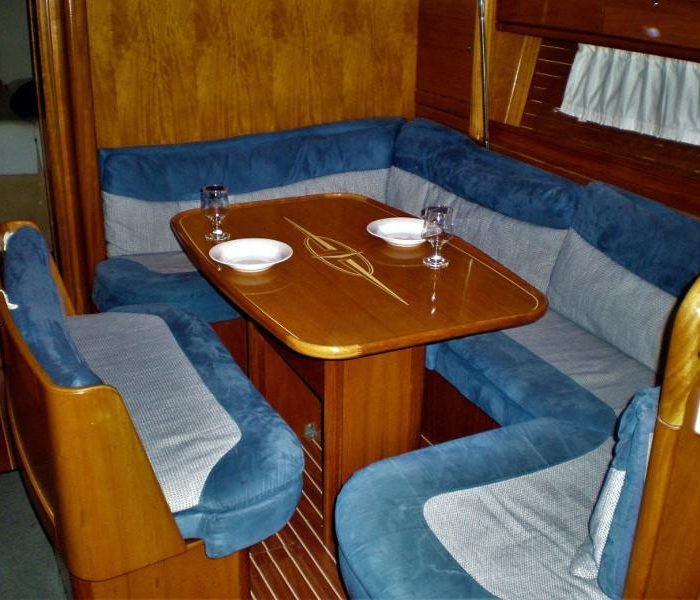
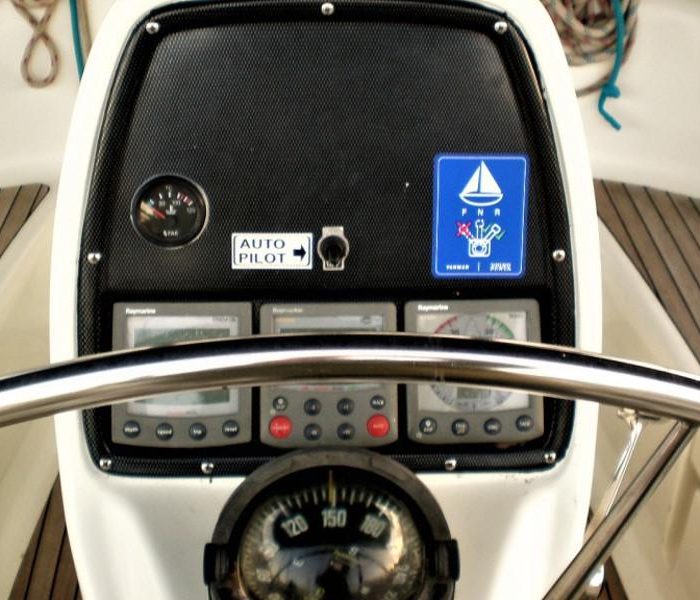
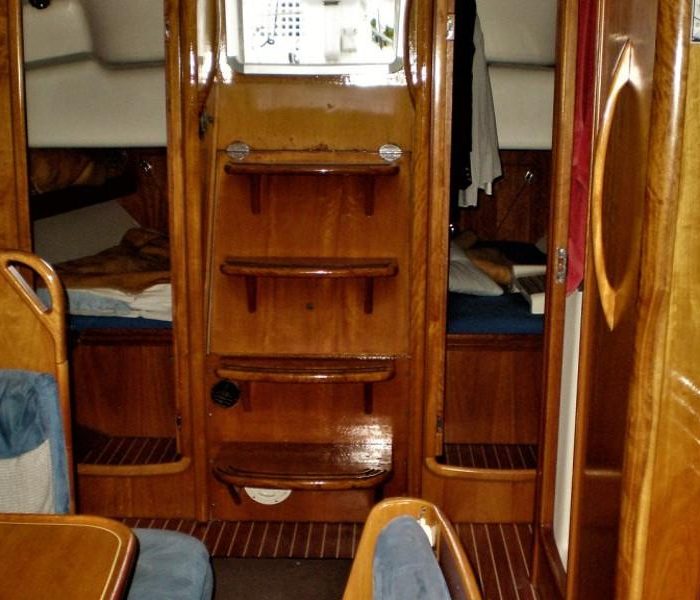
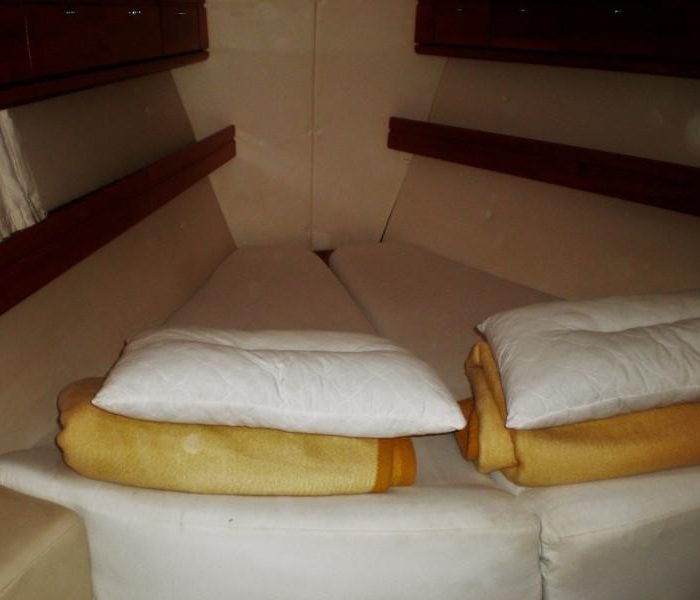
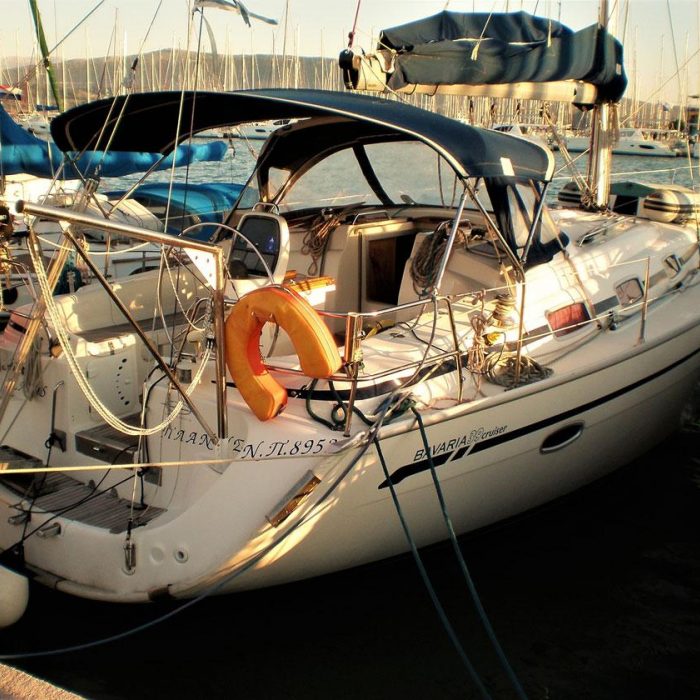
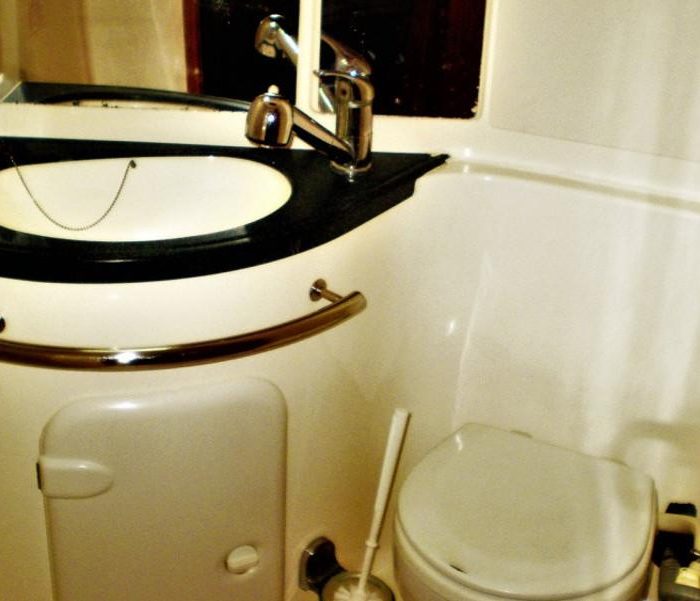
Planis | Bavaria 39 Cruiser
Ionistia

Greece, Ionian, Sami, Sami Port
Year: 2006
Length: 39 Ft
Cabins: 3
Guests: 6
1450 €
1450 €
- 5% 1,378€
+ mandatory costs - 180 €
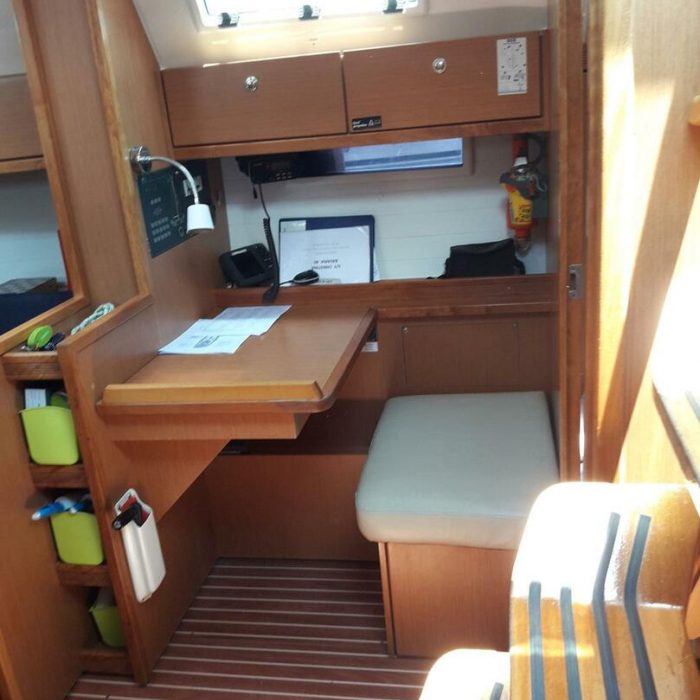
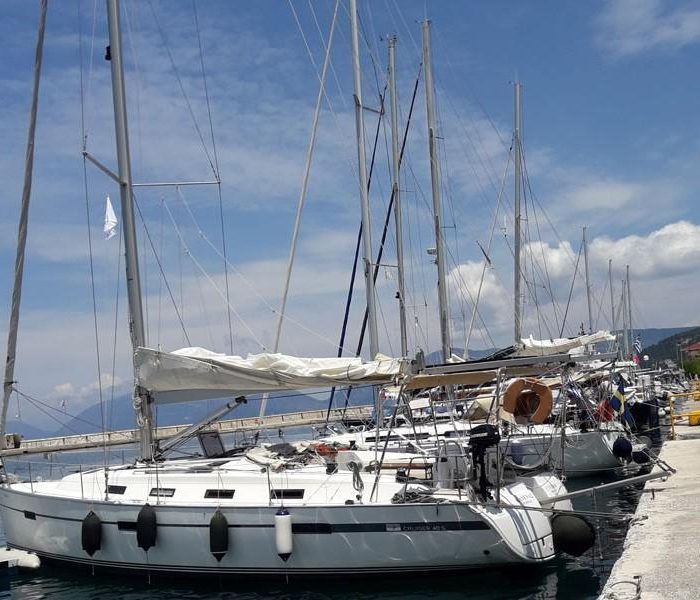
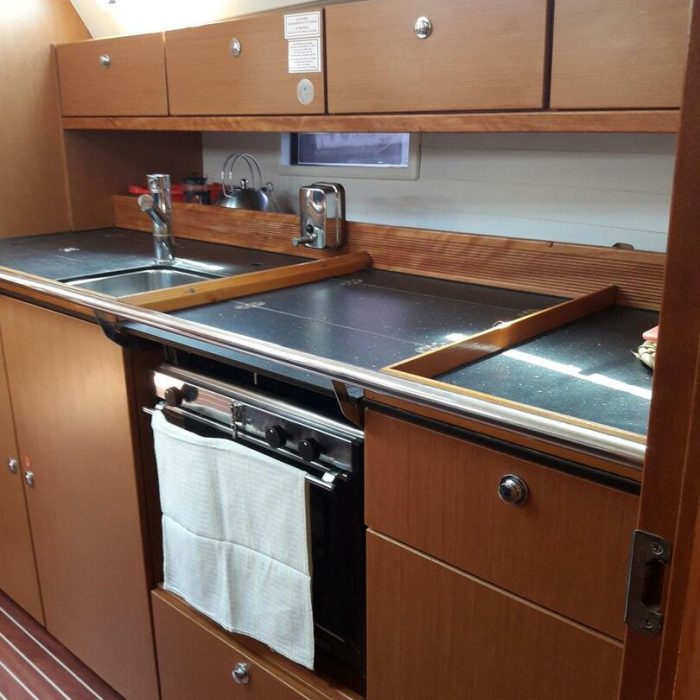

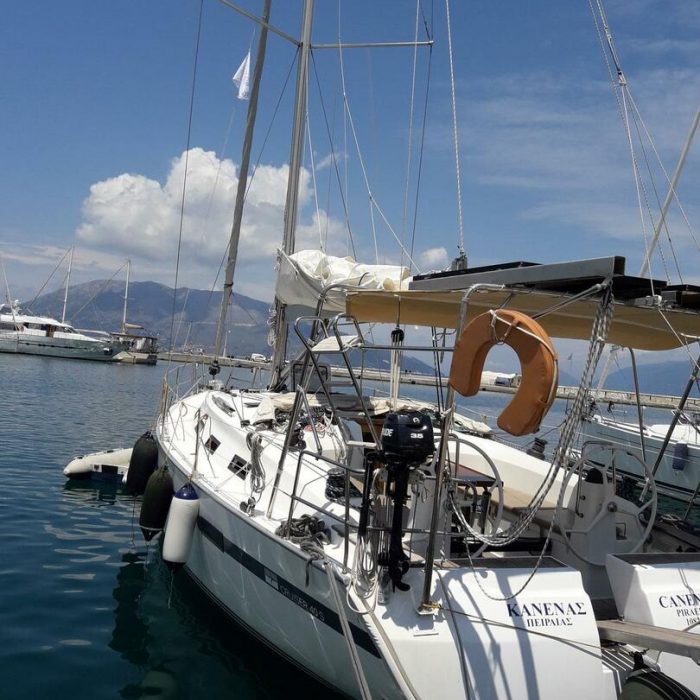
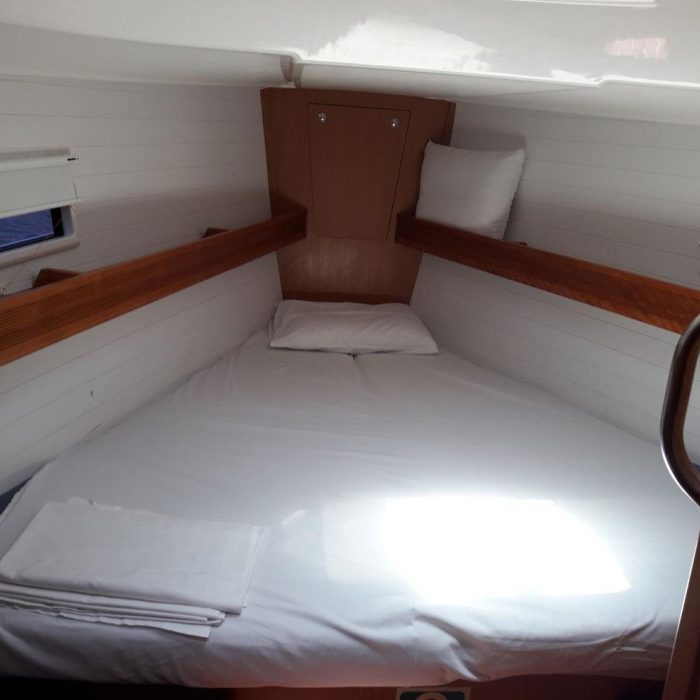
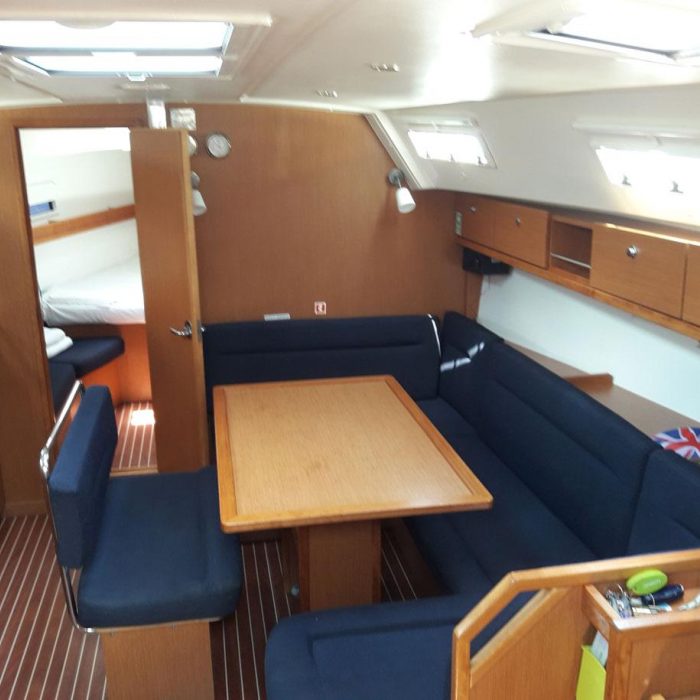
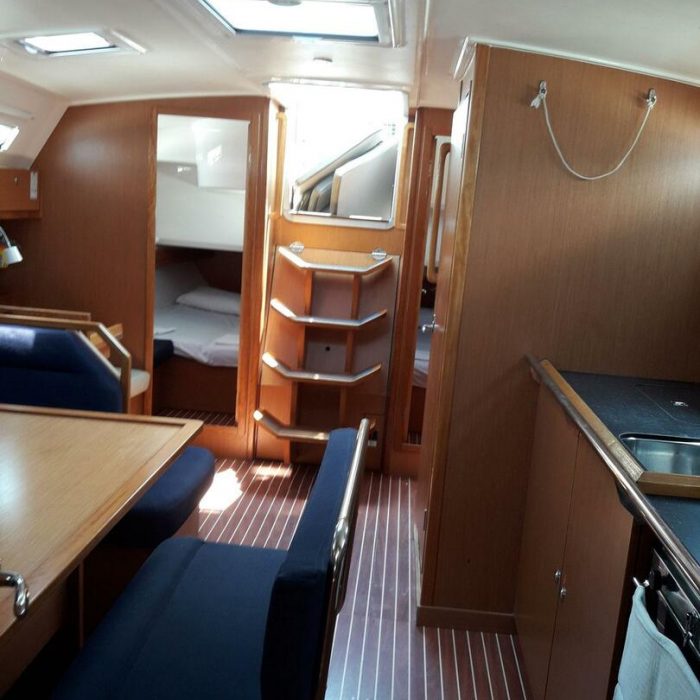
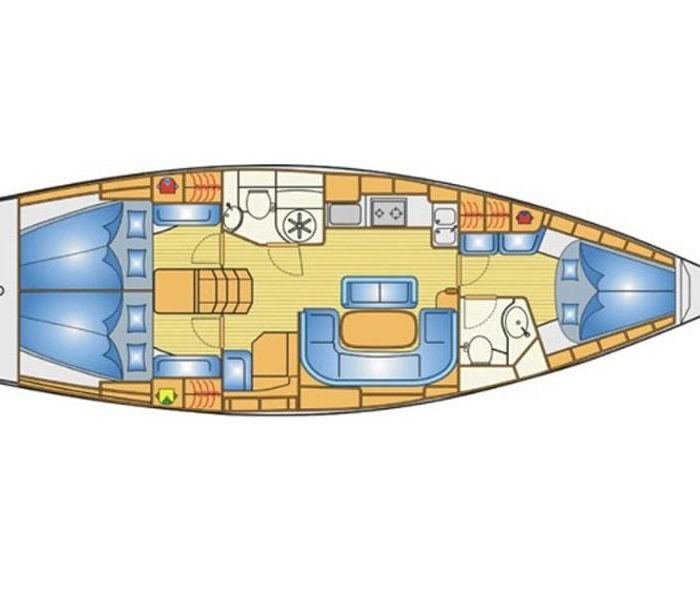
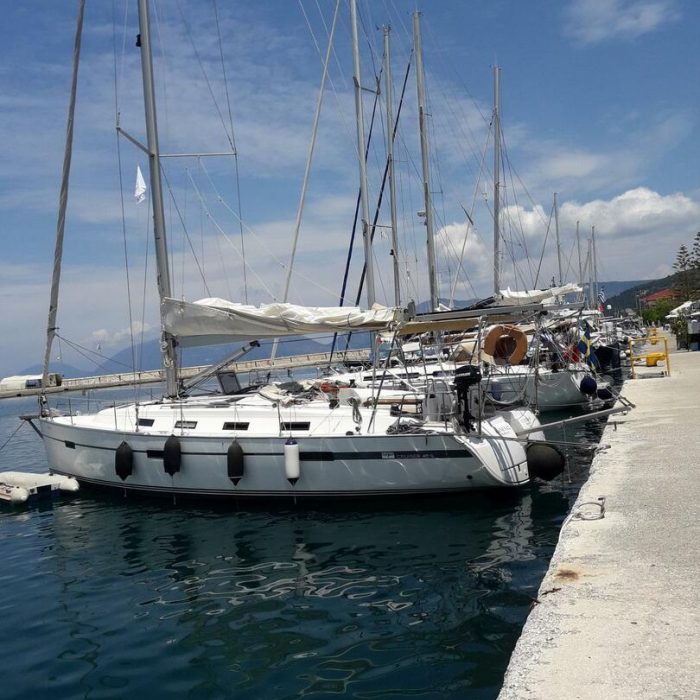
Canenas | Bavaria 40 Cruiser S
Ionistia
Greece, Ionian, Sami, Sami Port
Year: 2012
Length: 39 Ft
Cabins: 3
Guests: 6
1700 €
1700 €
- 5% 1,615€
+ mandatory costs - 180 €
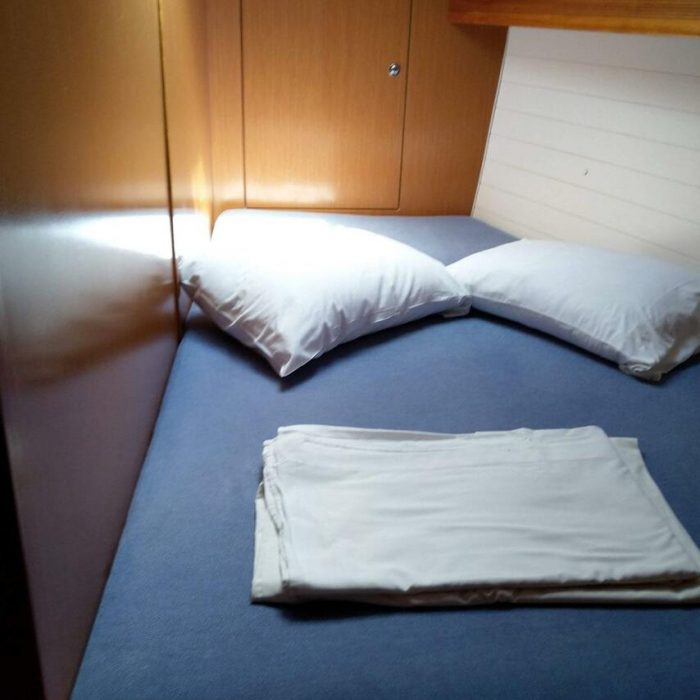
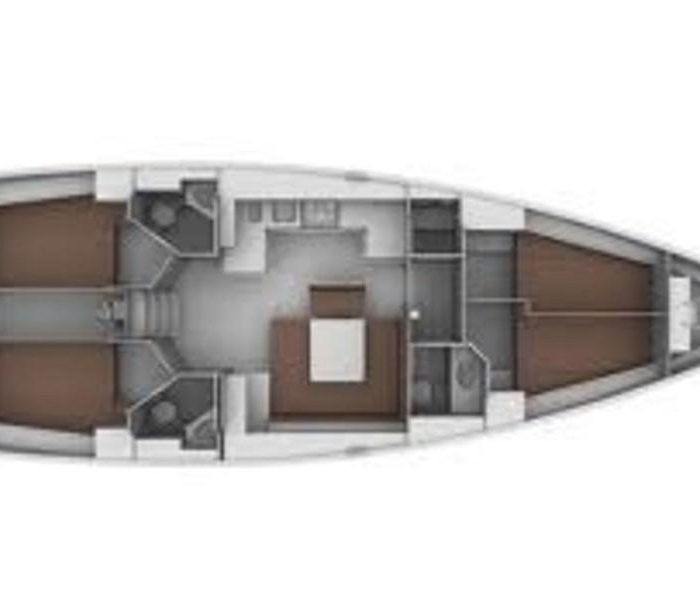
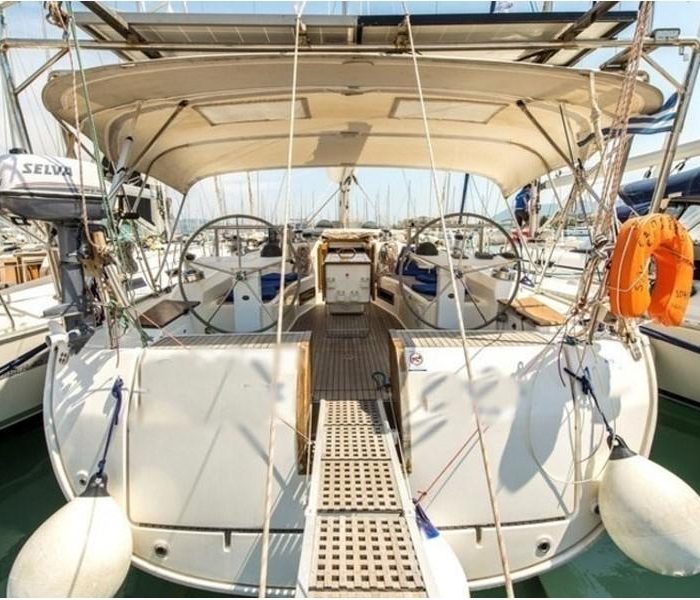
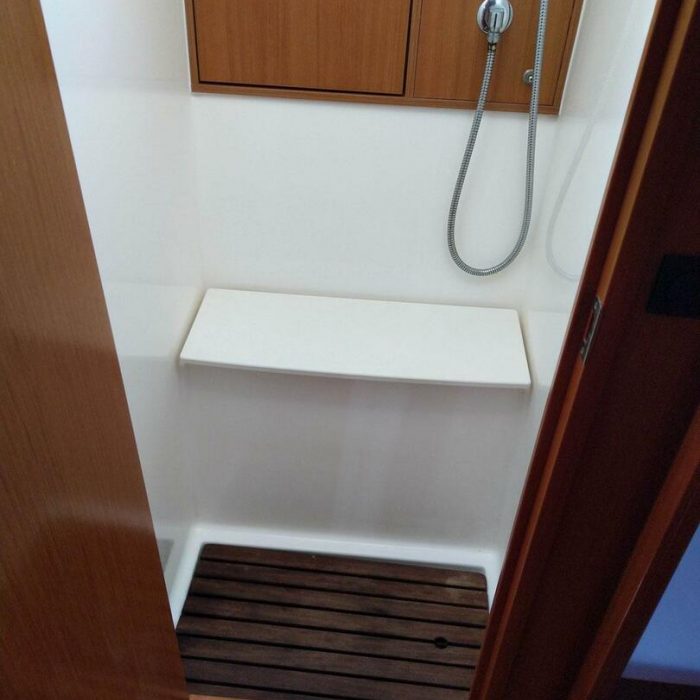
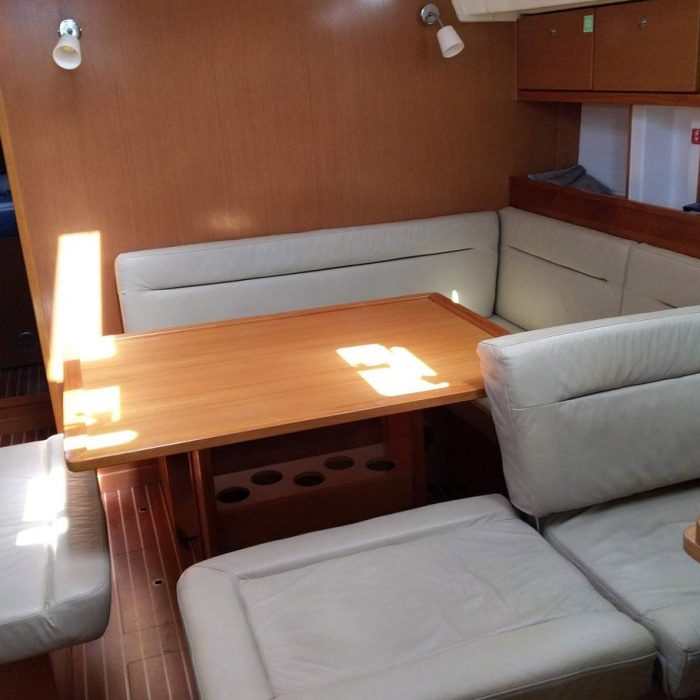
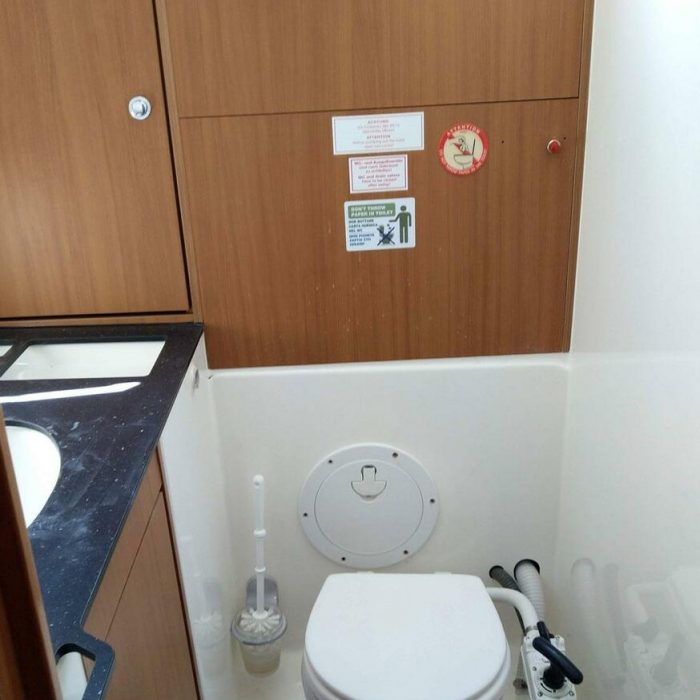
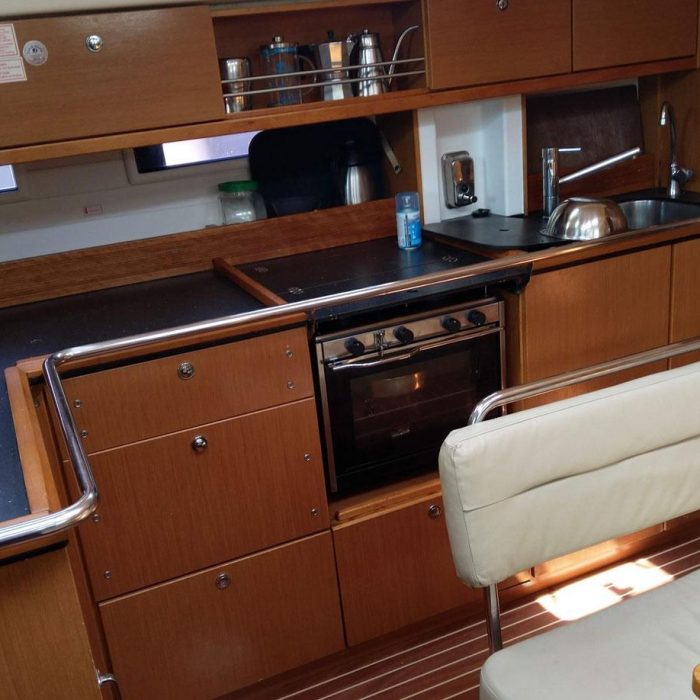
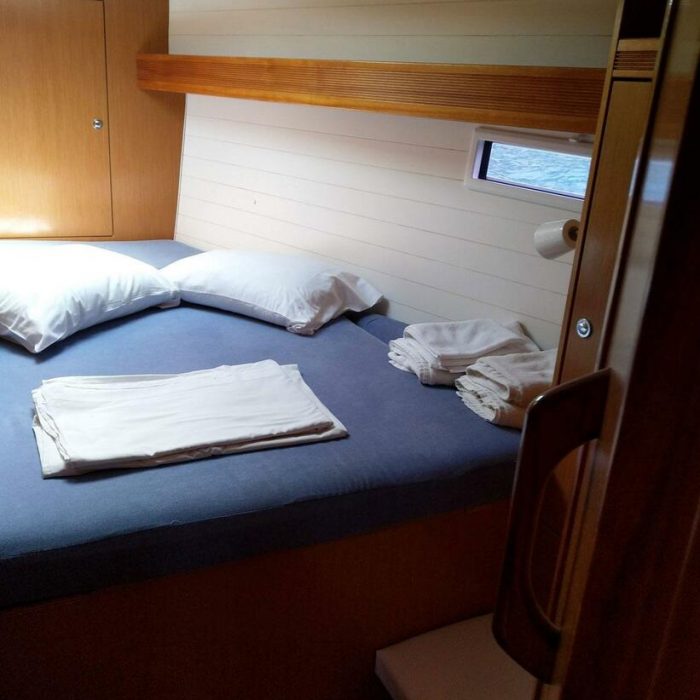
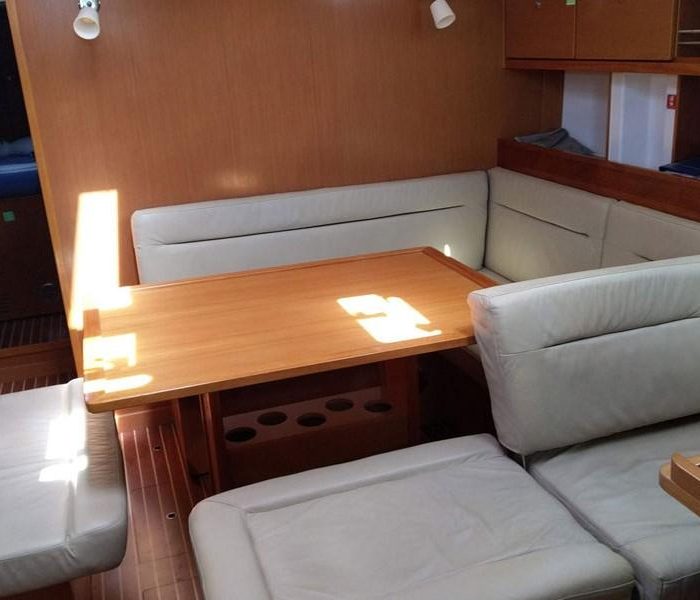
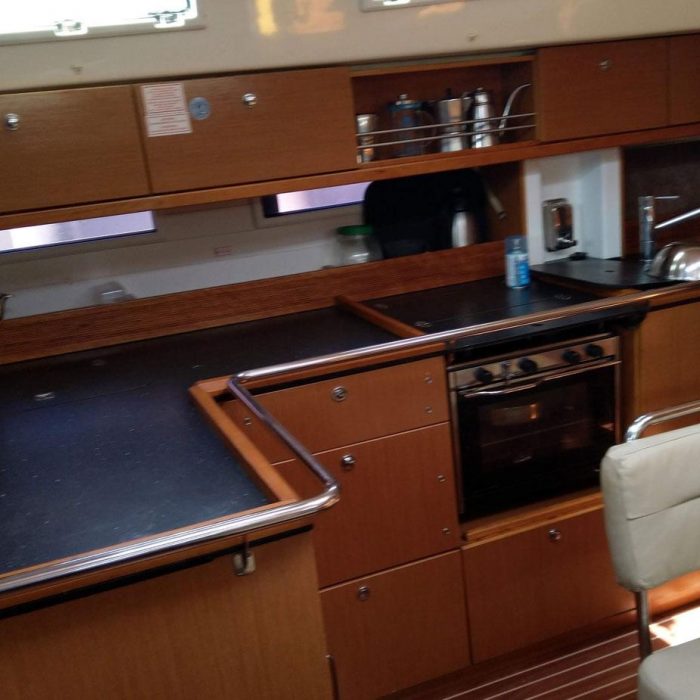
Esperos | Bavaria 45 Cruiser
Ionistia
Greece, Ionian, Sami, Sami Port
Year: 2011
Length: 45 Ft
Cabins: 4
Guests: 8
2090 €
2090 €
- 5% 1,986€
+ mandatory costs - 210 €
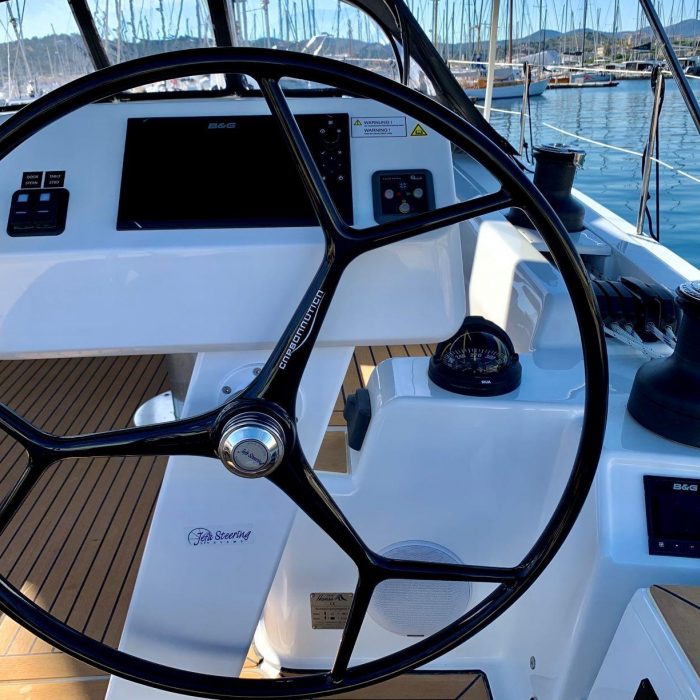
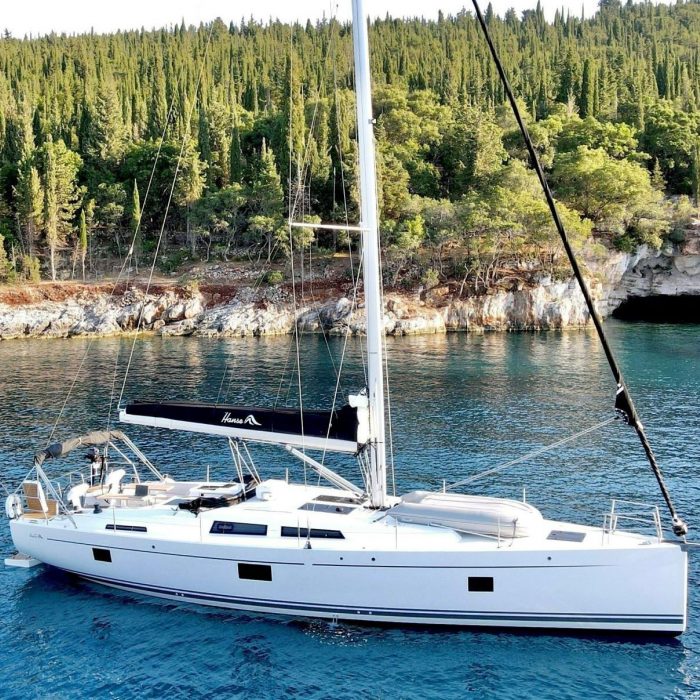
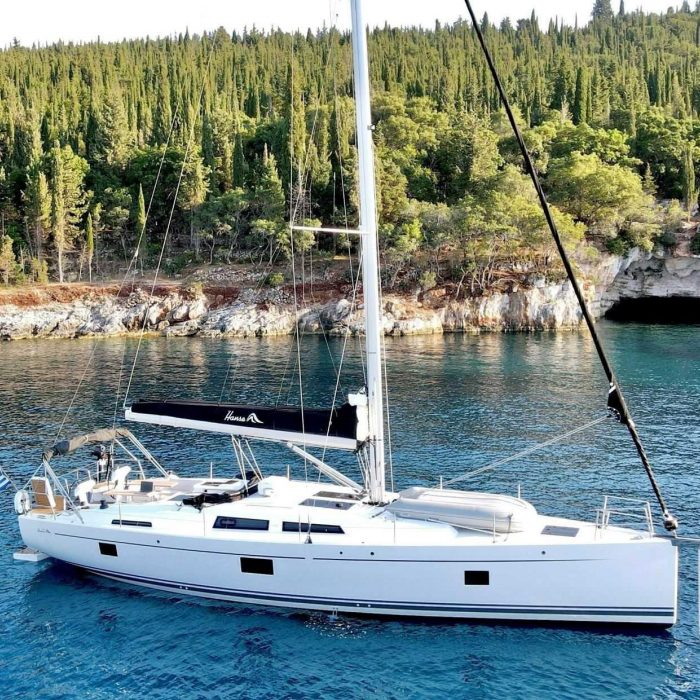
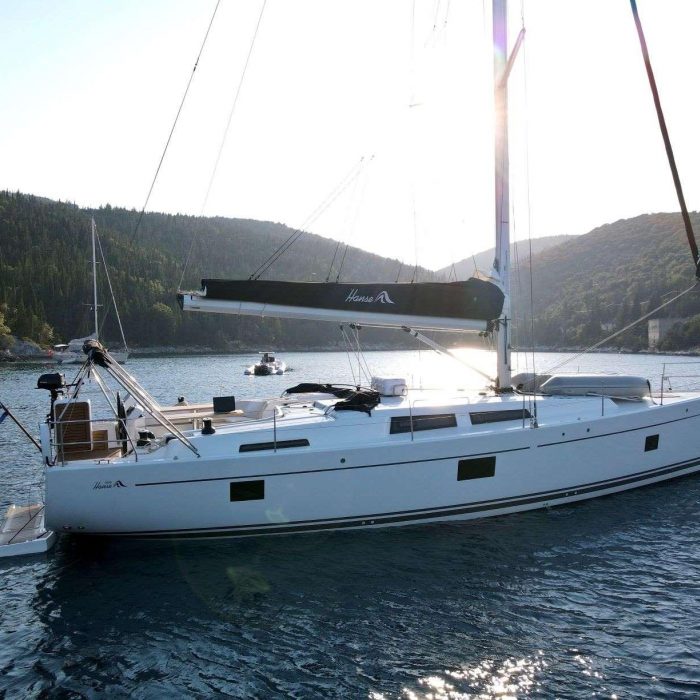
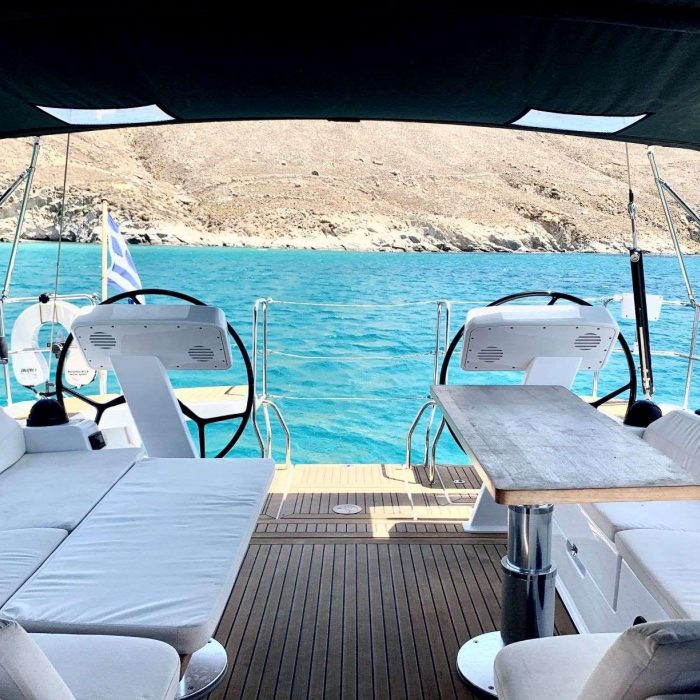
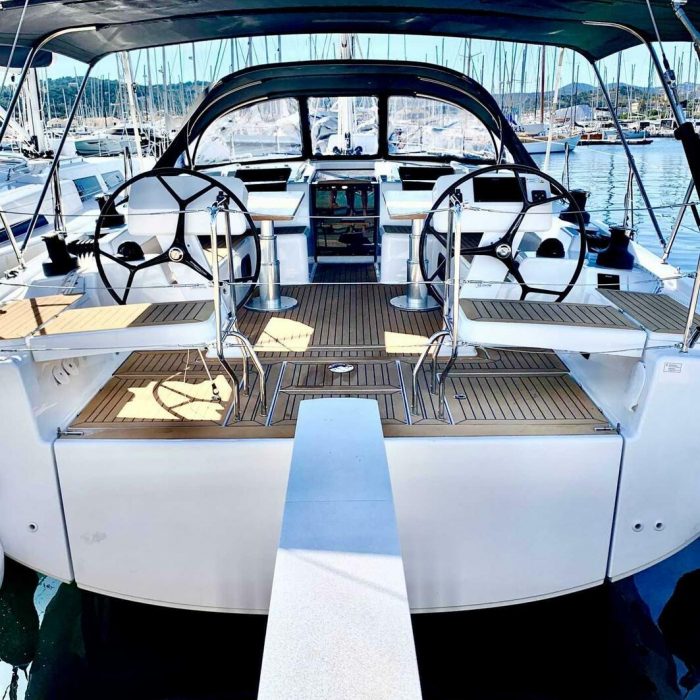
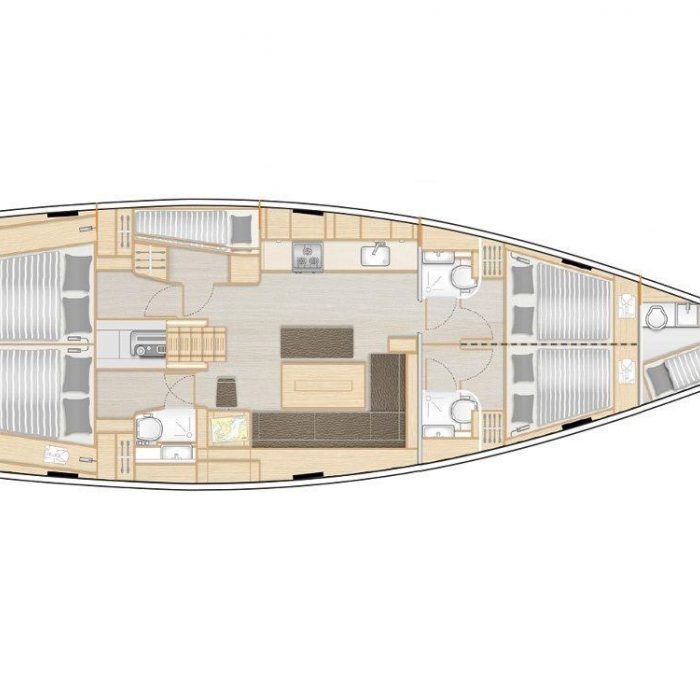
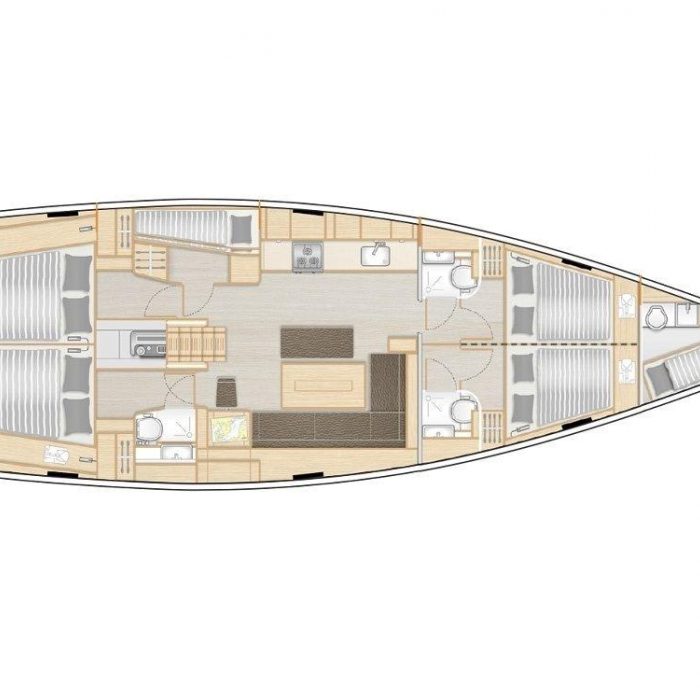
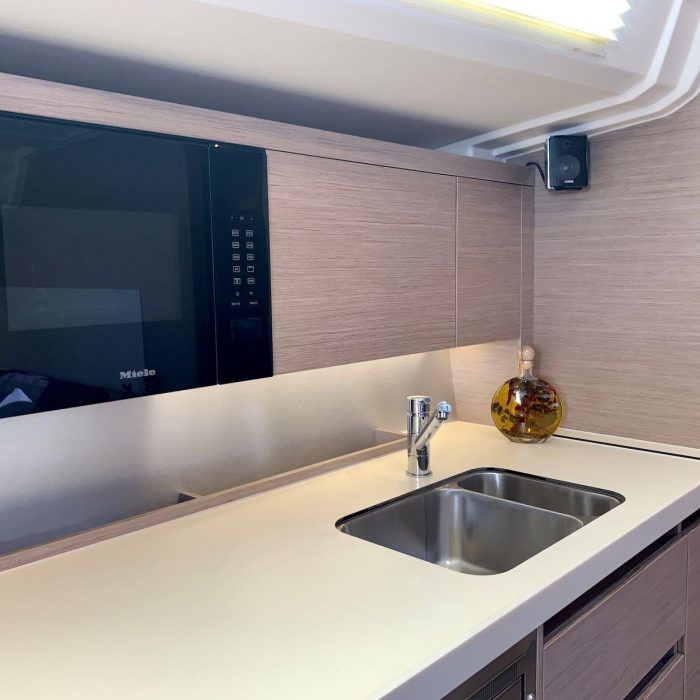
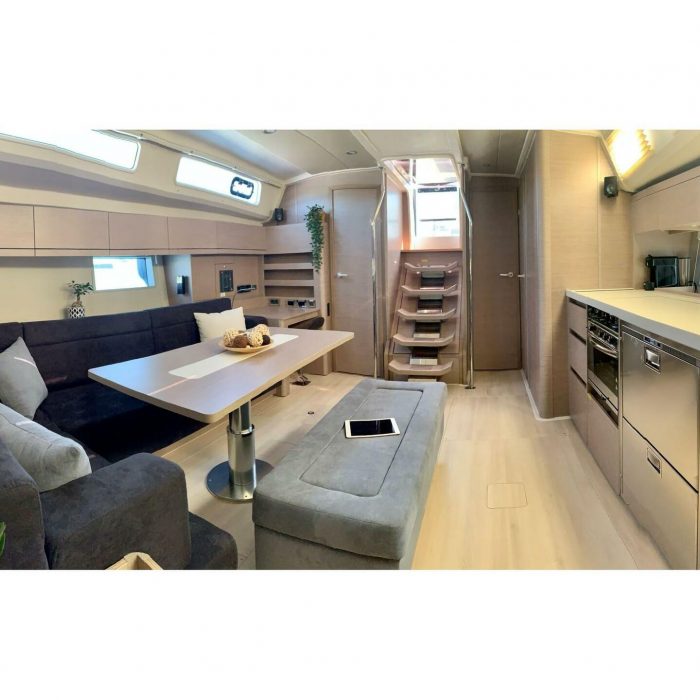
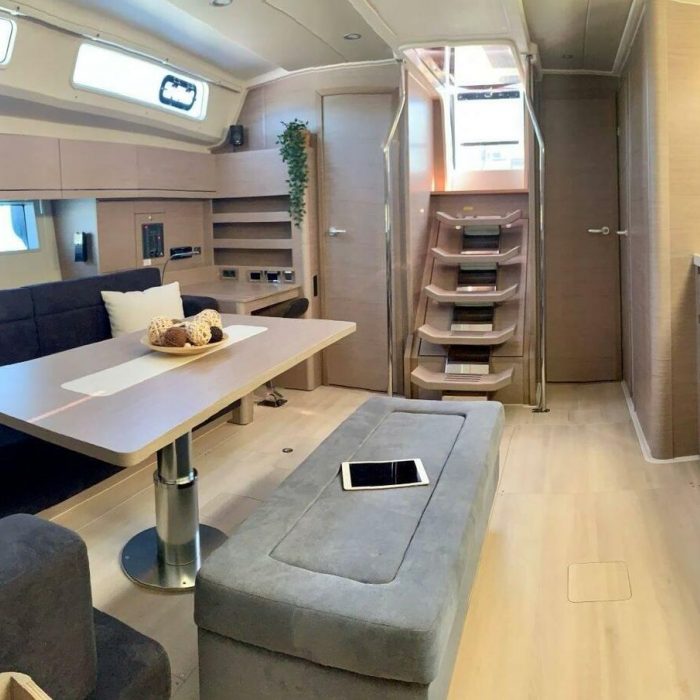
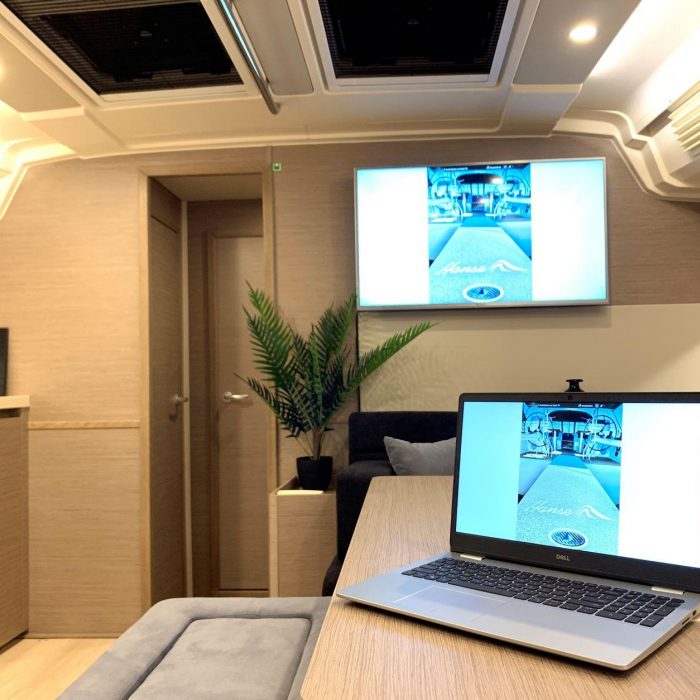
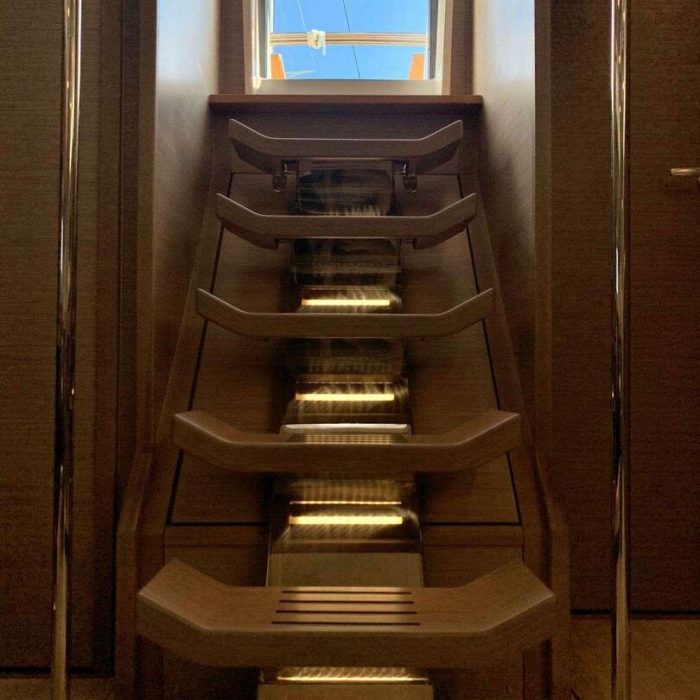
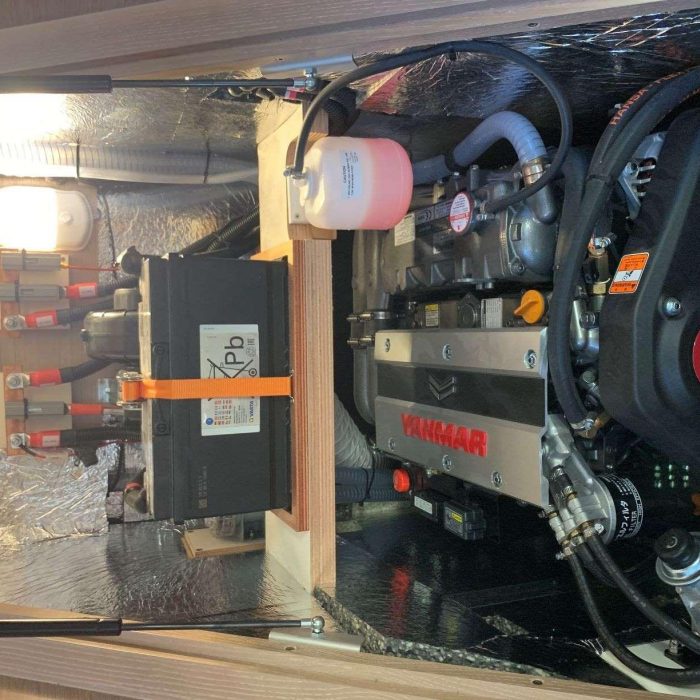
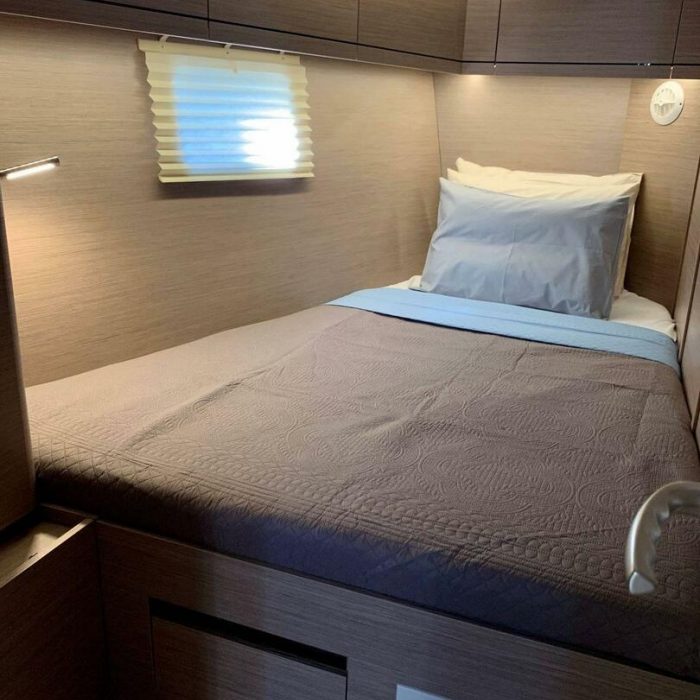
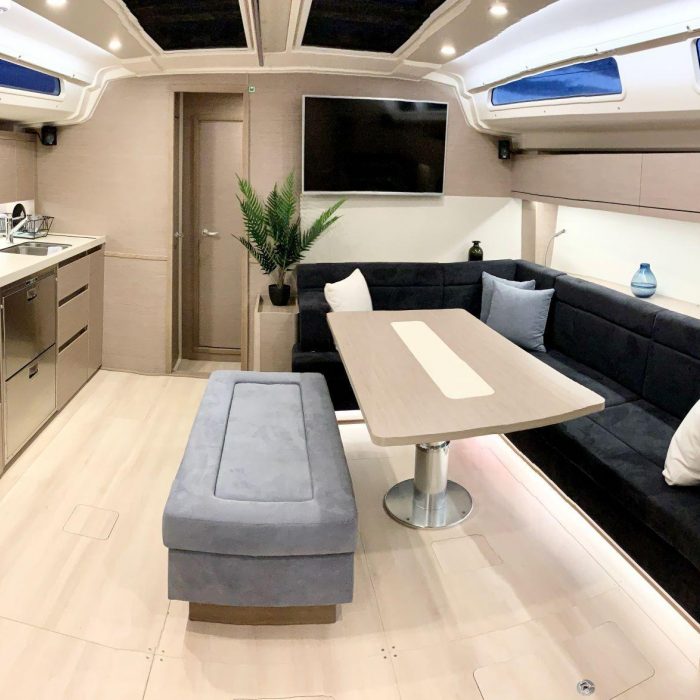
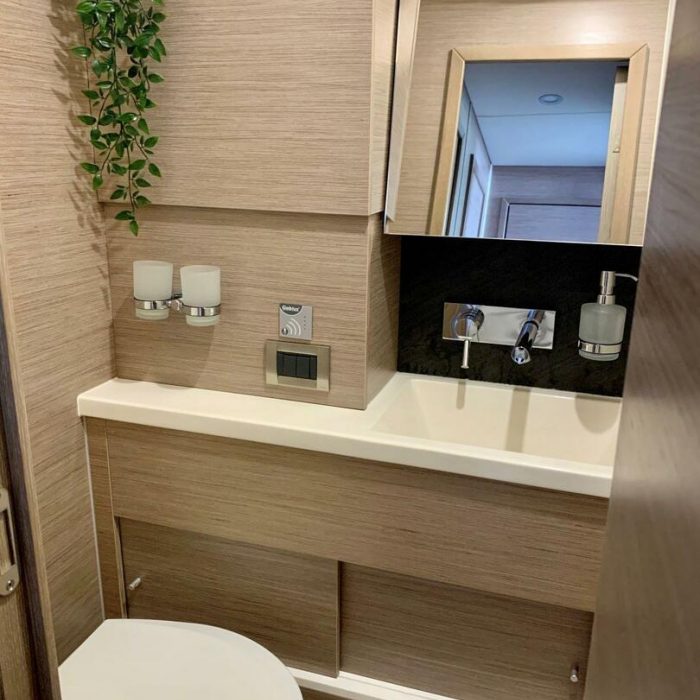
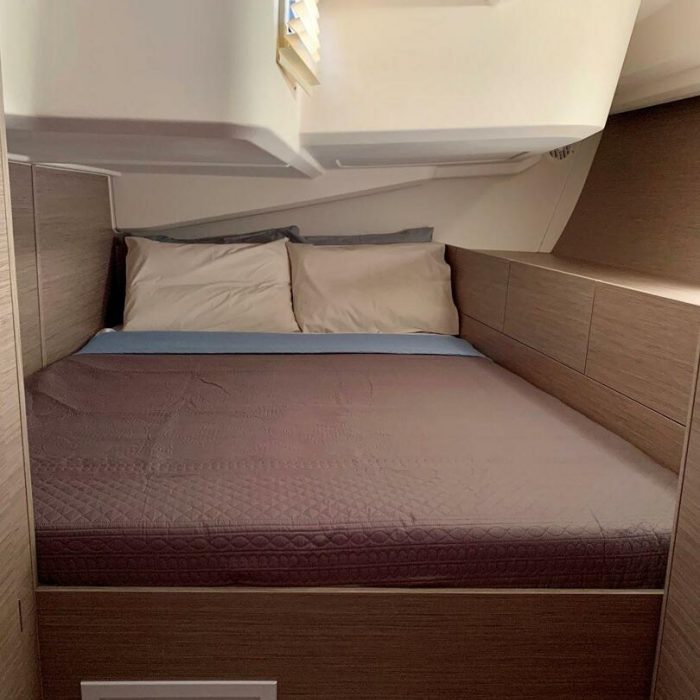
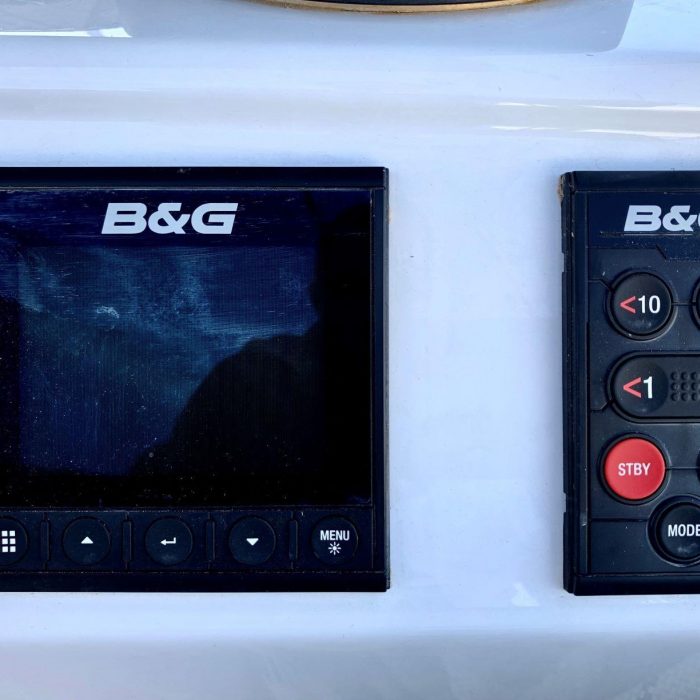
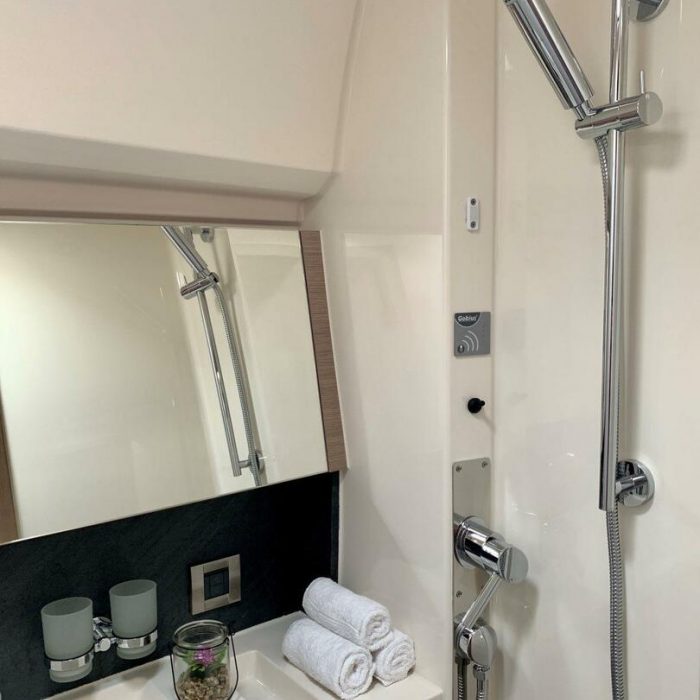
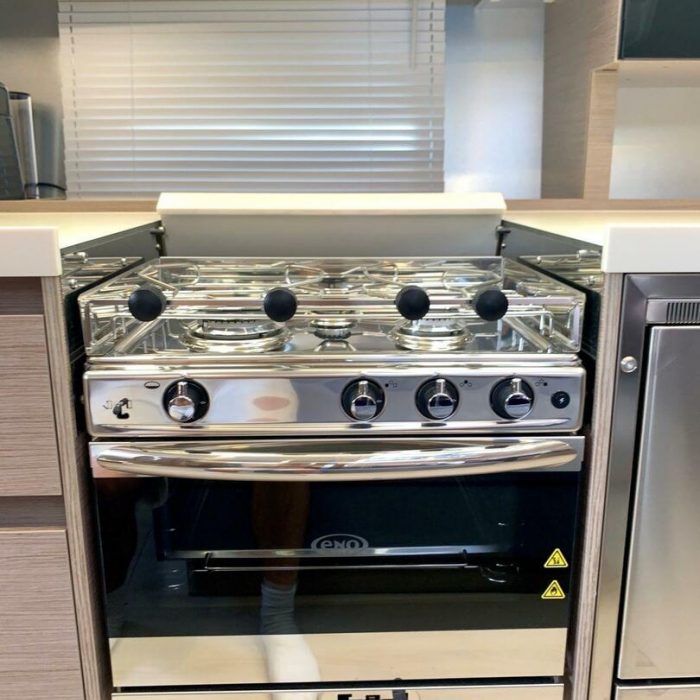
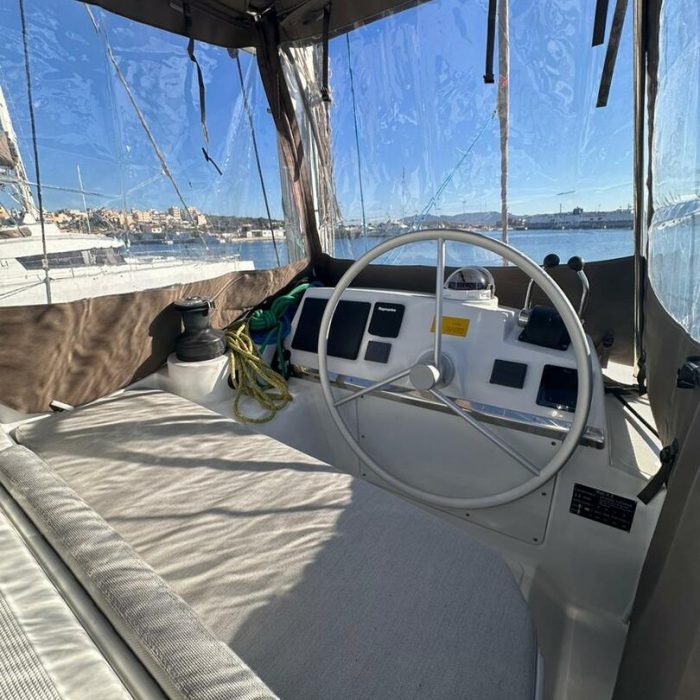
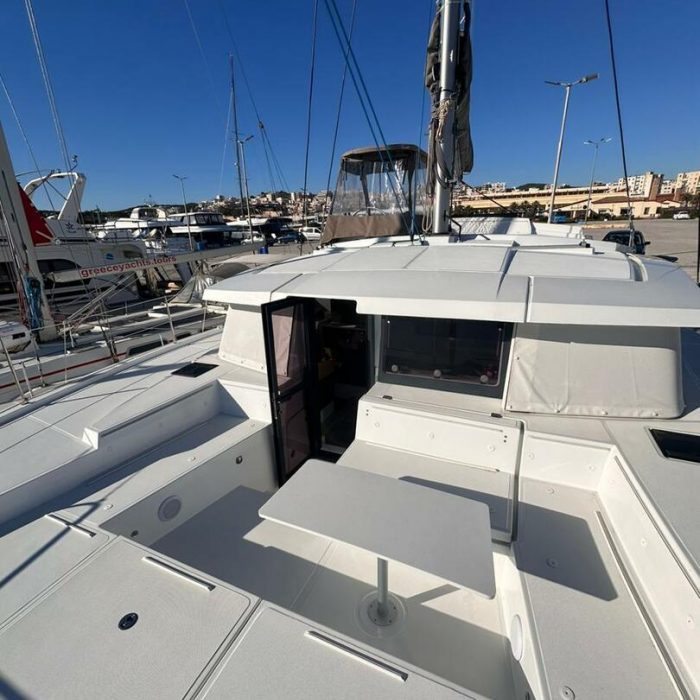
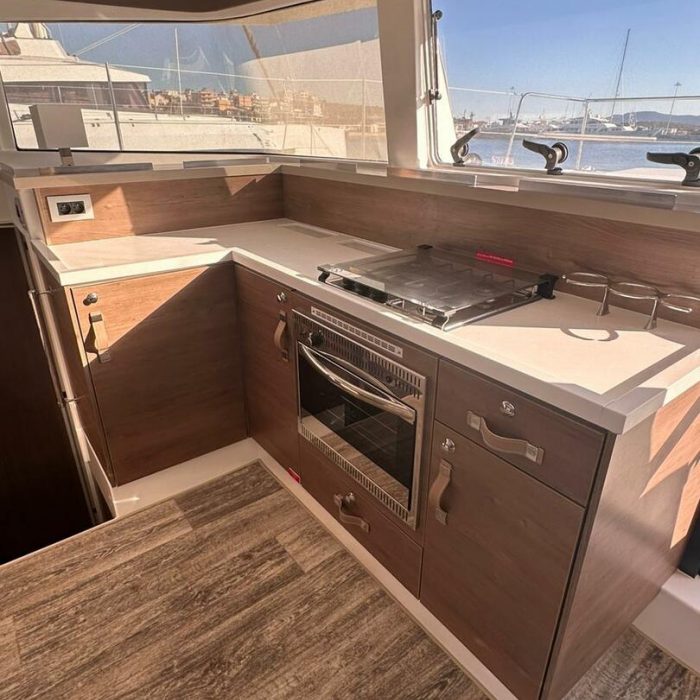
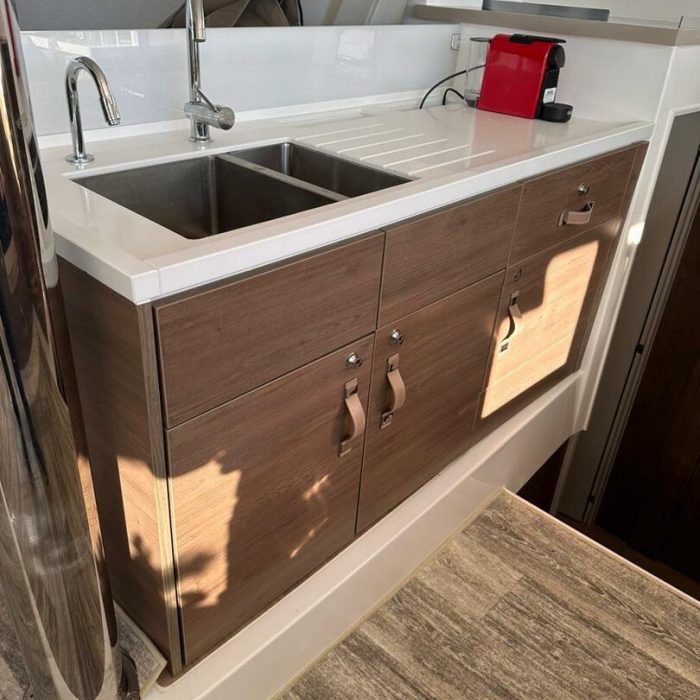
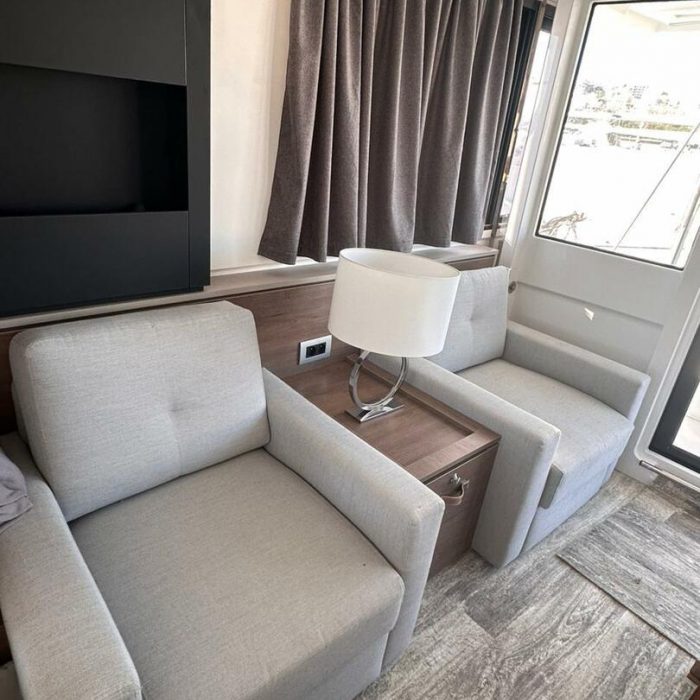
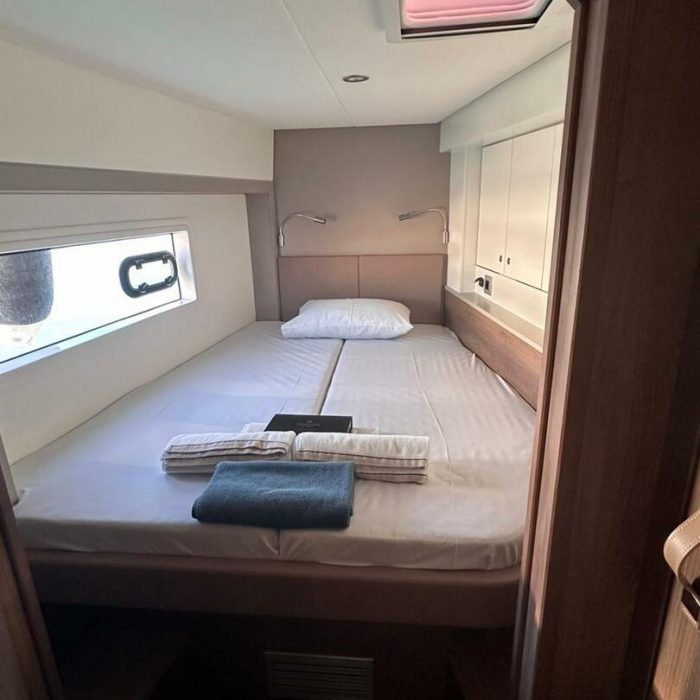
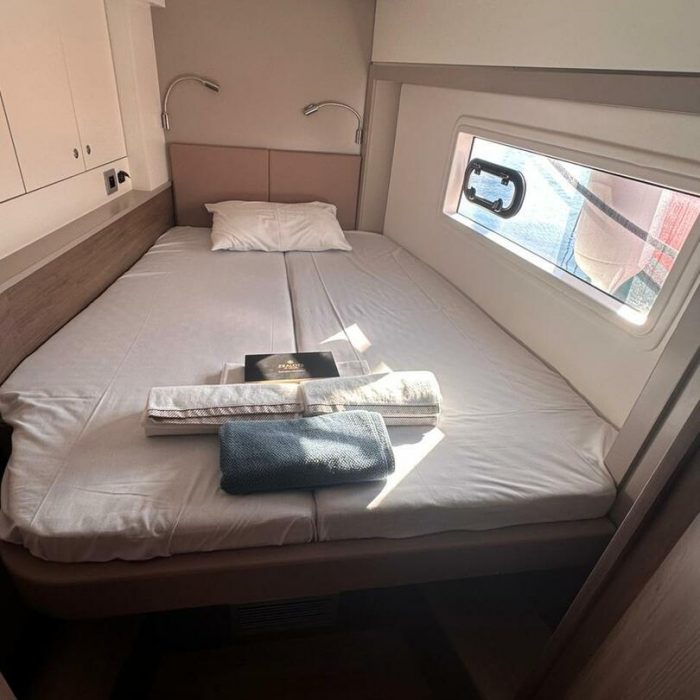
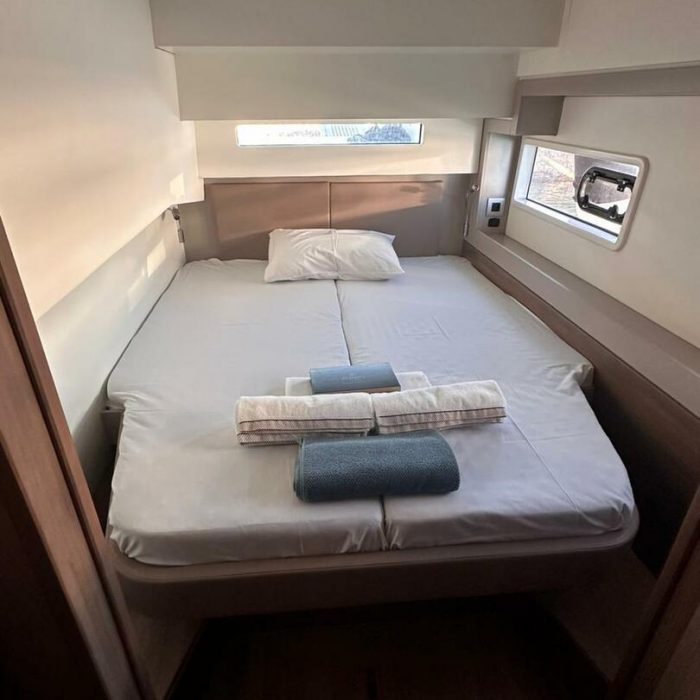
Hanse 508 | Hanse 508
Hevema / Hellenic Vessel Management
Greece, Ionian Islands, Port Sami, Kefalonia
Year: 2020
Length: 51 Ft
Cabins: 6
Guests: 12
2800 €
Online price
for 7 days
€ 2,800- 6%€2,633
+ mandatory costs - 350 €
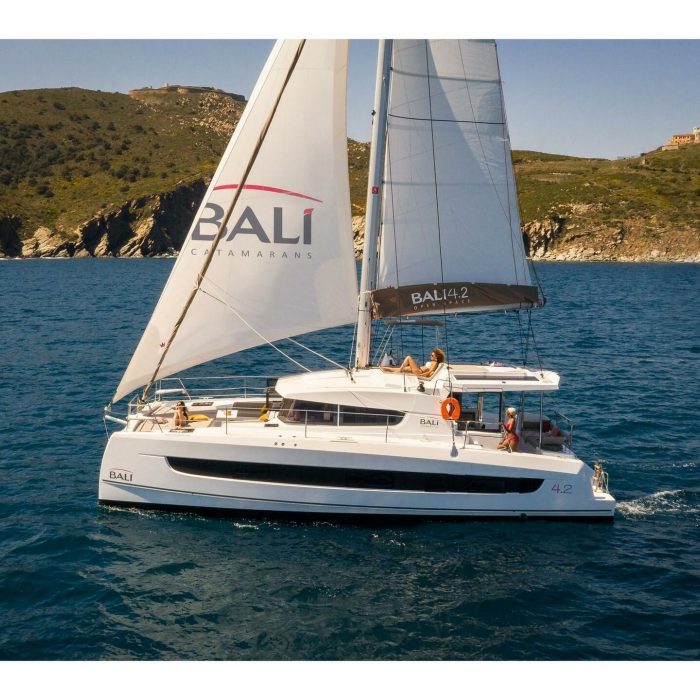
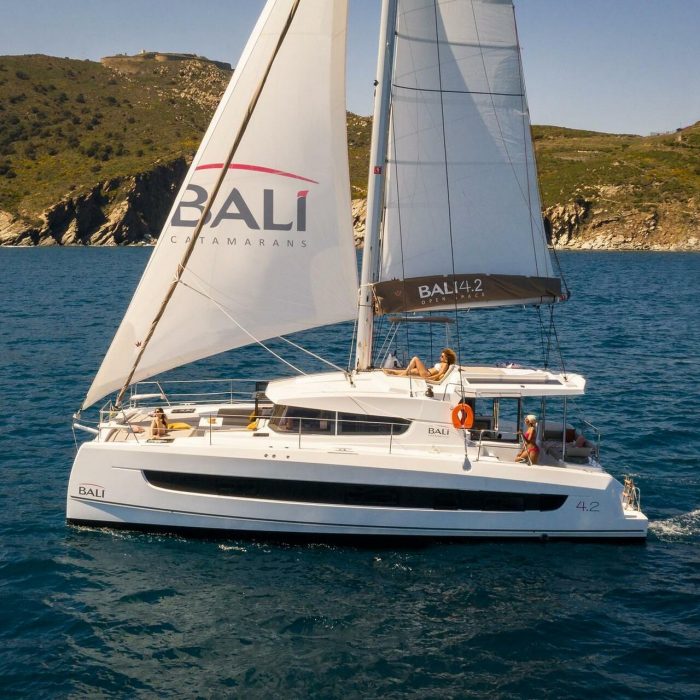
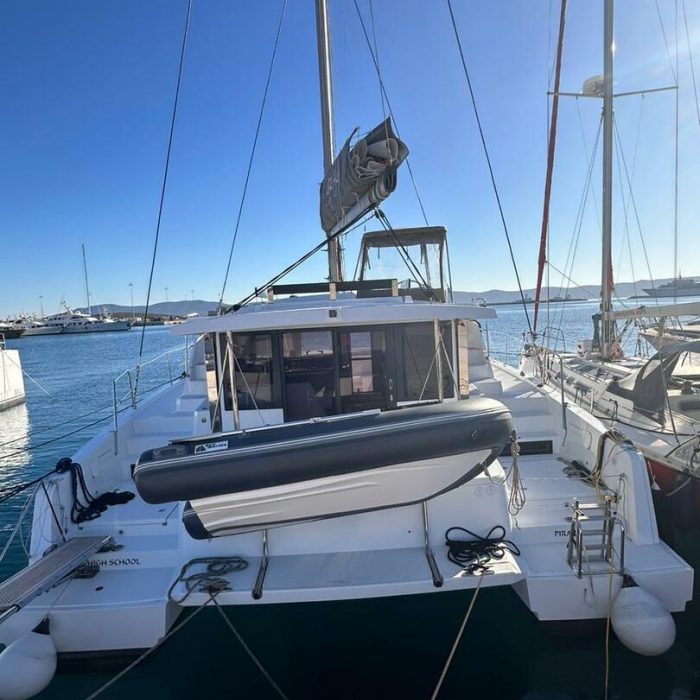
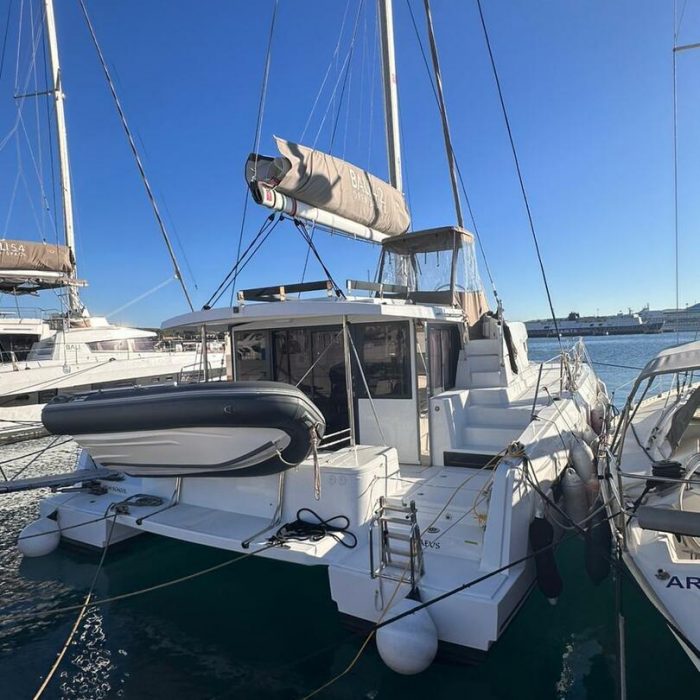
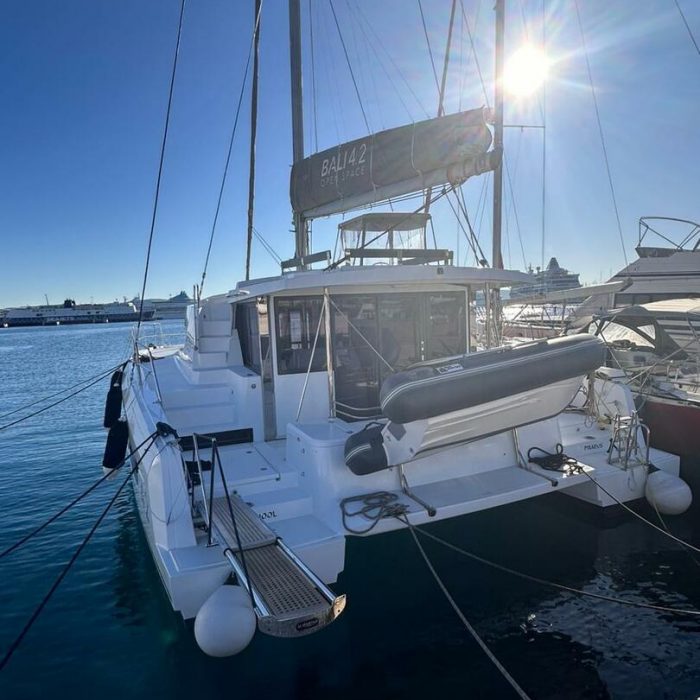
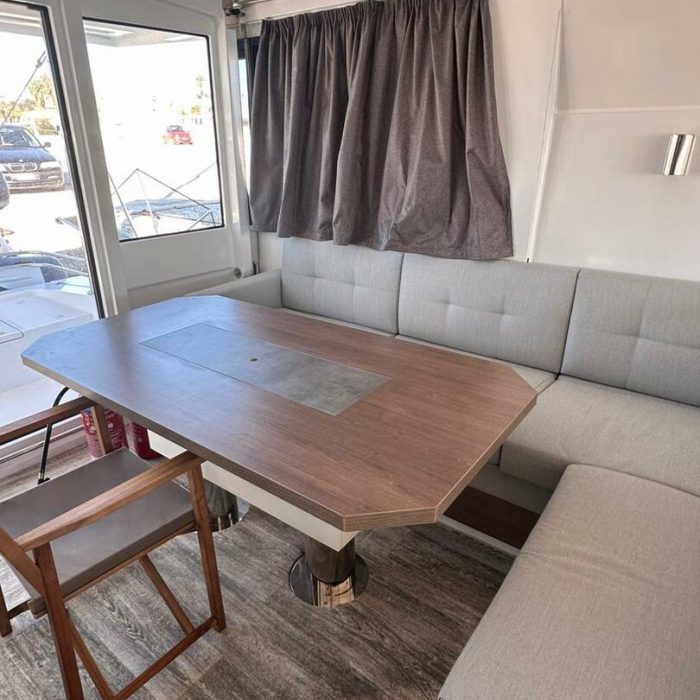
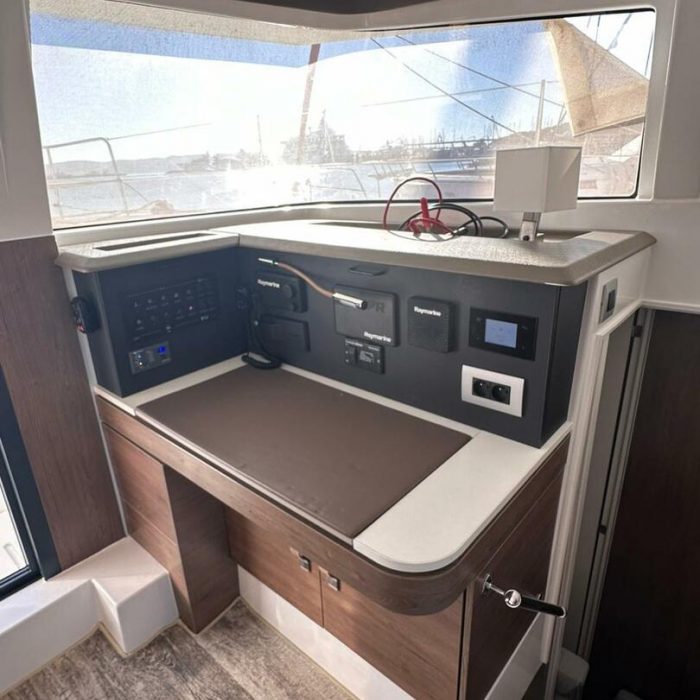
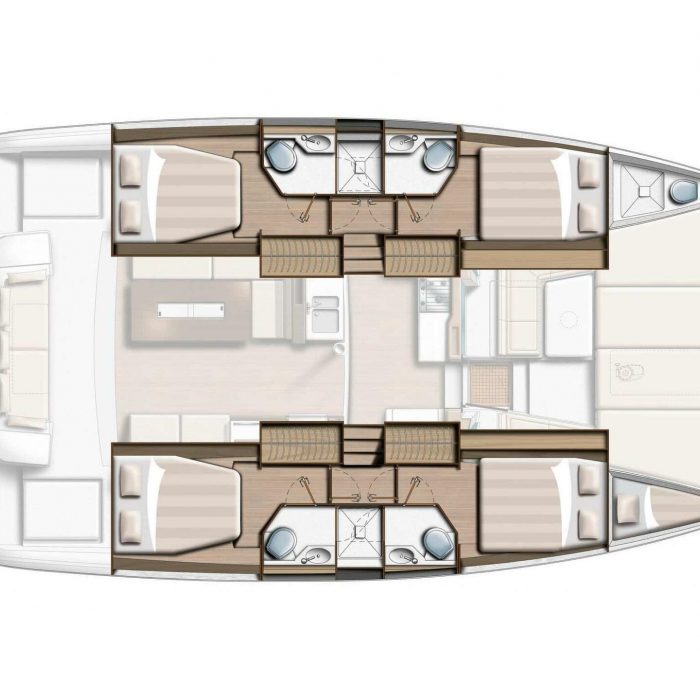
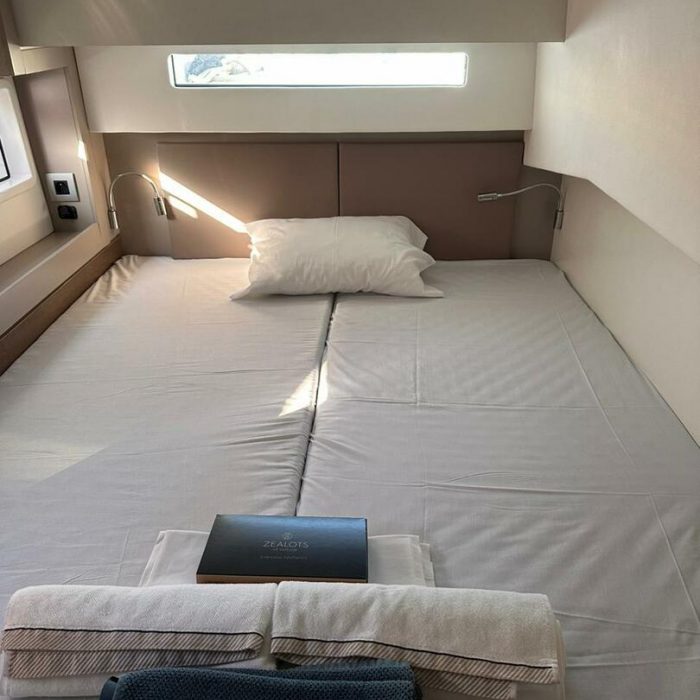
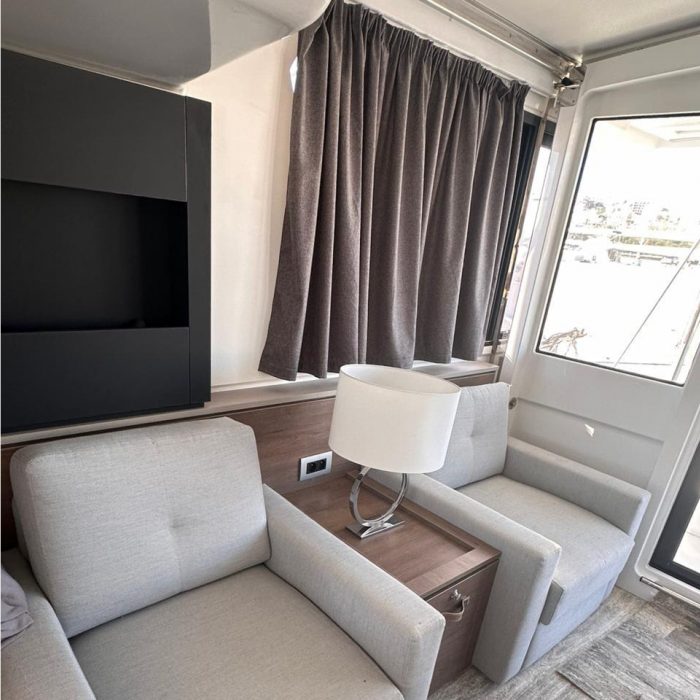
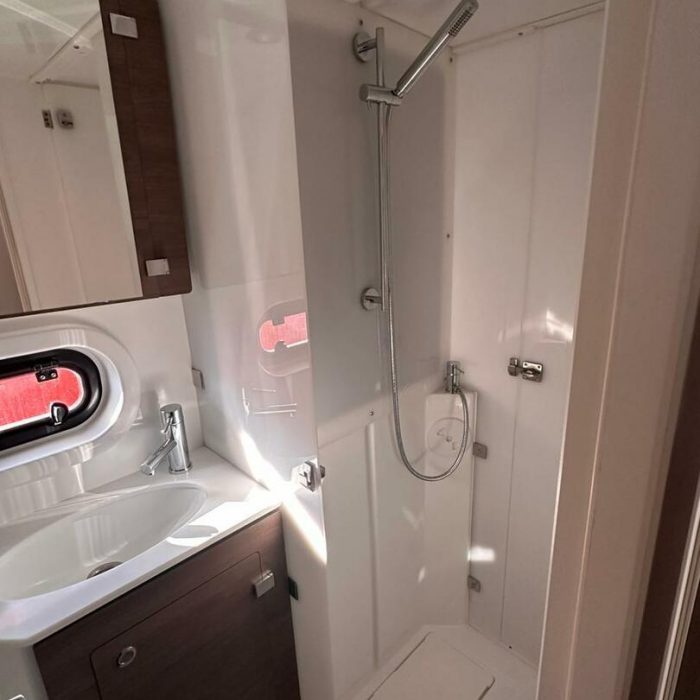
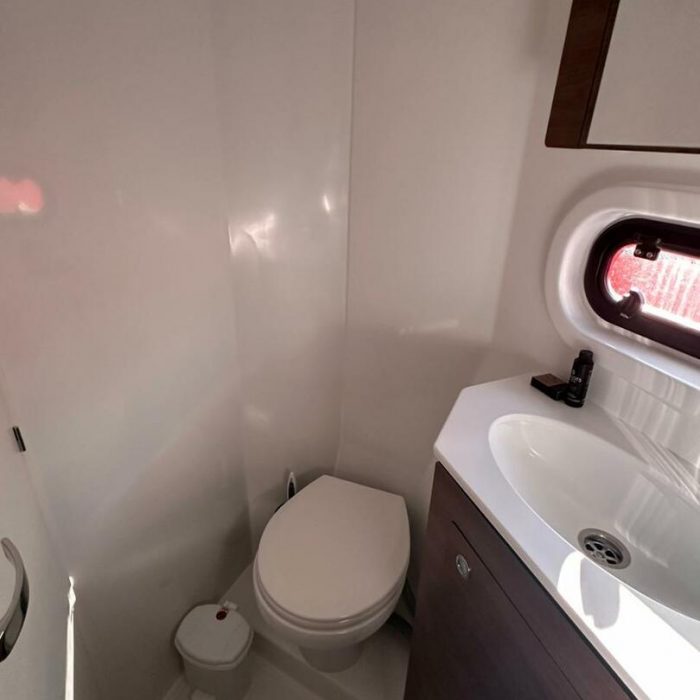
High School | Bali 4.2
EGO Charter
Greece, Kefalonia, Kefalonia , Agia Pelagia Marina
Year: 2023
Length: 42 Ft
Cabins: 5
Guests: 9
5200 €
Online price
for 7 days
€ 5,200- 39%€3,179
+ mandatory costs - 290 €
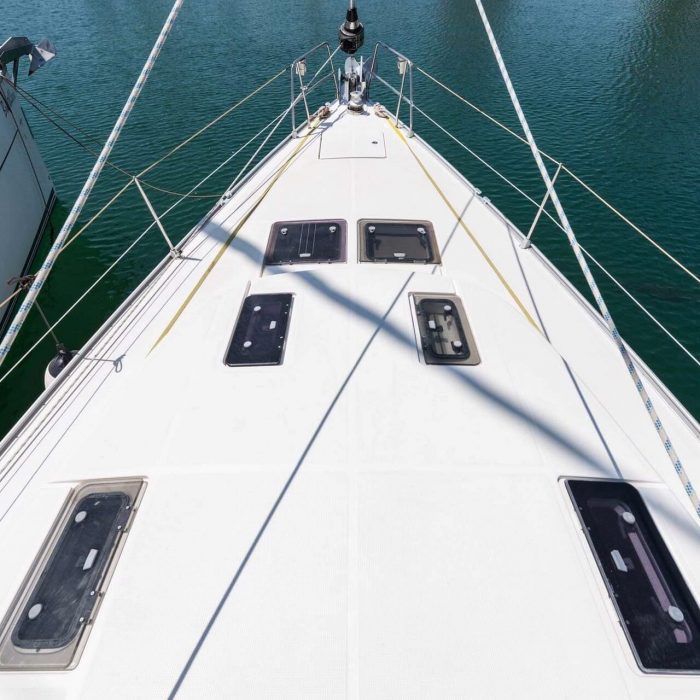
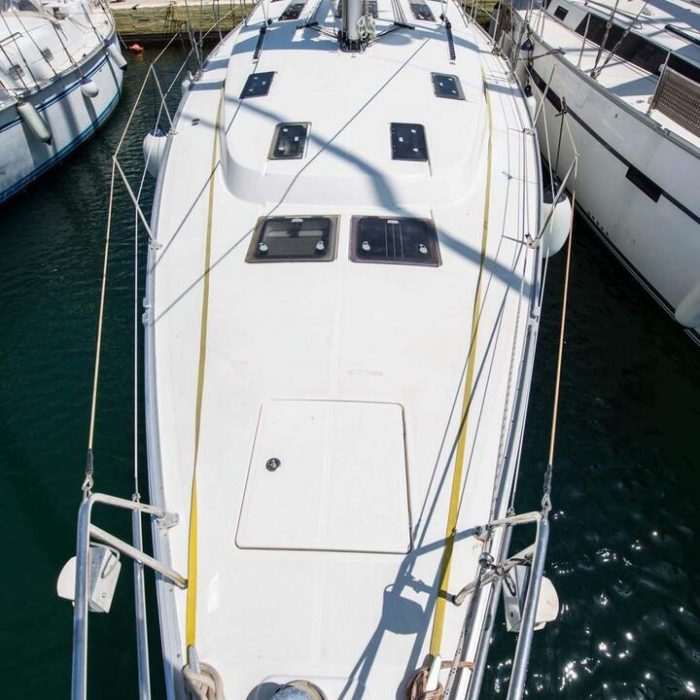
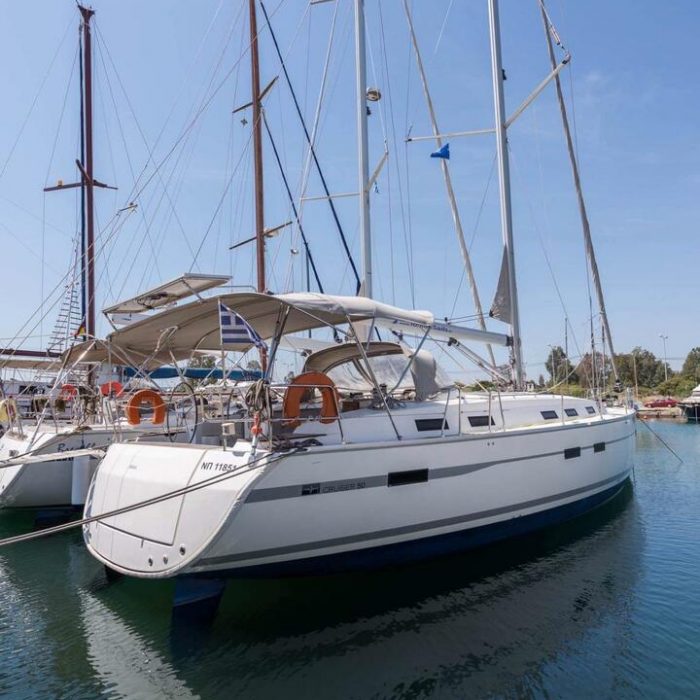
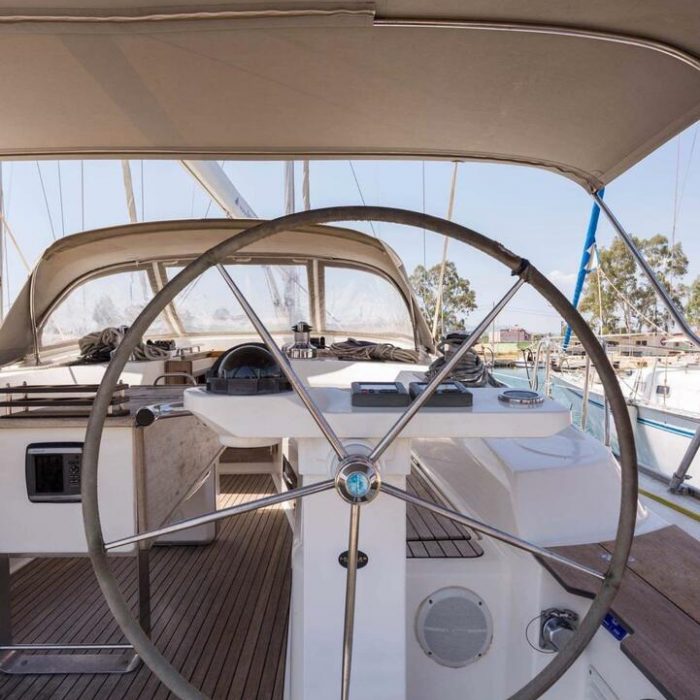
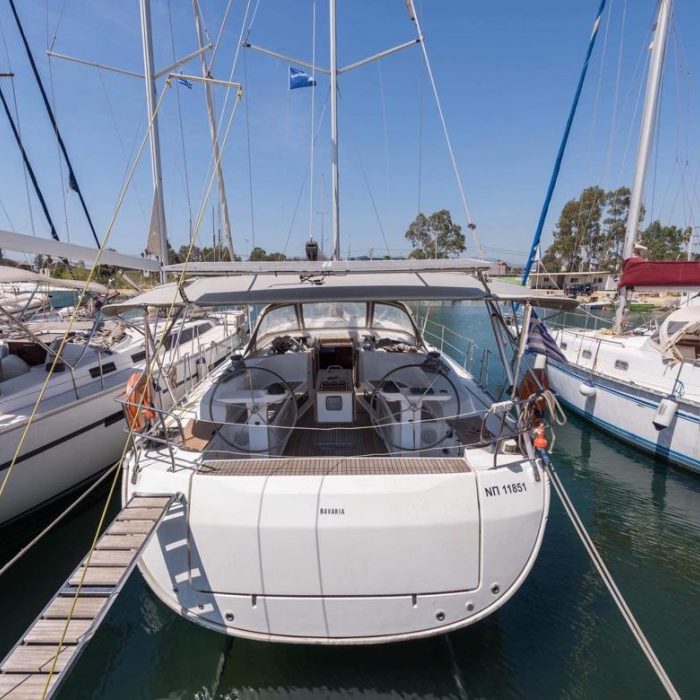
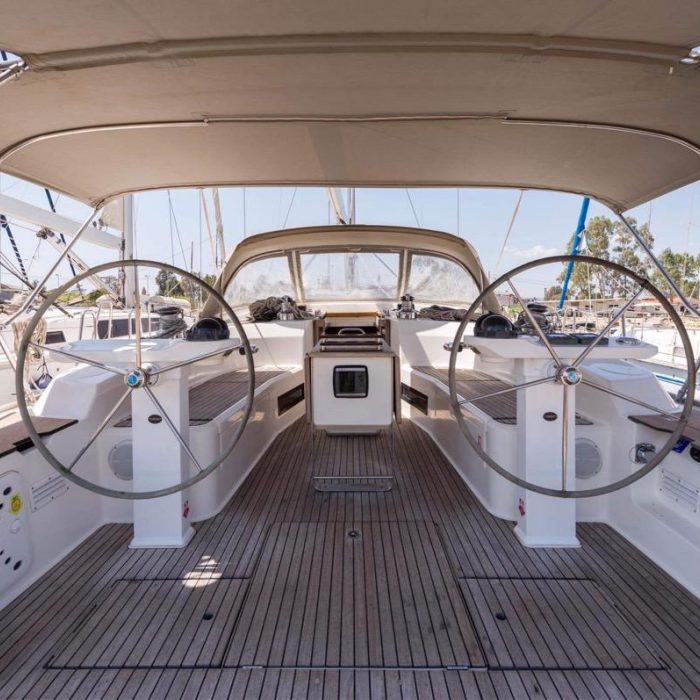
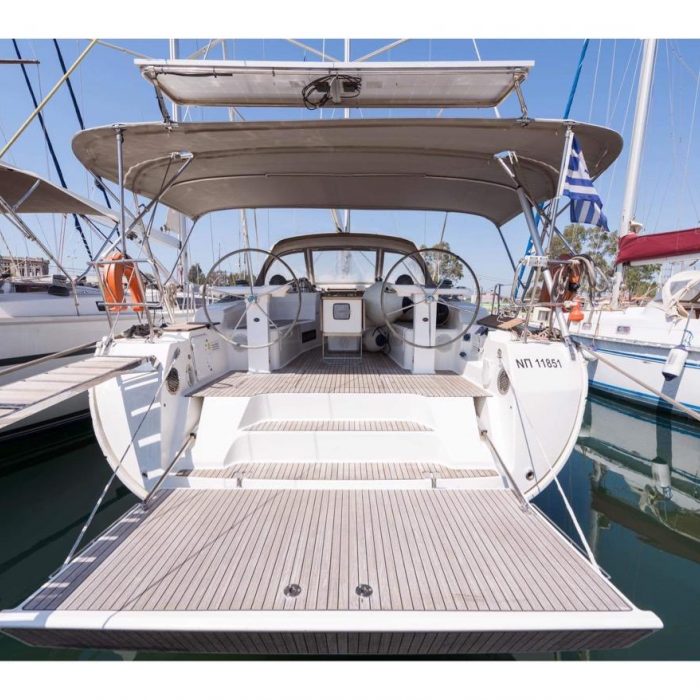
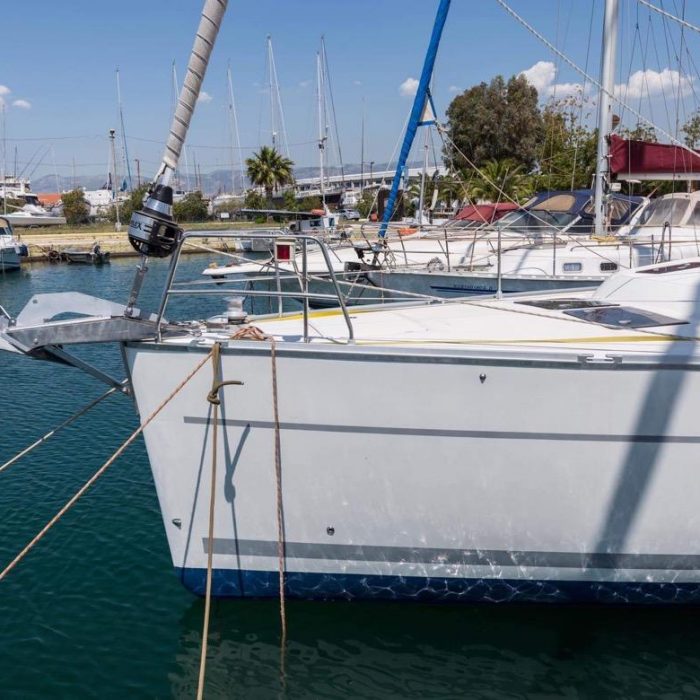
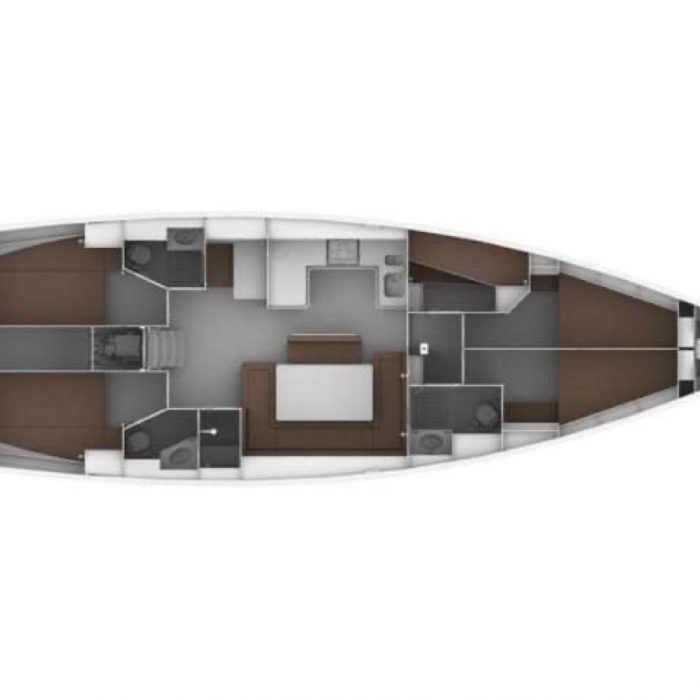
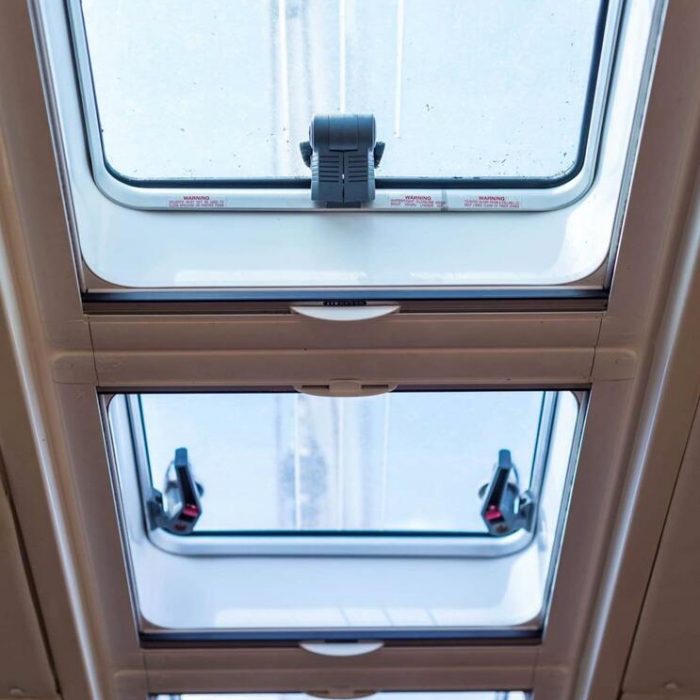
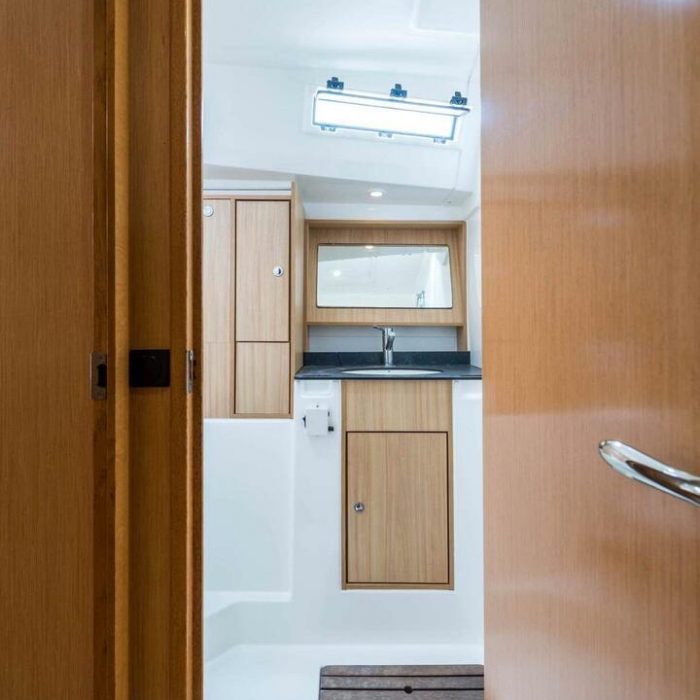
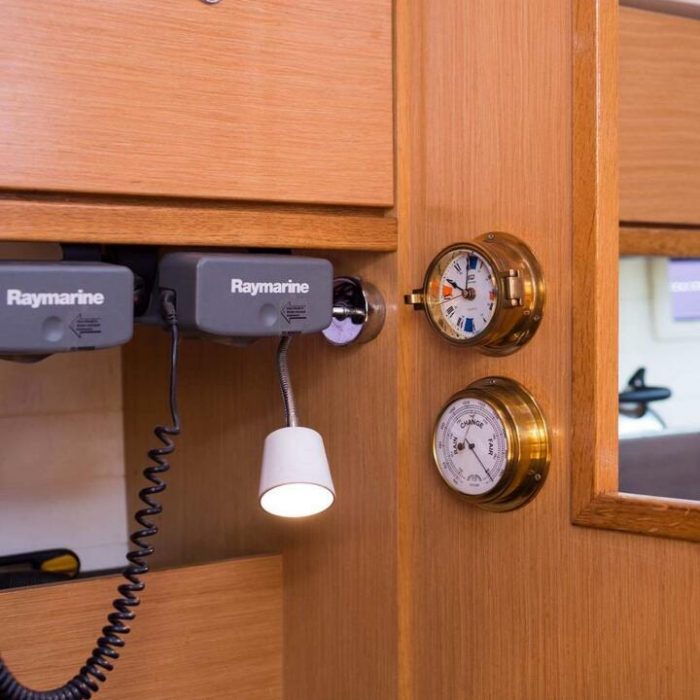
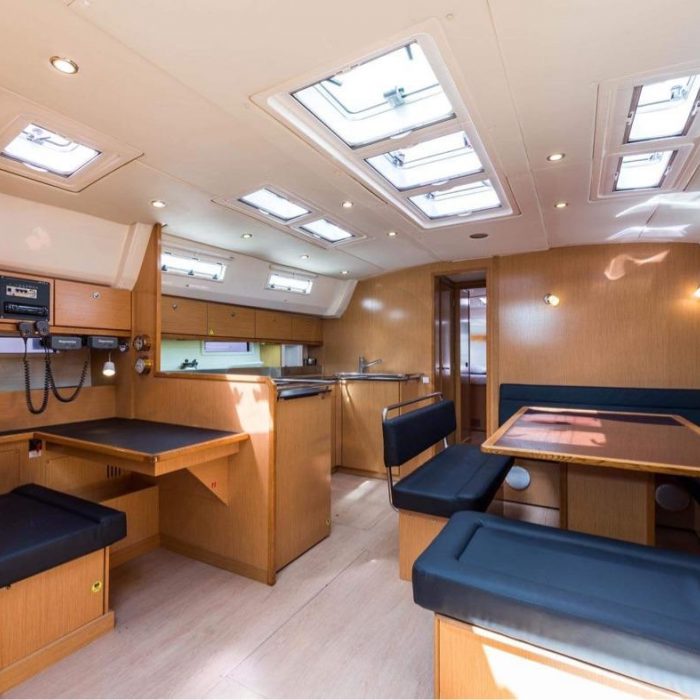
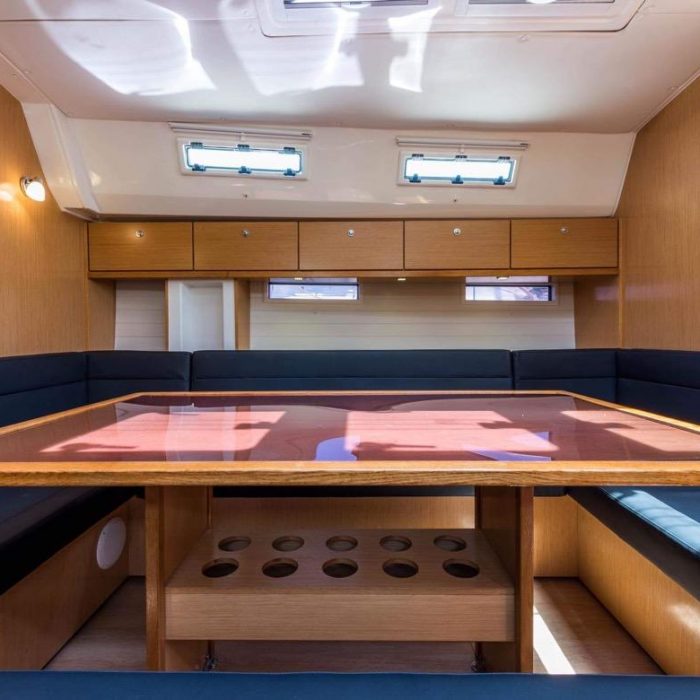
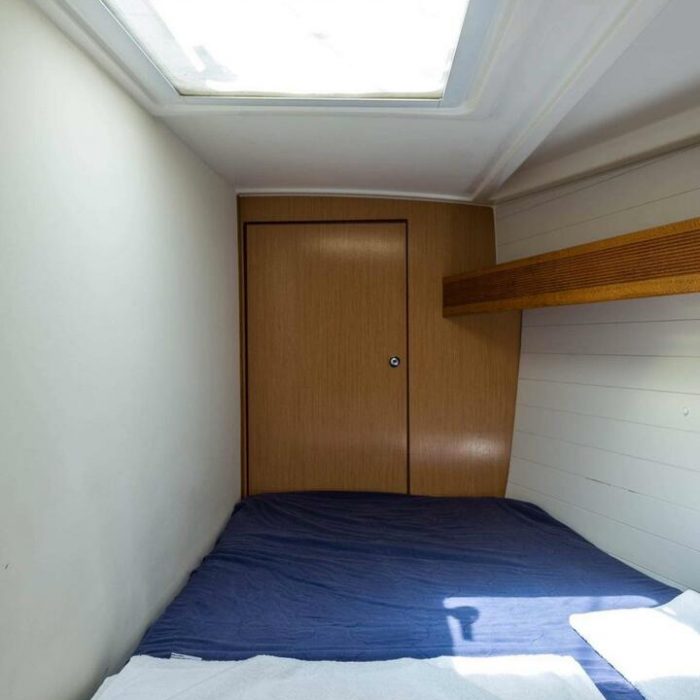
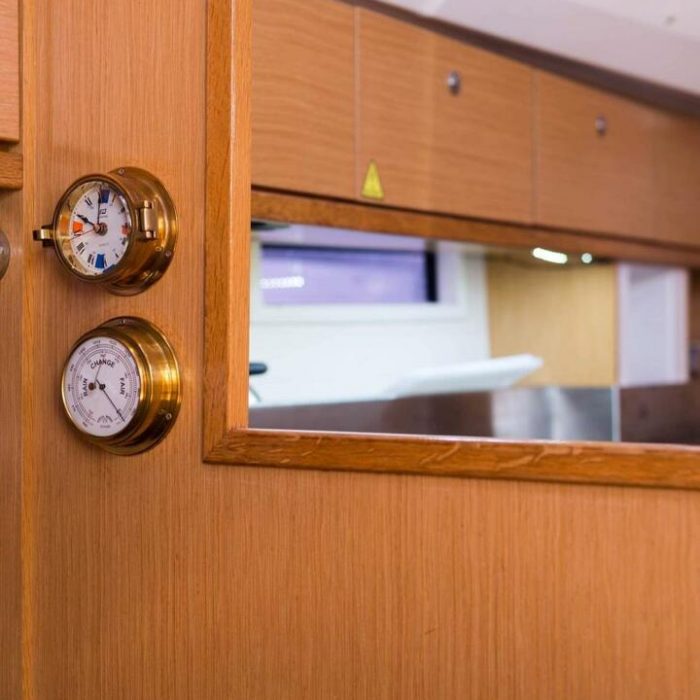
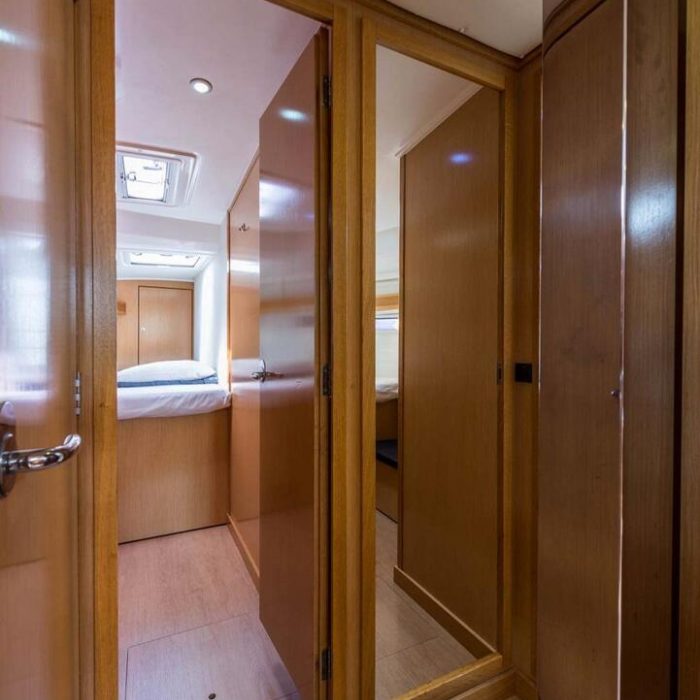
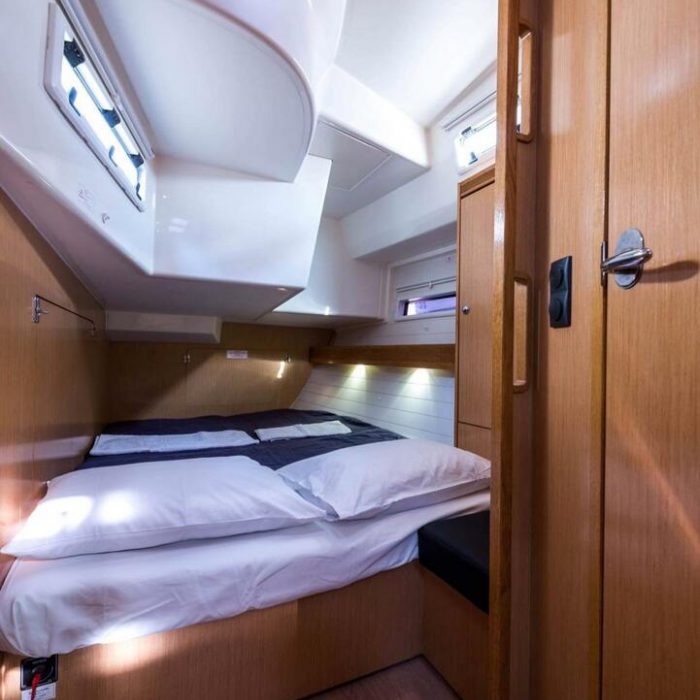
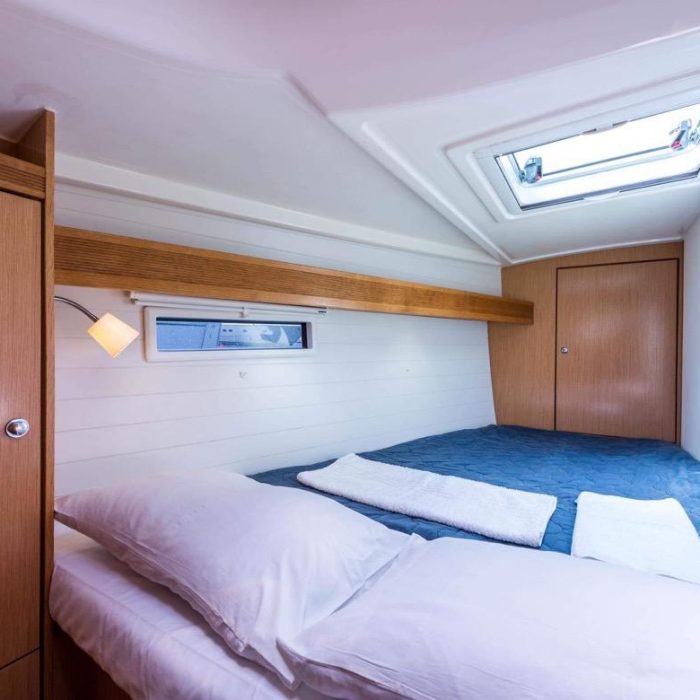
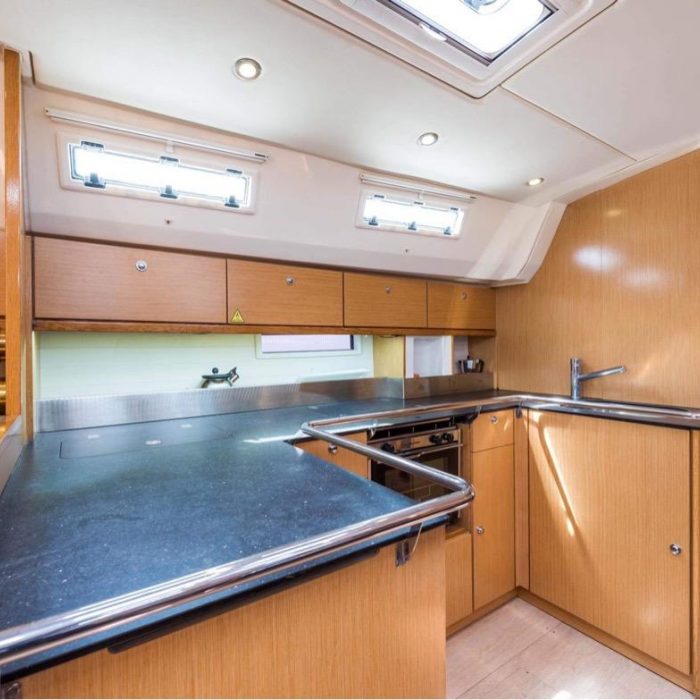
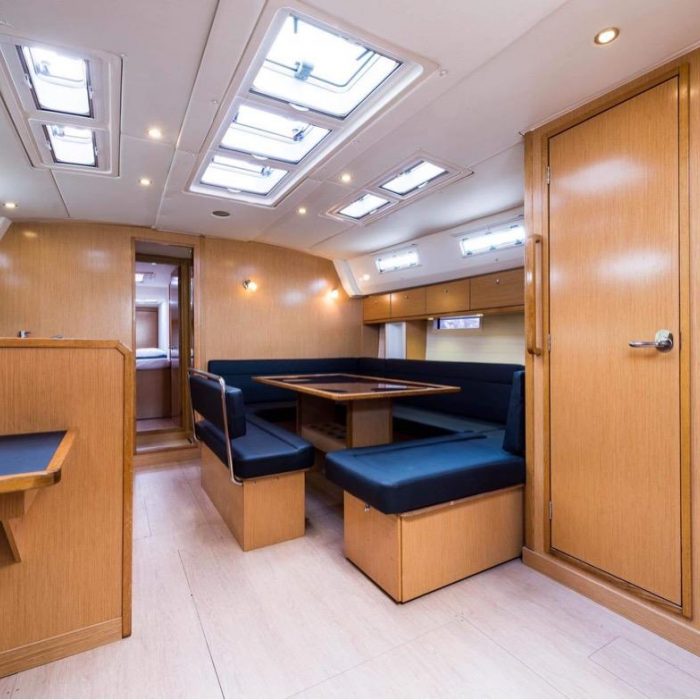
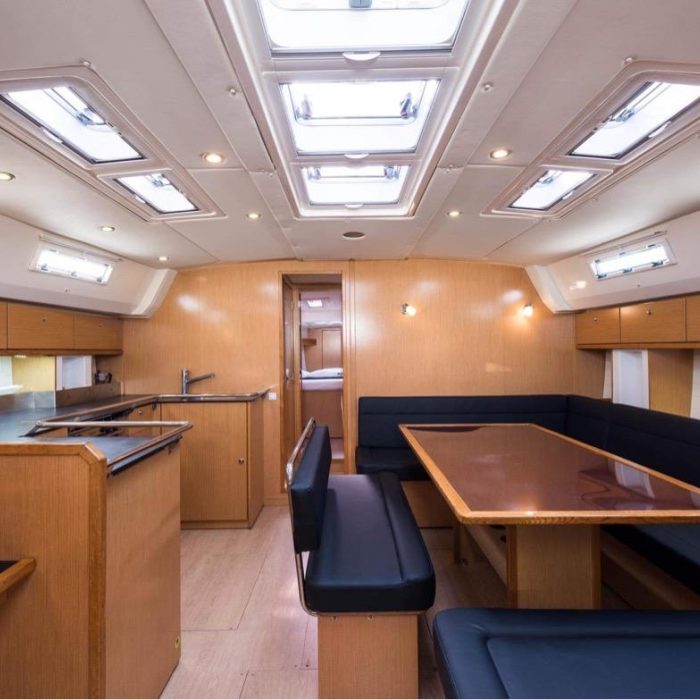
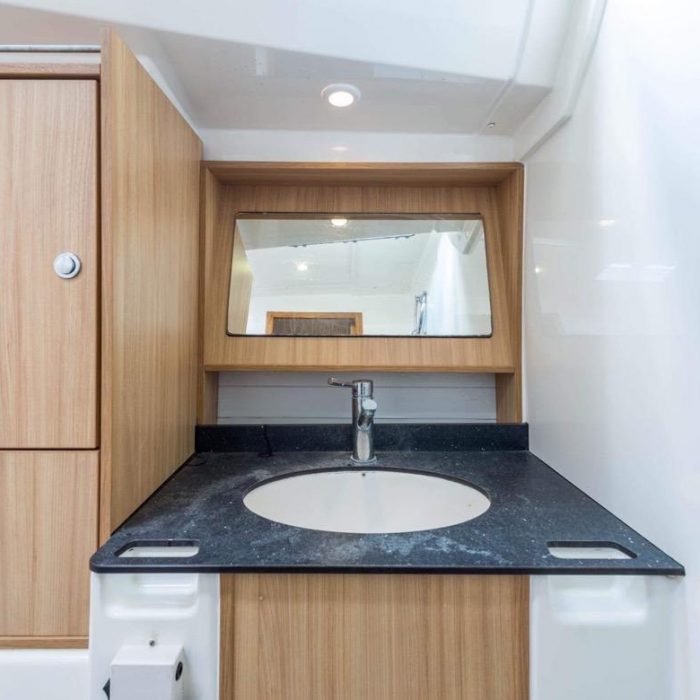
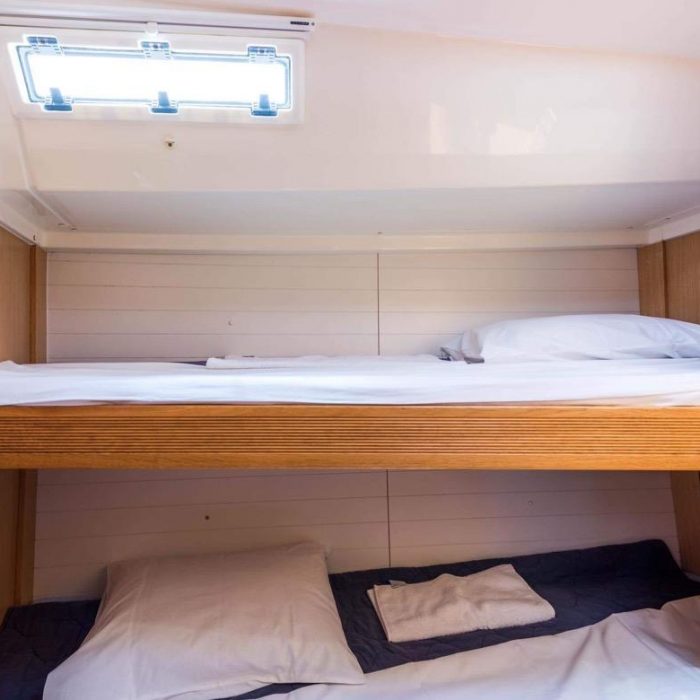
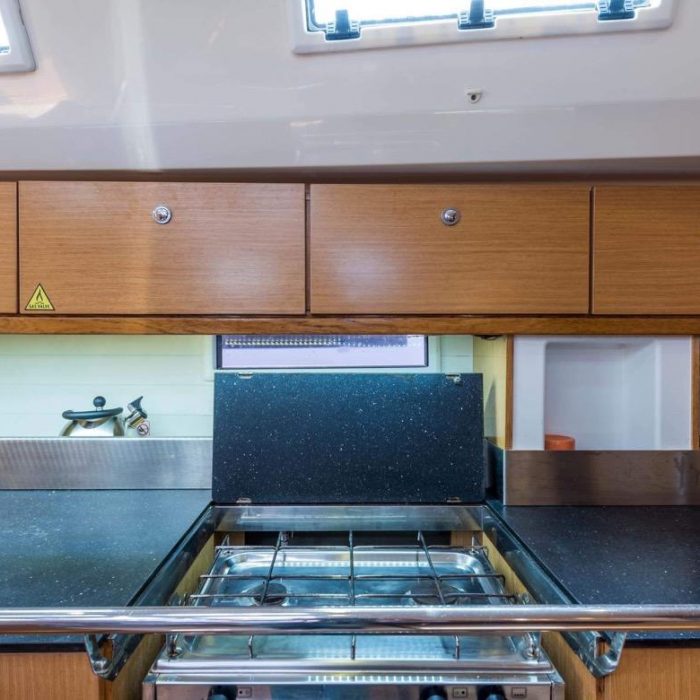
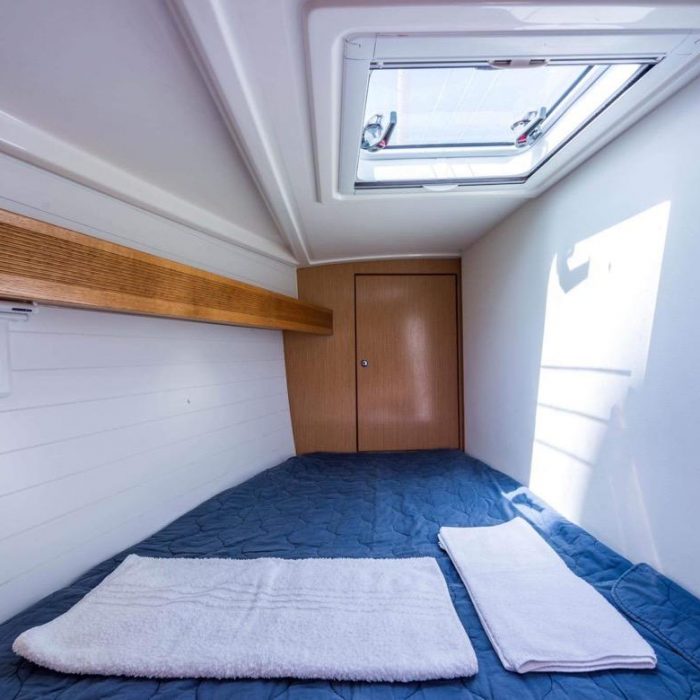
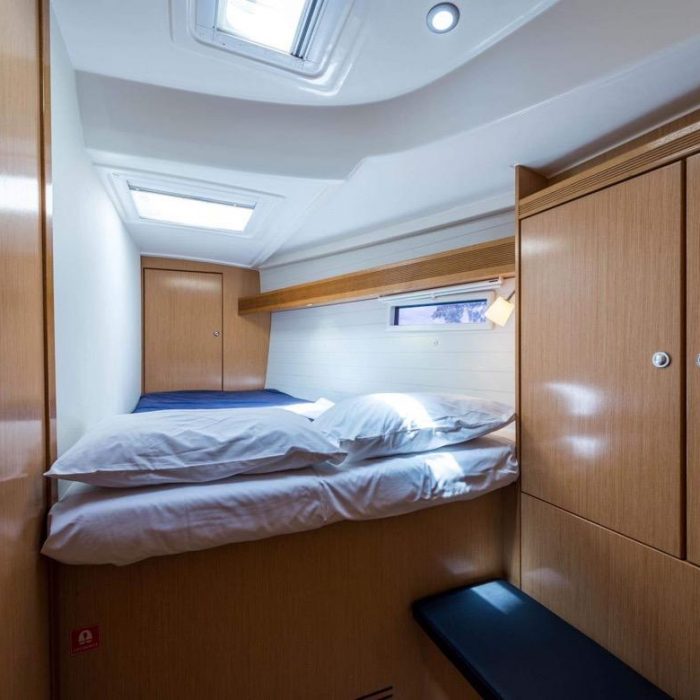
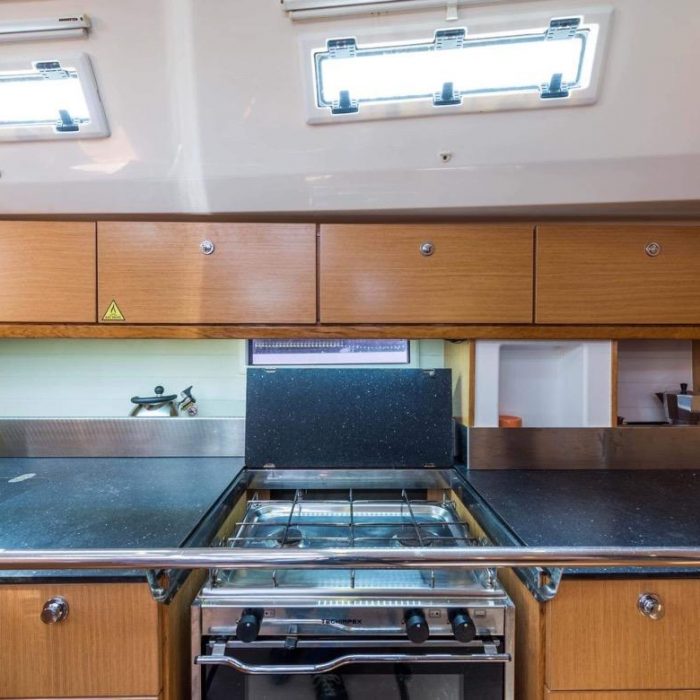
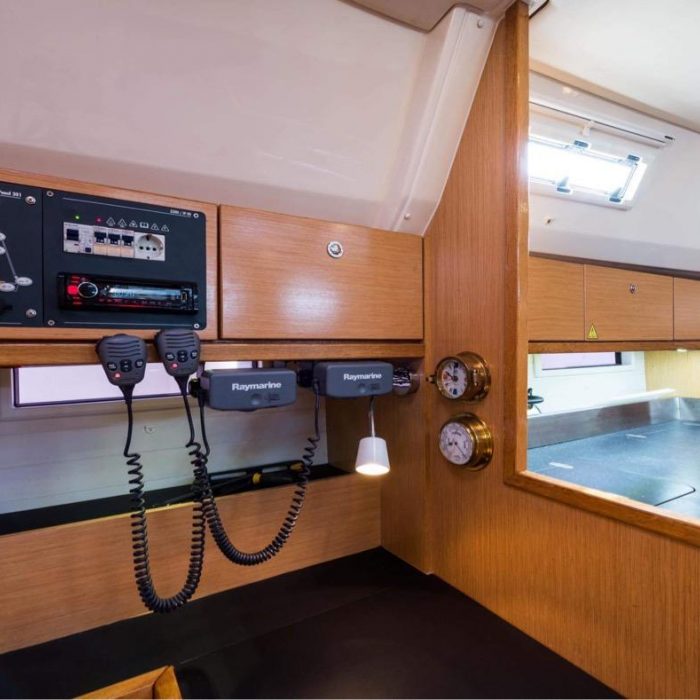
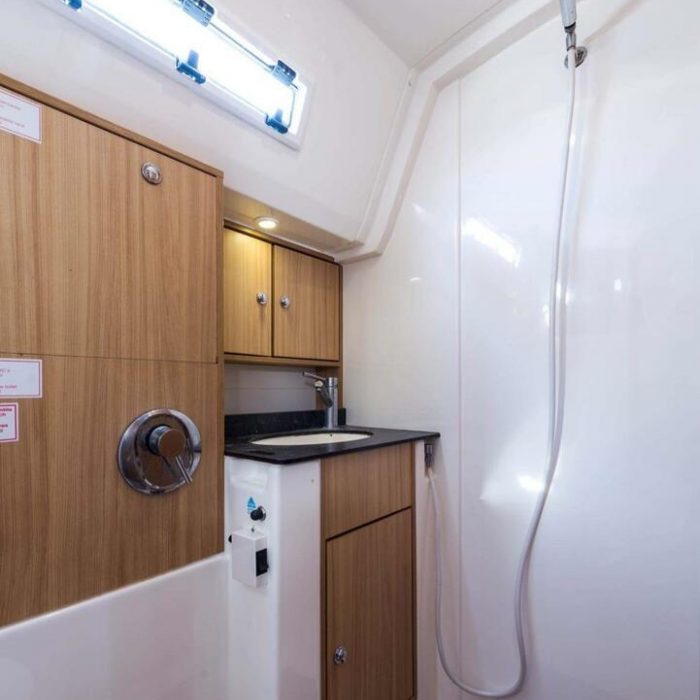
Altair | Bavaria Cruiser 50
Maravegias Yachting
Greece, Ionian, Sami, Sami Port
Year: 2013
Length: 51 Ft
Cabins: 5
Guests: 10
3715 €
Online price
for 7 days
€ 3,715- 6%€3,494
+ mandatory costs - 190 €
1-6 from 6
You'll find popular yacht charter brands in Kefalonia, Greece, Lefkada, Lefkas Marina, Alimos Marina, Skiathos, Skiathos, Volos, Paroikia port, Milos, Mykonos, Marina Gouvia, Preveza, Preveza Main Port, Sami - Kefalonia, Sami Port, Lavrion, Lavrion Main Port, Rhodes, Rhodes Marina, Zakynthos, Olympic Marina, Kavala, Préveza Marina, Port of Lefkas, Cleopatra Marina, Keramoti - Kavala, Keramoti, Marina Kos, Mandraki Port, Achillio, Achillio port, Nea Peramos - Attica, Nea Peramos, Piraeus, Marina Zeas, Santorini - Vlichada, Vlichada port, Nikiana Marina, Elefsina, Marina Eleusis, Palairos, Marina Paleros, Marina Delta Kallithea, Lavrion Marina, Corfu harbor, Salamina, Salamis Yachting Club, Marina Perigiali, NAOK Sailing Club, Finikas port, Marina Benitses, Patra , Marina Patras, Palaio Faliro, Flisvos marina, Hellinikon, Agios Kosmas Marina, Zante, Kalympaki Marina, Neos Marmaras - Chalkidiki, Neos Marmaras Port, Nikiti - Chalkidiki, Nikiti, Thessaloniki, Yacht Club Amfitheas, Piso Livadi Port, 4th Marina Glyfada, Chania, Crete, Chania, Aegina, Port of Aegina, Kalamata, Limenas Avdiron, Port of Avdira, Nydri Port, Kanistro, Chalkidiki, Marina Miraggio, Korfos, Korfos port, Santorini, Santorini Port, Agia Effimia, Nafplion, Heraklion, Heraklion Port, Astakos , Marina Astakos, Porto Cheli, Ormos Panagias, Chalkidiki, Ormos Panagias, Ios, Port of Ios, Samos, Samos port, Vathy, Marina Ithakis, Kefalonia , Agia Pelagia Marina, Naousa Marina, Porto Carras, Chalkidiki, Porto Carras, Argostoli - Kefalonia, Marina Argostoli, Old Port, Poros, Paleros, Vliho Yacht Club, Antiparos, Pachi, Megara, Port of Pachi, Chios, Sani, Sani Marina, Lagonisi - Sithonia, Marina Lagonisi, Saronic Gulf (Athens), Halkidiki, Kos, North East Aegean, Milos, Paros, Peloponnese, Salamina, Skiathos, Sporades, Zakynthos, Sivota Marina, Marina of Perama, Kavonisi Kissamos Port, Marina Levkas, Port Skiathos, Lefkas Port, D-Marin Lefkas, Marina Rhodes, Finikas marina, Rhodos, Rhodes marina, Gouvia Marina, Glyfada Marina, Delta Kallithea Marina, Port of Kavala, Flisvos Delta marina, Nautical Athletic Club of Perama, Lefkas, Marina Syvota, Ionian, Dodecanese, Cyclades, such as: Bali Catamarans, Hanse Yachts, Bavaria Yachtbau.
Save to selection

Anastasia
Personal Assistant
The winds of Kefalonia
Bora (NE)
The Bora wind is not prevalent in Kefalonia Greece. However, Kefalonia can experience strong northerly winds during the winter months, which can reach up to 8 Beaufort. These winds are typically associated with low-pressure systems and can cause rough sea conditions. In the summer months, the prevailing winds are the Meltemi winds from the north-northeast.
Tramontana (N to NW)
As Kefalonia is located in the Ionian Sea, it is not affected by the Tramontana wind, which is a north to northwest wind that mainly affects the Aegean Sea. However, the island may experience occasional north to northeast winds from the mainland, which could bring cooler air and lower temperatures. The prevailing winds in Kefalonia are the westerly winds, which blow from the Ionian Sea and are usually calm during the summer months.
Jugo (SE)
The Jugo winds, also known as the Sirocco, are not typically associated with Kefalonia, as they primarily affect areas of the eastern Mediterranean, such as Greece's Cyclades islands. Kefalonia, however, is prone to southeast winds, which can cause choppy seas and make sailing difficult in certain areas. These winds are most common during the summer months.
Mistral (NW)
The island of Kefalonia in Greece is not particularly affected by Mistral winds, as they tend to blow to the west of Italy and the Gulf of Lion. However, during winter months, the island can experience strong northerly winds from the mainland. These winds can reach up to 8 Beaufort and can make sailing conditions challenging.
Planning & Sailing
Why start a charter week from Kefalonia?
Kefalonia is the largest Ionian island — deep bays (Sami), the north Fiscardo yacht scene, and day sails to Ithaca. It suits crews who want greener coasts and more shelter than peak Cyclades.
Which airports work for Kefalonia?
Kefalonia (EFL) is direct. Many crews also use Preveza–Aktion (PVK) and transfer — depends on base (Argostoli, Sami, Poros, Fiscardo area).
What winds should I expect near Kefalonia?
Classic Ionian: Maistros (NW) often afternoons. Usually milder than July–August Meltemi in the Cyclades, but gusts near headlands and channels still matter.
Is Kefalonia OK for first-time skippers in Greece?
Often yes versus Mykonos in peak season: more bolt-holes, moderate legs. Greece bareboat rules still apply — confirm experience with the operator.
A typical 7-day loop from Kefalonia?
Sami → Ithaca (Vathy/Frikes) → Fiscardo → Poros (Kefalonia)/Skala → base. Order follows wind and berth space, not Instagram.
Can I combine Kefalonia with Lefkada or Zakynthos?
Possible with one-way deals and weather. Ithaca is natural; longer hops south need time and August berth planning.
Bareboat licence rules for Kefalonia?
Same nationwide: accepted skipper cert + second competent adult, originals at check-in. Unsure? Book skippered days.
Best months to charter in Kefalonia?
May–June, September–October for balance. July–August: Fiscardo and hotspots fill early.
Catamaran or monohull for Kefalonia?
Cat: space; check beam in village quays. Mono: often easier in tight Mediterranean mooring.
Is the Ionian Sea always calm?
No — thunderstorms, afternoon breeze, and fetch still build seas. Use forecasts.
Main embarkation ports on Kefalonia?
Argostoli, Sami, Poros (Kefalonia), and Fiscardo — confirm your listing; taxi/transfer times differ.
How far ahead should I book Kefalonia?
Peak weeks: 3–6 months. Shoulder: more flexibility on SEARADAR.
Is a skipper worth it if I already have a licence?
Worth it for mooring in Fiscardo, local shortcuts, and first Ionian week stress relief.
Mandatory extras and FDP on SEARADAR?
Listings may show mandatory costs (cleaning, outboard…). FDP can replace large deposits — read live terms.
Do I need travel insurance for a Kefalonia charter?
Strongly recommended: cancellation, medical, gear. Charter deposit risk is separate from travel cover.
Saturday-to-Saturday only in Kefalonia?
Common in high season; shoulder may allow other turn days — filter on SEARADAR or ask support.
Kefalonia vs Corfu as a charter hub?
Corfu: CFU + Gouvia density. Kefalonia: quieter Ionian focus and Ithaca triangle — pick by routing preference.
Famous spots to visit from the yacht in Kefalonia?
Melissani cave (Sami area), Myrtos view from sea — landing dinghy on exposed beaches can be rough; plan calmer windows.
Why compare yachts on SEARADAR for Kefalonia?
One search across operators, transparent extras when published, and help matching boat to Ionian week reality.
Logistics & Practicalities
Where to provision in Kefalonia?
Argostoli, Lixouri area, Sami — shops vs quay access varies; big shops before afternoon breeze.
Fiscardo in August — berth tips?
Arrive early, expect rafting, have a Plan B bay. Weekends are toughest.
Anchoring and Posidonia rules near Kefalonia?
Respect protected seabed rules; ask base for updated pilot notes.
Fuel and water planning in Kefalonia?
Plan diesel stops; summer heat = more water use — refill when reliable.
Which documents to keep on board?
Ship papers, passports, certs, voucher, VHF if required — waterproof copies.
Is night sailing allowed on charter in Kefalonia?
Usually daylight only per contract — Greek coastal traffic is busy.
Children on a Kefalonia charter?
Lifejacket sizes, shade, shorter legs; skipper lowers stress.
Two families on one yacht in Kefalonia?
If berths/heads fit — confirm layout before booking.
Pets on a Kefalonia charter?
Operator-specific; extra cleaning common.
Marina fees in the Ionian?
Often moderate vs W Med; cats may pay surcharges — budget berth nights.
One-way charter between bases?
Sometimes; relocation fee unless promo — check contract.
What if the yacht breaks down?
Call operator / SEARADAR; follow charter support line.
Schengen and visa rules for Kefalonia?
Greece is Schengen — verify by nationality.
VHF and channel 16 on Kefalonia charter?
Learn basics; emergency calls on channel 16.
Corporate event on a Kefalonia charter?
Larger cats/crewed; book peak early; harbour noise rules apply.
Is tap water safe to drink on board?
Many drink bottled; tank quality varies.
How many miles per day is realistic?
15–25 NM relaxed; arrive before afternoon if wind builds.
Do I need a sailing CV for bareboat in Kefalonia?
Operators may ask — be honest; add skipper if marginal.
What to pack for a Kefalonia charter?
Quick-dry layers, non-slip shoes, light waterproof, sun hat, fleece for night breeze.
Free Deposit Pack
With FDP (Free Deposit Pack), you have the chance to avoid a full security deposit and lock in your funds. Just pay 20% upfront (non-refundable), and experience a hassle-free journey. * The price of the FDP rises to 25% if booked less than 30 days before the charter.