

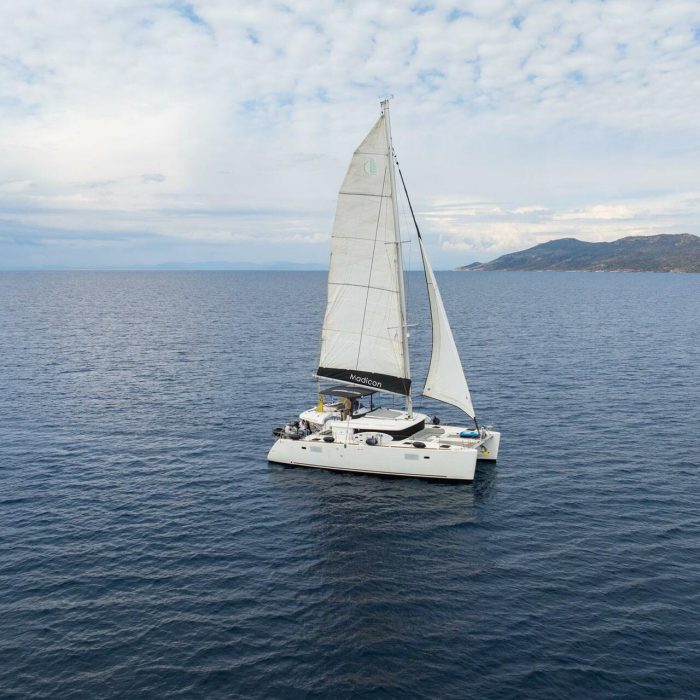
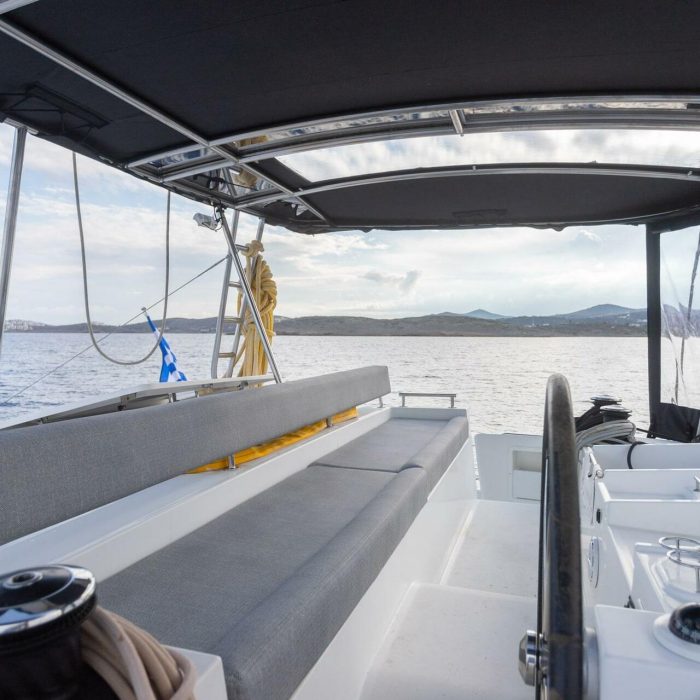
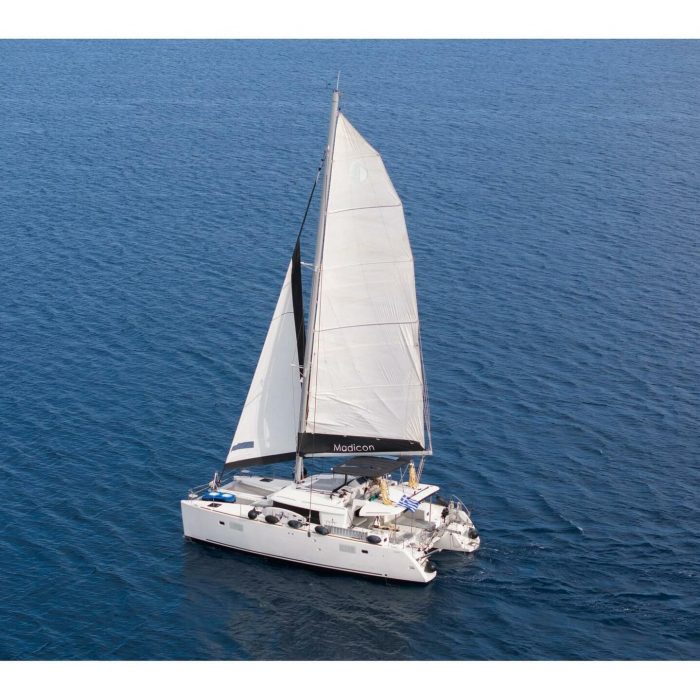
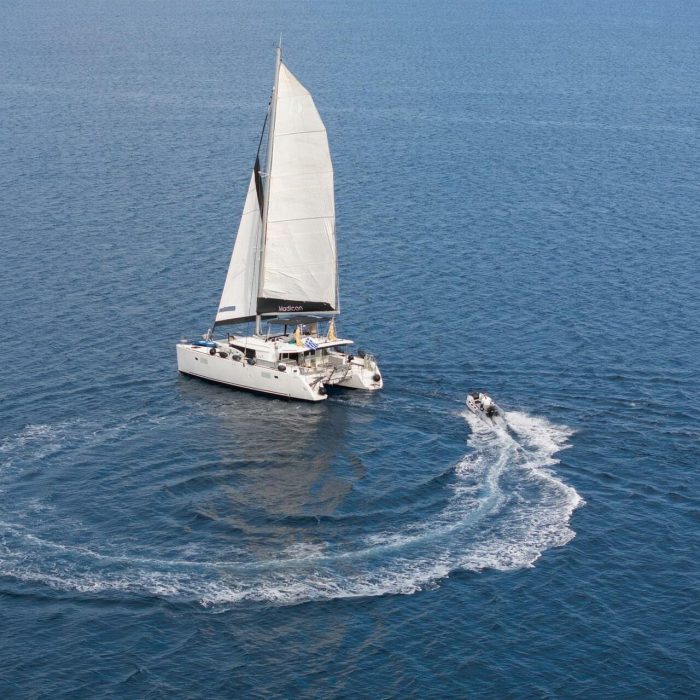
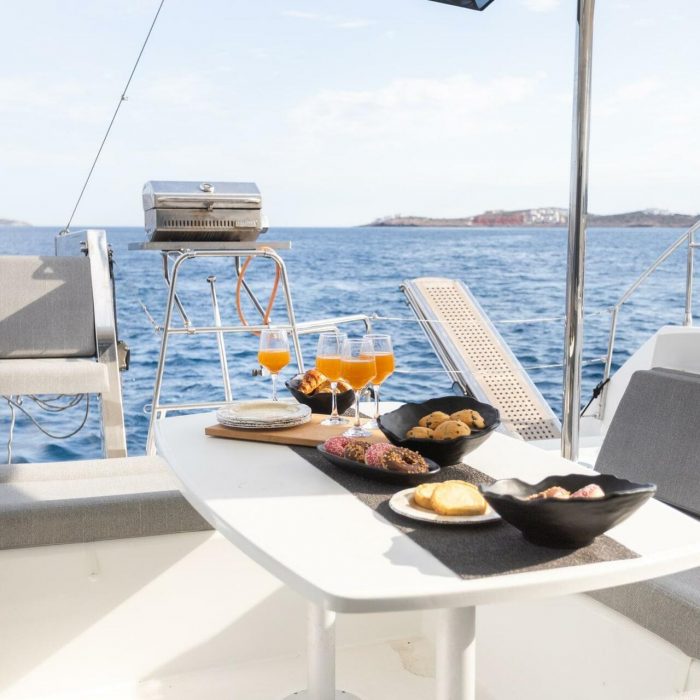
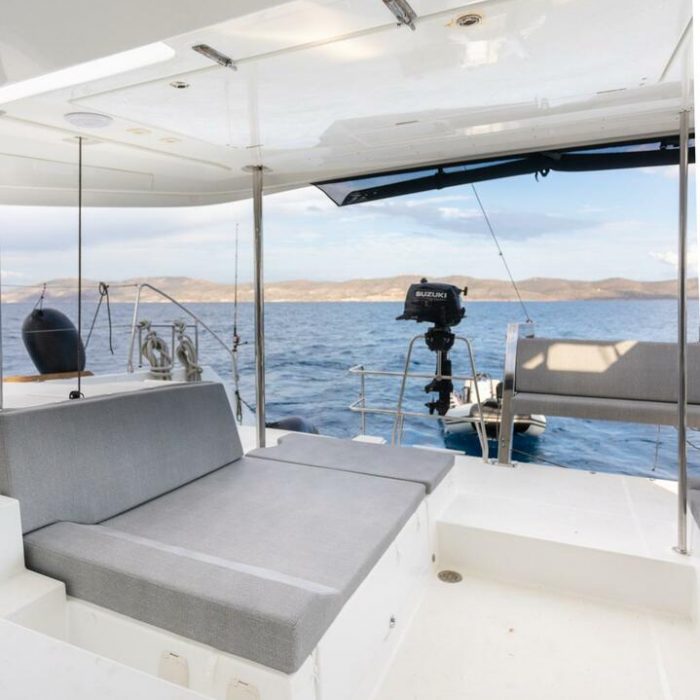
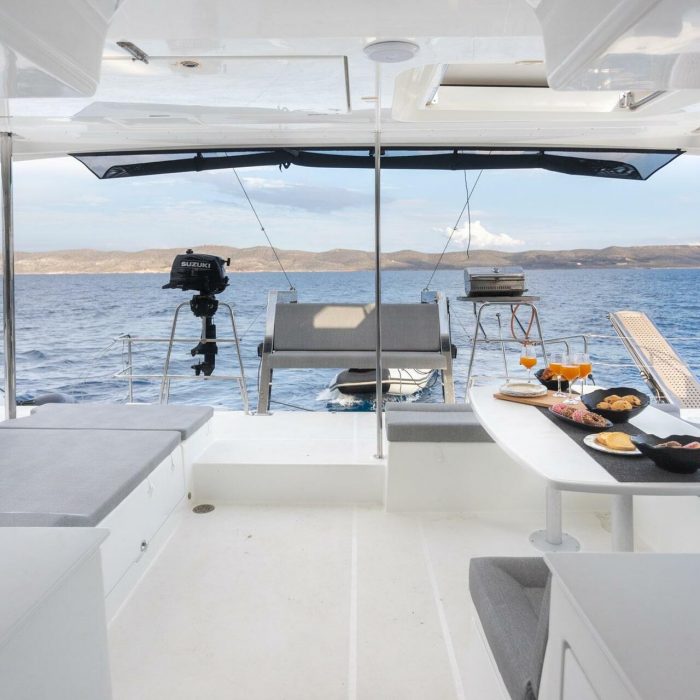
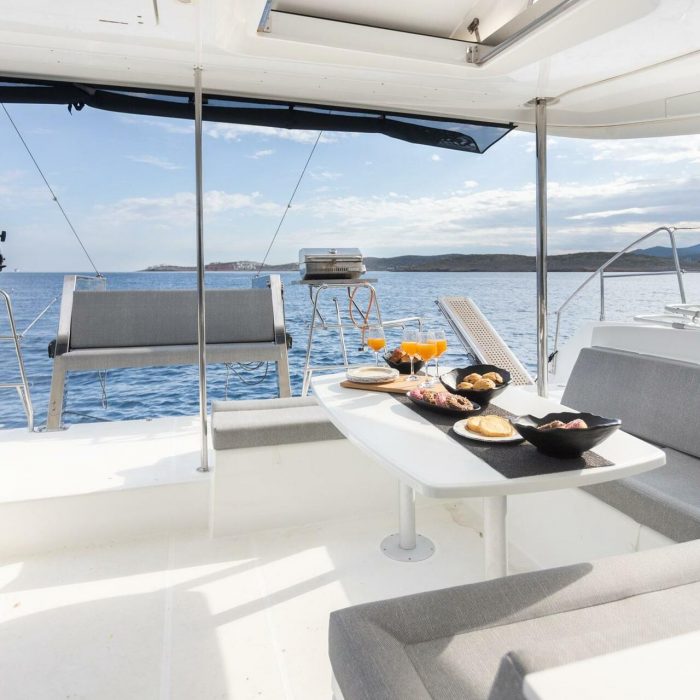
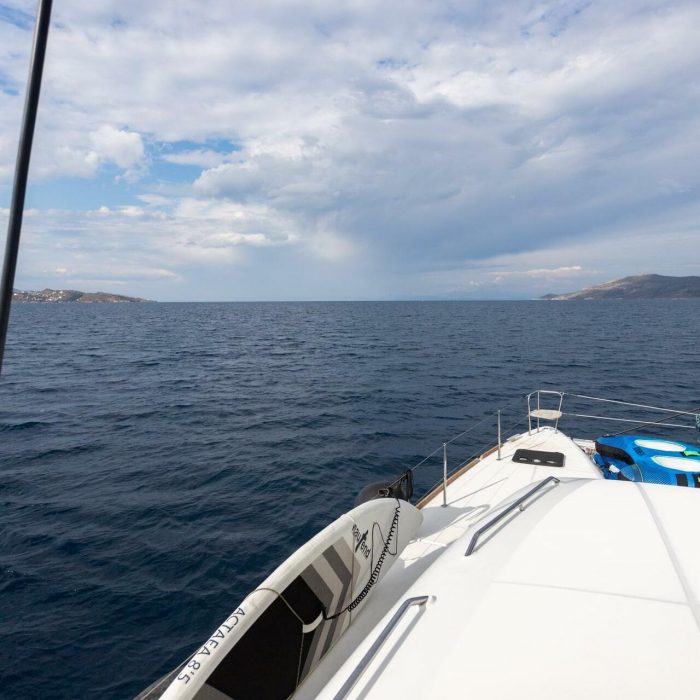
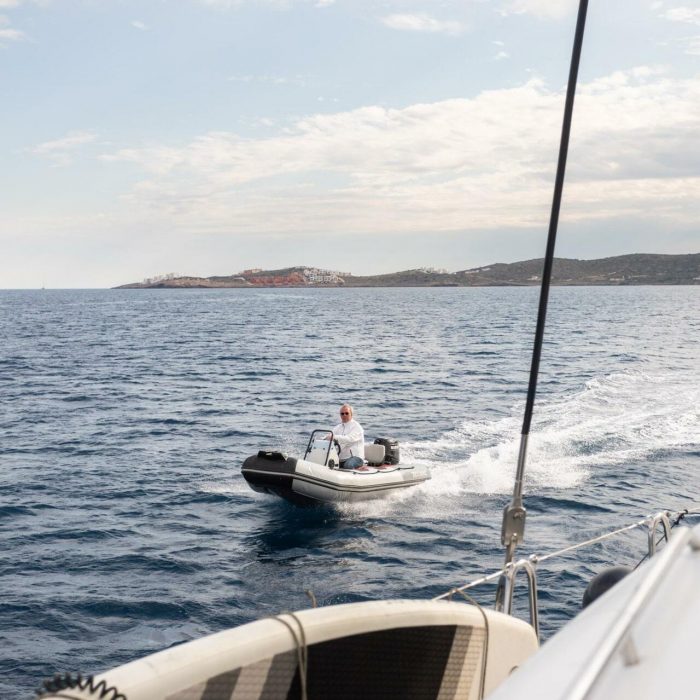
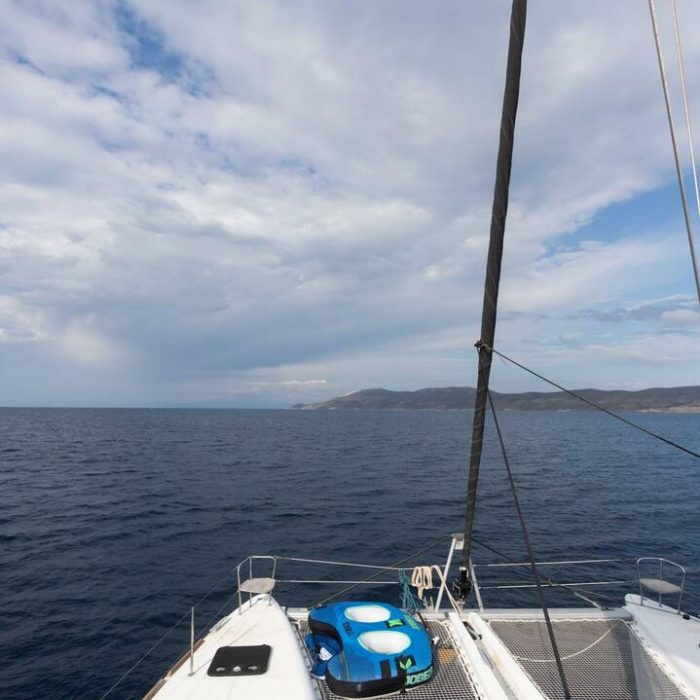
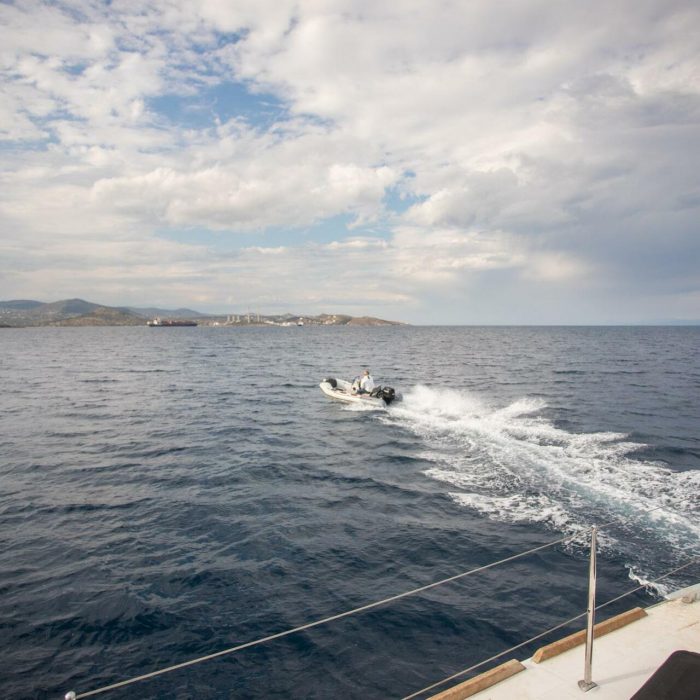
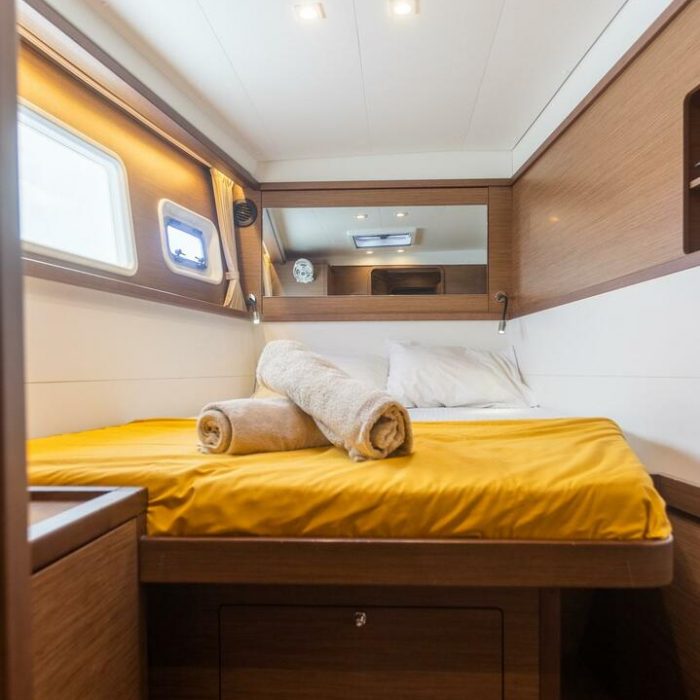
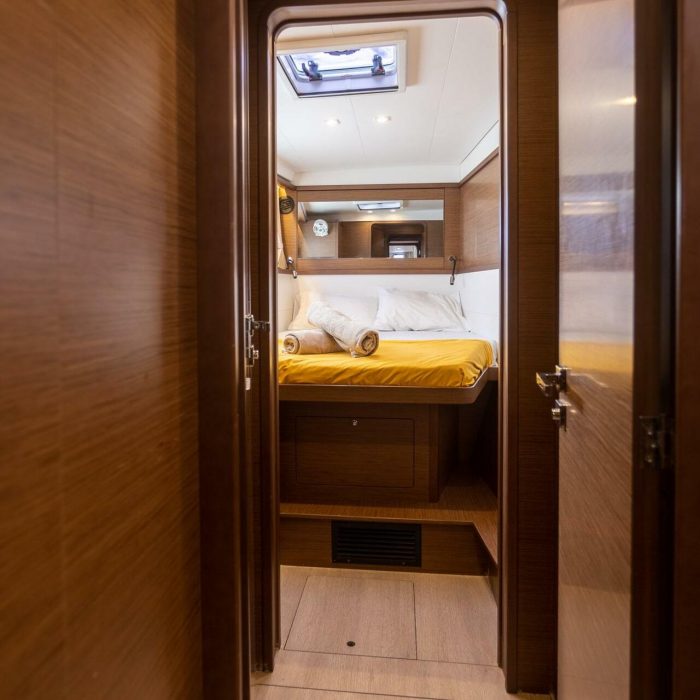
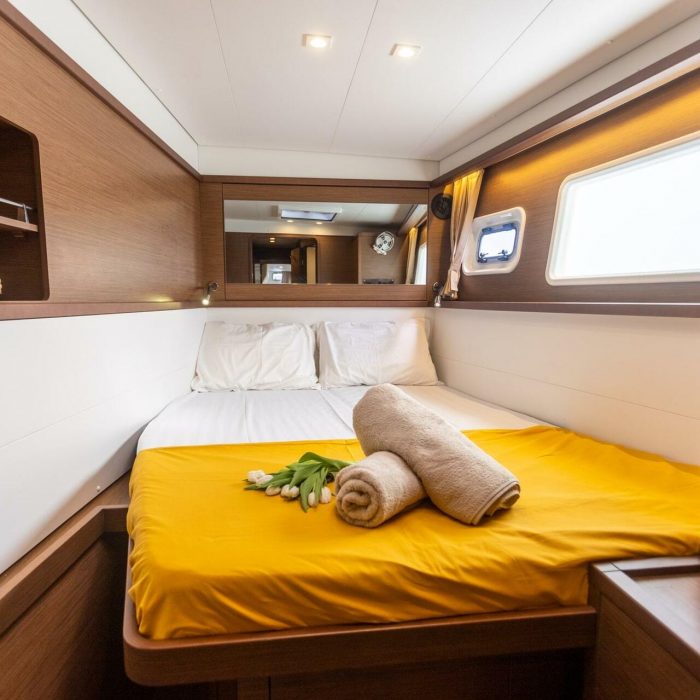
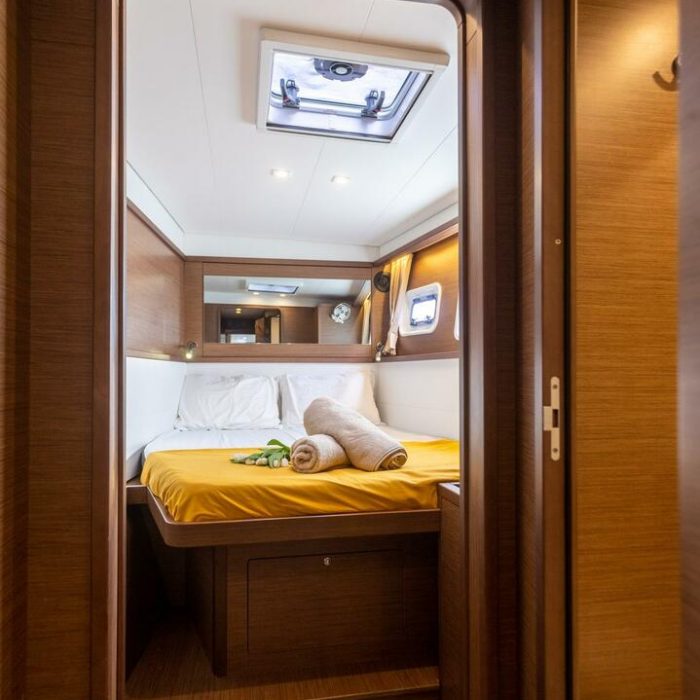
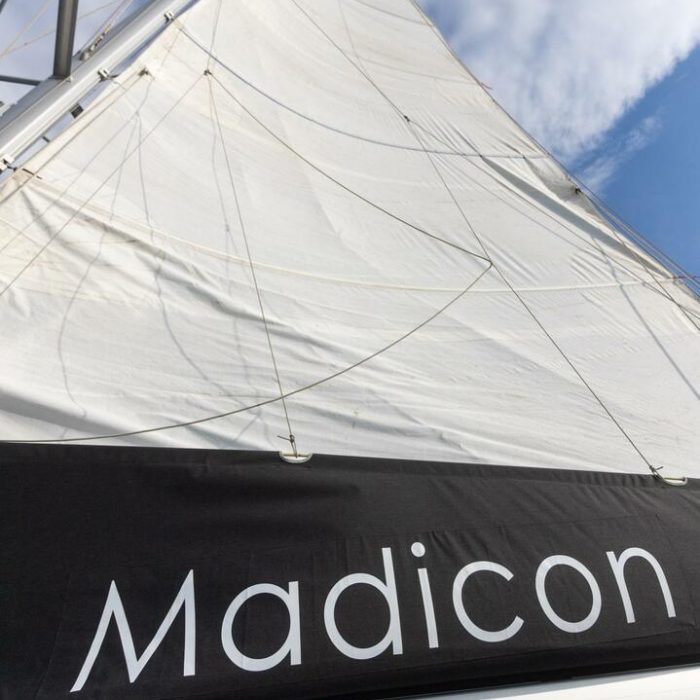
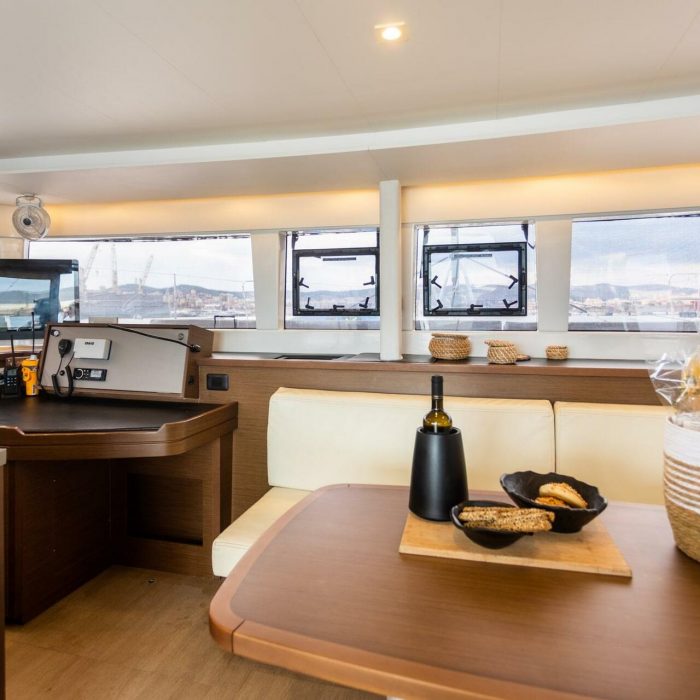
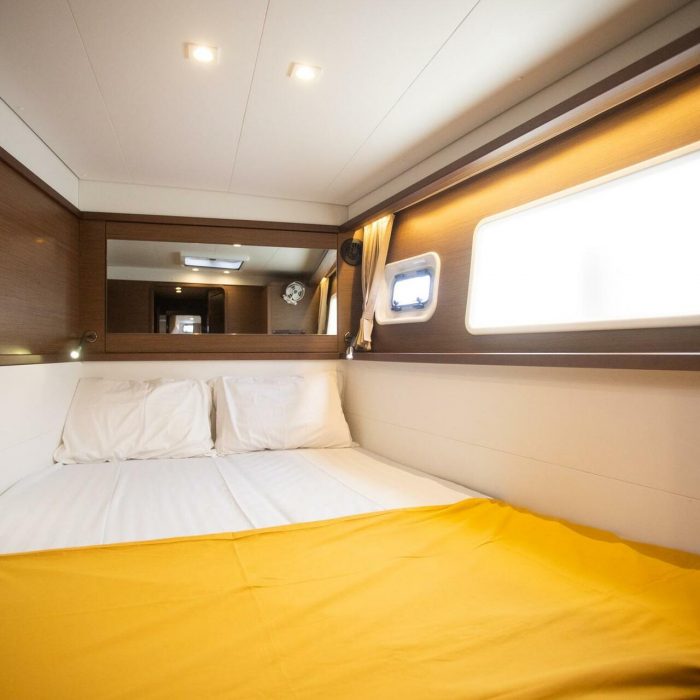
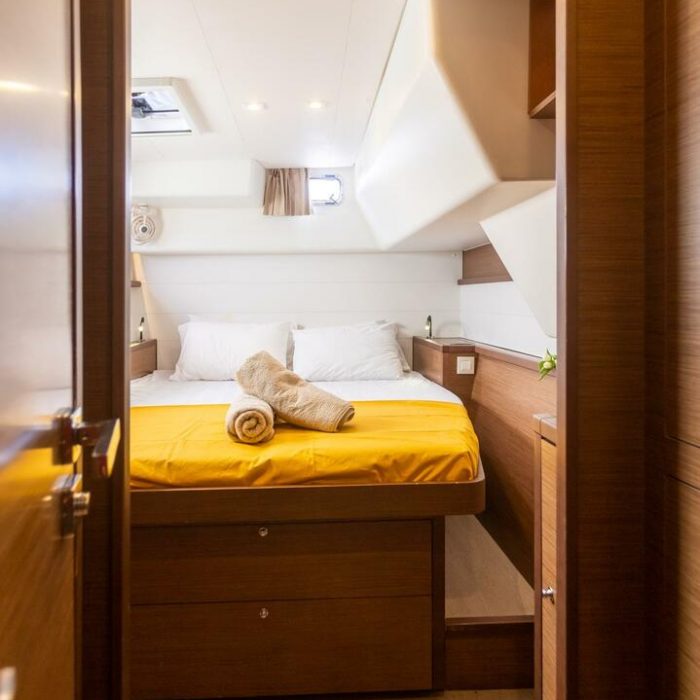

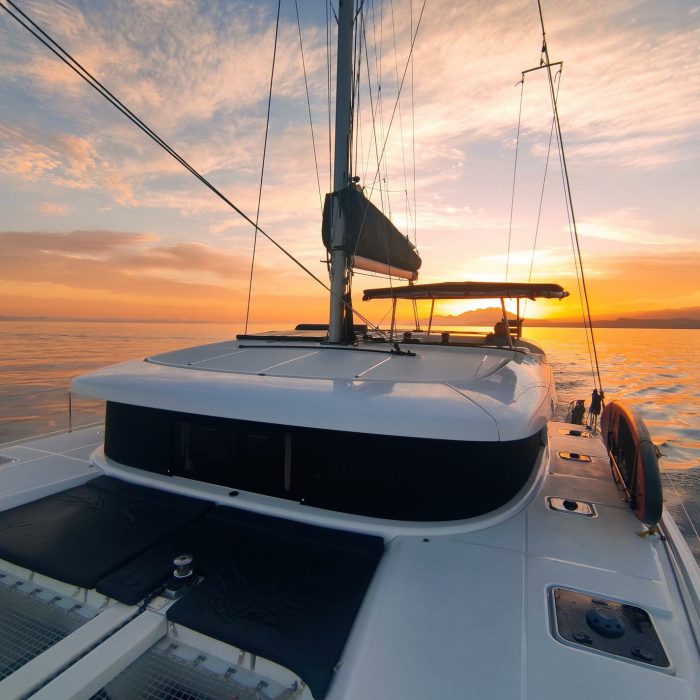
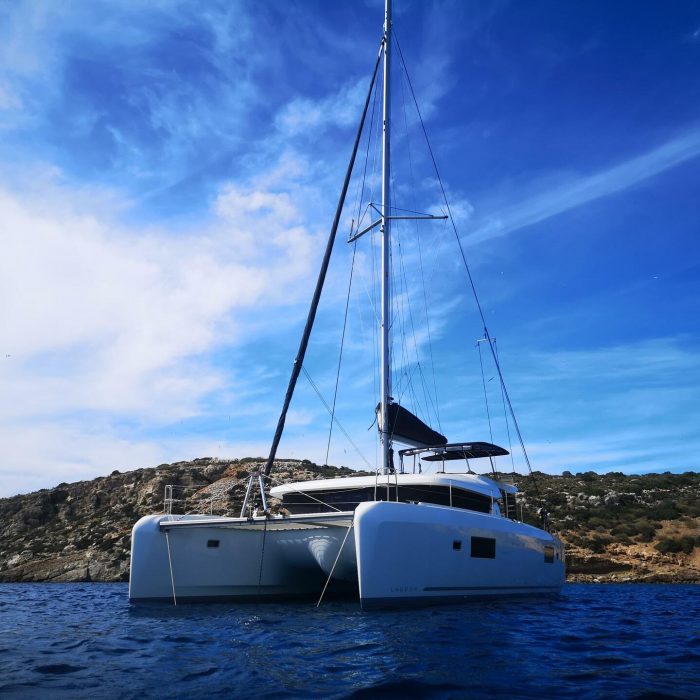
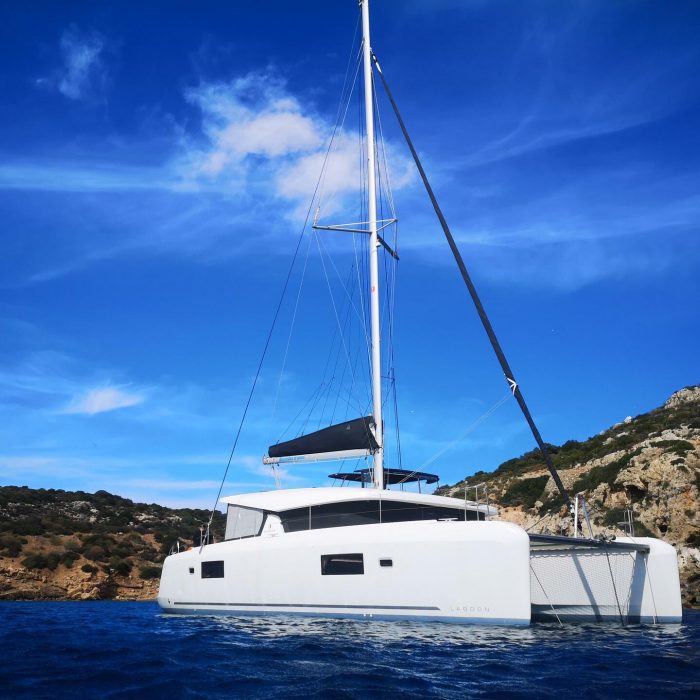
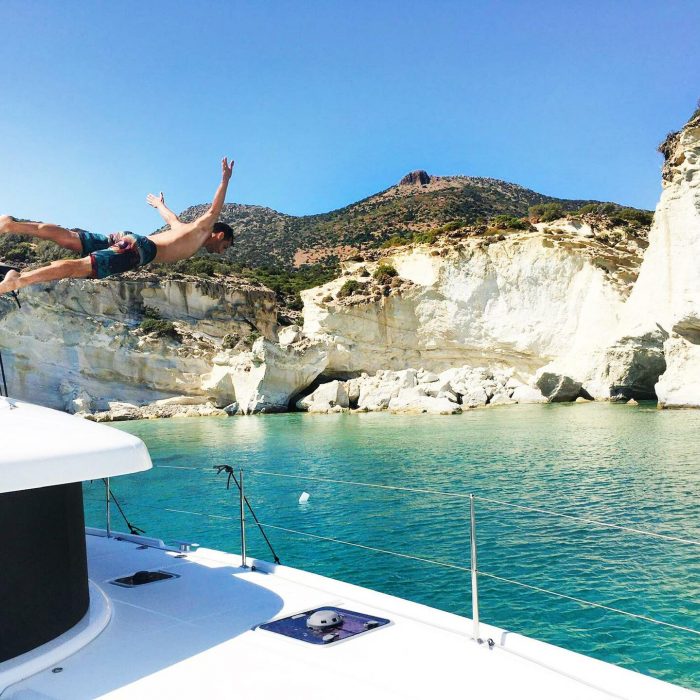
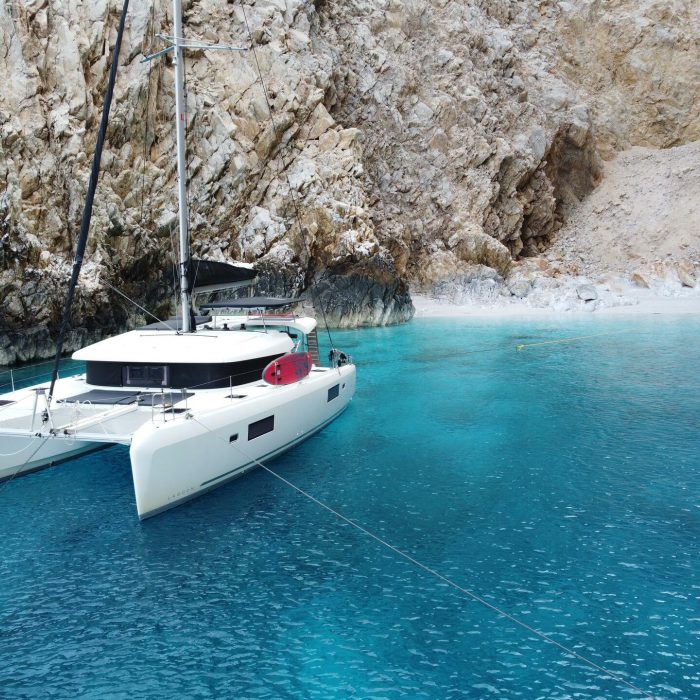
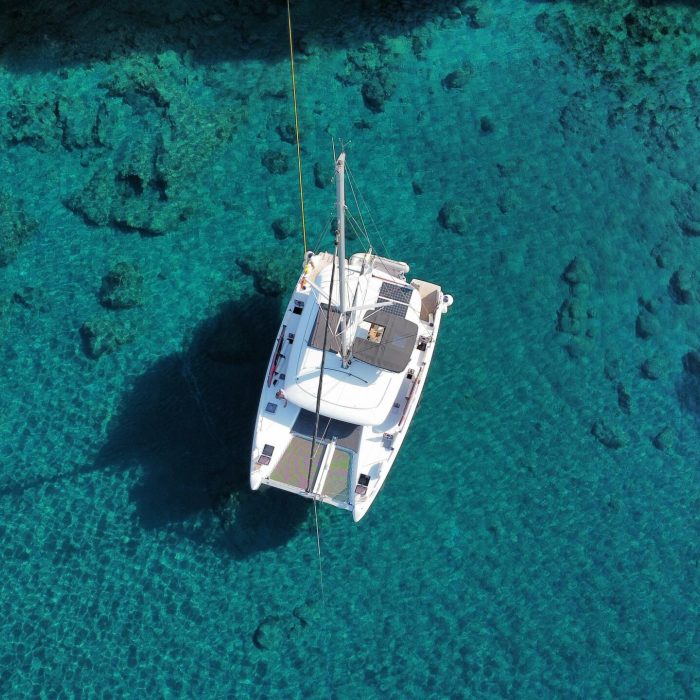
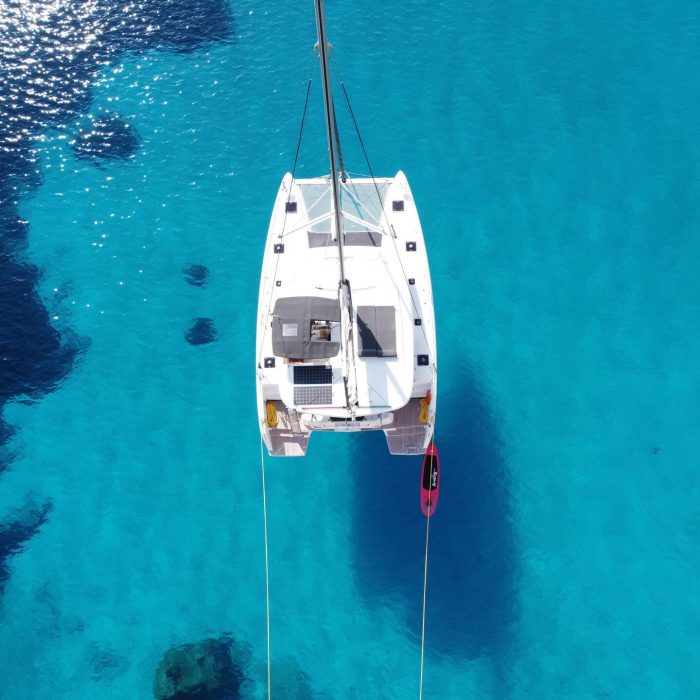
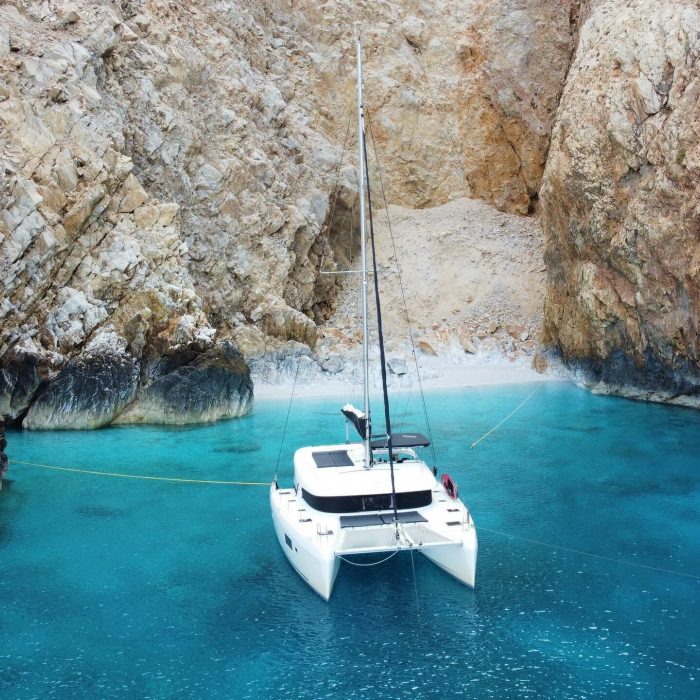
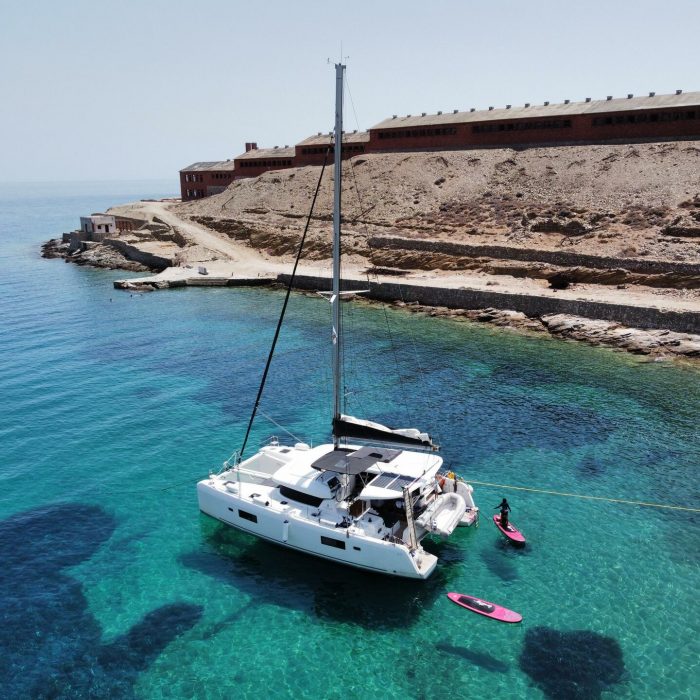
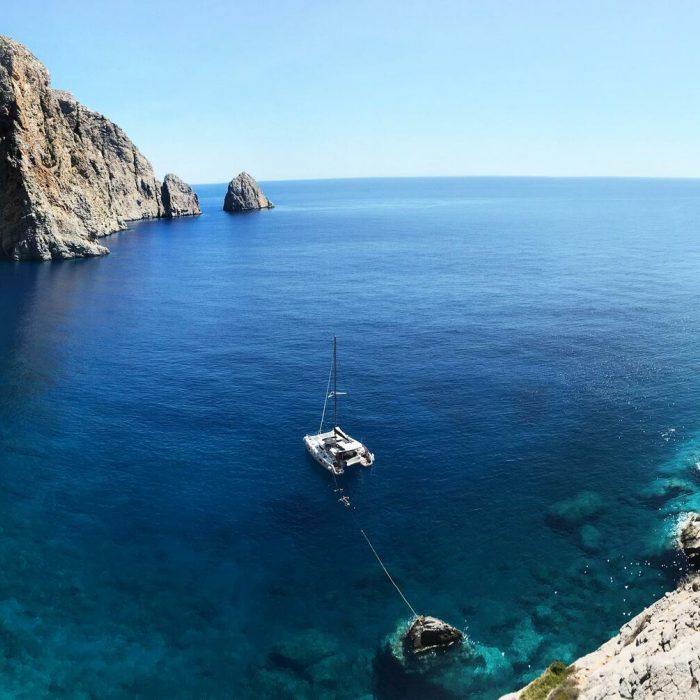
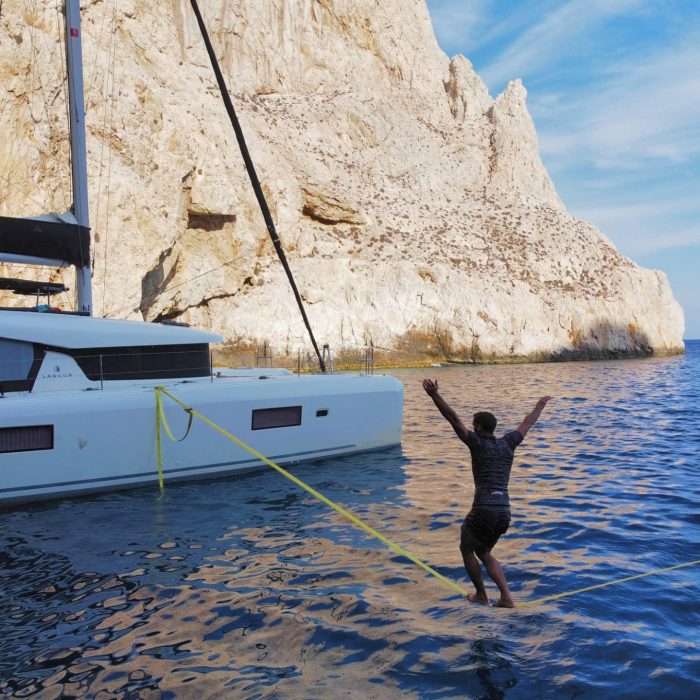
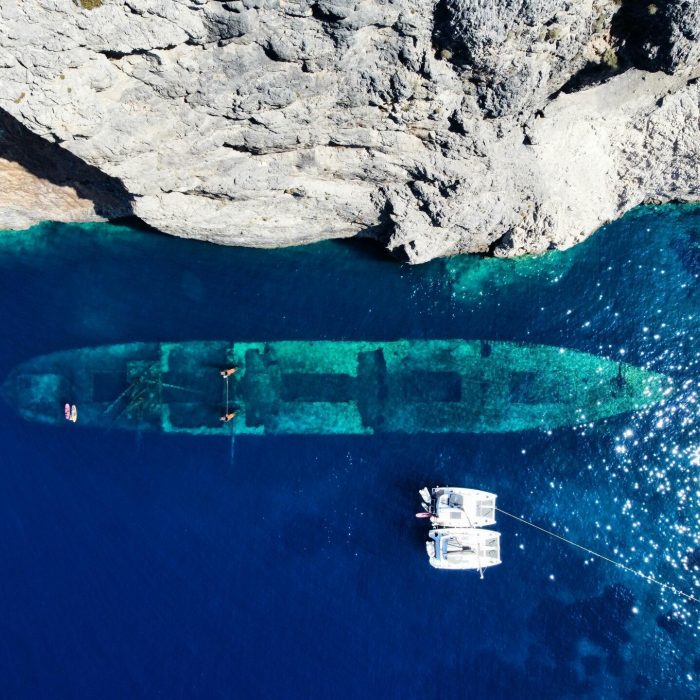
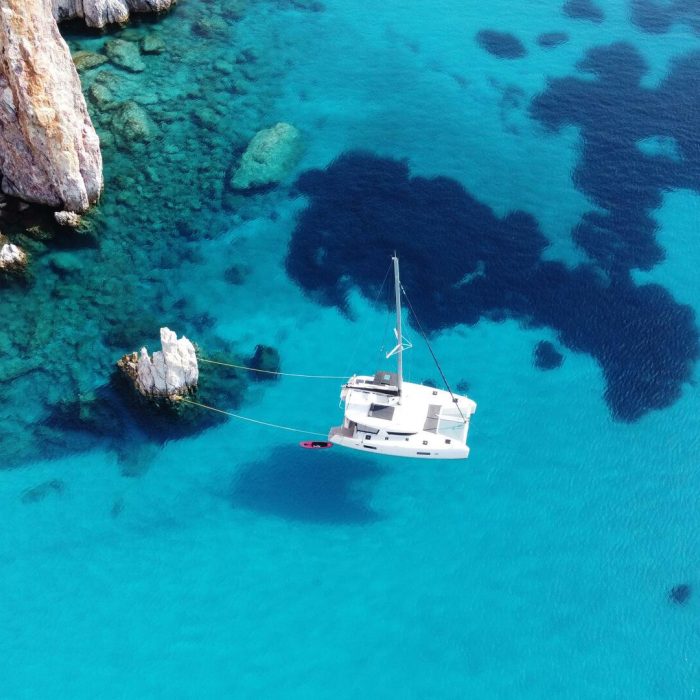
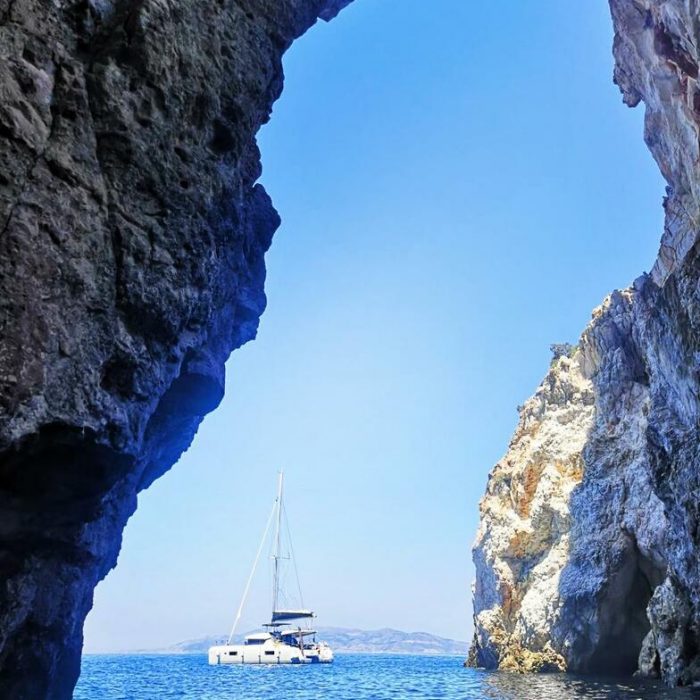
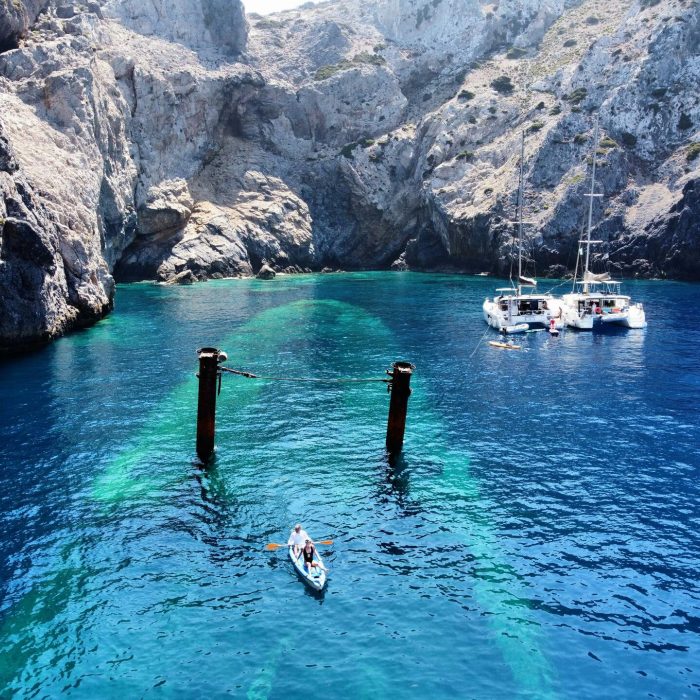
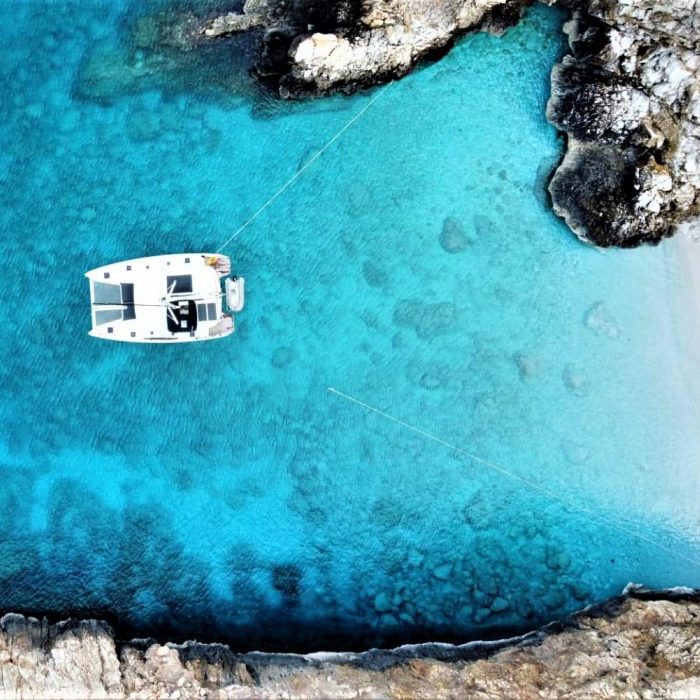
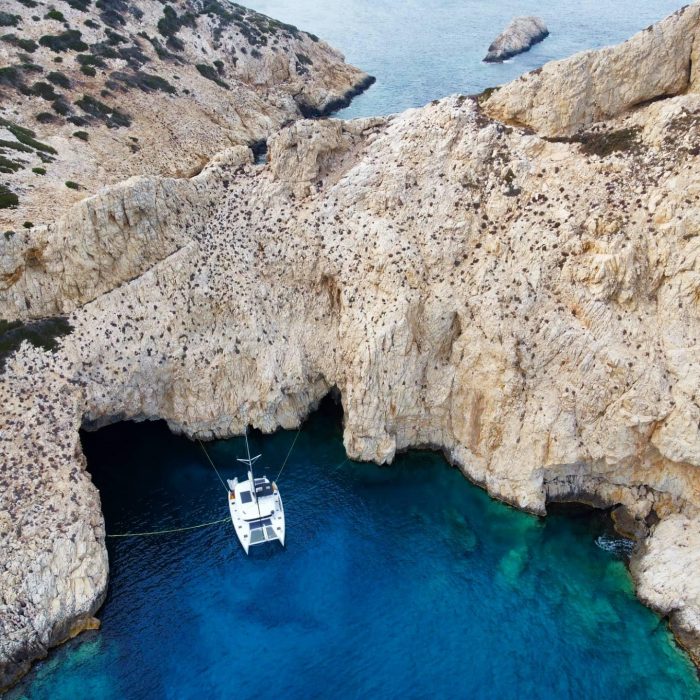
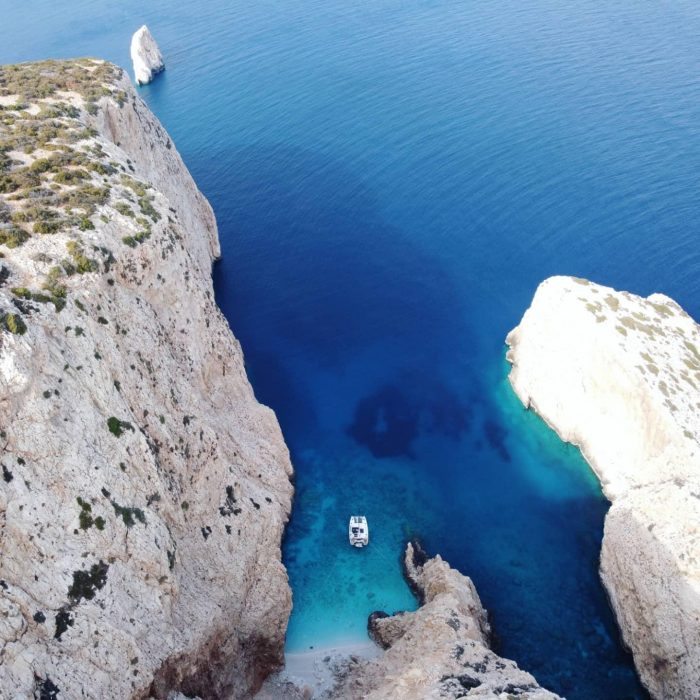
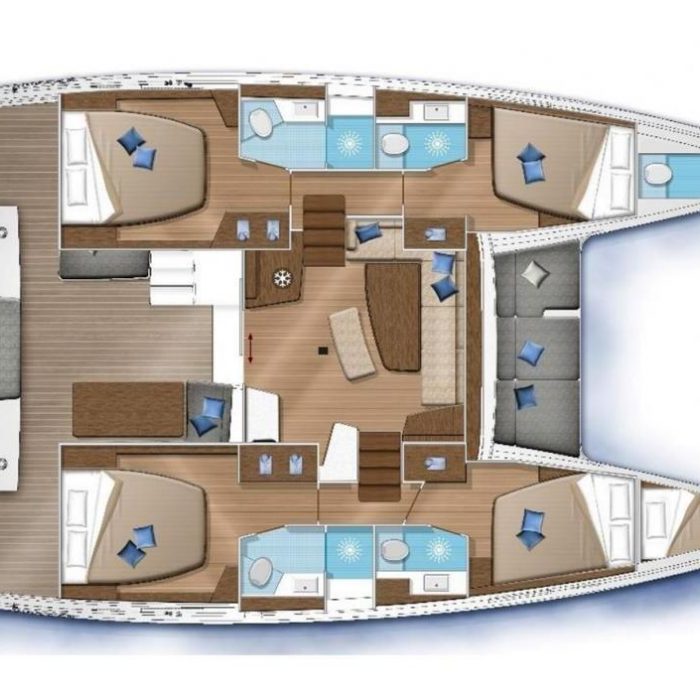
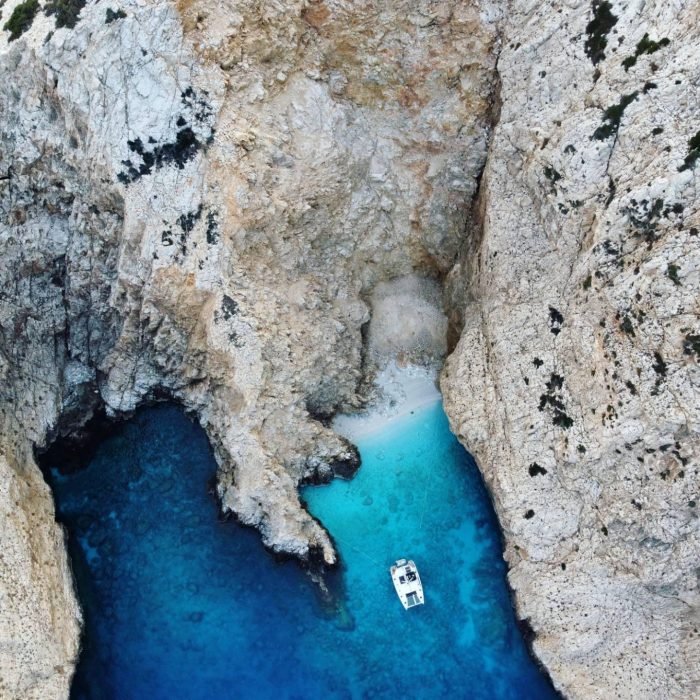
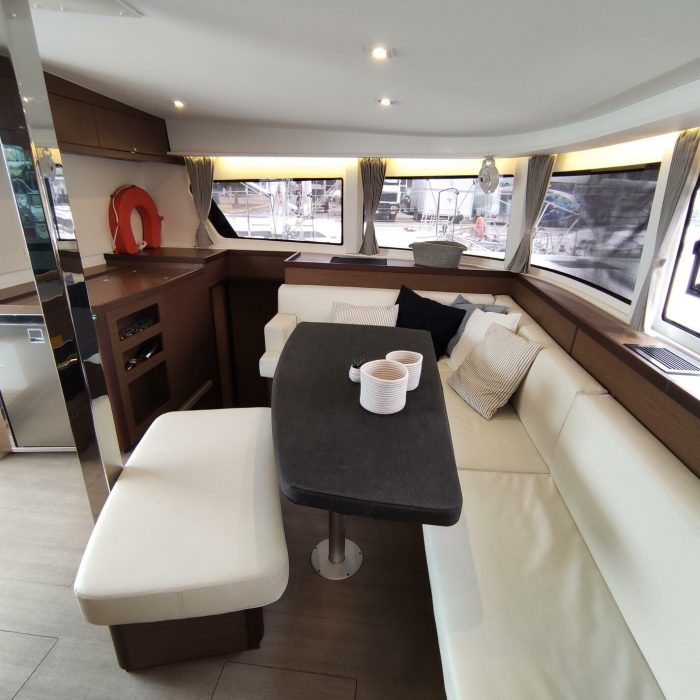
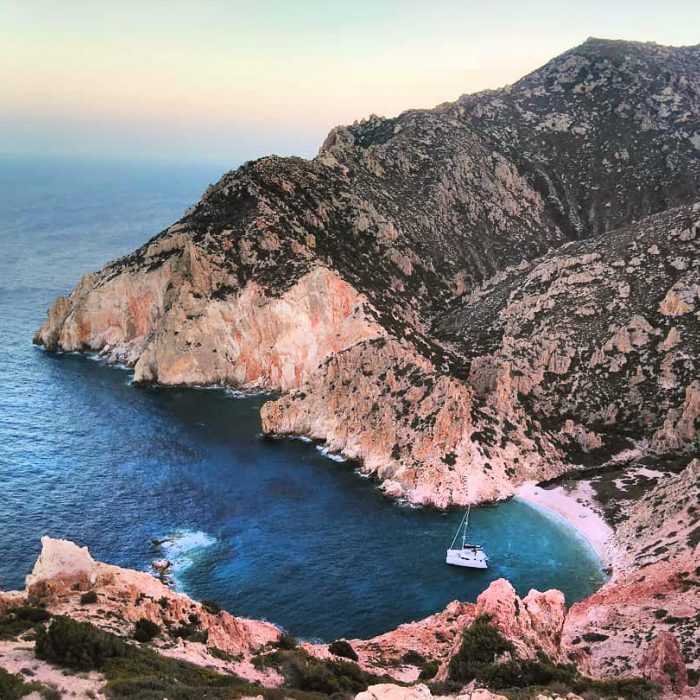
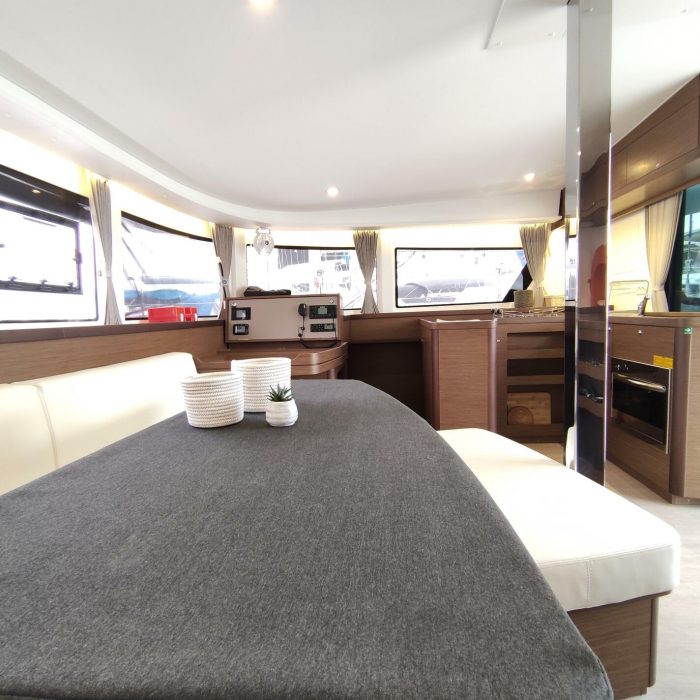
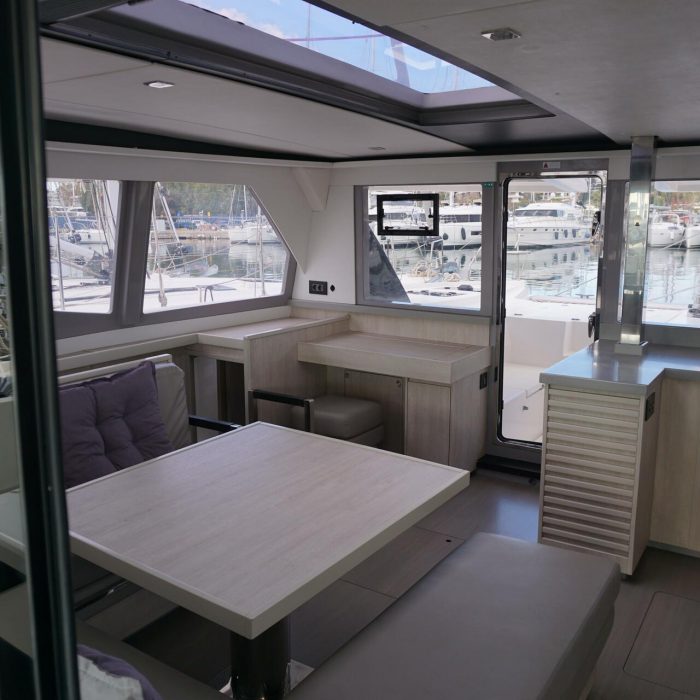
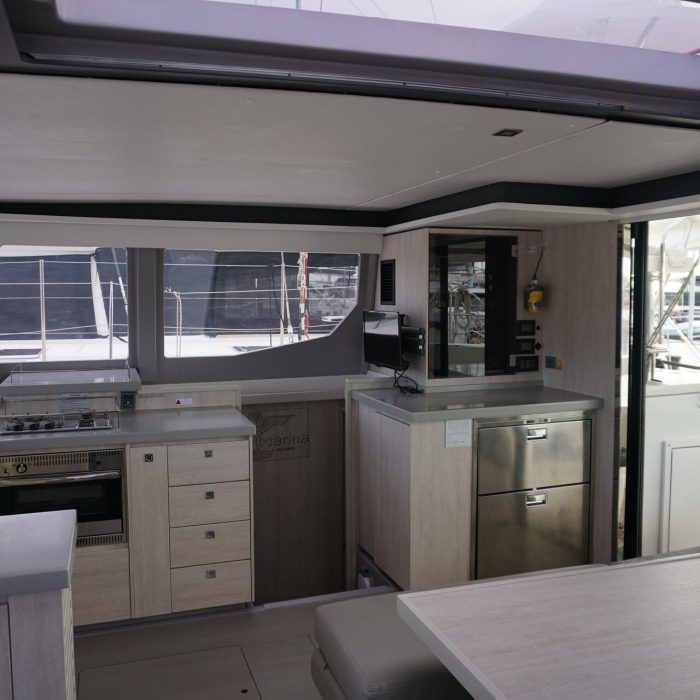
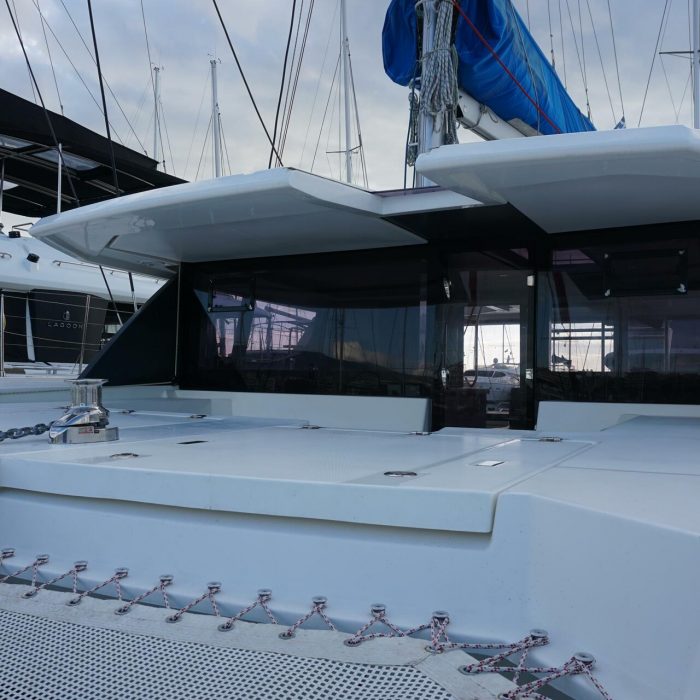
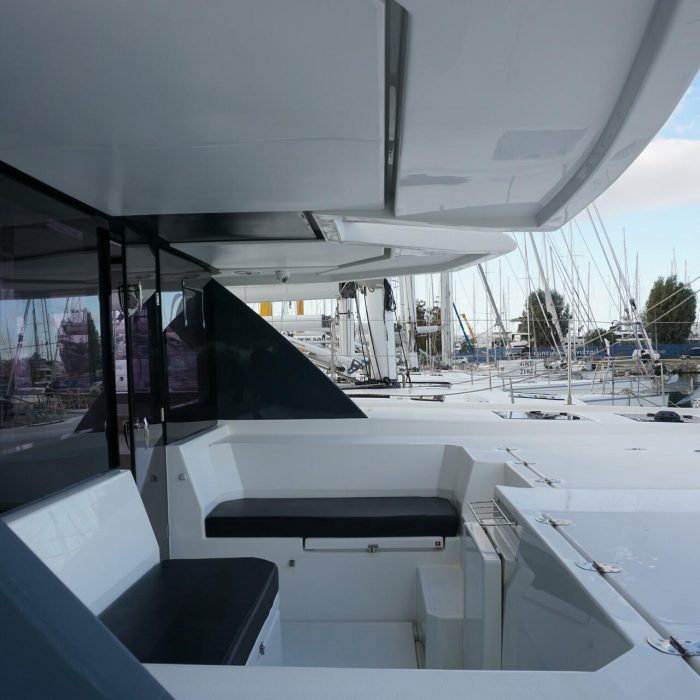






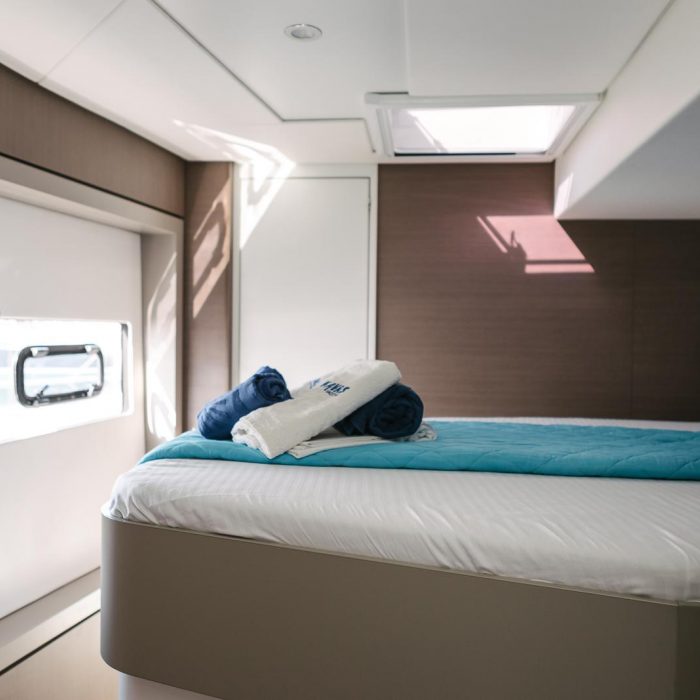
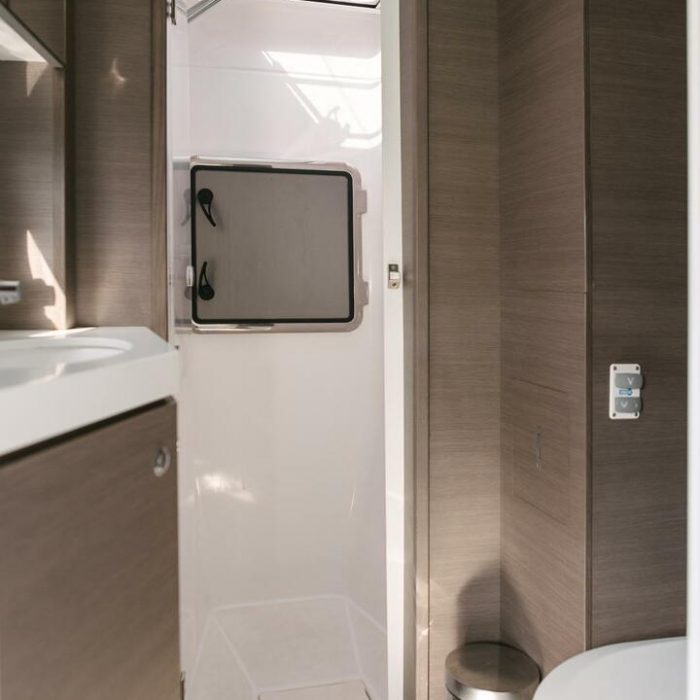
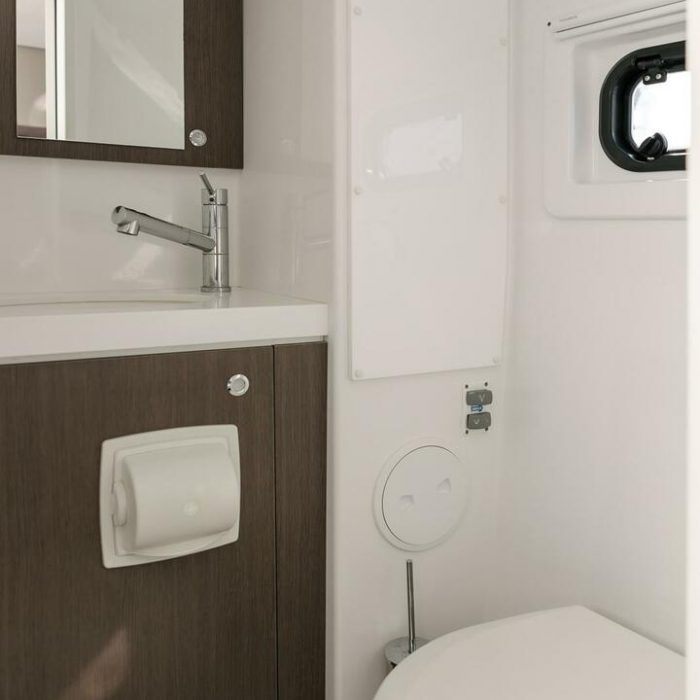
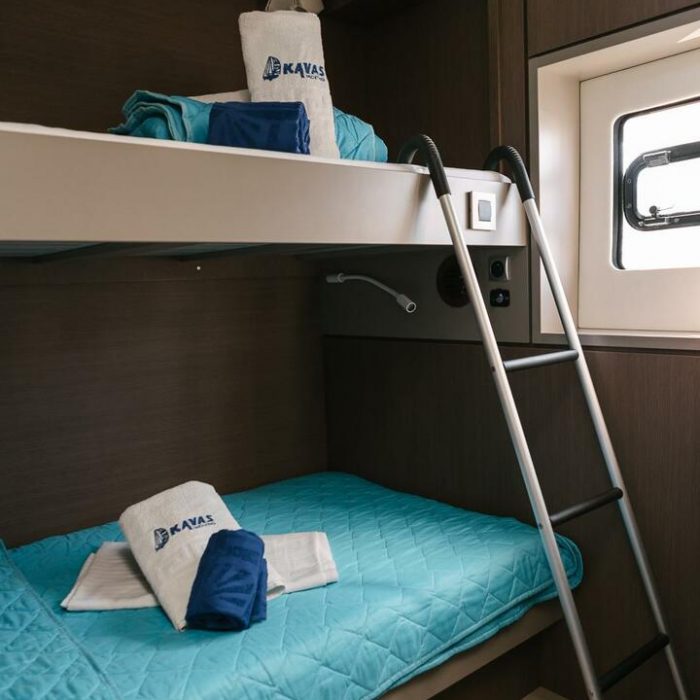
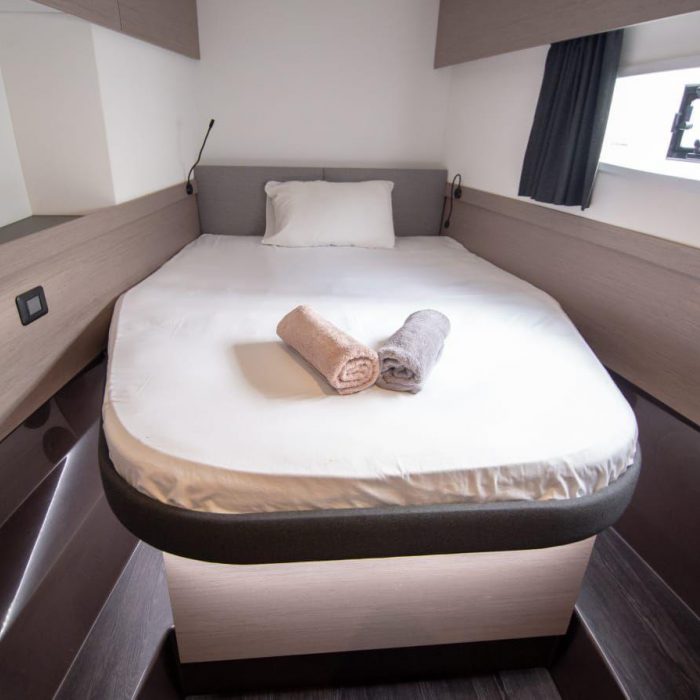
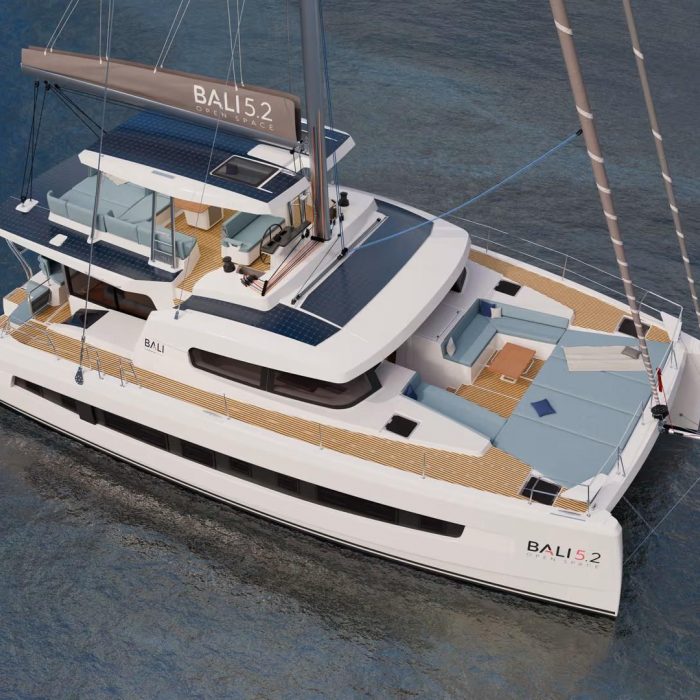
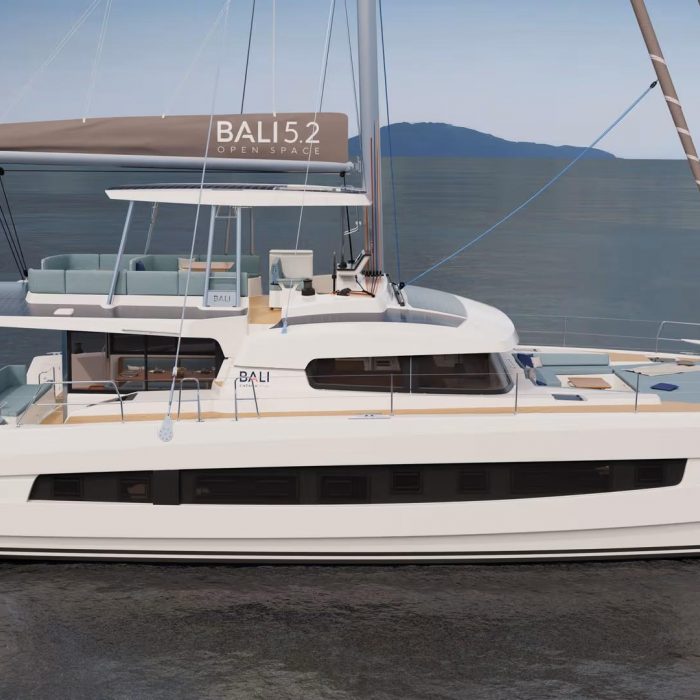
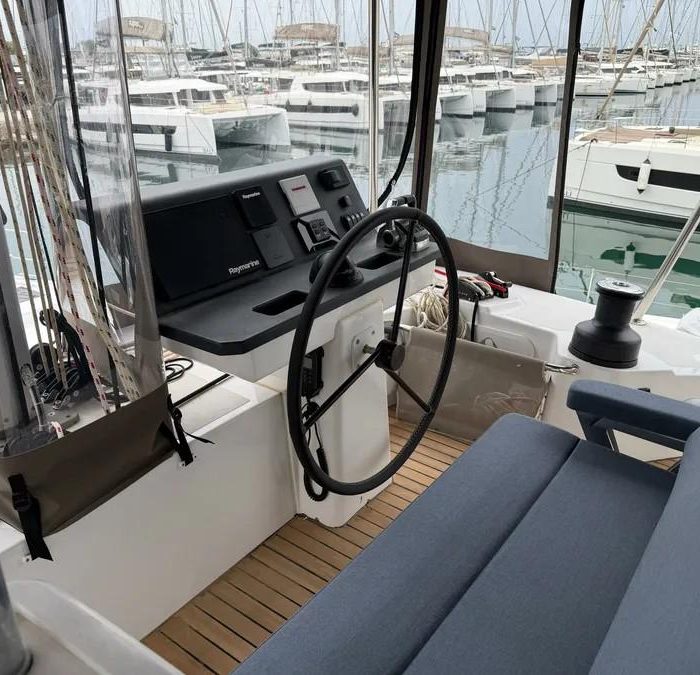
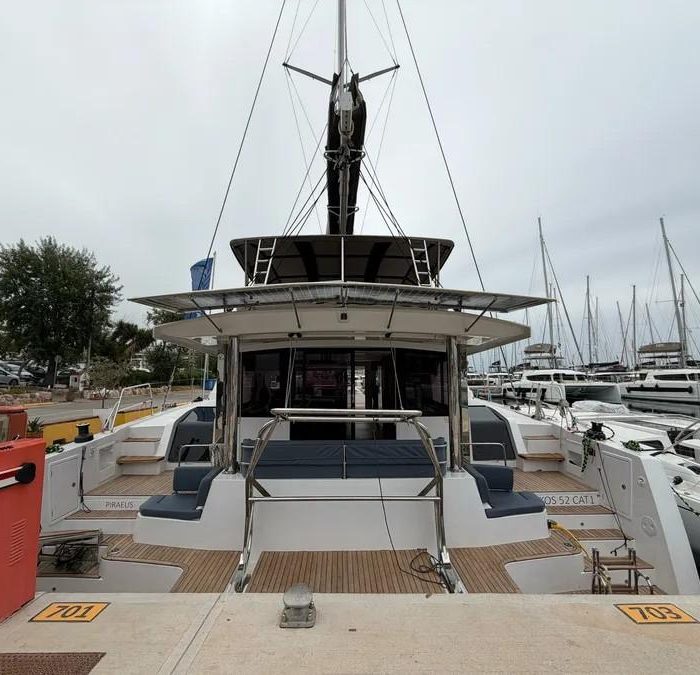
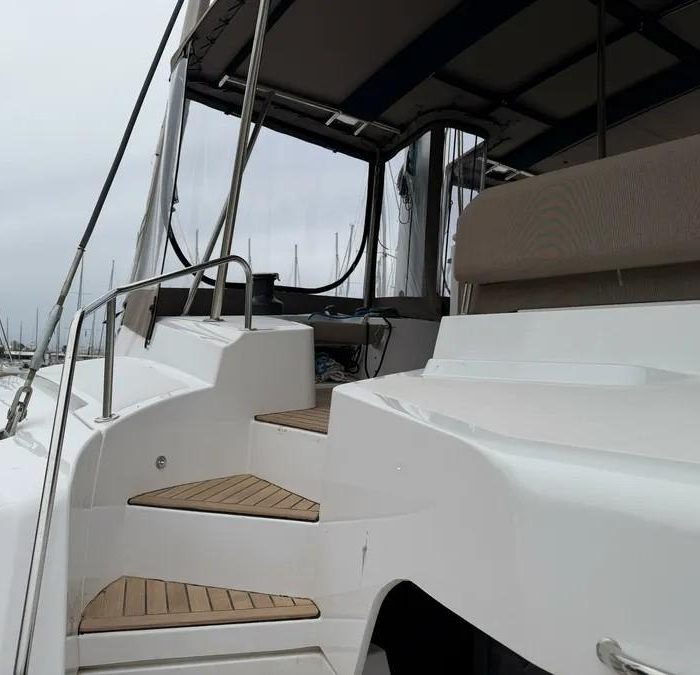
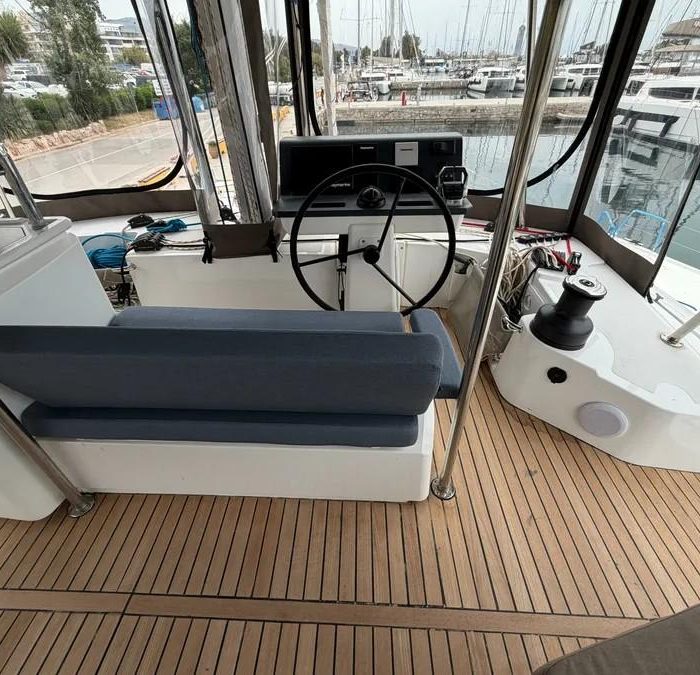


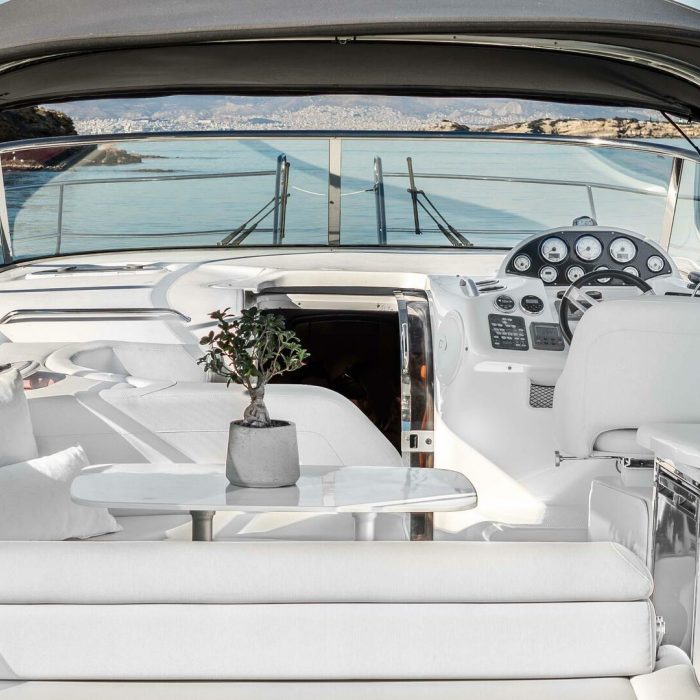
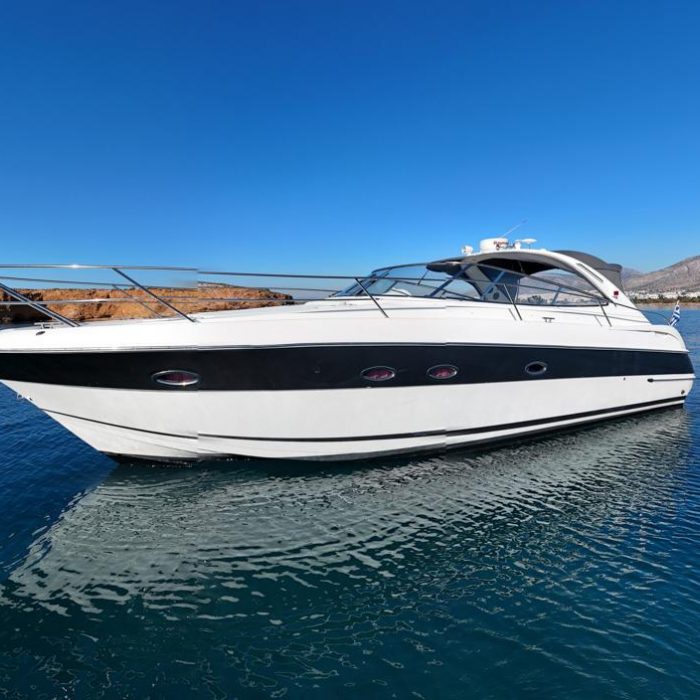
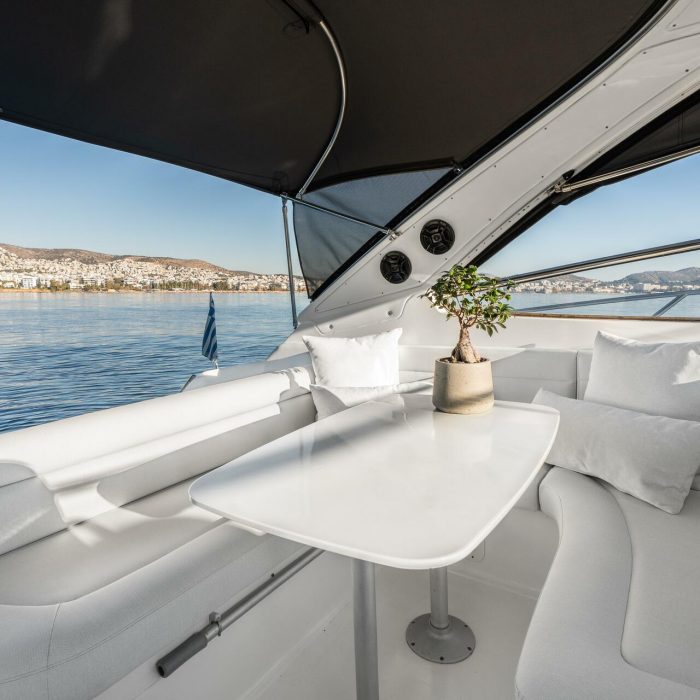
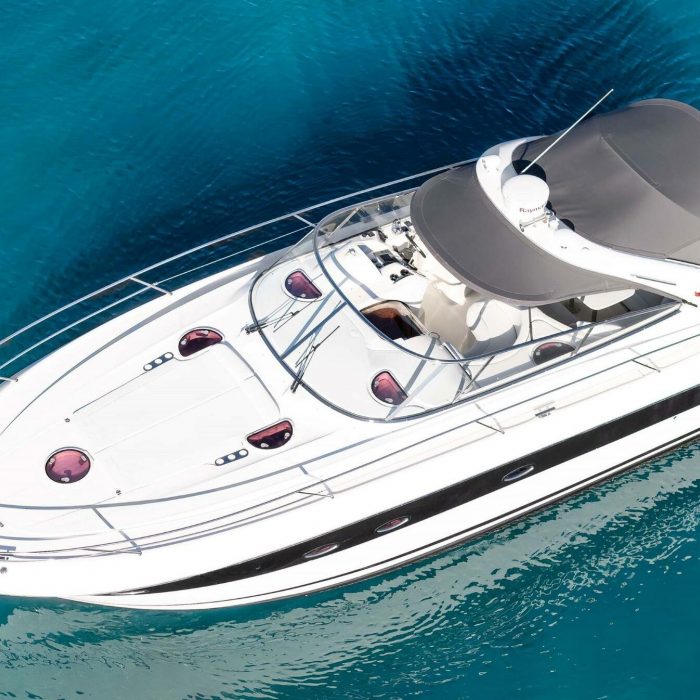

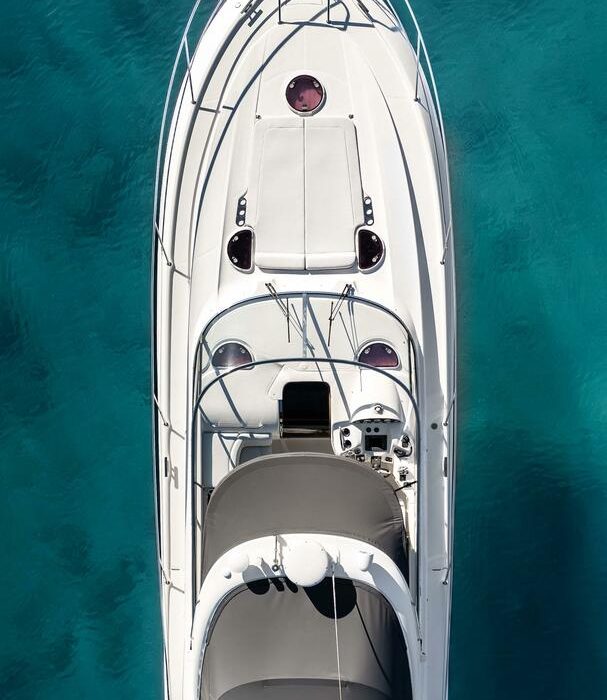

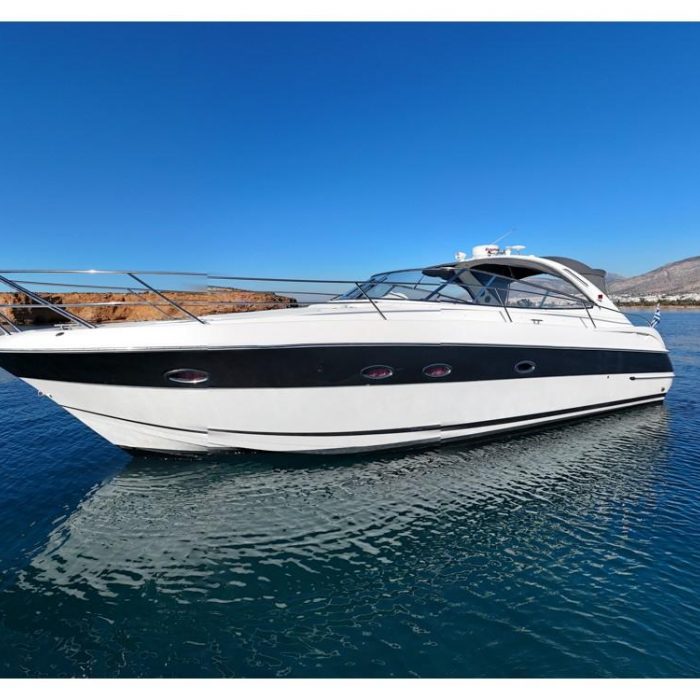
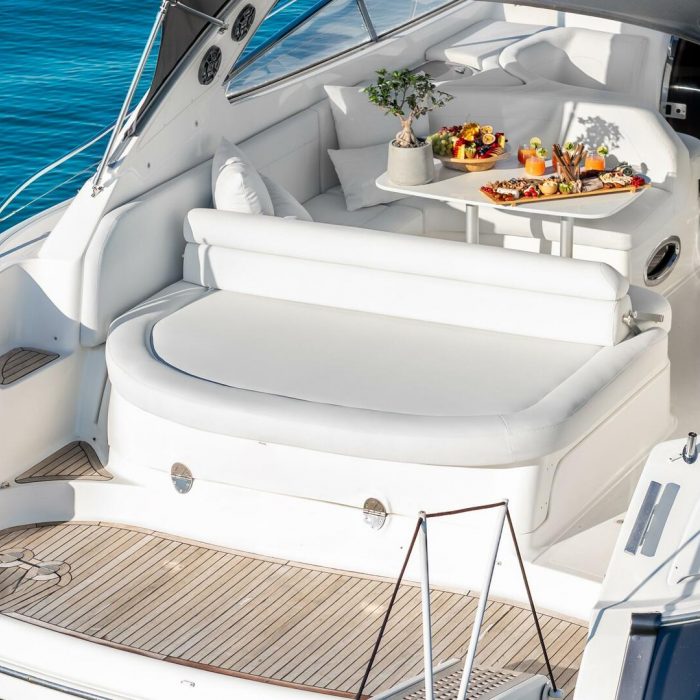
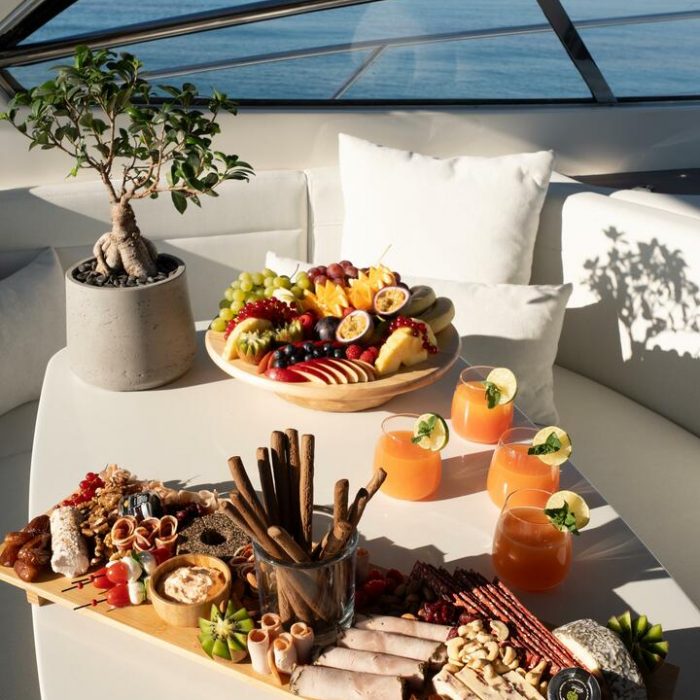
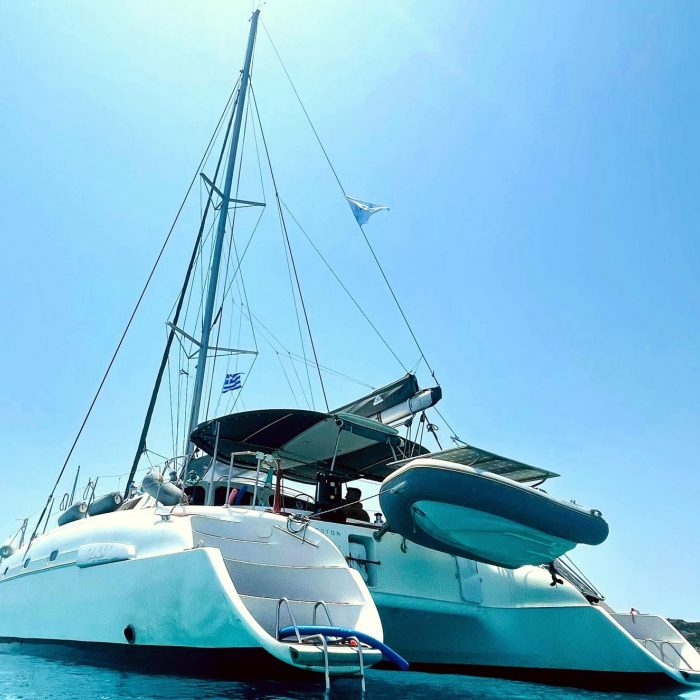
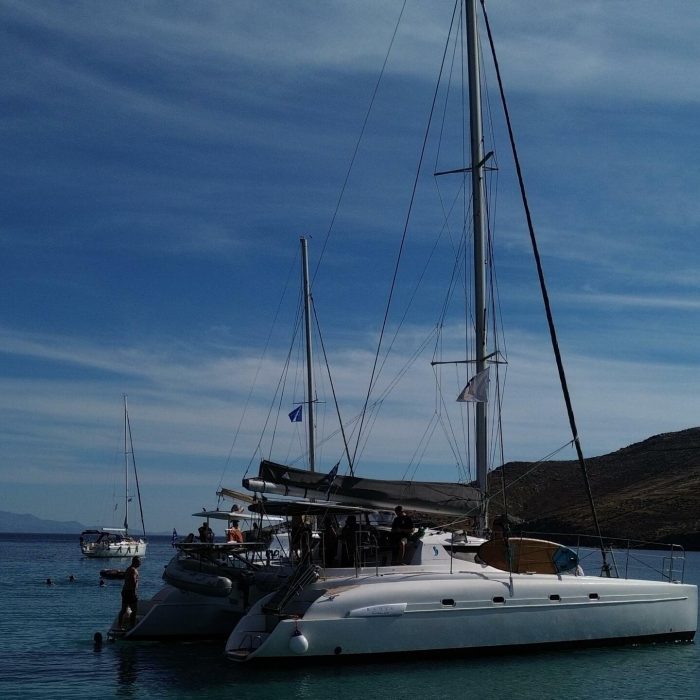
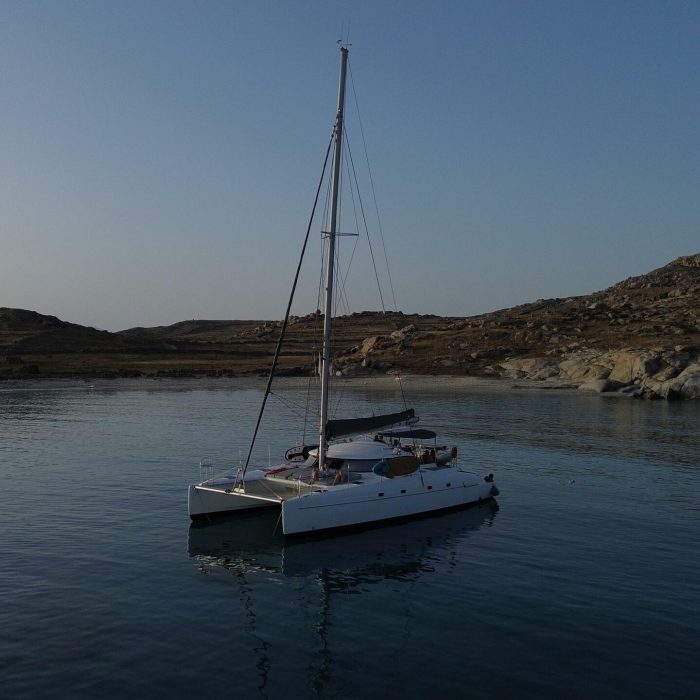
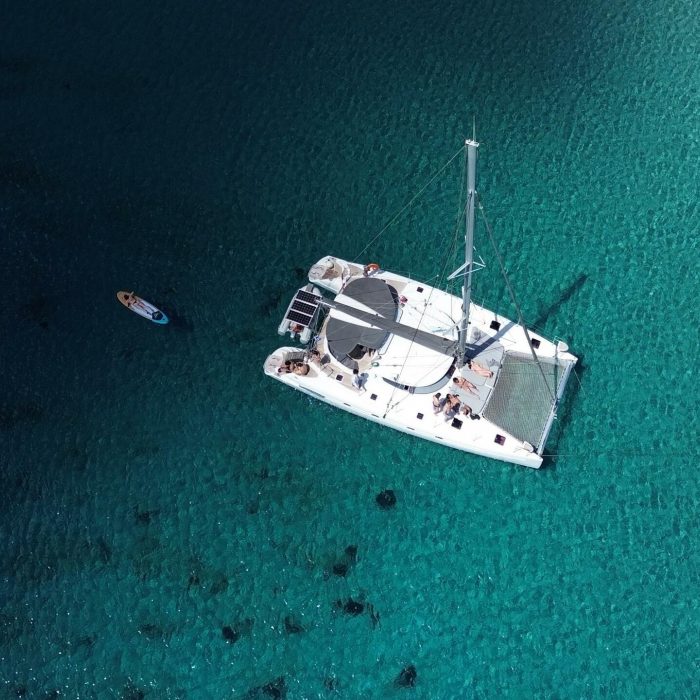
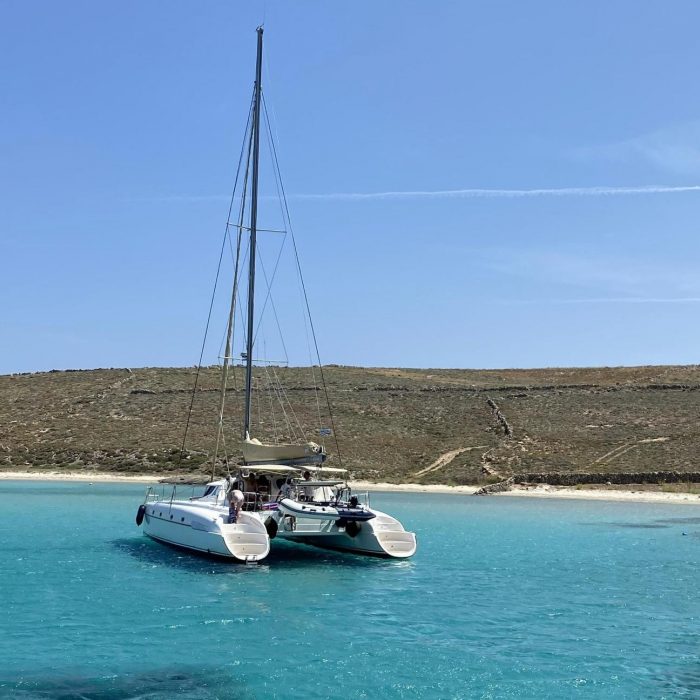
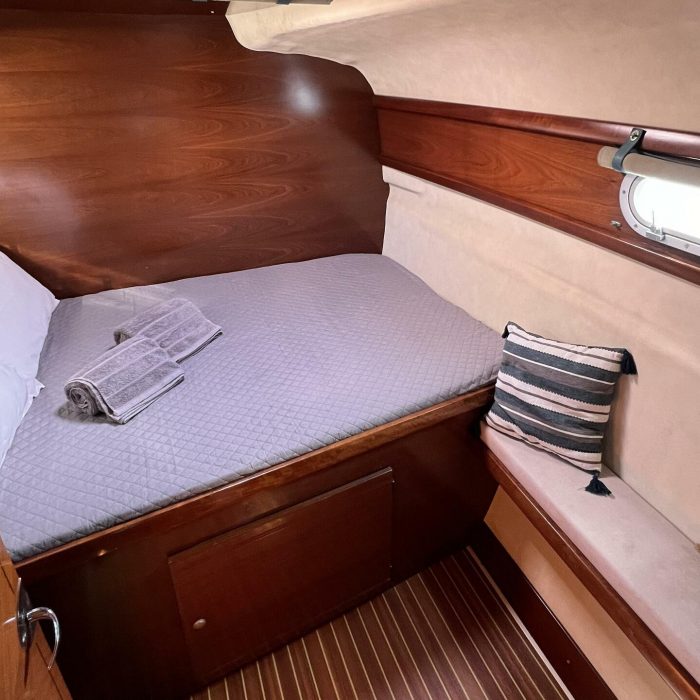
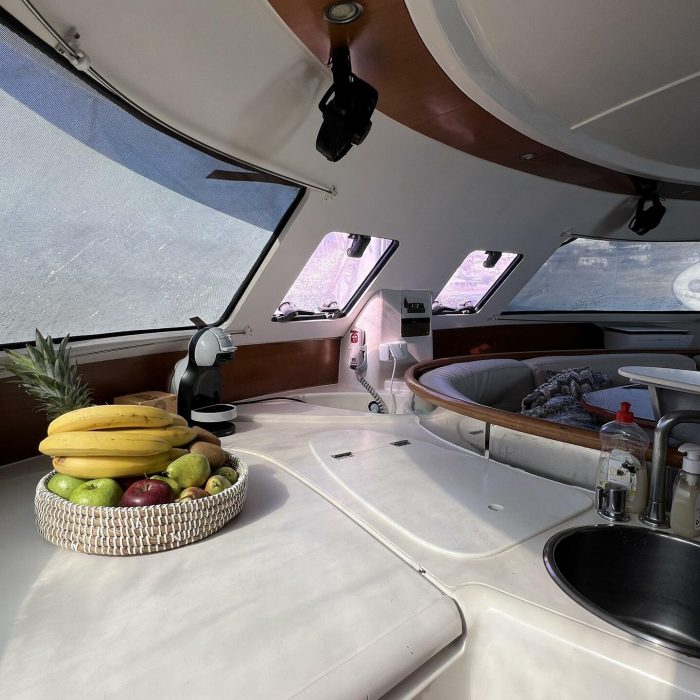
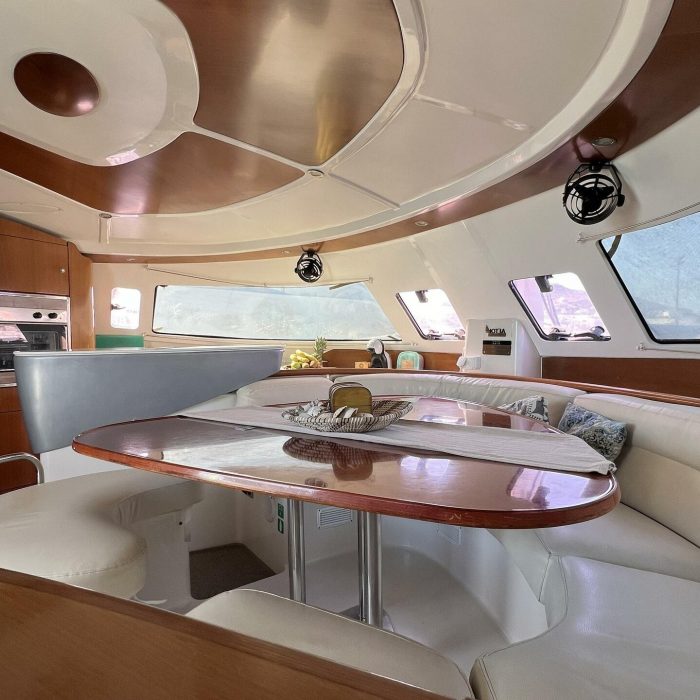
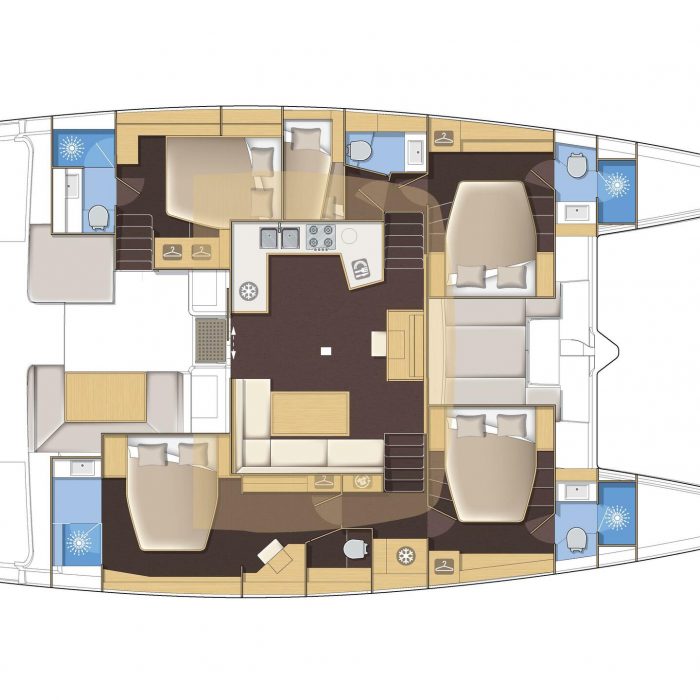
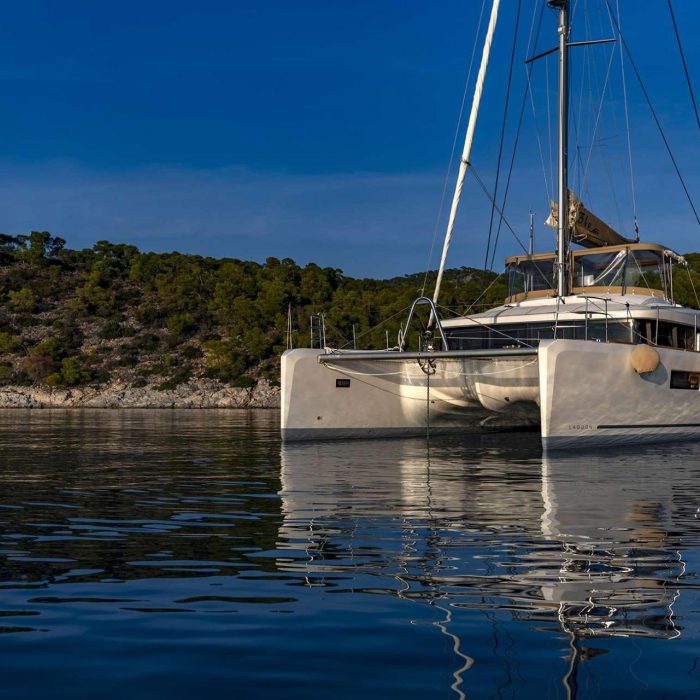
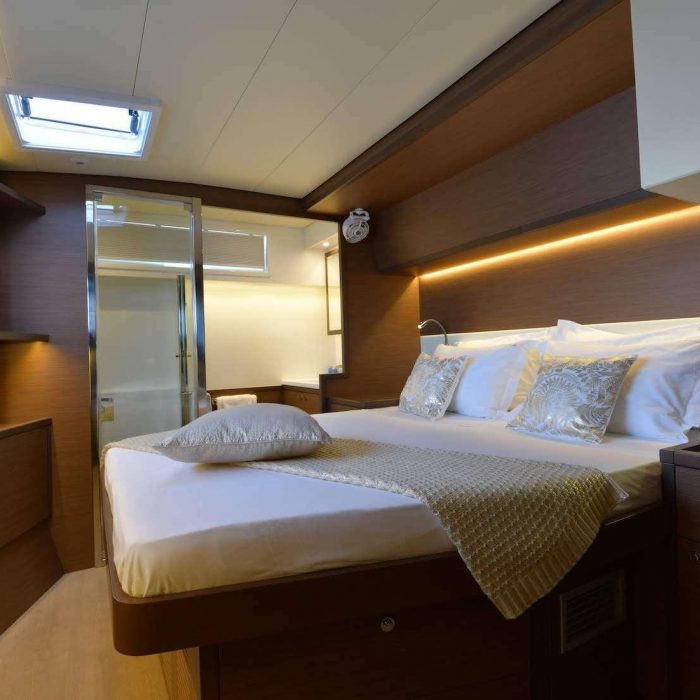
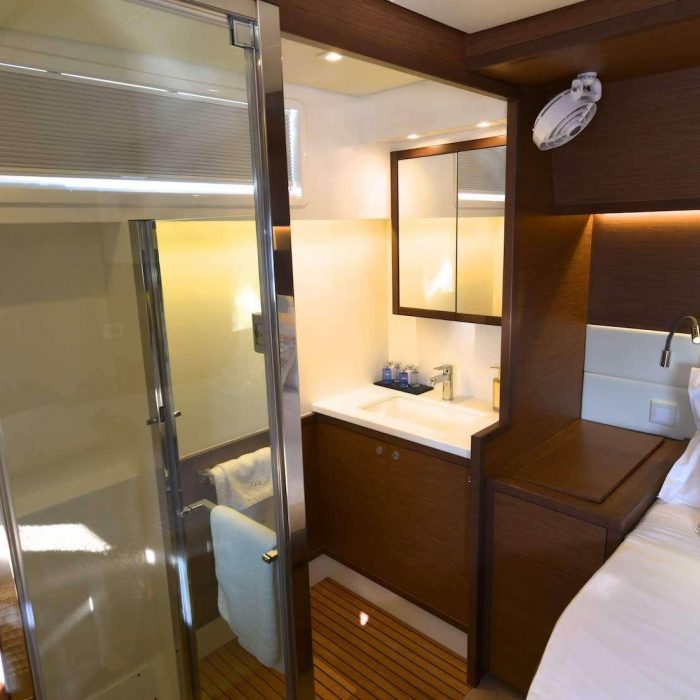

There is one thing every honest Mykonos listing should tell you and most don't: the meltemi, the northerly summer wind, decides which boat and which route make sense on any given week. We put that call in front of you before you book, not after.
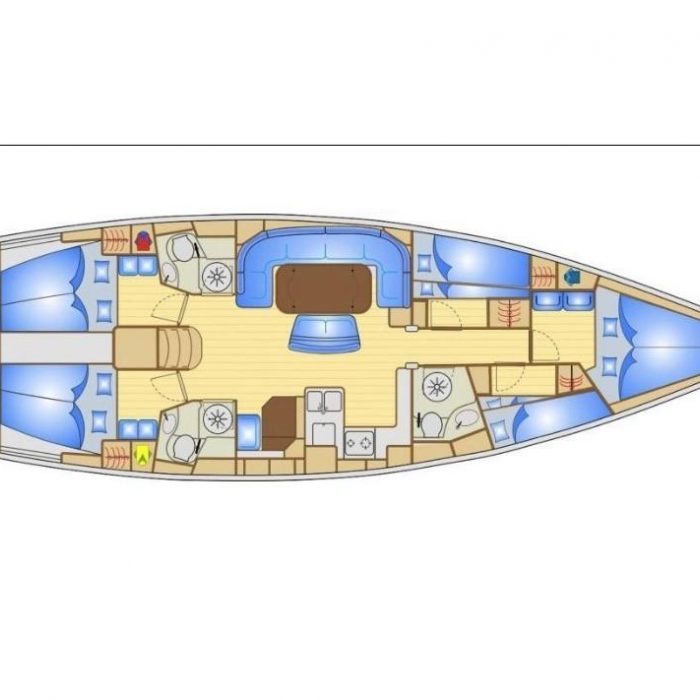
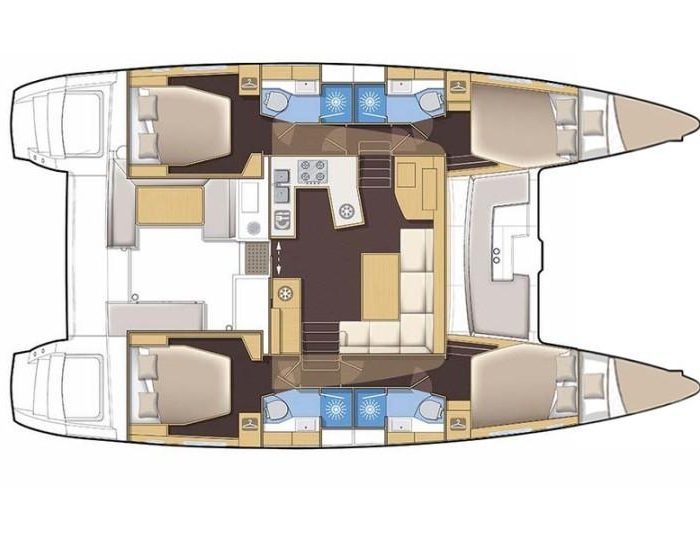
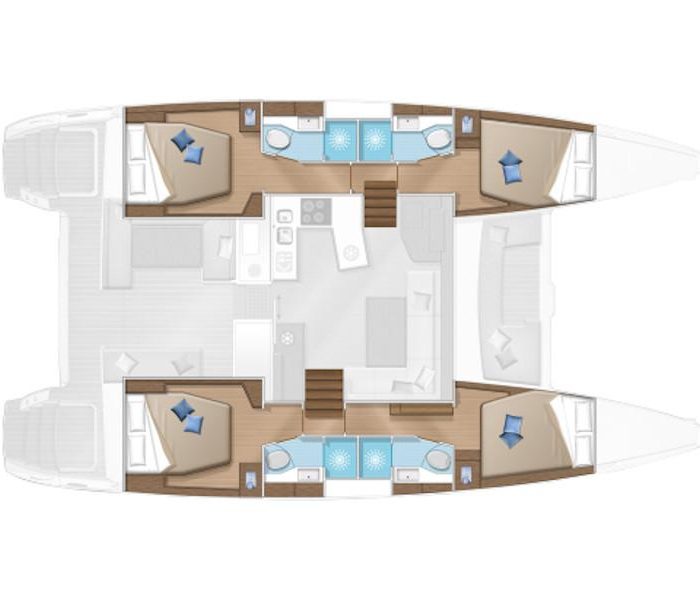
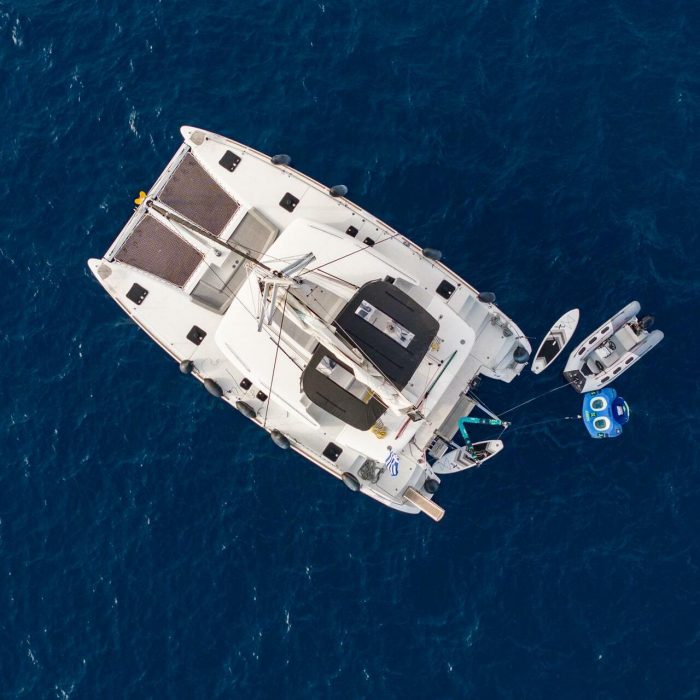
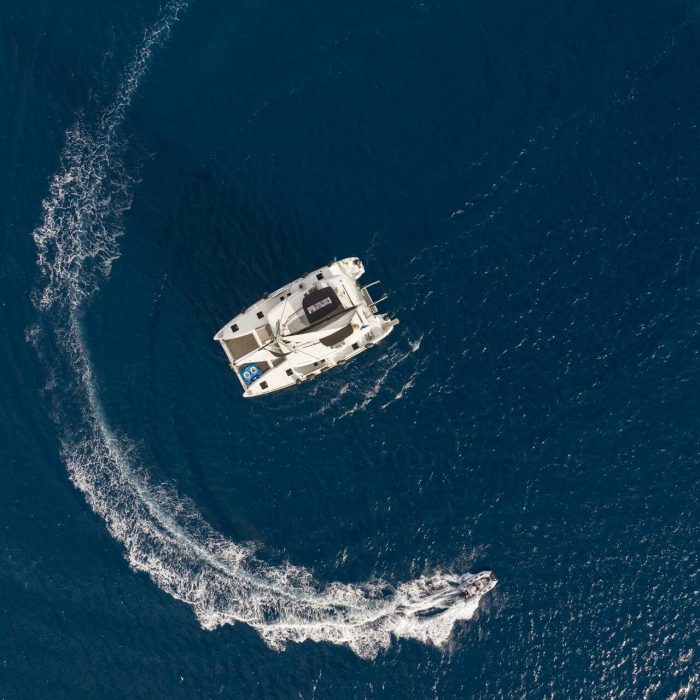
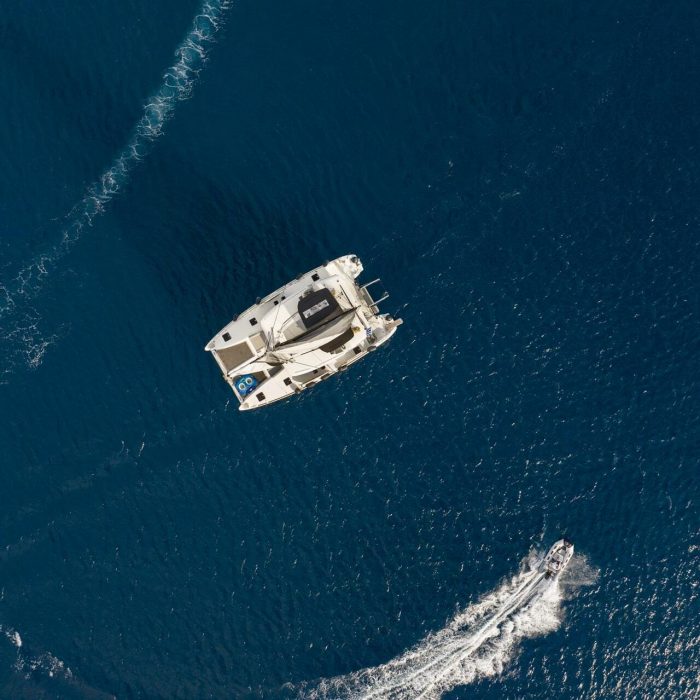
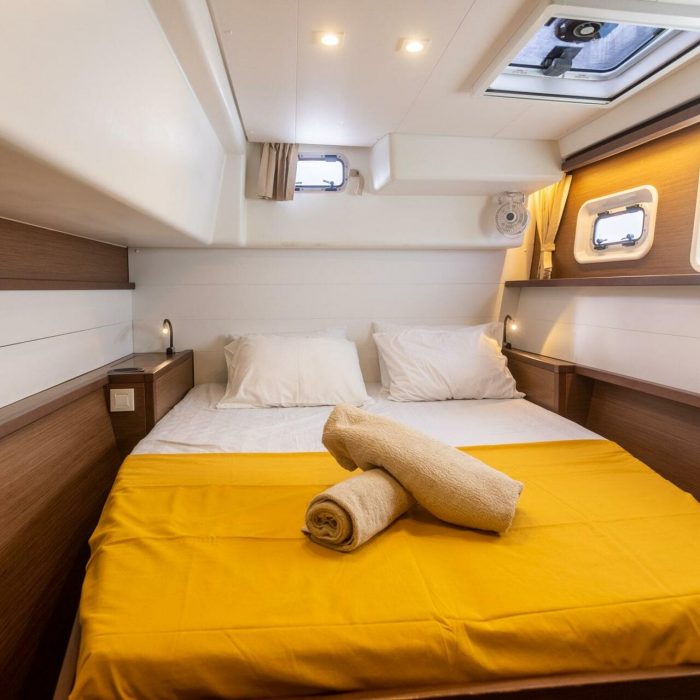
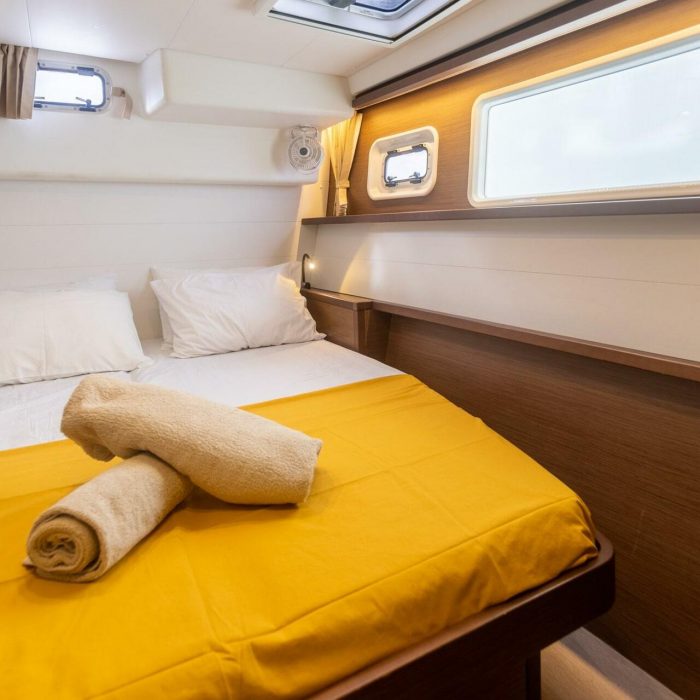
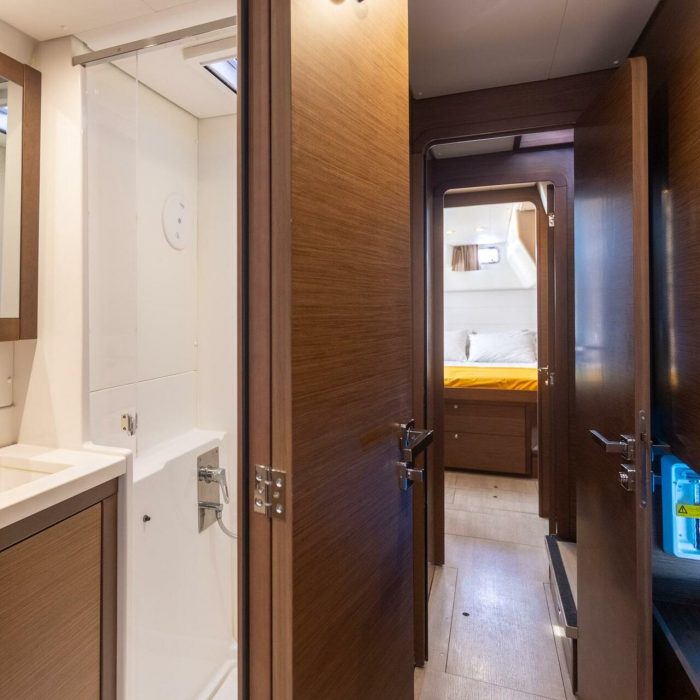
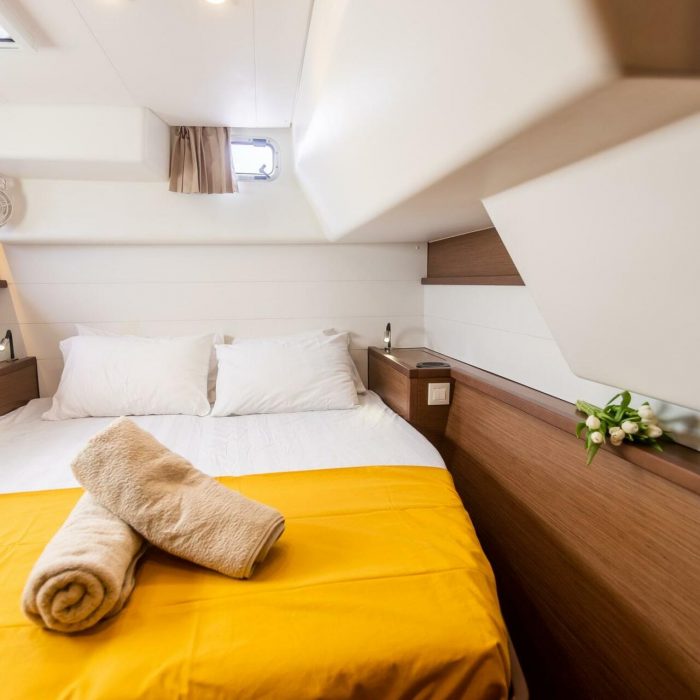
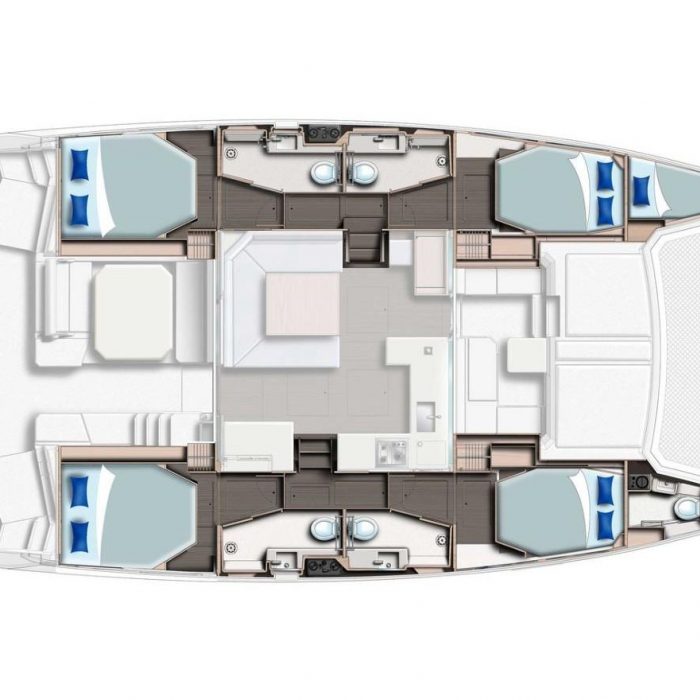
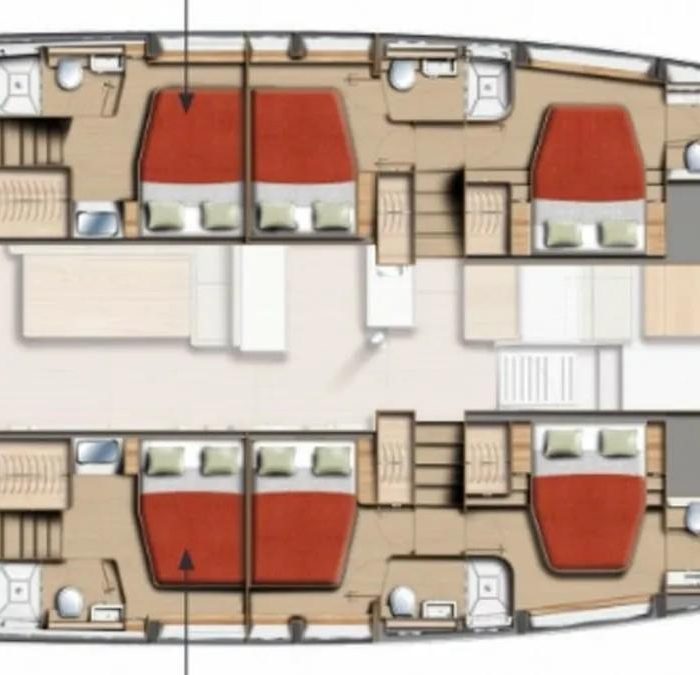
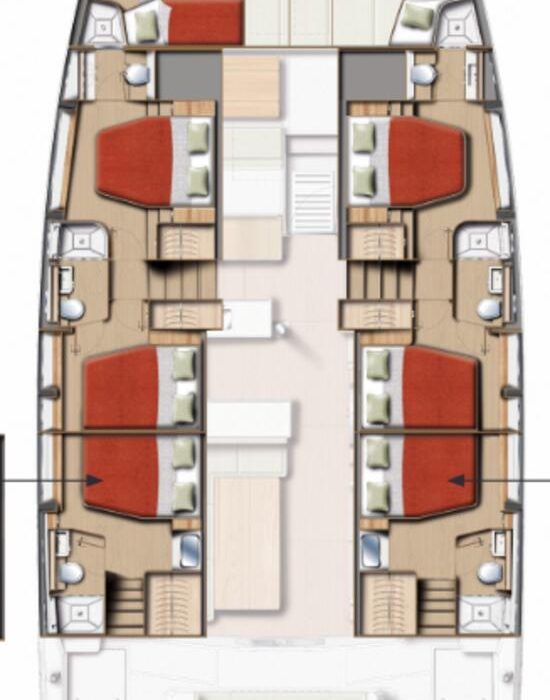
A yacht charter in Mykonos means renting a sailing yacht or catamaran, crewed with a captain or bareboat if you hold the licence, for a week that usually runs Saturday to Saturday. The signature route runs to Delos and Rhenia and on through the Cyclades. Weekly rates start at €4,927 and reach about €14,000 across the boats Searadar lists (as of 27 August 2026). Boats take 2 to 10 guests in 1 to 4 cabins and leave from Tourlos Marina or the Port of Mykonos (Old Port). The season runs roughly May to October, with July and August the hottest, busiest and windiest.
To charter a yacht in Mykonos you book a sailing yacht or catamaran, either crewed (no licence needed) or bareboat (an EU licence is valid across Greece, non-EU sailors need an ICC plus a nautical CV). The classic outing is a crewed cruise to Delos and Rhenia before island-hopping the Cyclades. Weekly charters start at €7,600 with Searadar (as of 27 August 2026), and because the owner pays the broker commission you pay no fee on top. The season runs May to October, but plan around the meltemi: on strong-wind days pick a motor yacht or the sheltered south coast rather than a multi-day sailing passage. Searadar's verified Trustpilot score is 4.2 out of 5 from 1,054 reviews (as of 27 August 2026).
Broker price is the same as booking direct
The yacht owner pays the broker's commission, not you. So booking a Mykonos charter through Searadar costs the same as going to the owner direct, and Searadar states you pay no commission or added fee for the research and booking. Direct-to-owner can look cheaper on the headline and usually isn't, because that same commission is already baked into the owner's price. You reach Searadar's Cyclades fleet through one broker instead of chasing owners one boat at a time. See how Searadar works for the booking steps.
The trust signal here is a real, dated one, not a badge: verified Trustpilot 4.2 out of 5 from 1,054 reviews (as of 27 August 2026), with replies to 98% of negative reviews, typically within 24 hours. We do not publish a rounded-up figure; that is the number the independent platform shows.
The meltemi: which boat and route to pick
The meltemi is the northerly Etesian wind that blows down the Aegean in summer. Sources disagree on when it starts, and that disagreement matters: some put it from late June, others say it can begin in May and run to September. What they agree on is the peak. In July and August it blows hardest and most reliably, and afternoon gusts can reach force 8.
That turns into a booking decision, not weather trivia. On a strong-meltemi week, take a motor yacht or keep to the sheltered south coast of Mykonos rather than committing to a multi-day sailing passage north into the wind. The Port Authority can hold departures on the worst days, which costs roughly 3 to 4 sailing days spread across May to September, and crews routinely re-time passages to sail in the calmer mornings.
There is a second, quieter conclusion the top listings skip. Summer is the most popular time to sail, but it is not the best time for a relaxed multi-day sailing trip: spring and autumn are milder and steadier on the water. Book July and August for the heat and the scene; book the shoulder months if the sailing itself is the point. On the days the Port Authority restricts departures, your charter is rescheduled or refunded under the boat's policy. Nobody can guarantee the weather here, and any listing that promises it is not being straight with you.
Month | Meltemi strength | Sailing conditions | Best boat / route call | Relative price |
|---|---|---|---|---|
May | Light, occasional early bursts | Calm, steady | Sailing yacht, any Cyclades route | Shoulder (lower) |
June | Building late in the month | Mostly calm | Sailing yacht or catamaran, Delos and Rhenia | Rising |
July | Strong, up to force 8 afternoons | Windy, choppy north side | Motor yacht or sheltered south coast | Peak (highest) |
August | Strongest and most reliable | Windy, possible held departures | Motor yacht or south coast; avoid long passages north | Peak (highest) |
September | Easing | Calming, warm sea | Sailing yacht, multi-day Cyclades hops | Shoulder (falling) |
October | Light | Calm, cooler air | Sailing yacht, end-of-season weeks | Low |
Where you sail: Delos, Rhenia and the Cyclades
Delos is the reason most people charter from Mykonos in the first place. It sits under 5 nautical miles southwest of Mykonos, it was the sacred birthplace of Apollo and Artemis, and it has been a UNESCO World Heritage site since 1990. Reaching it takes planning, because the constraints are real: Delos is closed on Mondays, it closes at 8pm in summer, there is no overnight stay, and there is no road access, so you arrive by boat or not at all. Ferry day-trippers crowd the site from mid-morning, which is the argument for arriving early under your own keel.
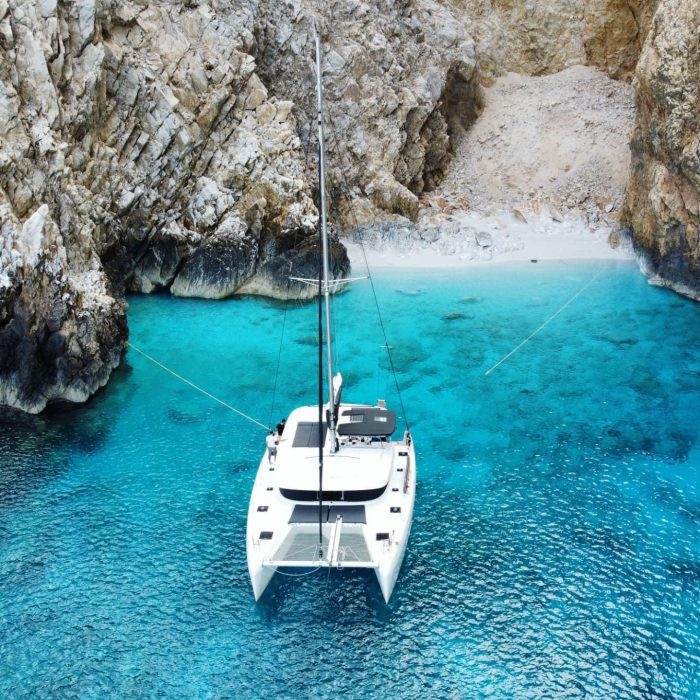
Rhenia sits right next to Delos, uninhabited, with quiet beaches where crews drop anchor for lunch and a swim. The two together make the standard Mykonos day: an hour of archaeology, then swimming off an empty island.
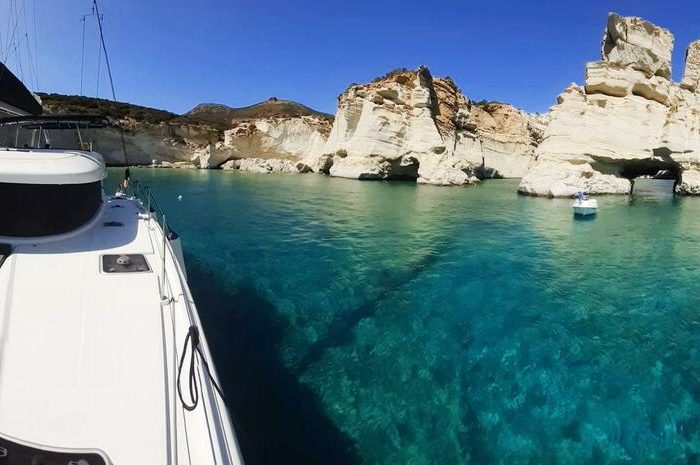
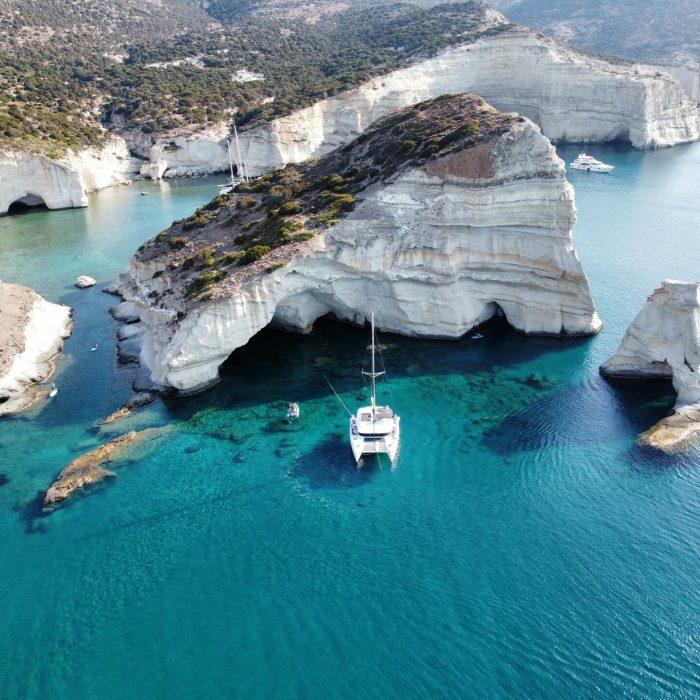
Beyond the day route, the Cyclades open up: Paros, Naxos, Antiparos, Ios, Milos, Koufonisia, Sifnos, Syros and Tinos are all within reach on a weekly charter, and Santorini is doable but usually wants a 10-day booking to sail there and back without rushing. Closer to home, the south coast of Mykonos holds the sheltered beaches and beach clubs, Psarou, Platis Gialos, Ornos, Super Paradise, Paradise and Elia, which double as the calm-water fallback when the meltemi shuts down the north.
Route | Highlights | Constraints | Suited to |
|---|---|---|---|
Delos and Rhenia day | UNESCO ruins, swim off uninhabited Rhenia, lunch at anchor | Delos closed Mondays and after 8pm, no overnight, boat-only, ferry crowds from mid-morning | First-timers; the signature day out within a weekly charter |
South-coast beaches | Psarou, Platis Gialos, Ornos, Super Paradise, Elia; beach clubs | Busy in peak season; the calm-water option on strong-meltemi days | Groups, families, windy-week fallback |
Cyclades hop | Paros, Naxos, Antiparos, Ios, Milos, Koufonisia | Meltemi re-times passages; weekly slot needed | Multi-day sailing charters |
Santorini extension | Long southbound run through the Cyclades | Best on a 10-day booking, not a single week | Experienced groups with time |
Boat types: sailing yacht, catamaran, motor yacht, RIB
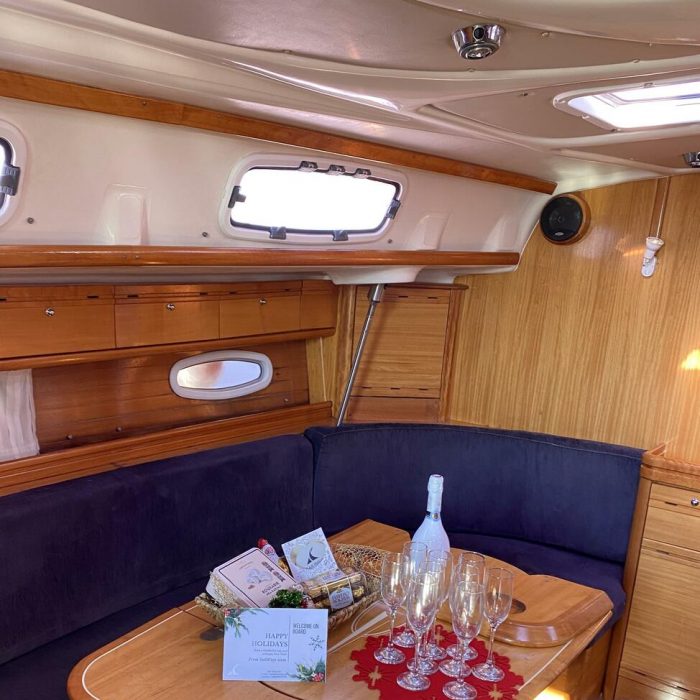
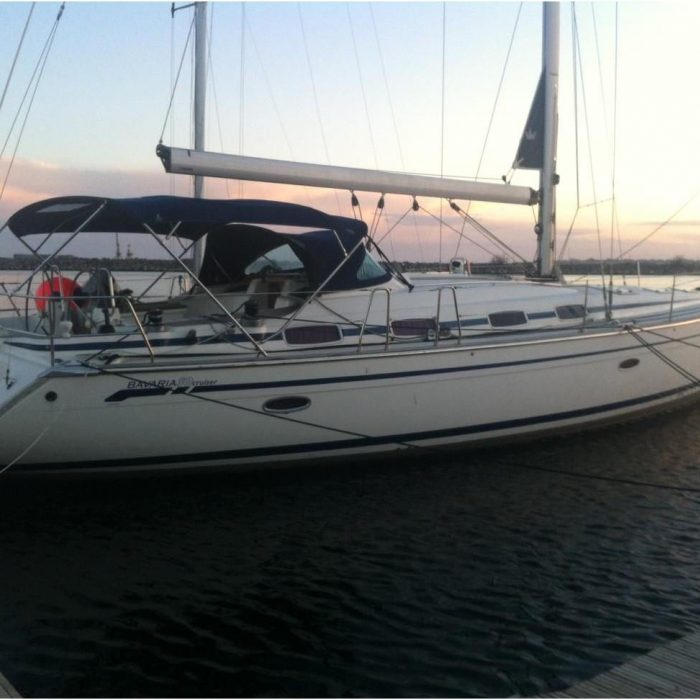
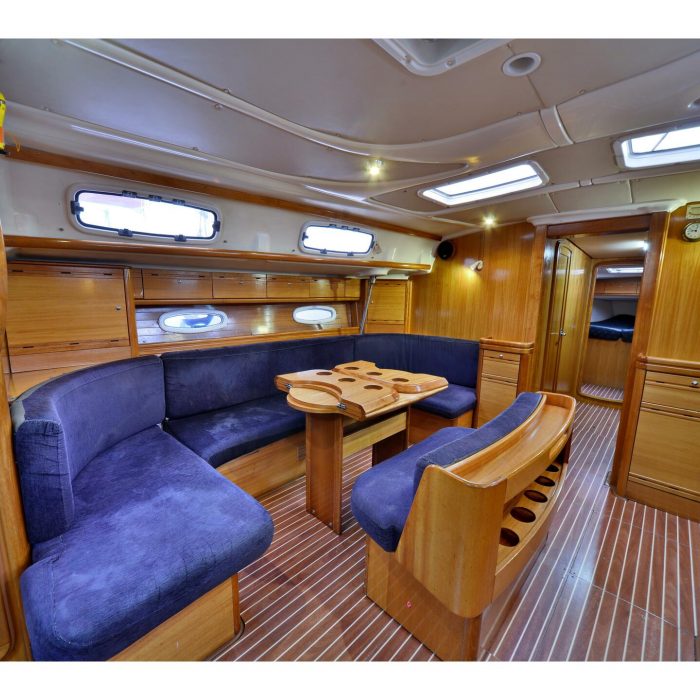
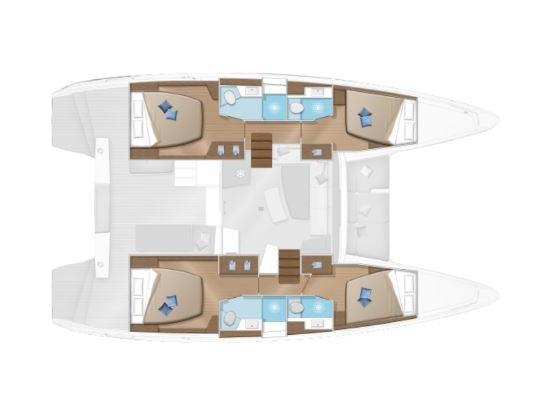
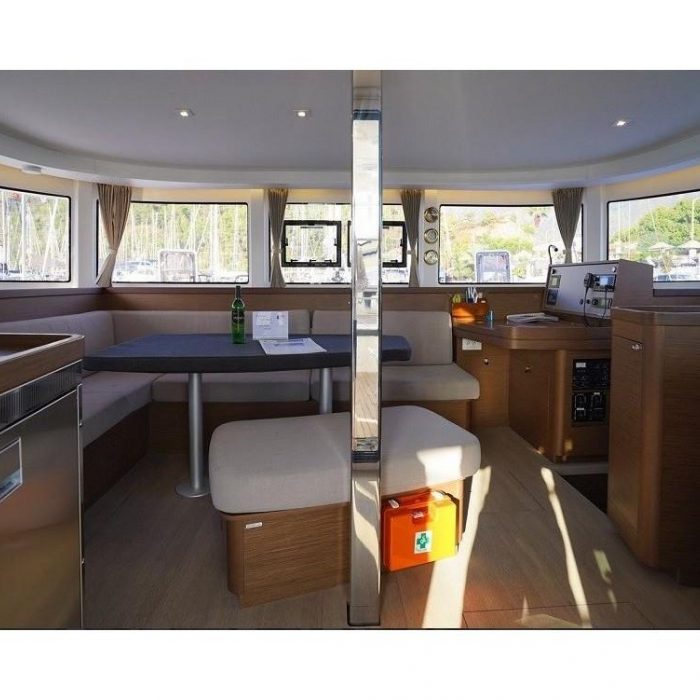
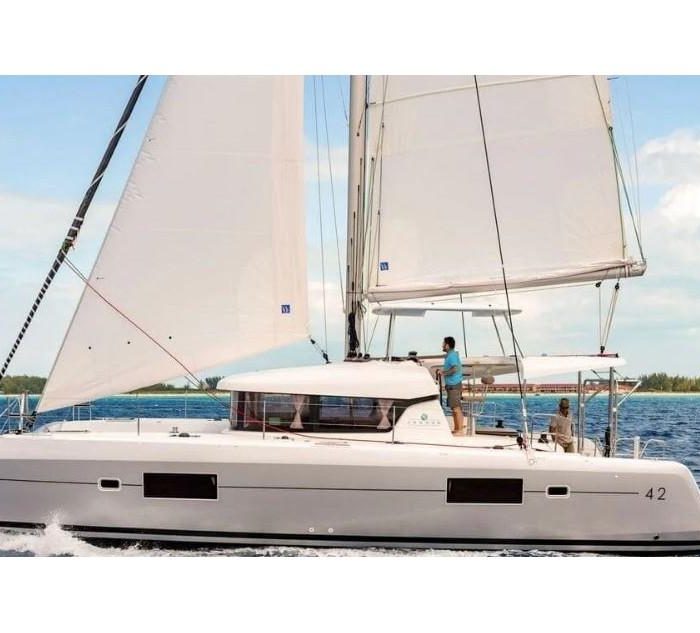
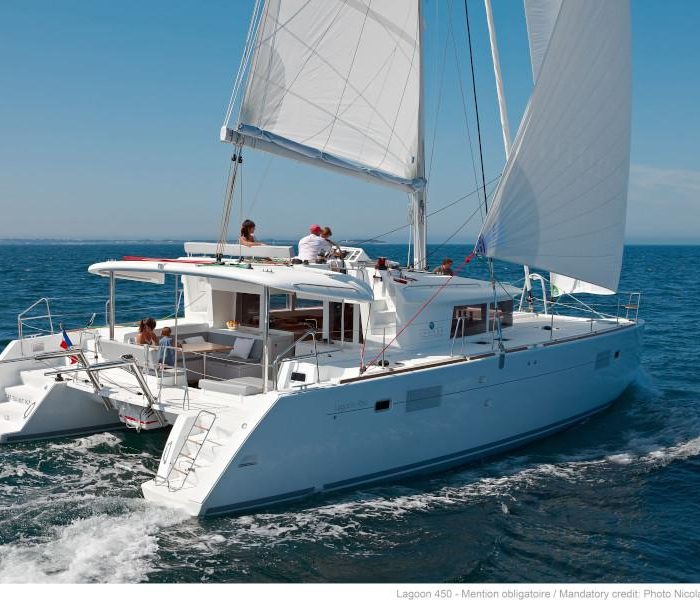
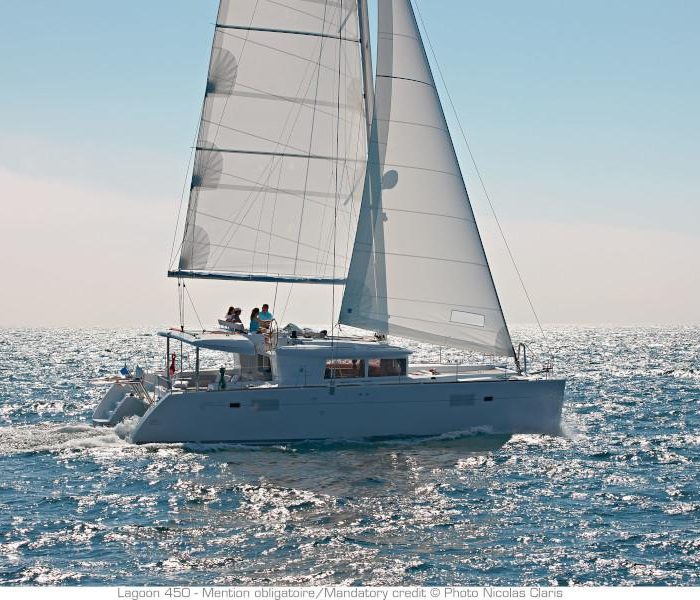
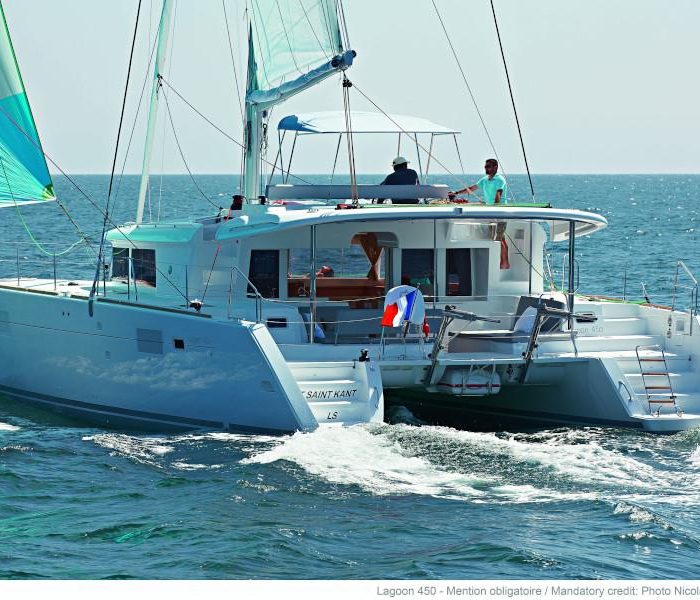
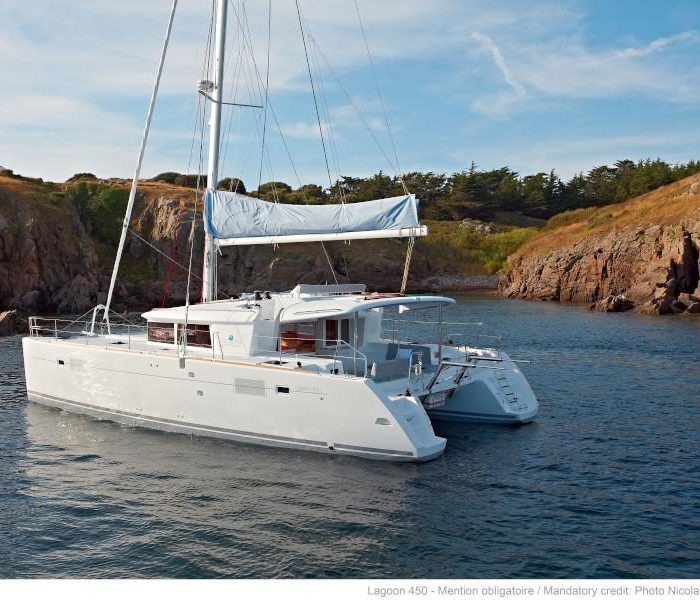
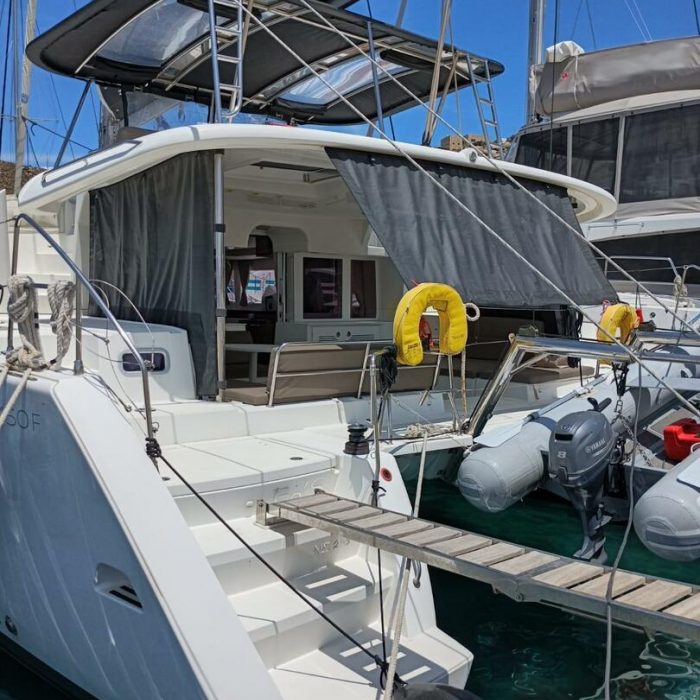
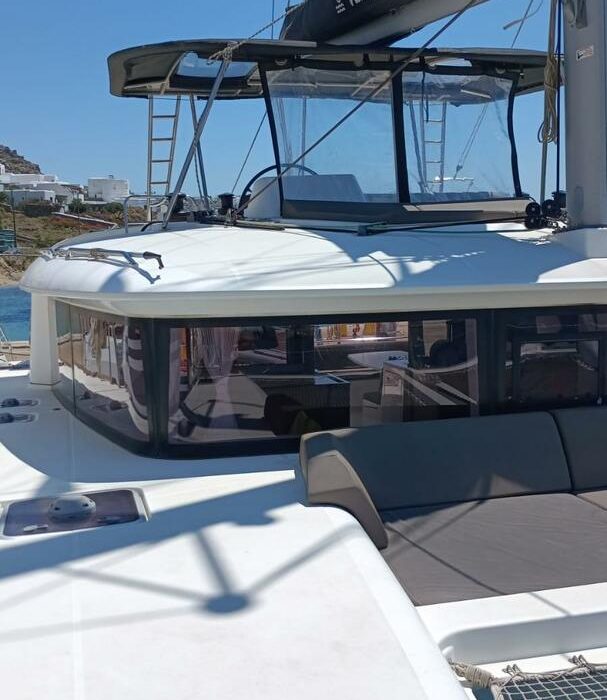
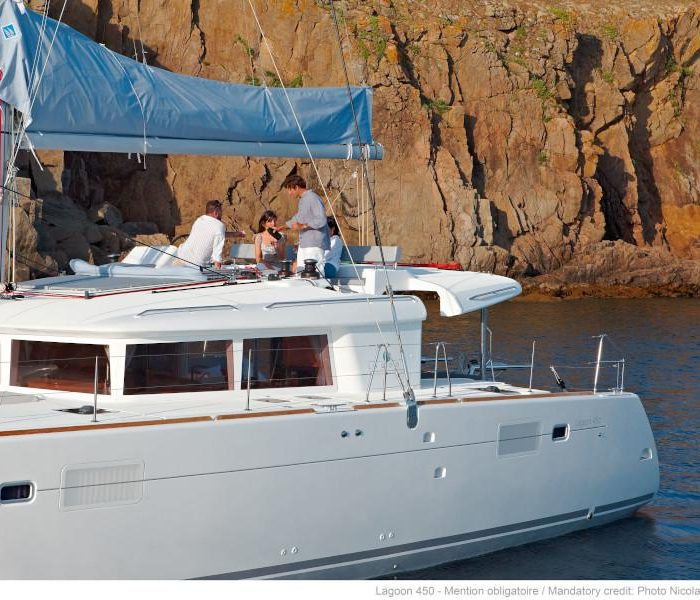
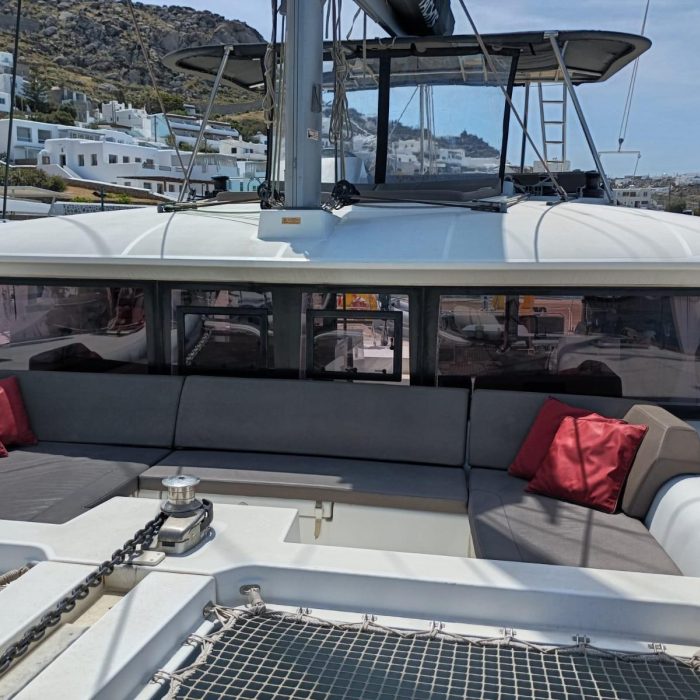
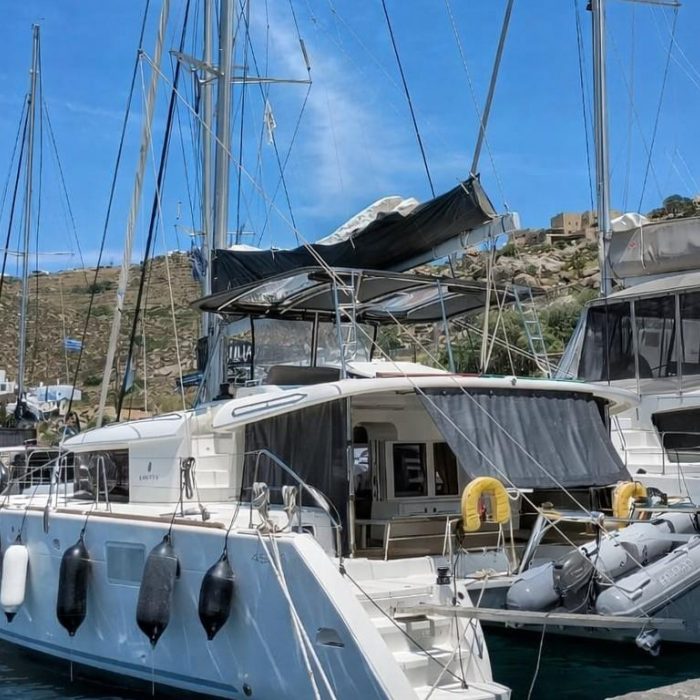
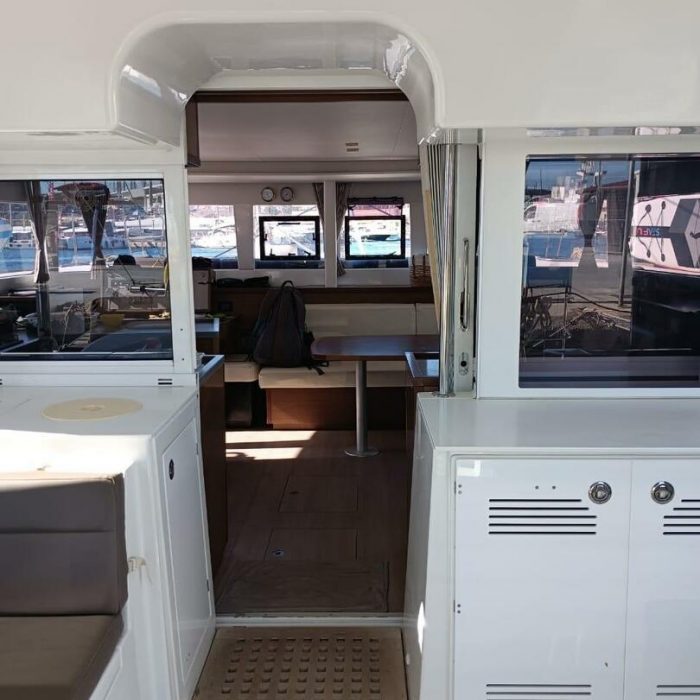
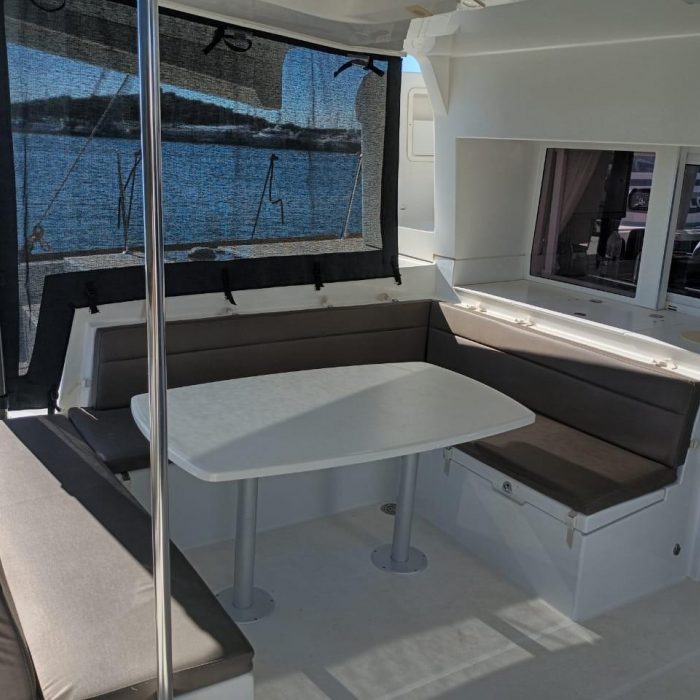
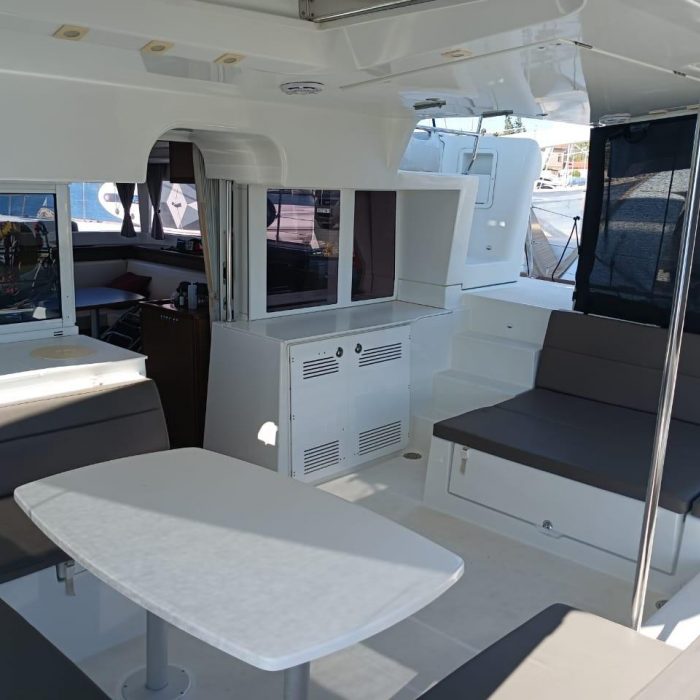
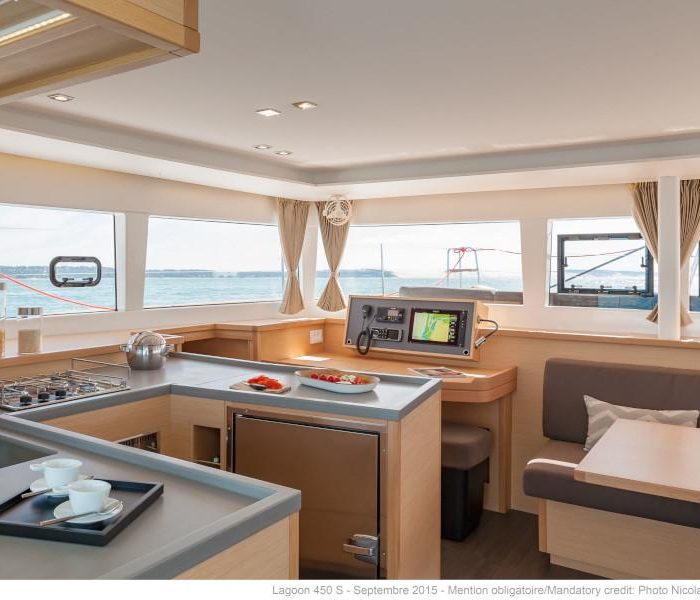
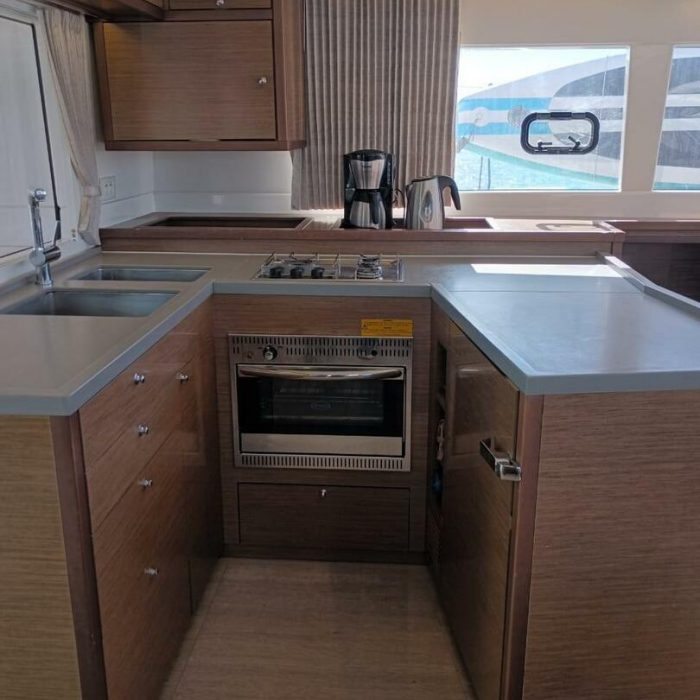
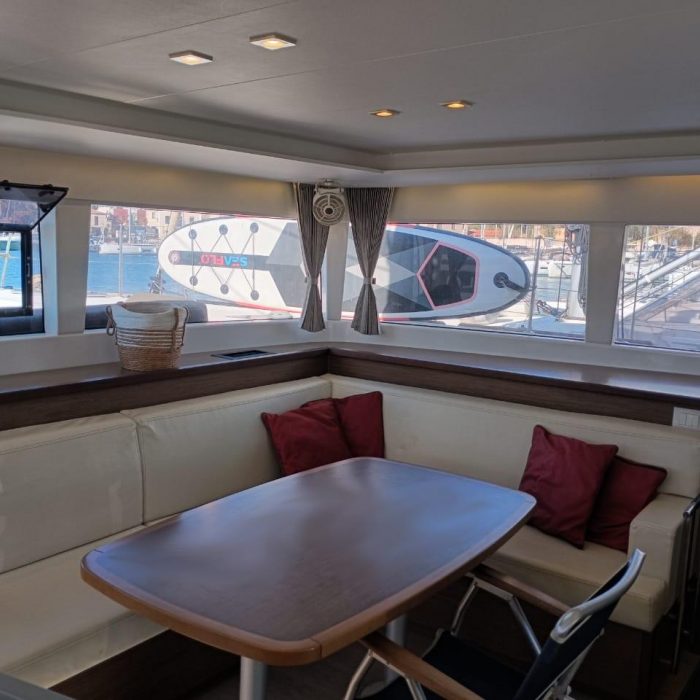
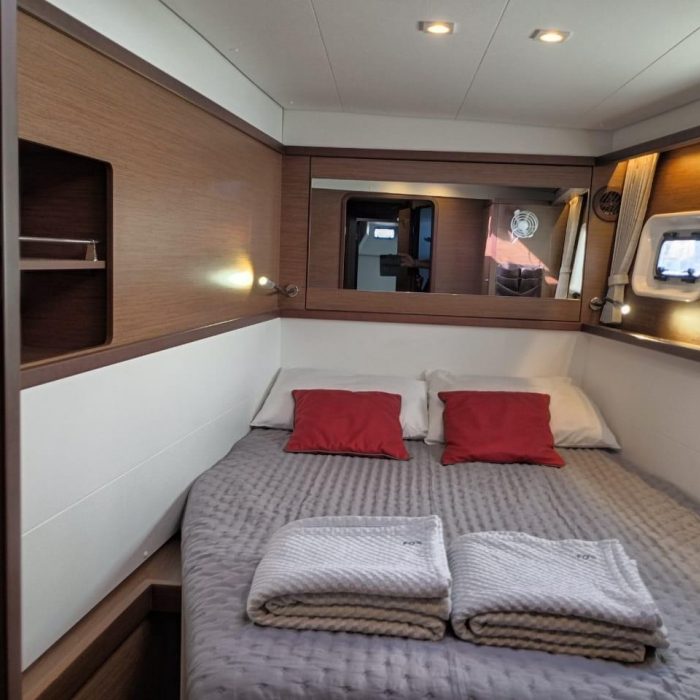
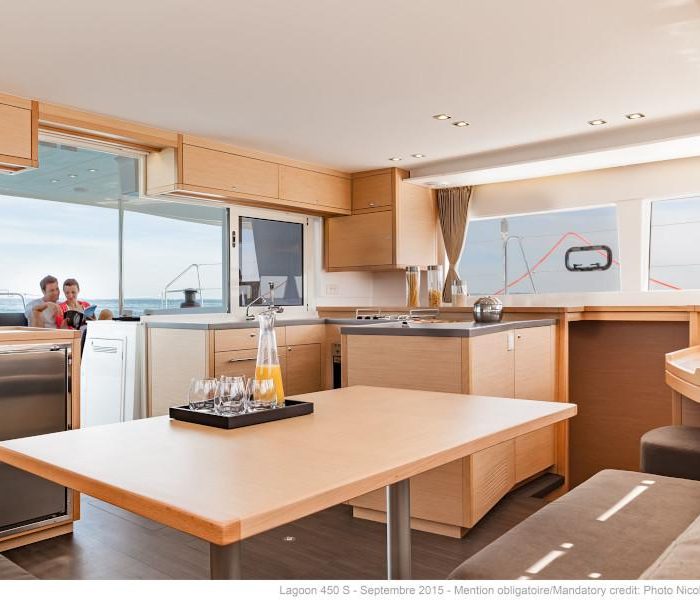
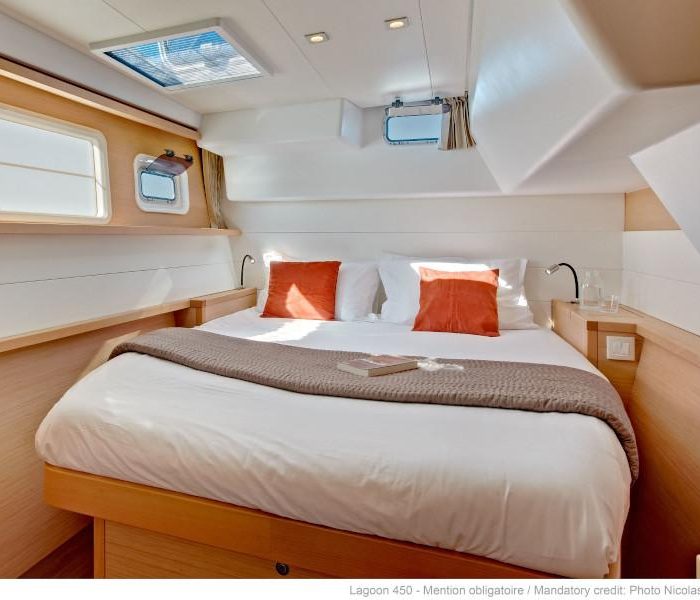
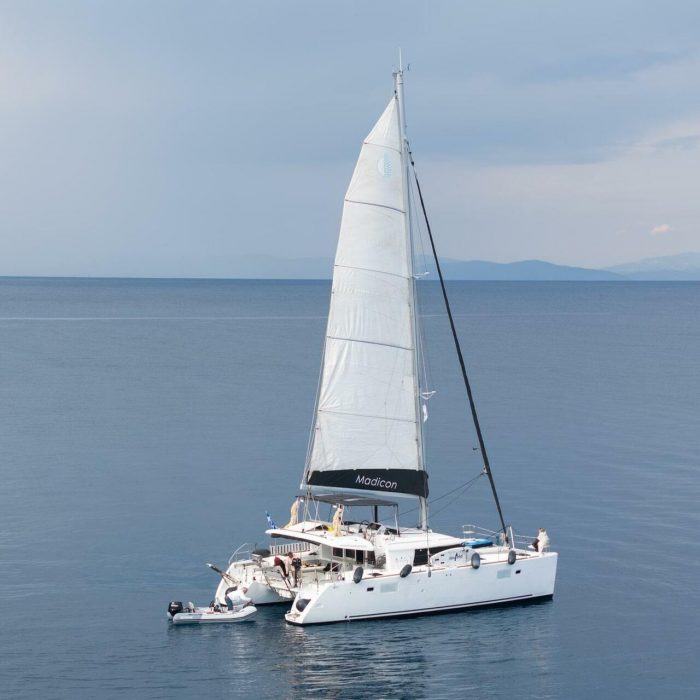
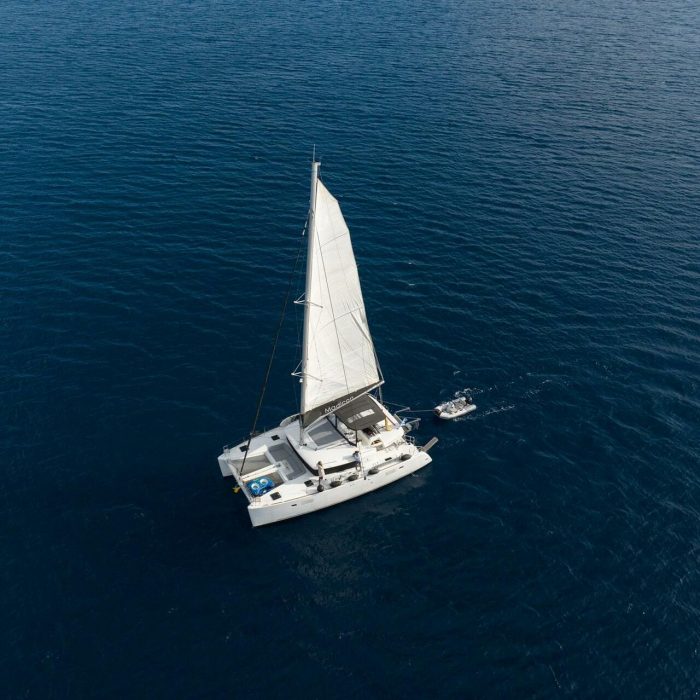
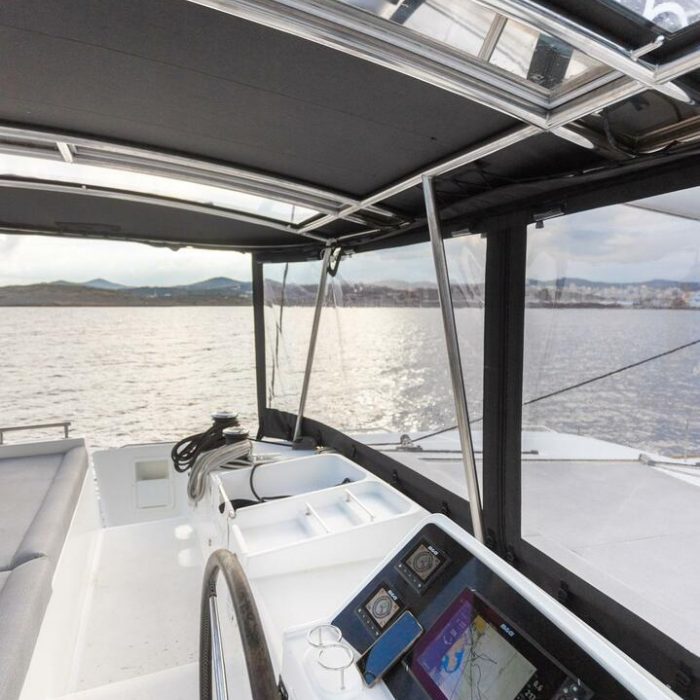
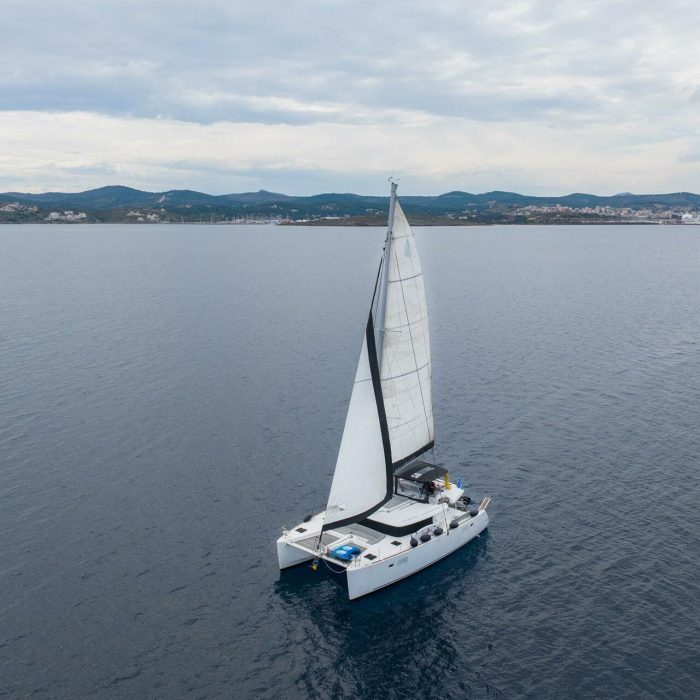
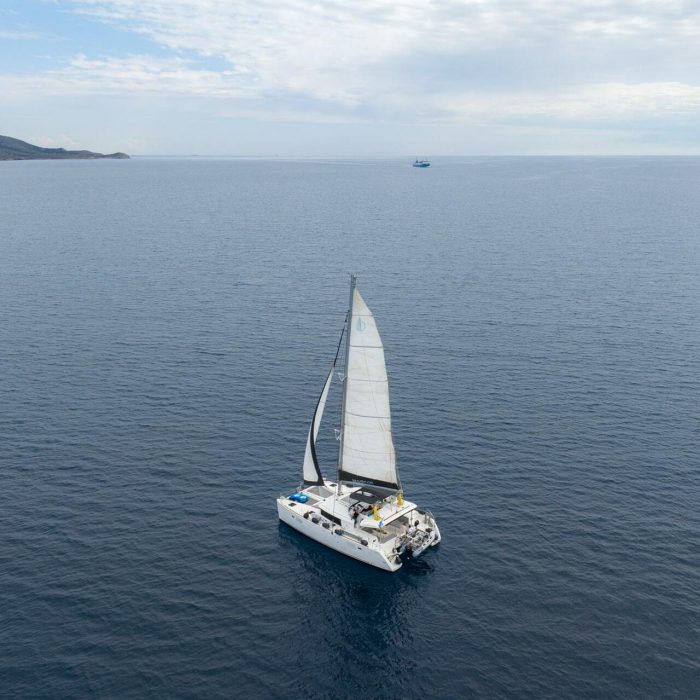
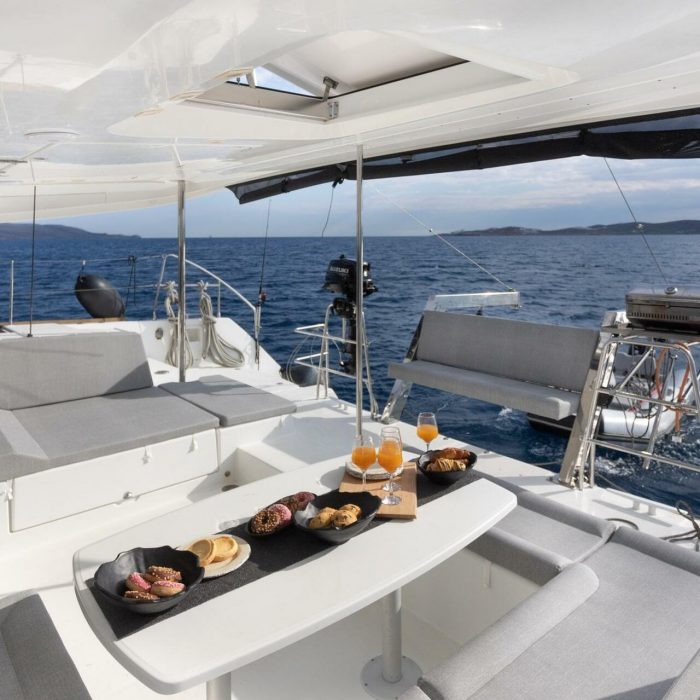
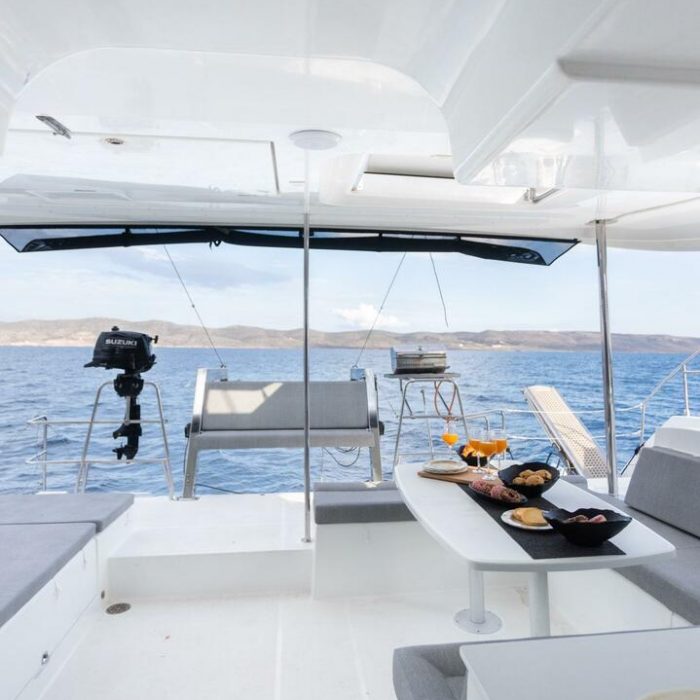
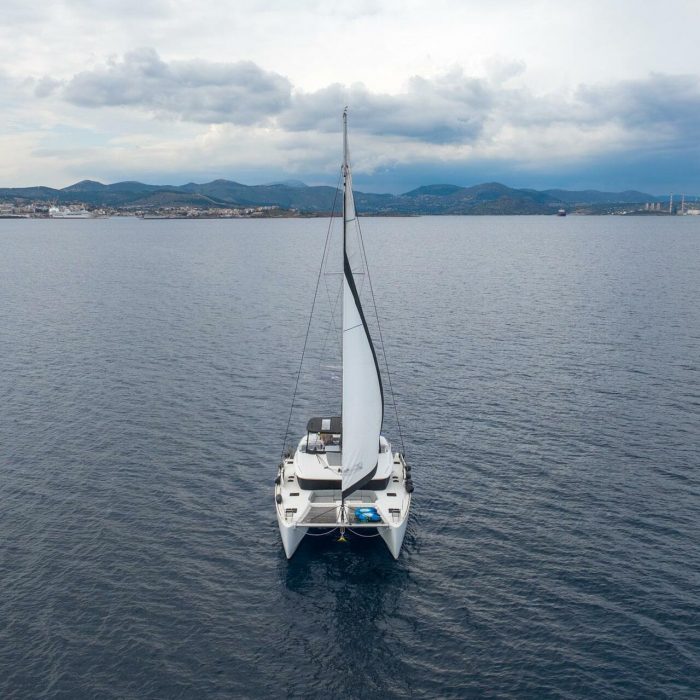
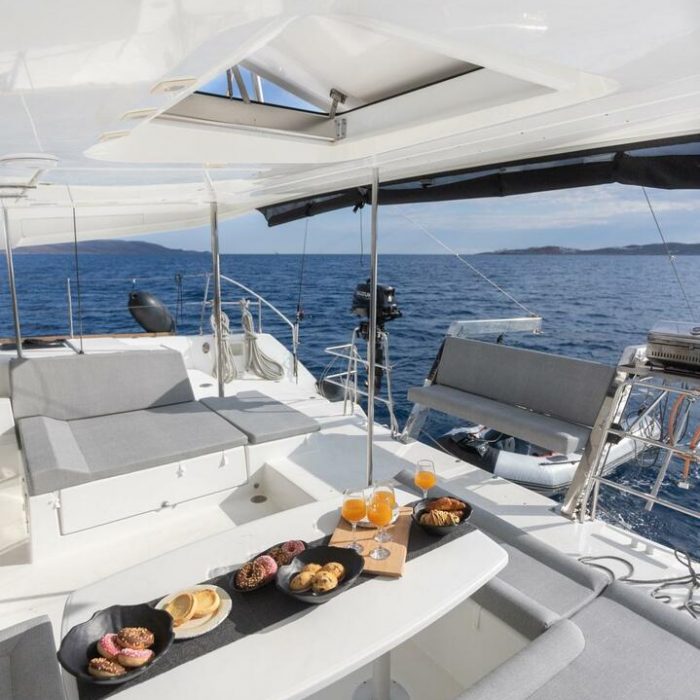
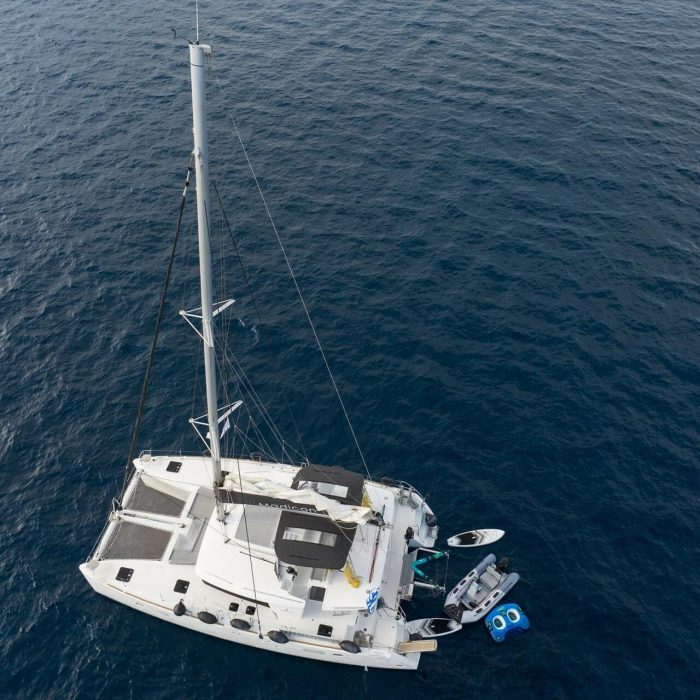
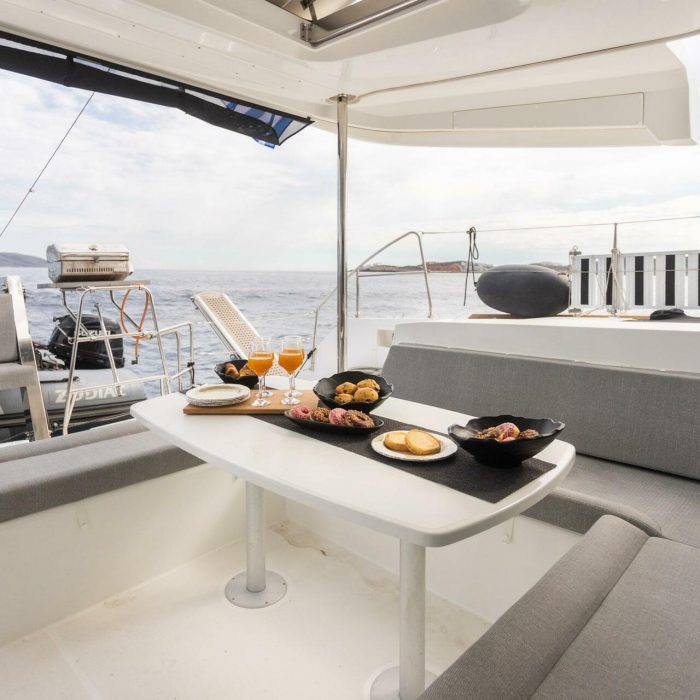
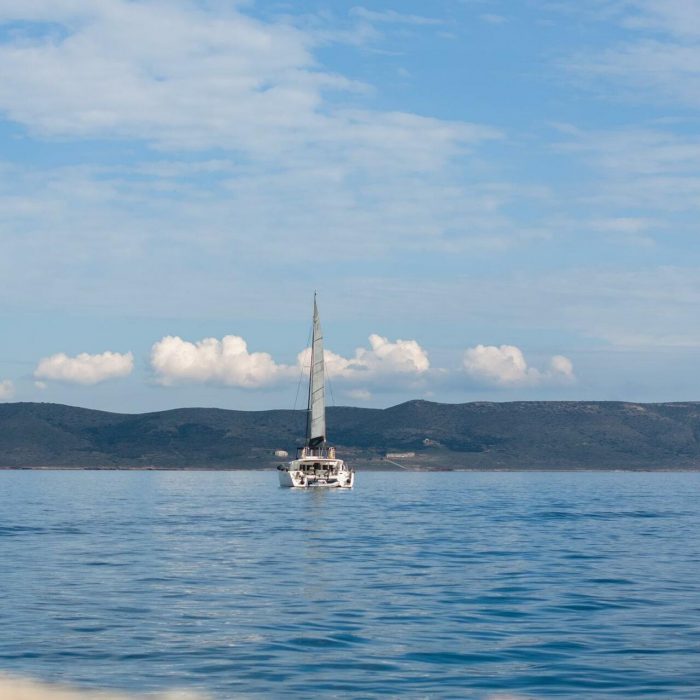
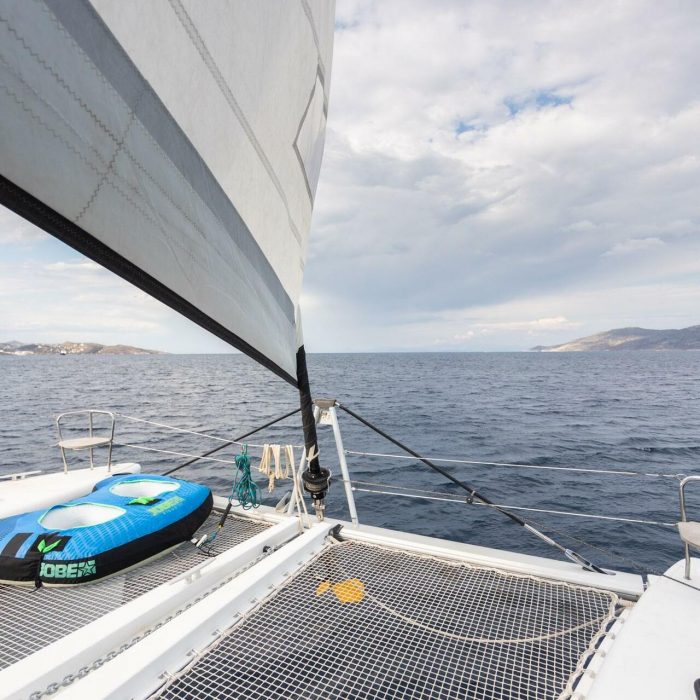
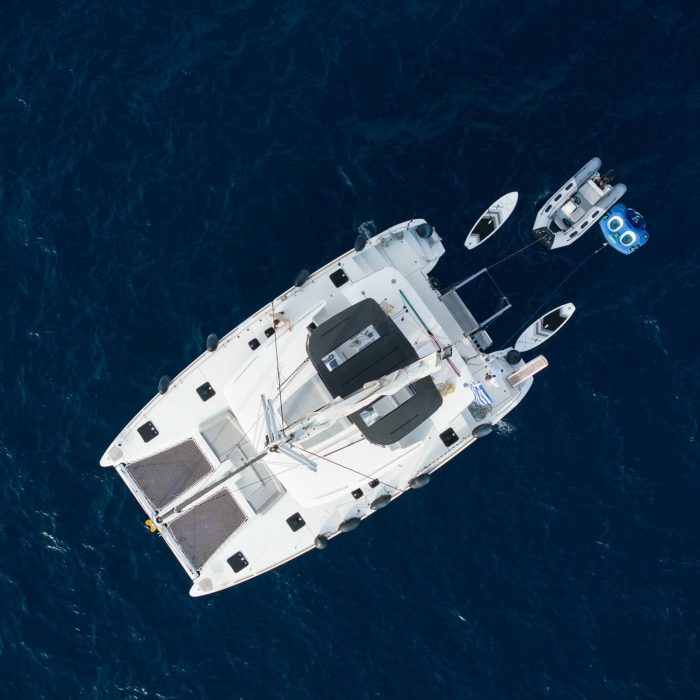
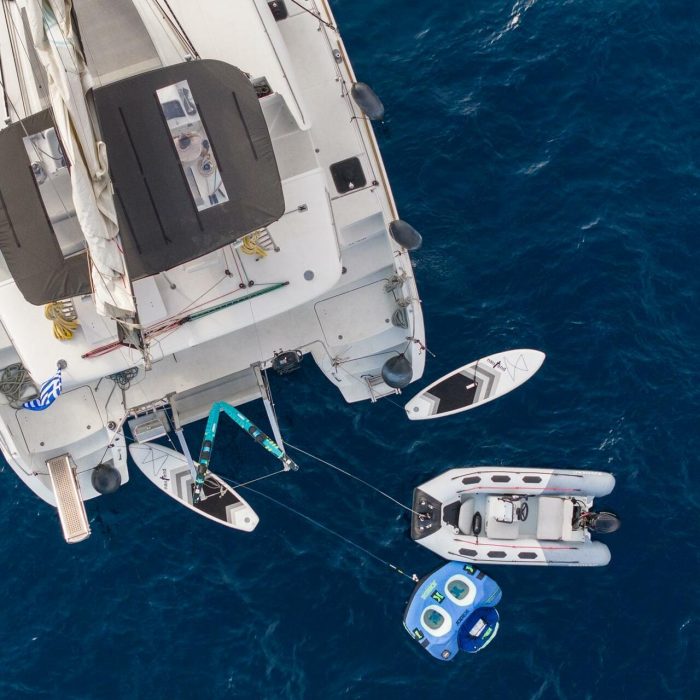
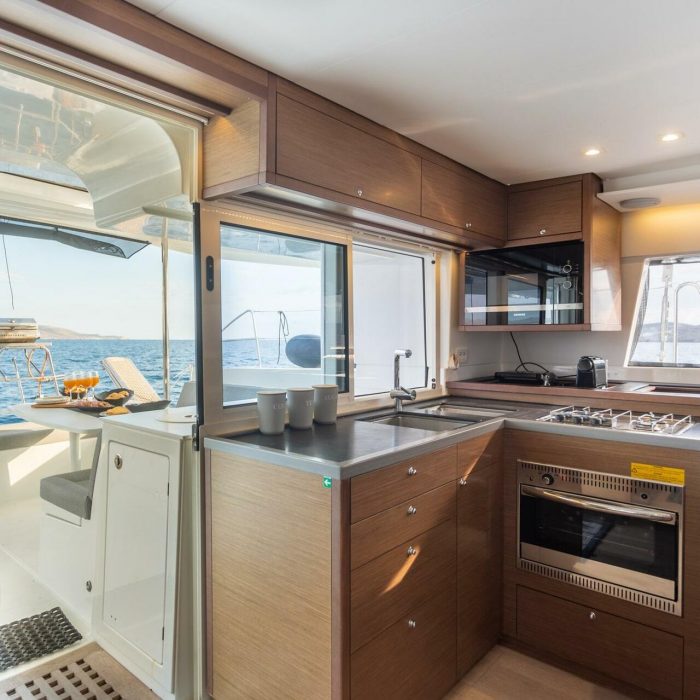
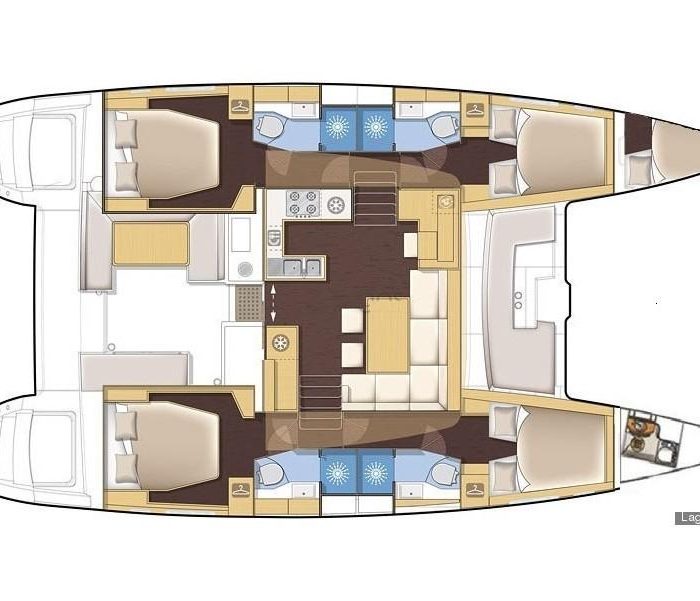
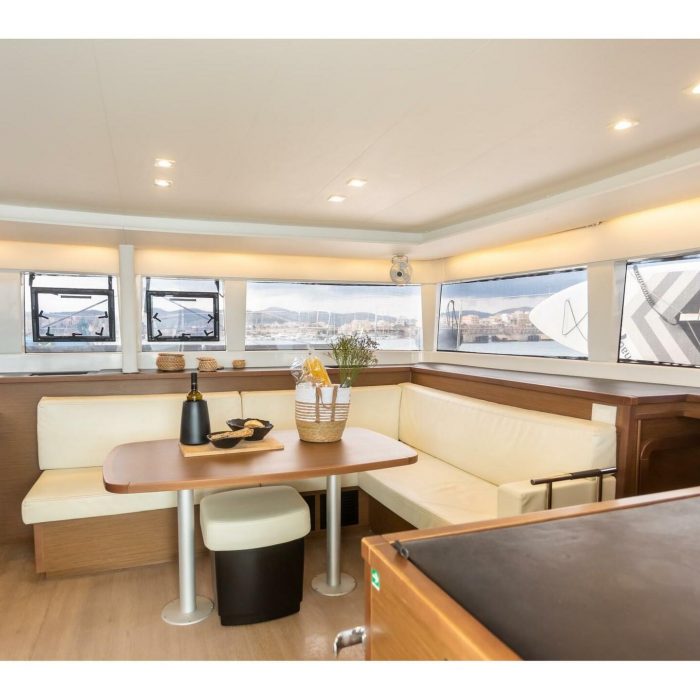
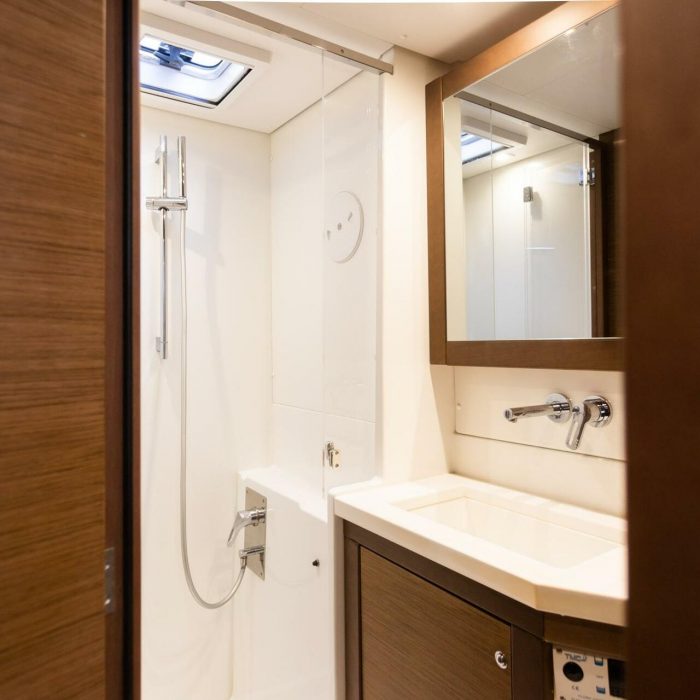
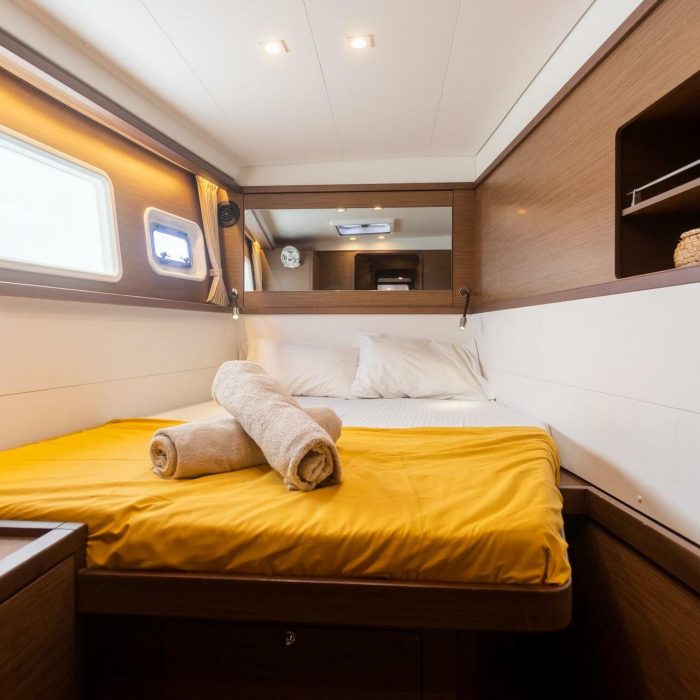
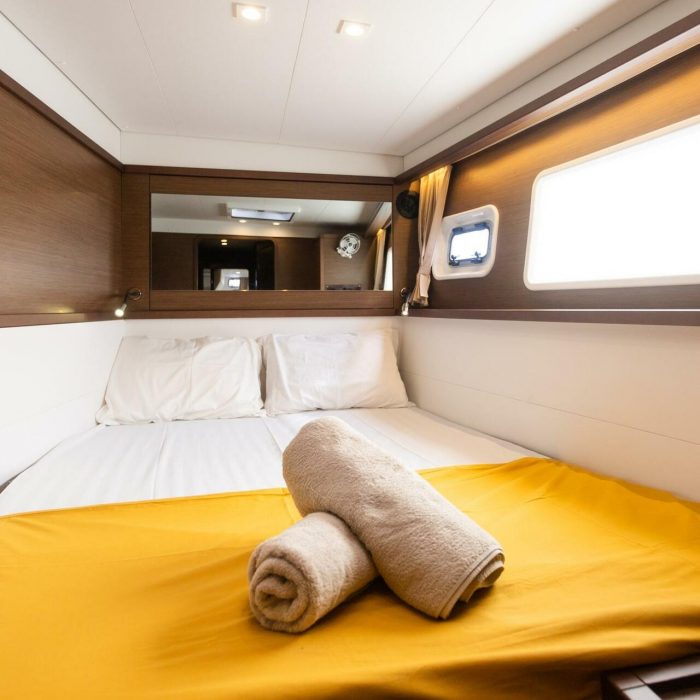
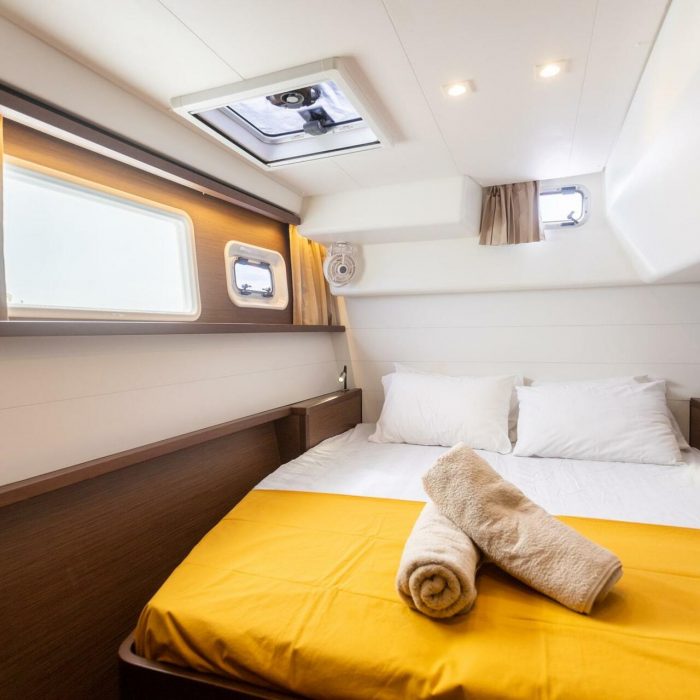
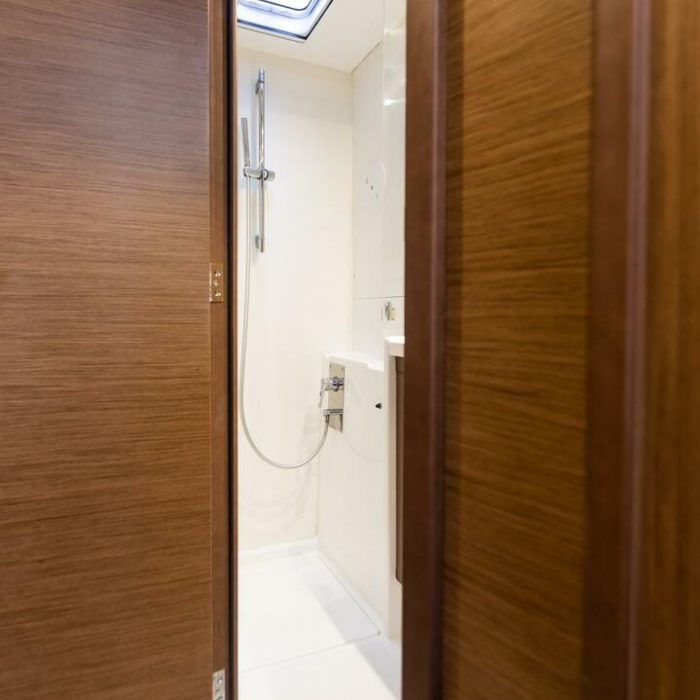
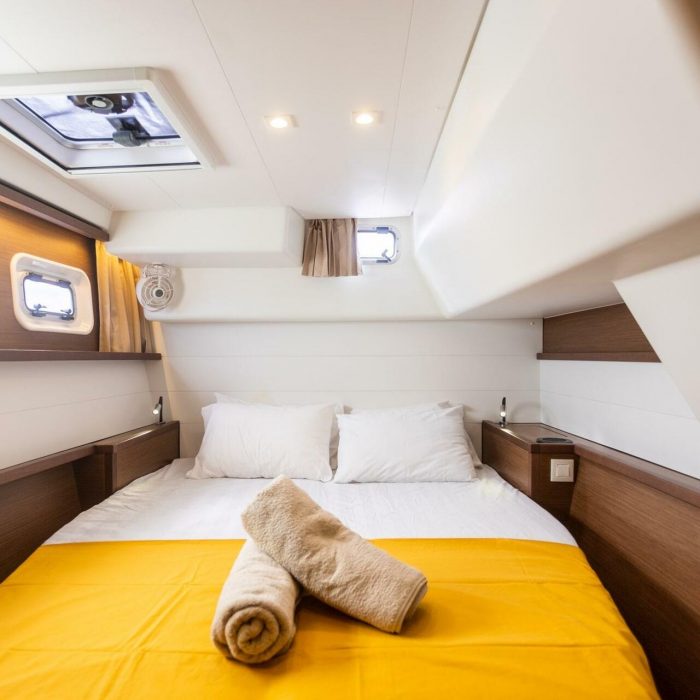
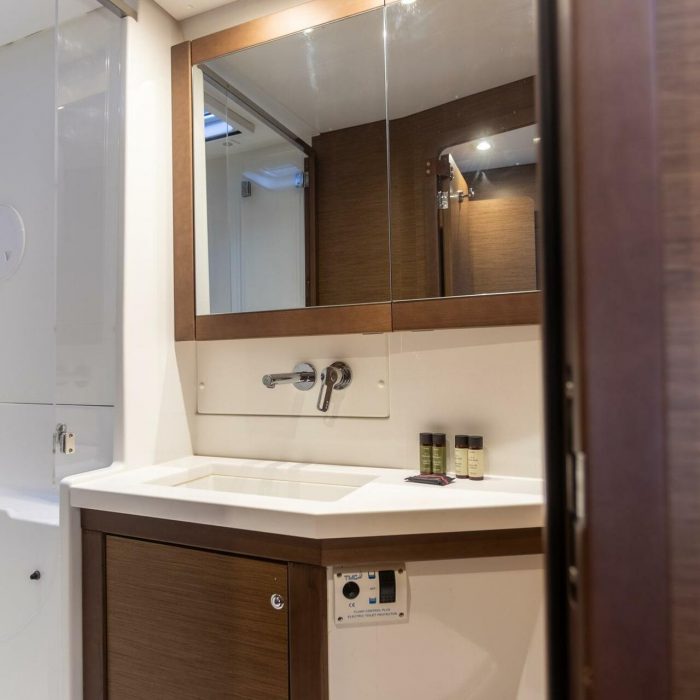
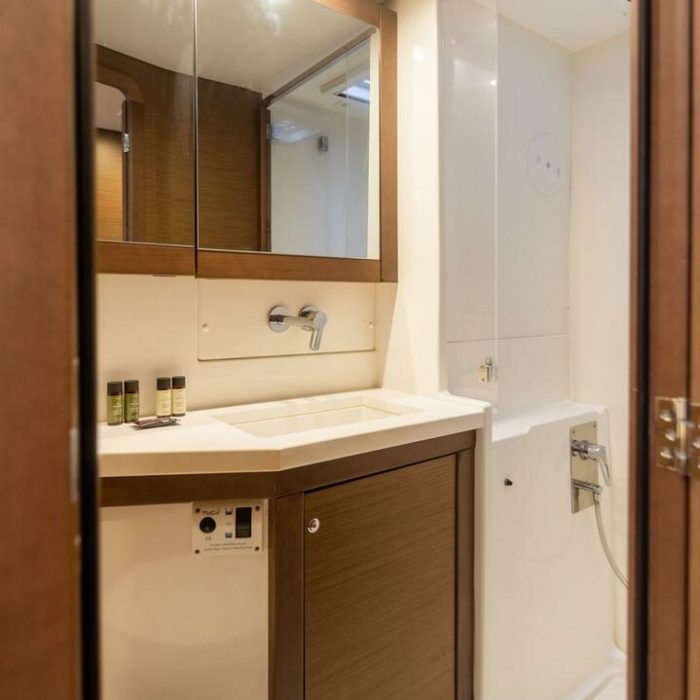
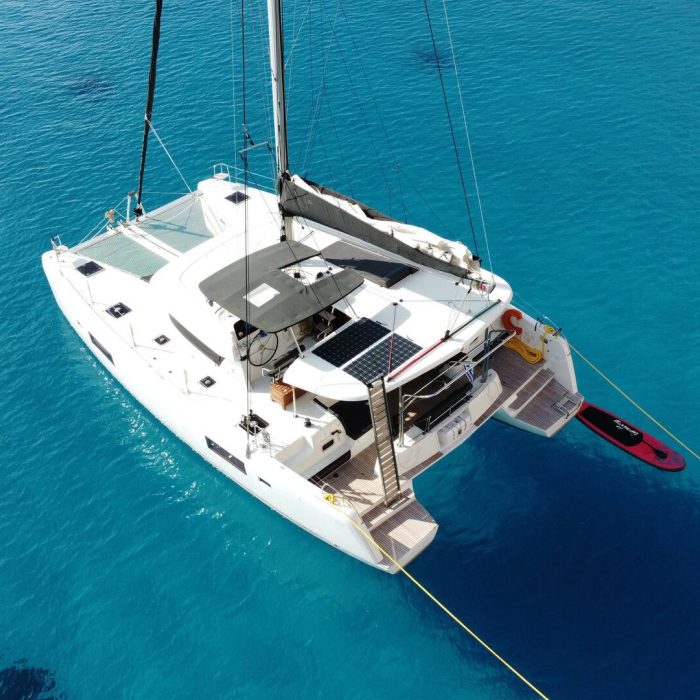
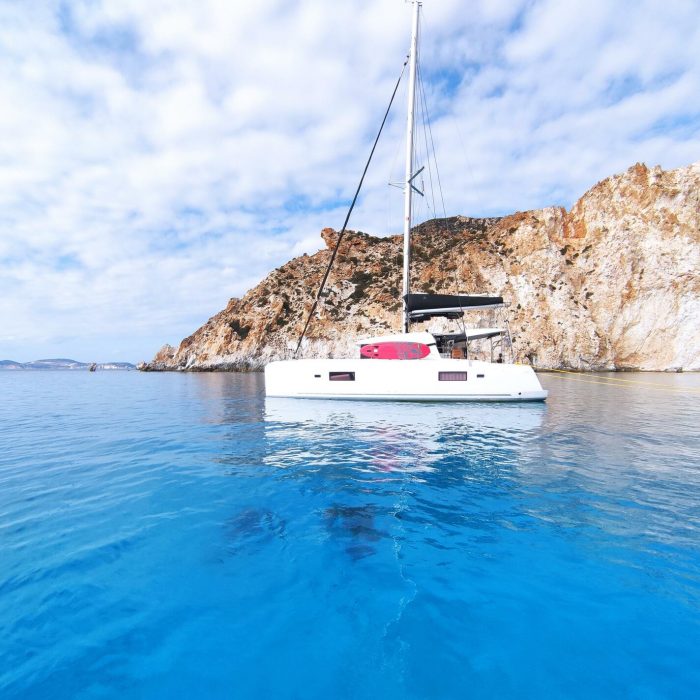
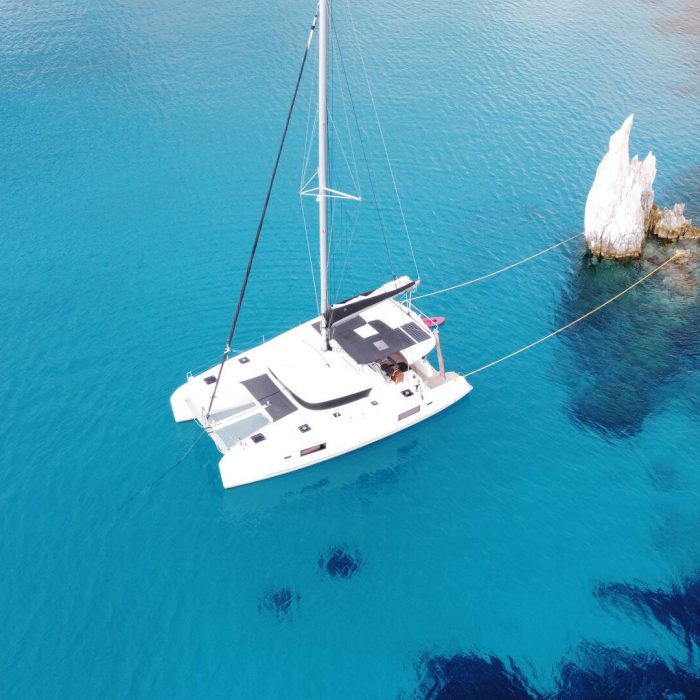
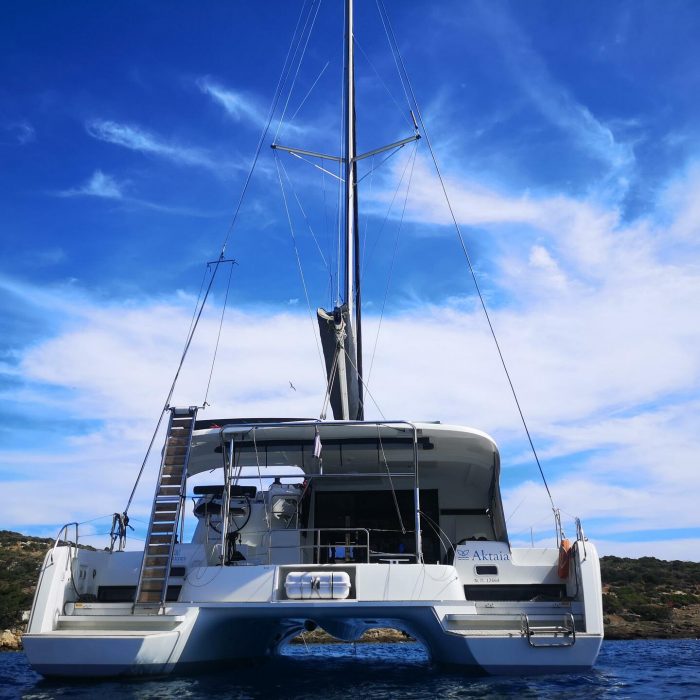
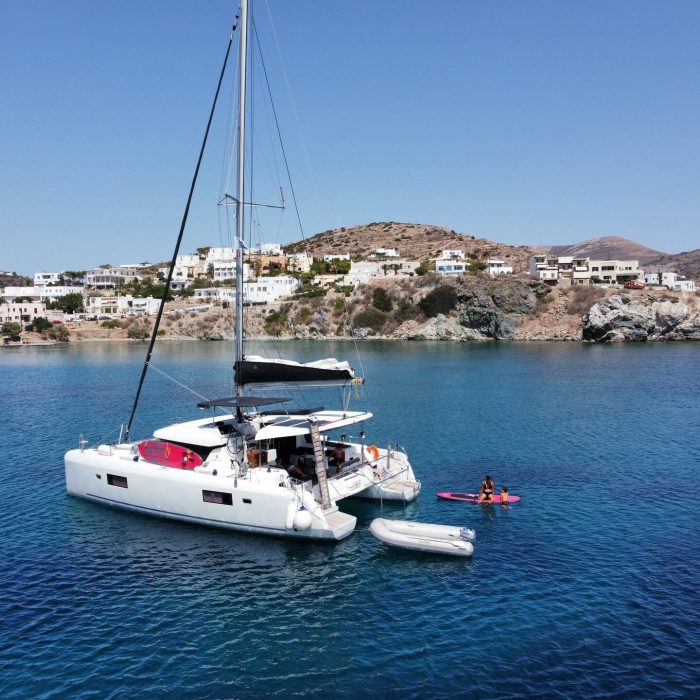
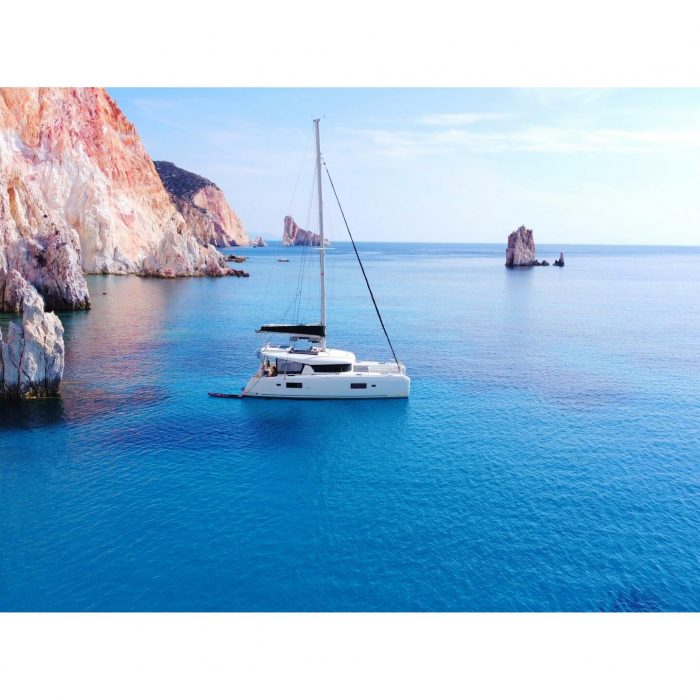
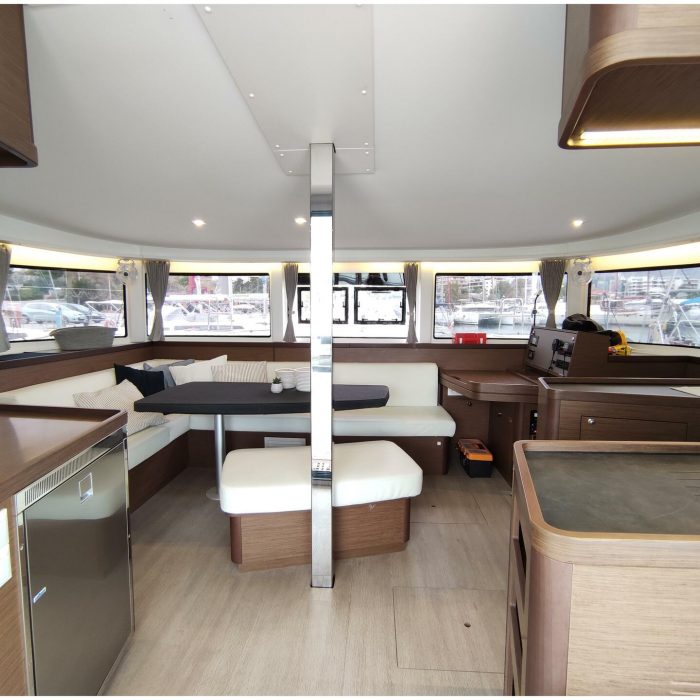
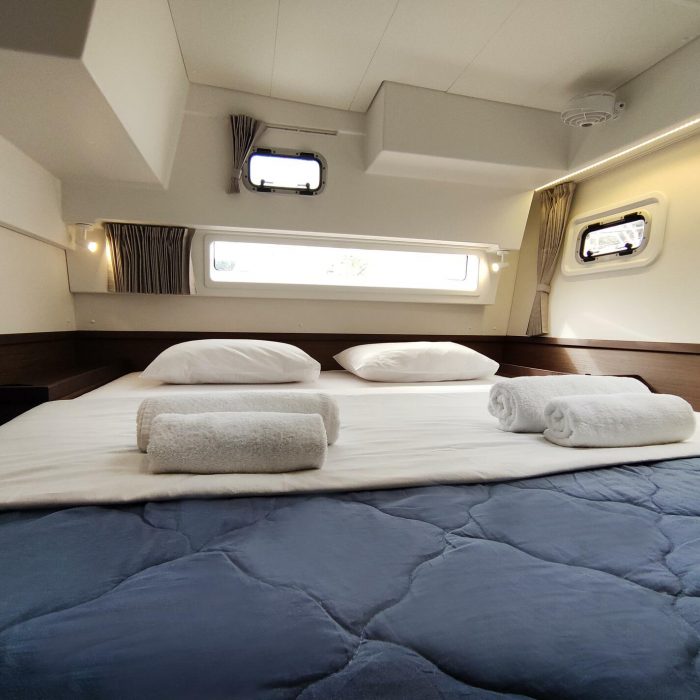
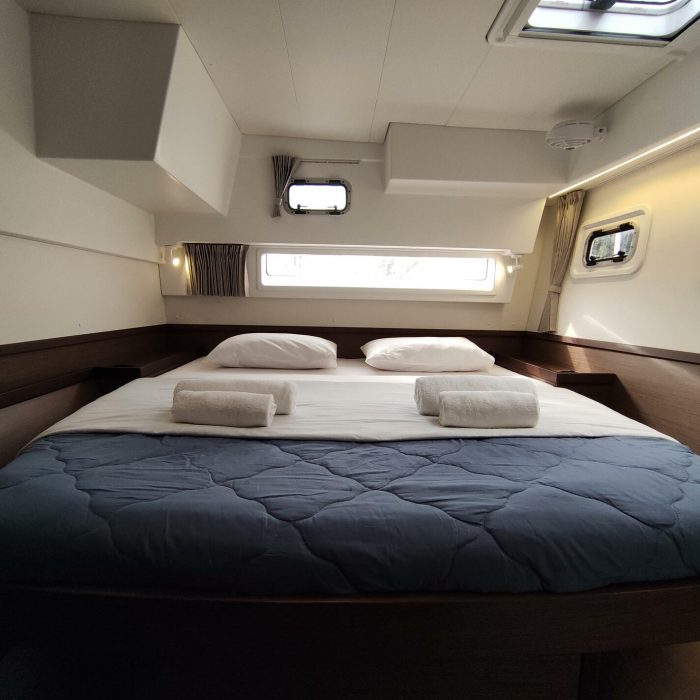
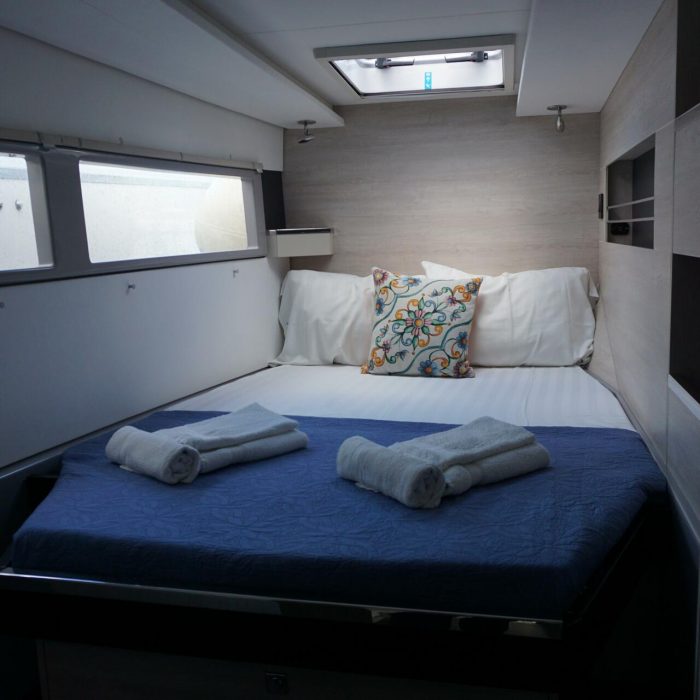
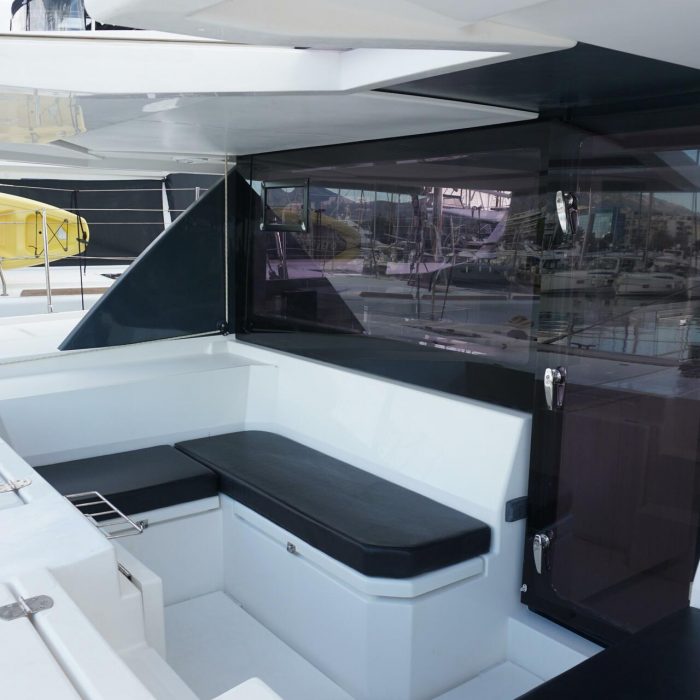
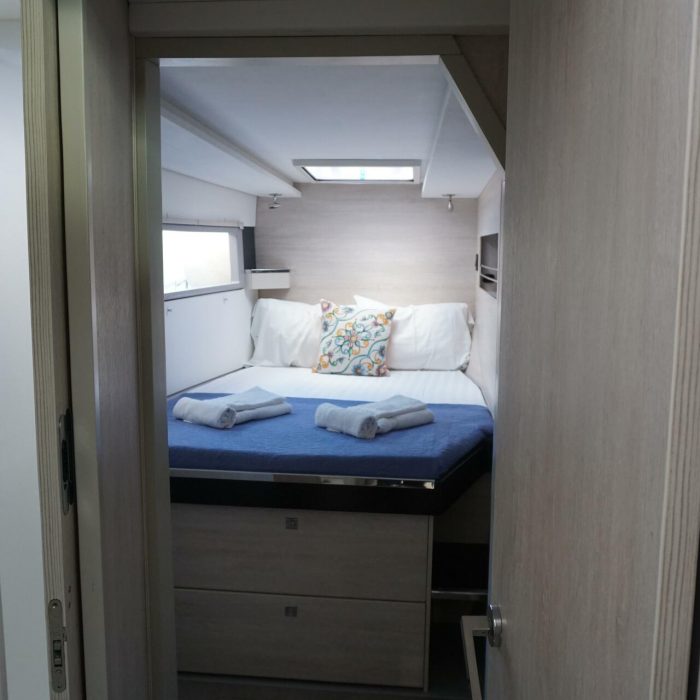
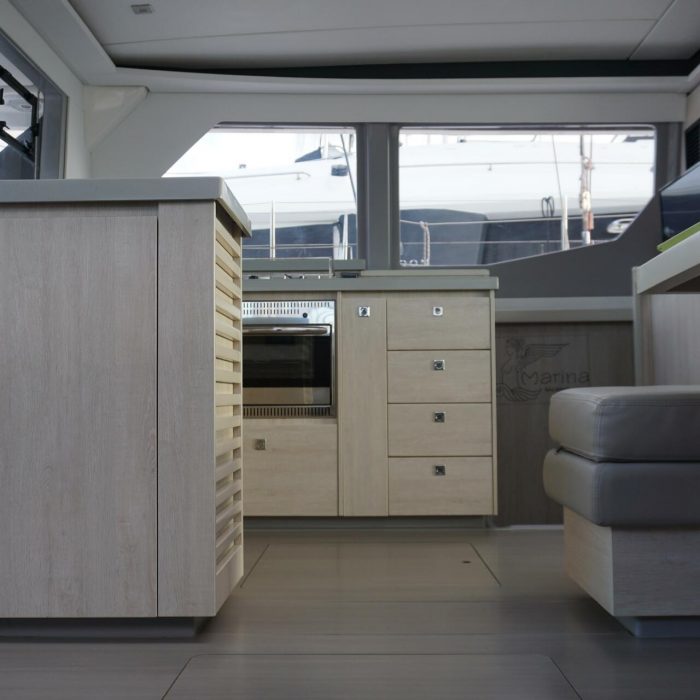
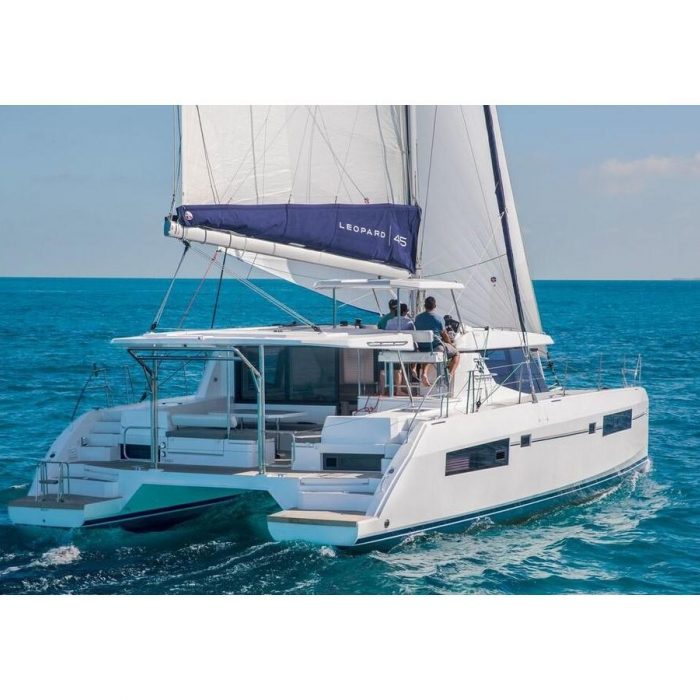
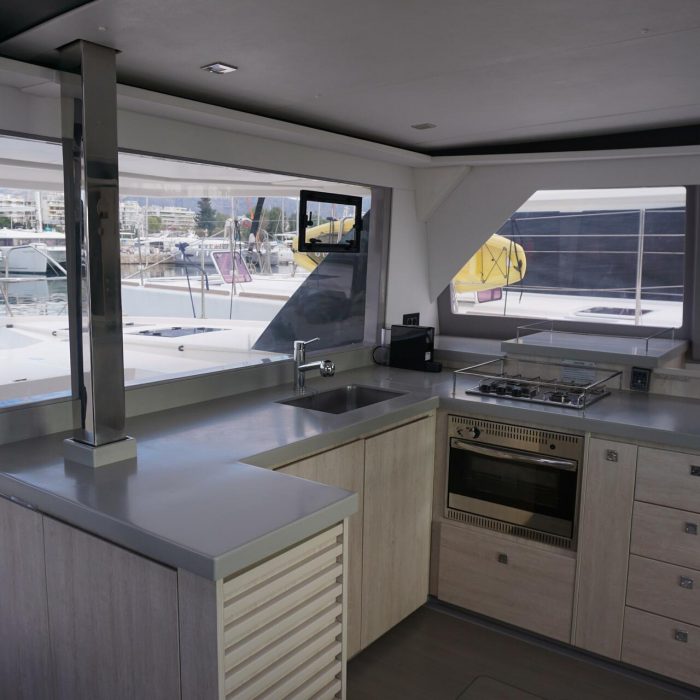
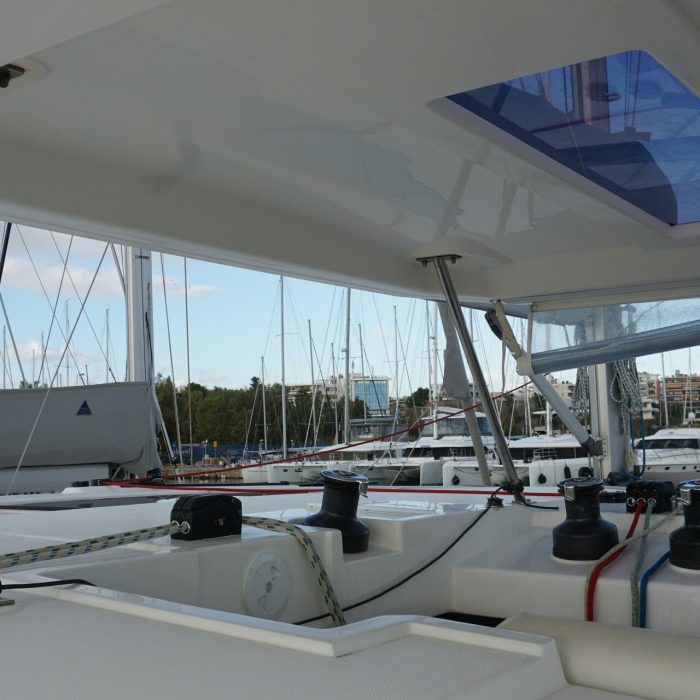
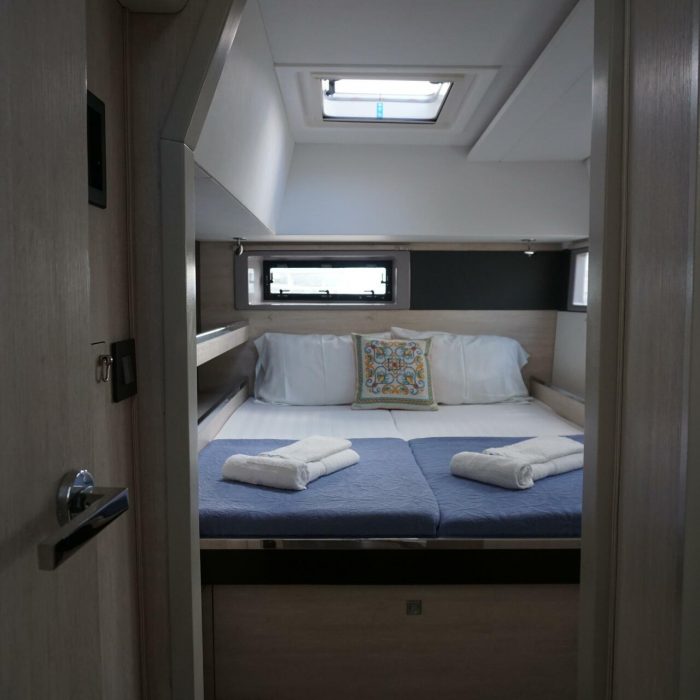
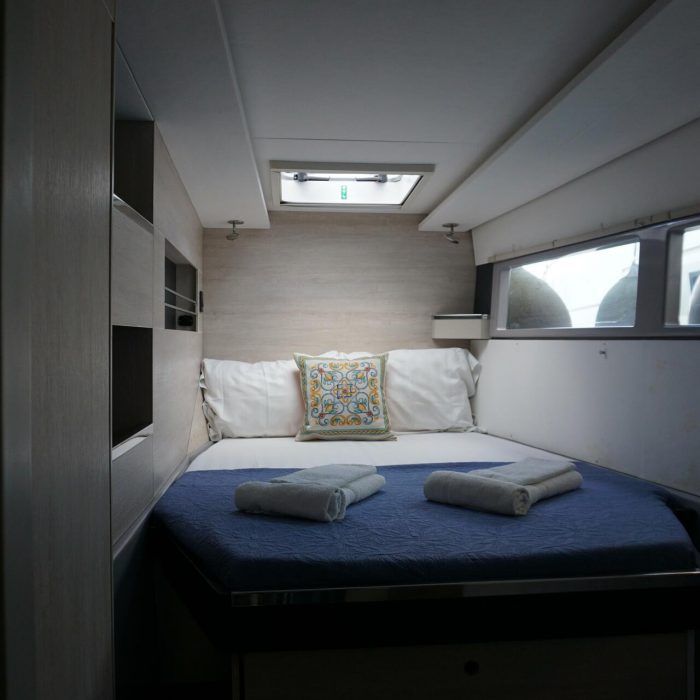
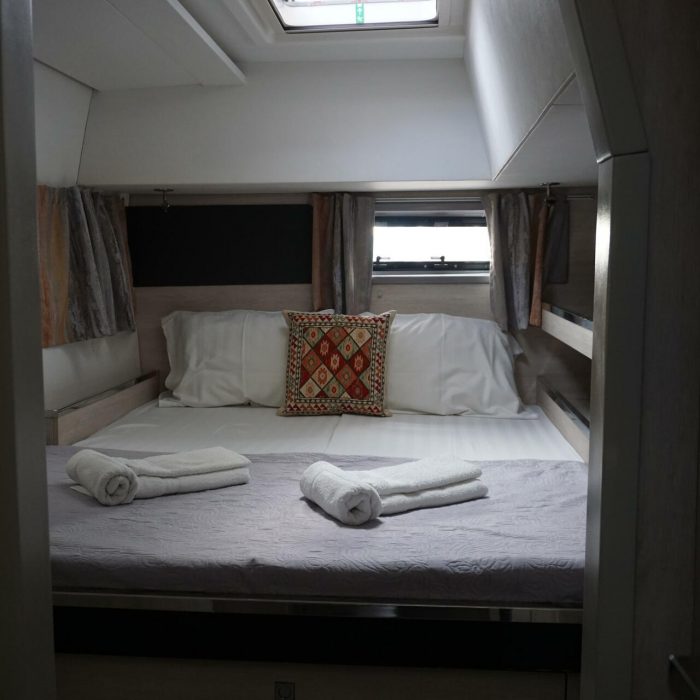
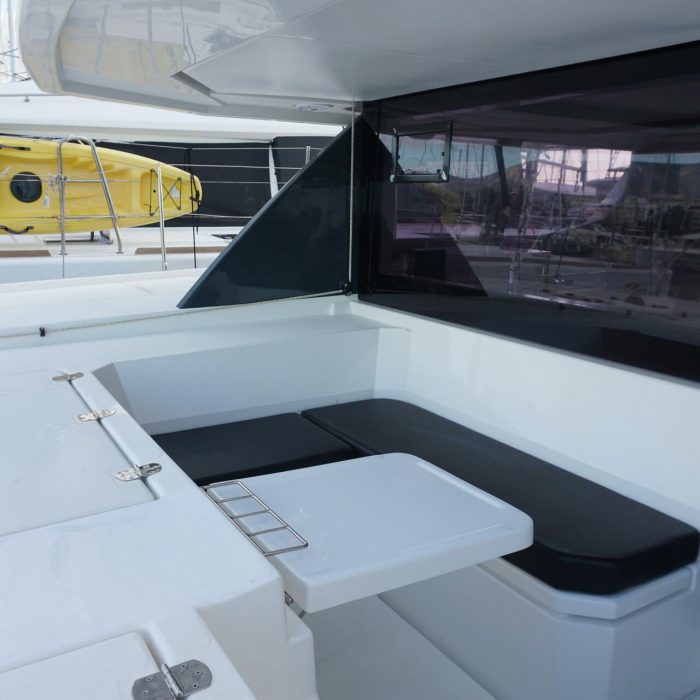
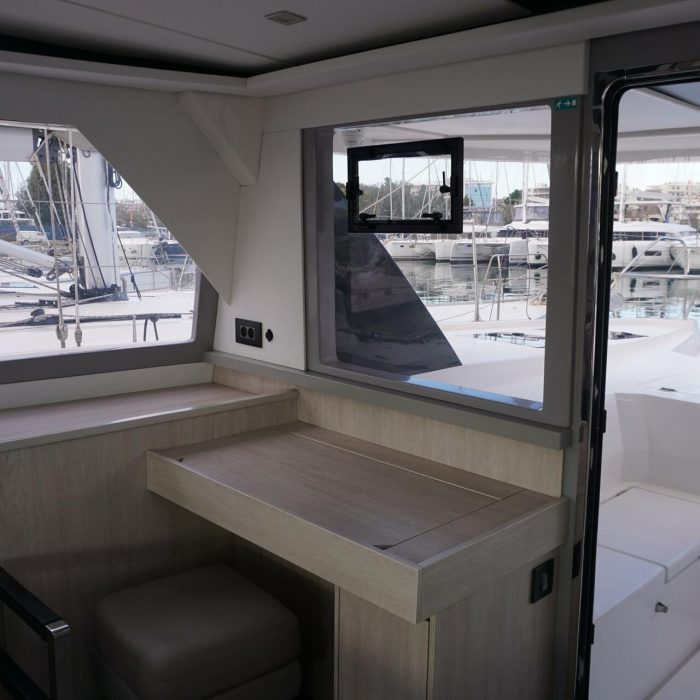
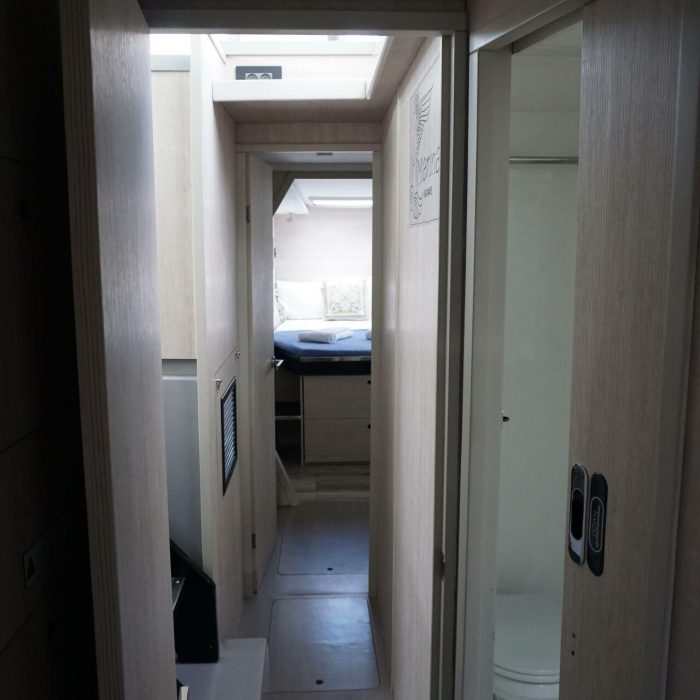
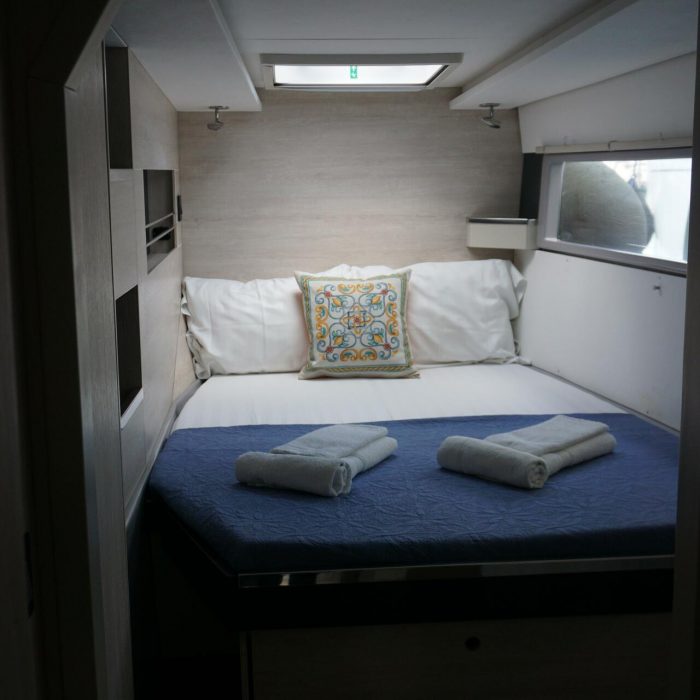
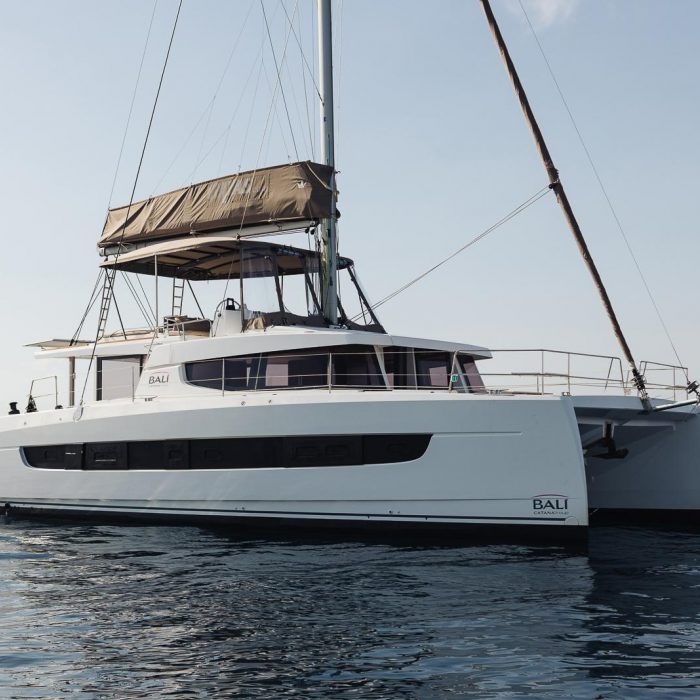
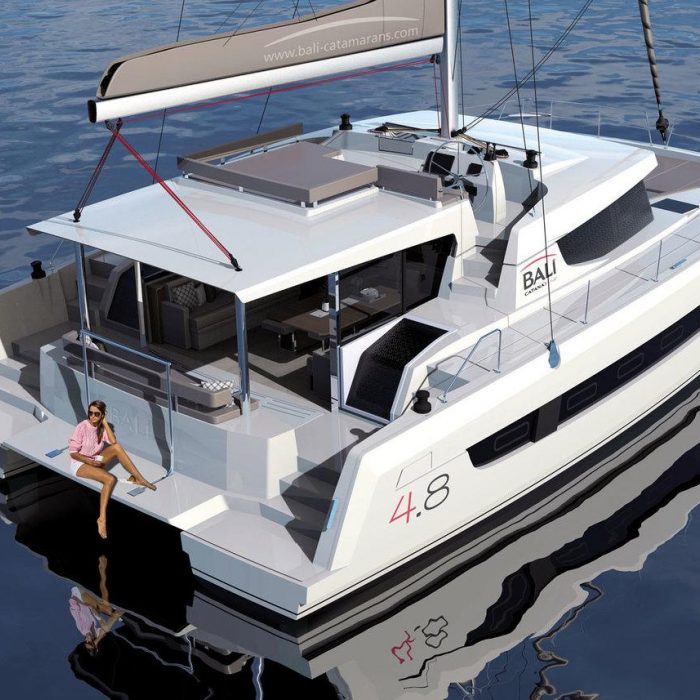
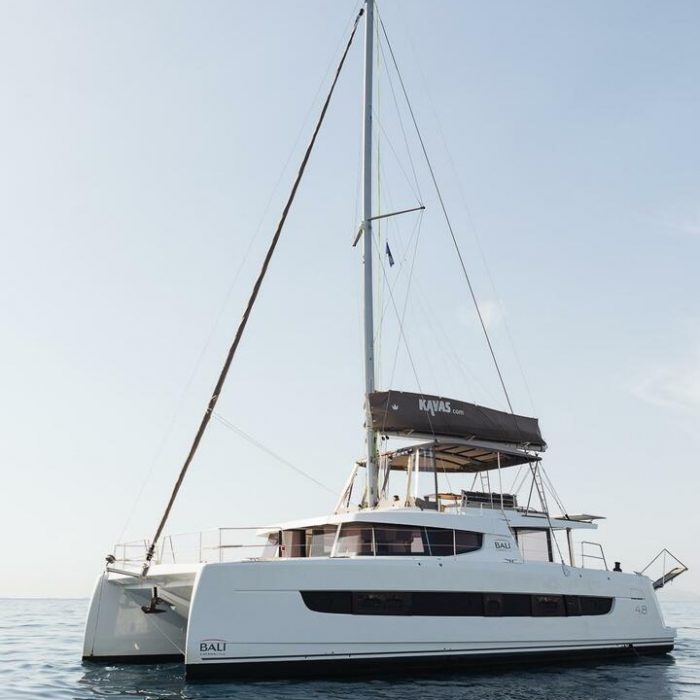
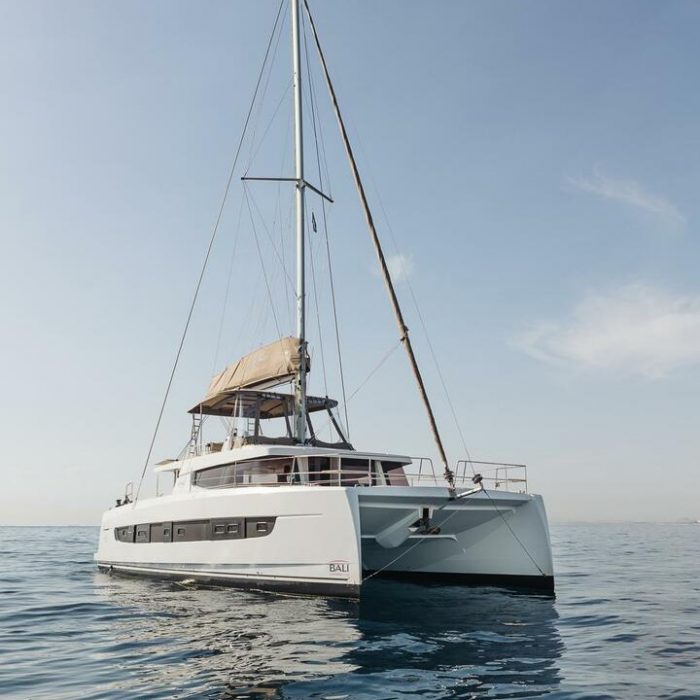
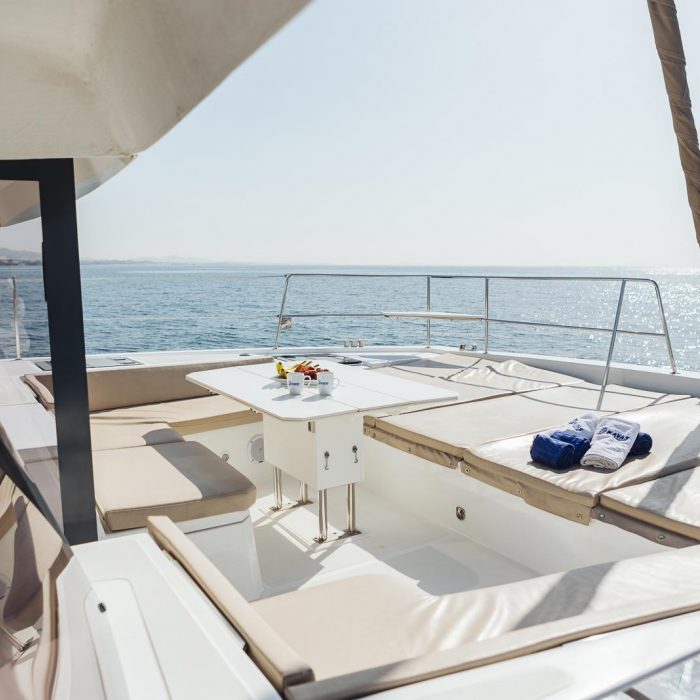
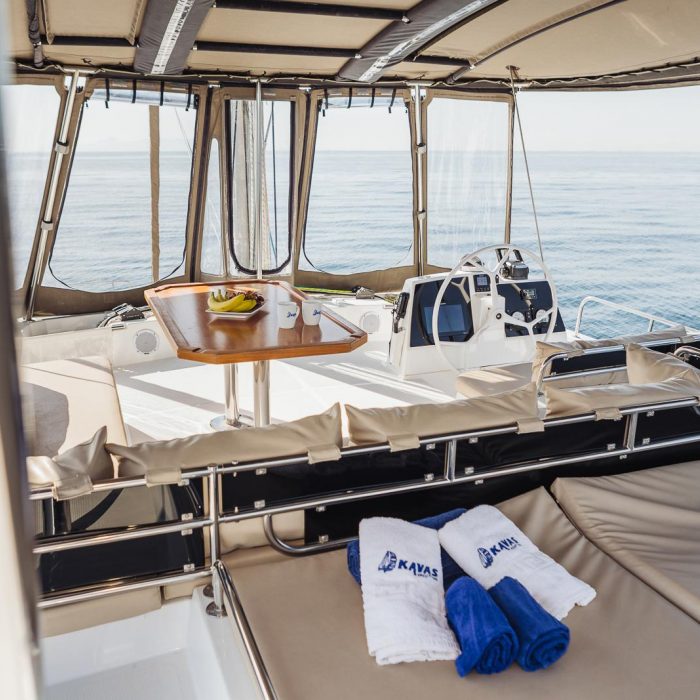
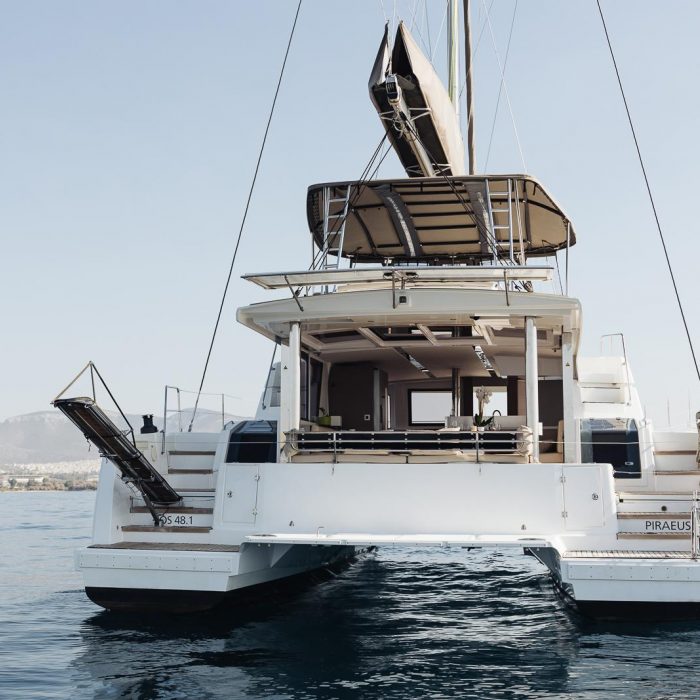
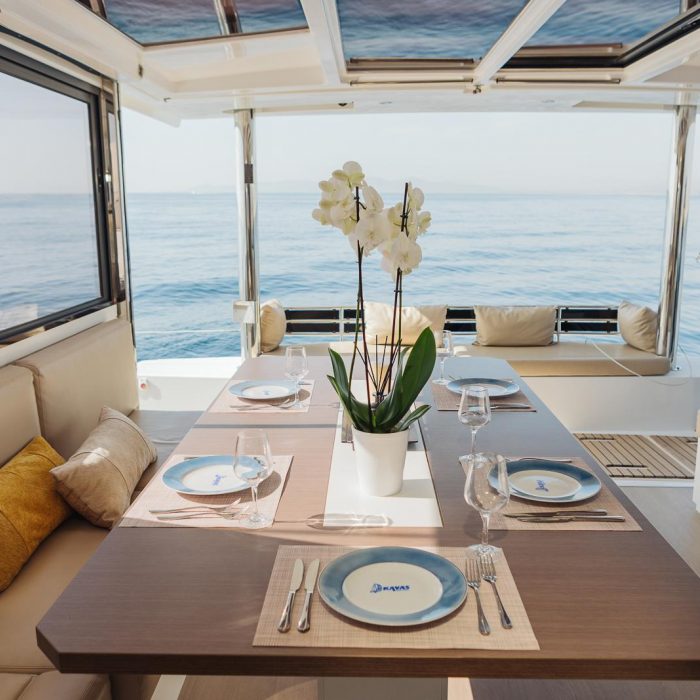
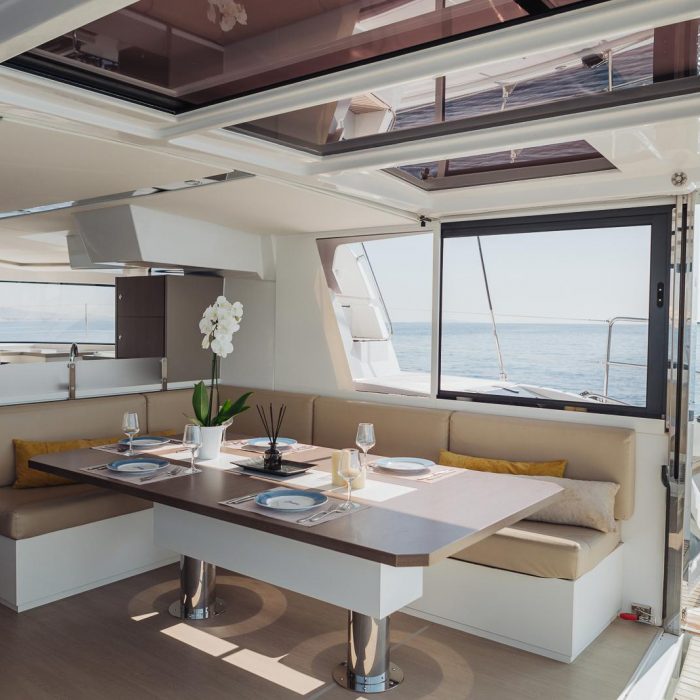
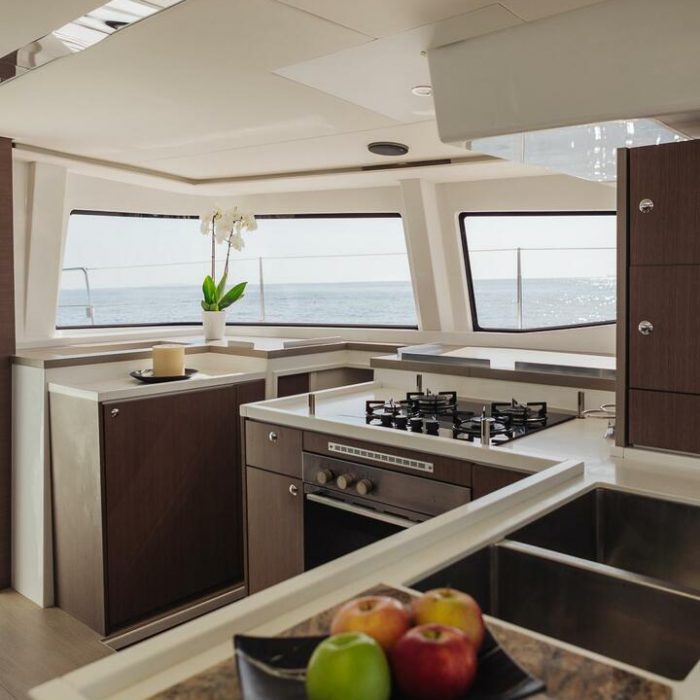
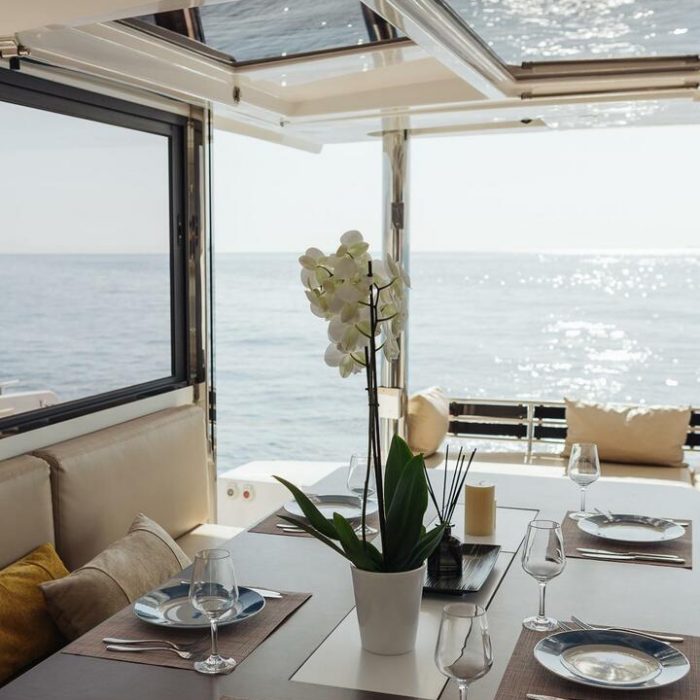
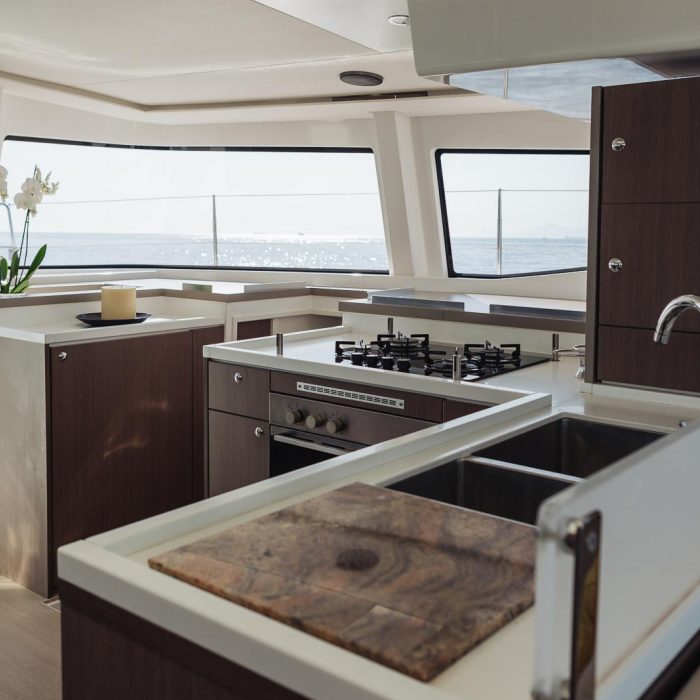
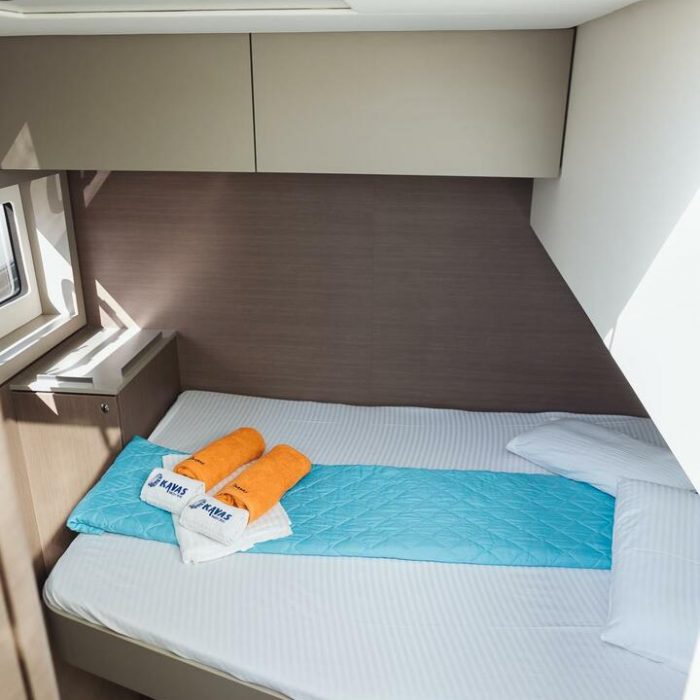
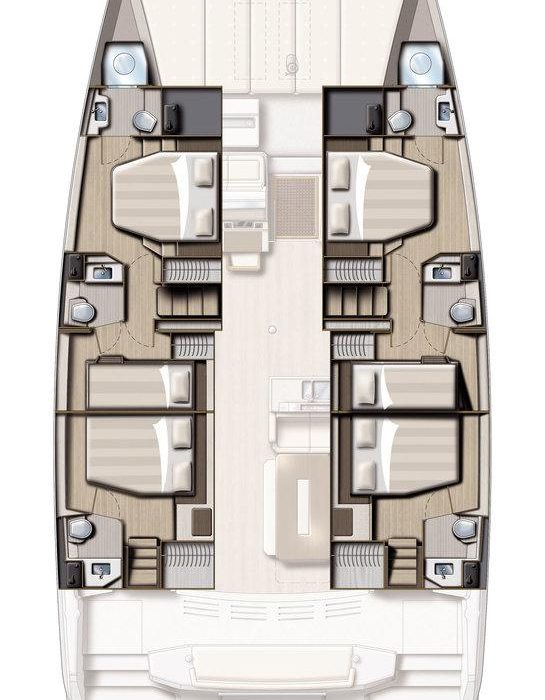
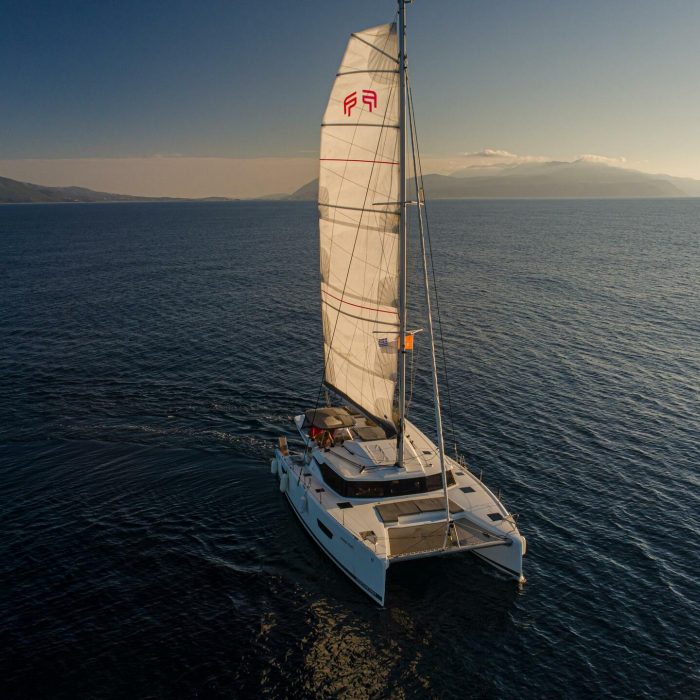
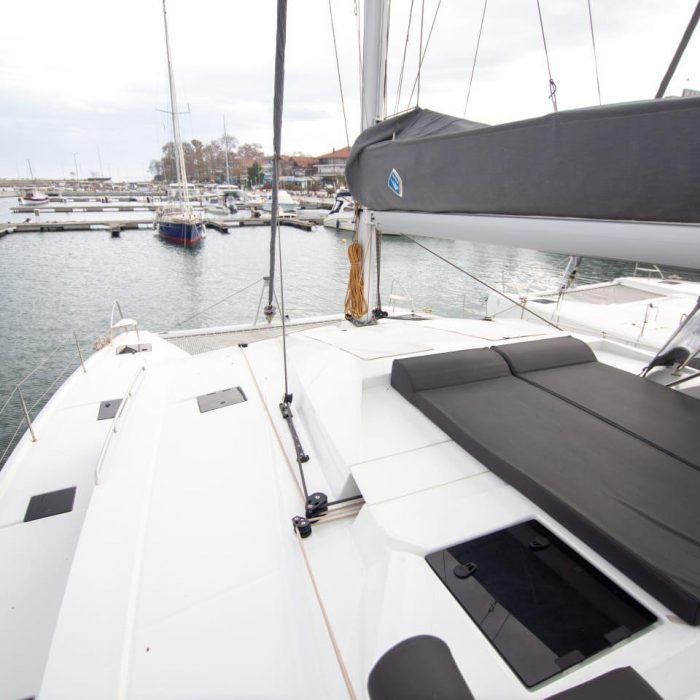
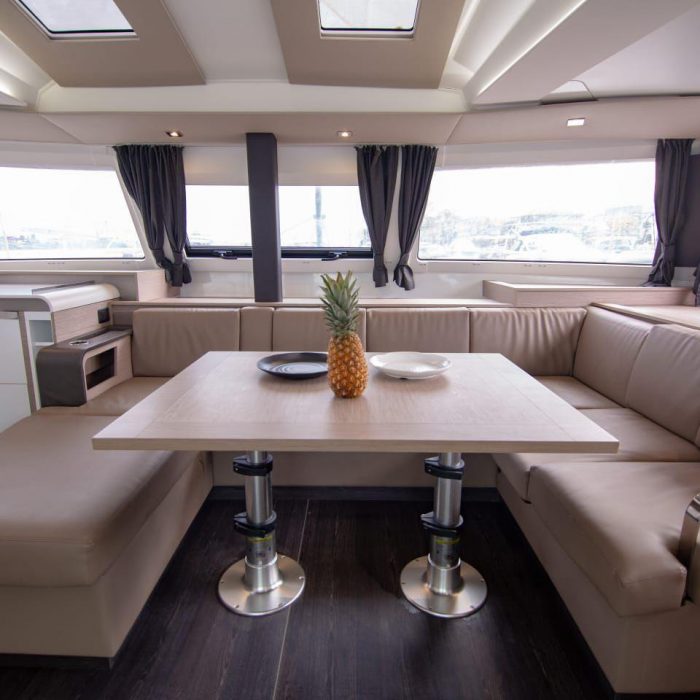
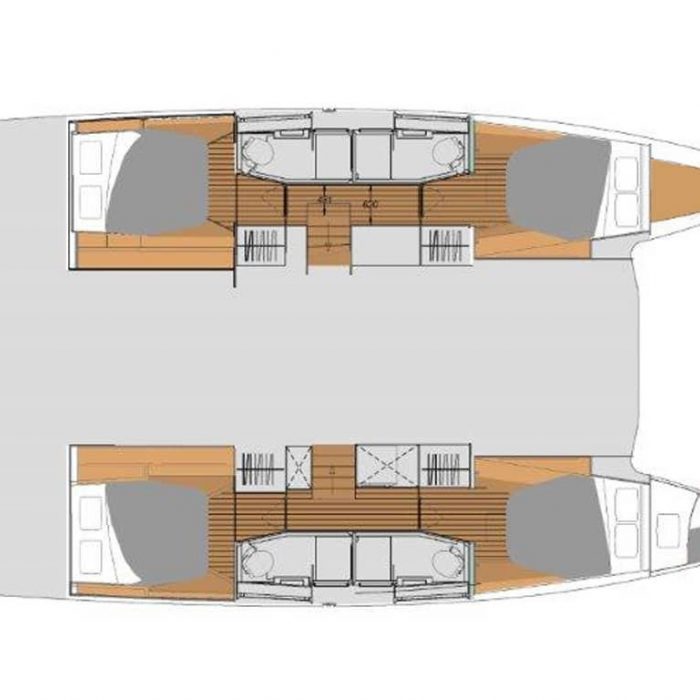
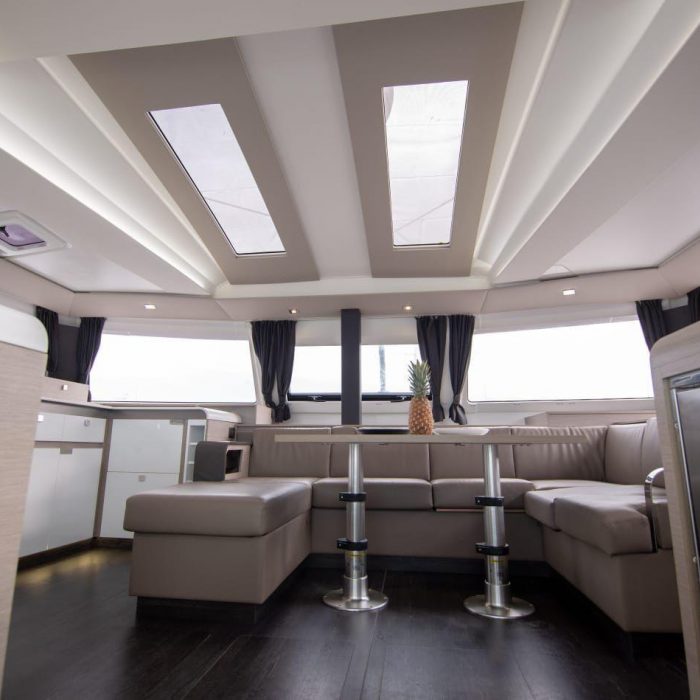
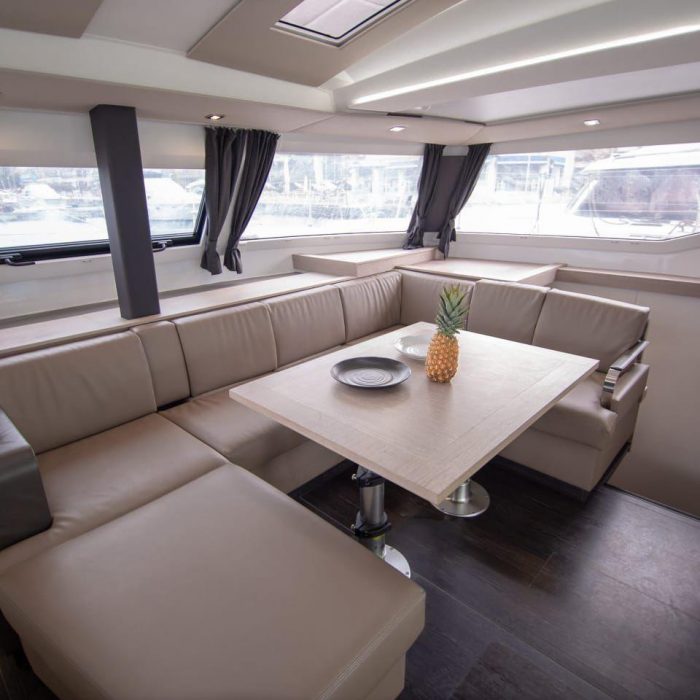
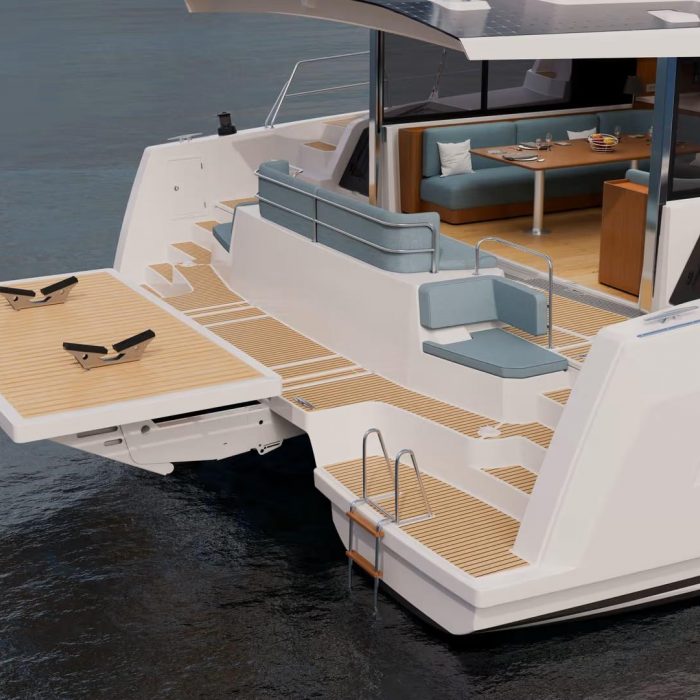
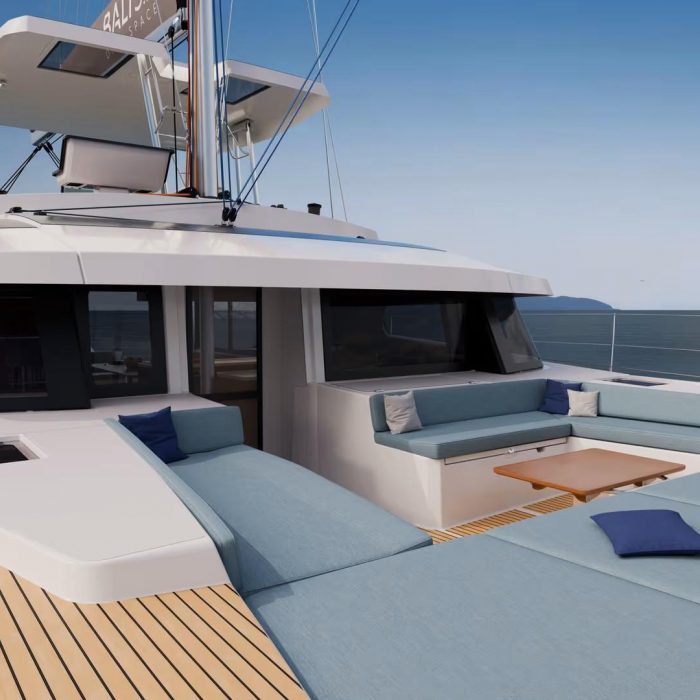
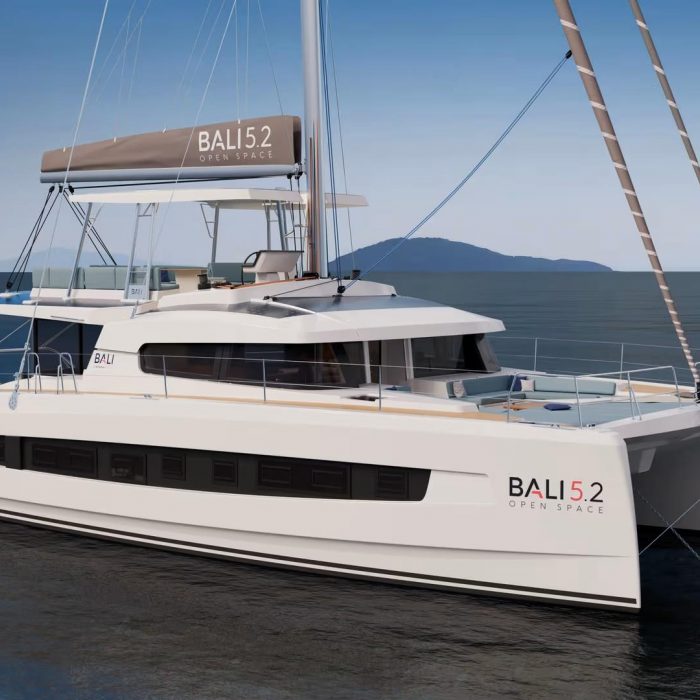
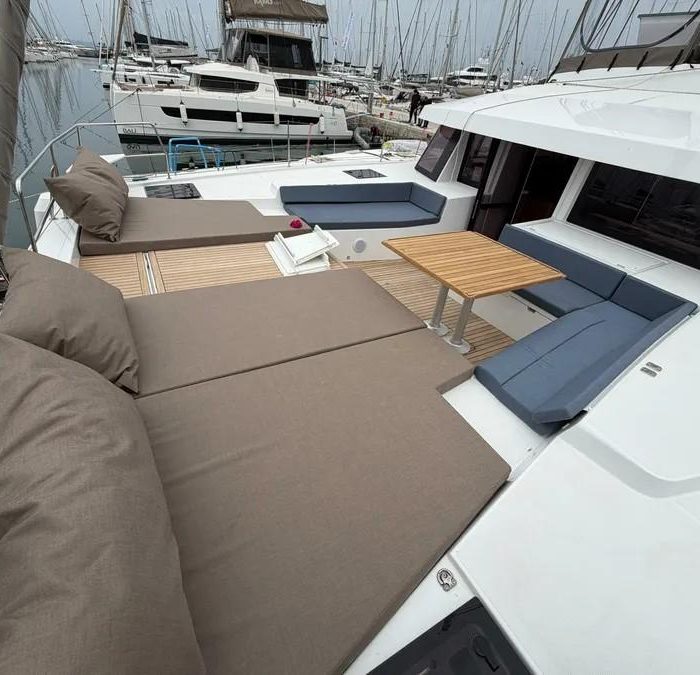
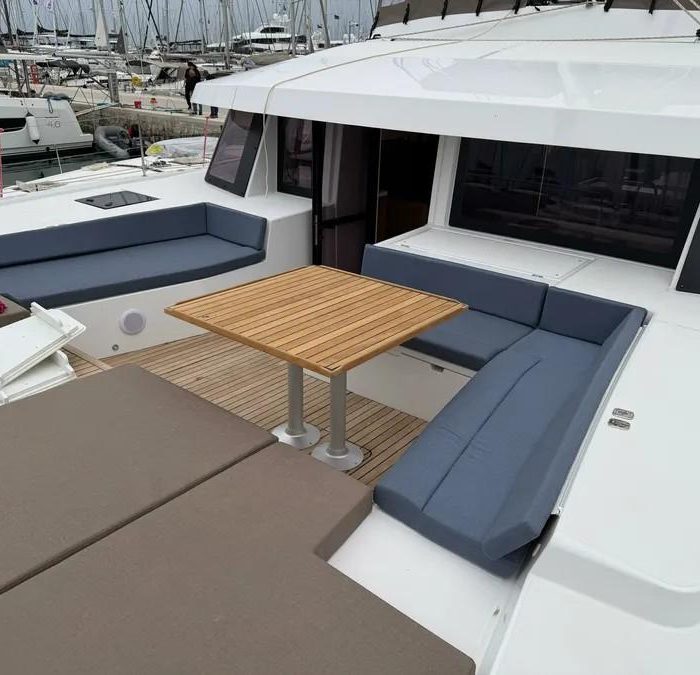
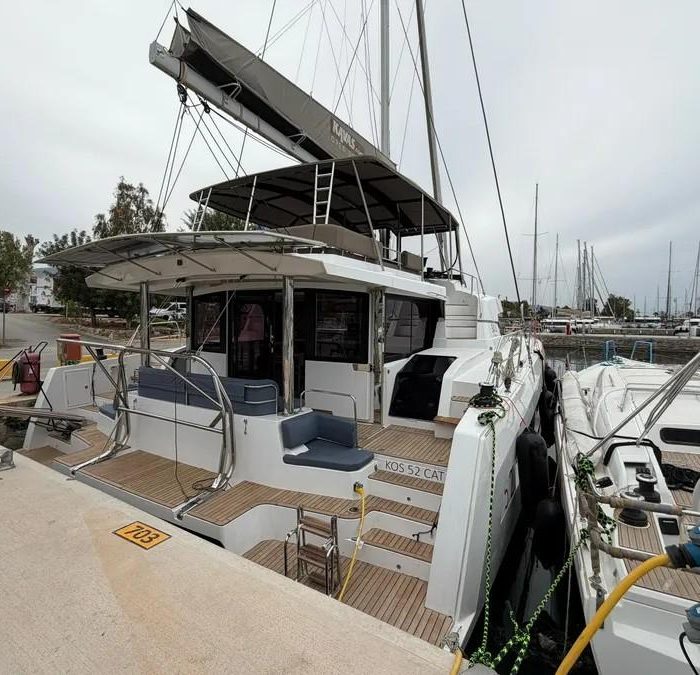
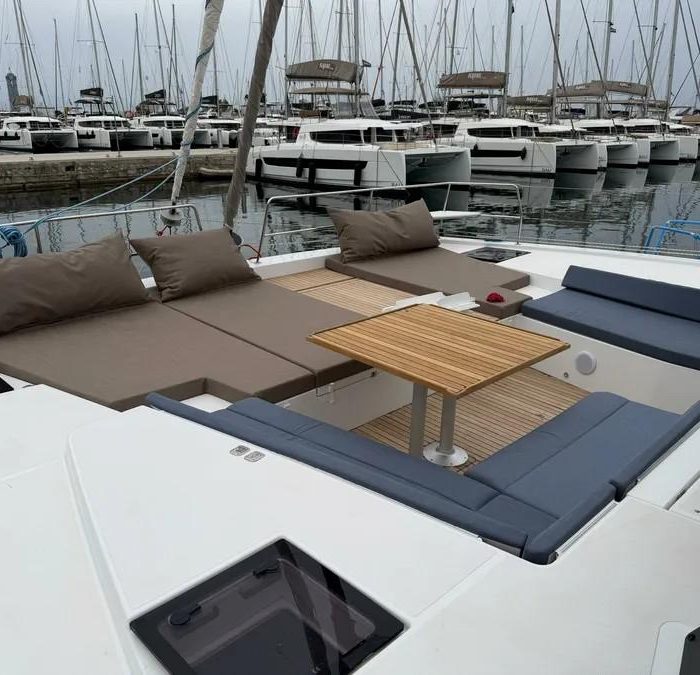
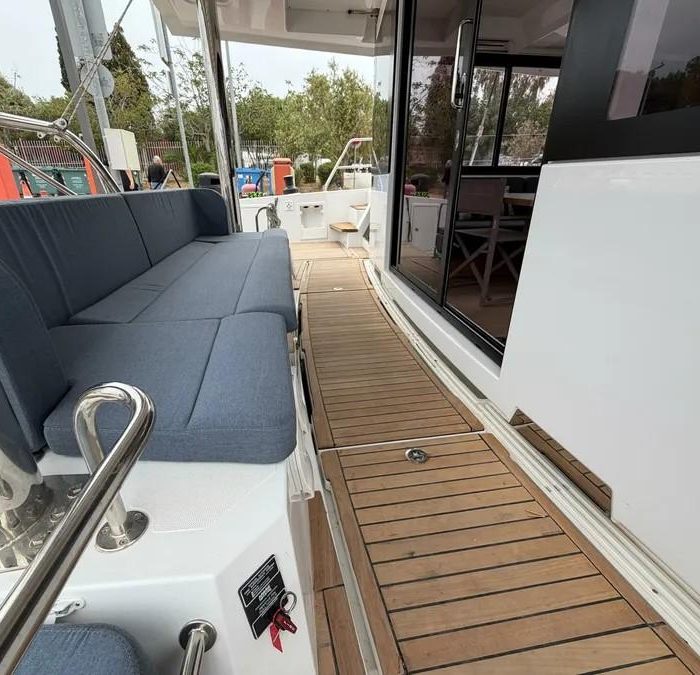
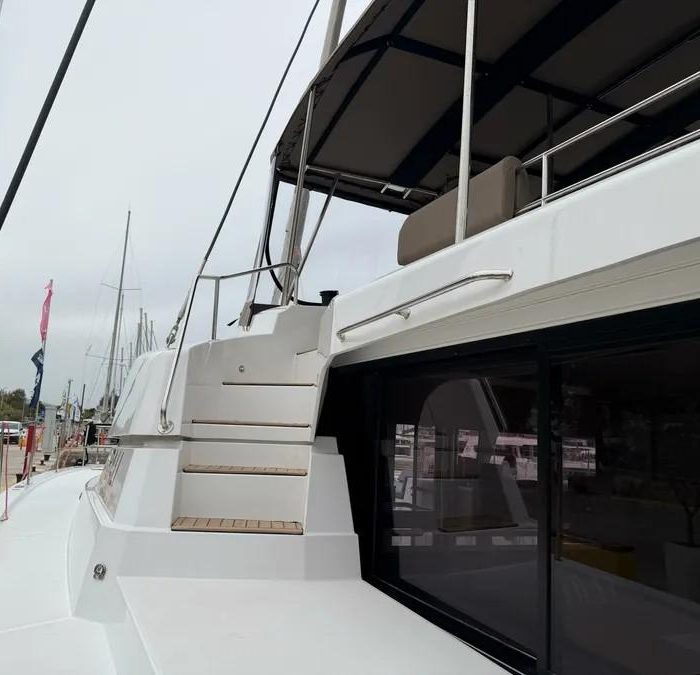
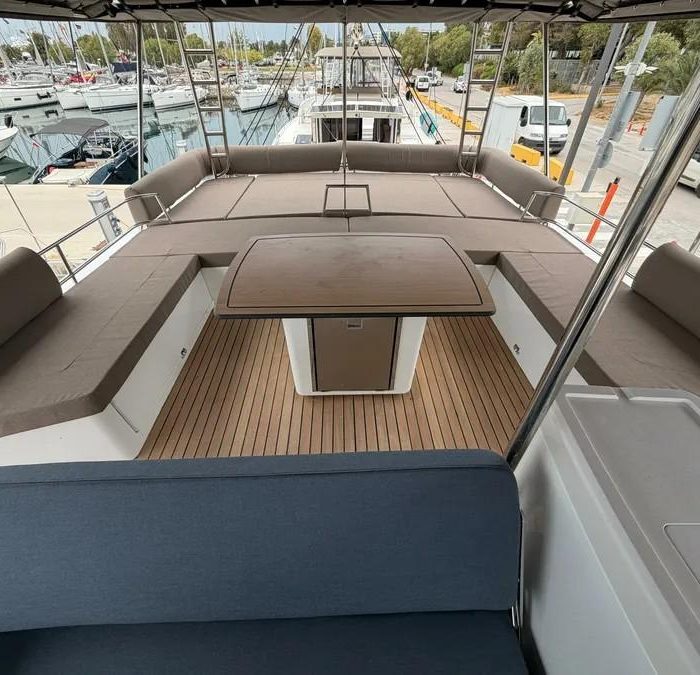
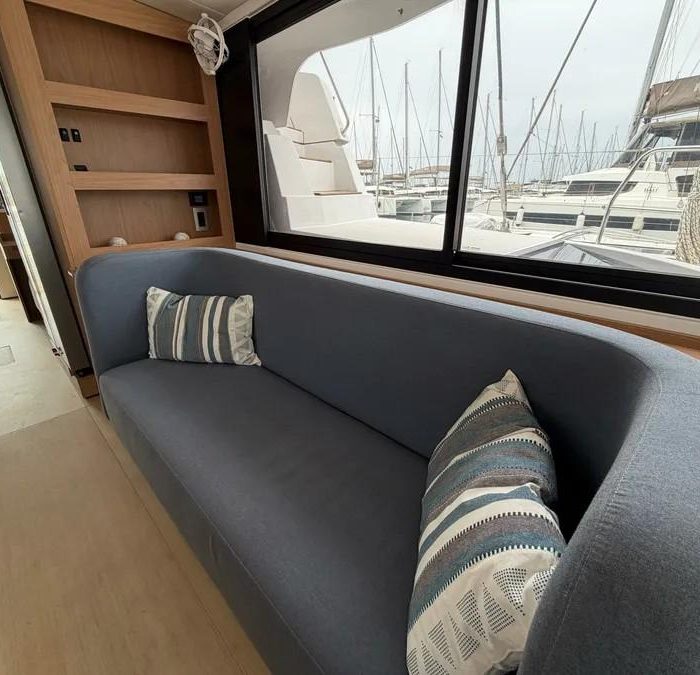
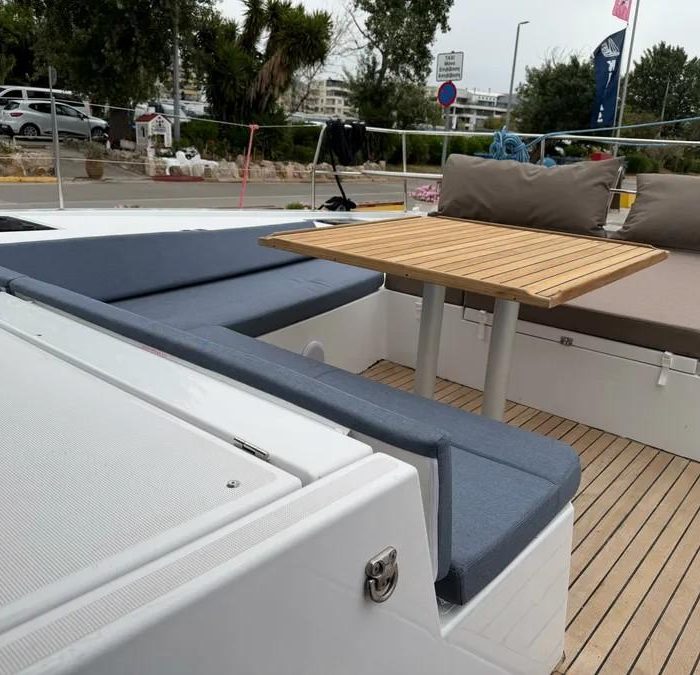
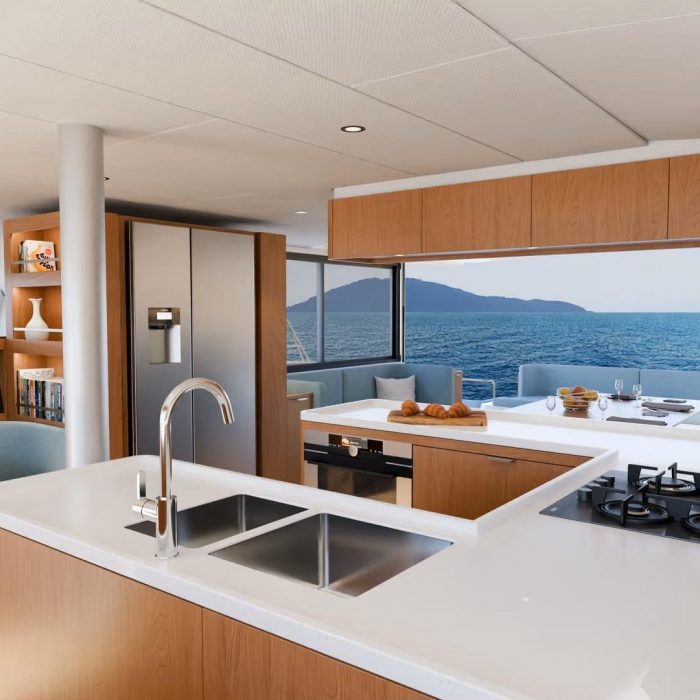
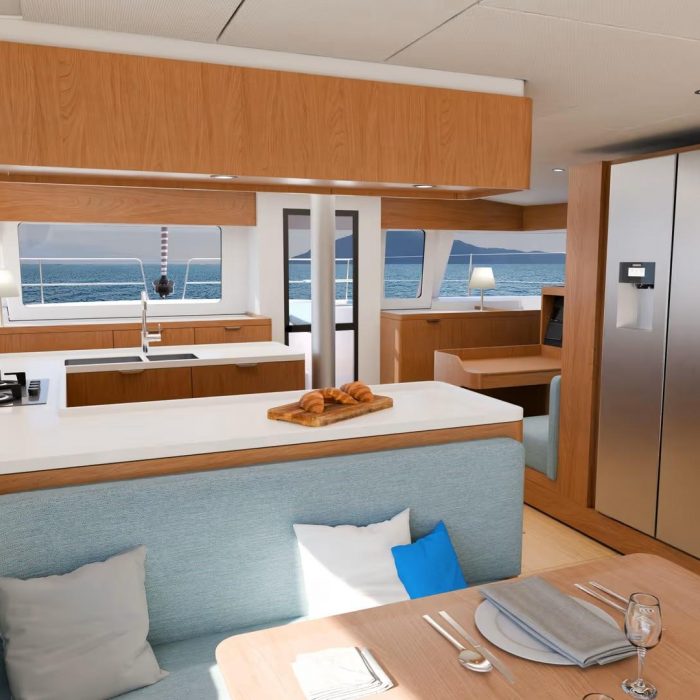
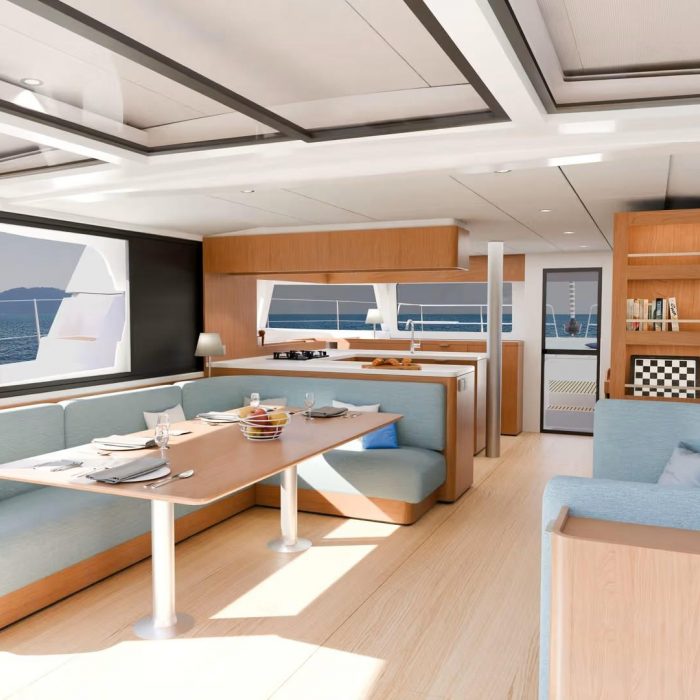
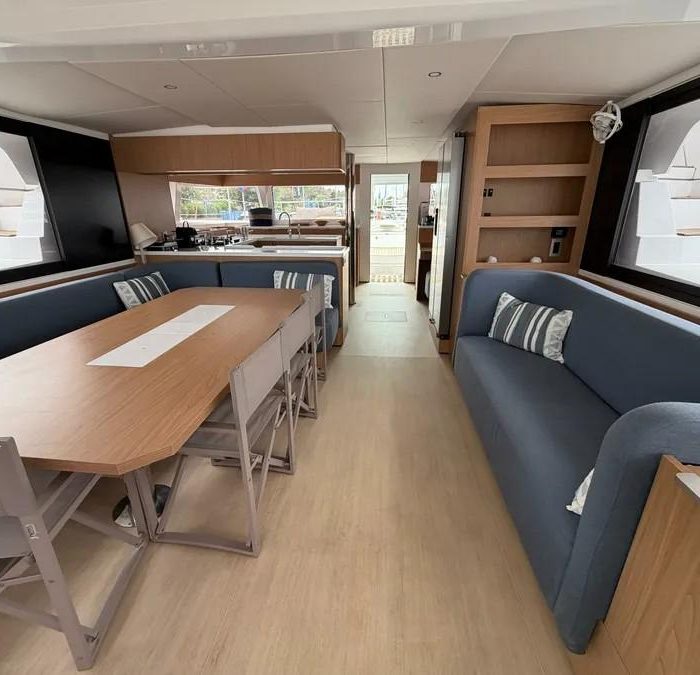
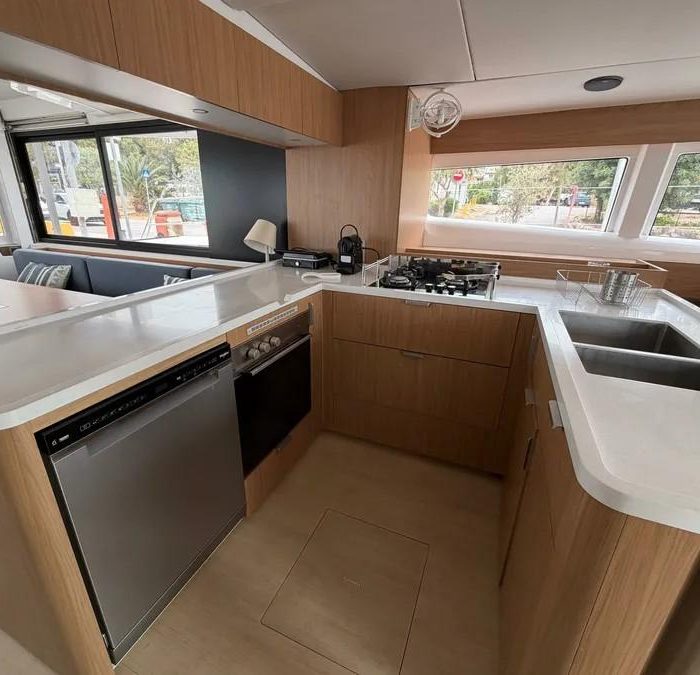
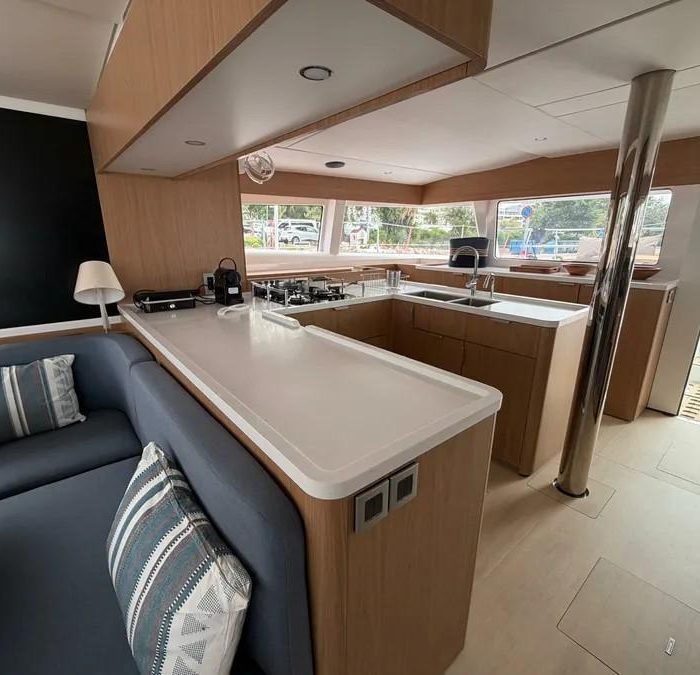
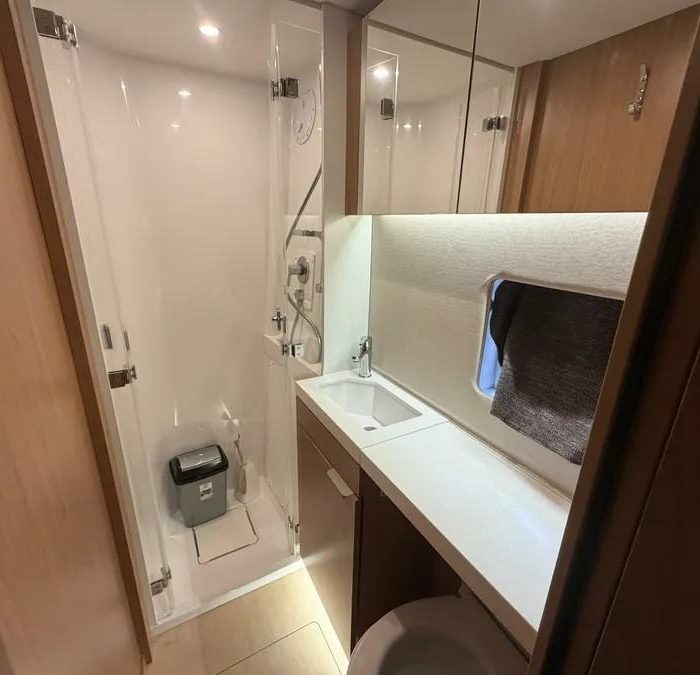
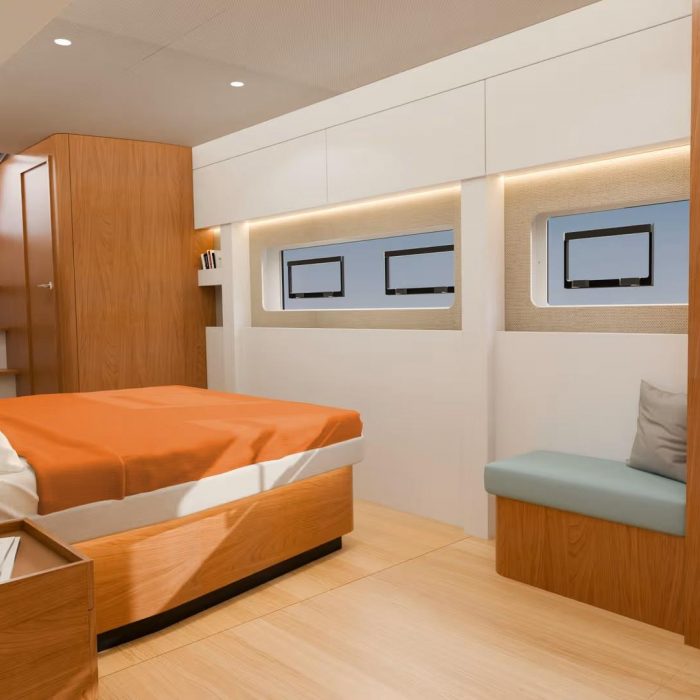
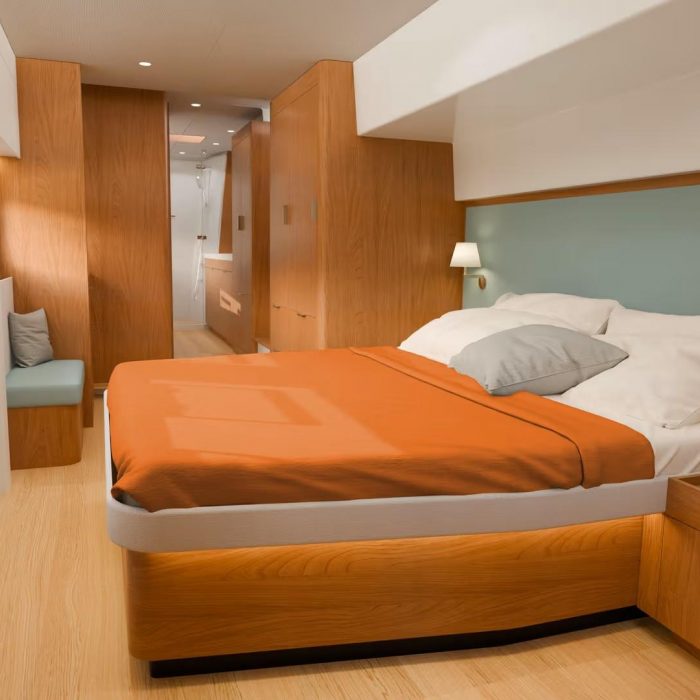
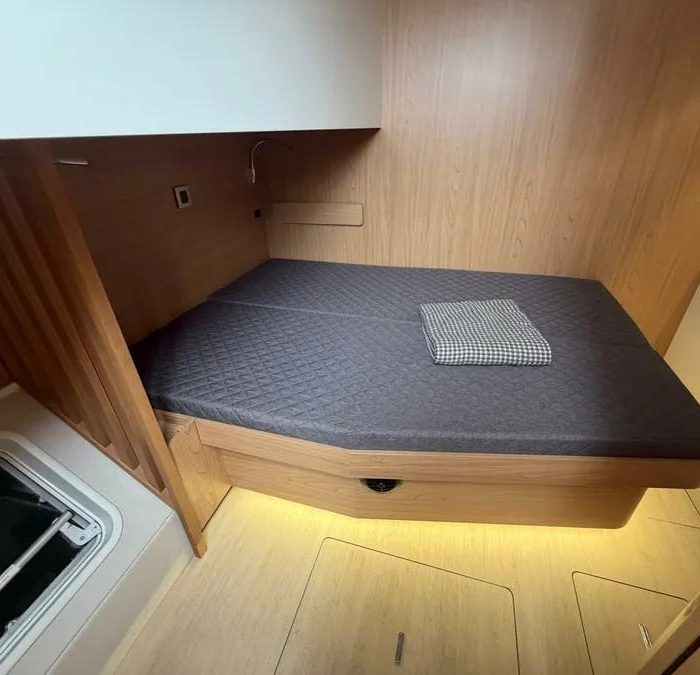
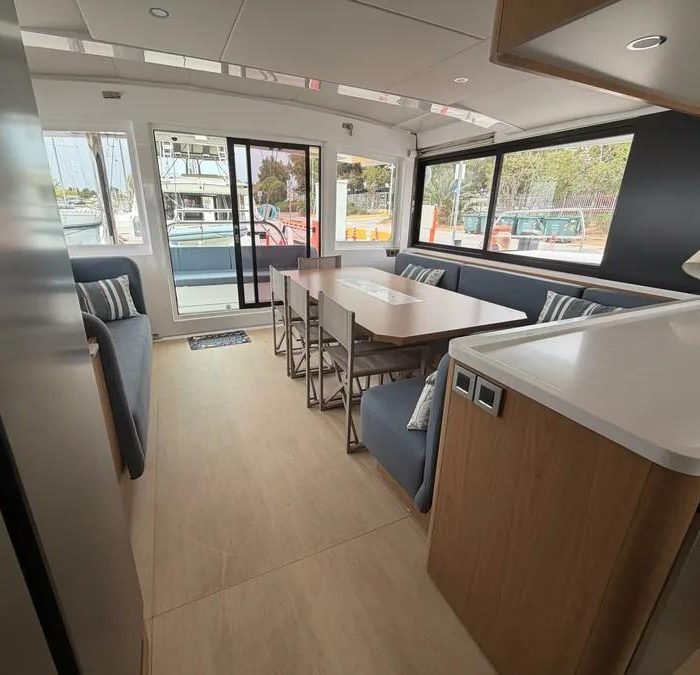
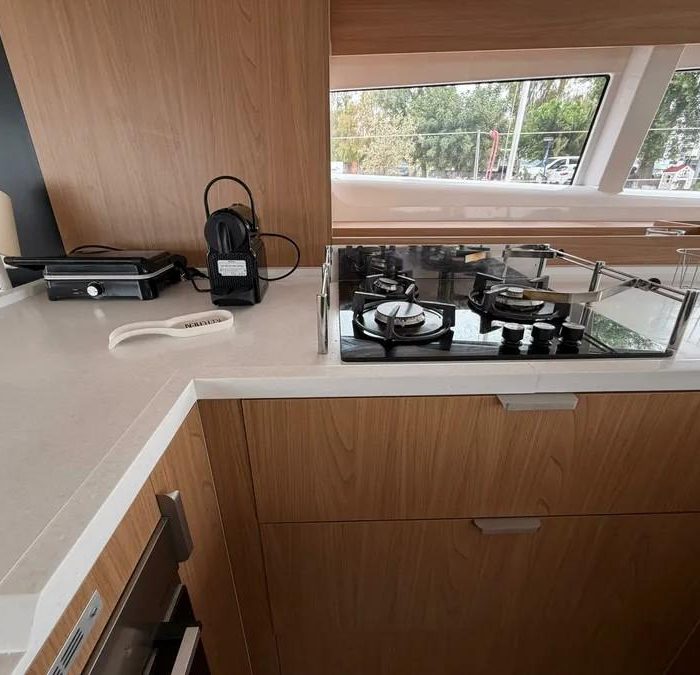
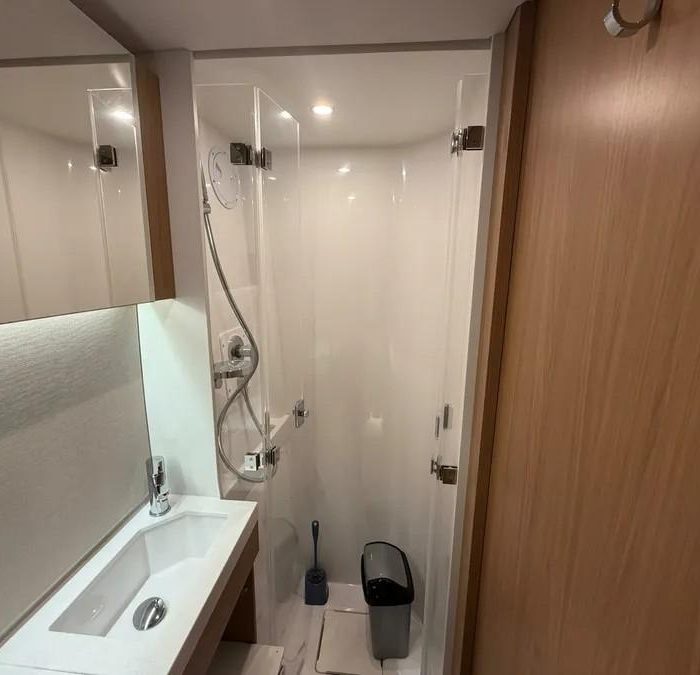
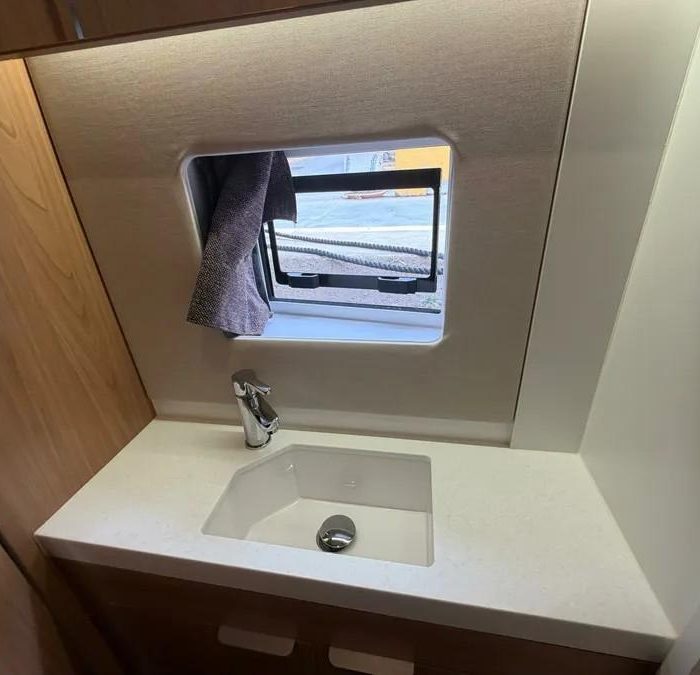
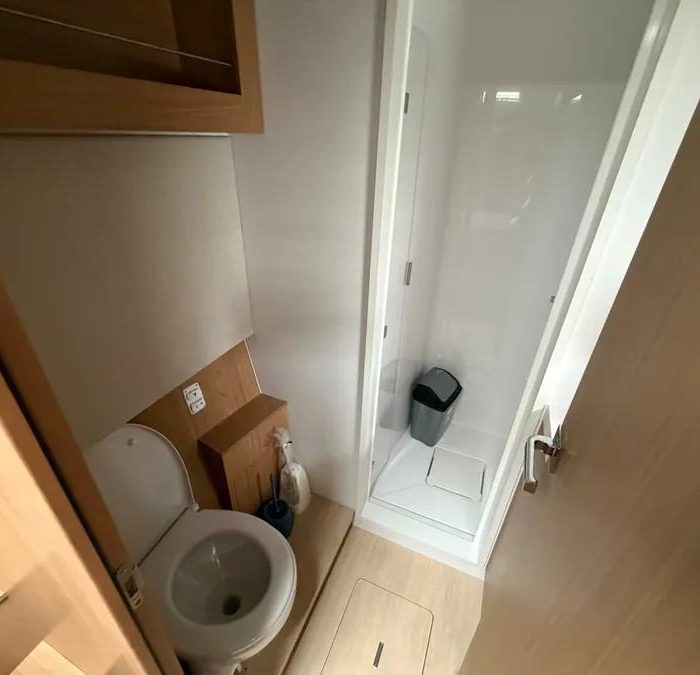
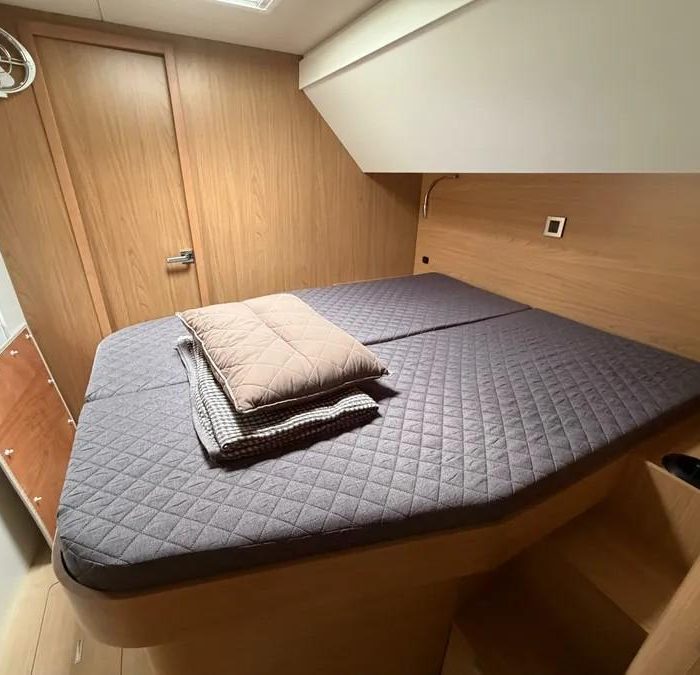
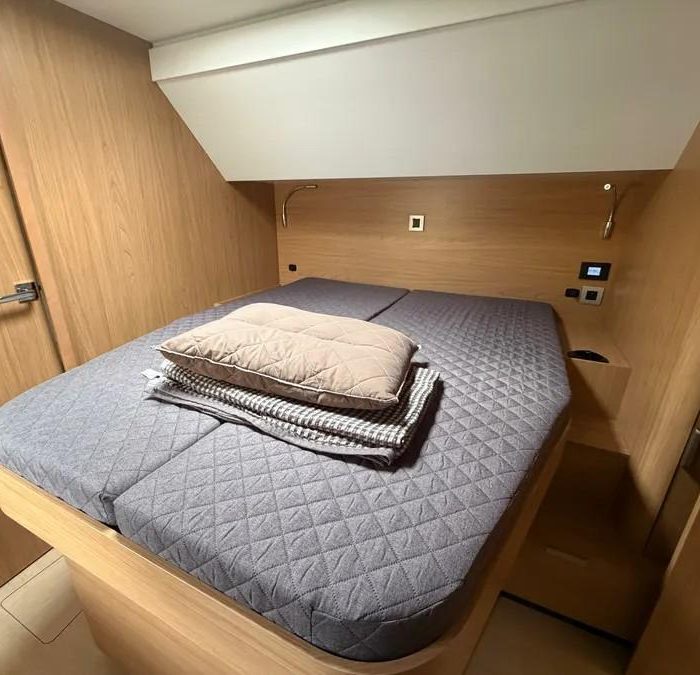
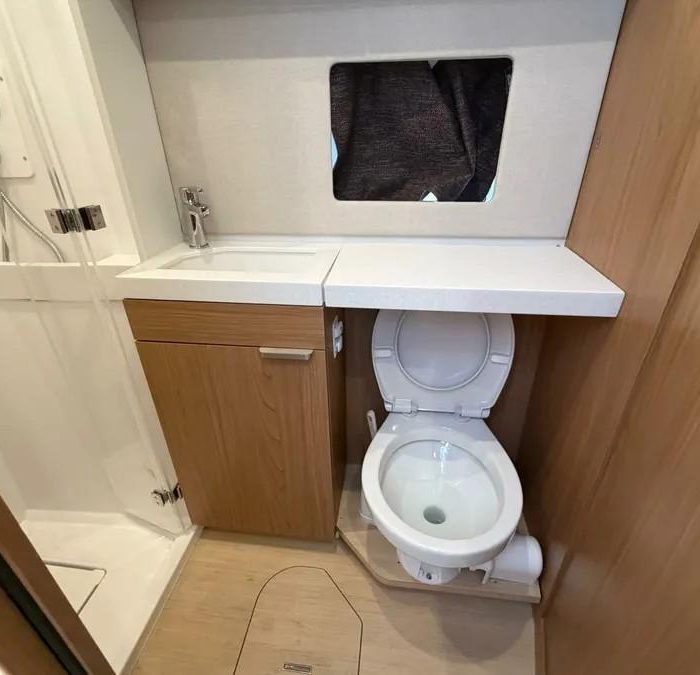
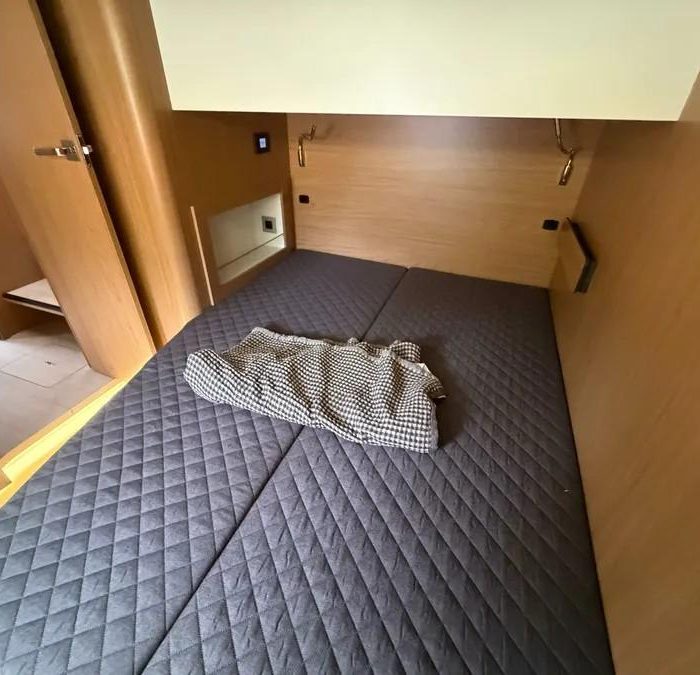
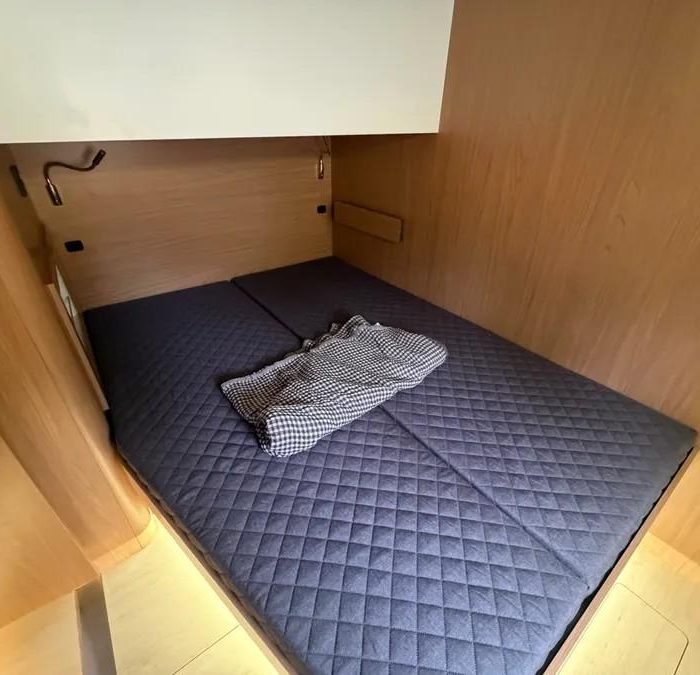
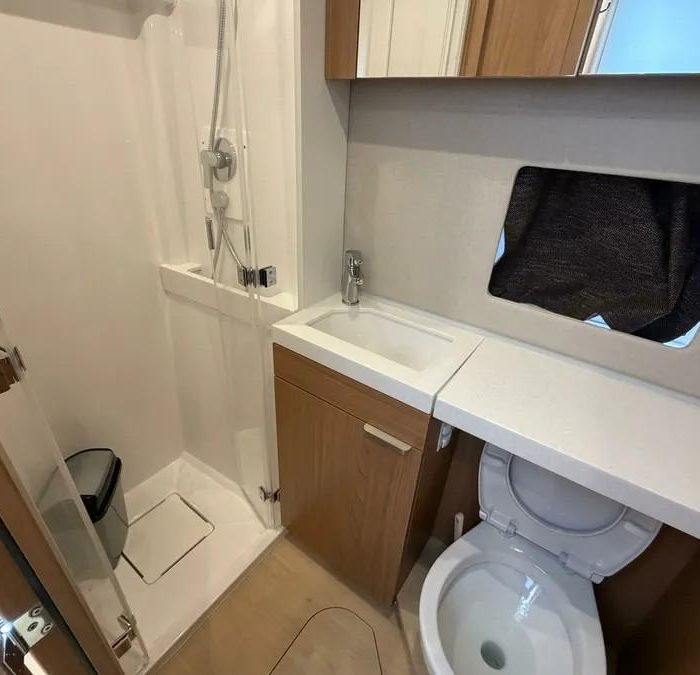
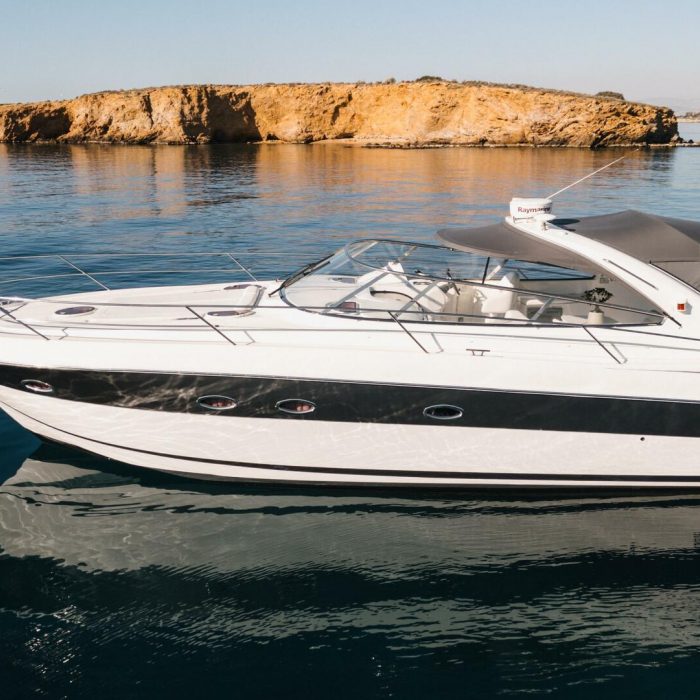
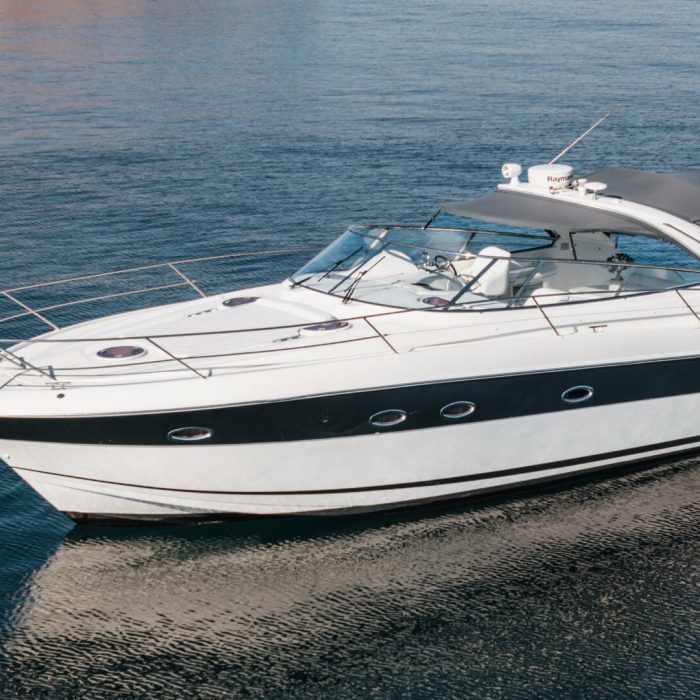
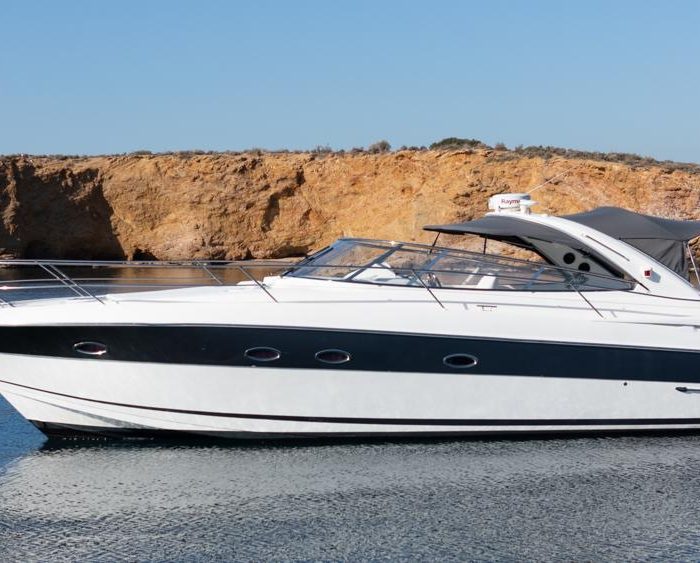
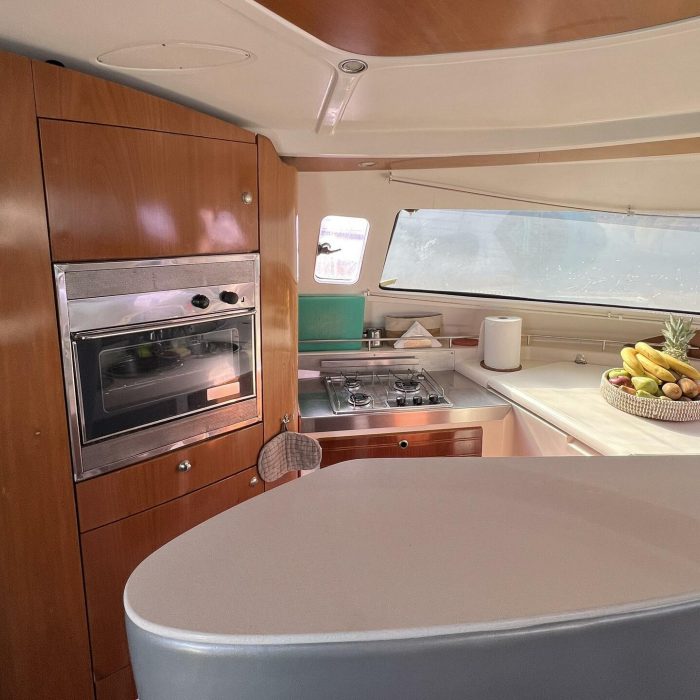
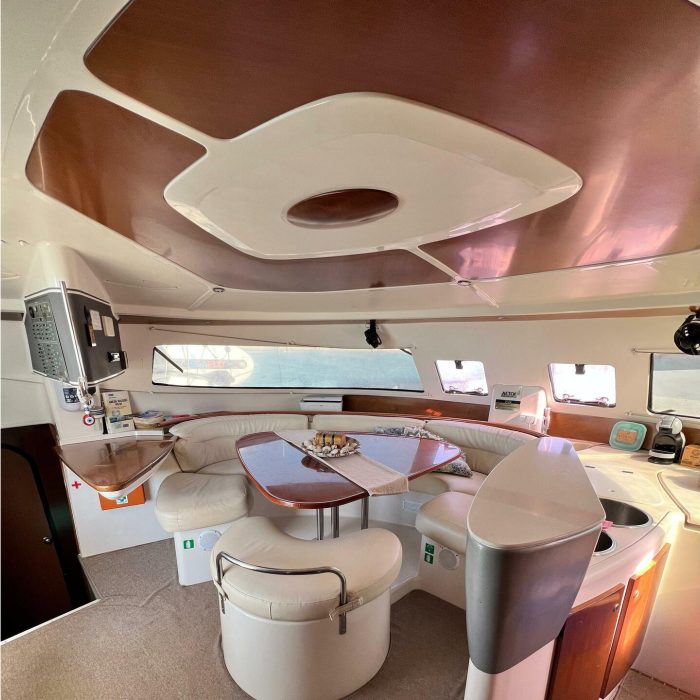
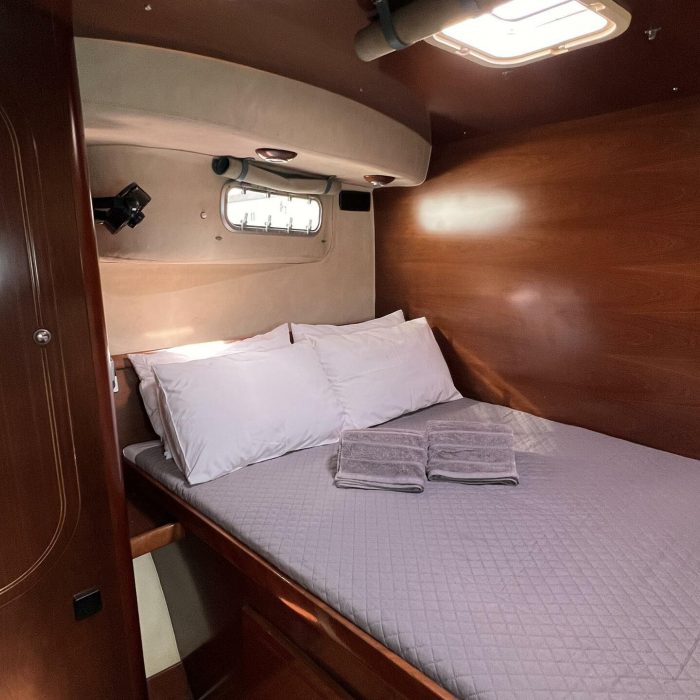
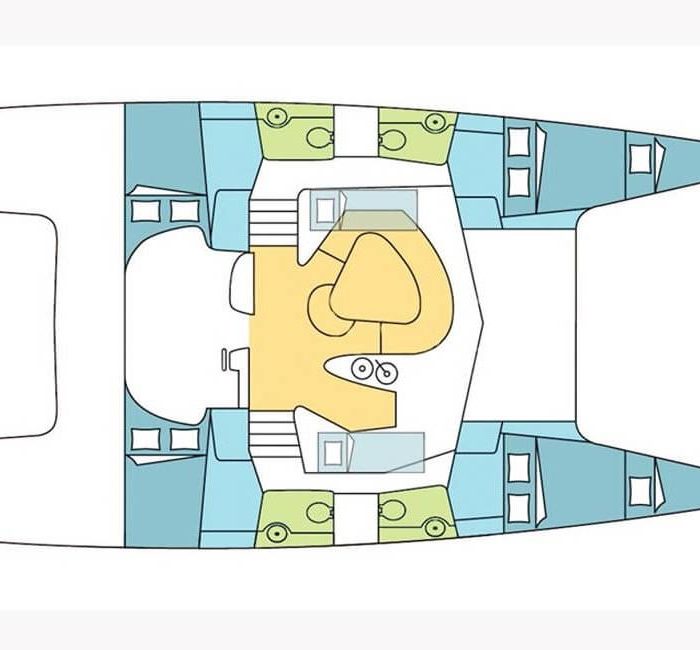
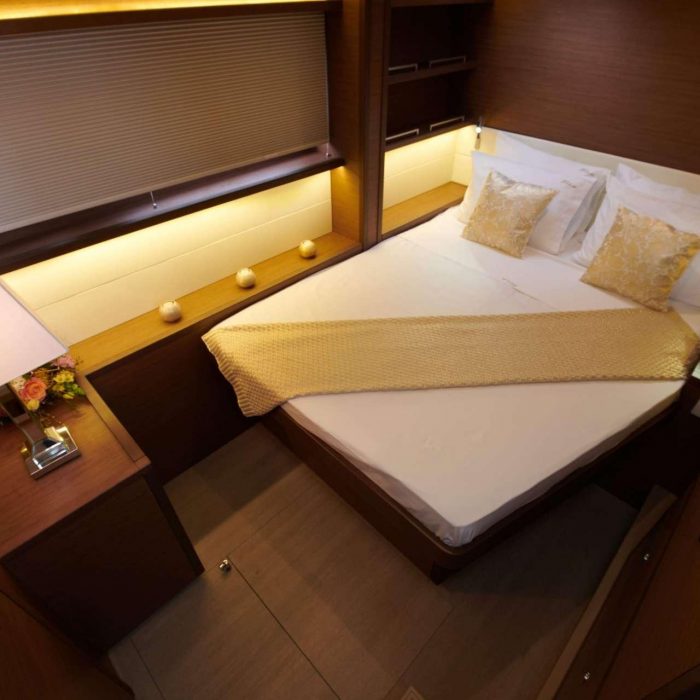
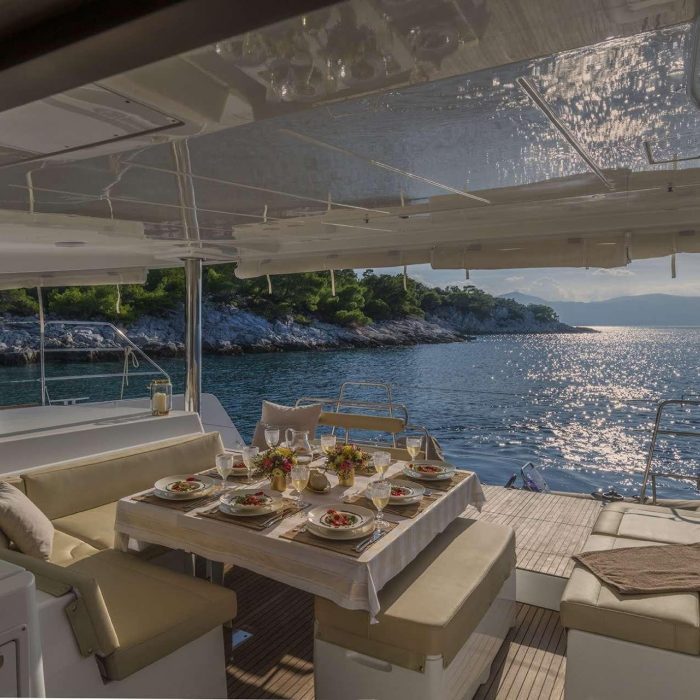
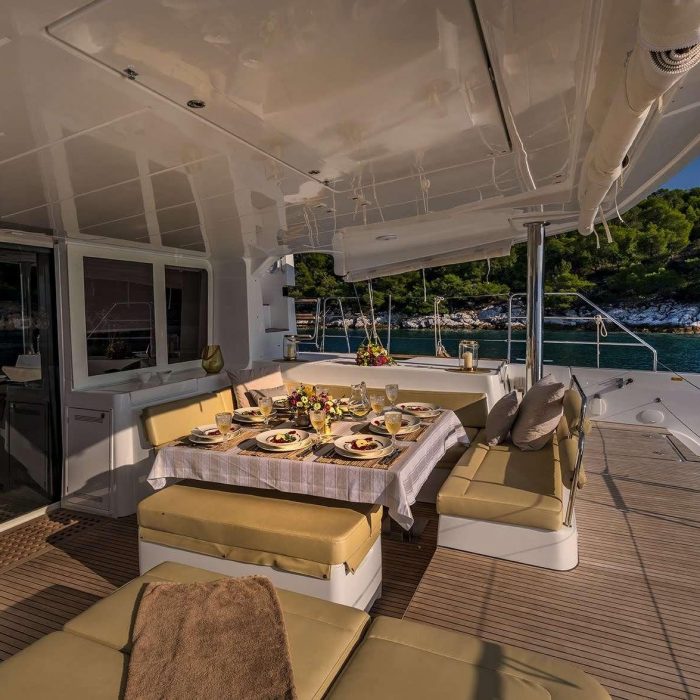
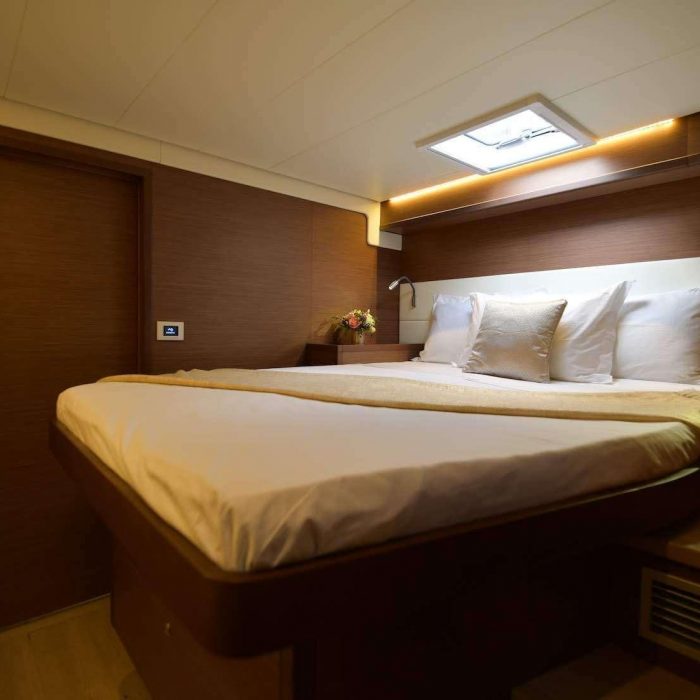
Searadar's confirmed Mykonos listings are sailing yachts and catamarans in the 39 to 46 ft class, built 2004 to 2021. A sailing yacht is the classic Cyclades choice and the cheaper weekly rate; a catamaran trades some sailing feel for deck space, shallow draft and stability at anchor, which families and groups tend to prefer. Across the wider Mykonos market you will also find motor yachts, which come into their own on strong-meltemi days when you want speed and less heel, and RIBs and speedboats for short south-coast hops. Traditional wooden gulets appear for larger parties. Match the boat to the week's wind and to your group, not to a brochure photo.
Crewed or bareboat, and the Greek licence rule
The first question is whether you want to steer. It changes the paperwork completely.
Crewed (with a captain)
A crewed charter comes with a professional captain, and often a hostess, so you need no licence and no sailing experience at all. This is what most Mykonos charters are, and it is the sensible default in a windy summer where the captain makes the weather calls.
Bareboat (self-skippered)
Bareboat means you skipper the boat yourself, and Greece is strict about who may. An EU sailing licence is valid across Greece. A non-EU sailor needs an International Certificate of Competence (ICC). Any document not in English or Greek has to be translated, and for a bareboat charter you also submit a nautical CV, a short sailing resume, so the base can see you have handled a comparable boat. An engine over 30 hp needs a recognised licence; only self-drive boats under 30 hp need none. Turn up without the right papers and the base will refuse the handover or make you hire a paid skipper on the spot.
Charter type | Licence required | Best for | Note |
|---|---|---|---|
Crewed (with captain) | None | Most visitors; windy weeks; groups who want to switch off | Captain makes the meltemi call |
Bareboat, EU sailor | Valid EU sailing licence + nautical CV | Experienced sailors on a budget | Non-English or Greek papers must be translated |
Bareboat, non-EU sailor | ICC + nautical CV | Experienced non-EU sailors | ICC is the recognised standard in Greece |
Self-drive under 30 hp | None | Short south-coast day hops | Over 30 hp needs a recognised licence |
What it really costs: the all-in price
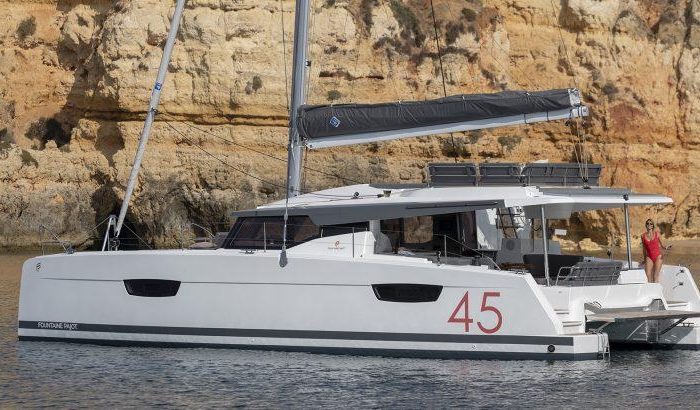
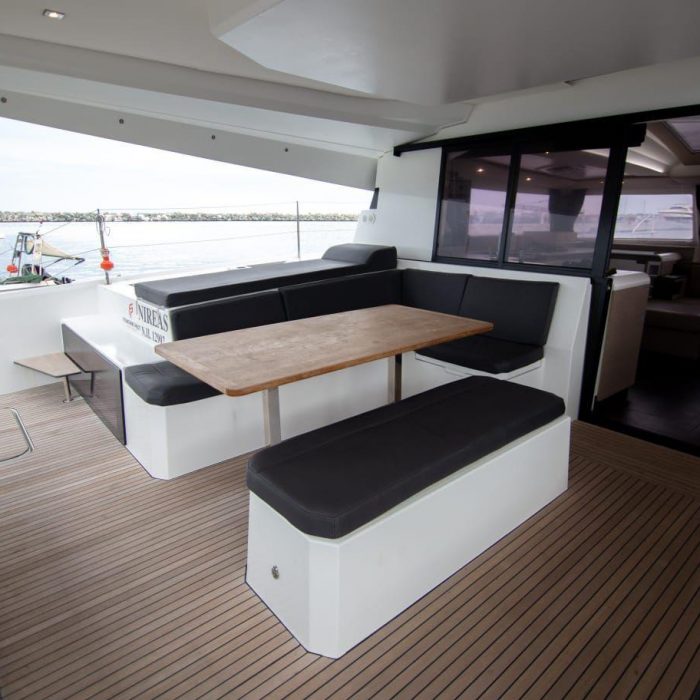
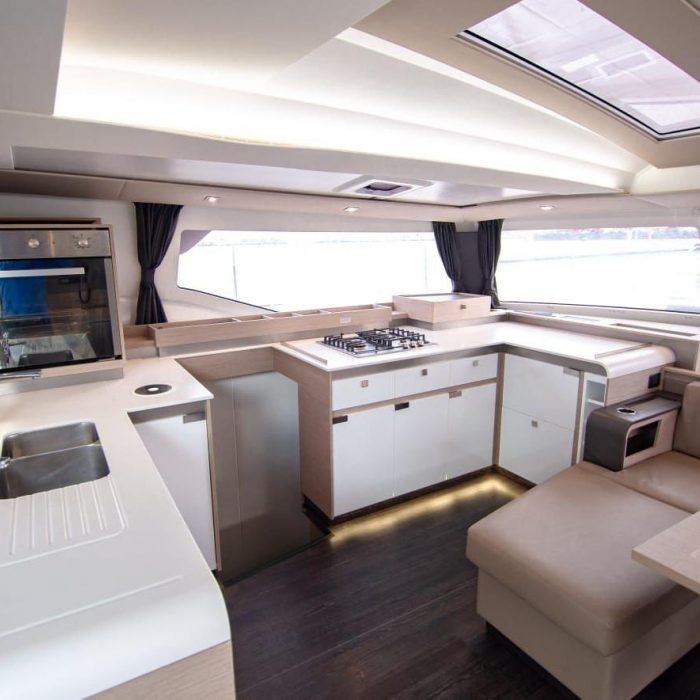
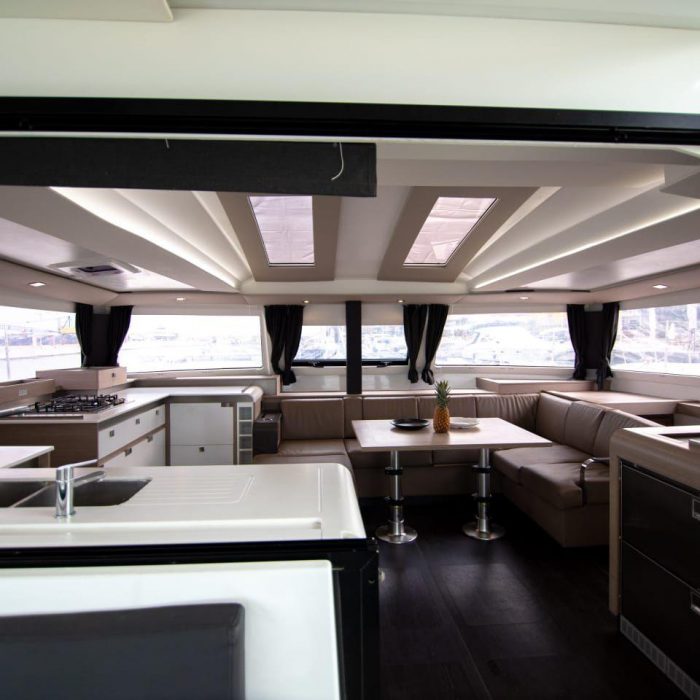
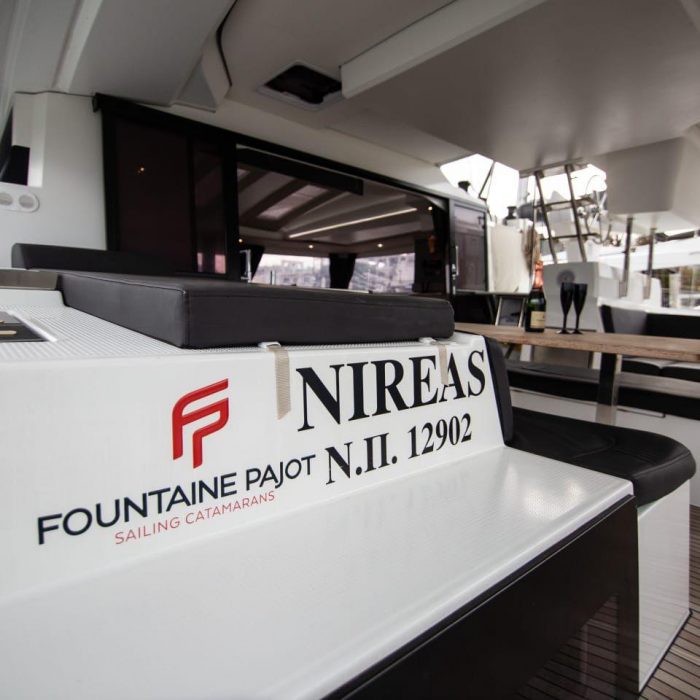
Weekly charters with Searadar start at €7,600 and run to about €14,000 (as of 27 August 2026). To make the "from" price mean something, here are the actual listed boats on the crawl date: Nireas, an Elba 45, €8,450 reduced to €7,605; AEGEAN BLUE, a Bavaria 40, €11,900 reduced to €11,543; Vetrogon, a Bahia 46, €14,400 reduced to €13,968 (all as of 27 August 2026, and these named boats and prices change).
The base rate is not the total, and EU rules require anyone selling to you to show the whole price, not spring it at the dock. On top of the weekly rate you will typically see fuel, port fees, a refundable security deposit (Searadar's rule is 20% of the total, pre-authorised, returned after check-out), an APA on crewed boats, a card-payment surcharge of about 3%, and a skipper fee if the boat is not already crewed. What Searadar adds rather than charges: no client commission, because the owner pays it, and the named Free Deposit Pack, which costs 20% of the standard deposit and lets you cancel the deposit exposure. See deposit and Free Deposit Pack for the terms. Payment runs 50% on booking, 50% due 30 days before the charter, or 100% up front if you book inside 30 days, and a 100% prepayment carries free cancellation.
On a crewed charter the APA (Advance Provisioning Allowance) is paid up front and reconciled at the end of the week, covering fuel, food, berthing and port fees. Across Greek crewed charters it typically runs 20 to 25% of the base fee for sailing yachts and 30 to 40% for motor yachts. Those are industry ranges rather than a figure Searadar sets, so the euro amount depends on the boat and is shown before you pay. For how APA works on Greek charters, see George Yachts and this 2026 Greek-charter APA guide.
Boat class | Weekly rate, from (as of 27 August 2026) | On top | Greek VAT band | What Searadar includes |
|---|---|---|---|---|
Sailing yacht (39 to 46 ft) | €7,600 | Fuel, port fees, 20% deposit, 3% card | 13% crewed / 24% bareboat | No client commission; Free Deposit Pack option |
Catamaran | from about €11,500 | Fuel, port fees, 20% deposit, APA, 3% card | 13% crewed / 24% bareboat | No client commission; free cancellation on 100% prepayment |
Crewed / luxury | up to about €14,000 | Fuel, port fees, APA, crew tip, 3% card | 13% crewed | No client commission; owner pays it |
Per-boat APA | see listing | Sailing ~20 to 25% of base; motor ~30 to 40% (typical Greek-charter ranges) | as above | Shown before you pay |
Greek VAT and the charter licence
Greek charter VAT is not one flat number. It is 13% on a crewed charter and 24% on a bareboat charter, dropping to 6.5% or 5.2% for eligible commercial vessels and to 0% on specific international charters. A boat holding a Greek Charter Licence (GCL) gets duty-free fuel, the reduced VAT, and free embarkation and disembarkation. Since 2022 an e-Charter Permit covers foreign-flagged yachts over 35 metres for 75 days across a three-year window.
When to sail Mykonos
The meltemi grid above already sets out the weather trade-off by month. The other half of timing is booking lead time, and it catches people out. By March more than half of the peak-season boats are already gone, so reserve in November or December for the following summer, and book motor yachts at least two months ahead. If you would rather have a wider fleet and bareboat weeks without a meltemi to plan around, see yacht charter in Spain.
Where you leave from
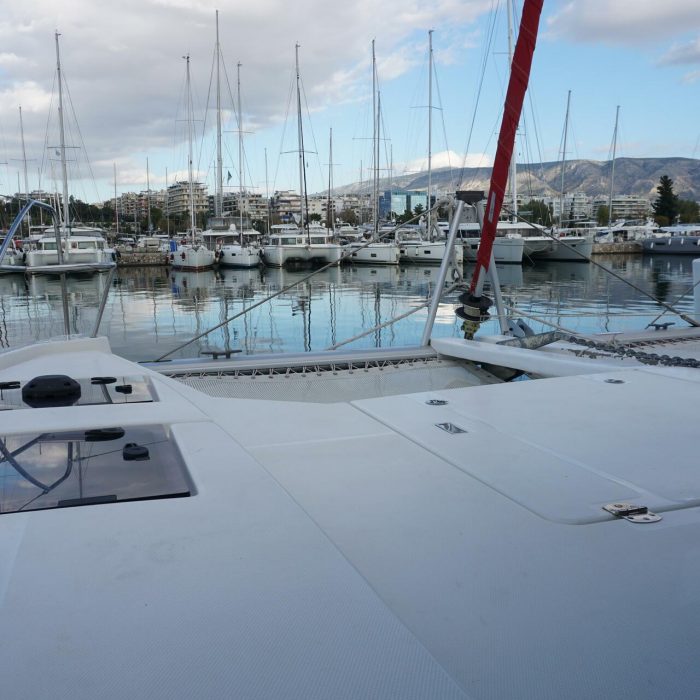
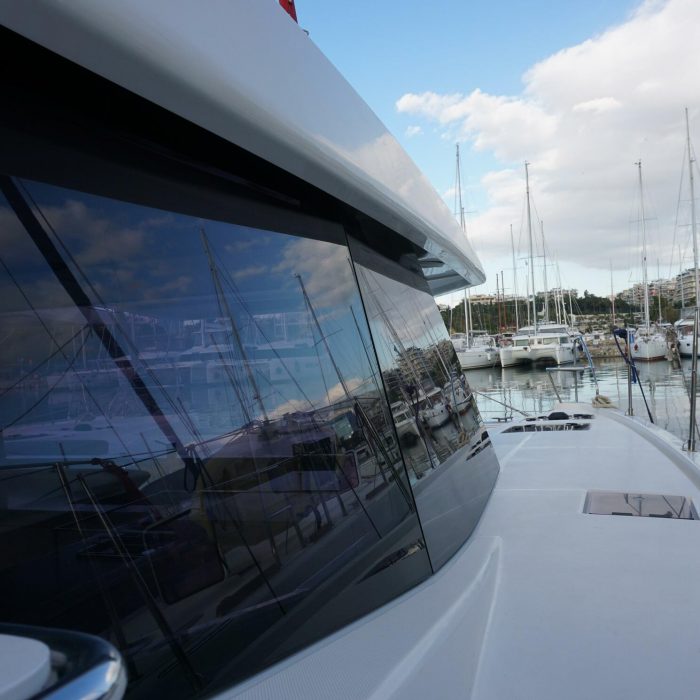
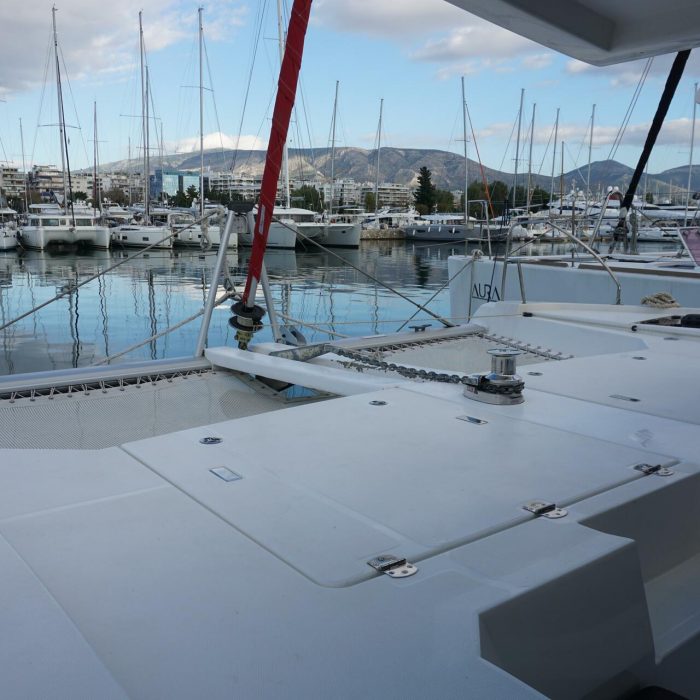
Charters leave from Tourlos Marina, the New Port a couple of kilometres north of Mykonos town, or from the Port of Mykonos, the Old Port. One practical change catches people out: the old-town port no longer allows anchoring, so yachts now berth at the marina roughly 3 km north, and that marina is not well protected from the wind. On a strong-meltemi day the exposed berth is one more reason to check conditions before you commit to a boat and a route.
Before you book: the limits nobody prints
These are the honest limits. They are not disclaimers; they are the things that decide whether a Mykonos charter goes well.
Strong meltemi ruins a sailing week. On force-8 days a multi-day sailing passage north is a bad idea. Take a motor yacht or the sheltered south coast, and expect the Port Authority to hold departures on the worst days, around 3 to 4 lost days across May to September.
Bareboat without the right papers is a hard stop. No valid EU or ICC licence, no VHF where required, or no nautical CV, and the base refuses the handover or forces a paid skipper. An engine over 30 hp needs a recognised licence.
The "from" price is not the total. Fuel, port fees, the deposit, APA, the 3% card surcharge and any skipper fee sit on top. Searadar shows them before you pay and charges no client commission, but a headline rate with none of this attached is hiding the real cost.
Delos will not bend to your schedule. It is closed Mondays, closes at 8pm, allows no overnight, and is reachable only by boat. Plan the visit around those limits or miss it.
The Old Port no longer takes anchors. Boats berth at the marina about 3 km north, which is exposed to the wind. Factor it into windy-week plans.
Peak boats sell out early. By March over half of peak-season boats are booked. Book in November or December, motor yachts even earlier.
Searadar's Mykonos charters run Saturday to Saturday. These are weekly boats, not day cruises; roughly 99% of yachts are chartered on a weekly Saturday-to-Saturday slot, so a mid-week week-long start is rarely on offer.
FAQ
Do I get unused APA back at the end of the charter?
Yes. The APA is an estimate paid up front, not a fixed fee, so the crew keeps the accounts through the week and returns whatever they do not spend when you check out. Because it is an estimate, the euro figure for your boat is confirmed before you pay rather than settled at the dock.
How do I know the boat and the listing are real?
Charter scams tend to follow the same script: a price that looks too low for the boat, stock or stolen photos, a request for a small bank-transfer deposit to "hold the date", and a seller who will only take cash or a wire and will not show you the specific boat on video or in person. Reverse-image the listing photos to see whether they were lifted from another site, and ask to see the exact boat, not a stock shot of the class. Booking through Searadar means you are dealing with a company that has brokered charters since 2017 and carries a verified Trustpilot score you can check yourself, rather than an unknown owner behind a listing that looked too cheap.
Do you offer Mykonos day cruises to Delos, or only weekly charters?
Searadar brokers weekly charters in Mykonos, Saturday to Saturday, not standalone day cruises. The cruise to Delos and Rhenia is the signature day within that week, not a separate day-trip product. To sail to Delos you book a weekly sailing yacht or catamaran, and the crew runs the Delos and Rhenia day as part of the itinerary.
About this page
Written for Searadar, a yacht charter broker (UAB SEARADAR, company code 305242131). Searadar has connected clients with charter companies since 2017, works with partner operators including Kiriacoulis, a major Greek charter company, alongside Dream Yacht Charter, Sunsail, UTH Sailing and Angelina Yacht Charter, and reports more than 500 clients assisted and a return-client rate above 70% (company figures). Its independently verified rating is Trustpilot 4.2 out of 5 from 1,054 reviews (as of 27 August 2026).
For a wider Mediterranean fleet and bareboat weeks without the meltemi, see yacht charter in Spain.