Renting a sailboat in Paros, Greece is an excellent way to explore the island's beautiful coastline and crystal-clear waters. There are several rental companies in Paros that offer a variety of sailboats to choose from, including different sizes and budgets. Whether you're an experienced sailor or a beginner, renting a sailboat can provide an unforgettable experience in one of Greece's most stunning islands.
Search
Booking dates
Filters
Prices Range
Cabins range
WC range
Length
Berths
Year
Security deposit
Boat offers
Service
Mainsail

Personal Assistant
Tired of searching yourself?
Our managers are always on call to help
Yacht Charter Paros
Rent a yacht in Paros and enjoy the adventure. Available 32 yachts. 32 yachts are available on your dates. If you are still undecided about a specific model and want to compare several boats, add the boats to the comparison list or contact our manager. Popular regions and cities: Mykonos, Santorini Choose among yacht types: Sailboat, Catamaran Cabins: 0-cabins, 3-cabins, 4-cabins, 5-cabins, 6-cabins Persons: 4-persons, 6-persons, 8-persons
Show more
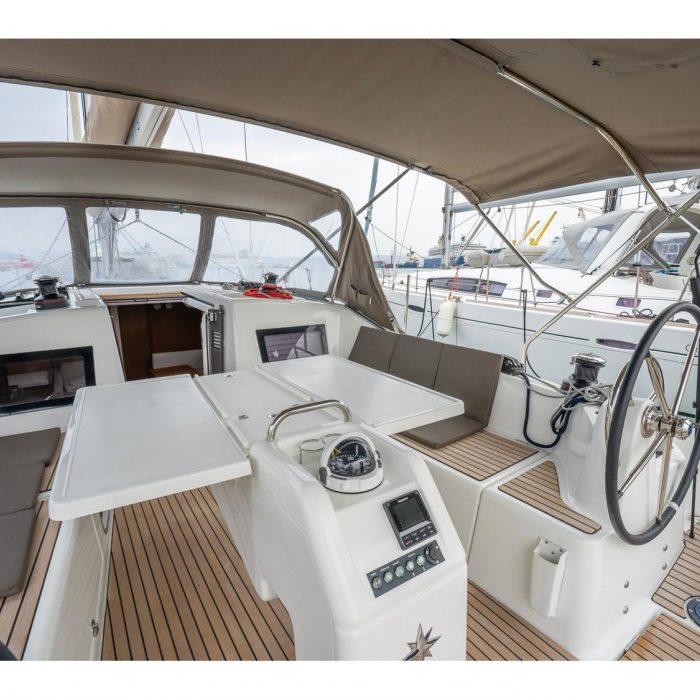
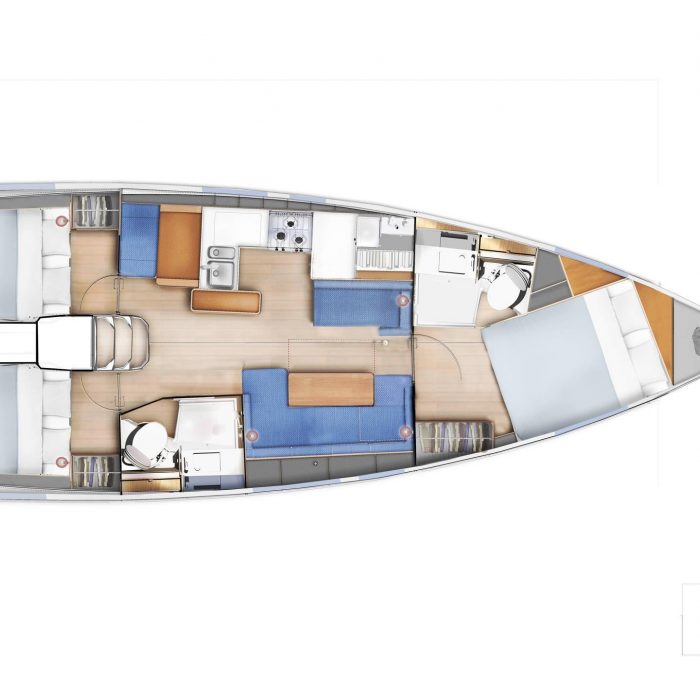
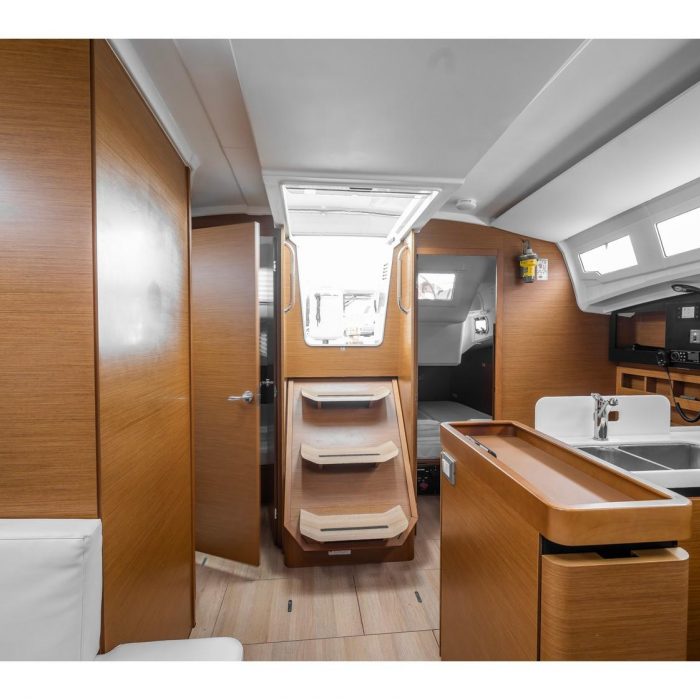
Kallisto | Sun Odyssey 410
Athenian Yachts

Greece, Cyclades, Paros, Piso Livadi Port
Year: 2019
Length: 41 Ft
Cabins: 3
Guests: 8
2050 €
2050 €
- 50% 1,025€
+ mandatory costs - 860 €
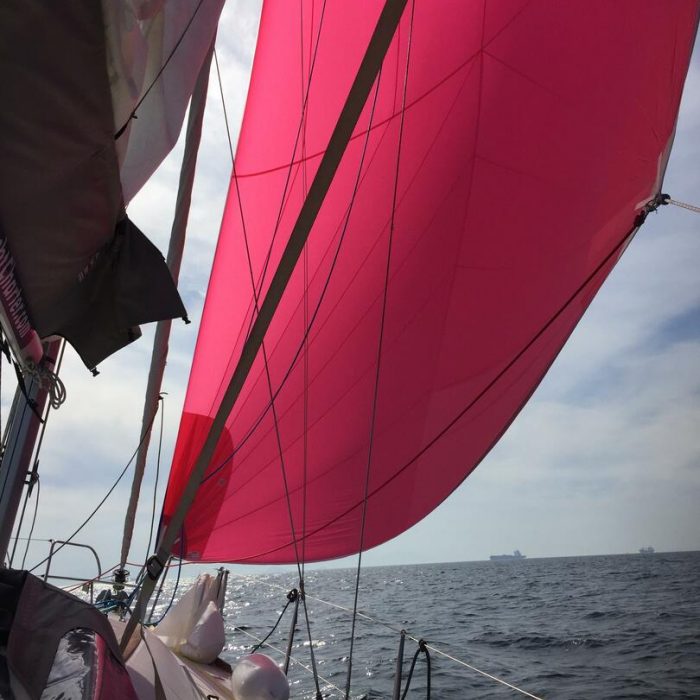
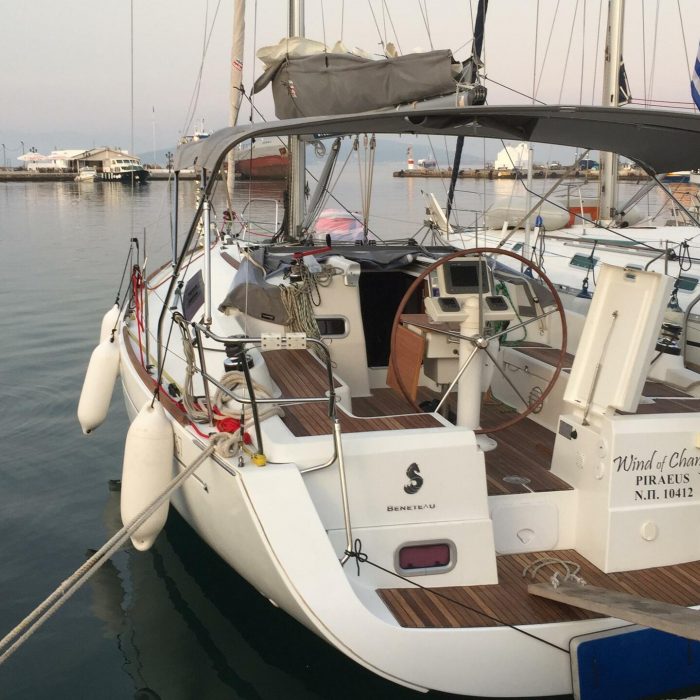
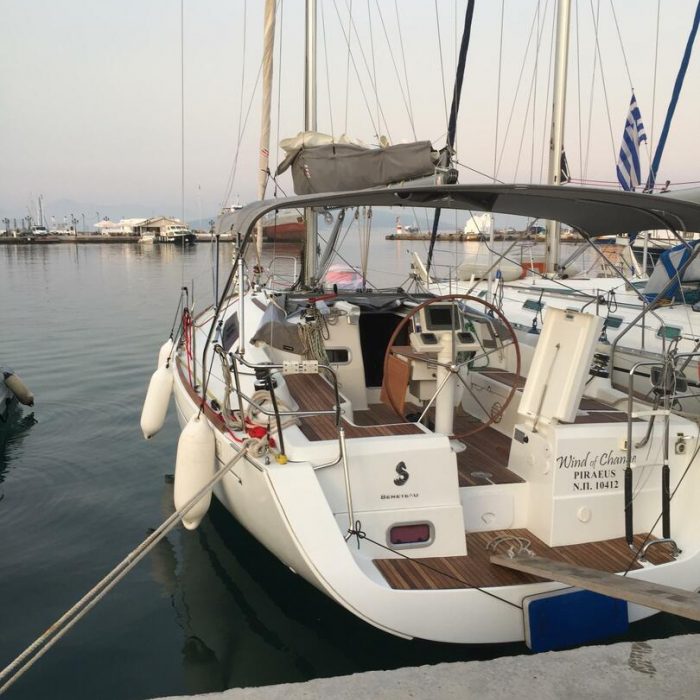
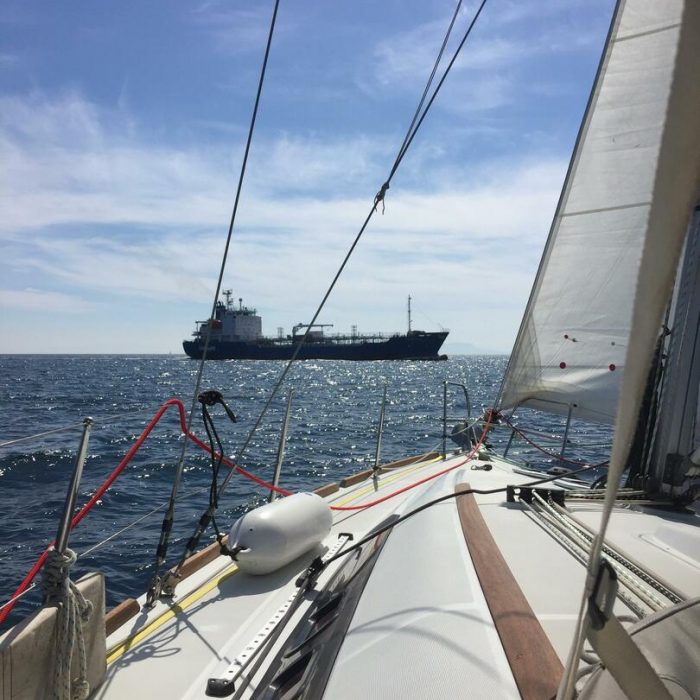
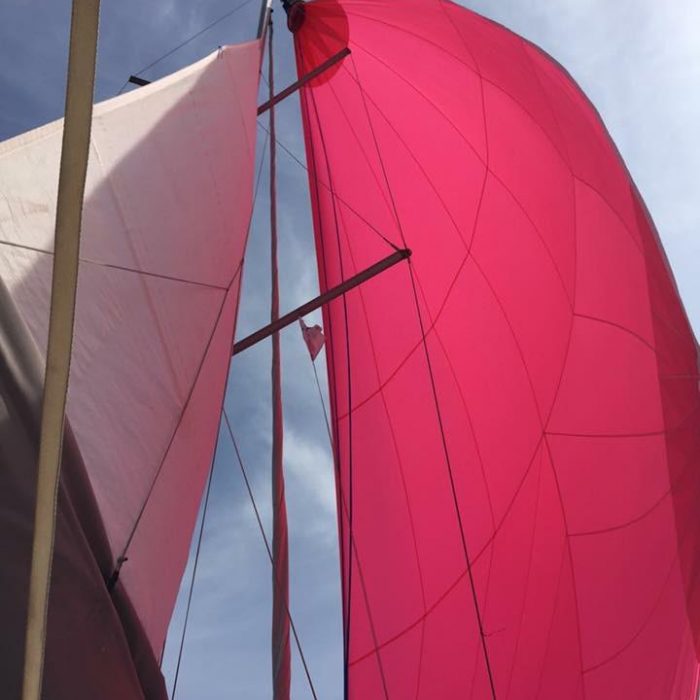
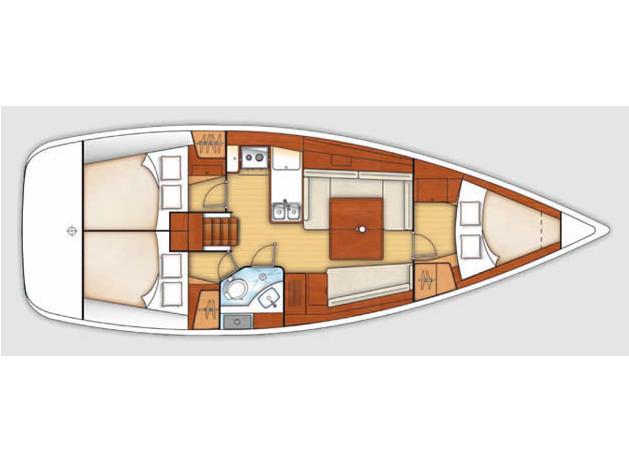
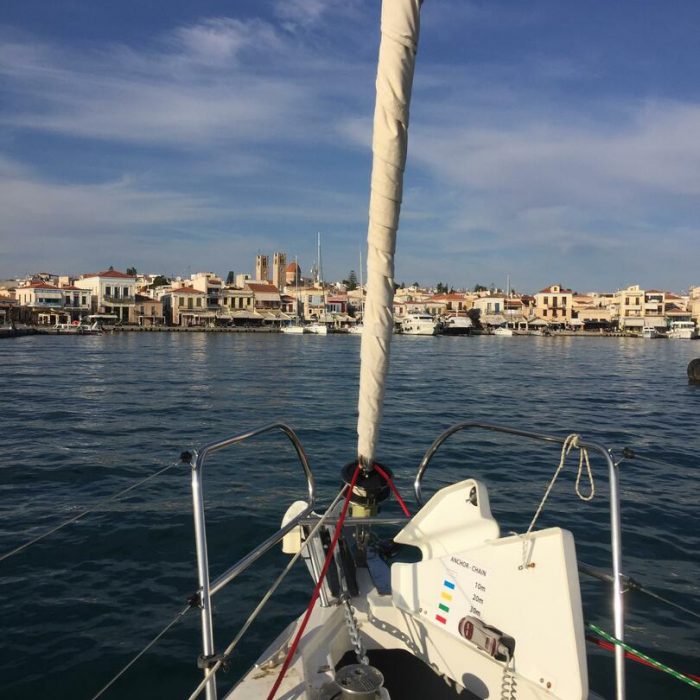
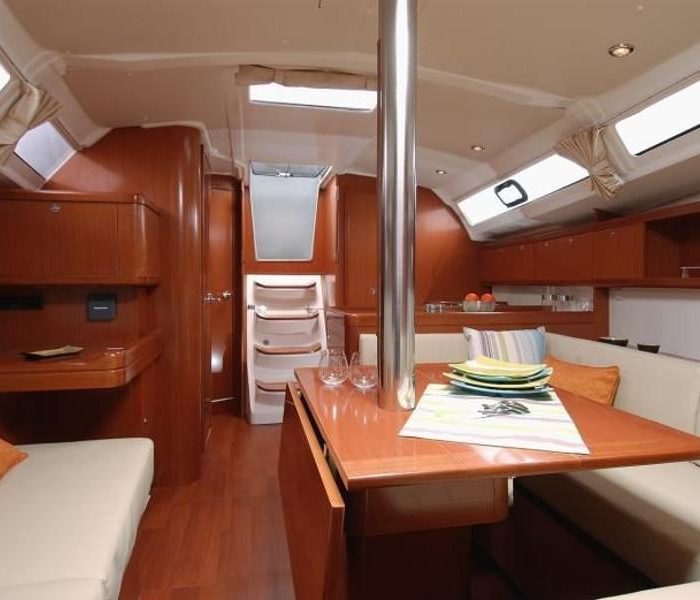
WIND OF CHANGE | Oceanis 37
Vernicos Yachts
Greece, Cyclades, Paros, Paros port
Year: 2010
Length: 38 Ft
Cabins: 3
Guests: 8
1300 €
1300 €
- 14% 1,112€
+ mandatory costs - 200 €
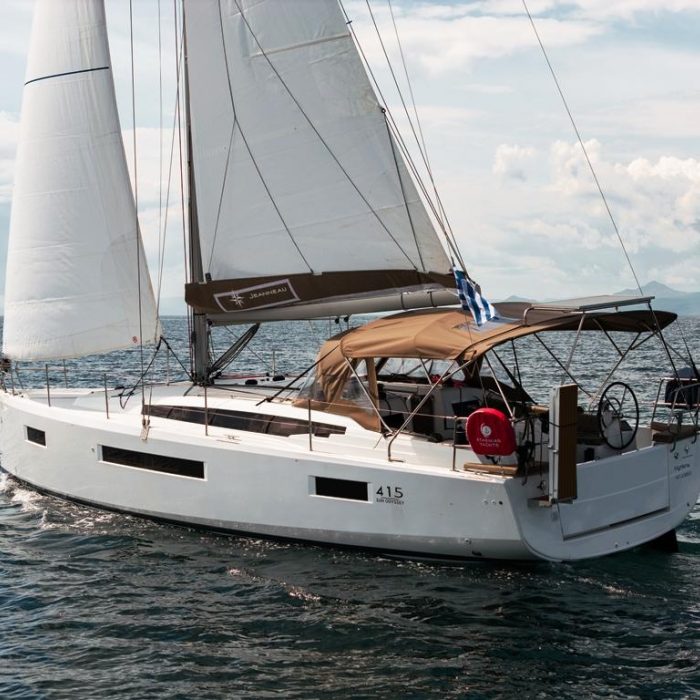
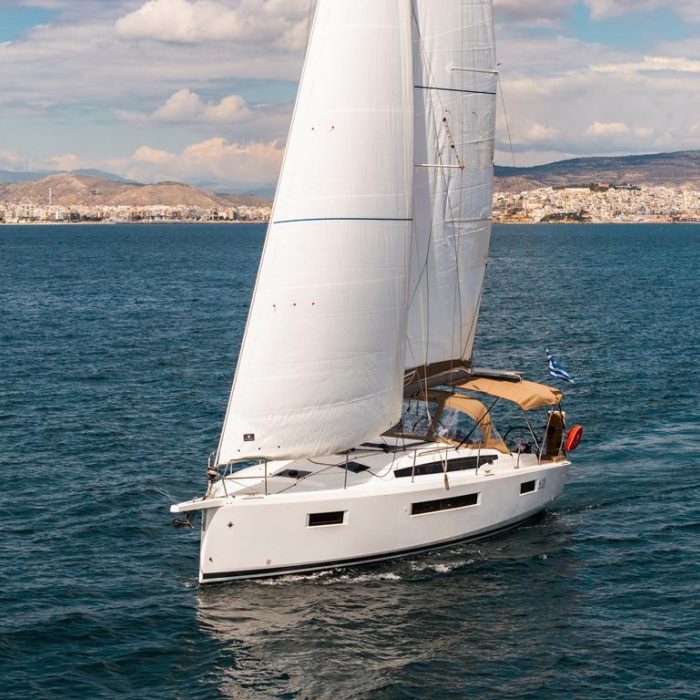
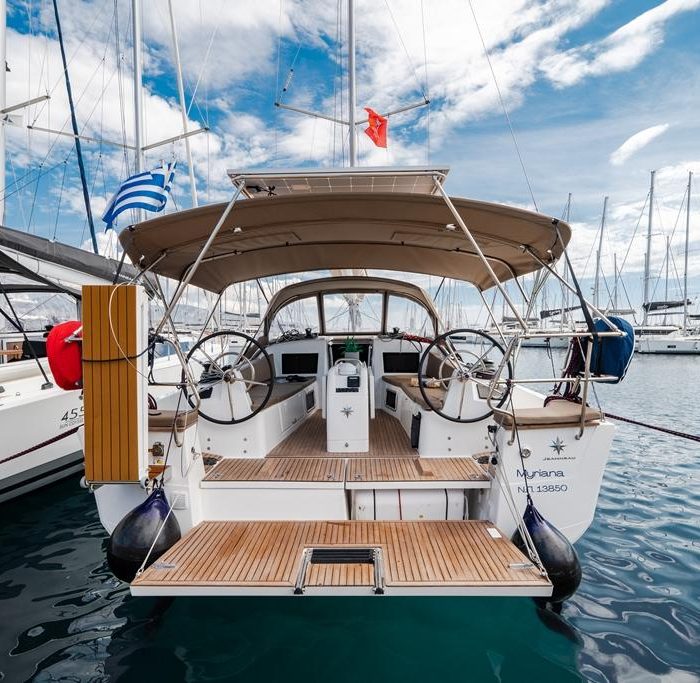
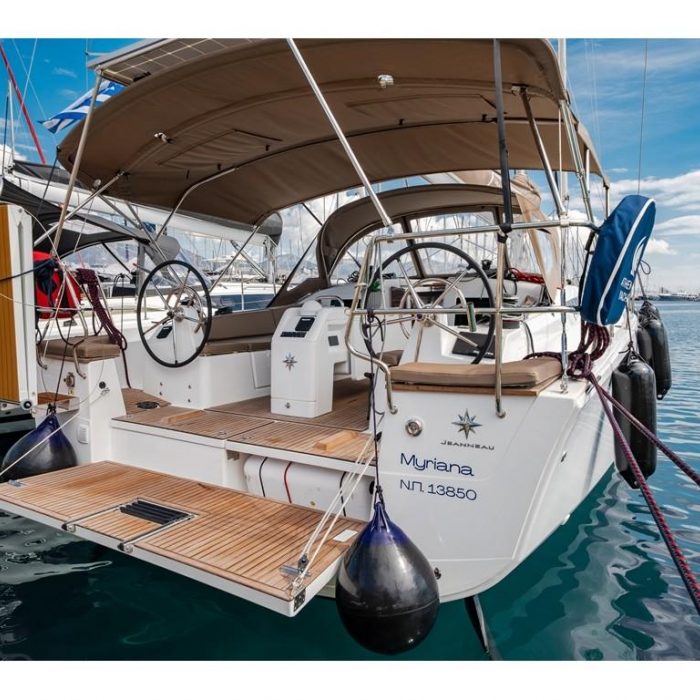
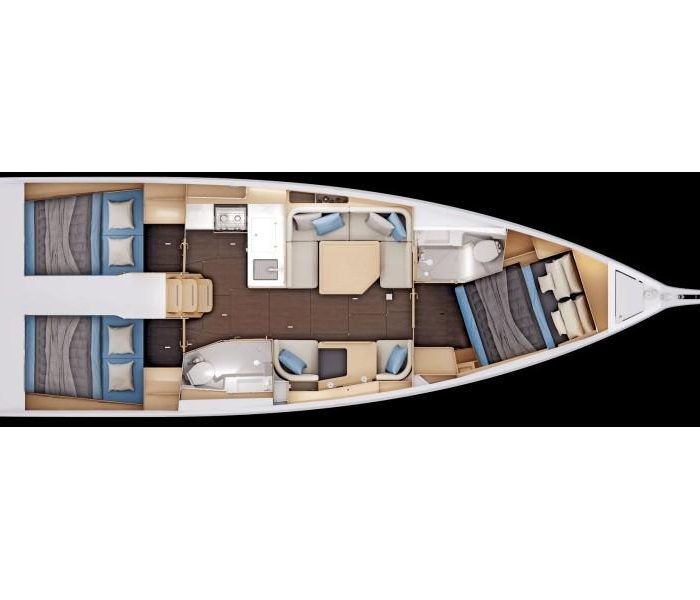
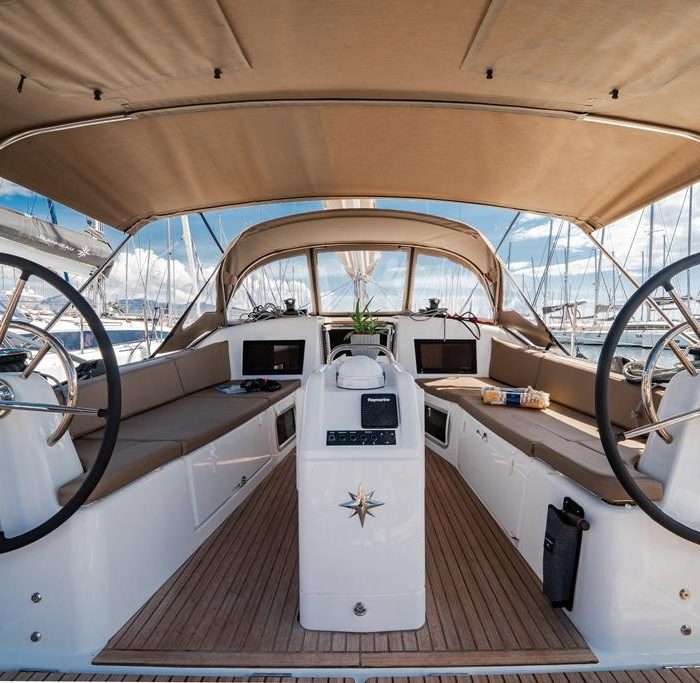
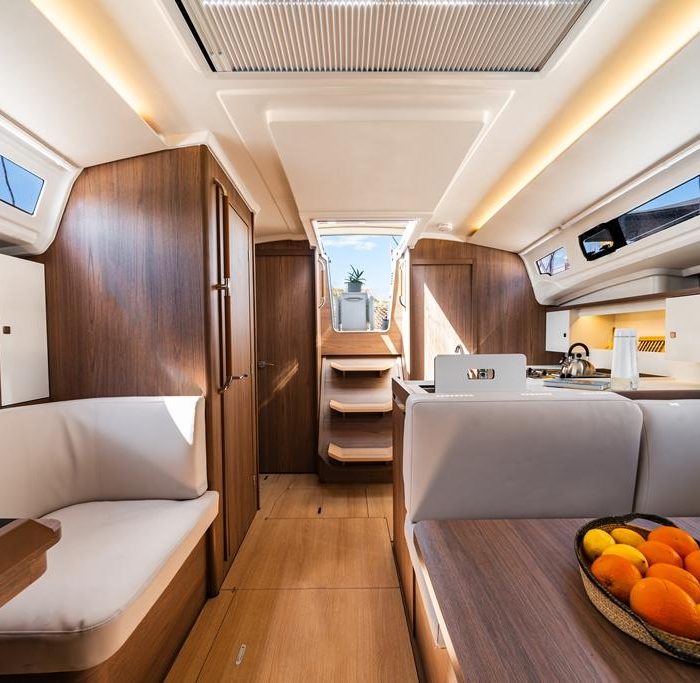
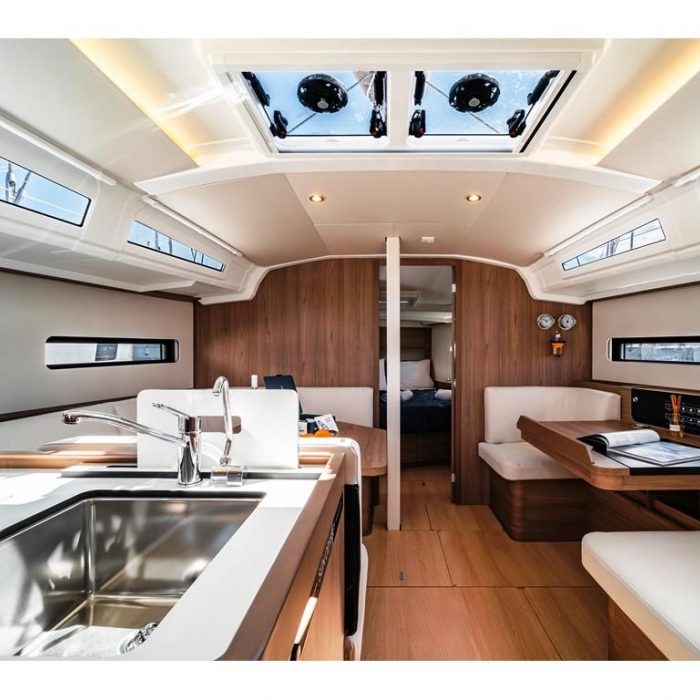
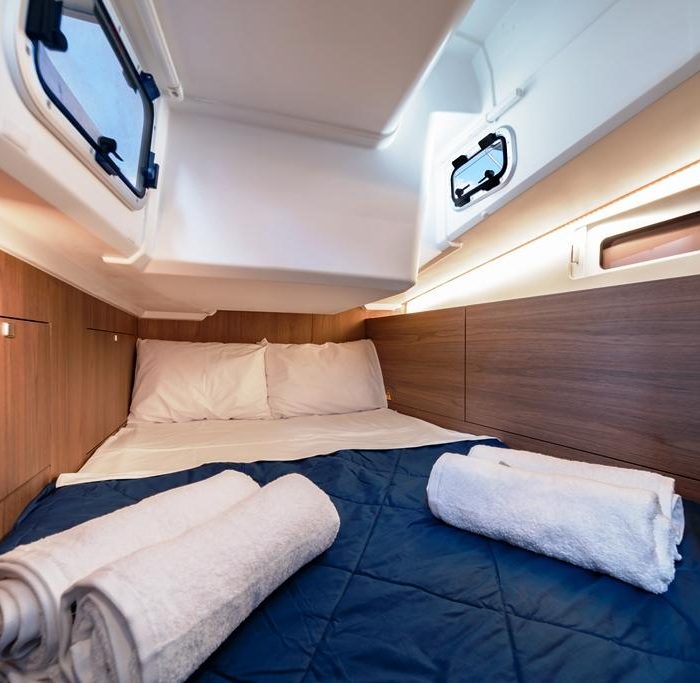
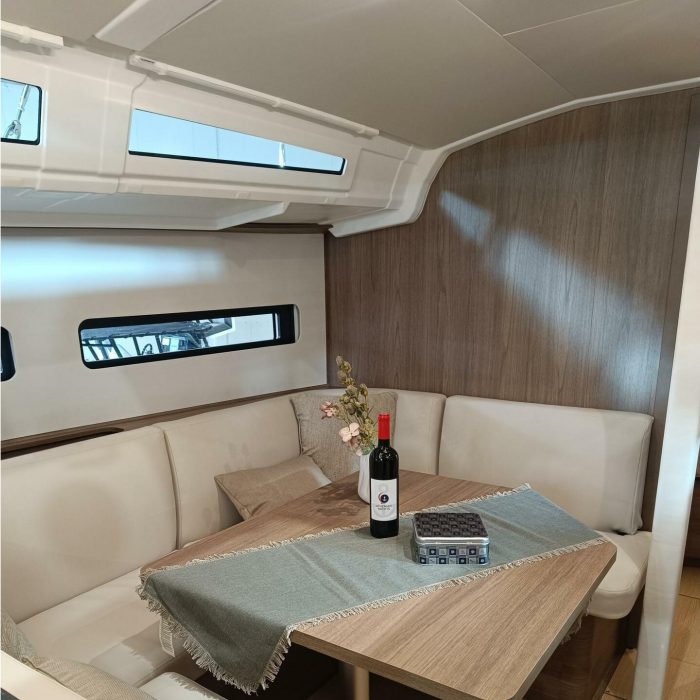
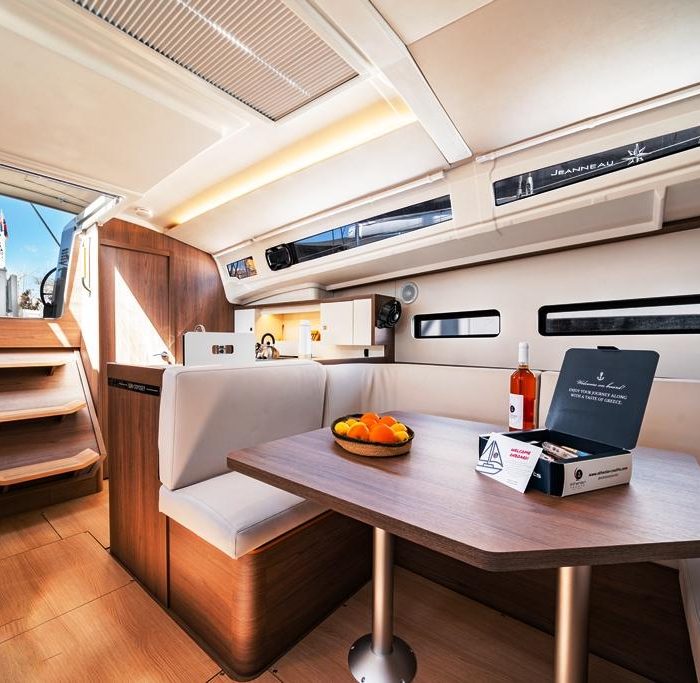
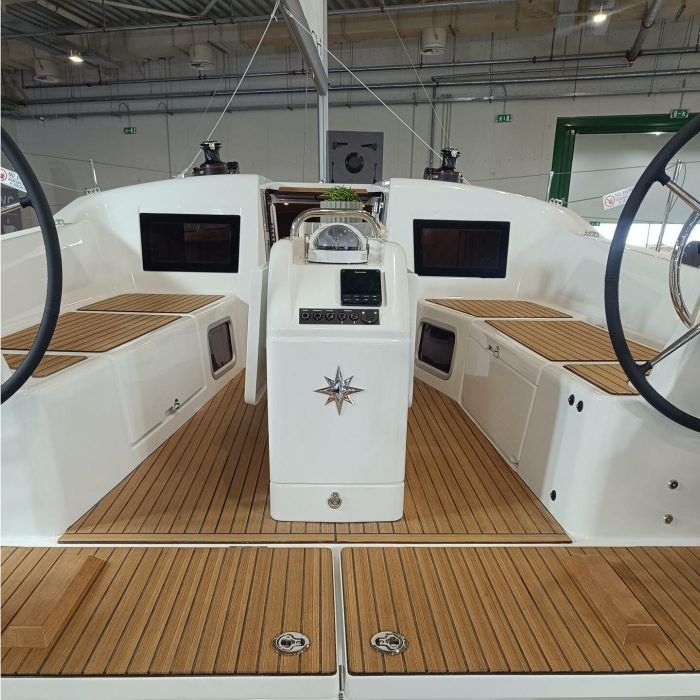
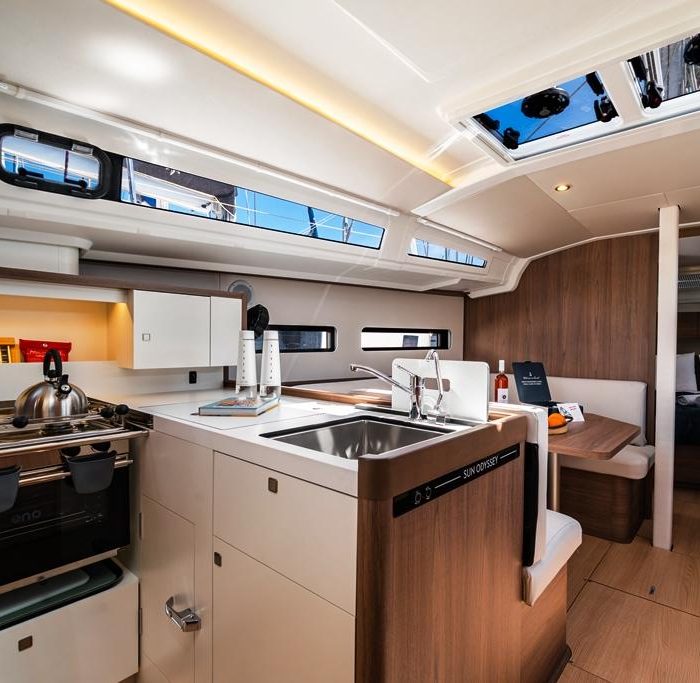
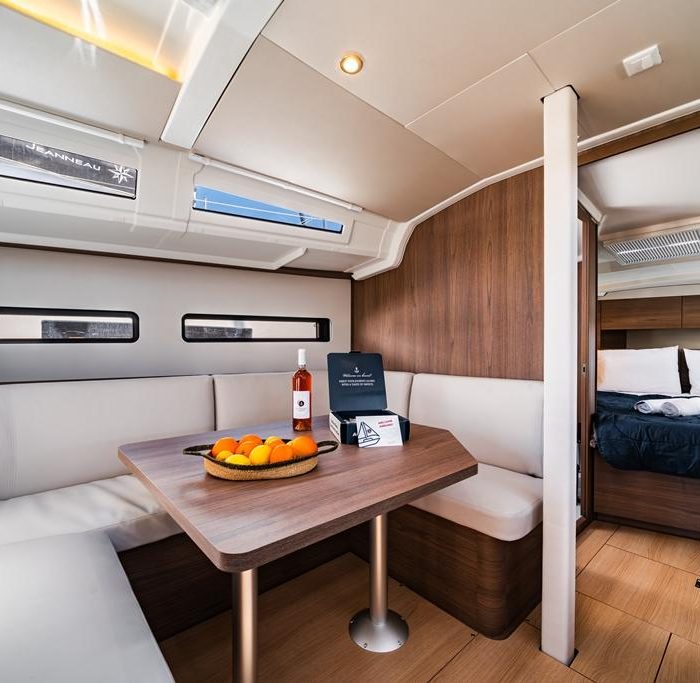
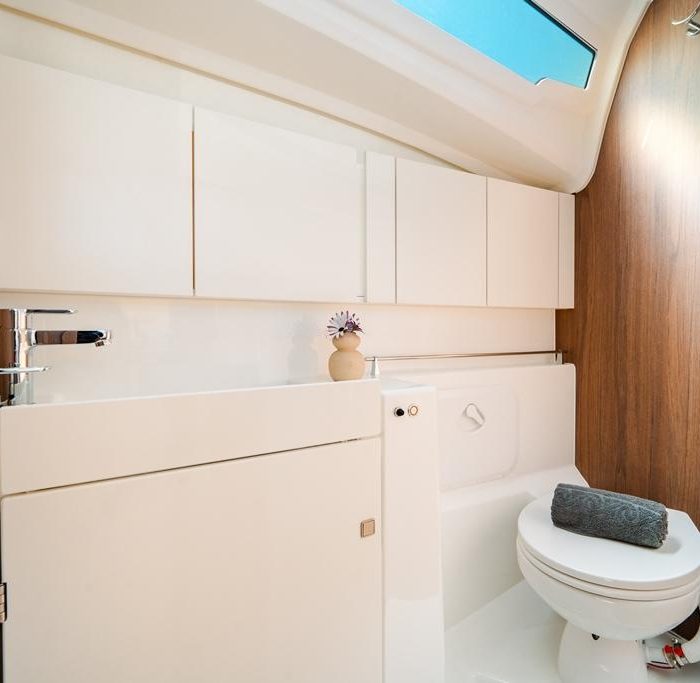
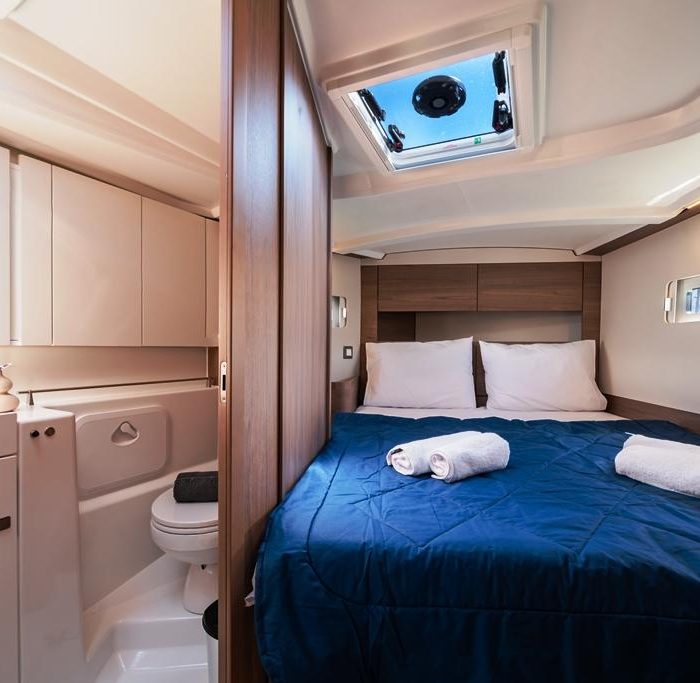
Myriana | Sun Odyssey 415
Athenian Yachts
Greece, Cyclades, Paros, Piso Livadi Port
Year: 2026
Length: 41 Ft
Cabins: 3
Guests: 8
2450 €
2450 €
- 50% 1,225€
+ mandatory costs - 860 €
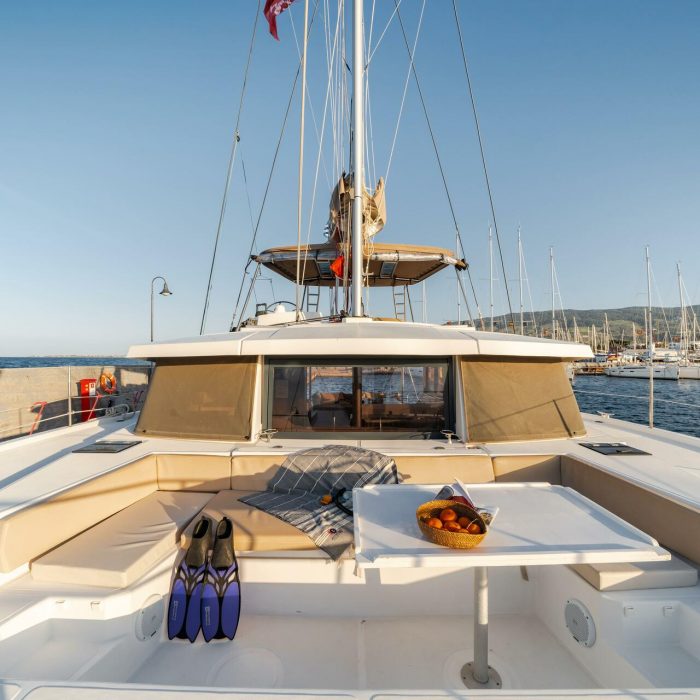
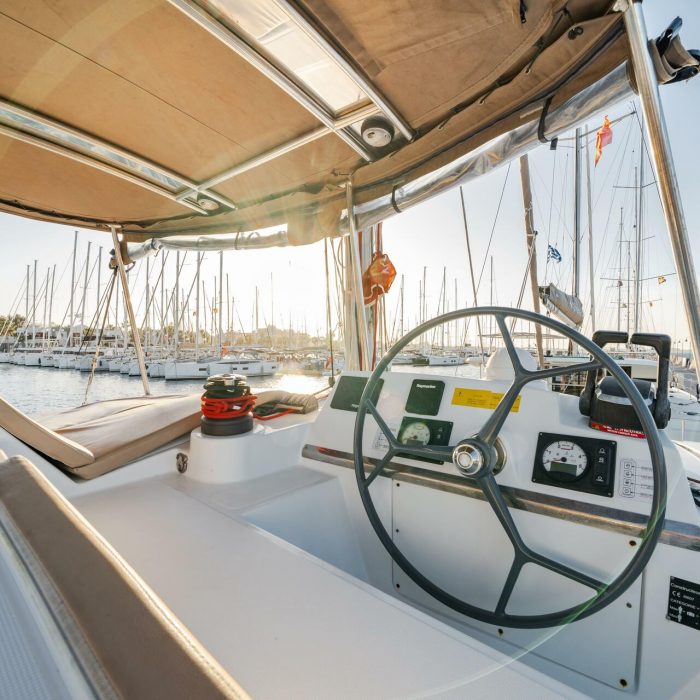
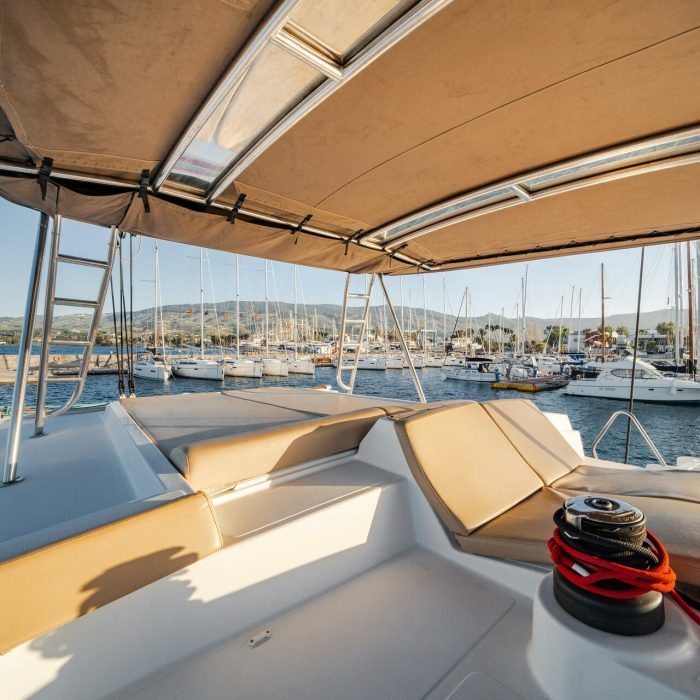
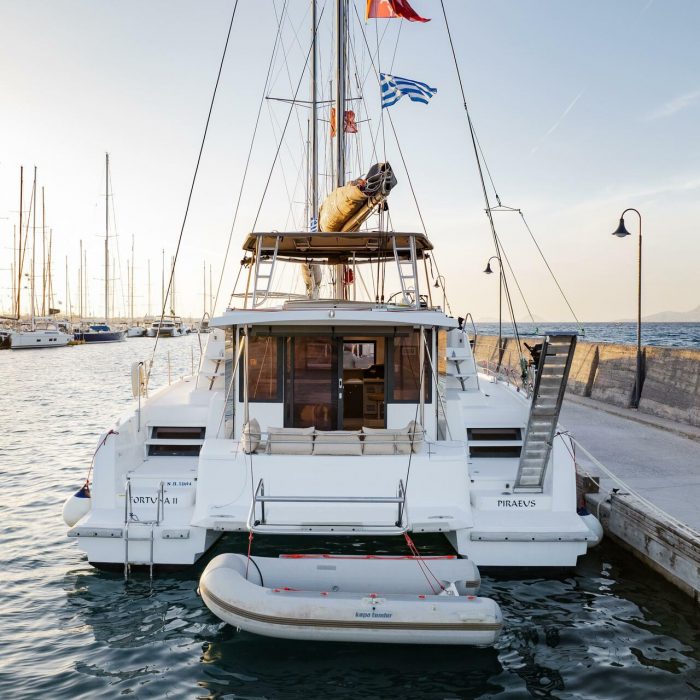
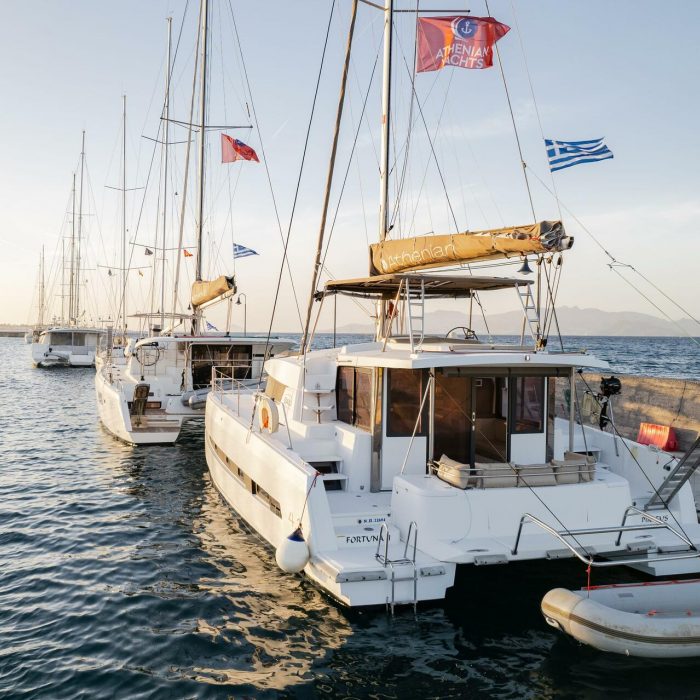
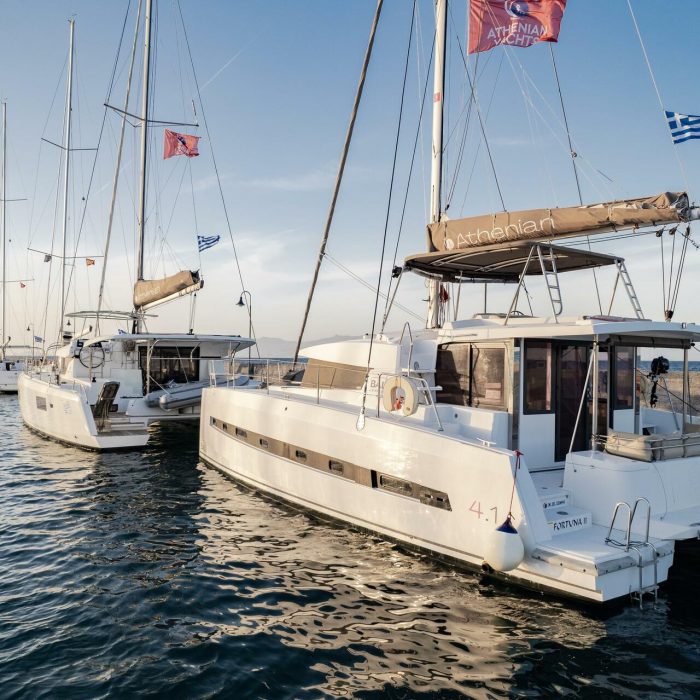
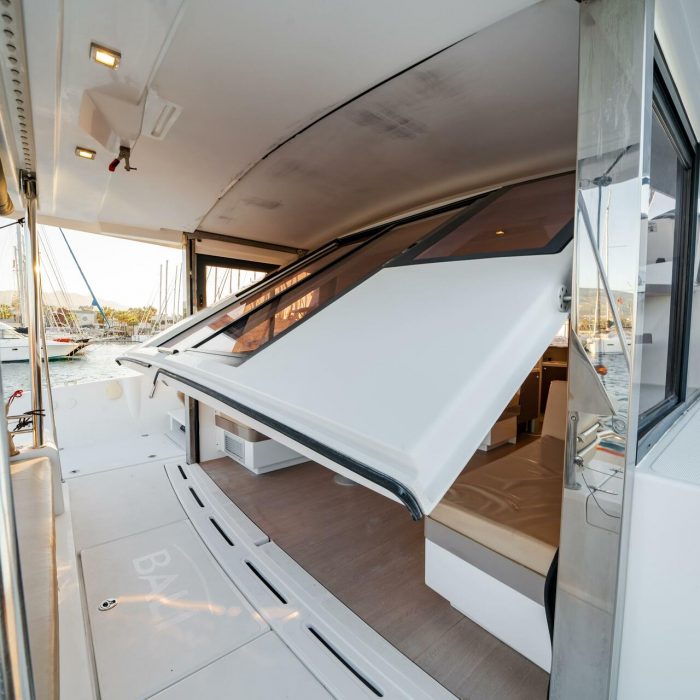
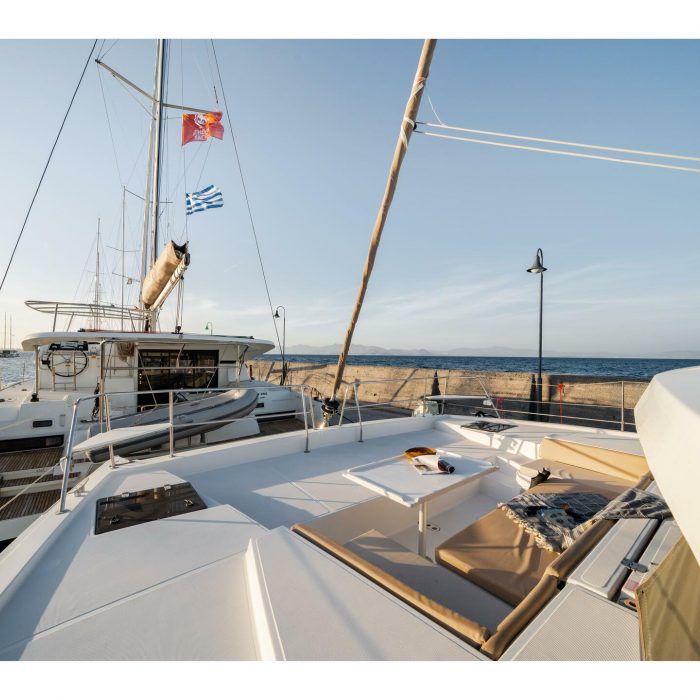
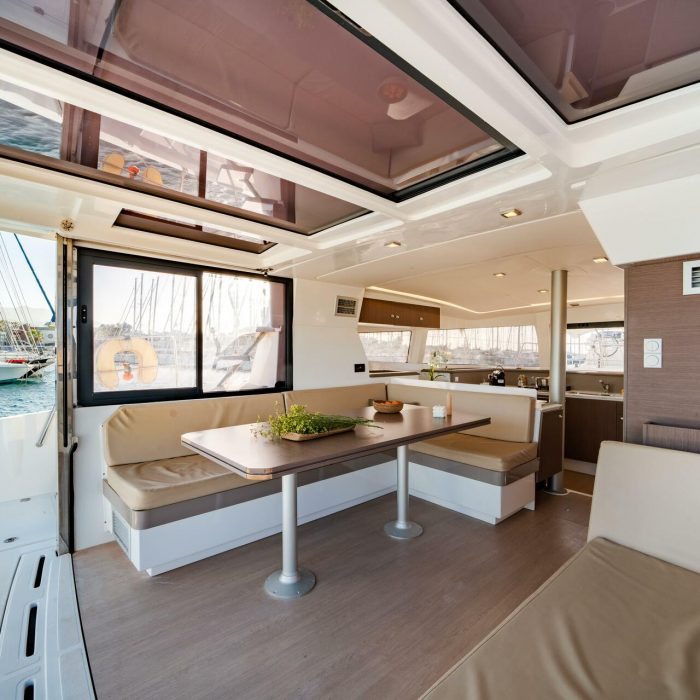
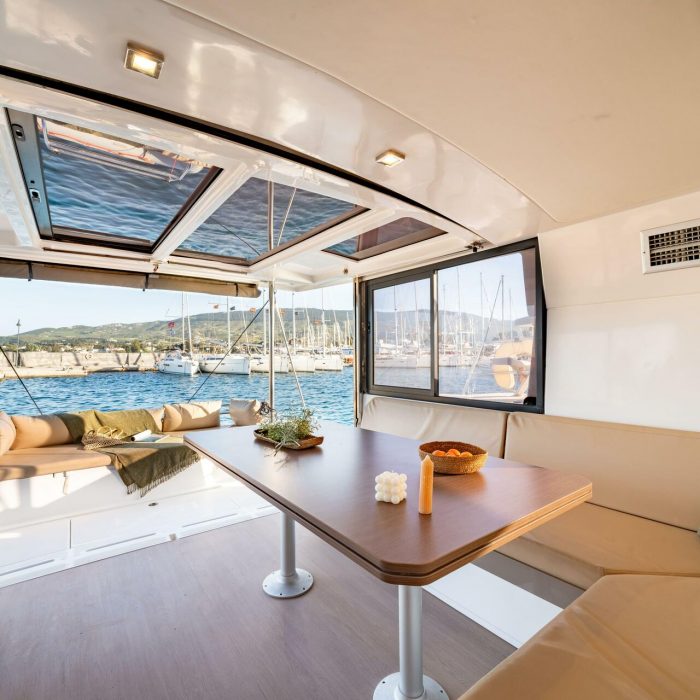
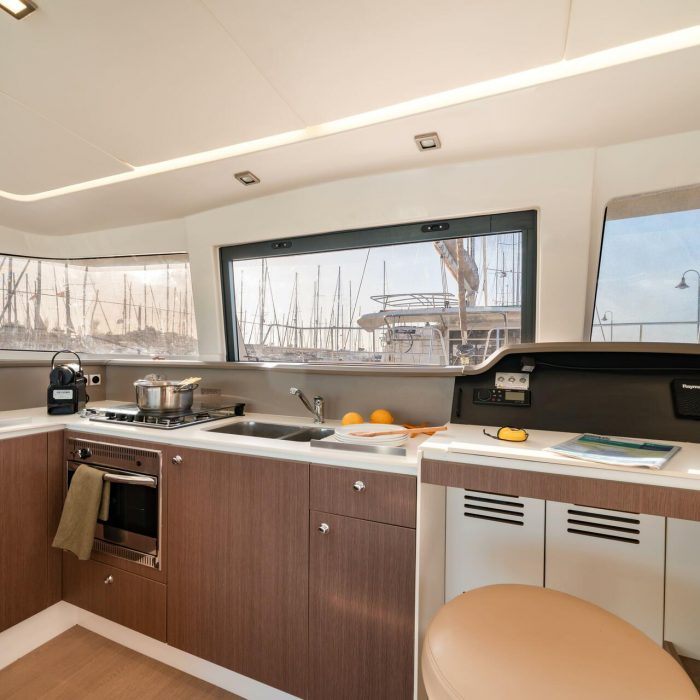
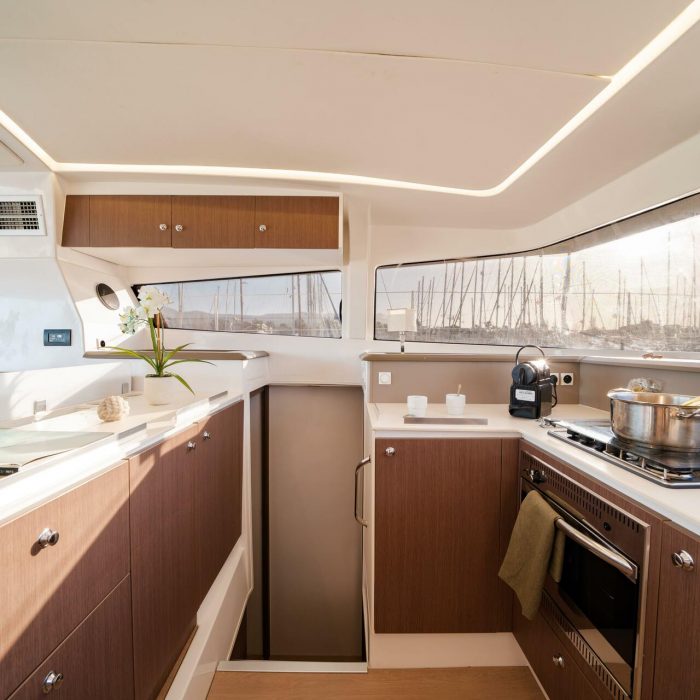
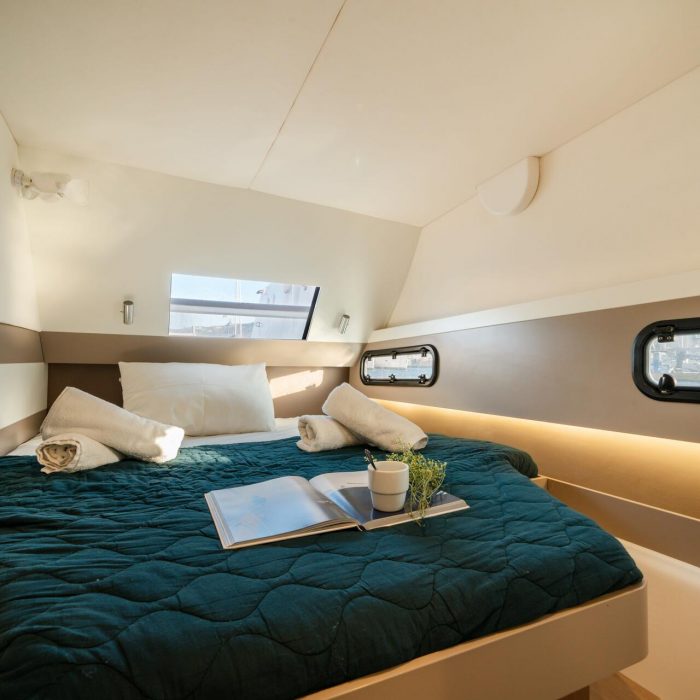
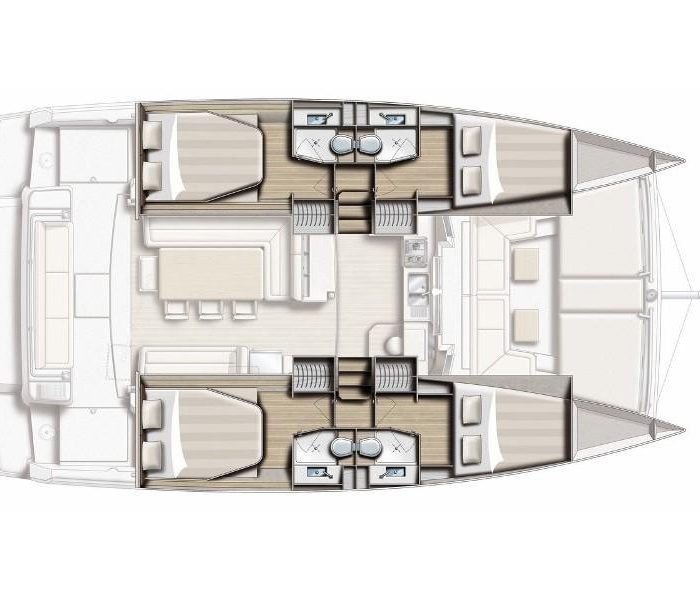
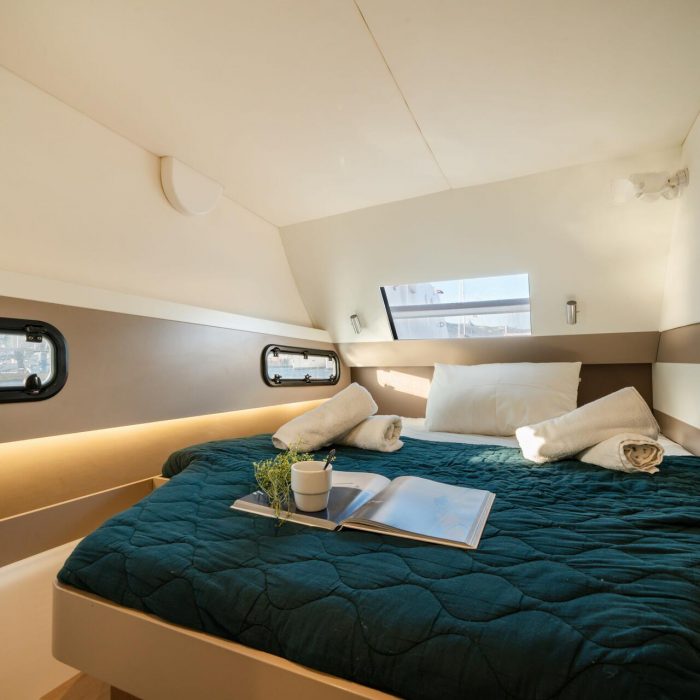
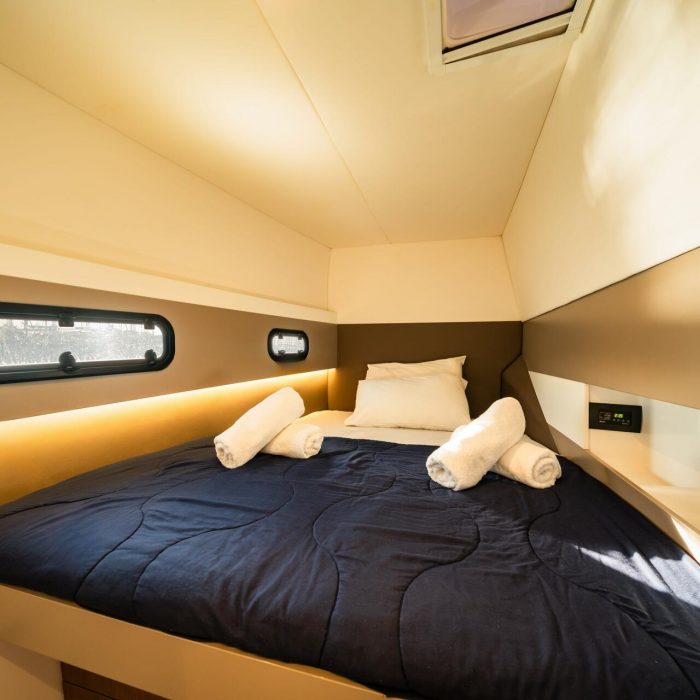
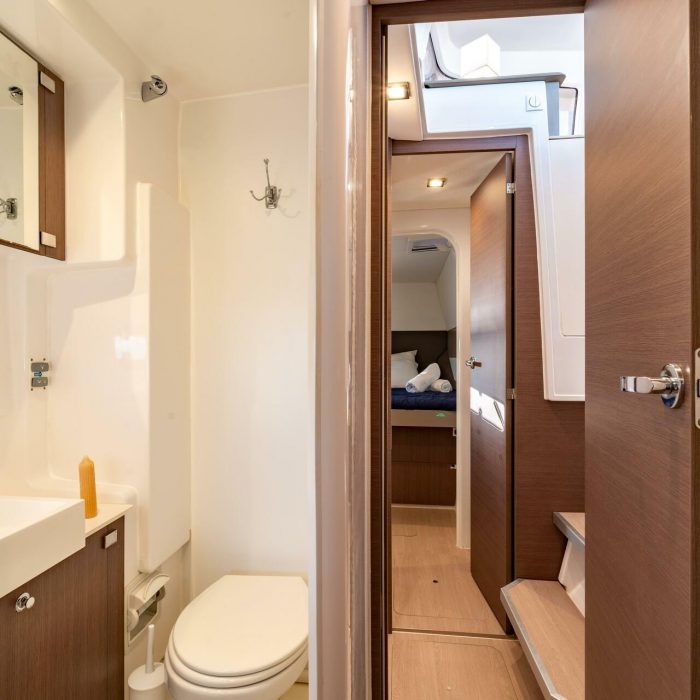
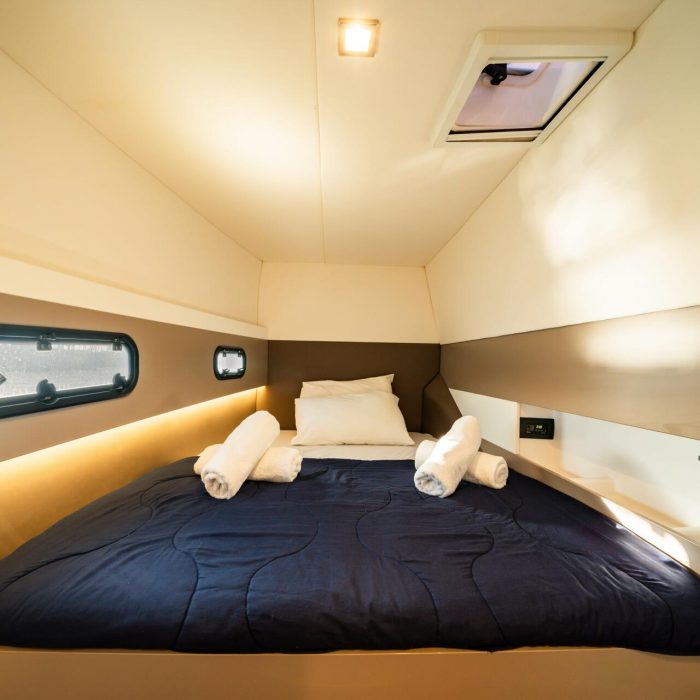
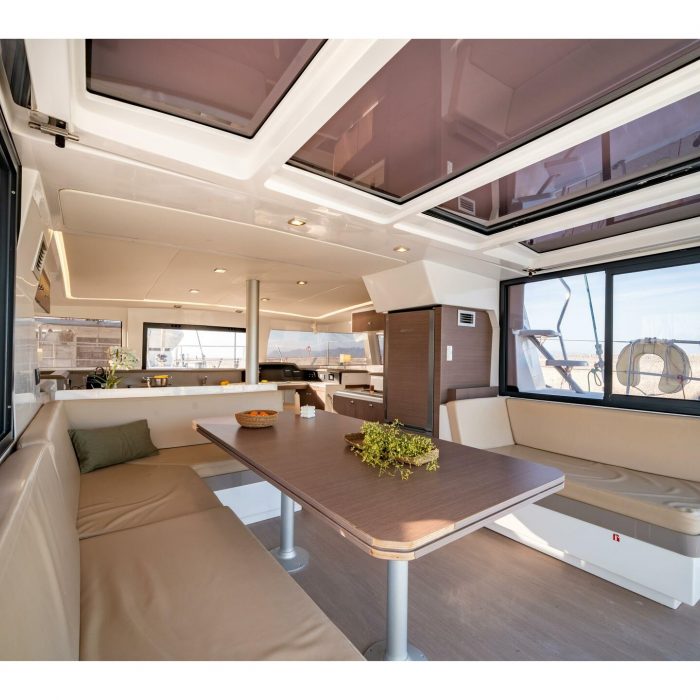
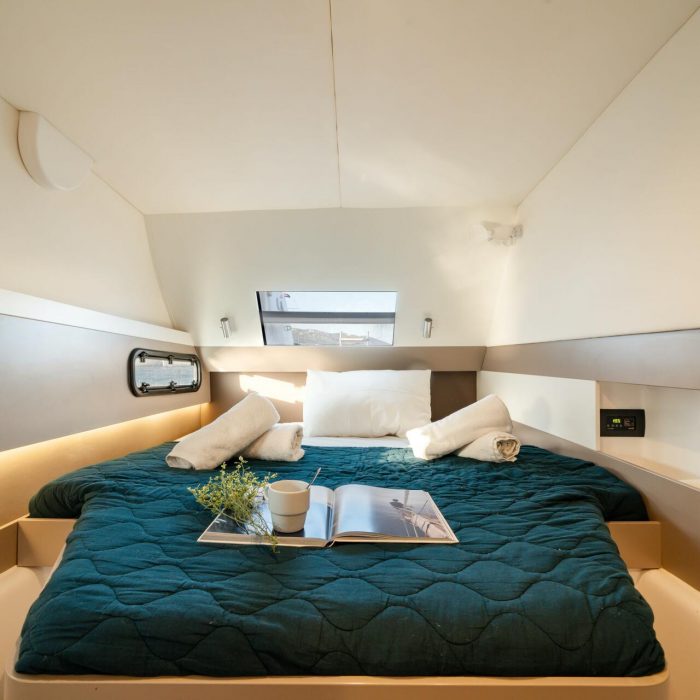
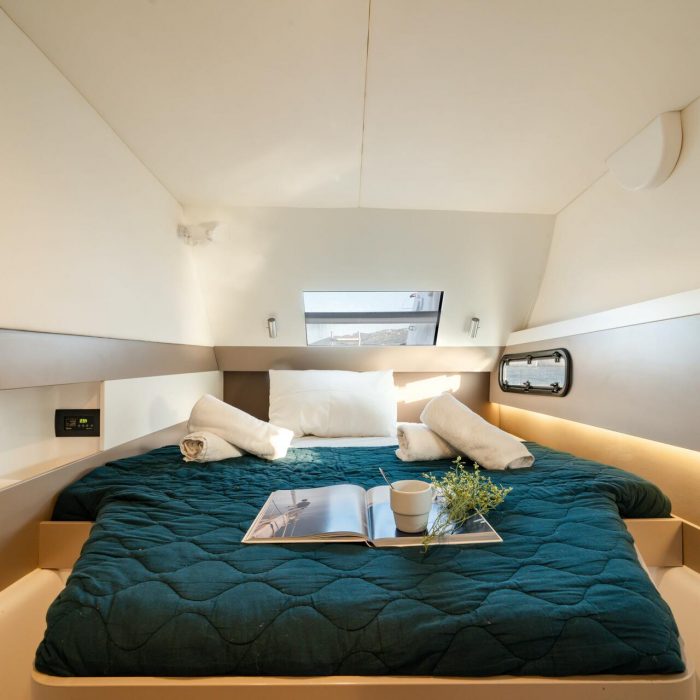
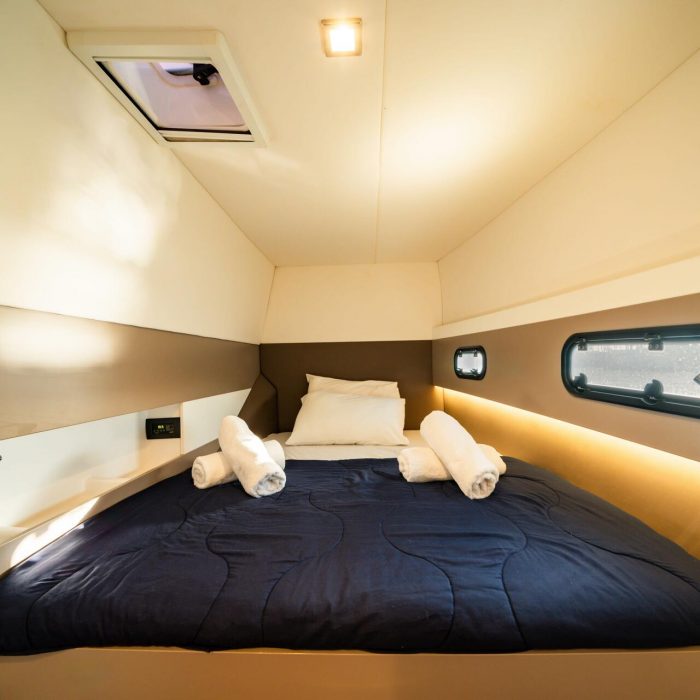
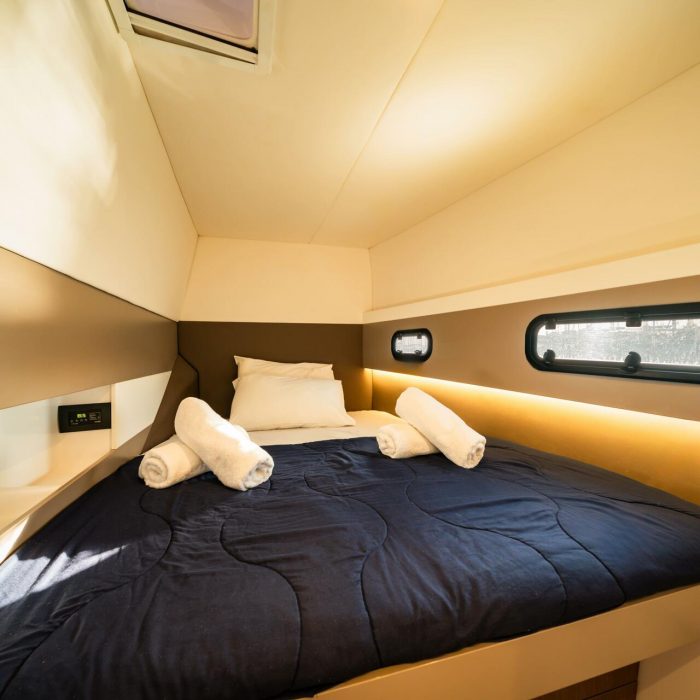
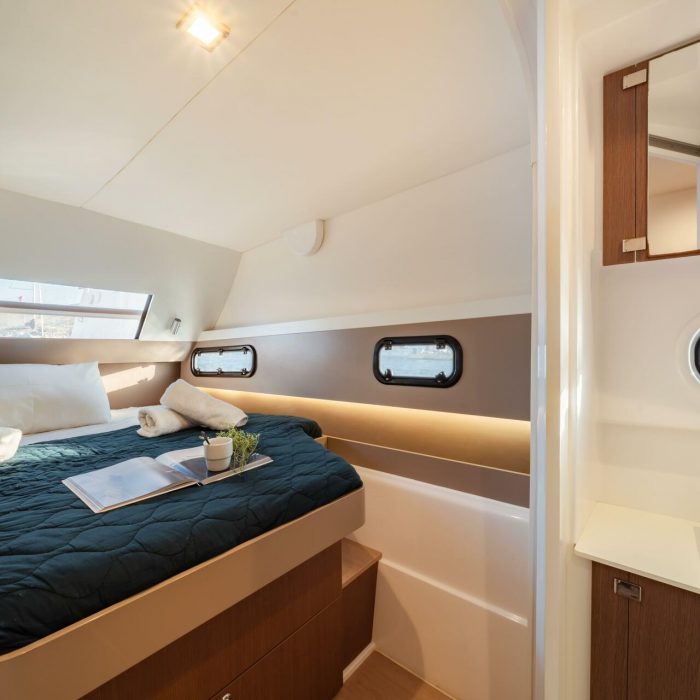
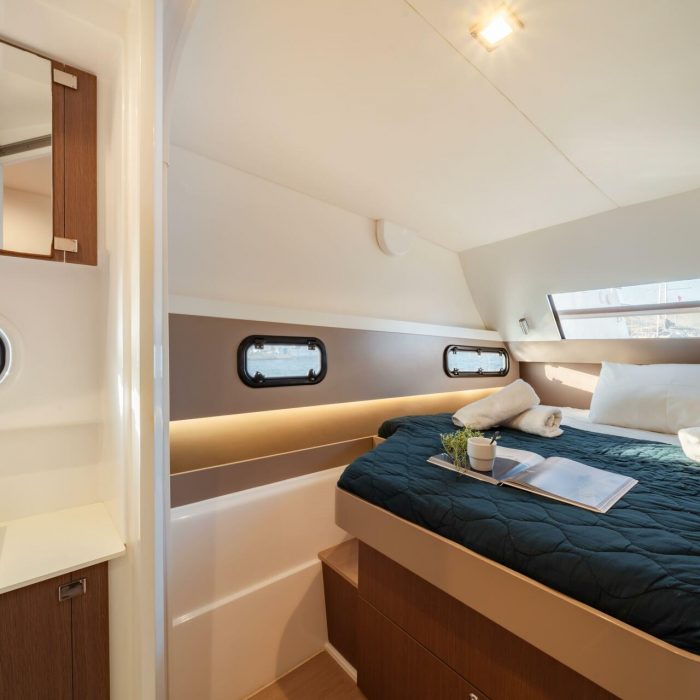
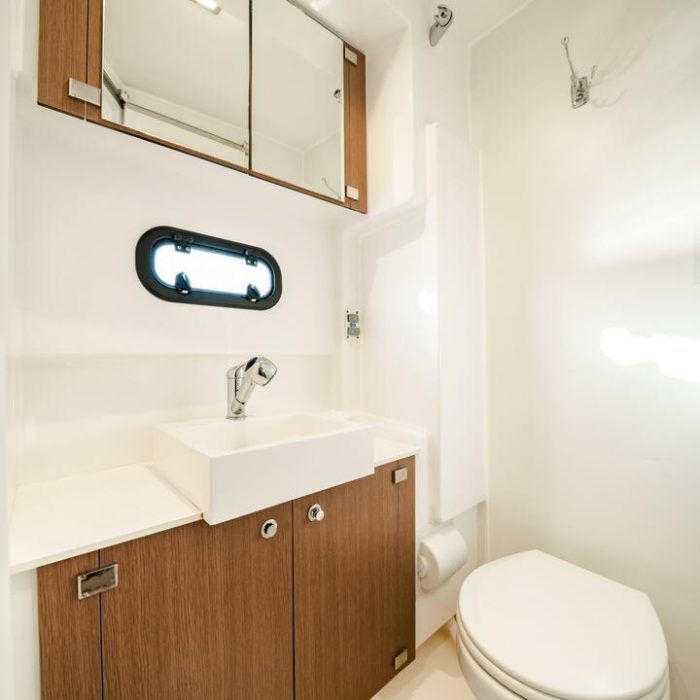
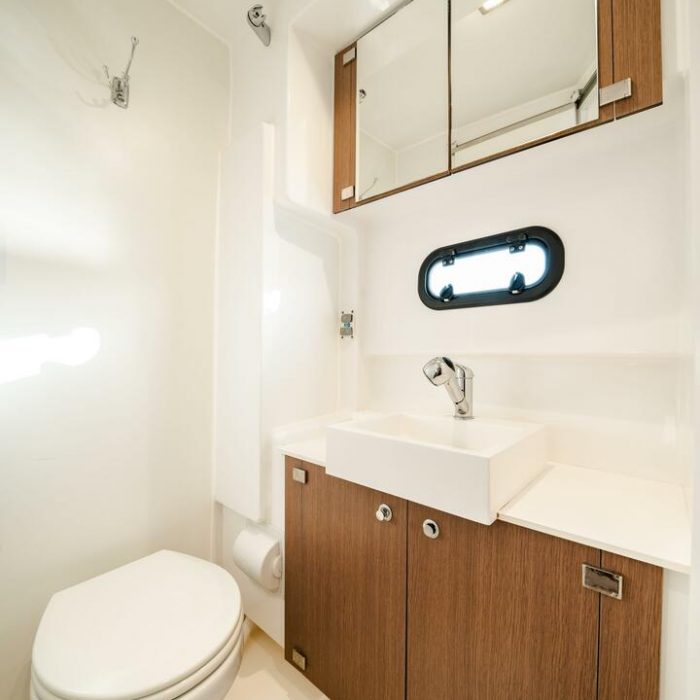
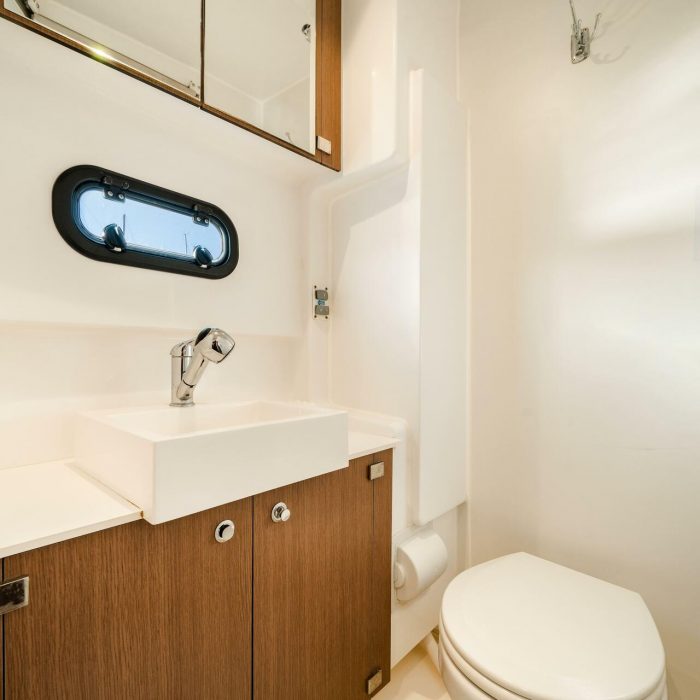
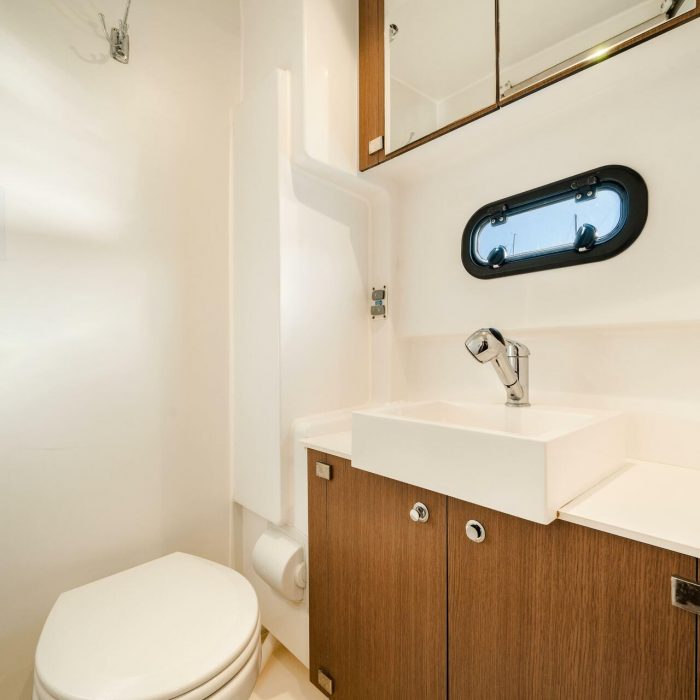
FORTUNA II | Bali 4.1
Athenian Yachts
Greece, Cyclades, Paros, Piso Livadi Port
Year: 2020
Length: 41 Ft
Cabins: 4
Guests: 10
3880 €
3880 €
- 50% 1,940€
+ mandatory costs - 1200 €
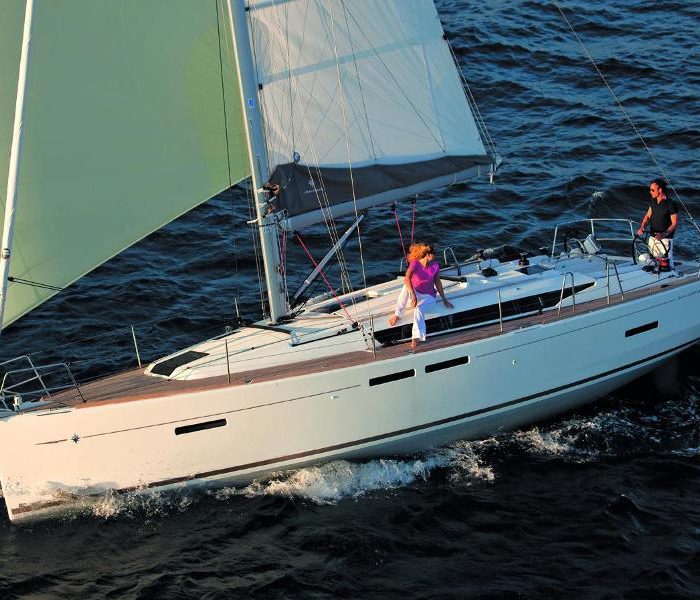
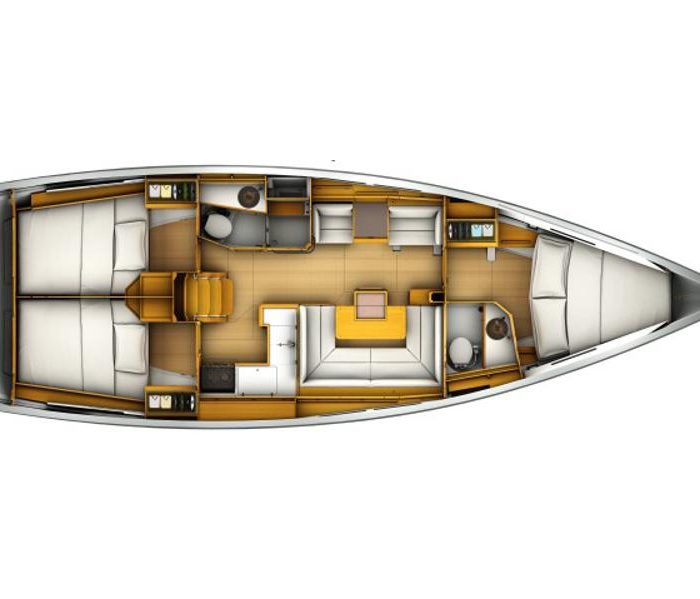
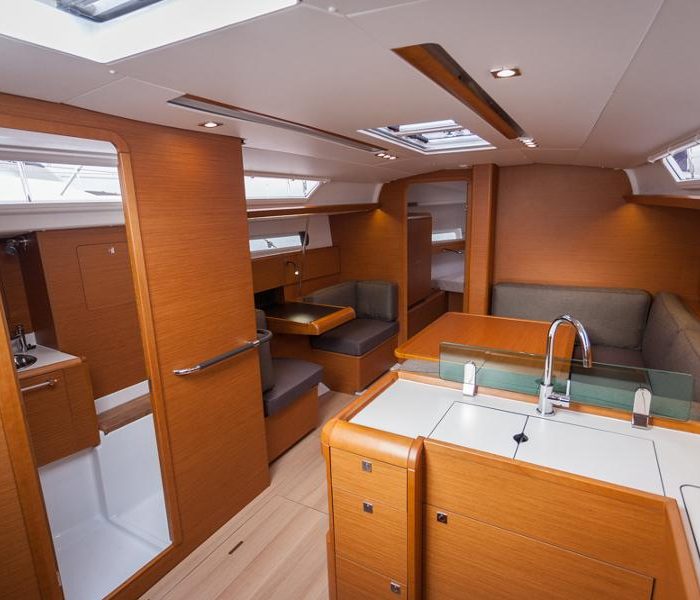
Blueberry | Sun Odyssey 419
JF Yachts P.C.
Greece, Cyclades, Paros, Paros port
Year: 2019
Length: 42 Ft
Cabins: 3
Guests: 8
2710 €
2710 €
- 24% 2,073€
+ mandatory costs - 260 €
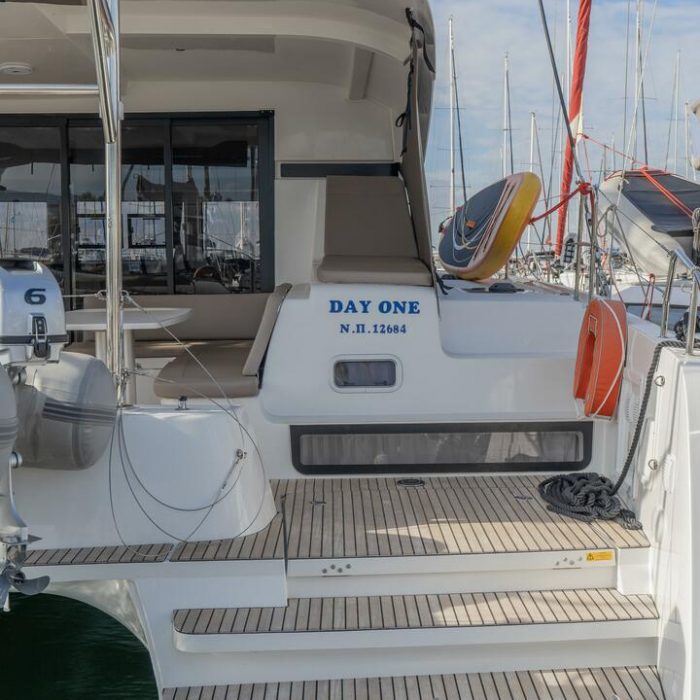
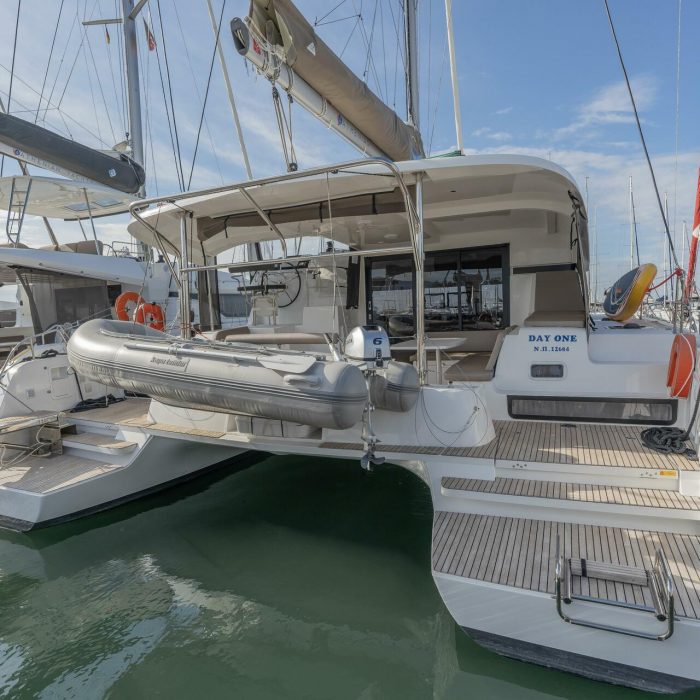
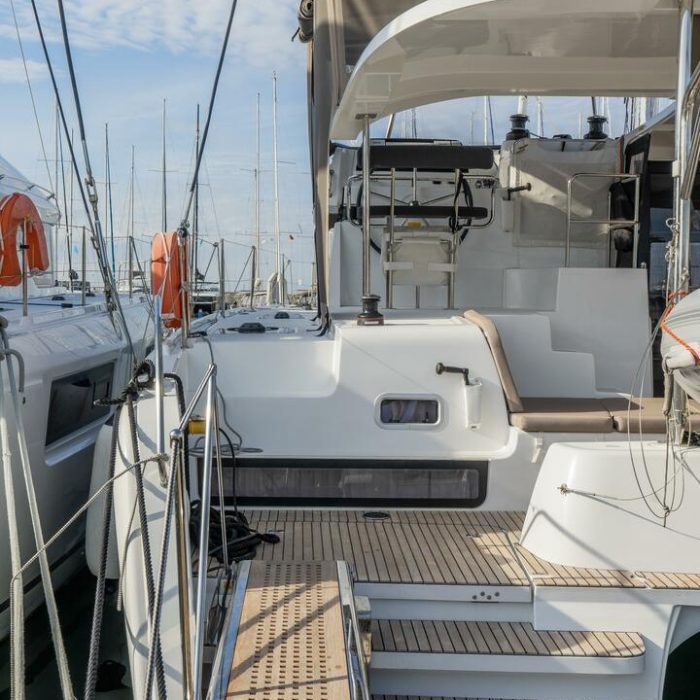
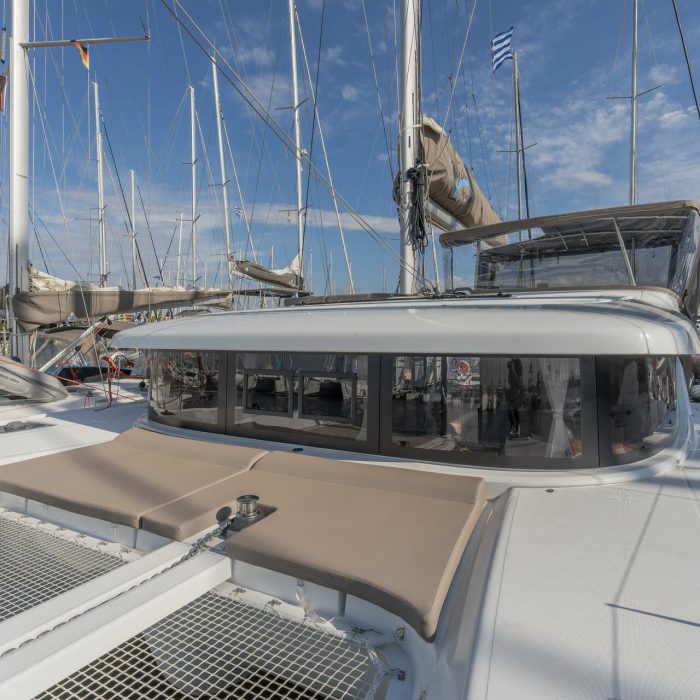
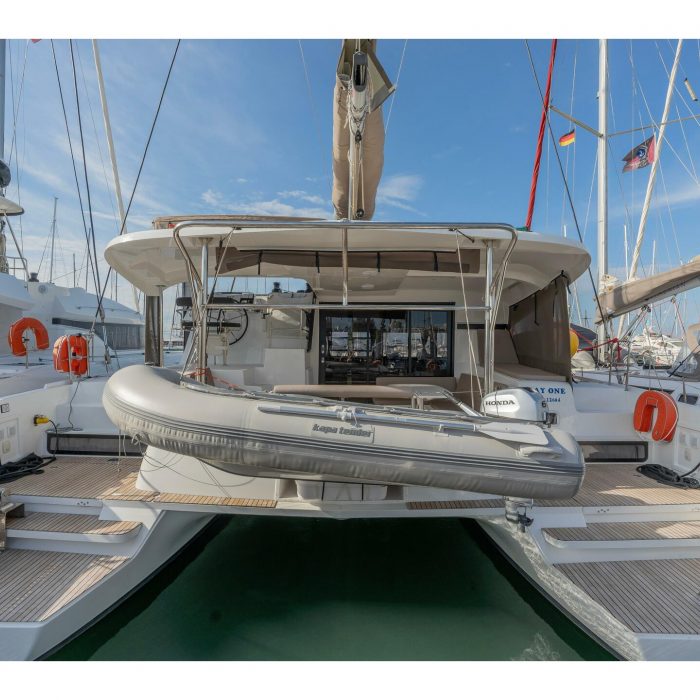
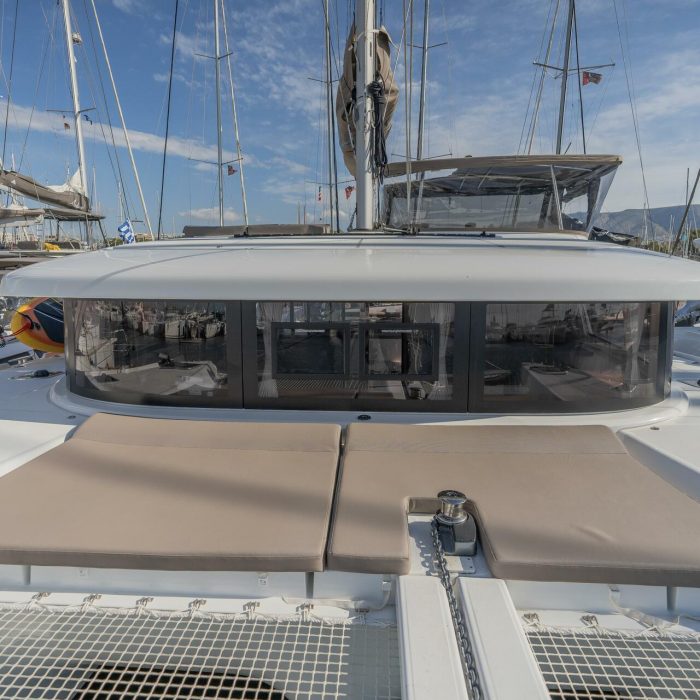
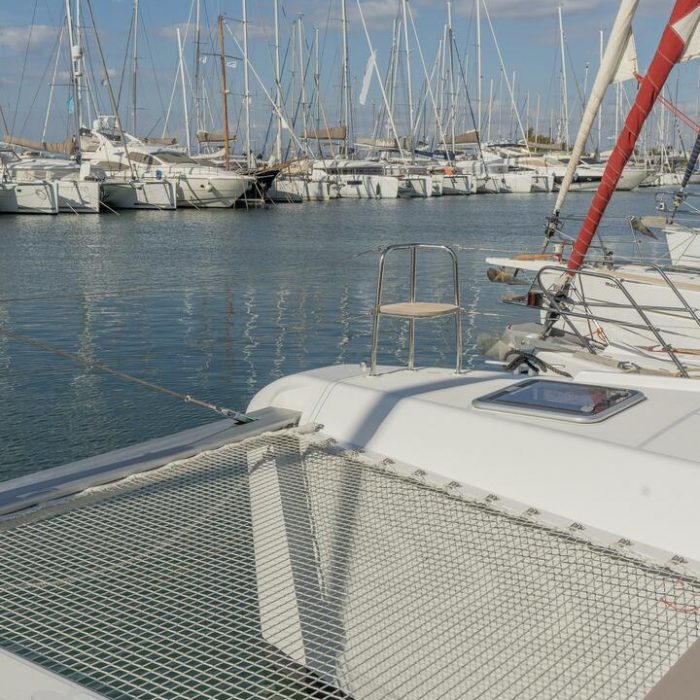
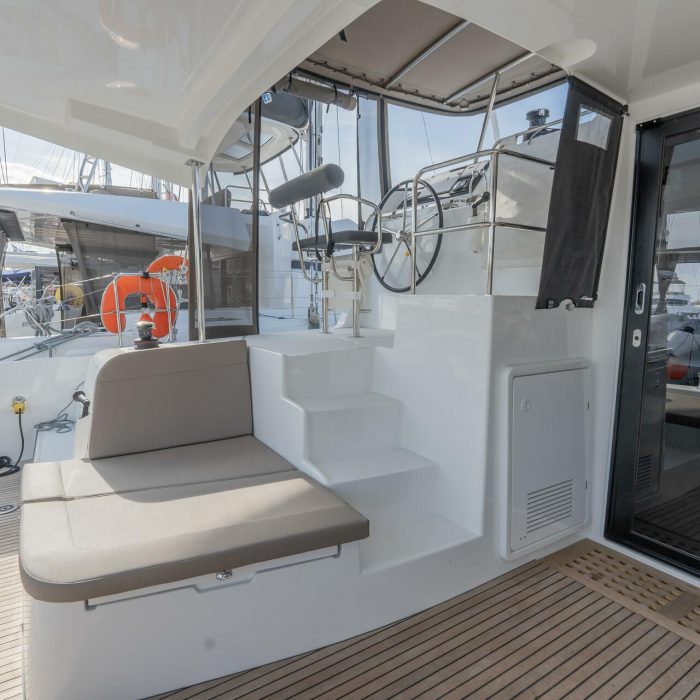
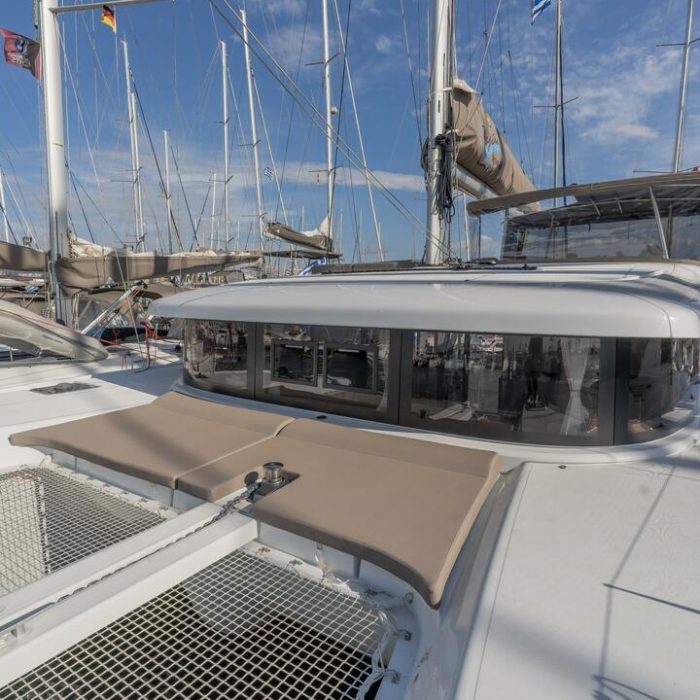
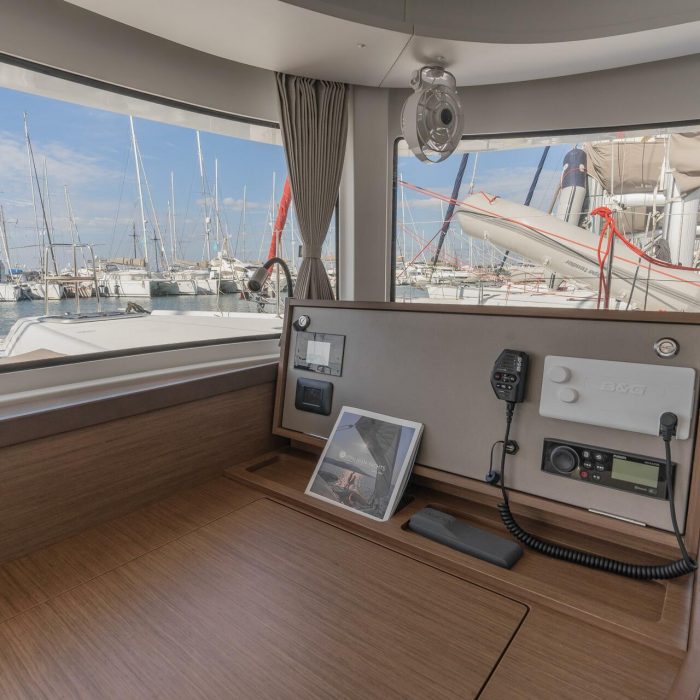
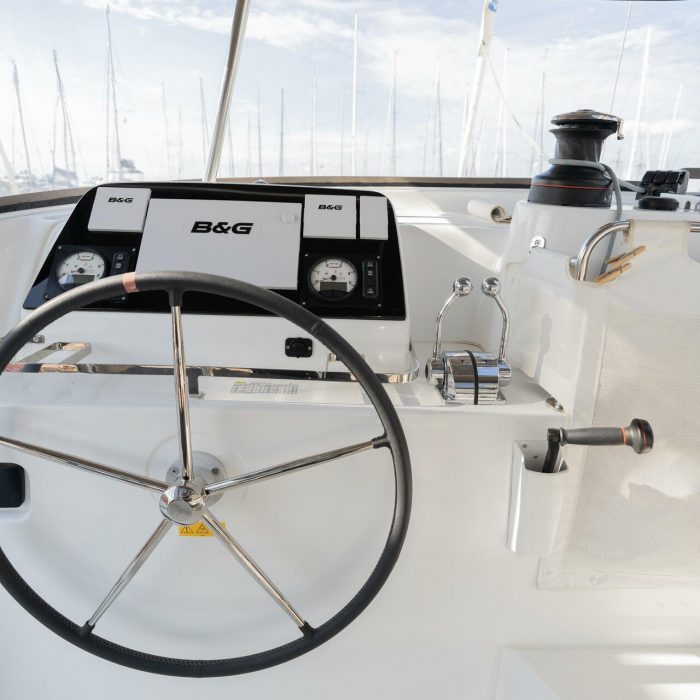
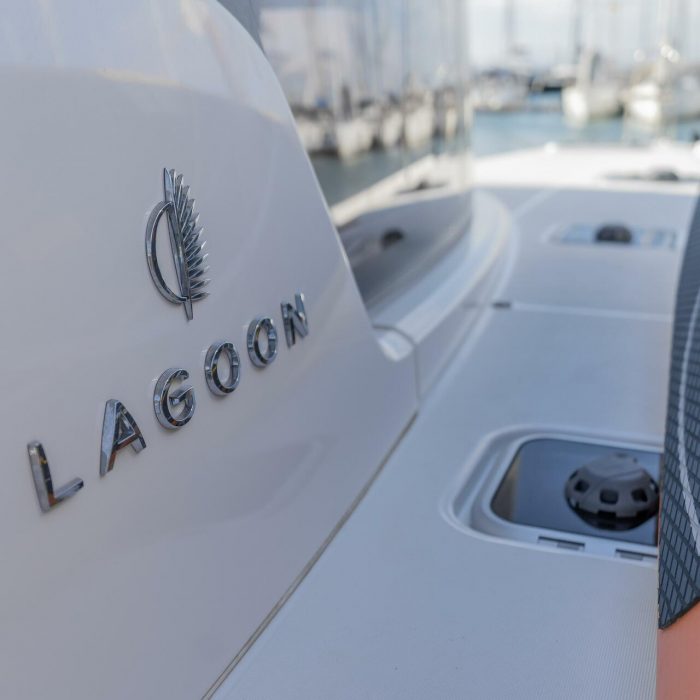
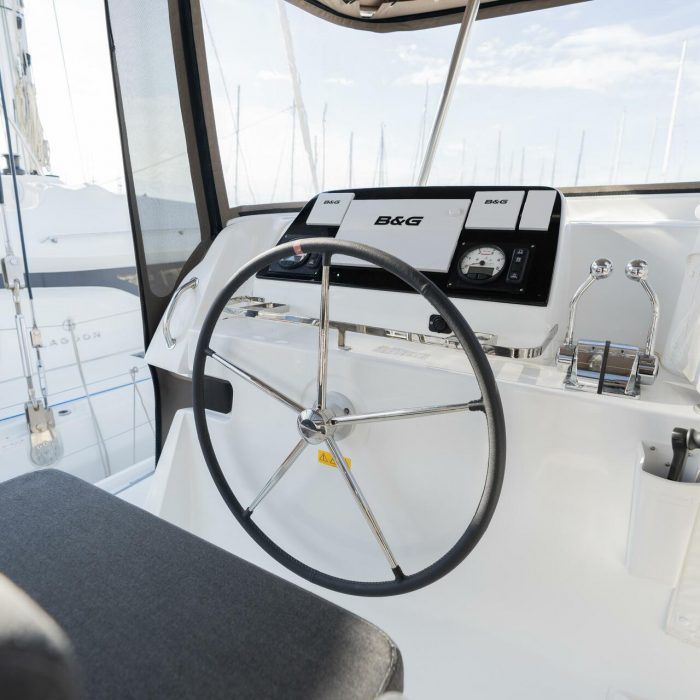
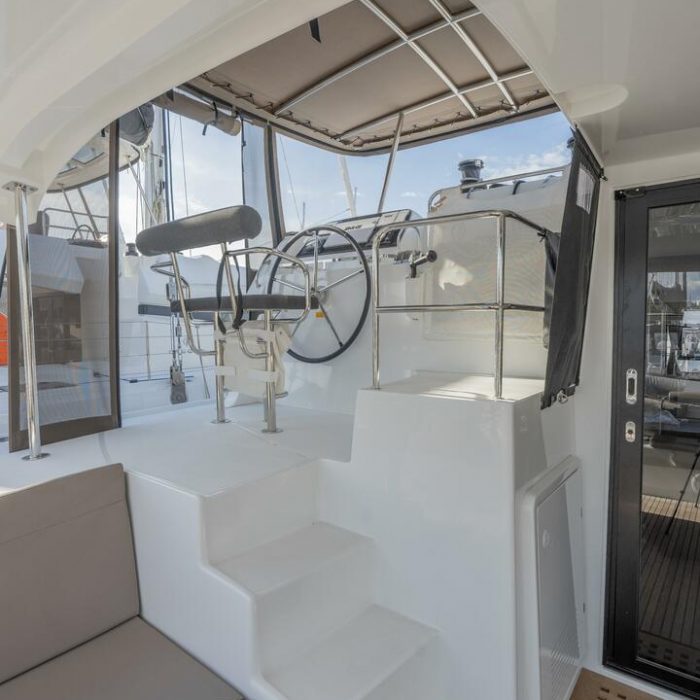
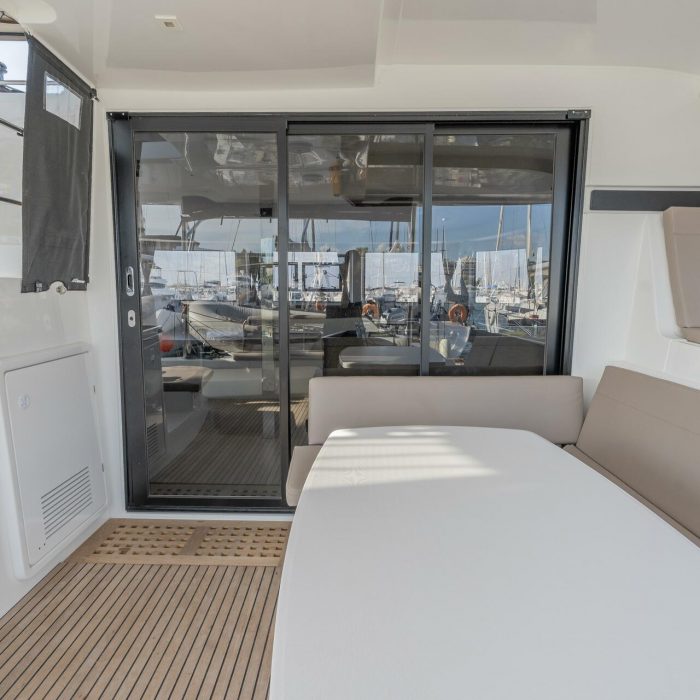
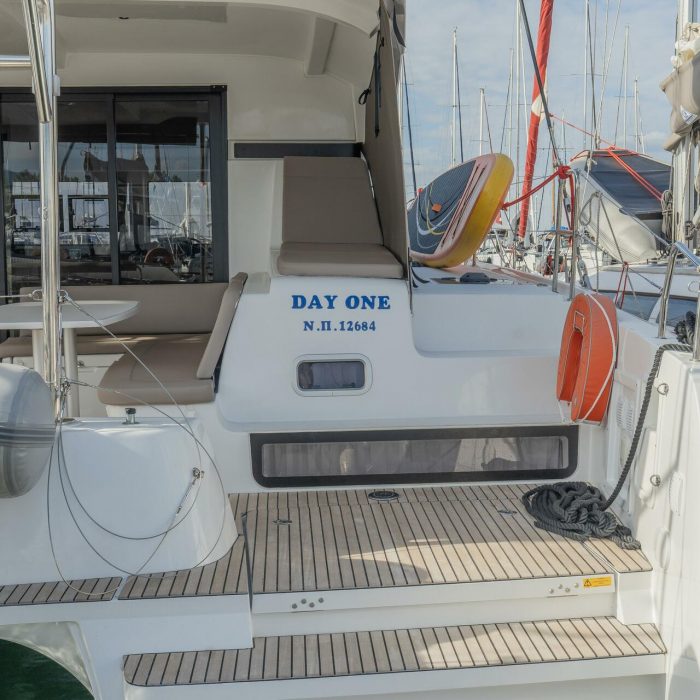
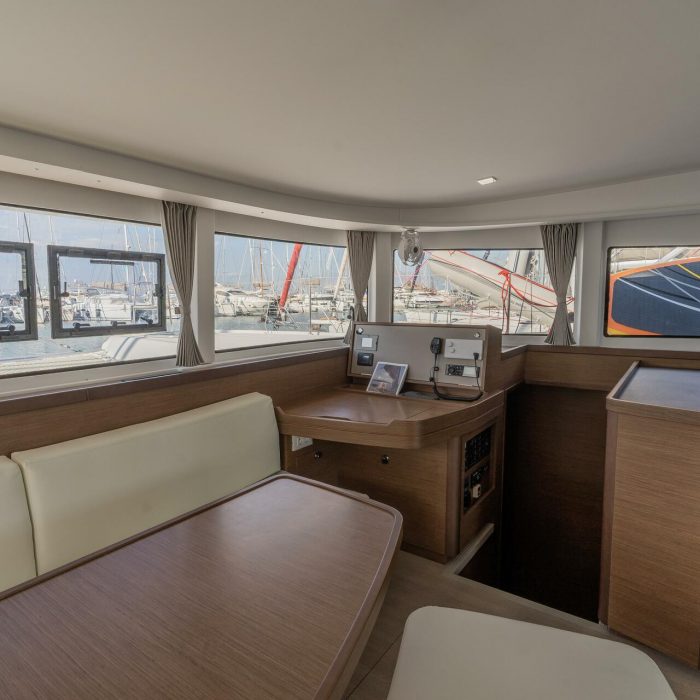
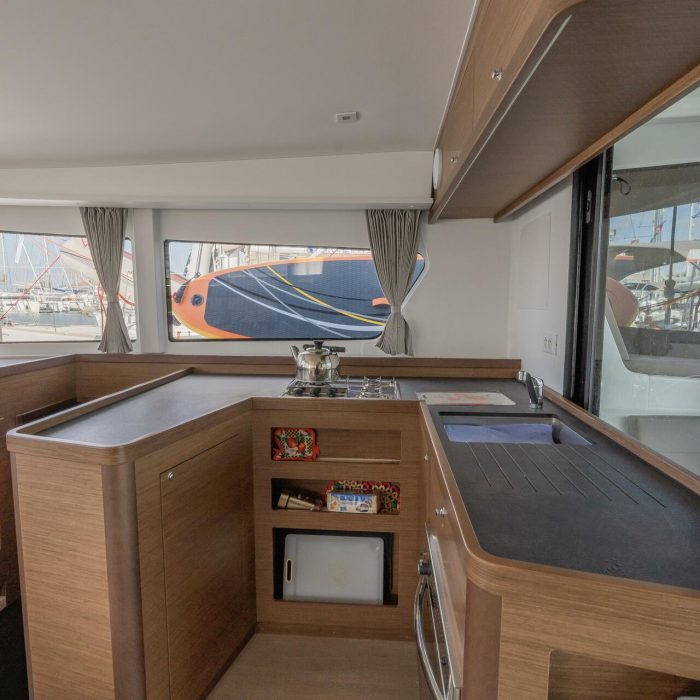
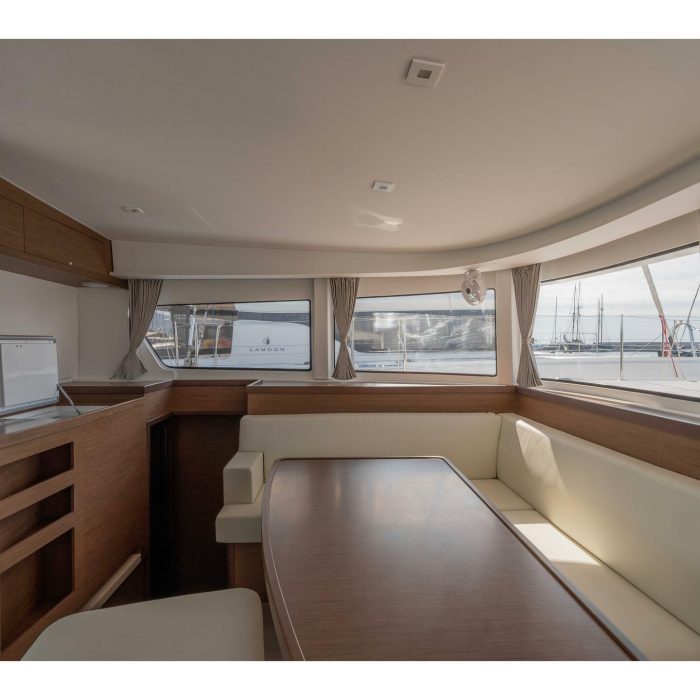
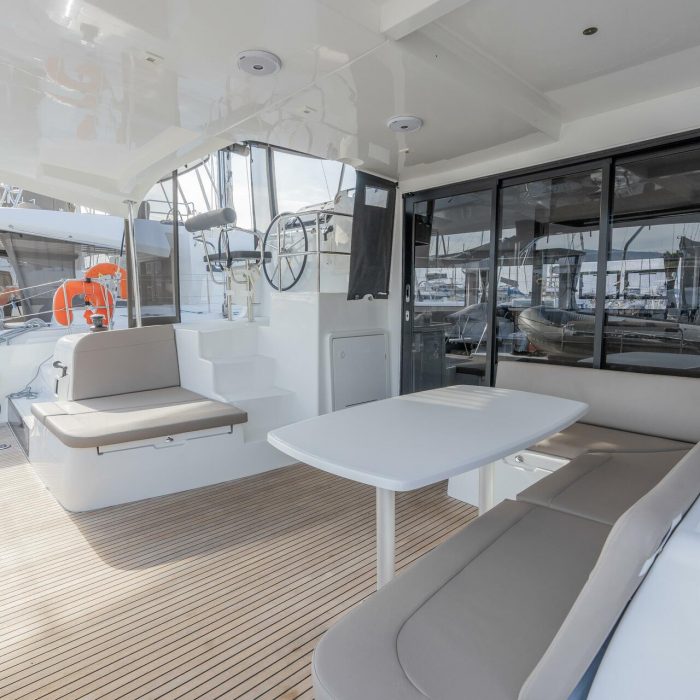
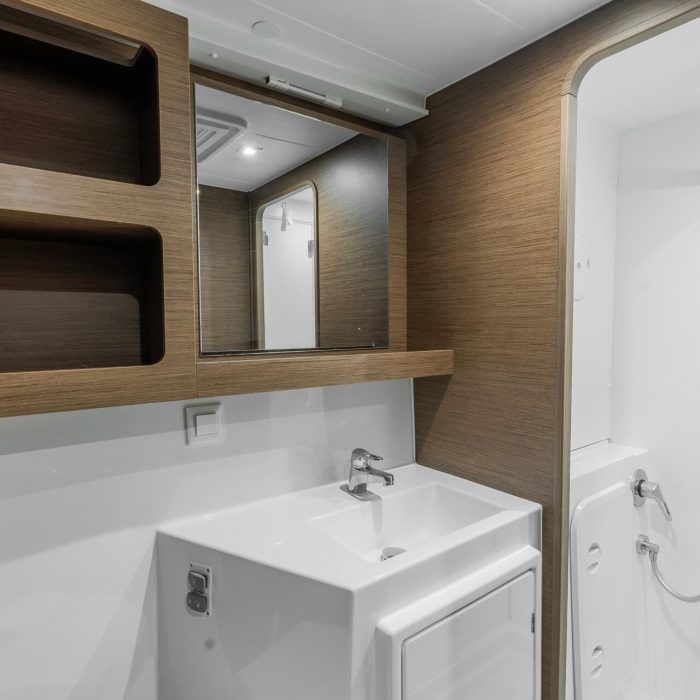
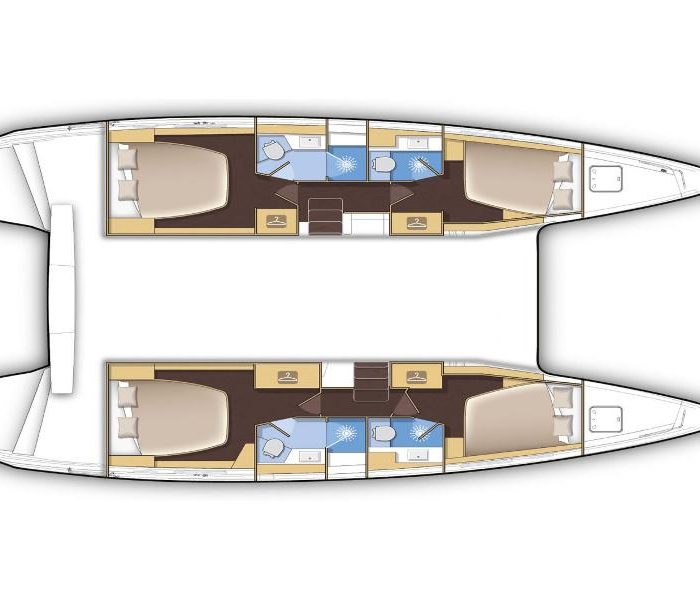
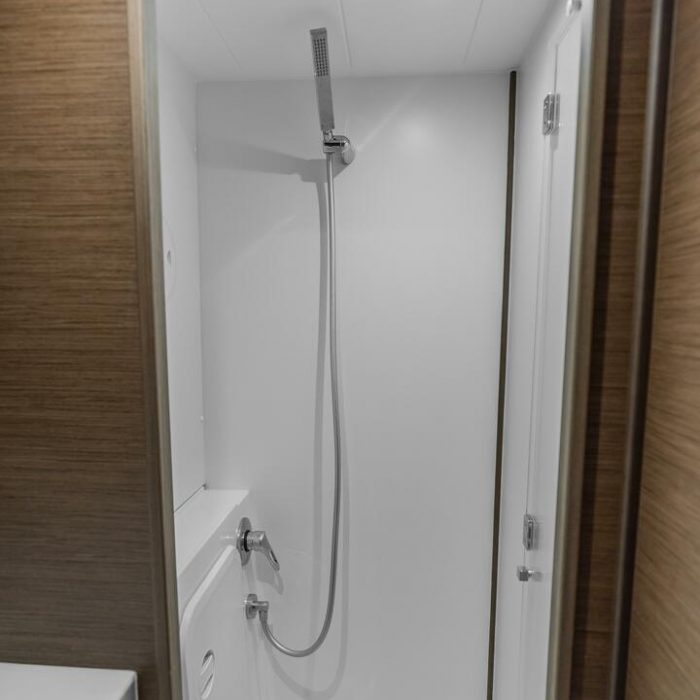
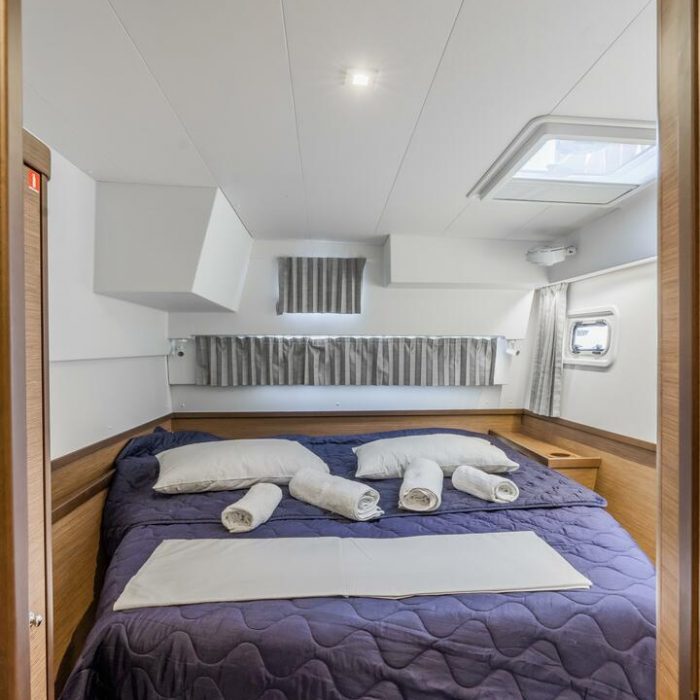
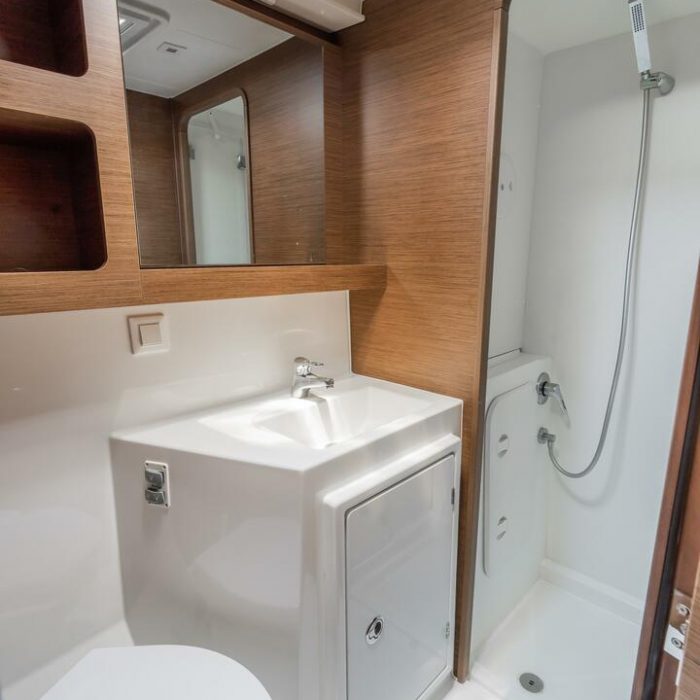
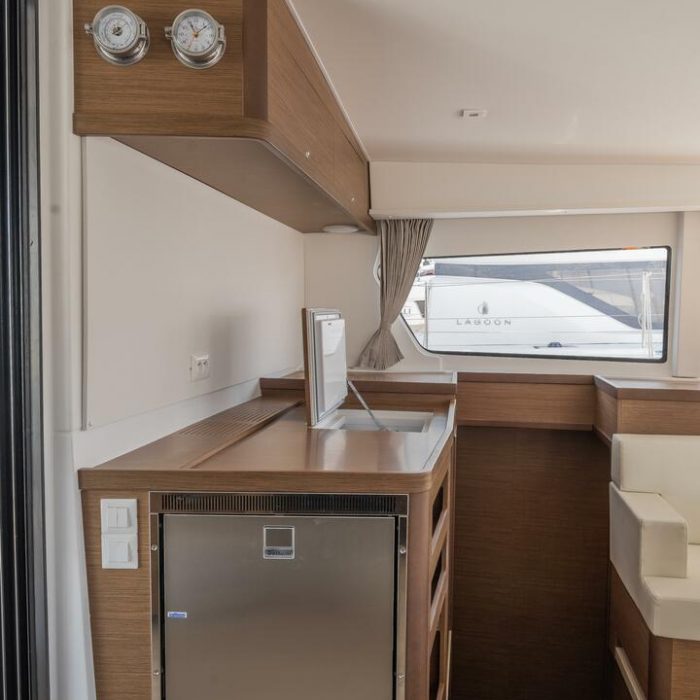
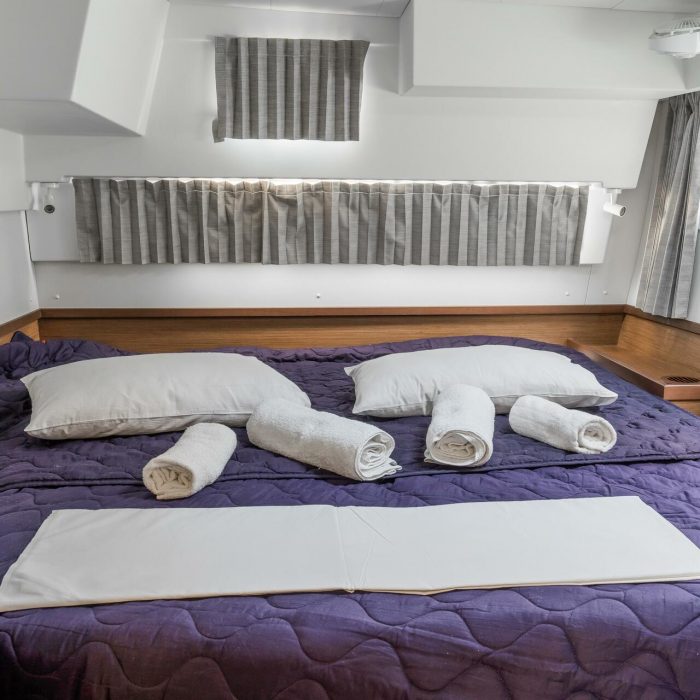
DAY ONE | Lagoon 42
Athenian Yachts
Greece, Cyclades, Paros, Piso Livadi Port
Year: 2020
Length: 42 Ft
Cabins: 4
Guests: 11
4200 €
4200 €
- 50% 2,100€
+ mandatory costs - 1410 €
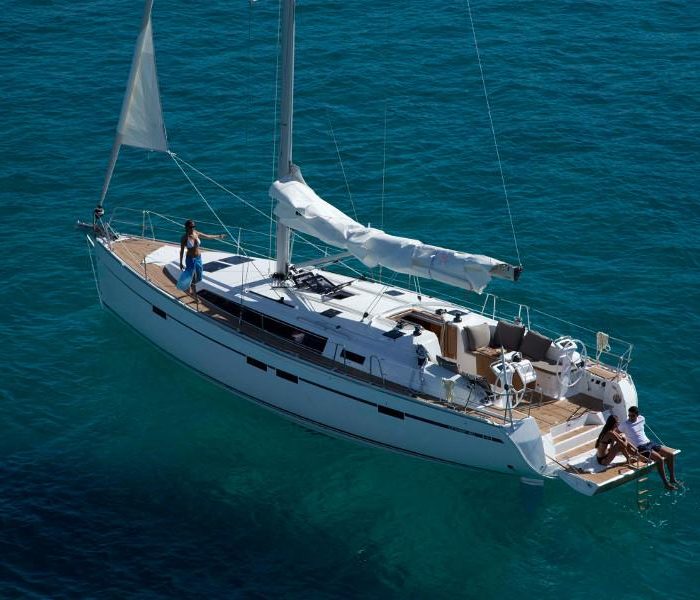
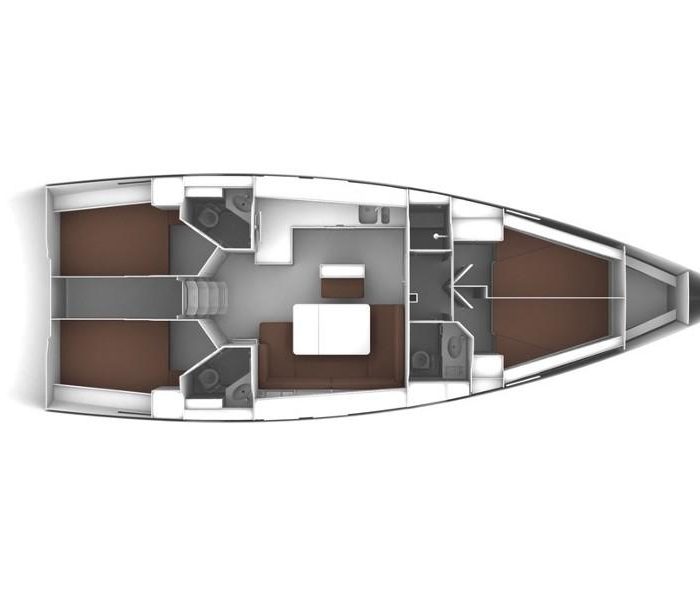
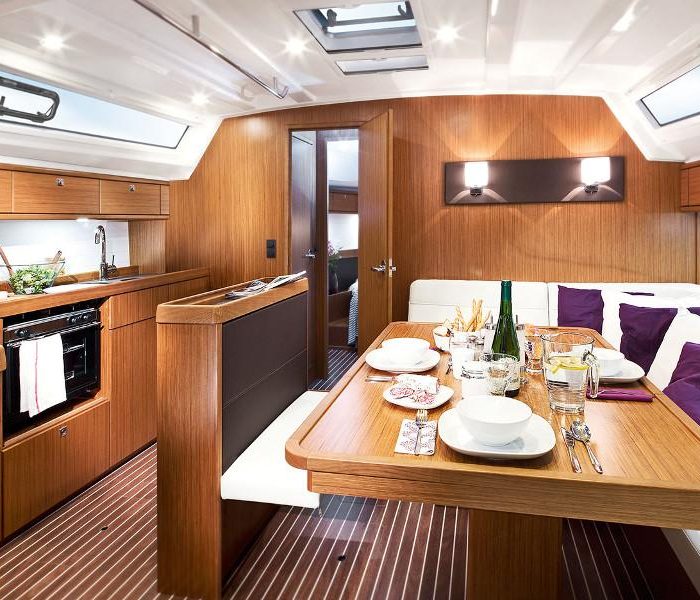
H2O | Bavaria Cruiser 46
JF Yachts P.C.
Greece, Cyclades, Paros, Paros port
Year: 2017
Length: 47 Ft
Cabins: 4
Guests: 9
3125 €
3125 €
- 29% 2,227€
+ mandatory costs - 285 €
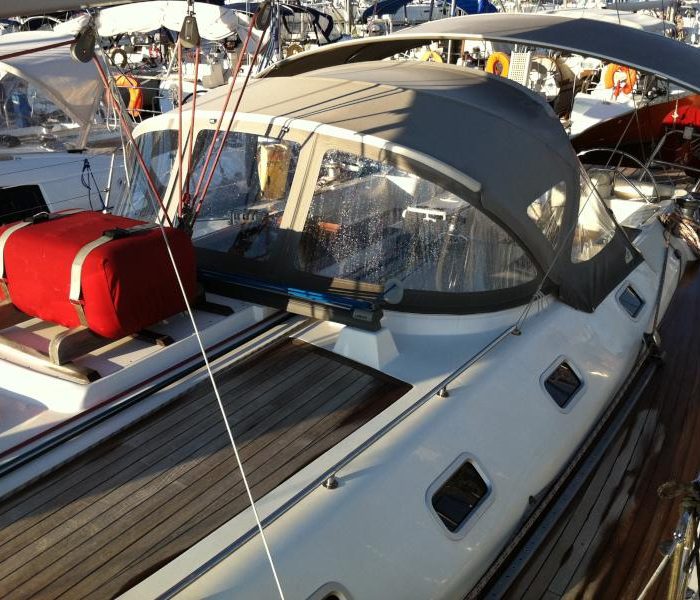


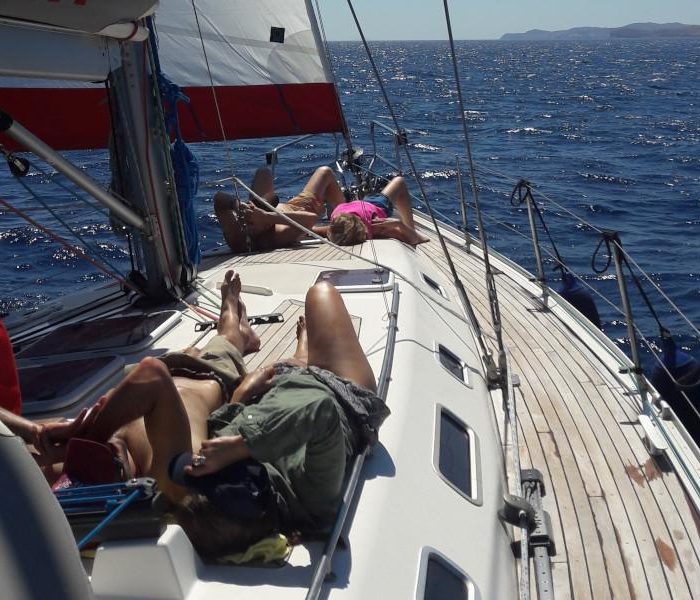

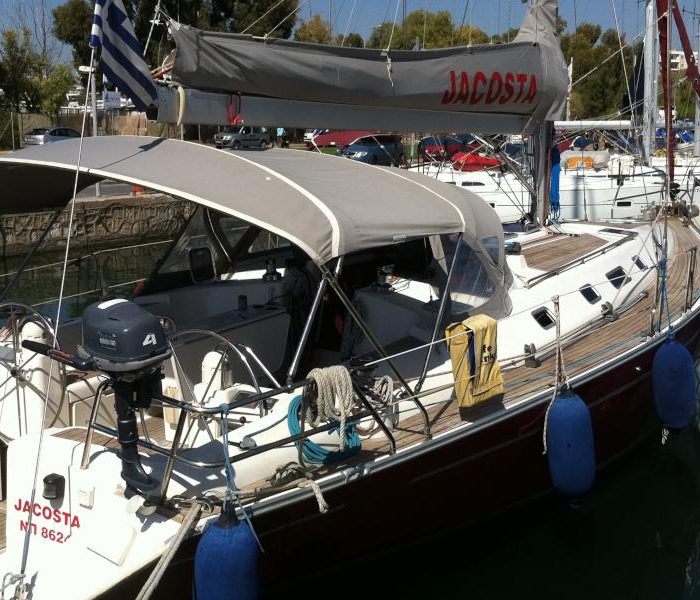
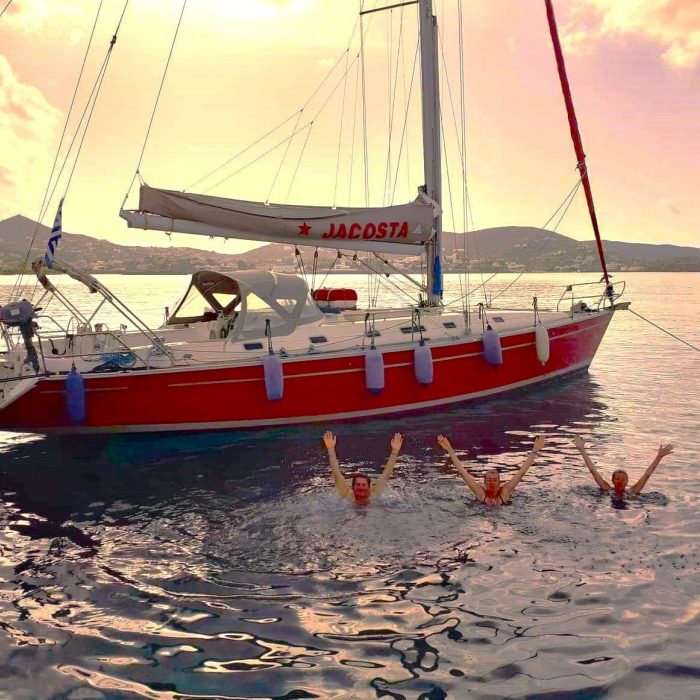
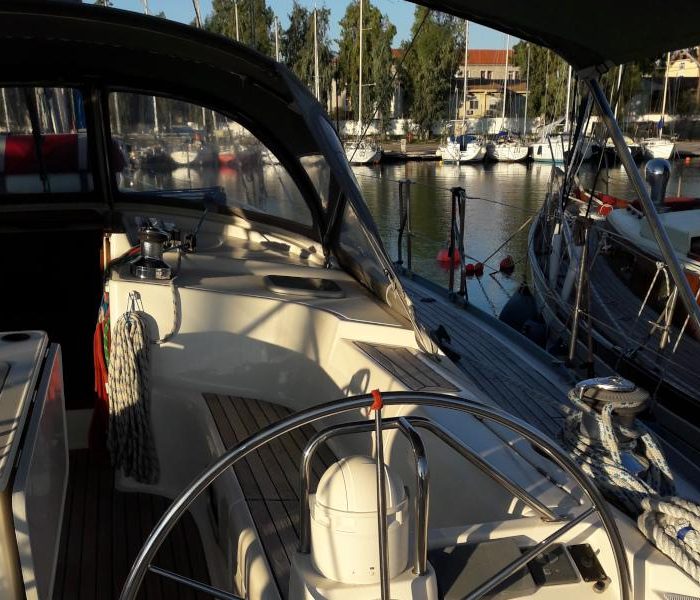
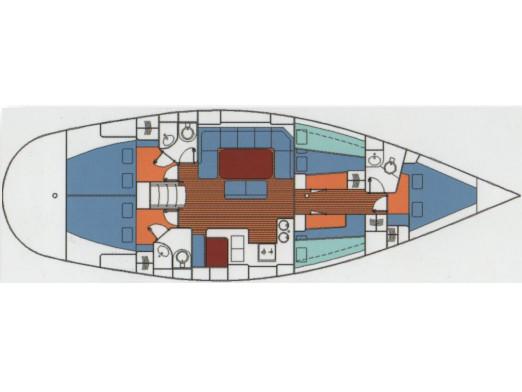
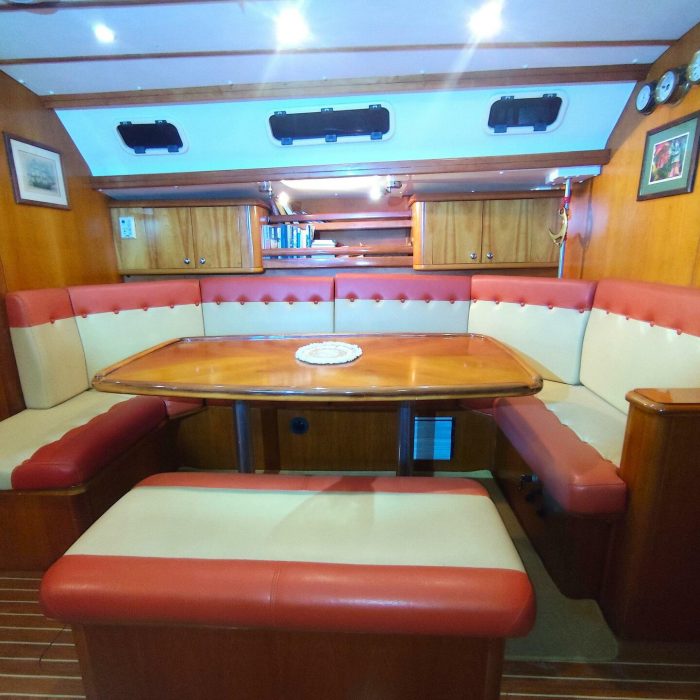
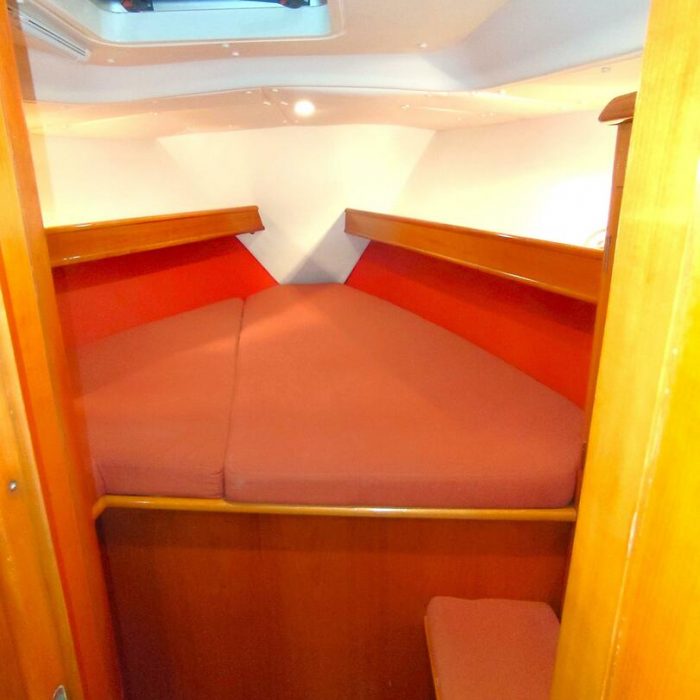
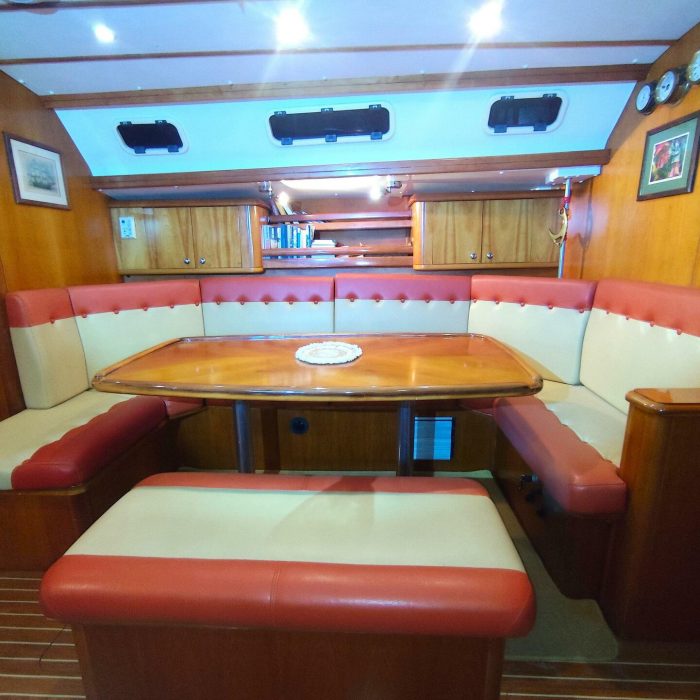
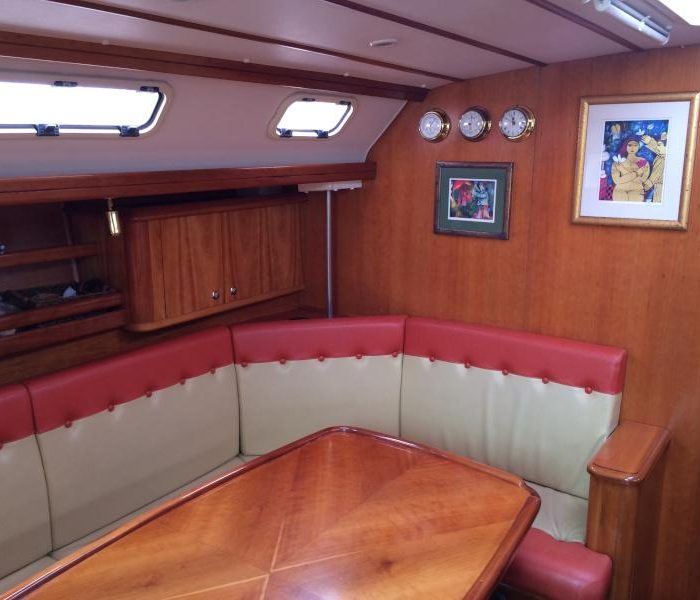
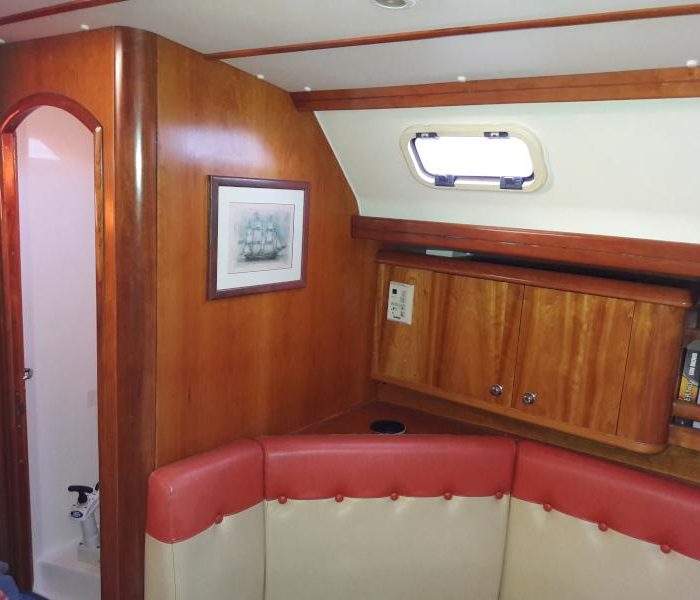
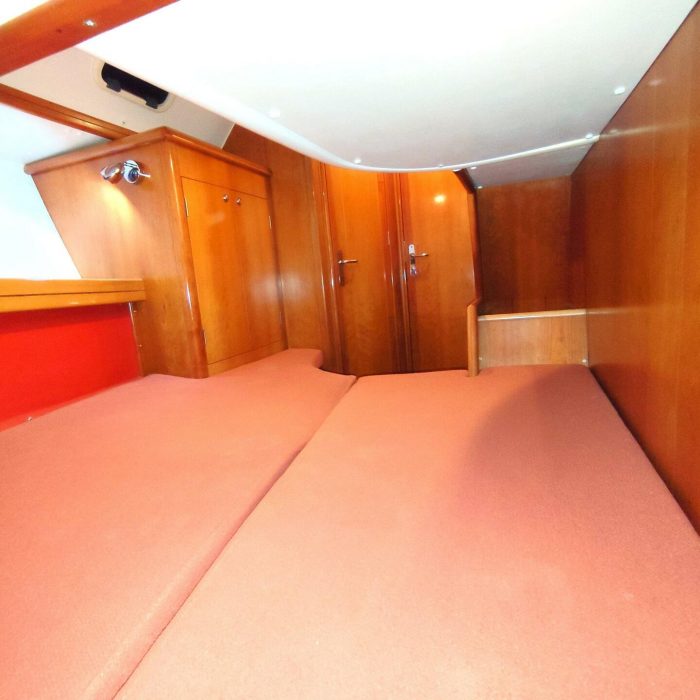
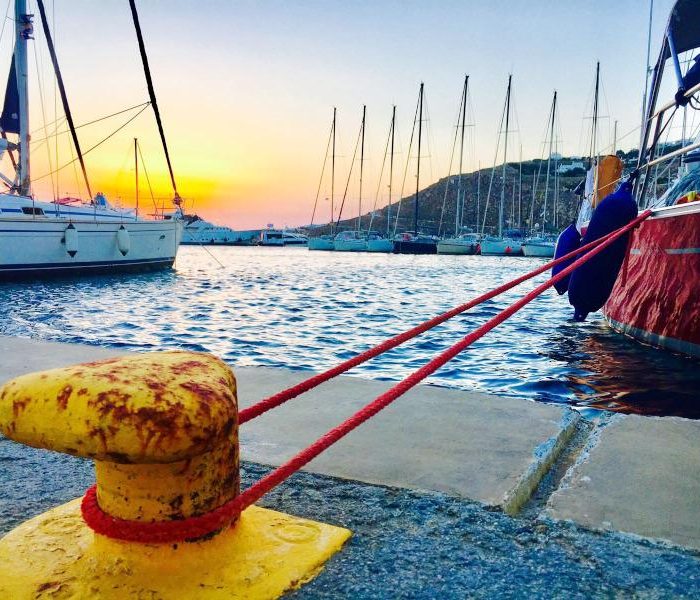

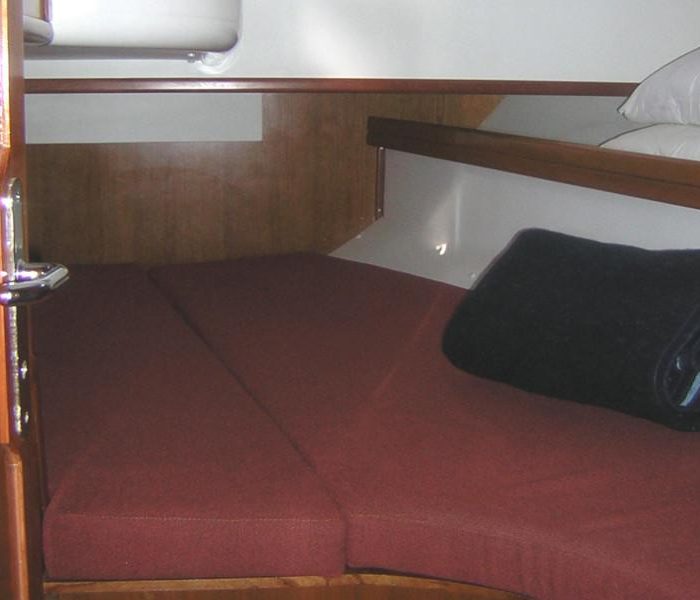
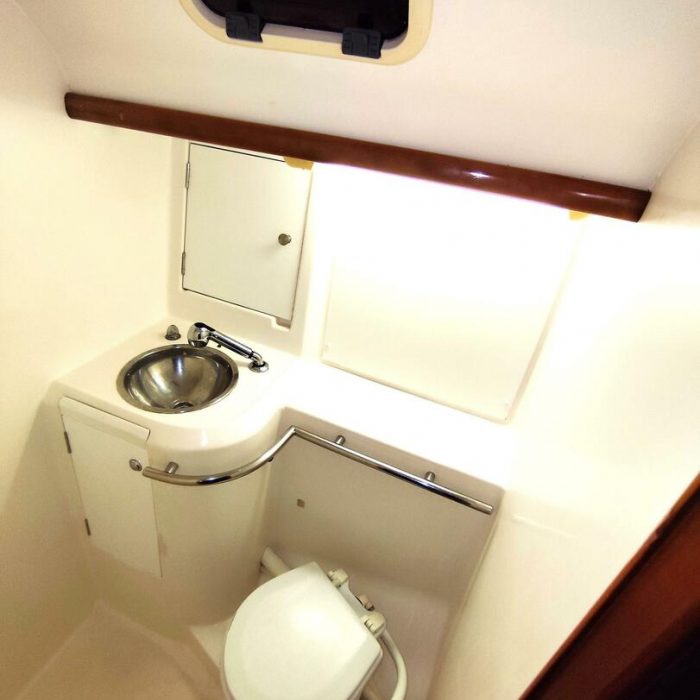
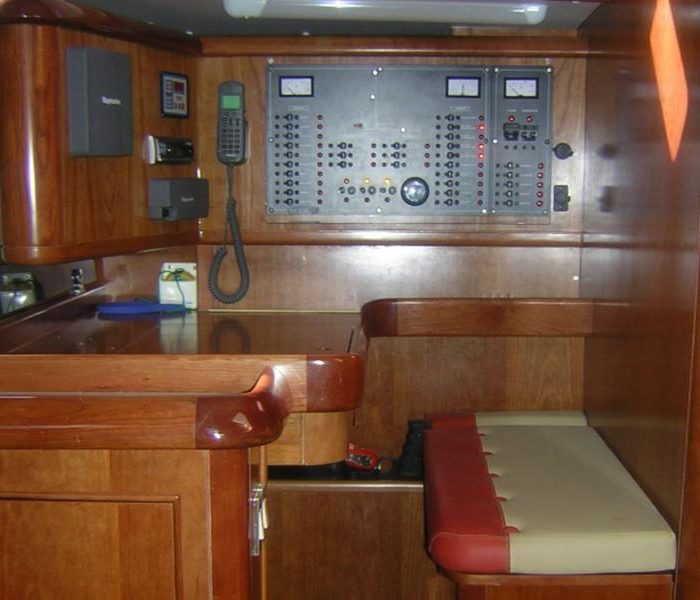
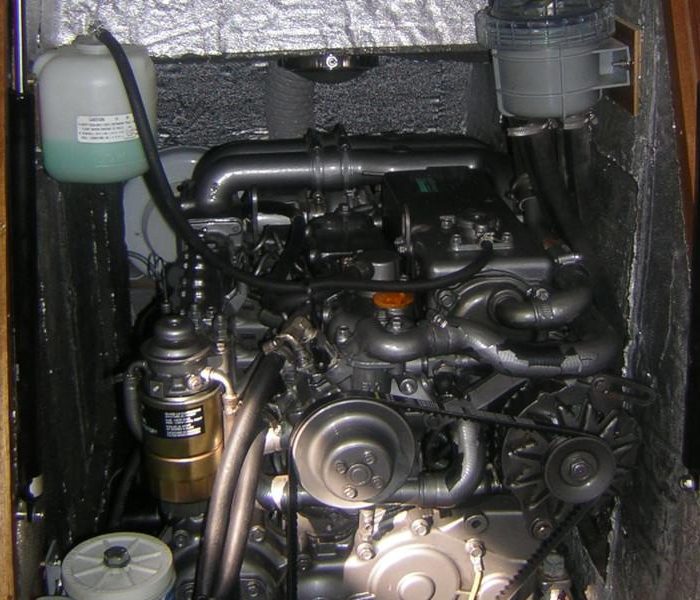
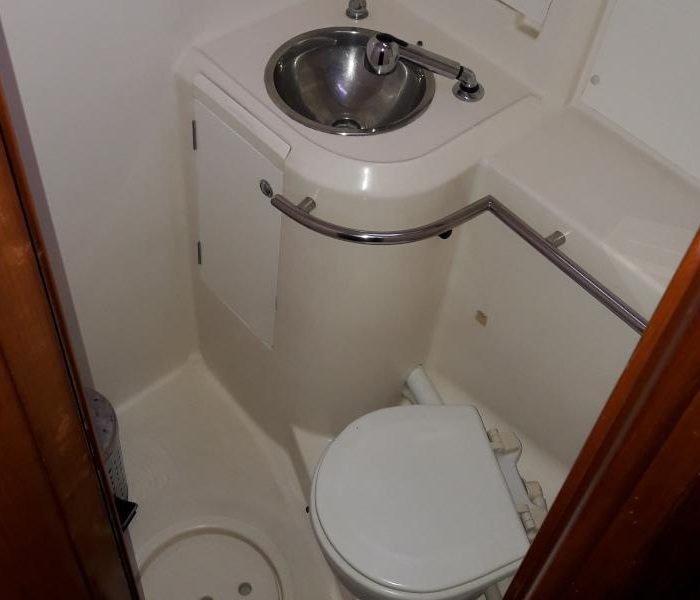
Jacosta | Alfa 51
Thalassa sailing travels
Greece, Cyclades, Paros, Paros port
Year: 2004
Length: 51 Ft
Cabins: 5
Guests: 10
2800 €
2800 €
- 19% 2,261€
+ mandatory costs - 450 €
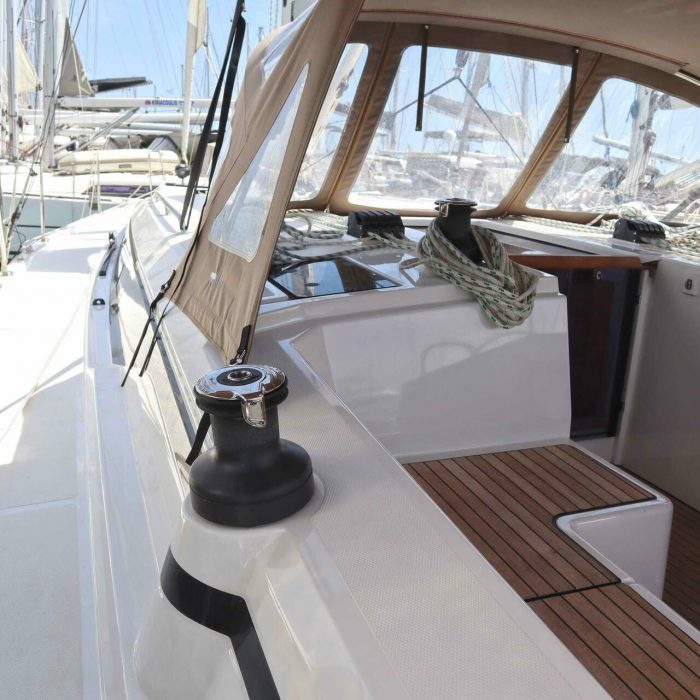
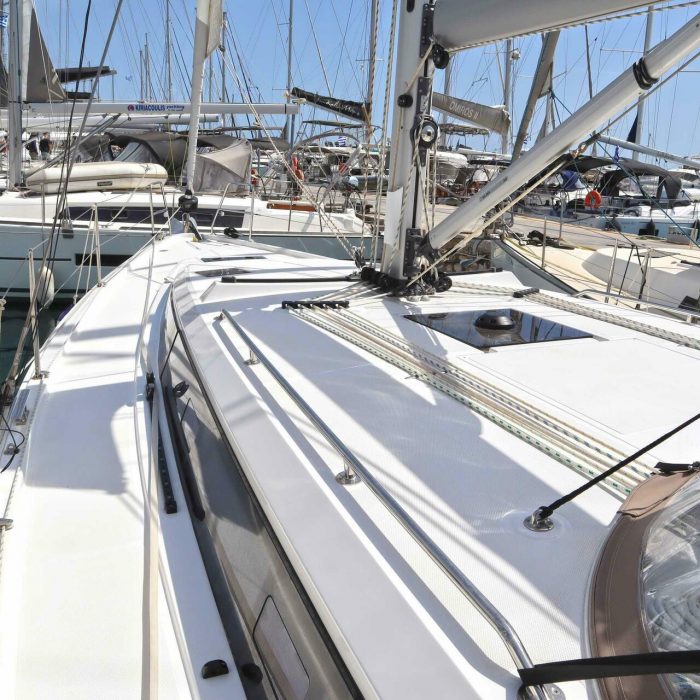
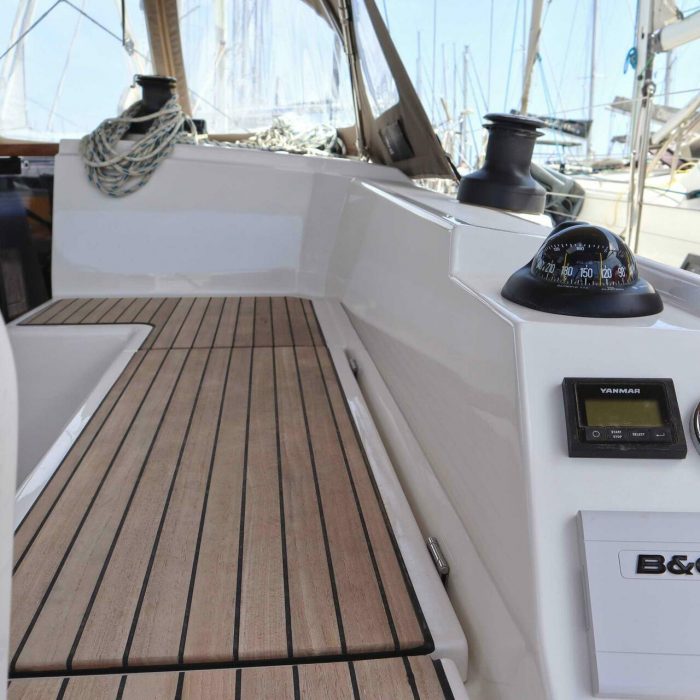
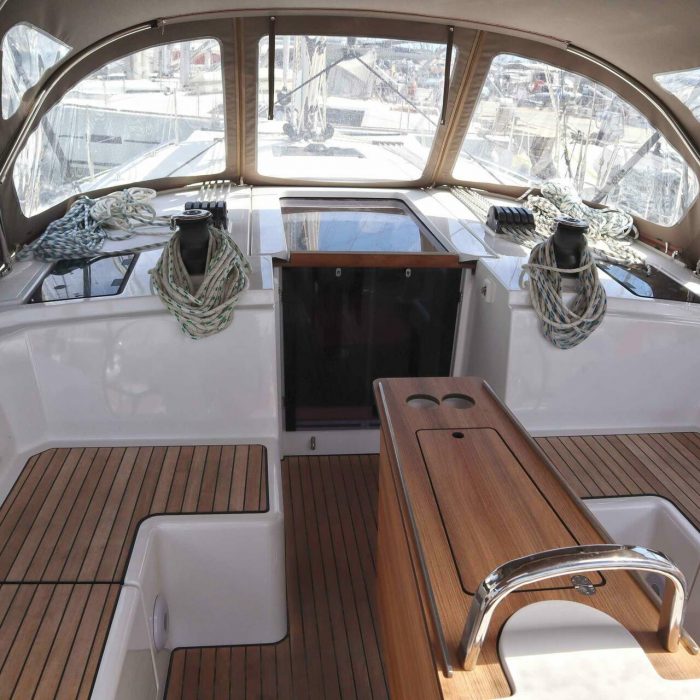
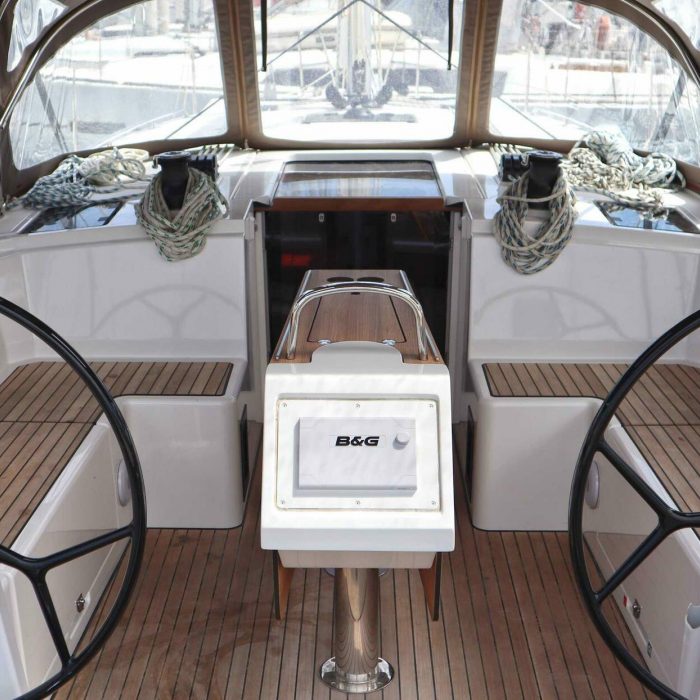
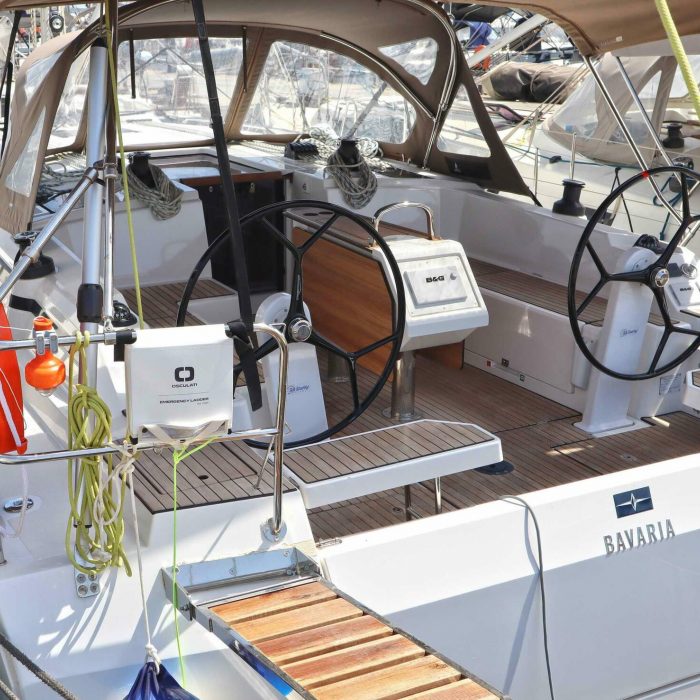
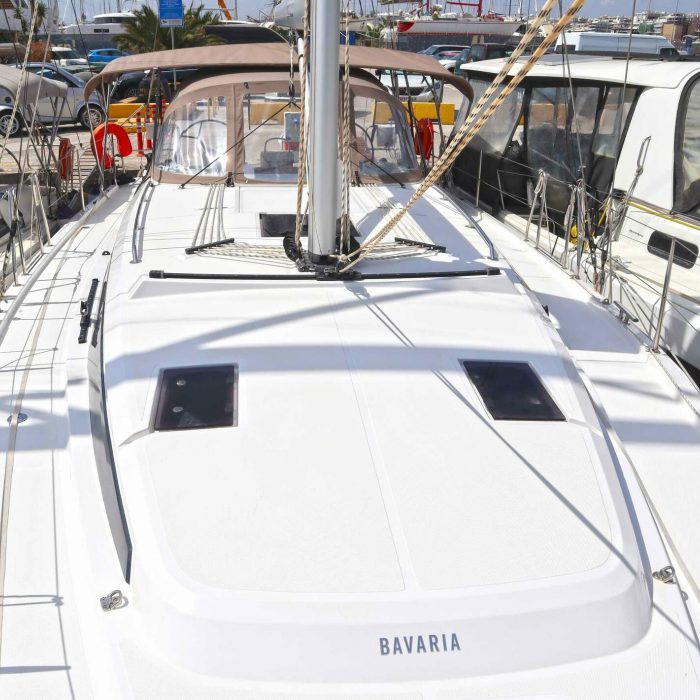
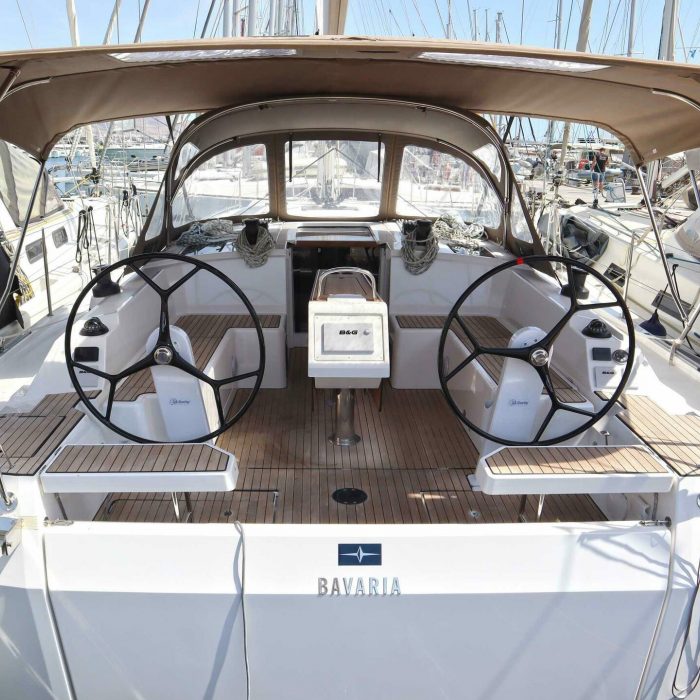
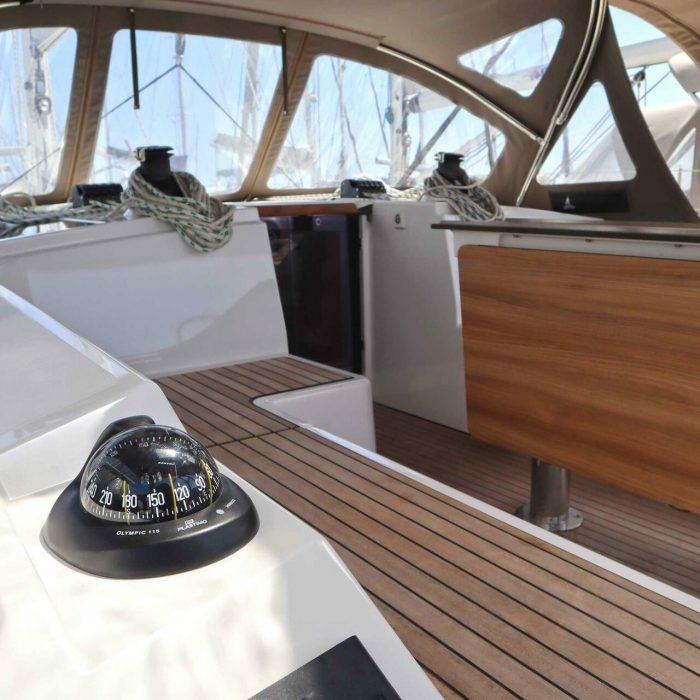
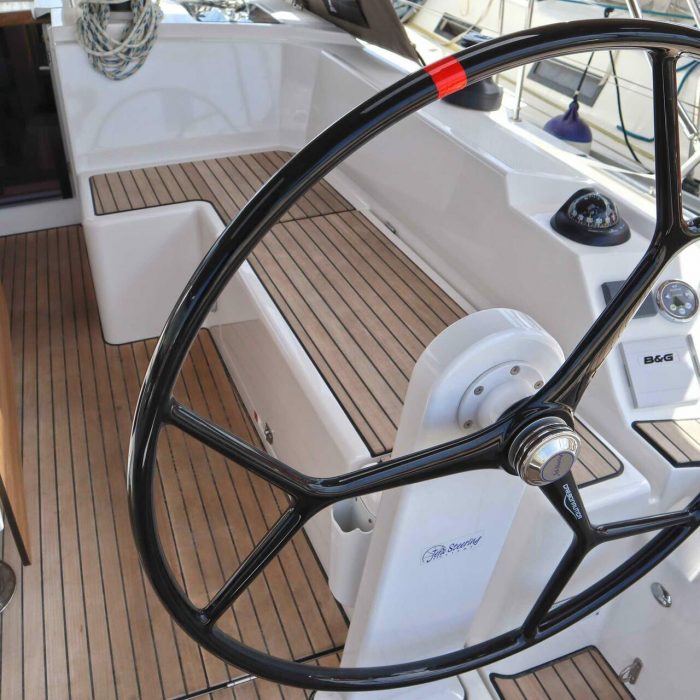
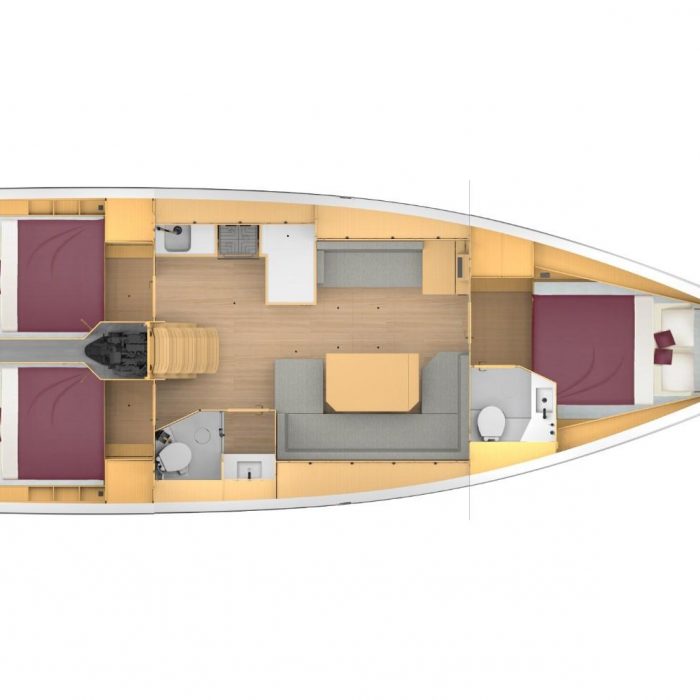
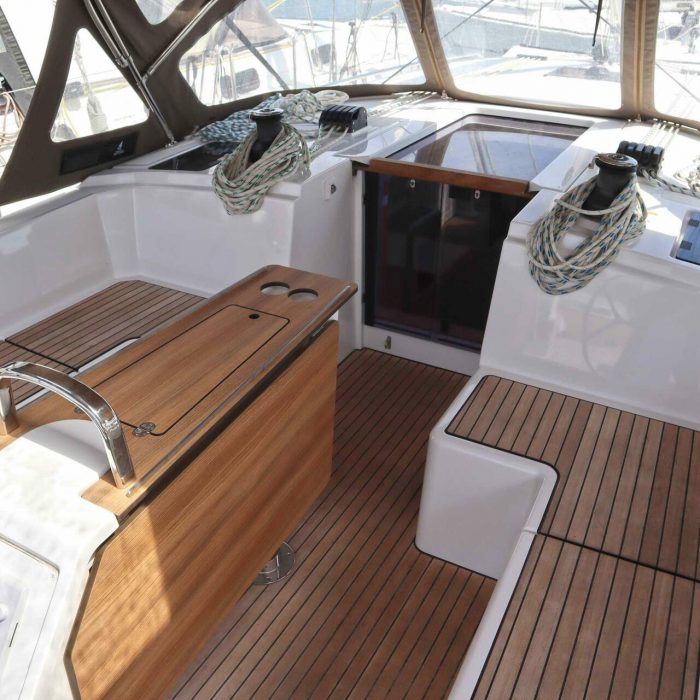
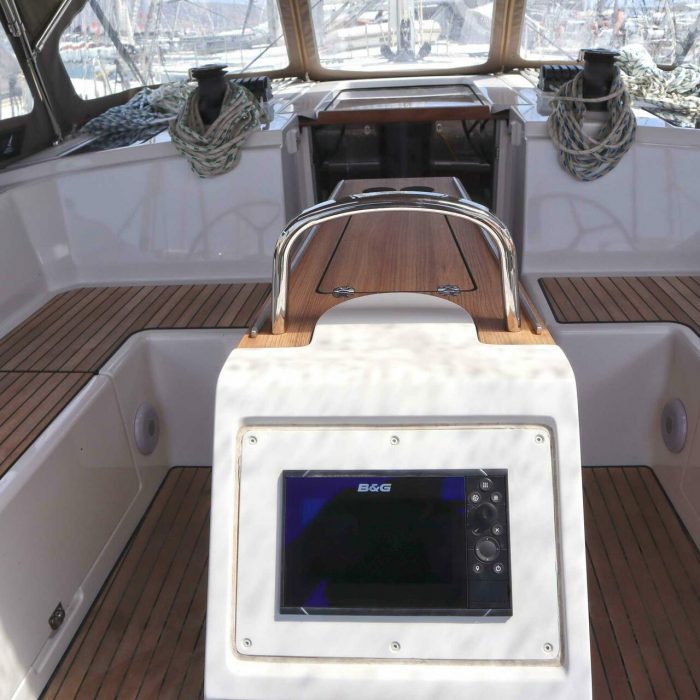
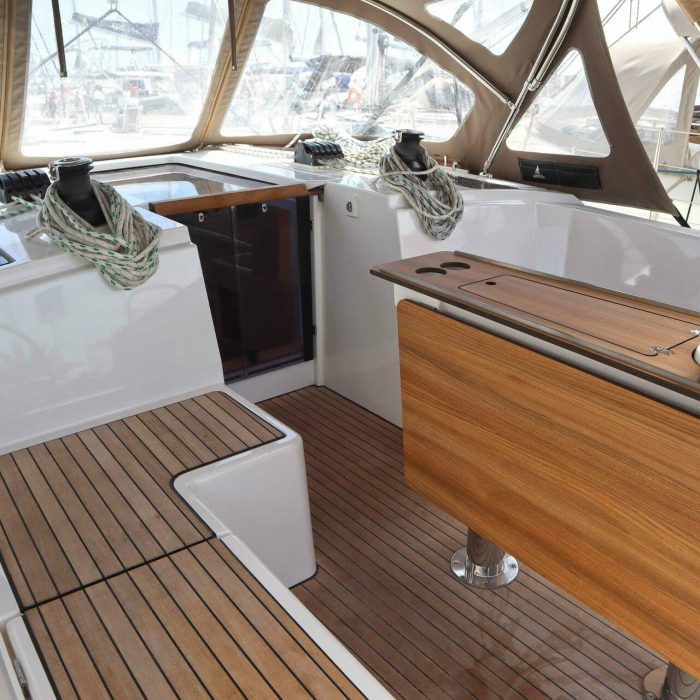
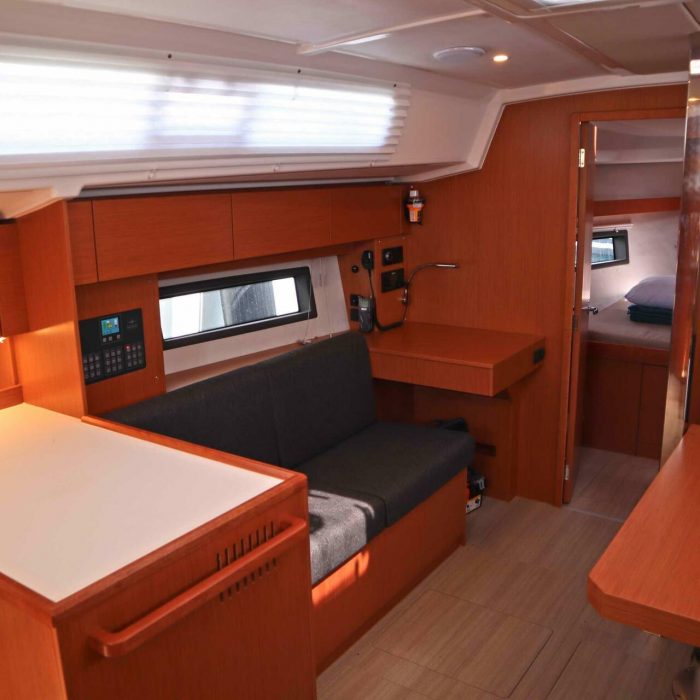
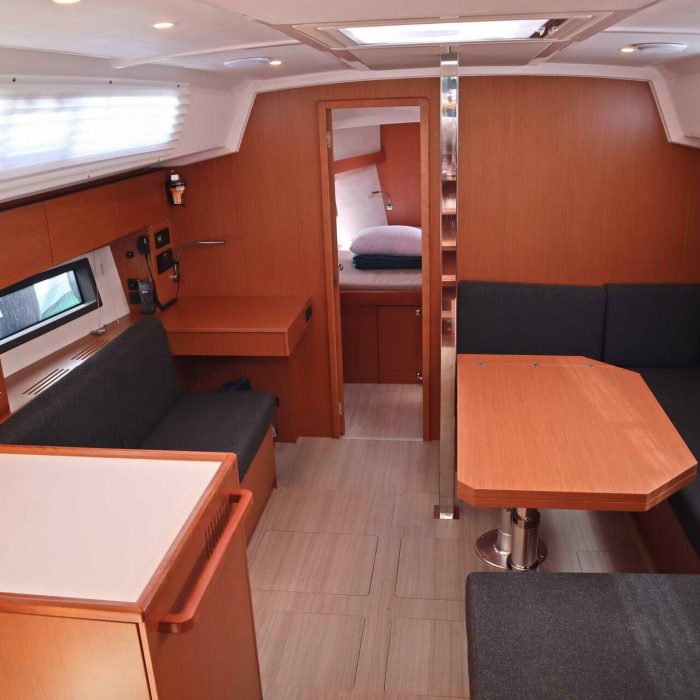
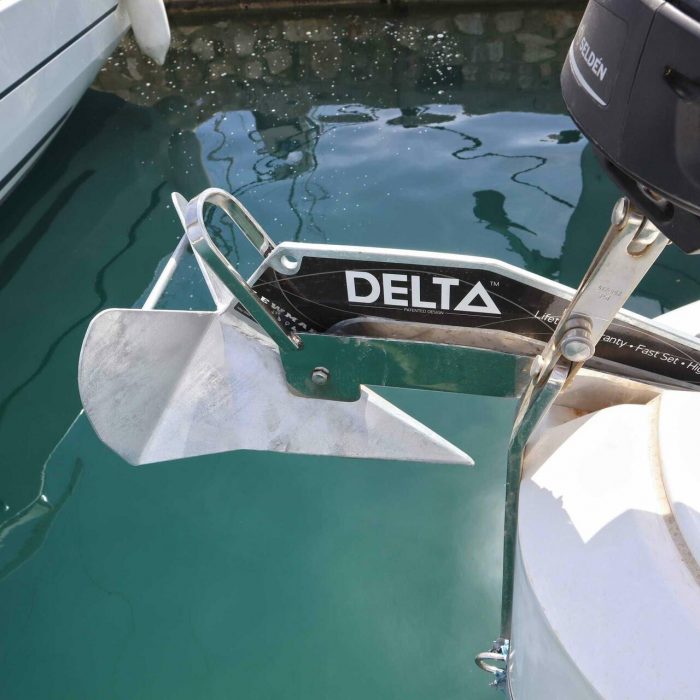
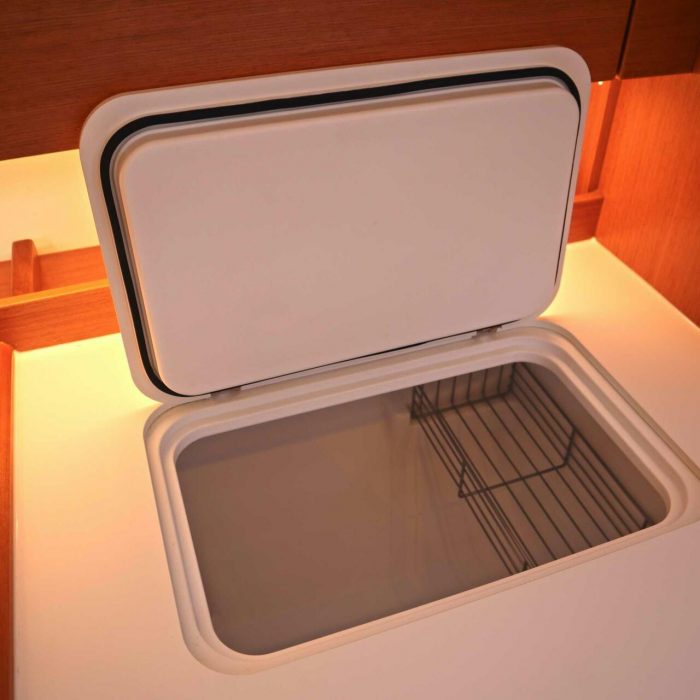
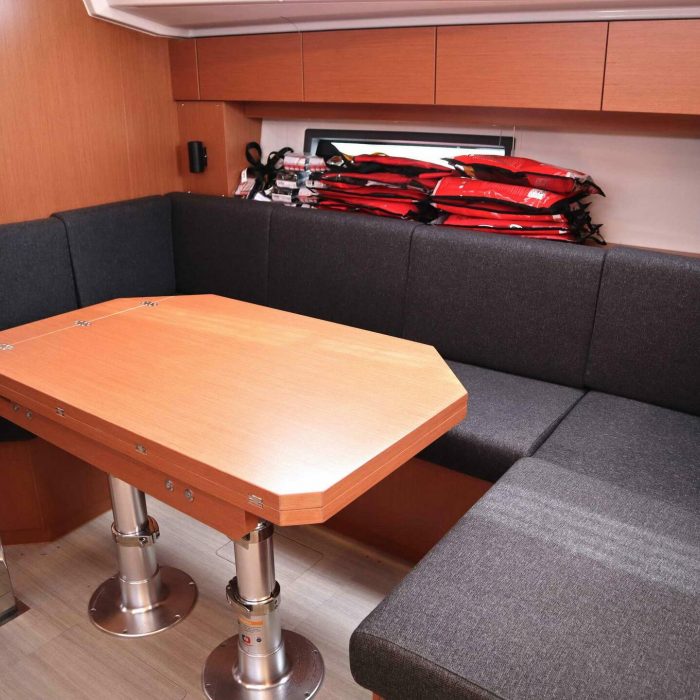
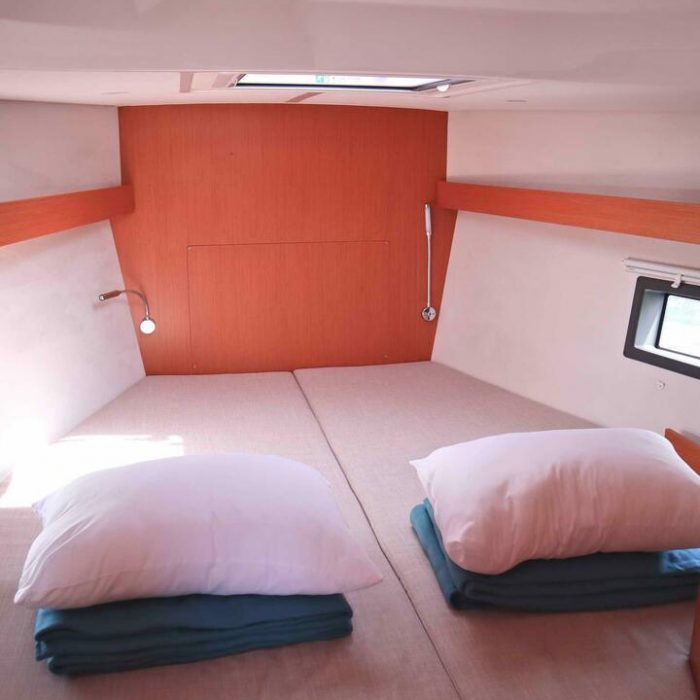
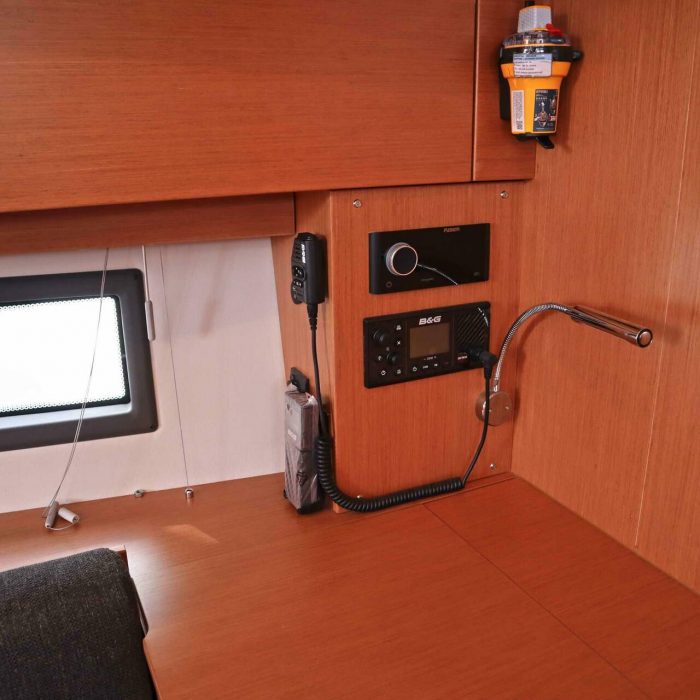
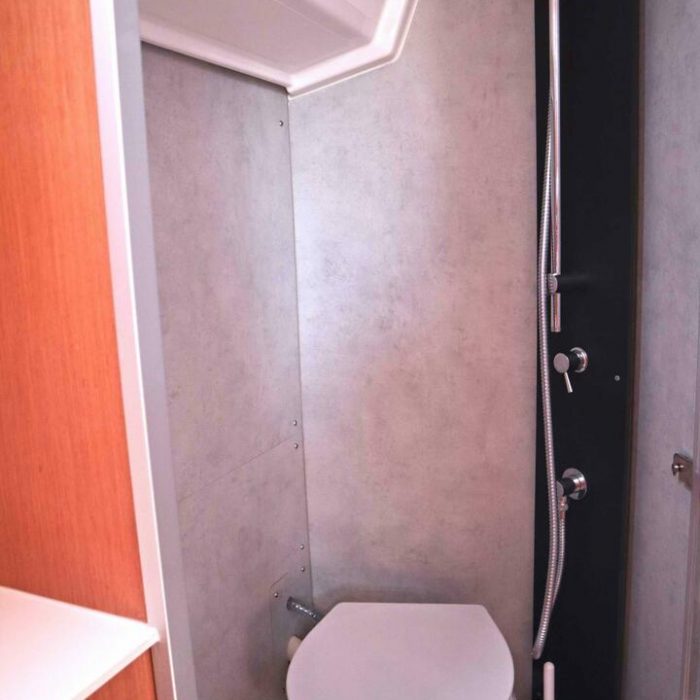
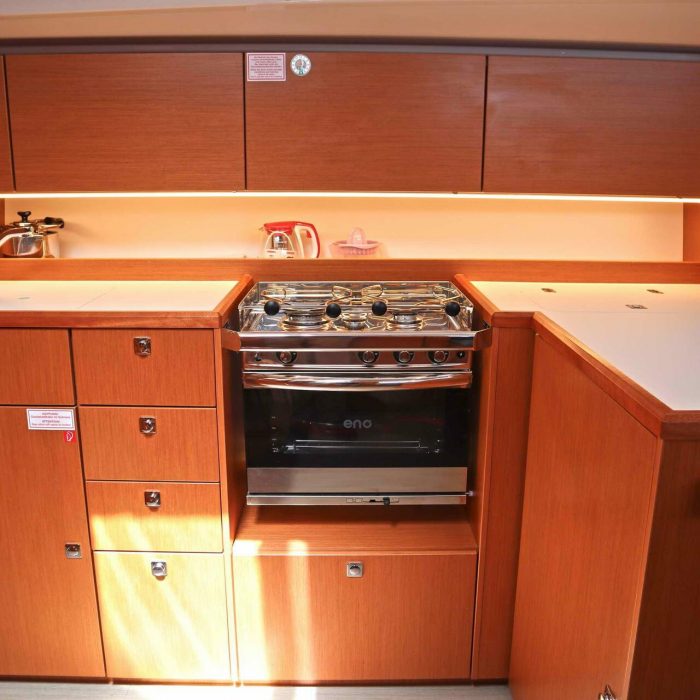
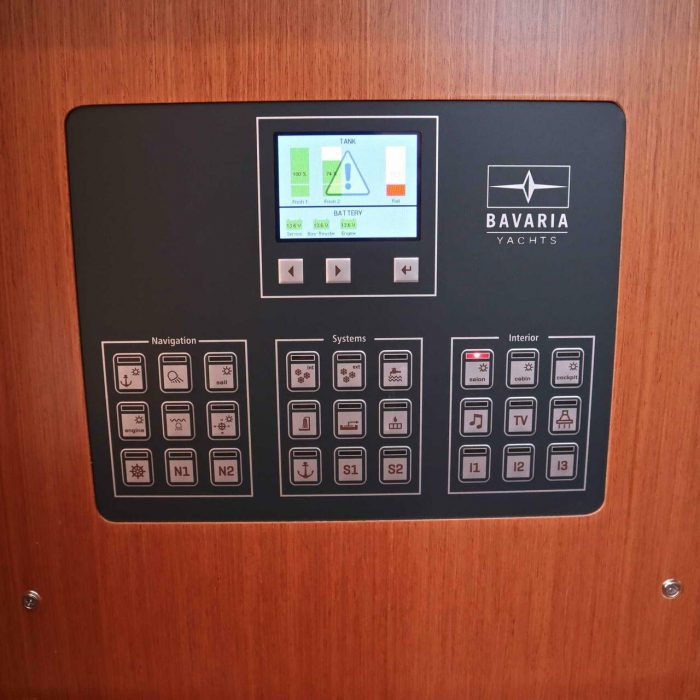
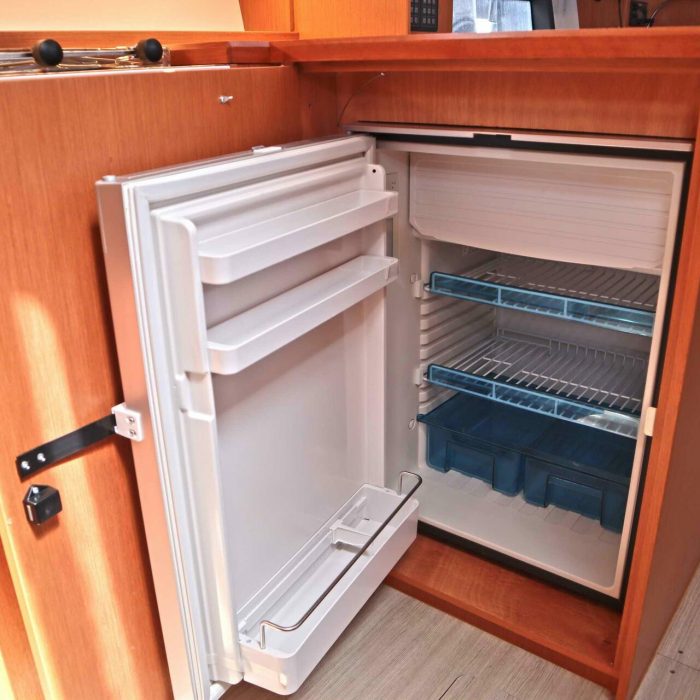
Lima | Bavaria C42
Y Knot Yachting
Greece, Cyclades, Paros, Paroikia port
Year: 2024
Guests: 8
2674 €
2674 €
- 15% 2,273€
+ mandatory costs - 665 €
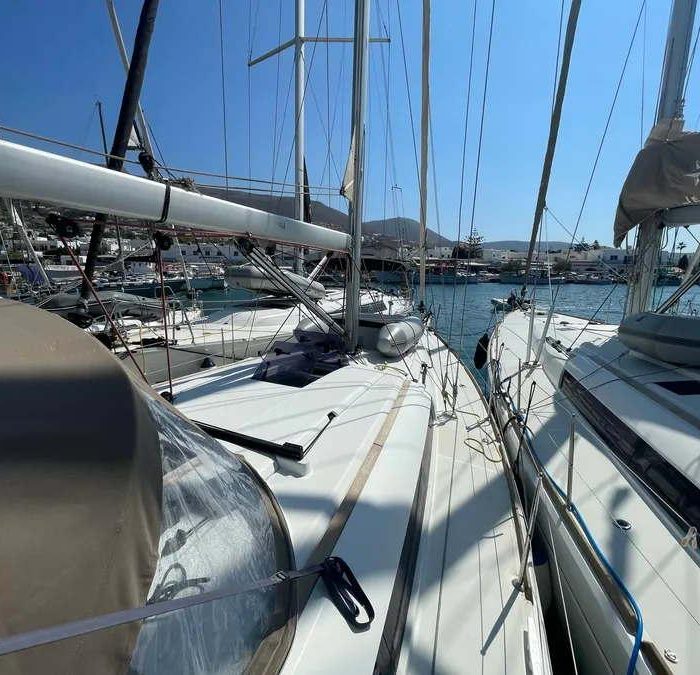
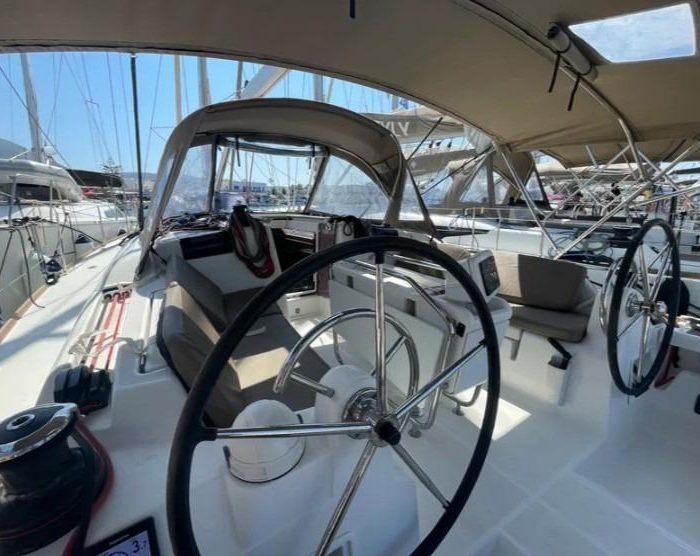
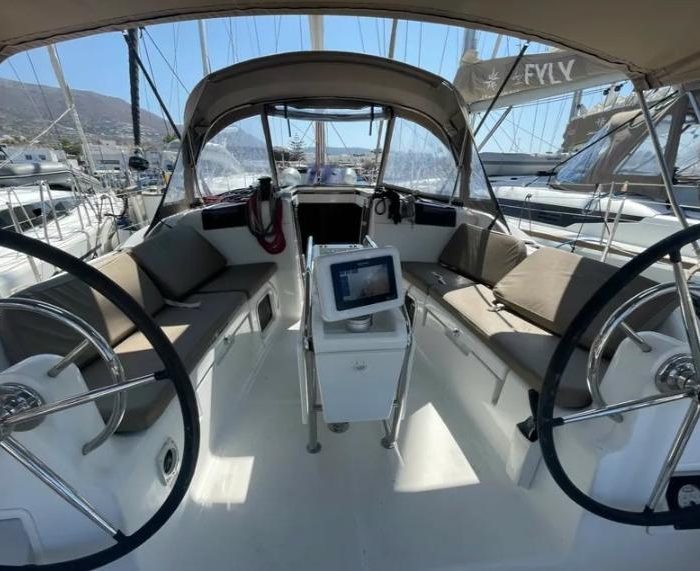
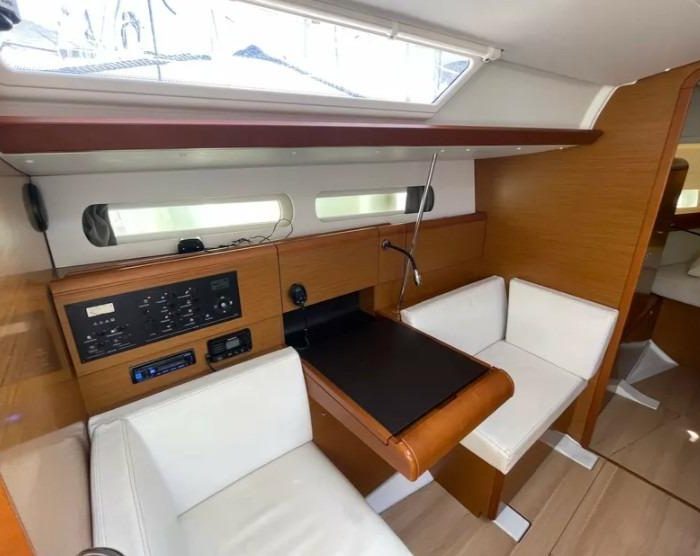
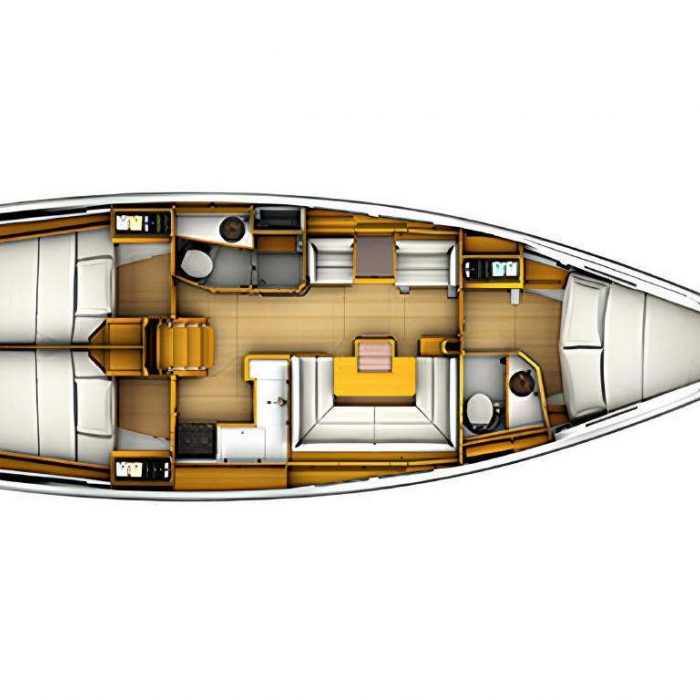
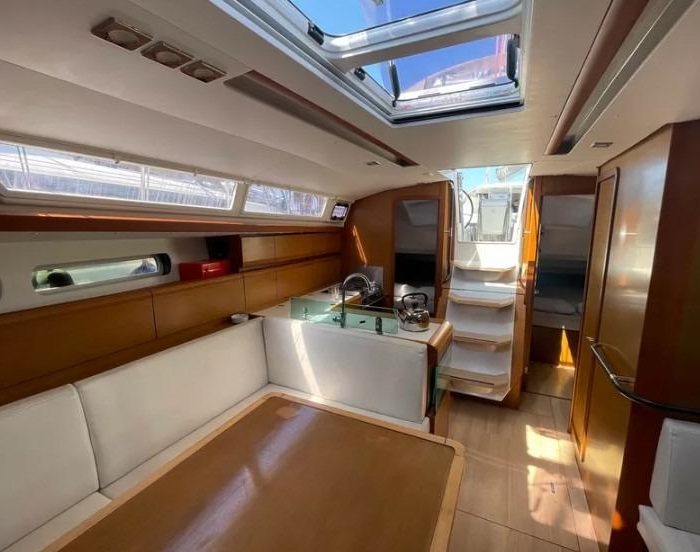
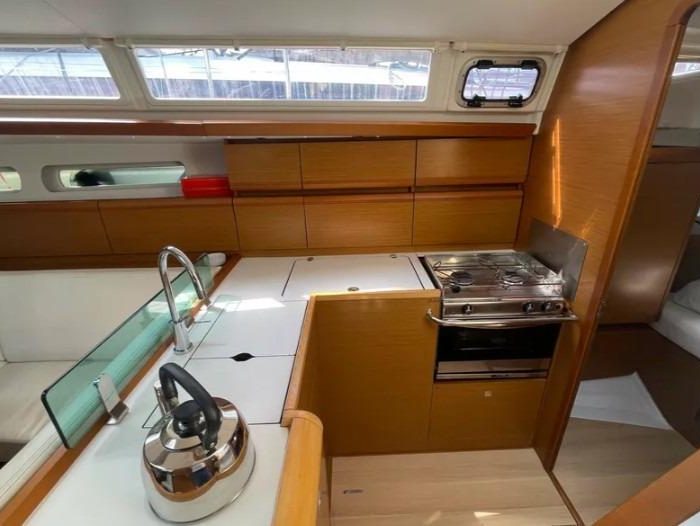
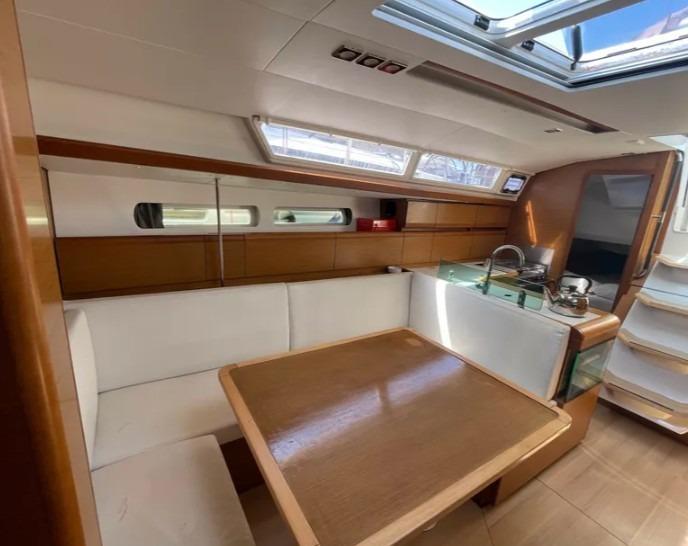
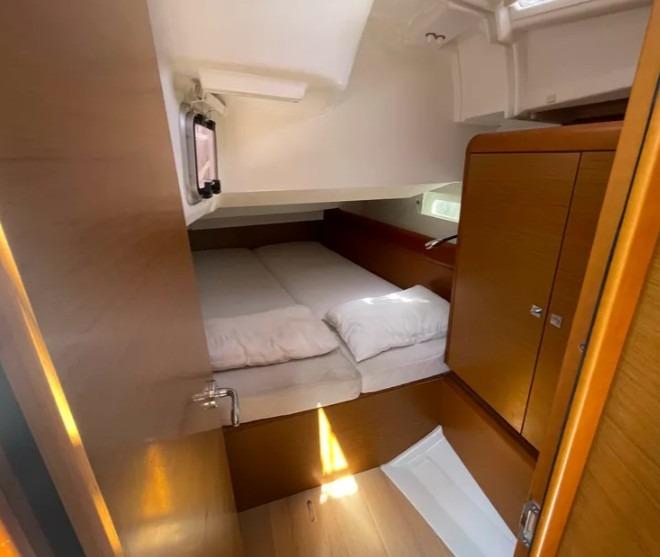
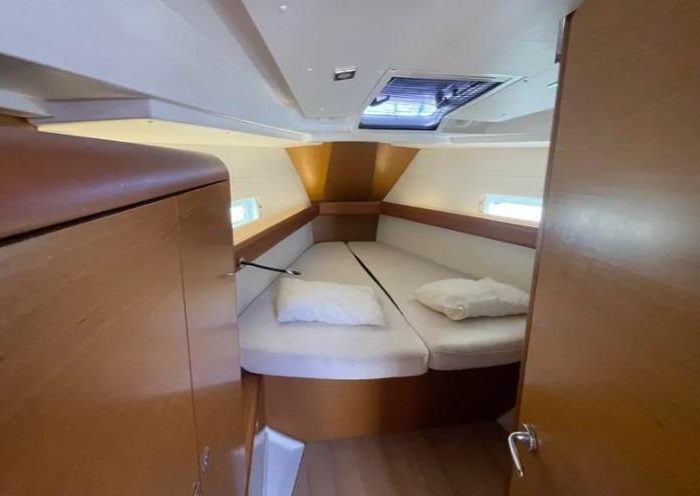
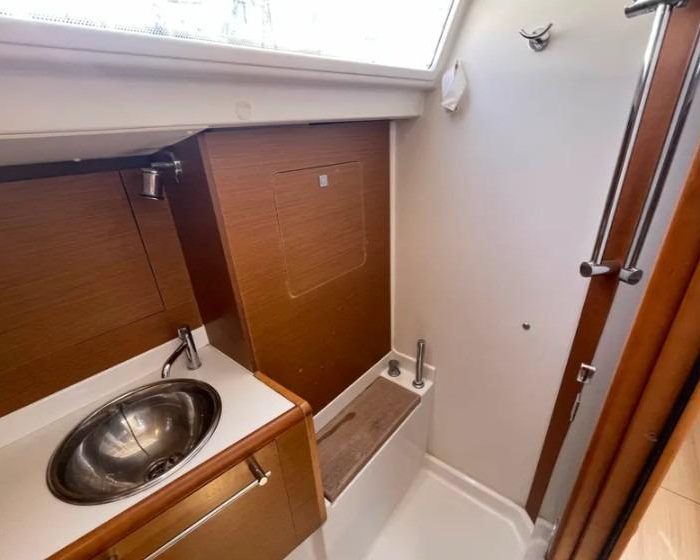
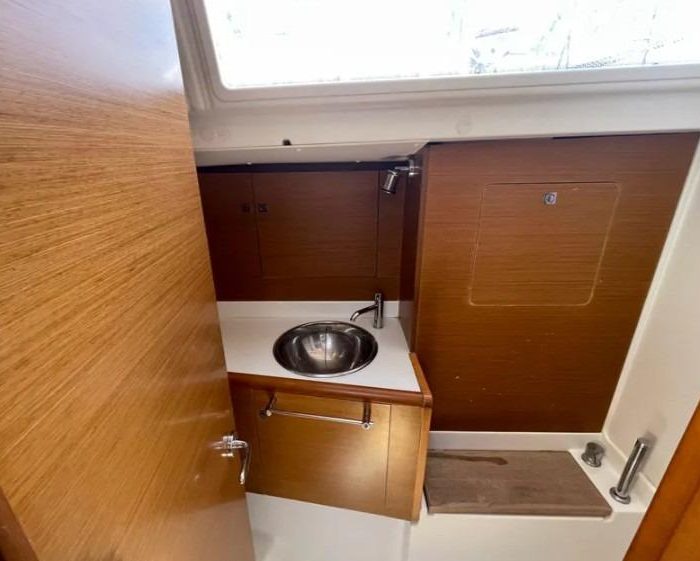
Blueberry | Sun Odyssey 419
Y Knot Yachting
Greece, Cyclades, Paros, Paroikia port
Year: 2019
Guests: 8
2777 €
2777 €
- 15% 2,360€
+ mandatory costs - 665 €
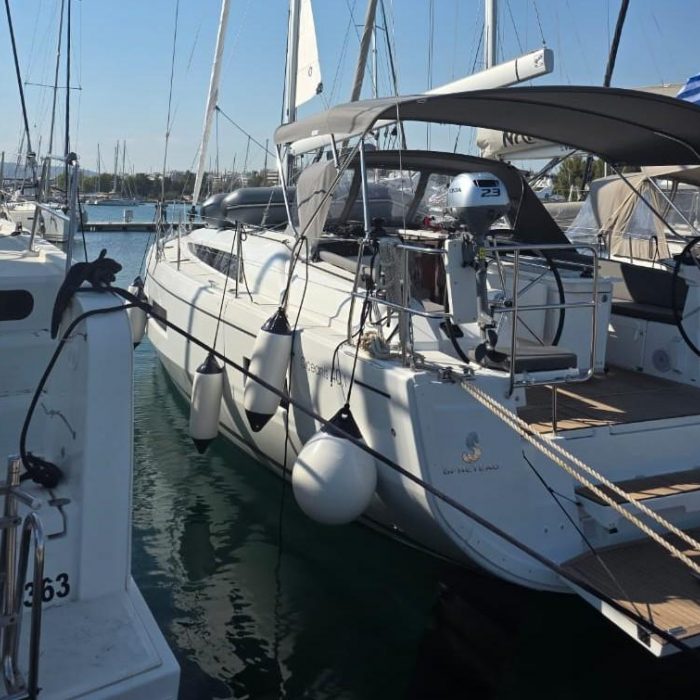
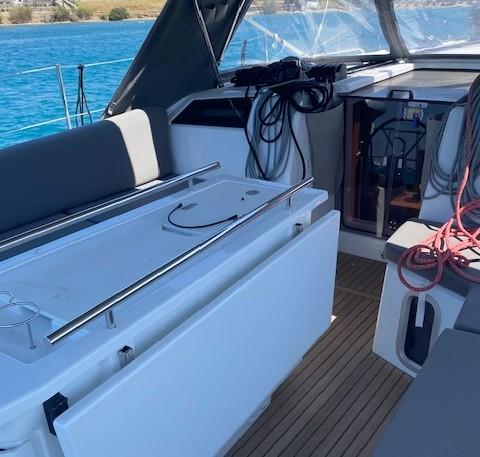
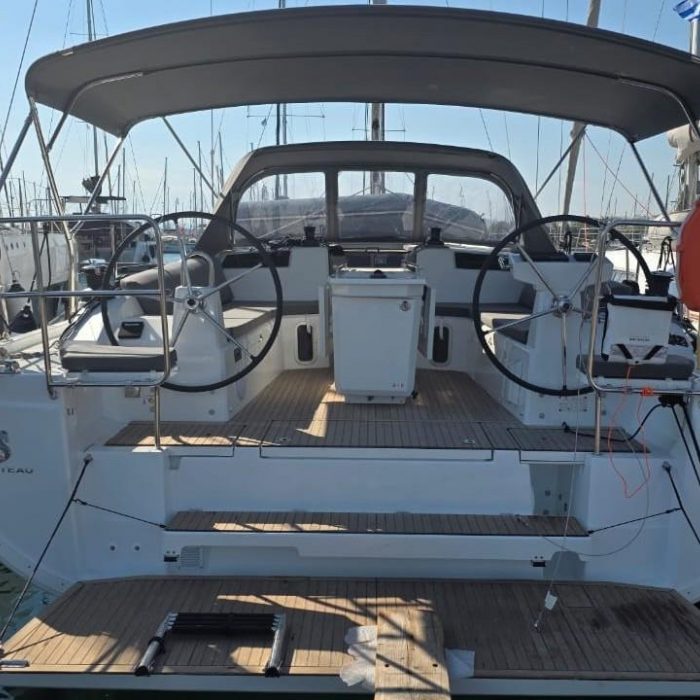
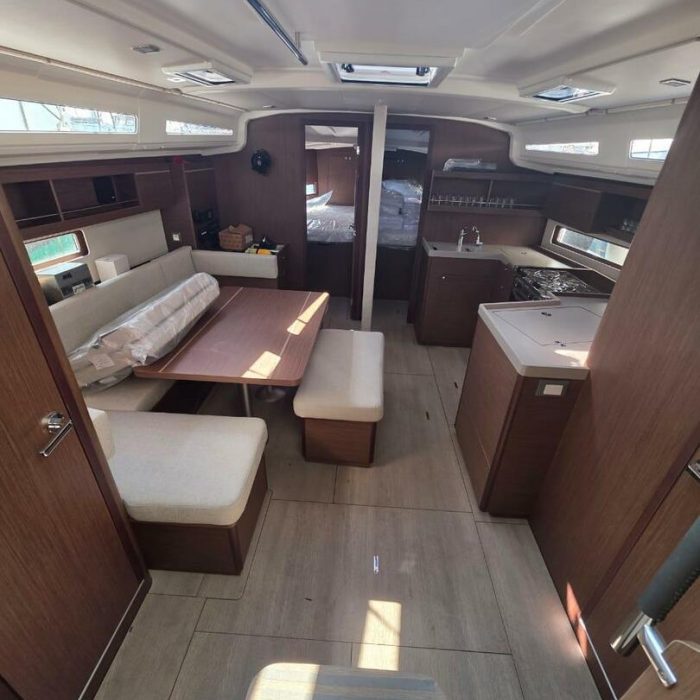
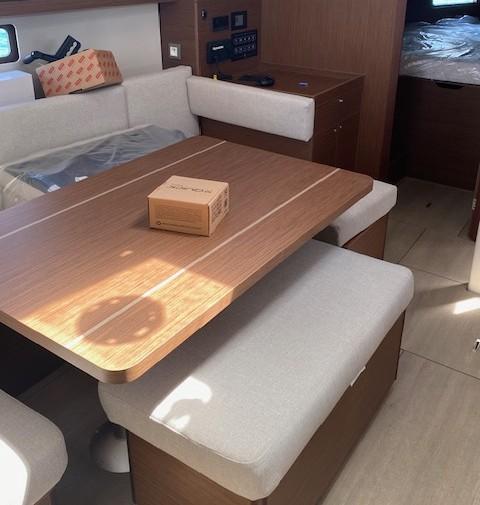
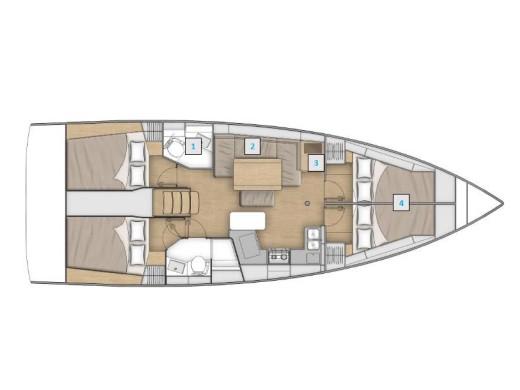
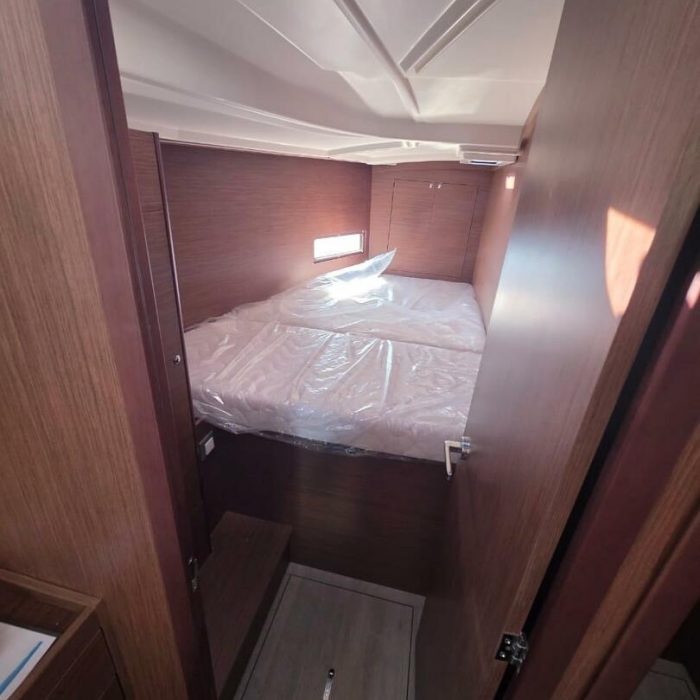
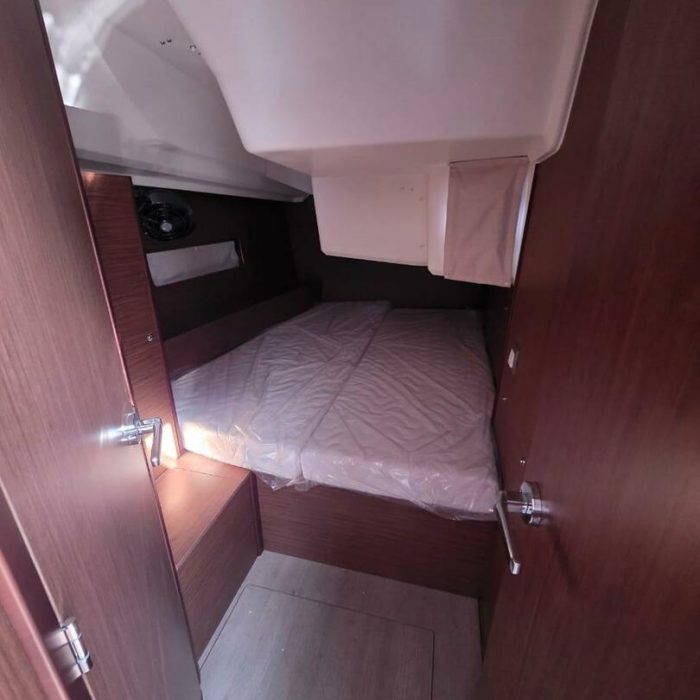
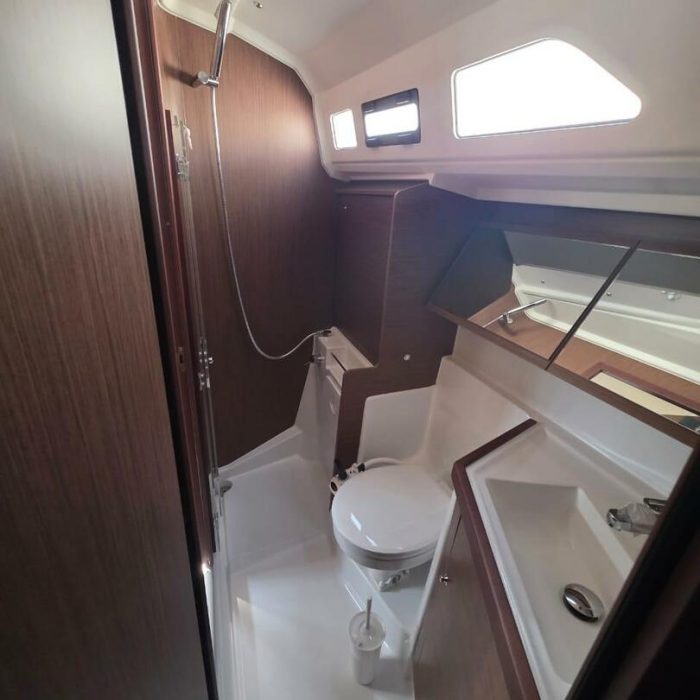
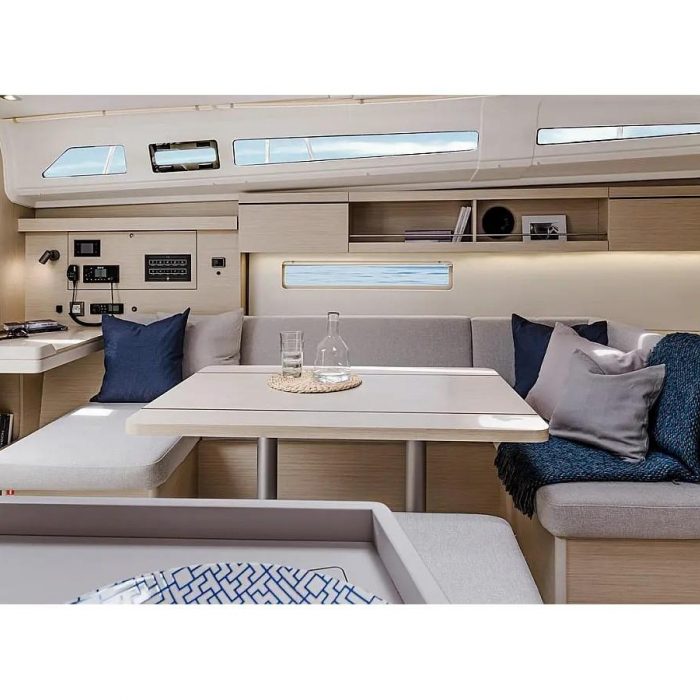
Stefano | Oceanis 40.1
Vernicos Yachts
Greece, Cyclades, Paros, Paros port
Year: 2025
Length: 41 Ft
Cabins: 4
Guests: 10
2500 €
2500 €
- 5% 2,375€
+ mandatory costs - 220 €

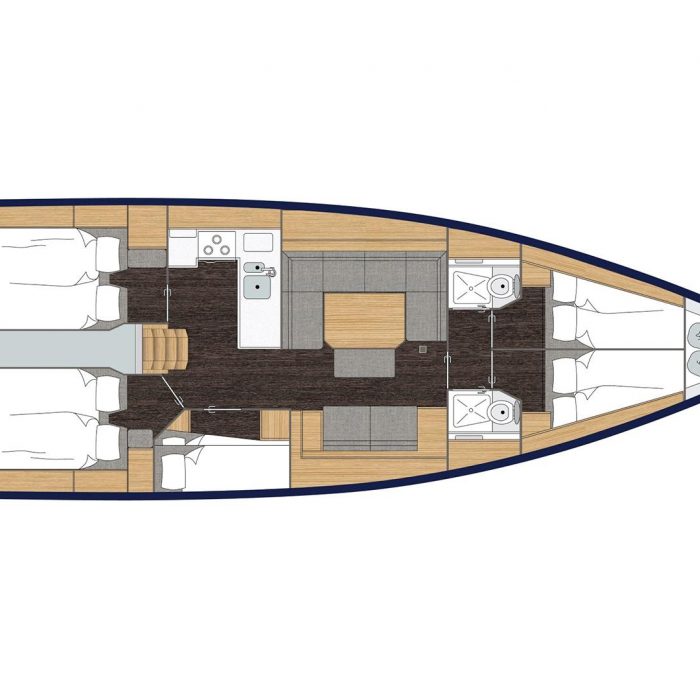
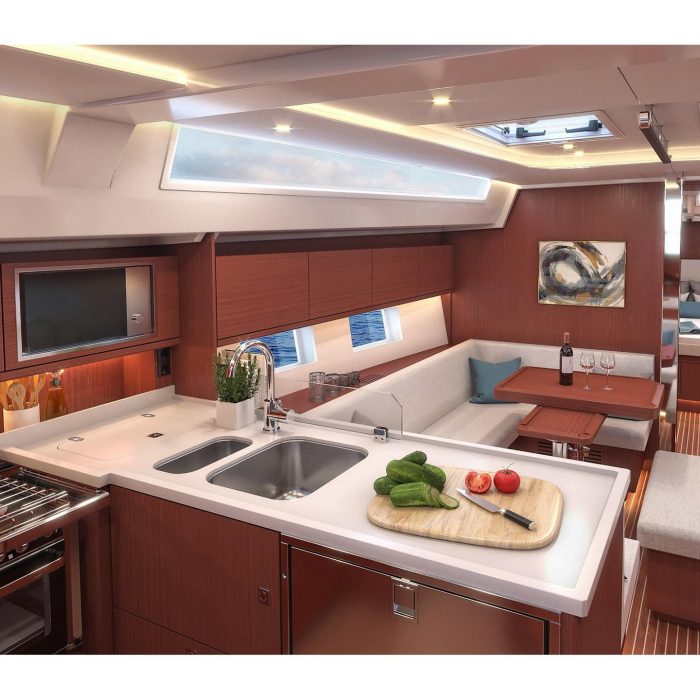
Simeon | Bavaria C45
JF Yachts P.C.
Greece, Cyclades, Paros, Paros port
Year: 2019
Length: 46 Ft
Cabins: 5
Guests: 12
3280 €
3280 €
- 24% 2,490€
+ mandatory costs - 335 €
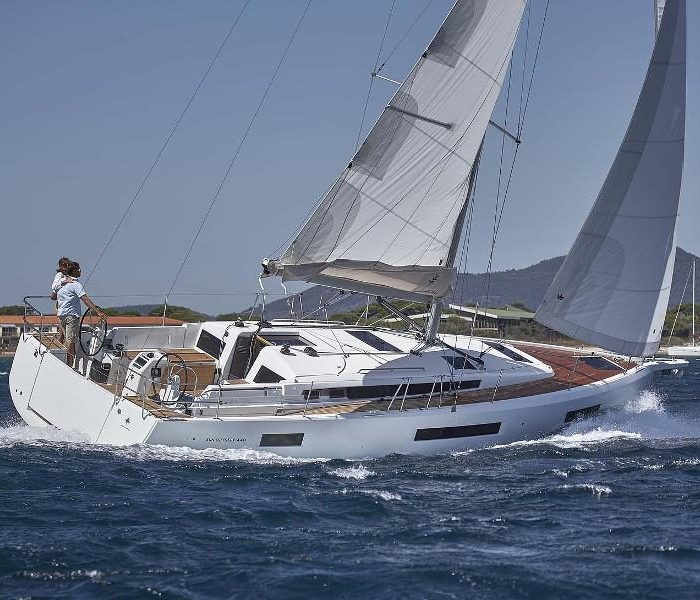
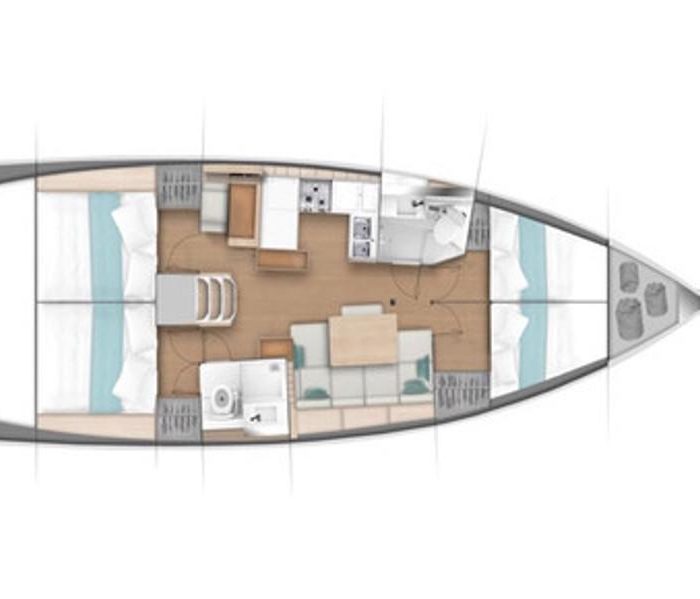
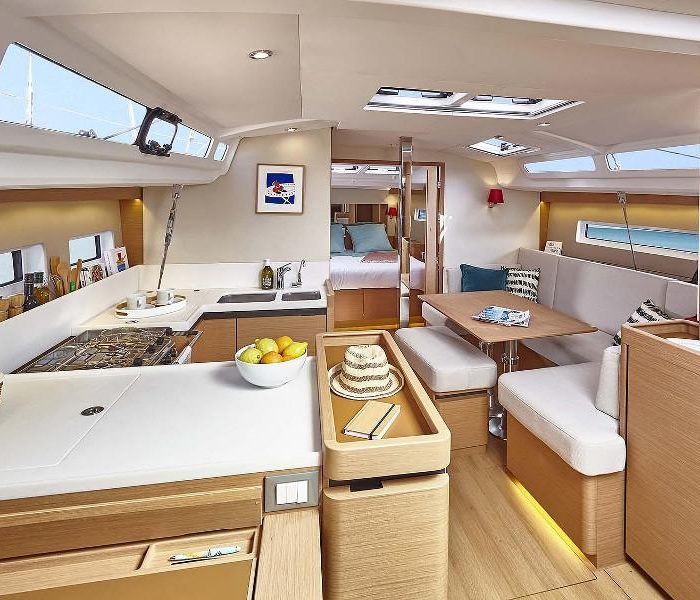
Gojiberry | Sun Odyssey 440
JF Yachts P.C.
Greece, Cyclades, Paros, Paros port
Year: 2018
Length: 44 Ft
Cabins: 4
Guests: 10
3290 €
3290 €
- 24% 2,516€
+ mandatory costs - 285 €
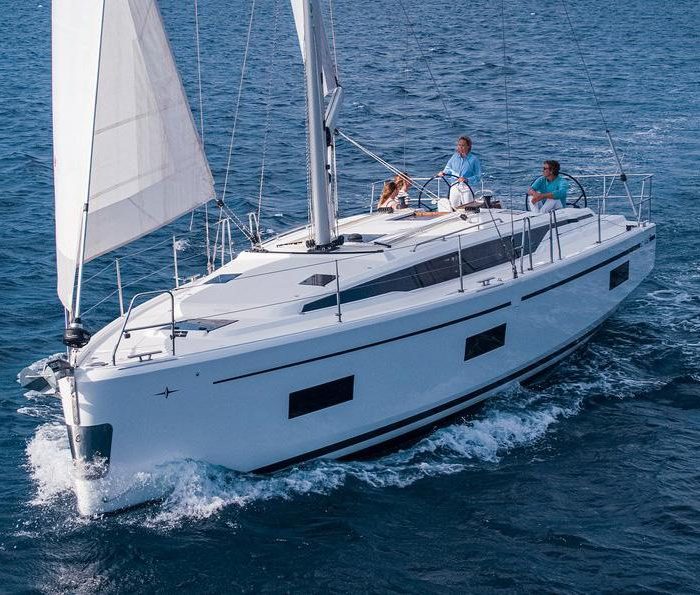
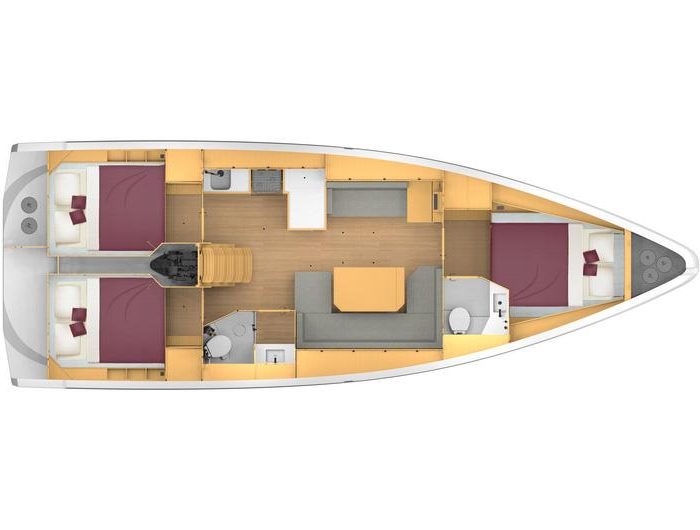
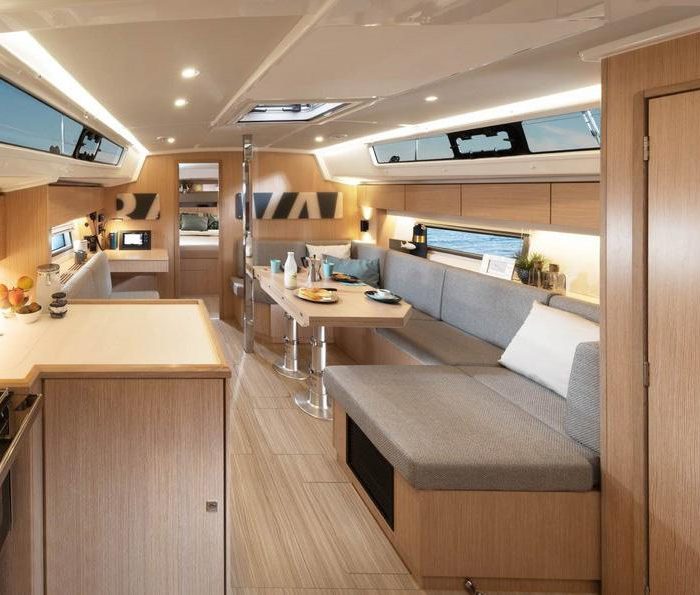
Blackberry | Bavaria C42
JF Yachts P.C.
Greece, Cyclades, Paros, Paros port
Year: 2025
Length: 41 Ft
Cabins: 3
Guests: 8
3260 €
3260 €
- 19% 2,632€
+ mandatory costs - 260 €
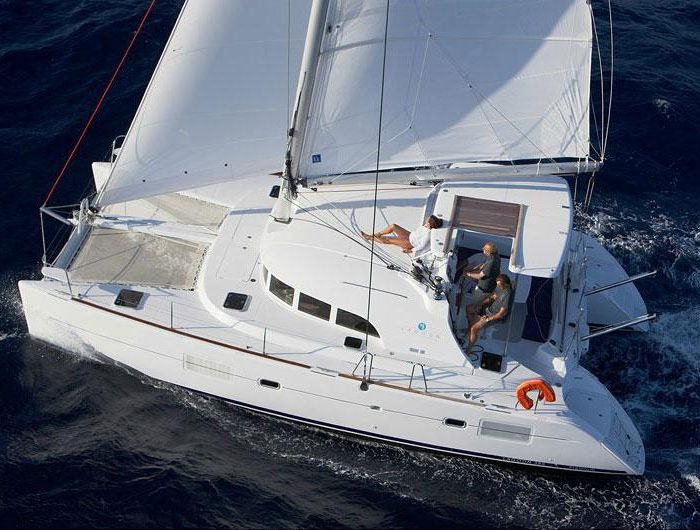
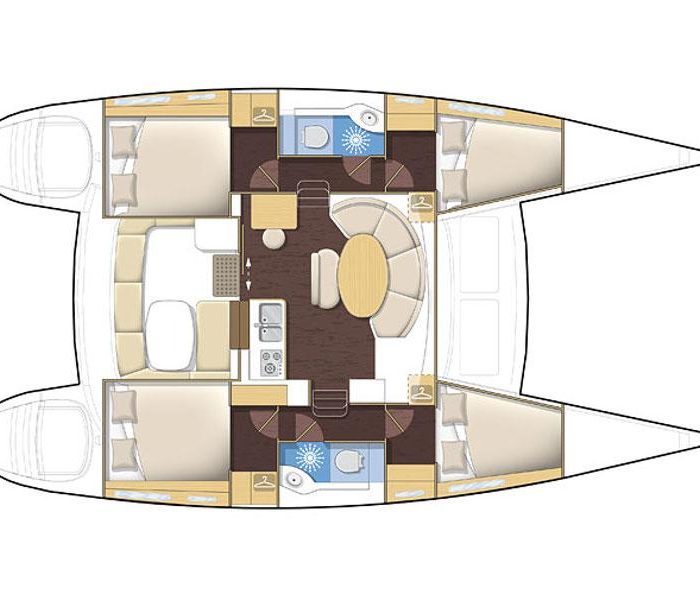
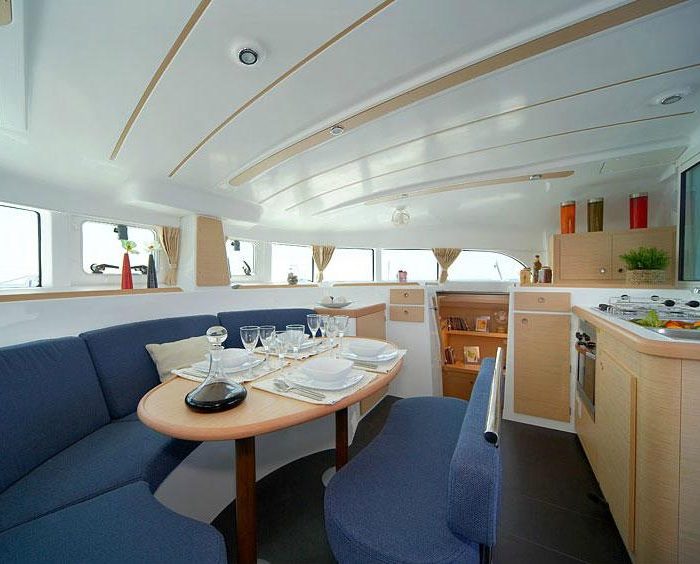
Butterfly | Lagoon 380
JF Yachts P.C.
Greece, Cyclades, Paros, Paros port
Year: 2019
Length: 38 Ft
Cabins: 6
Guests: 10
3700 €
3700 €
- 29% 2,636€
+ mandatory costs - 270 €
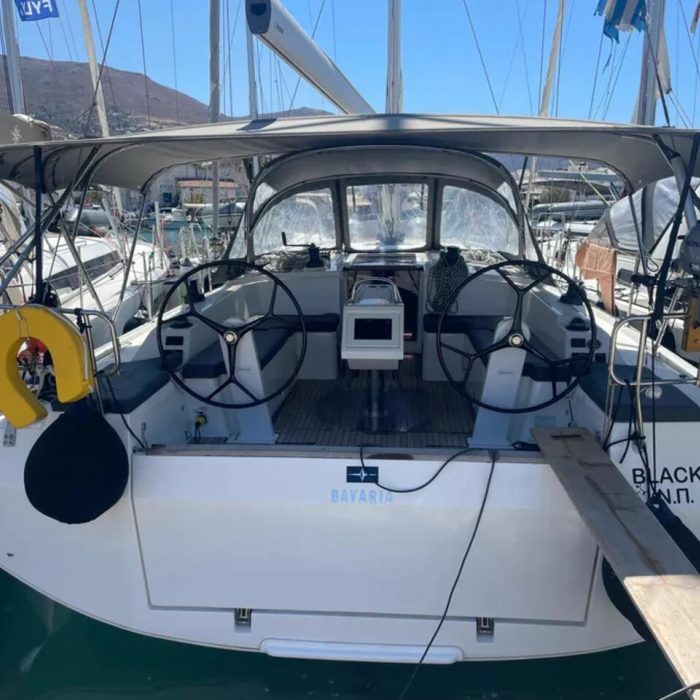
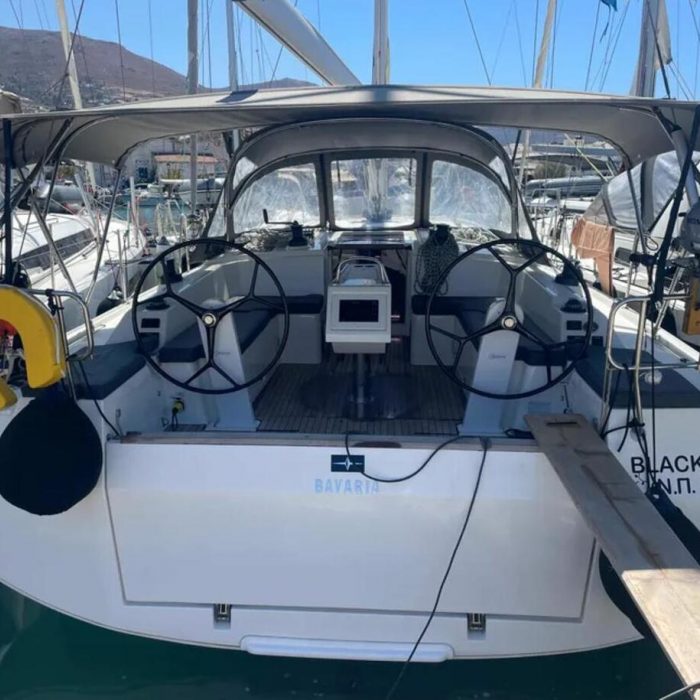
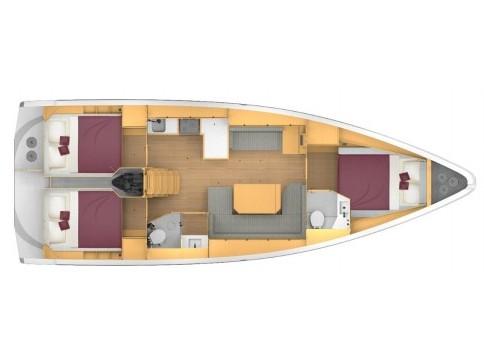
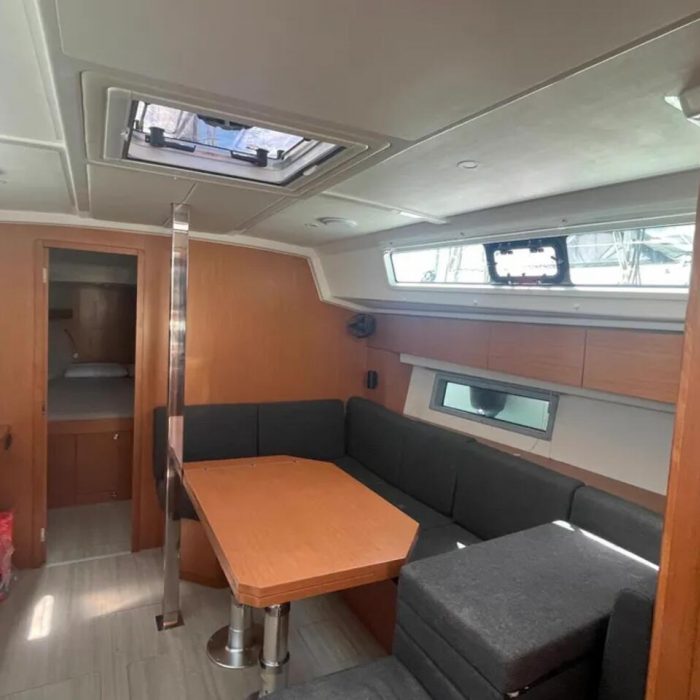
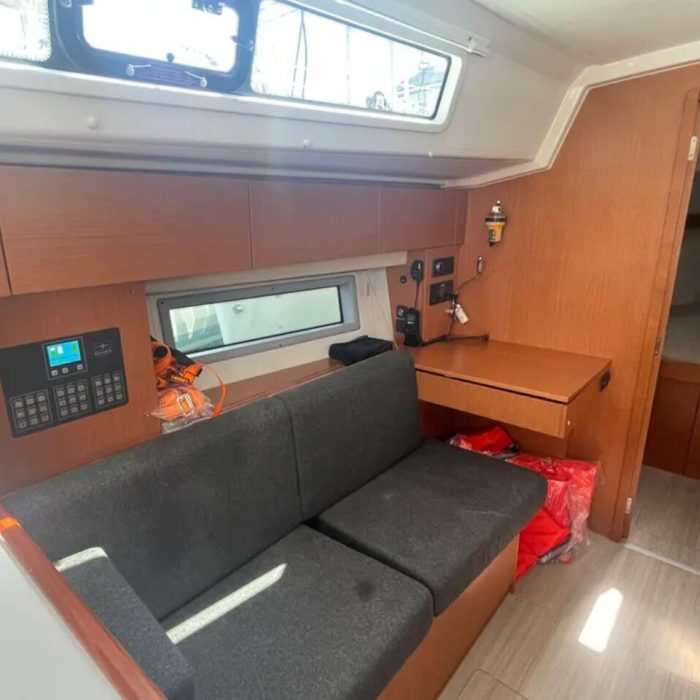
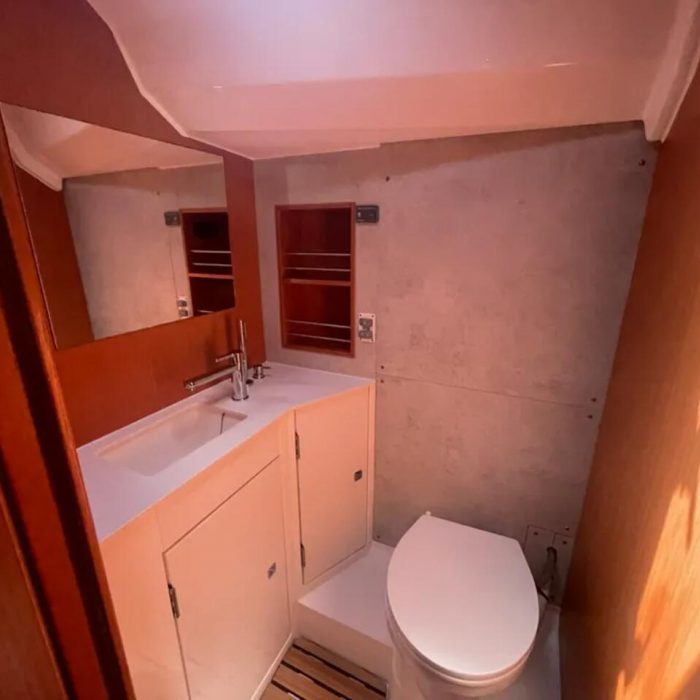
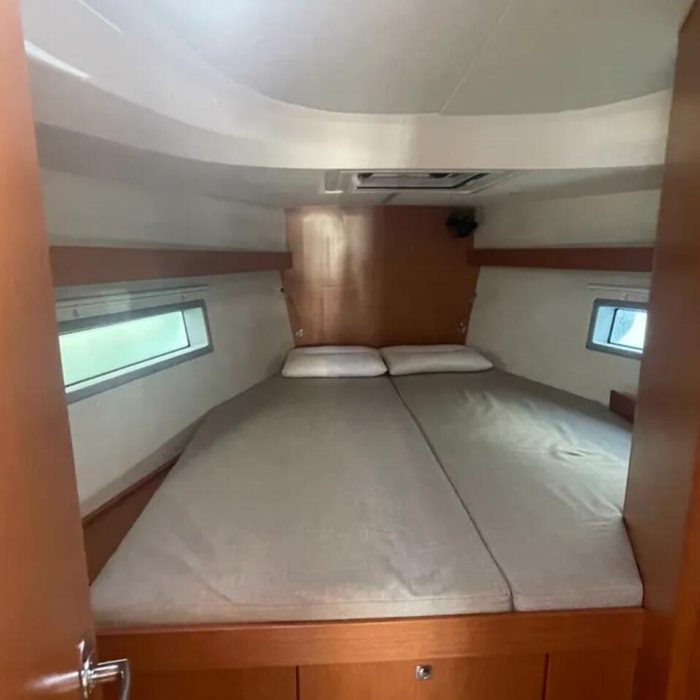
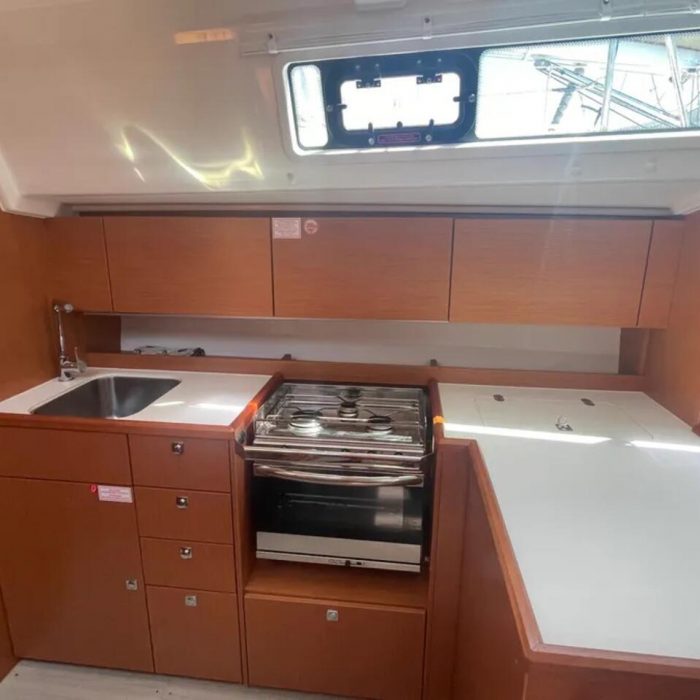
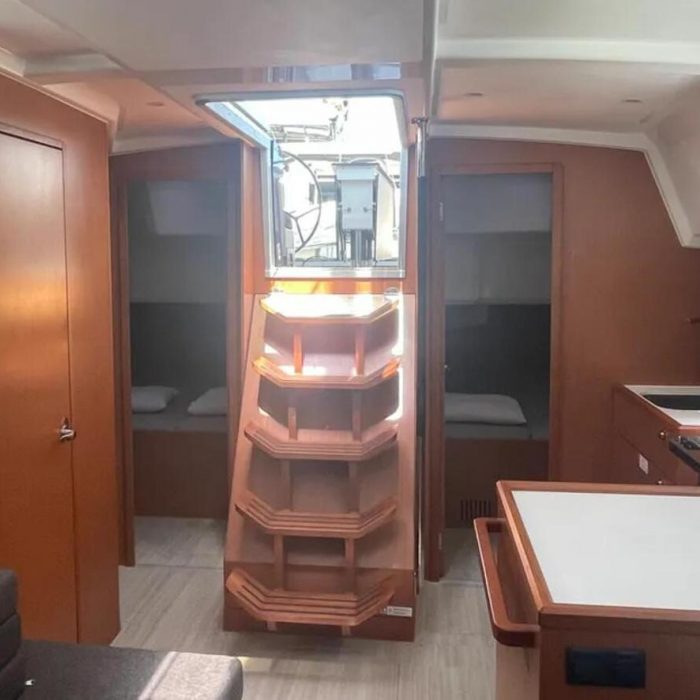
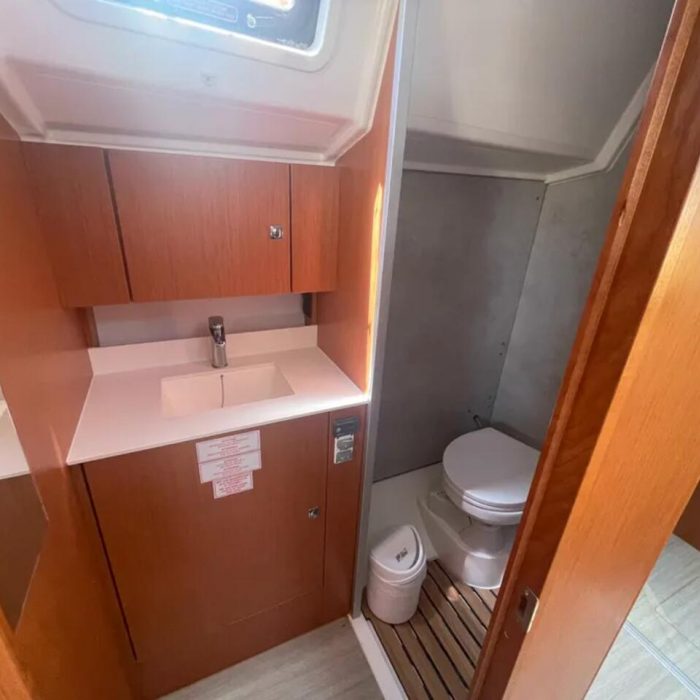
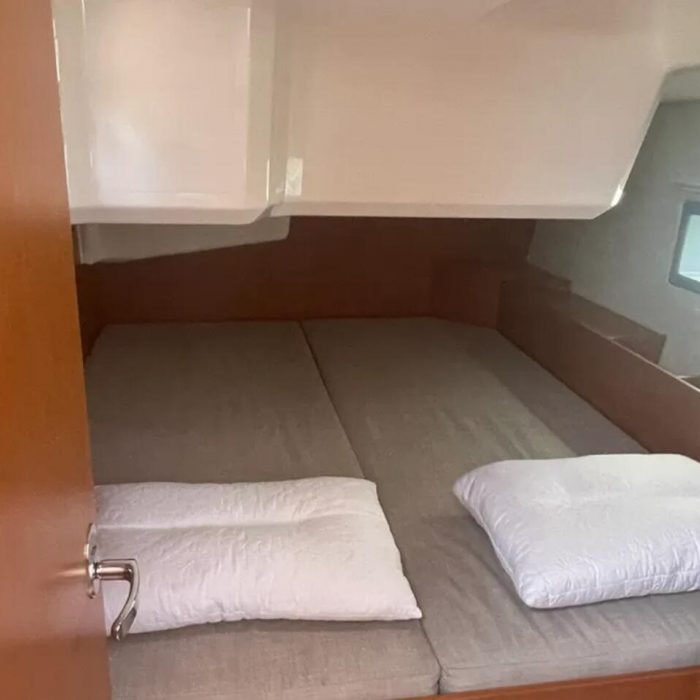
Blackberry | Bavaria C42
Y Knot Yachting
Greece, Cyclades, Paros, Paroikia port
Year: 2025
Guests: 8
3343 €
Online price
for 7 days
€ 3,343- 16%€2,814
+ mandatory costs - 665 €
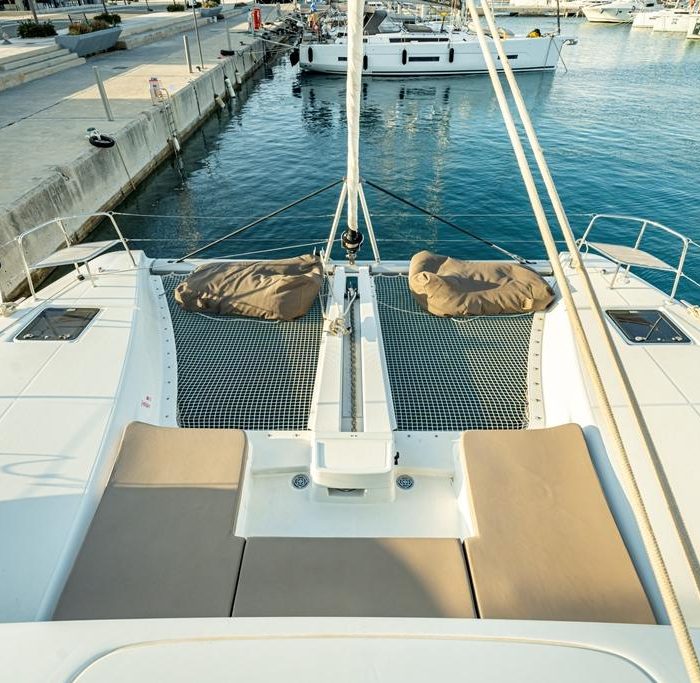
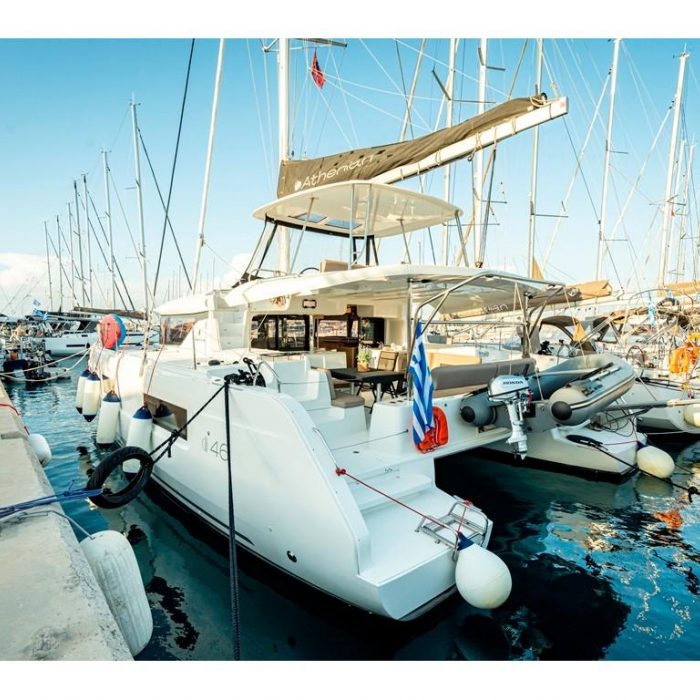
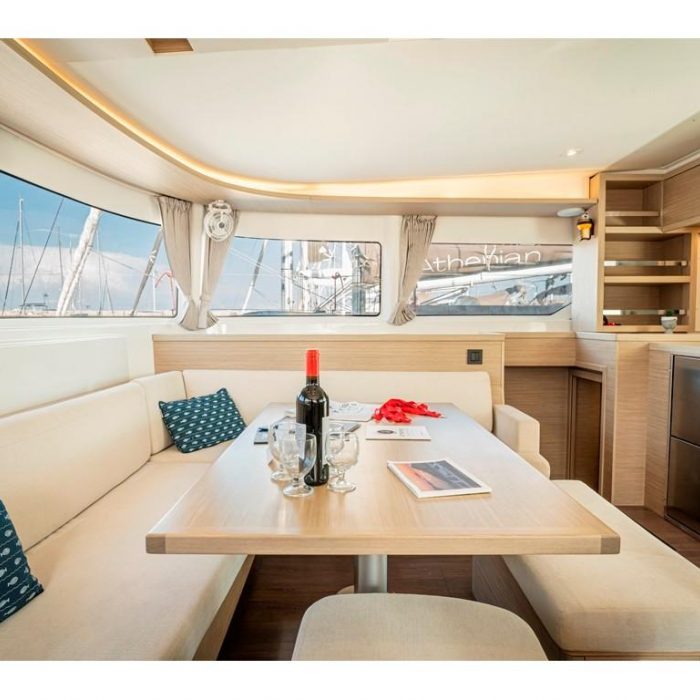
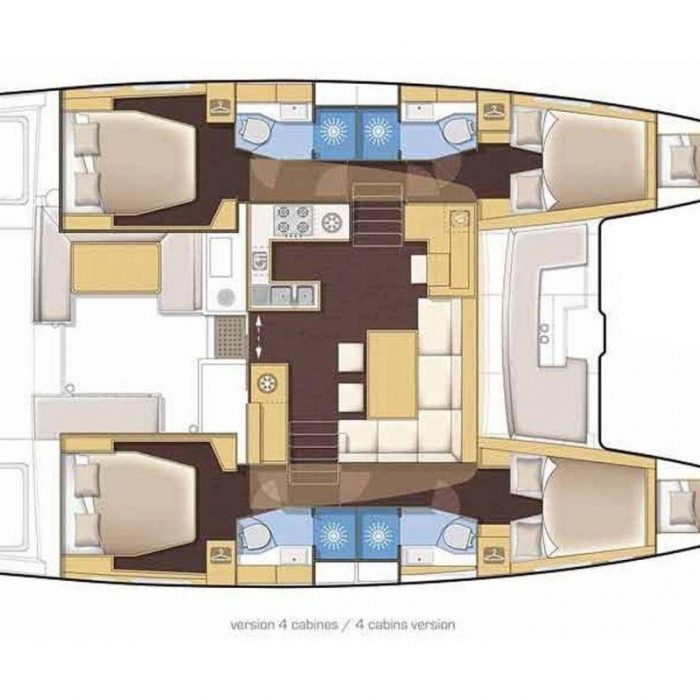
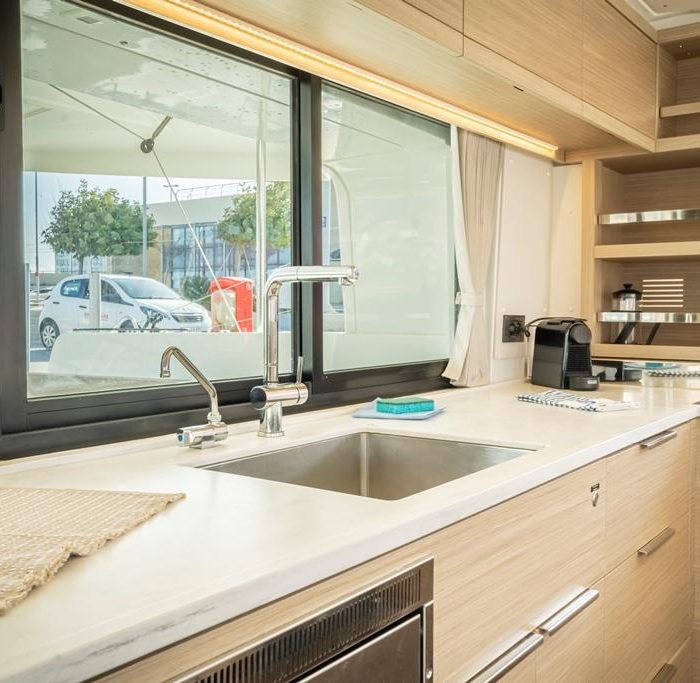
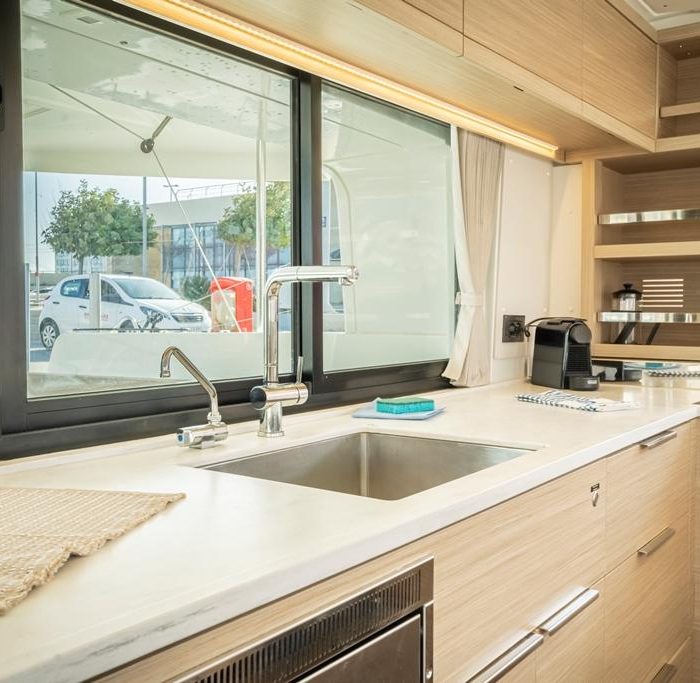
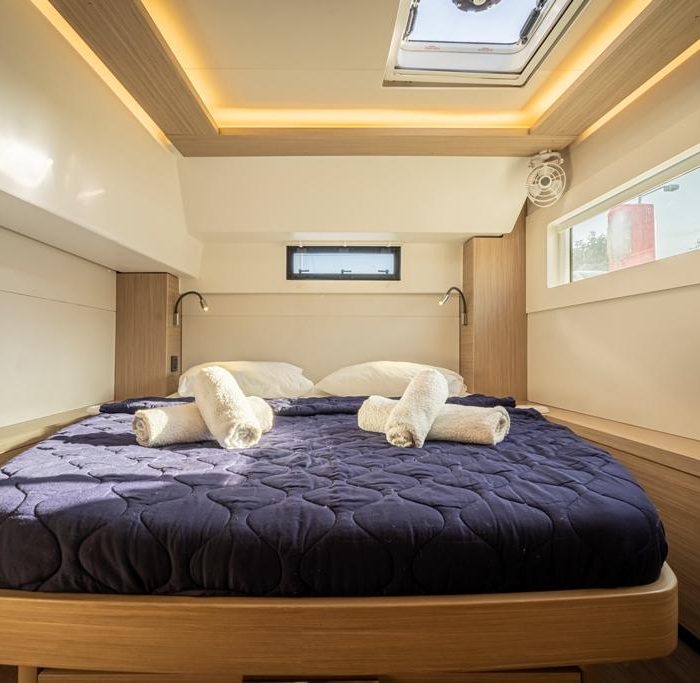
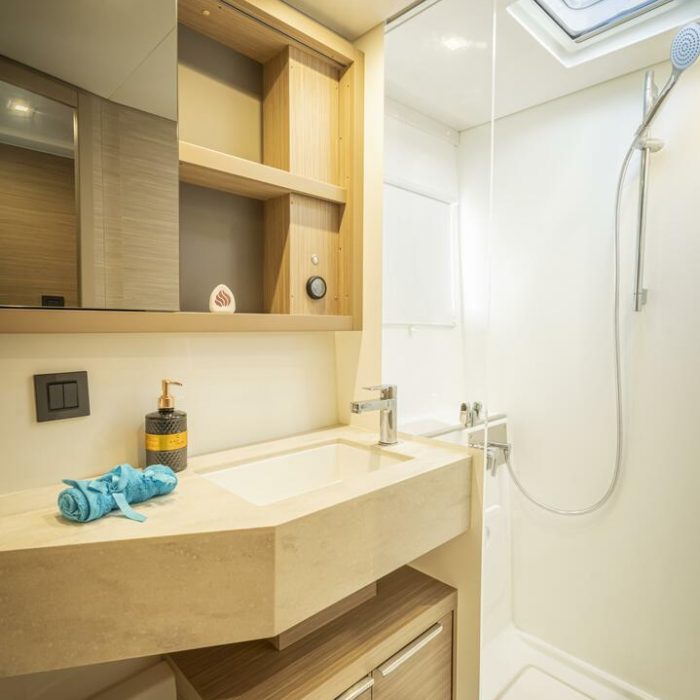
Amalia | Lagoon 46
Athenian Yachts
Greece, Cyclades, Paros, Piso Livadi Port
Year: 2024
Length: 46 Ft
Cabins: 4
Guests: 12
5750 €
Online price
for 7 days
€ 5,750- 51%€2,846
+ mandatory costs - 1610 €
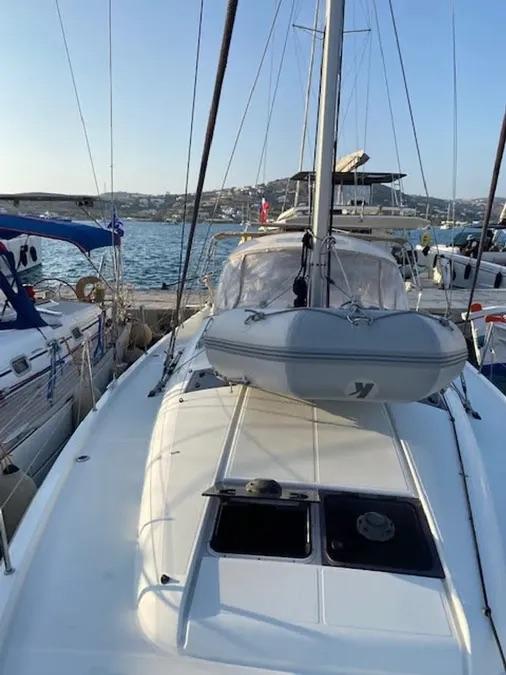
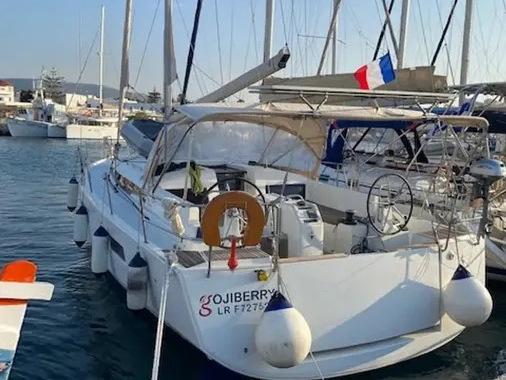
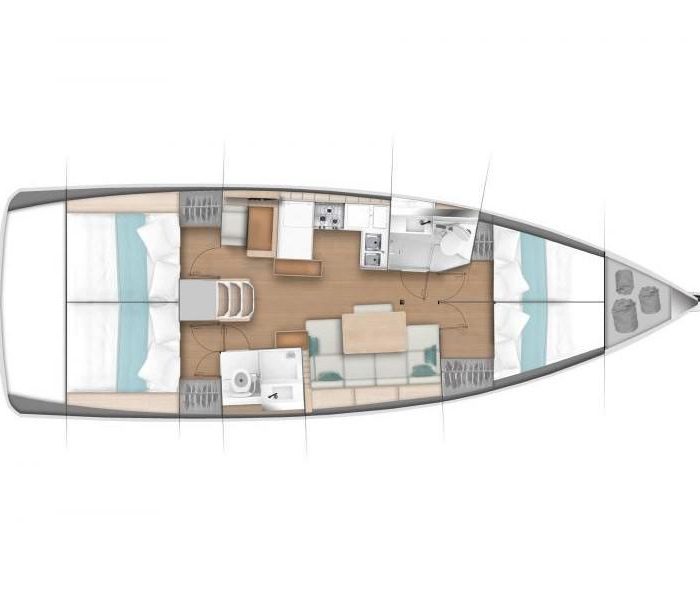
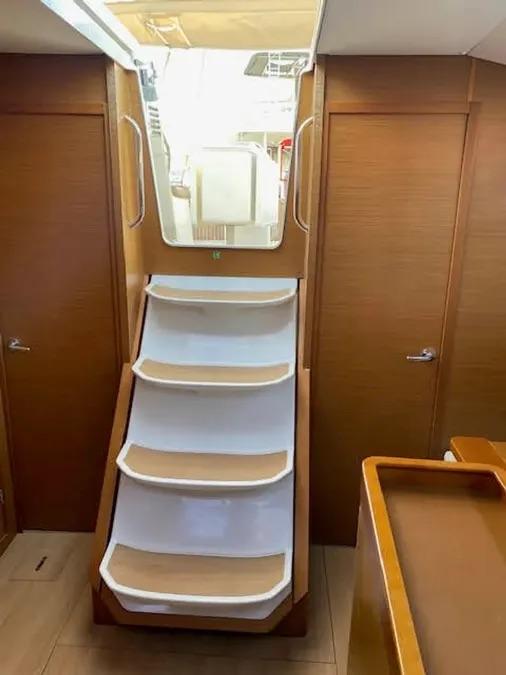
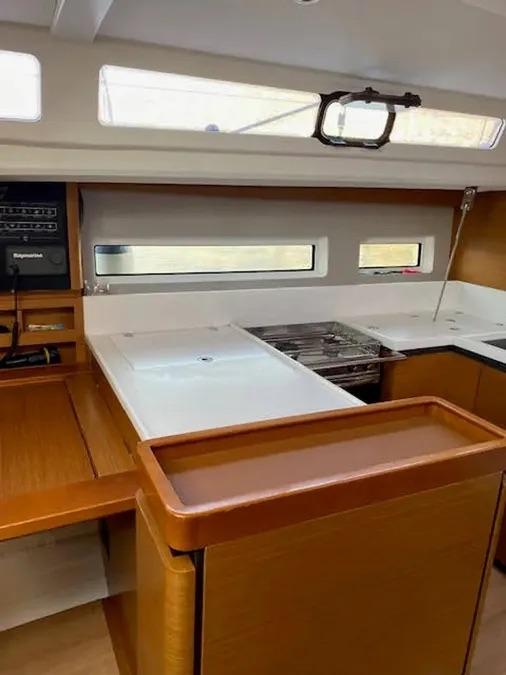
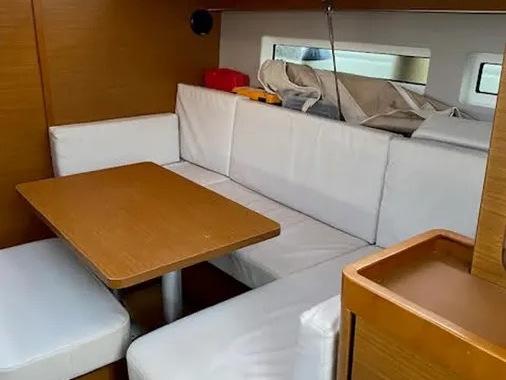
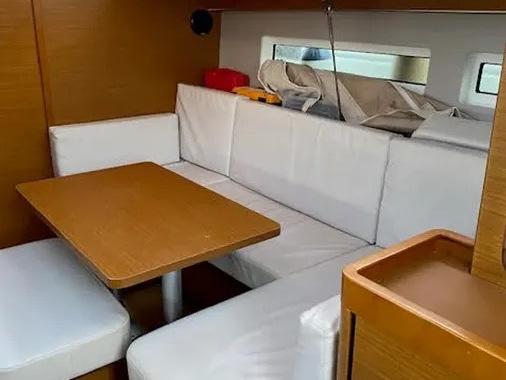
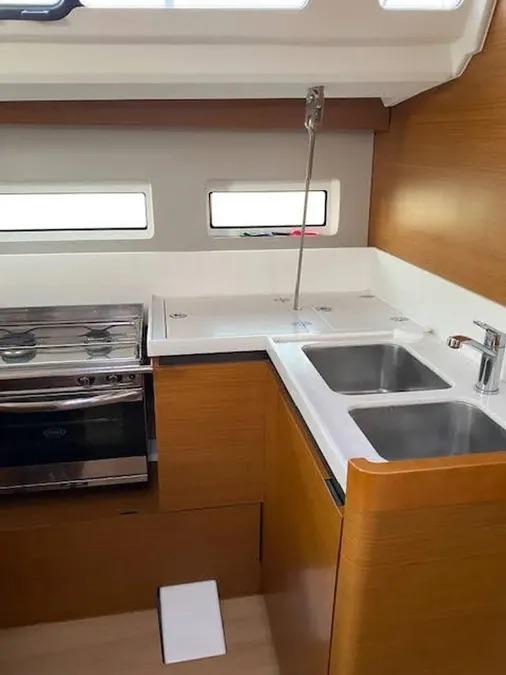
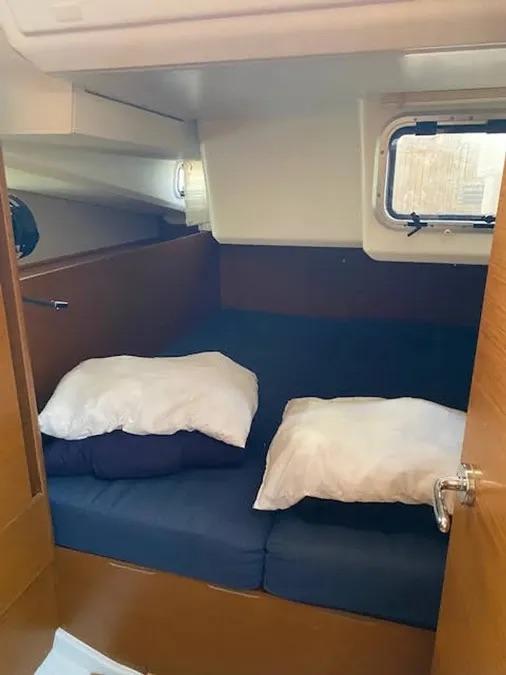
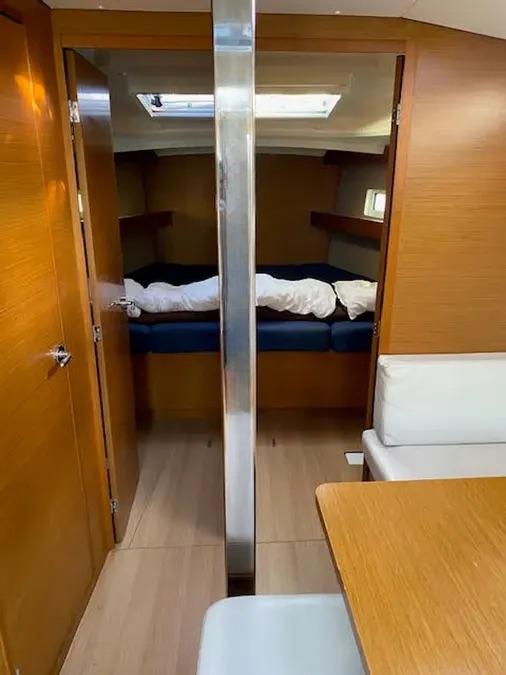
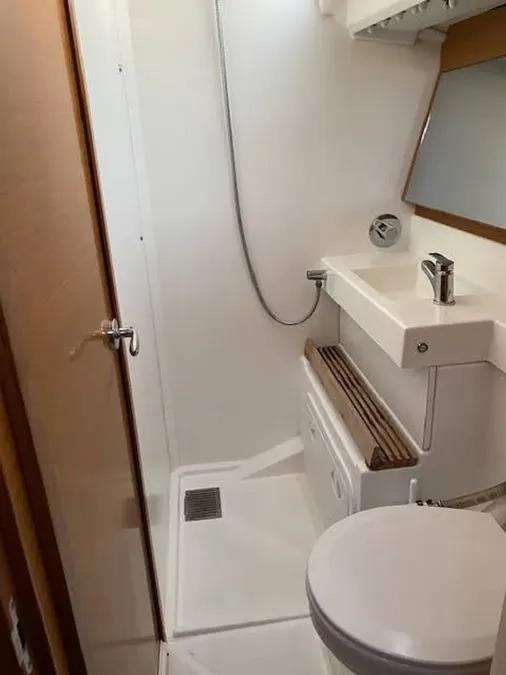
GOJI BERRY | Sun Odyssey 440
Y Knot Yachting
Greece, Cyclades, Paros, Paroikia port
Year: 2018
Guests: 10
3385 €
Online price
for 7 days
€ 3,385- 16%€2,848
+ mandatory costs - 725 €
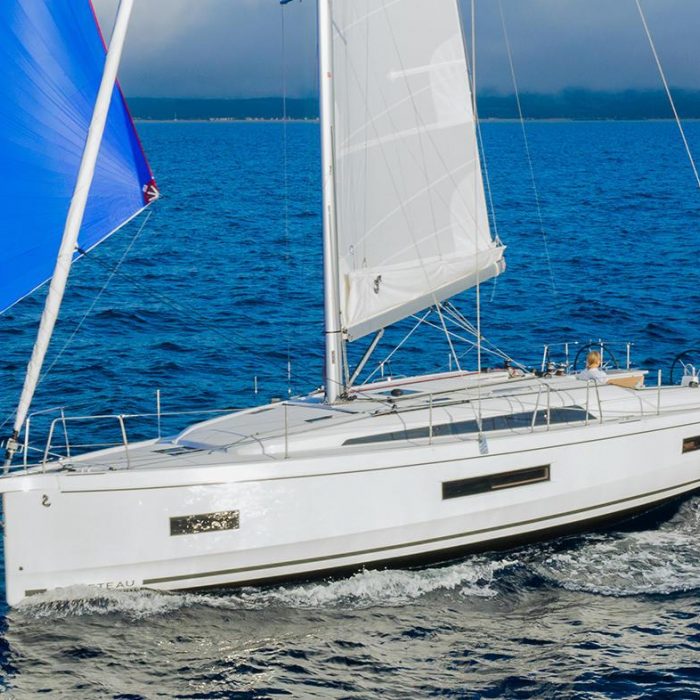
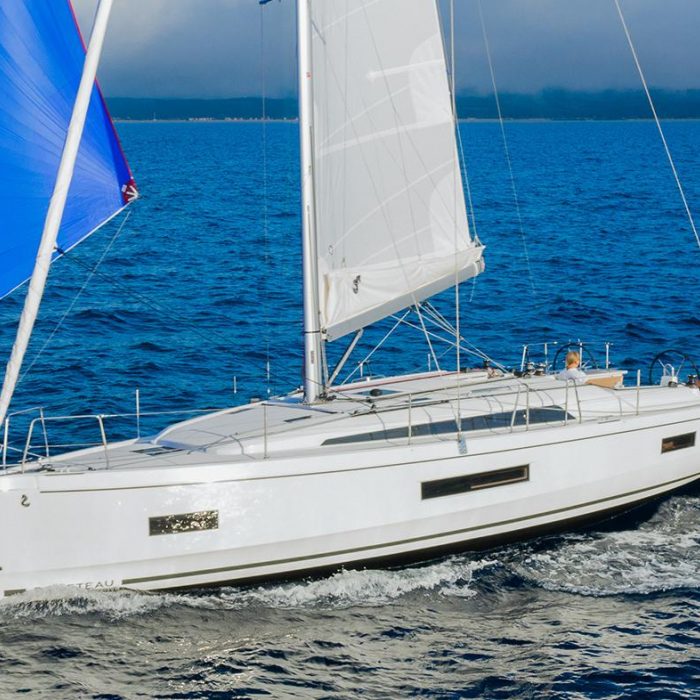
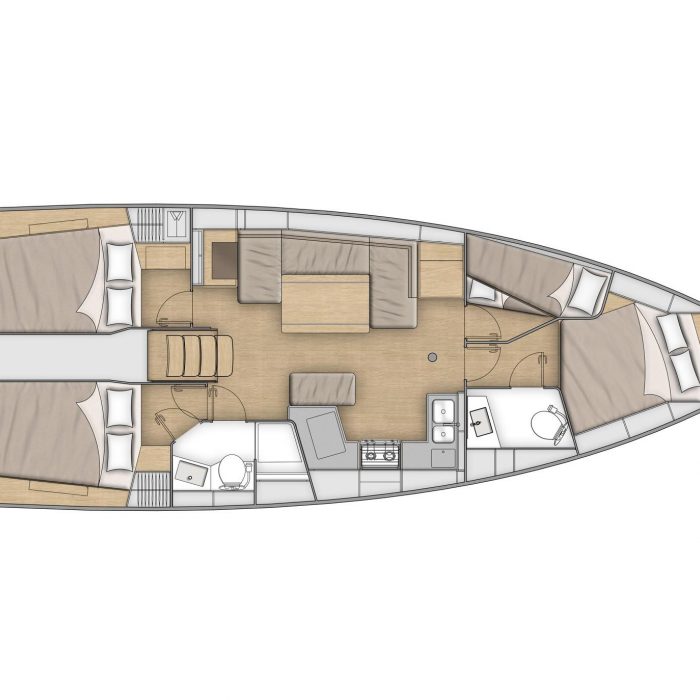
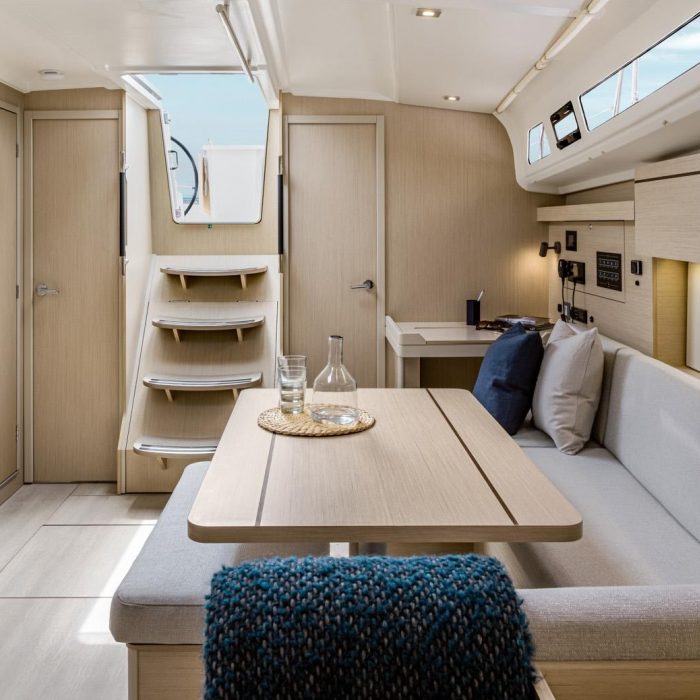
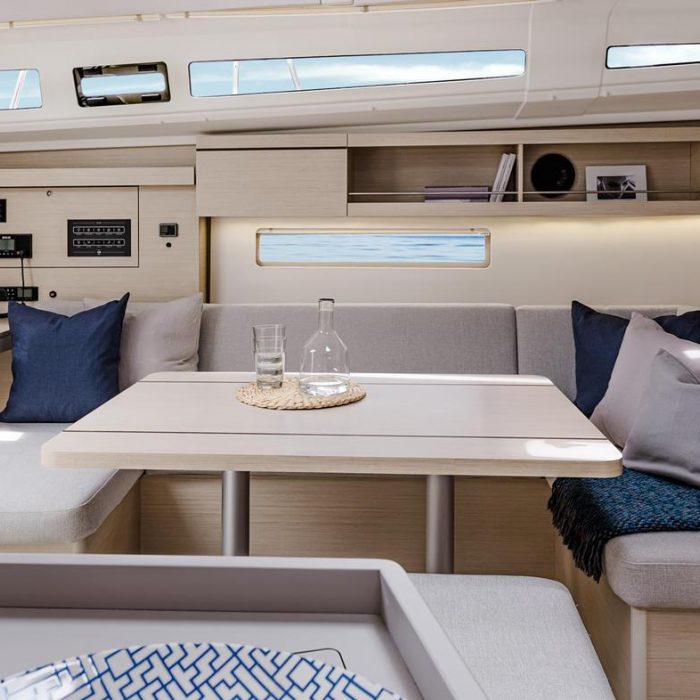
Anima | Oceanis 40.1
Y Knot Yachting
Greece, Cyclades, Paros, Paroikia port
Year: 2024
Guests: 10
3577 €
Online price
for 7 days
€ 3,577- 16%€3,010
+ mandatory costs - 700 €
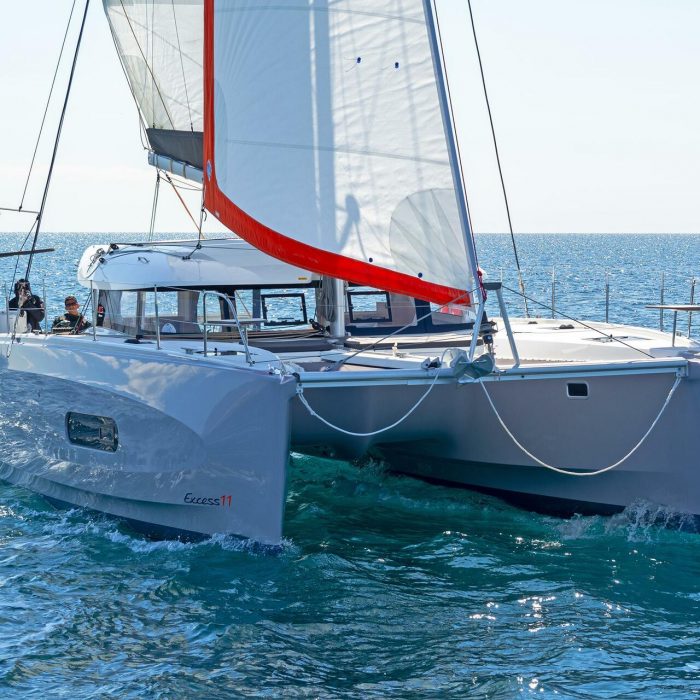
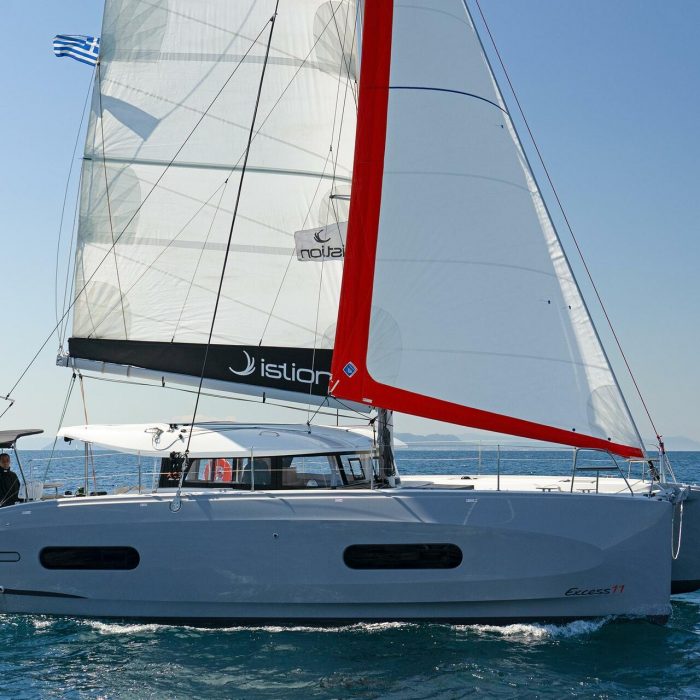
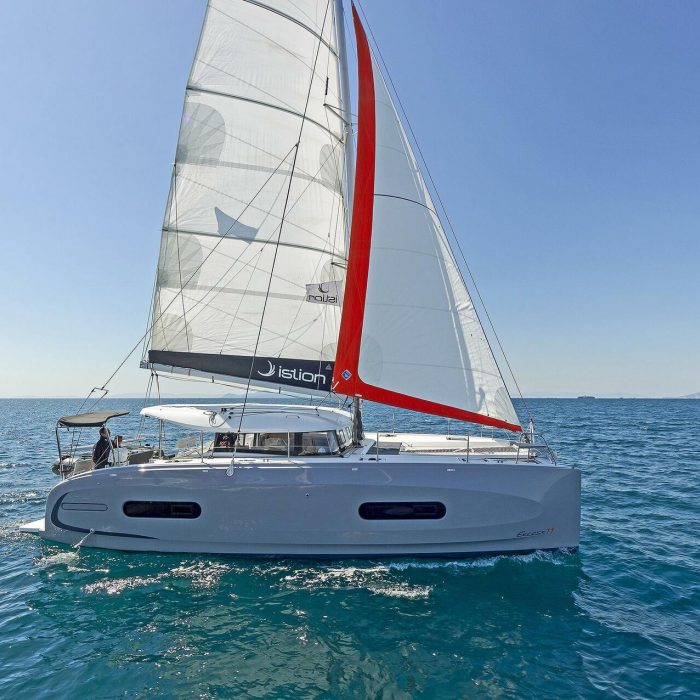
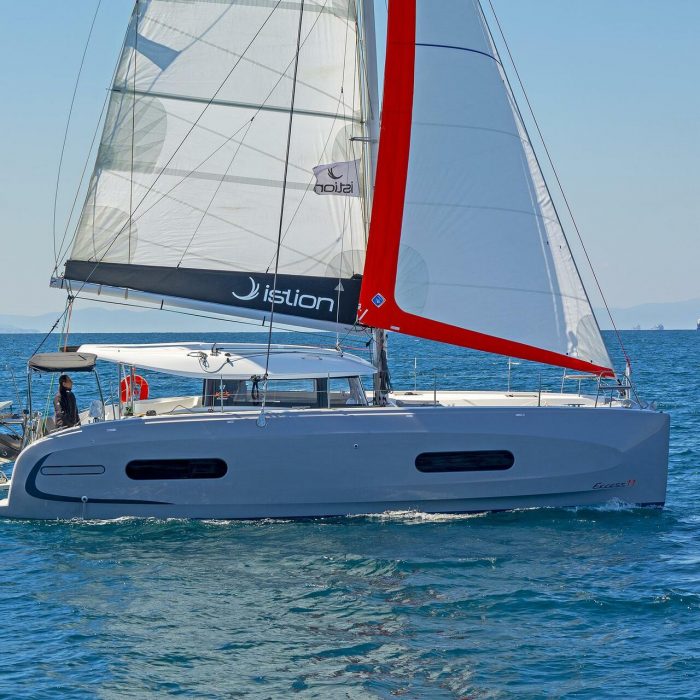
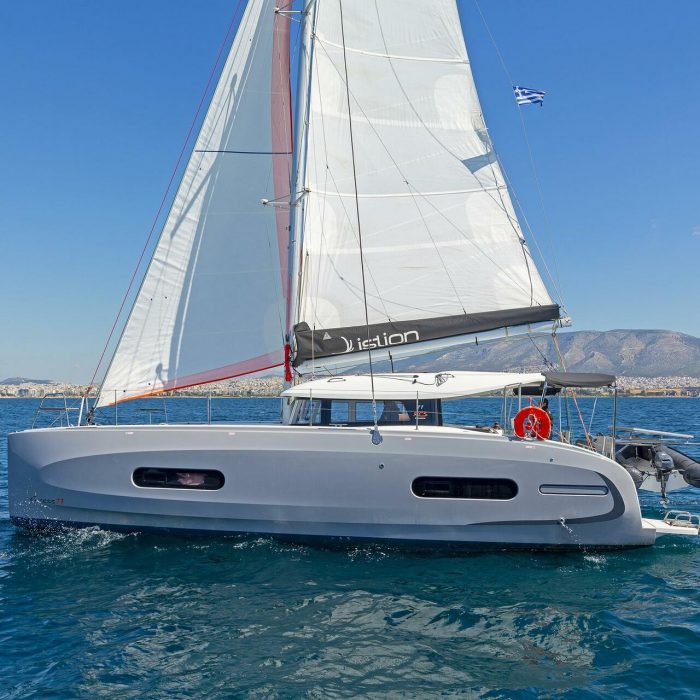
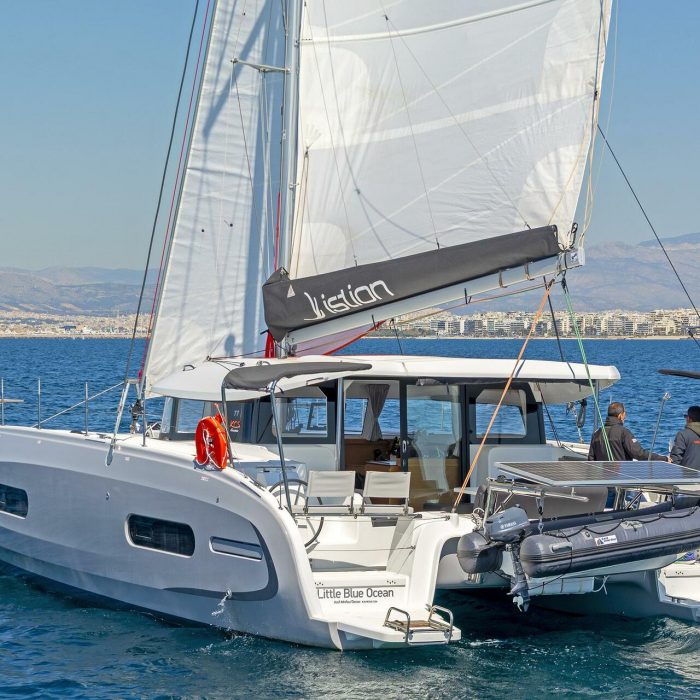
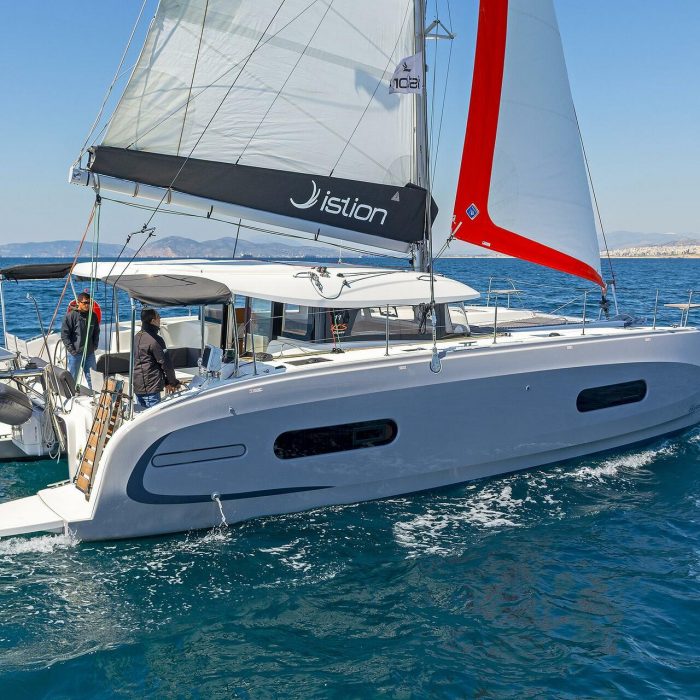
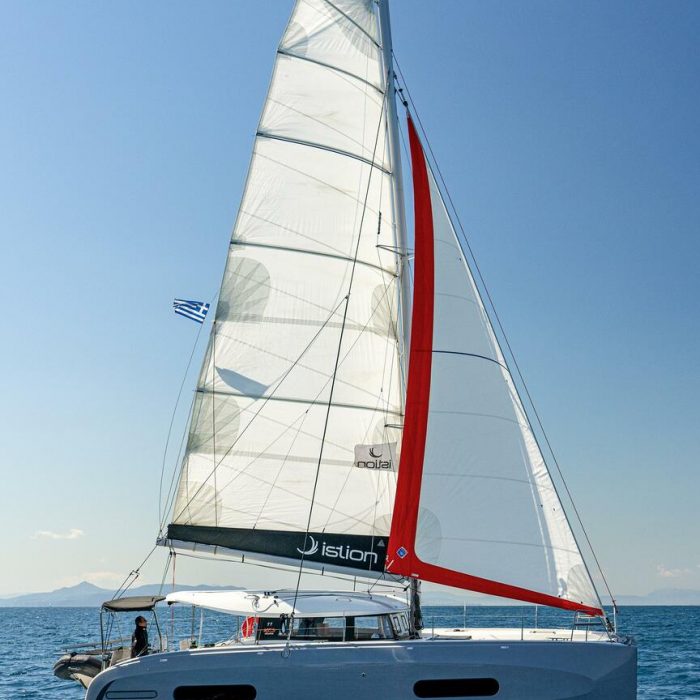

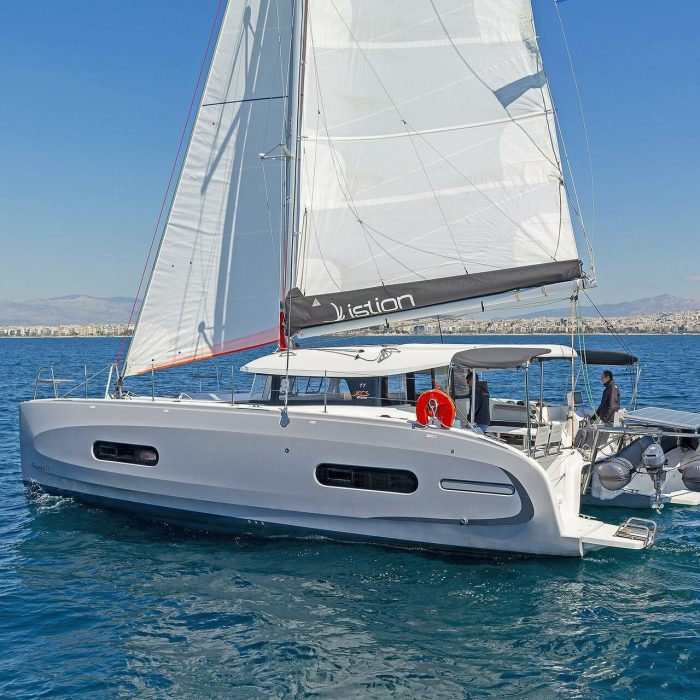
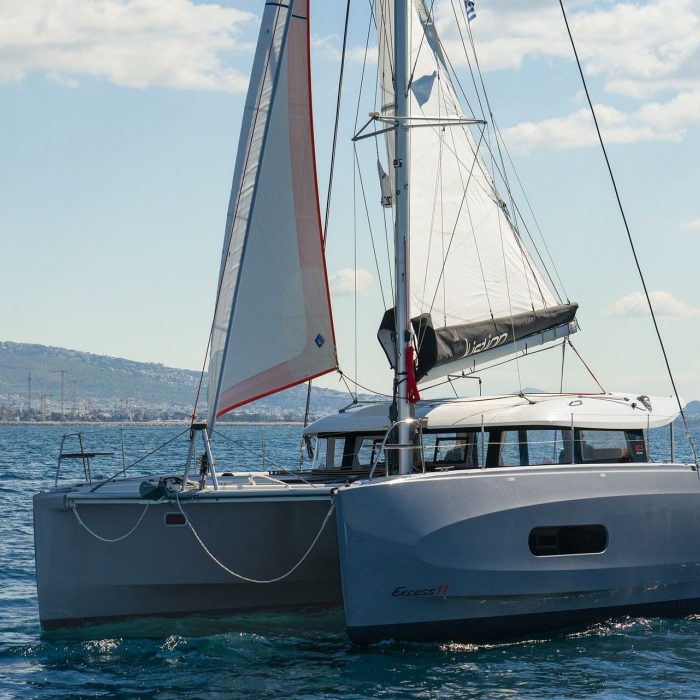
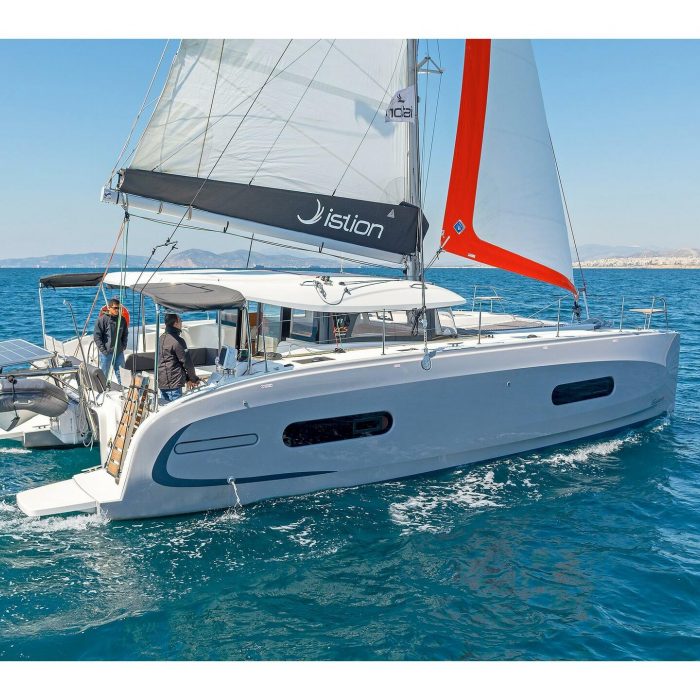

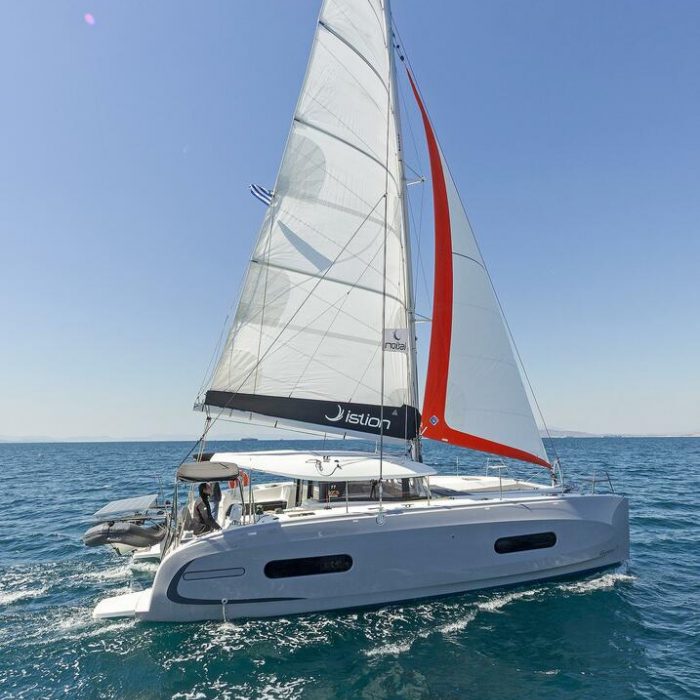


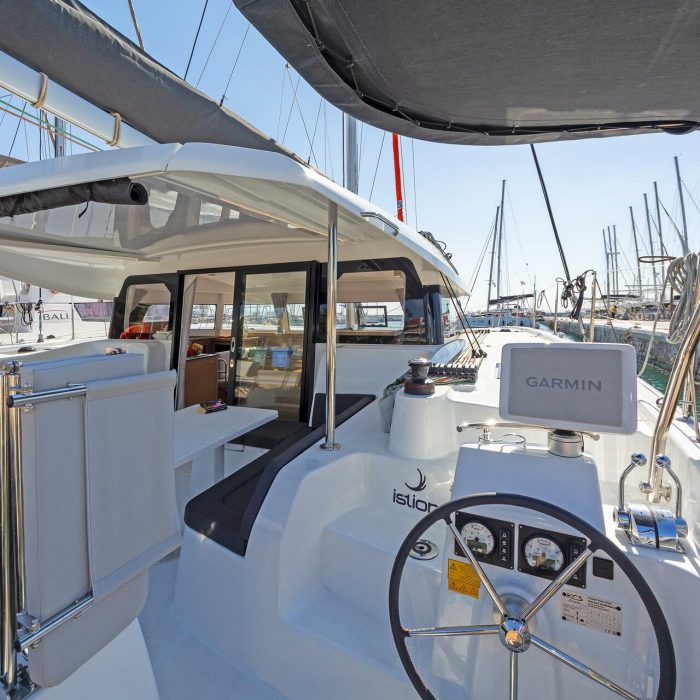
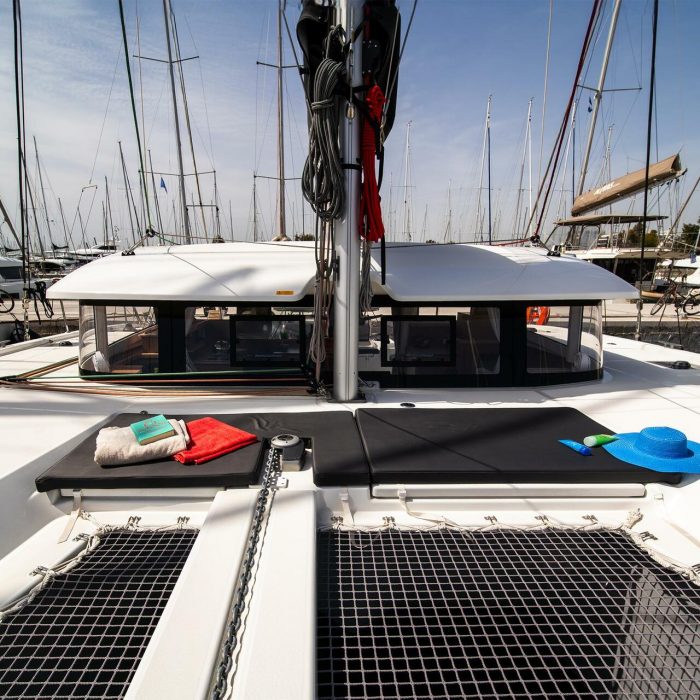
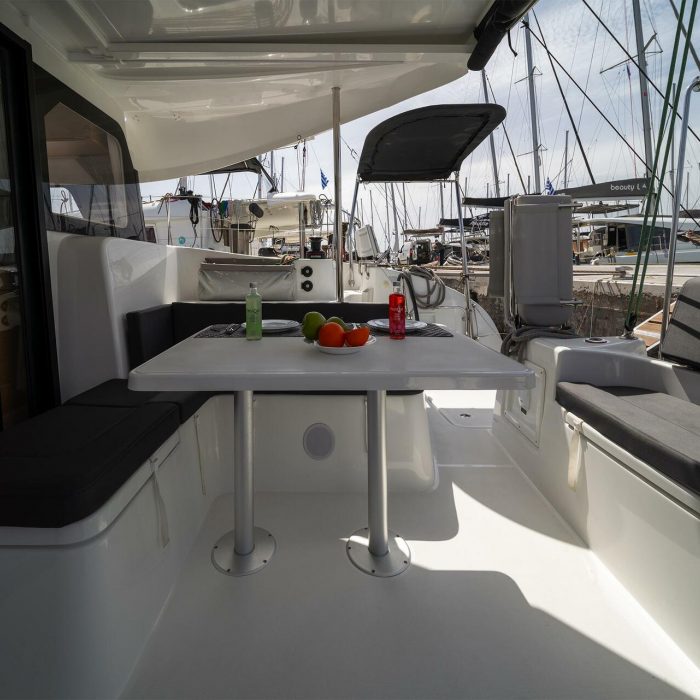
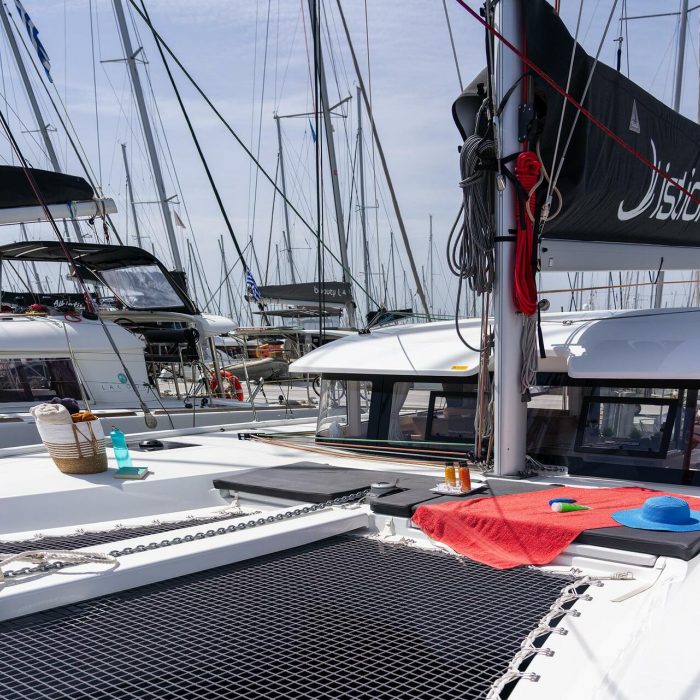
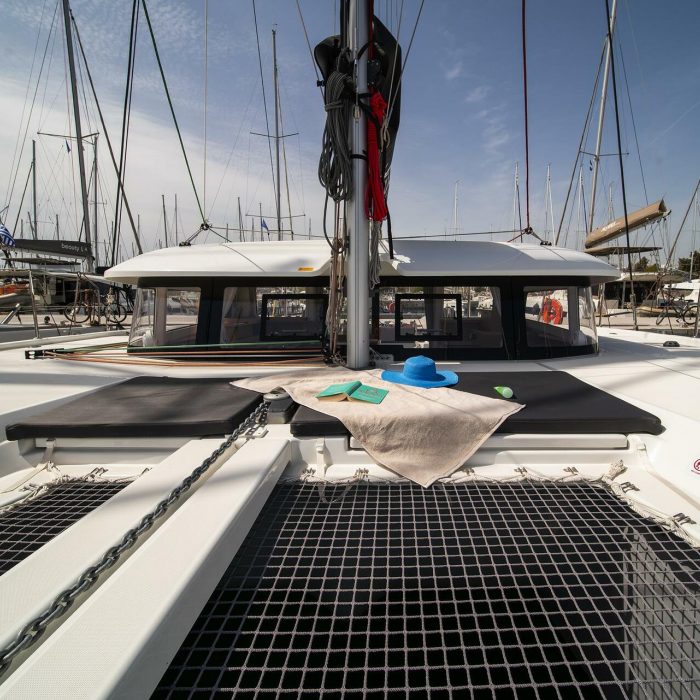
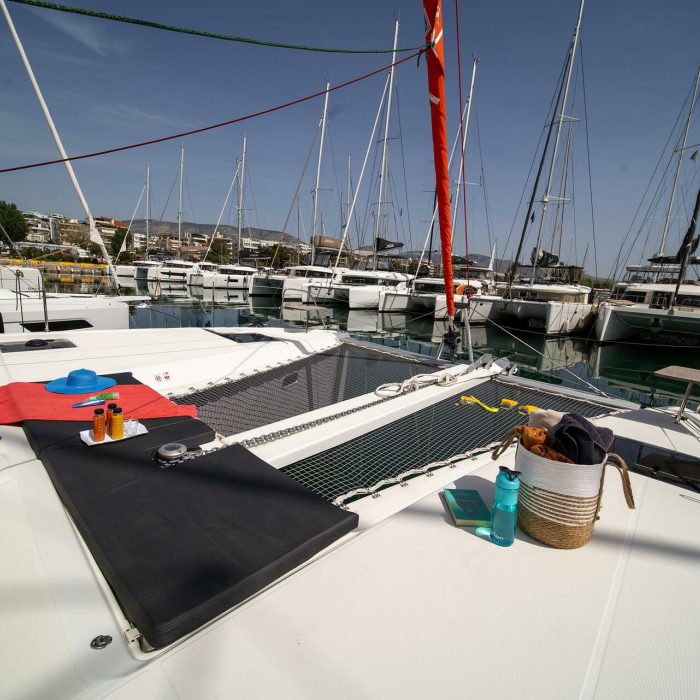
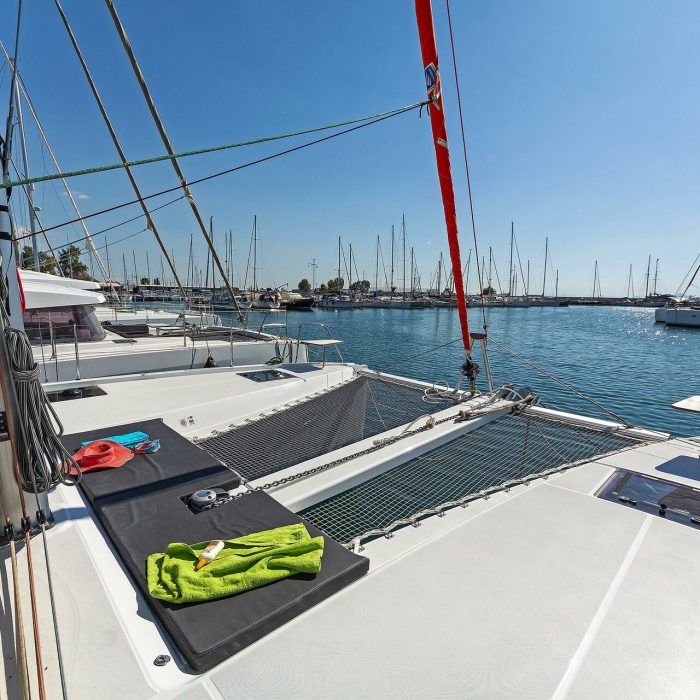
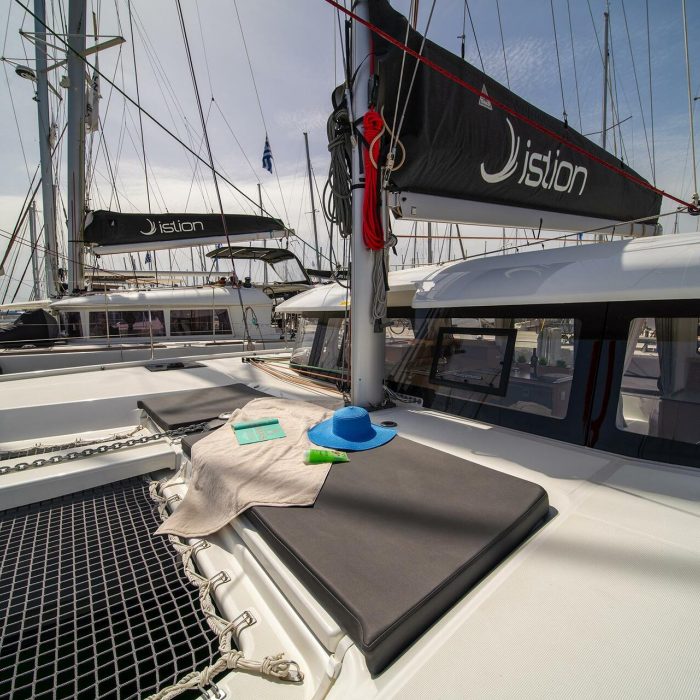
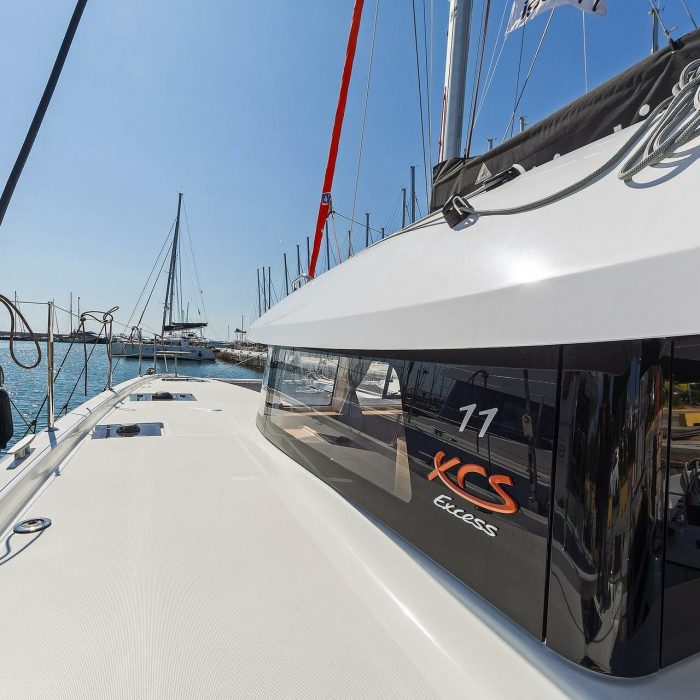
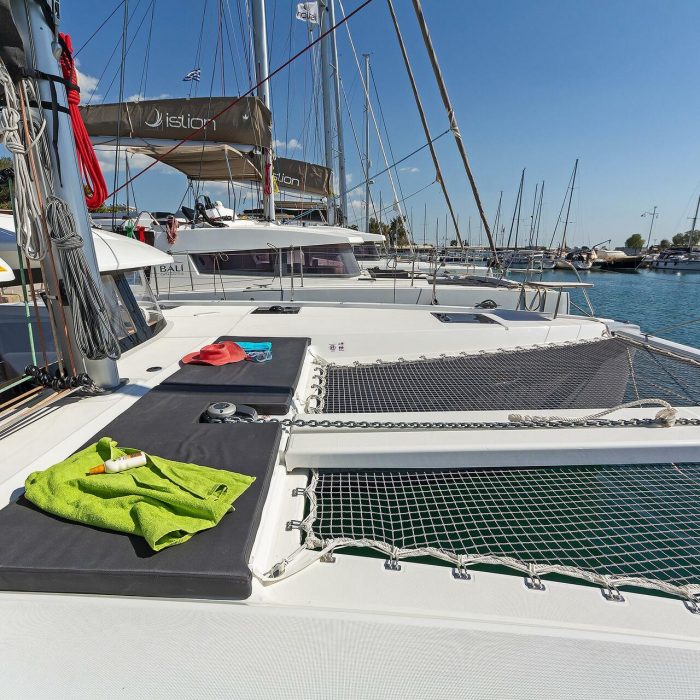
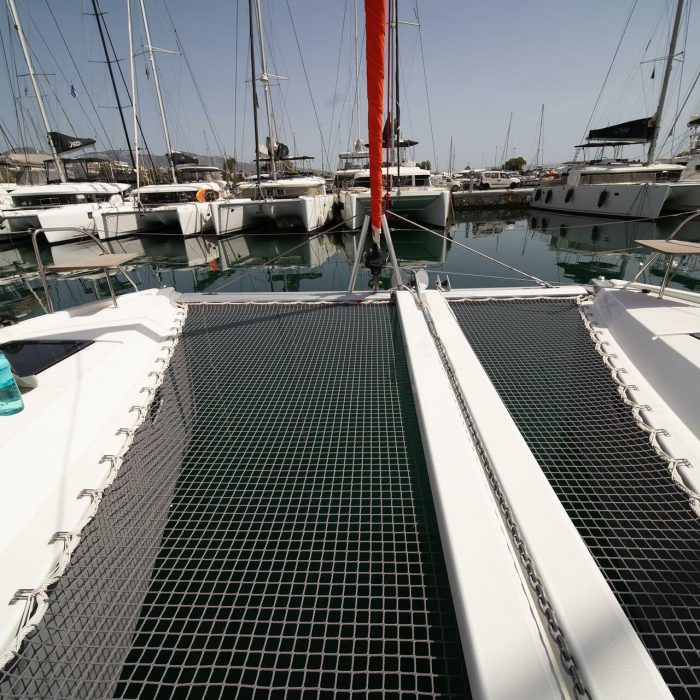
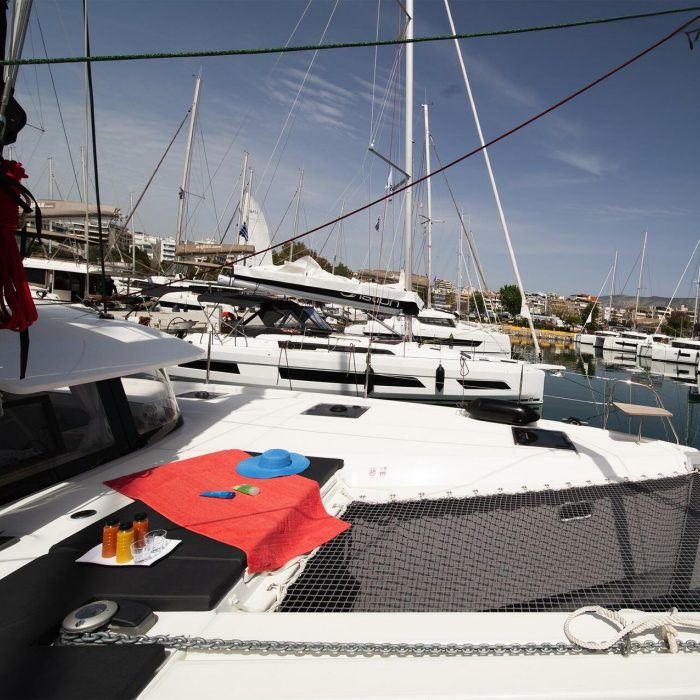
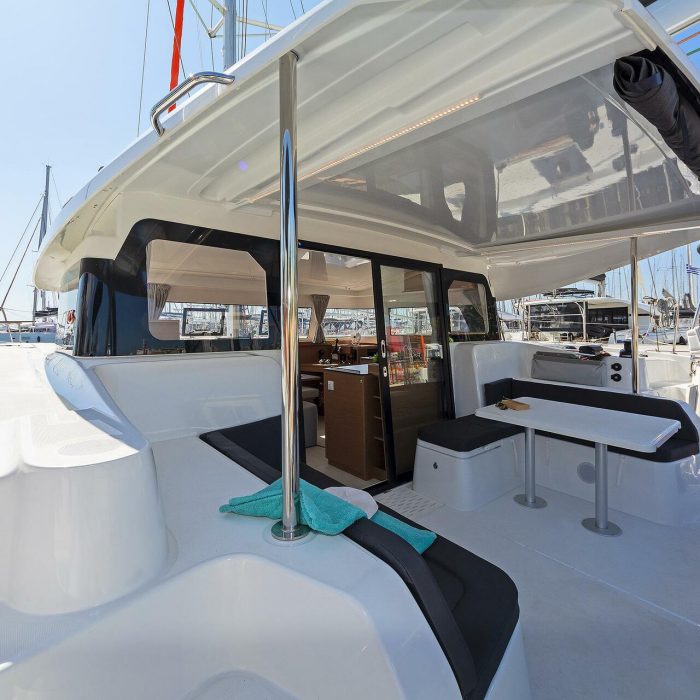
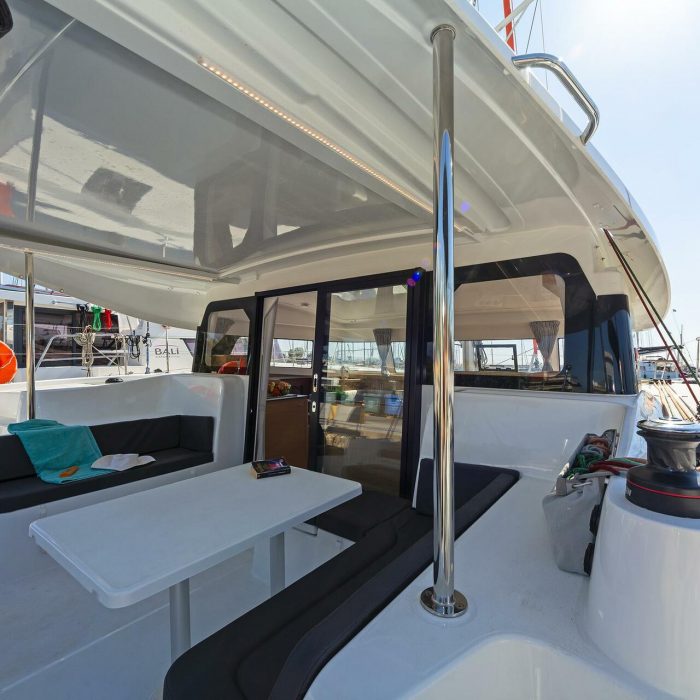
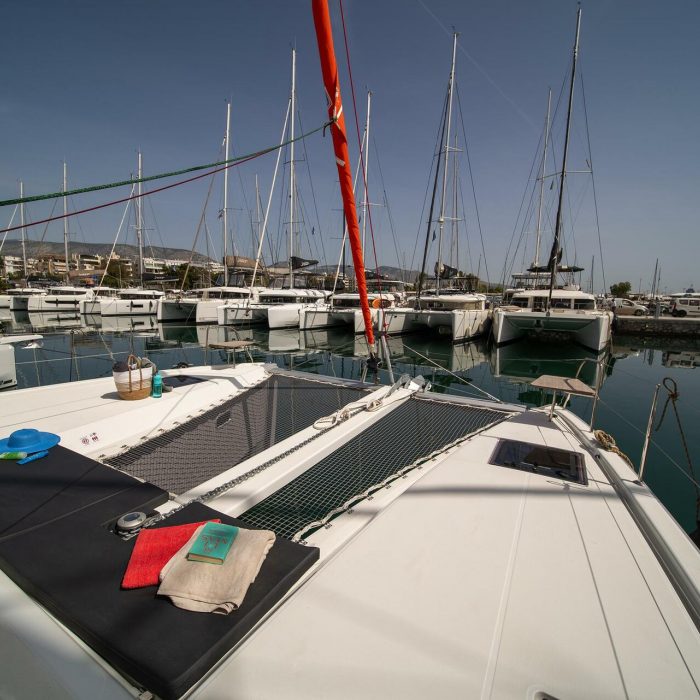

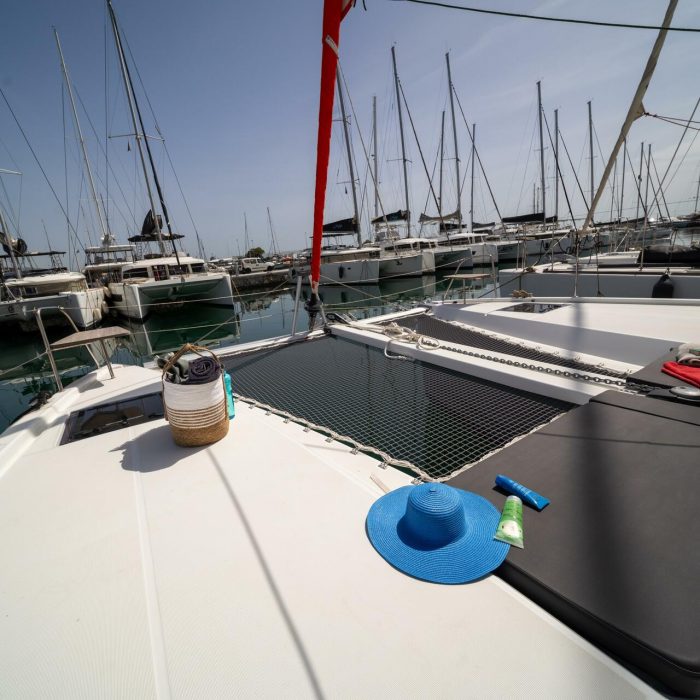
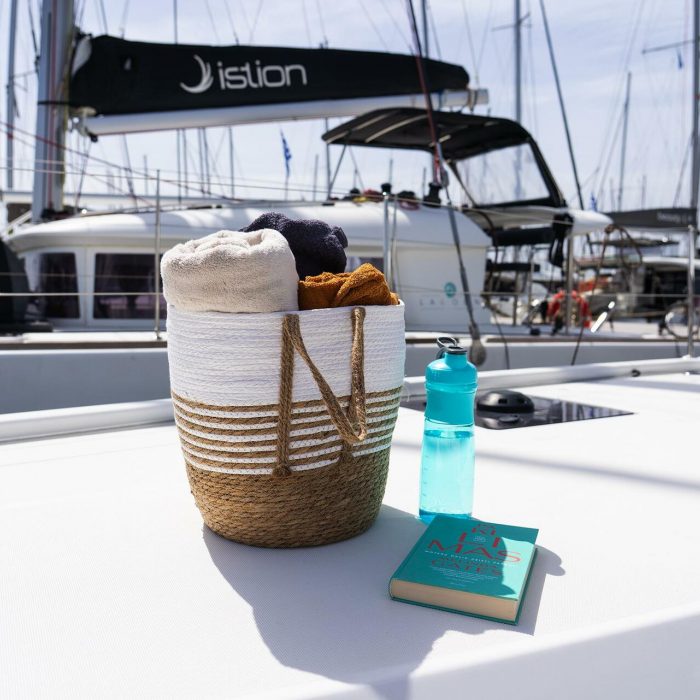

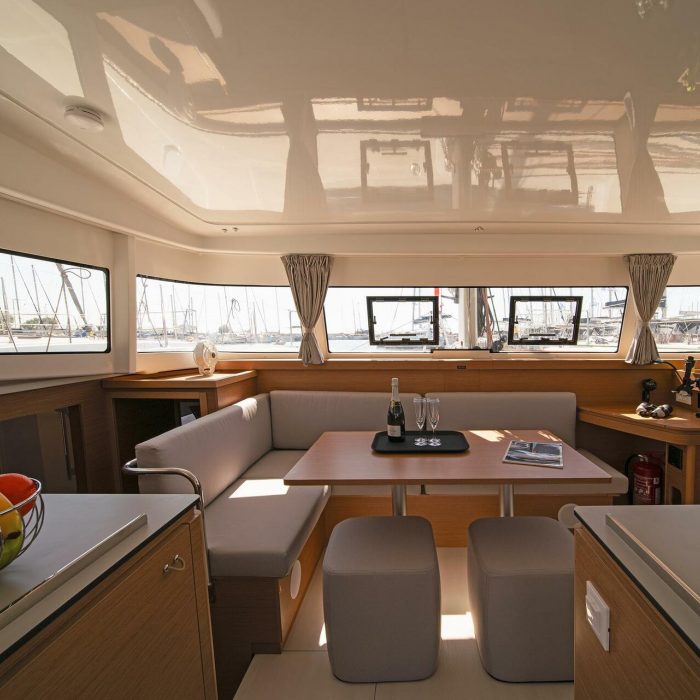
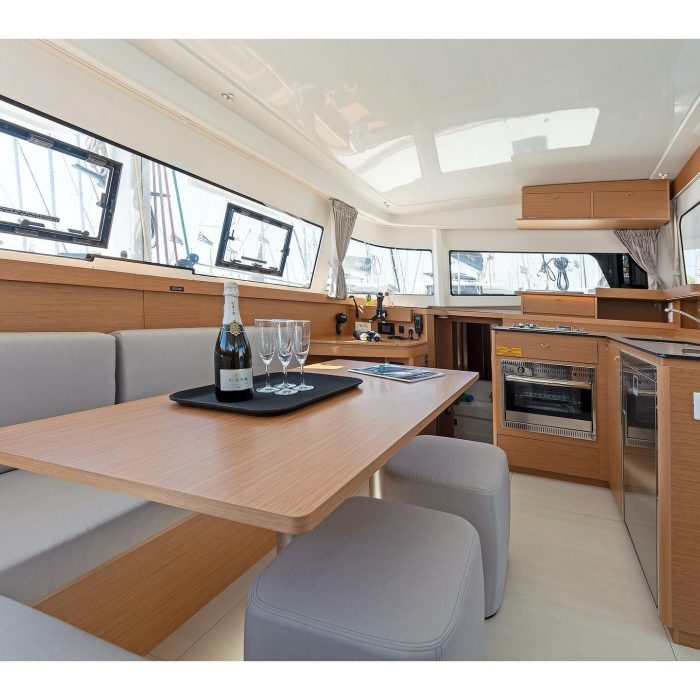
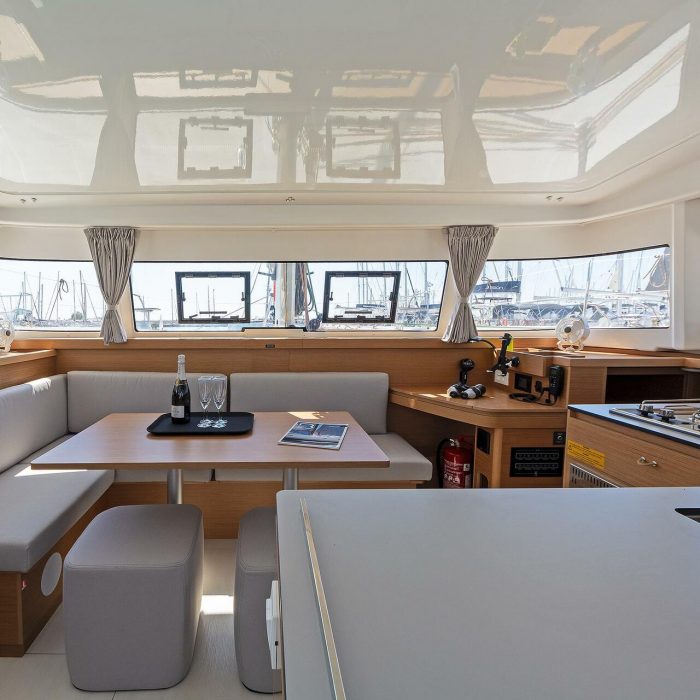
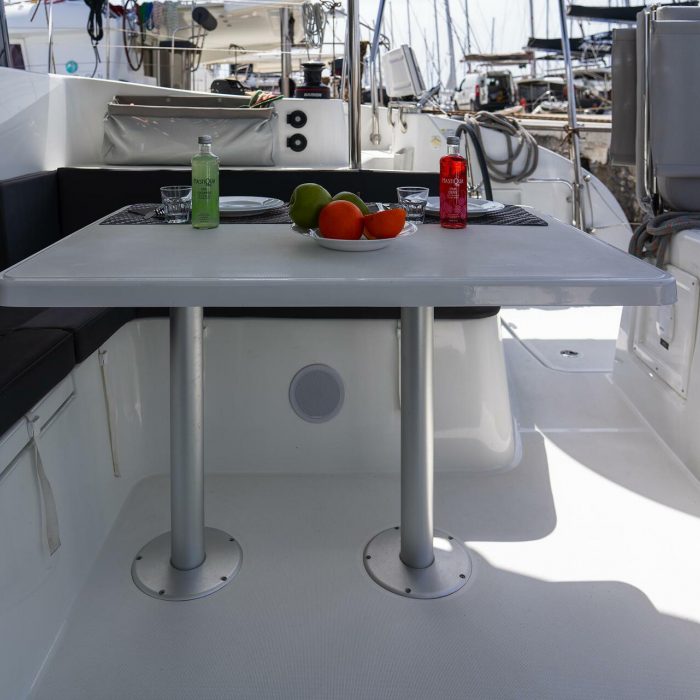
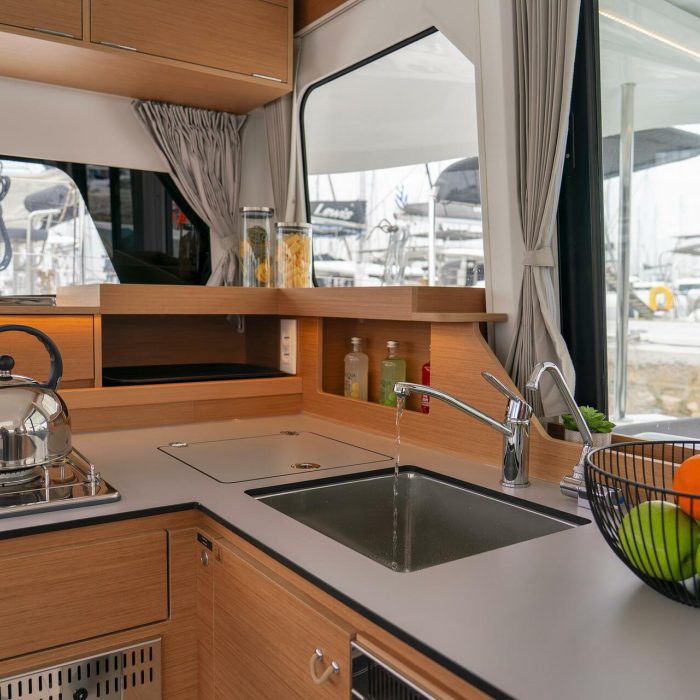
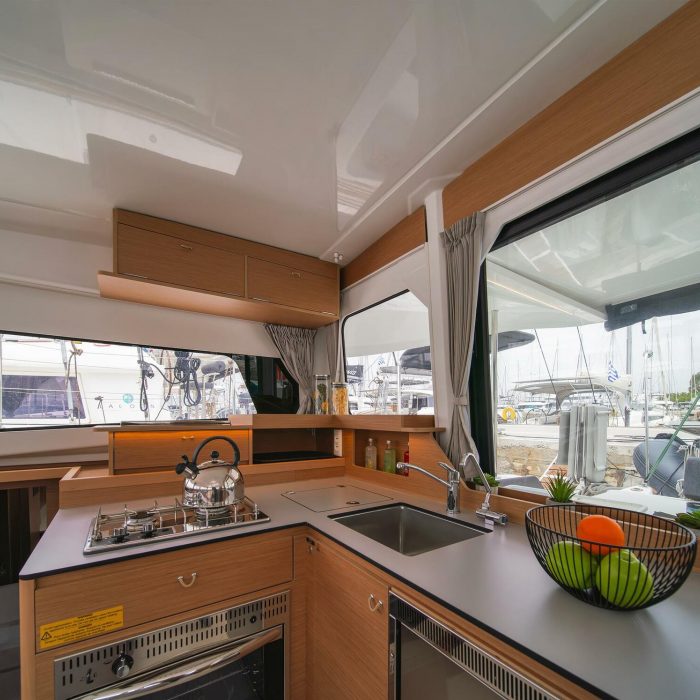
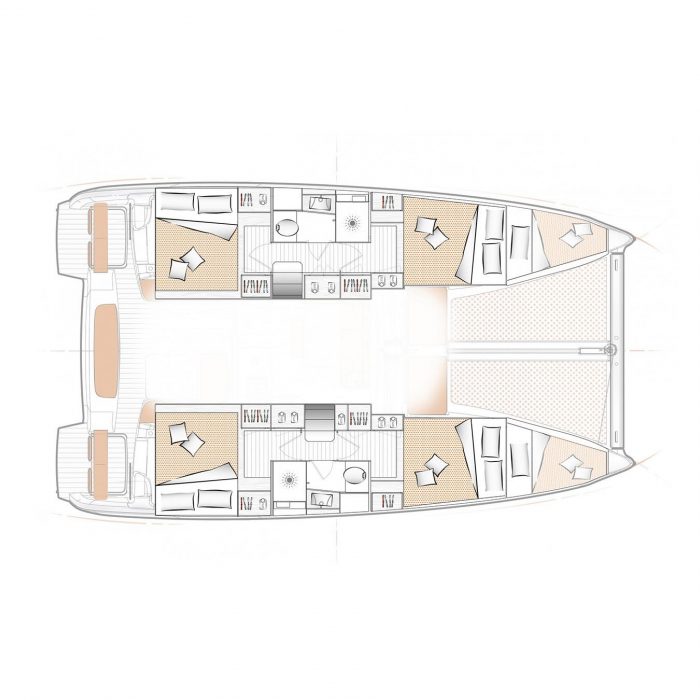
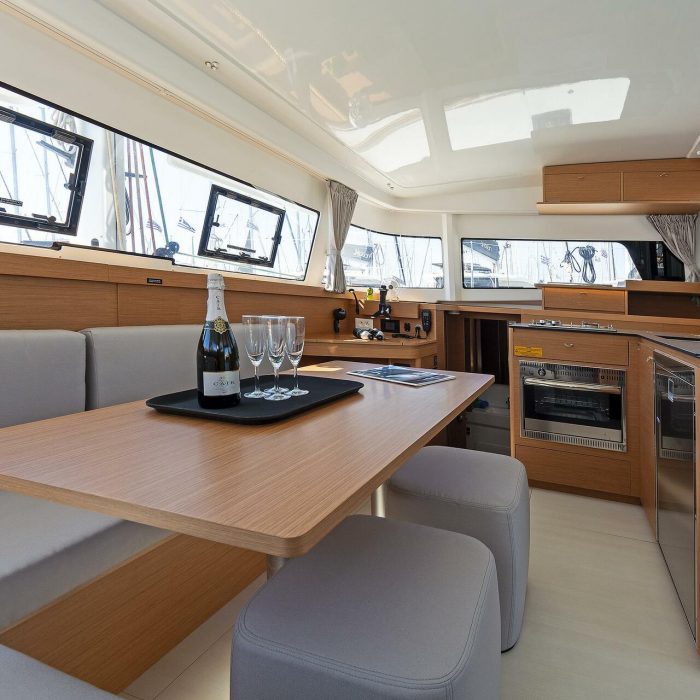
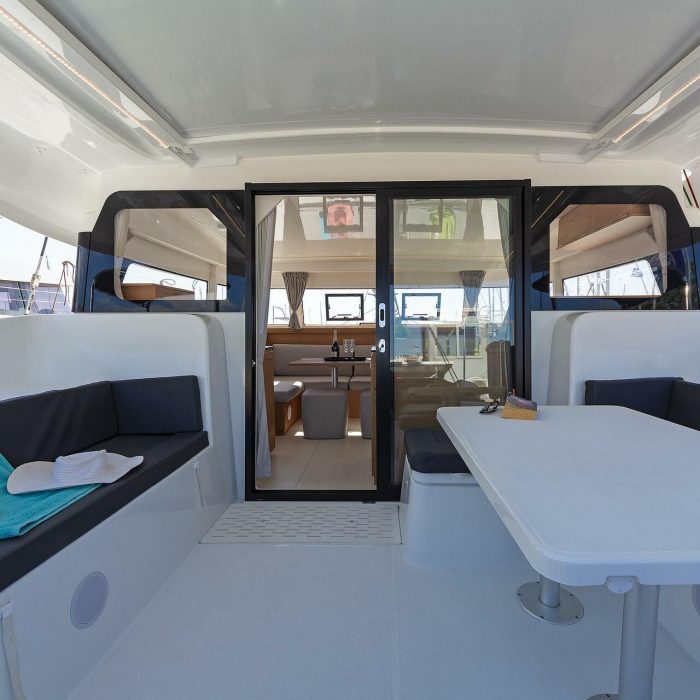
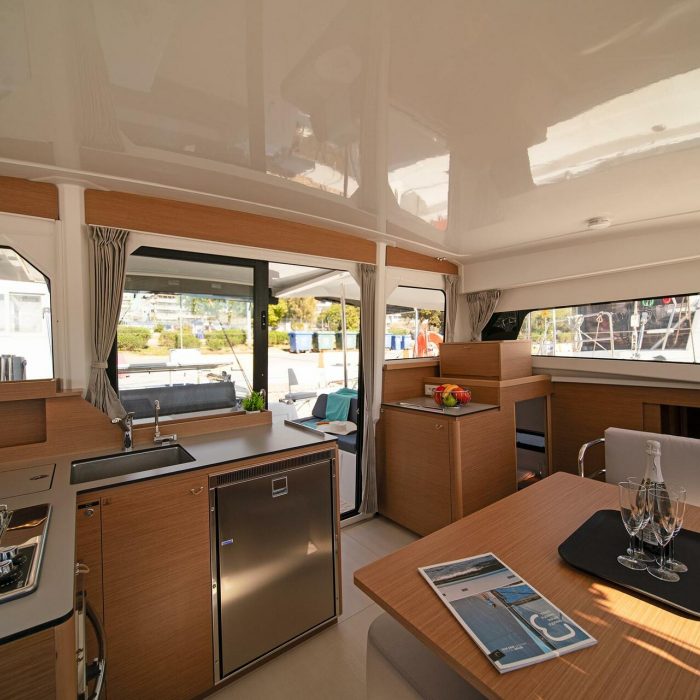
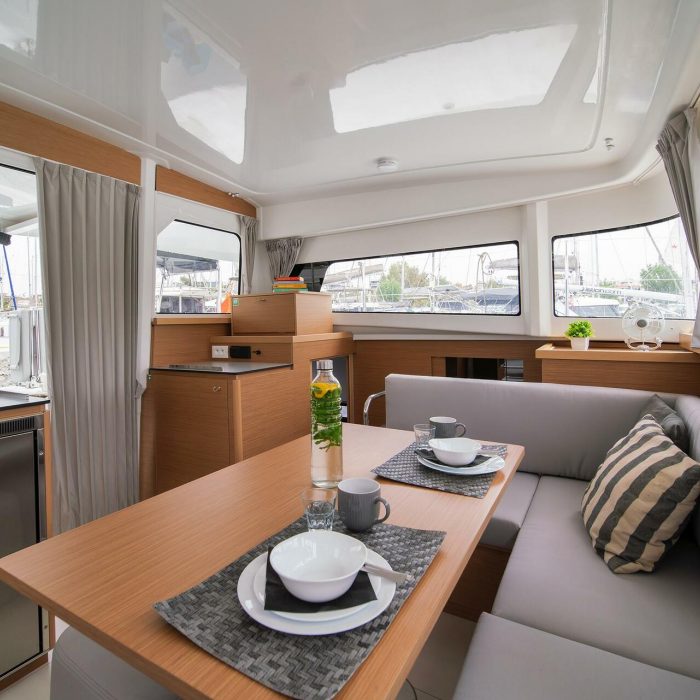
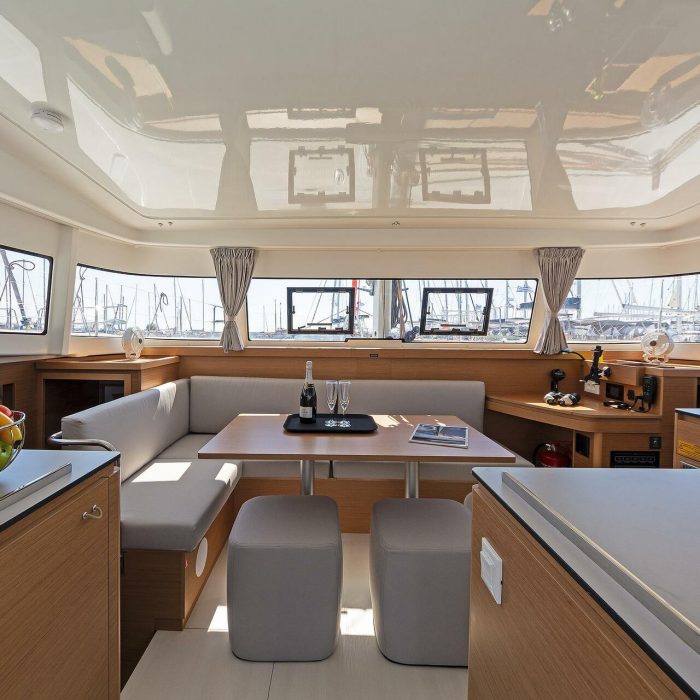
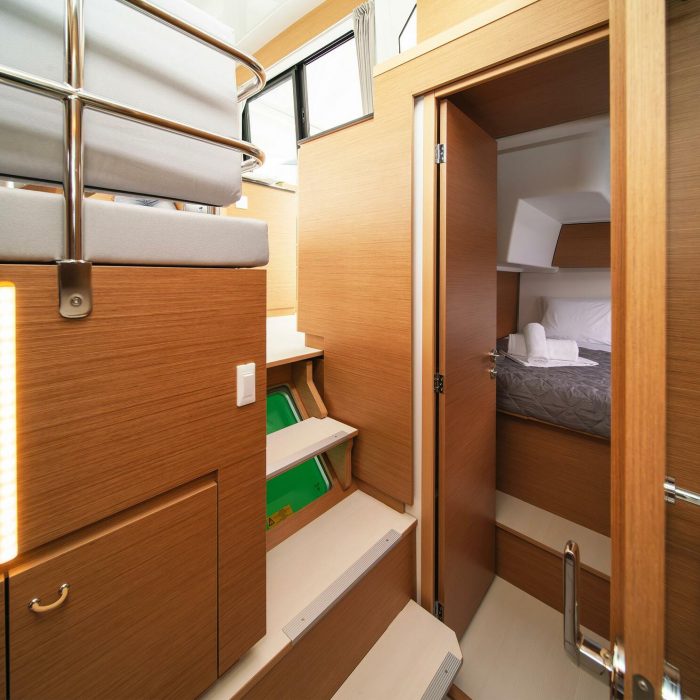

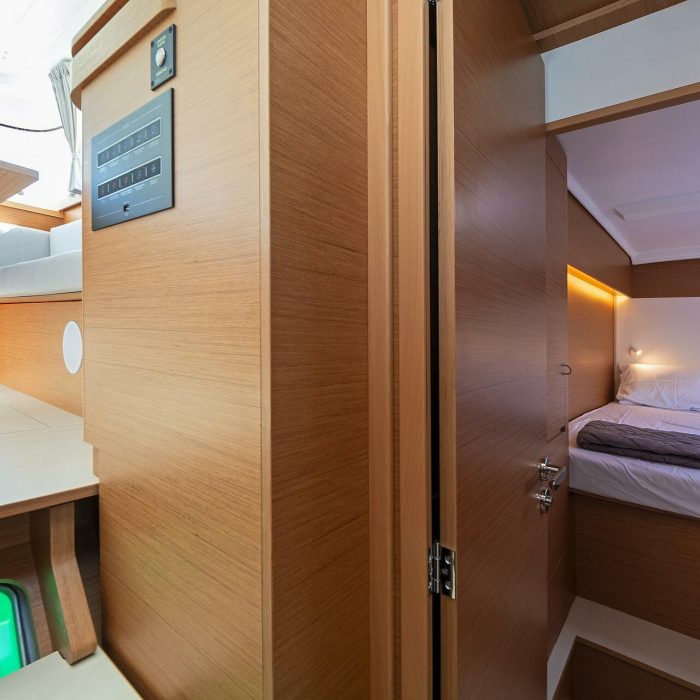
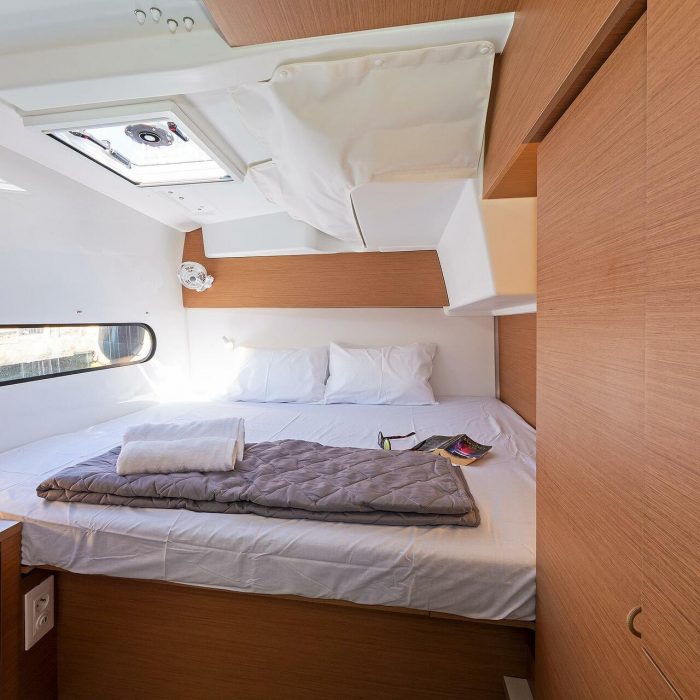
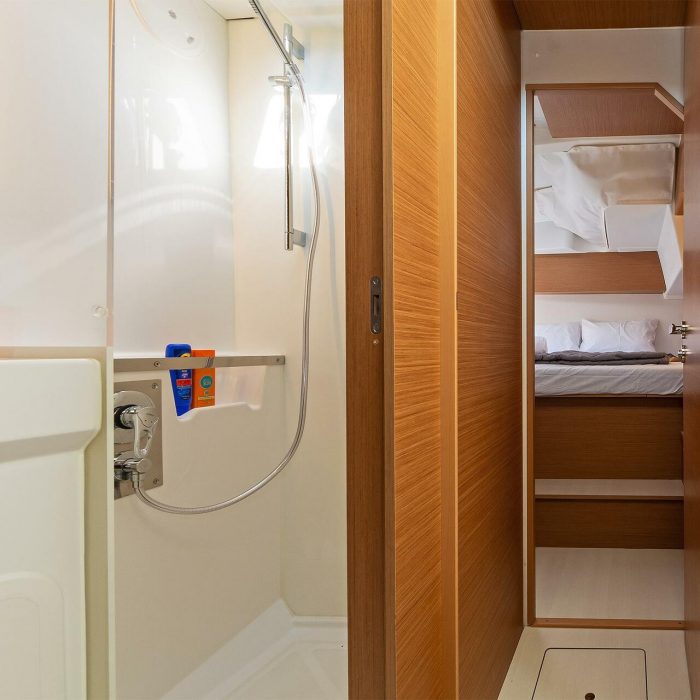
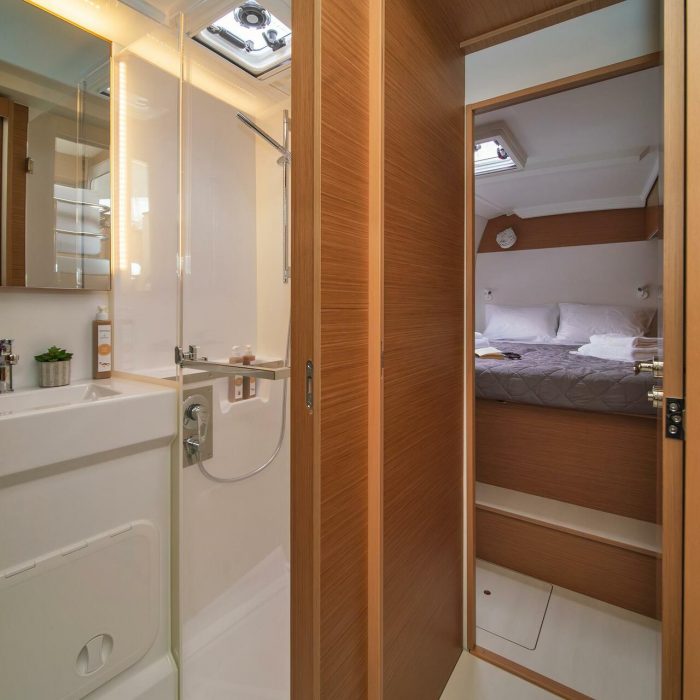
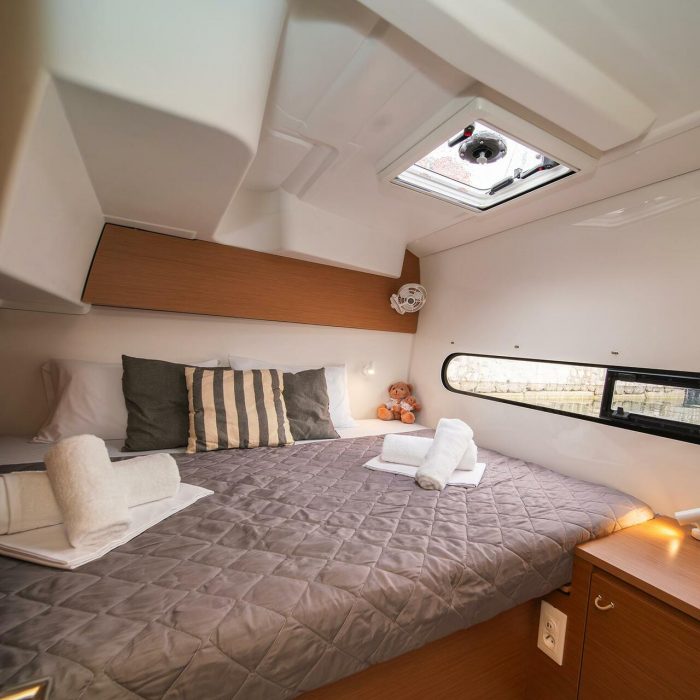
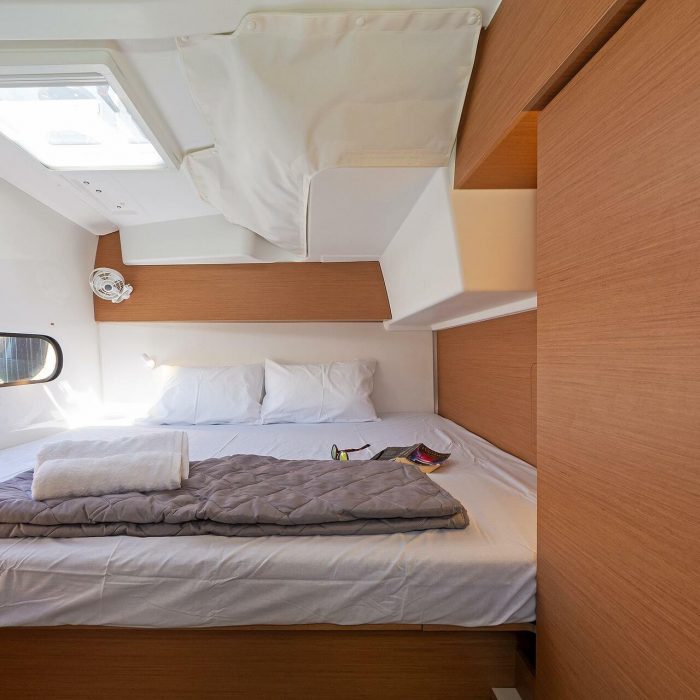
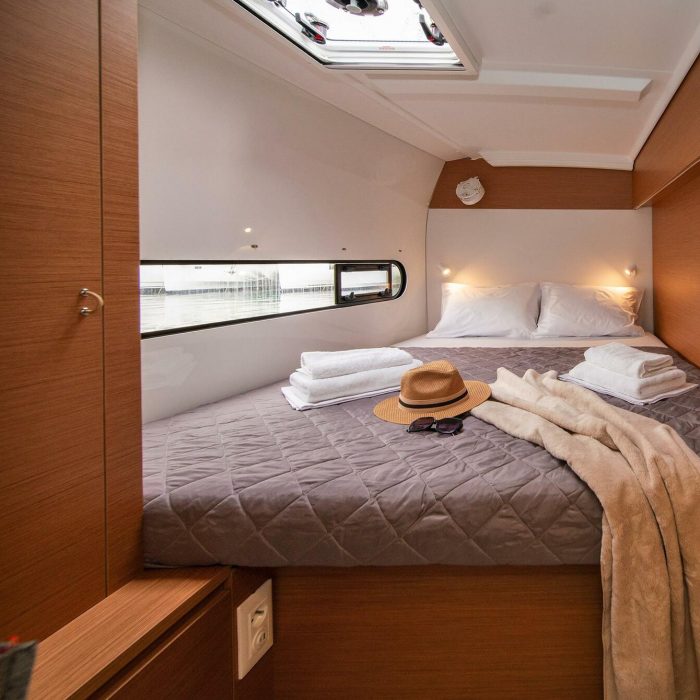
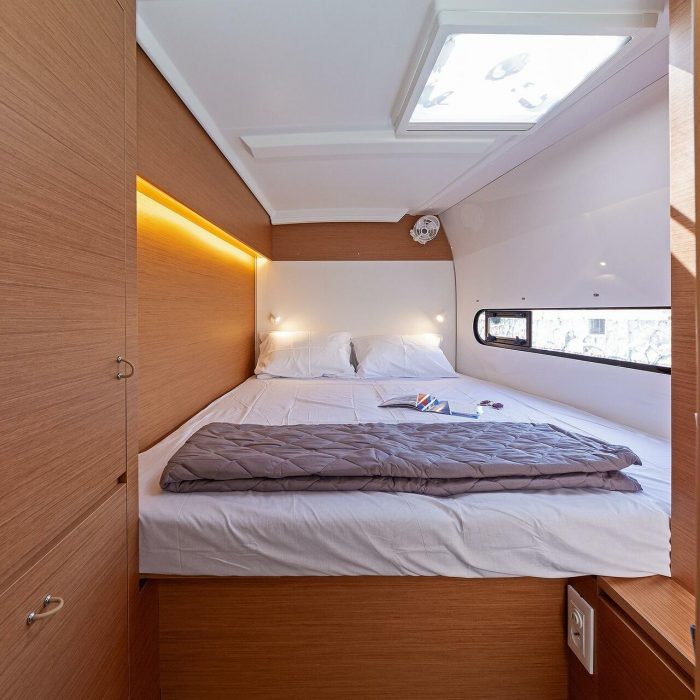
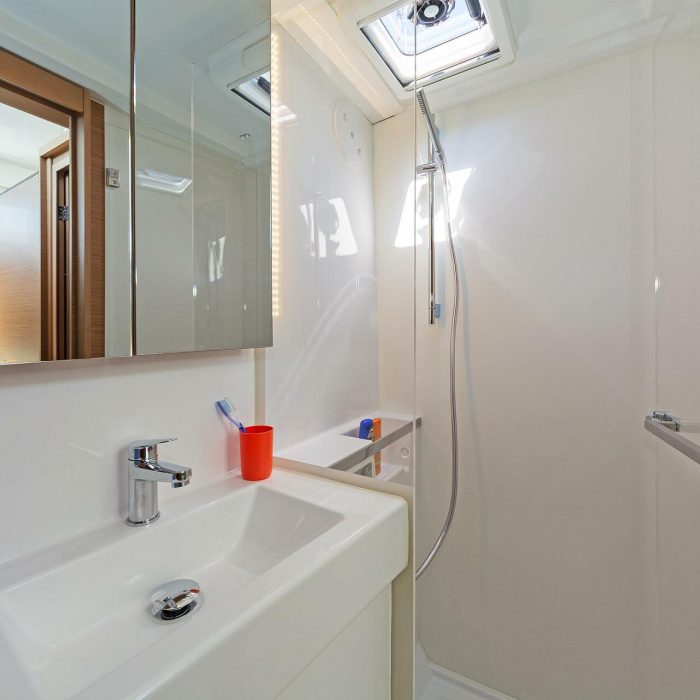
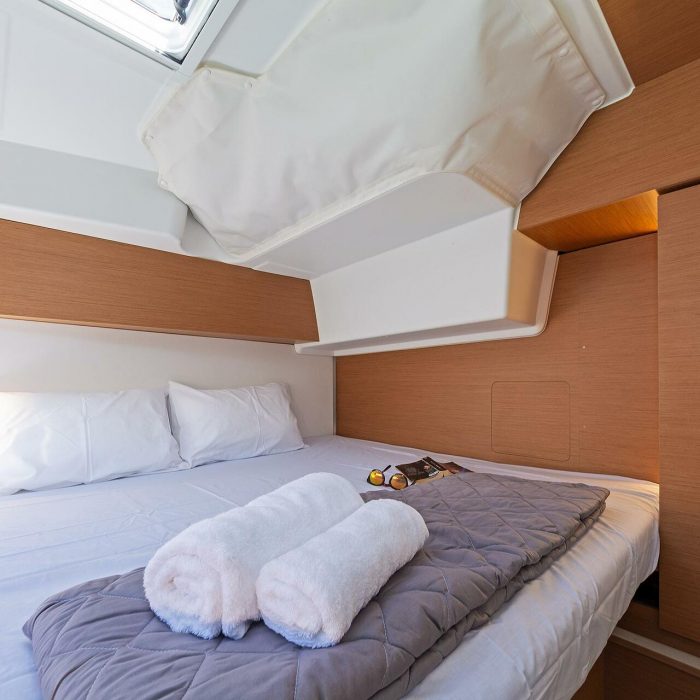
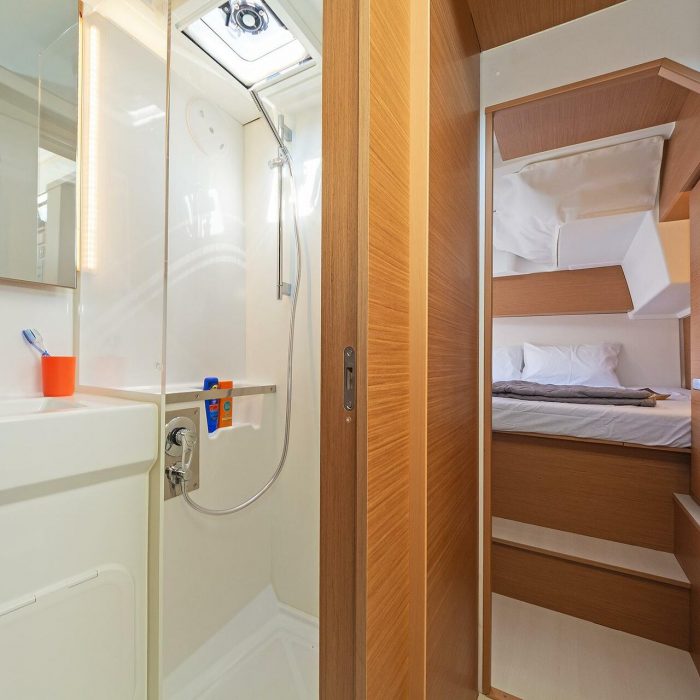
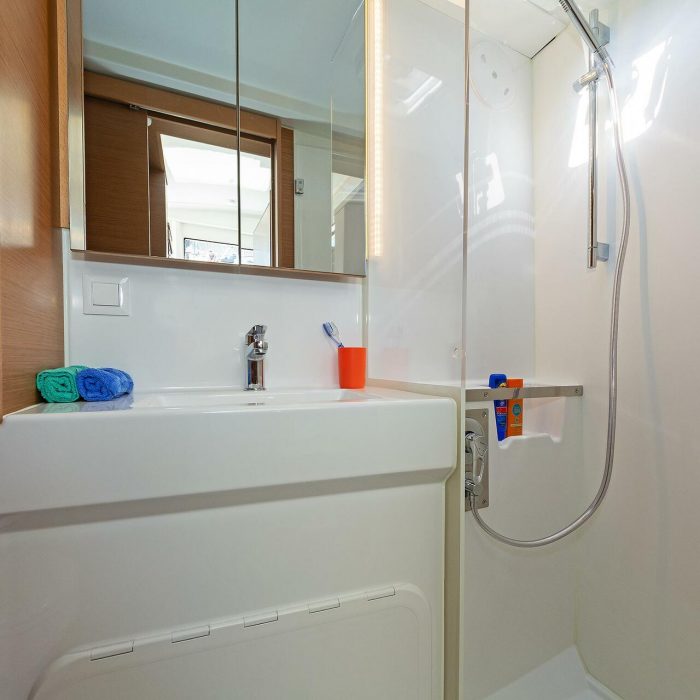


Little Blue Ocean | Excess 11
Istion Yachting
Greece, Cyclades, Paros, Paros port
Year: 2025
Length: 37 Ft
Cabins: 6
Guests: 10
3500 €
3500 €
- 10% 3,150€
+ mandatory costs - 650 €
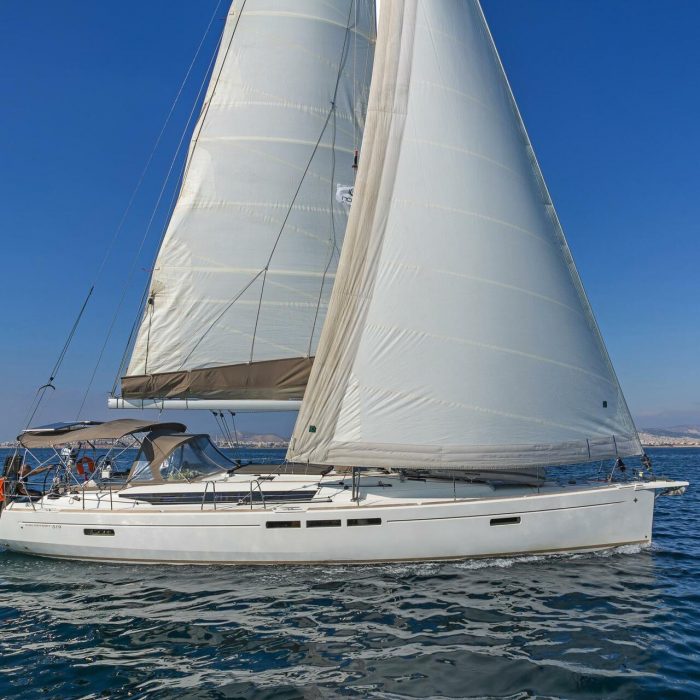
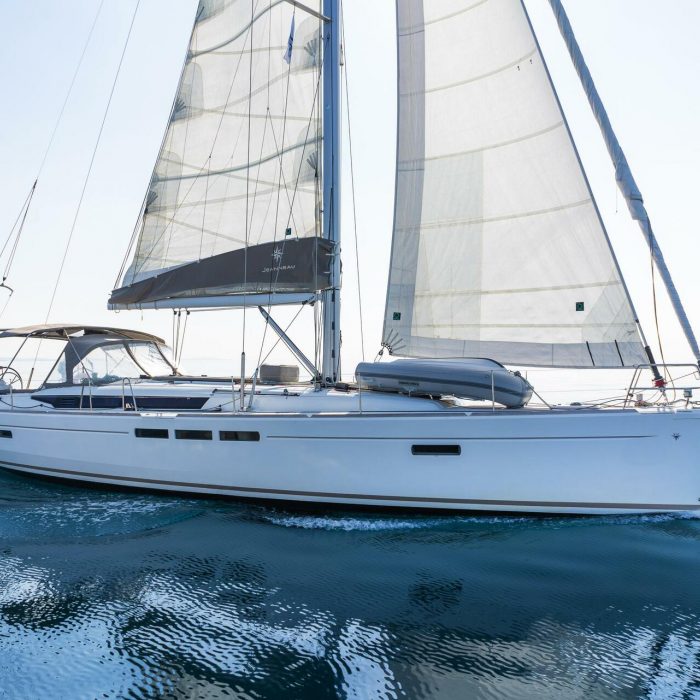
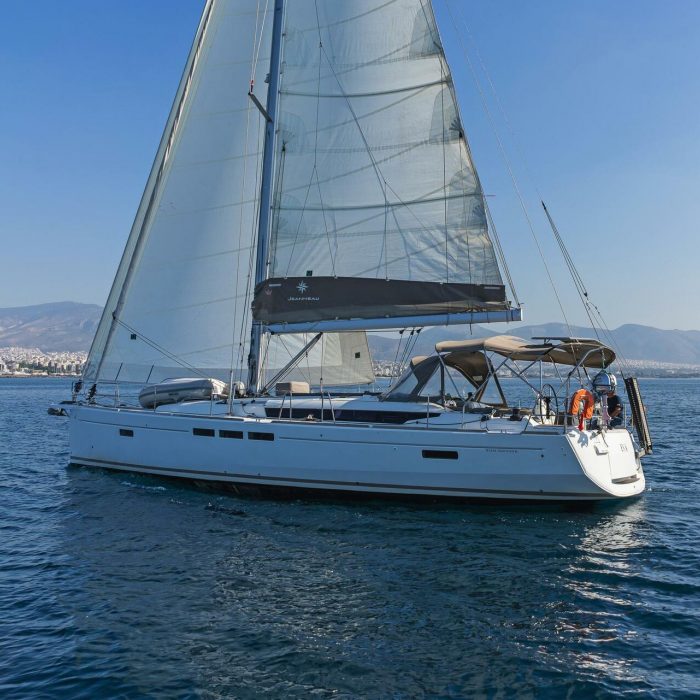
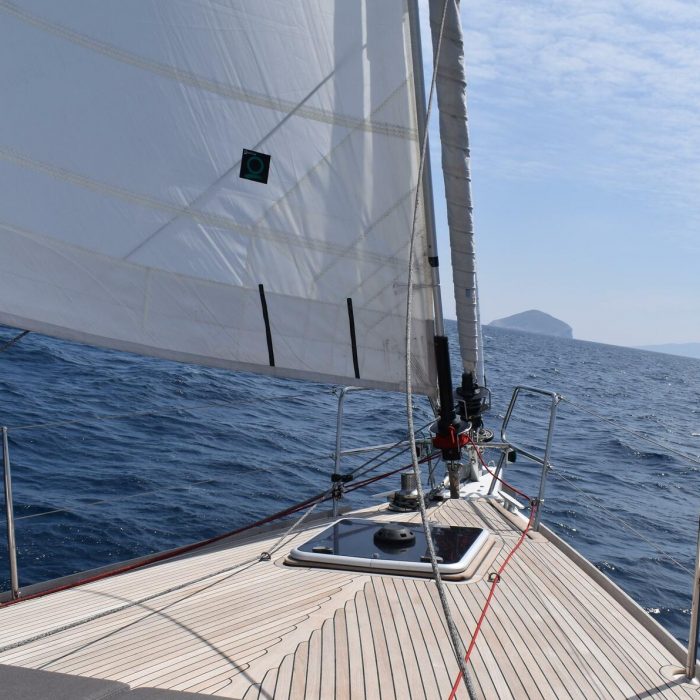
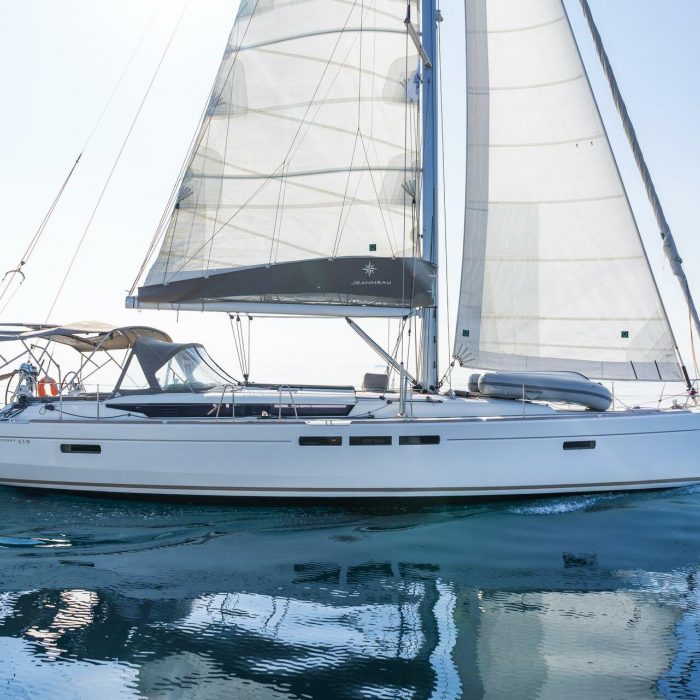
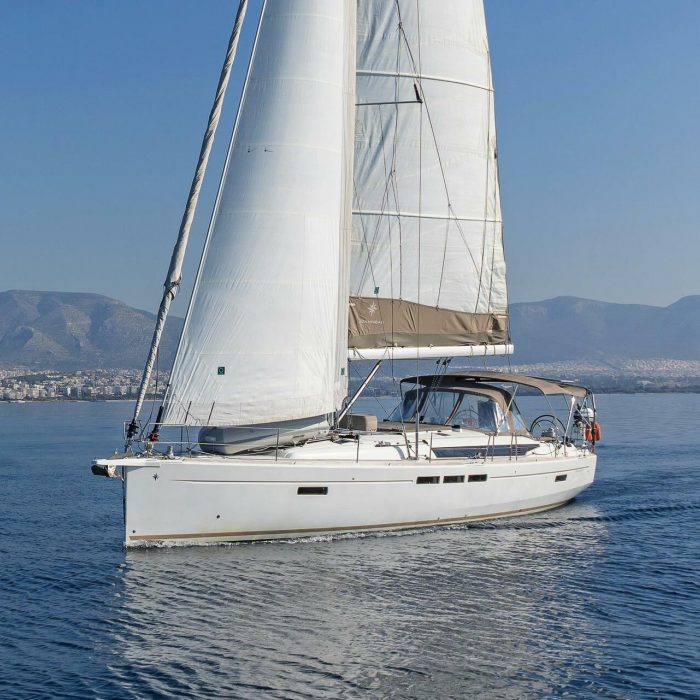
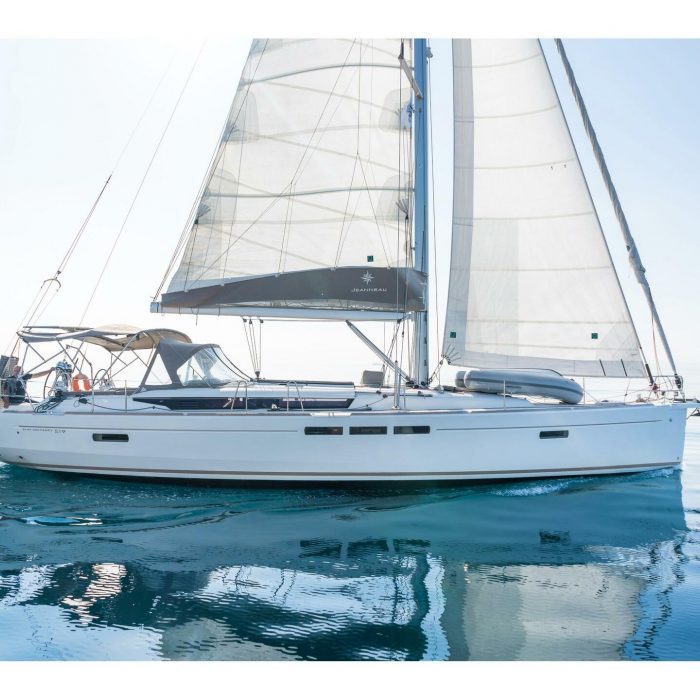
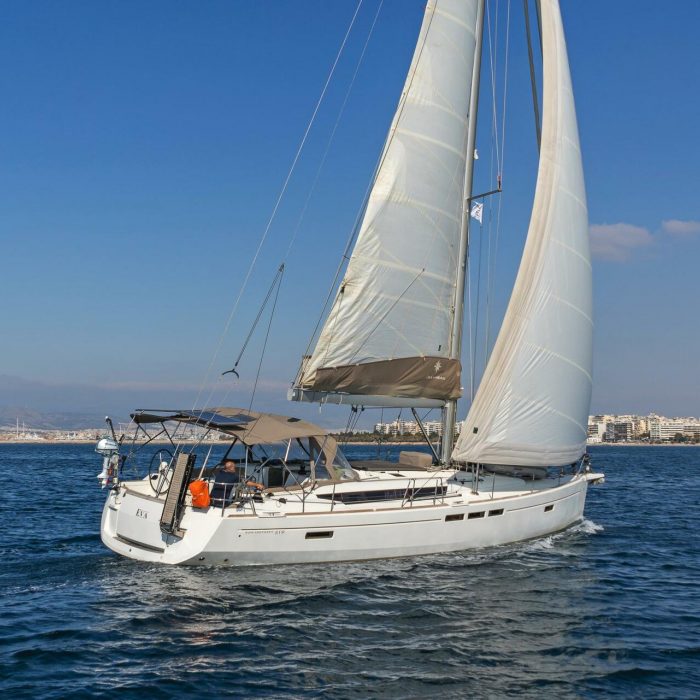
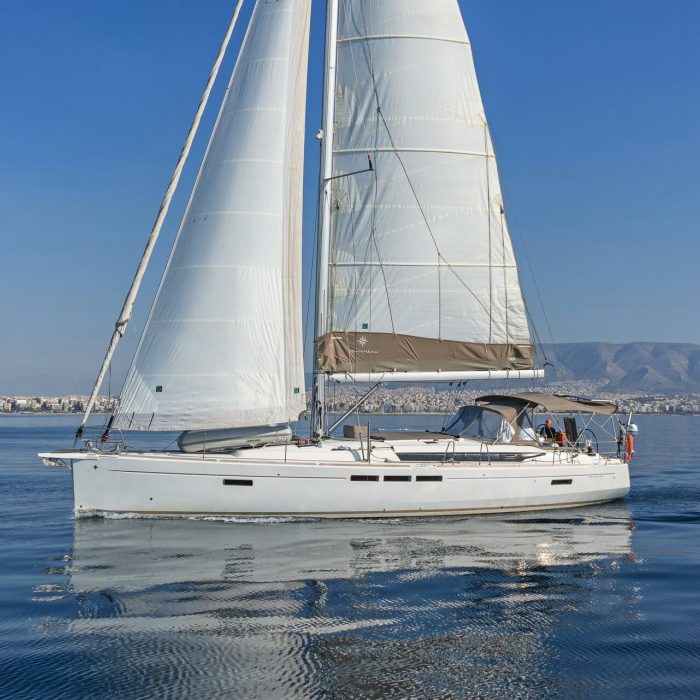
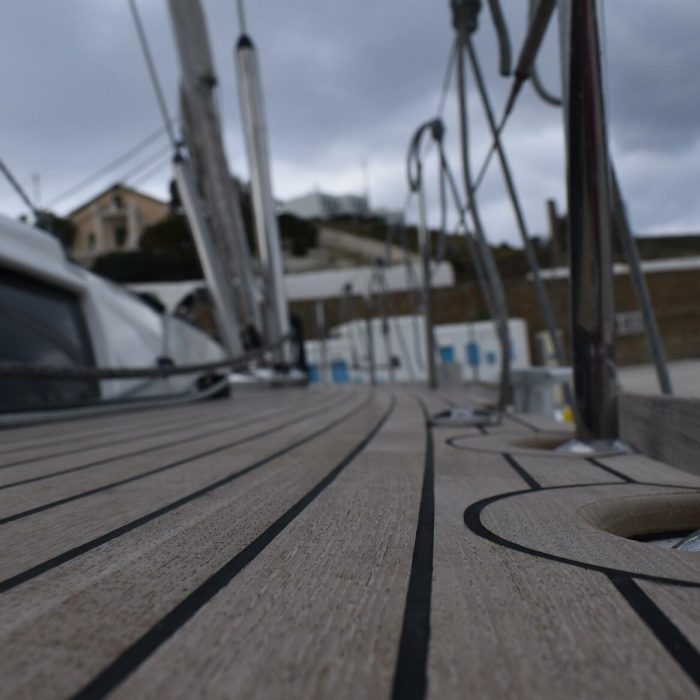
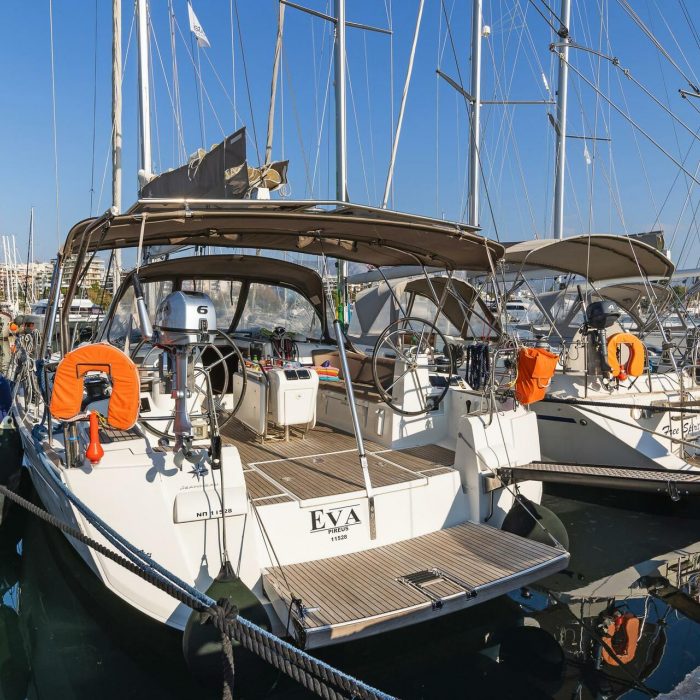
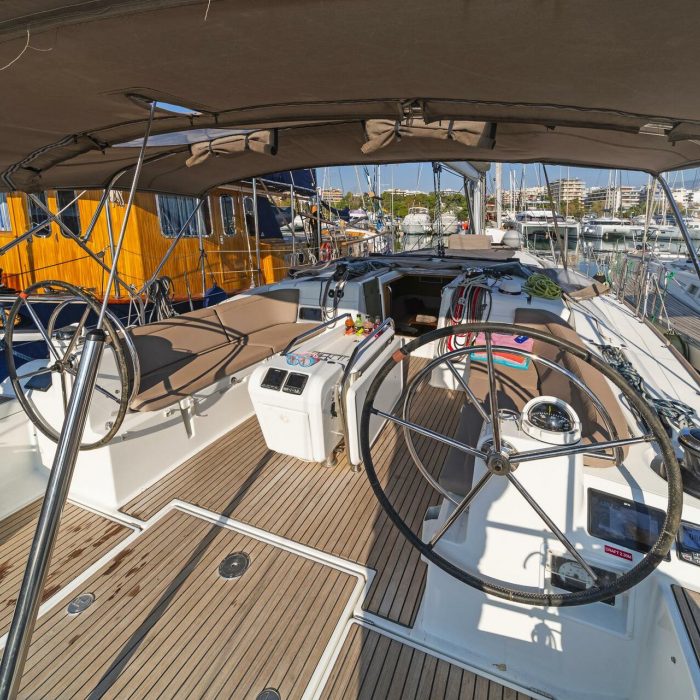
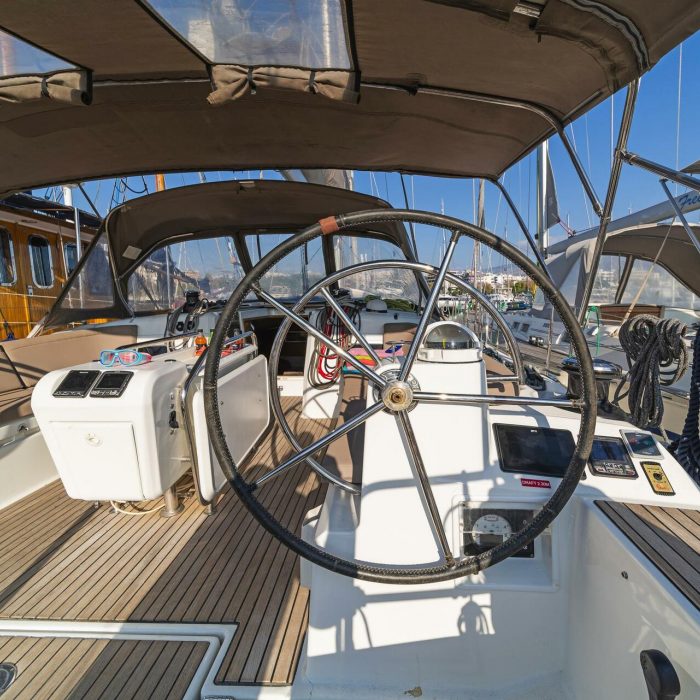
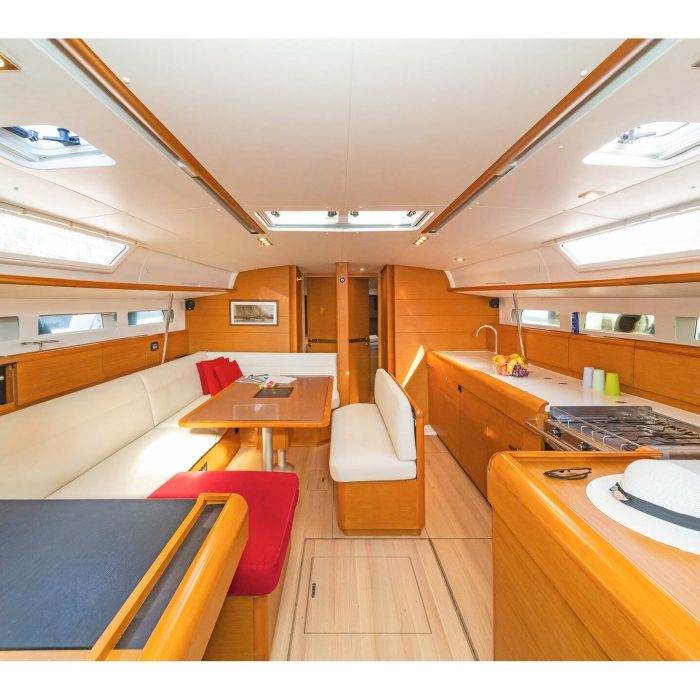
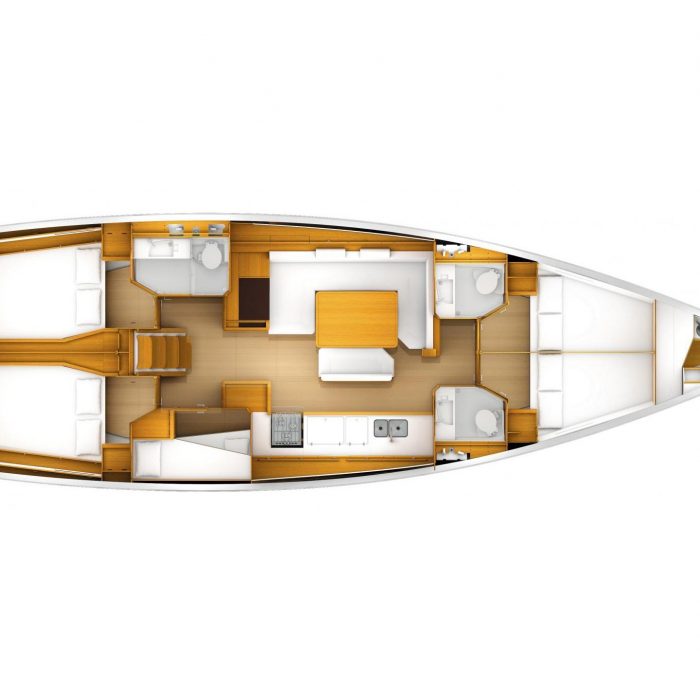
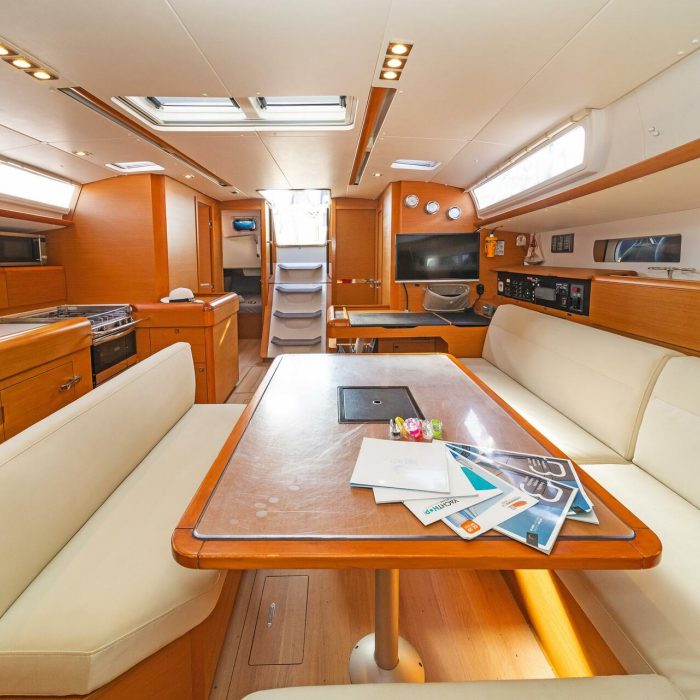
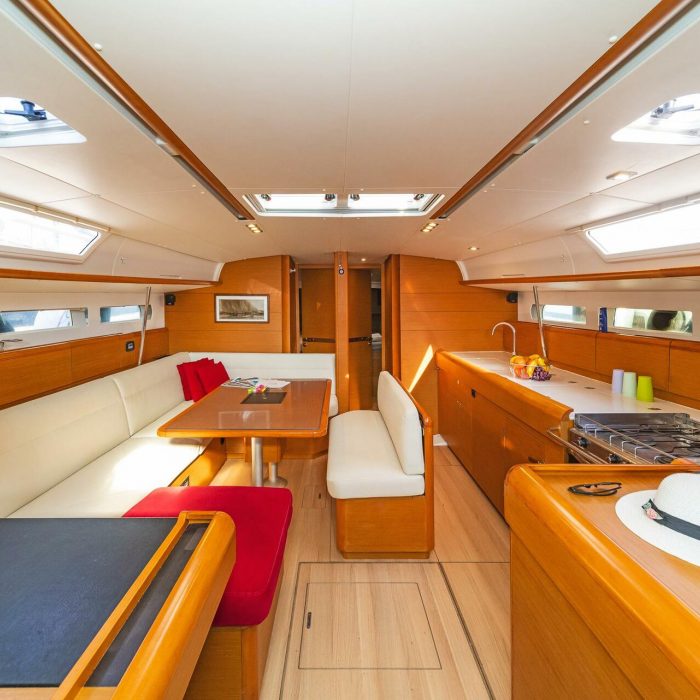
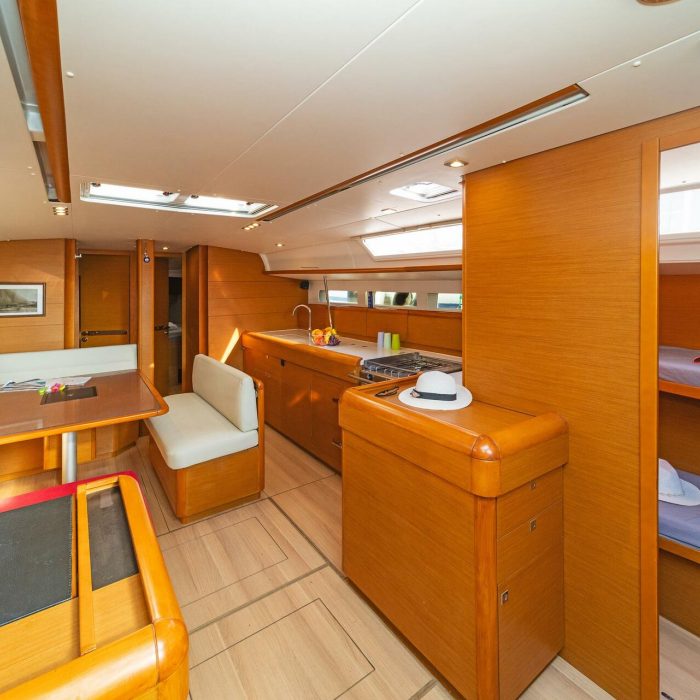
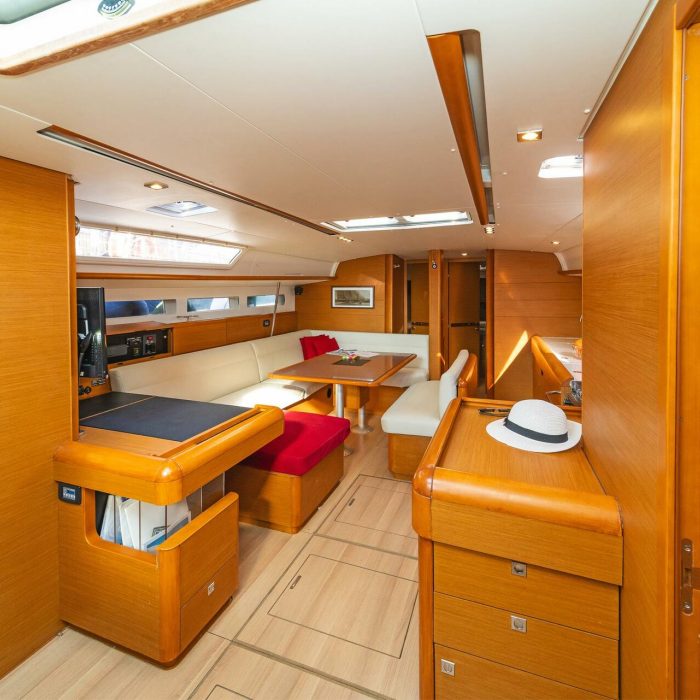
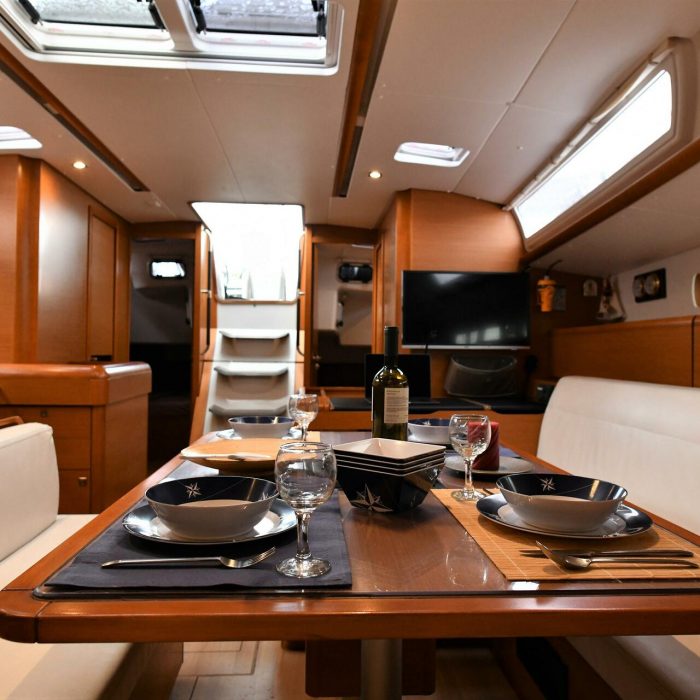
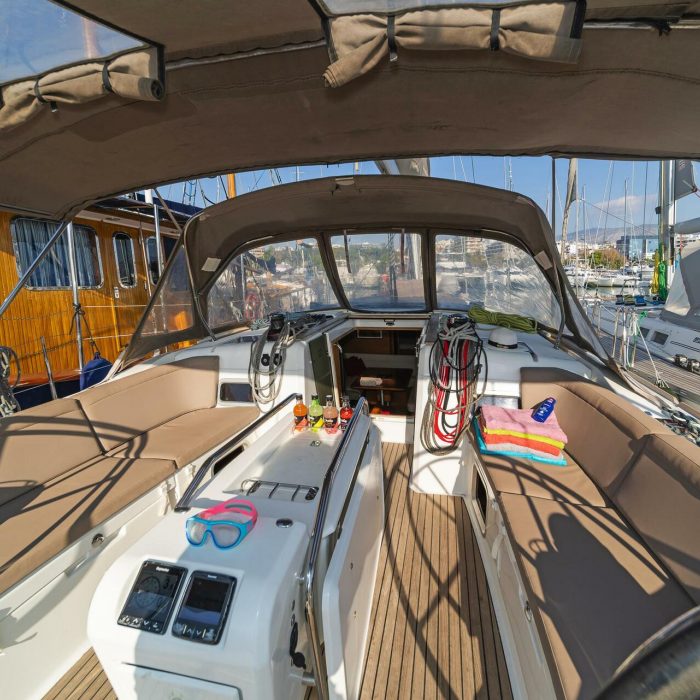
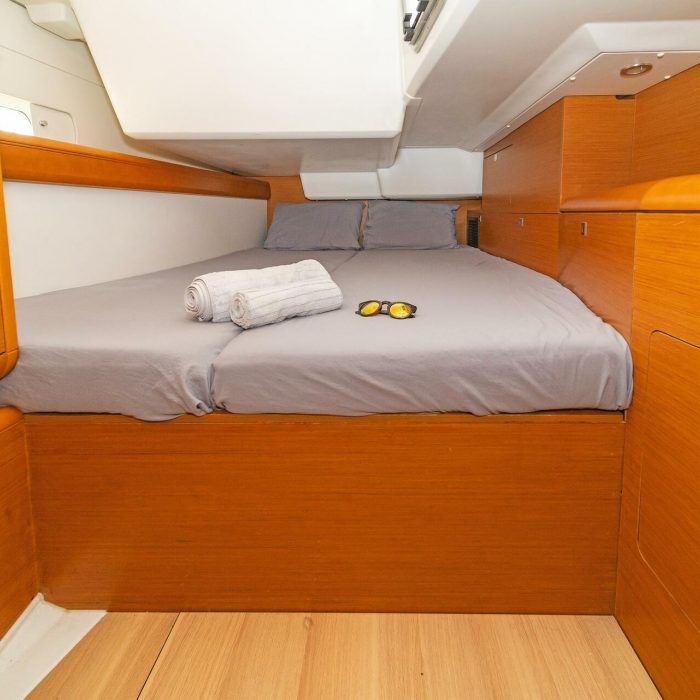
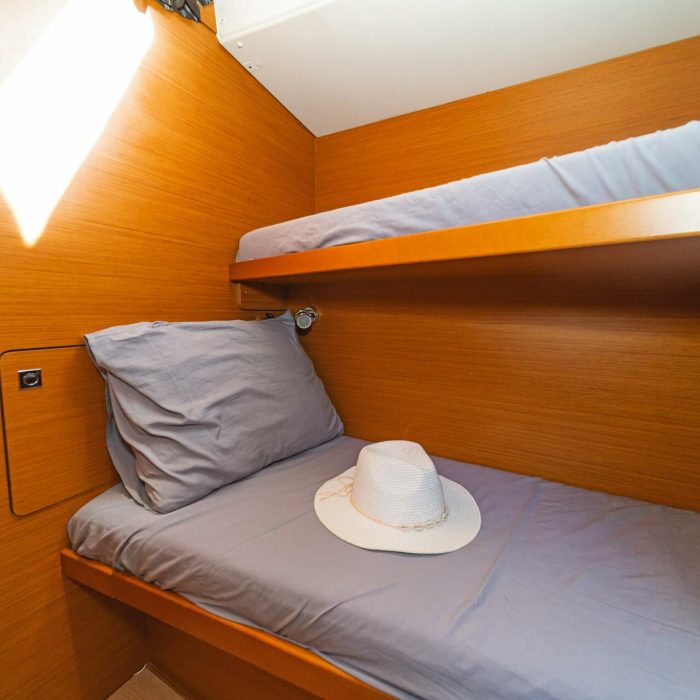
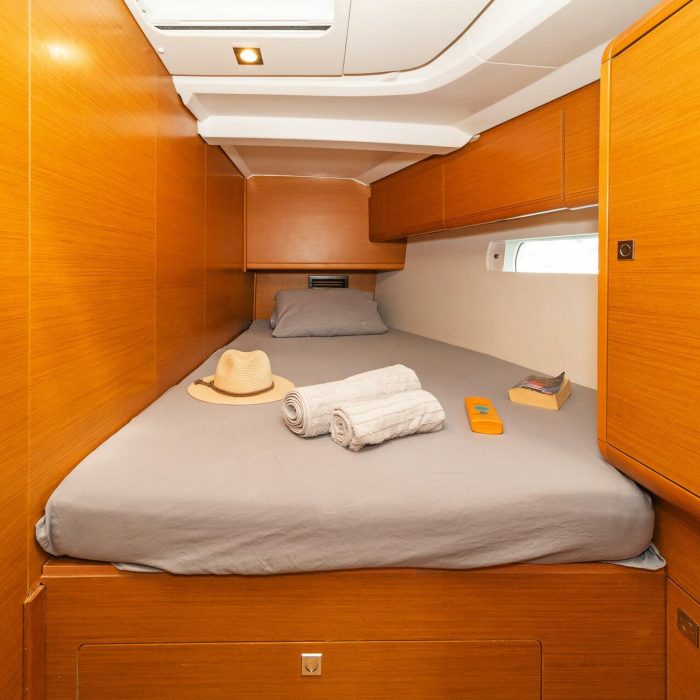
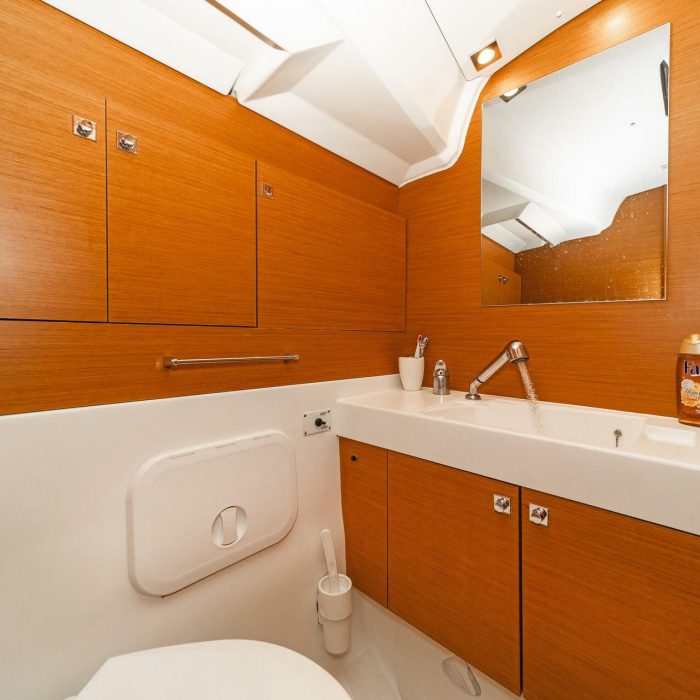
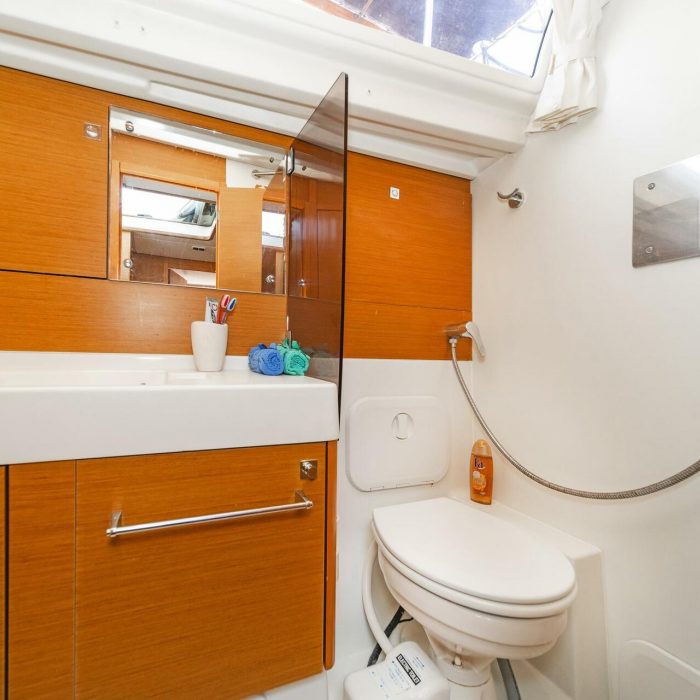
Eva | Sun Odyssey 519
Istion Yachting
Greece, Cyclades, Paros, Paros port
Year: 2016
Length: 52 Ft
Cabins: 6
Guests: 10
3500 €
3500 €
- 10% 3,150€
+ mandatory costs - 730 €
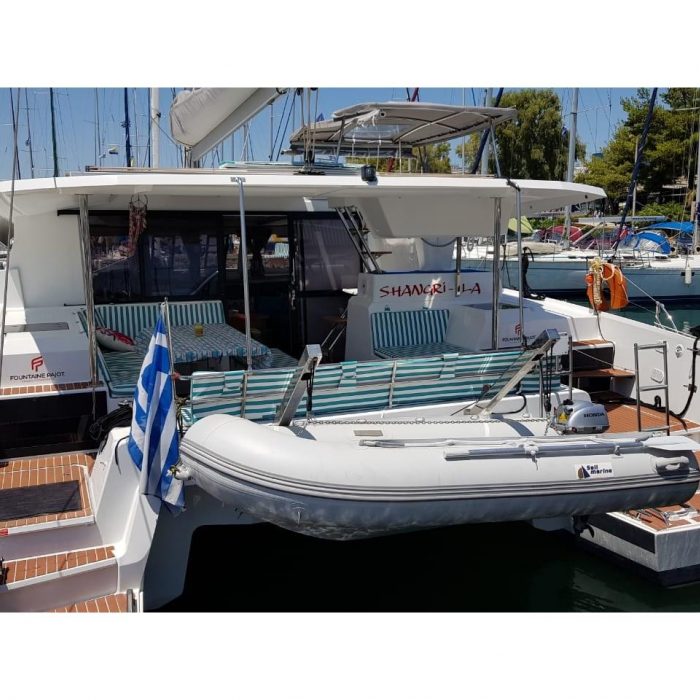

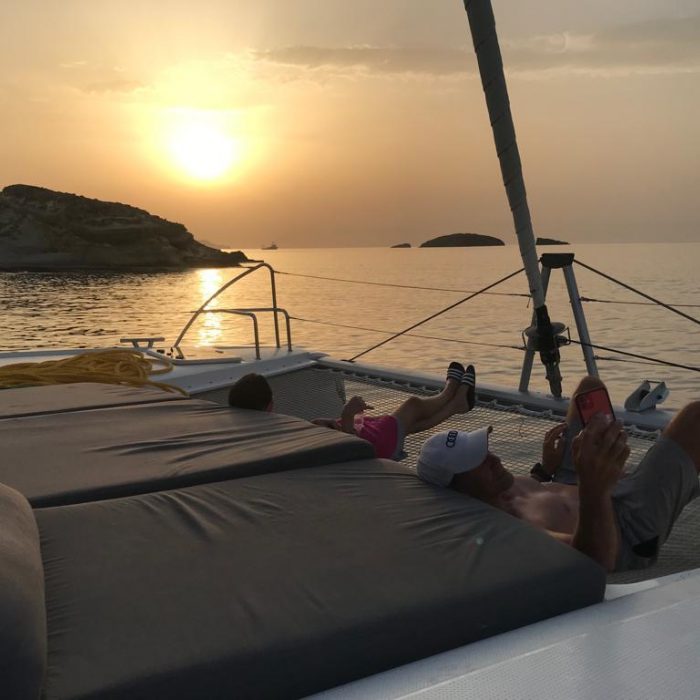
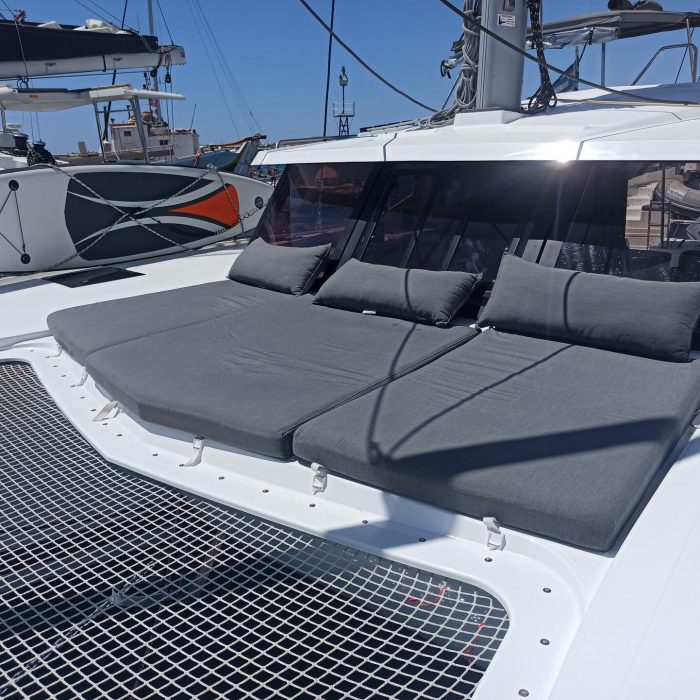
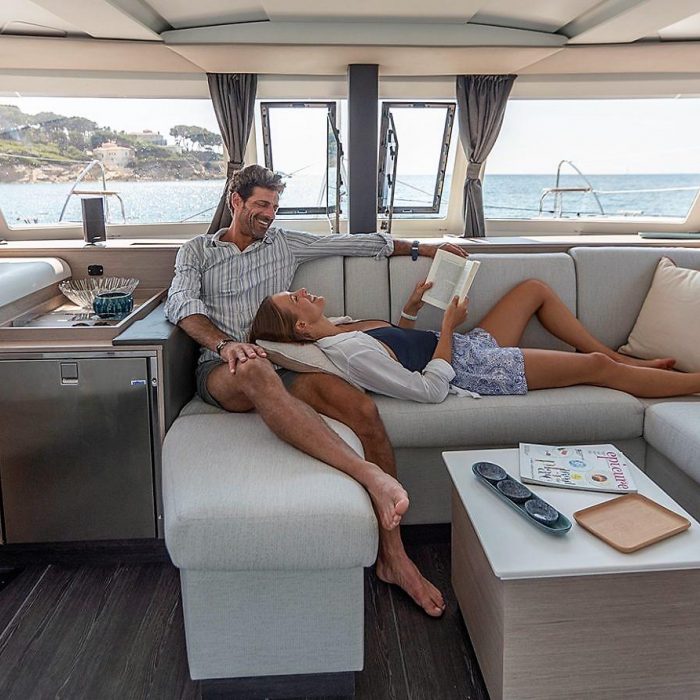
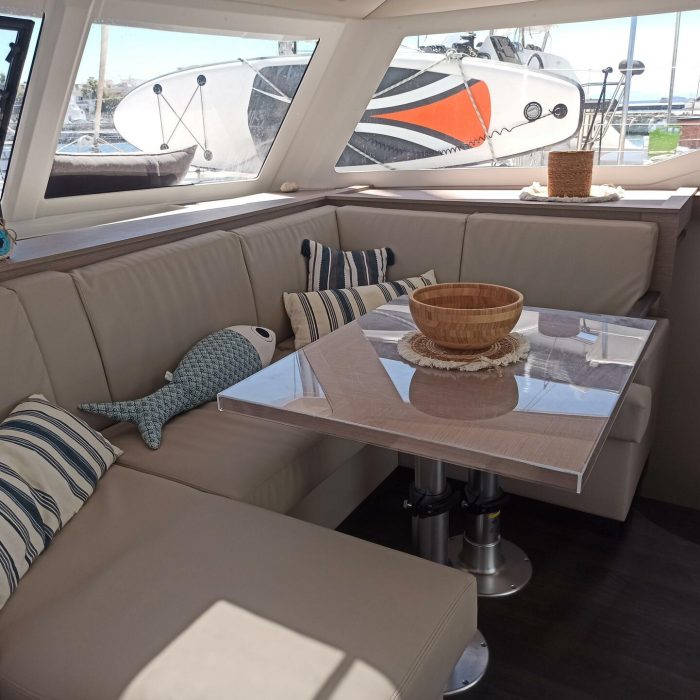
SHANGRI-LA | Astrea 42
Athenian Yachts
Greece, Cyclades, Piso Livadi, Piso Livadi Port
Year: 2019
Length: 41 Ft
Cabins: 4
Guests: 12
4500 €
Online price
for 7 days
€ 4,500- 29%€3,182
+ mandatory costs - 1410 €
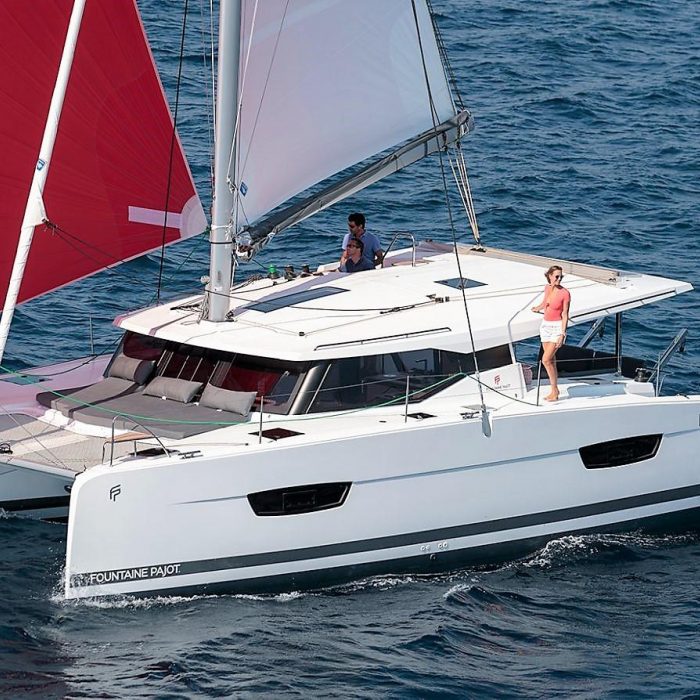
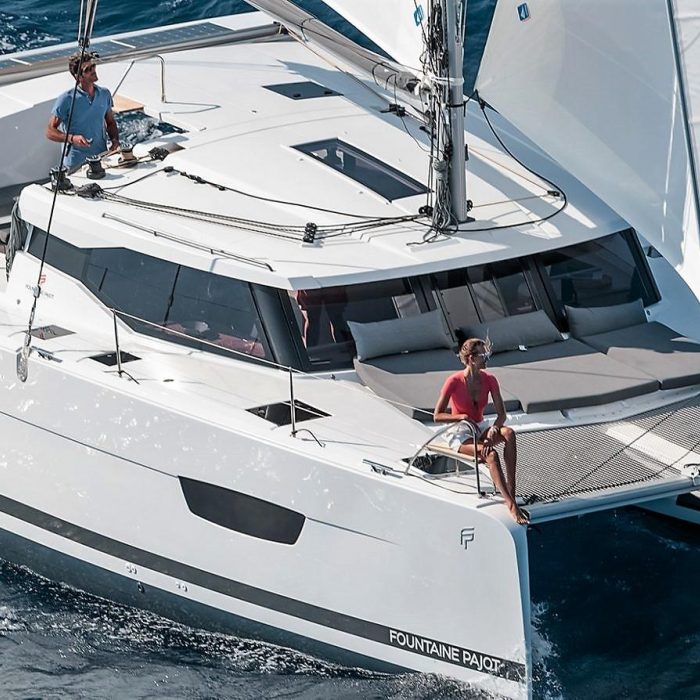
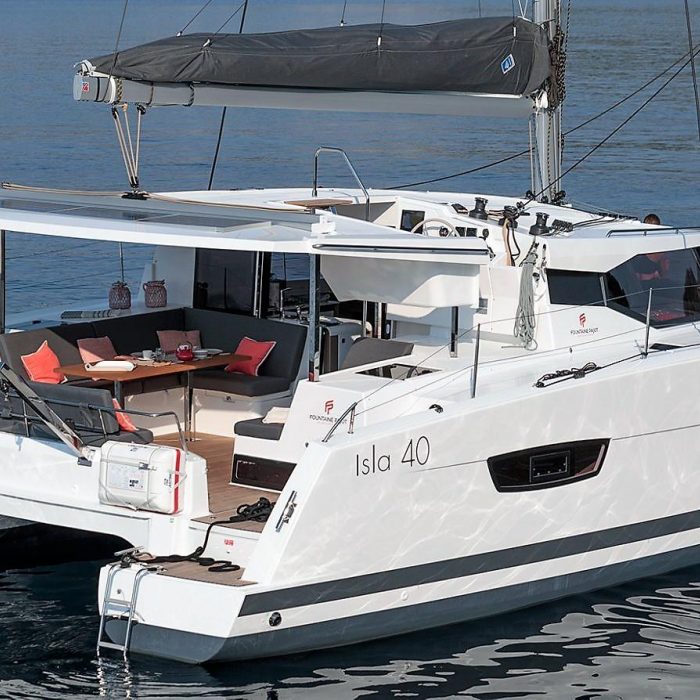
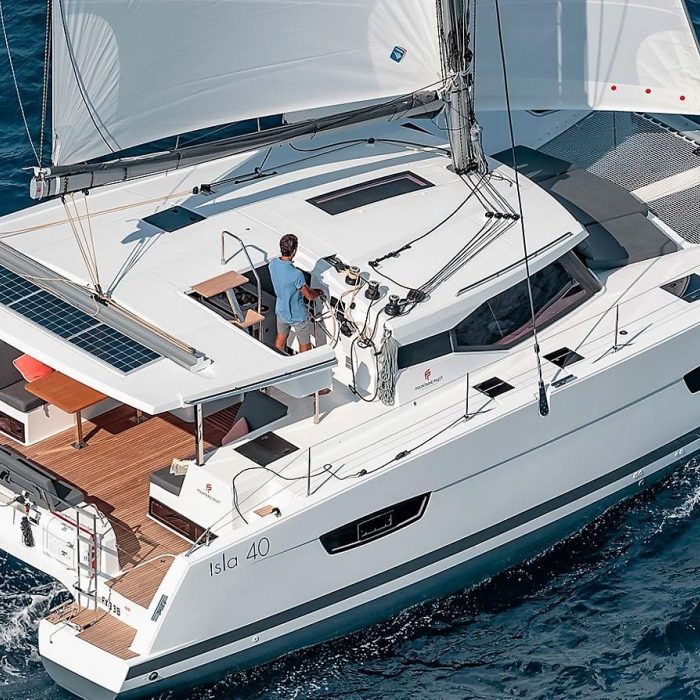
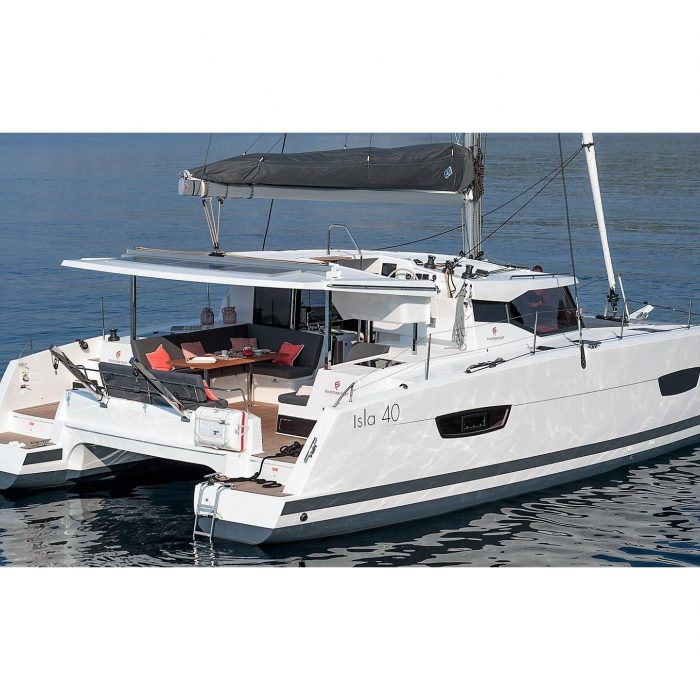
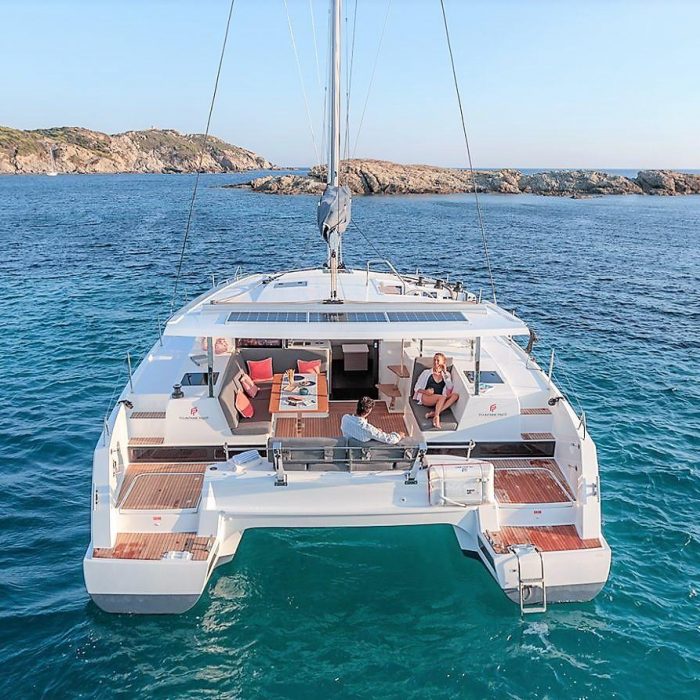
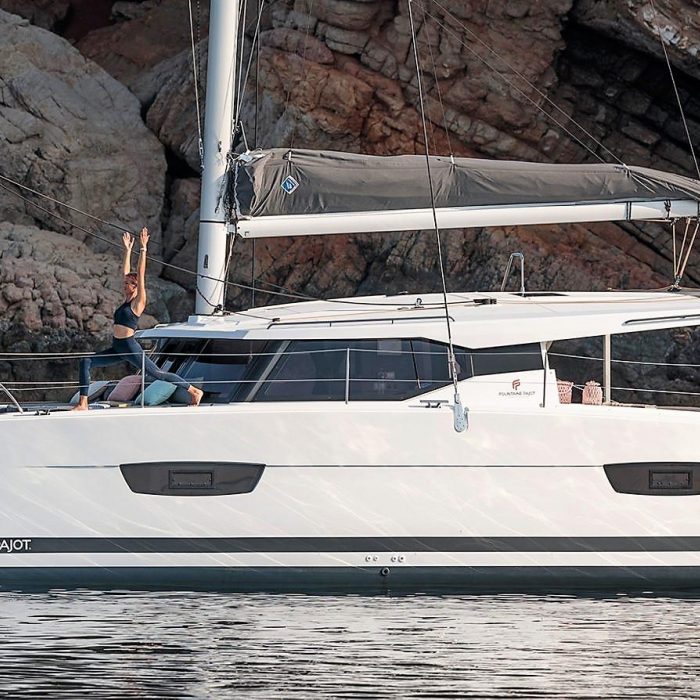
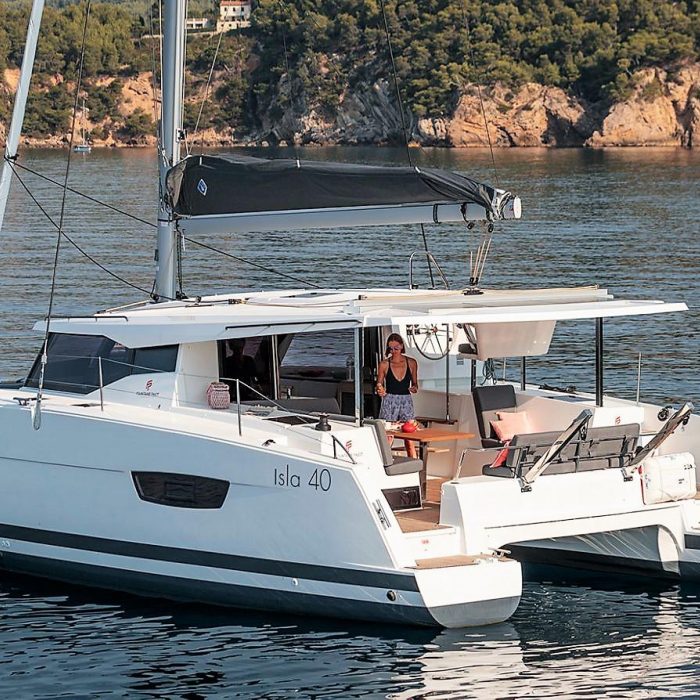
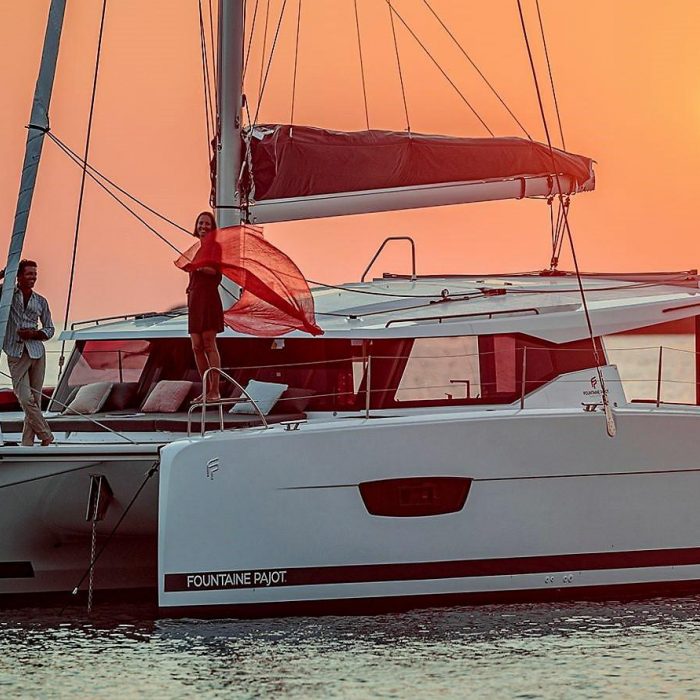
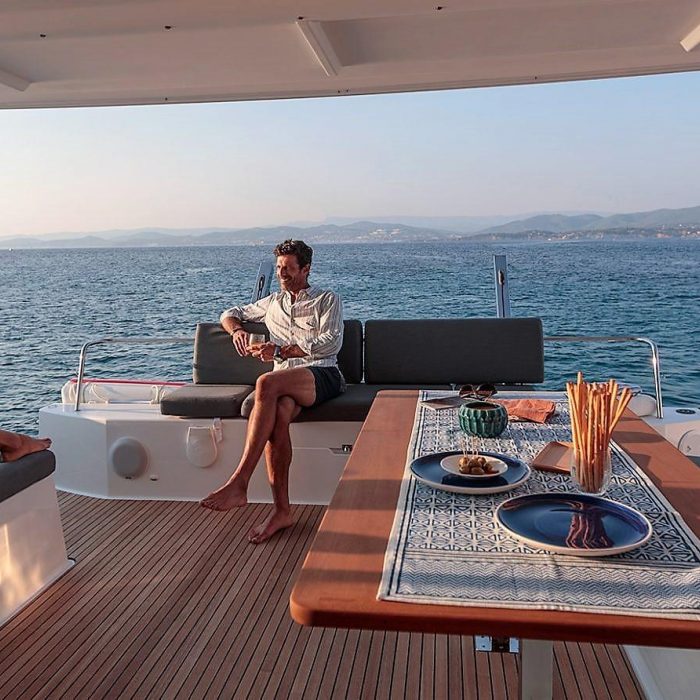
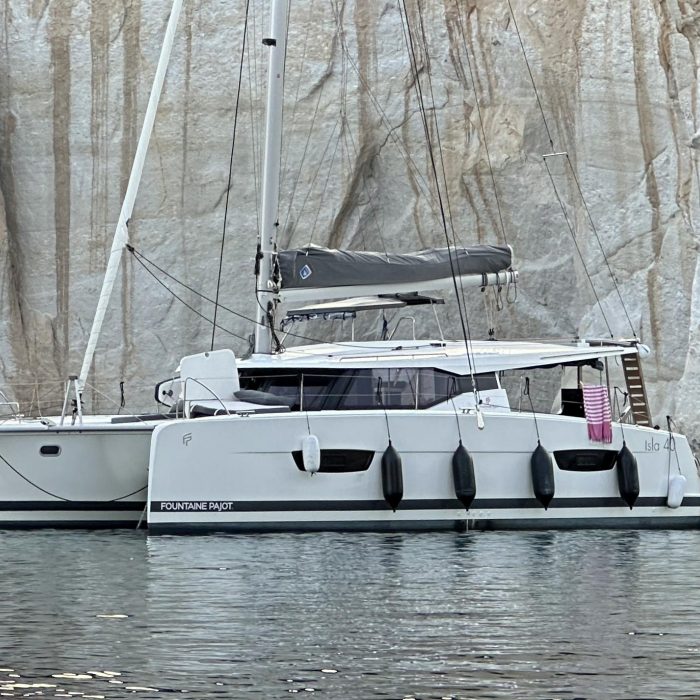
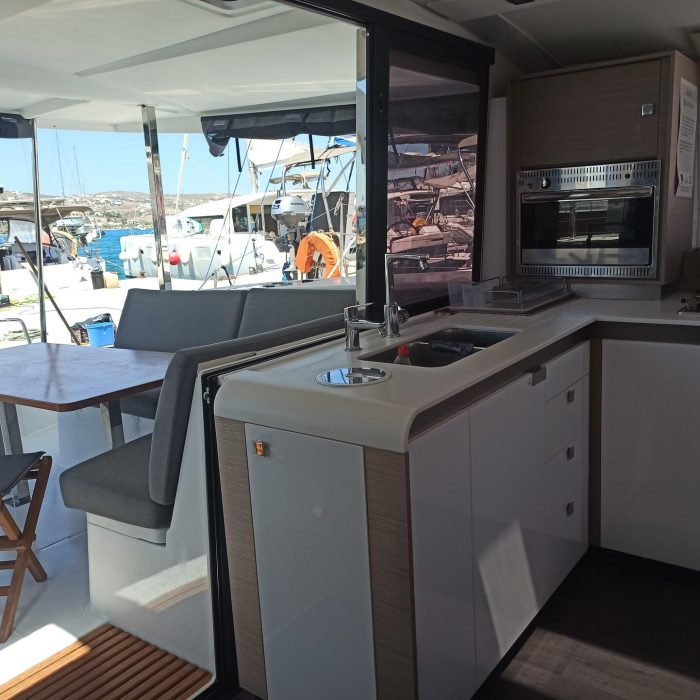
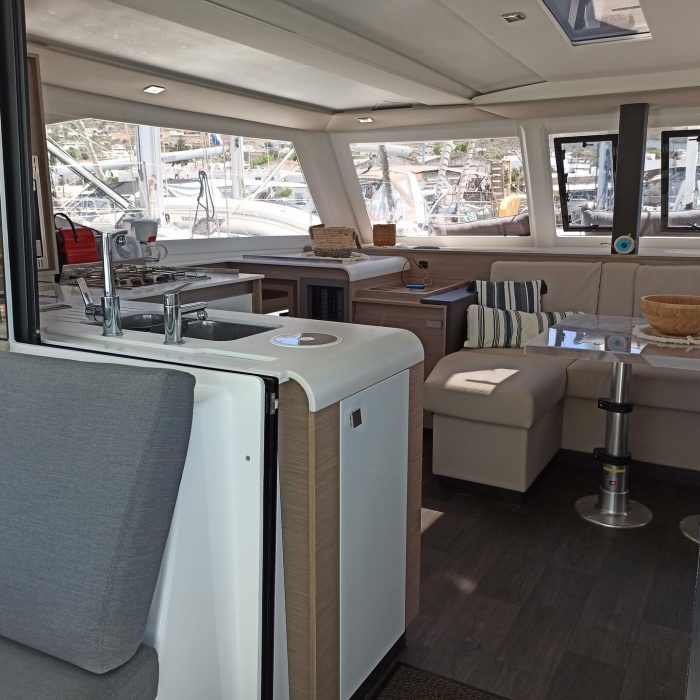
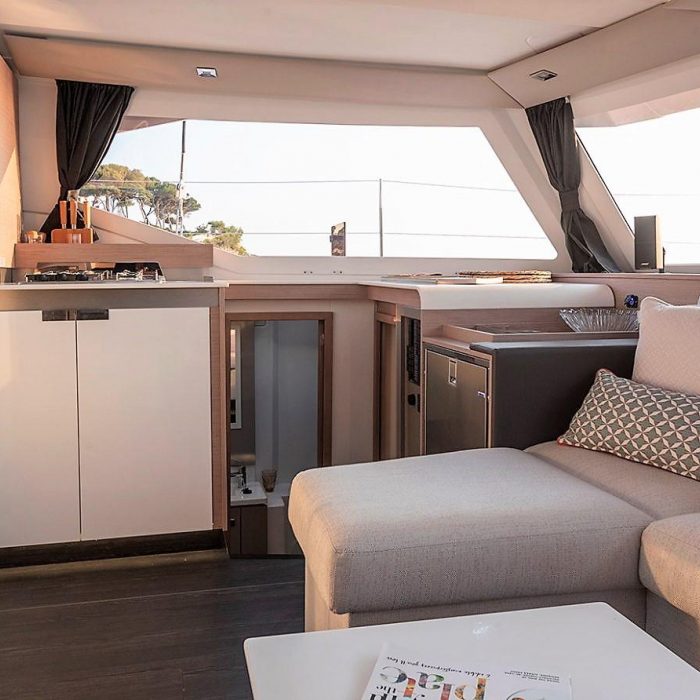
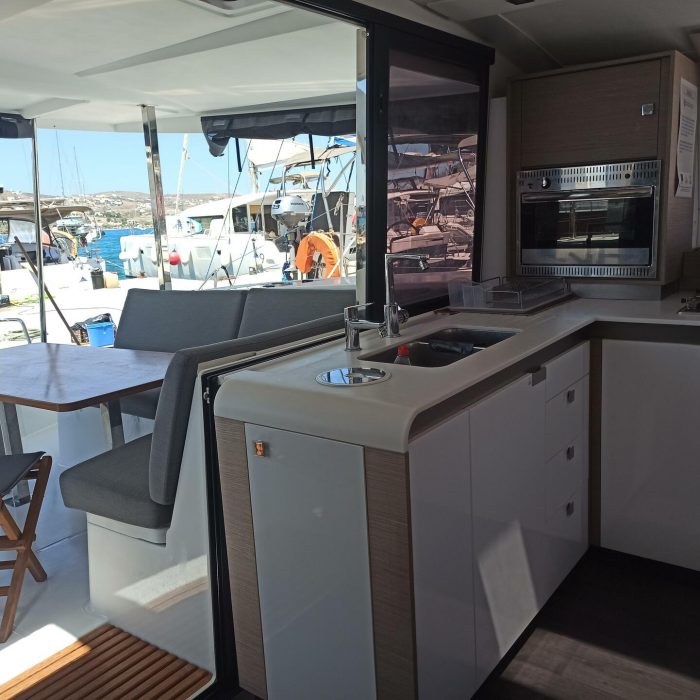
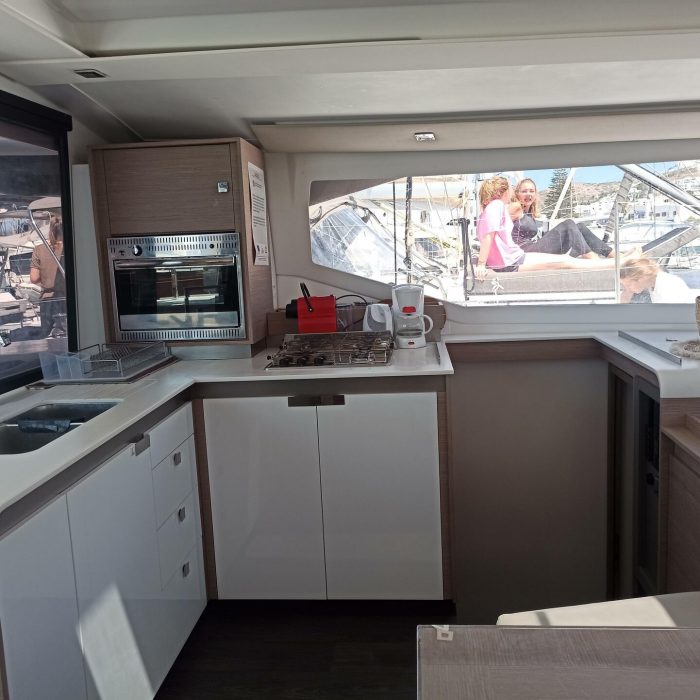
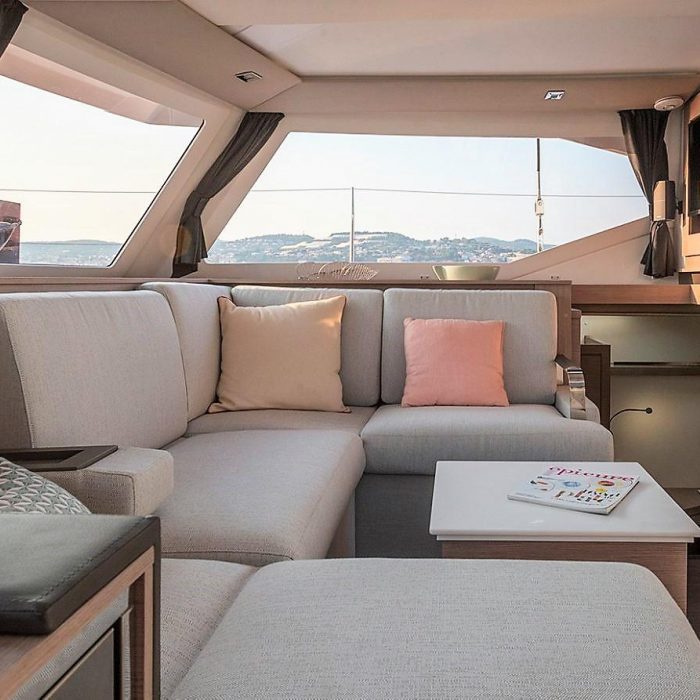
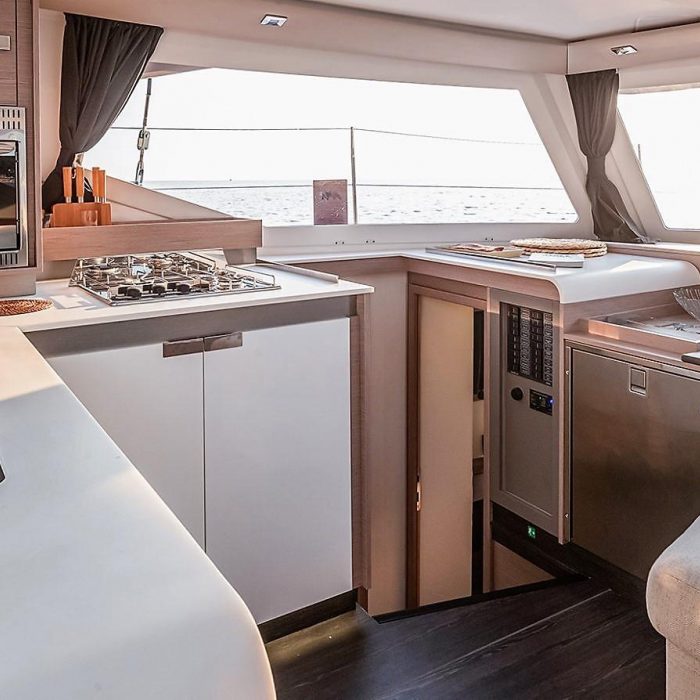
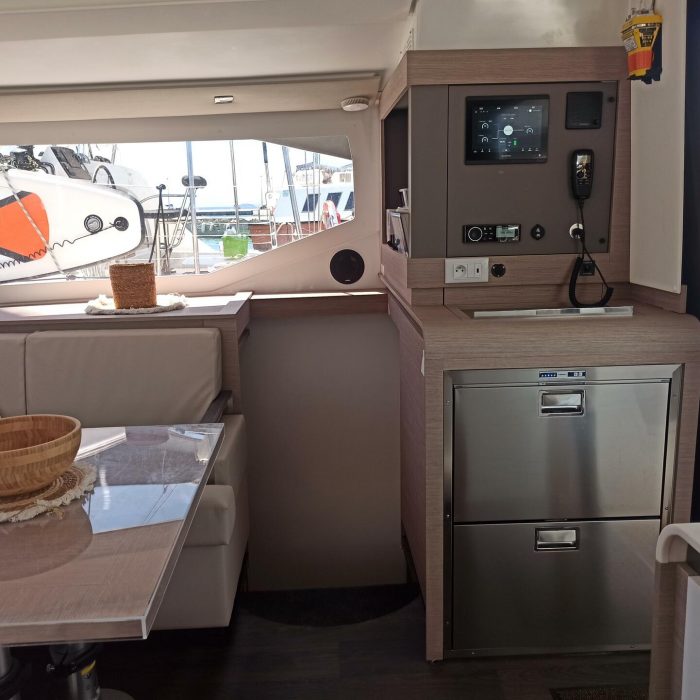
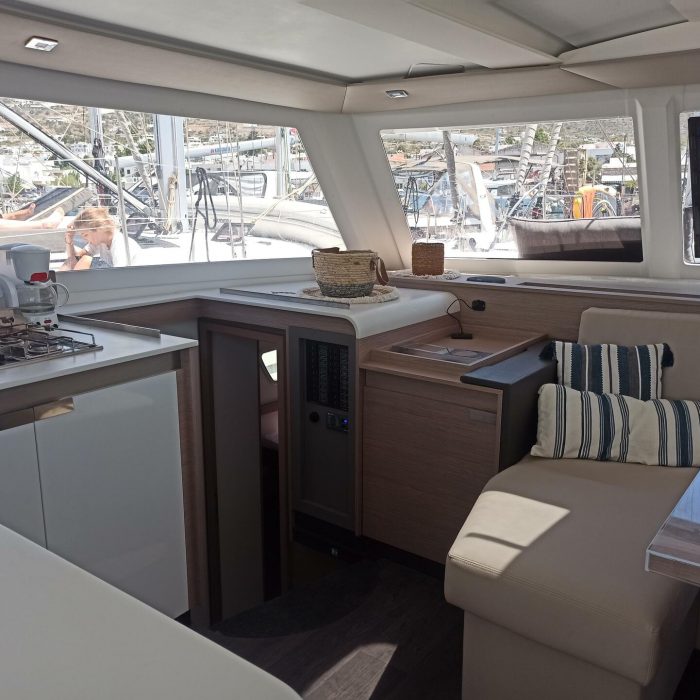
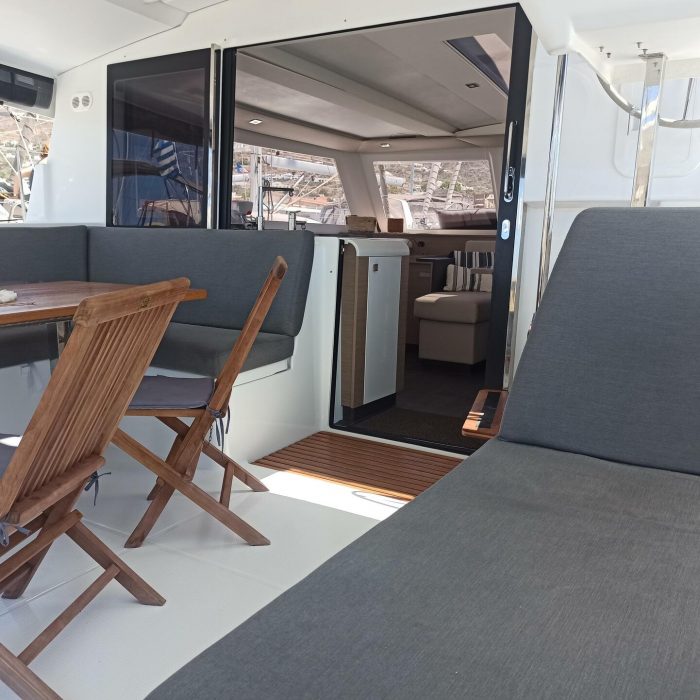
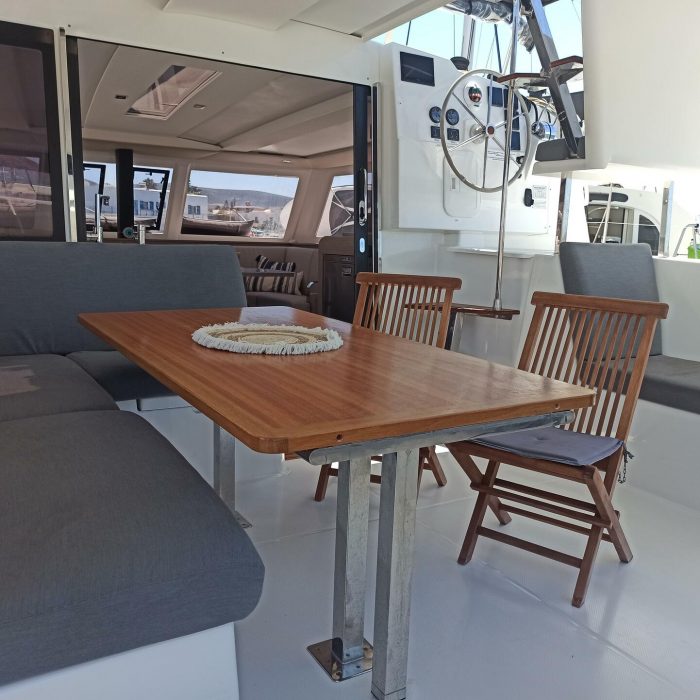
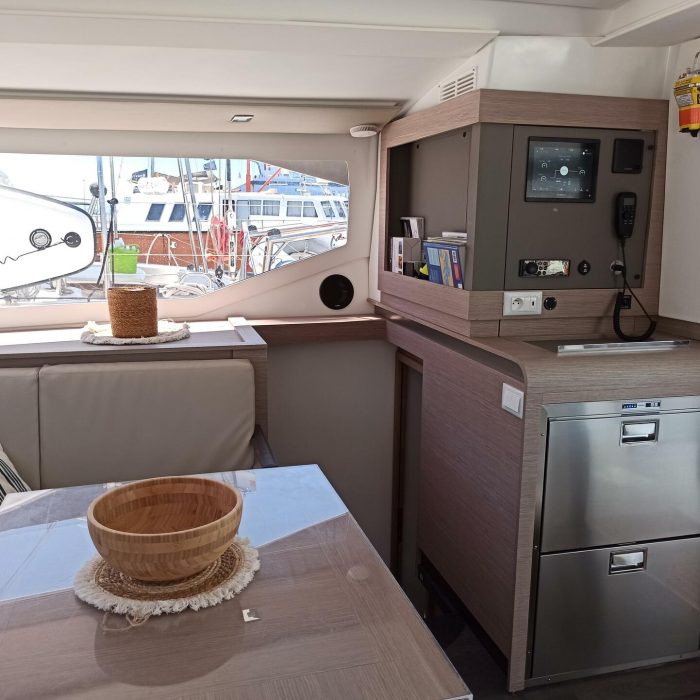
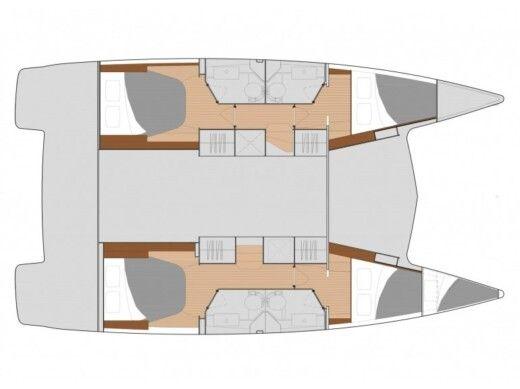
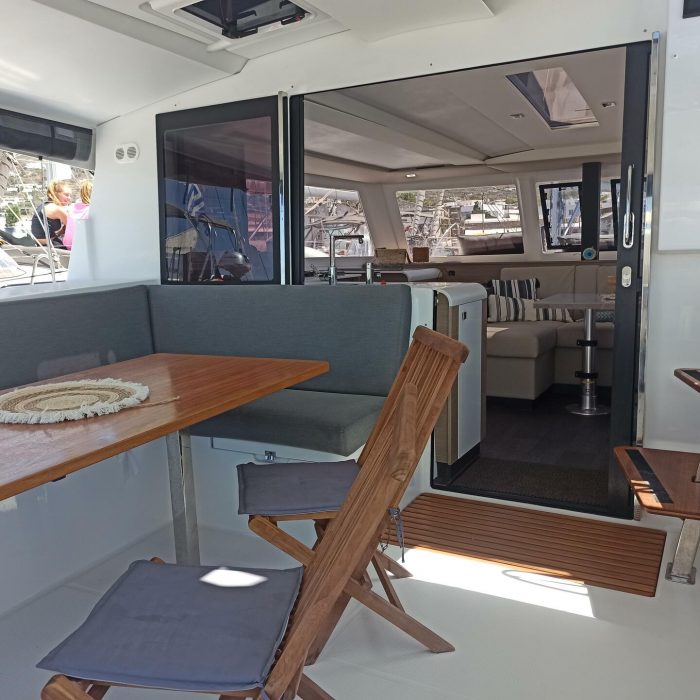
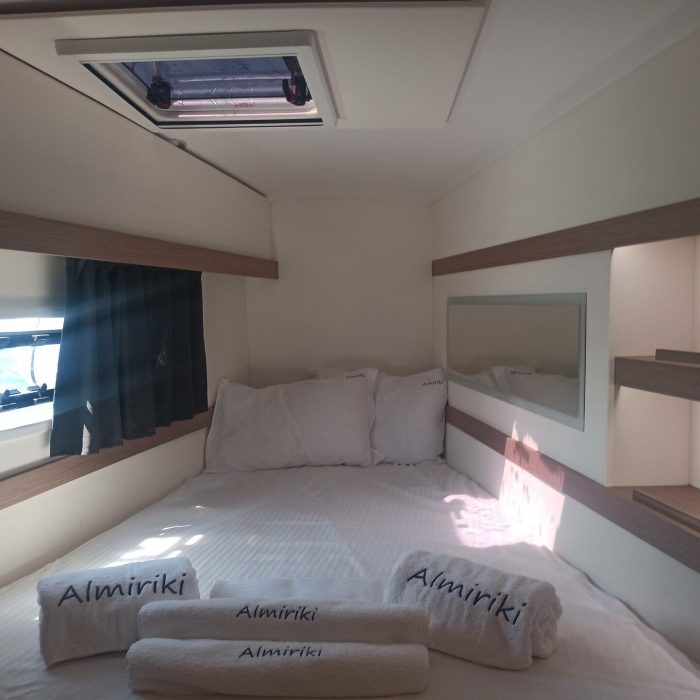
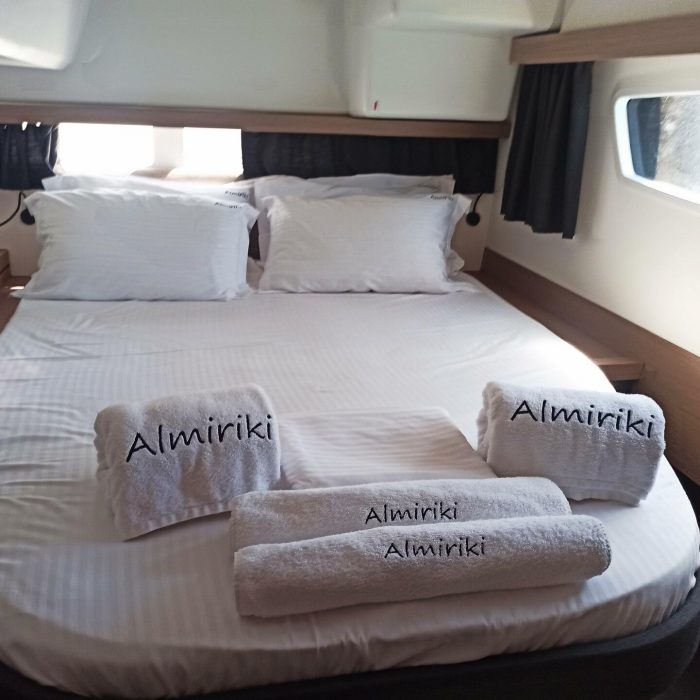
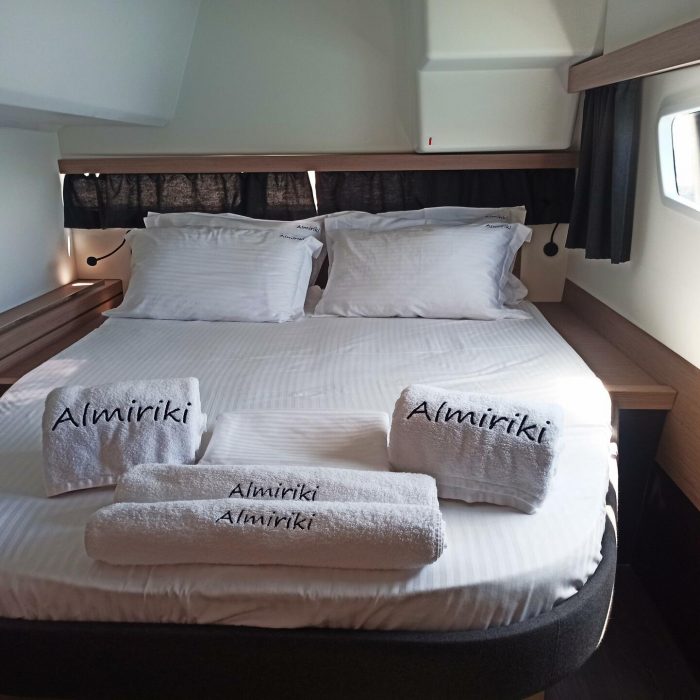
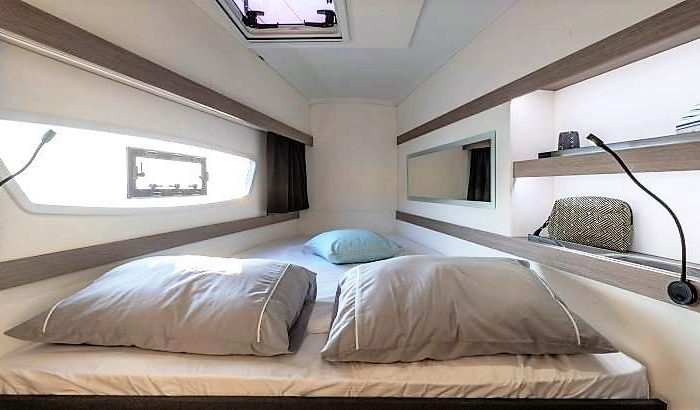
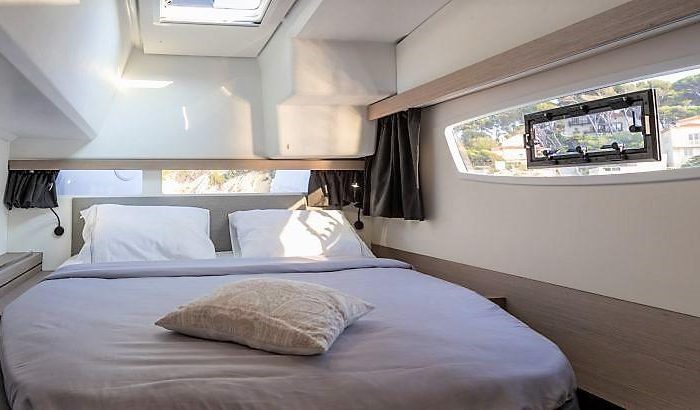
Almiriki | Isla 40
Sail The Cyclades
Greece, Cyclades, Paros, Paros port
Year: 2023
Length: 39 Ft
Cabins: 5
Guests: 10
4000 €
Online price
for 7 days
€ 4,000- 20%€3,198
+ mandatory costs - 240 €
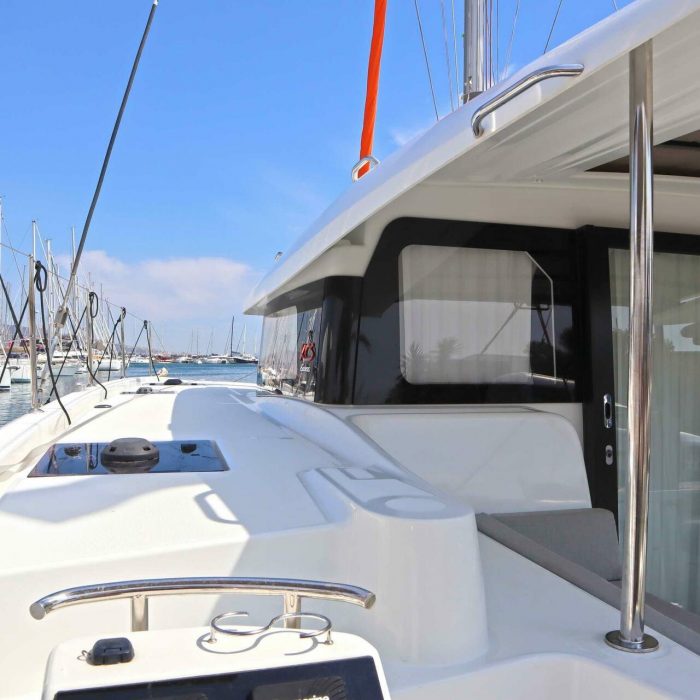
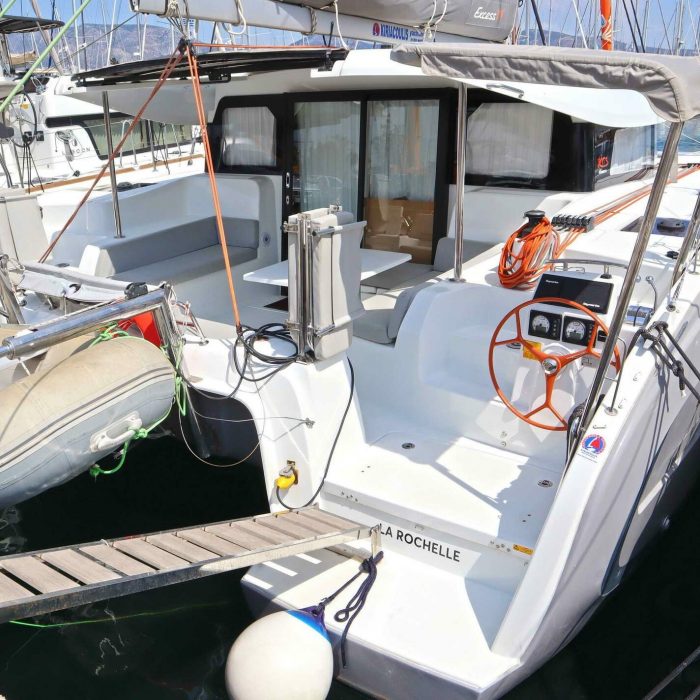

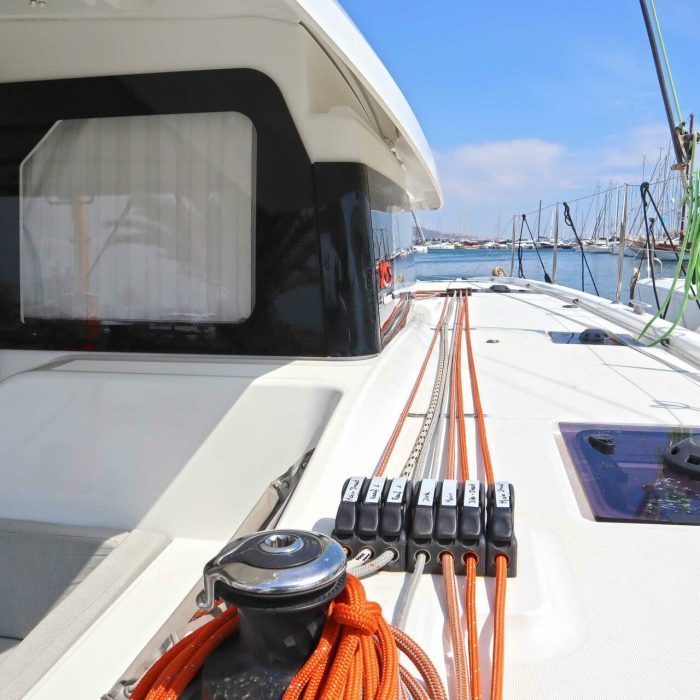
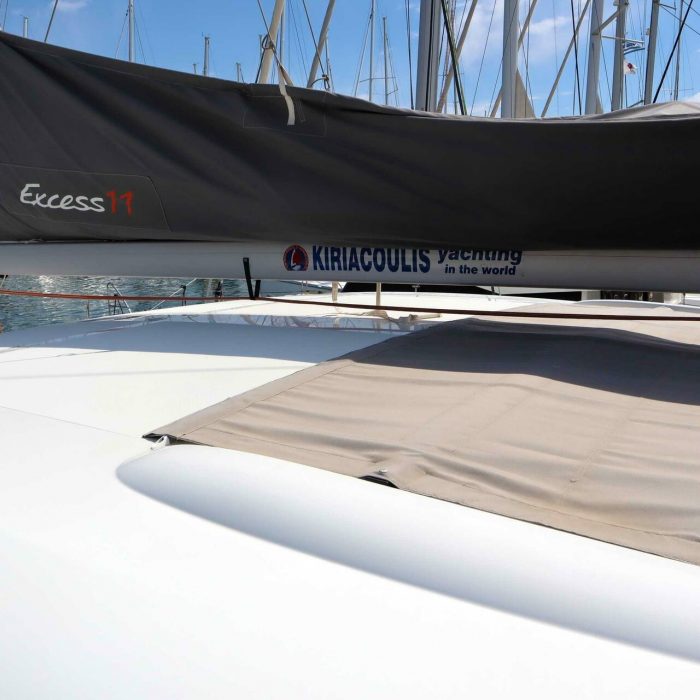
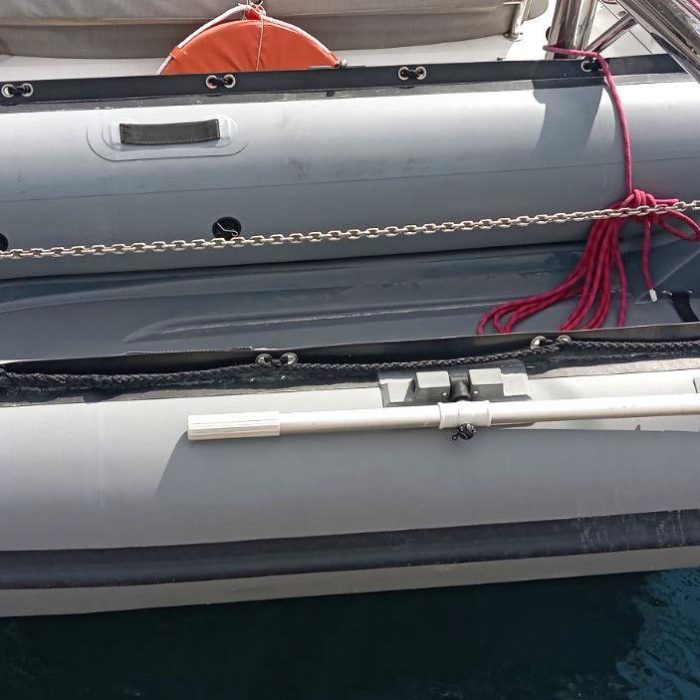
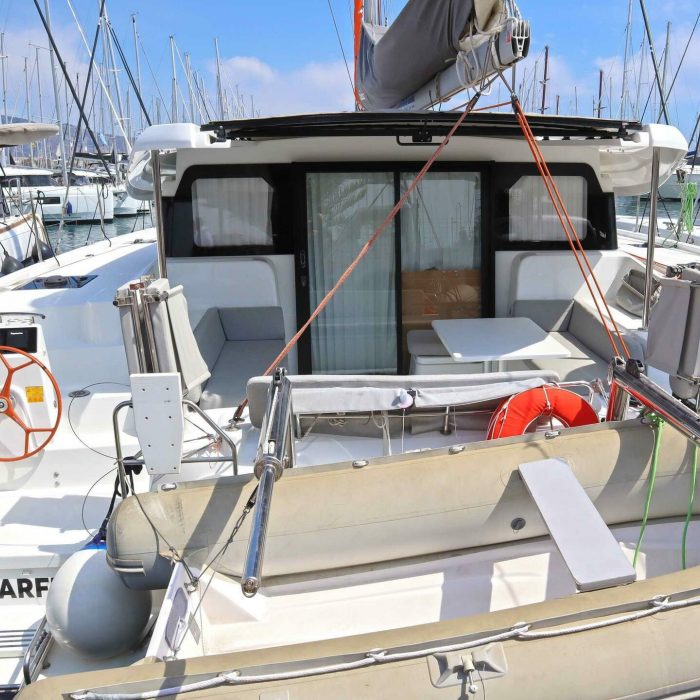
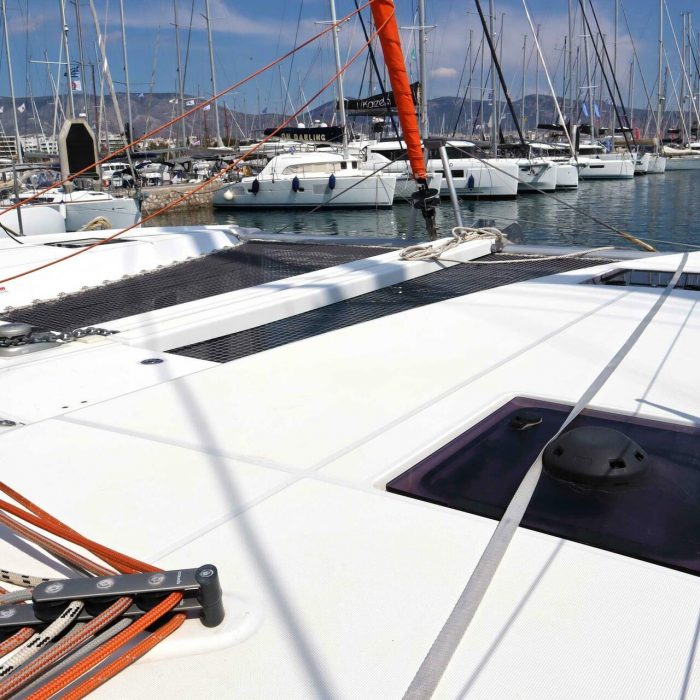

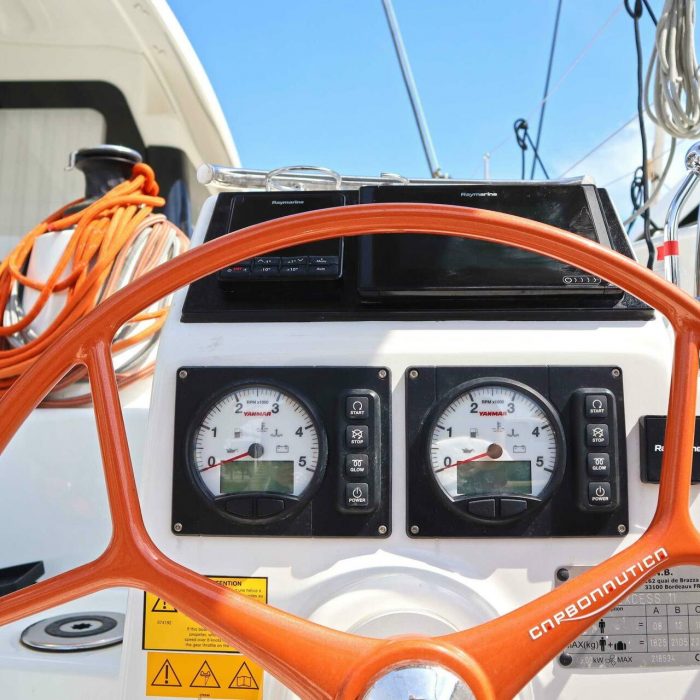
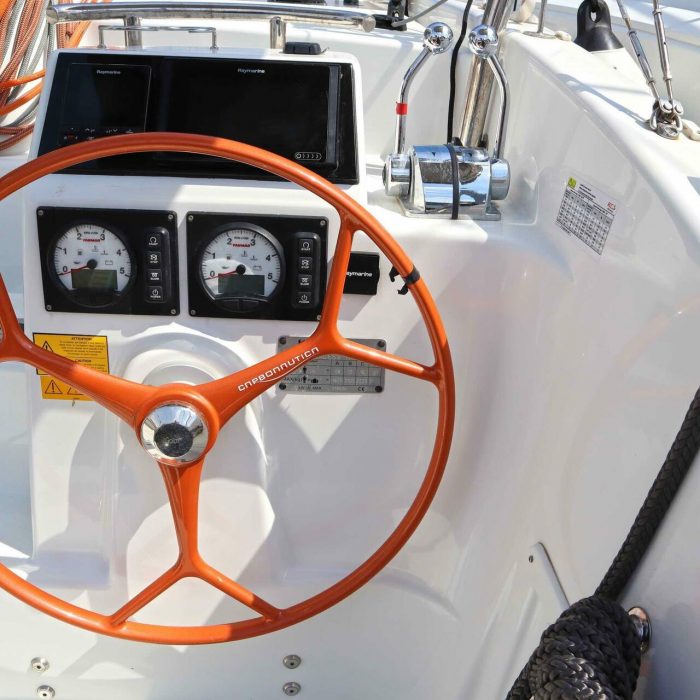
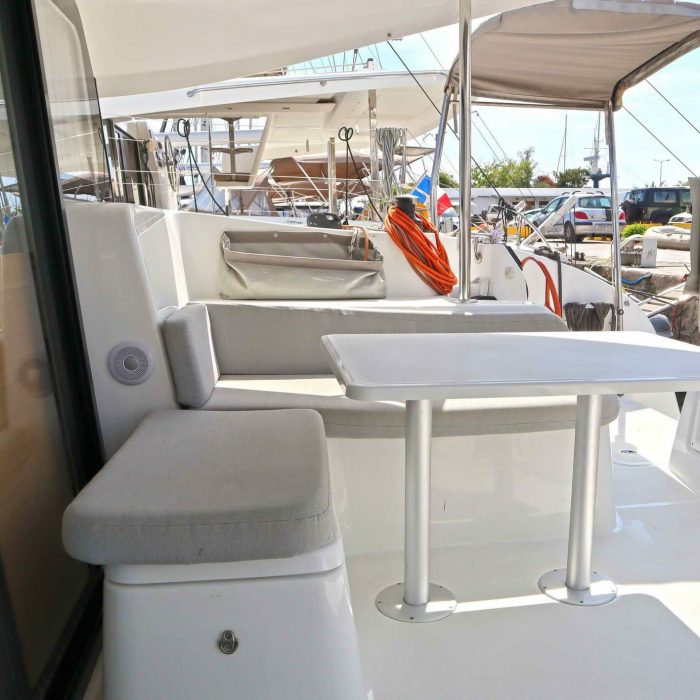
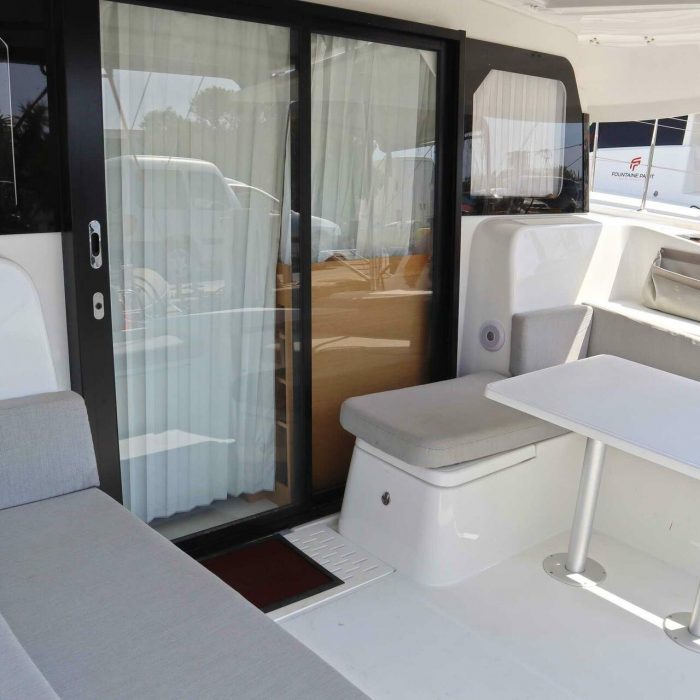
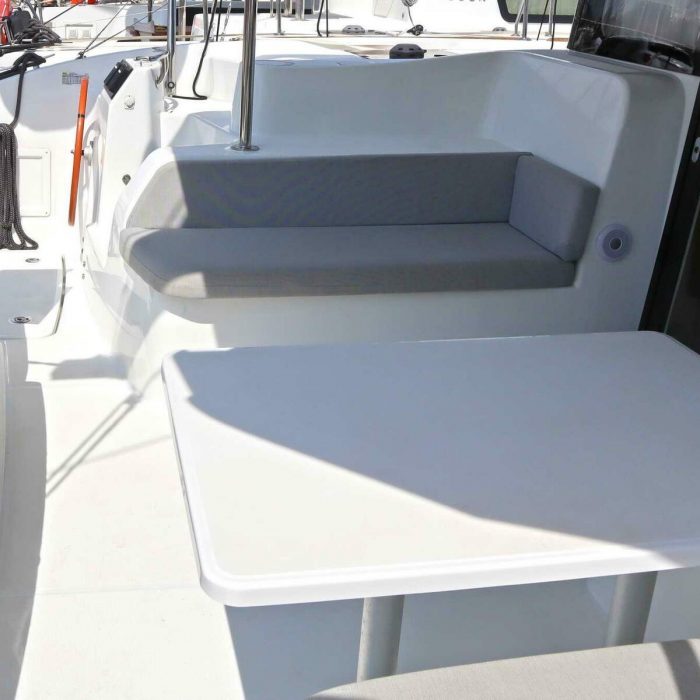
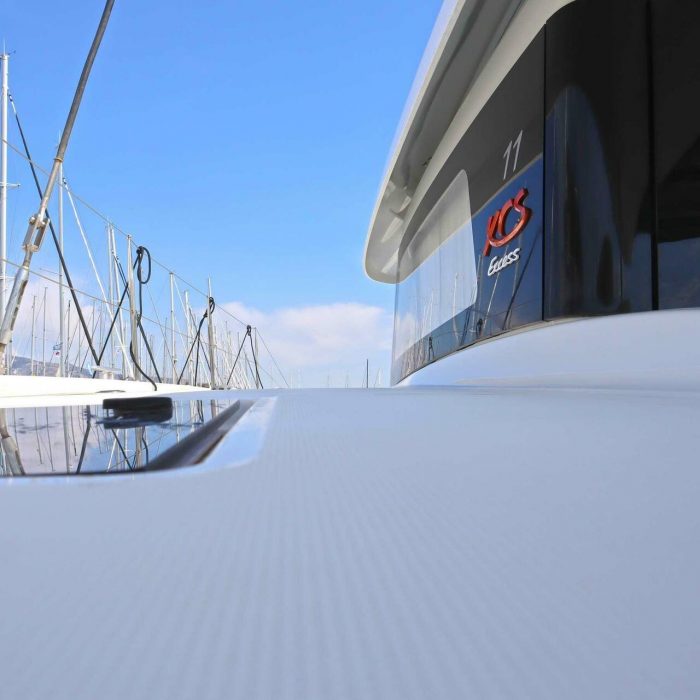

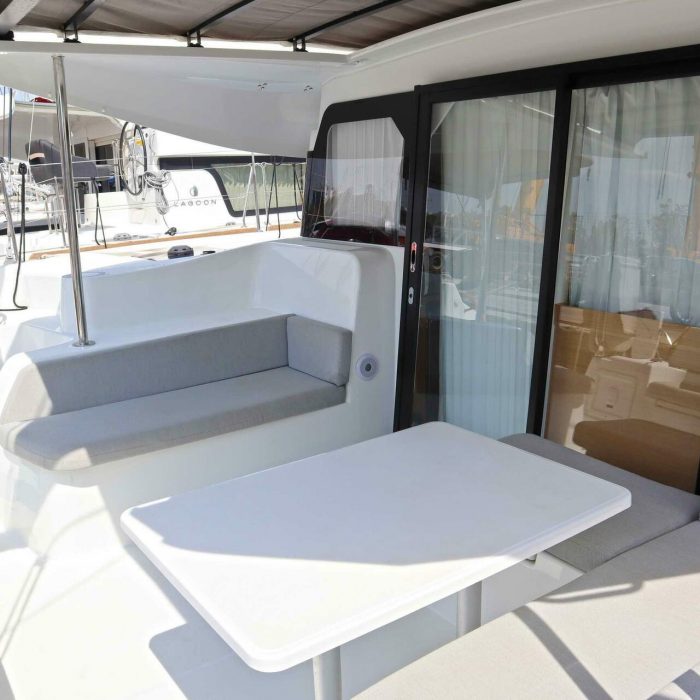
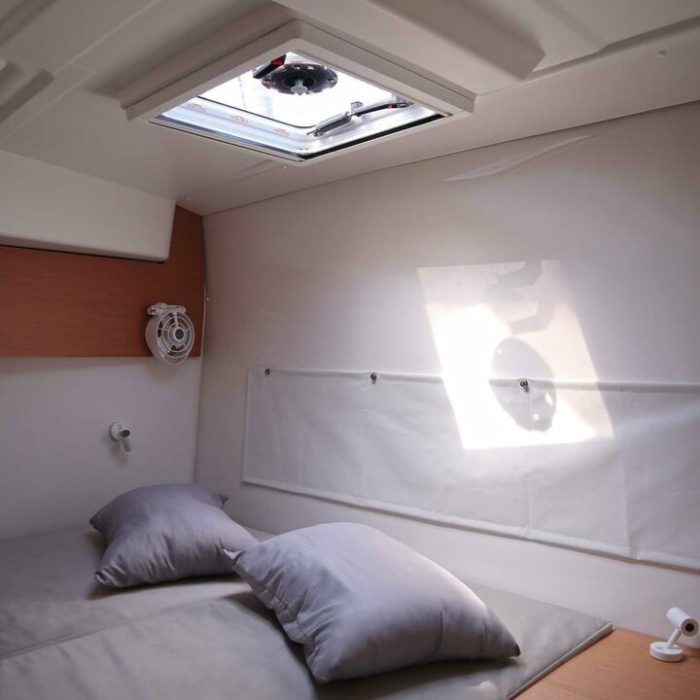
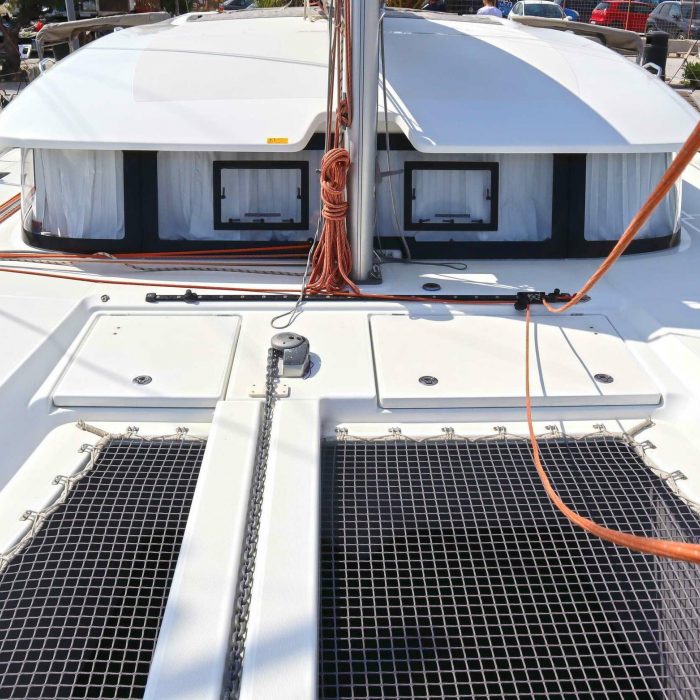
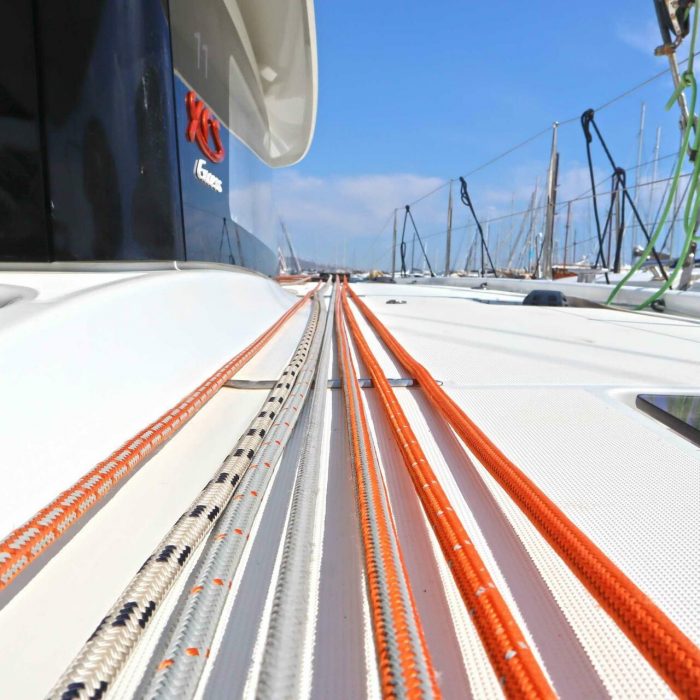
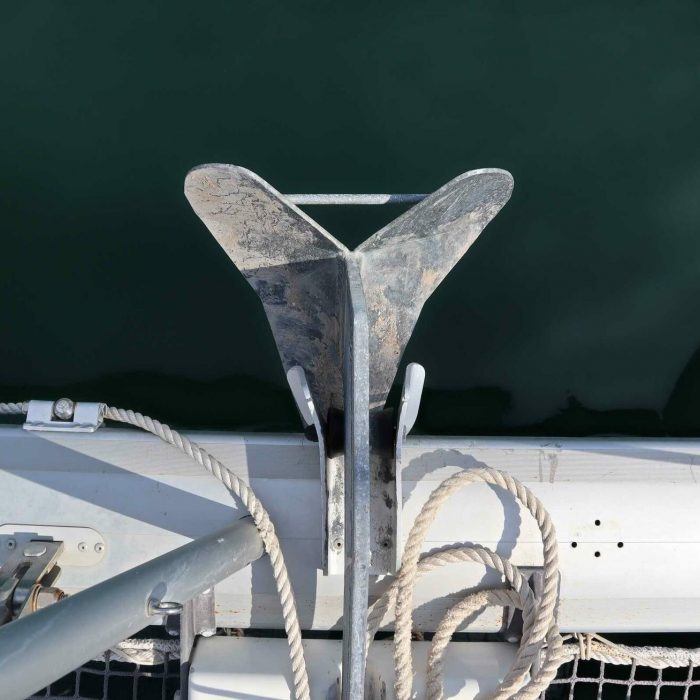
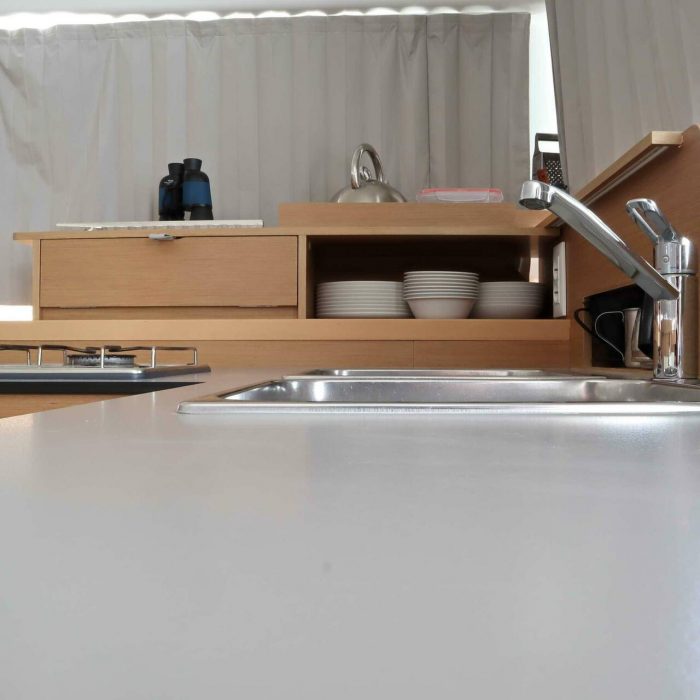
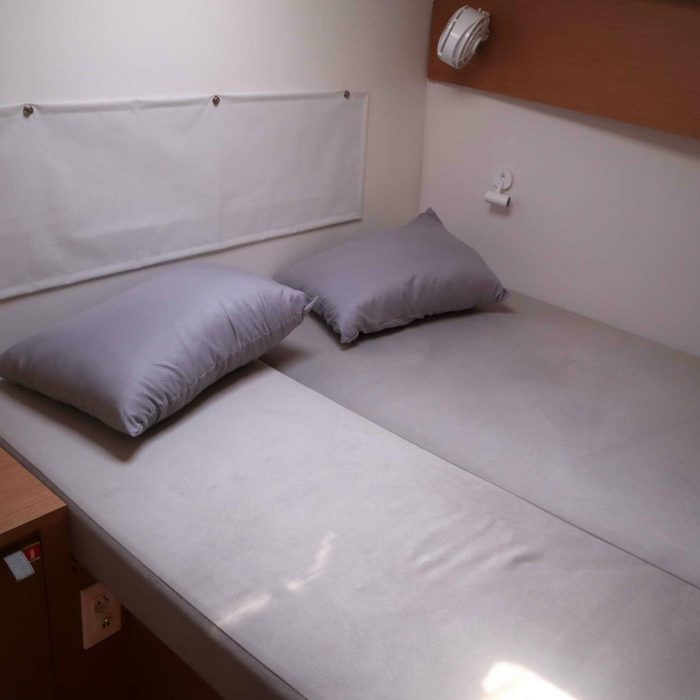
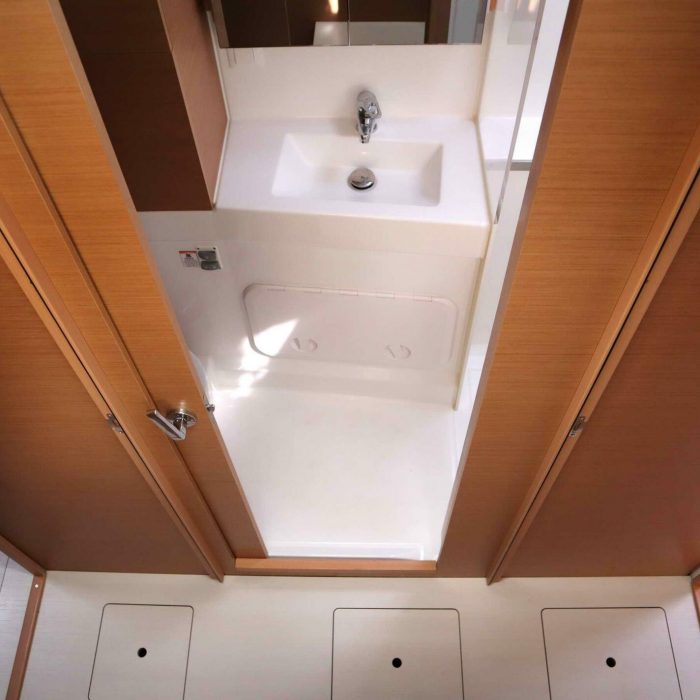
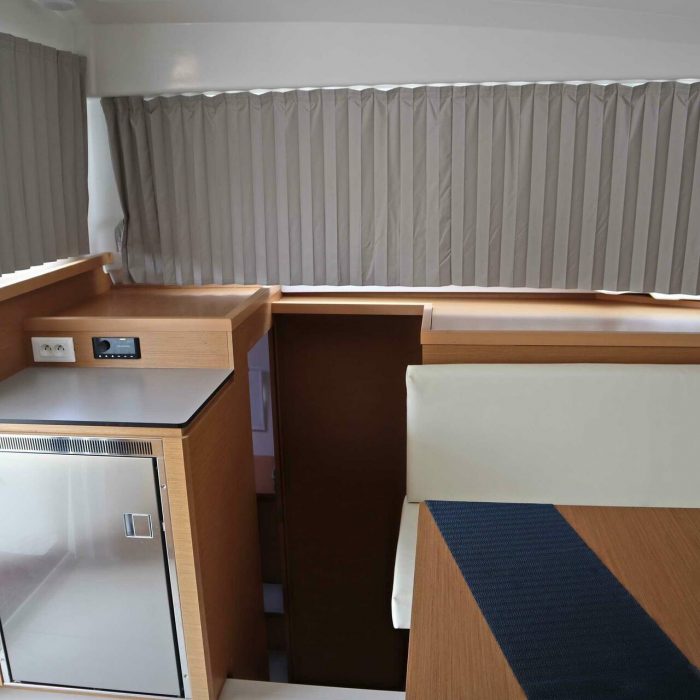
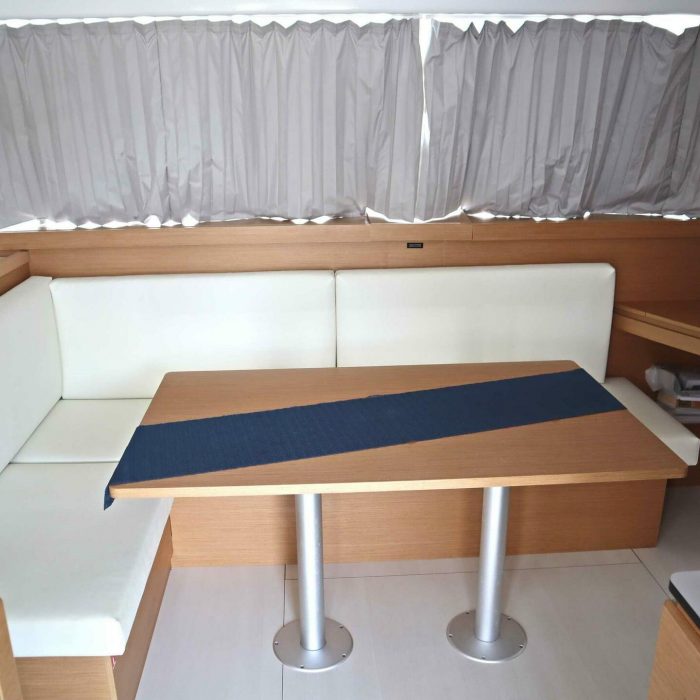
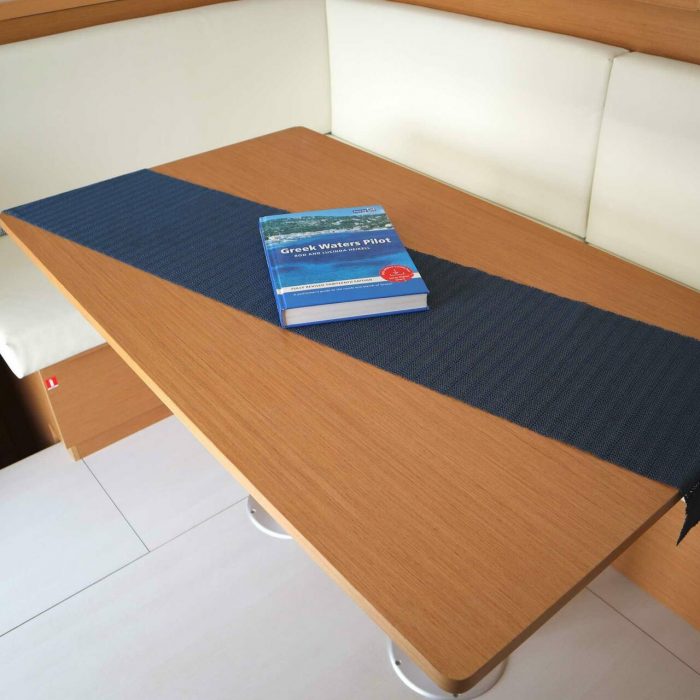
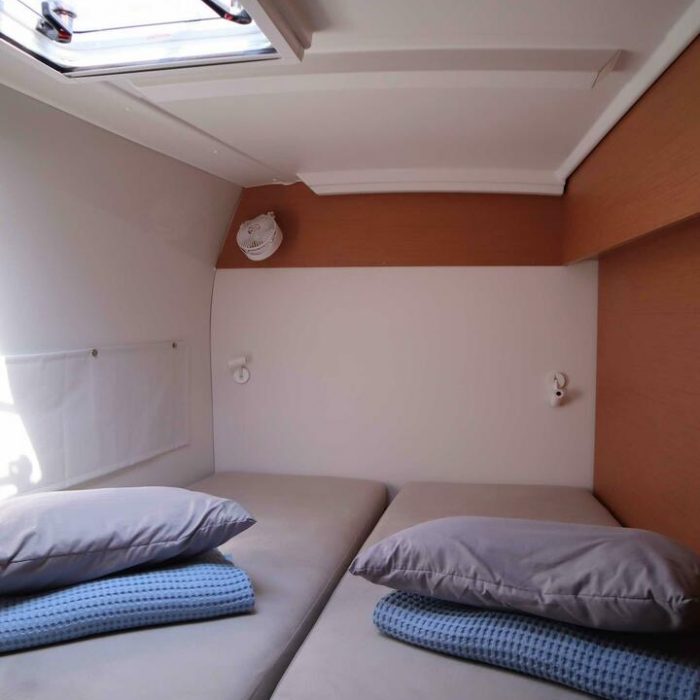
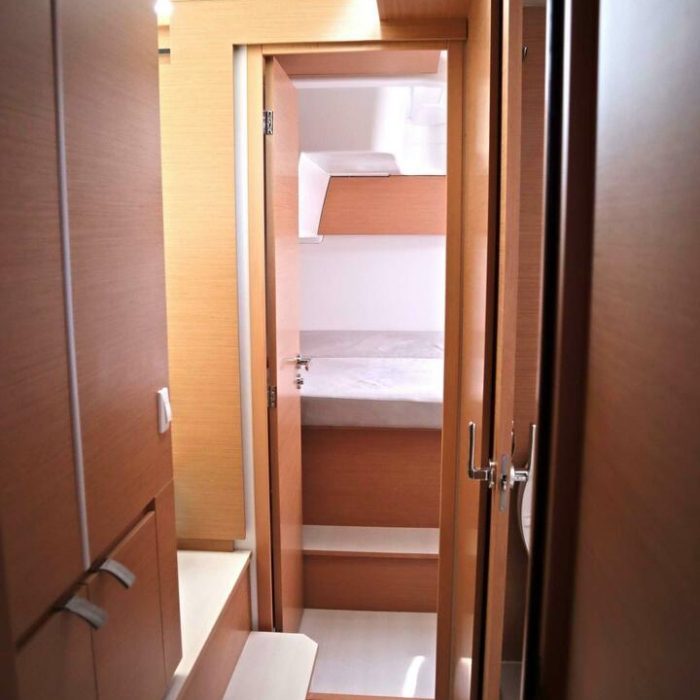
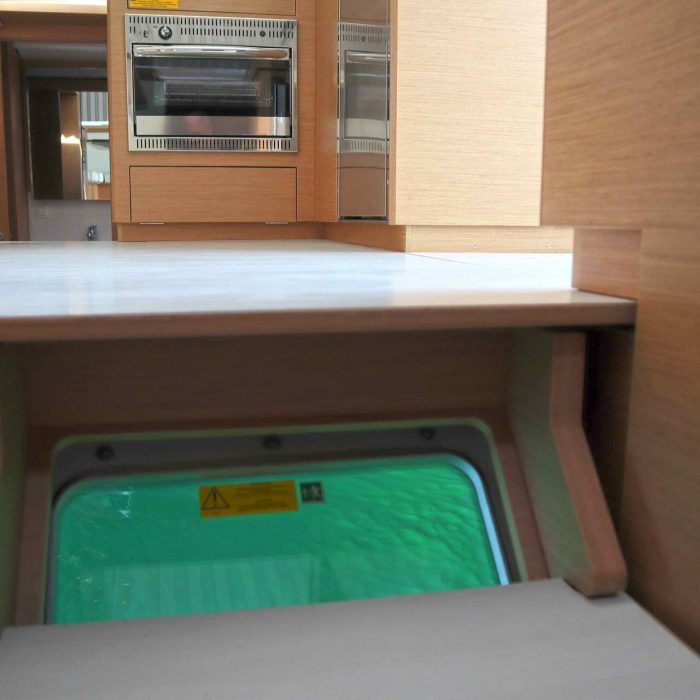
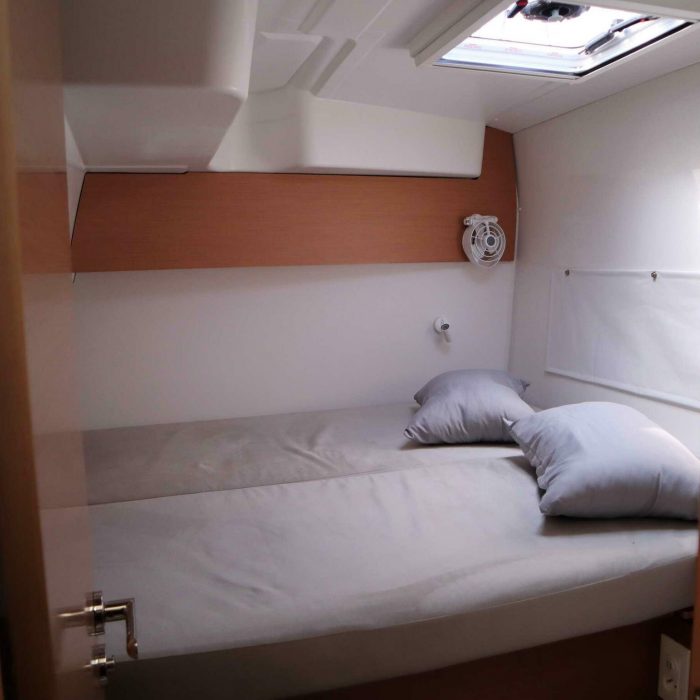
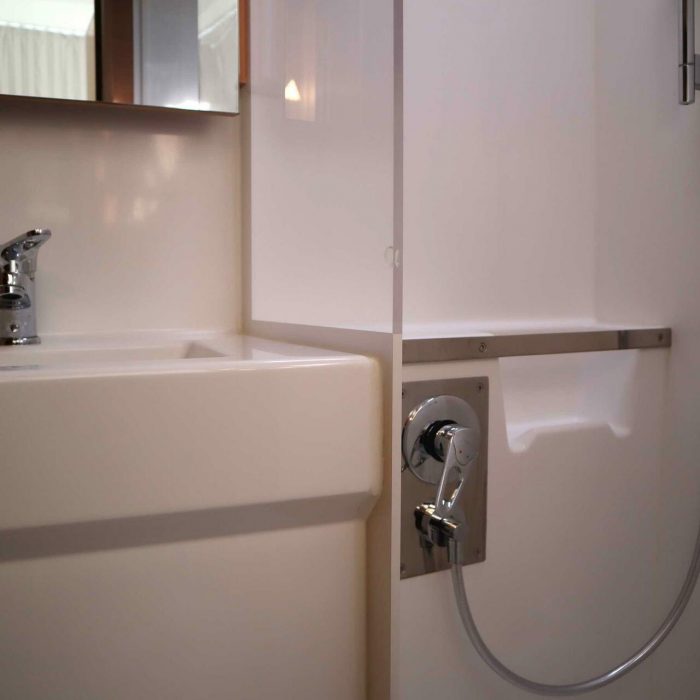
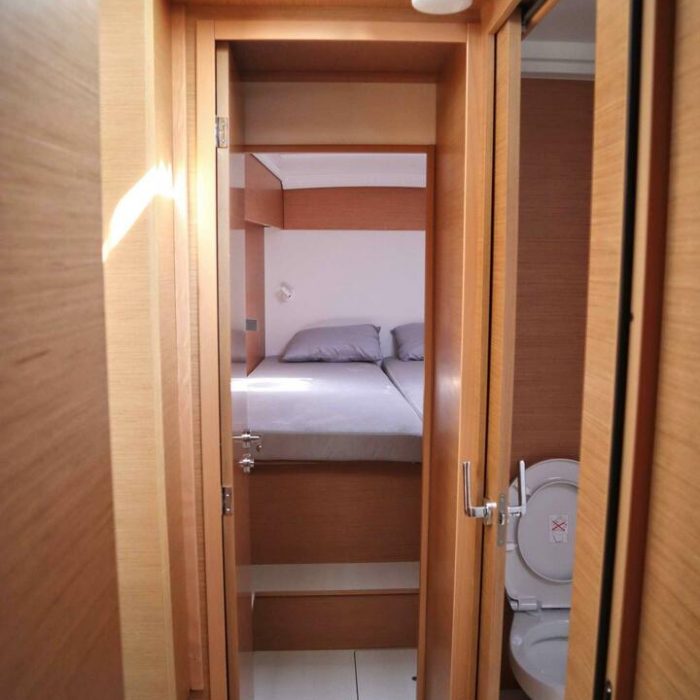
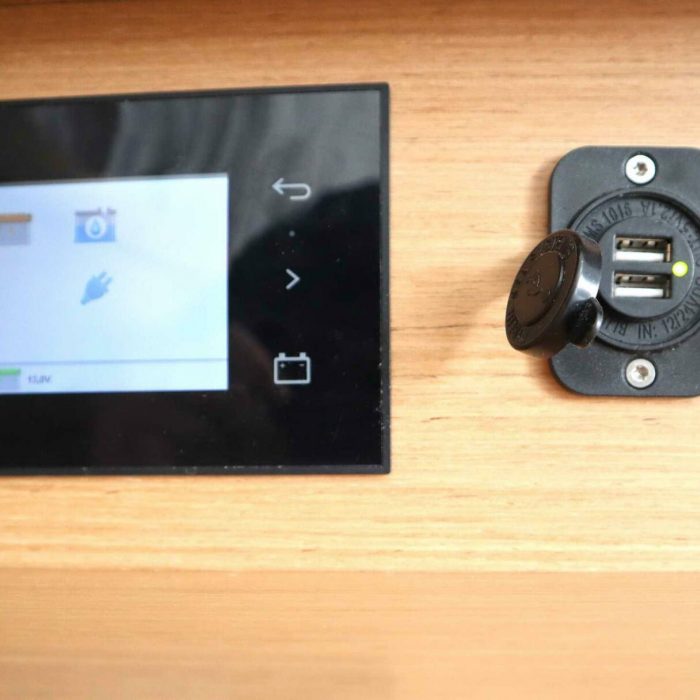
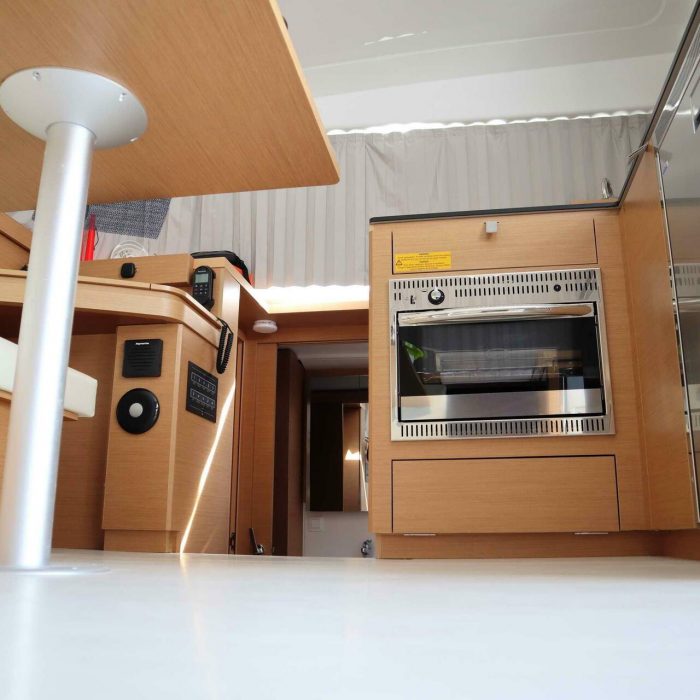
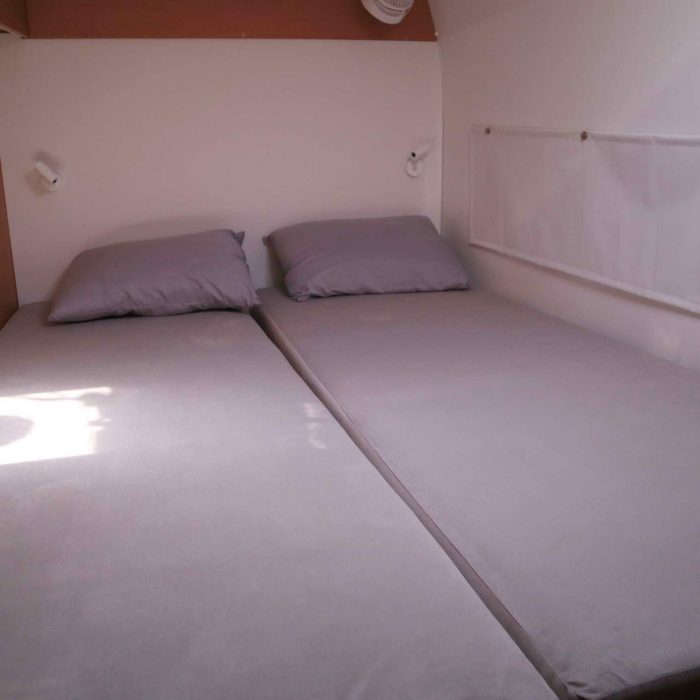
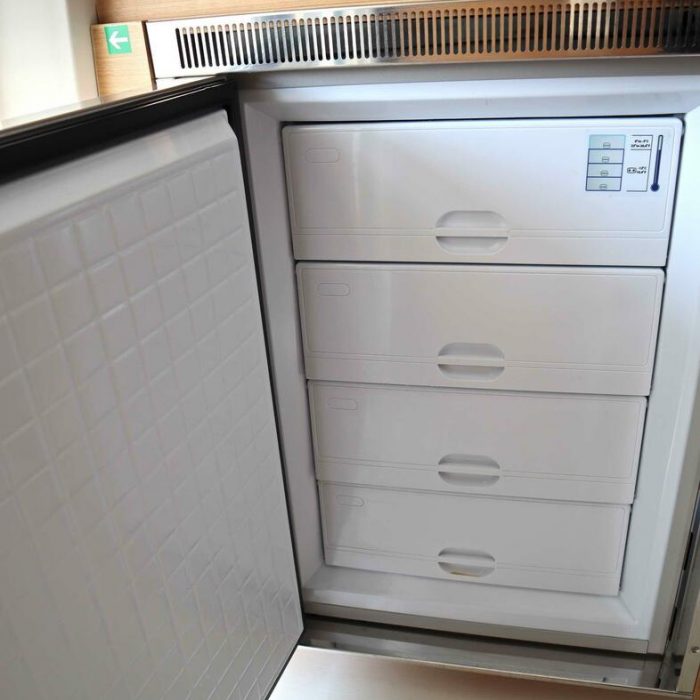
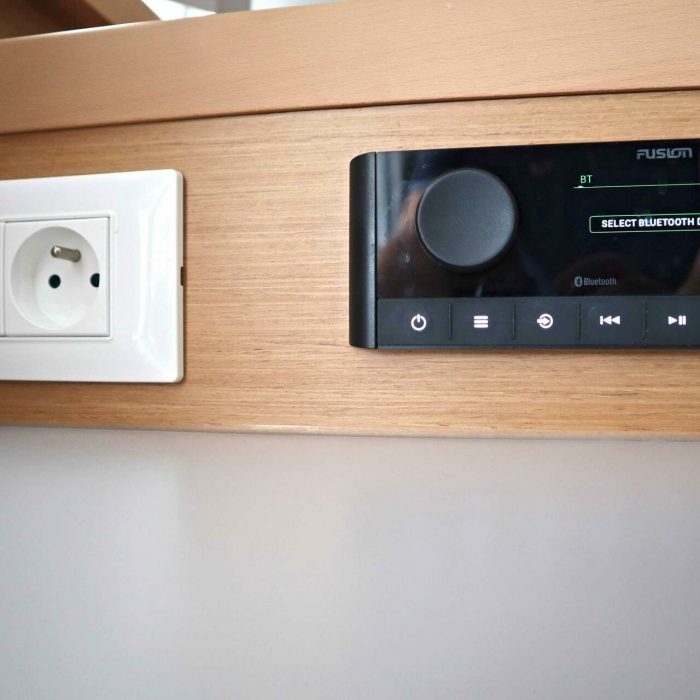
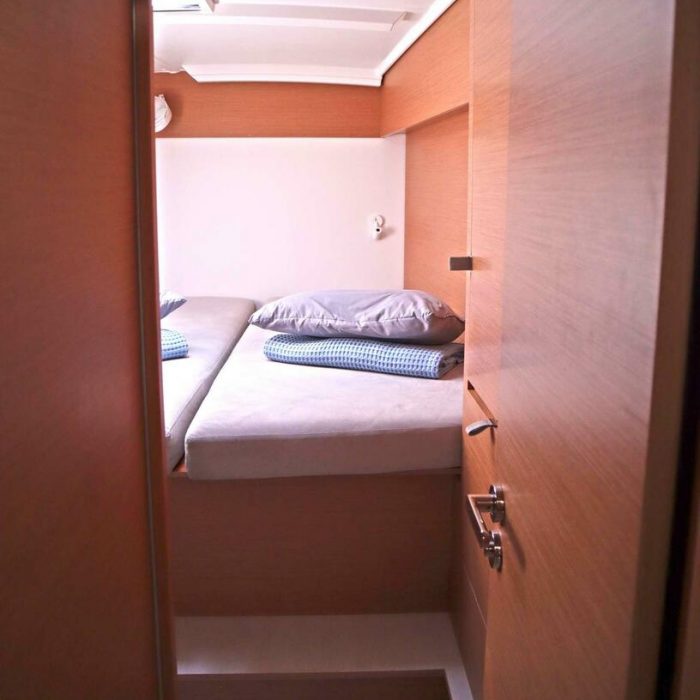
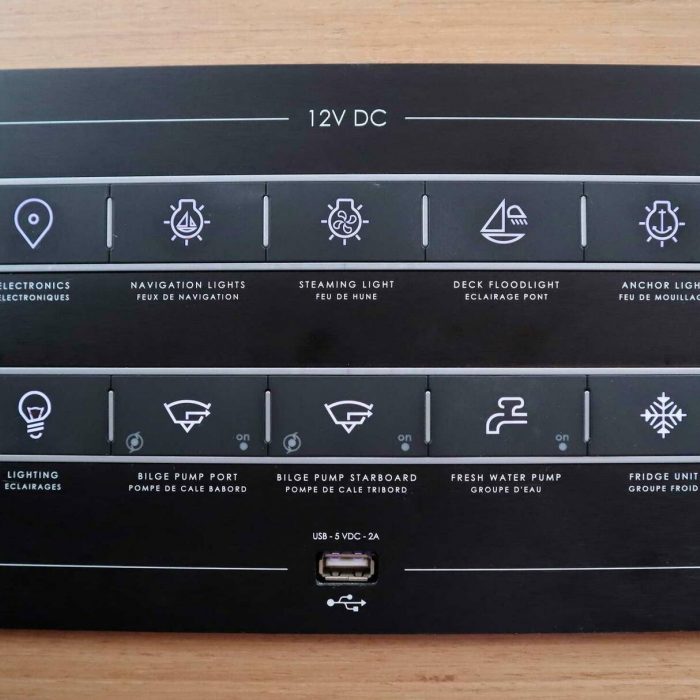
Starfish | Excess 11
Y Knot Yachting
Greece, Cyclades, Paros, Paroikia port
Year: 2021
Guests: 10
3968 €
Online price
for 7 days
€ 3,968- 16%€3,339
+ mandatory costs - 840 €


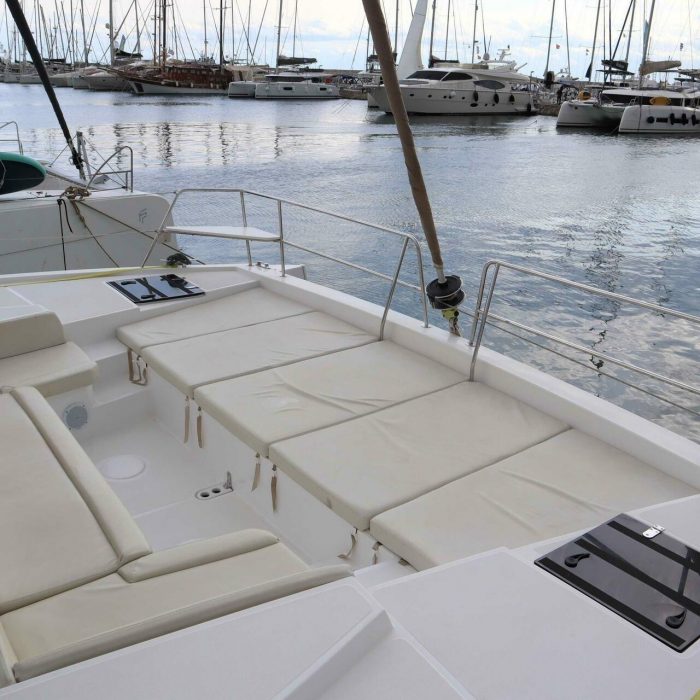


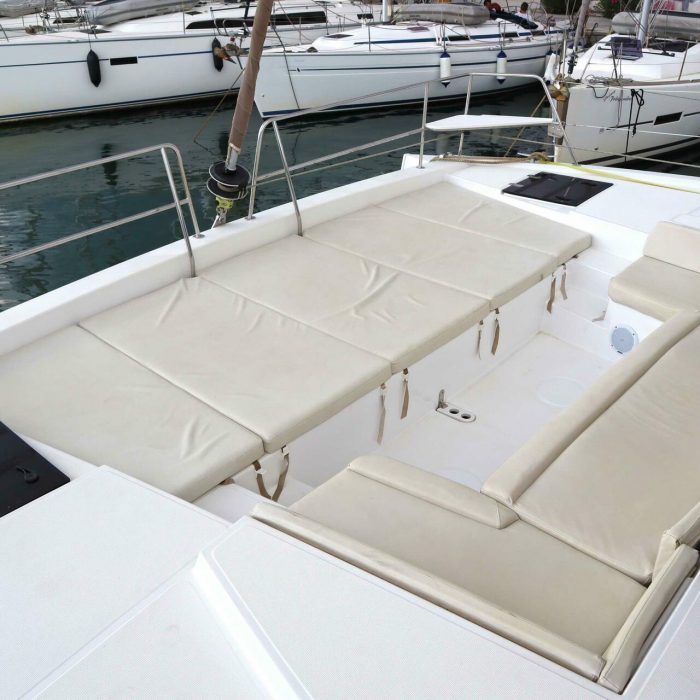


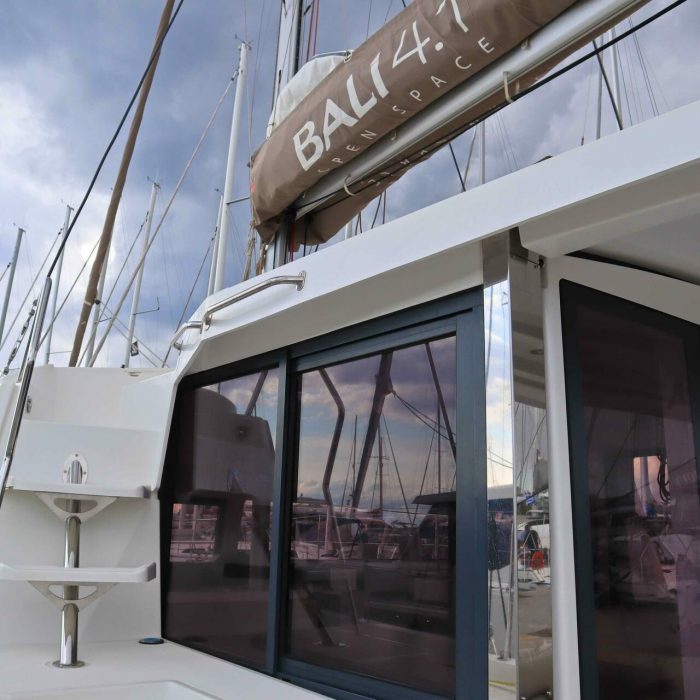
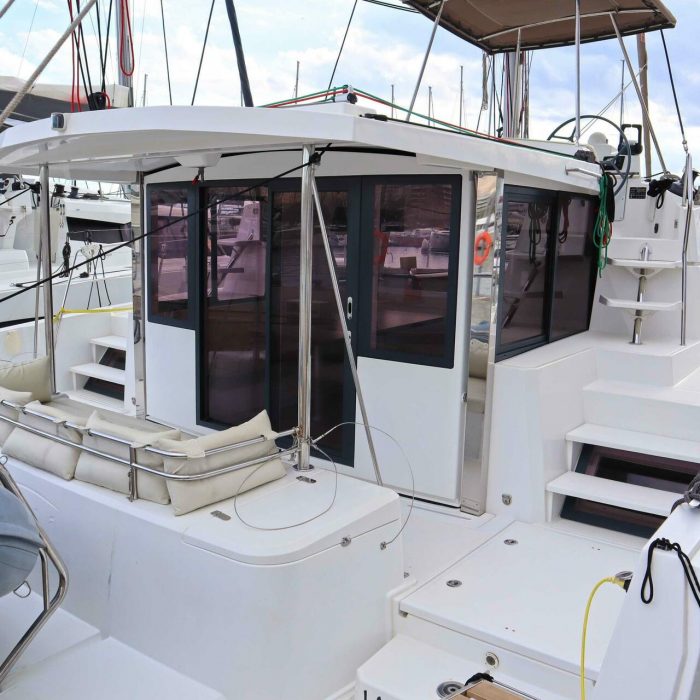


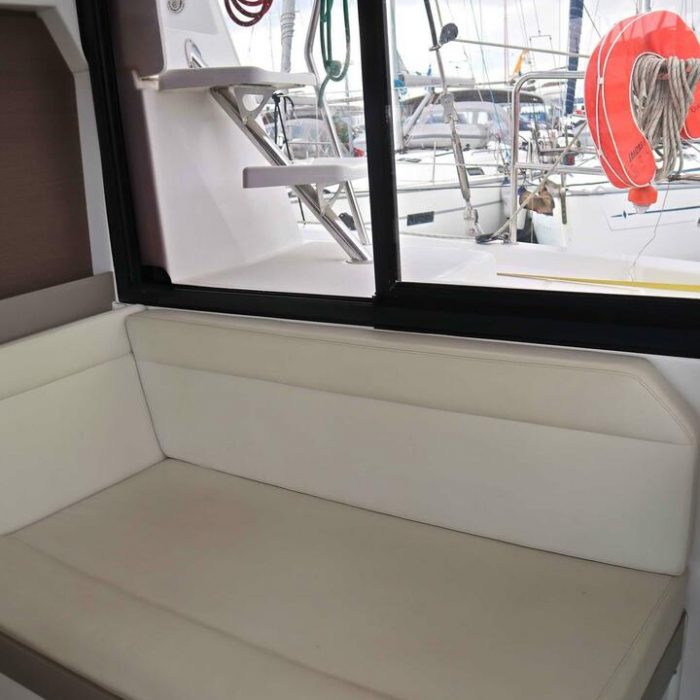
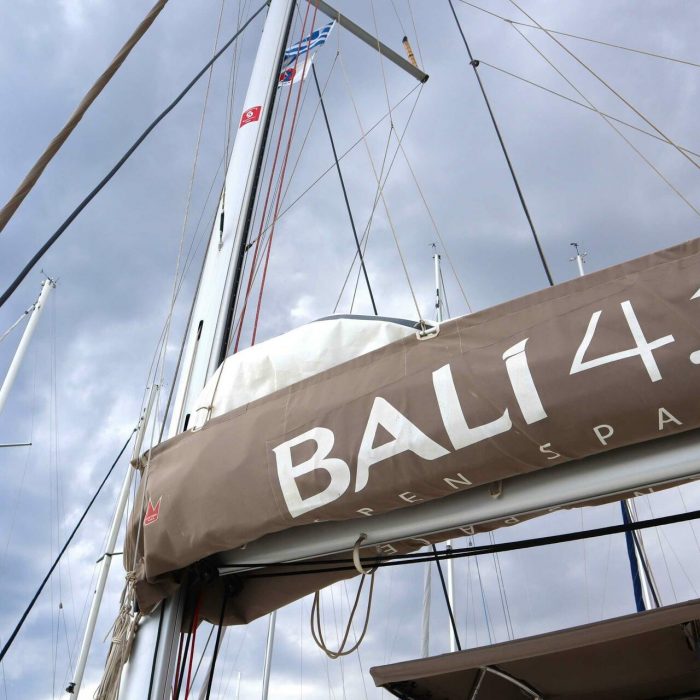
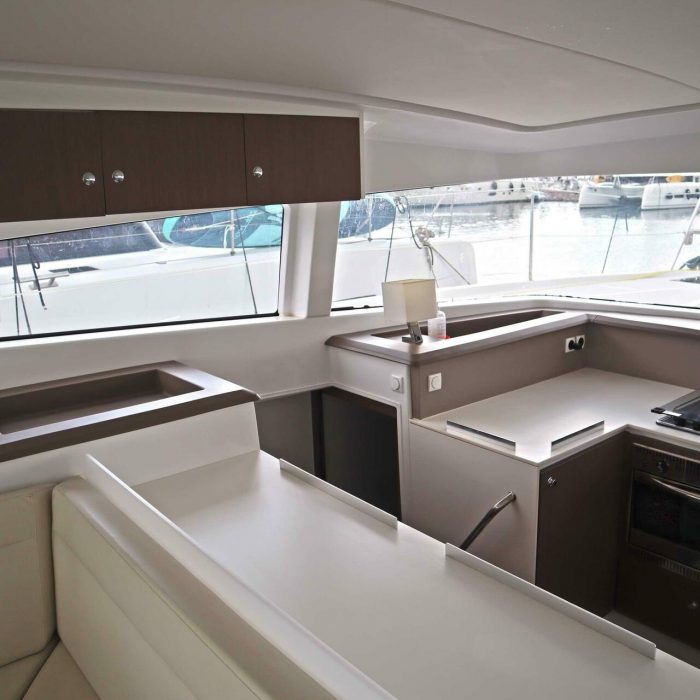


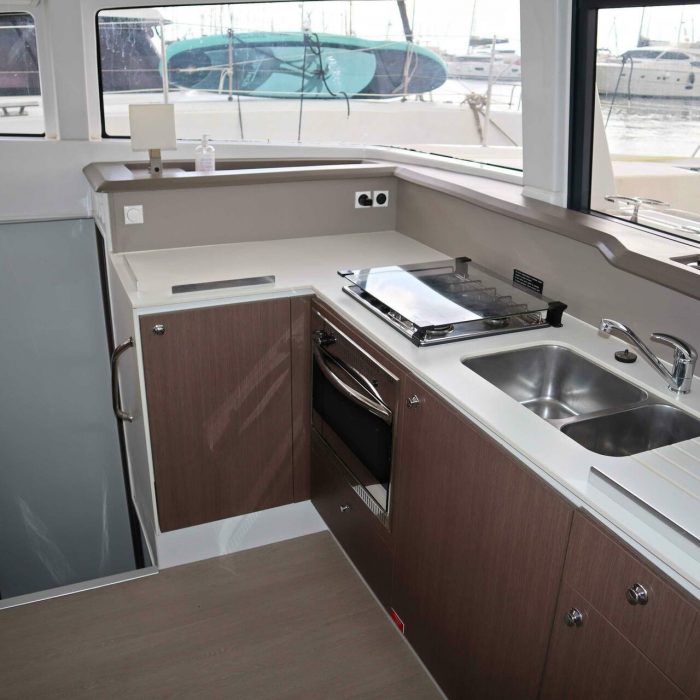

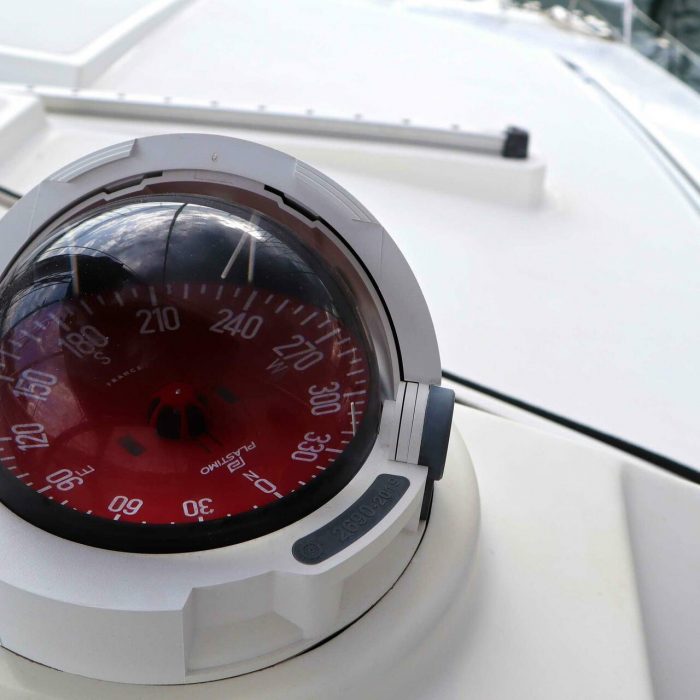
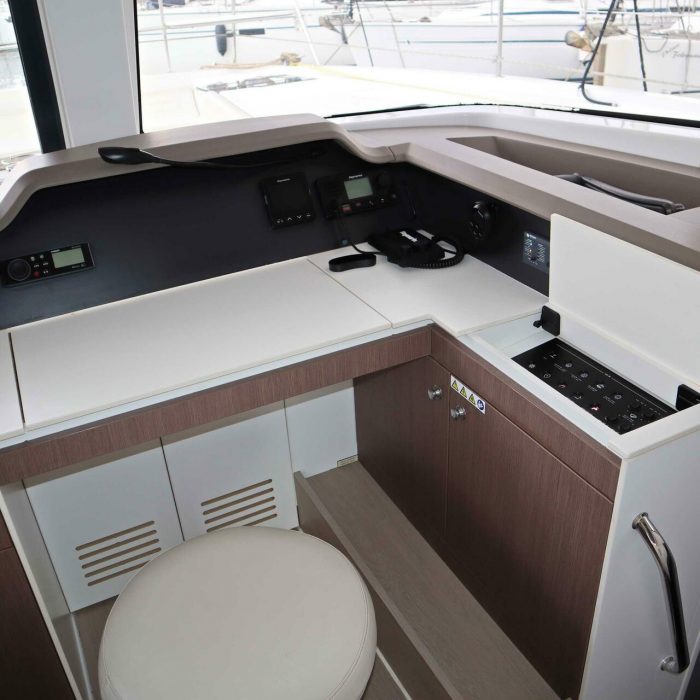
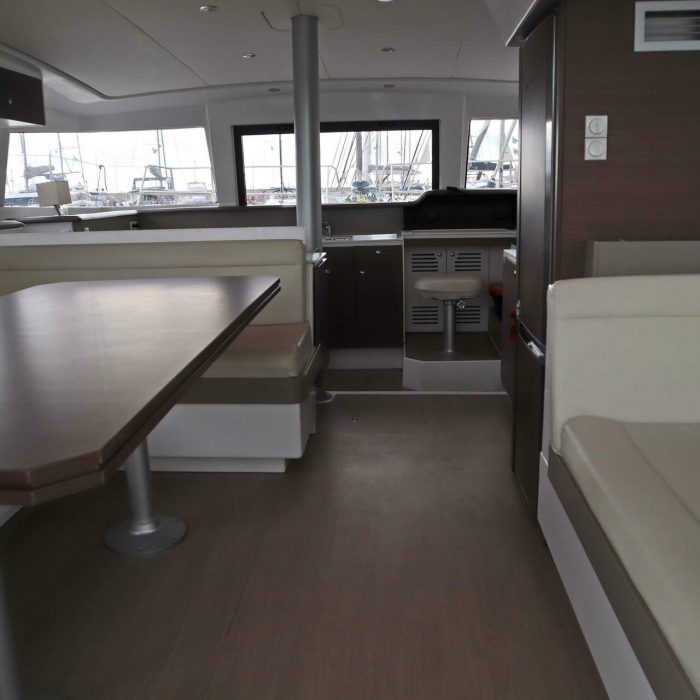


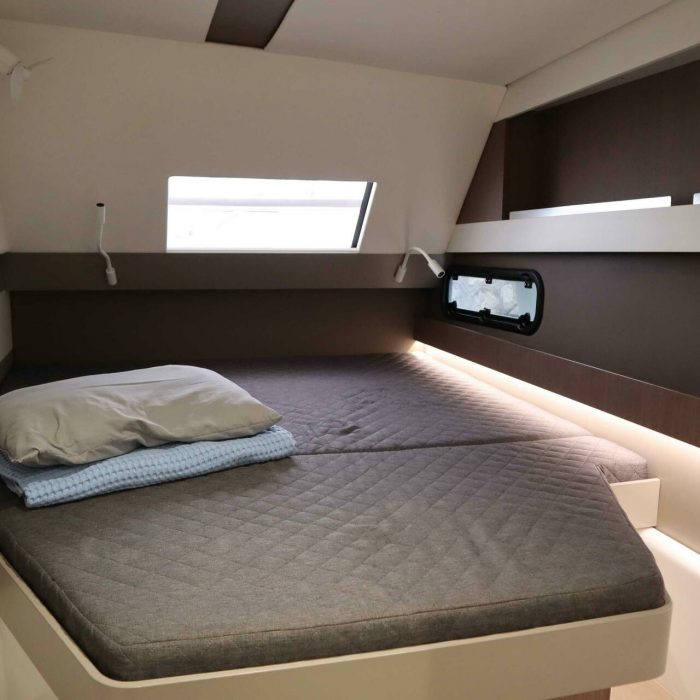


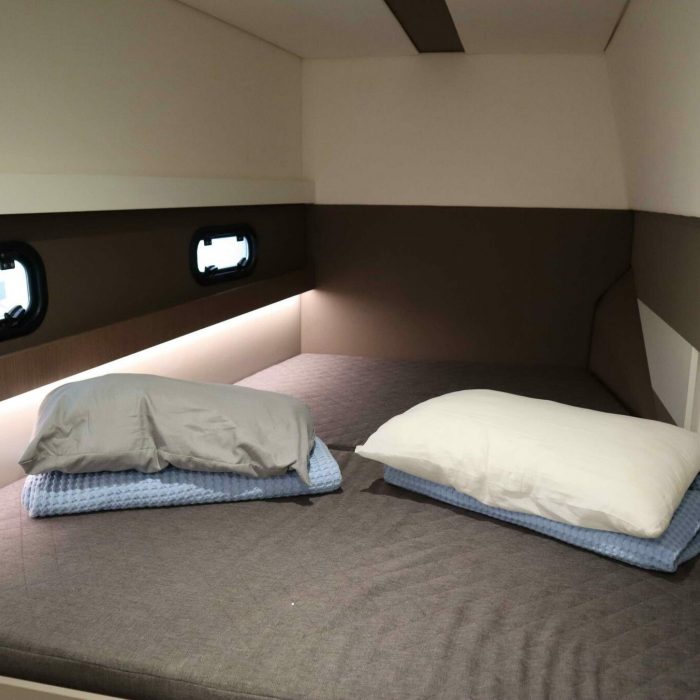


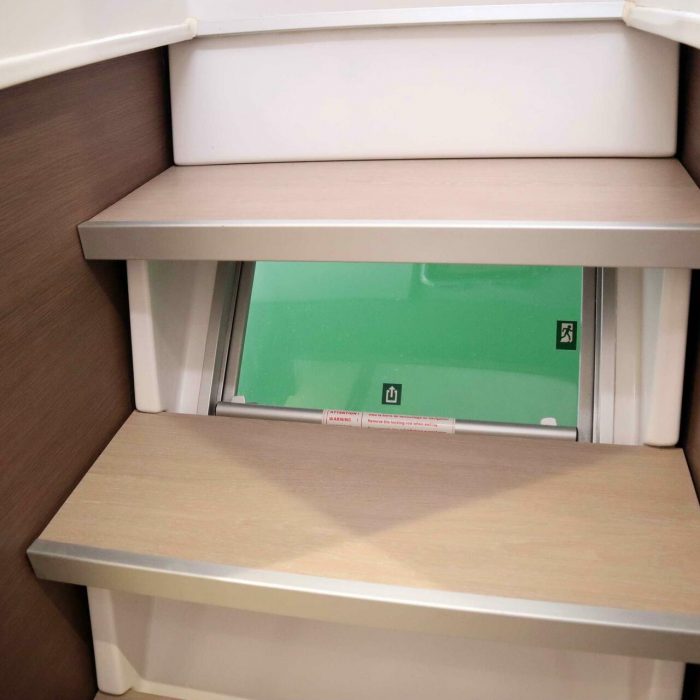


Memories | Bali 4.1
Y Knot Yachting
Greece, Cyclades, Paros, Paroikia port
Year: 2020
Guests: 10
4084 €
Online price
for 7 days
€ 4,084- 16%€3,436
+ mandatory costs - 885 €
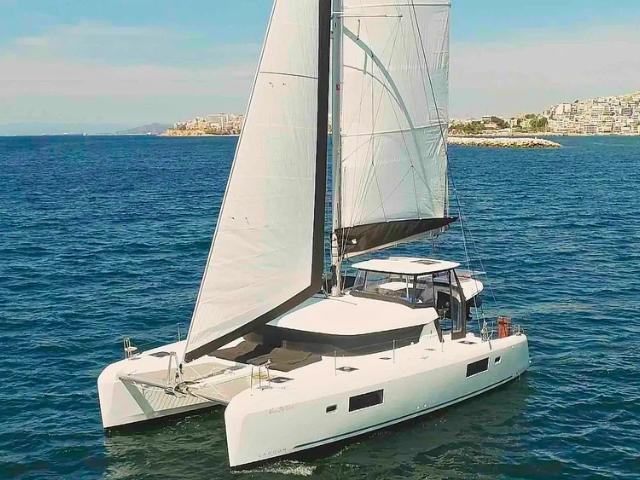
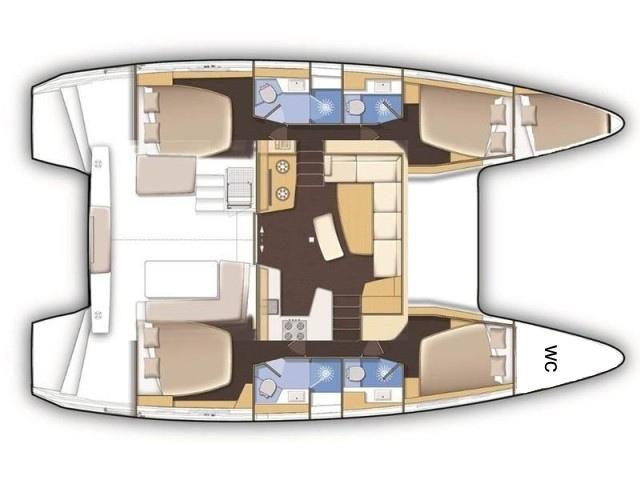
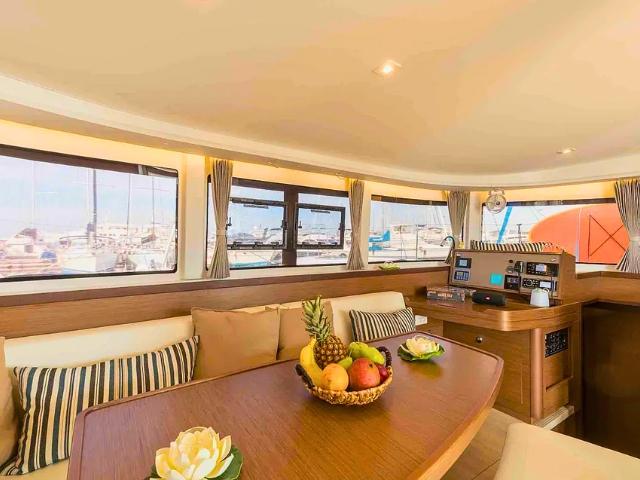
Rosa dei Venti | Lagoon 42
JF Yachts P.C.
Greece, Cyclades, Paros, Paros port
Year: 2021
Length: 42 Ft
Cabins: 4
Guests: 8
5100 €
5100 €
- 29% 3,631€
+ mandatory costs - 3500 €
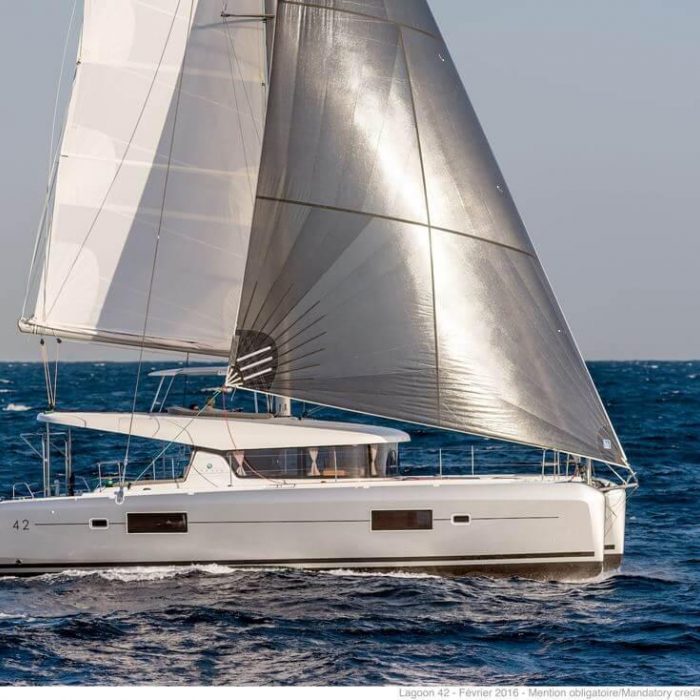
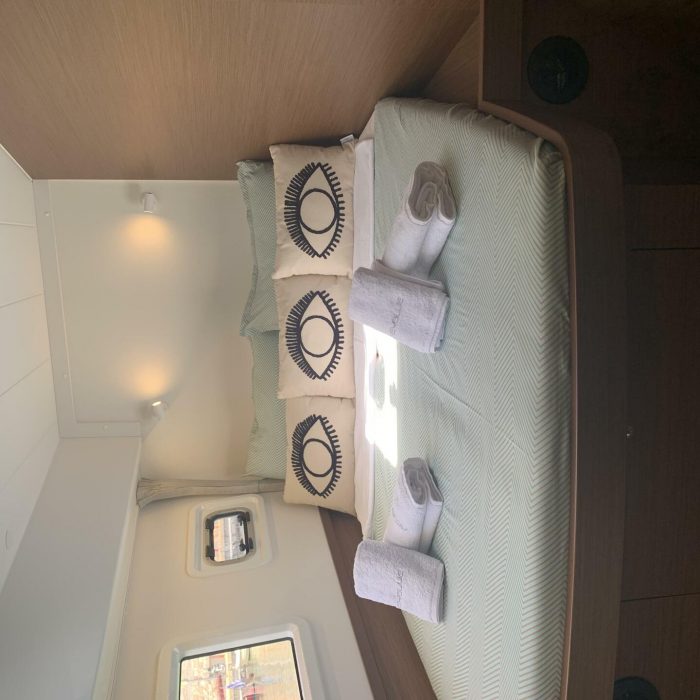
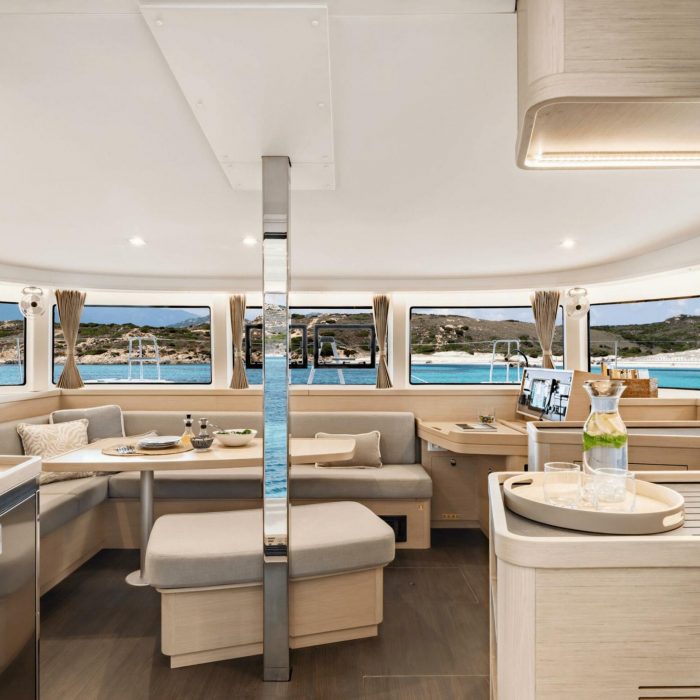
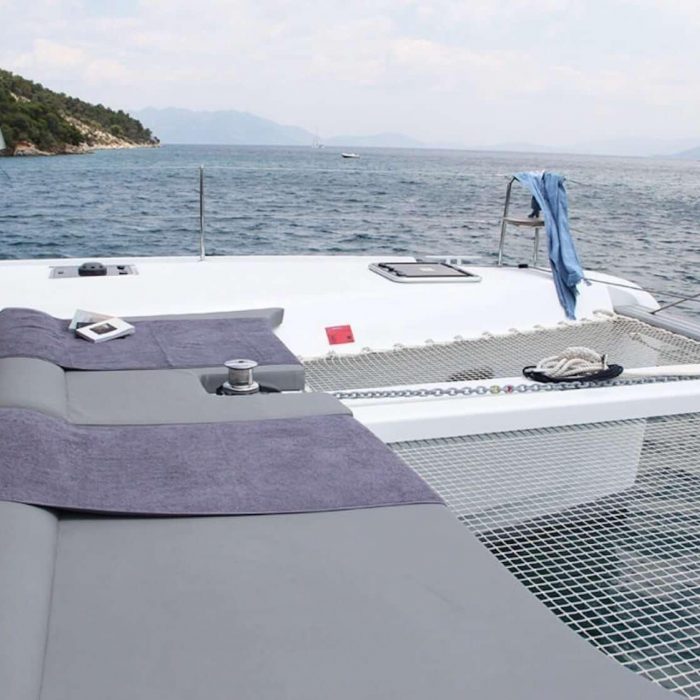
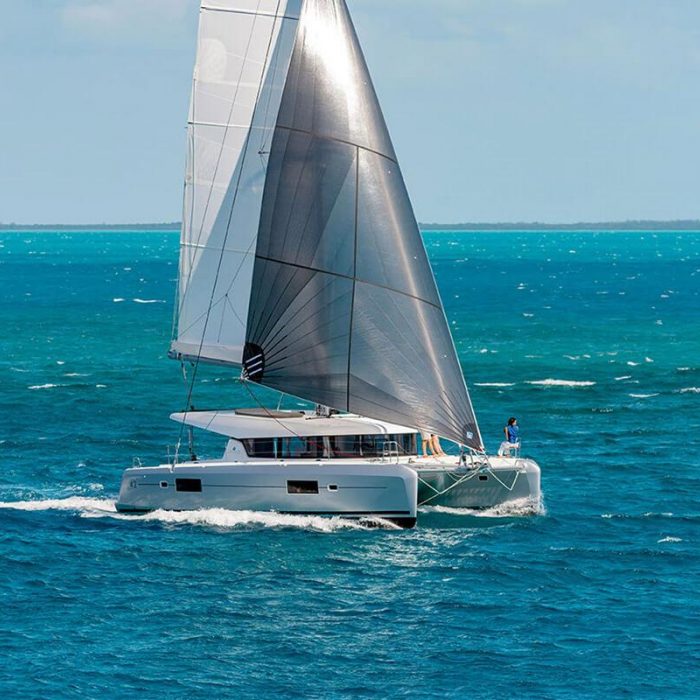
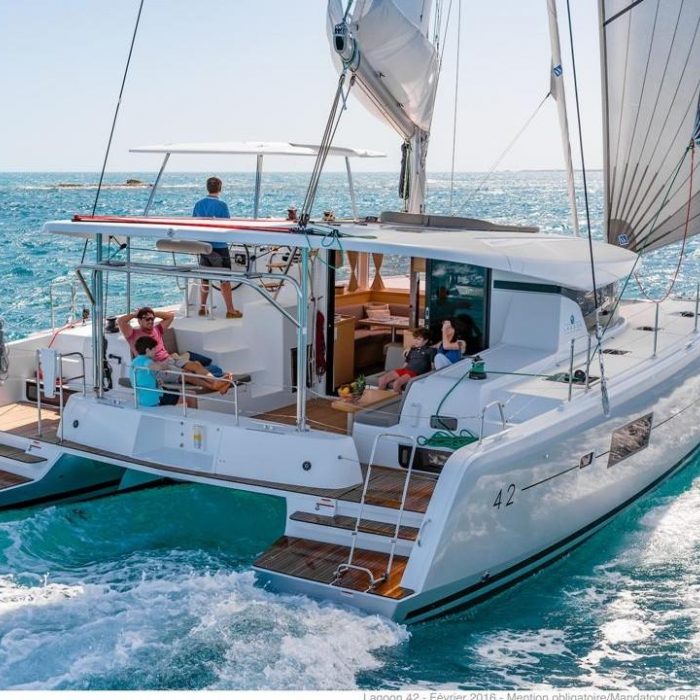
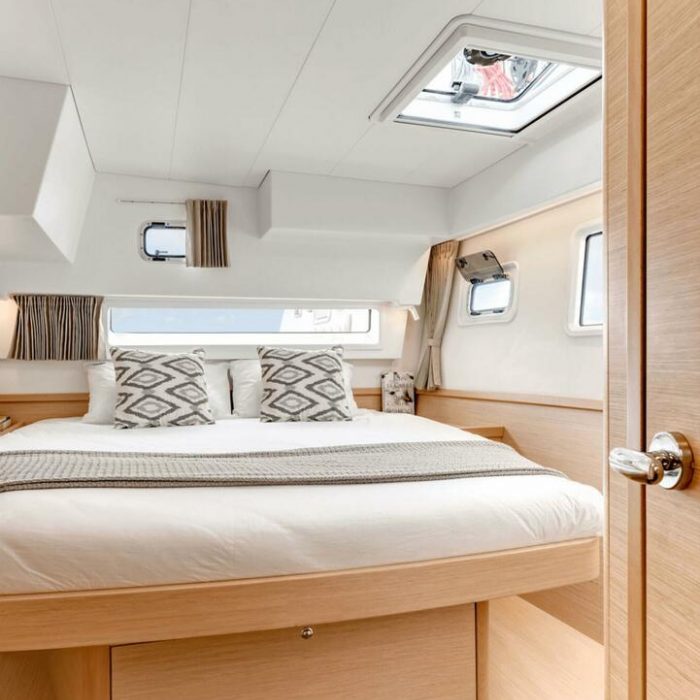
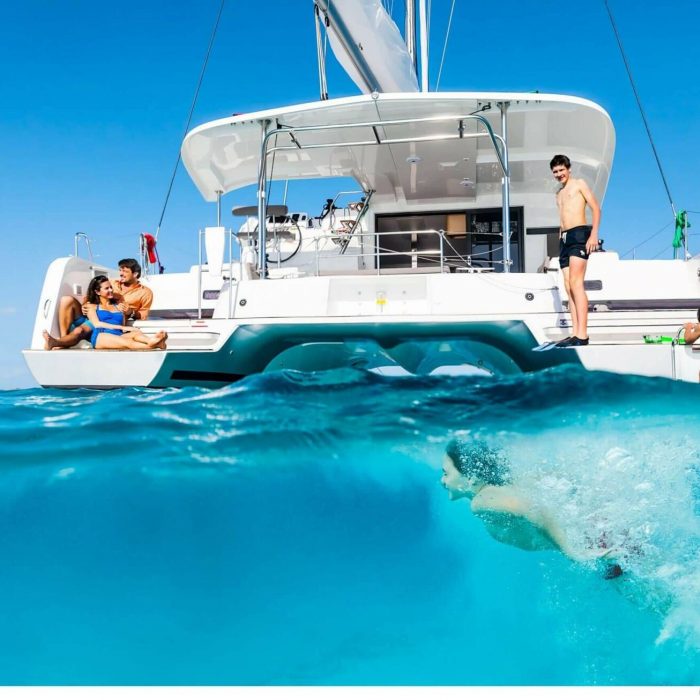
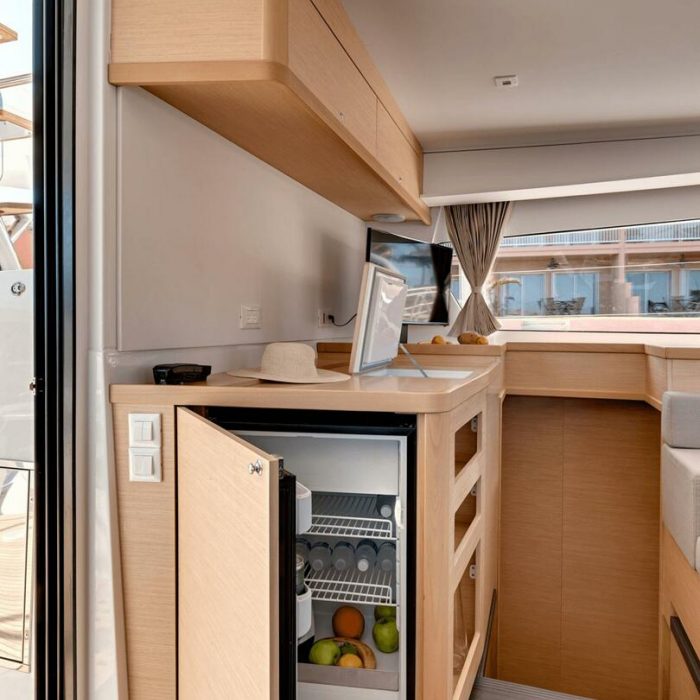
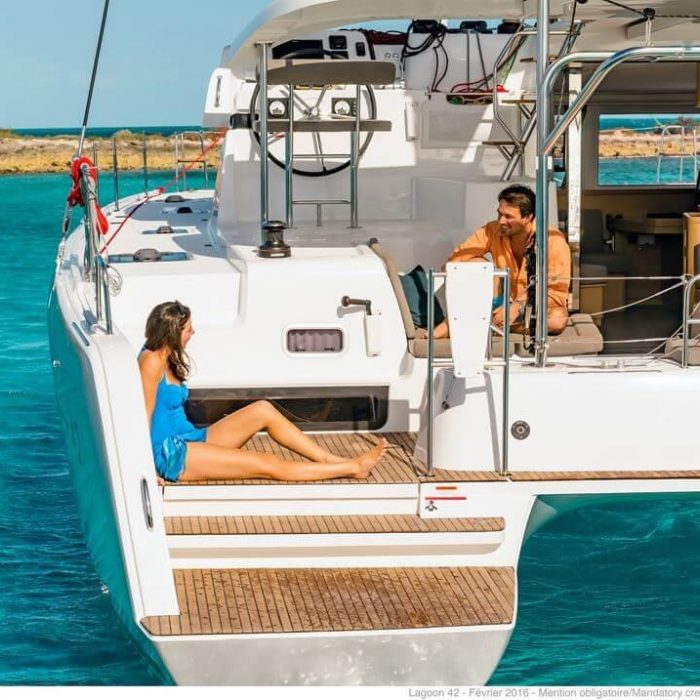
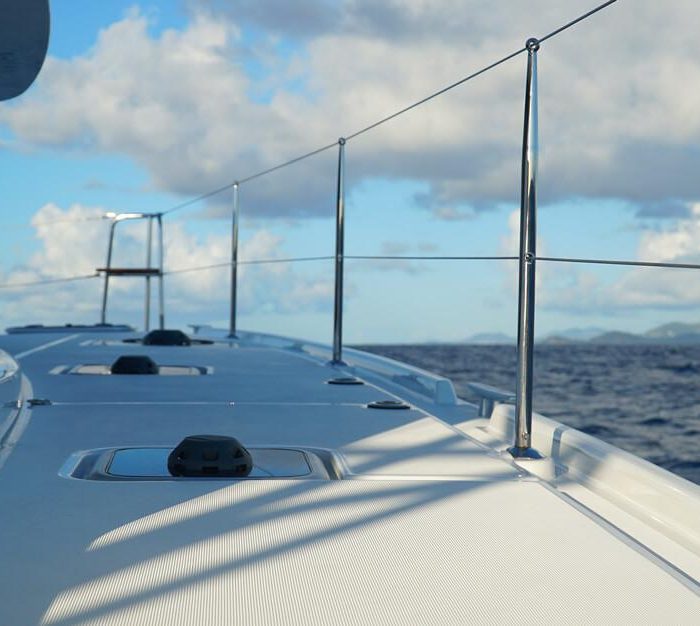
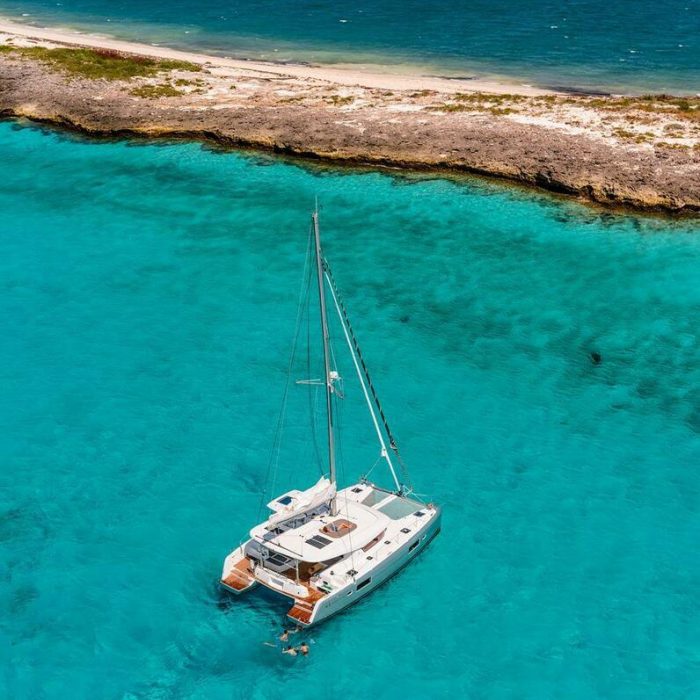
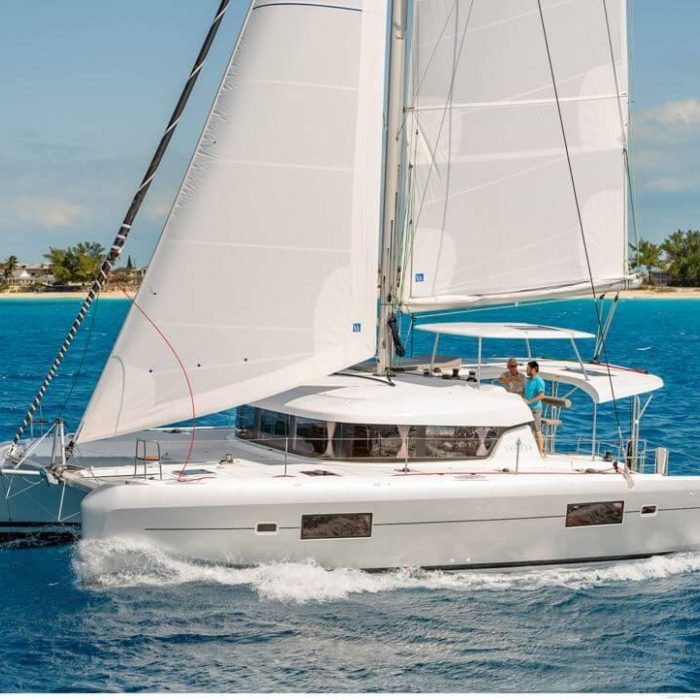
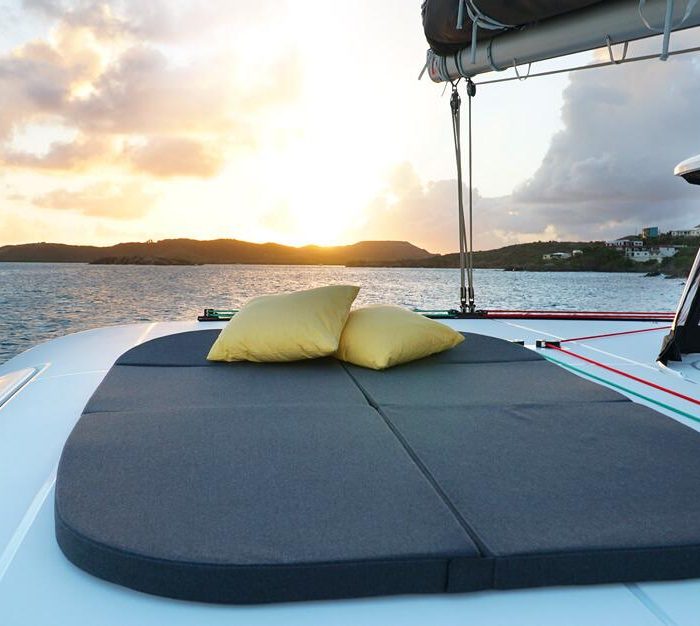
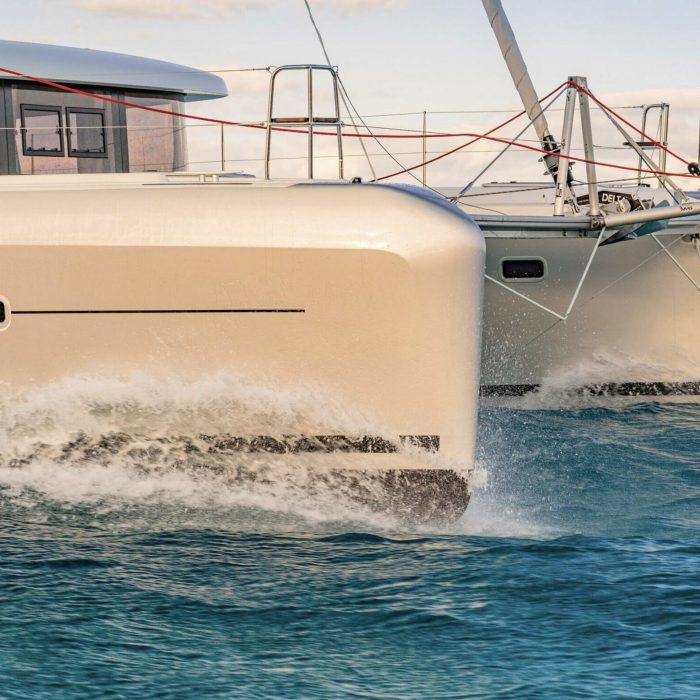
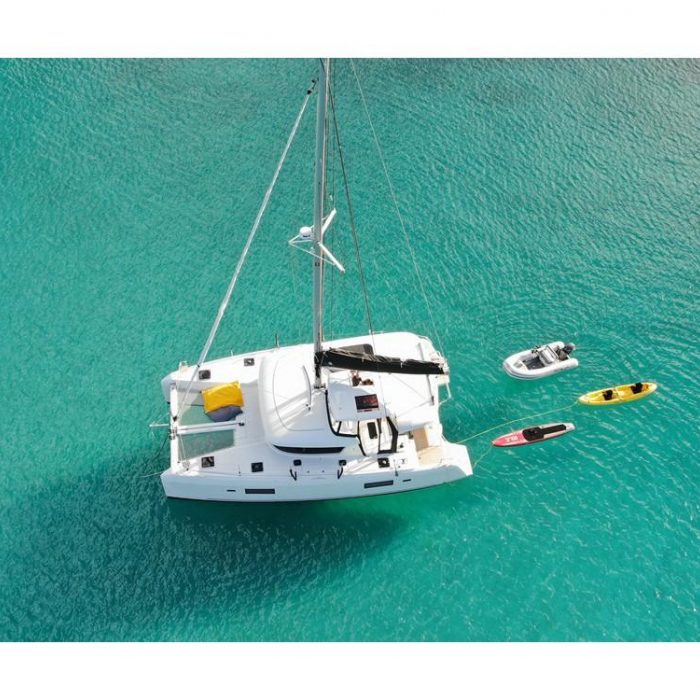
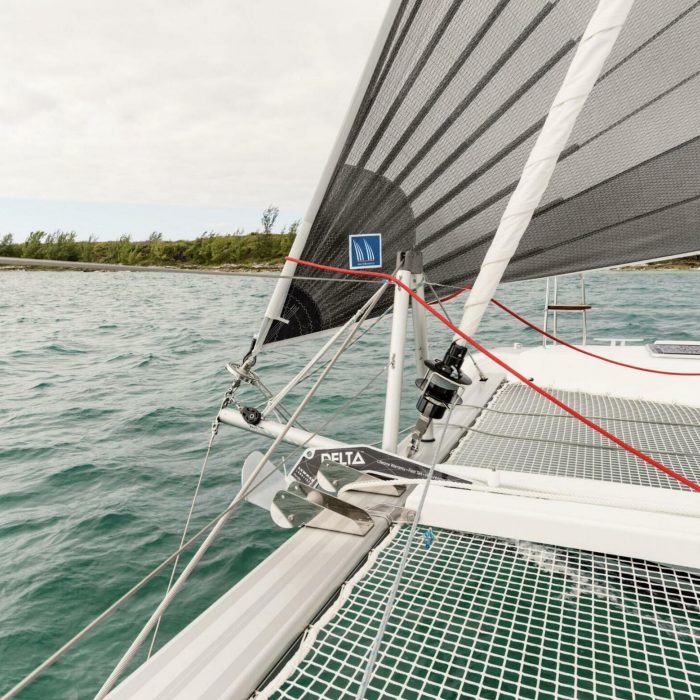
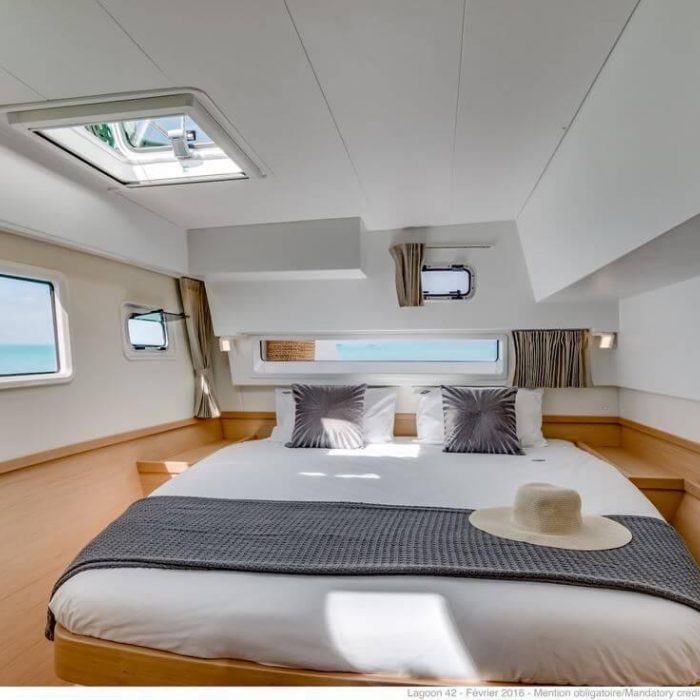
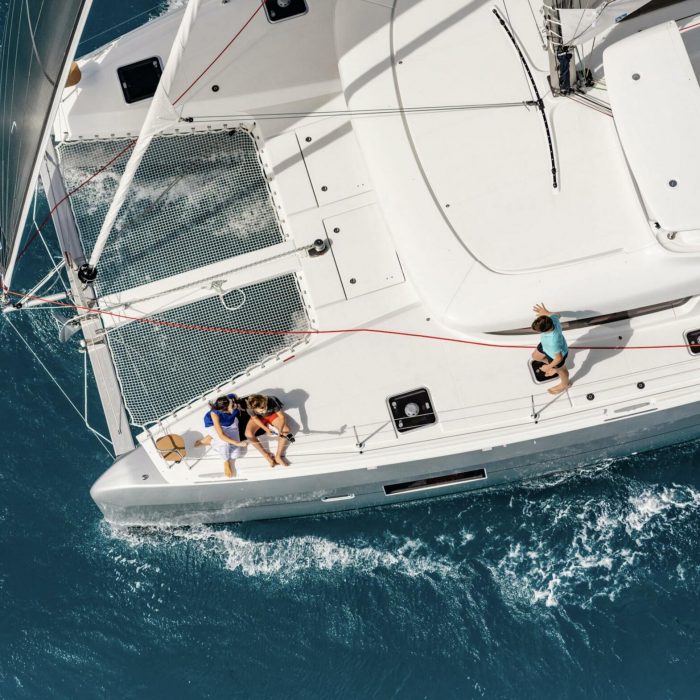
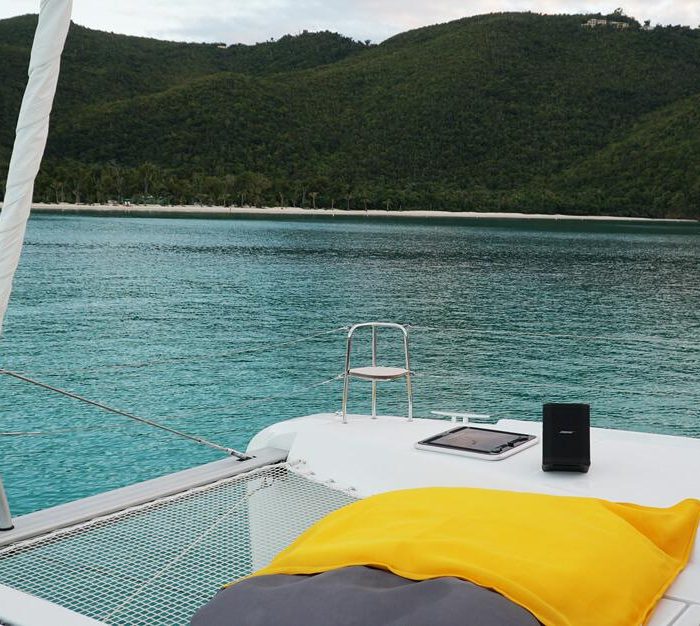
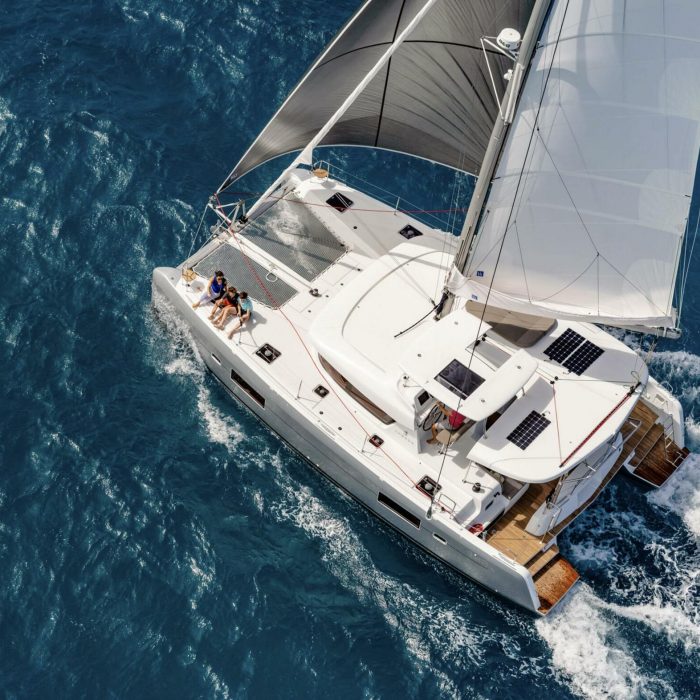
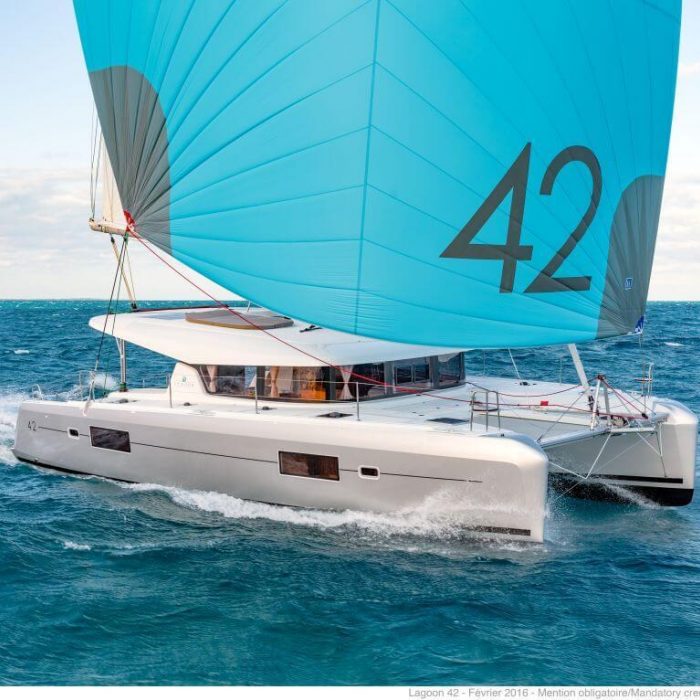
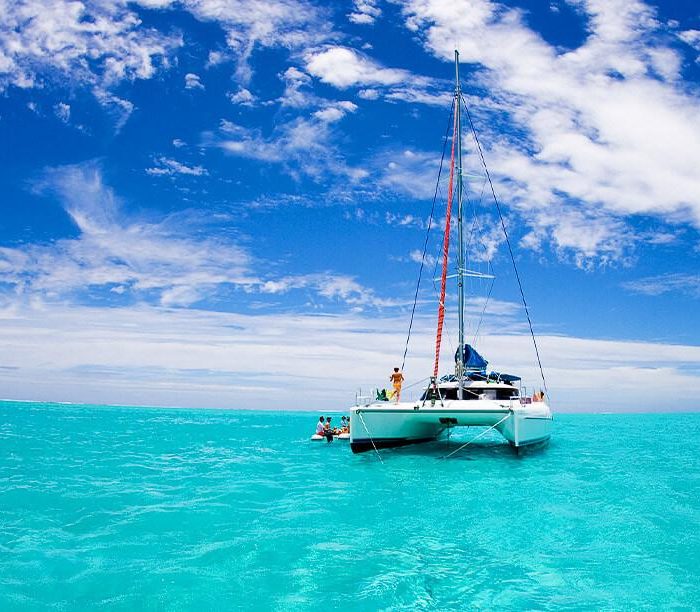
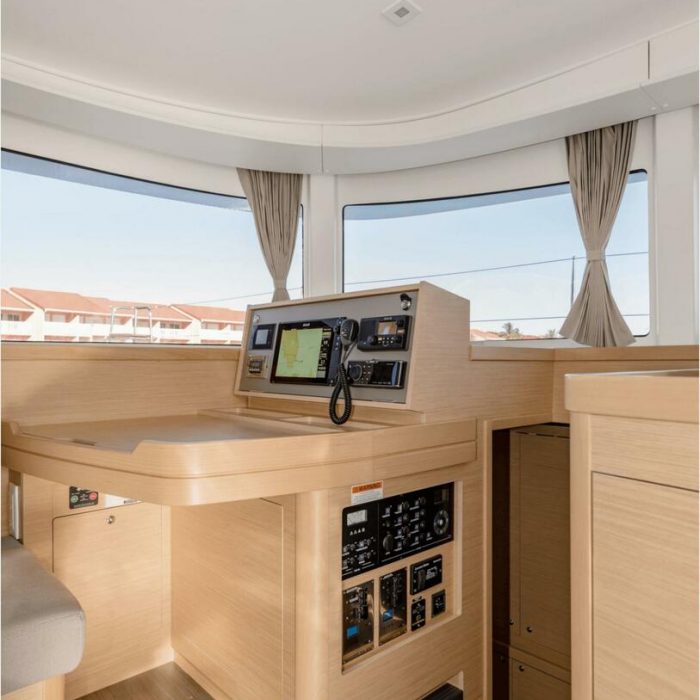
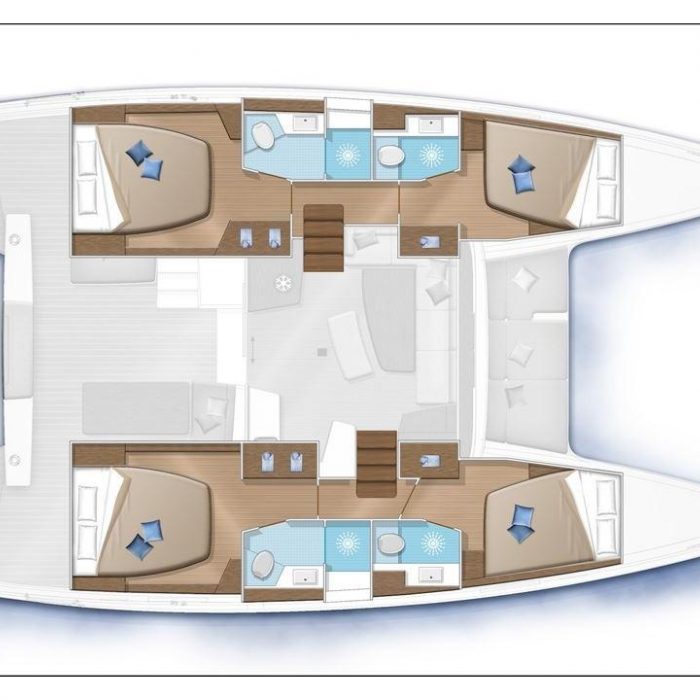
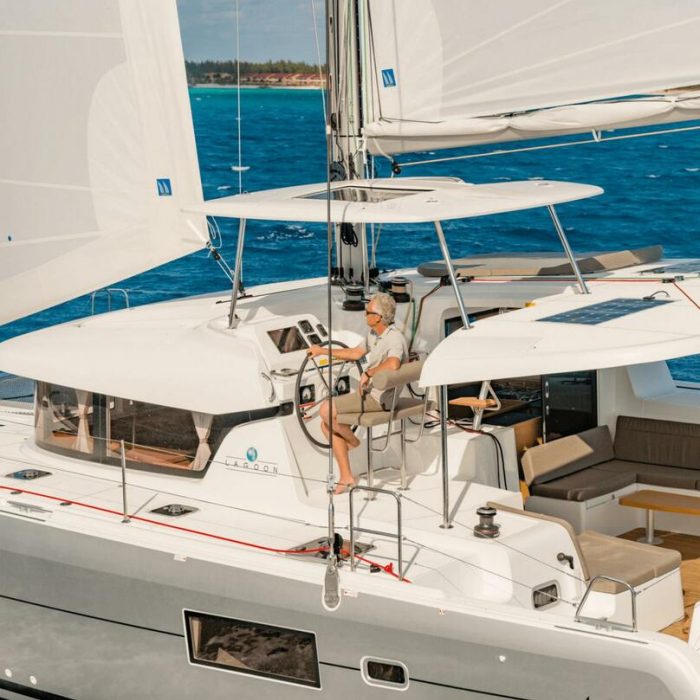
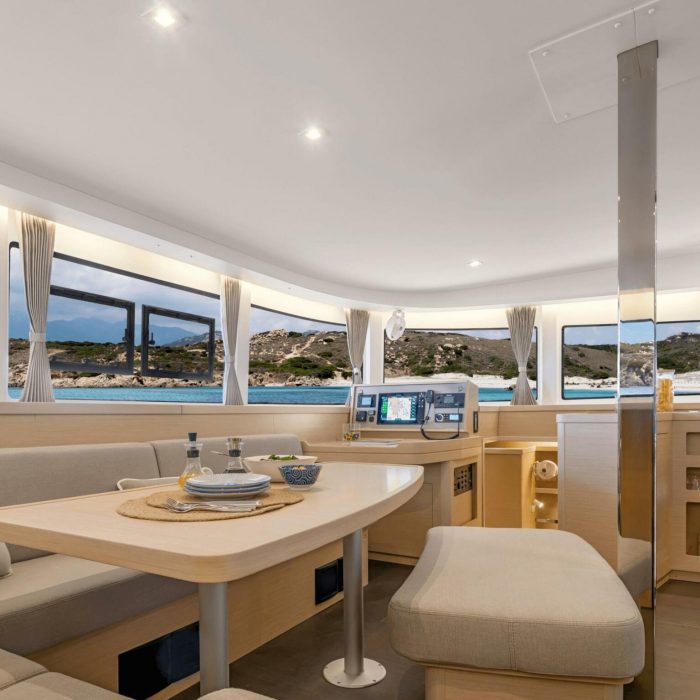
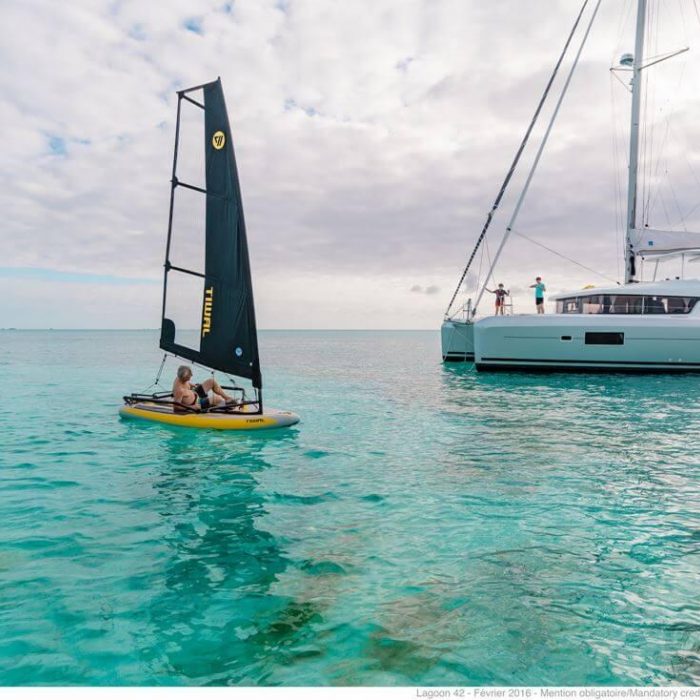
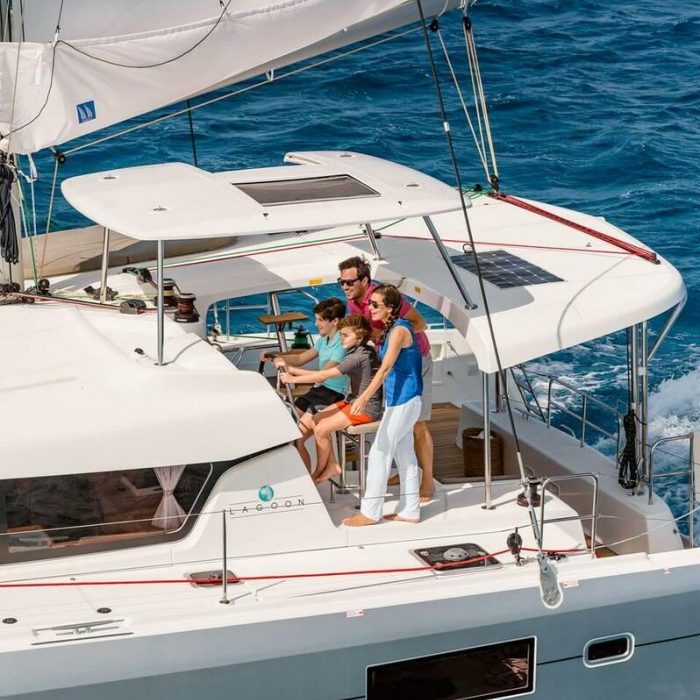
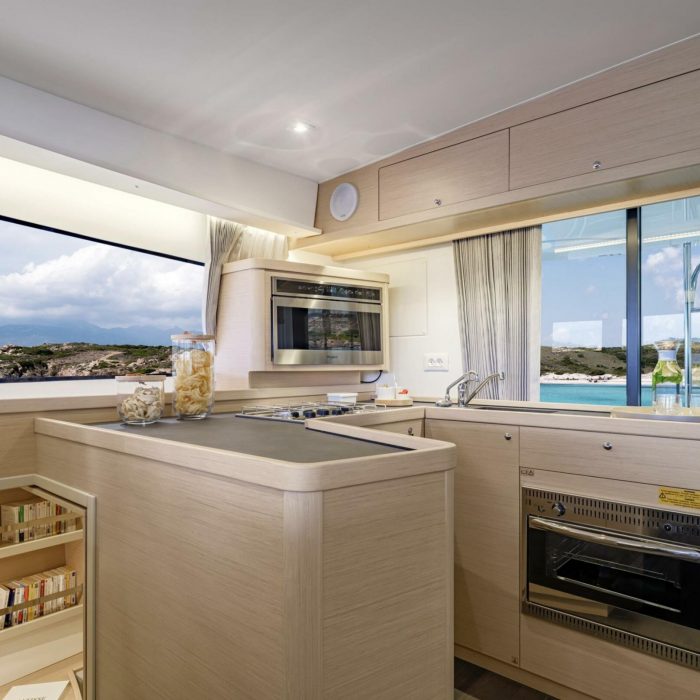
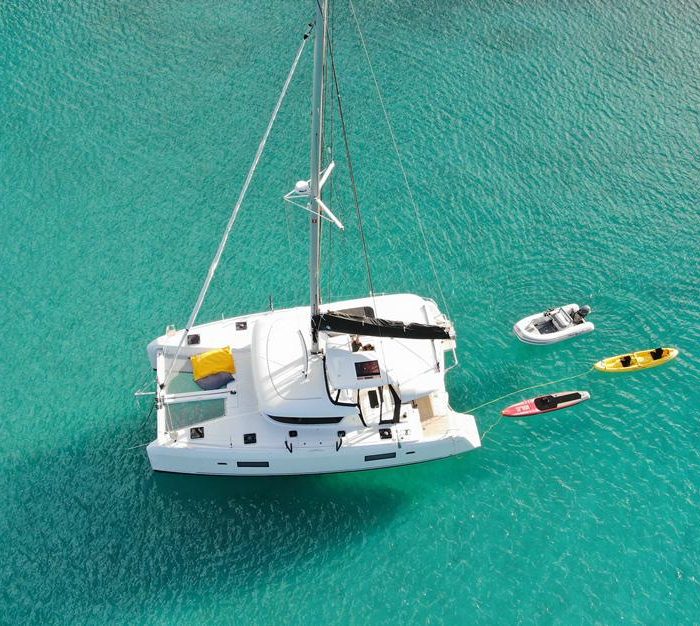
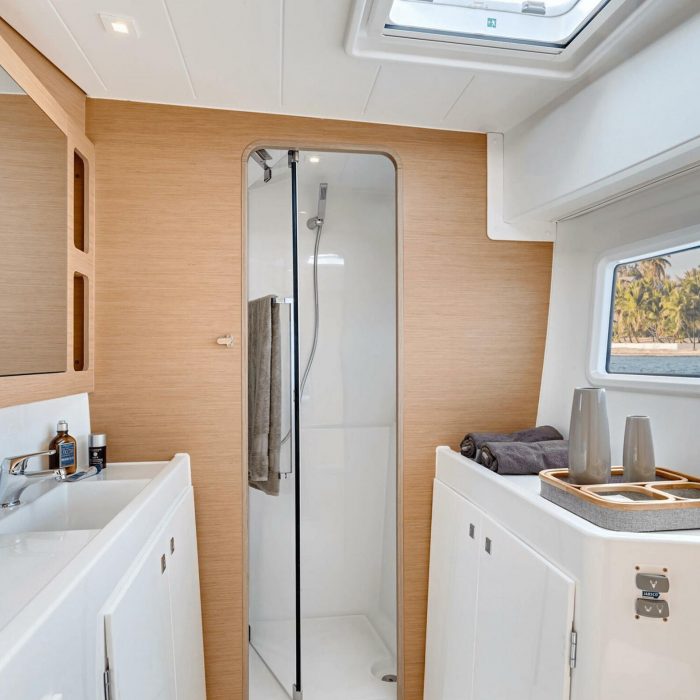
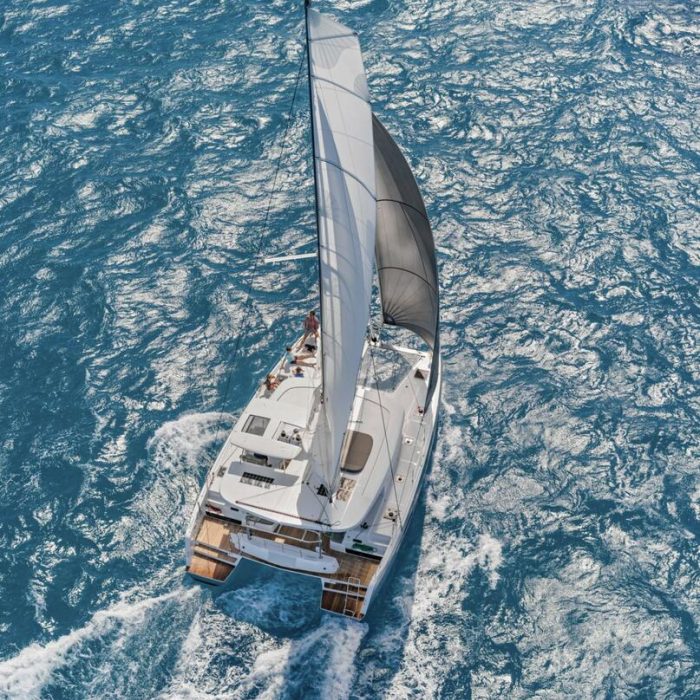
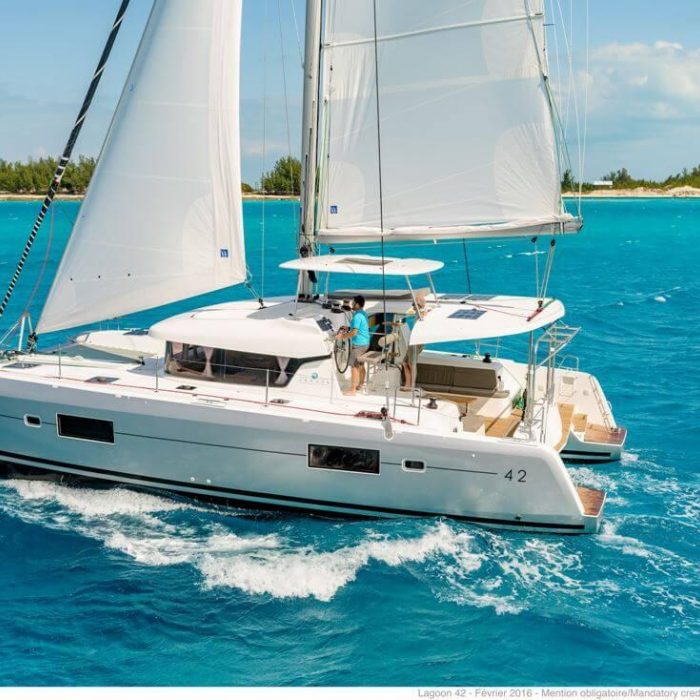
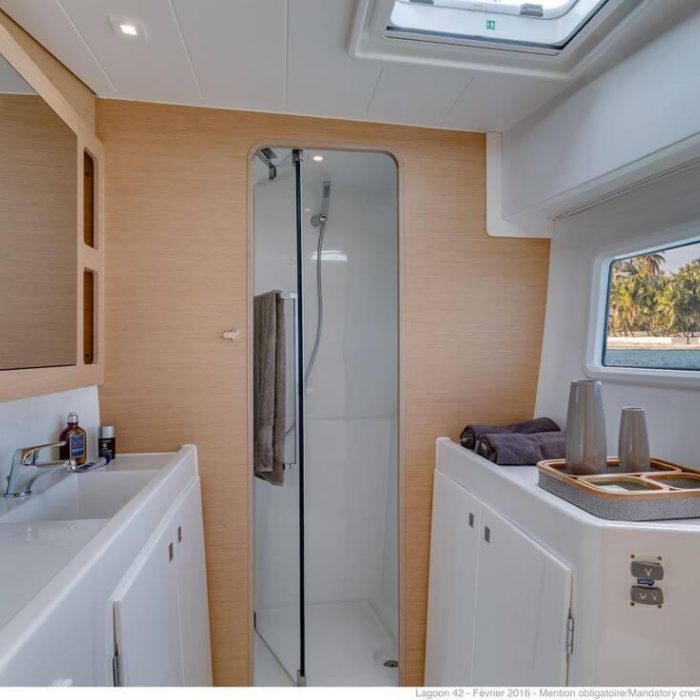
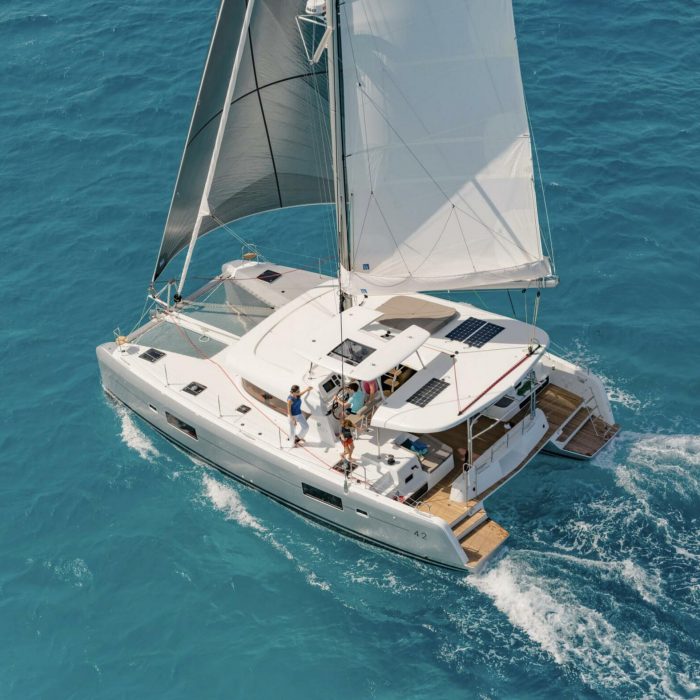
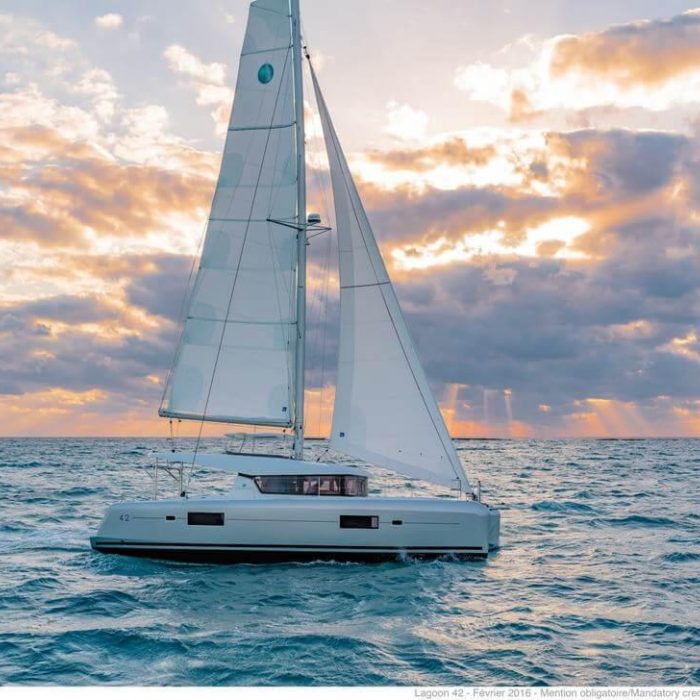
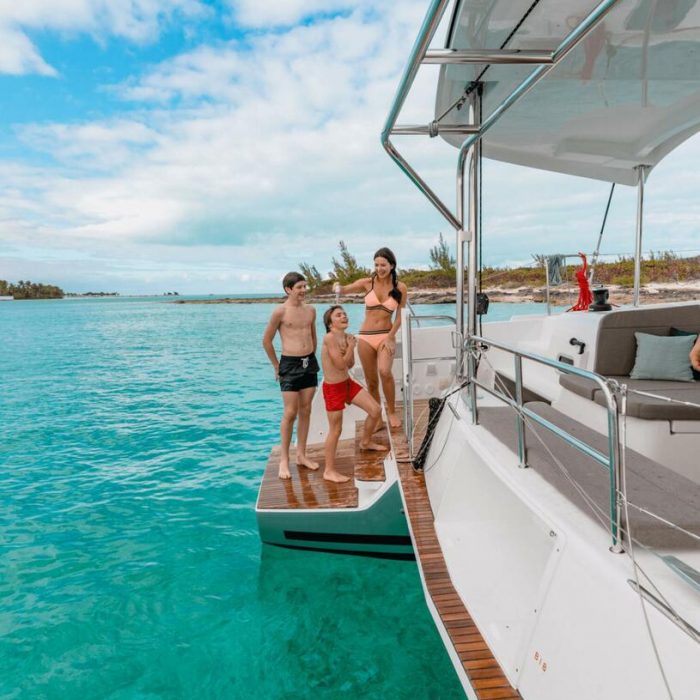
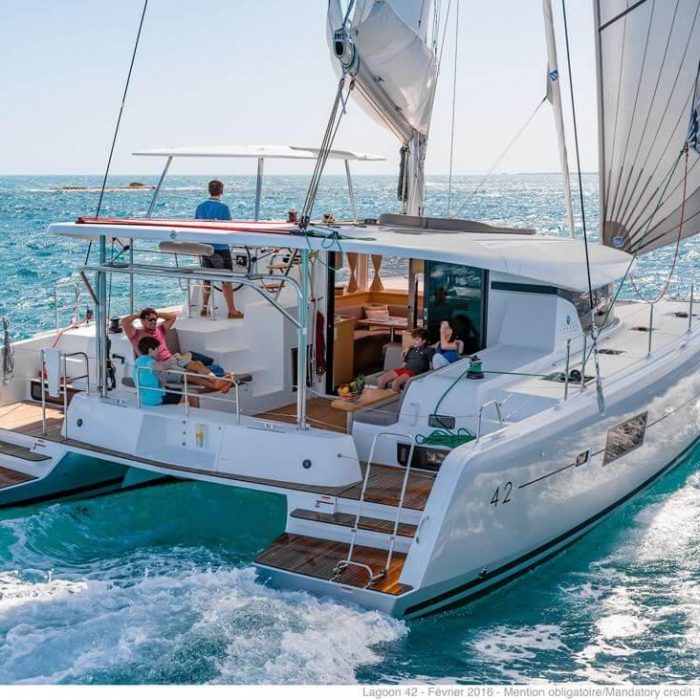
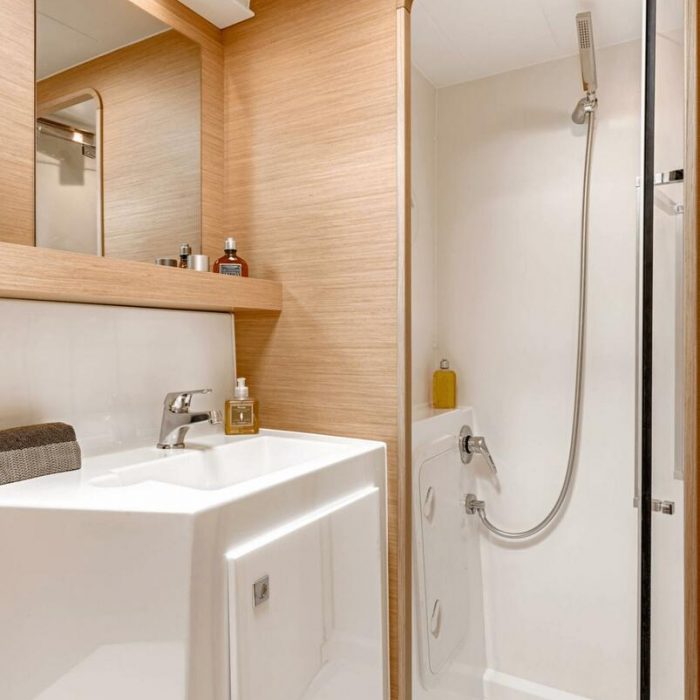
HeyBlue | Lagoon 42
Heyblue Yachting
Greece, Cyclades, Paros, Paros port
Year: 2022
Length: 42 Ft
Cabins: 6
Guests: 12
5450 €
Online price
for 7 days
€ 5,450- 31%€3,742
+ mandatory costs - 870 €
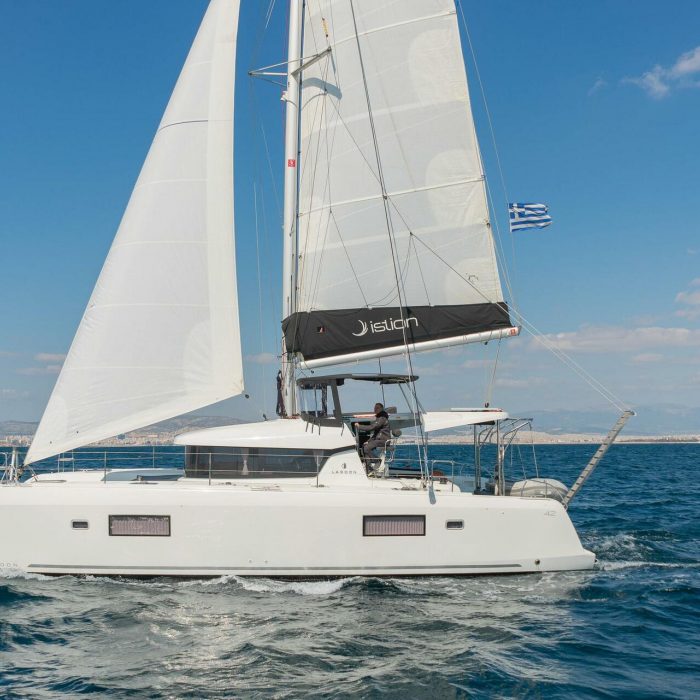
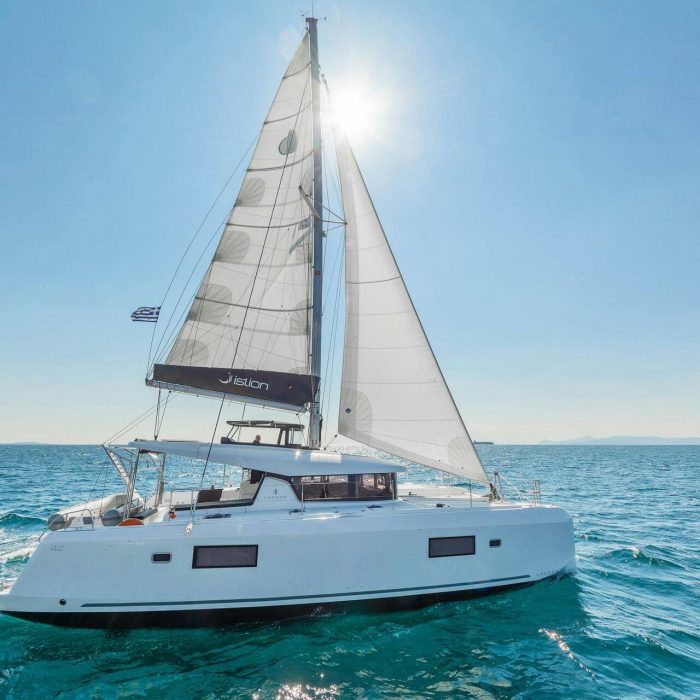
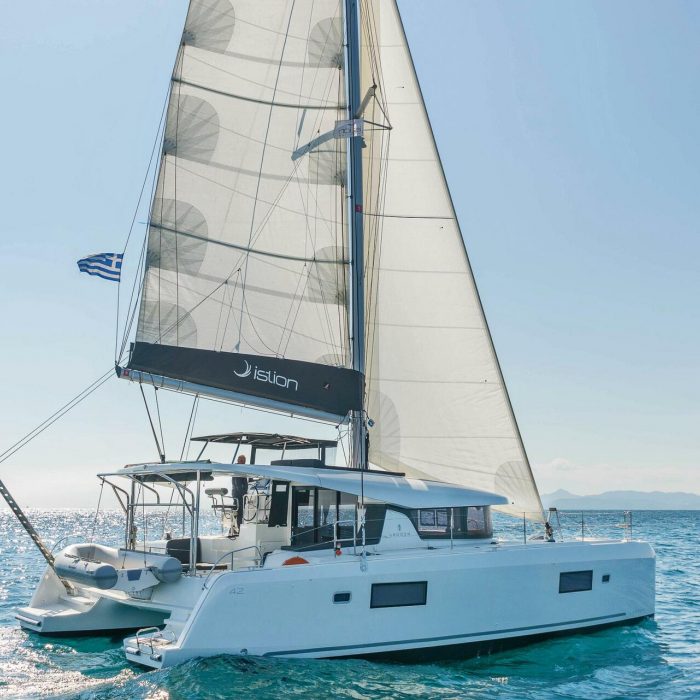
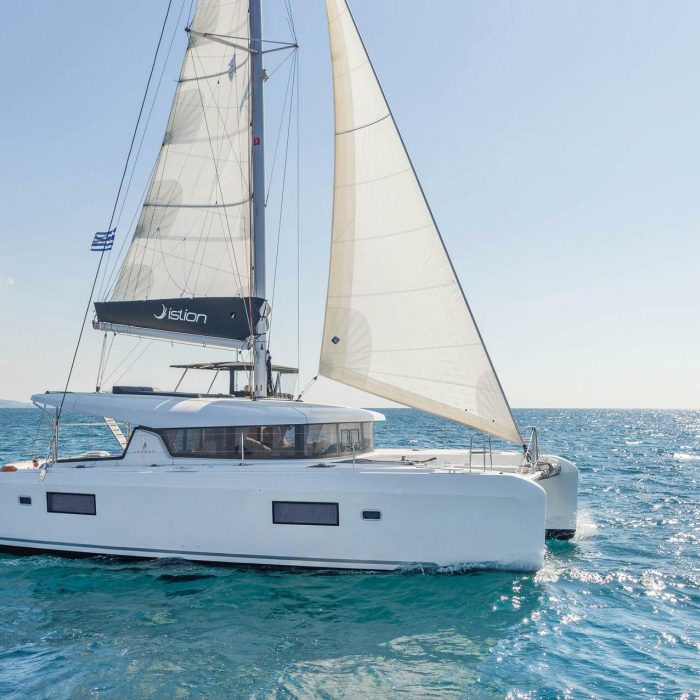
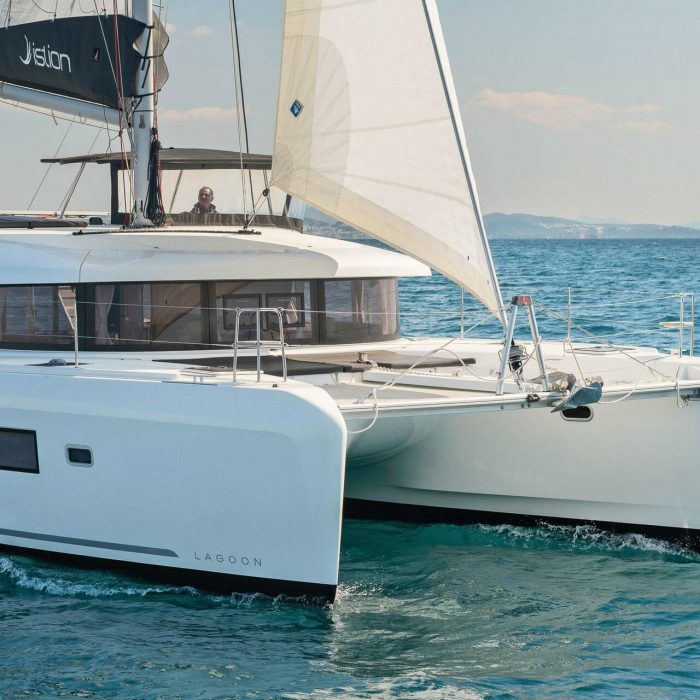
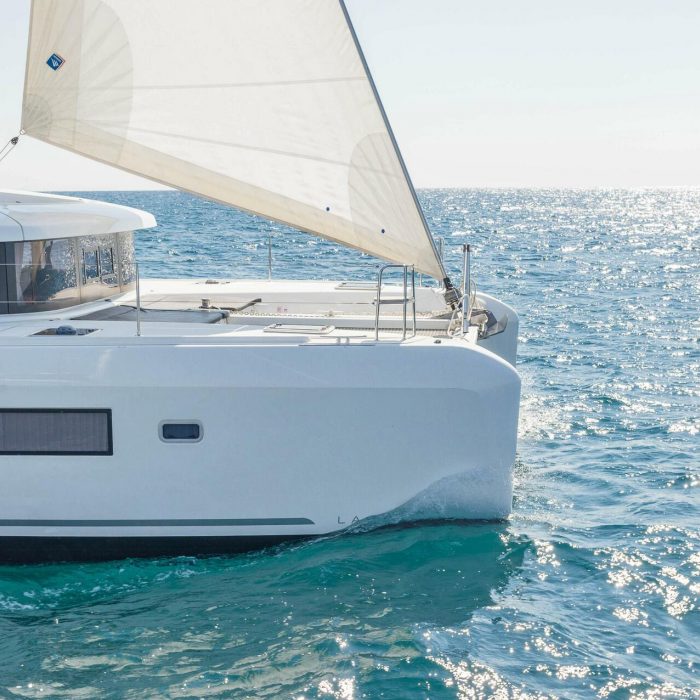
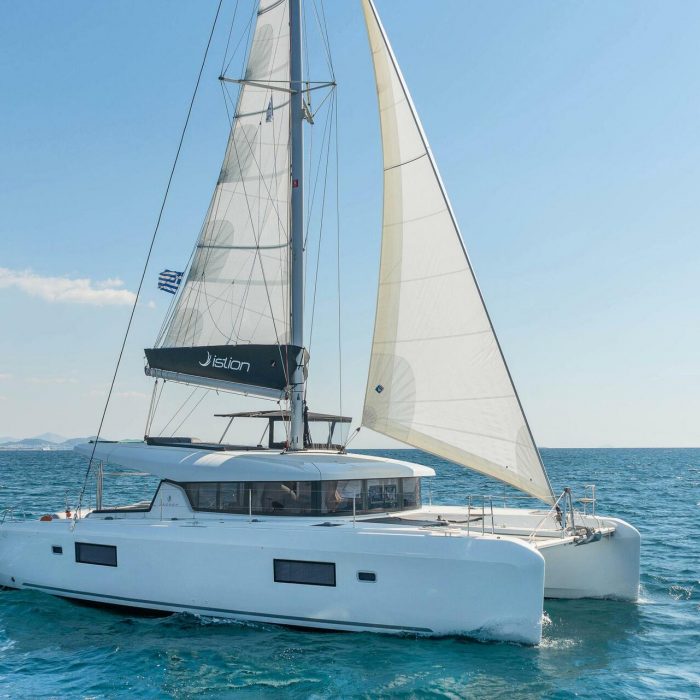
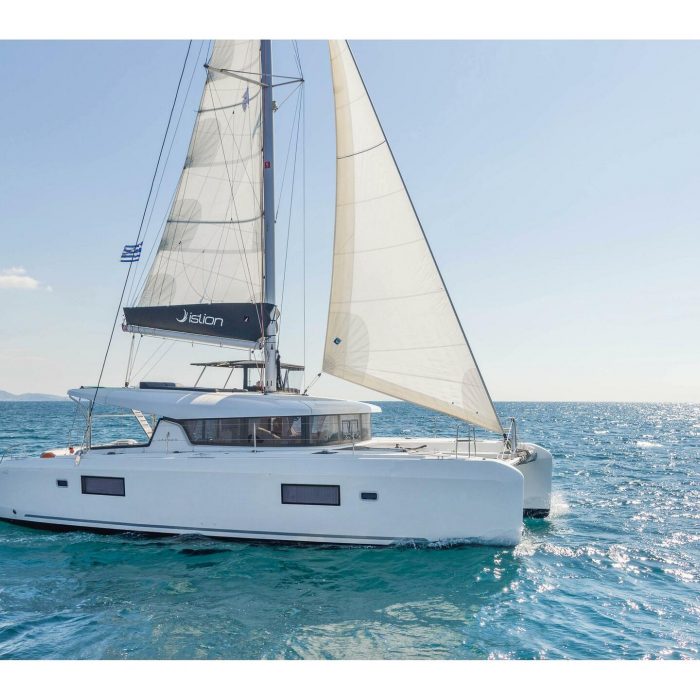
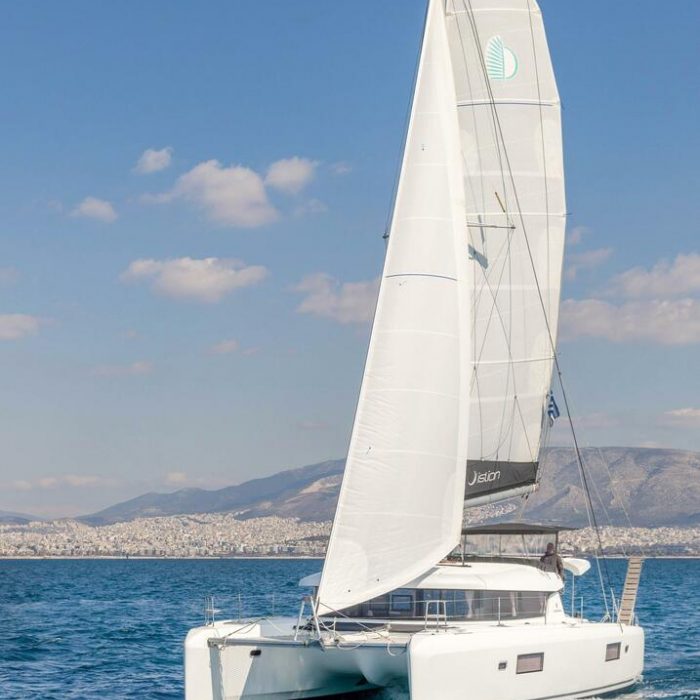
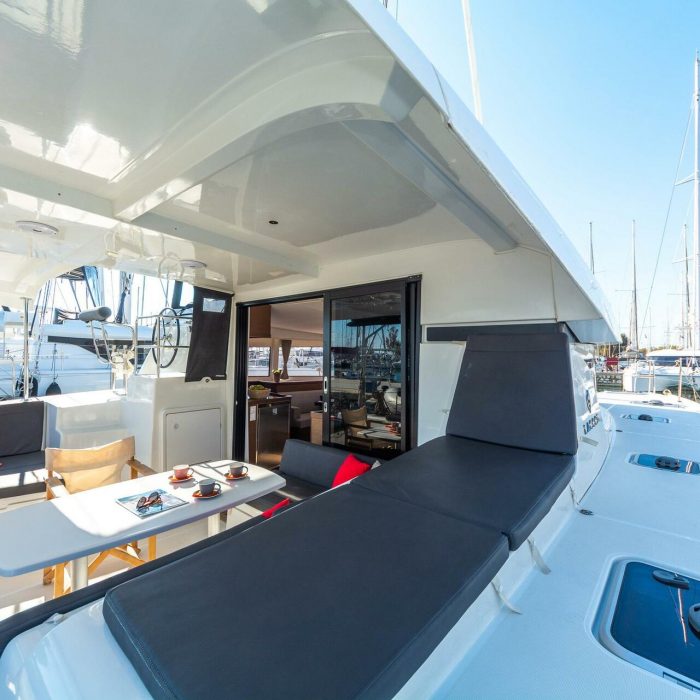
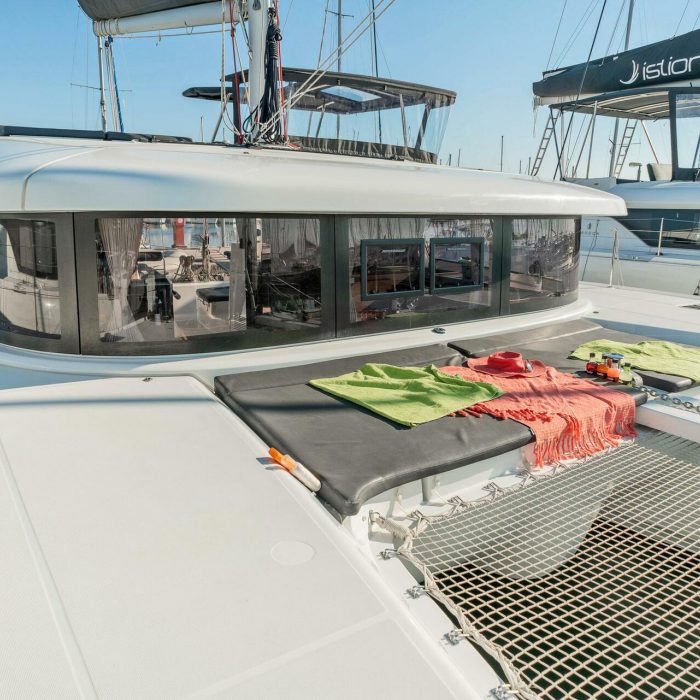
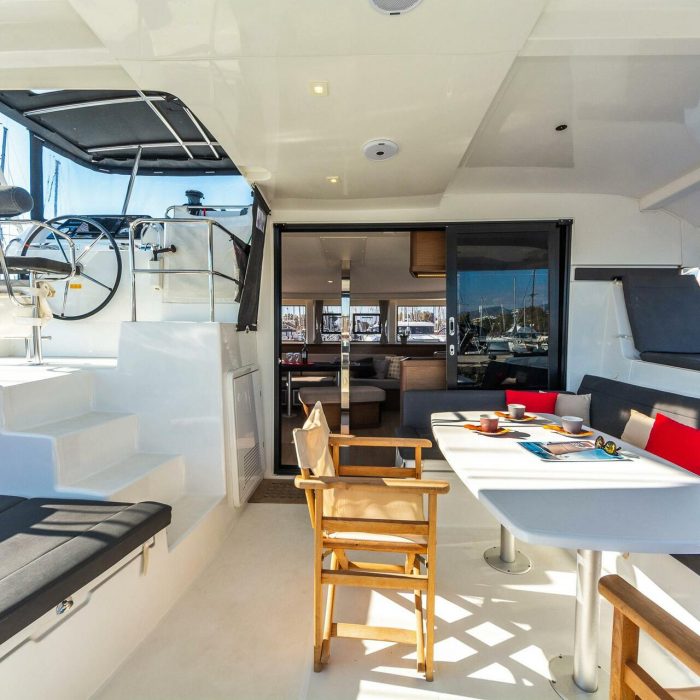
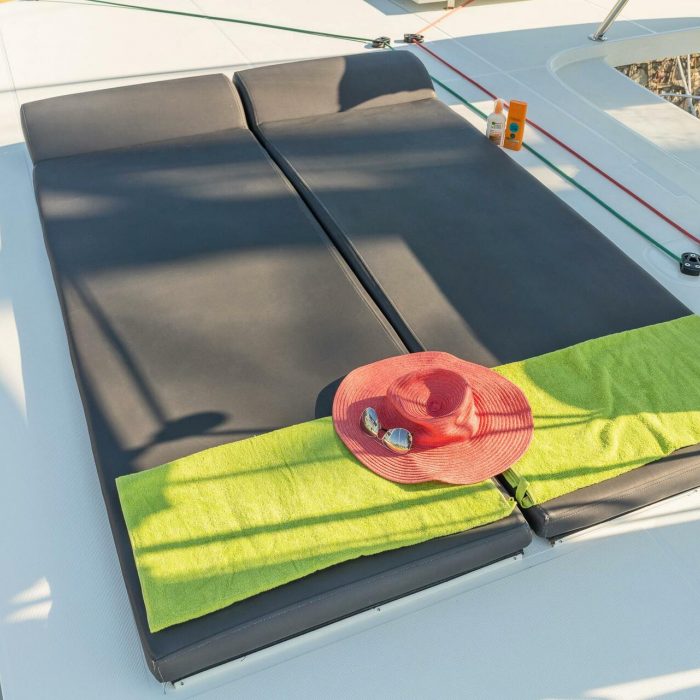
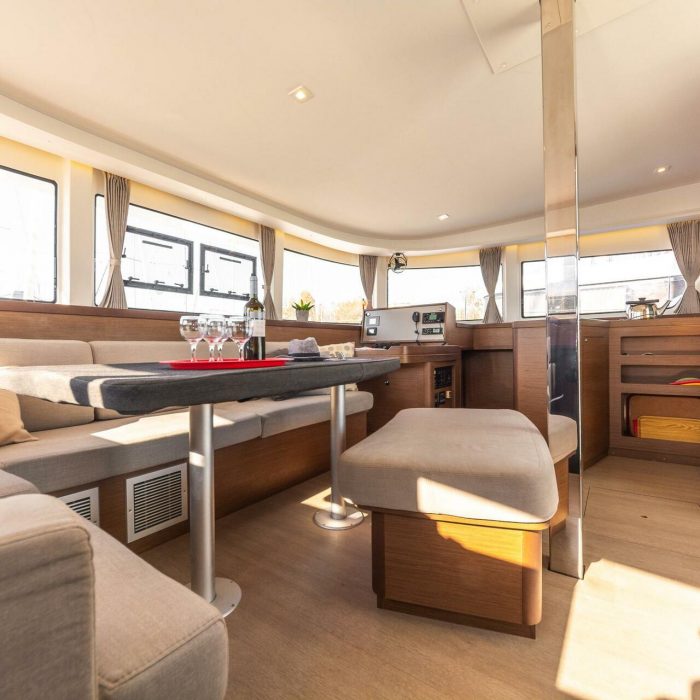
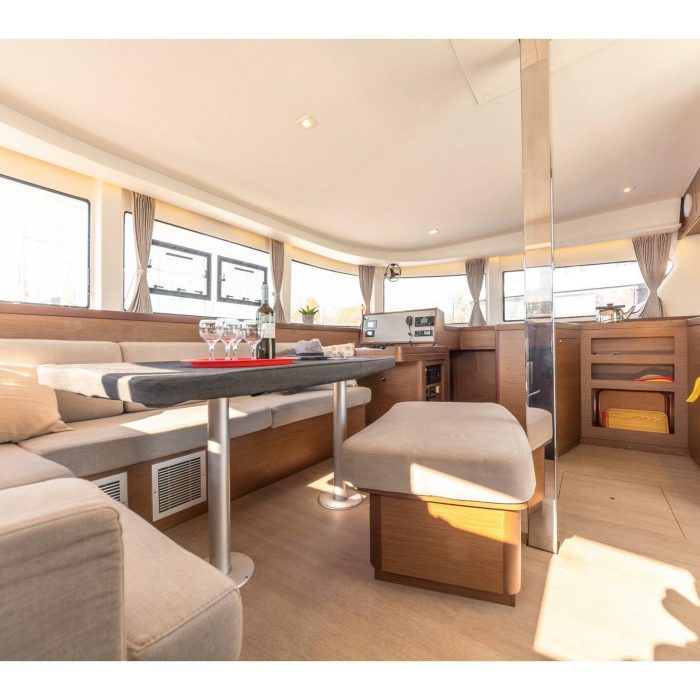
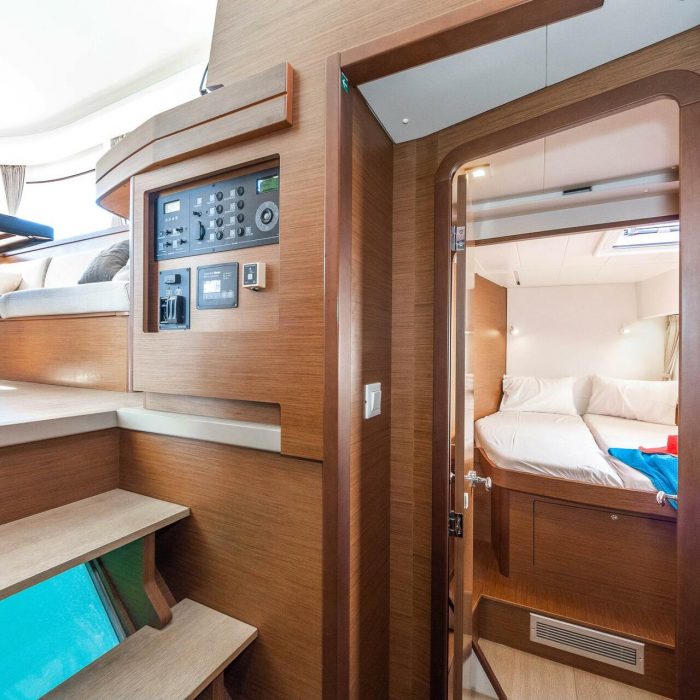
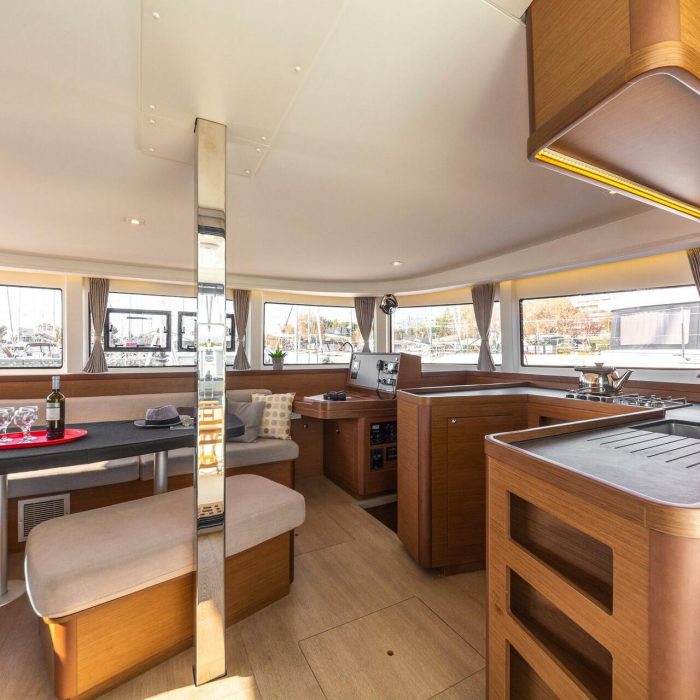
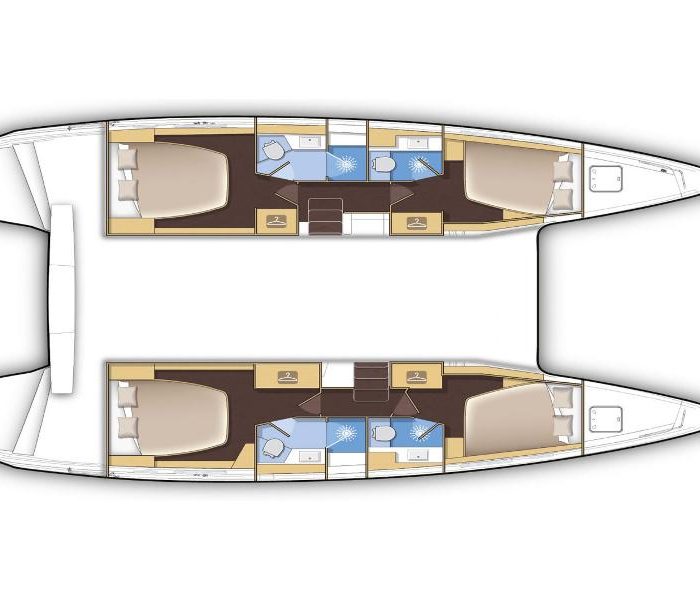
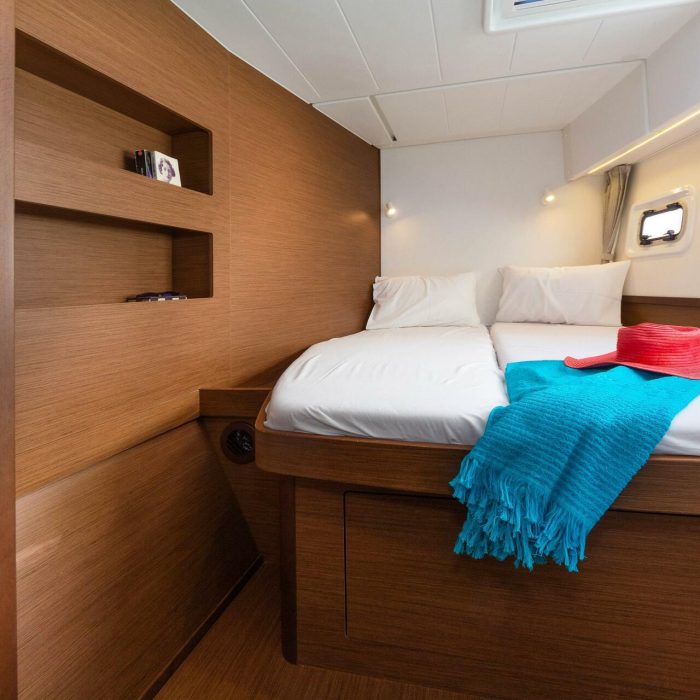
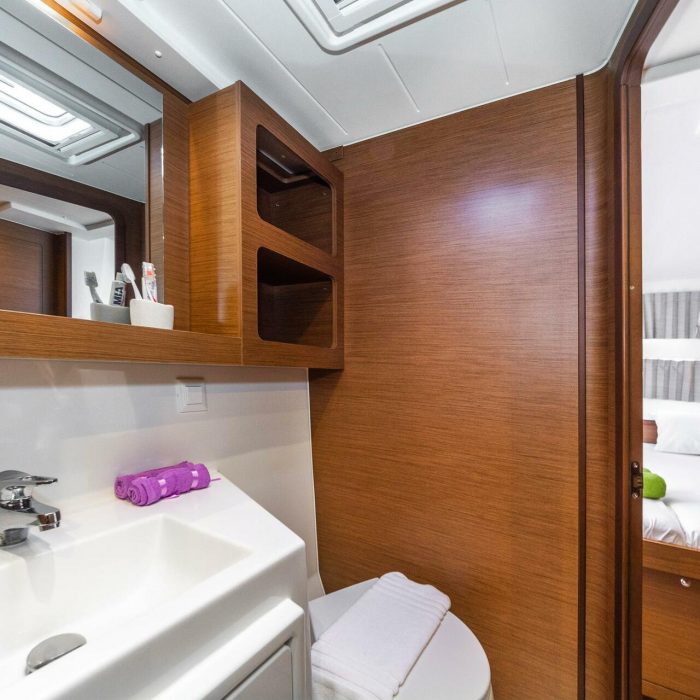
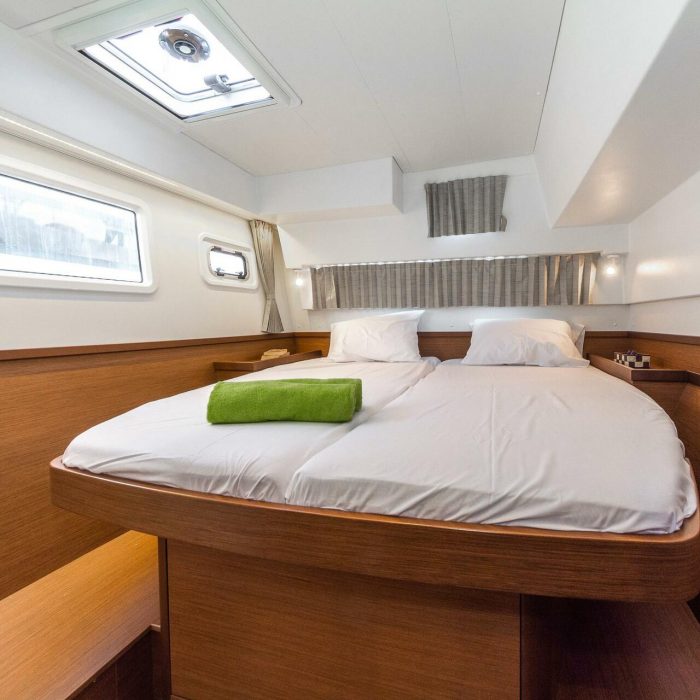
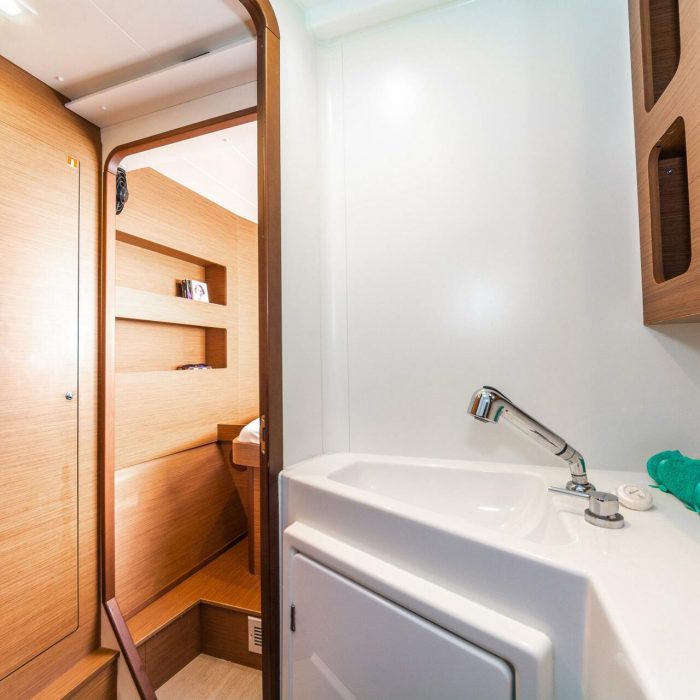
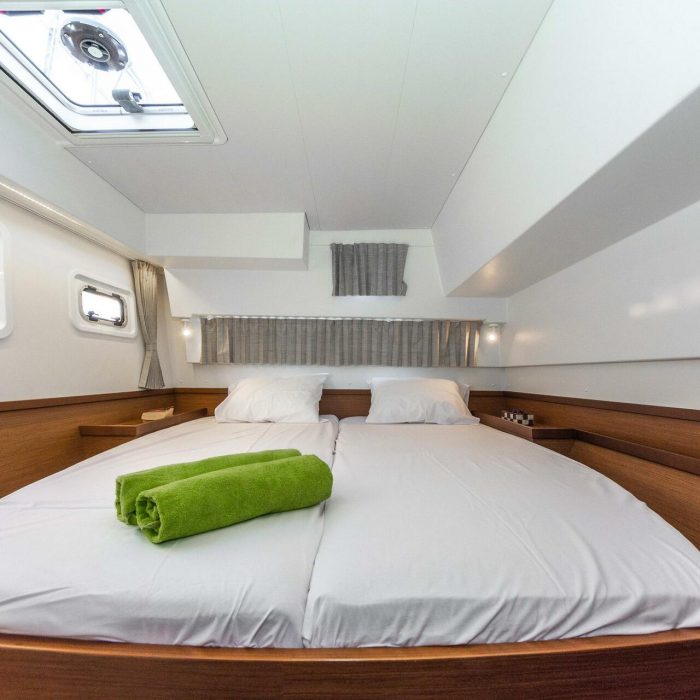
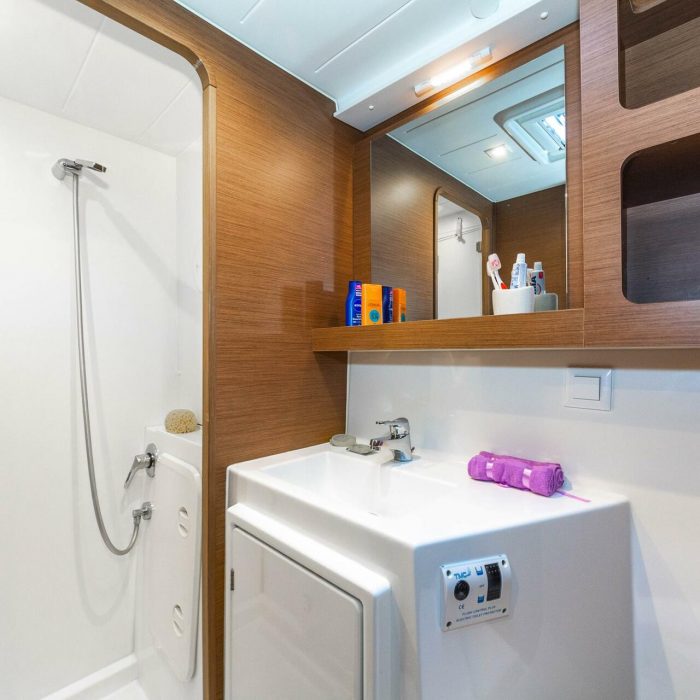
Wind Whisper | Lagoon 42
Istion Yachting
Greece, Cyclades, Paros, Paros port
Year: 2020
Length: 42 Ft
Cabins: 6
Guests: 10
4500 €
4500 €
- 10% 4,050€
+ mandatory costs - 790 €
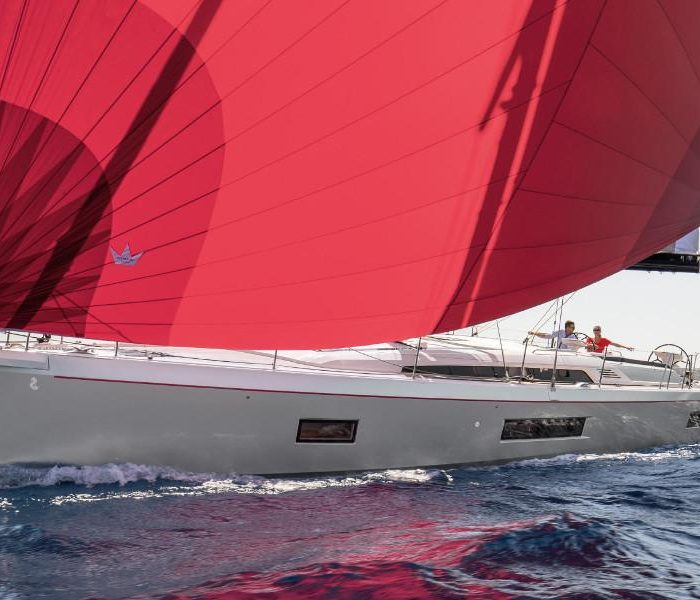
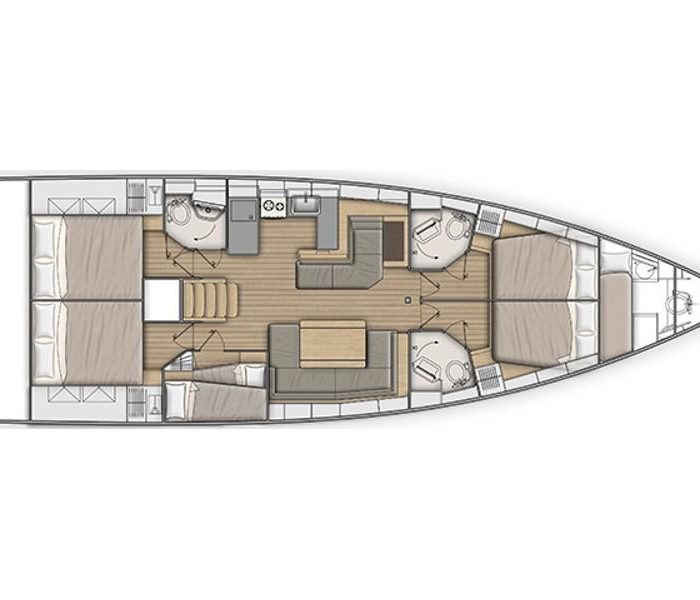
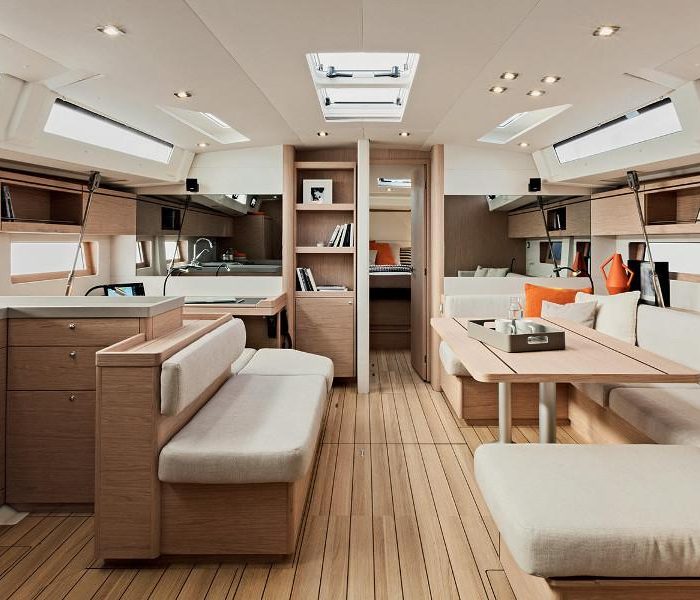
Elise | Oceanis 51.1
JF Yachts P.C.
Greece, Cyclades, Paros, Paros port
Year: 2020
Length: 52 Ft
Cabins: 6
Guests: 12
4900 €
4900 €
- 14% 4,190€
+ mandatory costs - 350 €
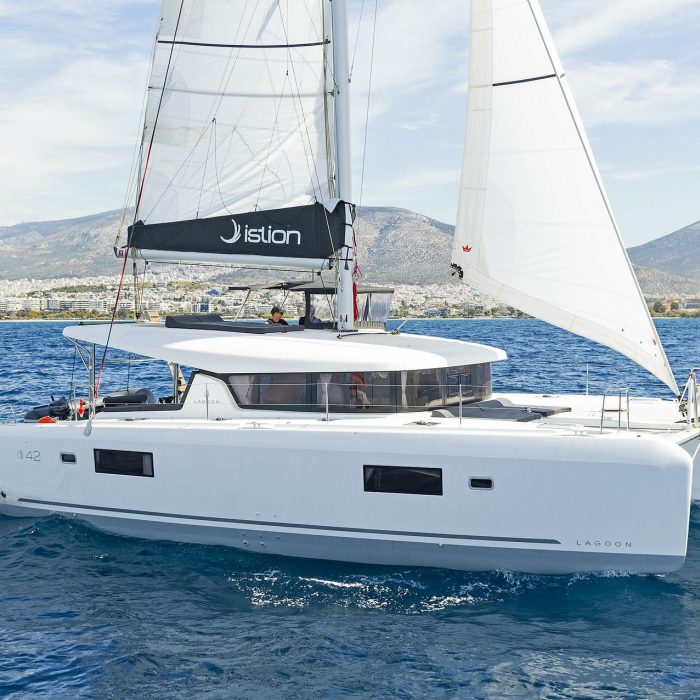
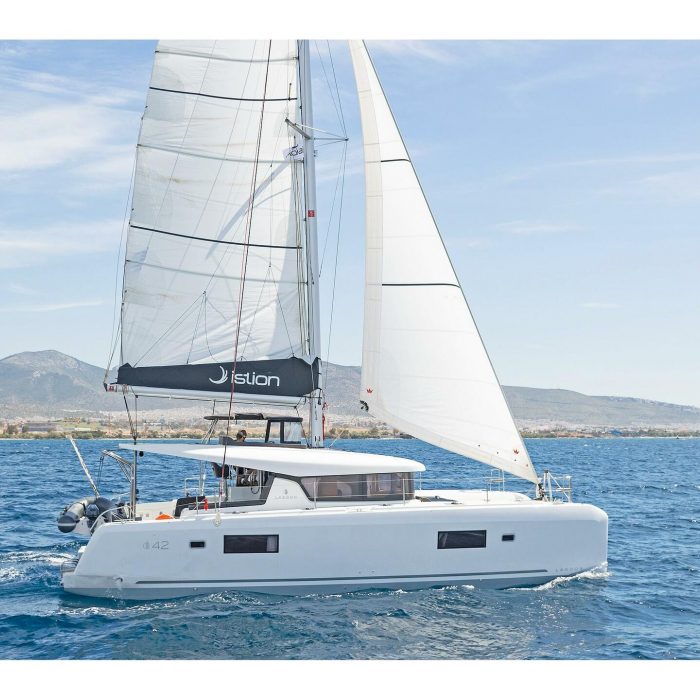
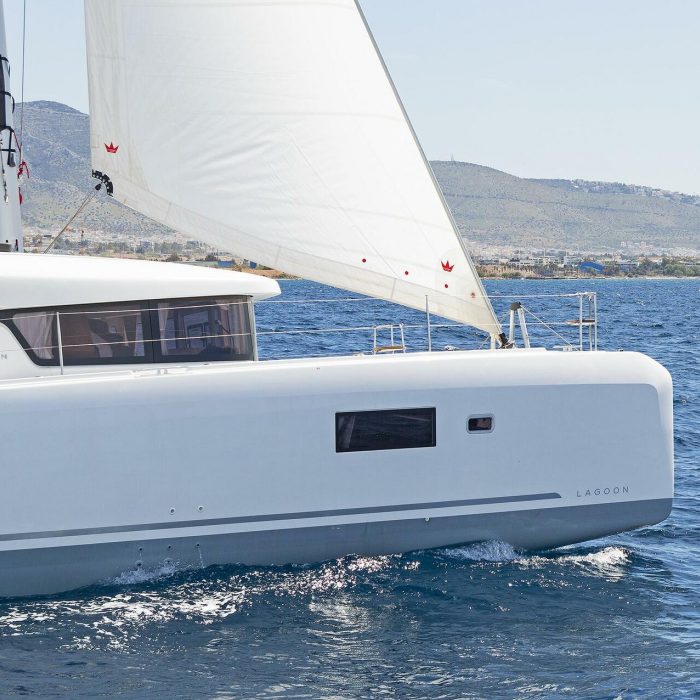
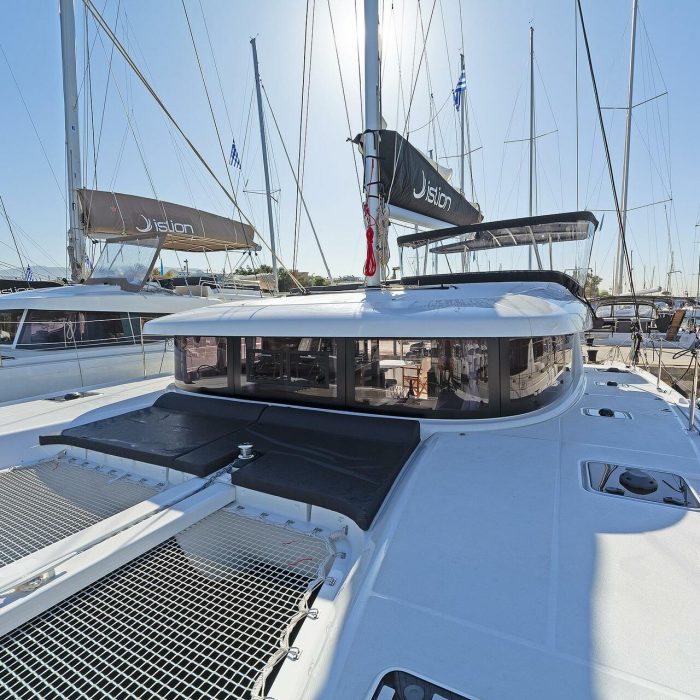
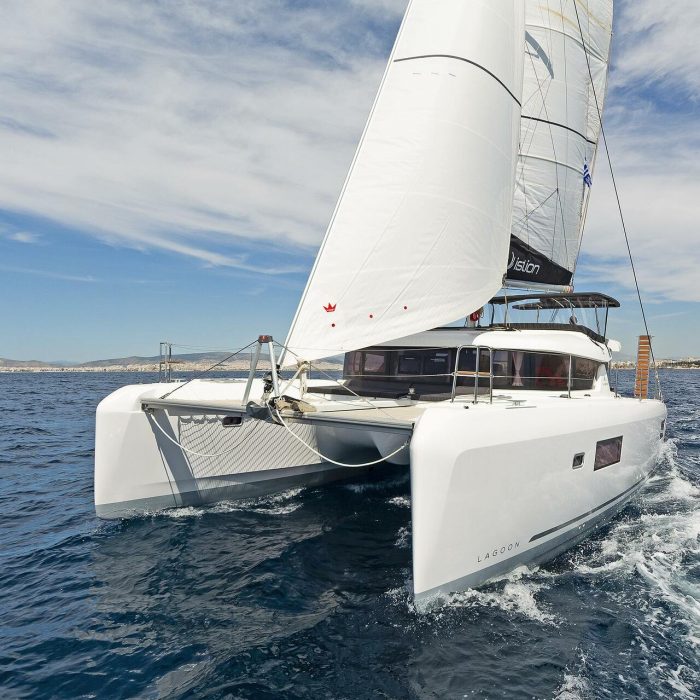
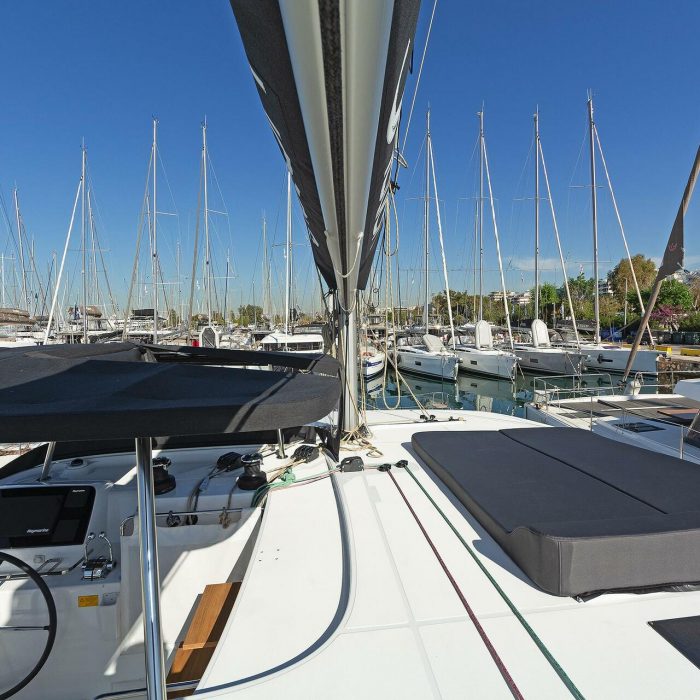
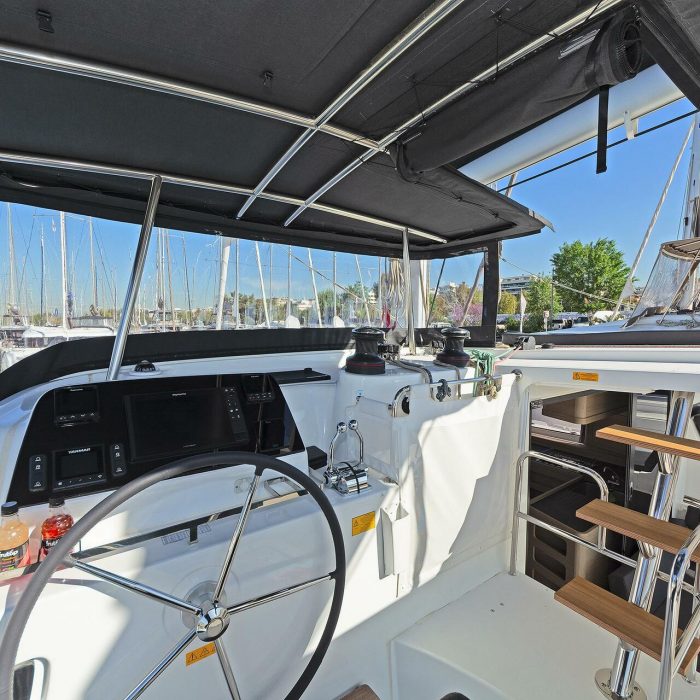
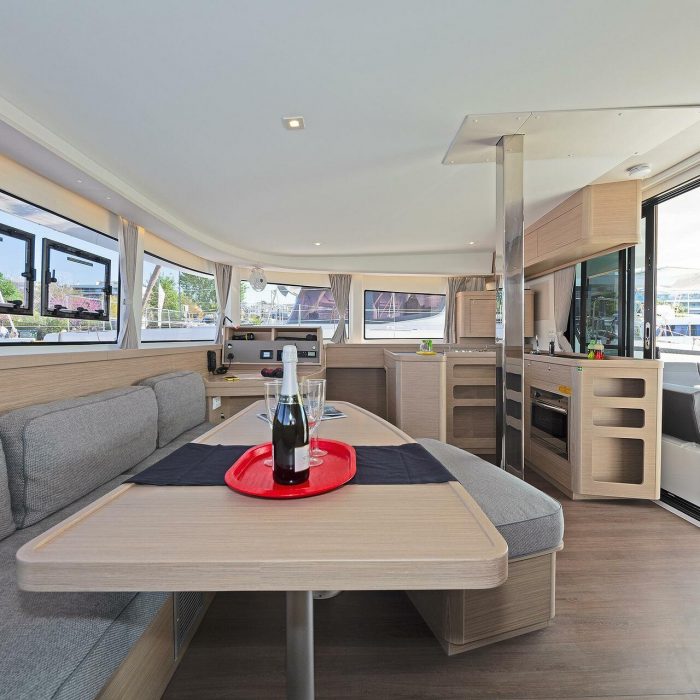
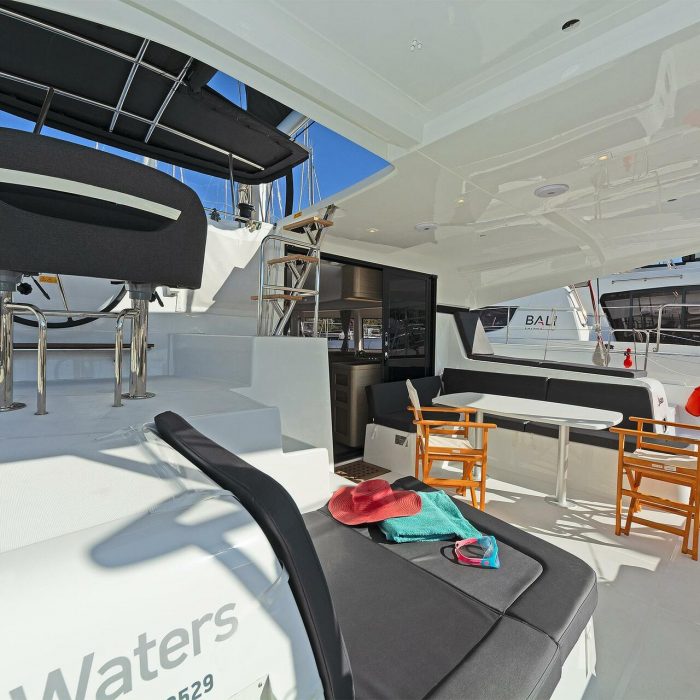
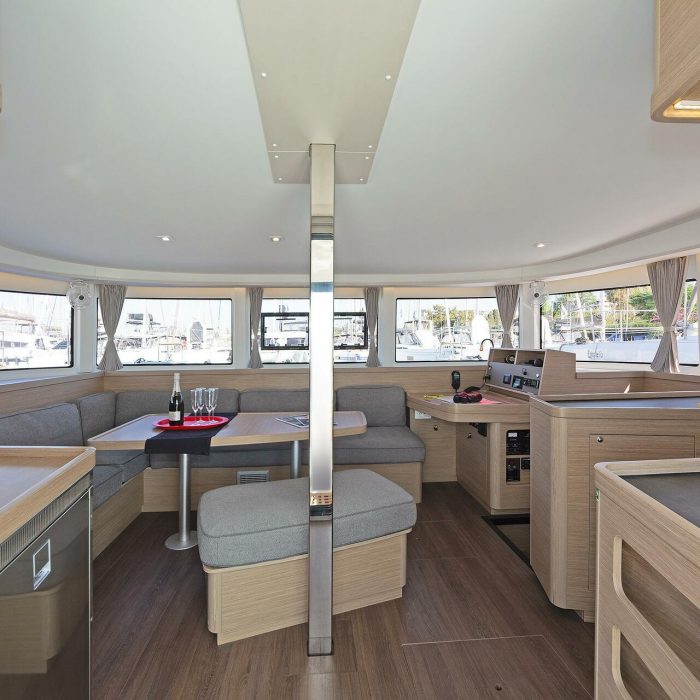
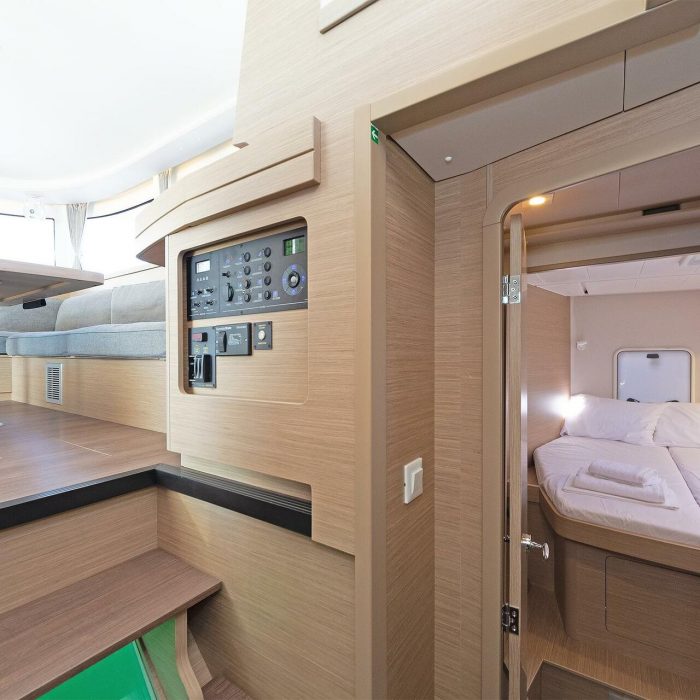
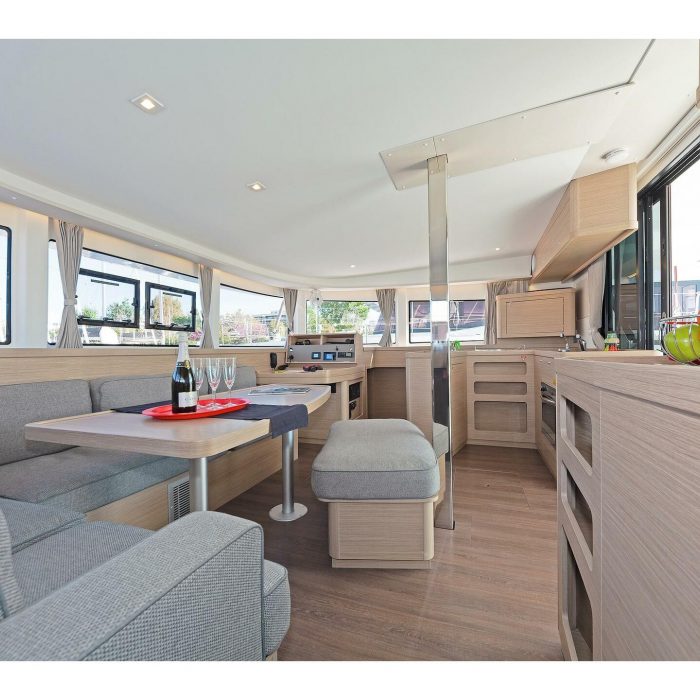
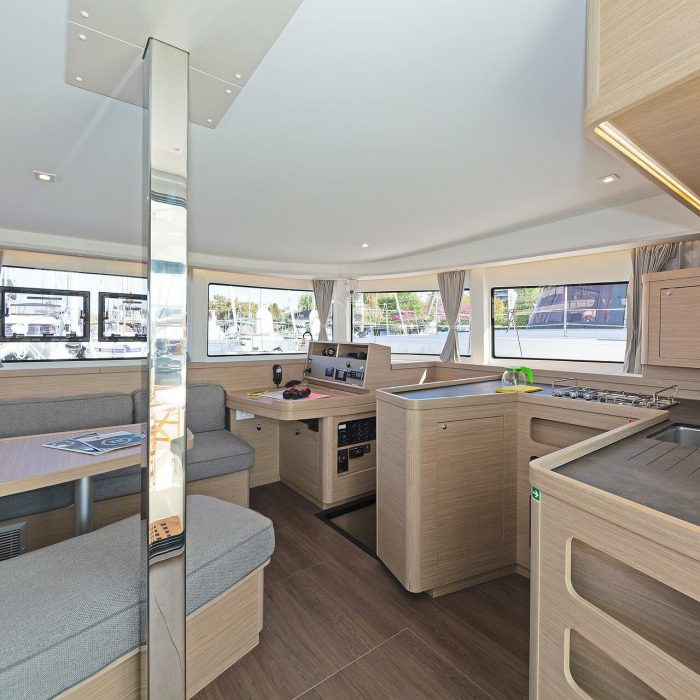
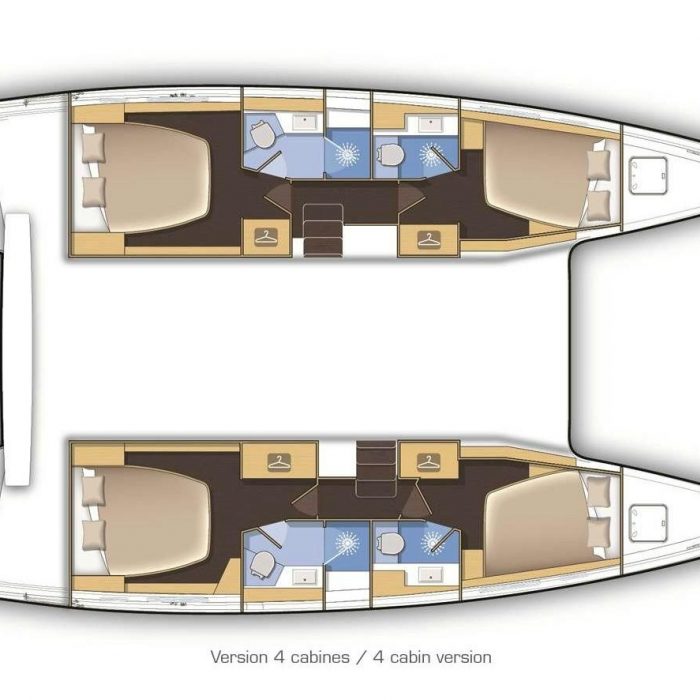
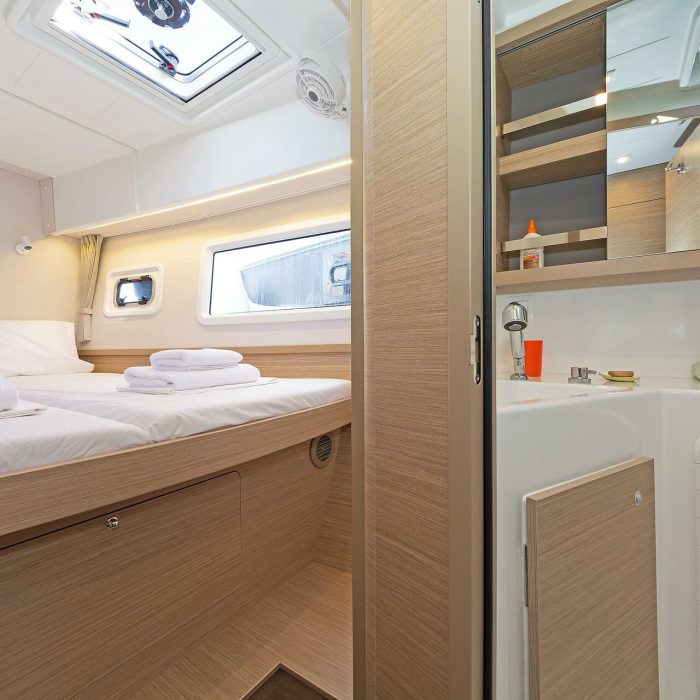
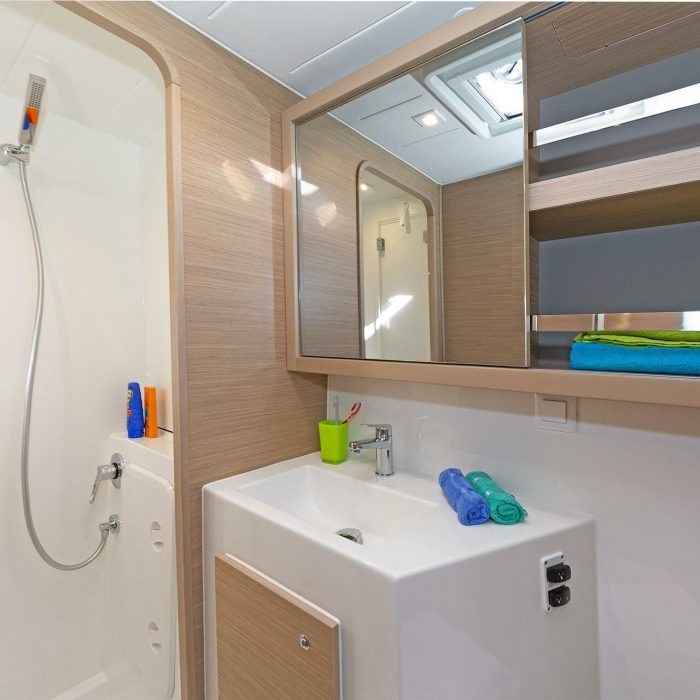
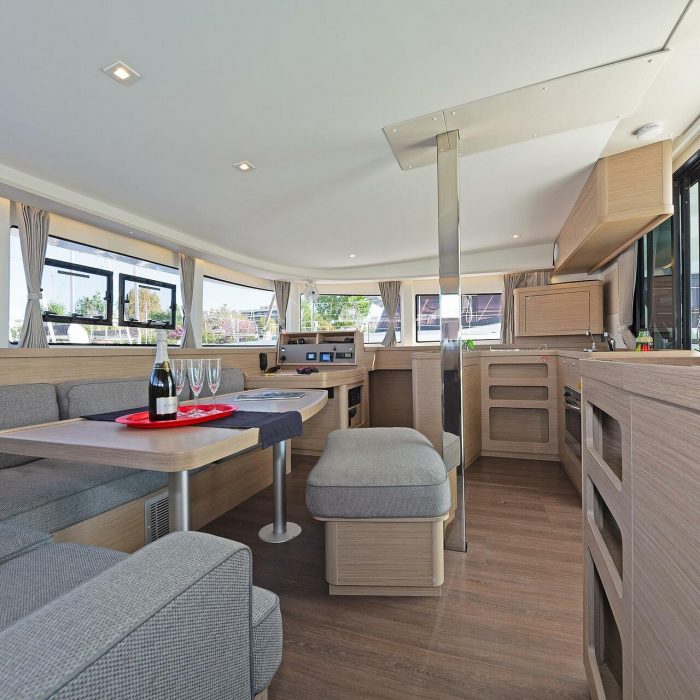
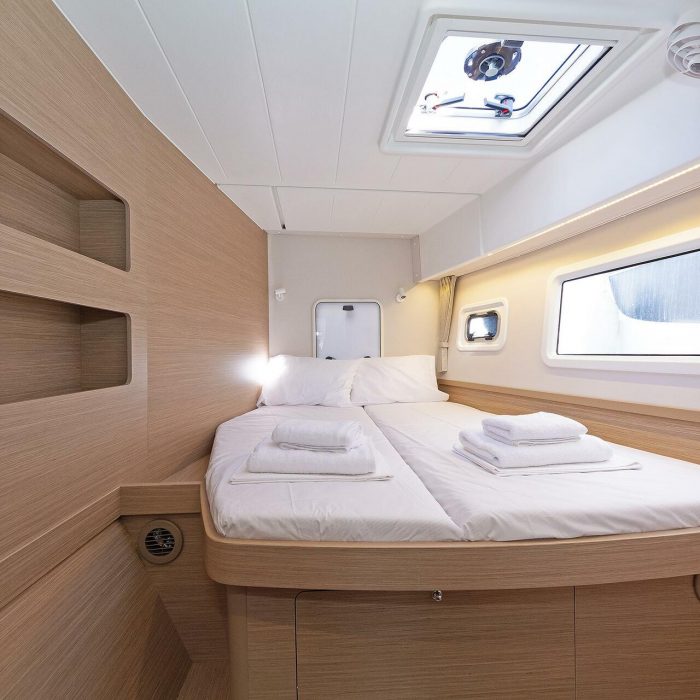
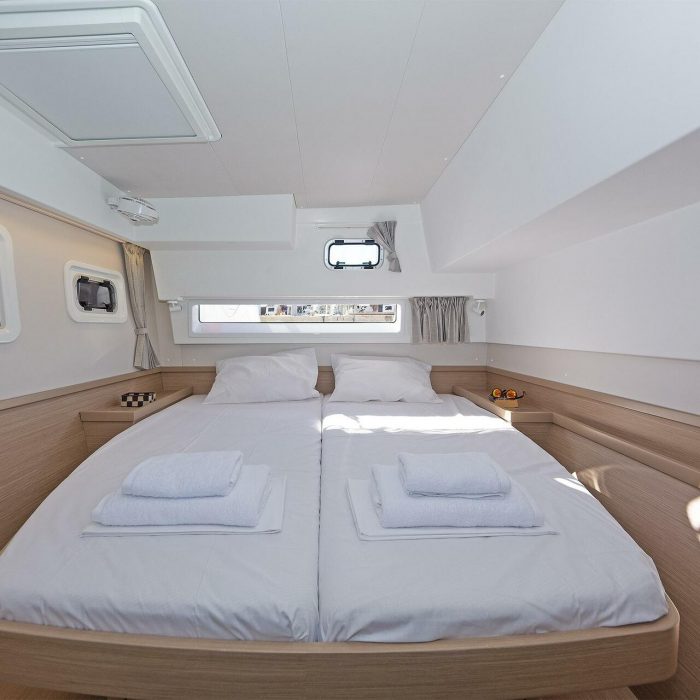
Eternity (ONLY SKIPPERED) | Lagoon 42
Istion Yachting
Greece, Cyclades, Paros, Paros port
Year: 2023
Length: 42 Ft
Cabins: 6
Guests: 10
4950 €
4950 €
- 10% 4,455€
+ mandatory costs - 2195 €
You'll find popular yacht charter brands in Paros, Paroikia port, Milos, Mykonos, Lavrion, Lavrion Main Port, Olympic Marina, Santorini - Vlichada, Vlichada port, Lavrion Marina, Piso Livadi Port, Santorini, Santorini Port, Ios, Port of Ios, Naousa Marina, Antiparos, Milos, Cyclades, such as: Jeanneau, Lagoon, Fountaine Pajot, Bali Catamarans, Beneteau, Excess Catamarans, Dufour Yachts, Alfa Yachts, Bavaria Yachtbau.
Save to selection

Anastasia
Personal Assistant
Renting a sailboat in Paros, Greece, provides an extraordinary opportunity to explore the stunning Cyclades archipelago and its myriad of beautiful islands. As you sail through the azure waters of the Aegean Sea, you'll uncover hidden beaches, idyllic fishing villages, and ancient ruins that embody Greece's rich history. Choosing a sailboat rental in Paros allows you to embark on an unforgettable journey, creating cherished memories amid breathtaking island landscapes.
The winds of Paros
Bora (NE)
The Bora, or northeastern winds, of Paros, Greece, are an influential force on the island's weather and sailing conditions. These powerful winds, locally known as "Meltemi," sweep across the Aegean Sea during the summer months, providing a refreshing respite from the heat and attracting windsurfers and kitesurfers from around the world. Though the Bora winds can be challenging for novice sailors, they offer thrilling opportunities for seasoned mariners to enjoy exhilarating sailing experiences in the beautiful waters surrounding Paros.
Tramontana (N to NW)
Tramontana winds, originating from the north to northwest, can occasionally impact the weather and sailing conditions in Paros, Greece, and the surrounding Aegean Sea. These cold, dry, and gusty winds descend from the mountains and can lead to sudden changes in sea conditions. While not as prevalent as the Meltemi winds in this region, Tramontana winds can still pose challenges for sailors, requiring them to remain vigilant and adaptable when navigating the waters of Paros. Monitoring weather forecasts and understanding local wind patterns are essential for ensuring a safe and enjoyable sailing experience.
Jugo (SE)
The Jugo winds, also known as Sirocco winds, are warm and humid southeastern winds that occasionally affect Paros, Greece, and the surrounding Aegean Sea. These winds originate from the Sahara Desert and carry fine sand and dust particles across the Mediterranean region. While the Jugo winds are less common in Paros compared to the Meltemi, they can still create unique sailing conditions with their warmth and humidity. Sailors should stay vigilant and be prepared to adapt their navigation strategies when encountering Jugo winds in this stunning part of Greece.
Mistral (NW)
The Mistral winds, though more commonly associated with the western Mediterranean region, can also influence the weather and sailing conditions around Paros, Greece. Originating from the northwest, these cool and dry winds are typically experienced during the transition from winter to spring. While not as prominent as the Meltemi winds in the Aegean Sea, the Mistral winds can still create challenging sailing conditions for mariners. Sailors should stay aware of weather forecasts and adjust their plans accordingly when venturing out into the waters surrounding Paros.
Planning, Regions & Weather
Do I need a sailing license to charter a yacht in Greece?
For bareboat charters you normally need a recognized skipper qualification (for example ICC, RYA practical certificates, ASA equivalents — depending on the operator) plus a second competent adult crew member. For skippered or crewed charters, no sailing license is required.
Which Greek region is best for first-time charter guests?
The Ionian (Corfu, Lefkada, Kefalonia) and many Saronic routes are usually the most forgiving: shorter legs, more shelter, and predictable afternoon breezes compared with peak-season Cyclades.
Is the Cyclades a good idea for beginners in July or August?
It can be demanding: the Meltemi can blow strongly and sea state builds. Beginners often prefer shoulder season, shorter daily distances, or hiring a skipper.
What are Meltemi, Maistros, and Sirocco in plain English?
Meltemi: dry northerly wind in the Aegean, strongest mid-summer. Maistros: common NW pattern in the Ionian, often a manageable afternoon breeze. Sirocco: warm southerly flow that can bring haze and more unstable conditions.
When is the best time to charter in Greece?
Most bases run April–October. For balance of weather, availability, and crowds: May–June and September–October. Peak heat and busiest marinas: July–August.
How long is a typical charter week?
Many sailing charters are Saturday-to-Saturday (7 nights) in high season. Shoulder season sometimes allows more flexibility depending on operator and yacht.
What is included in the charter price?
Usually the yacht hire for the period. Commonly not included: fuel, mooring/berth fees, tourist taxes where applicable, optional skipper/hostess, transfers, and sometimes mandatory packs (cleaning/outboard) shown separately on SEARADAR when the operator provides them.
What are mandatory costs on listings?
Fees many operators charge at base check-in (for example final cleaning, charter pack, outboard). SEARADAR displays them when provided so you can compare true trip cost, not only the headline weekly rate.
Do I need travel insurance for a yacht charter?
Strongly recommended: cover cancellation, medical, and personal effects. SEARADAR also offers Free Deposit Pack (FDP) to reduce deposit exposure — read the current product terms on the website.
Can I pay in instalments or defer payment?
You can indicate a request in your order comments; SEARADAR may arrange deferred payment where possible. Availability depends on the yacht, operator rules, and timing.
What is Free Deposit Pack (FDP)?
A SEARADAR product that can replace a large security deposit with an upfront percentage (commonly 20%, higher if booked close to departure). It is non-refundable — always read the live conditions before purchase.
How far in advance should I book Greece?
Popular weeks (July–August) fill early. Booking 3–6 months ahead improves choice. Last-minute deals exist but inventory shrinks quickly.
Which airport should I fly to for Athens charters?
Athens International (ATH) is the main hub for Saronic and many Cyclades starts (Alimos/Lavrion).
Which airport for Corfu or Lefkada?
Corfu (CFU) for Corfu bases. For Lefkada, many crews use Preveza/Aktion (PVK).
Catamaran vs monohull in Greece — what should I pick?
Catamaran: space, stability, great for families/groups; marina fees can be higher. Monohull: often lower weekly rate, classic sailing feel, tighter living space.
Is a skipper worth it if I have a license but little experience?
Often yes: local knowledge, mooring in busy Greek harbors, and weather routing save stress — especially in the Cyclades in summer.
Why does SEARADAR show both discount price and crossed-out base price?
The crossed-out number is typically the operator reference/base weekly rate; the lower number is the promotional price when an offer applies. Always confirm mandatory extras before the final decision.
Can I filter for bareboat-only or crewed-only yachts?
Yes — use charter type filters on the Greece search. If you are unsure, message the team: mixed groups often end up with skippered catamarans.
Logistics, Safety & Practicalities
What documents do I bring to check-in?
Passports/IDs for crew, sailing certificates for bareboat, crew list as required, and charter voucher. Keep original certificates if the base requests them.
Can two families share one yacht?
Yes if the yacht guest capacity and cabin layout fit. Confirm berths, heads/WC count, and privacy needs before booking.
Are Greek marinas expensive?
Compared with many Western Med destinations, Greece is often reasonable, but high season and catamarans can attract surcharges. Budget mooring nights + occasional municipal quays where allowed.
What about provisioning (food and drinks)?
Supermarkets near bases, delivery where available, or tavernas ashore. In hot months plan water and ice; heavy provisioning early avoids heat and crowds.
Is tap water safe on board?
It varies by marina and tank hygiene. Many crews use bottled water for drinking.
What is a realistic daily sailing distance?
A relaxed plan is often 15–25 NM per day; experienced crews may do more. Summer afternoons can be windy — aim to arrive earlier.
Can I sail one-way between bases?
Sometimes one-way offers exist (season/operator dependent). Expect repositioning fees unless a promotion covers it.
What happens if the yacht breaks down?
Contact the operator or SEARADAR immediately. Procedures vary: technician visit, repair, or replacement depending on severity and your charter contract.
Do I need a VHF license?
Requirements depend on flag state and equipment. Regardless, learn basic VHF etiquette and channel 16 emergency calling.
Are children allowed on charter?
Yes. Bring correctly sized life jackets, sun protection, and plan shorter legs. A skipper is a major stress reducer for families.
Pets on board?
Operator-dependent. Ask before booking; expect extra cleaning fees if pets are allowed.
What clothes should I pack?
Quick-dry layers, non-slip deck shoes, light waterproof, sun hat, and a fleece for cooler nights. Yacht club formal is not required.
Is Greece in Schengen? Do I need a visa?
Greece is in the Schengen Area. Visa rules depend on your nationality — verify with official government sources before travel.
Can I charter for a corporate event or celebration?
Yes — larger catamarans and crewed yachts are popular. Book early for peak weeks; clarify catering, music limits in harbors, and group transfers.
How do I choose between Athens, Kos, and Volos bases?
Athens (Alimos/Lavrion): culture + Saronic/Cyclades access. Kos/Rhodes: Dodecanese loops. Volos/Skiathos: greener Sporades cruising.
Why compare on SEARADAR instead of booking direct?
You get a single marketplace view across many operators, transparent mandatory costs when available, promotional pricing, and fast human support to shortlist.
What is APA on luxury crewed yachts?
APA (Advance Provisioning Allowance) is a running-cost budget on many superyacht charters (fuel, food, berthing). It is not typical for standard bareboat listings.
Do I need a sailing resume or logbook?
Some operators request a sailing CV for bareboat. Be honest about experience — if in doubt, add a skipper for the first days or the full week.
Night sailing — is it allowed on charter?
Many charter contracts discourage or prohibit night passages unless explicitly agreed. Plan daylight arrivals, especially in unfamiliar harbors.
Free Deposit Pack
With FDP (Free Deposit Pack), you have the chance to avoid a full security deposit and lock in your funds. Just pay 20% upfront (non-refundable), and experience a hassle-free journey. * The price of the FDP rises to 25% if booked less than 30 days before the charter.