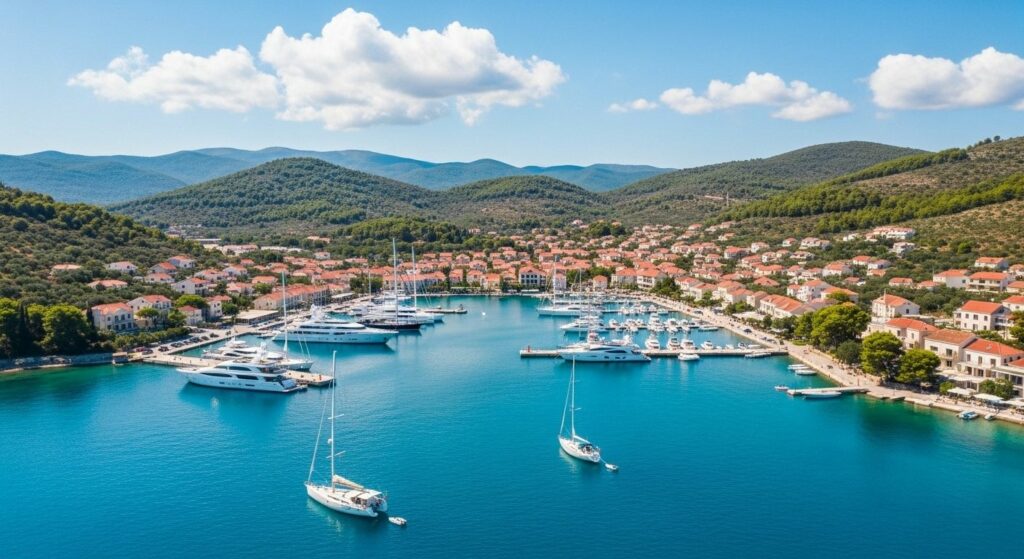
Blue whale watching is a once-in-a-lifetime experience that combines the thrill of sailing with the awe of encountering the largest animal on Earth. For sailing enthusiasts and yacht captains, few adventures rival the exhilaration of spotting a blue whale from the deck of your own vessel. At SEARADAR, we make these extraordinary moments accessible, safe, and unforgettable — wherever your nautical dreams take you.
Sailing in Blue Whale Watching Destinations
Blue whales roam nearly every ocean, but certain regions stand out for their consistent sightings and well-developed whale watching infrastructure. Among the world’s top blue whale watching destinations are:
- Dana Point, California: Renowned for its innovative underwater glass viewing pods, Dana Point offers immersive encounters with blue whales, especially from late spring to early fall.
- Azores, Portugal: This mid-Atlantic archipelago is a hotspot for blue whale watching, with sightings peaking in April and May as whales migrate north.
- Sri Lanka: The waters off Mirissa and Trincomalee are famous for blue whale sightings, particularly from November to April.
- Iceland: Husavik and the northern coast offer summer sightings, with blue whales often seen alongside humpbacks and minkes.
- Gulf of St. Lawrence, Canada: A prime summer feeding ground for blue whales, with tours operating from June to September.
With our global yacht charter coverage — including the Mediterranean, Caribbean, and beyond — you can plan your blue whale watching adventure in any of these spectacular locations. Explore our top yacht options for your next journey: SEARADAR Top Yachts.
Who Is Blue Whale Watching Ideal For?
Blue whale watching is perfect for:
- Sailing enthusiasts seeking a blend of adventure and wildlife.
- Families looking for educational and awe-inspiring experiences.
- Nature photographers and marine biologists eager for rare encounters.
- Travelers passionate about conservation and responsible tourism.
Whether you’re an experienced skipper or a first-time charter guest, blue whale watching offers a profound connection with nature that appeals to all ages and backgrounds.
Seasons & Weather in Blue Whale Watching Destinations
Timing is crucial for successful blue whale watching. Here’s what you need to know:
- California: Peak season is May to September, with calm seas and mild weather.
- Azores: Blue whales migrate through in April and May; expect variable Atlantic weather.
- Sri Lanka: November to April offers the best conditions, with calm seas and sunny skies.
- Iceland: June to August is prime time, with long daylight hours and cool temperatures.
- Canada: June to September, with mild summer weather and rich feeding grounds.
Always check local forecasts and consult with our team for up-to-date advice on the best sailing windows.
Top Marinas in Blue Whale Watching Regions
Choosing the right marina enhances your whale watching experience:
- Dana Point Harbor (California): Full-service marina with easy access to whale watching routes.
- Marina de Ponta Delgada (Azores): Gateway to the central Atlantic’s best whale watching.
- Mirissa Harbour (Sri Lanka): Launch point for blue whale tours and private charters.
- Húsavík Harbor (Iceland): Known as Europe’s whale watching capital.
- Port of Sept-Îles (Canada): Ideal for exploring the Gulf of St. Lawrence.
Our booking platform helps you select marinas that match your itinerary and vessel requirements.
Getting to Blue Whale Watching Destinations
Most blue whale watching hotspots are accessible via major international airports and well-connected road networks:
- California: Fly into Los Angeles or San Diego, then drive to Dana Point.
- Azores: Direct flights from Europe to Ponta Delgada.
- Sri Lanka: Colombo International Airport, followed by a scenic drive to Mirissa.
- Iceland: Keflavik International Airport, then a drive to Húsavík.
- Canada: Montreal or Quebec City airports, then regional flights or drives to the Gulf of St. Lawrence.
We can assist with ground transfers, provisioning, and local logistics for a seamless journey.
What to Do in Blue Whale Watching Destinations
Beyond blue whale watching, these regions offer rich cultural, historical, and recreational experiences:
- California: Explore the historic Mission San Juan Capistrano or enjoy local surf beaches.
- Azores: Hike volcanic landscapes, visit geothermal springs, and sample local cheeses.
- Sri Lanka: Tour ancient temples, tea plantations, and wildlife reserves.
- Iceland: Bathe in geothermal lagoons, visit waterfalls, and discover Viking history.
- Canada: Explore indigenous culture, coastal trails, and charming seaside towns.
Combine your whale watching adventure with onshore exploration for a truly memorable trip.
What to Take With You for Sailing in Blue Whale Watching Destinations
Preparation is key for comfort and safety:
- Binoculars and cameras with telephoto lenses for wildlife spotting.
- Layered clothing for changing weather conditions.
- Sunscreen, hats, and sunglasses for sun protection.
- Motion sickness remedies if you’re prone to seasickness.
- Reusable water bottles and eco-friendly snacks.
- Field guides or whale identification apps for educational enrichment.
We offer provisioning services and can help you customize your packing list based on your destination.
Culture & Flavors of Blue Whale Watching Destinations
Each region offers unique culinary and cultural delights:
- California: Savor fresh seafood, local wines, and vibrant coastal cuisine.
- Azores: Enjoy seafood stews, local cheeses, and sweet pastries.
- Sri Lanka: Experience spicy curries, tropical fruits, and aromatic teas.
- Iceland: Try fresh fish, hearty soups, and artisan breads.
- Canada: Relish Atlantic lobster, wild berries, and maple-infused treats.
Immerse yourself in local traditions, festivals, and hospitality for a richer travel experience.
Experience Level Required for Blue Whale Watching Destinations
Most blue whale watching destinations are accessible to sailors of all experience levels, though open ocean passages may require advanced skills:
- California & Azores: Suitable for intermediate to advanced sailors due to ocean swells and currents.
- Sri Lanka & Iceland: Charter with a local skipper recommended for less experienced crews.
- Canada: Coastal cruising is manageable for most, but local knowledge is invaluable.
Our concierge team can match you with the right yacht and crew for your skill level, ensuring a safe and enjoyable voyage.
Responsible Blue Whale Watching: Regulations & Best Practices
Blue whales are protected under international and national regulations. To ensure their safety and your enjoyment:
- Maintain a safe distance (typically at least 100 meters/330 feet).
- Reduce speed in whale zones to avoid collisions.
- Avoid sudden course changes or loud noises.
- Never attempt to feed or touch whales.
- Follow local guidelines — for example, the NOAA Whale Watching Guidelines in the US.
For more on responsible whale watching, see the International Whaling Commission’s advice.
Expert Insights & Unique Experiences
- Innovative Technology: Projects like WhaleWatch use real-time data to predict whale locations, helping sailors avoid collisions and maximize sightings.
- Acoustic Encounters: Some tours offer hydrophones so you can listen to blue whale calls — a haunting, unforgettable experience.
- Conservation Impact: By choosing responsible charters, you support research and protection efforts for these endangered giants.
FAQ: Blue Whale Watching
Q: When is the best time for blue whale watching? A: Timing varies by region — California (May–September), Azores (April–May), Sri Lanka (November–April), Iceland (June–August), Canada (June–September).
Q: How close can I get to a blue whale? A: Regulations typically require maintaining a distance of at least 100 meters (330 feet) to avoid disturbing the whales.
Q: Is blue whale watching safe for children? A: Yes, with proper supervision and safety measures, blue whale watching is a family-friendly activity.
Q: Do I need special permits? A: Some regions require permits for commercial whale watching, but private yachts must still follow local guidelines.
Q: How can I support blue whale conservation? A: Choose responsible operators, follow guidelines, and consider supporting organizations like the World Wildlife Fund.
Ready to embark on your own blue whale watching adventure? Let us handle the yacht selection, booking, and all the details — so you can focus on the magic of the open sea. Discover your perfect yacht today: SEARADAR Top Yachts.
References & Further Reading:
- NOAA Blue Whale Facts
- International Whaling Commission Whale Watching Guidelines
- Azores Whale Watching Statistics
- WhaleWatch Project